Colorful Gemstone Jewelry Guide 2026: How to Style Colored Stones
Quick Answer: Colored gemstone jewelry is the most direct way to inject personality into an outfit — a single ruby ring says more than five plain gold bands. The key to styling colorful stones is the 60-30-10 color rule: 60% your dominant metal (gold), 30% your statement gem (ruby, turquoise, garnet), 10% accent stones or mixed metals.
At ÉLARAMUSE, 52 of our 128 pieces feature colored gemstones — from deep January garnets to cool December turquoise — all set in sterling silver with 0.5-micron 18K gold plating. The price range ($80-200) means you can build a gemstone wardrobe that changes with your mood, not your budget.
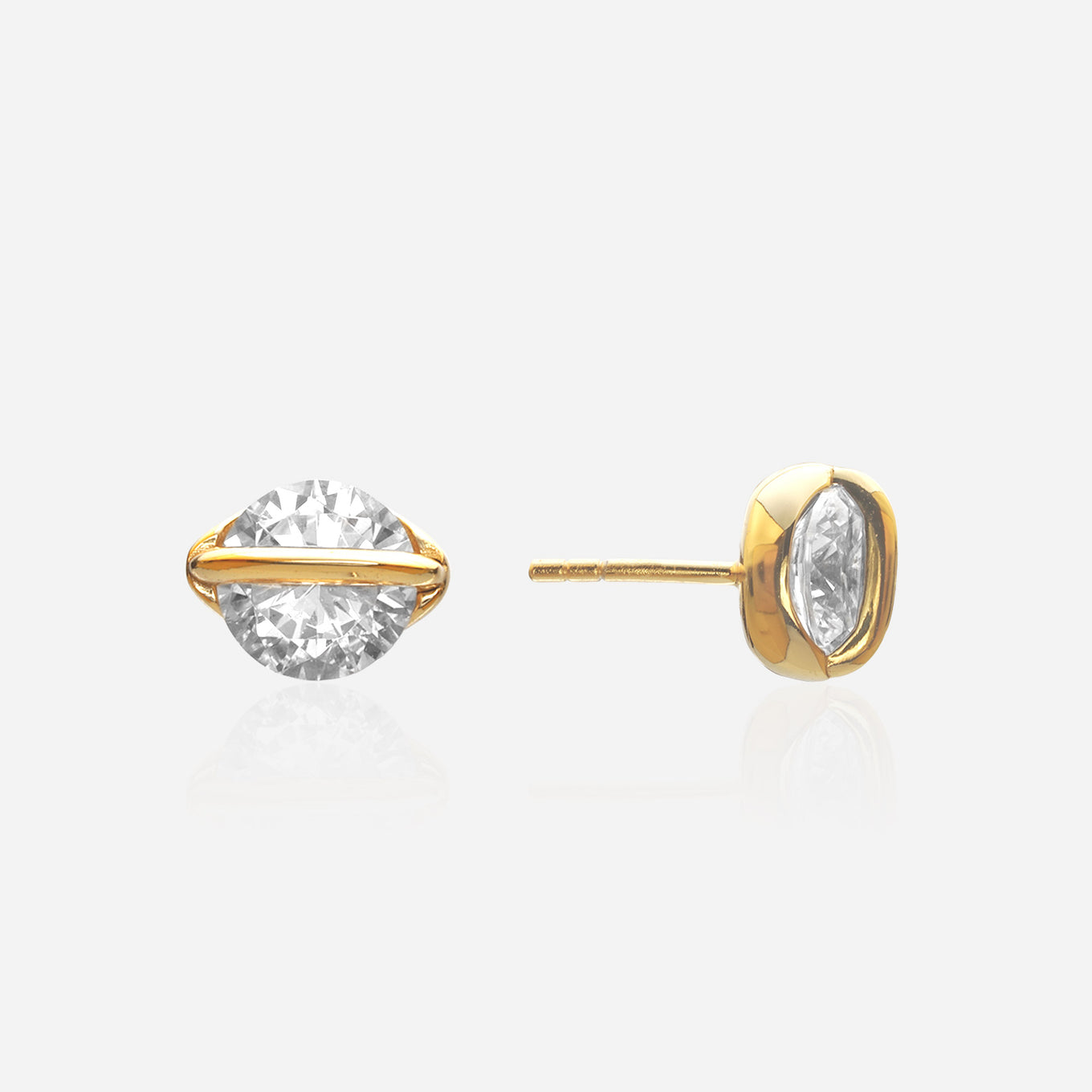
Best entry piece: the Carmen Ruby Ring ($150) — a single lab-created ruby with white lab diamond accents in a timeless solitaire setting. Best color-pop statement: Turquoise Stud Earrings ($120) — the stone that launched a thousand color-blocking tutorials.
- Gemstone Color Theory 101
- Warm Gemstones: Ruby, Garnet, Amber
- Cool Gemstones: Turquoise, Quartz, Zircon
- Neutral Gemstones: Crystal, Agate, Tiger's Eye
- Color-Blocking vs Monochrome: Styling Strategies
- Gemstone Colors by Skin Undertone
- Seasonal Gemstone Palettes
- Caring for Colored Gemstone Jewelry
- Key Terms
- Frequently Asked Questions
- Editor's Picks
Gemstone Color Theory 101
Colored gemstones work on the same principles as paint, fashion, and interior design — complementary colors pop, analogous colors blend, and monochrome creates quiet sophistication. The color wheel applies directly to jewelry: ruby (red) sits opposite emerald (green) for maximum contrast; turquoise (blue-green) pairs harmoniously with sapphire (blue) for tonal depth; and garnet (deep red) against rose quartz (pink) creates a warm monochrome gradient.
The difference in jewelry is that gemstones bring their own optical properties — light refraction, inclusions, facet patterns — that add dimension beyond flat color theory. A ruby isn't just red; it's red with fire. Turquoise isn't just blue; it's blue with a mineral matrix of golden-brown veins. These natural variations mean the same color theory rules produce richer results in gemstone jewelry than in any other medium.
At ÉLARAMUSE, our colored gemstones fall into three families: lab-created corundum (rubies), natural semi-precious stones (garnet, turquoise, quartz, agate, tiger's eye, amethyst), and lab-created alternatives (nano zircon in blue and amber, Austrian crystal).
The lab-created rubies provide the deep red fire of natural ruby at a fraction of the environmental and financial cost. The natural stones — garnet, turquoise, quartz — are genuine gemstones with their own geological histories millions of years in the making. The lab-created alternatives provide color consistency and ethical sourcing that natural mining can't always guarantee.
Warm Gemstones: Ruby, Garnet, Amber
| Stone | Color Profile | Hardness | Our Piece |
|---|---|---|---|
| Lab-Created Ruby | Deep crimson to pigeon's blood red. The "king of gems" — chemically identical to natural ruby (Al₂O₃ + chromium). Highest warmth intensity on the color wheel | Mohs 9 | Carmen Ruby Ring, Ruby Posy Band, Crimson Ruby Necklace, Ruby Calla Lily Pendant |
| Natural Garnet | Deep wine to pomegranate red. Darker and earthier than ruby — less fire, more mystery. January birthstone. Pairs elegantly with rose gold and brushed gold | Mohs 6.5-7.5 | Natural Garnet Bracelet |
| Amber Nano Zircon | Warm honey to cognac. Lab-created with the fire of diamond (higher refractive index than natural amber) but the warmth of organic resin. Fall seasonal essential | Mohs 7.5 | Maple Leaf Earrings, Maple Leaf Pendant |
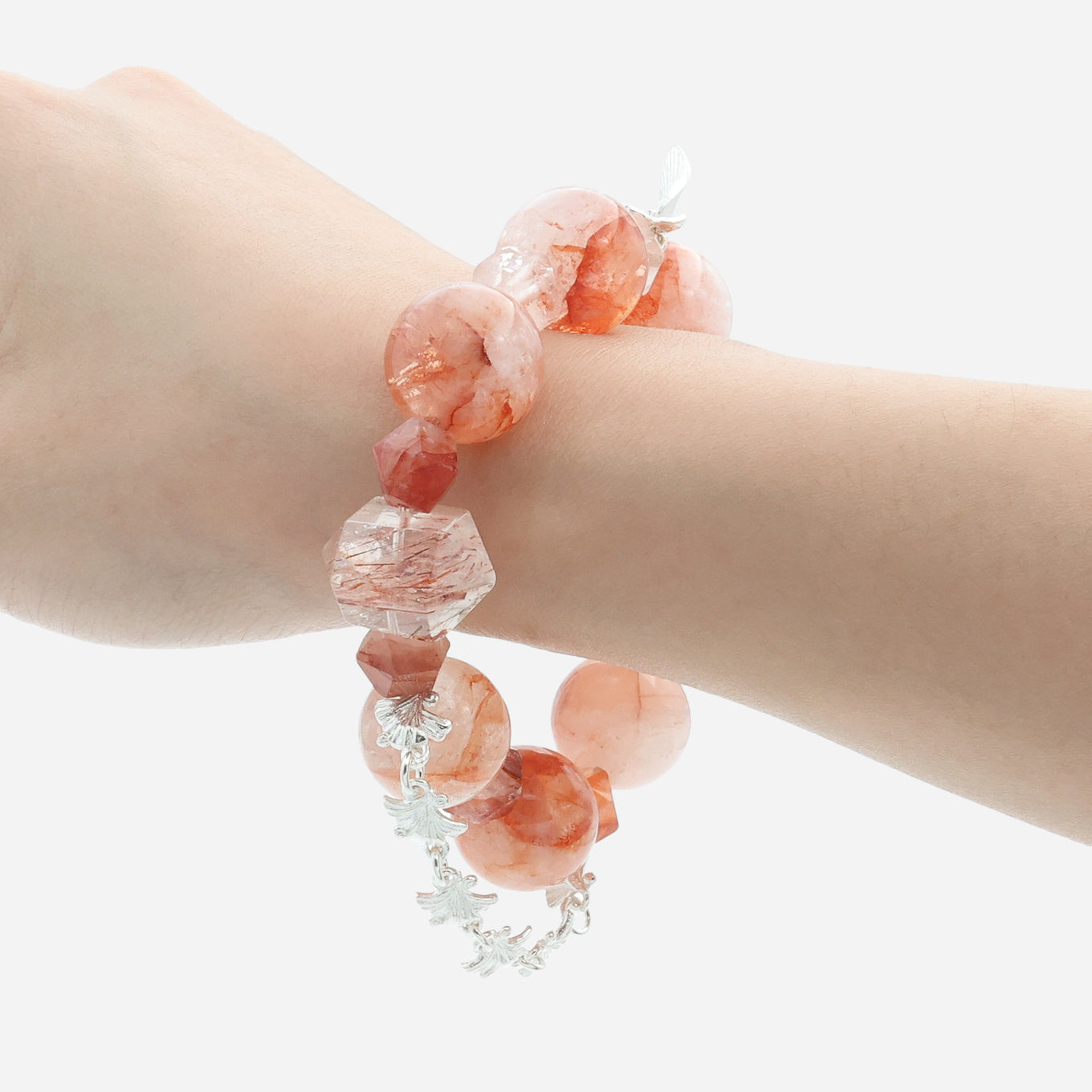
| Red Rutilated Quartz | Clear quartz shot through with golden-red rutile needles. Each stone is a one-of-a-kind natural artwork — no two are alike | Mohs 7 | Fire Quartz Bracelet |
Cool Gemstones: Turquoise, Quartz, Zircon
| Stone | Color Profile | Hardness | Our Piece |
|---|---|---|---|
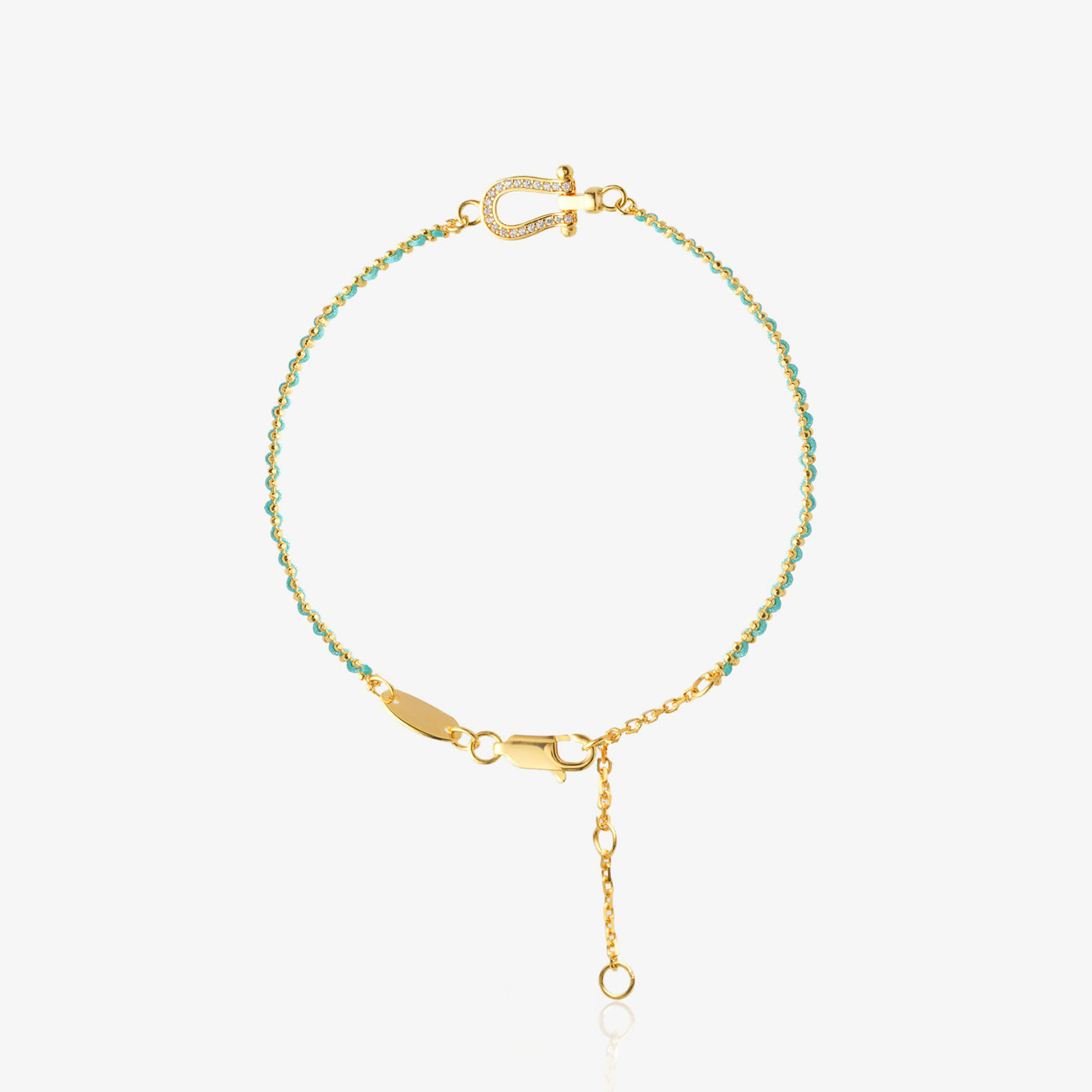
| Turquoise | Robin's egg to teal blue with brown-black veining (matrix). December birthstone. The most iconic southwestern gemstone — each piece has unique matrix patterns that make it one-of-a-kind | Mohs 5-6 | Turquoise Stud Earrings |
| Blue Nano Zircon | Ice blue to sky blue with diamond-level brilliance (high refractive index). Lab-created precision means consistent color batch to batch — no "mined blue" lottery | Mohs 7.5 | Frostwave Ring, Solaris Dome Ring |
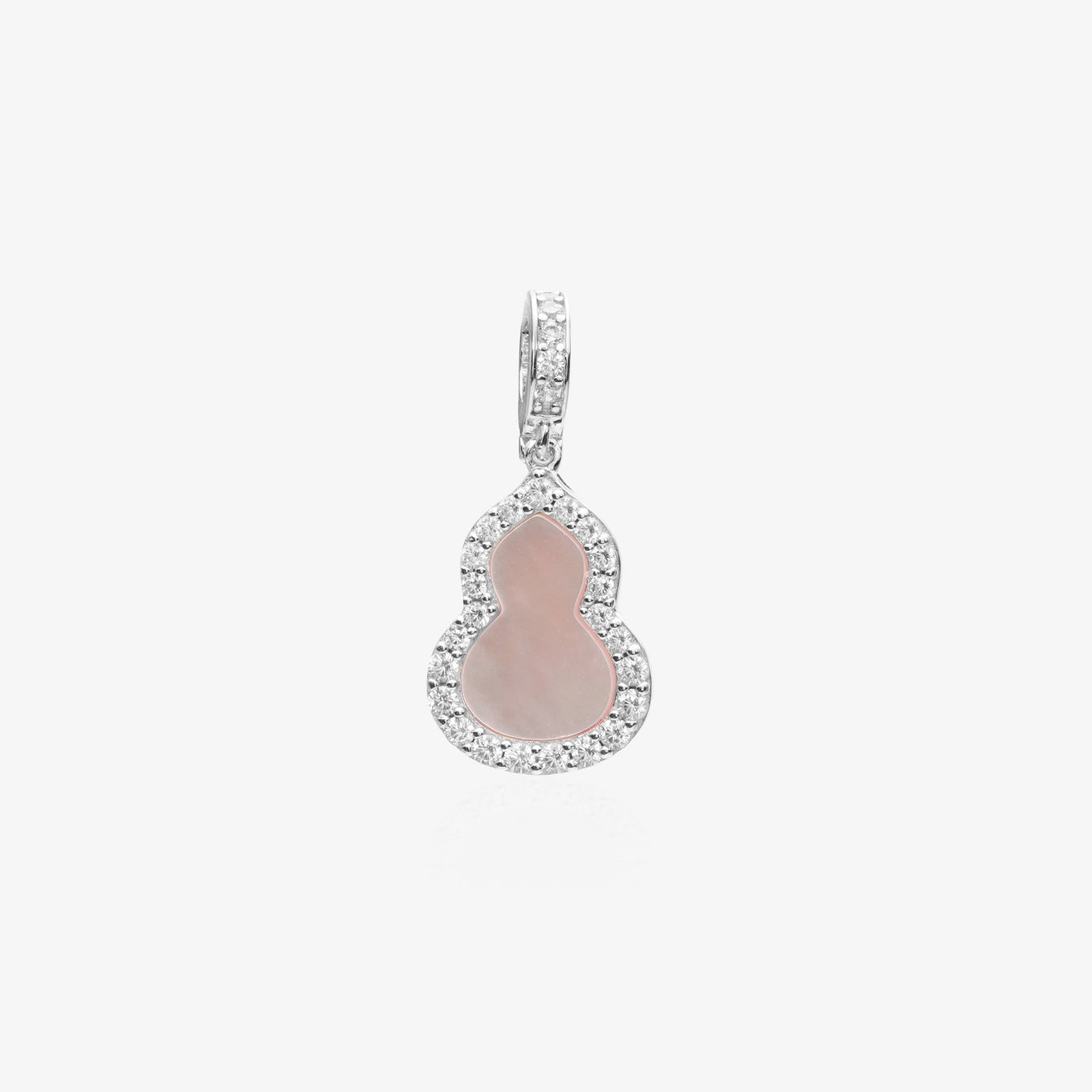
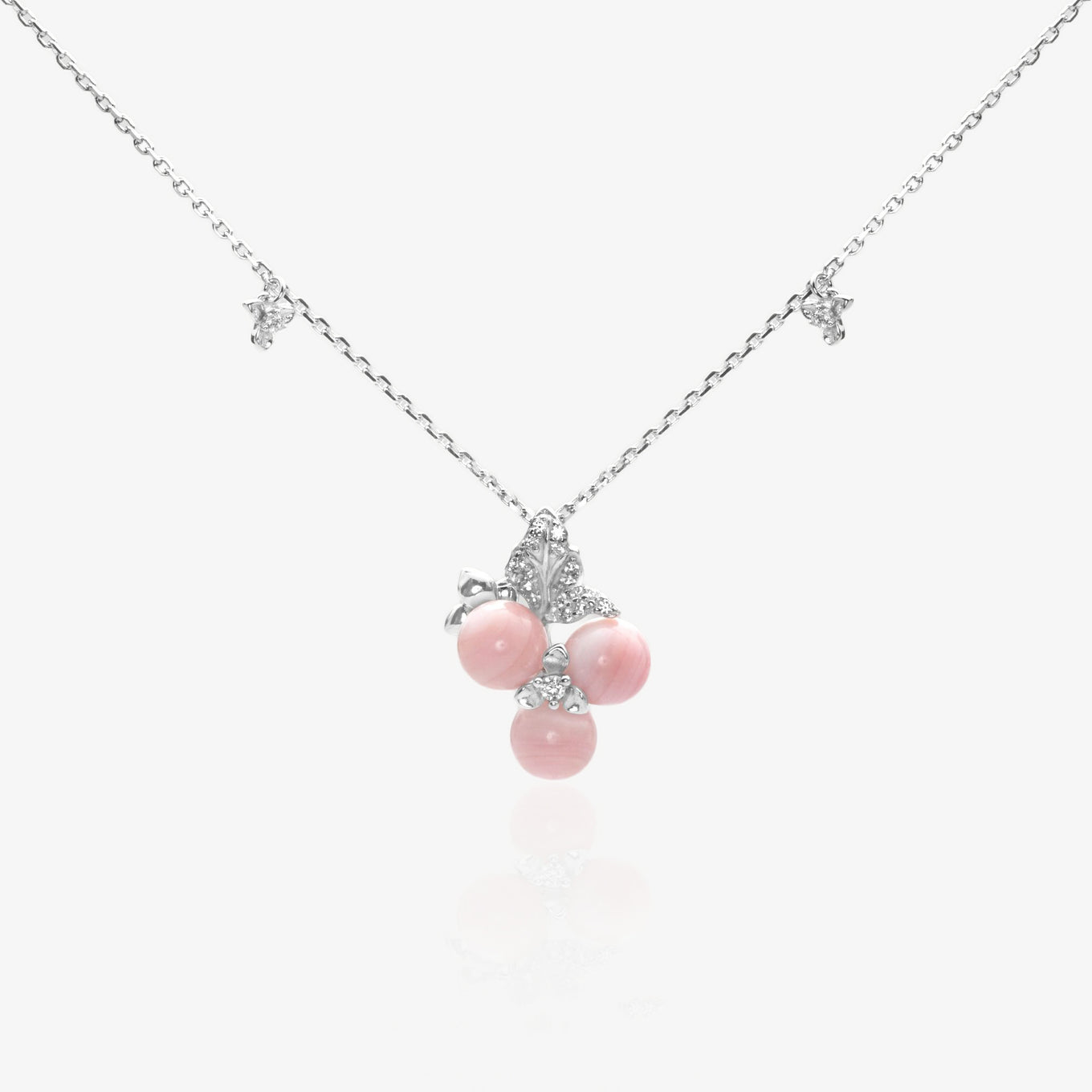
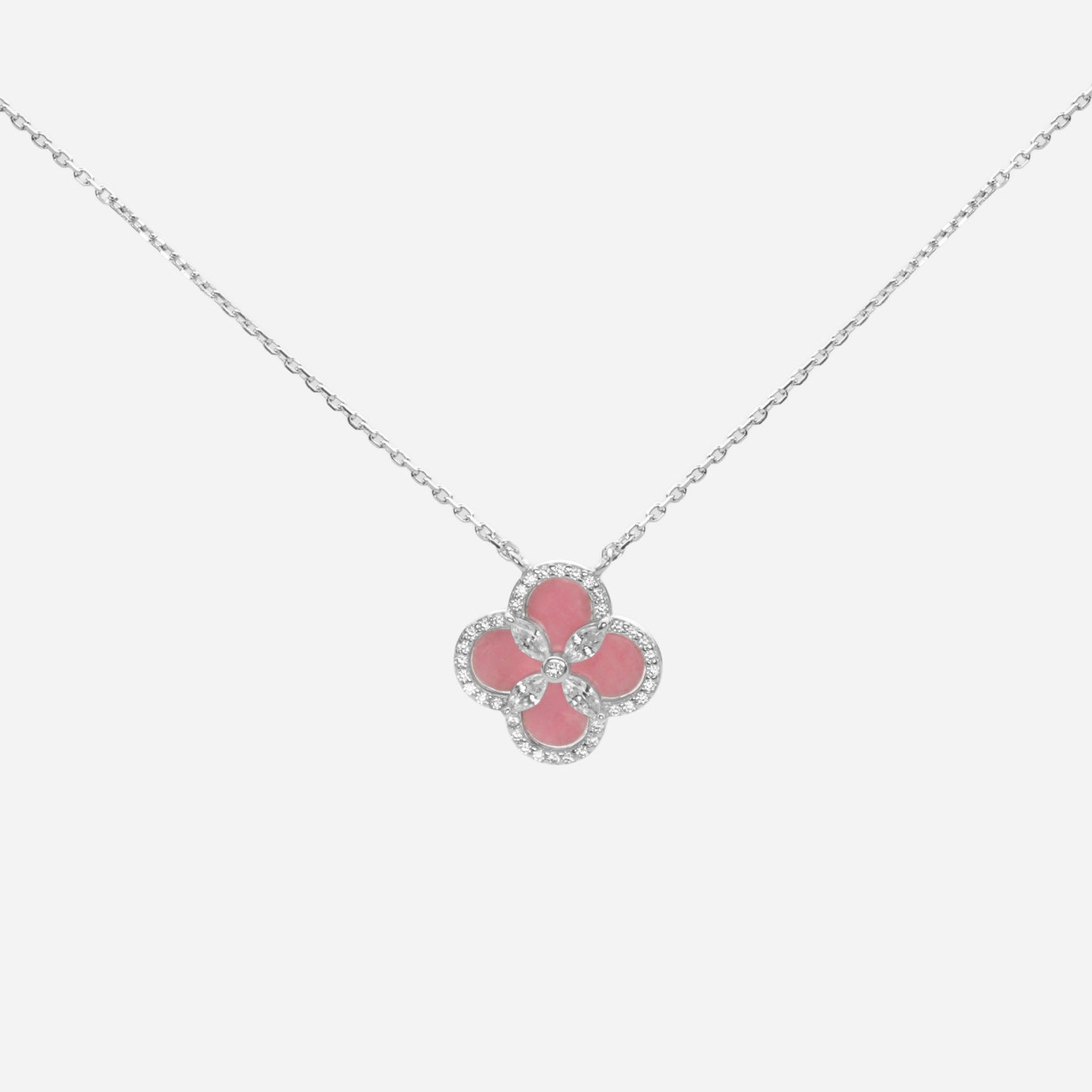
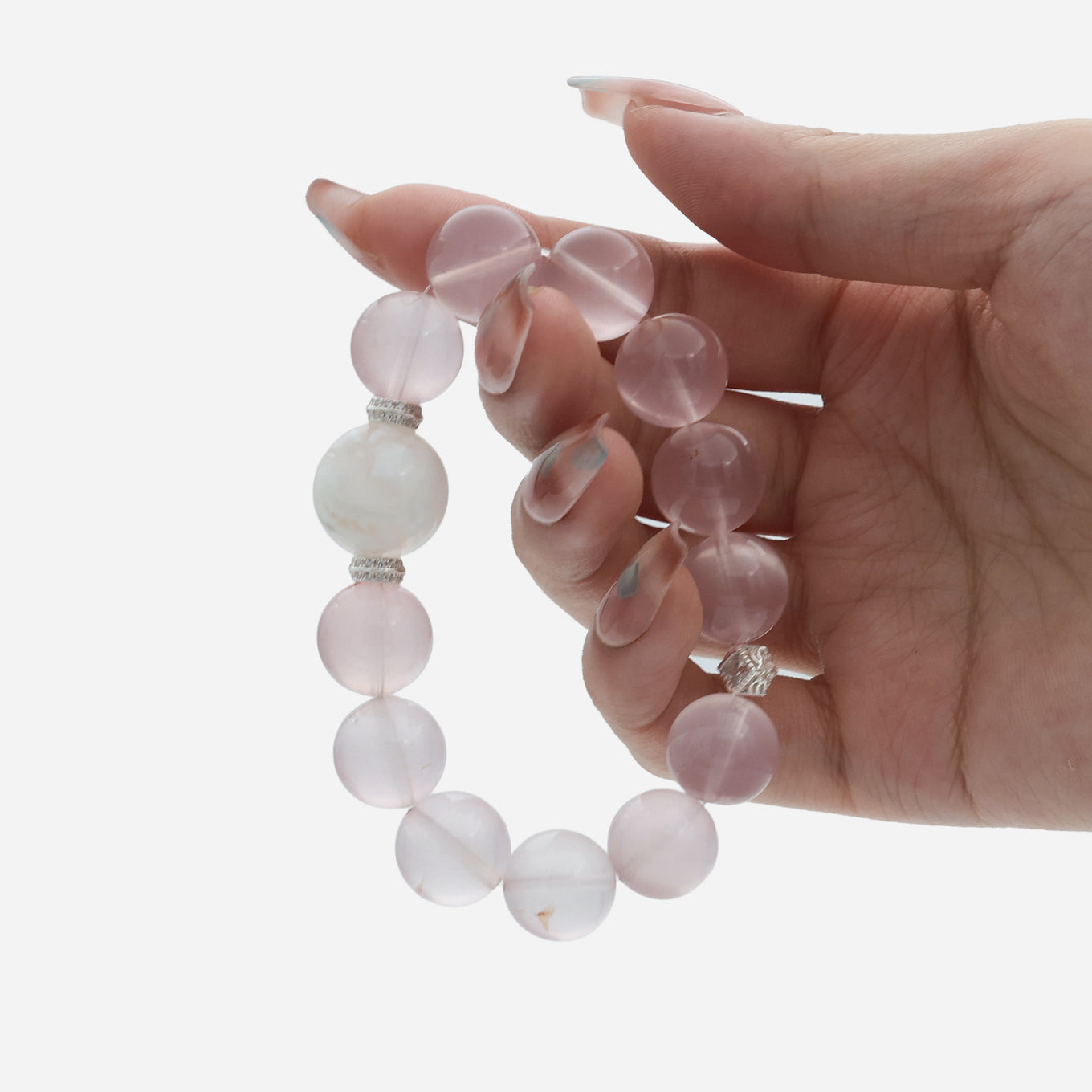
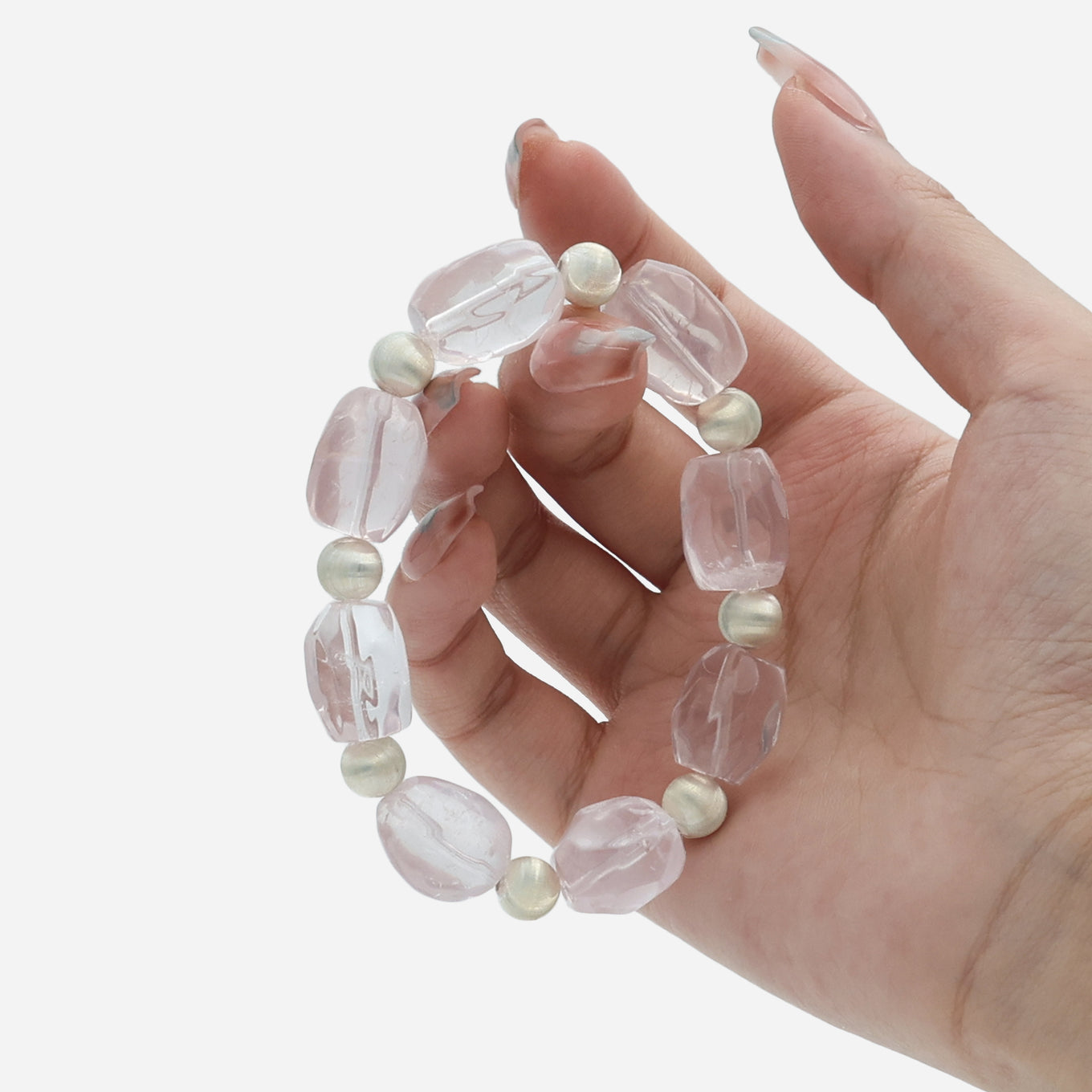
| Rose Quartz | Soft pink, translucent to milky. The "love stone" — cool undertones that work as a neutral pink against warm metals or a pop of cool against silver | Mohs 7 | Rose Quartz Bracelet, Star Rose Quartz Bracelet |
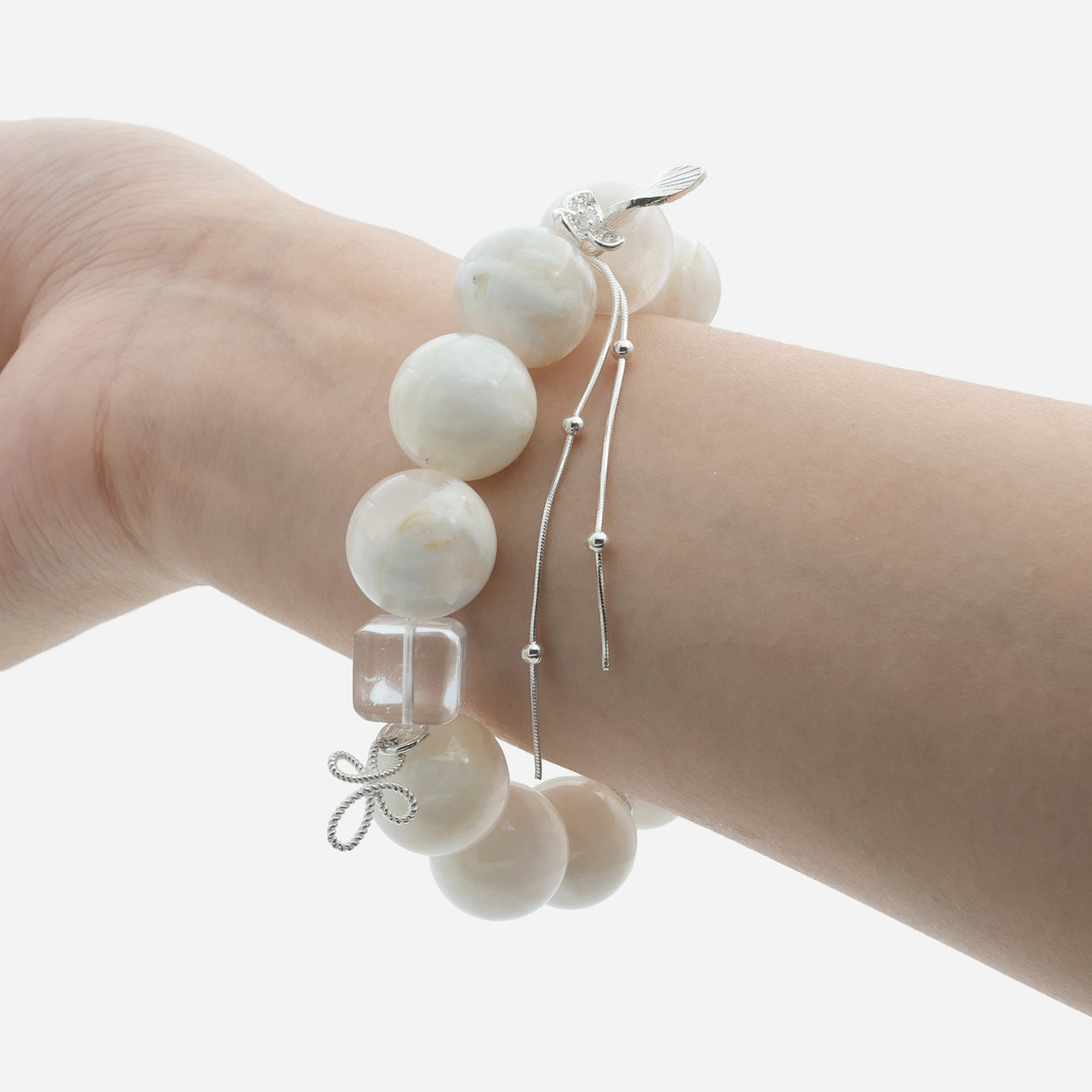
| Snow Ghost Quartz | Milky white with phantom inclusions — looks like captured fog. Cool-neutral that pairs with everything | Mohs 7 | White Quartz Bracelet |
Neutral Gemstones: Crystal, Agate, Tiger's Eye
| Stone | Color Profile | Hardness | Our Piece |
|---|---|---|---|
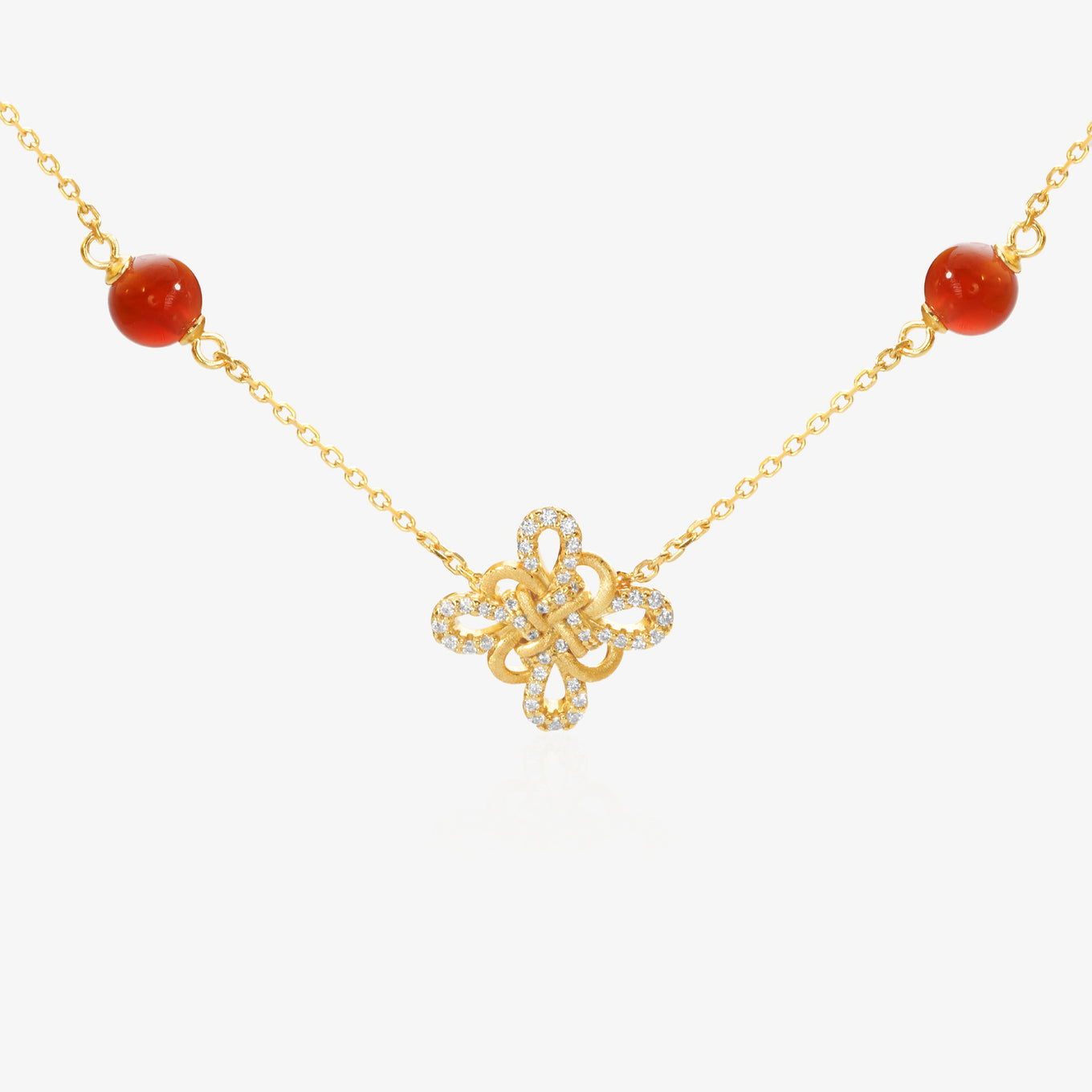
| Red Agate | Deep rust-red with natural banding. Each agate has unique concentric rings — nature's fingerprint in stone. Earthy neutral that adds texture without fighting color | Mohs 6.5-7 | Gold Clover Necklace |
| Tiger's Eye | Golden-brown with chatoyant bands that shift in light. Natural fiber-optic effect from asbestos replaced by quartz over millennia | Mohs 7 | Tiger's Eye Ring |
| Austrian Crystal | Colorless with precision-cut facets for maximum sparkle. Lab-created for perfect optical clarity — no inclusions, no color variation | Mohs 6-7 | Austrian Crystal Cuff, Mirrored Crystal Ring |
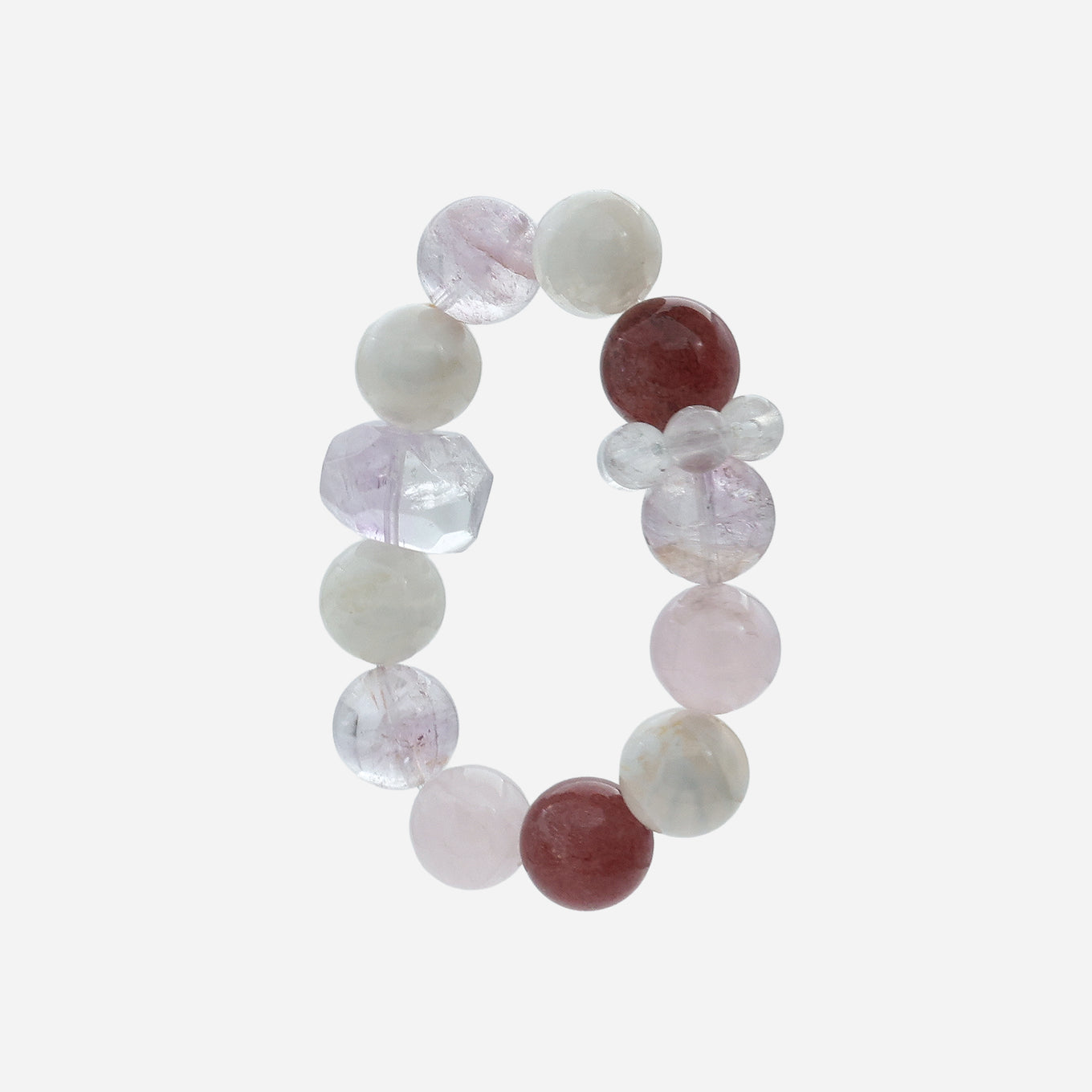
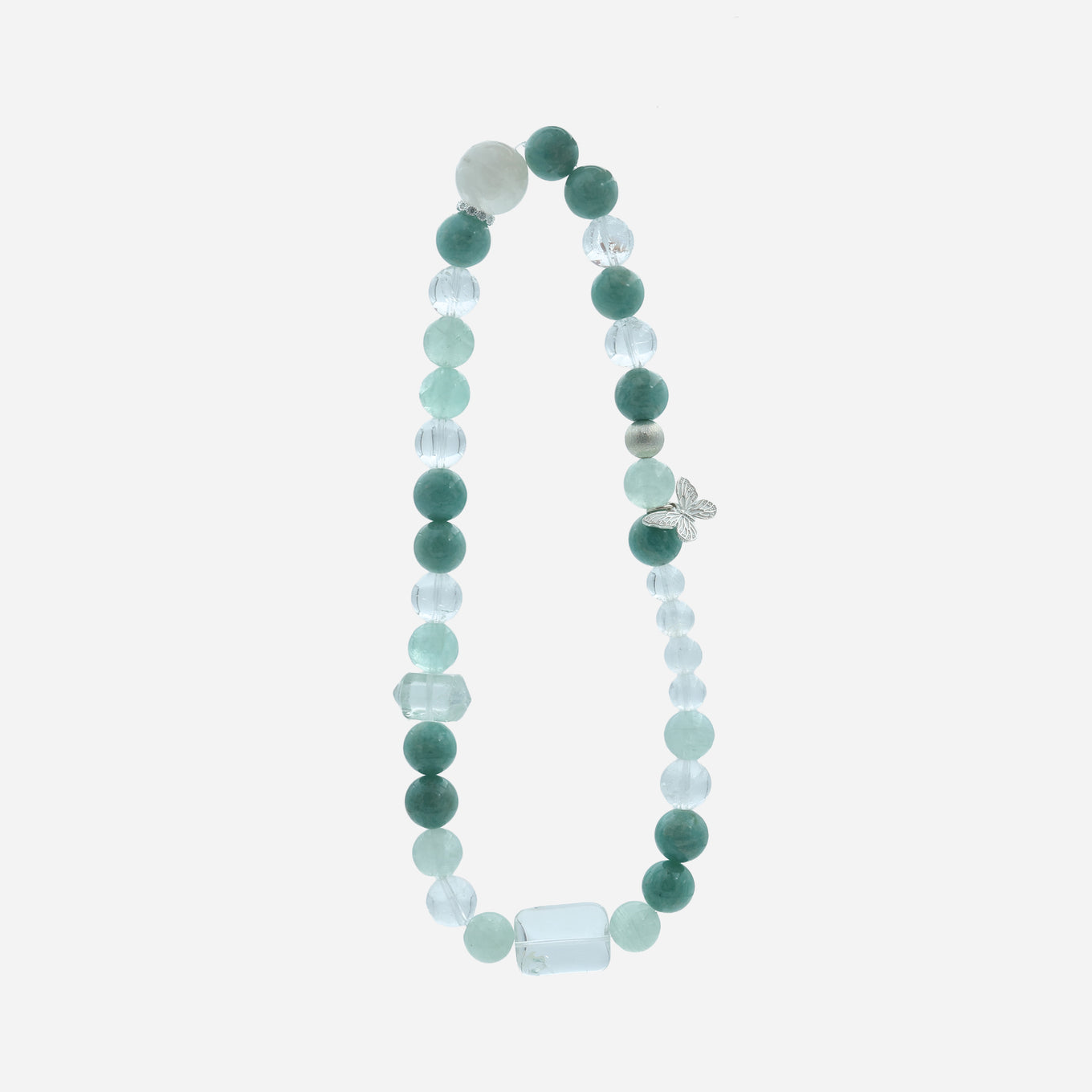
| Multi-Gemstone Mix | Pastel rainbow — amethyst, citrine, peridot, aquamarine in crystal bead form. The "all colors at once" approach | varies | Multi-Gemstone Beaded Bracelet |
Color-Blocking vs Monochrome: Styling Strategies
Color-Blocking (Complementary Colors). The boldest approach: pair gemstones from opposite sides of the color wheel. Ruby (red) + Emerald (green) — maximum contrast, maximum impact. Turquoise (blue-green) + Garnet (deep red) — cool meets warm in a high-tension balance.
The key to making color-blocking work in jewelry: let one stone be the star (60% visual weight) and the other be the accent (10-30%). Two equally-weighted bold stones fight each other. A Carmen Ruby Ring on one hand and a turquoise bracelet on the other wrist gives you color-blocking without color-competition.
Monochrome (Tonal Dressing). The sophisticated approach: work within one color family at different saturation levels. Deep garnet + rose quartz = warm monochrome gradient from dark to light. Turquoise + blue zircon = cool monochrome from opaque to transparent.
Monochrome gemstone dressing looks intentional and expensive — it's the jewelry equivalent of wearing head-to-toe beige, except your beige is blood-red garnet. Pair the Natural Garnet Bracelet with the Carmen Ruby Ring — same warm-red family, different intensities.
Analogous Harmony (Neighbors). The safest approach: use gemstones that sit next to each other on the color wheel. Blue zircon + turquoise = cool analogy. Amber + garnet = warm analogy. Analogous gemstone combinations never clash because the colors share a common undertone. This is the easiest entry point for someone new to colored jewelry — you can't go wrong with stones that share a color parent.
Gemstone Colors by Skin Undertone
| Skin Undertone | Best Gemstones | Best Pick |
|---|---|---|
| Warm (golden, olive) | Ruby, garnet, amber, citrine, tiger's eye — warm stones against warm skin create harmony. Deep reds bring out golden undertones | Carmen Ruby Ring |
| Cool (pink, blue undertones) | Turquoise, blue zircon, rose quartz, amethyst — cool stones echo cool skin for a seamless look. Blue-green against pink skin is universally flattering | Turquoise Stud Earrings |
| Neutral (mix of warm/cool) | Anything — neutral undertones can wear the full spectrum. The only rule: match stone intensity to outfit formality. Bright ruby for evening, soft rose quartz for daytime | Multi-Gemstone Stack |
Seasonal Gemstone Palettes
| Season | Gemstone Palette | Pick |
|---|---|---|
| Spring | Pastels & florals: rose quartz, amethyst, aquamarine, peridot. Light, fresh, "new growth" color energy | Rose Quartz Bracelet |
| Summer | Brights & blues: turquoise, blue zircon, citrine. Pool-to-party transition colors that pop against sun-touched skin | Turquoise Stud Earrings + Solaris Ring |
| Fall | Earth tones & warmth: garnet, amber, tiger's eye, red agate. The "sweater weather" gemstone palette | Maple Leaf Earrings + Garnet Bracelet |
| Winter | Jewel tones & ice: ruby, white quartz, Austrian crystal. Deep saturated color against pale winter skin; crystal for "frost" aesthetic | Carmen Ruby + White Quartz |
Caring for Colored Gemstone Jewelry
Different gemstones have different care requirements based on their hardness and porosity. Turquoise (Mohs 5-6) is the softest stone in our collection — avoid ultrasonic cleaners, hot water, and chemical exposure. The stone can absorb oils and change color over time if not protected. Clean with a dry soft cloth only. Garnet and quartz (Mohs 7) are more durable — warm soapy water and a soft brush are safe for occasional deep cleaning.
Lab-created rubies (Mohs 9) are nearly as hard as diamond — they can handle ultrasonic cleaning and daily wear with minimal scratching risk. General rule: store colored gemstone pieces separately (stones can scratch each other), remove before swimming (chlorine affects settings and stone surfaces), and apply perfume/lotion before putting on jewelry (chemical residue dulls gemstone luster).
Key Terms
- Lab-Created Corundum
- Synthetic ruby and sapphire grown in controlled laboratory conditions — chemically, optically, and physically identical to mined stones. The difference is origin, not composition. Lab-created rubies (like the Carmen Ruby Ring) have the same Al₂O₃ crystal structure + chromium colorant as a $10,000 mined Burmese ruby. The price difference reflects mining rarity, not quality difference.
- Mohs Hardness Scale
- The standard measure of gemstone durability from 1 (talc) to 10 (diamond). Everyday jewelry should be Mohs 7+ for scratch resistance. Turquoise at 5-6 requires more careful wear; Ruby at 9 is nearly scratch-proof. The scale is non-linear — diamond (10) is 4× harder than corundum (9), not 10% harder.
- Chatoyancy
- The "cat's eye" effect — a narrow band of reflected light that moves across a stone's surface as it's rotated. Tiger's Eye is the most famous chatoyant gemstone. The effect comes from parallel needle-like inclusions that reflect light in a single line. Natural phenomenon, never reproducible in lab-created stones.
Frequently Asked Questions
Q: Are colored gemstones less valuable than diamonds?
Some are more valuable than diamonds of equivalent size. Fine ruby, sapphire, and emerald routinely sell for more per carat than white diamonds at auction. The "diamonds are the most valuable" belief is a successful 20th-century marketing campaign by De Beers.
In reality, gem value is determined by rarity + demand + quality — ruby is rarer than diamond, the consumer market for white diamonds is just larger due to the engagement ring monopoly. At the demi-fine level, you're paying for design and setting quality, not carat weight or gemstone rarity, which makes colored stones an accessible way to own "real" gemstones without the investment-tier premium.
Q: What colored gemstone is best for everyday wear?
Ruby (Mohs 9) and quartz-family stones (Mohs 7) are the most durable for daily wear. The Carmen Ruby Ring can handle hand-washing, typing, and accidental door-frame bumps without scratching. Turquoise (Mohs 5-6) should be reserved for occasional wear — earrings are safer than rings since ears don't get the same impact as hands.
Q: Can I mix colored gemstones with diamonds in the same look?
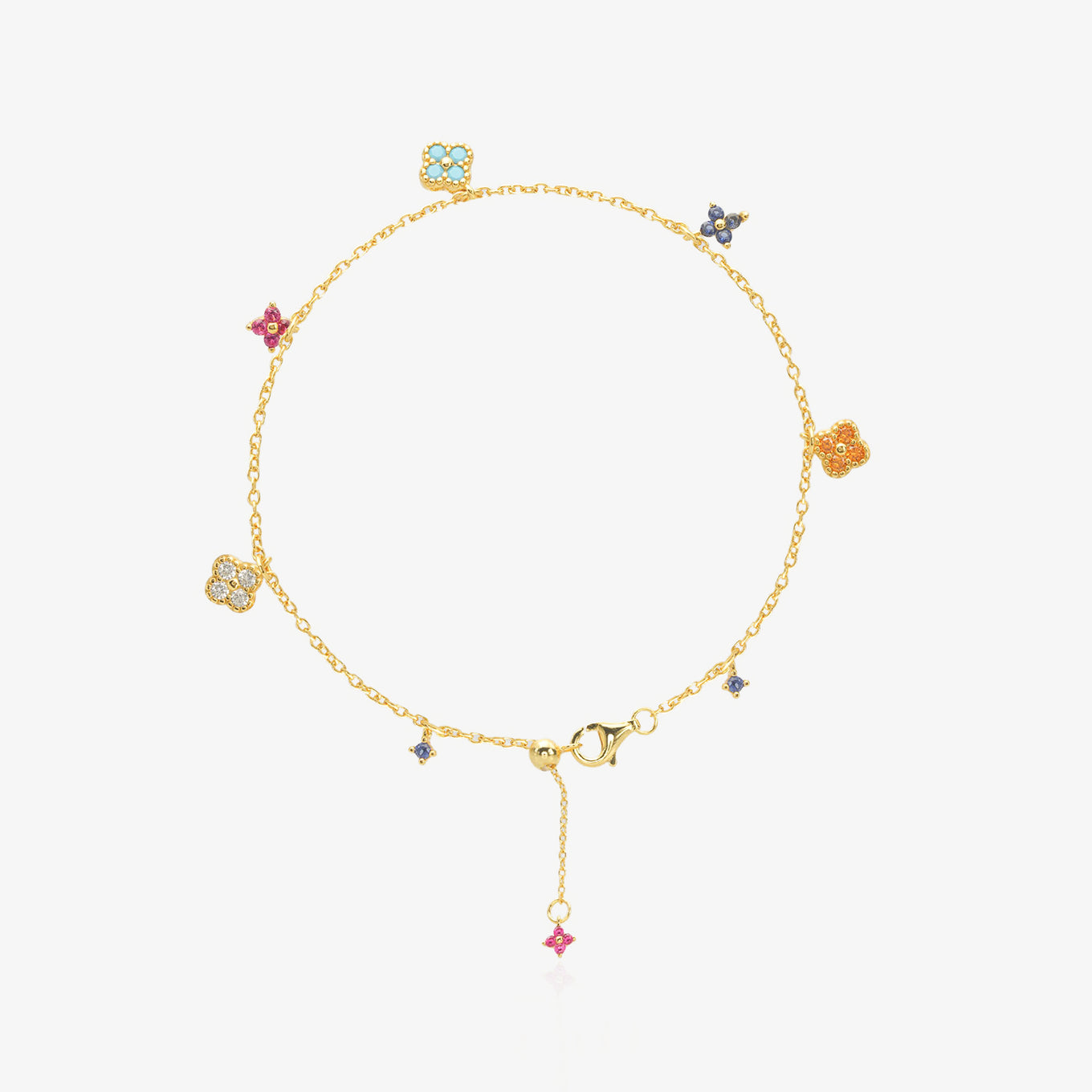
Yes — diamonds are colorless and serve as a neutral bridge between colored stones. A lab diamond band next to a ruby ring works because white/colorless doesn't compete with red. The same principle works with multi-gemstone pieces: our Multi-Gemstone Bracelet mixes five colored stones seamlessly because the crystal base is visually neutral.
Q: How do I know which gemstone color works with my skin tone?
Quick test: look at the veins on your inner wrist in natural light. Blue/purple veins = cool undertone (go for turquoise, blue zircon). Green veins = warm undertone (go for ruby, garnet). Can't tell = neutral (wear anything). The gemstone should echo your skin's natural undertone, not fight it.
Q: Are natural gemstones better than lab-created?
"Better" depends on your priority. Natural stones have geological history and uniqueness — no two natural turquoises or garnets are identical. Lab-created stones have ethical certainty, consistent quality, and lower environmental impact. At the demi-fine price point, lab-created rubies and nano zircons provide flawless color at accessible prices. Our natural stones (garnet, turquoise, quartz) are genuinely mined gems with their own stories. The choice is philosophical, not qualitative.
Q: What's the difference between the Birthstone Guide and this Color Guide?
The Birthstone Guide organizes stones by calendar month — it's a "what to buy for a January birthday" reference. This Color Guide organizes stones by visual properties — it's a "how to style ruby, whether or not you were born in July" tutorial. Different use cases, complementary content.
Editor's Picks


We Believe — Color is the most personal choice in jewelry. A ruby ring isn't just a red stone — it's a declaration of warmth, passion, and presence. A turquoise stud isn't just blue — it's cool confidence and southwestern soul.
At ÉLARAMUSE, we believe colored gemestones should be accessible to everyone, not locked behind investment-tier pricing that makes people afraid to wear them. Our sterling silver bases with 0.5-micron 18K gold plating carry lab-created and natural stones that look like a million dollars but cost closer to a nice dinner. Because jewelry should add color to your life — not drain it from your wallet.
See also: Our Birthstone Guide for month-by-month gift recommendations, and our Art Nouveau Guide for botanical jewelry styling.
References
- GIA (Gemological Institute of America). Colored Stone Grading System & Gemstone Identification. gia.edu
- American Gem Trade Association (AGTA). Natural vs. Lab-Created Gemstones: Consumer Guidance. agta.org
- Smithsonian Institution. The National Gem Collection: Color in Minerals. si.edu
- FTC Jewelry Guides. Standards for Gemstone Disclosure in Fine Jewelry. ftc.gov