Art Nouveau Jewelry Guide 2026: Nature-Inspired Gold Pieces
Quick Answer: Art Nouveau jewelry translates the natural world — leaves, vines, flowers, ocean forms — into wearable gold. It rejects the rigid geometry of Art Deco for organic, flowing lines that look like they grew rather than were manufactured. At ÉLARAMUSE, 28 of our pieces draw from the same 1890-1910 movement — Ginkgo leaves, laurel vines, coral branches, fern fronds — cast in sterling silver with 0.5-micron 18K gold plating. The look is romantic without being frilly, structured without being stiff.
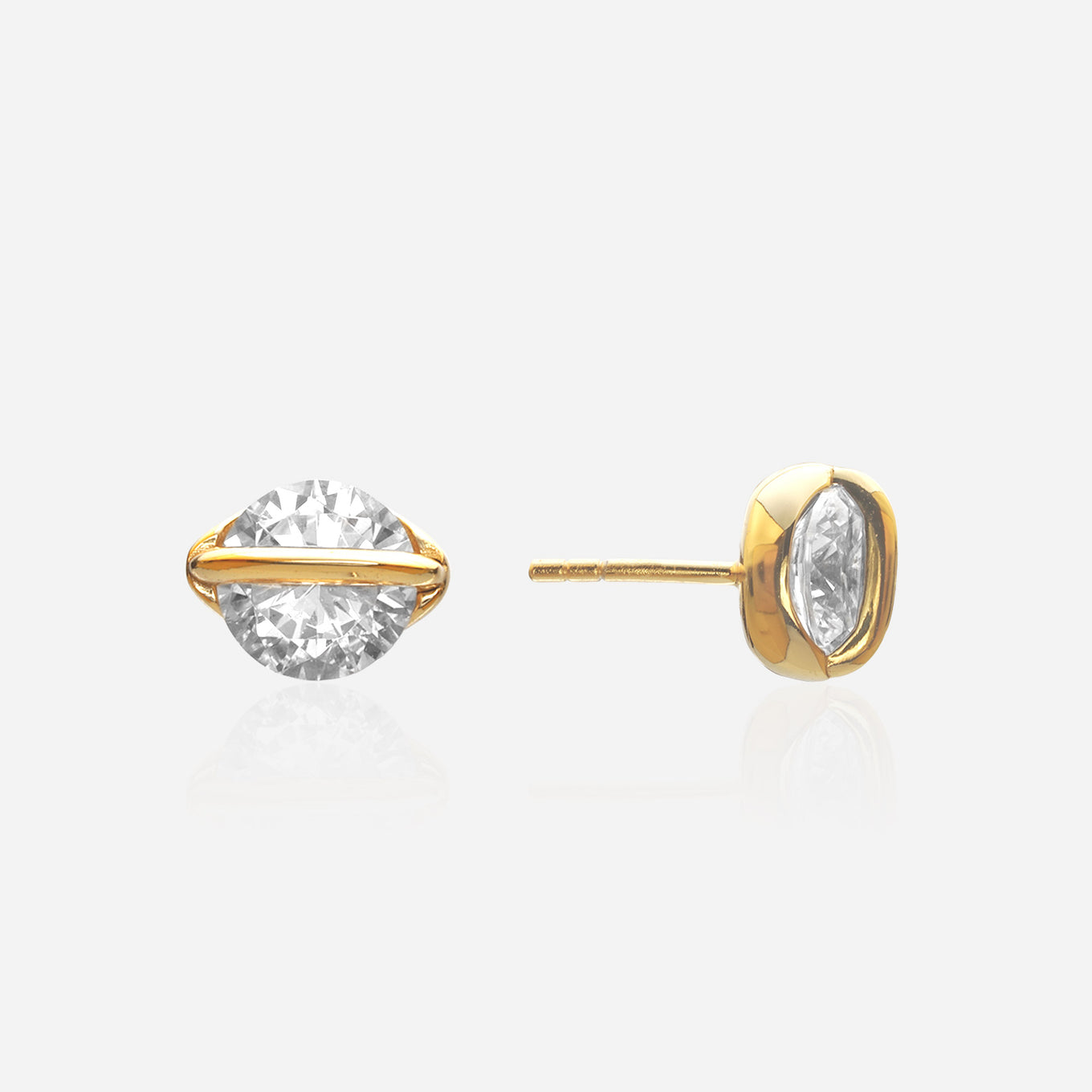
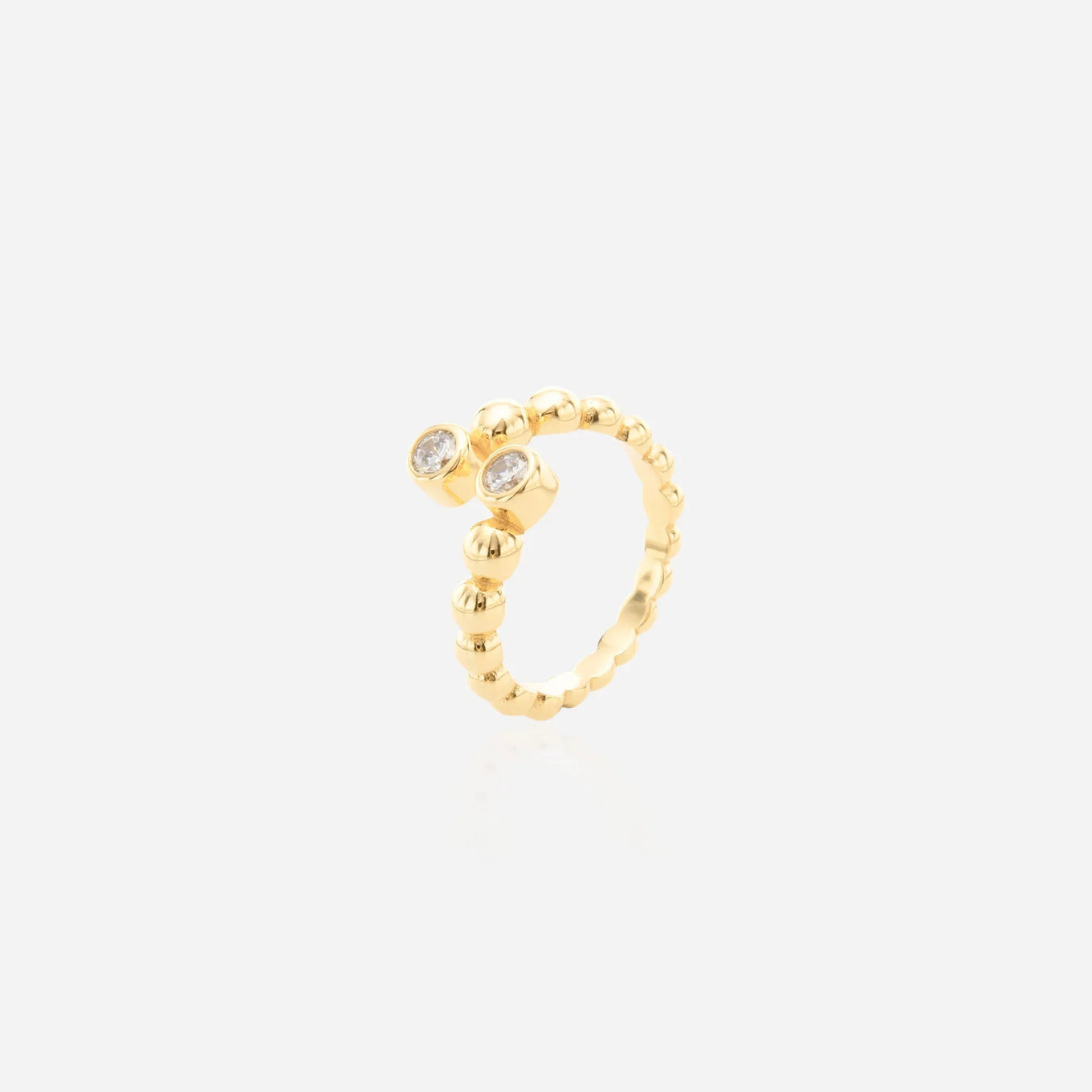
Best entry point: the Gold Fern Earrings ($125) — named "Art Nouveau Leaf Studs" in the collection, these are the purest expression of the style. Best botanical centerpiece: the Laurel Cuff Ring — a gold leaf that wraps around the finger like an ancient victory crown.
- What Is Art Nouveau Jewelry?
- The 6 Art Nouveau Motifs (and Our Pieces for Each)
- Leaf & Vine: The Core Collection
- Ocean & Shell: Art Nouveau's Water Side
- How to Style Art Nouveau Jewelry
- Modern Art Nouveau: Not a Costume
- Caring for Nature-Inspired Gold
- Key Terms
- Frequently Asked Questions
- Editor's Picks
What Is Art Nouveau Jewelry?
Art Nouveau ("New Art") was a design revolution that swept Europe and America between 1890 and 1910. It was a rejection of the Industrial Revolution's machine-made aesthetic — a return to nature's curves, asymmetry, and organic imperfection. In jewelry, Art Nouveau meant: no more stiff rows of diamonds on platinum grids. Instead: enamel orchids, moonstone dragonflies, opal-set grape vines. The metal bends like a stem. The stone placement follows the curve of a petal.
The movement's leading jewelry designers — René Lalique, Georges Fouquet, Philippe Wolfers — weren't just jewelers. They were sculptors working in miniature. Lalique famously said he'd rather use a piece of horn than a bag of diamonds if the horn better served the design.
This philosophy — material serves form, not the other way around — is the DNA of Art Nouveau, and it's why the style works beautifully in the demi-fine space where gold-plated sterling silver and lab-created stones meet organic forms at an accessible price point.
The V&A Museum describes Art Nouveau as "the first modern style to give equal importance to the setting and the stone — the surrounding metal becomes an integral part of the composition rather than a mere frame." At ÉLARAMUSE, that principle shows up in the Laurel Cuff Ring, where the gold leaf IS the ring — the diamonds are set into the leaf, not the leaf wrapped around a diamond.
For more on the symbolism behind specific motifs, see our Symbolic Jewelry Guide. For leaf styling specifically, read our Leaf Earrings Guide.The 6 Art Nouveau Motifs (and Our Pieces for Each)
| Motif | Art Nouveau Meaning | Our Piece |
|---|---|---|
| Leaf & Vine | The most iconic Art Nouveau motif — the whiplash curve of a stem, the veining of a leaf. Lalique's ivy and mistletoe pieces defined this. Leaves in Art Nouveau aren't static shapes; they twist, curl, and wrap around the wearer | Ginkgo Leaf Dangles, Fern Studs, Laurel Cuff Ring |
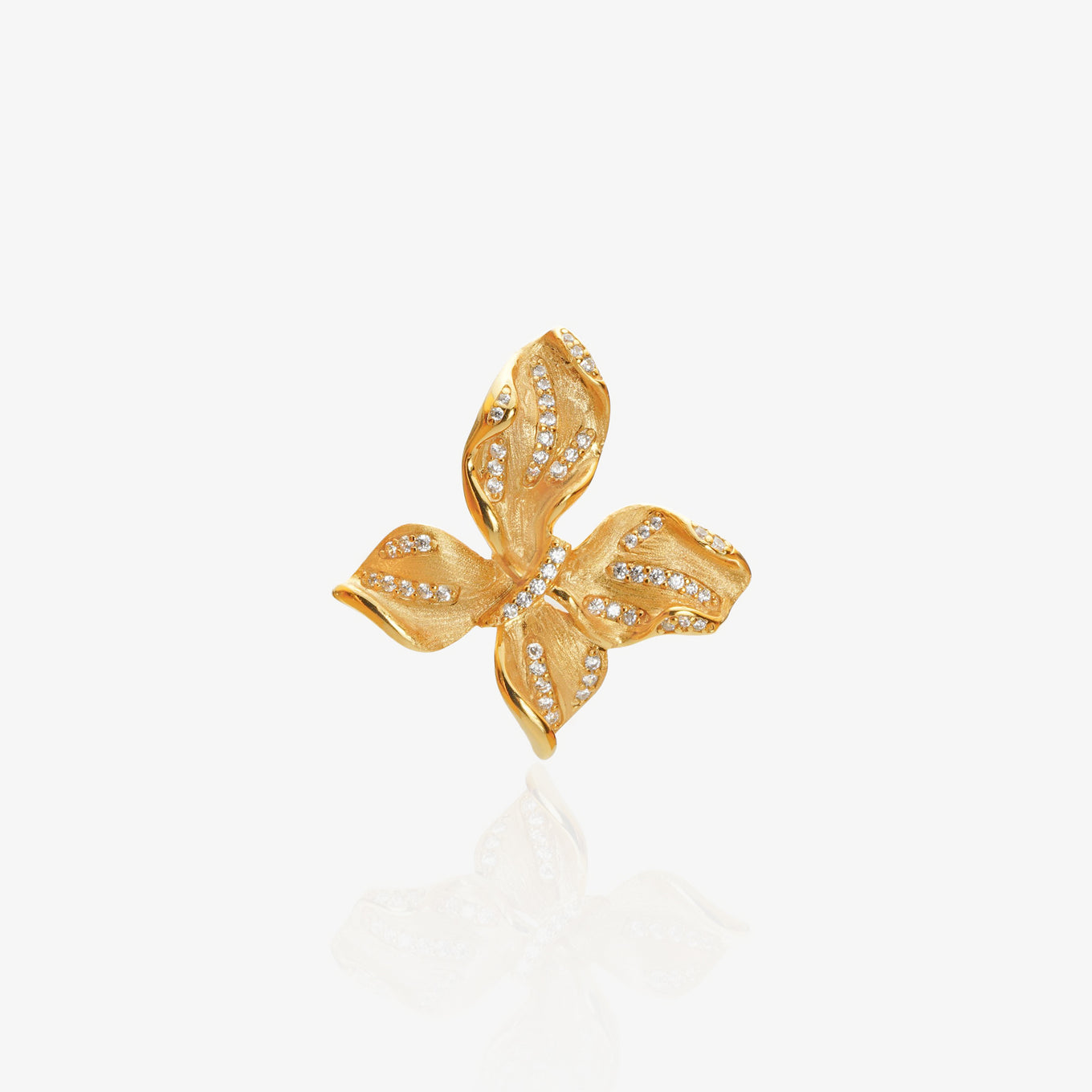
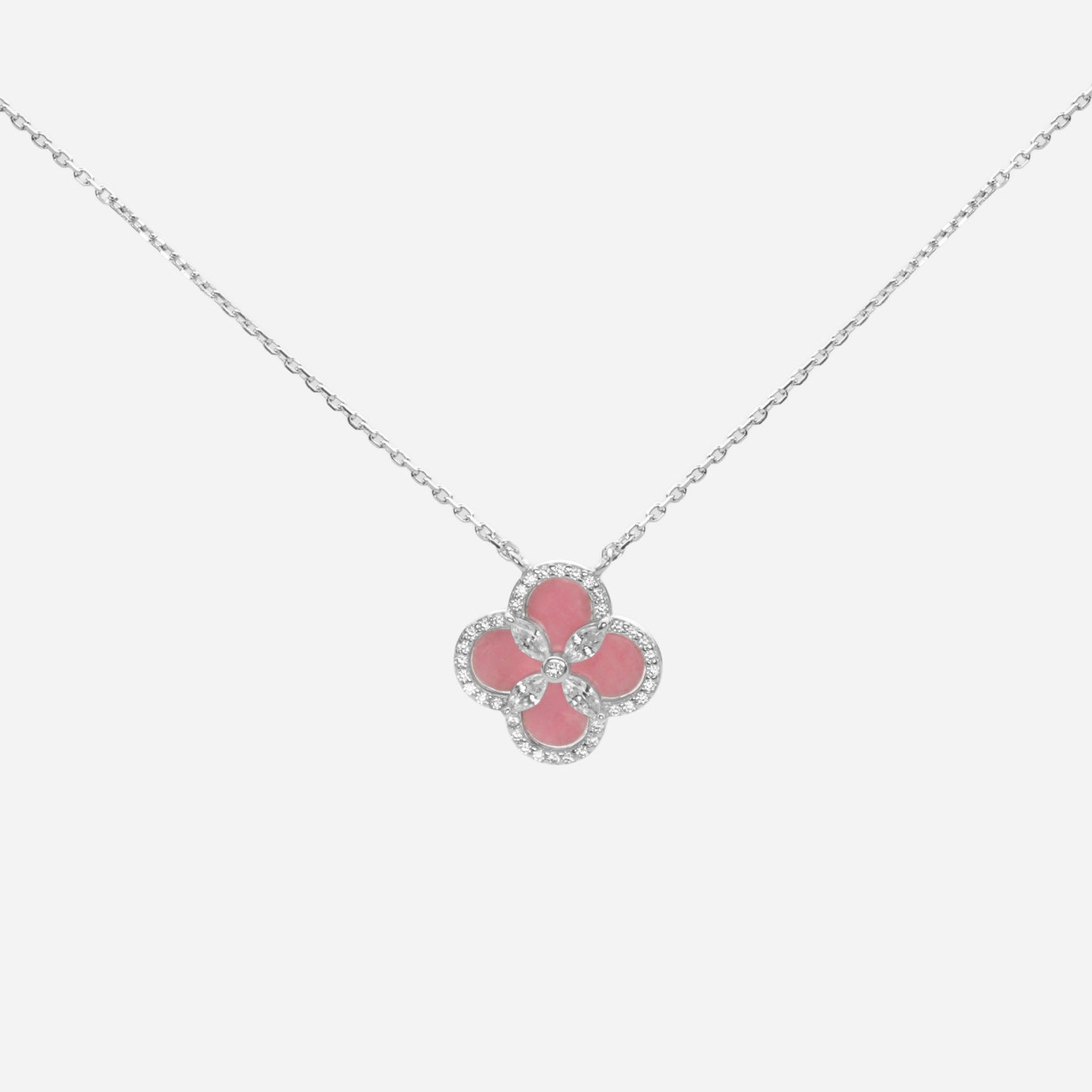
| Flower Bloom | Roses, lilies, irises — but never in full symmetrical bloom. Art Nouveau flowers are buds opening, petals unfurling mid-process. The asymmetry is the point: nature photographed in motion | Gardenia Ring, Bouquet Ring, Ruby Calla Lily Pendant |
| Ocean & Shell | Lalique's obsession with the sea — nautilus forms, scallop shells, coral branches, water ripples. The ocean was the ultimate organic reference: nothing in the sea is straight | Venus Shell Pendant, Coral Branch Earrings, Conch Shell Necklace |
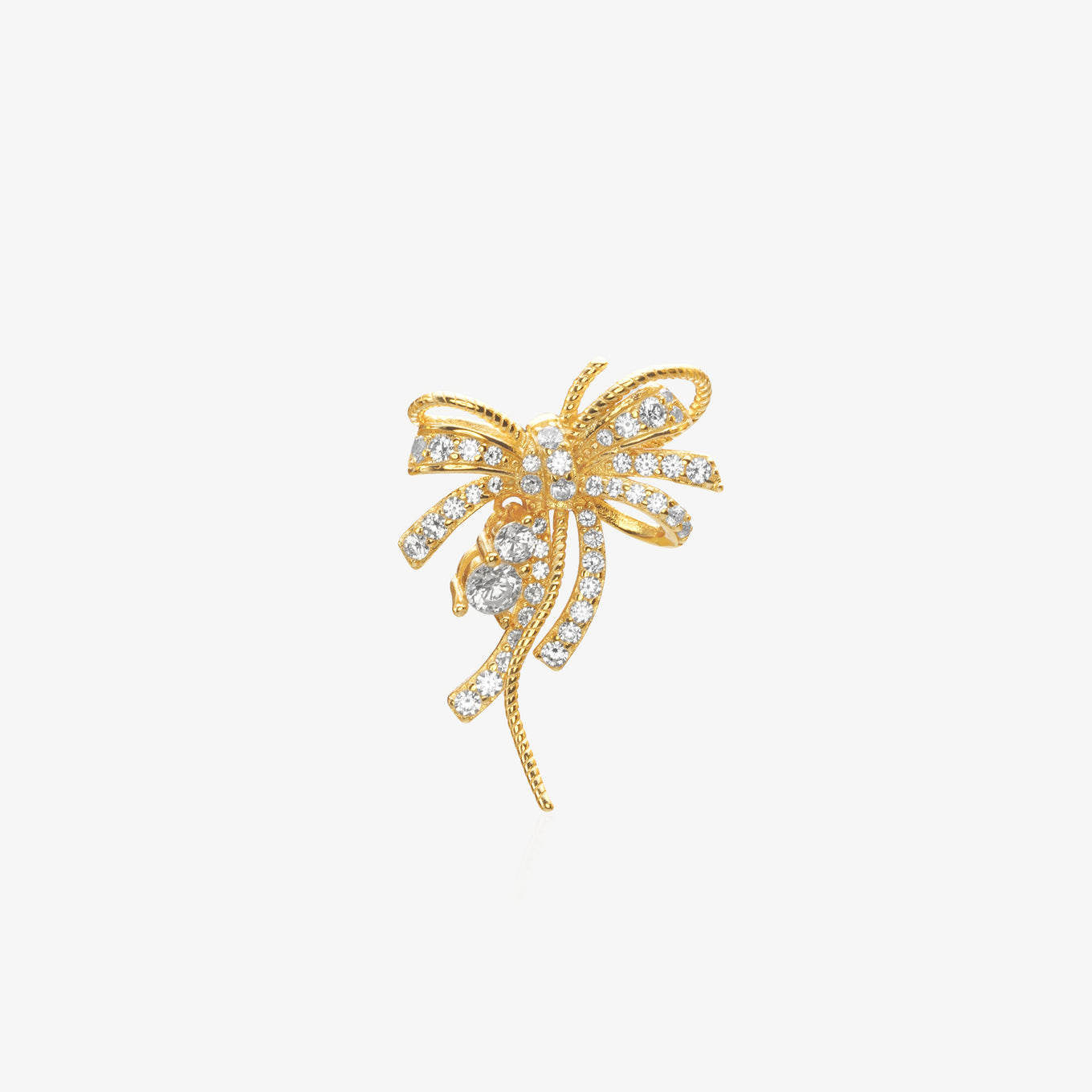
| Insects & Wings | Dragonflies, butterflies, beetles — Lalique's enamel dragonfly was the scandal of the 1900 Paris Exposition. Insects symbolized metamorphosis, the ephemeral, the fragile beauty of life | Butterfly Pearl Earrings, Silver Butterfly Bracelet, Papillon Chain Bracelet |
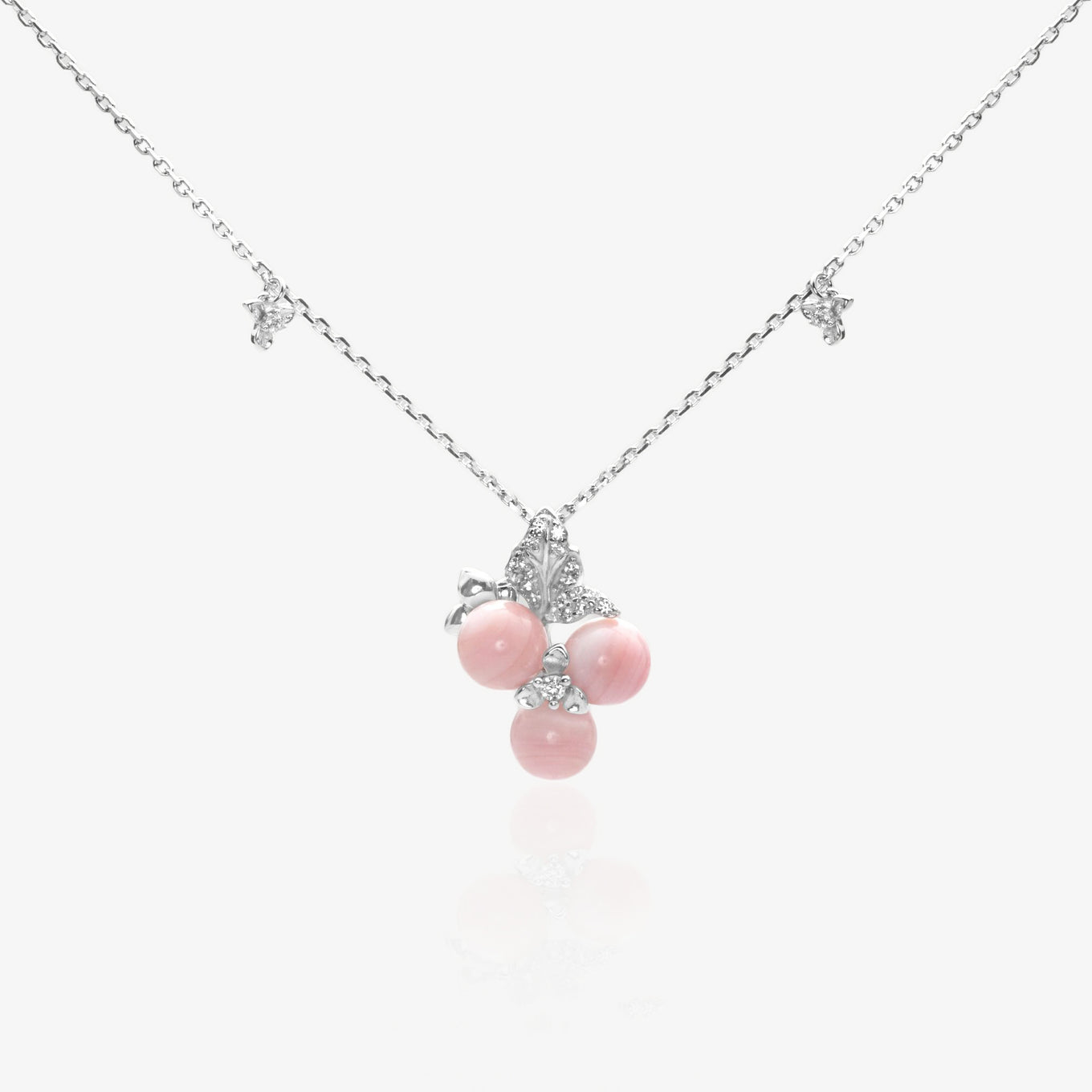
| Botanical Fruit | Grapes, cherries, berries — clustered forms that follow vine-like curves. Fouquet's grape cluster necklaces used amethysts and garnets set in gold tendrils | Pearl Cluster Earrings, Cherry Conch Pendant |
| Maple & Oak | The North American Art Nouveau variant — Tiffany & Co. under Louis Comfort Tiffany brought indigenous leaf forms (maple, oak, gingko) into the European vocabulary | Maple Leaf Earrings, Maple Leaf Pendant |
Leaf & Vine: The Core Collection
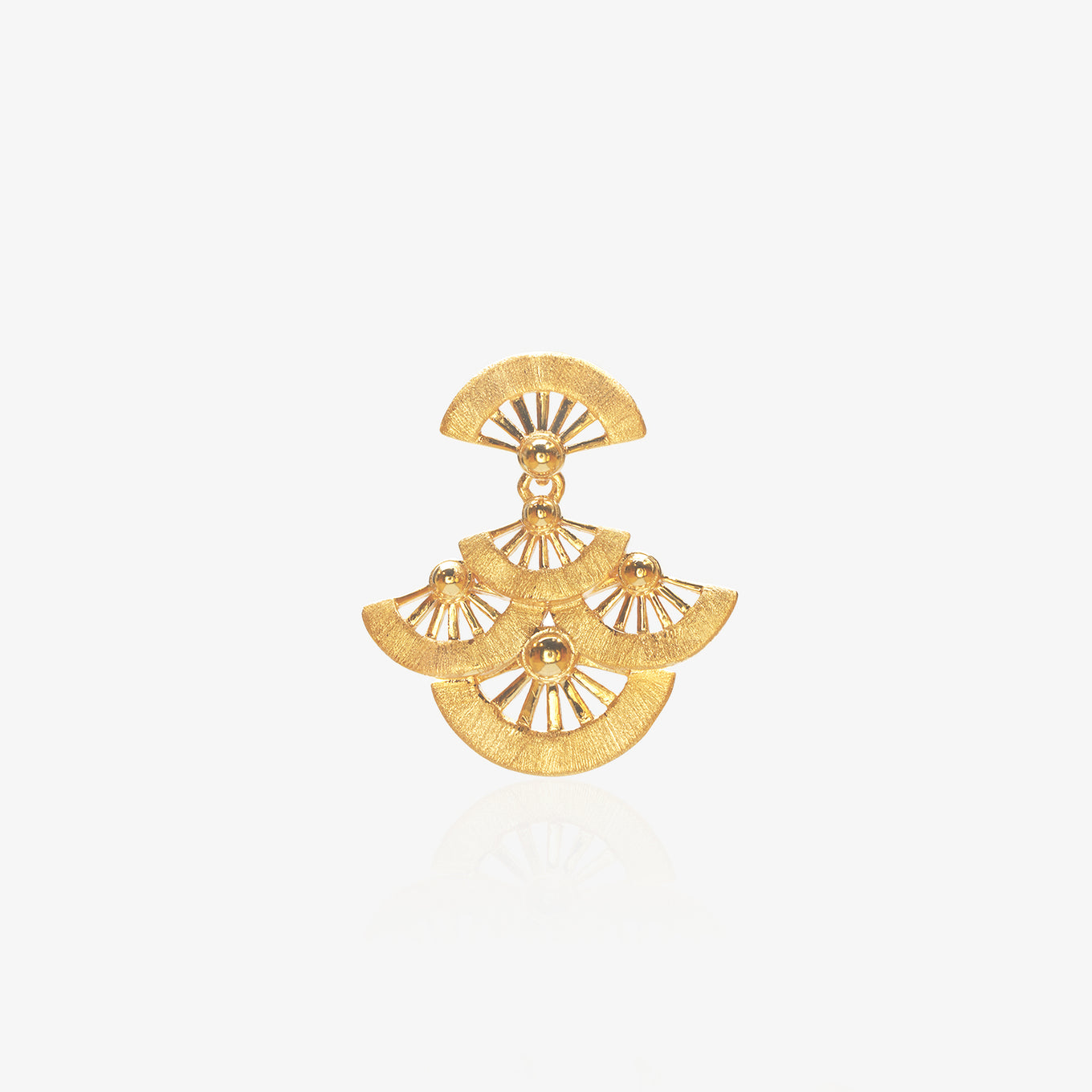
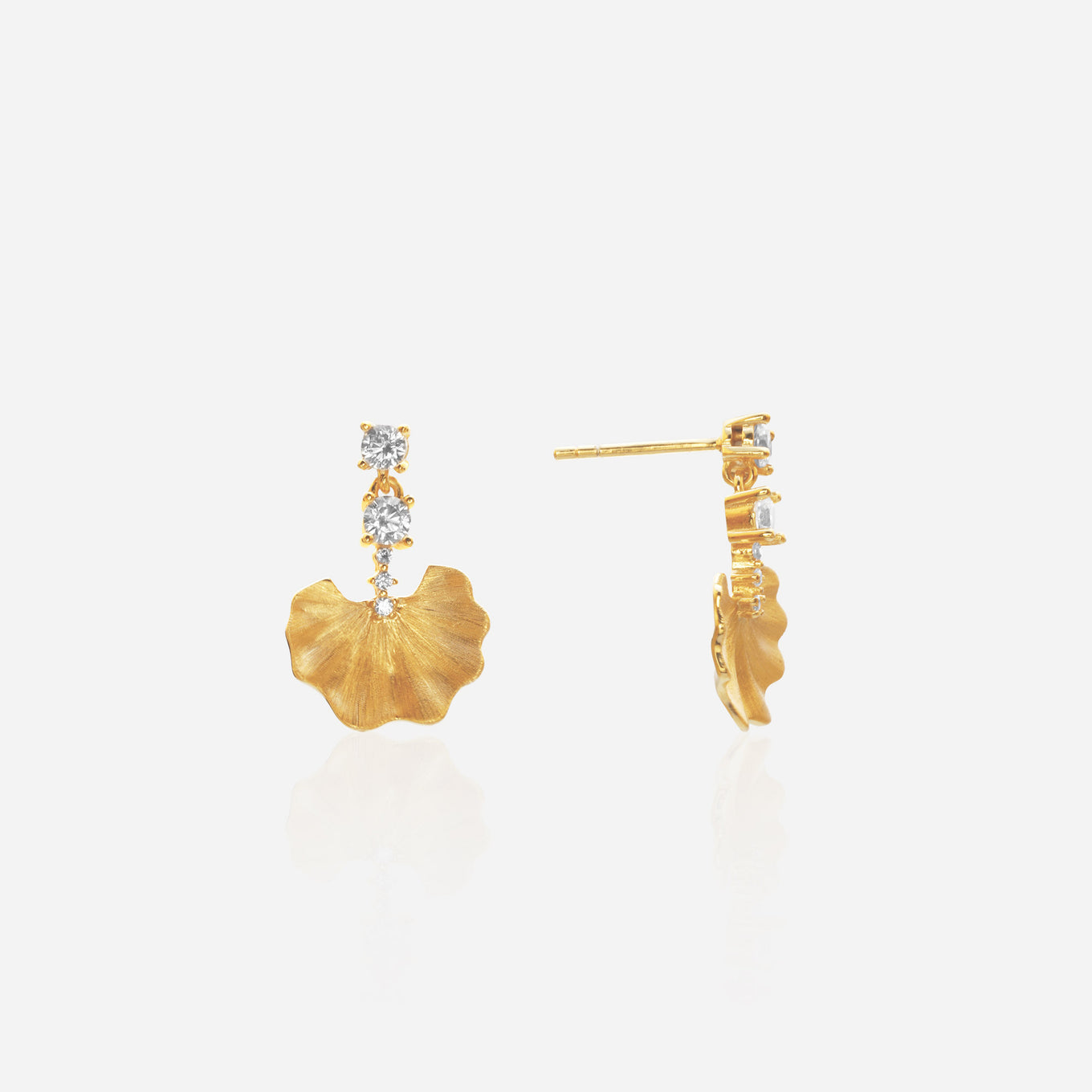
Ginkgo Leaf Collection. The ginkgo is the oldest surviving tree species on Earth — a living fossil that survived Hiroshima and Ice Ages. In Art Nouveau, it represents resilience and longevity. Our Ginkgo collection spans three pieces: Dangle Drop Earrings with featherlight silver backs and lab diamond pavé, Hammered Cluster Earrings with a textured gold finish, and the Ginkgo Leaf Necklace with an Aphrodite Pearl heart at the center of the fan-shaped leaf.
Fern Collection. Ferns were everywhere in Art Nouveau — their unfurling fronds (called "fiddleheads") are the purest example of the whiplash curve that defines the movement. The Gold Fern Earrings are labeled "Art Nouveau Leaf Studs" in our collection — they're pavé-set on an omega back, with each tiny diamond representing the spores on a frond's underside. They're small enough for everyday but detailed enough that someone looking closely will see the botanical reference.
Laurel Cuff Ring. The laurel wreath — Apollo's crown, the Olympic victor's symbol — wraps around the finger like it was woven from gold wire. The Laurel Cuff Ring is ÉLARAMUSE's most literal Art Nouveau translation: a gold leaf that bends to the finger's curve, with lab diamonds set flush along the vein line. It's a statement ring that reads as sculpture first, jewelry second.
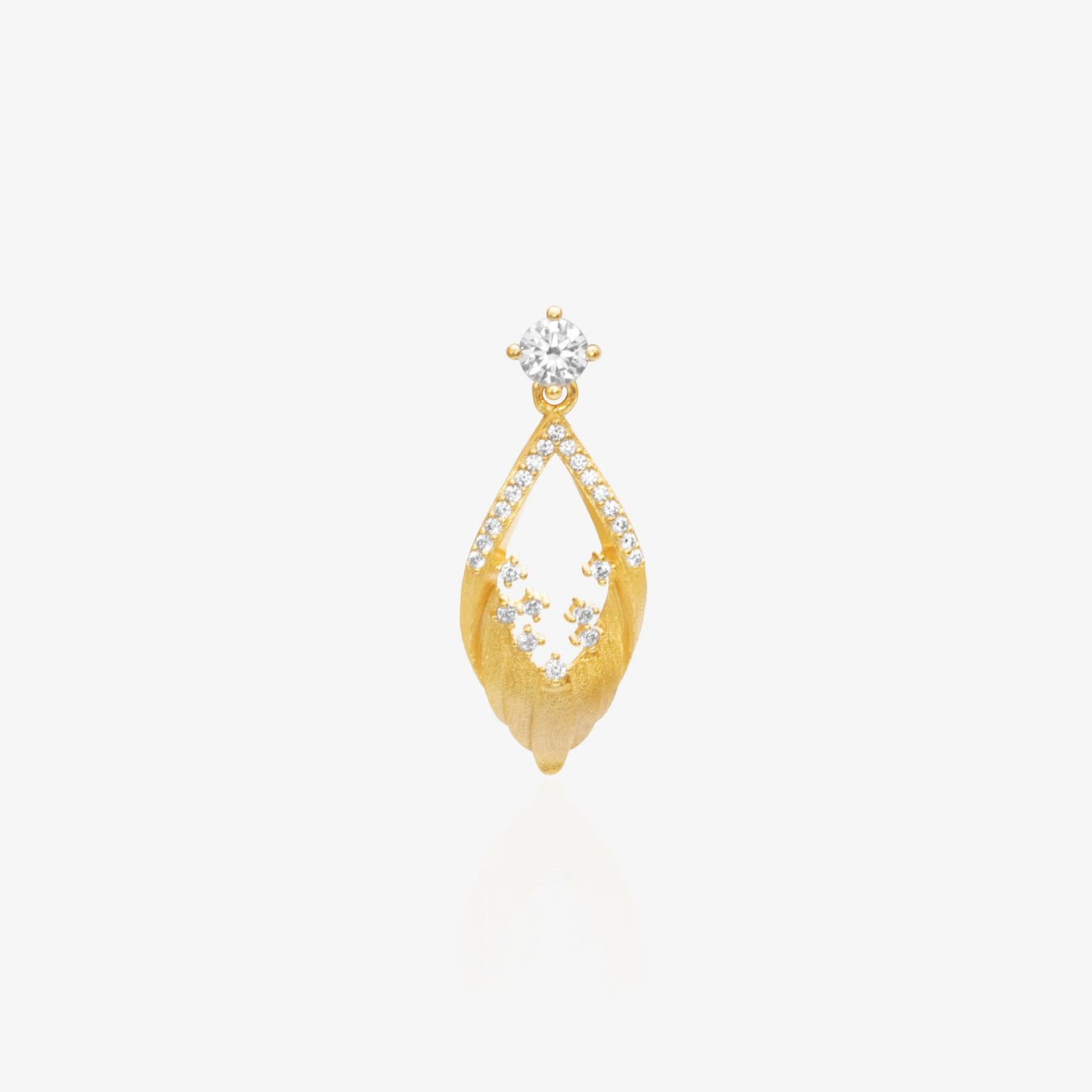
Willow & Vine. The Gold Willow Leaf Pendant captures the weep of a willow branch in brushed 18K gold plate — an openwork teardrop that catches light through its negative spaces. The Gilded Vine Bracelet twists like a tendril around the wrist. Both pieces reference the Art Nouveau principle that metal should flow like water, not sit like a cage.
Ocean & Shell: Art Nouveau's Water Side
René Lalique kept a collection of shells, starfish, and coral specimens in his studio. The ocean — with its complete absence of straight lines — was his infinite reference library. Our ocean-inspired pieces follow the same philosophy: the Venus Scallop Shell Diamond Pendant captures the radial ridges of a shell in gold, with a pearl drop at the hinge.
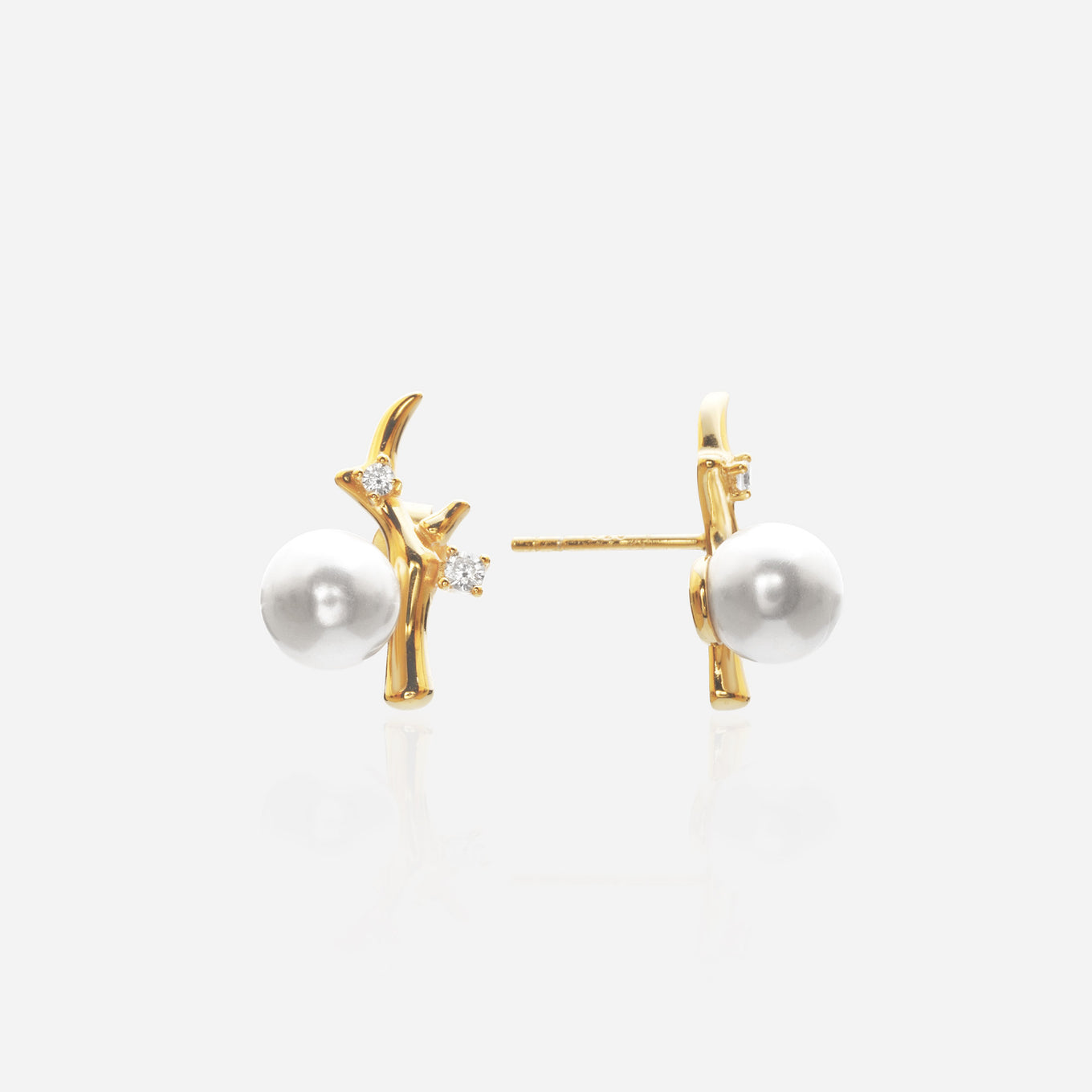
The Coral Branch Earrings mimic the branching structure of deep-sea coral — crystal pearl buds along gold "branches" that look like they were plucked from a reef. The Pink Conch Shell Necklace joins ocean and botanical motifs in a single piece — a conch shell carved in pink silver with a cherry pendant that bridges the sea-and-garden worlds.
How to Style Art Nouveau Jewelry
The two-piece rule. Art Nouveau pieces carry narrative weight — each one says "I'm modeled after a living thing." Stack too many, and it becomes a diorama. Wear two: a botanical earring with a leaf ring, or a shell pendant with vine earrings. Let the pieces talk to each other across the body rather than compete for the same square inch.
Clothing that stays out of the way. Art Nouveau jewelry works best against solid colors — cream silk, charcoal wool, navy linen. Prints compete with botanical forms. The jewelry IS the print. A Ginkgo Leaf Necklace against a plain black sweater reads as intentional, editorial, and museum-worthy. The same necklace against a floral blouse disappears into visual noise.
Metal consistency matters less than motif consistency. In 1900, Art Nouveau pieces mixed metals freely — gold, silver, copper, enamel, horn — because the material served the design. Your Laurel Cuff Ring in gold and Coral Branch Earrings in silver-crystal can coexist if they share a nature reference. This isn't a matching-set era. It's a coherent-vision era.
Modern Art Nouveau: Not a Costume
The risk with any historical revival is looking like you stepped out of a museum diorama. Modern Art Nouveau jewelry avoids this because the pieces we're referencing — leaves, vines, shells — exist in 2026 as much as they did in 1900. A ginkgo leaf doesn't look "period."
It looks like a ginkgo leaf. The wearer of a Laurel Cuff Ring in 2026 isn't cosplaying a Belle Époque salon; she's wearing a beautiful gold ring shaped like a leaf. The historical context adds depth for those who know it. For those who don't? It's just a stunning ring.
Pair Art Nouveau pieces with contemporary basics: straight-leg jeans, a silk camisole, architectural sandals. The tension between organic jewelry and structured modern clothing is where the style lives in 2026. A Gardenia Ring on a hand holding an iPhone is the point, not the contradiction.
Caring for Nature-Inspired Gold
Art Nouveau pieces are more detailed than minimalist jewelry — leaves have veins, shells have ridges, flowers have layered petals. That detail means more surface area for skin oils and environmental residue to accumulate. Clean your botanical gold-plated pieces monthly with a soft polishing cloth (not liquid cleaner — it pools in leaf crevices).
Store each piece in its own compartment — vine earrings and shell pendants can snag on each other's organic edges. Remove before swimming (chlorine strips 0.5-micron gold plating fast), gardening (soil grit scratches gold plate), and applying lotion (creates a film that dulls the brushed finish on pieces like the Willow Leaf Pendant).
Key Terms
- Whiplash Curve
- The signature line of Art Nouveau — a curve that starts in one direction, curves back on itself, and terminates at an unpredictable point. Named after the crack of a whip. In jewelry, it's seen in vine tendrils, fern fiddleheads, and the stems of Lalique's floral brooches. The Gilded Vine Bracelet and Willow Leaf Pendant are modern examples of the whiplash curve in jewelry.
- Plique-à-Jour
- A translucent enamel technique — essentially stained glass in miniature — where enamel is suspended between gold wires with no backing, allowing light to pass through. René Lalique perfected this technique. In modern demi-fine jewelry, the visual equivalent is achieved through openwork metal (the Willow Leaf Pendant's teardrop negative space) rather than actual enamel, which requires kiln firing and is cost-prohibitive in accessible jewelry.
- Repoussé
- A metalworking technique where the design is hammered from the reverse side to create raised relief on the front. Art Nouveau jewelers used repoussé to give leaves and petals three-dimensional volume. In modern production, casting achieves a similar effect — the Laurel Cuff Ring's leaf form is cast, not hammered — but the visual language of raised organic form remains the same.
Frequently Asked Questions
Q: Is Art Nouveau jewelry still in style in 2026?
Art Nouveau never cycled out — it just cycled into different names. The nature-inspired jewelry trending on runways in 2026 (Bottega Veneta's leaf earrings, Loewe's botanical brooches) is direct-line Art Nouveau, whether or not the designers cite Lalique. The difference is execution: 2026 Art Nouveau is worn with contemporary clothes, not period costume. A Ginkgo Leaf Necklace with a blazer reads as "interesting jewelry," not "historical reenactment."
Q: What's the difference between Art Nouveau and Art Deco jewelry?
Opposite philosophies. Art Nouveau (1890-1910): curves, nature, asymmetry, organic forms, enamel, moonstone. Art Deco (1920-1935): straight lines, geometry, symmetry, machine aesthetic, diamonds, platinum. Nouveau says "branch." Deco says "skyscraper." Both beautiful; completely different worldviews.
Q: Can I wear botanical jewelry year-round or just in spring?
Year-round. The seasonality of a piece comes from how you style it, not what it depicts. Ginkgo leaves turn gold in autumn and connect there. Fern fiddleheads emerge in spring. Maple leaves peak in October. But any nature reference worn against a winter coat reads as "I carry a piece of the garden with me," which is the most Art Nouveau sentiment possible.
Q: Is nature-inspired gold jewelry casual or formal?
Both, depending on the piece. Fern Studs under a ponytail = office-appropriate. Gardenia Ring with a cocktail dress = wedding guest elegance. The formality isn't in the nature reference; it's in the scale, sparkle level, and what you pair it with.
Q: What metals work best for Art Nouveau style?
Warm metals — gold, rose gold, copper — served as the palette for original Art Nouveau because they mimic the colors of nature (autumn leaves, spring buds, sunlit bark). Silver was used as an accent, not the base. In 2026, the same rule holds: gold-plated sterling silver reads as warmer and more organic than rhodium-plated white silver. Our nature-inspired collection is almost entirely in gold plate for this reason.
Q: Is there a difference in quality between 18K gold-plated botanical jewelry and solid gold?
The detail level — leaf veins, shell ridges, petal layers — is determined by the casting quality, not the metal type. Our botanical pieces are cast from sterling silver (the same base metal as Tiffany & Co.'s silver collections) with 0.5-micron 18K gold plating. The gold layer determines color and finish durability; the casting determines the botanical accuracy. At demi-fine price points ($80-200), you're getting museum-quality organic forms without museum-auction prices.
Editor's Picks


We Believe — The best jewelry doesn't fight nature. It borrows from it. A ginkgo leaf cast in gold, a fern frond studded with lab diamonds, a laurel branch wrapped around a finger — these aren't jewelry trends. They're a 130-year-old design philosophy that says the most beautiful shapes in the world were here before we started making jewelry, and our job as jewelers is translation, not invention.
At ÉLARAMUSE, we build our botanical pieces on sterling silver with 0.5-micron 18K gold plating because the materials should honor the forms they carry — real precious metal for real organic references. A leaf in plastic is a toy. A leaf in gold is a talisman. That's Art Nouveau, and that's us.
References
- V&A Museum. Art Nouveau Jewellery Collection. vam.ac.uk
- GIA (Gemological Institute of America). Art Nouveau Period: Jewelry Design History 1890-1910. gia.edu
- The Metropolitan Museum of Art. Lalique and the Art Nouveau Jewelry Revolution. metmuseum.org
- FTC Jewelry Guides. Consumer Protection Standards for Gold-Plated and Sterling Silver Jewelry. ftc.gov