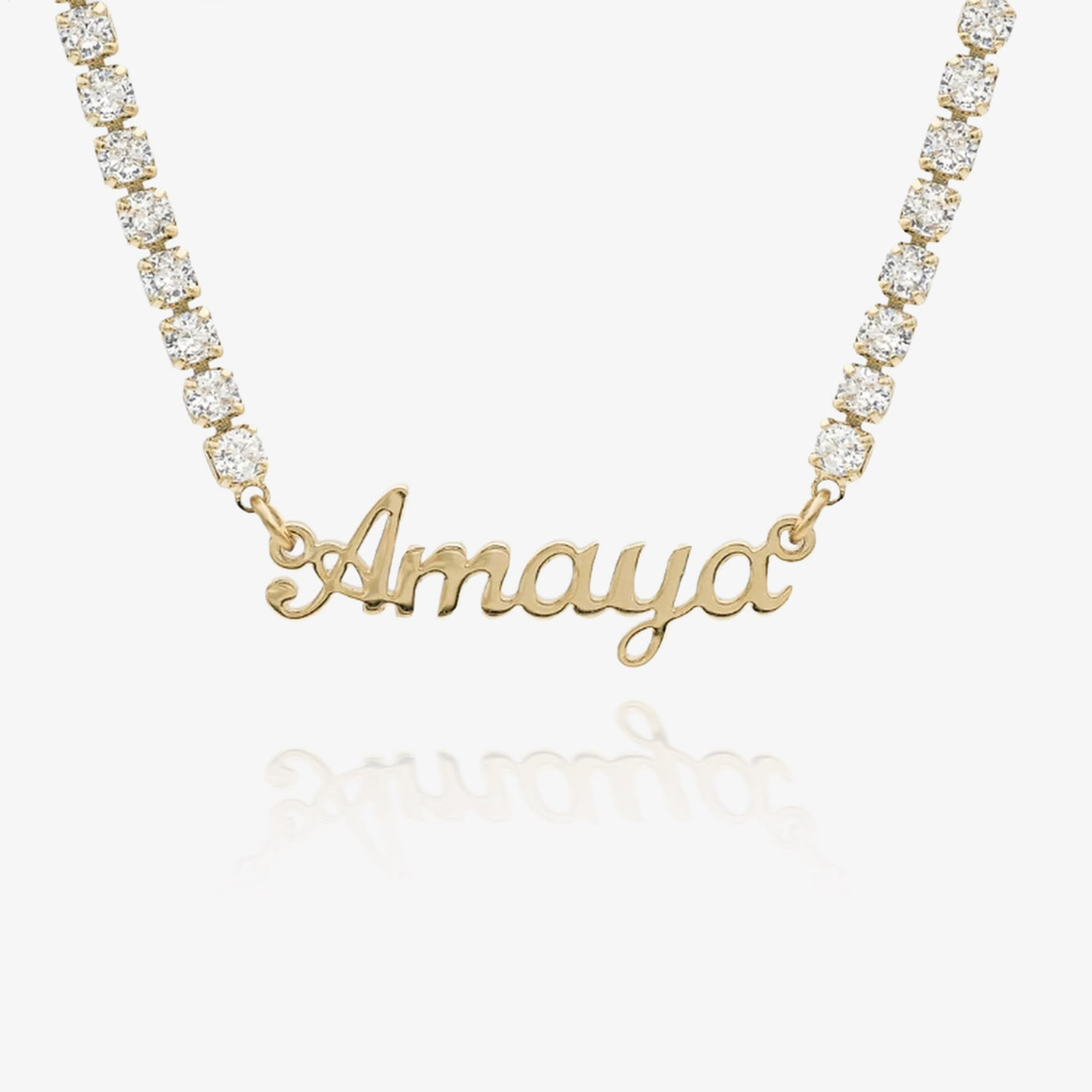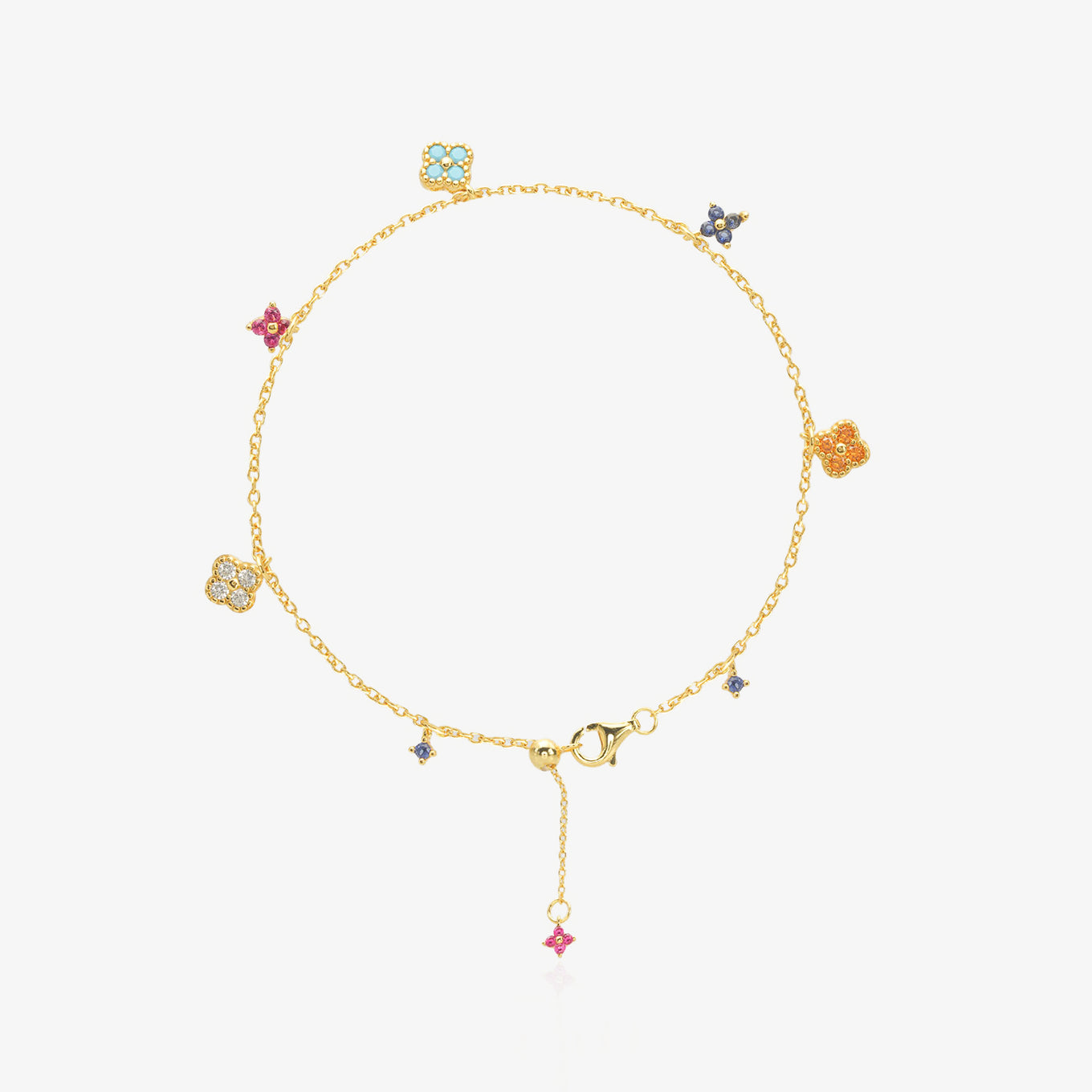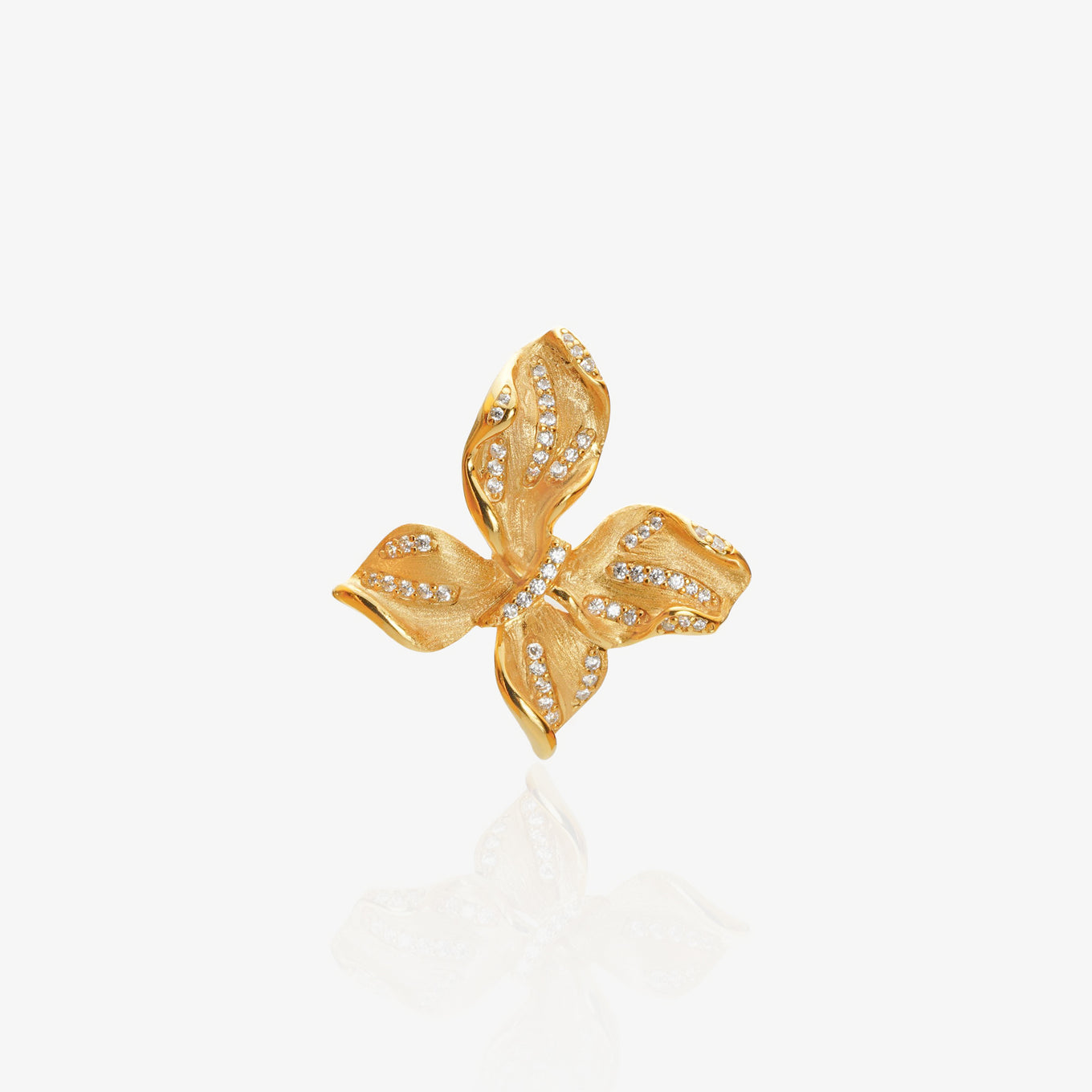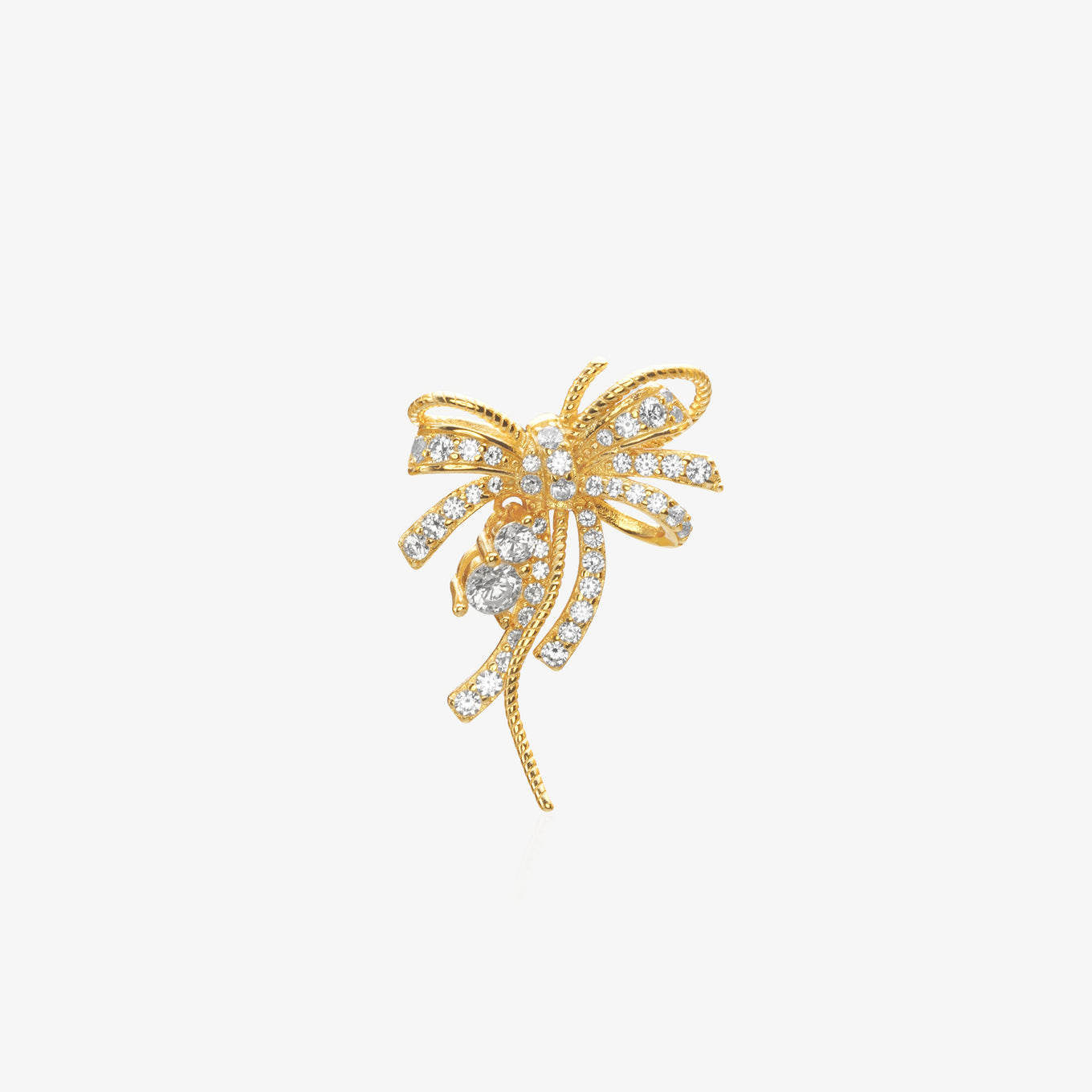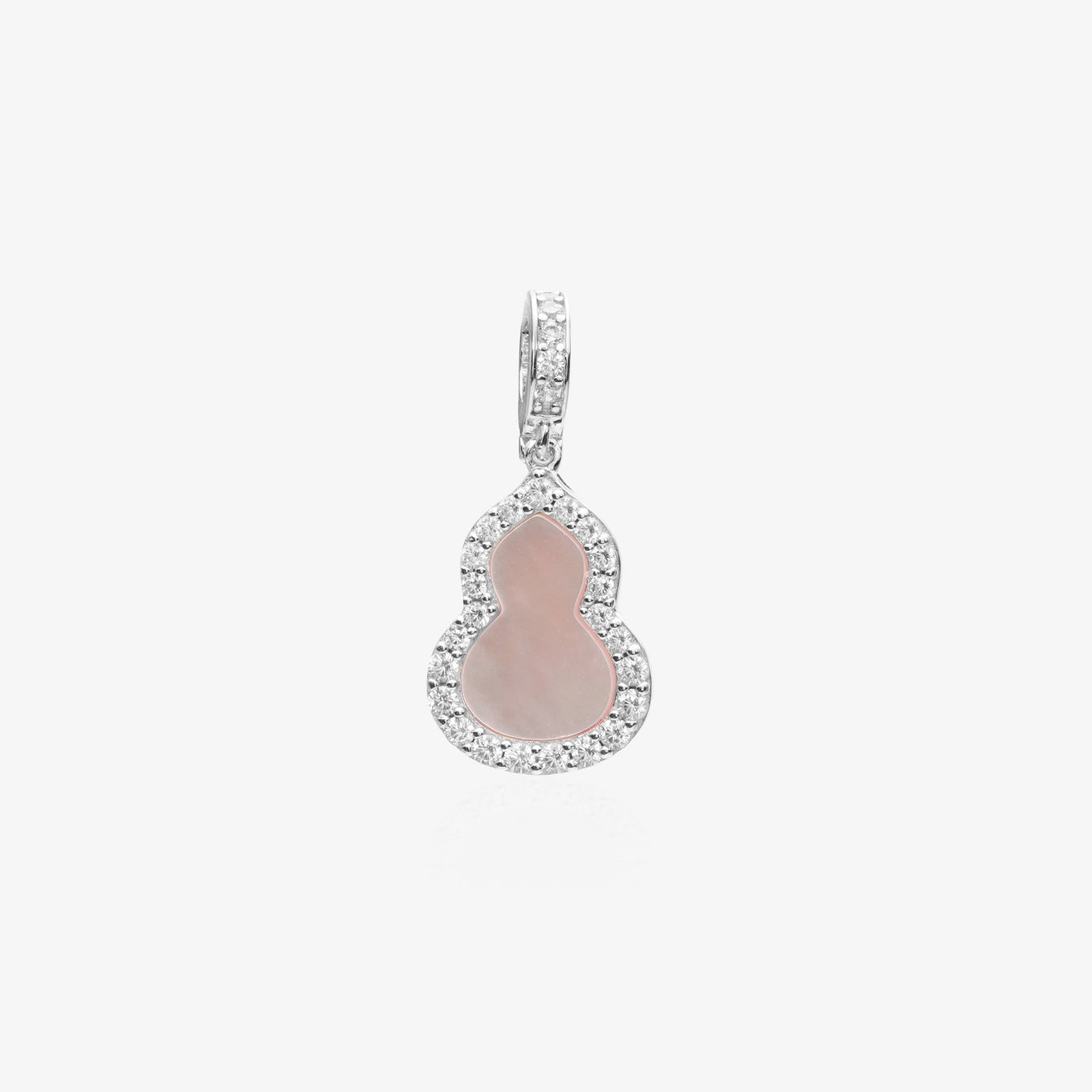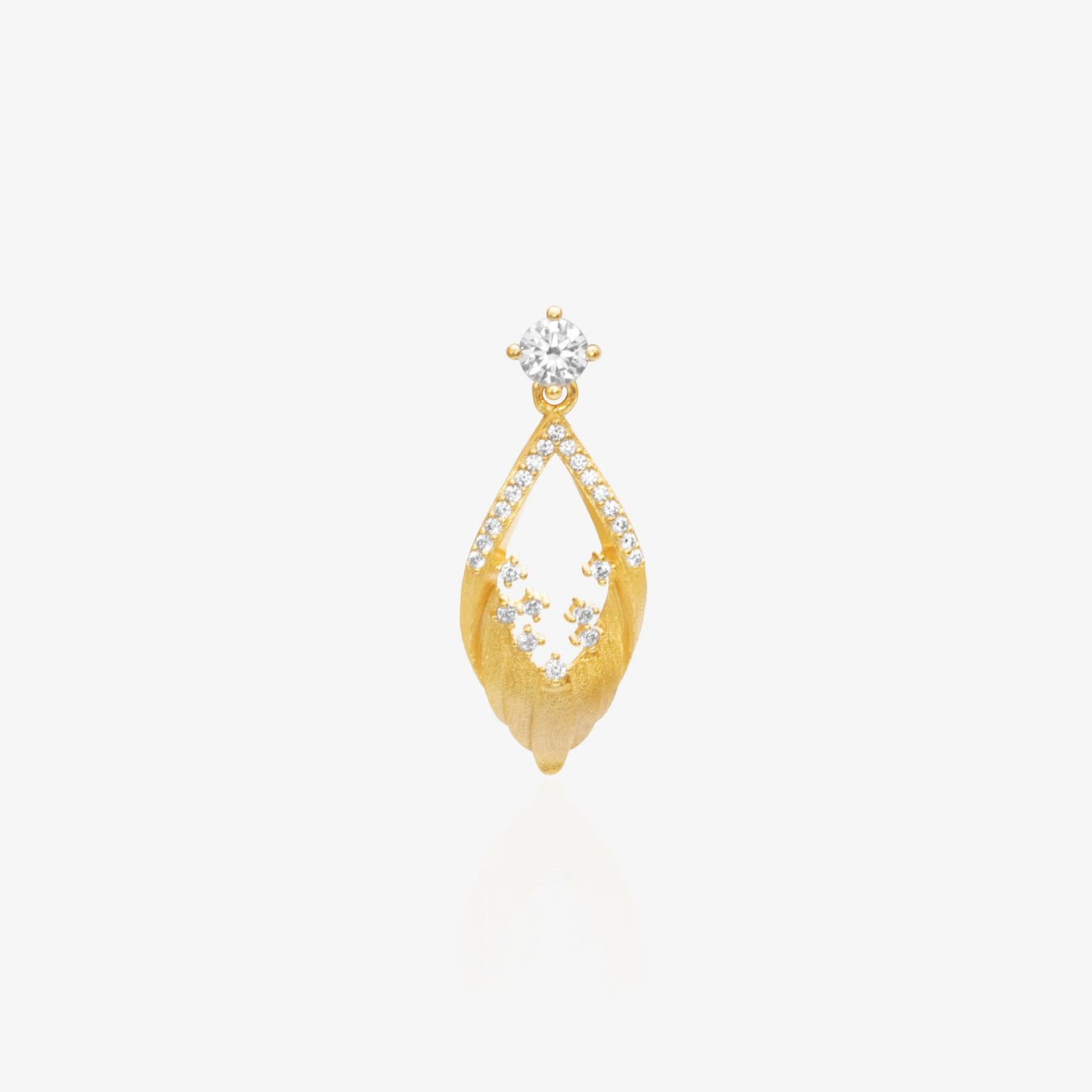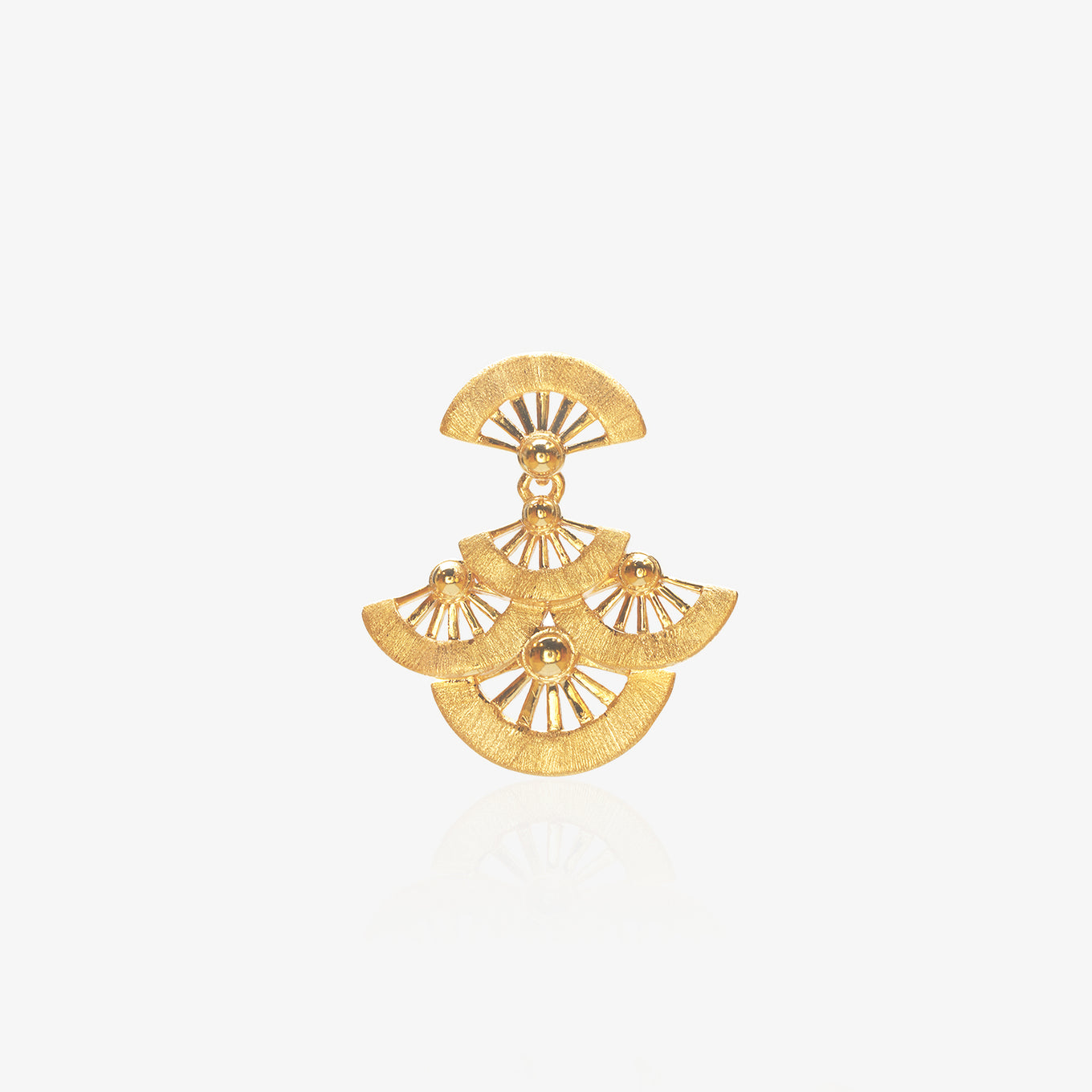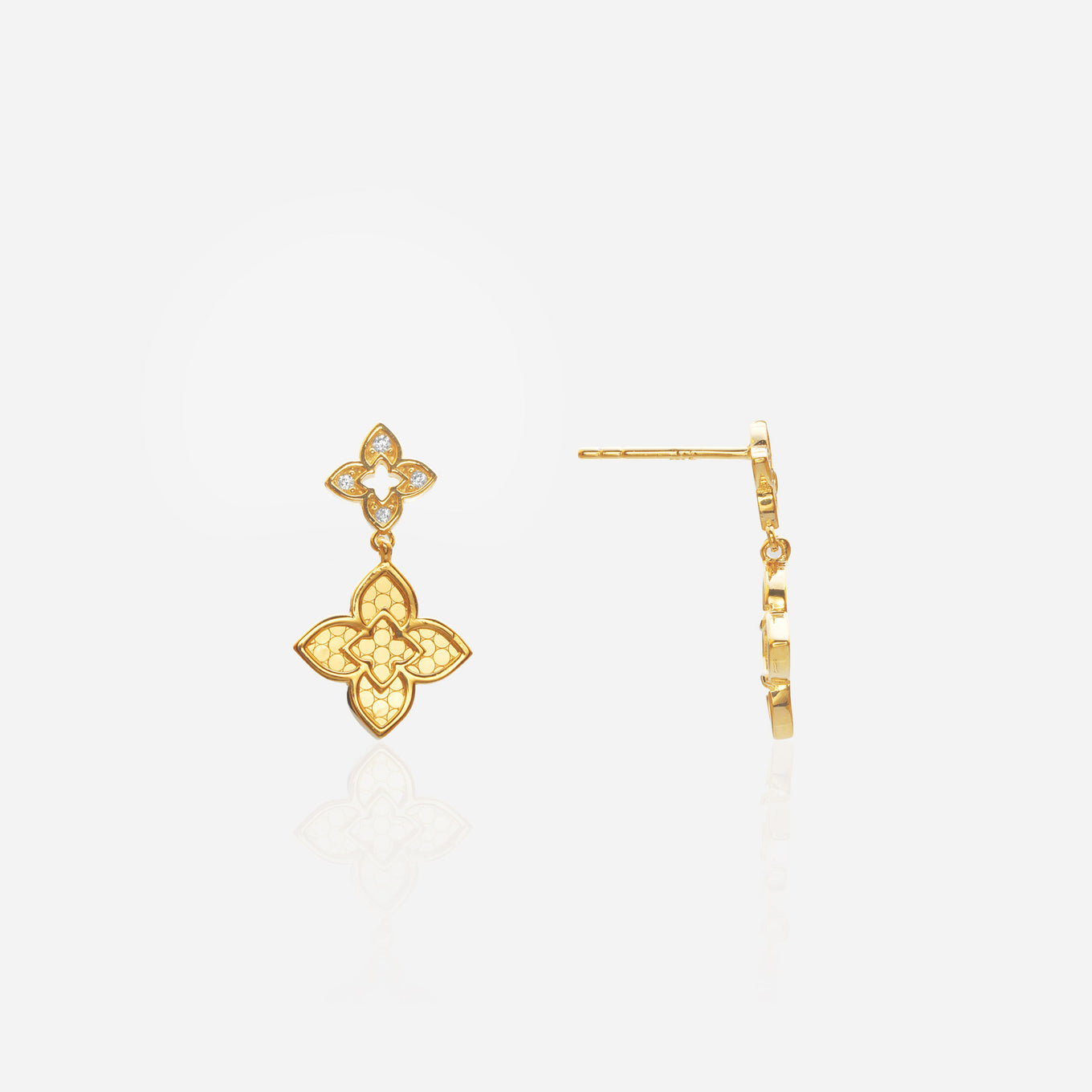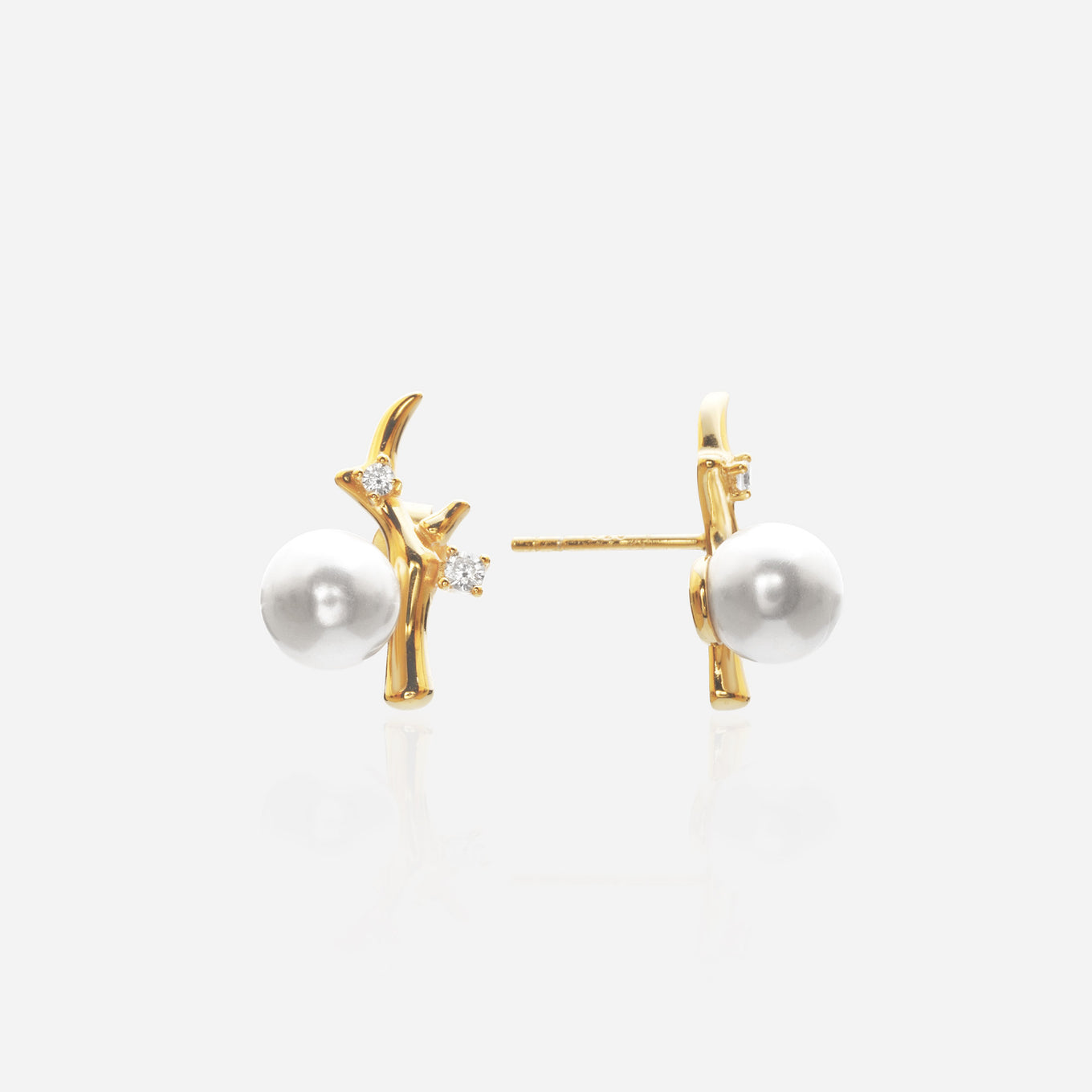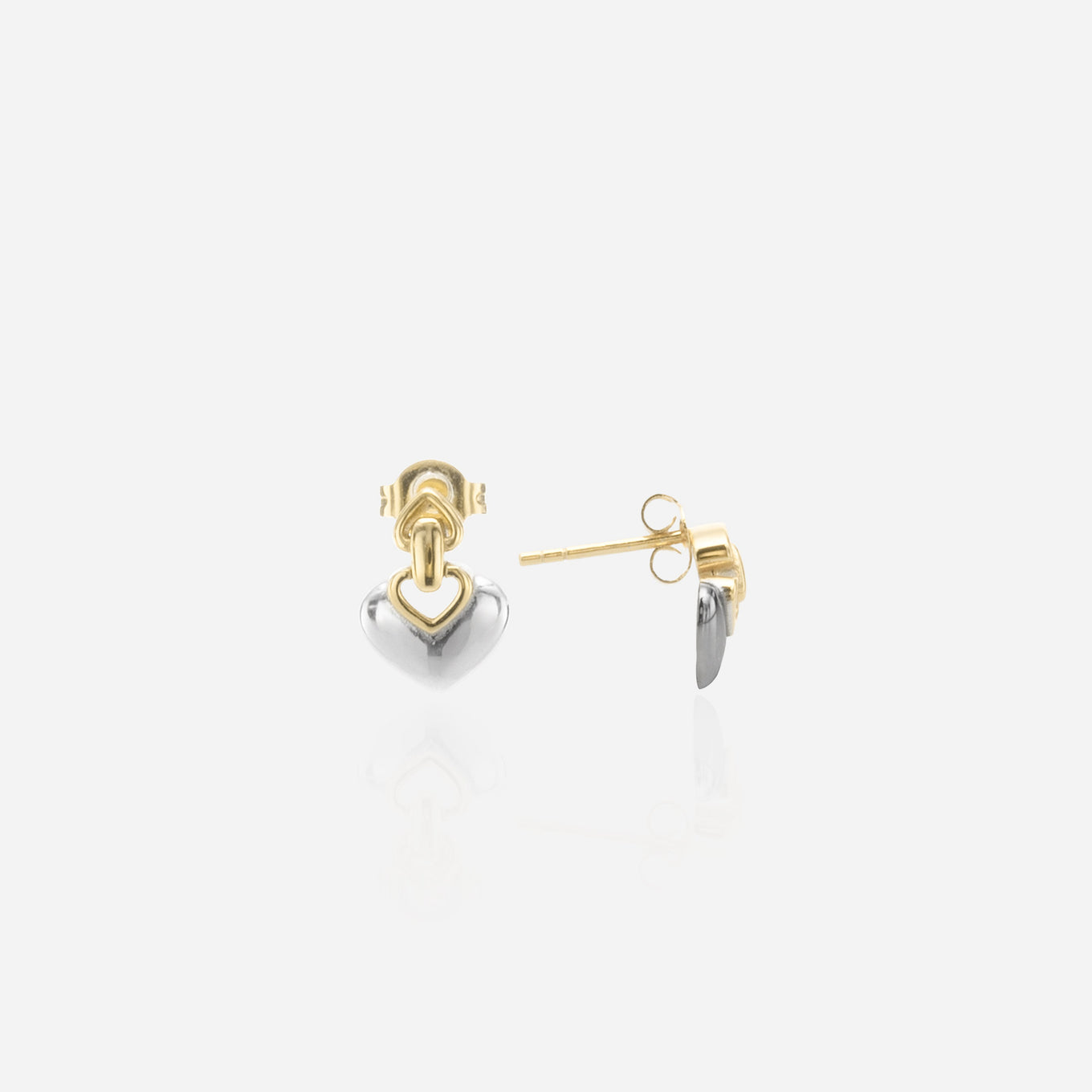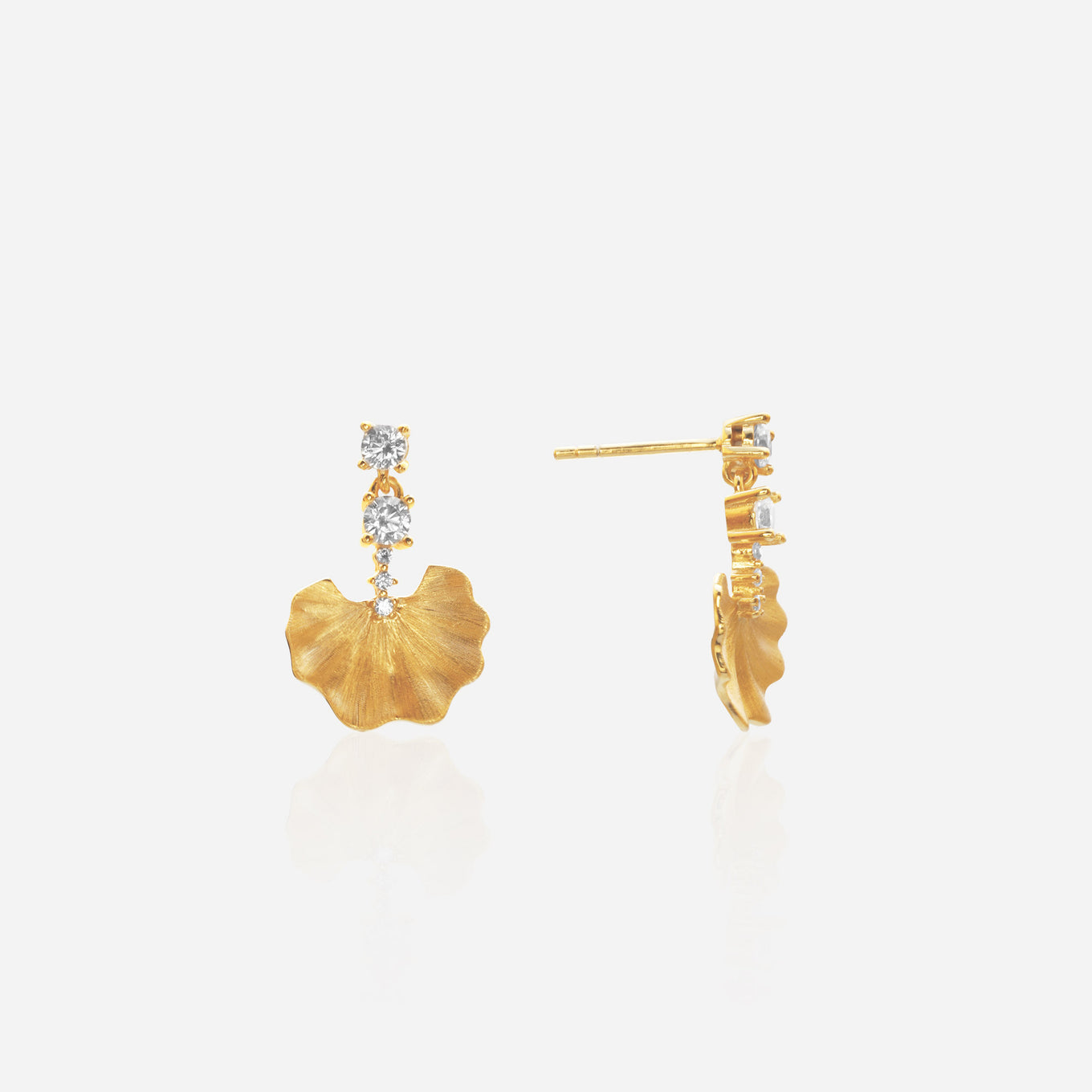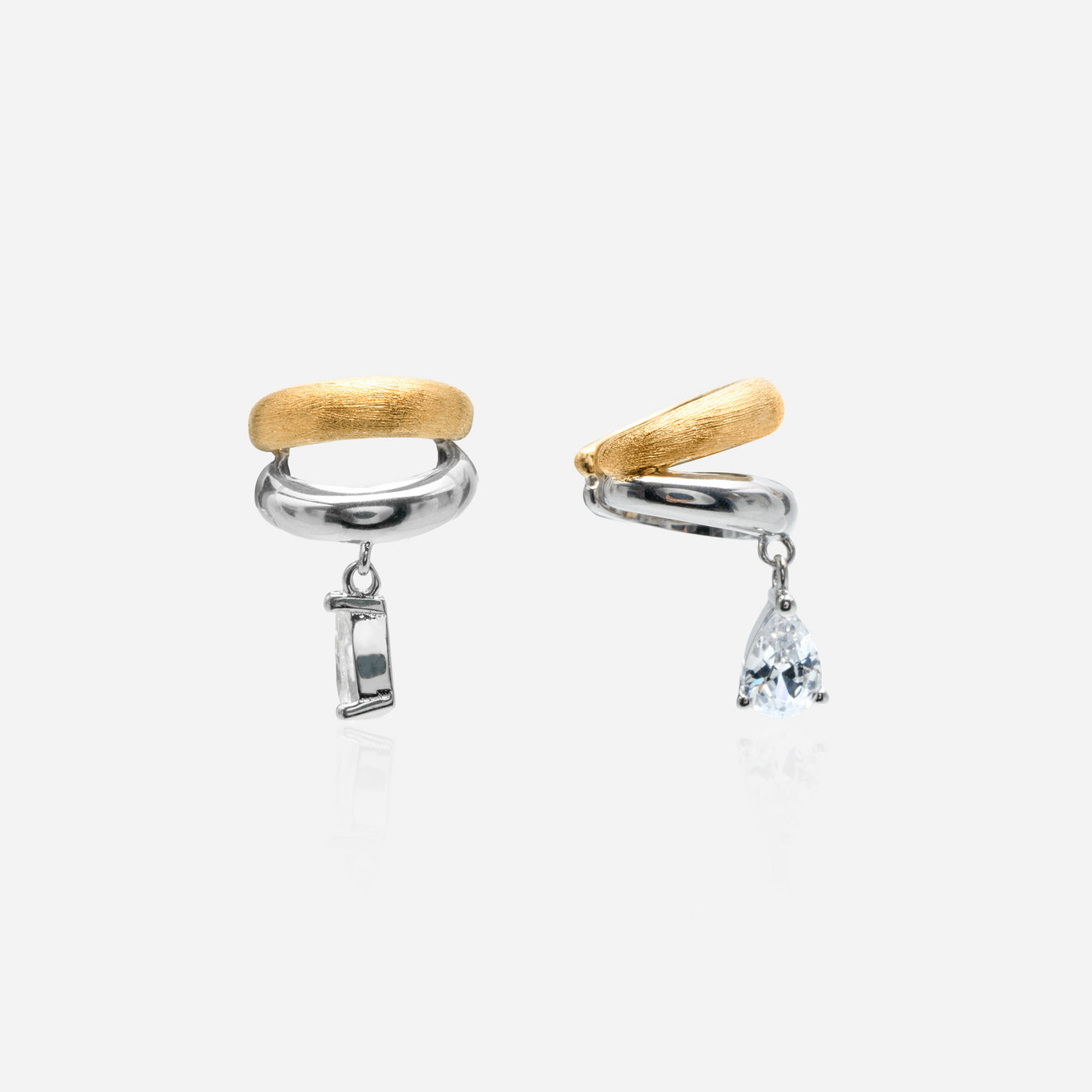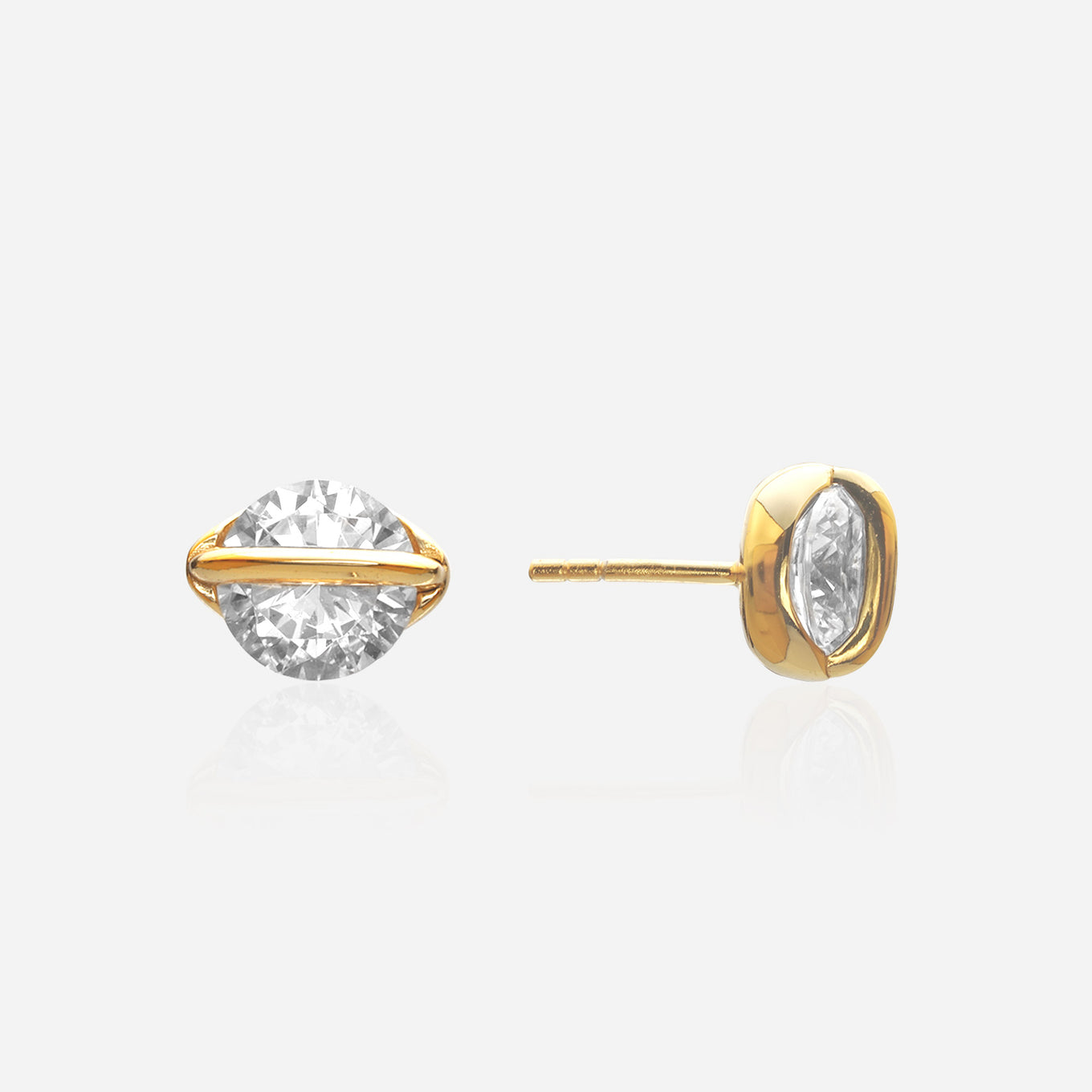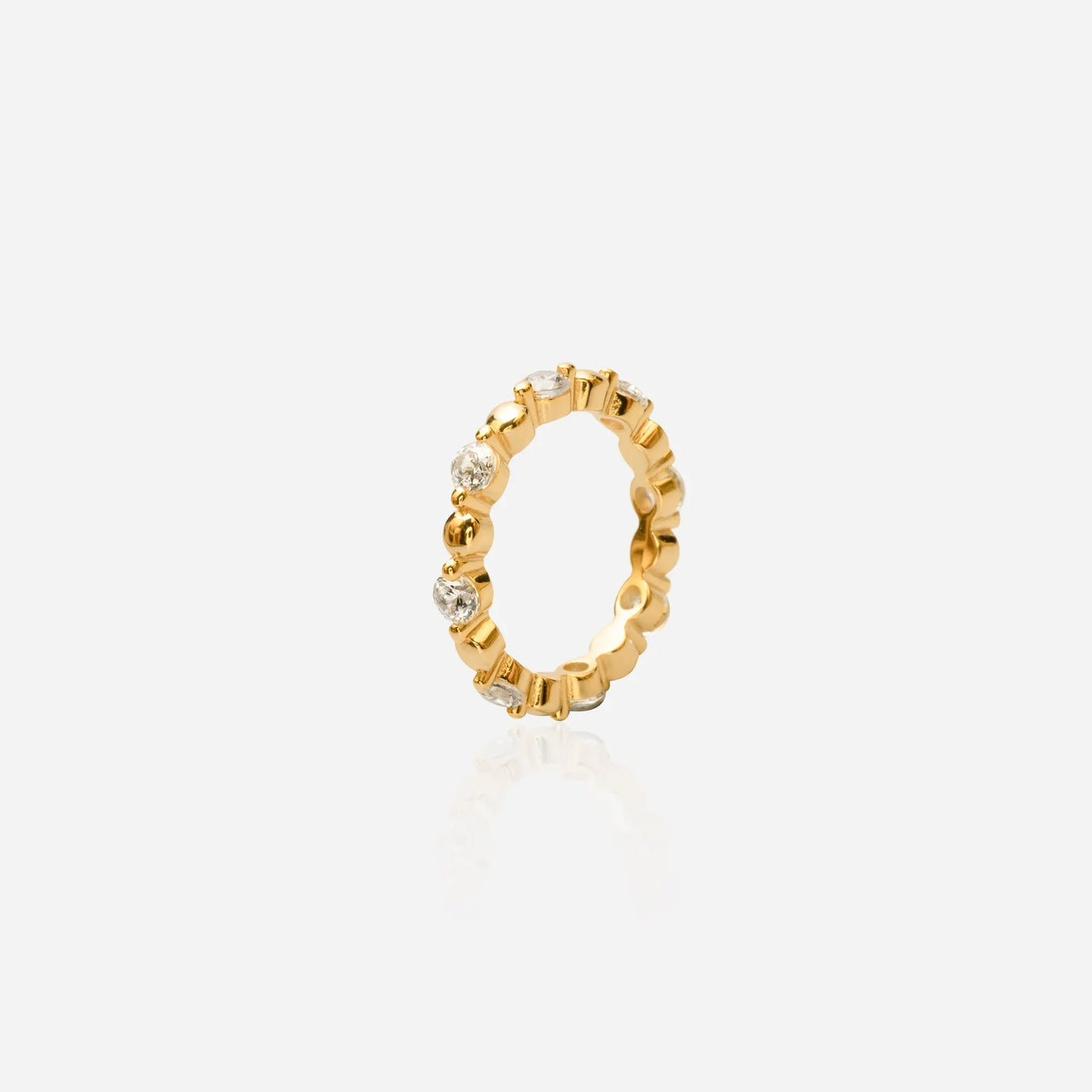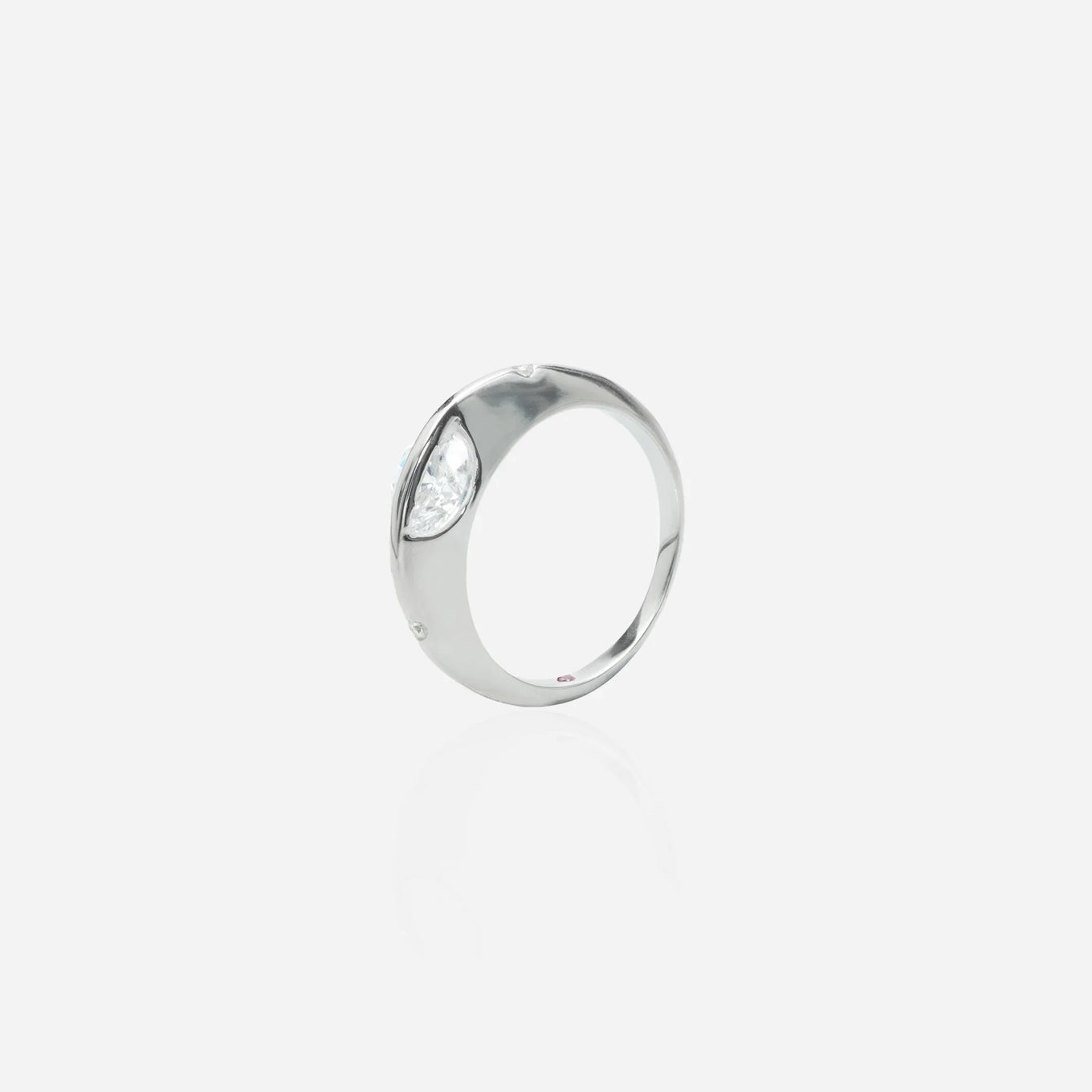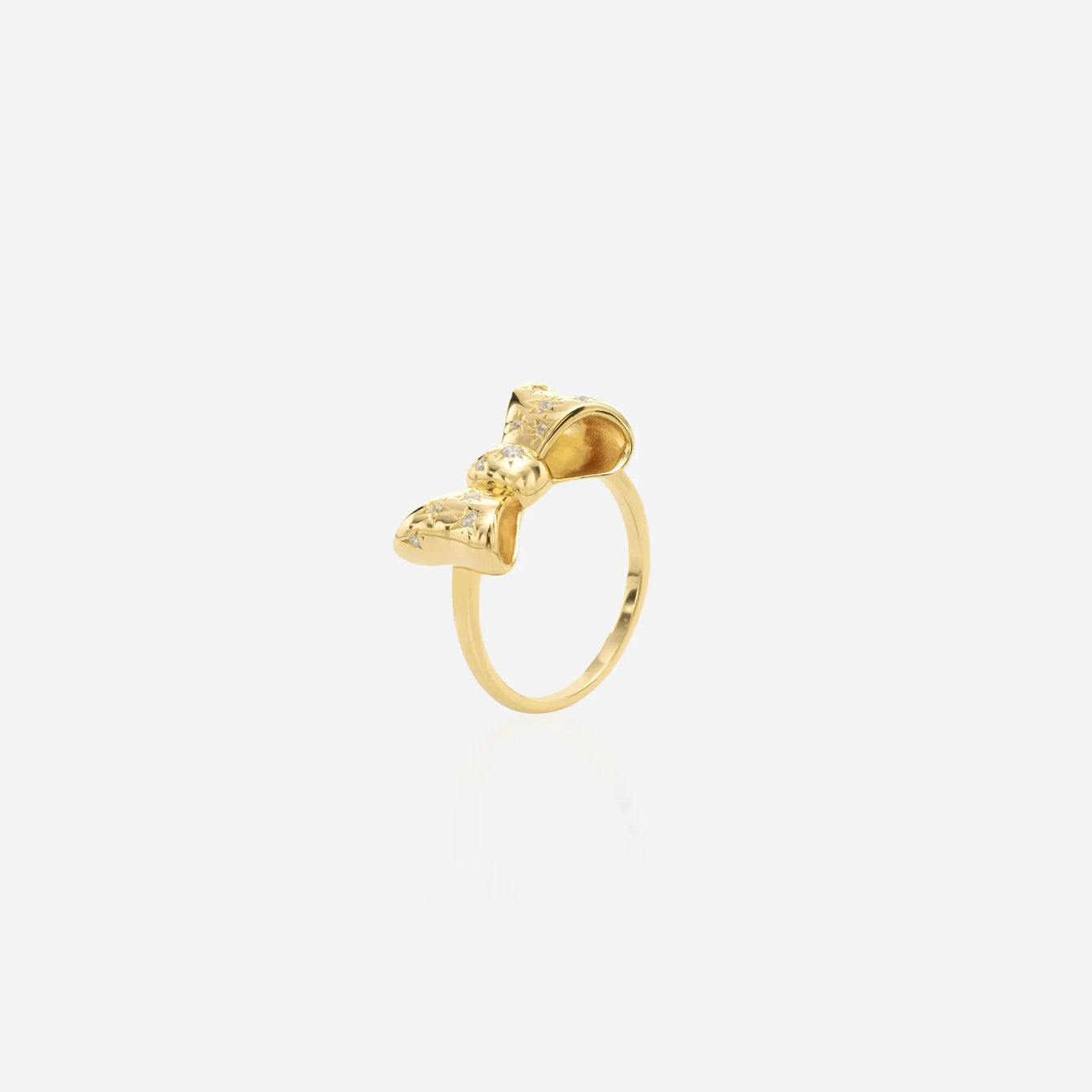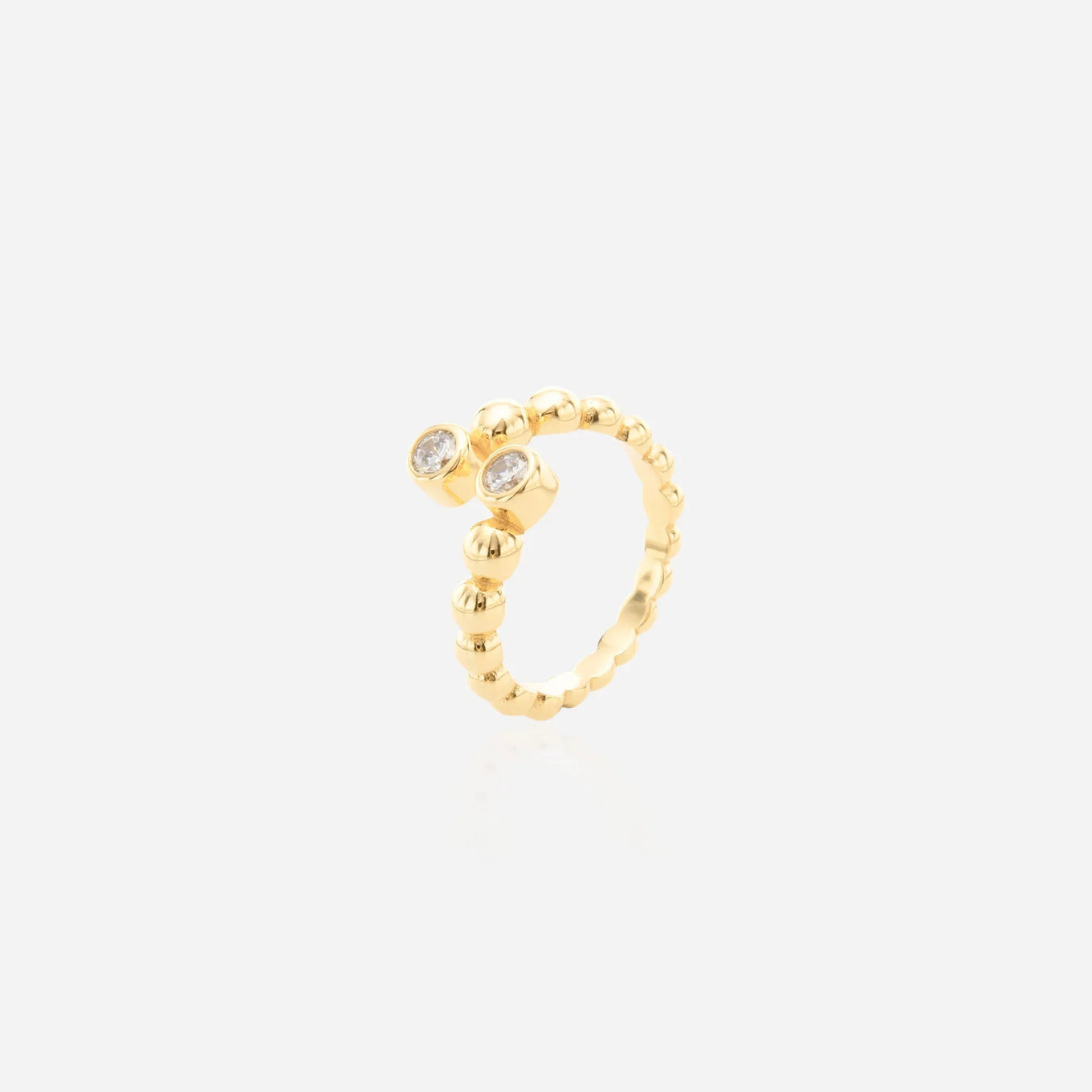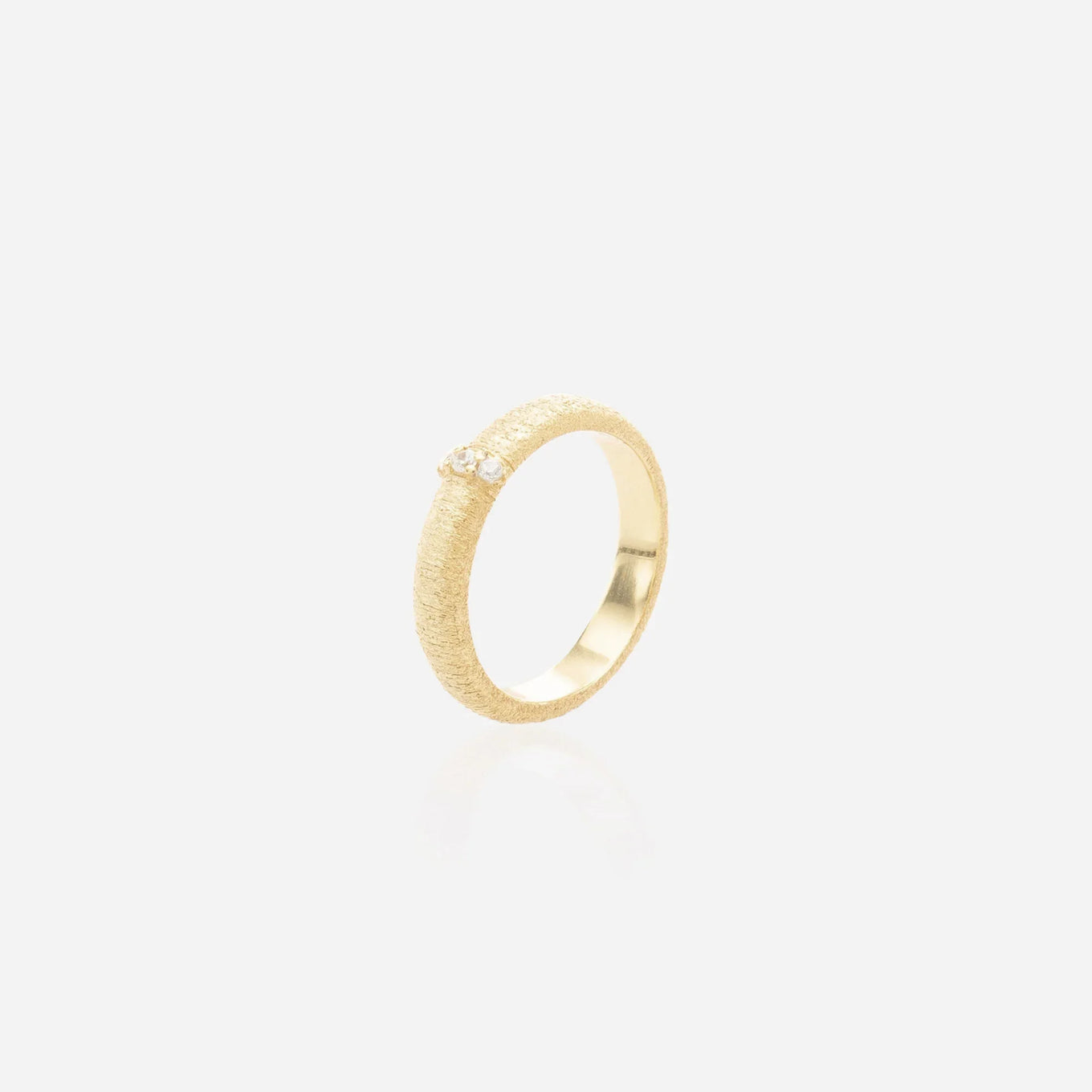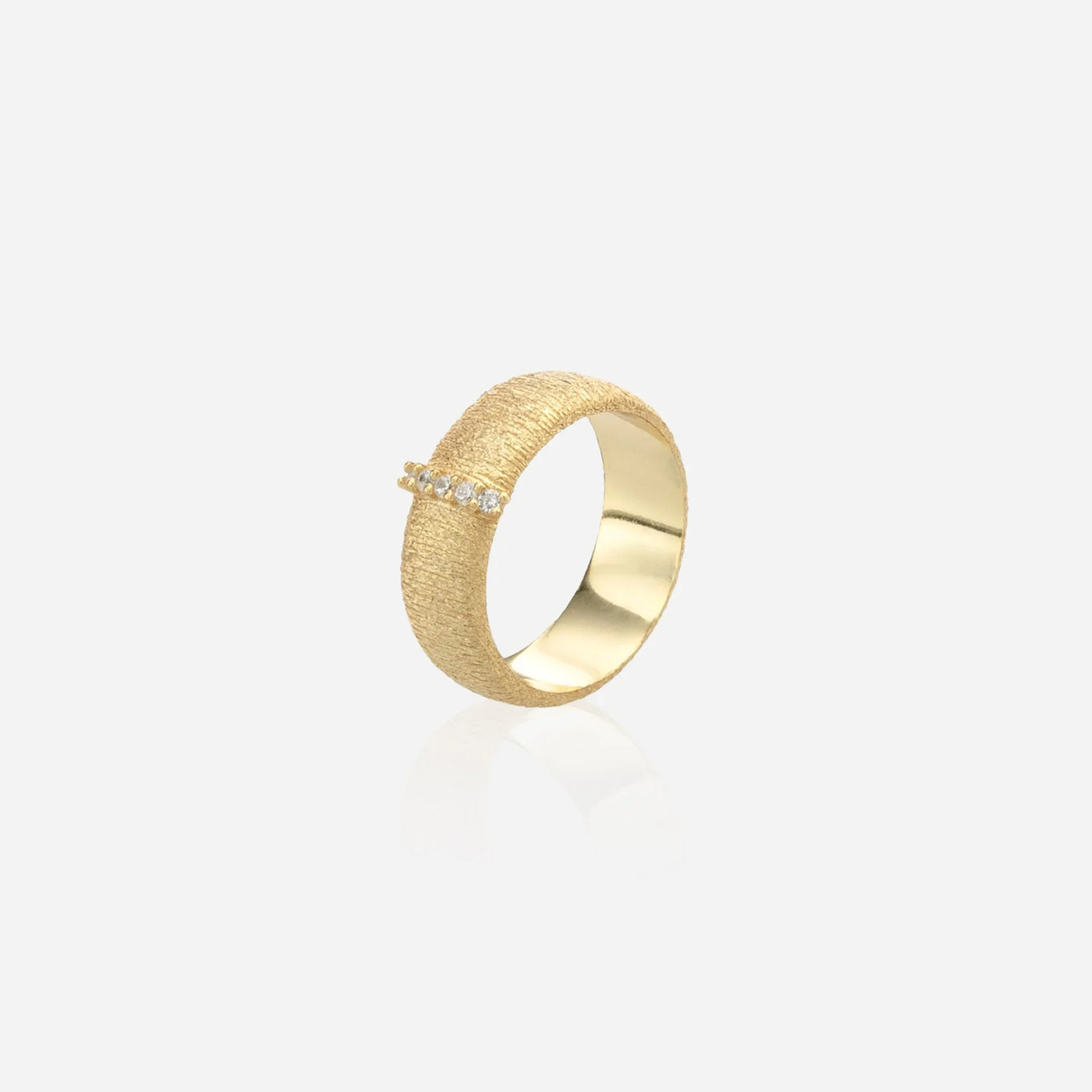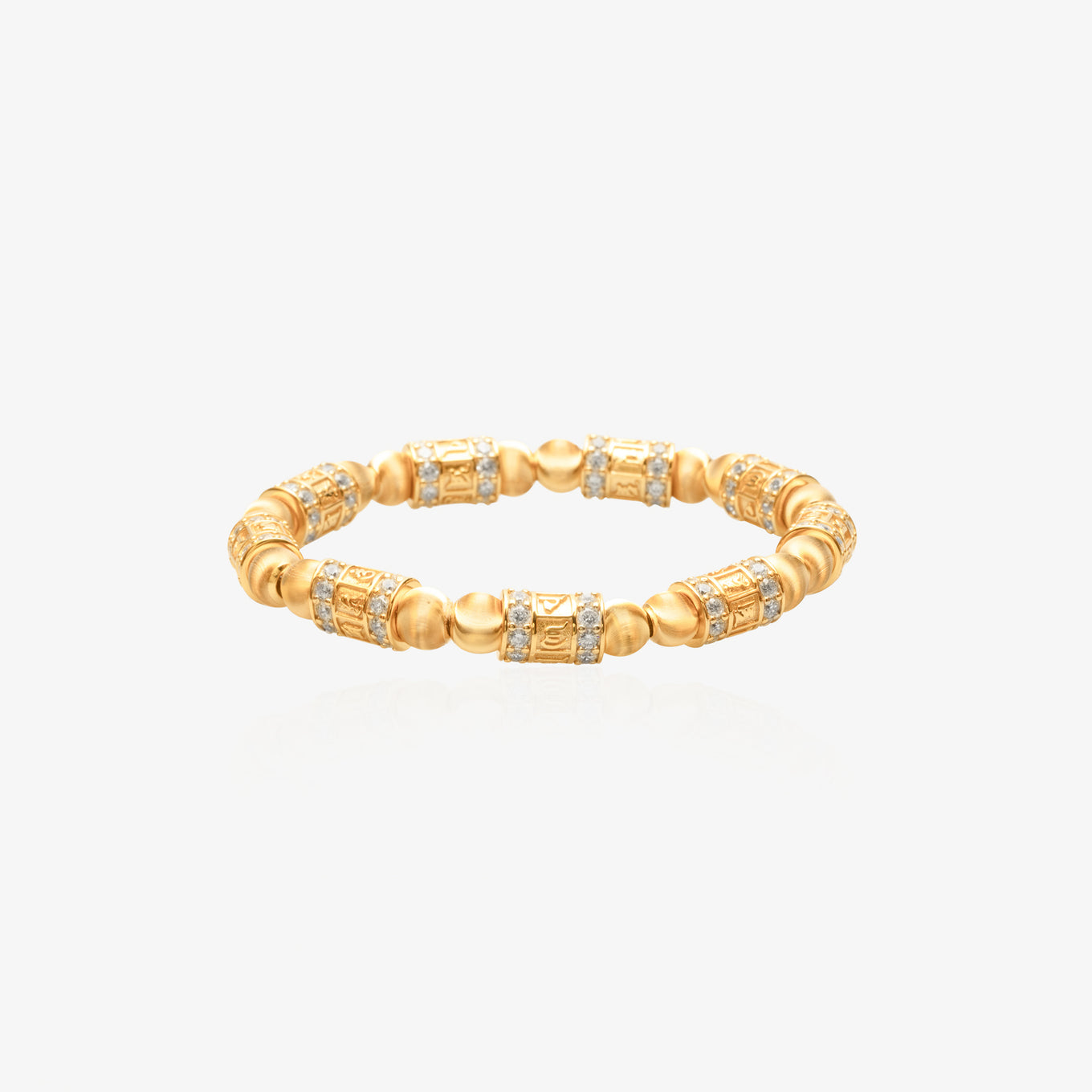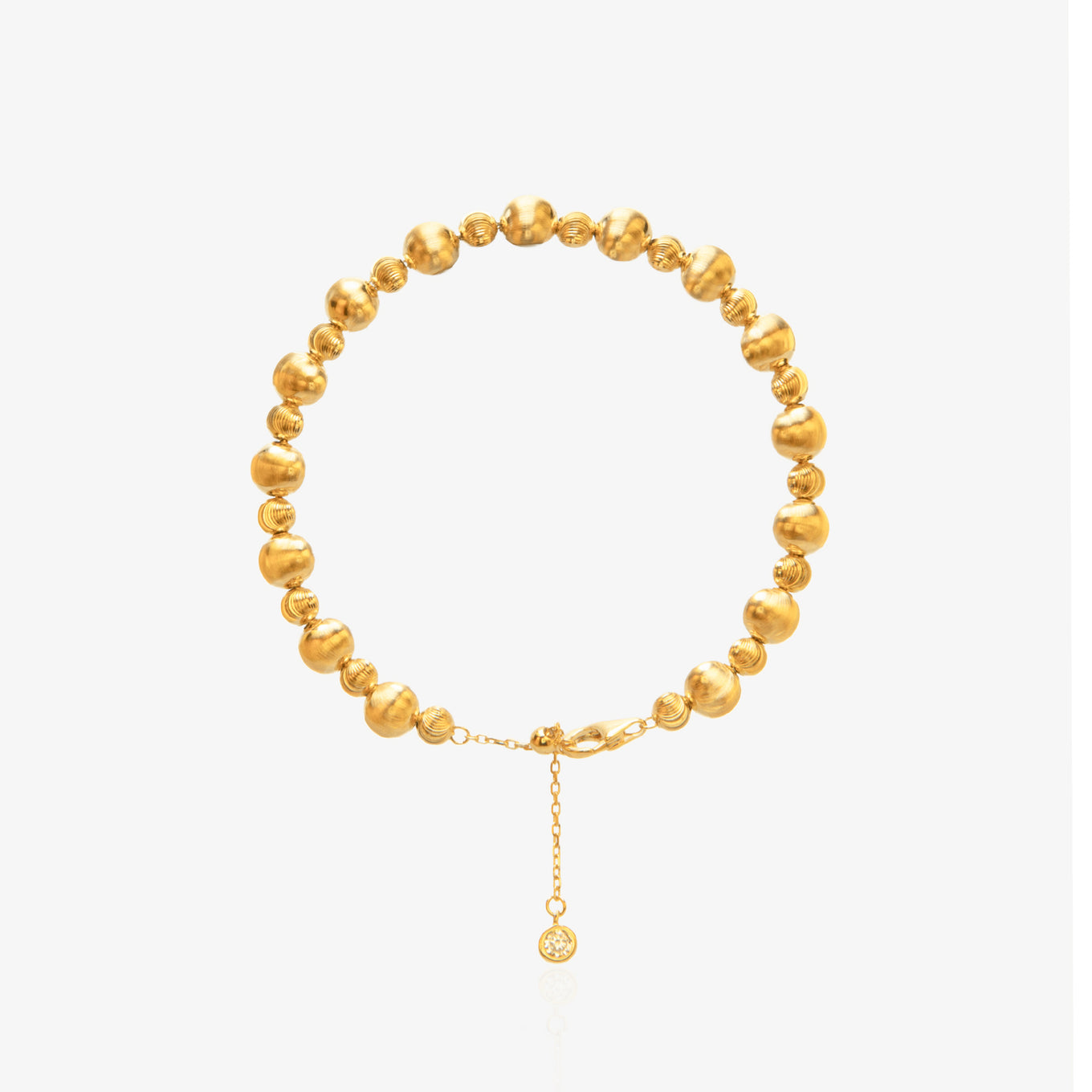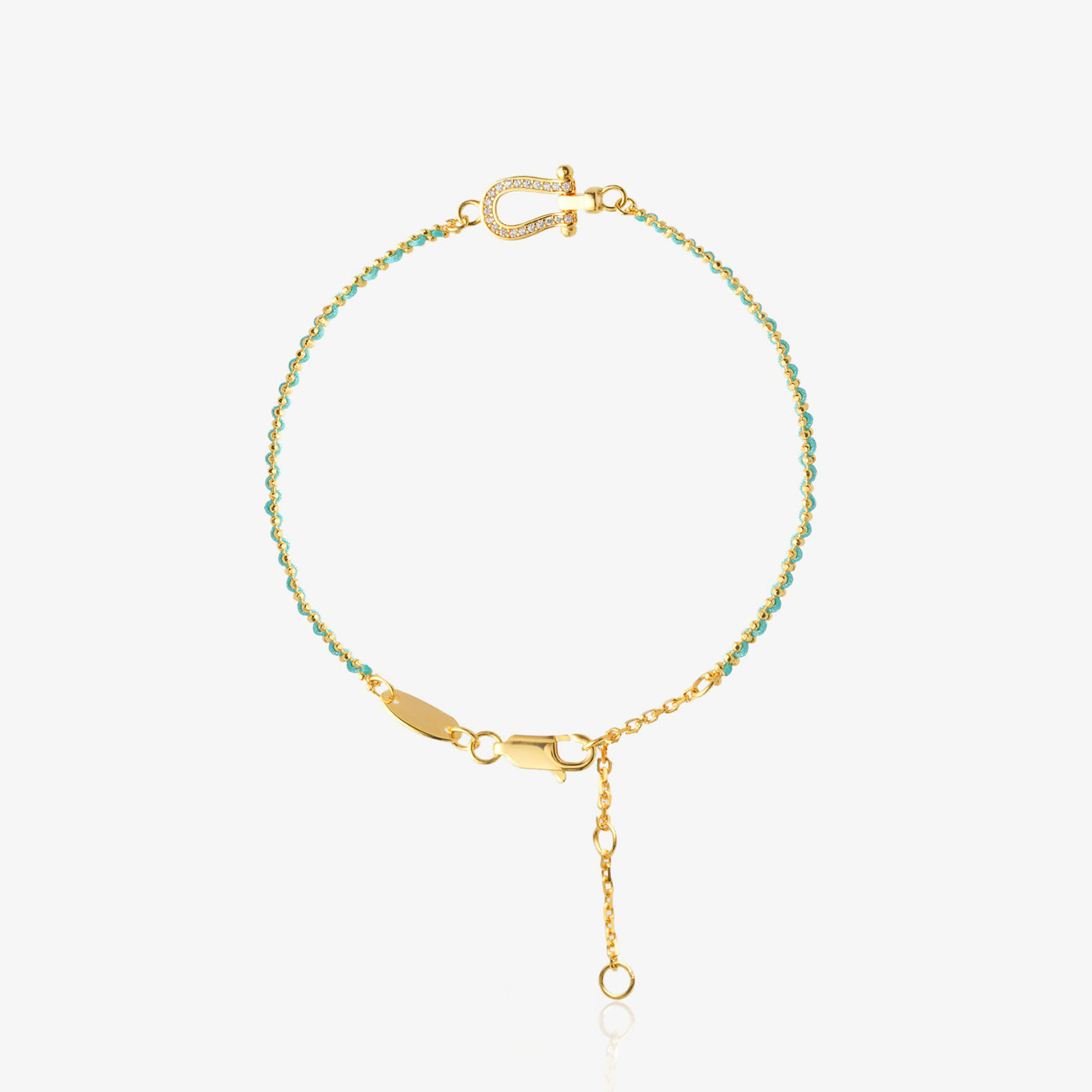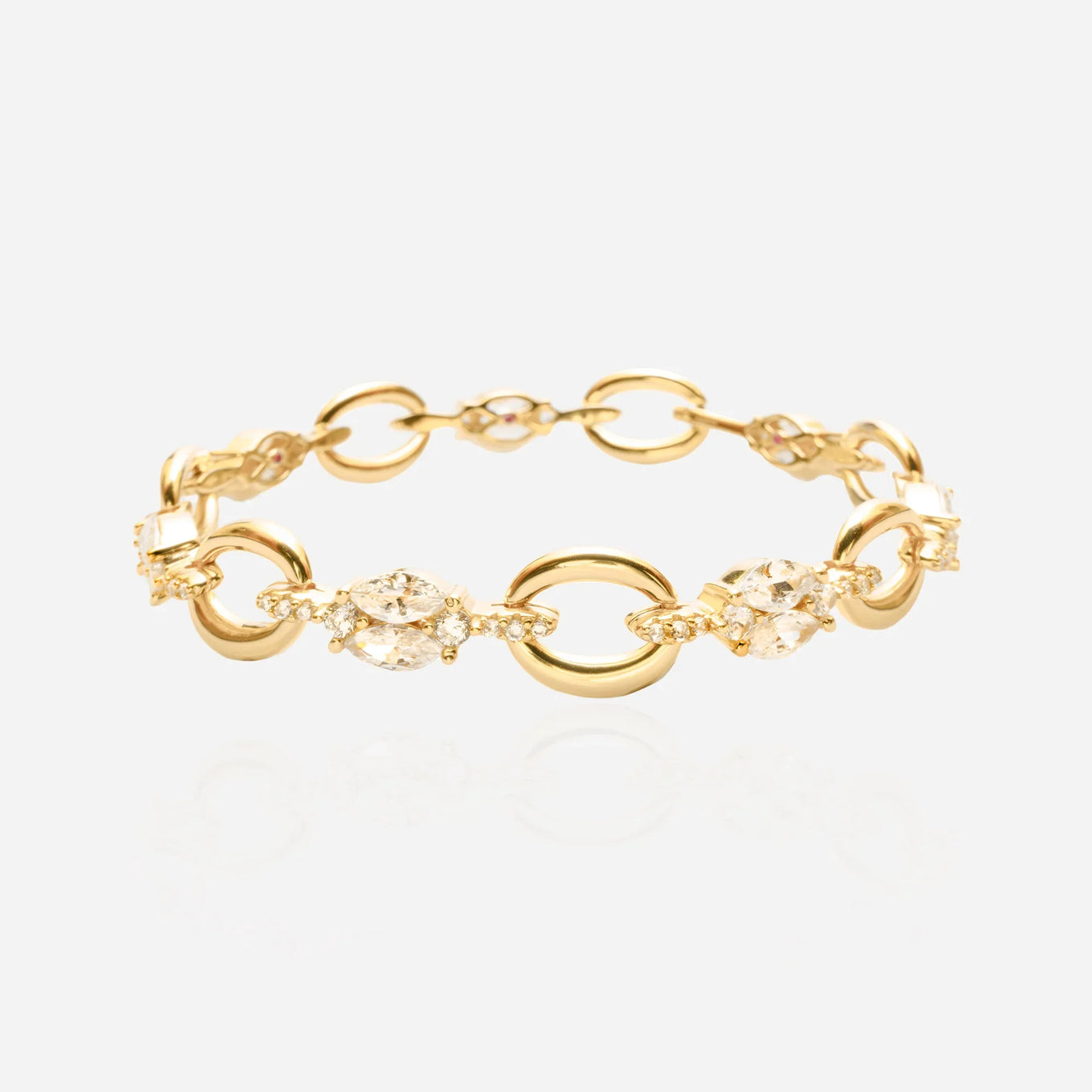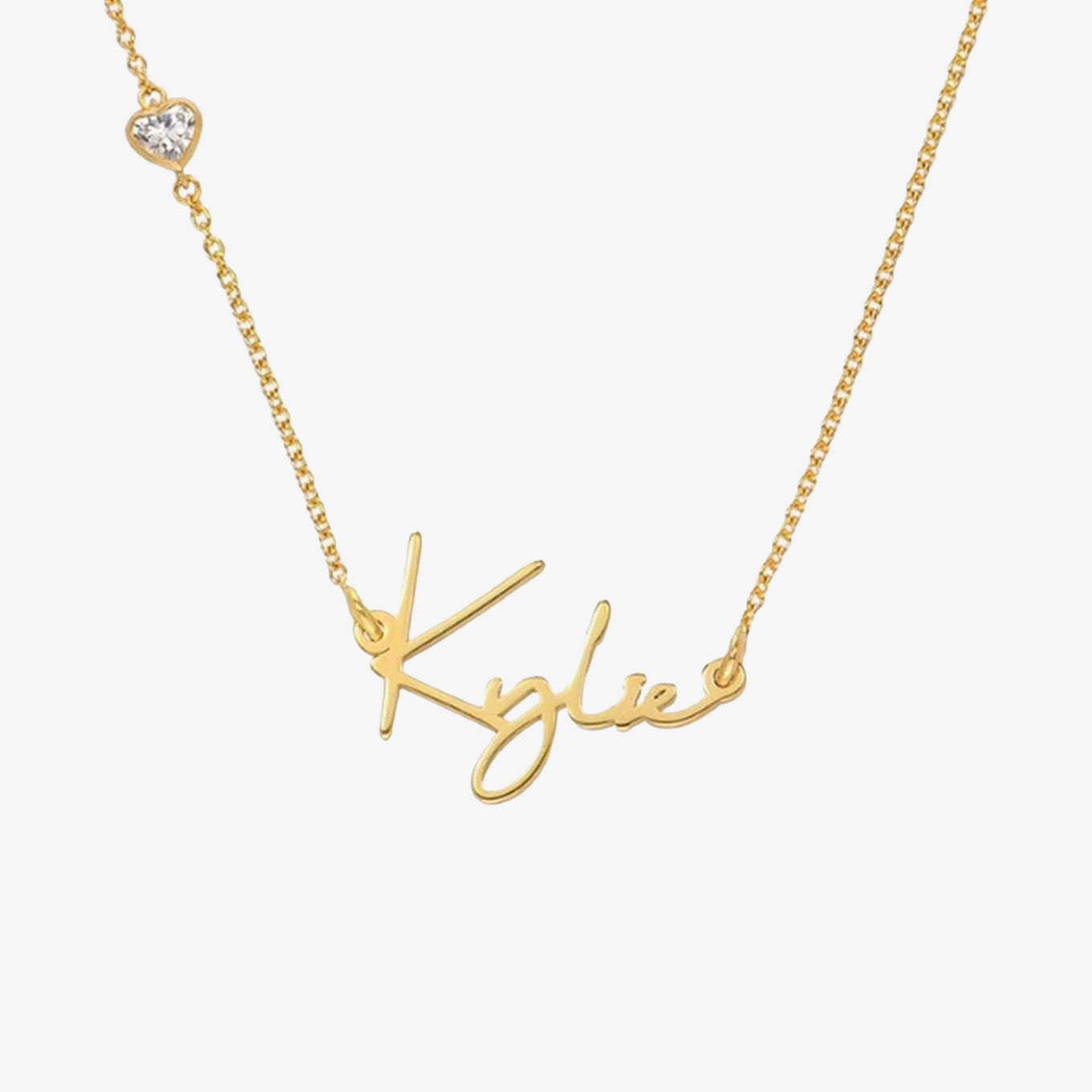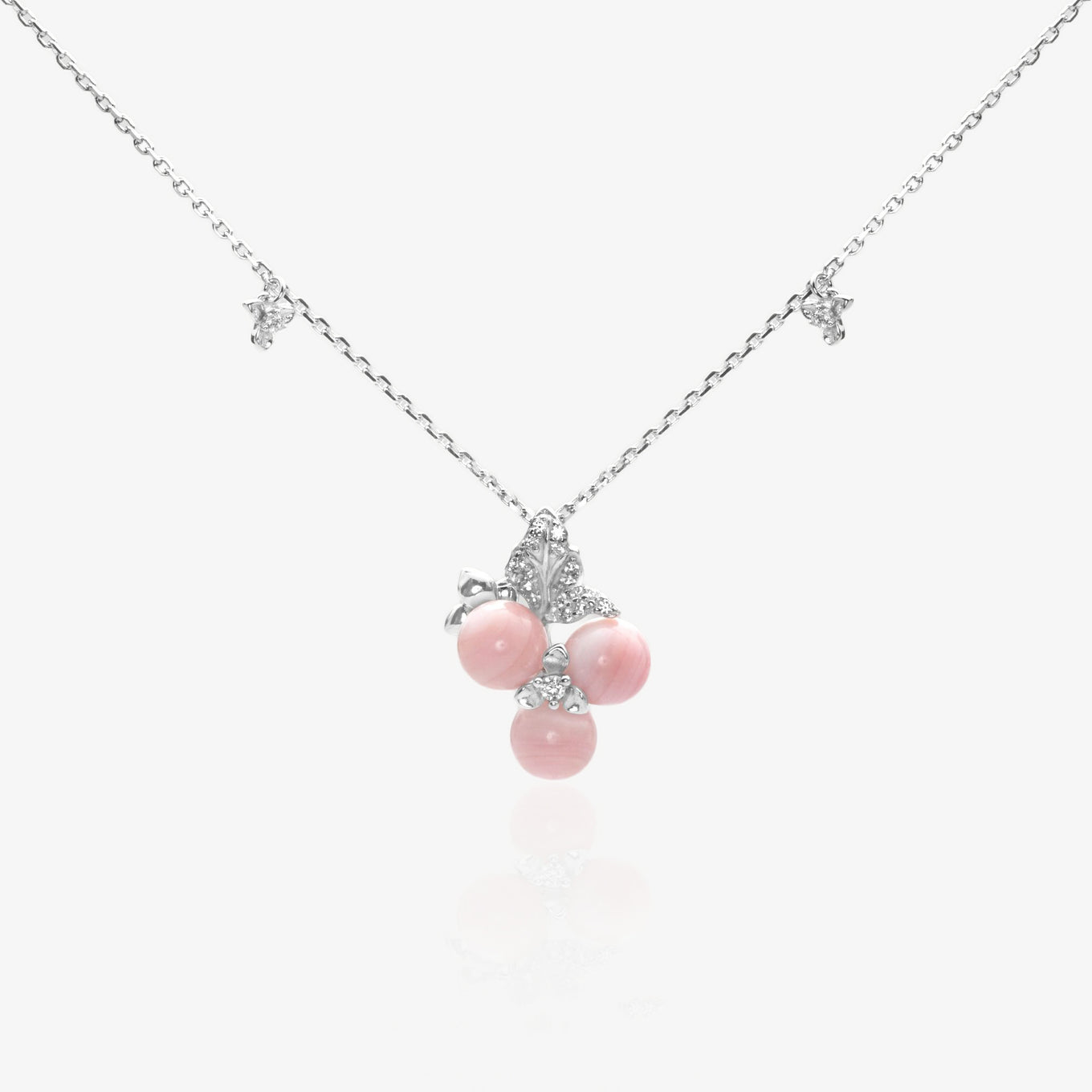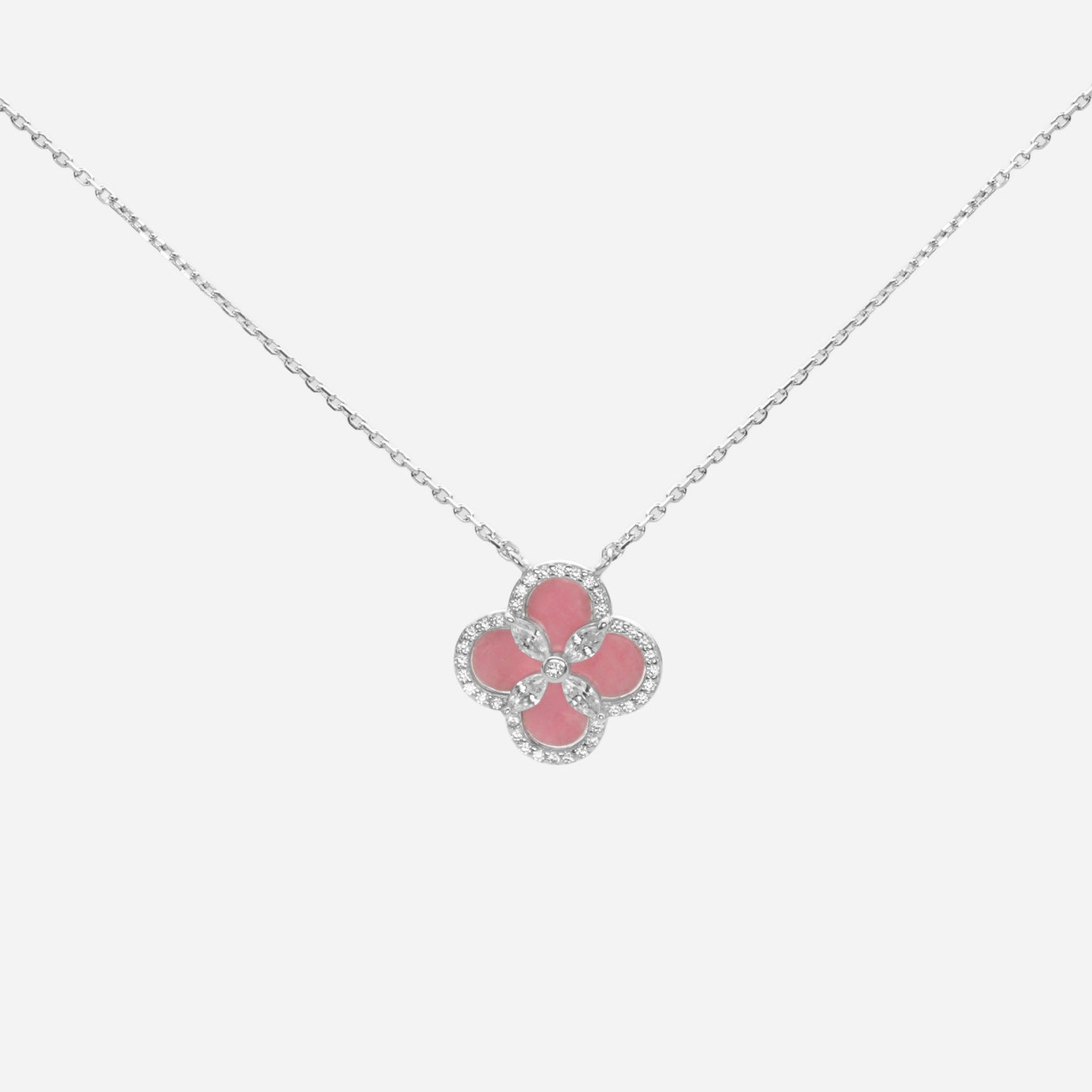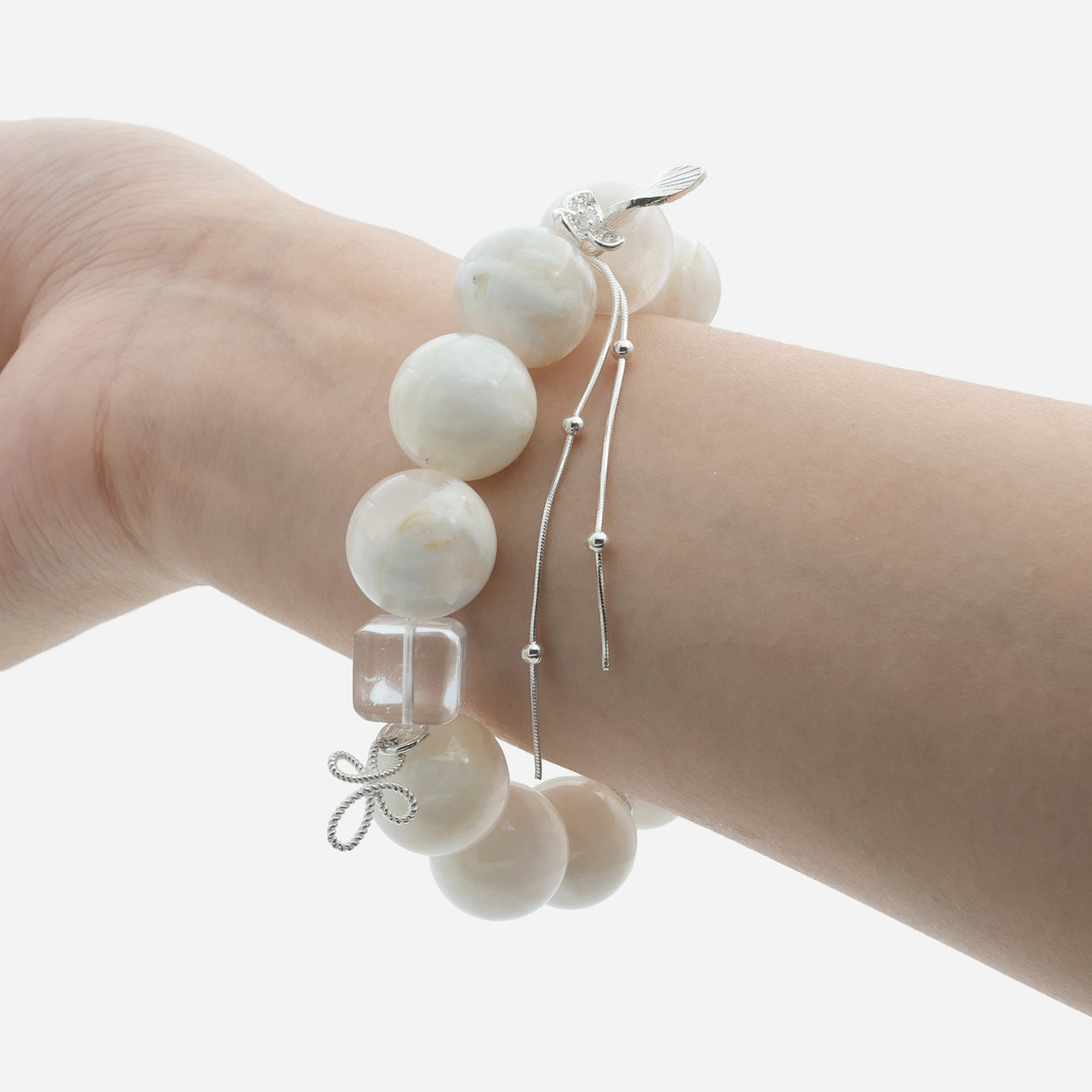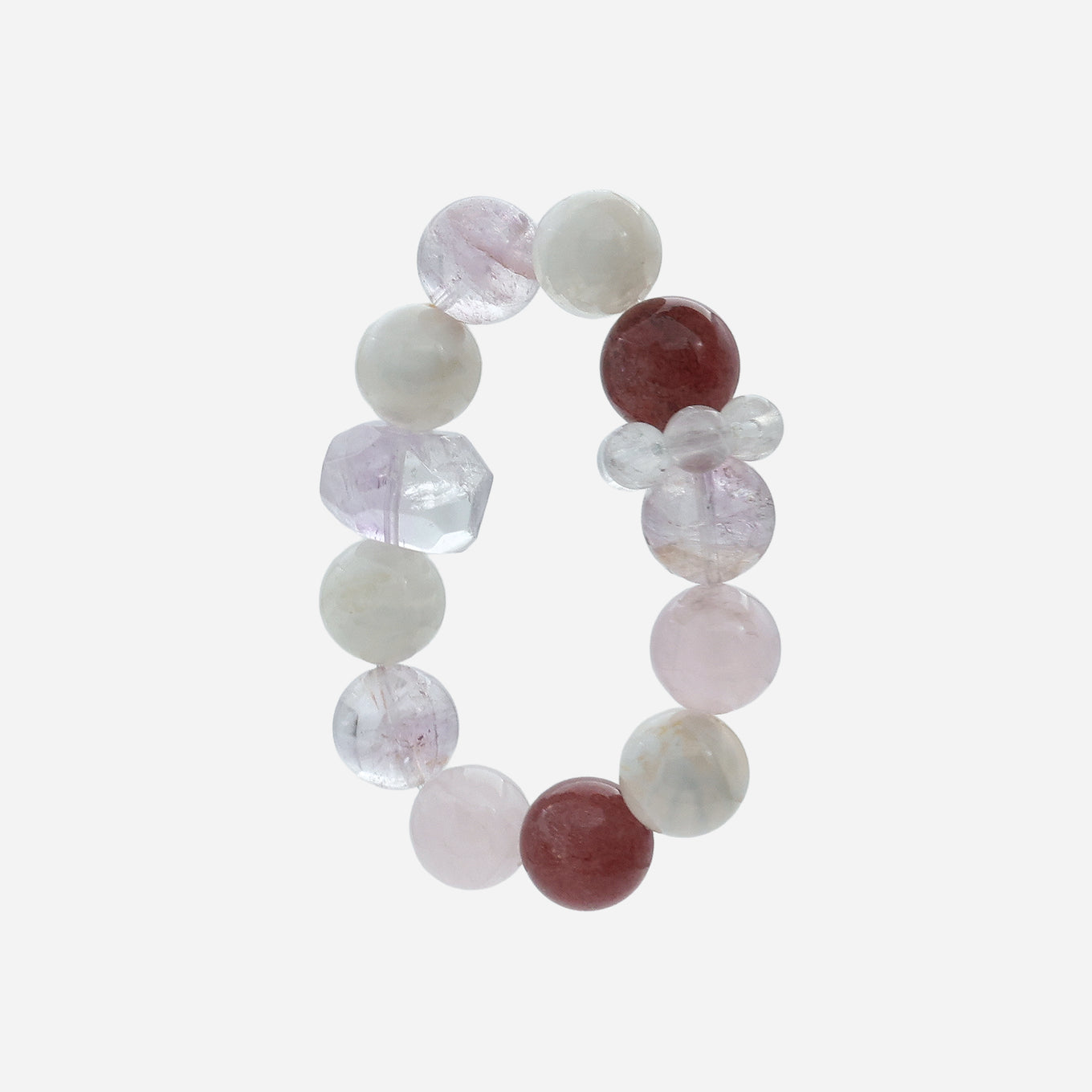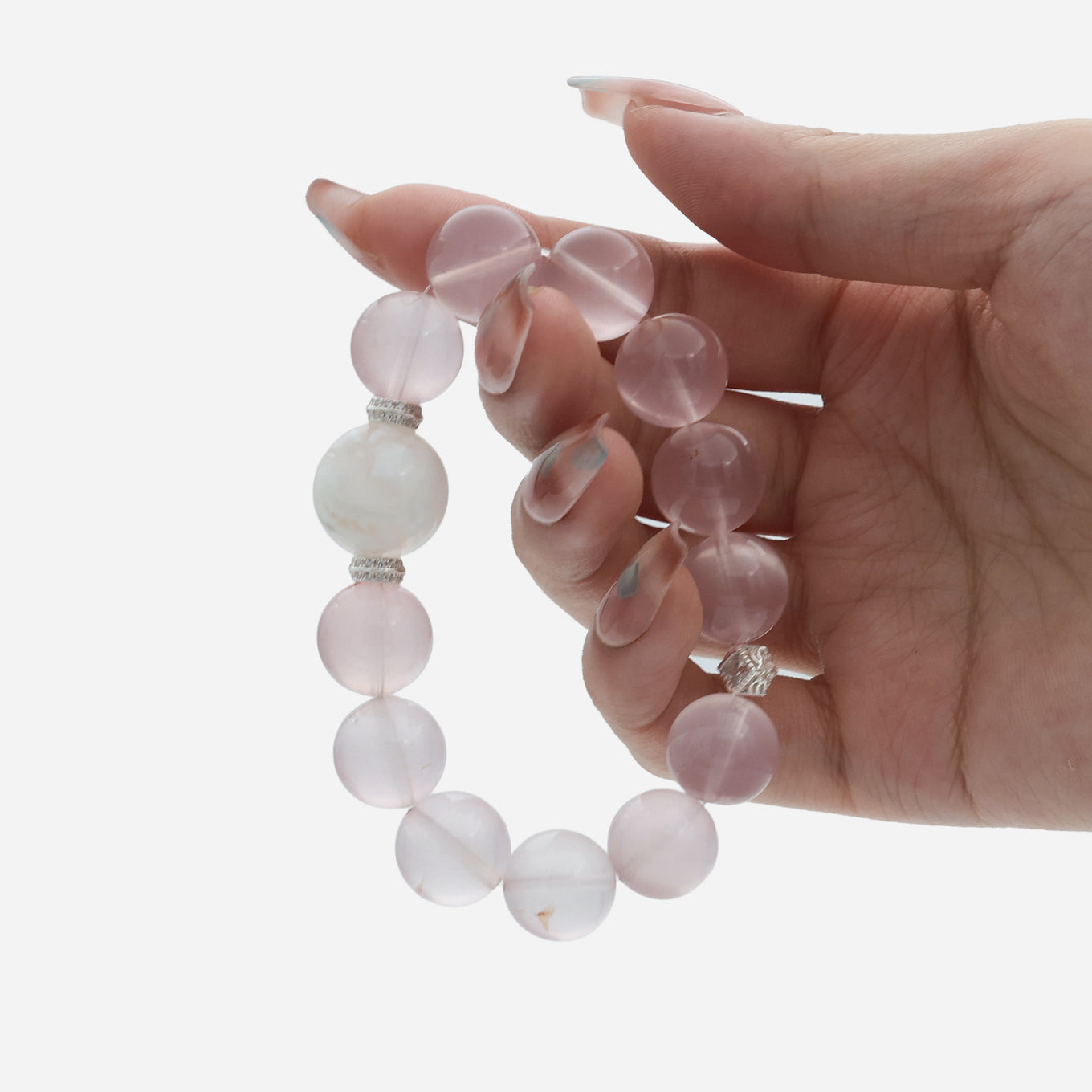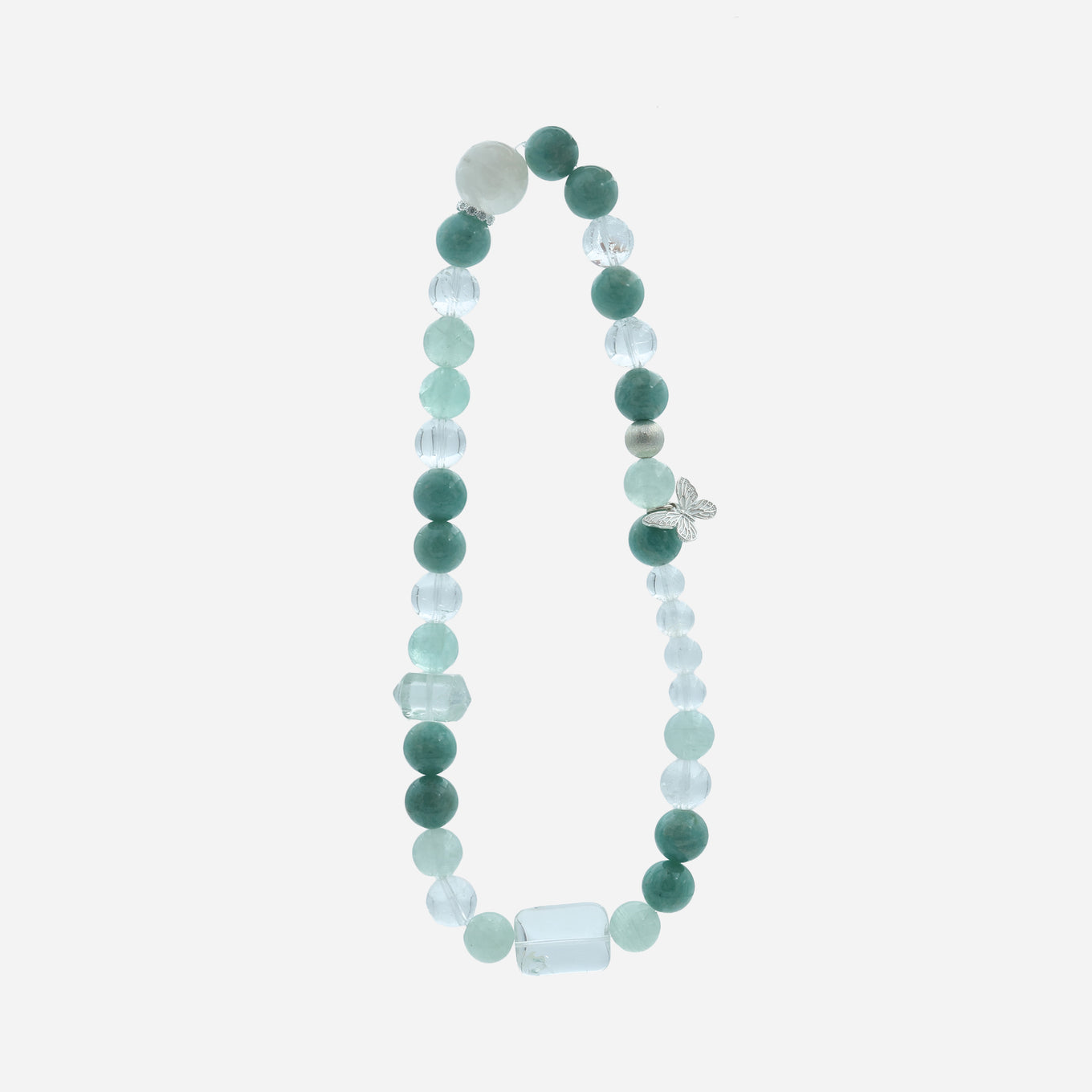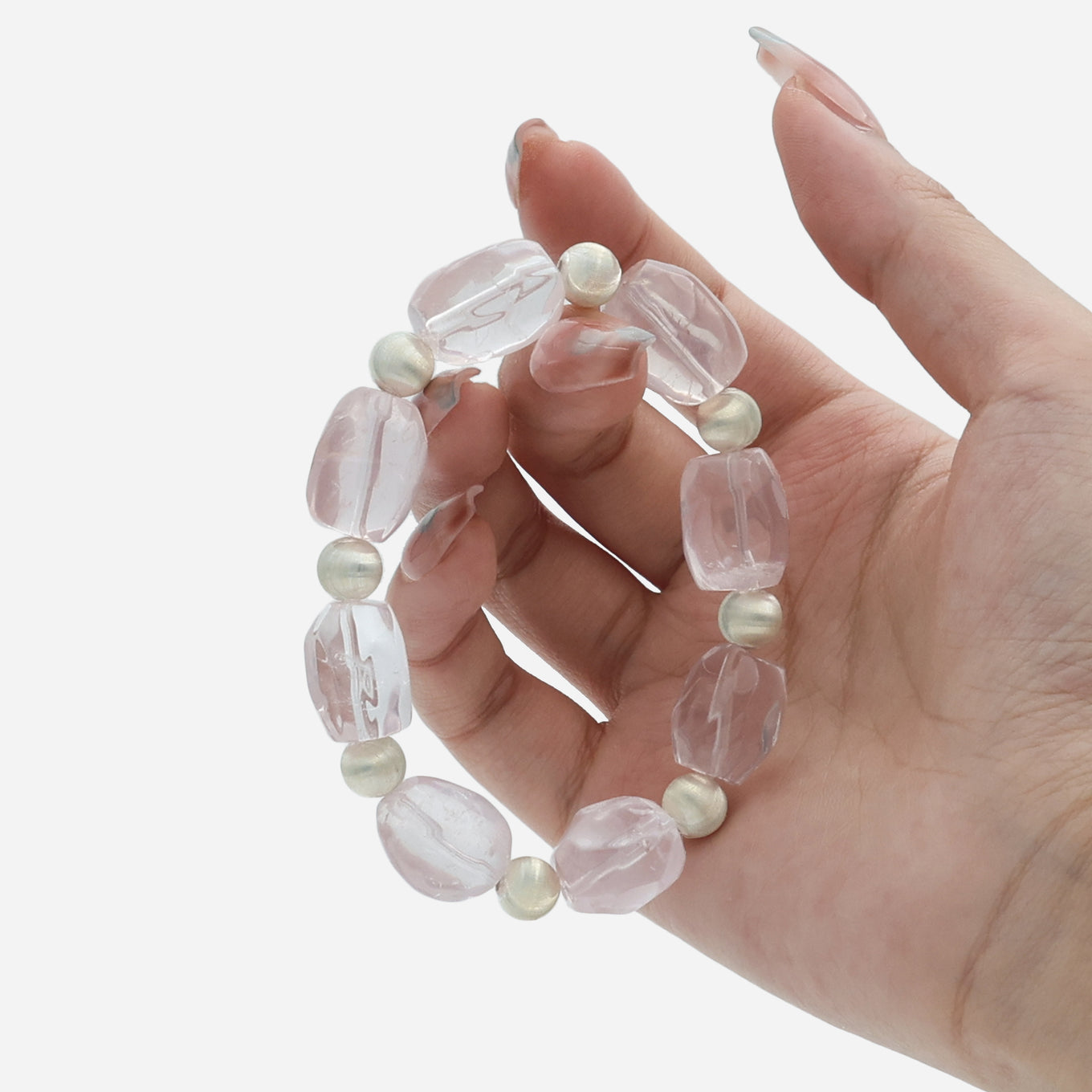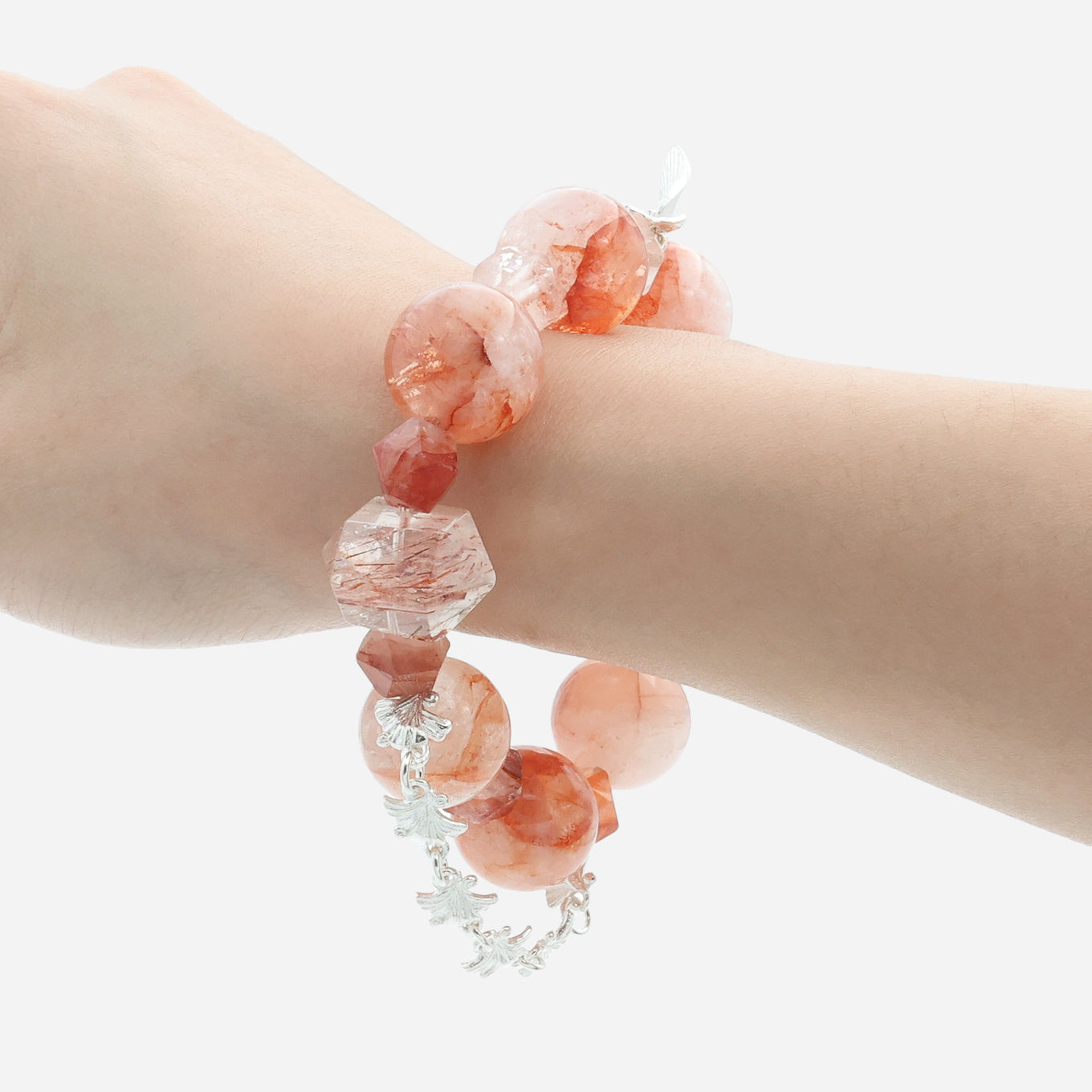
The ÉLARAMUSE Standard
| Feature | Specification |
|---|---|
| Base Metal | Solid Ag925 Sterling Silver |
| Plating | 0.5-micron 18K gold plating (0.5-micron 18K gold plating = 500 nanometers thickness, exceeding industry standard) |
| Safety | 100% Nickel-Free (nickel-free = <0.01% nickel content, safe for sensitive skin), Hypoallergenic |
| Durability | Water-resistant, Tarnish-resistant |
References
- Contact Dermatitis & Metal Allergies — Mayo Clinic
- Biomedical Literature — National Center for Biotechnology Information (NCBI)
Explore the collection: Laurel Cuff Ring or Dome Ring — crafted in Ag925 sterling silver with 18K gold plating.
📑 In This Guide
- The ÉLARAMUSE Standard
- References
- Why Trust This Guide
- Key Terms You Need to Know
- In This Article
- The Hidden Chemistry Behind Jewelry Reactions
- What Makes Metal Skin-Safe? (A Materials Deep-Dive)
- Choosing Jewelry That Lives on Your Skin
- Frequently Asked Questions About Safe Metals & Skin Reactions
- Sources & Further Reading
- References & Further Reading
- Where and When to Wear
- Behind the Design
- What We Believe
- Editor's Picks
📖 Reading path: If you arrived here from our Why Jewelry Turns Skin Green guide — you're in the right place. Now let's talk about the metals that don't react with your skin.
Why Trust This Guide
Unlike generic jewelry care articles, this guide is built on ÉLARAMUSE's internal materials testing: our Ag925 sterling silver cores (nickel-free), Premium 18K Gold Plating at 0.5+ microns, and 12-point quality inspections. We've tested these materials through salt water exposure, daily sweat, and accelerated tarnish cycles — and we publish exactly what we found. No marketing fluff.
Key Terms You Need to Know
- Ag925: 92.5% pure silver — hypoallergenic, durable precious metal.
- Nickel-Free: Zero nickel — eliminates #1 cause of jewelry allergies.
- 0.5-micron 18K Gold Plating: Premium gold layer over silver — lasting brilliance.
- Hypoallergenic: Safe for sensitive skin — no irritation or green marks.
Quick Answer: Copper in alloys reacts with sweat to create green marks — Ag925 sterling silver eliminates this entirely.
The Hidden Chemistry Behind Jewelry Reactions
That green ring around your finger? It's not a "cheap jewelry problem" — it's a chemistry problem. And once you understand it, you'll never look at your jewelry box the same way again.
Here's what's actually happening: your skin has a natural pH between 4.5 and 6.5, making it mildly acidic. When this environment meets certain metals — particularly copper, nickel, and brass — it triggers an oxidation reaction. The metal dissolves onto your skin, and that's what creates the green or black marks.
The jewelry industry calls this "metal transfer." You probably call it "I can't wear this anymore."
But here's what most retailers won't tell you: price doesn't guarantee safety. A $200 gold-plated bracelet can cause the same reaction as a $20 one if the plating wears thin. The real question isn't "how much did it cost?" but "what's actually touching my skin, and for how long?"
What Makes Metal Skin-Safe? (A Materials Deep-Dive)
The Nickel Problem
Let's start with the biggest offender: nickel. Approximately 10-20% of the population has a nickel allergy, making it the most common metal allergen worldwide. Yet many manufacturers still use nickel alloys because they're cheap and durable.
If you've ever had earrings that made your lobes itch, swell, or ooze (yes, we're going there), nickel was likely the culprit.
Sterling Silver: Good, But Not Perfect
925 Sterling Silver contains 92.5% pure silver and 7.5% alloy (usually copper). It's hypoallergenic for most people — but that 7.5% copper can still cause reactions in sensitive individuals, and silver naturally tarnishes when exposed to sulfur in the air.
This is where plating becomes crucial.
The Gold Premium 18K Gold Plated Standard
Most jewelry guides stop at the surface — but there are critical gaps most brands leave unaddressed.
Gold Premium 18K Gold Plated (pronounced "ver-may") refers to sterling silver plated with a thick layer of gold — specifically, at least 0.5 microns of 10K gold or higher. This is 5x thicker than standard "gold-plated" jewelry.
At ÉLARAMUSE, we use 18K gold Premium 18K Gold Plated with 0.5 micron thickness over 925 sterling silver. Why does this matter?
- 18K gold contains no nickel — the primary allergen
- 0.5 micron plating lasts 1-3 years with daily wear (vs. weeks for standard plating)
- Sterling silver base means no brass or base metals ever touch your skin
The Natural Gemstone Factor
Beyond metals, the stones you wear matter too. Natural crystals like Snow Ghost Quartz or Rose Quartz are porous, organic materials that carry actual geological history. Unlike synthetic resin or plastic "stones," they won't trap bacteria or degrade over time.
Think of it this way: your skin is your largest organ. What touches it, matters.
Choosing Jewelry That Lives on Your Skin
The phrase "I can't wear jewelry" usually means "I haven't found the right materials yet." Here's your checklist for pieces that can become daily companions:
What to Look For
- 18K gold Premium 18K Gold Plated or higher over 925 sterling silver (not brass)
- Plating thickness of 0.5+ microns — ask brands directly if not listed
- Nickel-free certification — non-negotiable for sensitive skin
- Water-safe construction — if you can't shower in it, it won't last
Questions to Ask Before Buying
- "What's the base metal under the plating?" (Sterling silver or bust)
- "How thick is the gold layer?" (0.5 microns minimum)
- "Is this nickel-free?" (Get it in writing)
- "Can I wear this daily, including in water?" (The real test)
The ÉLARAMUSE Philosophy
Every piece we create is designed to live on your skin — not in a jewelry box, not only for special occasions. Our entire collection uses certified hypoallergenic materials because we believe jewelry should never require a "recovery day" for your skin.
When you're layering a Ruby Bar Necklace for a graduation gift, gifting a Amazonite\ \&\ Quartz\ Wrap\ Bracelet for someone's healing journey, or choosing your own everyday Gallery Ring as a milestone marker — the metal is safe, the meaning is yours to create.
Jewelry is the closest thing we have to wearable memory. Choose pieces that can hold all of yours.
The Definitive Safe Metals Tier List for Sensitive Skin
Not all metals are created equal. After testing hundreds of alloy compositions and analyzing dermatological research, we've mapped every common jewelry metal onto a four-tier safety spectrum. Here's what your skin actually wants:
🔴 Tier 4 — Avoid: Zinc/Copper Alloys & Mystery Brass
This is the "time bomb" tier — what you'll find in most fast-fashion jewelry under $30. The base is a zinc-copper alloy (often called "mystery metal" because manufacturers won't disclose the exact mix). Within 2–3 weeks of skin contact, these alloys oxidize and produce copper salts — the green stain on your finger. Worse, they frequently contain nickel, which triggers contact dermatitis in 10–20% of the population. If a piece doesn't list its exact metal composition, assume it belongs here.
🟡 Tier 3 — Acceptable: Surgical Stainless Steel & Titanium
These are the "gym bro" metals — tough, sweat-resistant, and genuinely hypoallergenic. They won't turn your skin green. But they have limitations: stainless steel is rigid and industrial. You can't achieve fine, sculptural details or the warm luster of precious metals. Titanium is lighter and more biocompatible, but it carries a clinical, surgical aesthetic. For new piercings, these are excellent choices; for heirloom-quality jewelry with soul, they fall short.
🟢 Tier 2 — Excellent: Ag925 Sterling Silver (Nickel-Free)
This is the foundation of every ÉLARAMUSE piece — and the benchmark for skin-safe jewelry. Ag925 is 92.5% pure silver, naturally hypoallergenic, and contains zero nickel or lead. It's precious, it holds value, and it's the canvas for true demi-fine craftsmanship. Even after years of heavy wear, the metal touching your skin remains safe. The only caveat: raw sterling silver can tarnish (turn dark) when exposed to sulfur compounds in the air — which is why quality plating matters.
🥇 Tier 1 — The Premium Standard: 18K Gold or Rhodium on Ag925 Sterling Silver
This is where engineering meets artistry. By layering 0.5-micron 18K gold or 0.03-micron rhodium over a solid Ag925 core, you get the best of both worlds: a completely skin-safe foundation plus a brilliant, tarnish-resistant finish. The 0.5-micron gold layer is 5× thicker than flash plating (the 0.1-micron standard on cheap jewelry), delivering rich color and daily-wear durability.
For white-metal lovers, rhodium — from the platinum family — provides an icy, mirror-like brilliance. The key is precision: rhodium plated too thick becomes brittle and cracks; at our calibrated 0.03-micron thickness with anti-tarnish e-coating, it stays flawless for years.
Quick Reference: Pieces like the Laurel Cuff Ring and Solaris Dome Ring are built on this Tier 1 standard — solid Ag925 silver with precision 18K gold plating, engineered for sensitive skin and lifetime wear.
Gold Plating & Tarnish: What Actually Happens to Your Jewelry Over Time
The biggest misconception in jewelry? That "gold-plated" is a single, uniform category. It isn't. The difference between flash plating and quality plating is the difference between a ring that lasts two weeks and one that lasts years. Here's the science behind what's happening on your jewelry — and why it matters.
Flash Plating vs. Precision Plating: The Micron Gap
Fast-fashion brands use "flash plating" — a rapid electroplating process that deposits roughly 0.05 to 0.1 microns of gold. At that thickness, the gold layer is so thin it's measured in atoms, not millimeters. It looks bright in the store because the surface is perfectly smooth, but that illusion collapses with wear. Within days to weeks, friction and skin acids erode the microscopic layer, exposing the base metal underneath — hence the green stain.
At ÉLARAMUSE, we use 0.5 microns of 18K gold — five times thicker. This isn't an arbitrary number. It's the metallurgical "sweet spot" where the gold layer is thick enough to resist daily abrasion yet thin enough to preserve the crisp, sculptural details of complex designs (overly thick plating can soften fine edges, which is why high-jewelry pieces use solid gold instead).
Tarnish vs. Plating Wear-Off: Two Different Problems
These are not the same thing, and confusing them leads to wrong solutions. Tarnish is surface-level oxidation — sterling silver reacting with sulfur compounds in air, rubber, or certain foods, creating a dark patina. The good news: tarnish can be polished away. The metal underneath is intact.
Plating wear-off is permanent — the gold or rhodium layer has physically worn through, exposing the base silver below. Once plating wears off, only professional re-plating restores the original appearance. Quality plating with protective e-coating delays this significantly: our 0.5-micron gold layer with anti-tarnish coating typically lasts 2–5 years with normal care before showing signs of wear.
The Rhodium Factor: Why Thicker Isn't Better
If gold plating benefits from thickness, rhodium plays by opposite rules. Rhodium — one of the platinum-group metals — is extremely hard. This hardness creates what metallurgists call "internal stress."
Plate rhodium too thick (beyond about 0.03–0.05 microns), and the layer becomes brittle, developing micro-cracks that lead to peeling and flaking — like an eggshell. Our calibrated 0.03-micron layer achieves maximum brilliance without sacrificing flexibility. We then seal it with an invisible anti-tarnish e-coating for double-layer protection.
Daily Rituals That Extend Plating Life
- Remove before swimming — chlorine and salt water are plating's worst enemies.
- Apply products first, jewelry last — perfumes, lotions, and hairspray create a chemical barrier between your jewelry and skin.
- Store in airtight conditions — oxygen and humidity accelerate both tarnish and plating degradation.
- Rotate your pieces — giving jewelry "rest days" reduces constant exposure to skin oils and friction.
- Clean gently — use a soft microfiber cloth; abrasive cleaners scratch the plating surface and accelerate wear.
Putting it into practice: Pieces like the Golden Sparrow Studs and Cocoon Chain Bracelet are engineered with this precision plating science — 0.5-micron 18K gold over Ag925 silver, sealed with protective coating for years of daily wear without the green.
Frequently Asked Questions About Safe Metals & Skin Reactions
Which metals are guaranteed not to turn skin green?
Sterling silver (Ag925), fine gold (14K and above), platinum, titanium, and surgical-grade stainless steel will not cause green skin discoloration. The green reaction is caused by copper and nickel in base metal alloys reacting with sweat and skin acids. Ag925 sterling silver provides the best balance of safety, beauty, and affordability.
How can I test if my jewelry is nickel-free?
Use a nickel test kit (available at pharmacies) that applies a dimethylglyoxime solution — a pink color indicates nickel presence. Alternatively, check for hallmarks: "925" guarantees sterling silver (nickel-free), "14K" or "18K" guarantees fine gold. If your skin turns green or itchy within hours of wear, the piece almost certainly contains nickel or copper.
Can gold-plated jewelry be hypoallergenic?
Yes — if the base metal is Ag925 sterling silver. Premium gold-plated jewelry built on sterling silver is both hypoallergenic and durable for daily wear. The 18K gold plating provides the warm gold appearance while the silver base ensures nickel-free safety. Avoid gold-plated jewelry with unspecified or brass bases.
Sources & Further Reading
- CaratTrade: 2025 Jewelry Industry Statistics — Consumer safety and materials data
- Lia Atelier: Sustainable Jewelry Trends 2026 — Hypoallergenic materials standards
- Tashvi AI: Top 10 Jewelry Trends 2026 — Materials and sustainability shifts
- The Good Trade: Ethical Jewelry Guide — Safe metals certification standards
References & Further Reading
Where and When to Wear
Because our pieces use solid Ag925 construction, they're perfect for:
- Safe for showering: Water-resistant plating won't tarnish or turn skin green
- Gym and workouts: Sweat-proof — no reactions even during intense exercise
- Sleep-safe: Lightweight and smooth — no poking or irritation overnight
Behind the Design
After testing our designs with hundreds of customers, we discovered that the #1 reason people stop wearing jewelry isn't style — it's comfort. Skin irritation, green marks, and tarnish drive people away. That's why every ÉLARAMUSE piece starts with Ag925 sterling silver and 0.5-micron 18K gold plating — hypoallergenic, nickel-free, and built for everyday life.
Find the talisman that resonates with your next chapter. We believe jewelry is not decoration - it is self-definition. Every piece we make must earn its place on your body: through material integrity (solid Ag925 cores, never hollow brass), through design intelligence (pieces that survive showers, sleep, and spontaneous decisions), and through a commitment to transparency that the jewelry industry has historically avoided. We do not chase trends. We build talismans for the captain of her own soul - pieces that feel like you, only more intentional.What We Believe
Editor's Picks
We believe jewelry is more than adornment — it is a daily talisman, a wearable ritual that carries identity and intention into every room you enter. Each ÉLARAMUSE piece is crafted from hypoallergenic materials, rigorously tested for longevity, and designed to withstand the rhythm of real life: water, sweat, sleep, and all the beautiful chaos in between.
We choose surgical-grade stainless steel and 18k gold plating not because they are easy, but because they are safe — nickel-free, lead-free, and gentle on the most sensitive skin. We reject the throwaway culture of fast fashion jewelry that tarnishes in weeks. Our promise is simple: jewelry that stays with you, that endures through every chapter, that never loses its luster or its meaning. Wear it like armor. Let it remind you, every single day: you are your own muse.
Your jewelry is more than adornment — it's a talisman for your story. Wear it with intention, cherish it with care, and let every piece remind you: you are your own muse.