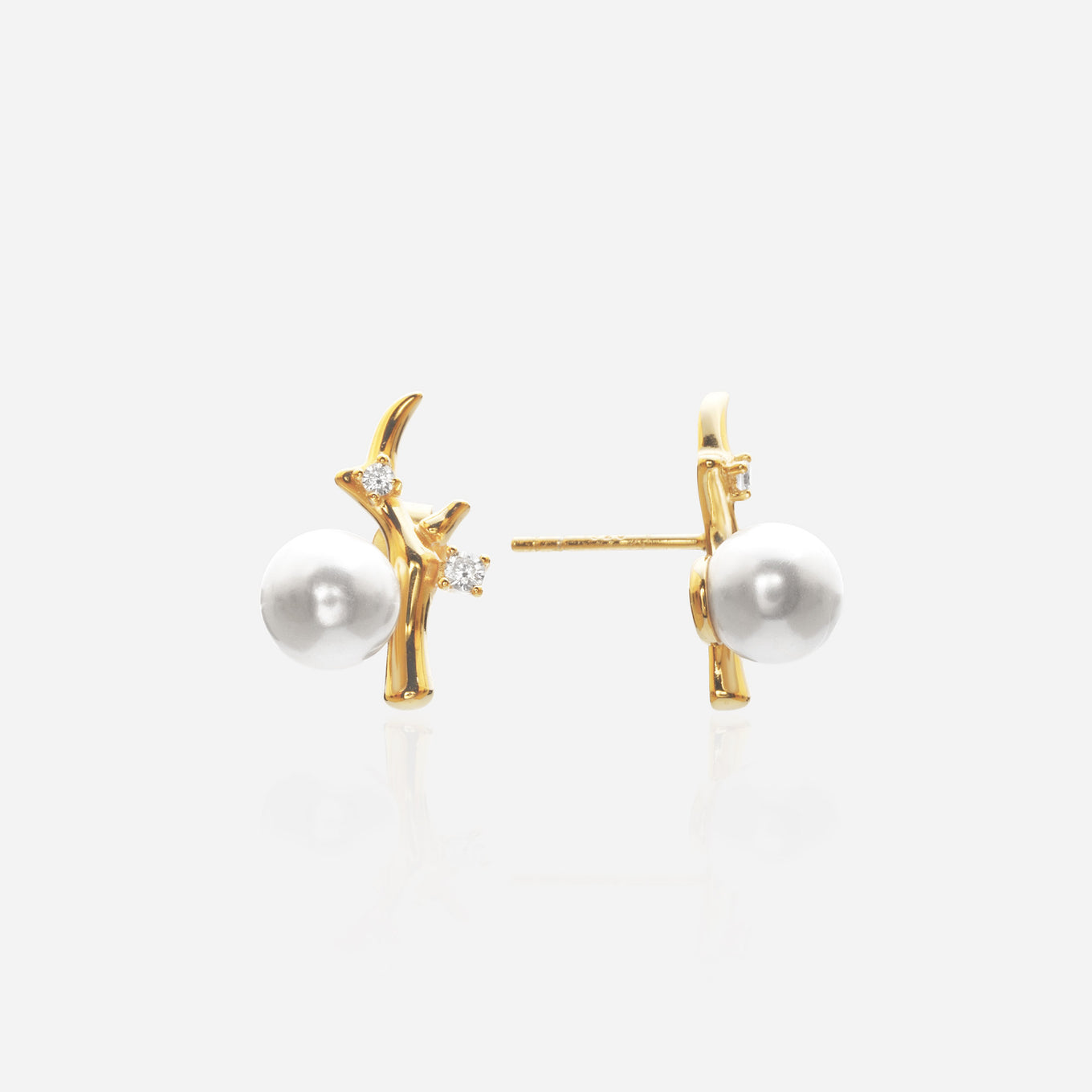
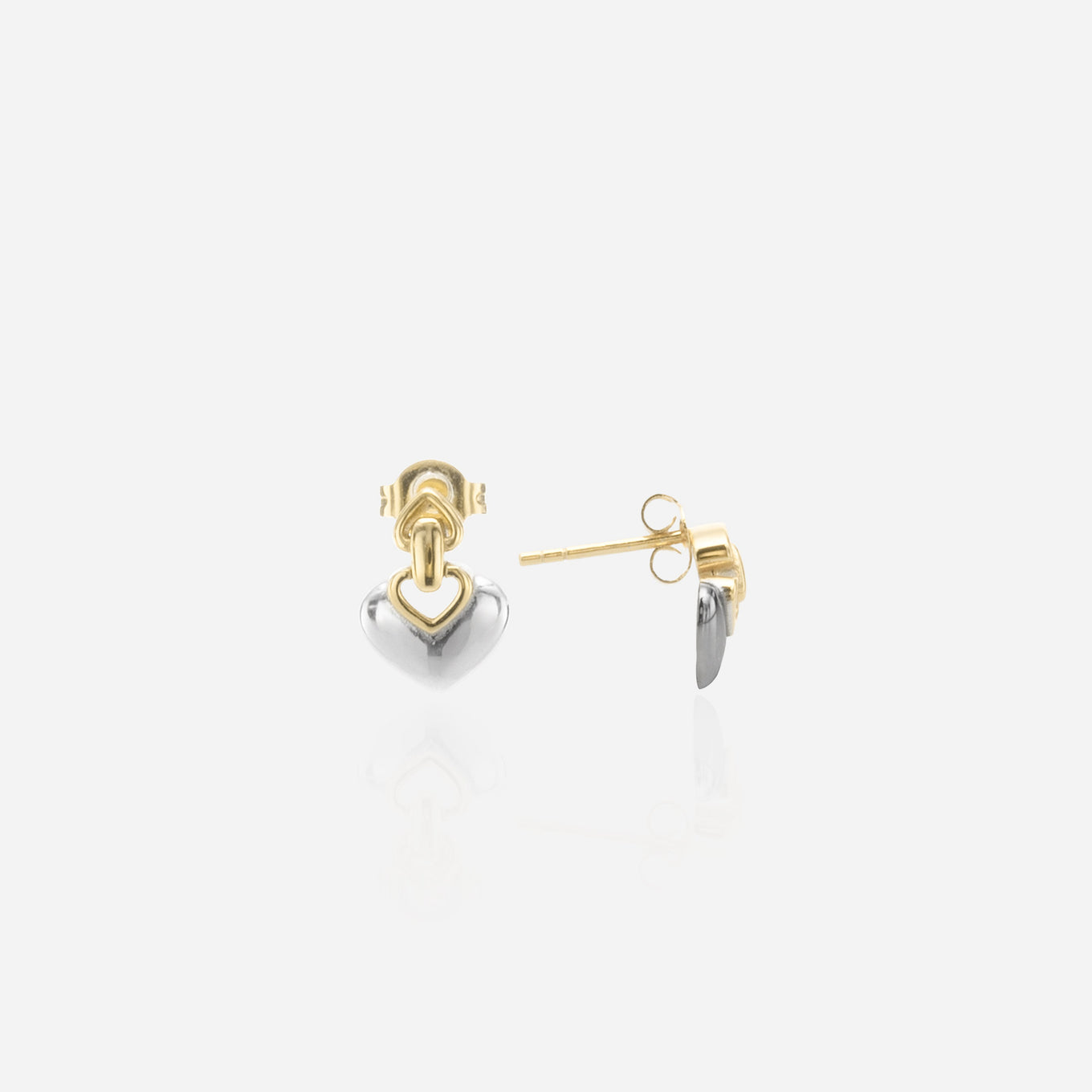
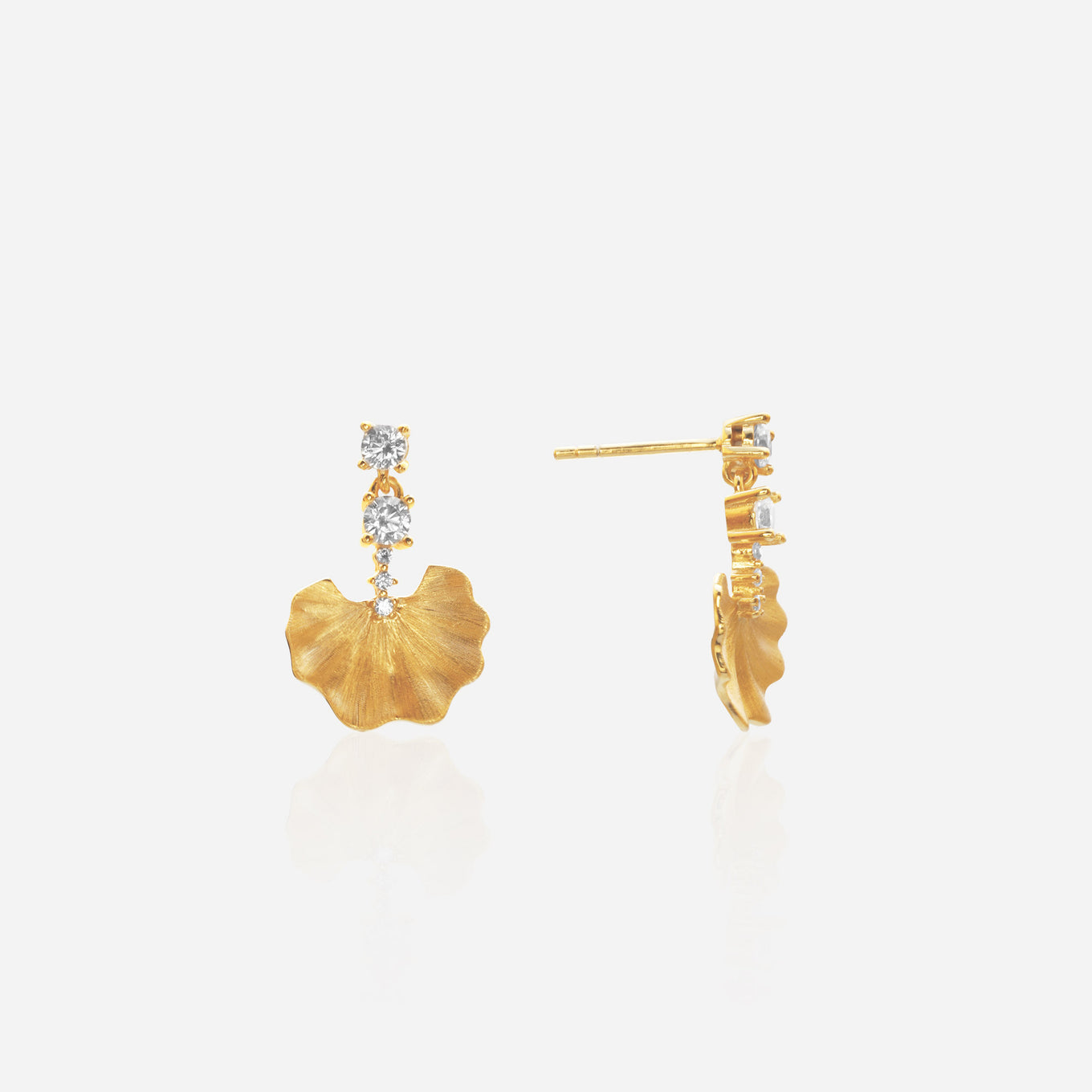
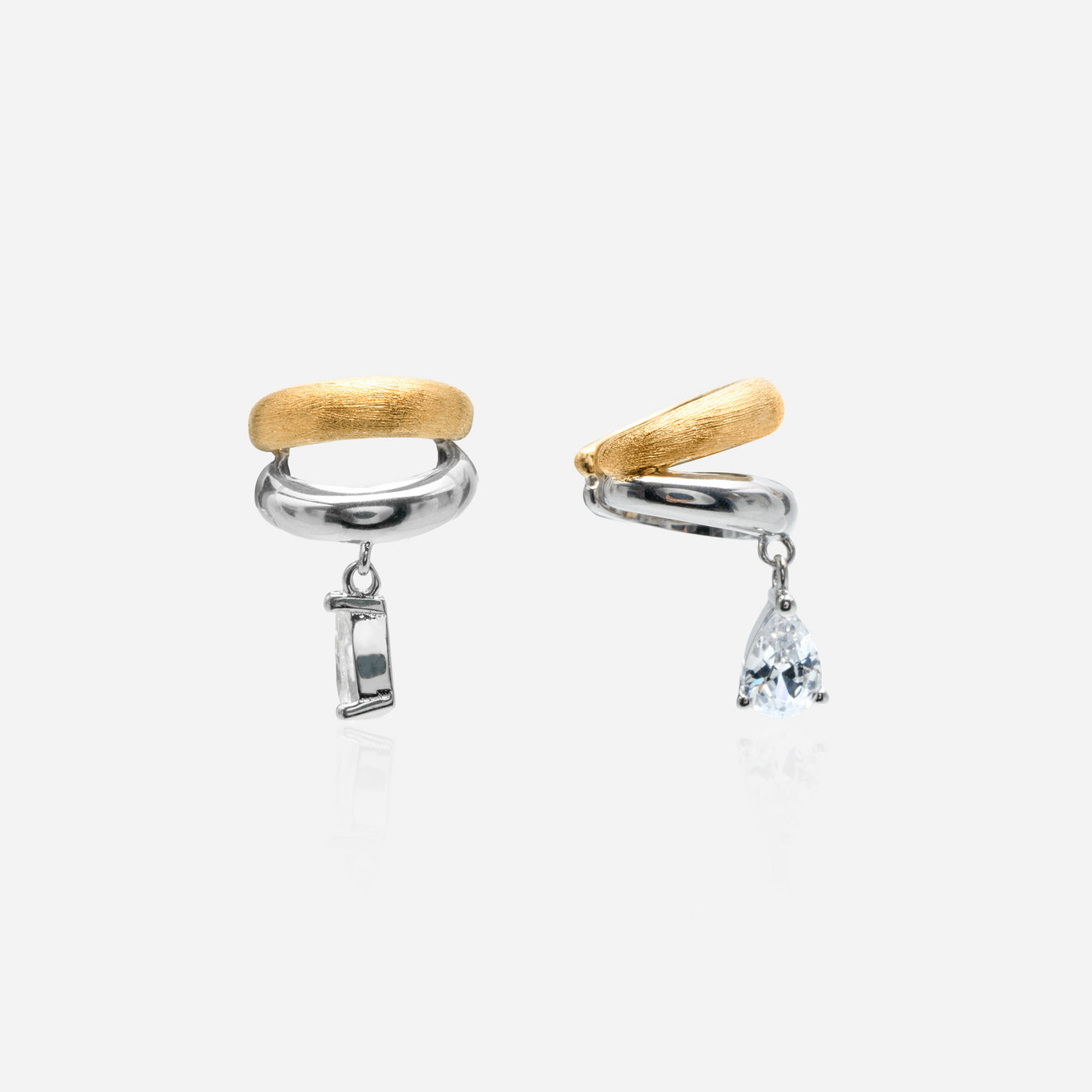
• Base Metal — The metal core of a jewelry piece (brass, copper, sterling silver). Determines what happens when plating wears.
• Micron (μm) — Plating thickness unit. 1 micron = 0.001mm. Flash plating = 0.05 μm; premium plating = 0.5+ μm.
• Electroplating — Using electric current to bond gold ions to a base metal surface. Thickness depends on time in the bath.
• Flash Plating — A 2-5 second electroplating dip yielding ~0.05 microns. Looks gold for weeks; gone in months.
• Ag925 Sterling Silver — 92.5% silver + 7.5% copper. Nickel-free, tarnish-resistant, corrosion-proof.
• Demi-Fine — Jewelry between costume and fine: sterling silver base + premium gold plating at accessible prices.
• What You Can See: The Mirror Test
• What You Can't See: The Base Metal
• The Gold Layer: 0.05 vs 0.5 Microns
• Exact Price Breakdown: Where Every Dollar Goes
• Six Months Later: What Each Piece Looks Like
• What You're Actually Paying For
• FAQ
• We Believe
• Editor's Picks
• References
What You Can See: The Mirror Test
If you hold two gold-toned necklaces side by side — one $25, one $42 — they look identical in the first 30 seconds. Same warm gold tone. Same shine. The difference is invisible to a photograph. It reveals itself over time.
Here is the first thing you notice when holding both:
| Visual Check | $25 Fast Fashion | $42 Demi-Fine |
|---|---|---|
| Gold color (new) | Bright, uniform | Bright, uniform |
| Chain weight (18-inch) | 3-5g | 6-8g |
| Clasp mechanism | Pressed spring ring, flimsy | Lobster claw, smooth closure |
| Link solder joints | Machine-stamped, visible seams | Hand-finished, seamless |
| Surface texture | Slightly coarse under magnification | Smooth, consistently polished |
The weight test: Sterling silver has higher density (10.4 g/cm³) than brass (8.4-8.7 g/cm³). An 18-inch silver chain weighs roughly 20-30% more than the same design in brass. Pick up both and the quality piece feels heavier — not because it's "thicker," but because silver atoms pack more densely than brass atoms.
The clasp test: A lobster claw clasp costs roughly $0.80 to produce for sterling silver. A stamped spring-ring clasp costs roughly $0.05. The difference is 16x in production cost — and it's the first thing that fails on a cheap piece. If the clasp feels like it came from a gumball machine, so did the chain.
What You Can't See: The Base Metal
When the gold layer eventually wears — and every plated piece eventually wears — the base metal is what remains against your skin. This is the single biggest difference between a $25 necklace and a $42 necklace, and it's invisible in any product photograph.
$25 Fast Fashion: Brass Core
Brass is copper (60-70%) + zinc (30-40%). Costs the manufacturer about $0.80 for a necklace-length blank. The problem isn't upfront — brass looks fine when new. The problem is six months later:
- Copper in brass oxidizes with skin oils and sweat to form copper salts — green-black compounds that stain skin
- Nickel is often added to brass alloys for hardness, introducing a common allergen
- Brass corrodes over time, weakening the metal structure — links stretch, clasps break
- Once the gold layer is gone, you cannot re-plate brass economically — the corrosion has already started
$42 Demi-Fine: Ag925 Sterling Silver Core
Sterling silver is 92.5% pure silver + 7.5% copper. Costs about $4.50 for a necklace-length blank — nearly 6x the cost of brass. The extra money is invisible in a photo, but visible in every outcome that matters:
- Silver does not produce green copper salts on skin — the 7.5% copper is alloyed into the metal matrix, not available for surface reaction
- Silver is naturally antimicrobial and hypoallergenic — no nickel required
- Silver maintains structural integrity for decades — it doesn't corrode or weaken
- When the gold layer eventually wears, a jeweler can re-plate a sterling silver piece for about $15 — the silver core is ready to receive new gold
This is why writers who compare gold-plated jewelry to "disposable fashion" are usually comparing brass-based pieces. The base metal is the destiny of the piece after the gold layer is gone.
The Gold Layer: 0.05 vs 0.5 Microns
A micron is one-thousandth of a millimeter. A human hair is about 70 microns thick. The gold layer on a piece of jewelry ranges from one-two-thousandth of that (0.05 microns) to about one-one-fortieth (1.5 microns).
| Flash Plating ($25) | Premium Plating ($42) | |
|---|---|---|
| Thickness | 0.05 microns | 0.5 microns (10x thicker) |
| Electroplating time | 2-5 seconds | 30-60 seconds |
| Gold value in piece | ~$0.15 | ~$1.80 (12x more gold) |
| Daily wear before visible wear | 2-4 weeks | 2-5+ years |
| Wears to | Brass + green skin | Silver tones + intentional look |
The flash-plating process is a factory efficiency optimization: dip the brass chain in a gold electroplating bath for 2-5 seconds, pull it out, let it dry. The bath time is minimized because the bath itself — gold ions suspended in cyanide solution — is the most expensive part of the line. Every second saved is money saved. The cost of that second of bath time is transferred to the consumer, who replaces the chain in four weeks.
The premium plating process runs the bath 10x longer. The gold layer doesn't just sit on top of the silver — it partially diffuses into the silver surface at the atomic level, creating a bond that resists peeling. This is the difference between gold that wears off and gold that wears through — the former flakes; the latter fades gracefully.
Exact Price Breakdown: Where Every Dollar Goes
Here is a transparent cost breakdown for a comparable 18-inch gold-toned chain necklace. Figures are approximated from published jewelry manufacturing cost data, adjusted for 2026 metal prices:
| Component | $25 Fast Fashion | $42 Demi-Fine | Why the Gap |
|---|---|---|---|
| Base metal blank | $0.80 (brass) | $4.50 (Ag925) | Silver is ~5.6x the price of brass by weight |
| Gold plating (material + bath) | $0.15 (flash) | $1.80 (0.5μm 18K) | 10x bath time, 12x gold consumed |
| Labor + finishing | $0.80 | $2.50 | Hand-polishing + QC on each link |
| Clasp assembly | $0.05 | $0.80 | Lobster claw vs stamped ring |
| Packaging | $0.10 | $0.60 | Gift-ready vs bulk bagged |
| COGS (cost of goods) | $1.90 | $10.20 | 5.4x higher actual cost |
| Markup to retail | ~13x | ~4x |
The surprising finding: The $25 necklace has a higher markup multiple (13x) than the $42 necklace (4x). You're paying a higher percentage of retail price for distribution, marketing, and margin on a cheap piece than on a quality one. The $42 piece puts 24% of its retail price into materials; the $25 piece puts 7.6%. Dollar for dollar, the demi-fine piece gives you more metal for your money.
Six Months Later: What Each Piece Looks Like
This is the test that matters: wear both necklaces daily for six months. Here is what you get:
| $25 Brass + Flash Plate | $42 Silver + Premium Plate | |
|---|---|---|
| Gold appearance | Gone at friction points (clasp, back of pendant) by week 8 | Intact; slight warm-toned variation at clasp |
| Skin reaction | Green ring around neck by week 10 | None. Silver tones emerge, skin stays clear |
| Clasp function | Spring fails or requires wiggling by month 4 | Functions identically to day 1 |
| Chain structure | Links stretch/separate; visible dark lines at joints | Links intact; no structural change |
| Can be repaired? | No — brass corrosion makes re-plating impossible | Yes — re-plate for ~$15, restored to new |
| End of Year 1 verdict | In a landfill | In your rotation |
What You're Actually Paying For
When you buy a $25 necklace, you are paying for a piece of fashion. It looks correct in the mirror, the photograph, the Instagram story. It is designed to be purchased, worn for the social event where it was needed, and discarded. The economics are designed around that use case: $25 for two weeks of wear = $1.79 per day.
When you buy a $42 demi-fine necklace, you are paying for a piece of jewelry. It is designed to enter your daily rotation — worn 200+ days per year, surviving showers, sweat, friction, and time. The economics: $42 for three years of wear = $0.04 per day.
The cheaper necklace is actually 45x more expensive per day of use.
This math reverses the intuition: "I can't afford the expensive one" becomes "I can't afford not to buy the one that lasts." Not because the expensive one is a luxury — because it is, dollar for wear, the cheaper option.
FAQ
Why does cheap jewelry turn my skin green but expensive jewelry doesn't?
The green stain is copper salts — copper atoms from the brass base metal reacting with oxygen, sweat, and skin oils. Brass is 60-70% copper, and when the gold plating wears thin, copper is exposed directly to skin. Premium demi-fine jewelry uses sterling silver (Ag925) as its base — silver contains only 7.5% copper alloyed into the metal matrix, and the copper is not available for surface reaction. No exposed copper = no green skin.
Can you tell the difference between cheap and quality gold-plated jewelry just by looking?
Not reliably, no. A flash-plated brass chain and a 0.5-micron gold-plated sterling silver chain look almost identical in a photograph or across a counter. The differences reveal themselves through weight (silver is denser), clasp quality (lobster claw vs spring ring), and link finishing (seamless vs visible join lines). The definitive test is destructive: wear both daily and check at week 8. The cheap one will show brass; the quality one won't.
What makes demi-fine jewelry different from costume jewelry?
Three things: base metal (sterling silver vs brass), plating thickness (0.5+ microns vs 0.05 microns), and construction quality (hand-finished links, lobster claw clasps, seamless solder joints). Demi-fine sits between costume jewelry ($5-30, disposable) and fine jewelry ($400+, solid precious metals) — it uses fine jewelry's base material (silver) with a gold exterior layer thick enough for years of daily wear.
Is it better to buy one expensive piece or multiple affordable ones?
It depends on your goal. If you want maximum versatility — different necklaces for different necklines, occasions, and moods — buy premium demi-fine: 7 quality pieces for the price of one solid gold chain. If you want a single heirloom piece that outlasts you, save for solid gold. The one strategy that rarely makes sense: buying multiple fast-fashion pieces that each degrade in weeks. You spend more per wear and end up with nothing.
We Believe
We believe "affordable" should mean accessible, not disposable. Every ELARAMUSE piece is built on an Ag925 sterling silver core with 0.5-micron 18K gold plating because those numbers represent a line: above this line, jewelry lasts years; below it, jewelry lasts weeks. We chose to build above the line. We publish our material specifications because hiding them would be easier — and transparency is how trust works between a brand and the person who wears its jewelry every day.
Editor's Picks

Italian cutout chain necklace — 0.5 micron 18K gold on Ag925 silver

Italian box chain necklace — 7.2g sterling silver core, lobster claw clasp

Two-tone gold choker — bicolor plating, hand-finished twisted rope links

Lab-diamond bypass ring — Ag925 silver setting, precision-set High-Carbon Lab Diamonds
References
- ASTM International. "ASTM B488: Standard Specification for Electrodeposited Coatings of Gold for Engineering Uses." ASTM B488
- FTC. "Guides for the Jewelry, Precious Metals, and Pewter Industries." 16 CFR Part 23. FTC Jewelry Guides
- GIA. "Gold and Gold Alloys: Understanding Purity and Plating Standards." GIA.edu/gold
- National Institute of Standards and Technology. "NIST Standard Reference Material for Precious Metal Alloys." NIST.gov