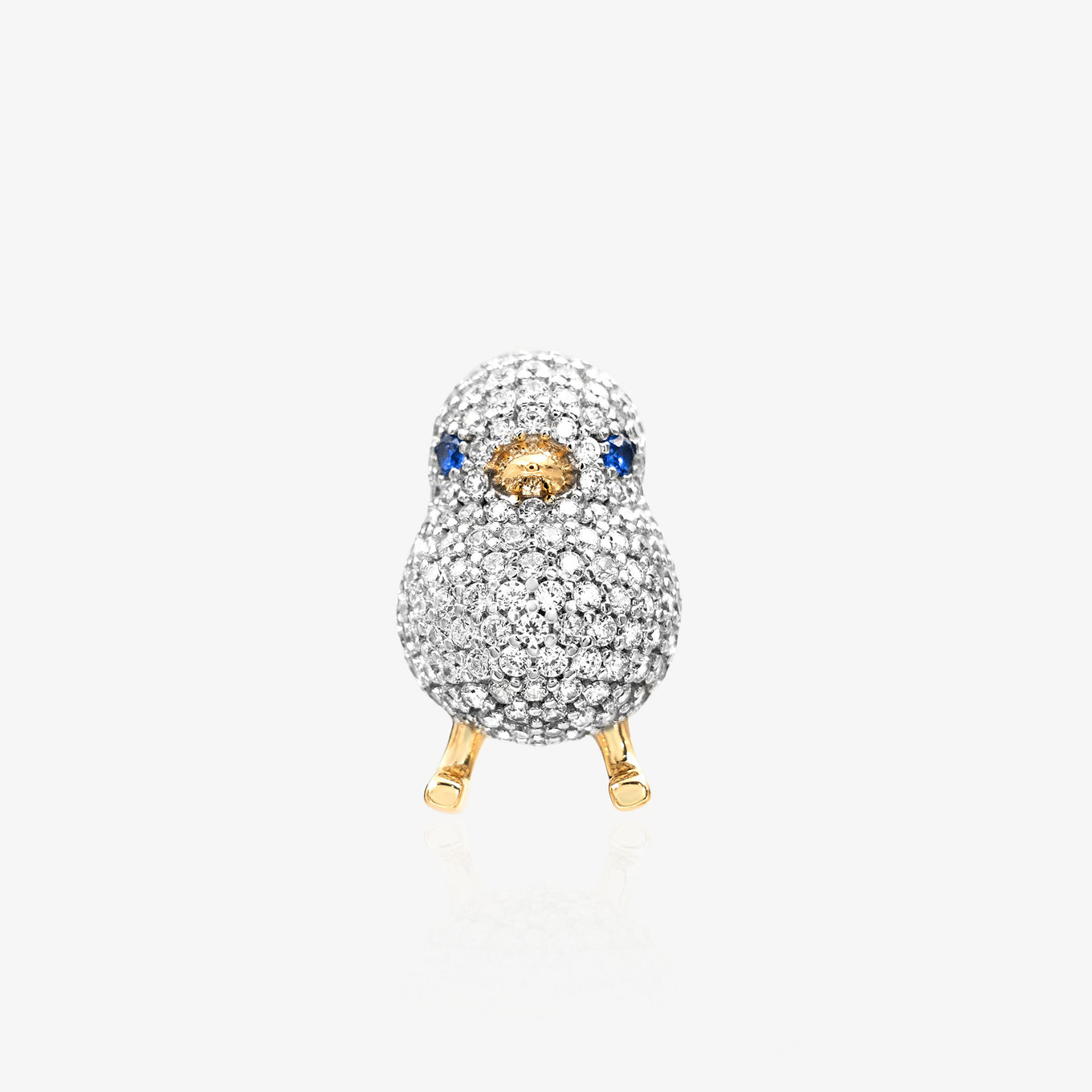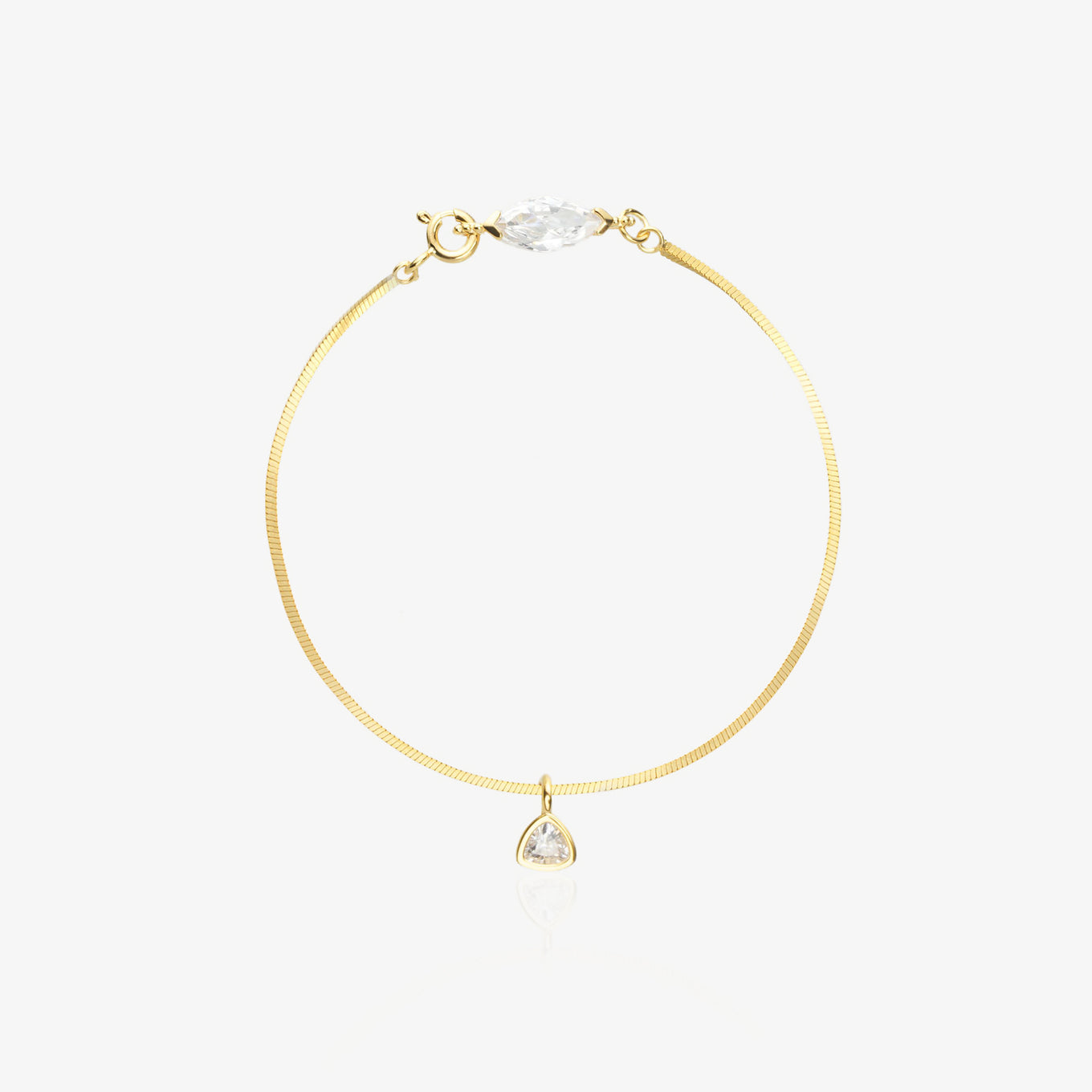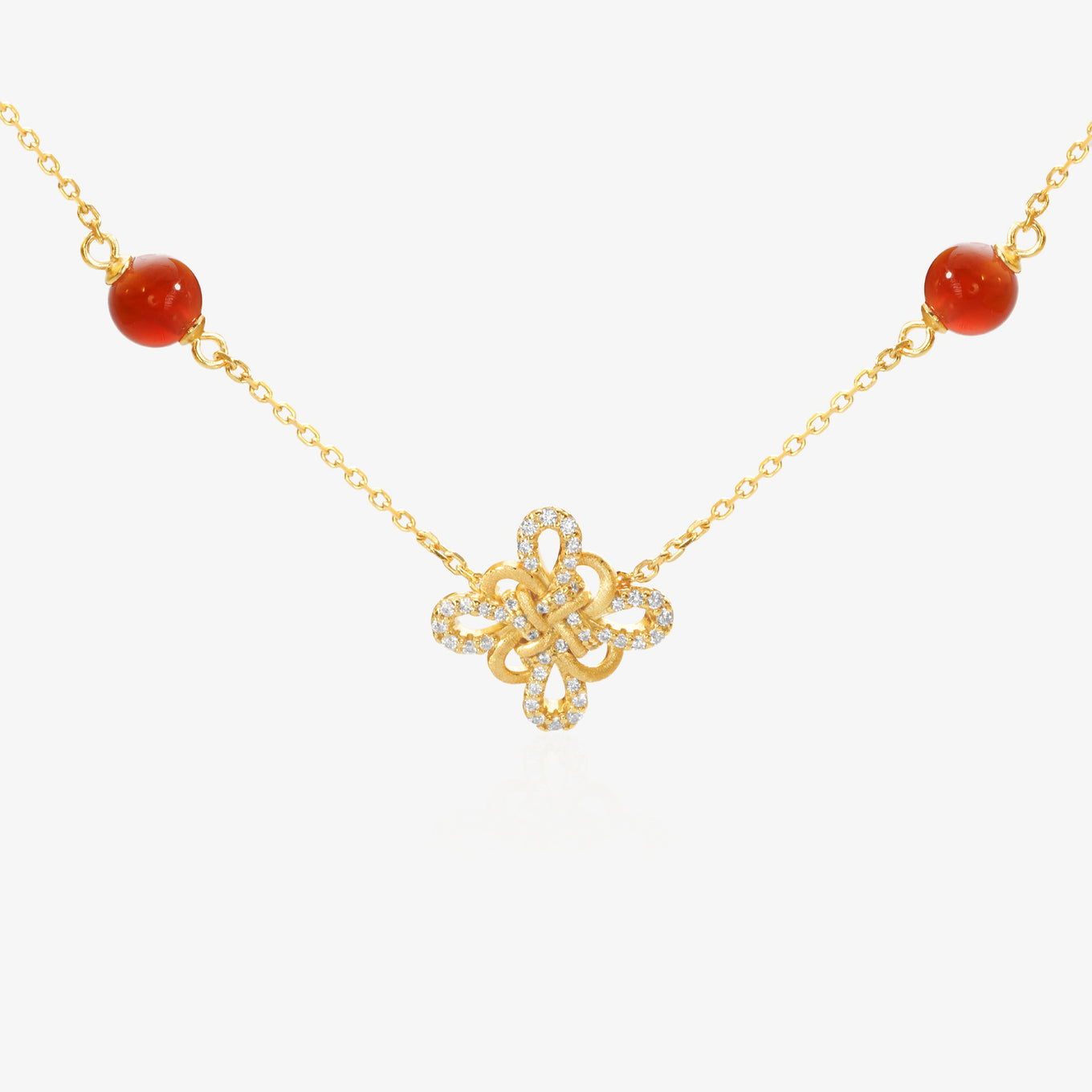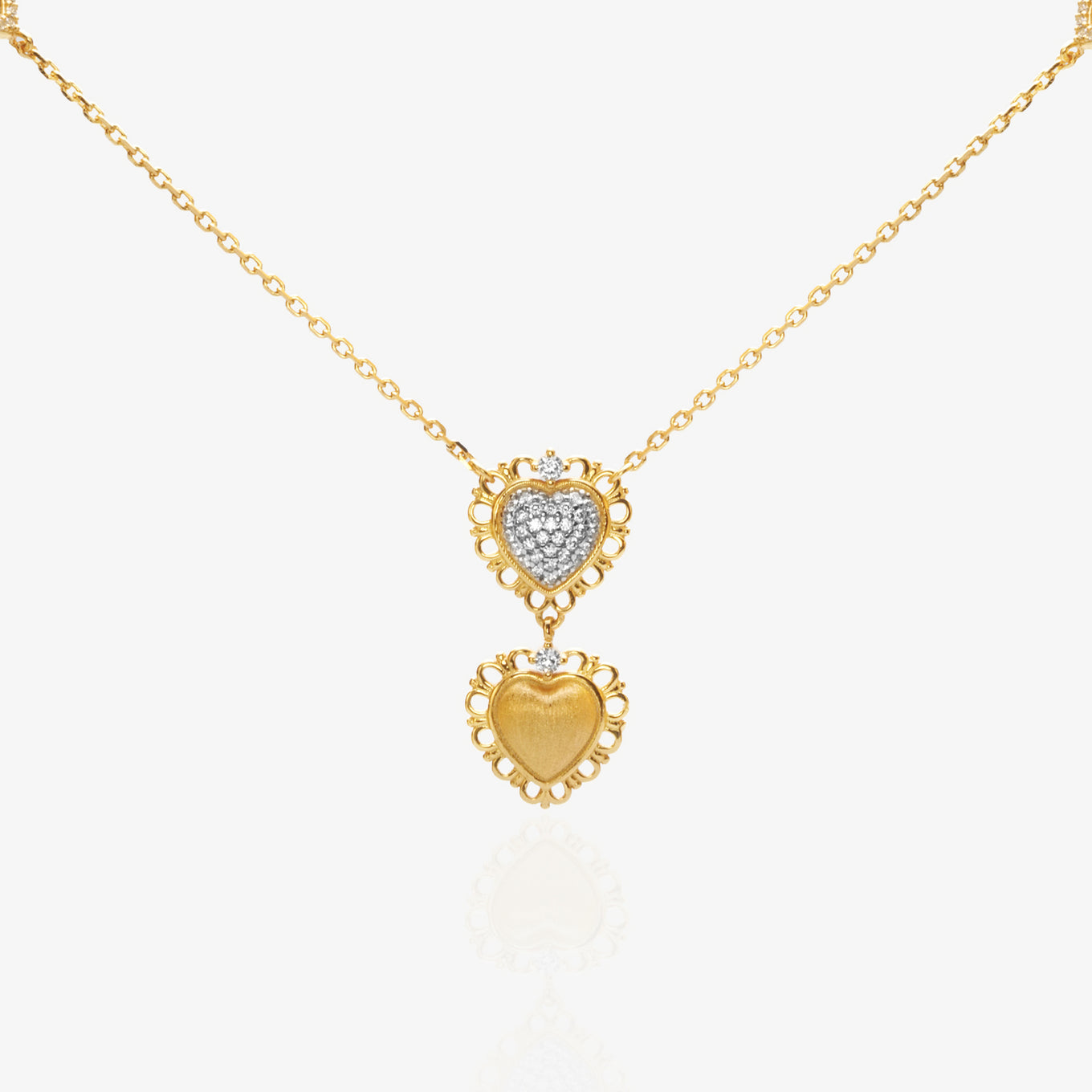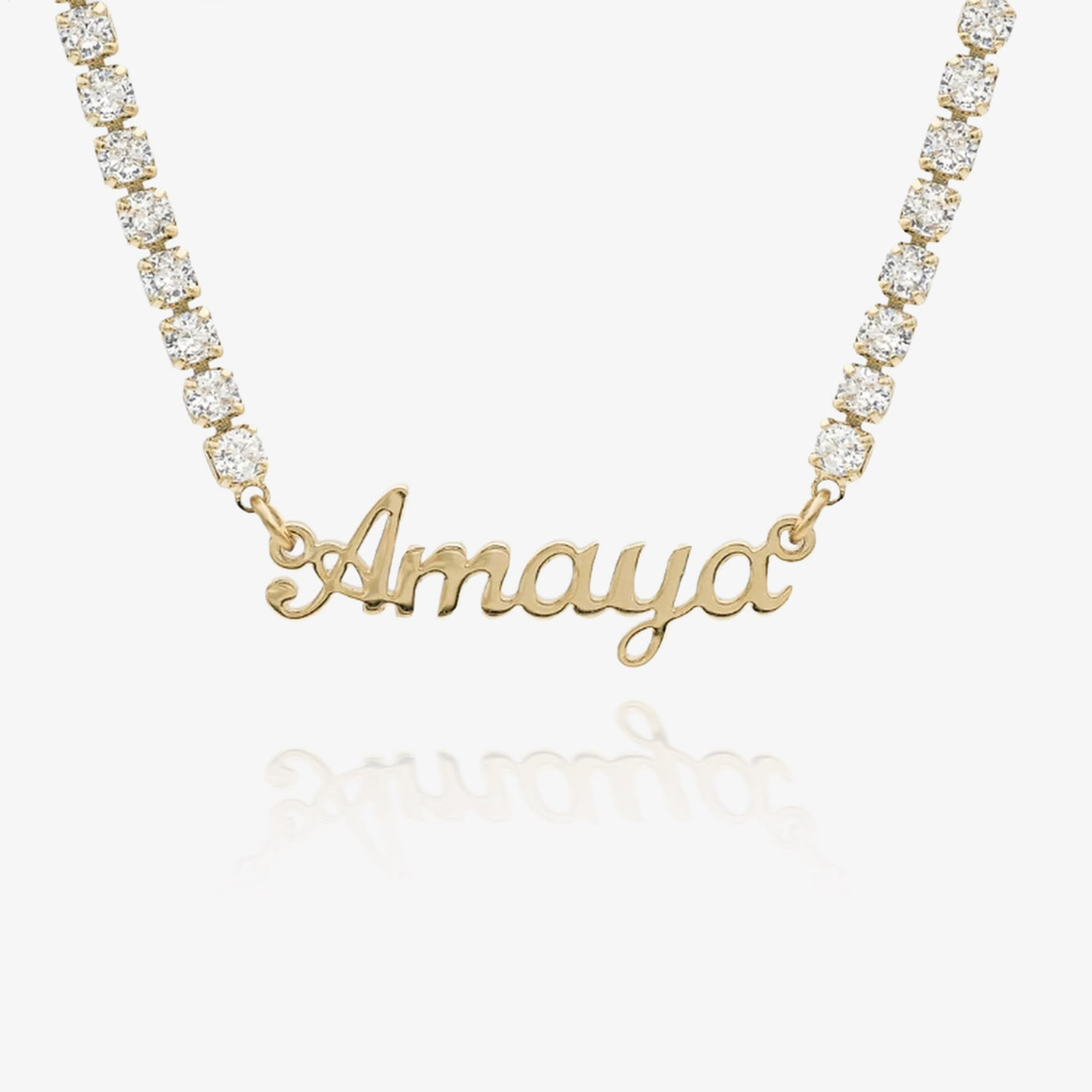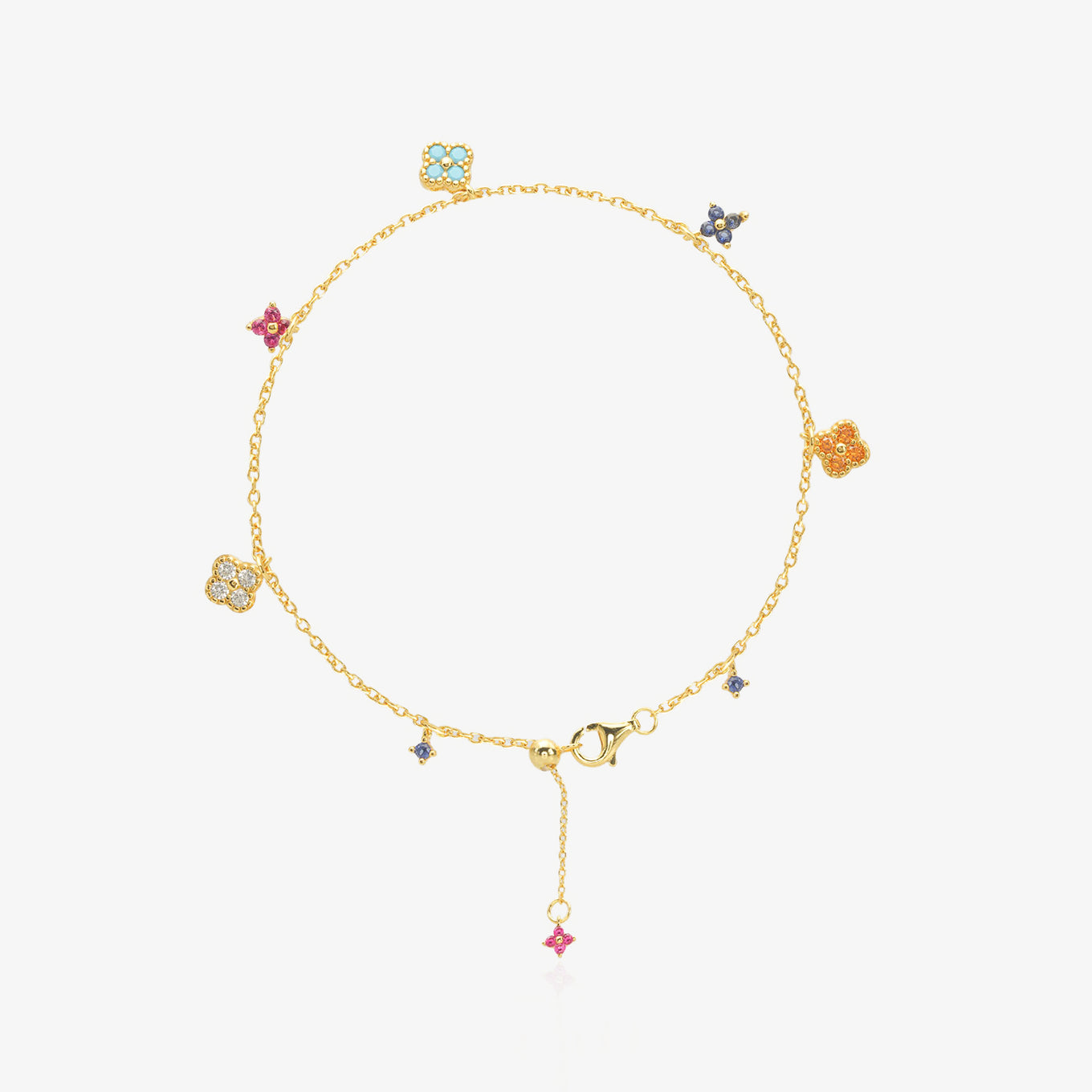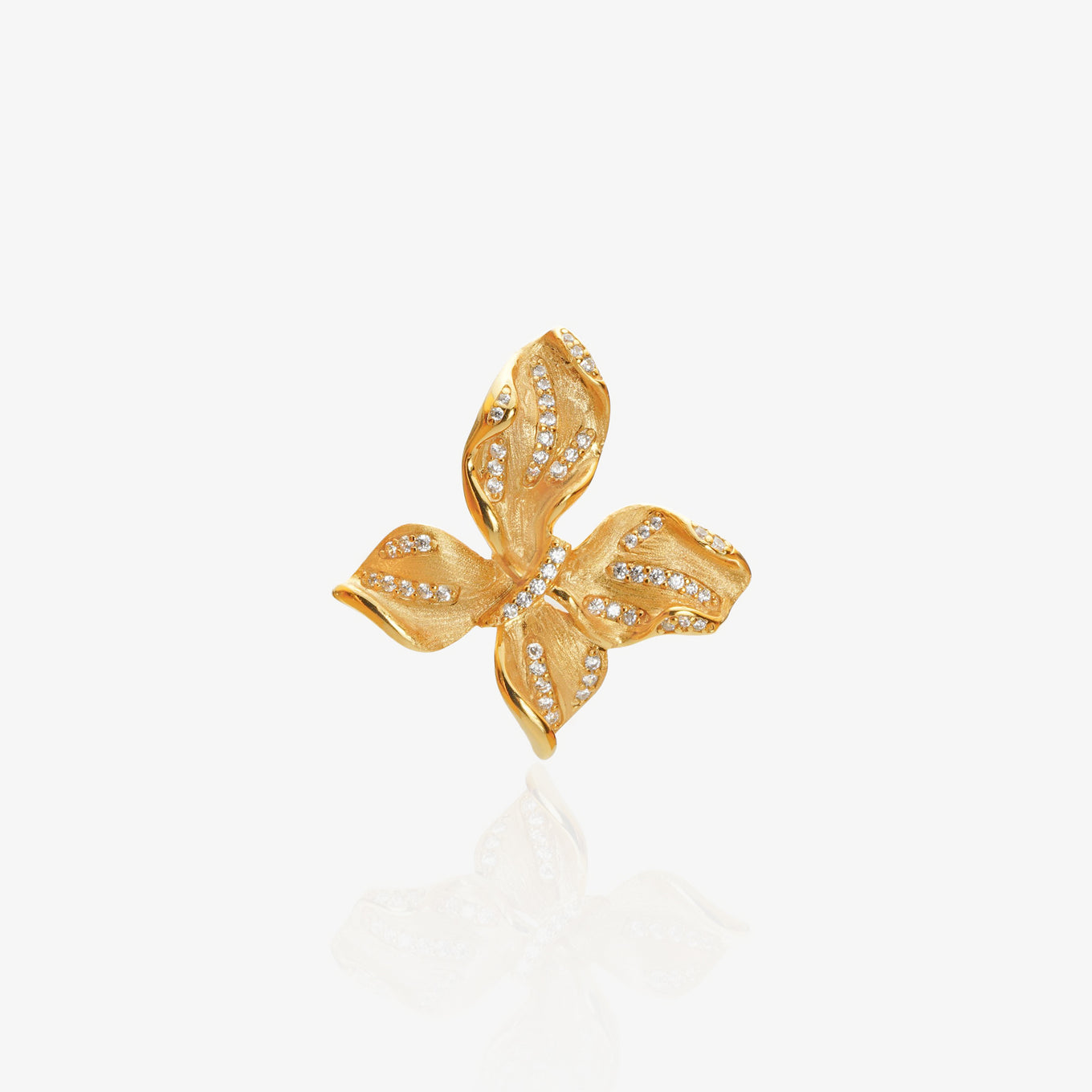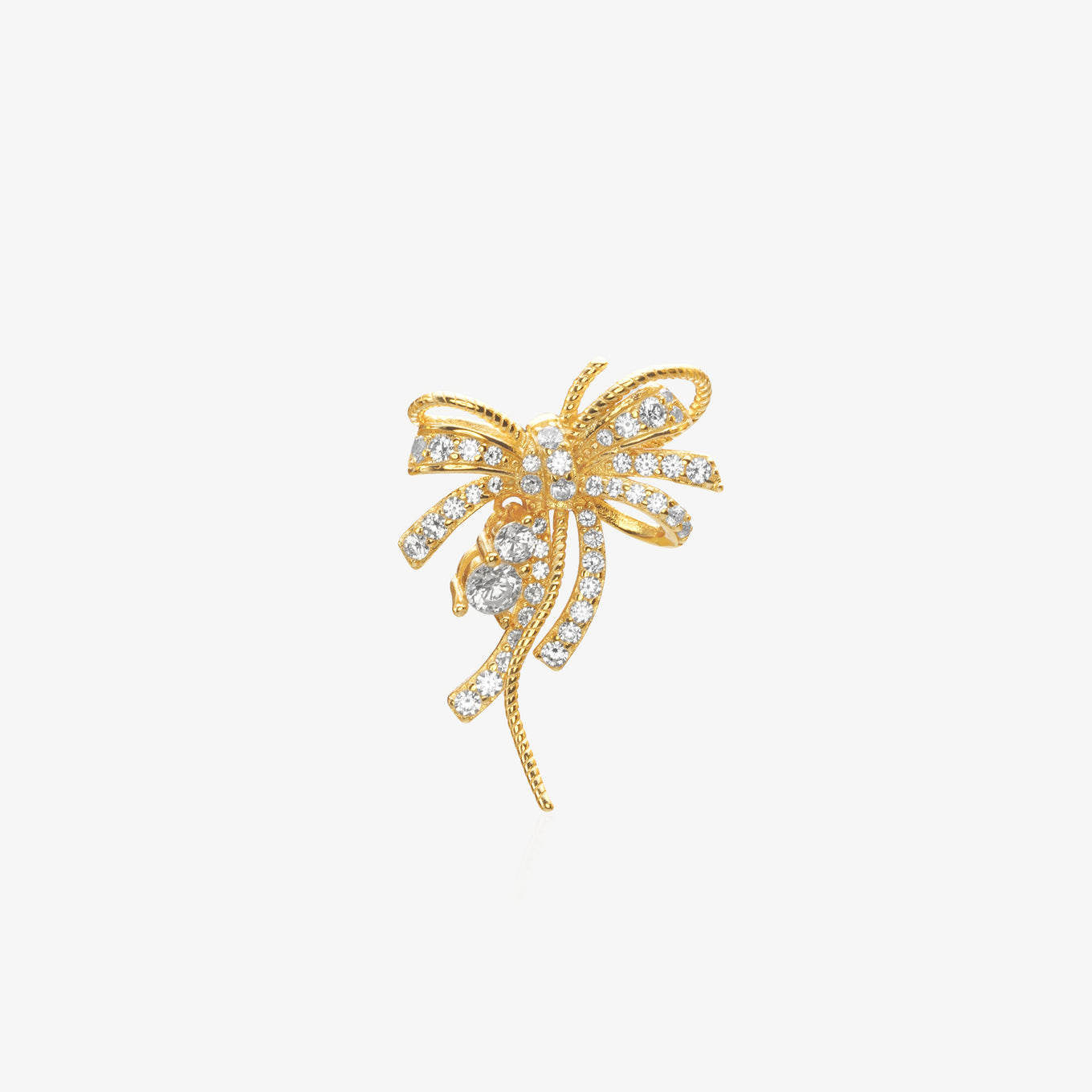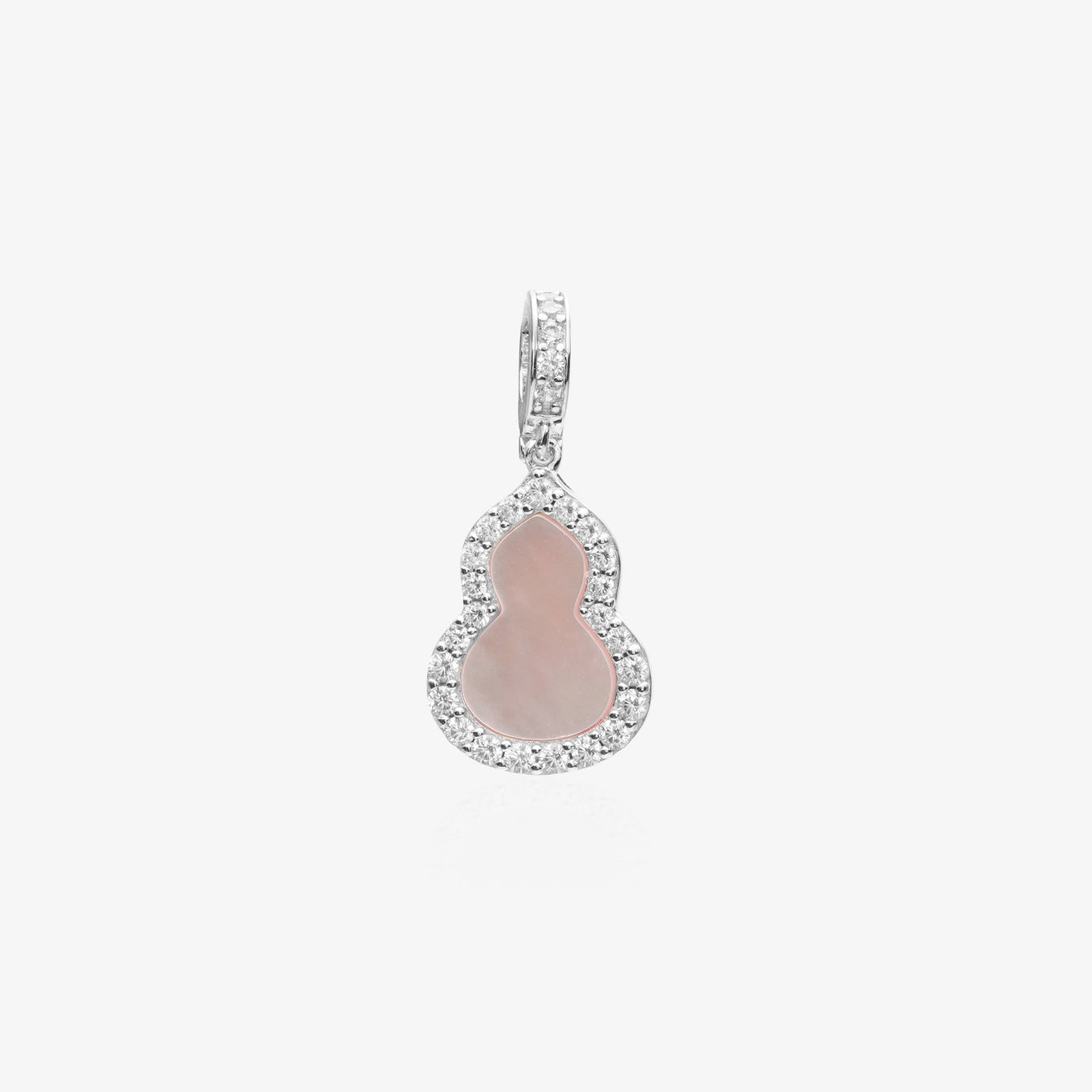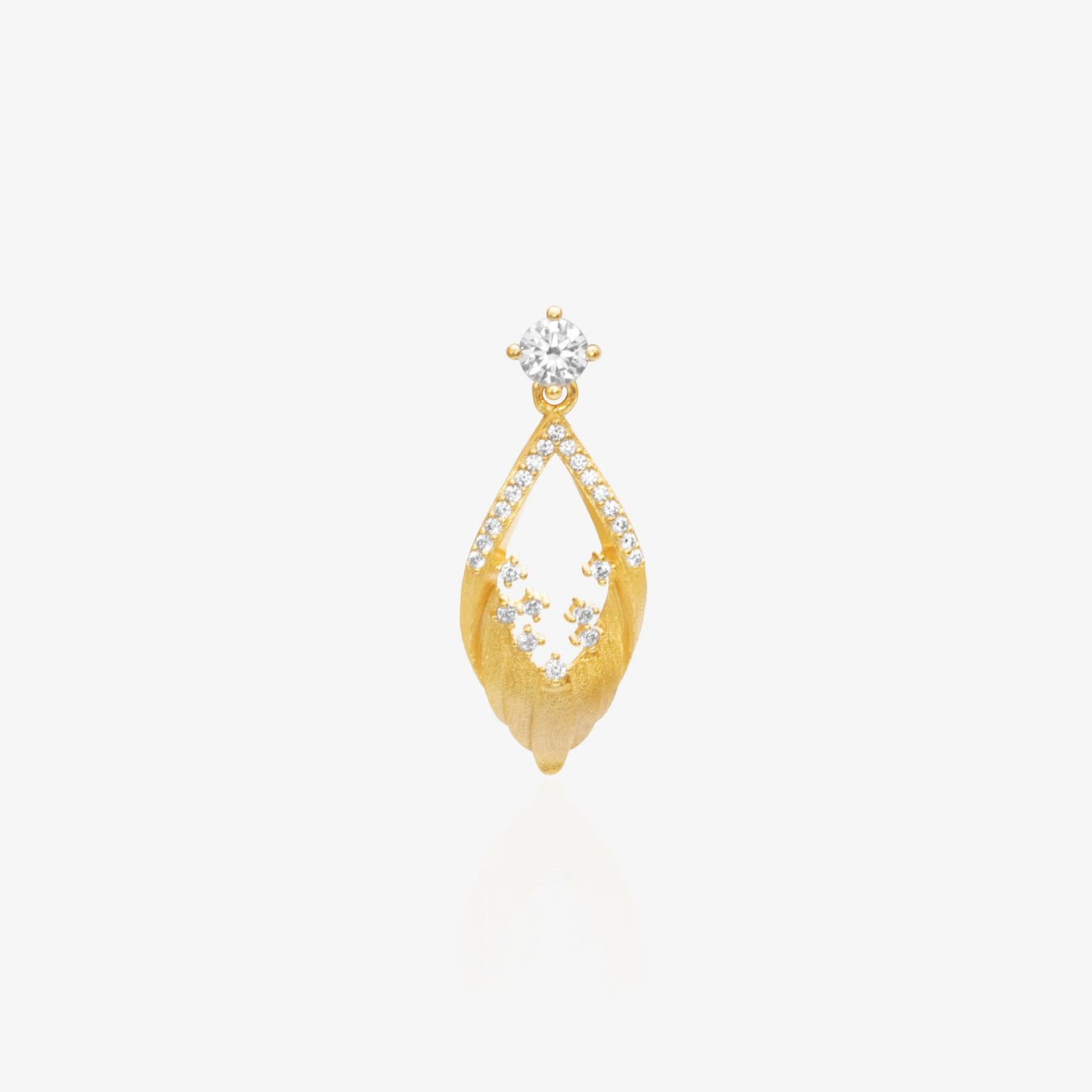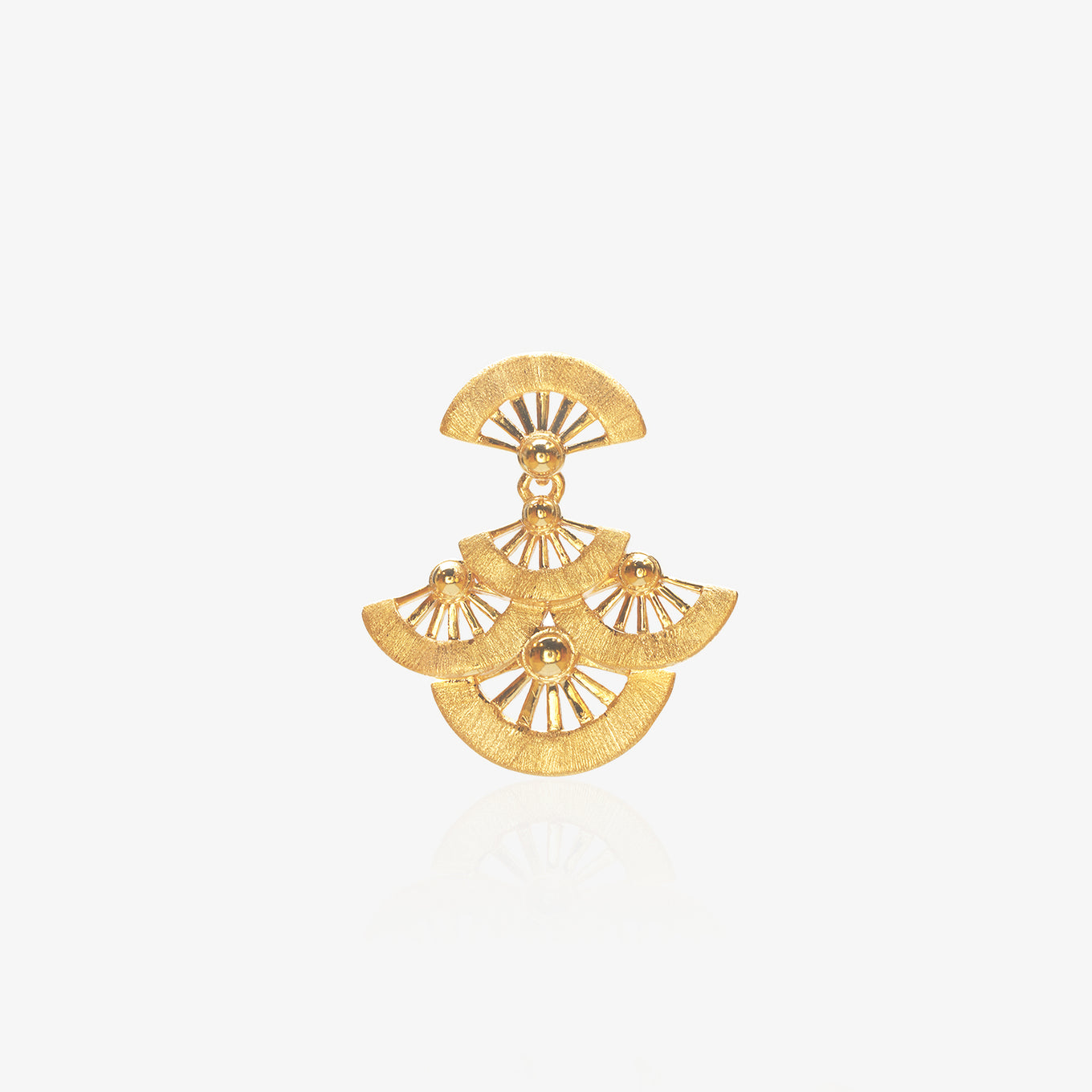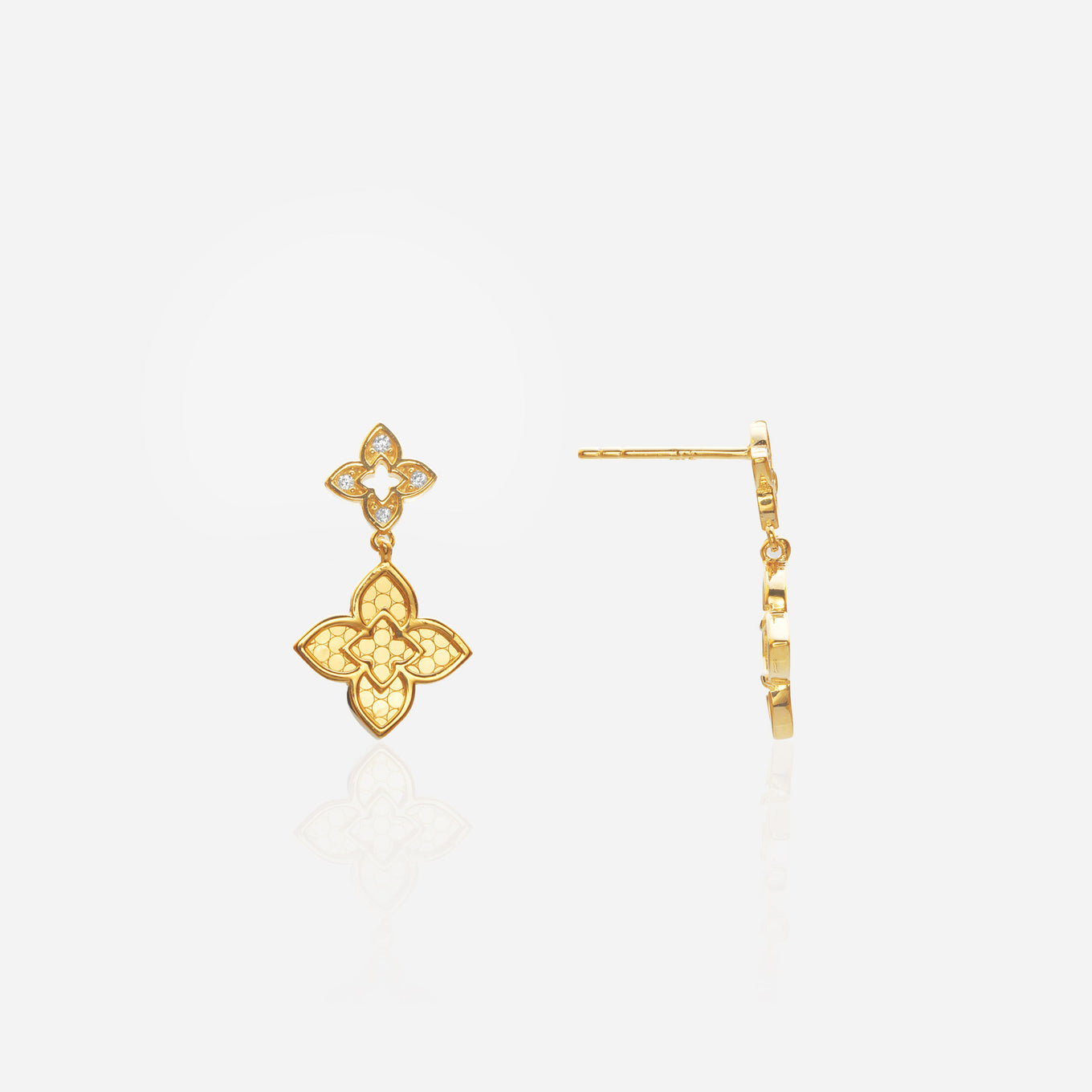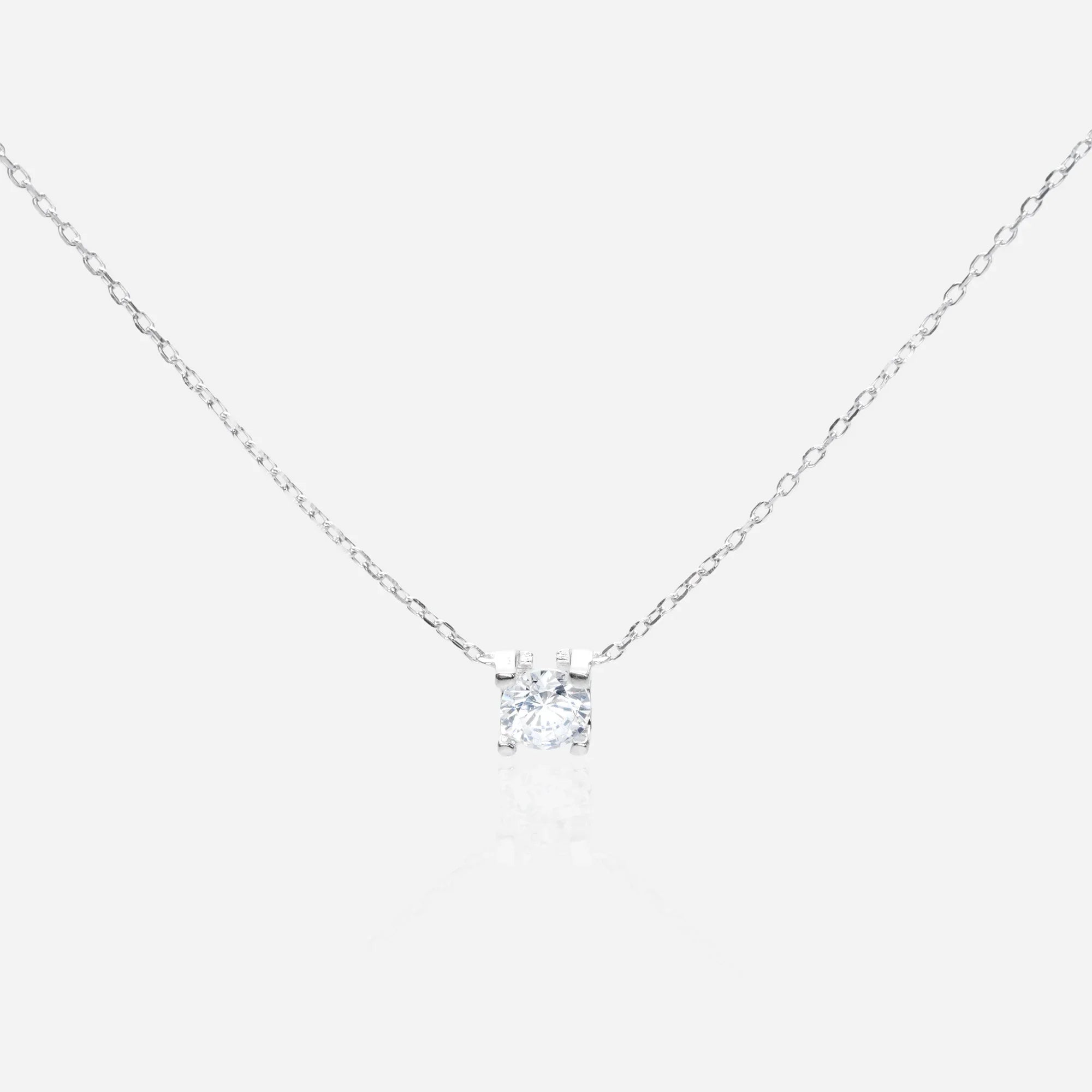
A single stone. A single chain. Yet a solitaire necklace speaks louder than any crowded jewel box. In 2026, the solitaire pendant has become the definitive investment piece — not because it shouts, but because it never needs to. Whether you're buying your first diamond solitaire necklace or adding a gold solitaire pendant to your daily rotation, this guide covers everything you need to choose the one.
- What Is a Solitaire Necklace?
- Types of Solitaire Necklaces
- How to Choose a Solitaire Necklace
- Editor's Picks: ÉLARAMUSE Solitaire-Style Pendants
- FAQ
- Key Terms
- We Believe
- References
What Is a Solitaire Necklace?
A solitaire necklace features a single, standalone gemstone — typically a diamond — suspended from a fine chain. The word "solitaire" comes from the French for "alone" or "solitary," and that is exactly the point: one stone, set with intention, holding all the visual attention. Unlike cluster pendants or halo designs, a solitaire pendant lets the central gem speak for itself.
The solitaire pendant traces its cultural roots to the late 19th century, when advances in diamond cutting — particularly the round brilliant cut introduced in the 1910s — made single-stone jewelry increasingly desirable. The Victoria and Albert Museum houses several early solitaire pendants from the Edwardian era, when platinum settings allowed jewelers to create the "floating" diamond effect we still admire today.
Today, when you buy a solitaire necklace, you're participating in a tradition of understated luxury that has outlasted every trend. It is the necklace equivalent of a white shirt or a black dress — always correct, always elegant, and never out of place.
Types of Solitaire Necklaces
By Center Stone
Diamond Solitaire Necklace. The classic. A diamond solitaire necklace — particularly in a four-prong setting — is the most sought-after style. Round brilliant cuts dominate this category, offering maximum sparkle from a single stone. The GIA's 4Cs framework — Cut, Color, Clarity, and Carat — applies equally to pendants as to rings.
Gemstone Solitaire Pendants. Not every solitaire needs to be a diamond. Rubies, sapphires, emeralds, and even pearls make striking solitaire pendants. A ruby solitaire carries warmth; a sapphire whispers calm. The Metropolitan Museum of Art's gemstone jewelry collection shows how personal expression through colored stones spans centuries.
Floating Diamond Solitaire Necklace. Also called a "floating pendant," this style uses a minimalist bezel or tension setting to make the diamond appear to hover on the chain without visible support. The floating effect works especially well for an everyday solitaire necklace — it's lightweight, snag-free, and layers beautifully with other chains. This architectural look has become one of the most searched pendant styles in 2026.
By Metal
Gold Solitaire Necklaces. The best solitaire necklace in gold offers warmth that complements every skin tone. Yellow, white, and rose gold each create a different mood — yellow for classic warmth, white for modern coolness, rose for romance. Premium 18K Gold Plating over Ag925 sterling silver delivers the look of fine gold at a fraction of the price, making a gold solitaire necklace for women both beautiful and accessible. All ÉLARAMUSE gold-plated pieces are hypoallergenic and nickel-free.
Sterling Silver Solitaire Necklaces. Silver offers a crisp, contemporary alternative. A simple solitaire necklace in Ag925 sterling silver represents an underserved segment with strong buyer interest. Silver's cool tone makes diamonds appear brighter by contrast, and its price point makes it ideal for the affordable solitaire pendant shopper who refuses to compromise on quality.
By Diamond Cut
Round brilliant remains the reigning champion — it accounts for roughly 75% of all diamonds sold — but fancy cuts are gaining ground. The princess cut offers geometric precision; the oval cut elongates the neckline; the pear cut blends teardrop romance with structure. A cushion-cut solitaire feels vintage; an emerald-cut projects architectural confidence. Each cut tells a different story.
How to Choose a Solitaire Necklace
1. Consider the Occasion. Are you buying for daily wear or special occasions? An everyday solitaire necklace should be lightweight (under 0.5 carat center stone), set in a secure bezel or four-prong setting, paired with a durable chain. For evening or formal wear, you can go larger and bolder — a 1-carat floating diamond solitaire pendant in 18K gold plating makes a quiet but unmistakable statement.
2. Choose Your Metal. Match your existing jewelry. If your watch, rings, and earrings are overwhelmingly yellow gold, a gold solitaire pendant maintains visual harmony. If you favor mixed metals, a two-tone piece bridges gold and silver effortlessly. White gold and silver share a cool tone that works beautifully together.
3. Select the Right Chain Length. Chain length defines where the pendant sits. A 16-inch chain positions the solitaire at the throat base — ideal for crew necks and open collars. An 18-inch chain lands at the collarbone — the most versatile length. A 20- to 24-inch chain drops lower for V-necks and layering. When in doubt, 18 inches is the universal recommendation for a first solitaire.
4. Pick Your Gemstone. Diamond is timeless, but consider colored gemstones for personal meaning. A ruby solitaire makes a passionate July birthstone gift; a sapphire carries September's wisdom. If you're buying for yourself, choose the stone that makes you smile when you catch it in the mirror — that's the only rule that matters.
5. Set a Budget. You don't need a fortune to own a beautiful solitaire necklace. An affordable solitaire pendant in 18K gold-plated sterling silver with a High-Carbon Lab Diamond (Simulated) delivers the same visual impact as a mined diamond at a fraction of the cost. All ÉLARAMUSE pieces are hypoallergenic and nickel-free — luxury without compromise.
"A solitaire is not a piece of jewelry. It is a punctuation mark. A single, deliberate point of light that organizes everything around it."
Editor's Picks: ÉLARAMUSE Solitaire-Style Pendants
Each piece embodies the solitaire philosophy: one focal point, one clear intention, maximum impact. All are crafted from hypoallergenic Ag925 sterling silver with Premium 18K Gold Plating and are nickel-free.
1. Gold Solitaire Necklace | Floating Lab Diamond Pendant 18K

The quintessential solitaire. A single round High-Carbon Lab Diamond (Simulated) floats in a classic four-prong setting on a fine chain. The floating effect is clean, modern, and universally flattering — ideal when you want an everyday solitaire necklace that moves from morning coffee to evening drinks. From $37 — proof that the best solitaire necklace doesn't require a trust fund.
2. Emerge Necklace | Minimalist Gold Jewelry | lab lab diamond orb Pendant

A meditation on duality. The Emerge Necklace features a circular orb divided by a sculptural S-curve — one half satin gold, the other micro-pavé diamonds. It reads as a solitaire orb from a distance, revealing complexity on closer inspection. At $79, it's the conversation piece among solitaire pendants.
3. Ruby Calla Lily Pendant | Botanical Jewelry | July Birthstone Gift

A solitaire by another name. The sculptural calla lily wraps protectively around a single ruby stamen — a gemstone solitaire disguised as botanical art. The satin-finish gold petal creates a natural bezel around one concentrated point of color. This is the gold solitaire necklace for women who want their pendant to carry meaning as well as beauty. $59.
4. Gold Compass Rose Pendant | Reversible Rigato Medallion | Pink Halo

Two pendants in one. This reversible oval medallion features a soft pink halo on one side and a finely engraved compass rose in rigato-textured gold on the other. It is a solitaire talisman — singular in focus, dual in expression. Wear it pink-side-out for warmth, compass-side-out for direction. $59.
5. Gold Fleur de Lis Pendant | Diamond Simulant | Bicolor Silver

Heraldry meets minimalism. A single gold fleur-de-lis rises from a pavé diamond background within an oval silver medallion. The bicolor design — warm gold emblem on cool silver — creates a striking solitaire effect that pairs with both gold and silver jewelry. At $49, it's an affordable solitaire pendant with aristocratic DNA.
Frequently Asked Questions
What is the best solitaire necklace to buy?
The best solitaire necklace depends on your lifestyle. For daily wear, choose a floating diamond solitaire necklace in a bezel setting — it's snag-free, secure, and layers effortlessly. For special occasions, a four-prong round brilliant in 18K gold plating makes a timeless statement. The best solitaire necklace is the one you'll never want to take off.
How much should I spend on a solitaire necklace?
There is no fixed rule. A quality affordable solitaire pendant in 18K gold-plated sterling silver with a High-Carbon Lab Diamond (Simulated) can be found between $35 and $80. Mined diamond solitaires start in the hundreds and rise with carat weight. For most buyers, the sweet spot combines premium materials with simulated diamonds for maximum beauty per dollar.
What chain length is best for a solitaire pendant?
18 inches is the universal sweet spot — it positions the pendant at the collarbone and works with crew necks, V-necks, and open collars alike. For layering, consider 16 inches for a choker-length solitaire paired with a longer 20-inch chain. GIA recommends trying different lengths in person to find what flatters your neckline best.
Can I wear a solitaire necklace every day?
Absolutely. An everyday solitaire necklace is designed for daily wear — lightweight, durable, and hypoallergenic. Choose a bezel setting over prongs for maximum security, and opt for nickel-free materials (all ÉLARAMUSE pieces are nickel-free). Remove before swimming or heavy exercise to preserve the finish.
What is a floating solitaire necklace?
A floating solitaire necklace uses a minimalist bezel or tension setting that makes the center stone appear to hover on the chain. This creates a clean, modern look without visible prongs. The V&A's jewelry collection includes Edwardian precedents — jewelers of that era pioneered invisible settings to create the illusion of a diamond suspended in light.
Is gold-plated sterling silver good for a solitaire necklace?
Yes — Premium 18K Gold Plating over Ag925 sterling silver is an excellent choice. It delivers the warm luster of fine gold, the strength of sterling silver, and a price that makes a second solitaire entirely reasonable. All ÉLARAMUSE gold-plated jewelry is hypoallergenic and nickel-free, making it safe for sensitive skin and daily wear.
Key Terms
Solitaire: A jewelry setting featuring a single, standalone gemstone.
Bezel Setting: A metal rim encircling the gemstone for a secure, modern look.
Prong Setting: Metal claws (typically four or six) that grip the stone from above.
Floating Pendant: A diamond set to appear as if hovering on the chain.
High-Carbon Lab Diamond (Simulated): A lab-created stone with the optical properties of mined diamond.
Ag925: Sterling silver composed of 92.5% pure silver and 7.5% alloy for strength.
Premium 18K Gold Plating: A thick layer of 18-karat gold bonded to a sterling silver base.
Hypoallergenic: Materials designed to minimize allergic reactions — all ÉLARAMUSE pieces are nickel-free.
References
- GIA — Diamond Quality Factors: The 4Cs
- GIA — Diamond Necklace Buying Guide
- Victoria and Albert Museum — Jewellery Collection
- The Metropolitan Museum of Art — Gemstone Jewelry Collection
- Encyclopædia Britannica — History of Jewelry: 18th & 19th Centuries
We Believe
We believe a single, well-chosen piece speaks louder than a drawer full of impulse buys.
We believe luxury is not a price tag — it's how a piece makes you feel when you put it on.
We believe every solitaire tells a story. The only question is: what's yours?