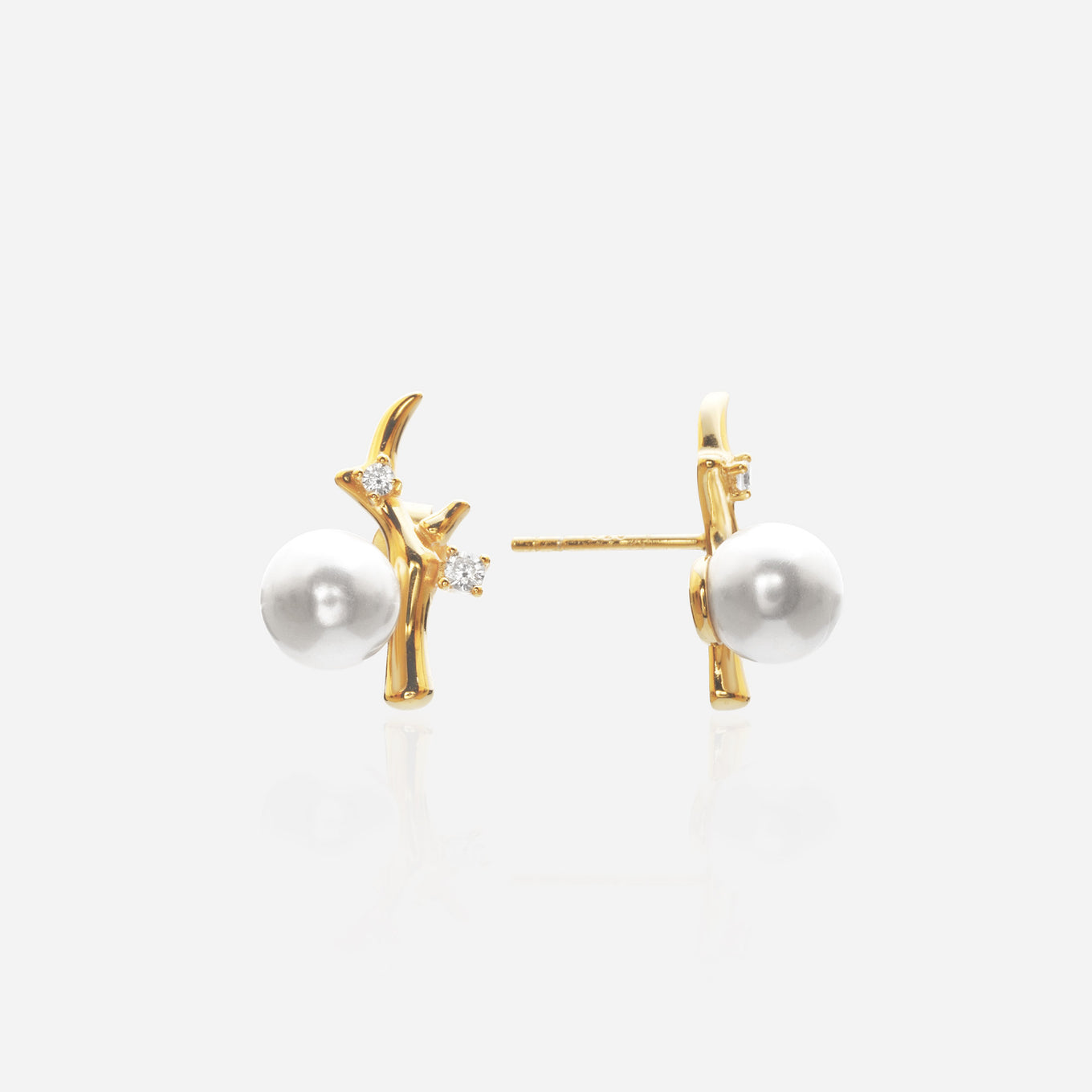
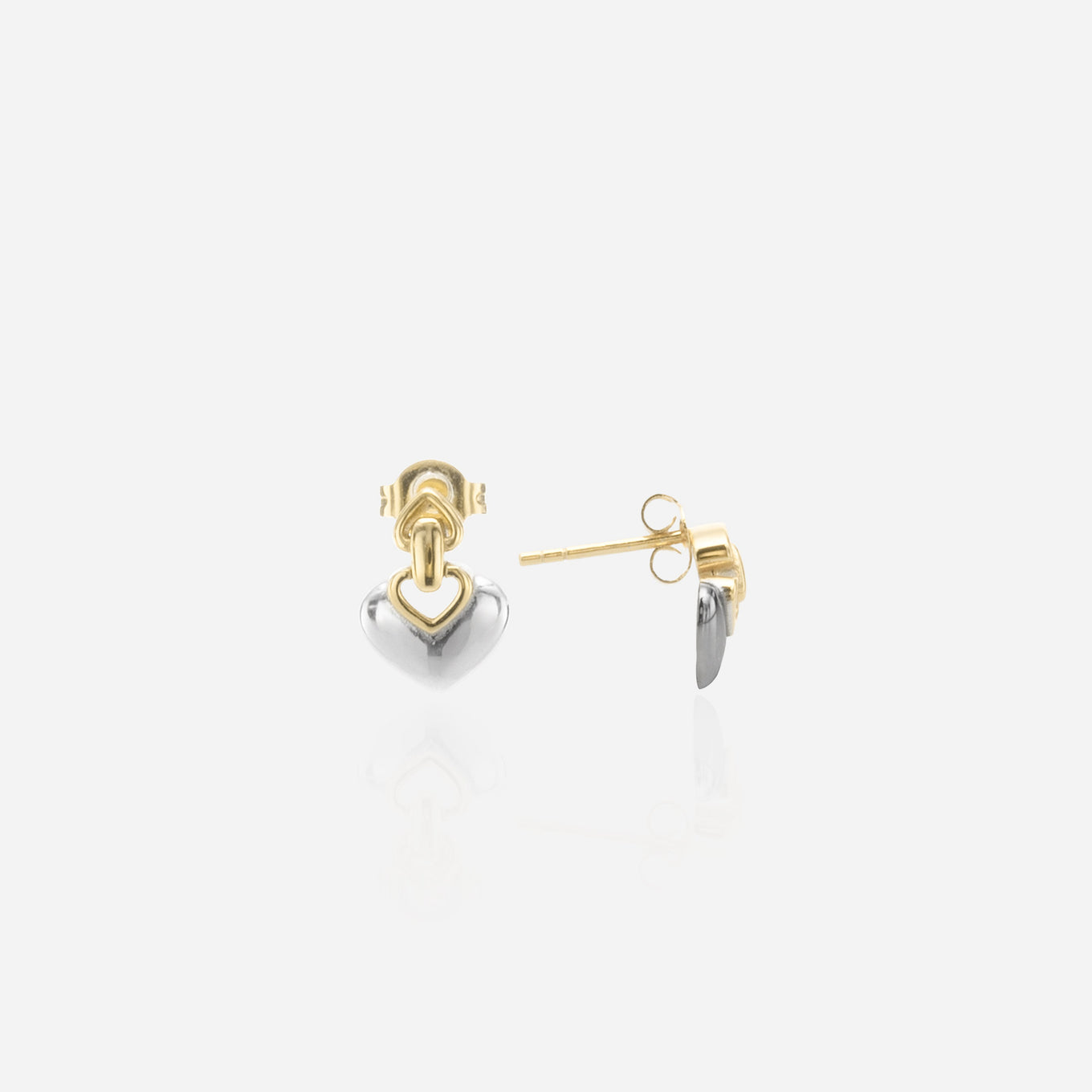
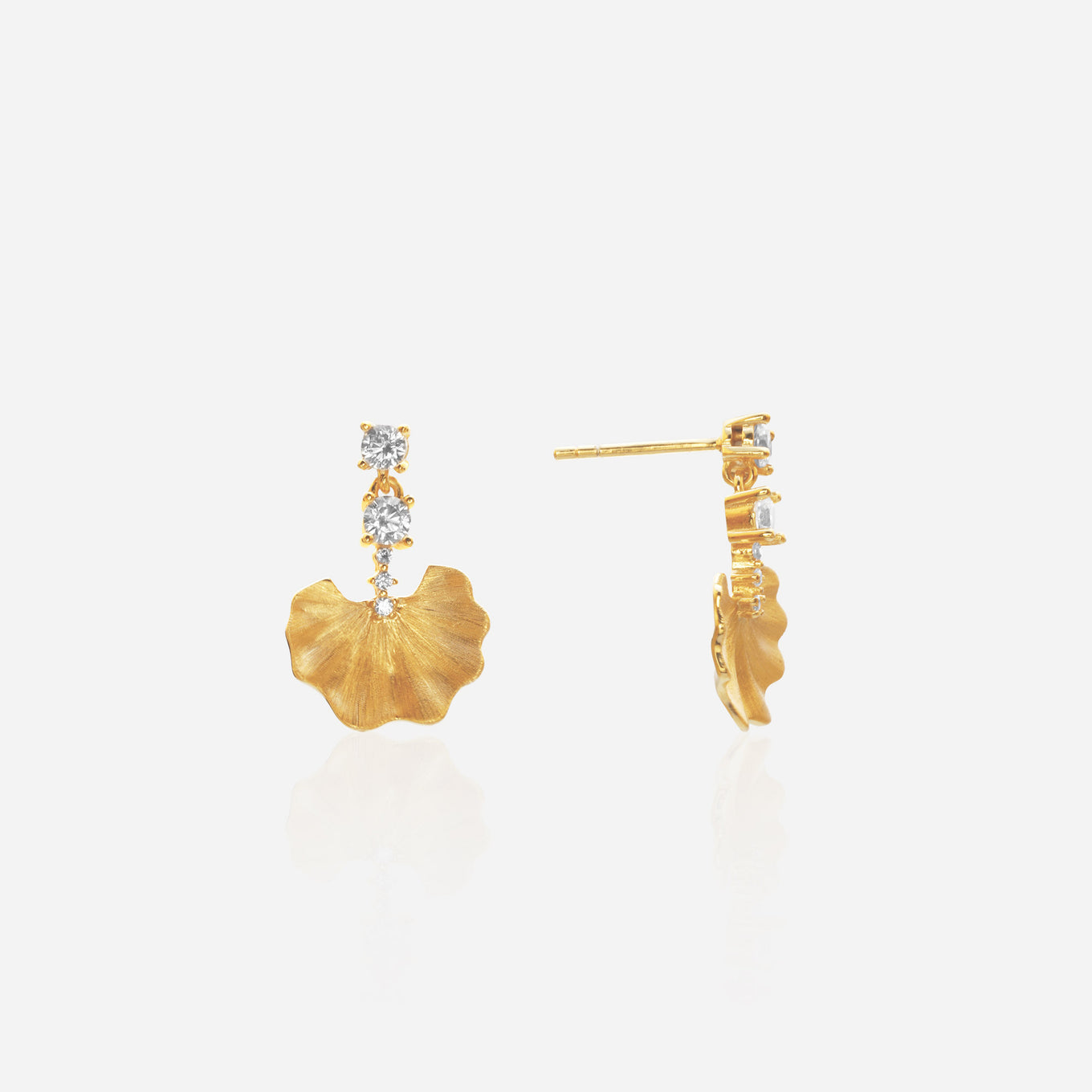
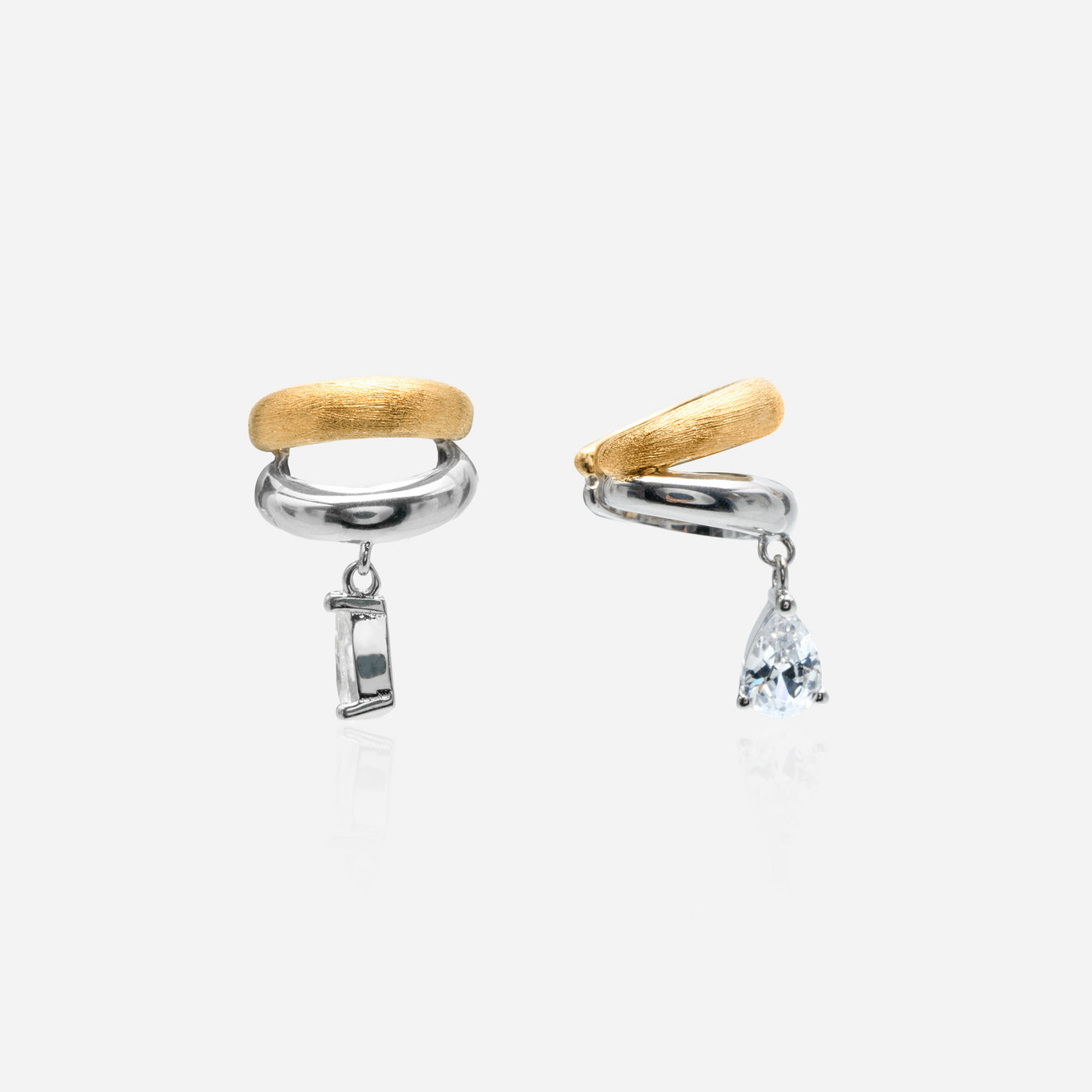
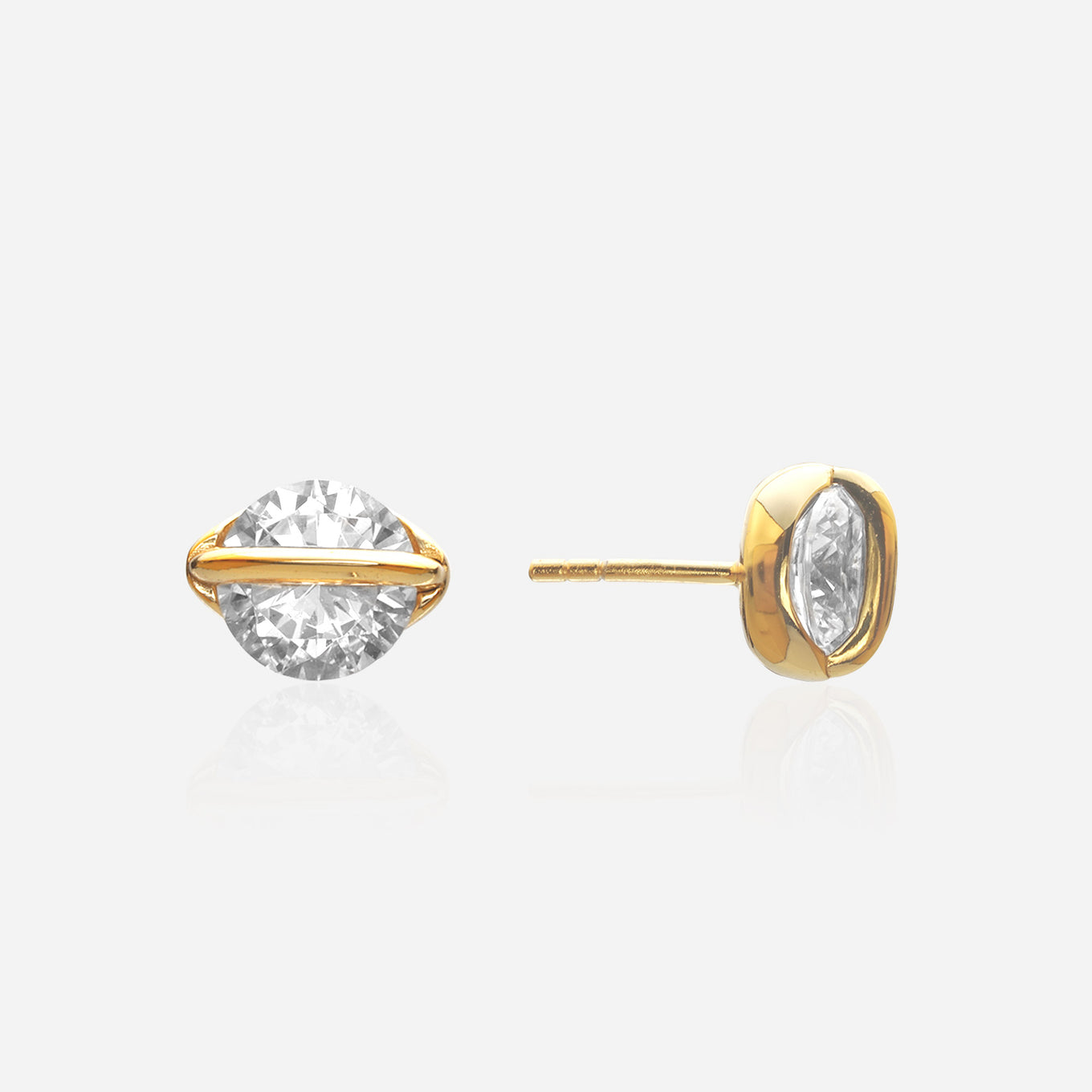
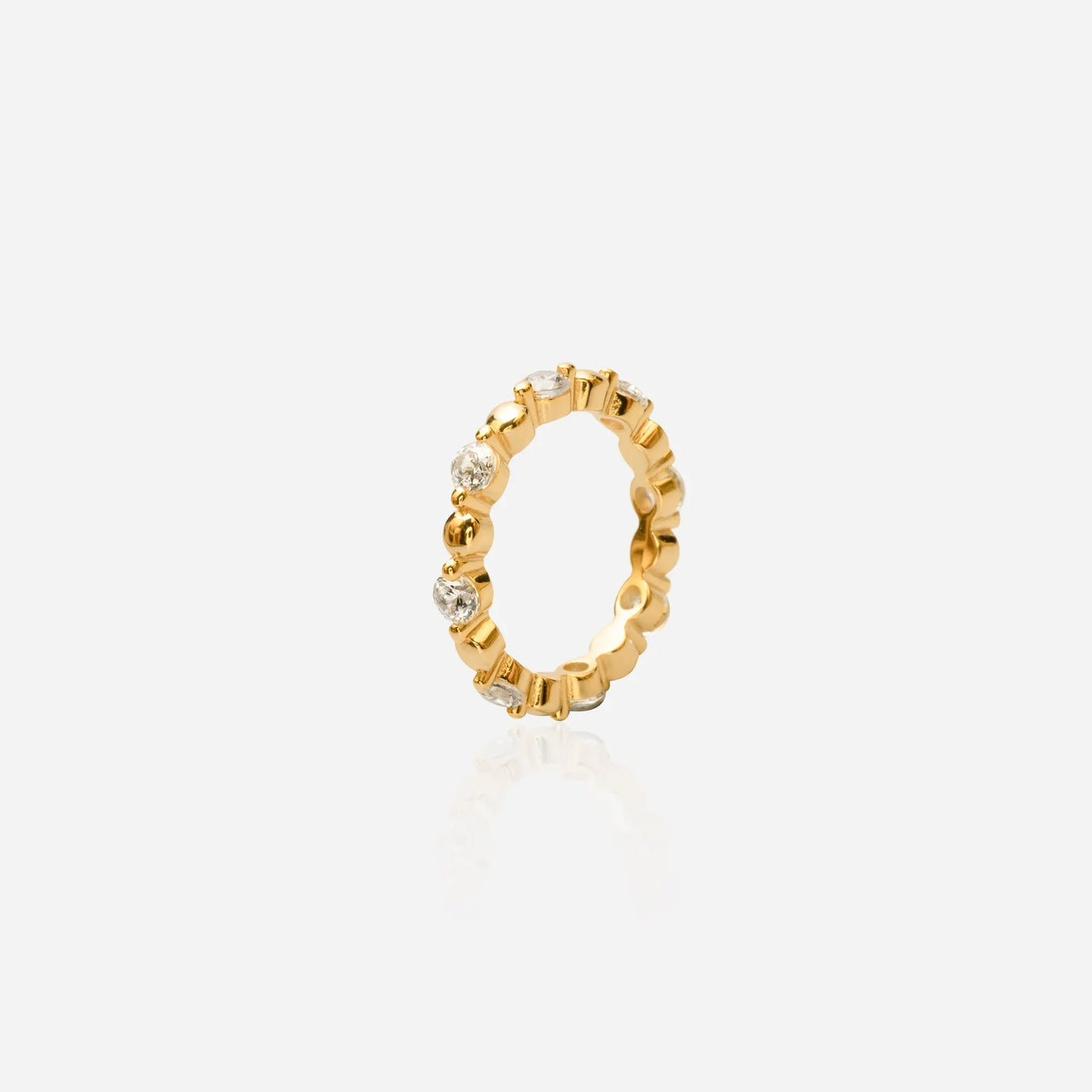
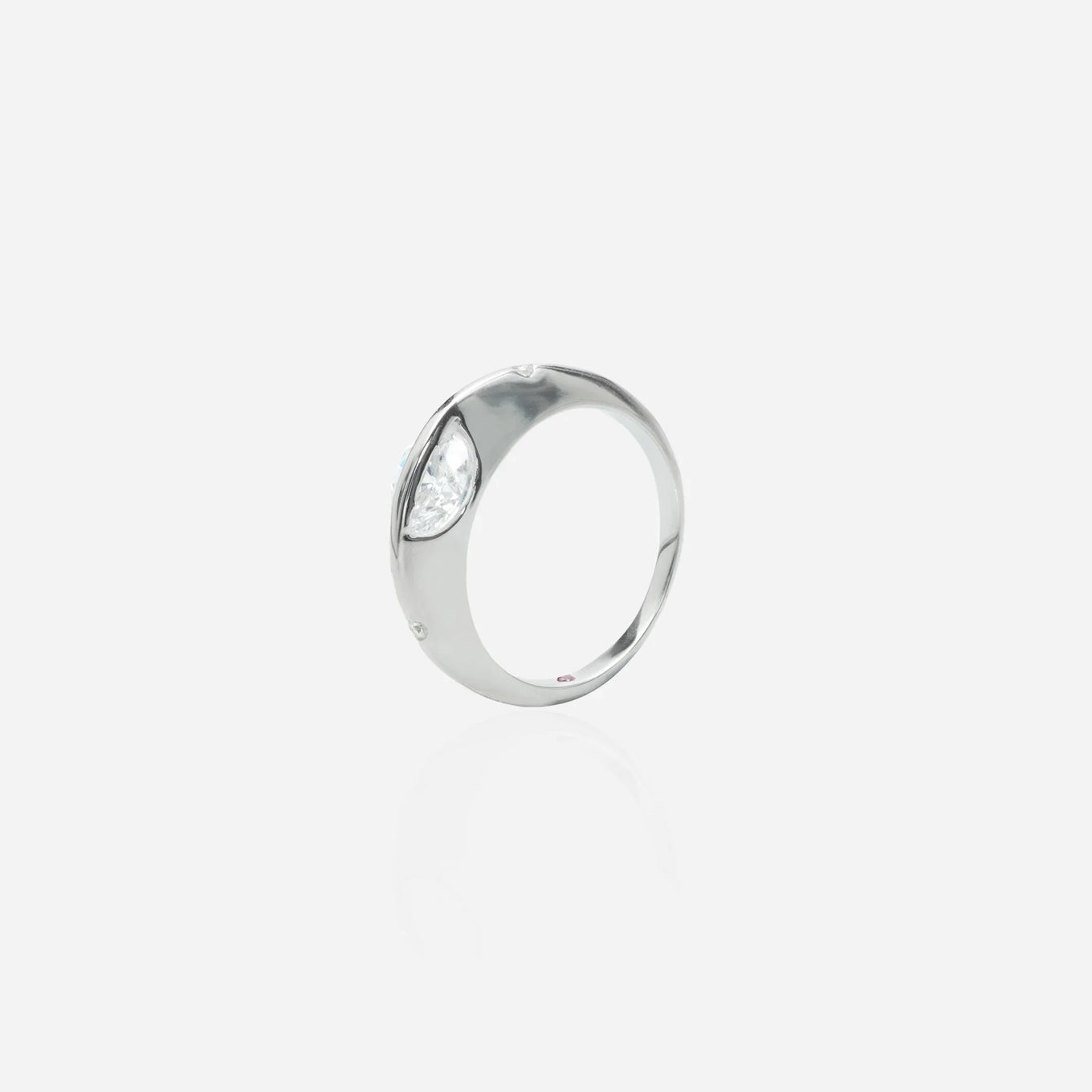
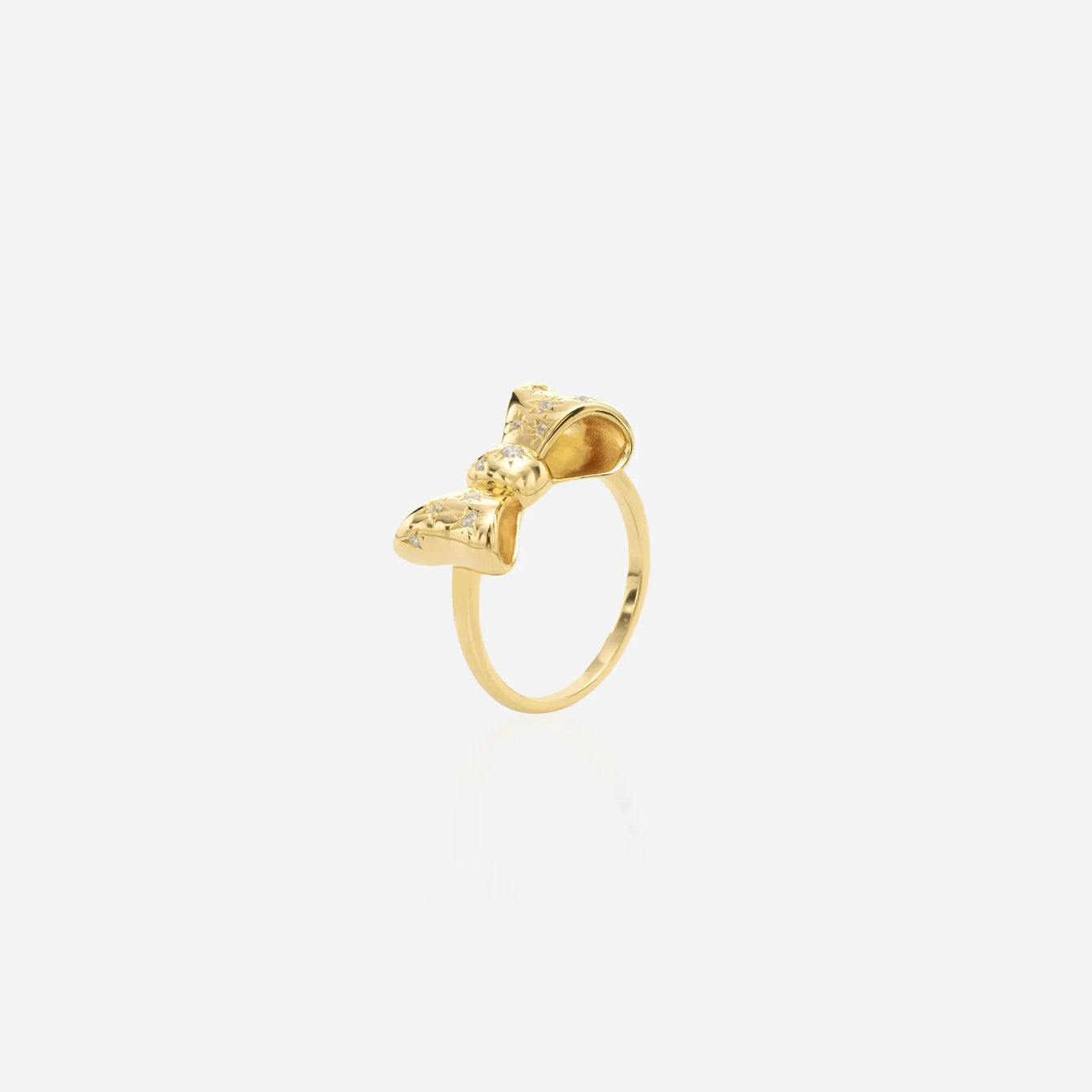
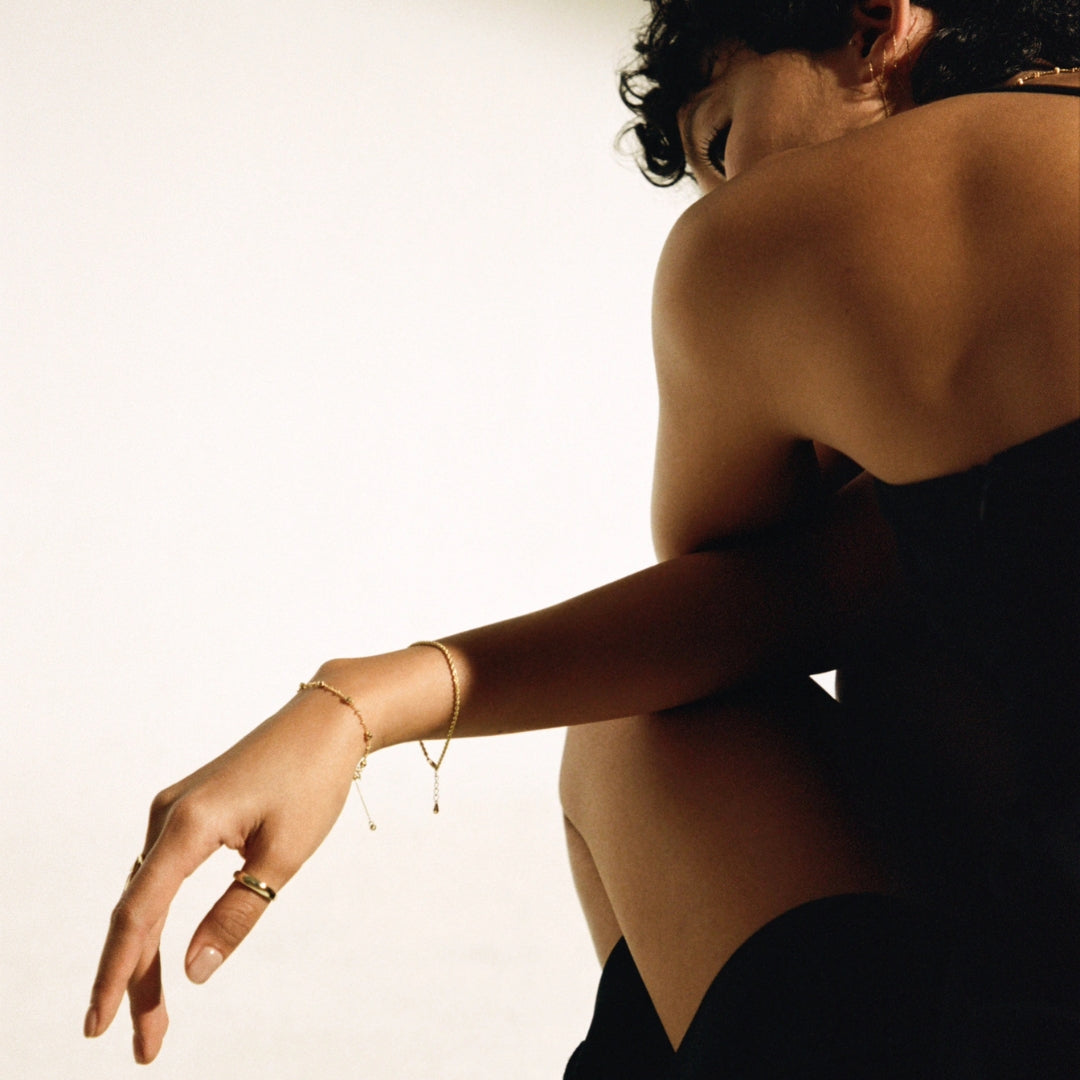
Quick Answer: Sculptural jewelry treats metal the way an architect treats concrete — as a medium for volume, negative space, and structural tension rather than mere decoration. The 2026 trend moves gold from an accessory into wearable art, with domed rings, wavy bands, and geometric cuffs dominating editorial spreads and runway shows alike.
What Is Sculptural Jewelry?
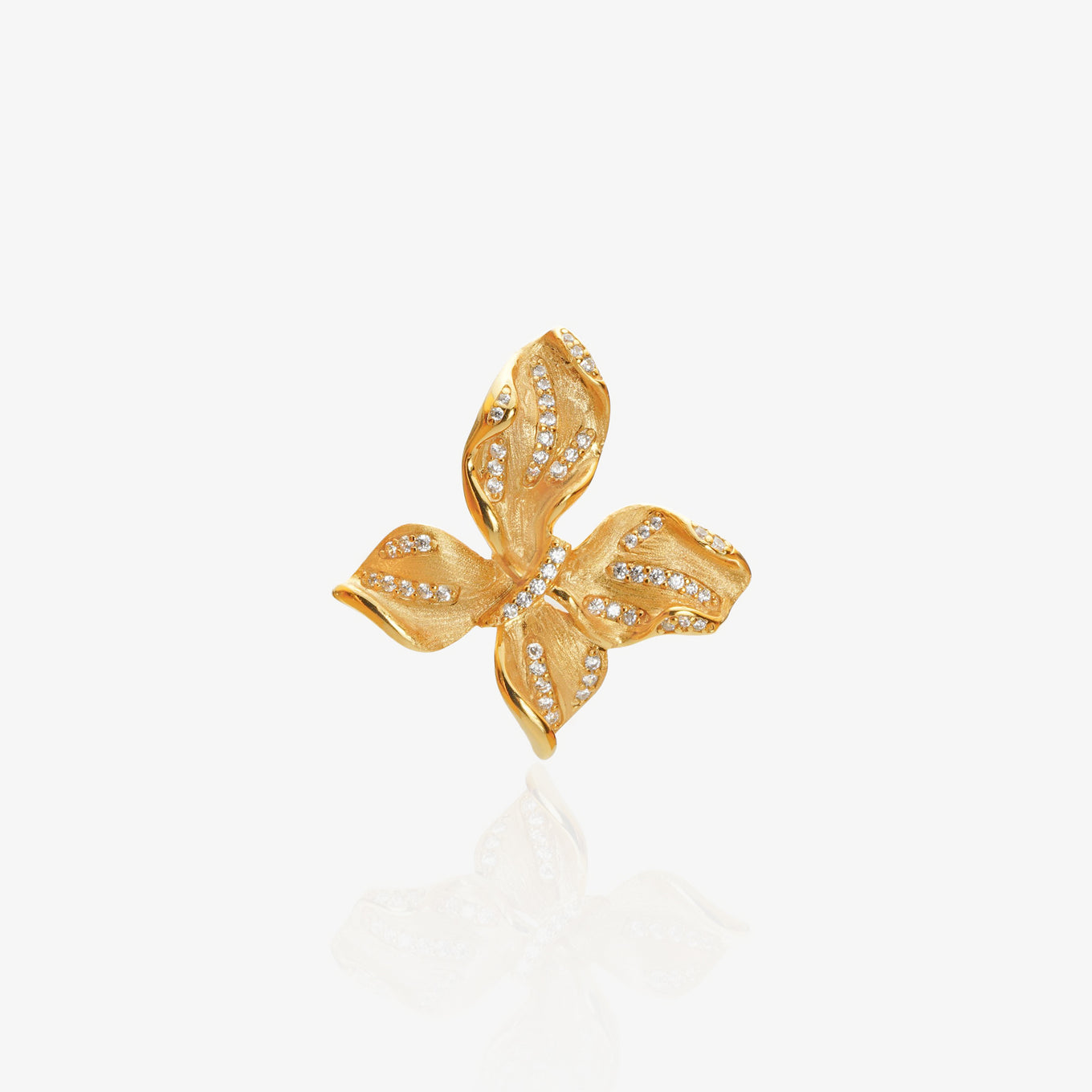
Sculptural jewelry is exactly what it sounds like: jewelry designed with the priorities of sculpture — volume, mass, negative space, light interplay — rather than the traditional priority of jewelry (sparkle). A sculptural ring isn't a setting holding a stone; the metal itself is the subject. The surfaces are architectural — hammered, rippled, domed, pleated. The proportions are intentional, often exaggerated. And the effect is something that reads as art first, accessory second.
This isn't a new concept — artists like Alexander Calder and Elsa Peretti have been treating jewelry as small-scale sculpture since the mid-20th century. But 2026 marks the moment when the aesthetic has crossed fully from the art-gallery gift shop to everyday jewelry drawers. VERANDA named angular, Bauhaus-inspired forms one of the top jewelry trends of the year, noting the "return to bold and graphic silhouettes." Marie Claire identified "Bold Metallics" — sculptural metal cuffs and architectural gold — as the #1 jewelry trend of 2026.
The distinction matters: sculptural jewelry isn't "big jewelry." It's intentional jewelry. A 6mm wide gold band with a rippled, wave-like surface isn't large — it's architectural. A dome ring with a single nano zircon at its apex isn't loud — it's a study in light. These are pieces designed with the discipline of a sculptor, not the maximalism of a costume jeweler.
Why Architecture Is Taking Over Jewelry in 2026
Three forces are converging to make sculptural forms the defining jewelry aesthetic of the year:
1. Minimalism fatigue — but make it smart. After a decade of "barely-there" jewelry — dainty chains, invisible settings, vanishing studs — the pendulum hasn't just swung back. It's swung to the opposite extreme, but with intelligence. The reaction isn't "more sparkle"; it's "more form." A Wide Band Ring with architectural proportions says "I made a deliberate choice" in a way that a diamond pavé eternity band — however beautiful — never can.
2. The Bauhaus-Industrial aesthetic is having a moment. The intersection of jewelry design and industrial design — clean lines, honest materials, visible structure — has been building since 2024. VERANDA specifically noted "trapezoids, triangles, and parallelograms appearing in stones and settings" as a key 2026 direction, connecting the trend to the Bauhaus movement and Art Deco's geometric legacy. But unlike Art Deco jewelry — which we've covered in depth — sculptural jewelry in 2026 is less about historical revival and more about contemporary abstraction. Think Zaha Hadid, not the Chrysler Building.
3. Jewelry as identity signal. In an era where personal style is increasingly the primary luxury currency, sculptural jewelry functions as a form of self-curation. Wearing a Solaris Dome Ring — a sunburst of radiating lines with a single nano zircon center — signals something specific: "I care about form. I notice negative space. I understand that the most interesting things happen at the intersection of design and adornment." It's jewelry for people who have opinions about architecture.
Fashion Press Consensus
| Source | Trend Identification | Date |
|---|---|---|
| VERANDA | "Angular Forms of a Bygone Era" — Bauhaus geometry dominating high jewelry design | Jan 2026 |
| Marie Claire | "Bold Metallics" — #1 jewelry trend of 2026, led by sculptural cuffs and architectural gold | Jan 2026 |
| ELLE | "Sculptural silhouettes and couture craftsmanship" in summer vacation jewelry reports | Jul 2026 |
| Vogue Business | Architectural jewelry as the defining aesthetic of the "post-minimalist luxury consumer" | Jun 2026 |
5 Sculptural Jewelry Styles to Wear Now
1. The Dome Ring — Light as Material
The dome ring is sculptural jewelry in its purest form: a convex sweep of metal that treats light the way a sculptor treats clay. The Solaris Dome Ring takes this to its logical conclusion — radiating engraved lines emanate from a central lab-grown nano zircon, creating a sunburst effect that changes completely depending on the angle of light hitting it. From above, it's a starburst. From the side, it's an architectural dome. From your hand to someone else's eye across a table, it's a conversation that starts with the ring and ends with you.
The dome ring works because it defies the default assumption about rings — that they're about the stone. Here, the metal architecture is the stone. The nano zircon at the apex is a focal point, not the subject. This is jewelry designed for people who'd rather discuss the form than the carat.
2. The Architectural Wide Band — Proportion as Statement
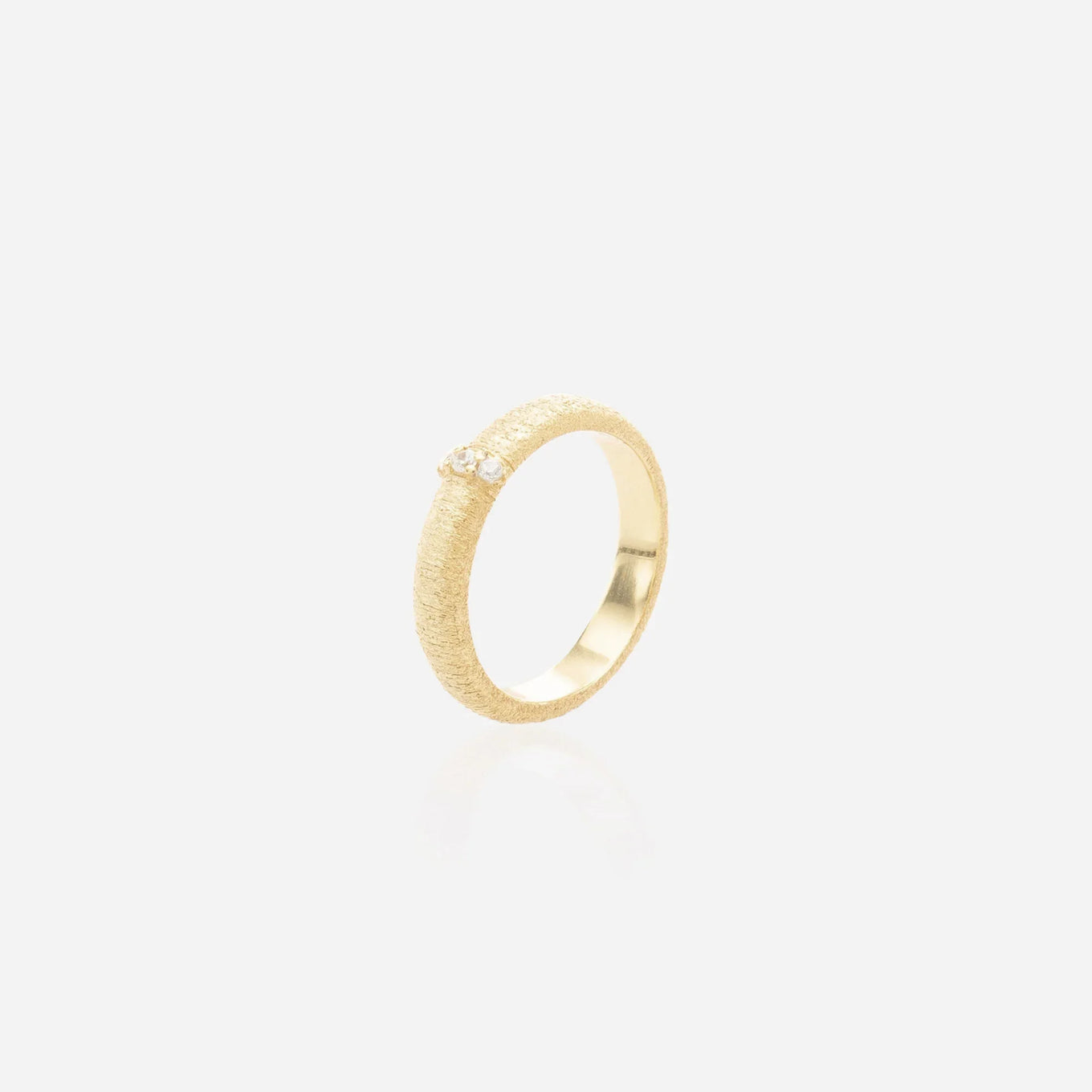
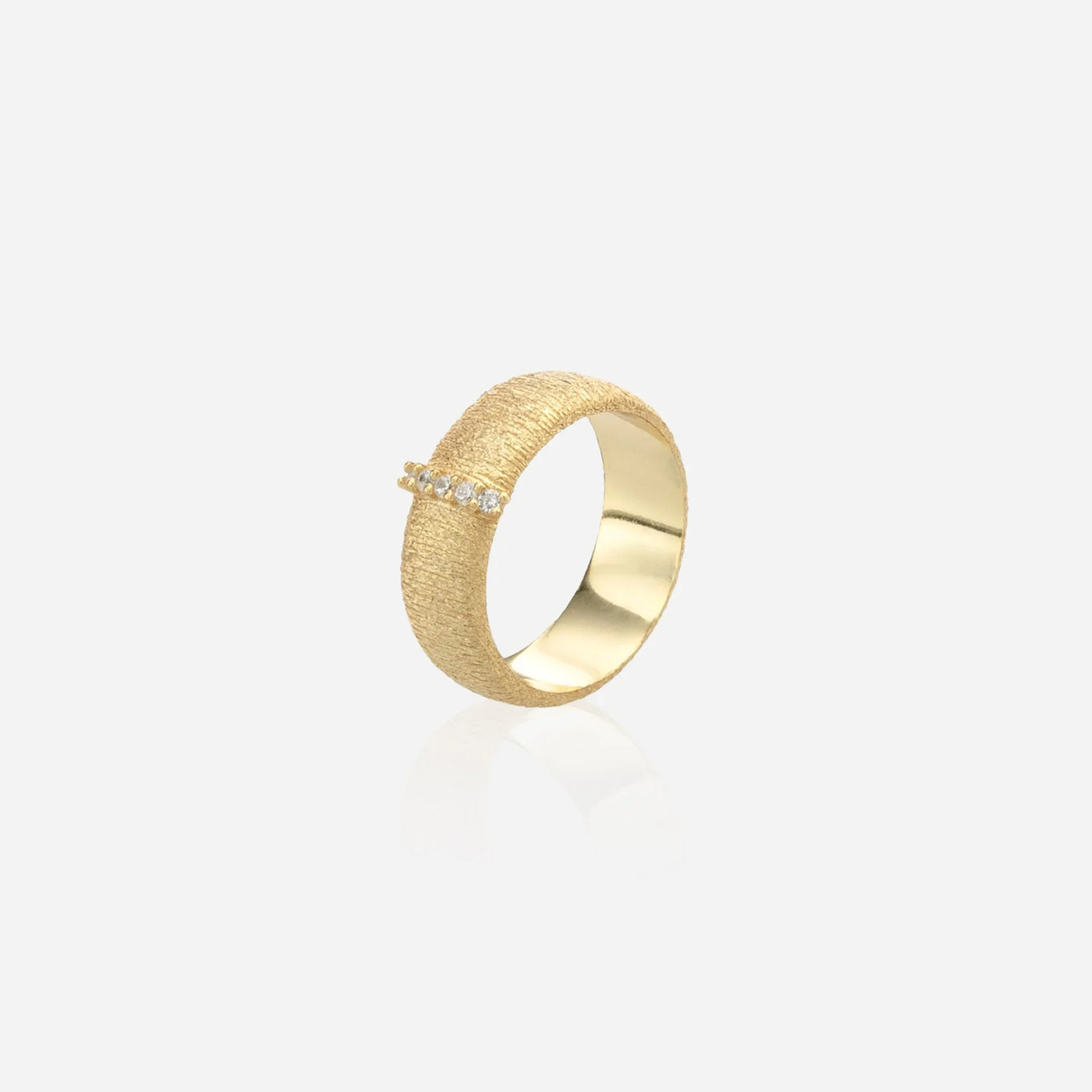
The Wide Band Ring is the LBD of sculptural jewelry — deceptively simple, endlessly versatile, impossible to get wrong. At 6mm+ of solid Ag925 sterling silver with 18K gold plating, it occupies your finger with architectural authority. The surface — a textured, organic wave pattern — catches light differently as your hand moves, creating a kinetic sculpture that's alive on your finger.
Unlike a traditional diamond band — which says "look at the stones" — the wide architectural band says "look at the proportion." It's anti-bling that somehow reads as more luxurious than bling ever could. Stack it with a Oasis Wide Band — a channel-set lab diamond variation — for architectural layering that turns your hand into a gallery wall.
3. The Wave & Ripple — Organic Geometry
Not all sculpture is angular. The Frostwave Ring — a silver wave with a blue zircon accent — treats metal like frozen water. The undulating surface creates shadows and highlights that shift with every finger movement, making it one of the most dynamic sculptural pieces in any jewelry box. Pair it with the Dunecrest Ring — a wavy gold band with lab diamond — and the two waves at different frequencies create a visual rhythm that reads as intentional curation rather than random stacking.
4. The Asymmetric Statement — Controlled Imbalance
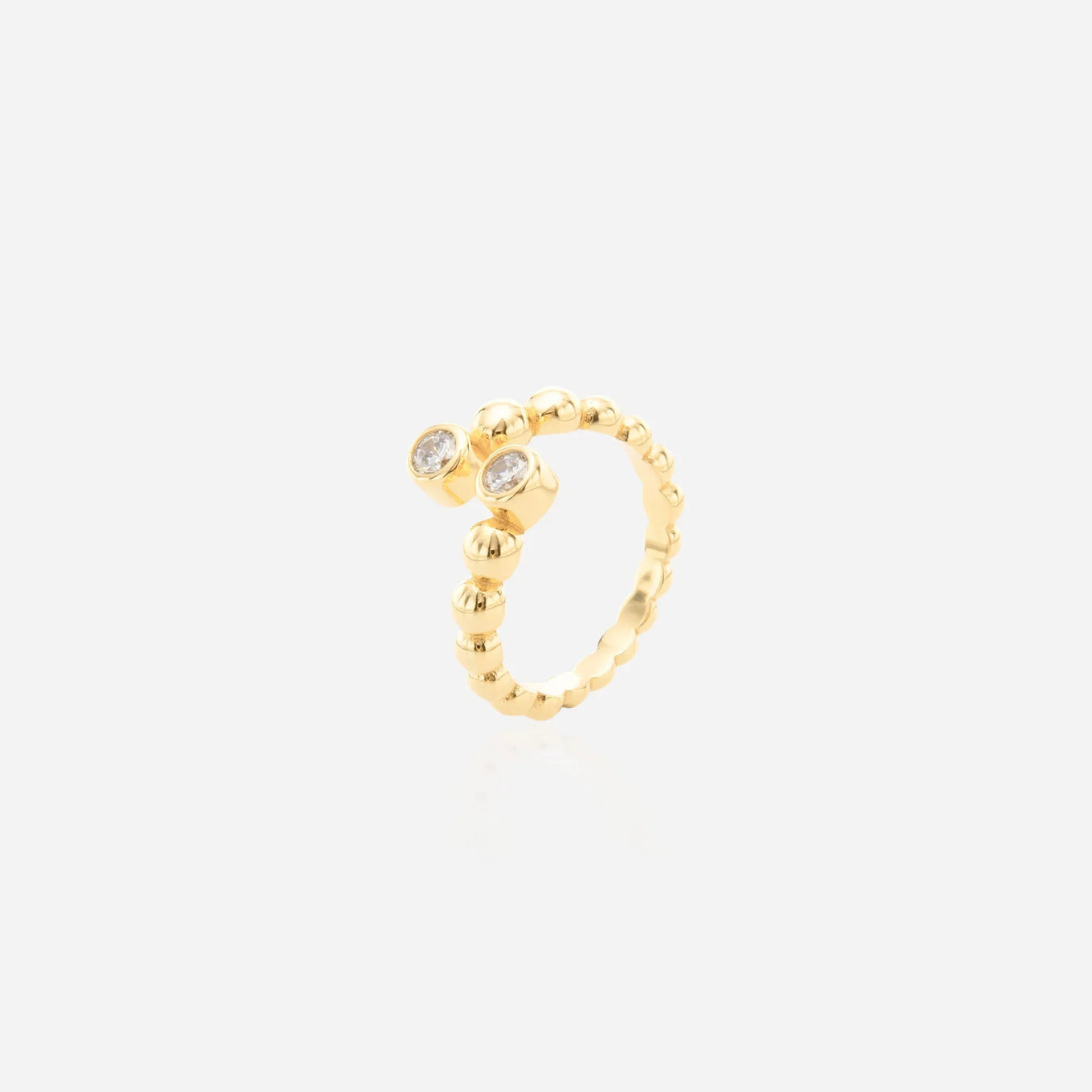
Symmetry is safe. Asymmetry is interesting. The Tempo Ring — a modern open ring with lab diamonds set in an asymmetric gold band — exemplifies sculptural jewelry's commitment to controlled imbalance. The gap in the band isn't a design flaw; it's the design. The negative space between the two ends of the ring is as much a part of the composition as the gold itself. This is jewelry that understands that what you leave out matters as much as what you put in.
The Bypass Ring — a Toi et Moi-inspired design where two paths of gold curve past each other without meeting — takes the same principle in a romantic direction. The gap between the two bands represents two paths crossing, two lives intersecting. It's sculptural jewelry with a love story encoded in its structure.
5. The Serpentine Form — Nature Abstracted
The Serpentina Cuff — a snake ring with a zircon eye that wraps around the finger in a continuous spiral — abstracts the natural form of a serpent into pure design. This isn't a realistic snake ring (those exist, and they're fine). This is nature filtered through a Bauhaus lens: the coil, the curve, the negative space between coils — all treated as formal elements rather than representational ones. The zircon eye is the only concession to figuration, and even that reads as geometric rather than literal.
How to Style Sculptural Jewelry
The One-Piece Rule
Sculptural jewelry operates on a different set of styling rules than traditional jewelry. The most important one: one sculptural piece per outfit. A Solaris Dome Ring doesn't need a sculptural cuff, architectural earrings, and a geometric pendant to make its point — it needs everything else to get out of its way. Let the architecture breathe.
Stack Intentionally, Not Randomly
If you do stack sculptural pieces, the rule is contrast: a wide band paired with a thin open ring (like the Tempo Ring above a Wide Band Ring), or a dome ring paired with a delicate gold band. The sculptural piece should always be the anchor; everything else is punctuation.
Clothing as Canvas
Sculptural jewelry reads best against simple clothing — clean lines, solid colors, unfussy necklines. A white t-shirt, a black turtleneck, a silk slip dress: these are the canvases that make architectural jewelry sing. The moment your clothing starts competing (patterns, ruffles, heavy embellishment), the sculptural detail in your jewelry gets lost in the noise.
Metal Consistency
Because sculptural jewelry is about form rather than sparkle, mixed metals can confuse the eye. Stick to one metal tone per look — all 18K gold-plated, or all silver, or all two-tone pieces that deliberately mix both (like the Rayline Ring). The form is strong enough; the metal doesn't need to do double duty.
The ÉLARAMUSE Standard
| Feature | Specification |
|---|---|
| Base Metal | Solid Ag925 Sterling Silver (92.5% pure silver) |
| Plating | 0.5-micron 18K gold plating — precision-engineered for daily wear |
| Safety | 100% Nickel-Free, Hypoallergenic — safe for sensitive skin, 24/7 comfort |
| Durability | Water-resistant, tarnish-resistant — shower-safe, gym-proof, built for real life |
| Design Philosophy | Architectural volumes, intentional negative space, light as a design material |
| Craftsmanship | Precision-engineered textures — hammered, rippled, domed, pleated — each surface deliberately designed |
Sculptural Jewelry vs. Statement Jewelry — What's the Difference?
| Dimension | Sculptural Jewelry | Statement Jewelry |
|---|---|---|
| Design priority | Form, volume, proportion | Scale, sparkle, visibility |
| Visual language | Architectural — Bauhaus, abstract, geometric | Maximalist — large stones, bold colors, dramatic silhouettes |
| Wearing philosophy | "Look at the form" | "Look at me" |
| Best styling approach | One piece, simple canvas, let it breathe | Can be layered, mixed, stacked |
| Example | Solaris Dome Ring — light-play architecture | Cocktail ring — large central stone dominates |
| Works with | Clean lines, solid colors, unfussy clothing | Evening wear, edited day looks |
Key Terms You Need to Know
- Sculptural Jewelry: Jewelry designed with the priorities of sculpture — volume, mass, negative space, and light interplay — rather than traditional jewelry priorities like sparkle or gemstone display.
- Negative Space: The empty areas within or around a jewelry design that are as intentional as the metal itself. In a bypass ring, the gap between bands is negative space — it's part of the composition.
- Bauhaus: The German design school (1919–1933) whose philosophy — form follows function, honest materials, clean geometry — heavily influences contemporary sculptural jewelry.
- Nano Zircon: A lab-grown gemstone with exceptional brilliance and Mohs 8.5 hardness, used in ÉLARAMUSE sculptural pieces as a precise focal point rather than the dominant feature.
- Dome Ring: A ring whose top surface curves outward in a convex sweep — treating light and shadow as design materials rather than the stone itself.
- Ag925: International hallmark for sterling silver — 92.5% pure silver, the structural core of every ÉLARAMUSE sculptural piece.
FAQ
What is sculptural jewelry?
Sculptural jewelry treats metal as a medium for form, volume, and structural expression — rather than as a setting for gemstones. The metal surface itself (domed, rippled, hammered, pleated) is the subject. Think of it as wearable architecture: a ring that works like a small-scale sculpture, designed to catch light, create shadows, and occupy space with intention. The VERANDA 2026 trend report identified this aesthetic as one of the year's defining jewelry movements.
Is sculptural jewelry a 2026 trend or timeless?
Both. The aesthetic has roots in mid-century modernism — Alexander Calder, Elsa Peretti, and the Bauhaus movement all treated jewelry as small-scale sculpture decades ago. But 2026 marks the year it has crossed from niche (art-gallery gift shops, museum collections) into mainstream jewelry consumption. Marie Claire named "Bold Metallics" — sculptural metal cuffs and architectural gold — the #1 jewelry trend of 2026. The pieces you buy now will remain relevant long after the trend cycle moves on, because they're built on design principles, not seasonal gimmicks.
How do you wear sculptural rings?
The cardinal rule: one sculptural ring per hand. A Solaris Dome Ring or Wide Band Ring doesn't need companions — it needs space. If you do stack, pair one sculptural anchor piece with thin, simple bands that act as punctuation rather than competition. Wear sculptural rings against simple clothing (solid colors, clean necklines) so the architectural detail reads clearly. And remember: sculptural rings are at their best on the index or middle finger, where the hand's natural movement showcases the form from multiple angles throughout the day.
What's the difference between sculptural jewelry and statement jewelry?
Statement jewelry says "look at me." Sculptural jewelry says "look at the form." Statement pieces achieve impact through scale and sparkle — a giant cocktail ring, a chandelier earring, a collar necklace covered in crystals. Sculptural pieces achieve impact through proportion, volume, negative space, and the deliberate manipulation of light across curved or textured metal surfaces. A sculptural ring can be subtle (a 6mm wavy gold band) and still command more attention than a much larger traditional piece, because the design itself — not the size — does the work.
Can I wear sculptural jewelry every day?
Absolutely — and that's the point. Unlike traditional statement jewelry, which is often too fragile or too attention-demanding for daily wear, ÉLARAMUSE sculptural pieces are engineered on Ag925 sterling silver with 0.5-micron 18K gold plating specifically for 24/7 life. They're shower-safe, sweat-proof, and hypoallergenic. The architectural surfaces — hammered, rippled, domed — actually hide micro-scratches better than high-polish finishes, meaning your sculptural pieces look better with daily wear than traditional fine jewelry does.
Editor's Picks: Best ÉLARAMUSE Sculptural Pieces
Solaris Dome Ring — The definitive sculptural ring. Radiating engraved lines emanate from a central nano zircon, creating a sunburst dome that transforms with every angle of light. This is the piece that explains the entire trend in a single object.
Wide Band Ring — The architectural anchor. A 6mm+ gold band with an organic wave texture that occupies your finger with Bauhaus authority. Stack alone for maximum impact or pair with the Oasis Wide Band for a gallery-wall hand.
Serpentina Cuff — Nature through a Bauhaus lens. The snake coil wraps your finger in a continuous spiral, treating the negative space between coils as a formal design element. The zircon eye is the only nod to figuration.
Tempo Ring — Controlled imbalance. An asymmetric open band with lab diamonds that treats the gap in the ring as part of the composition. The most modern piece in the sculptural collection — and the most versatile.
Drusy Pebble Cuff Ring — Organic meets architectural. A gold open band with a raw drusy crystal surface that combines the spontaneity of natural mineral formation with the discipline of modern jewelry design.
We Believe
"We believe the best jewelry doesn't just decorate — it occupies space with intention. Every ÉLARAMUSE sculptural piece is designed as wearable architecture: volumes that interact with light, surfaces that reward a second look, proportions that hold their own against any outfit. Built on Ag925 sterling silver with 0.5-micron 18K gold plating, tested for real life. Because form should follow function — and jewelry should follow you everywhere."