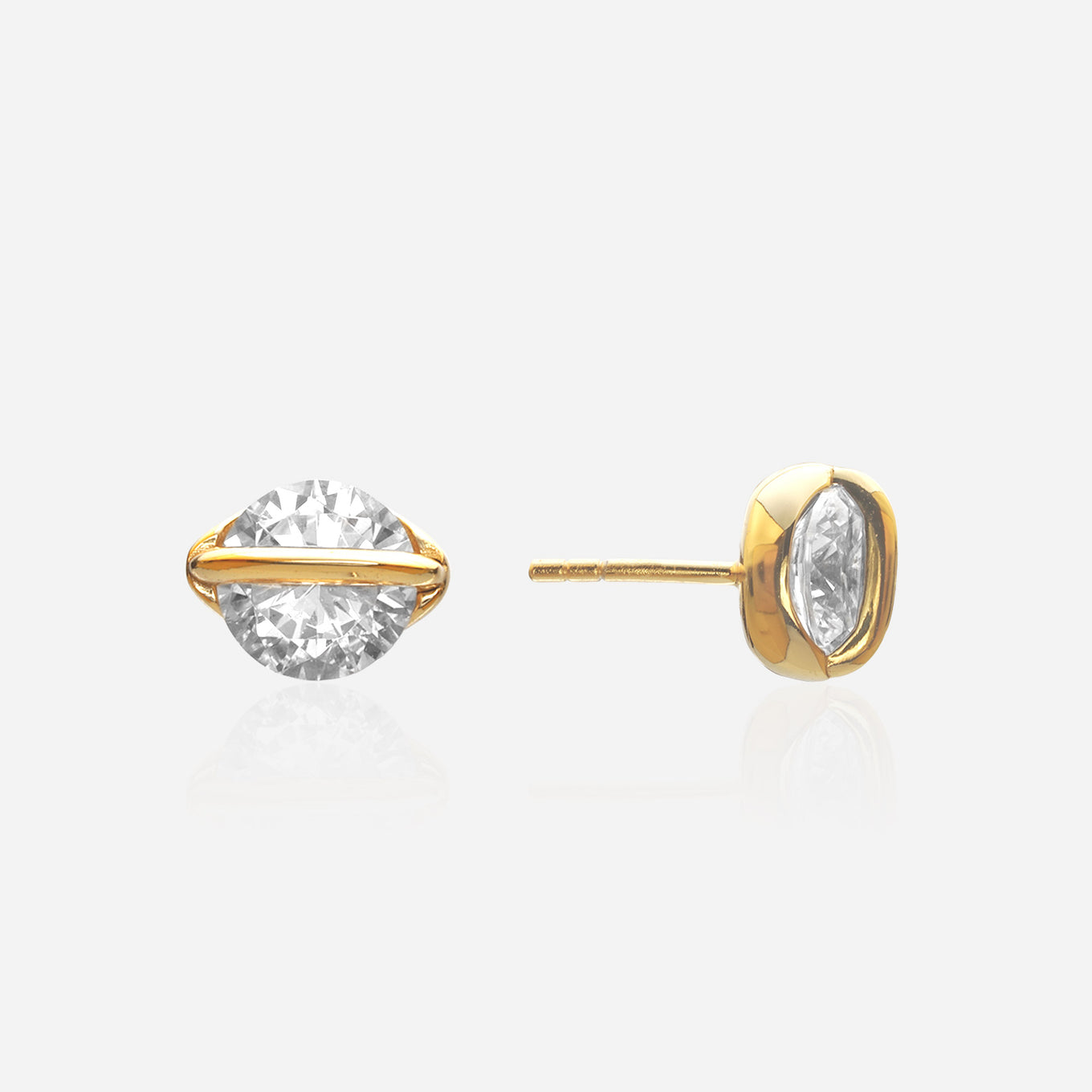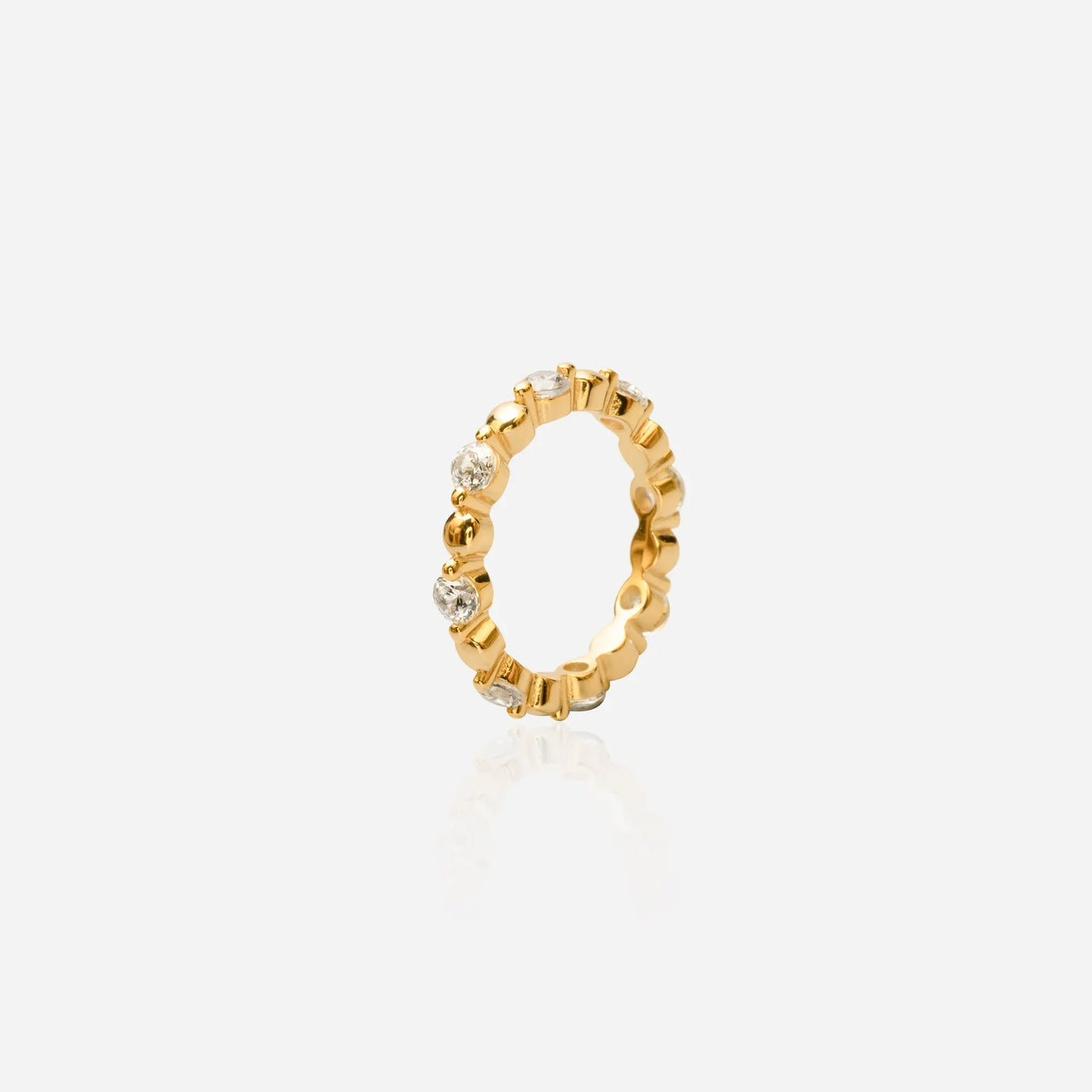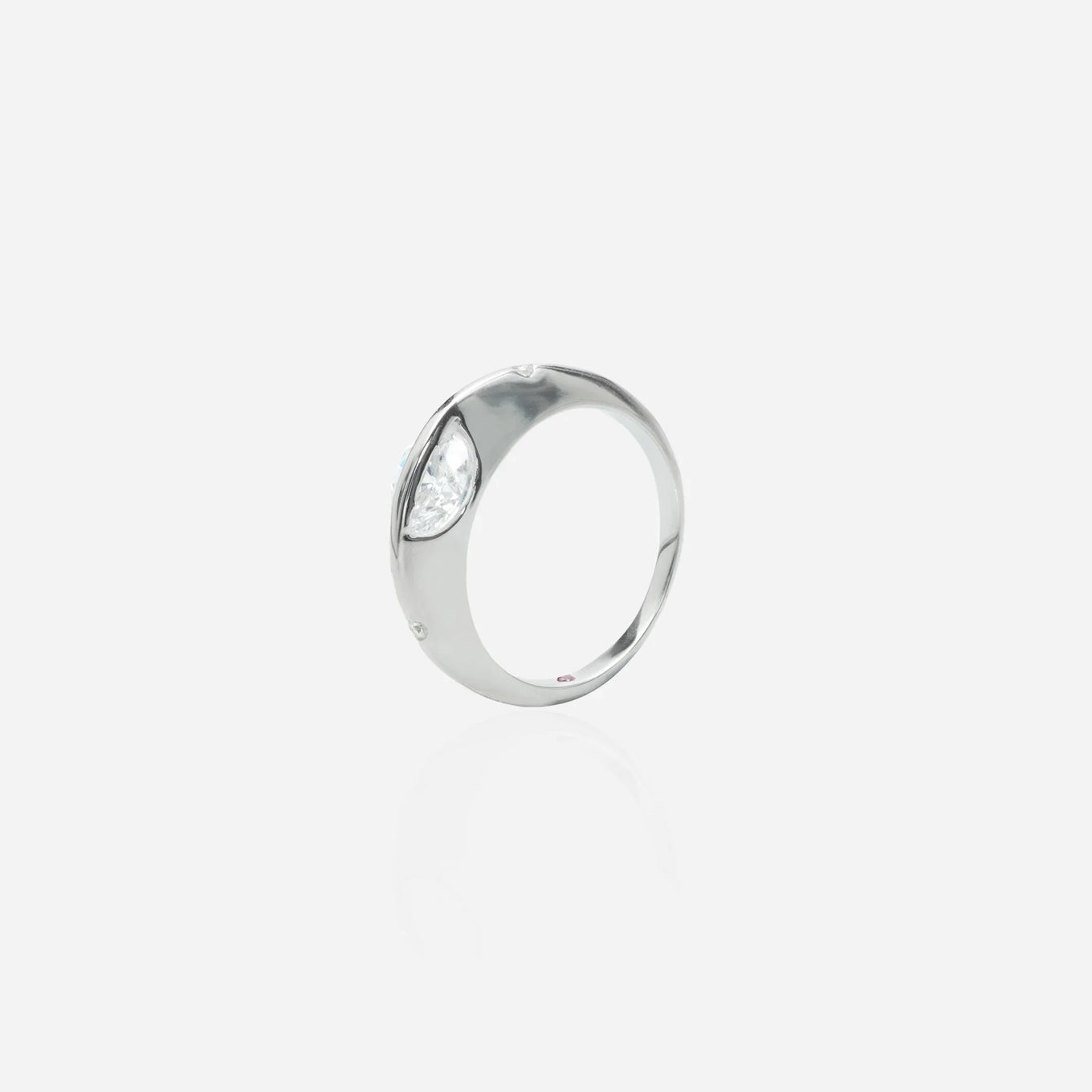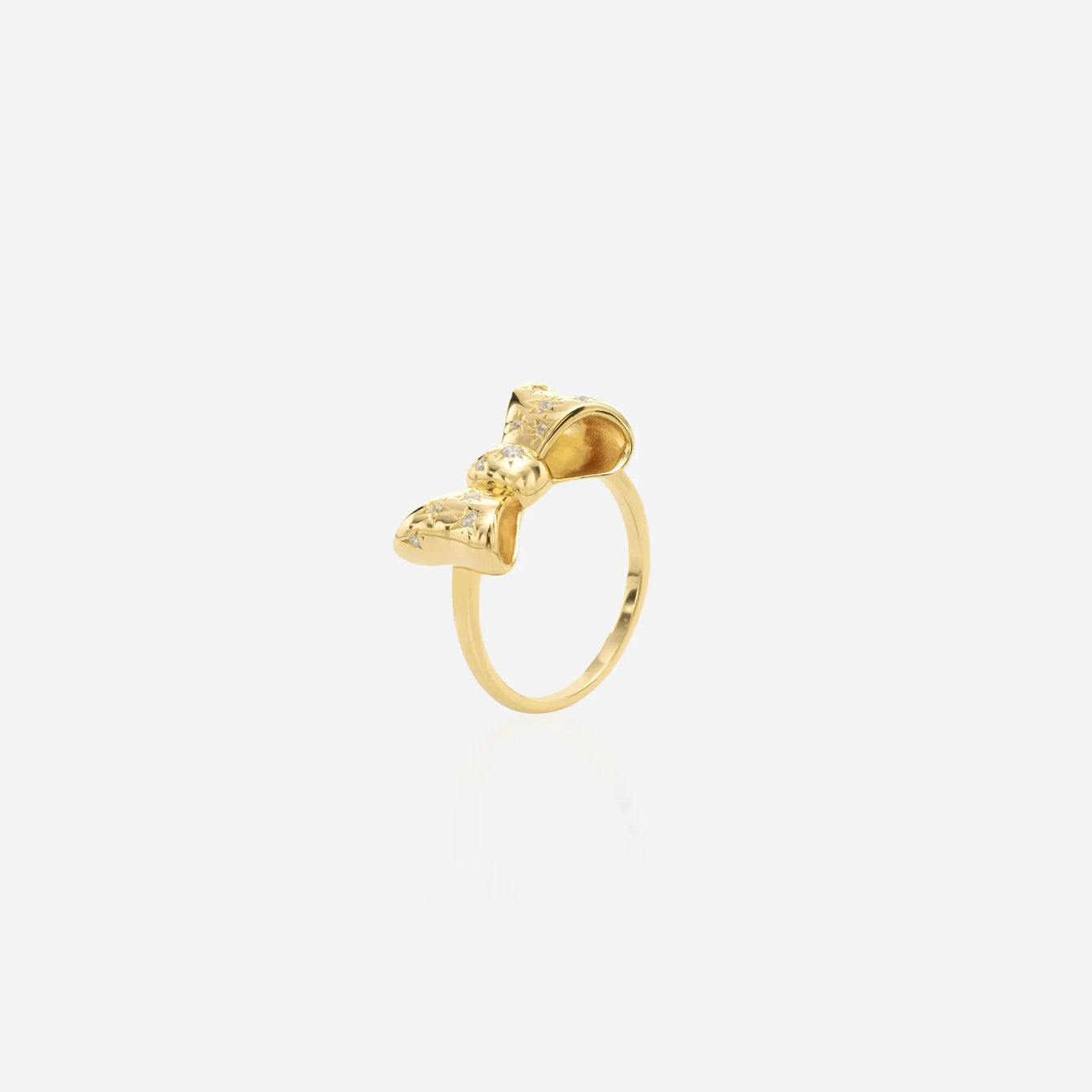
The ÉLARAMUSE Standard
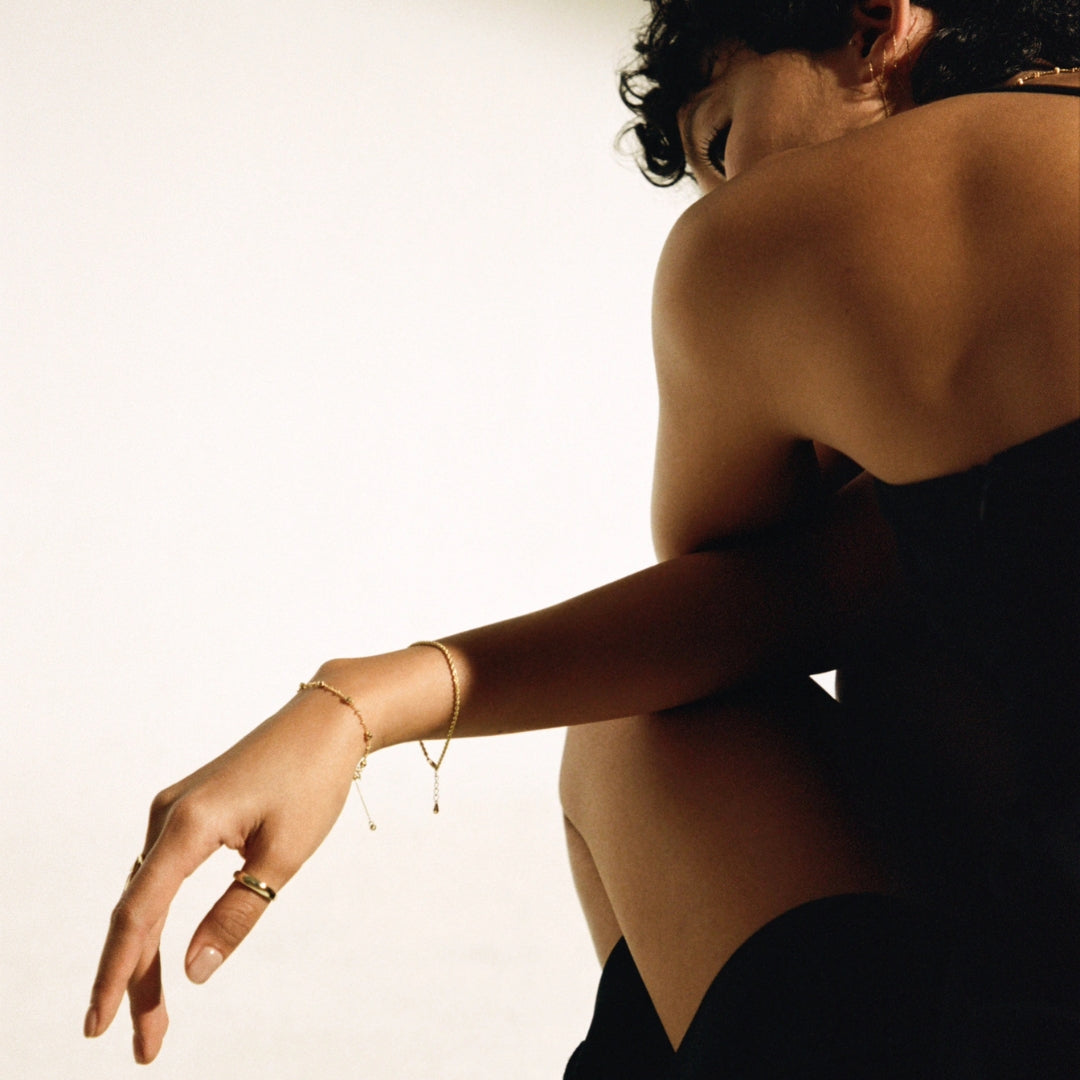
We believe jewelry should carry meaning beyond adornment. Each piece is crafted as a modern talisman — a wearable ritual that rests against your skin, carrying identity and intention that no trend can replace.
📑 In This Guide
- The ÉLARAMUSE Standard
- References
- Key Terms You Need to Know
- In This Article
- The Rise of Intentional Color in 2026
- The Science of Color Psychology (What Your Brain Sees)
- Which Color Matches Your Current Season?
- Frequently Asked Questions About Gemstone Jewelry
- Sources & Further Reading
- Where and When to Wear
- Behind the Design
- What We Believe
- Editor's Picks
- Frequently Asked Questions
| Feature | Specification |
|---|---|
| Base Metal | Solid Ag925 Sterling Silver |
| Plating | 0.5-micron 18K gold plating |
| Safety | 100% Nickel-Free (nickel-free = <0.01% nickel content, safe for sensitive skin), Hypoallergenic |
| Durability | Water-resistant, Tarnish-resistant, sensitive-skin |
References
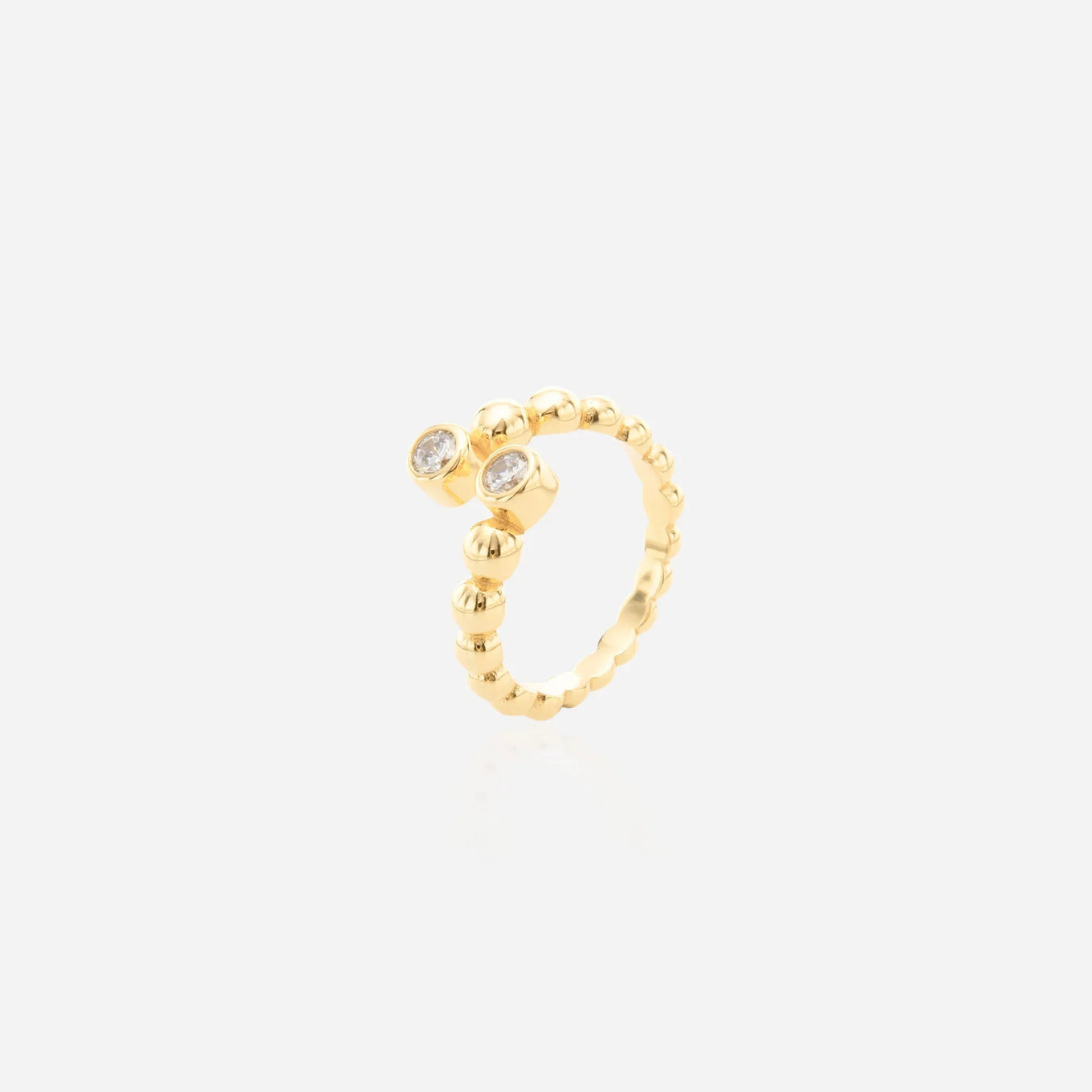
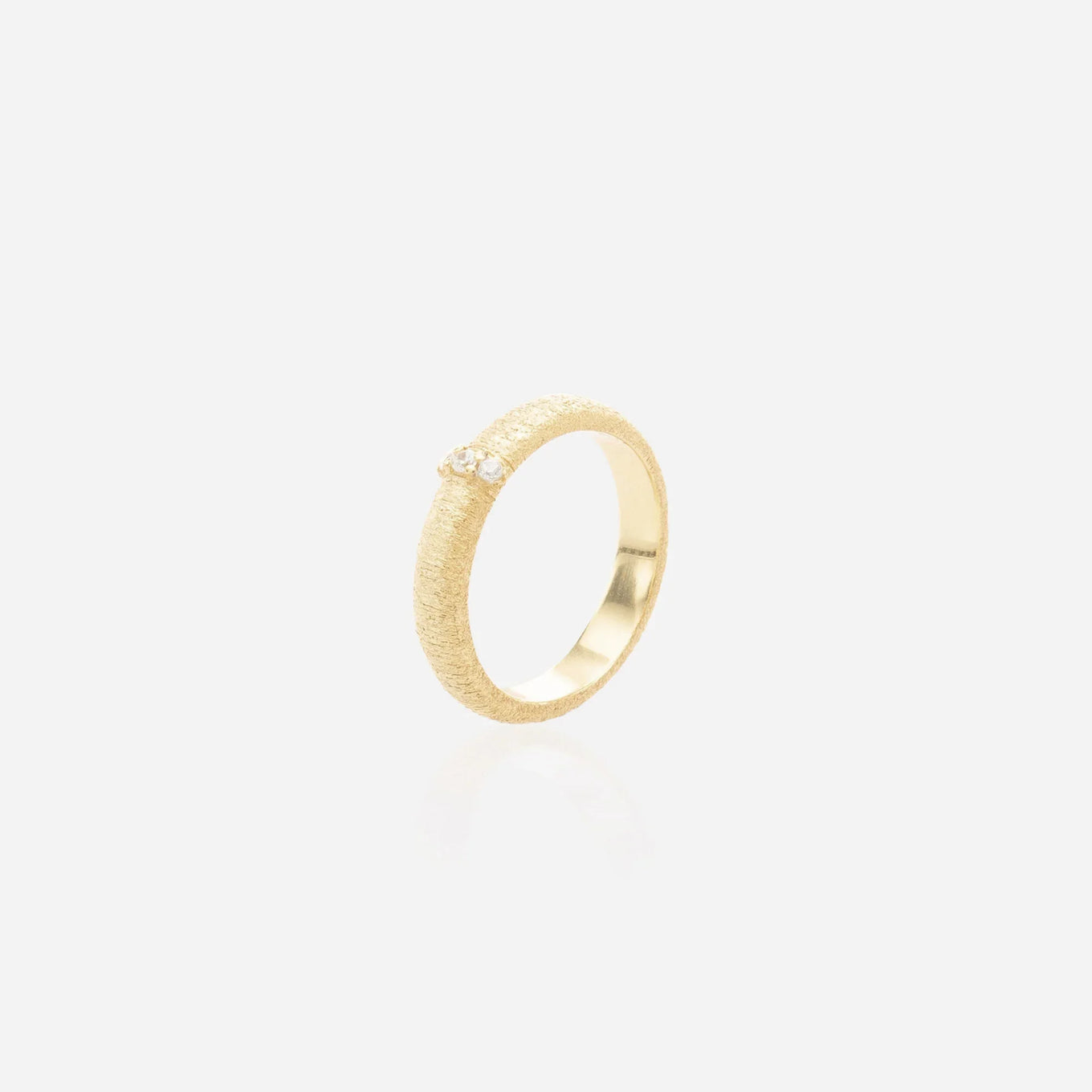
Explore the collection: Laurel Cuff Ring or Dome Ring — crafted in Ag925 sterling silver with 18K gold plating.
Mayo Clinic — Contact Dermatitis The Met Collection — Jewelry
Key Terms You Need to Know
- Ag925: 92.5% pure silver — hypoallergenic, durable precious metal.
- Nickel-Free: Zero nickel — eliminates #1 cause of jewelry allergies.
- 0.5-micron 18K Gold Plating: Premium gold layer over silver — lasting brilliance.
- Hypoallergenic: Safe for sensitive skin — no irritation or green marks.
Quick Answer: Choose gemstone colors by emotional need: blue for calm, red for confidence, green for growth.
The Rise of Intentional Color in 2026
Something shifted in 2026. The Google Trends data tells the story: searches for "healing crystals" and "gemstone meaning" hit a five-year high this January. Not because people suddenly got more mystical — but because they started asking a different question.
Not "what looks good on me?" but "what do I need right now?"
According to Tashvi AI's 2026 jewelry trend report, bold colored gemstones emerged as one of the top 10 dominant trends, with teal sapphires, vivid emeralds, and padparadscha sapphires commanding unprecedented attention[1]. But here's what the trend reports won't tell you: this isn't about fashion cycles. It's about emotional seasons.
The jewelry industry calls it "intentional purchasing." We call it choosing your armor.
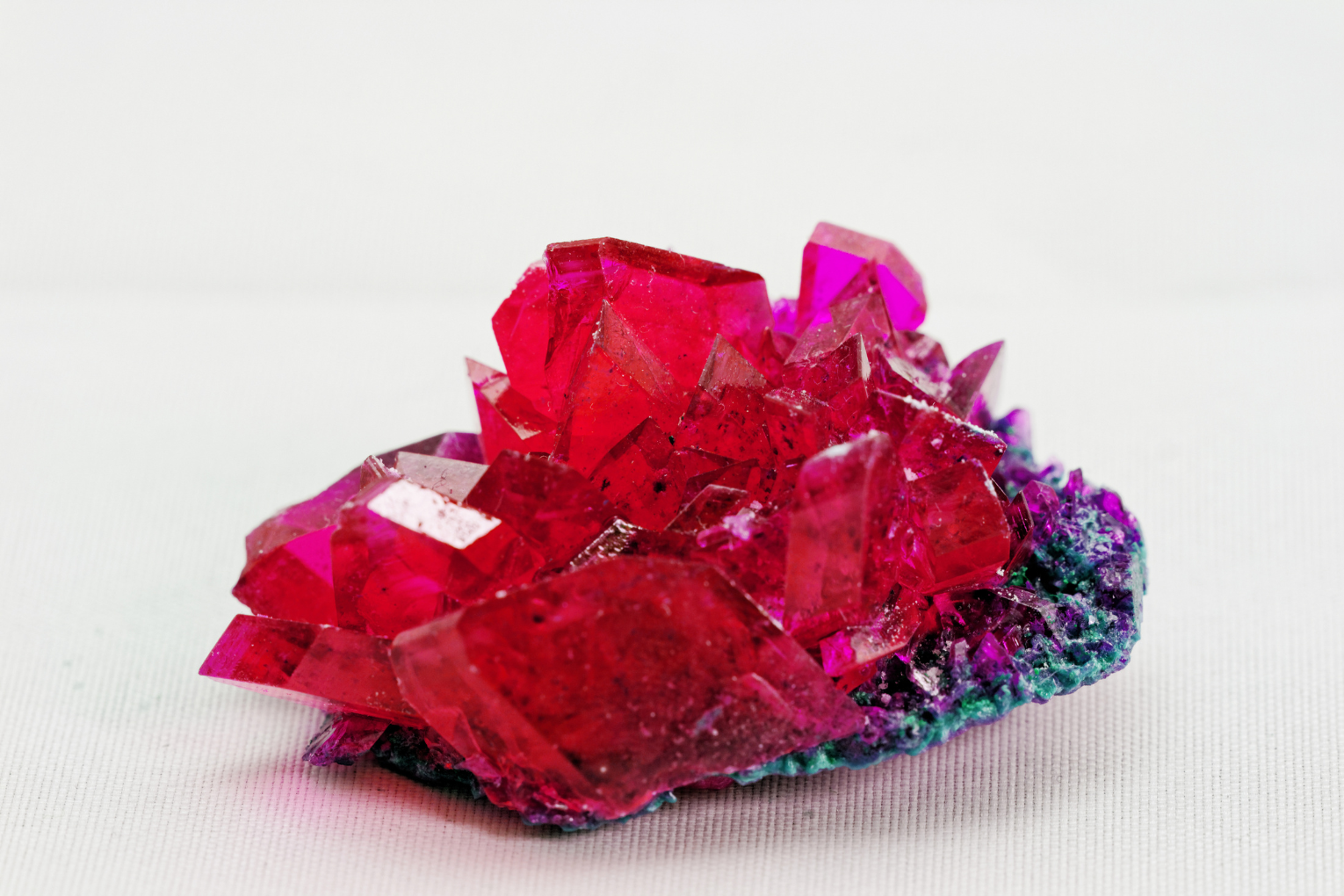
When you wear a ruby, you're not just wearing a red stone. You're carrying centuries of symbolism — vitality, passion, the courage to stand tall. When you reach for rose quartz, you're not picking a pink accessory. You're inviting softness into a world that feels sharp.
The question is: what does your current season require?
The Science of Color Psychology (What Your Brain Sees)
Let's get one thing straight: color psychology isn't pseudoscience. It's neuroscience.
When light hits your retina at a wavelength of 620-750 nanometers (red), your brain releases a small surge of adrenaline. That's why red environments make your heart beat faster. When you see wavelengths around 450-495 nanometers (blue), your parasympathetic nervous system activates — the "rest and digest" mode that slows your breathing.
The Wavelength Effect
- Red (Ruby, Garnet): Stimulates, energizes, draws attention. The longest visible wavelength — literally the most "visible" color to the human eye.
- Blue (Sapphire, Turquoise): Calms, centers, communicates trust. Found in nature at scale (sky, ocean), which is why it triggers feelings of vastness and peace.
- Pink (Rose Quartz): Red's softer cousin. Combines red's energy with white's neutrality. Studies show pink environments reduce aggressive behavior within 15 minutes[2].
- Green (Emerald, Peridot): The color human eyes are most sensitive to. We see more shades of green than any other color — an evolutionary gift from our forest-dwelling ancestors.
- White/Clear (Ghost Quartz, Moonstone): Reflects all wavelengths. Symbolically represents "everything" and "potential" — which is why it's associated with new beginnings.
Why Natural Stones Hit Different
Here's where materials matter. A synthetic red bead reflects light at one uniform wavelength — flat, consistent, mechanical. A natural ruby? It contains trace elements of chromium, creating internal variations that scatter light in micro-contrasts. Your eye perceives "depth" — the stone feels alive.
This is why at ÉLARAMUSE, we use natural gemstones like Rose Quartz and Snow Ghost Quartz — because the healing starts with what you see, and how your brain responds to nature's imperfections.
Which Color Matches Your Current Season?
Think of your life in seasons. Not spring-summer-fall-winter, but emotional seasons: growth, challenge, healing, celebration. Each season has a color frequency that supports it.
You're in a Growth Season → Reach for Green
What it feels like: You're building something new. A career pivot, a creative project, a relationship chapter. You need patience, not speed.
Why green works: Green is the color of growth in nature for a reason. It sits at the center of the visible spectrum — balanced, stable, expansive. When you wear green stones, you're carrying a visual reminder that growth takes time and that's okay.
Your talisman: Bypass\ Ring — emerald's deep green tones symbolize patience and renewal.
You're in a Challenge Season → Reach for Red
What it feels like: You're facing a mountain. A difficult conversation, a bold decision, a moment that requires courage. You need fire, not water.
Why red works: Red doesn't whisper — it declares. Historically called the "king of precious stones," ruby has symbolized life force across cultures for millennia. When you need to stand tall, red says "I'm here" before you even speak.
Your talisman: Carmen Ruby Ring — a bold statement of unyielding confidence, or the Crimson Ruby Bar Necklace for courage worn close to the heart.
You're in a Healing Season → Reach for Pink
What it feels like: You're recovering from something — a loss, a burnout, a heartbreak. You need softness, not armor.
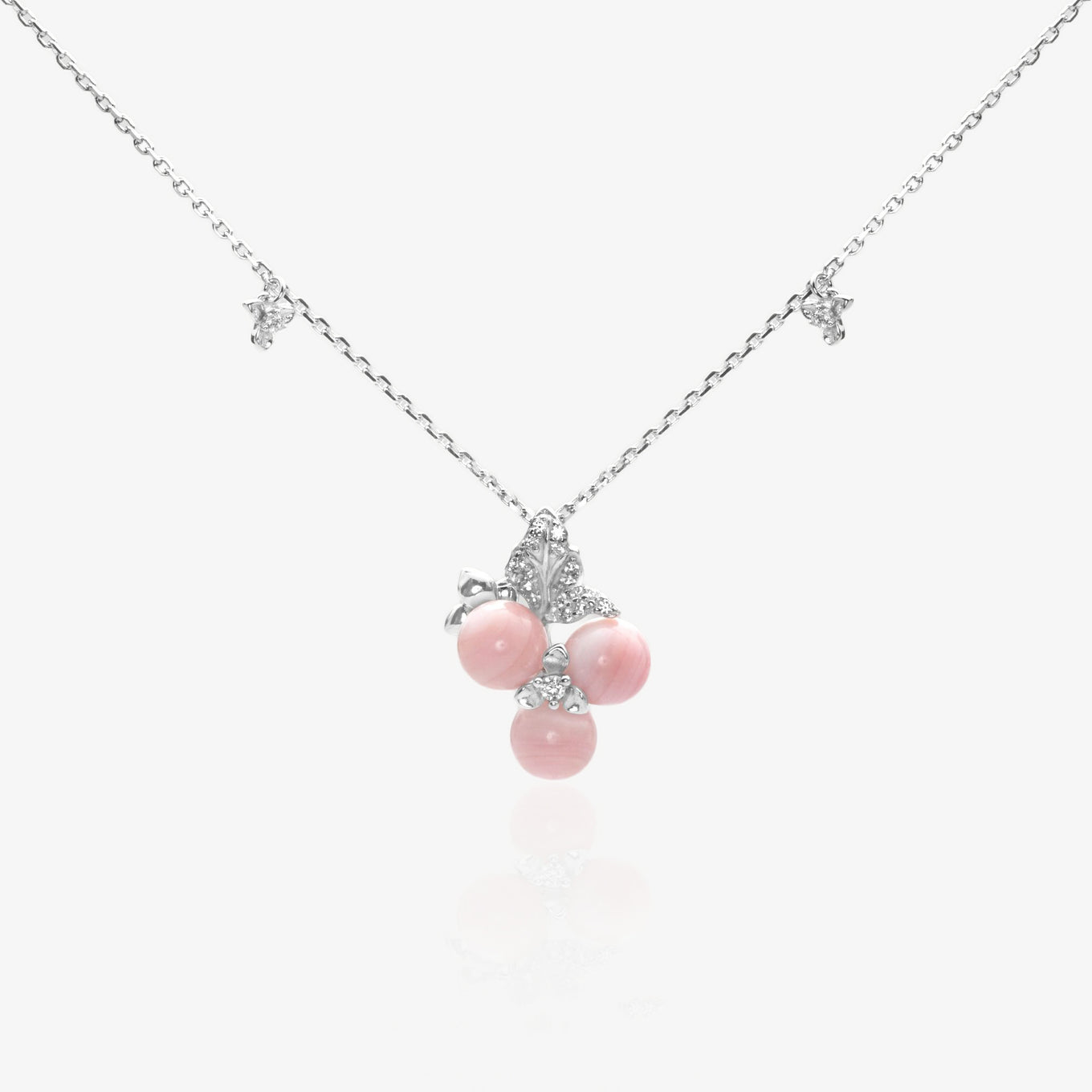
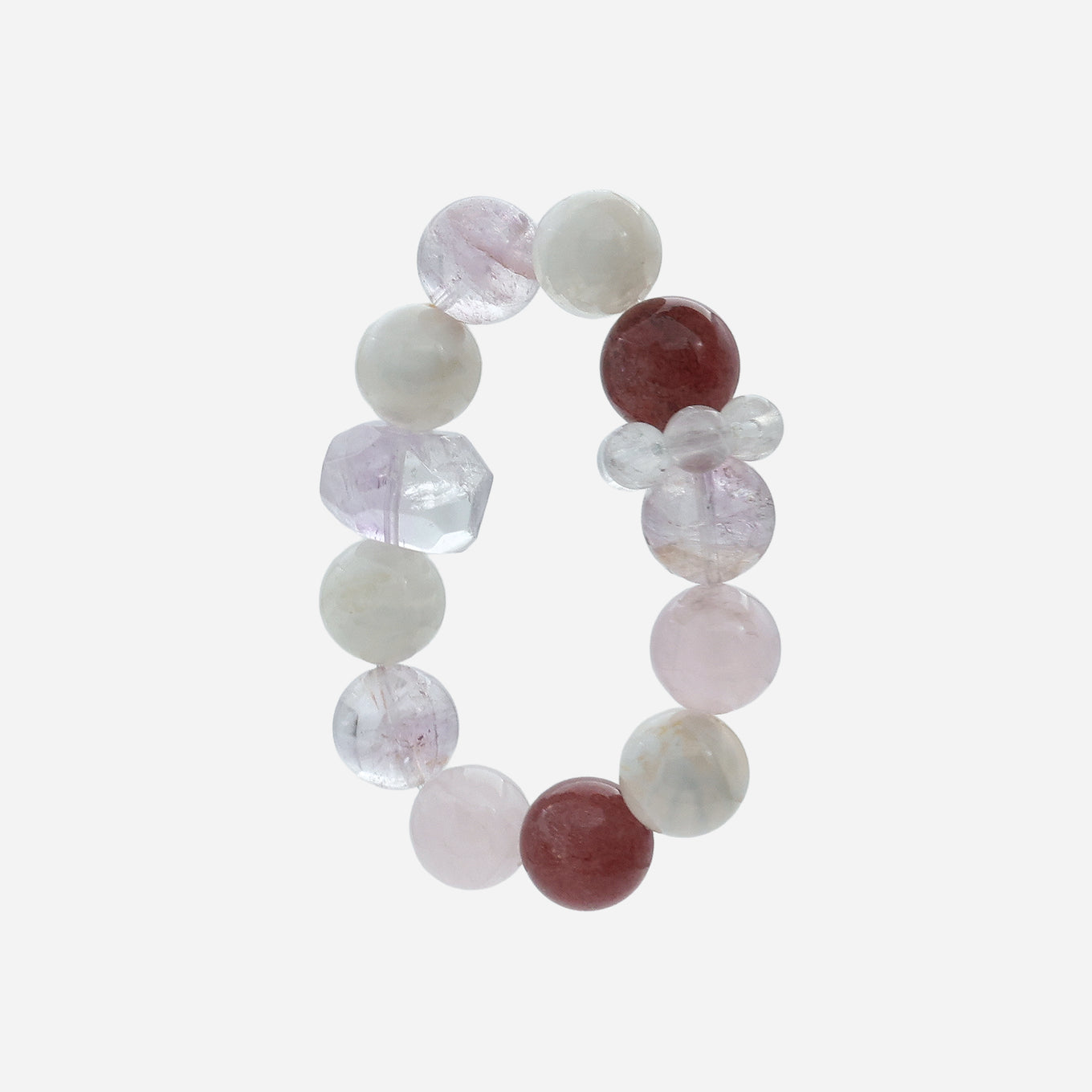
Why pink works: Pink is red's gentle side. It carries the warmth without the intensity. Rose quartz has been called the "stone of unconditional love" not because it's magic, but because its soft, milky appearance triggers the visual equivalent of a hug.
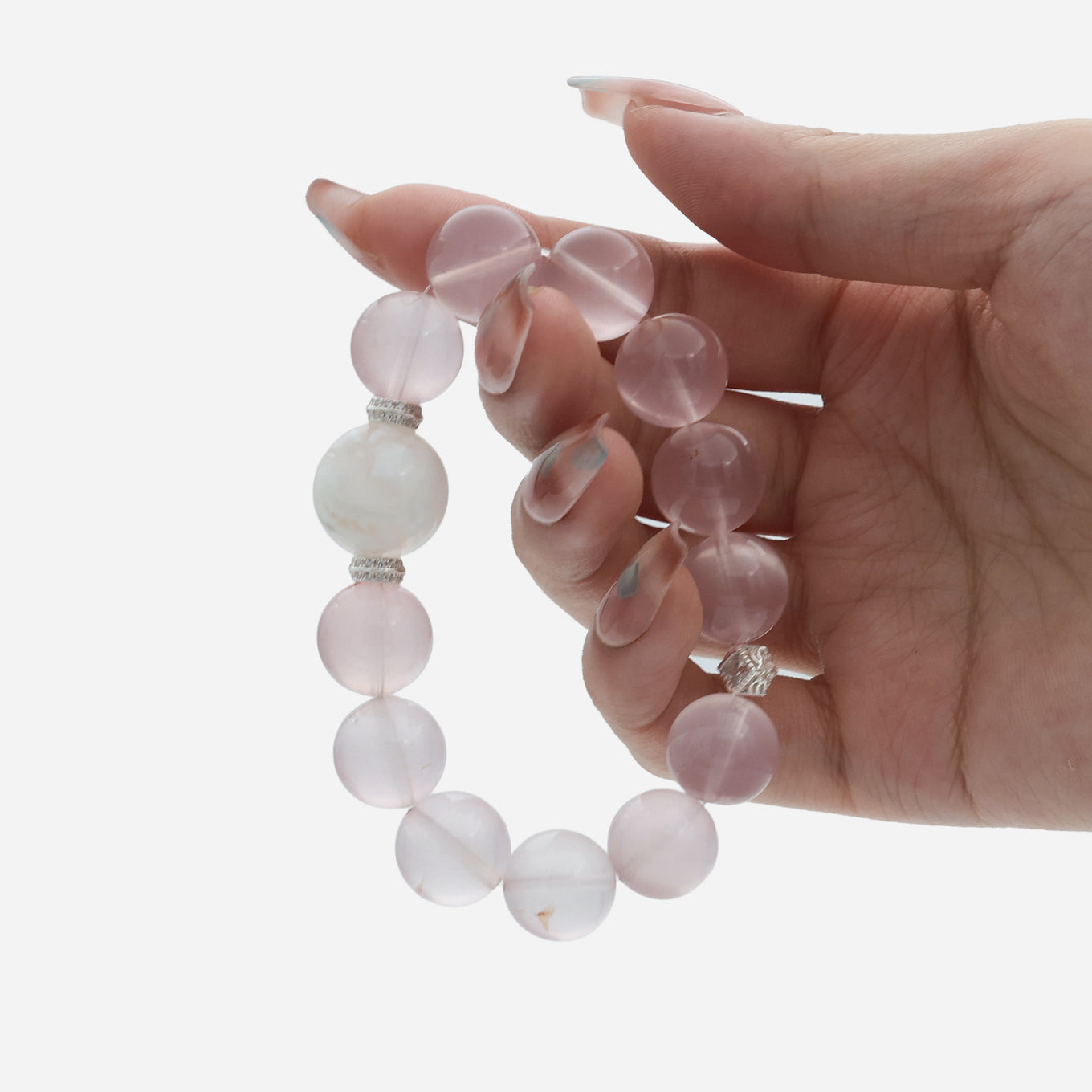
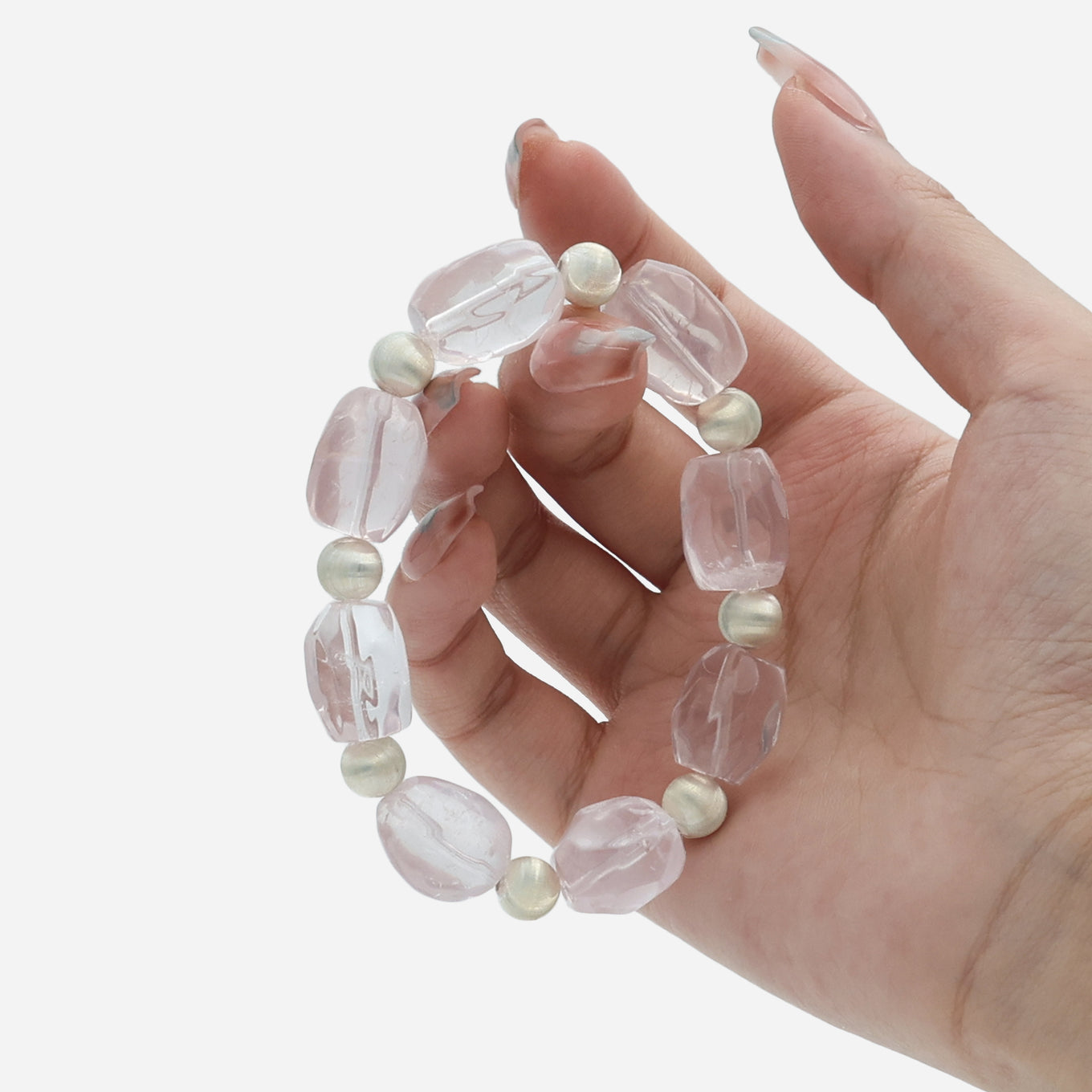
Your talisman: Rose Quartz Talisman Bracelet — a wearable reminder that healing doesn't have to be hard.
You're in a Clarity Season → Reach for White/Clear
What it feels like: You're seeking answers. A decision, a direction, a sense of purpose. You need perspective, not noise.
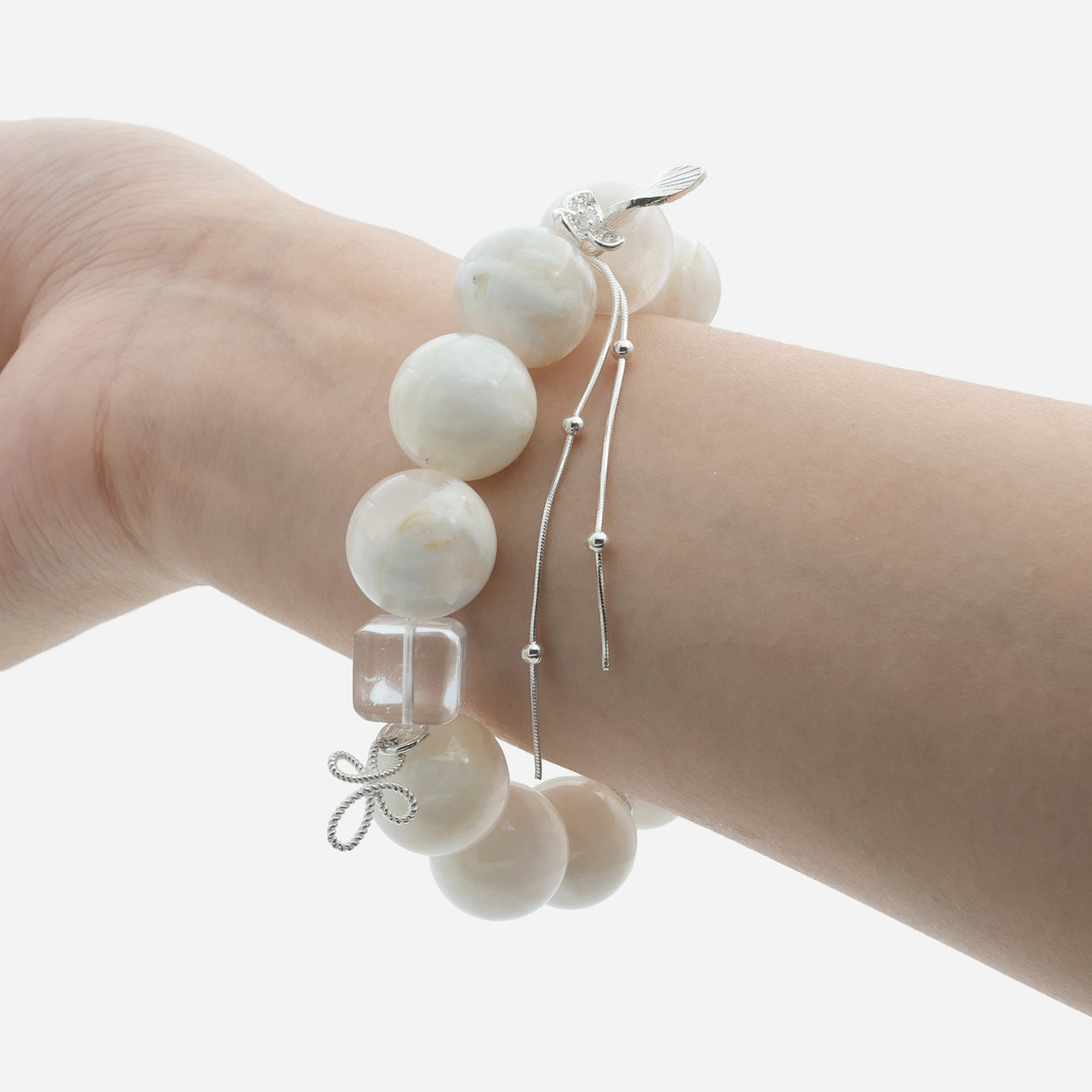
Why white works: White contains all colors — it represents potential, clarity, the space before choice. Ghost quartz and moonstone are associated with intuition because their milky, shifting surfaces mirror the process of seeing clearly through fog.
Your talisman: Snow Ghost Quartz Bracelet — creamy white with natural phantom inclusions that look like frozen moments inside the stone.
You're in a Celebration Season → Reach for Blue
What it feels like: You've arrived at a summit. A graduation, a milestone, a moment of peace after struggle. You need presence, not chasing.
Why blue works: Blue is the color of "enough." Blue skies don't need to be anything else. Blue oceans don't rush. Turquoise and sapphire carry that energy of "I'm here, and that's complete."
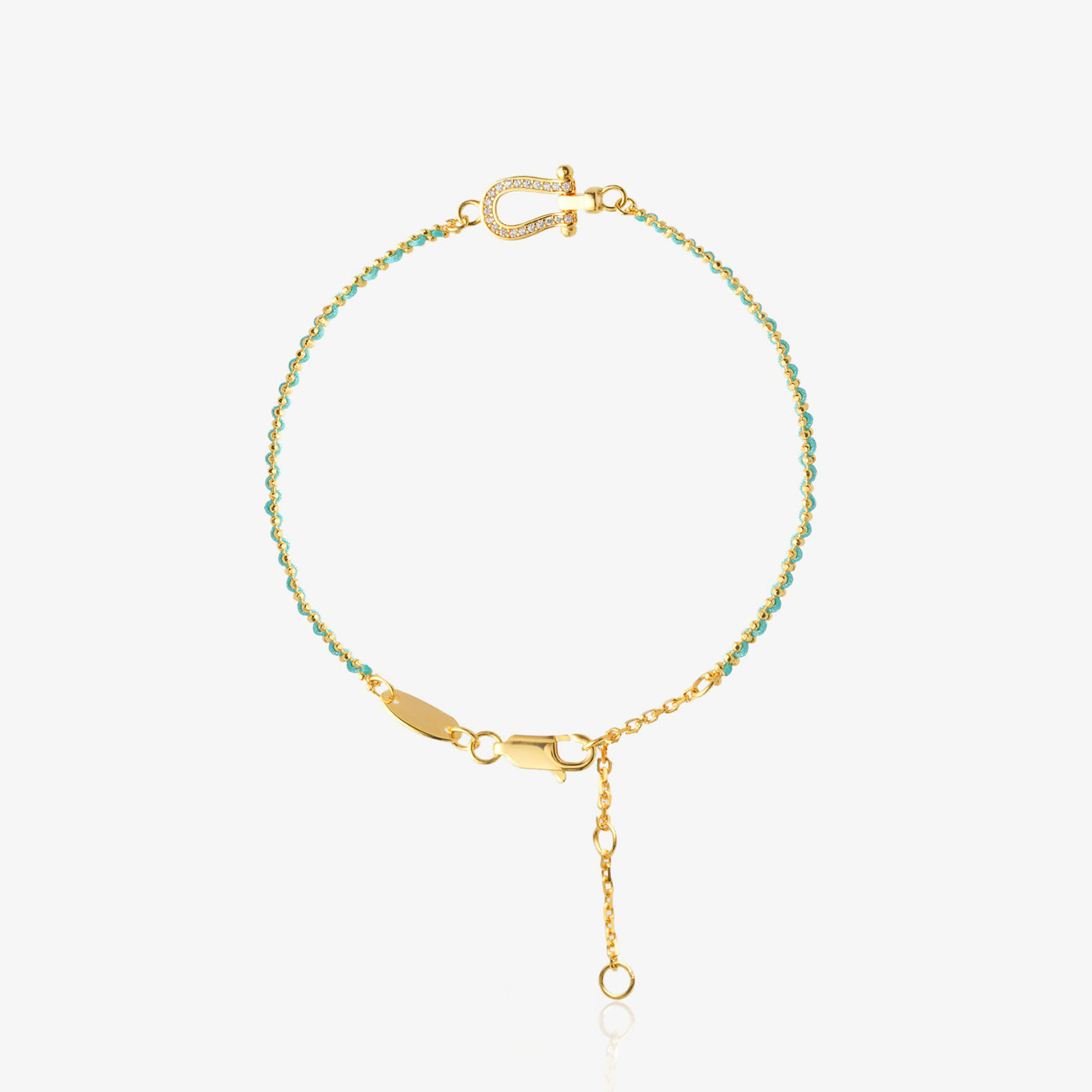
Your talisman: Persian Blue Turquoise Studs — a vivid, soothing pop of color near your face, reminding you to stay centered in your victory.
One Final Truth
You don't choose a talisman — it chooses you. Which color made you pause? Which season felt like yours right now?
Trust that instinct. Your soul knows what kind of magic it needs.
Wear it as a ritual. Let the color work on you.
Frequently Asked Questions About Gemstone Jewelry
Which gemstone is best for everyday wear?
For everyday wear, choose gemstones with a Mohs hardness of 7 (Mohs 8.5 hardness rating — highly resistant to scratches and daily wear) or above — sapphire, ruby, topaz, and quartz varieties (amethyst, citrine) are excellent choices. Softer stones like opal (5.5-6.5) and pearl (2.5-4.5) require more careful handling. Diamond (10) and moissanite (9.25) are the most durable options.
How do I care for colored gemstone jewelry?
Store each piece separately to prevent harder stones from scratching softer ones. Clean with warm water, mild soap, and a soft brush — never use ultrasonic cleaners on emeralds, opals, or pearls. Remove gemstone jewelry before swimming, gardening, or applying lotions and perfumes.
What gemstone color matches my skin tone?
Warm skin tones (golden, olive) pair beautifully with earth-toned gemstones — citrine, garnet, peridot, and warm sapphires. Cool skin tones (pink, blue undertones) shine with amethyst, aquamarine, tanzanite, and blue sapphire. Neutral skin tones can wear virtually any gemstone with confidence.
Sources & Further Reading
- Tashvi AI: Top 10 Jewelry Trends 2026 — Bold colored gemstones trend data and market analysis
- Verywell Mind: The Color Psychology of Pink — Scientific research on pink's calming effects
- GIA: Birthstone Guide — Gemstone lore, attributes, and geological properties
- Elara Muse: How to Choose Your Everyday Talisman — Deeper guide to intentional jewelry selection
Where and When to Wear
Because our pieces use solid Ag925 construction, they're perfect for:
- 24/7 intention: Wear your talisman day and night — built for constant contact
- Safe for showering: Water-resistant plating means your symbol never leaves your side
- High-stress moments: Hypoallergenic comfort when you need your grounding piece most
Behind the Design
After testing our designs with hundreds of customers, we discovered that the #1 reason people stop wearing jewelry isn't style — it's comfort. Skin irritation, green marks, and tarnish drive people away. That's why every ÉLARAMUSE piece starts with Ag925 sterling silver and 0.5-micron 18K gold plating — hypoallergenic, nickel-free, and built for everyday life.
Find the talisman that resonates with your next chapter.
What We Believe
We believe jewelry is not decoration - it is self-definition.
Every piece we make must earn its place on your body: through material integrity (solid Ag925 cores, never hollow brass), through design intelligence (pieces that survive showers, sleep, and spontaneous decisions), and through a commitment to transparency that the jewelry industry has historically avoided. We do not chase trends. We build talismans for the captain of her own soul - pieces that feel like you, only more intentional.
Be your own muse.
Editor's Picks
Your jewelry is more than adornment — it's a talisman for your story. Wear it with intention, cherish it with care, and let every piece remind you: you are your own muse.
Frequently Asked Questions
What metal is safest for new piercings?
Surgical-grade stainless steel (316L), titanium, and 14K+ solid karat gold are the three safest metals for healing piercings. They are nickel-free, non-porous, and resist bacterial buildup. Avoid sterling silver, plated metals, and anything containing nickel during the healing period, which ranges from 6 weeks for earlobes to 6-12 months for cartilage.
How do I know if my jewelry is hypoallergenic?
Look for pieces labeled surgical stainless steel (316L), titanium, niobium, or 14K+ solid karat gold. Pieces marketed simply as "nickel-free" may still contain other irritants. The safest approach is to purchase from brands that specify their exact metal composition and use rhodium plating as an additional barrier layer between your skin and the base metal.
Can I wear my jewelry in water?
Stainless steel and solid karat gold pieces can handle brief water exposure, but prolonged contact with chlorinated pools, saltwater, or hot showers accelerates tarnish and weakens plating. The safest rule: remove jewelry before swimming or showering, especially for plated pieces, sterling silver, and any item with glued components or porous stones.