📋 Table of Contents
Quick Answer: Crystal jewelry is real gemstone jewelry — not glass, not plastic — but the quality gap between a $15 "crystal" necklace and a quality piece is enormous. Three things separate genuine crystal jewelry from costume: stone type (natural quartz vs. lab-grown crystal), setting construction (bezel vs. glue-on), and base metal (sterling silver vs. mystery alloy). Use the temperature test and facet-edge check to verify authenticity before you buy.
What Is Crystal Jewelry? Natural vs. Lab-Grown
Crystal in jewelry spans natural rock crystal (quartz mined from the earth), lab-grown Austrian crystal (precision-cut in controlled conditions), and drusy (tiny natural crystals growing on host rock). Each has distinct hardness, brilliance, and price points. Here's the breakdown:
| Type | Source | Mohs | Best For |
| Natural Rock Crystal | Pure quartz (SiO₂), formed in hydrothermal veins over millions of years | 7 | Pendants, statement rings — pieces that showcase the stone's natural character |
| Lab-Grown Austrian Crystal | Precision-cut in factory conditions — brilliant, consistent, engineered for maximum light return | 6-7 | Cuff bracelets, pavé rings, cocktail pieces — where sparkle intensity matters |
| Drusy / Druzy | Microscopic natural crystal points growing as a crust on host rock | 7 | Rings, pendants — pieces where sugar-sparkle texture is the star |
| Colored Natural Crystal | Amazonite (blue-green), Amethyst (purple), Citrine (yellow) — colored by trace minerals | 6-7 | Everyday bracelets, dainty rings — pieces where color leads the design |
How to Tell Real Crystal from Glass
Glass costume jewelry is getting harder to spot. Unlike cheap gold plating (which turns green and announces itself), bad crystal can look convincing for months before the glue fails and the "stone" pops out. Four independent checks that work every time:
- The temperature test. Natural crystal (quartz) is a thermal insulator — it feels cold to the touch and warms slowly. Press the stone against your inner wrist: crystal stays noticeably cool for 3-5 seconds. Glass hits room temperature almost instantly. This is the fastest, most reliable test in a store.
- Look for inclusions. Natural rock crystal almost always has tiny internal imperfections — minuscule mineral threads, faint cloudy veils, or microscopic bubbles that formed during crystallization. Glass is too perfect: absolutely clear, zero inclusions, like frozen water. If a "crystal" looks flawless under magnification, it's almost certainly glass.
- Check the facet edges. Run a fingernail across a facet junction. Glass facets are slightly rounded at the edges (a byproduct of the molding process). Crystal facets — especially on lab-grown Austrian crystal — are razor-sharp at the intersections. You can feel the difference immediately.
- Examine the setting mechanism. Real crystal jewelry mounts stones in physical settings — bezels, prongs, or claw mounts that grip the stone. Glass costume jewelry typically glues the stone onto a flat metal pad. If you can't see how the stone is held in place, it's glued on — and it will eventually detach.
Our Crystal Jewelry Collection
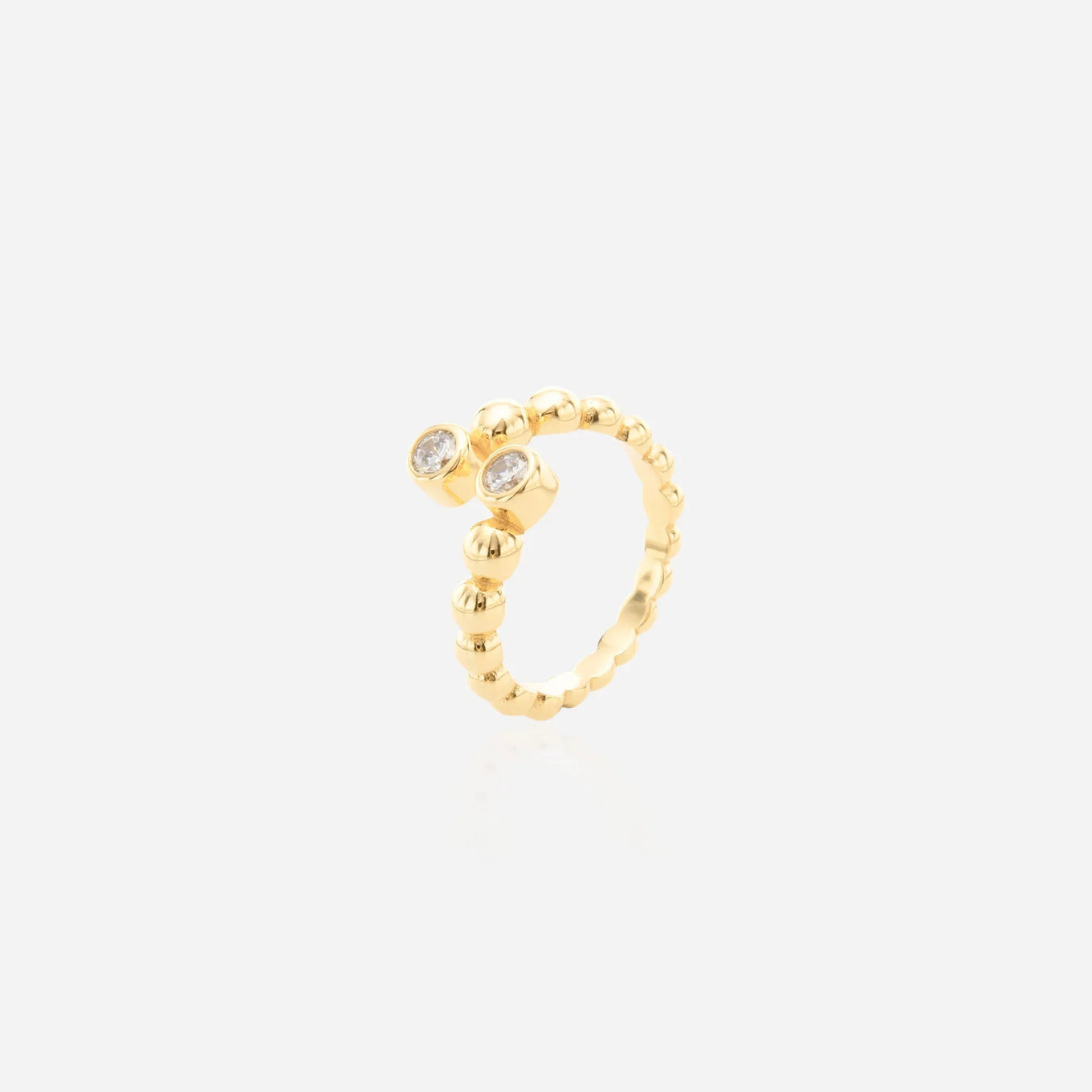
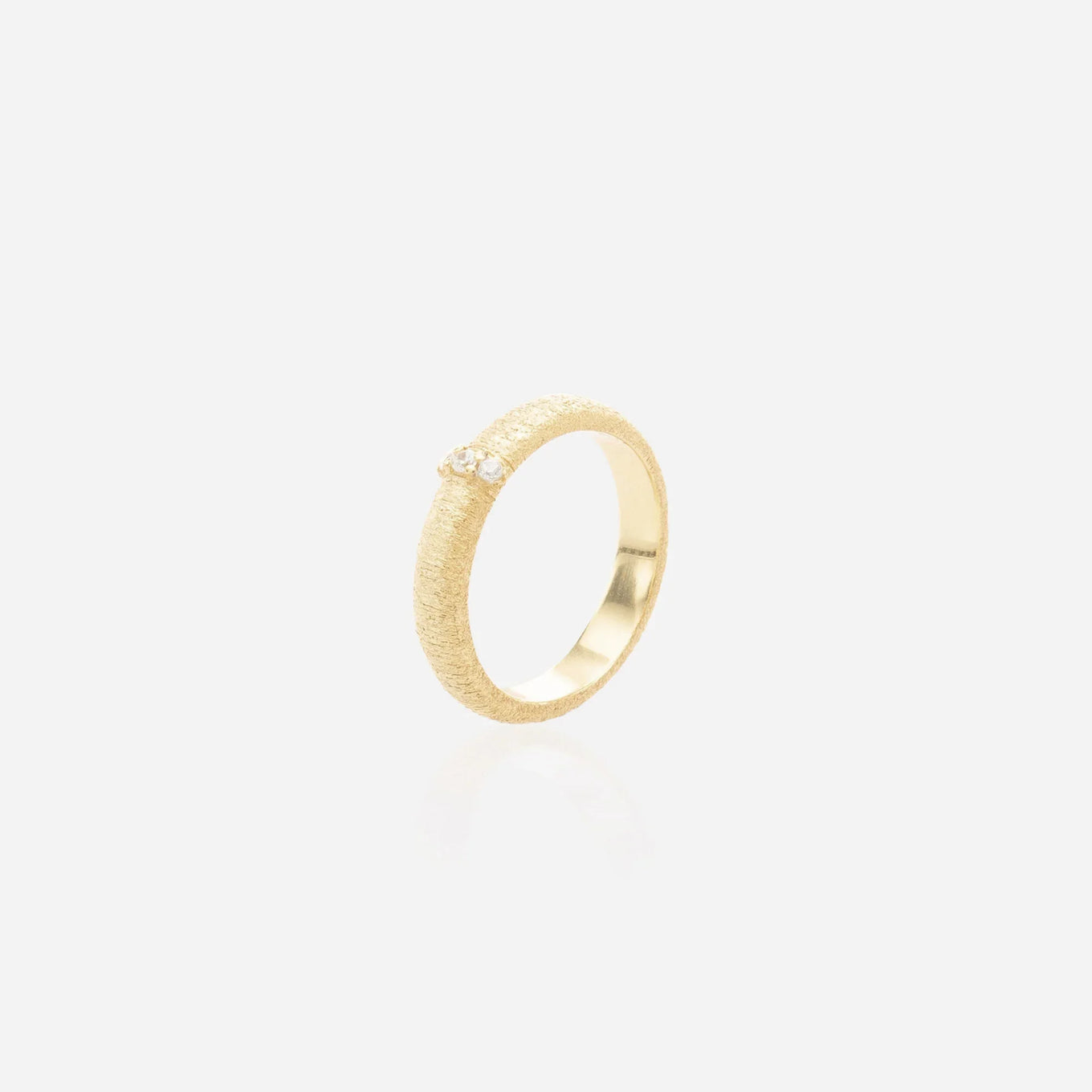
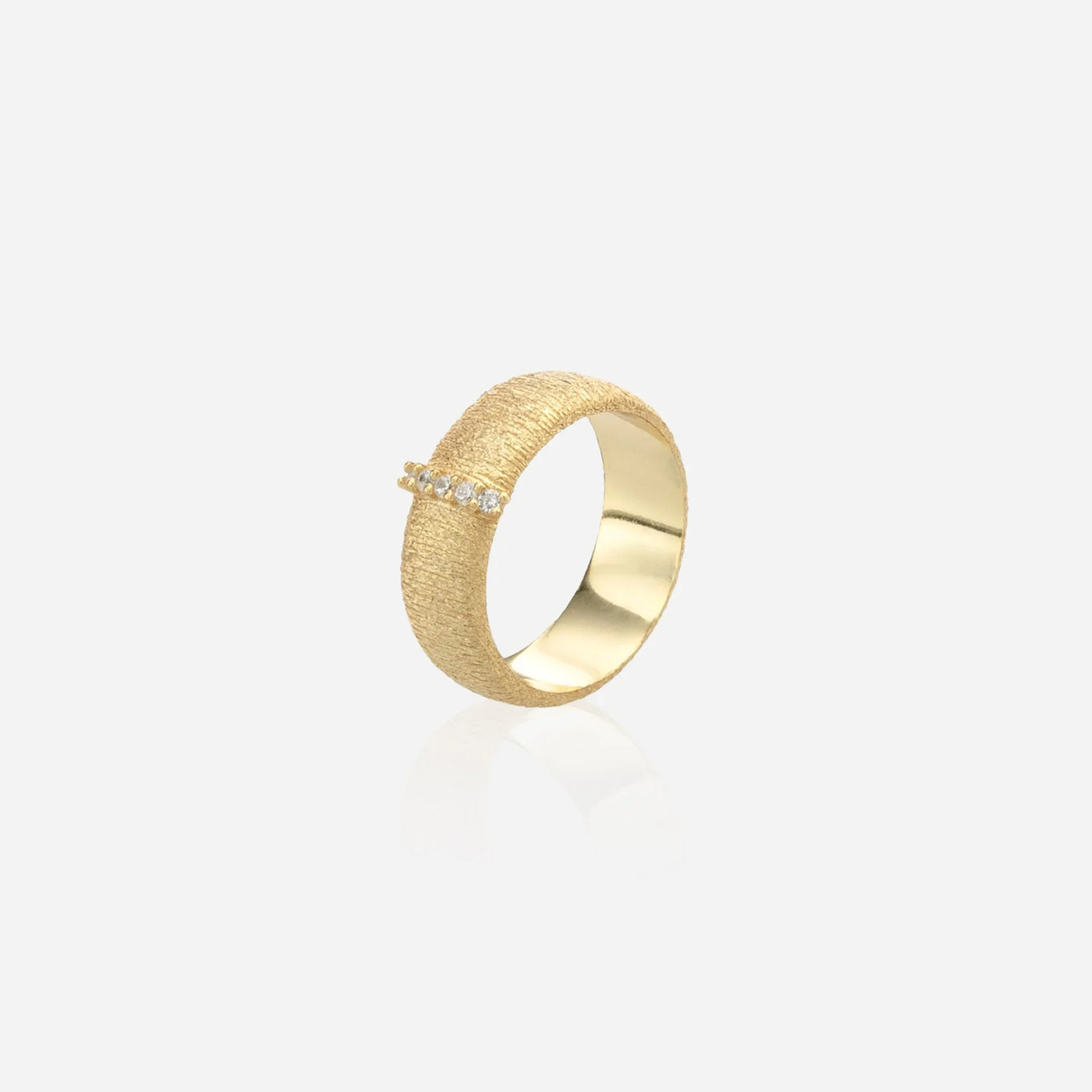
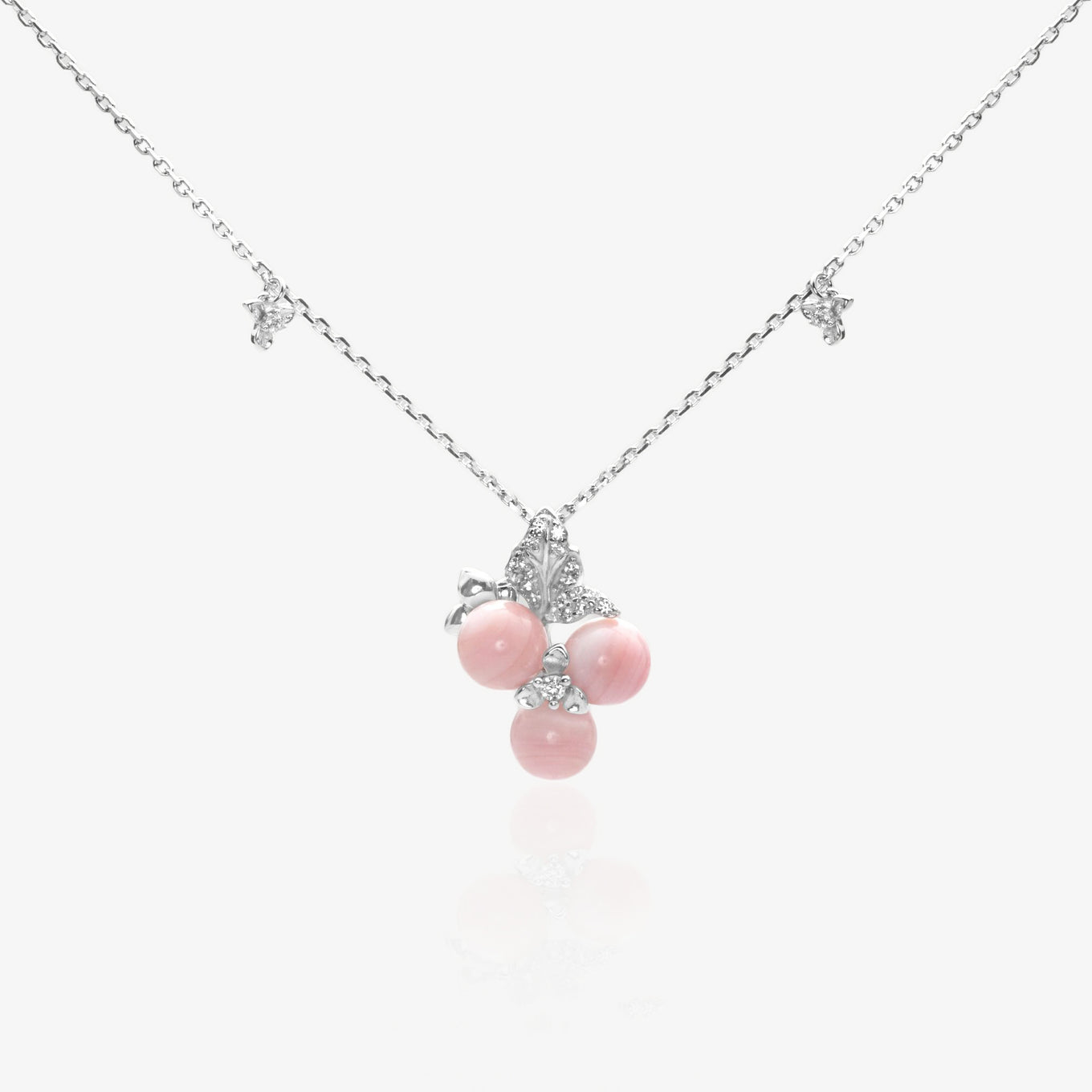
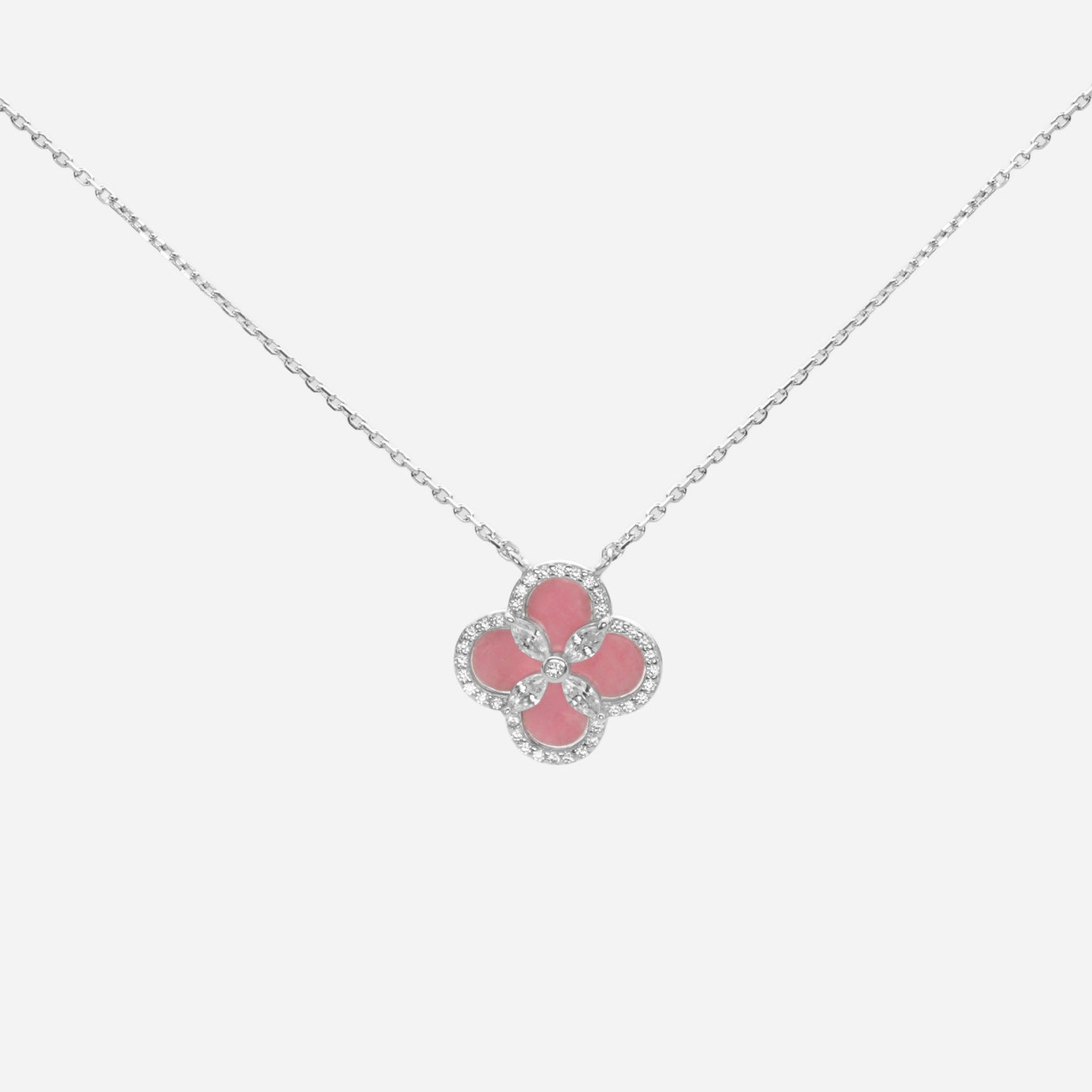
We design crystal jewelry for women who want pieces with substance — not trinkets. Every stone is set in Ag925 sterling silver with 0.5-micron 18K gold plating. Here's the collection, organized by what you'll actually wear:
Rings
The Drusy Pebble Cuff Ring features a raw drusy surface — thousands of microscopic quartz crystal points catching light from different angles simultaneously. Open-band design means it fits any finger, no sizing needed..
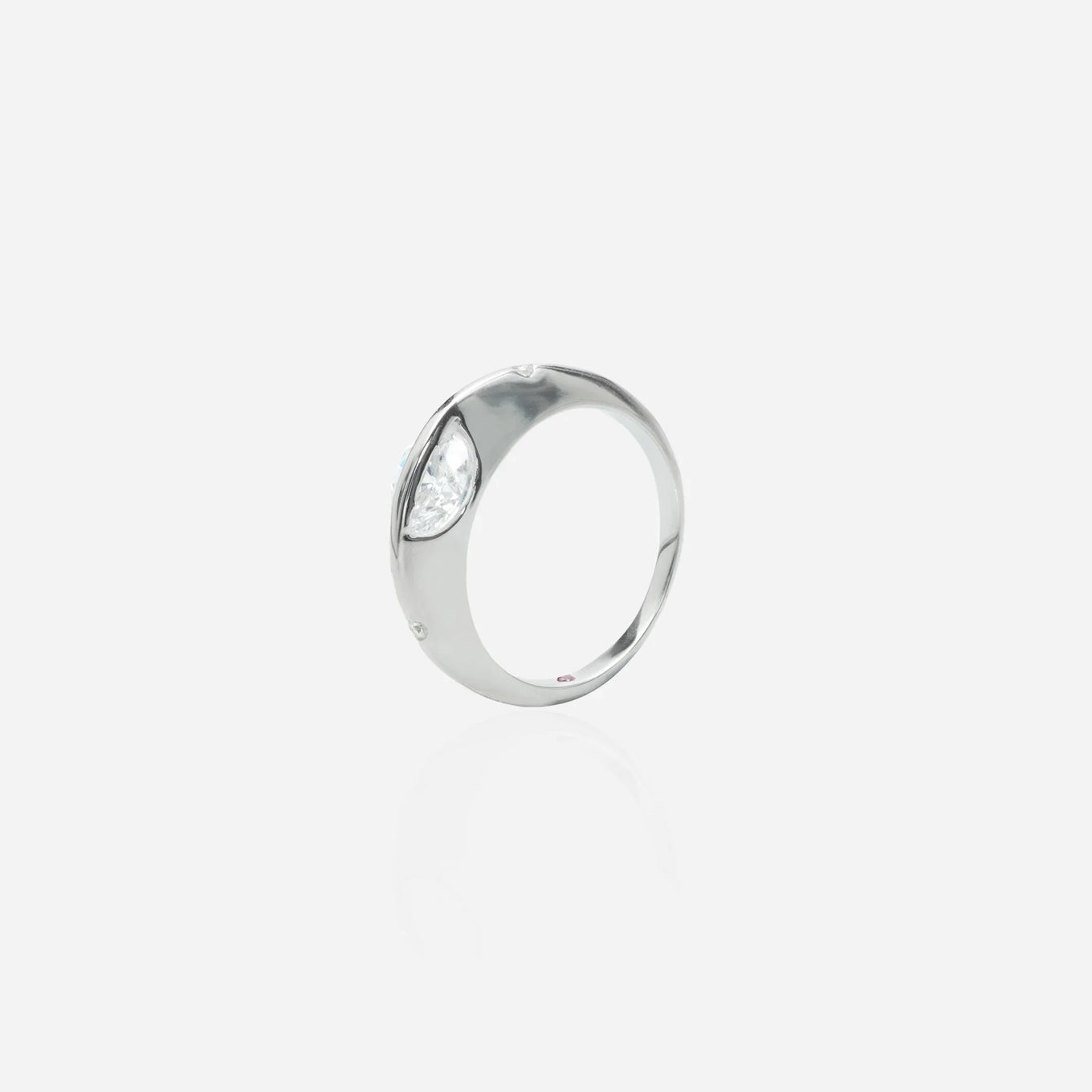
The Nymph Ring centers a blue natural crystal cabochon in a vine-inspired gold setting — delicate enough for daily wear, colorful enough to start "where did you get that?" conversations..
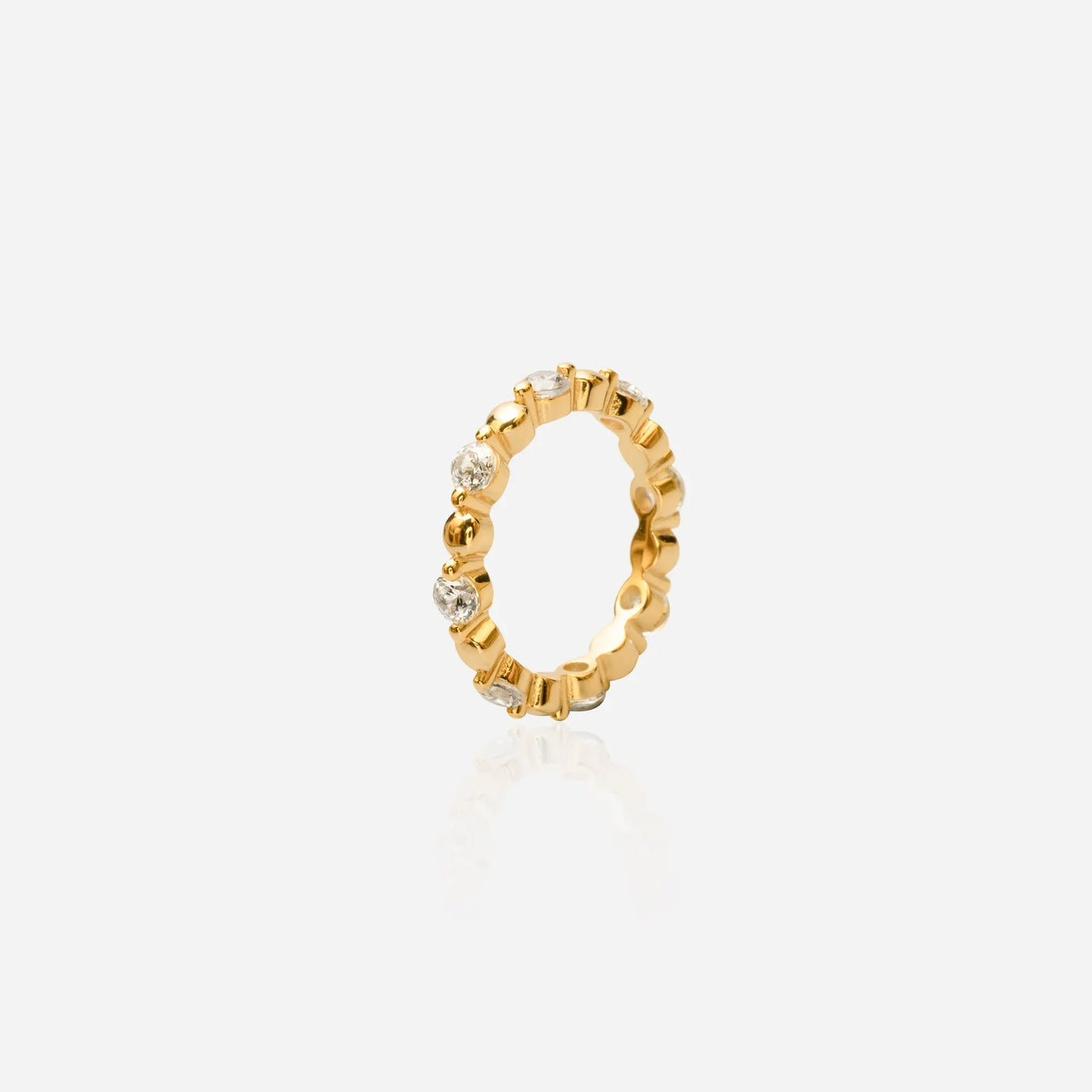
For sheer brilliance, the Mirrored Crystal Ring uses faceted lab-grown crystal in a vintage halo — the kind of piece that catches light from across a dinner table.
Necklaces & Pendants
The Crystal Cage Necklace is our most innovative crystal design: a detachable natural rock crystal suspended in a gold cage pendant. Remove the stone and the cage becomes a minimalist gold pendant — two necklaces in one for the price of one. The rock crystal is genuine quartz, hand-selected for clarity, with the natural inclusions that prove authenticity.
Earrings
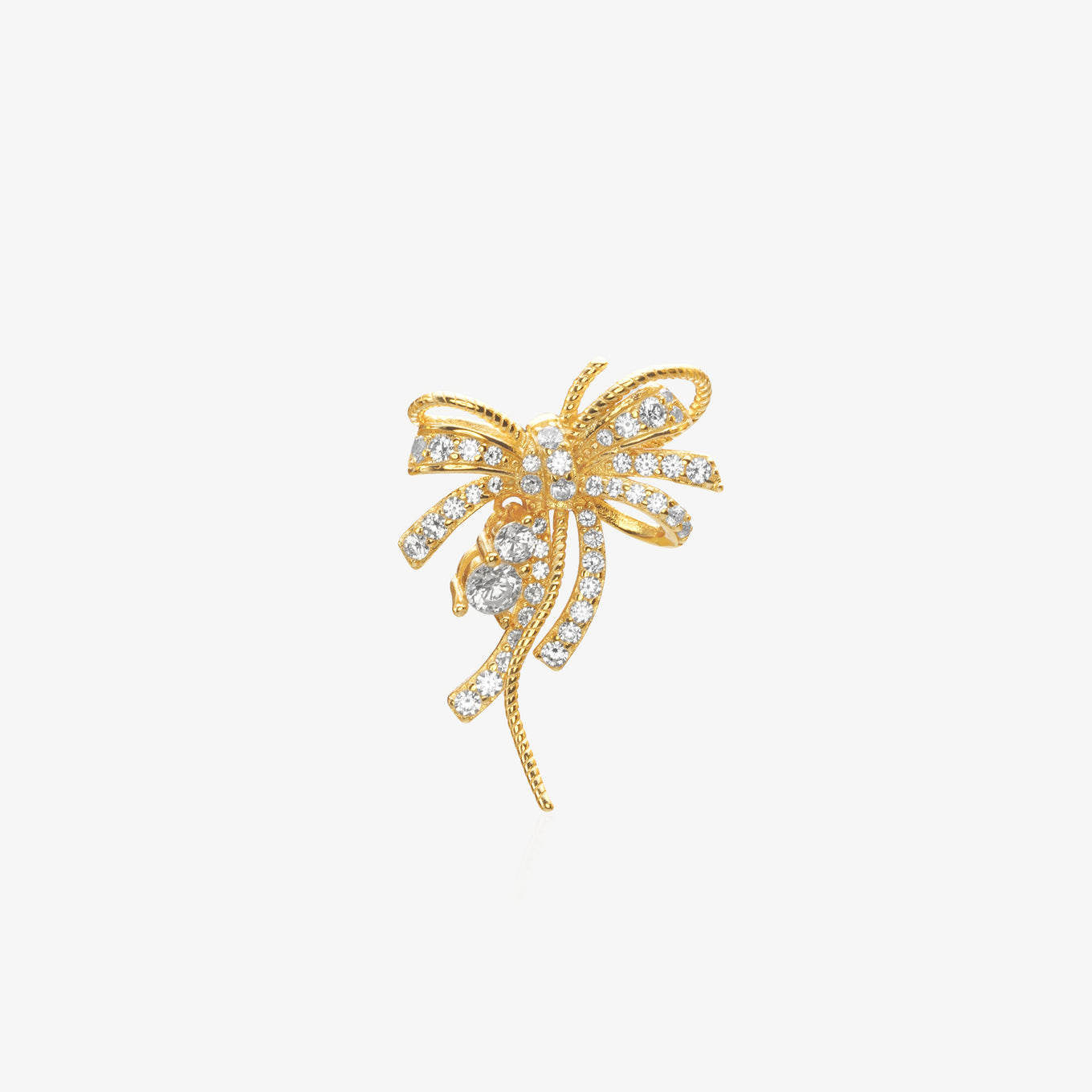
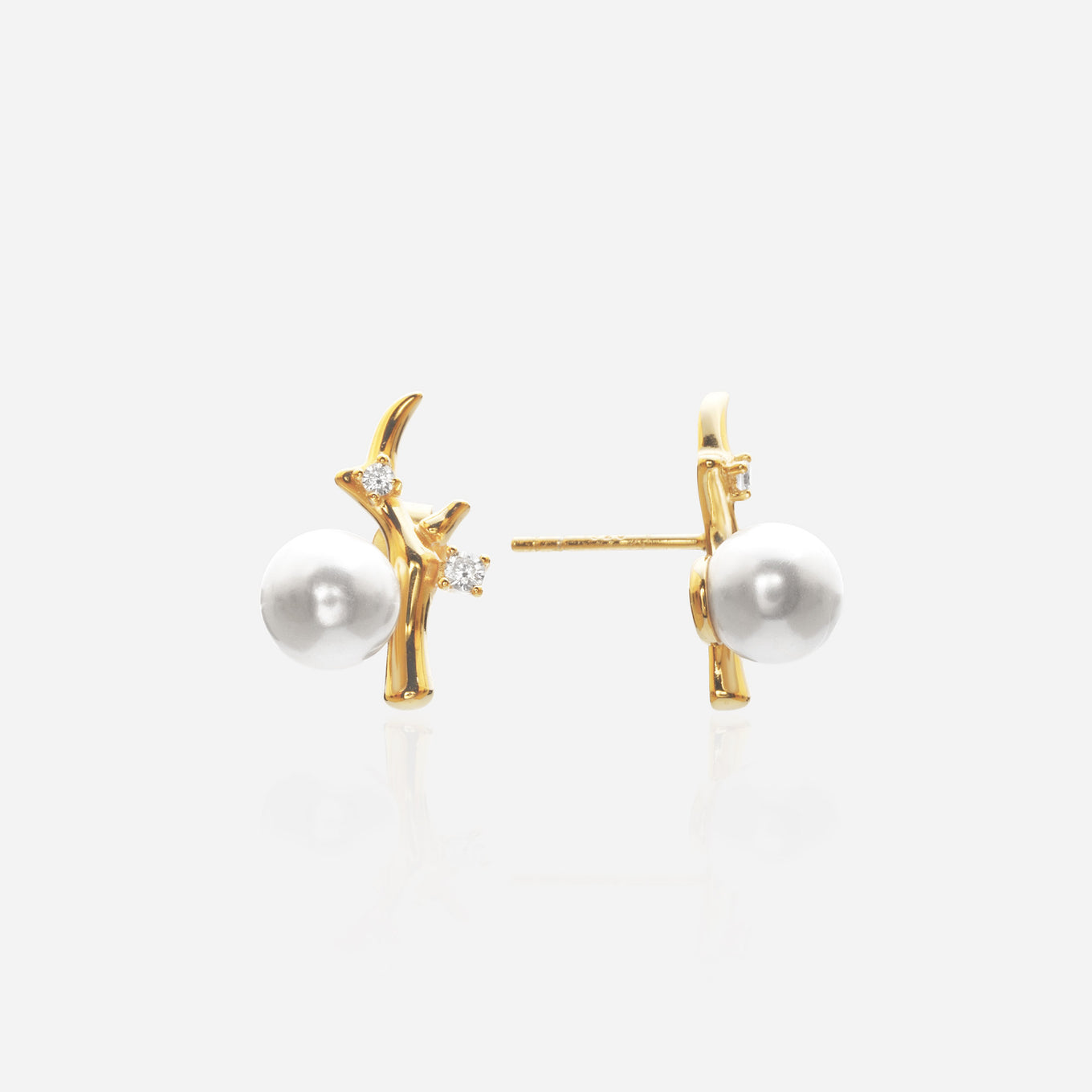
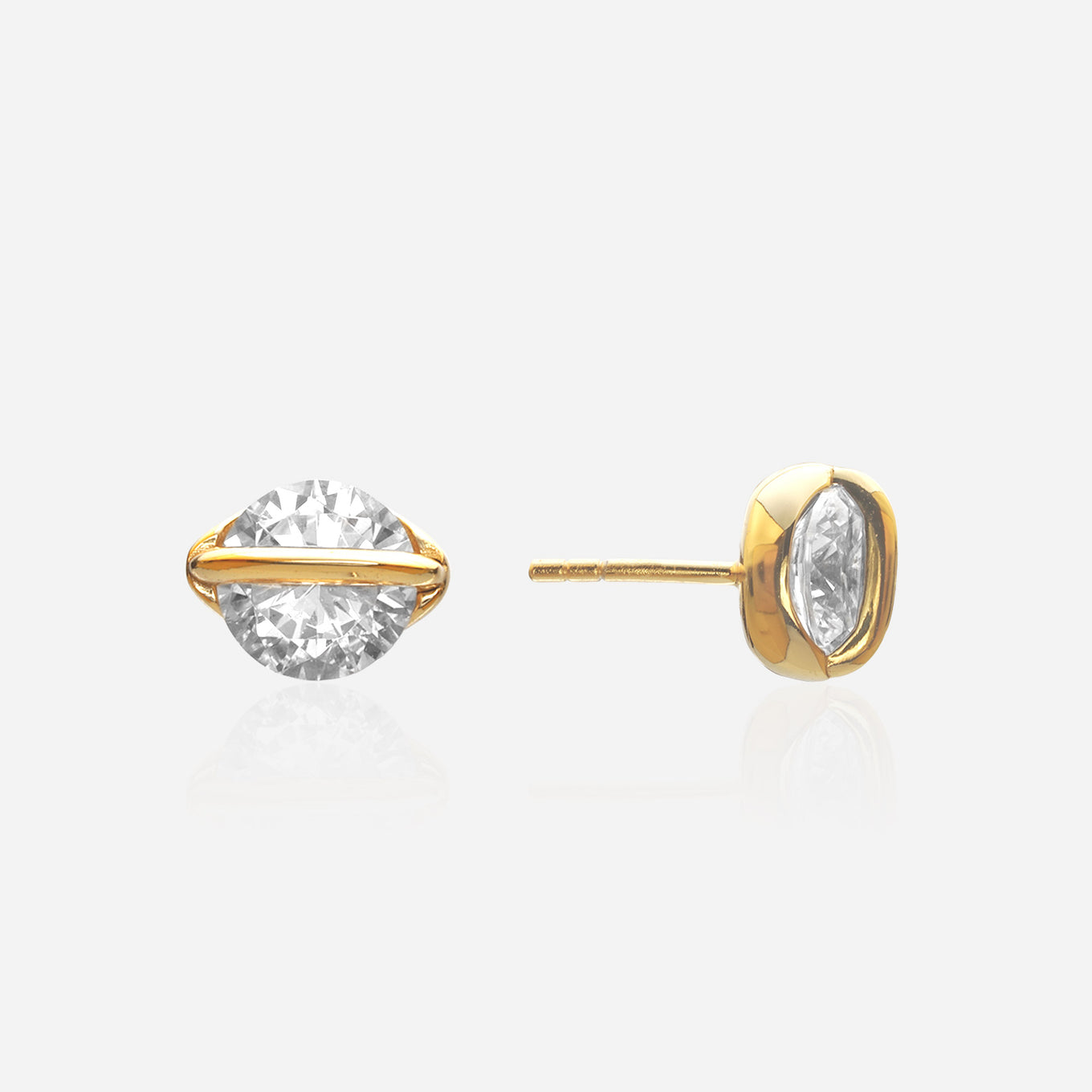
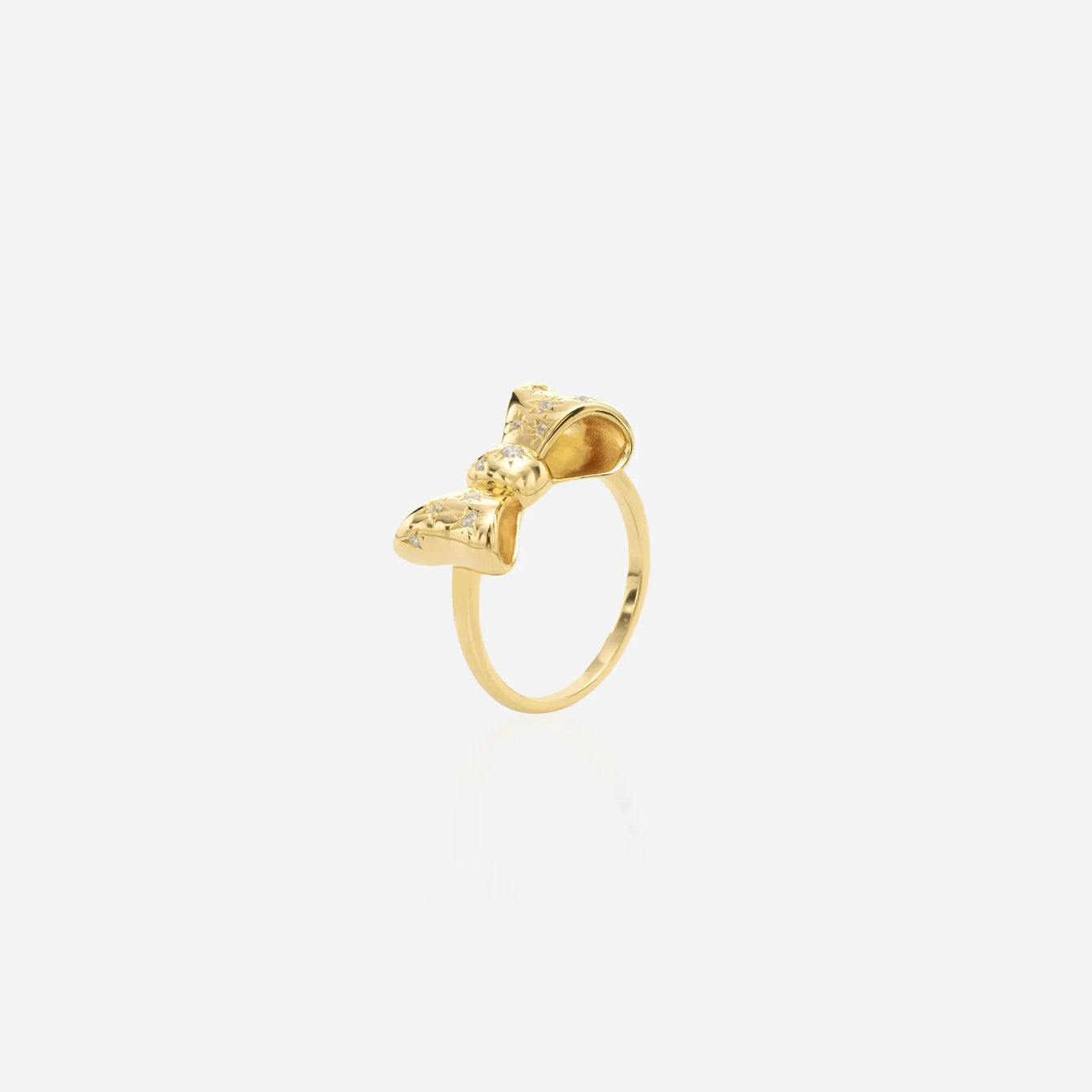
The Bow Stud Earrings use pink lab-grown crystal in a geometric pavé setting — feminine shape with architectural precision. The Coral Branch Earrings pair crystal pearl studs with gold coral-inspired drops — an oceanic aesthetic refined enough for evening..
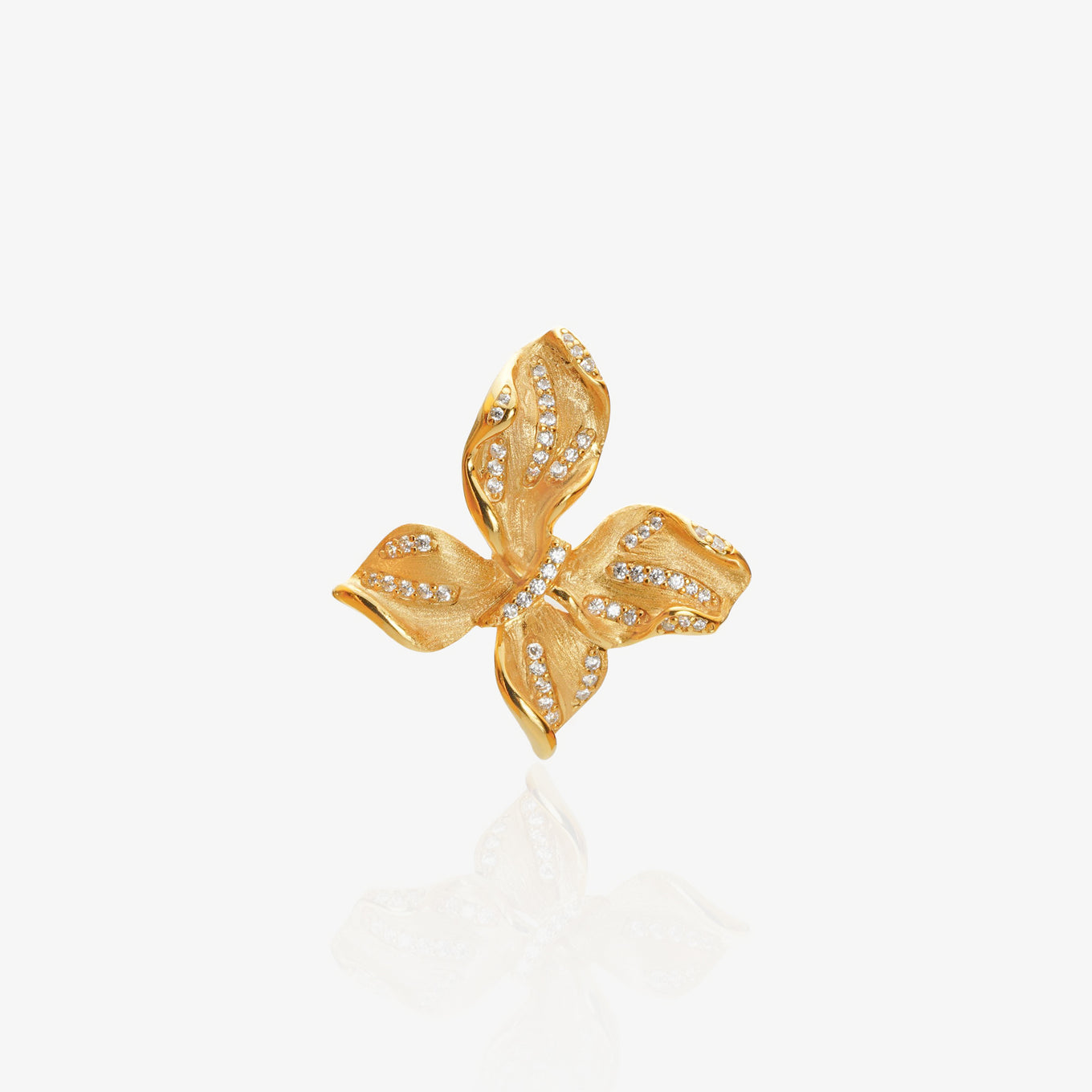
And the Butterfly Pearl Earrings combine satin-finish gold butterfly wings with crystal pearl drops — two textures, one coherent statement.
Bracelets
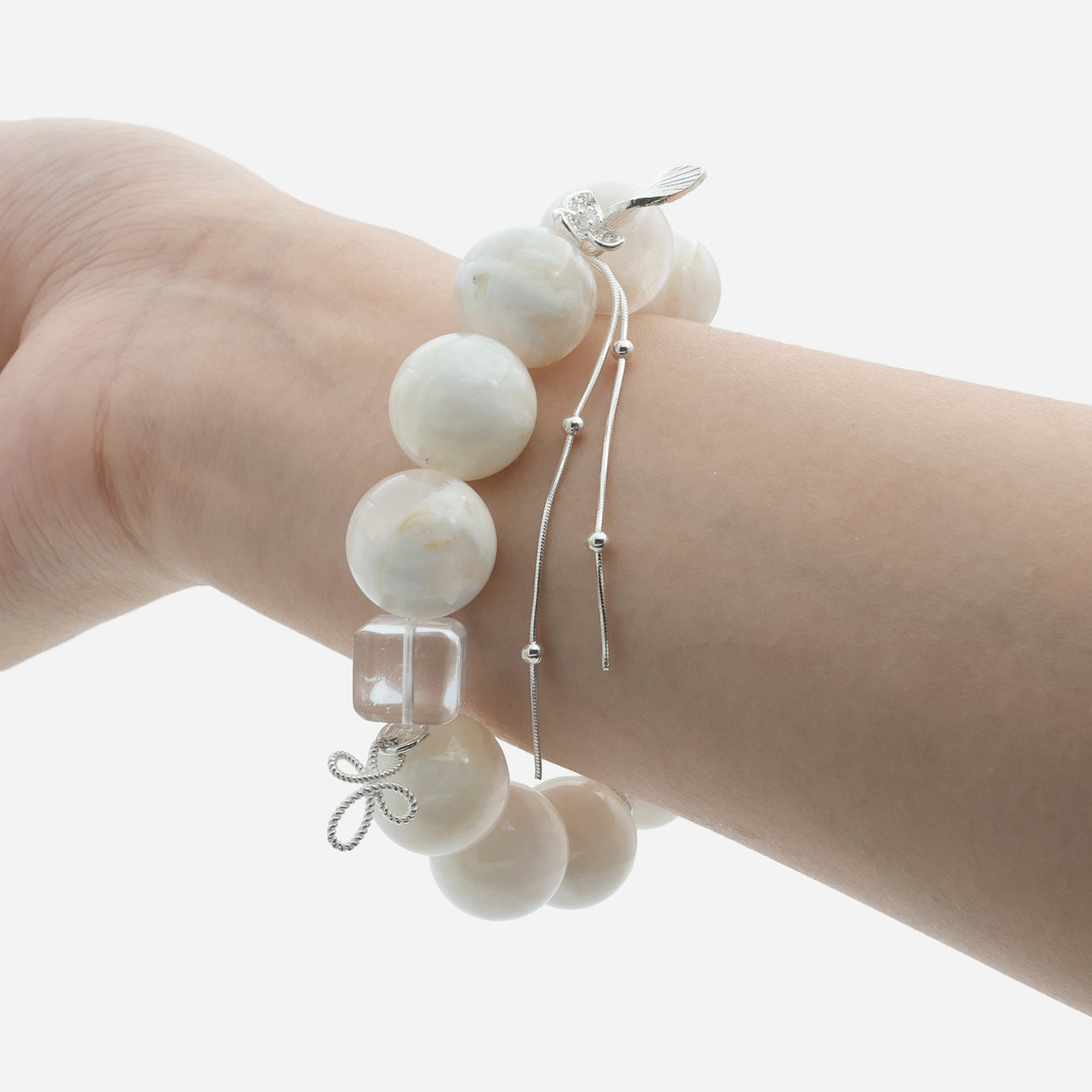
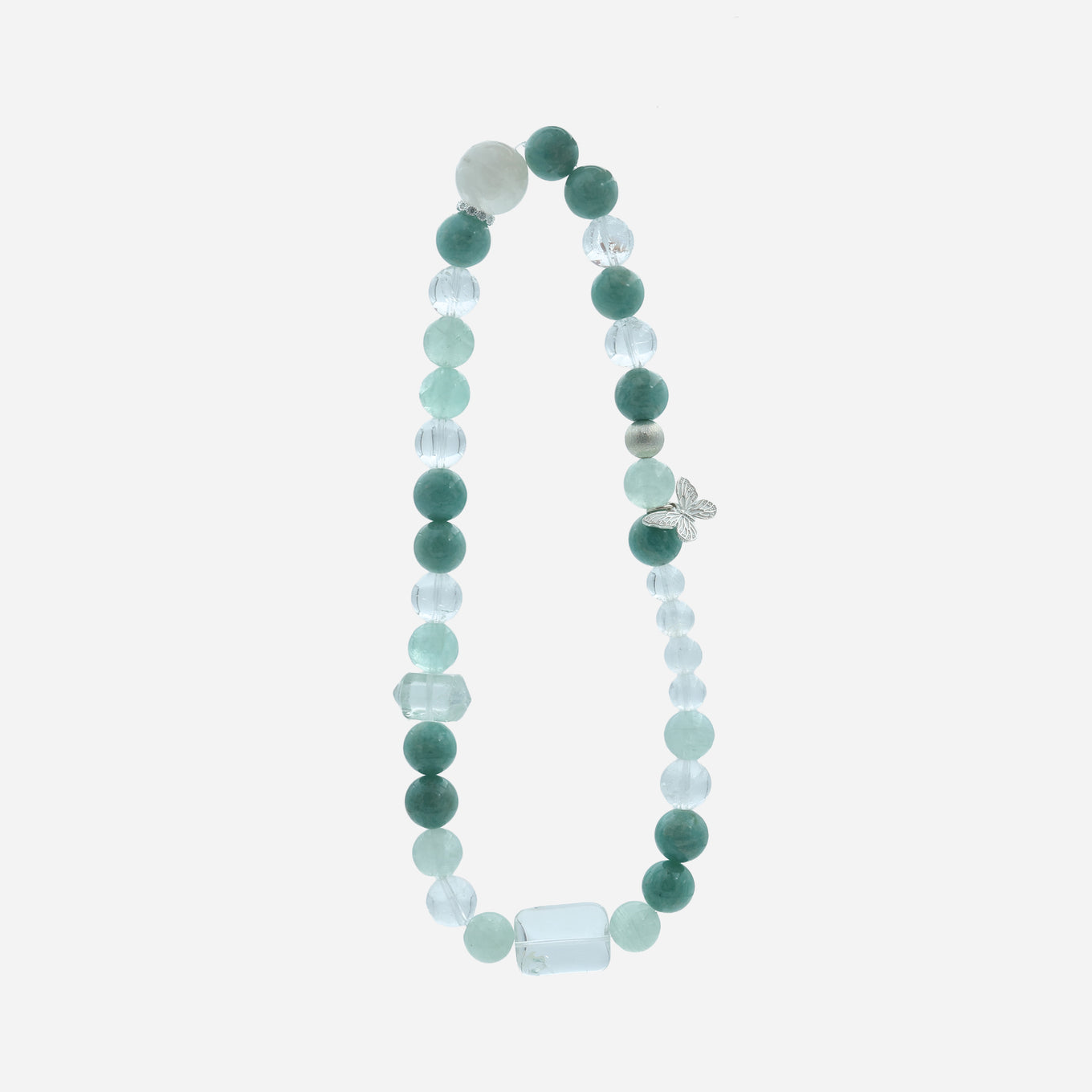
The Amazonite & Quartz Wrap Bracelet alternates natural blue-green amazonite beads (Mohs 6-6.5) with clear quartz — cooling tones that read especially well against warm and olive skin..
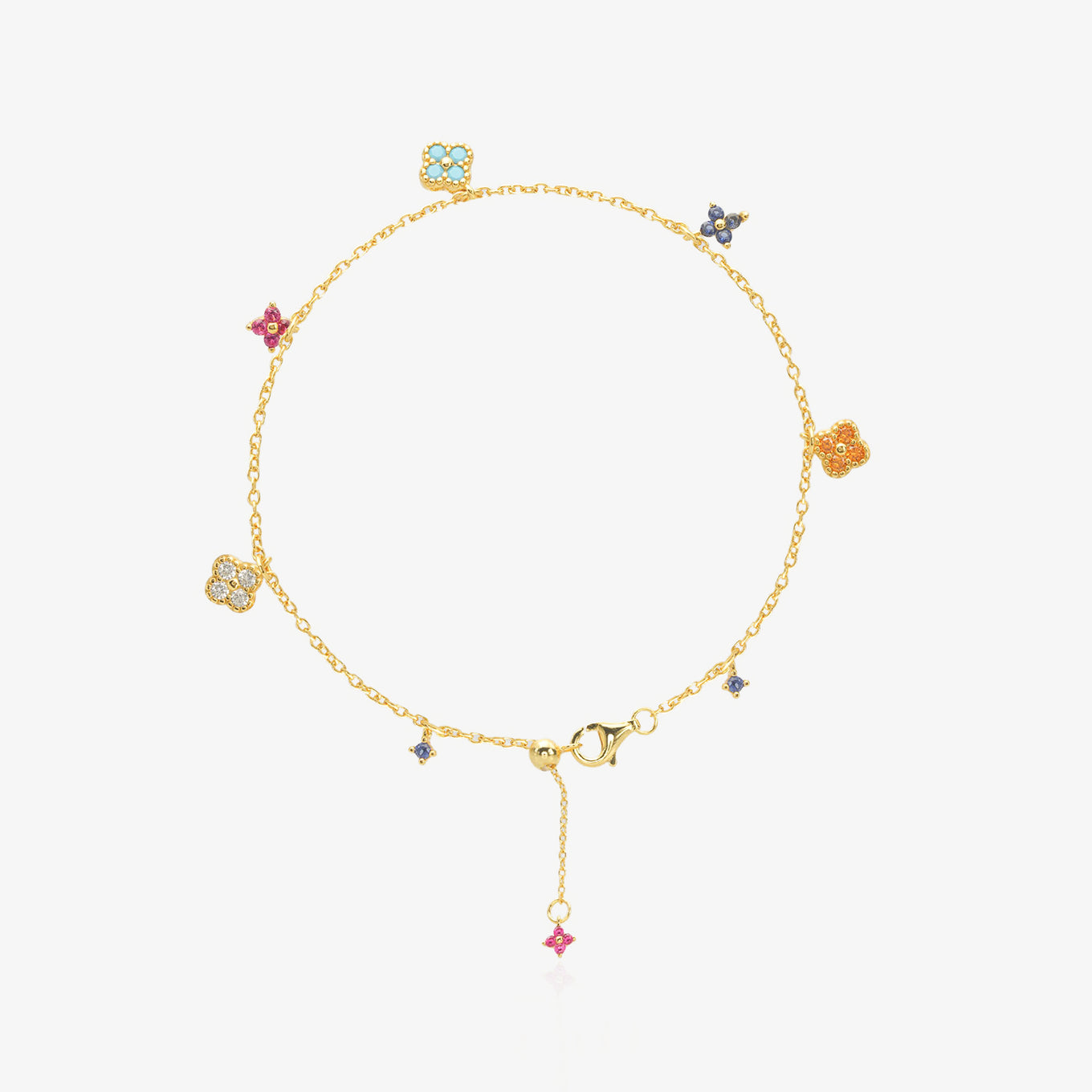
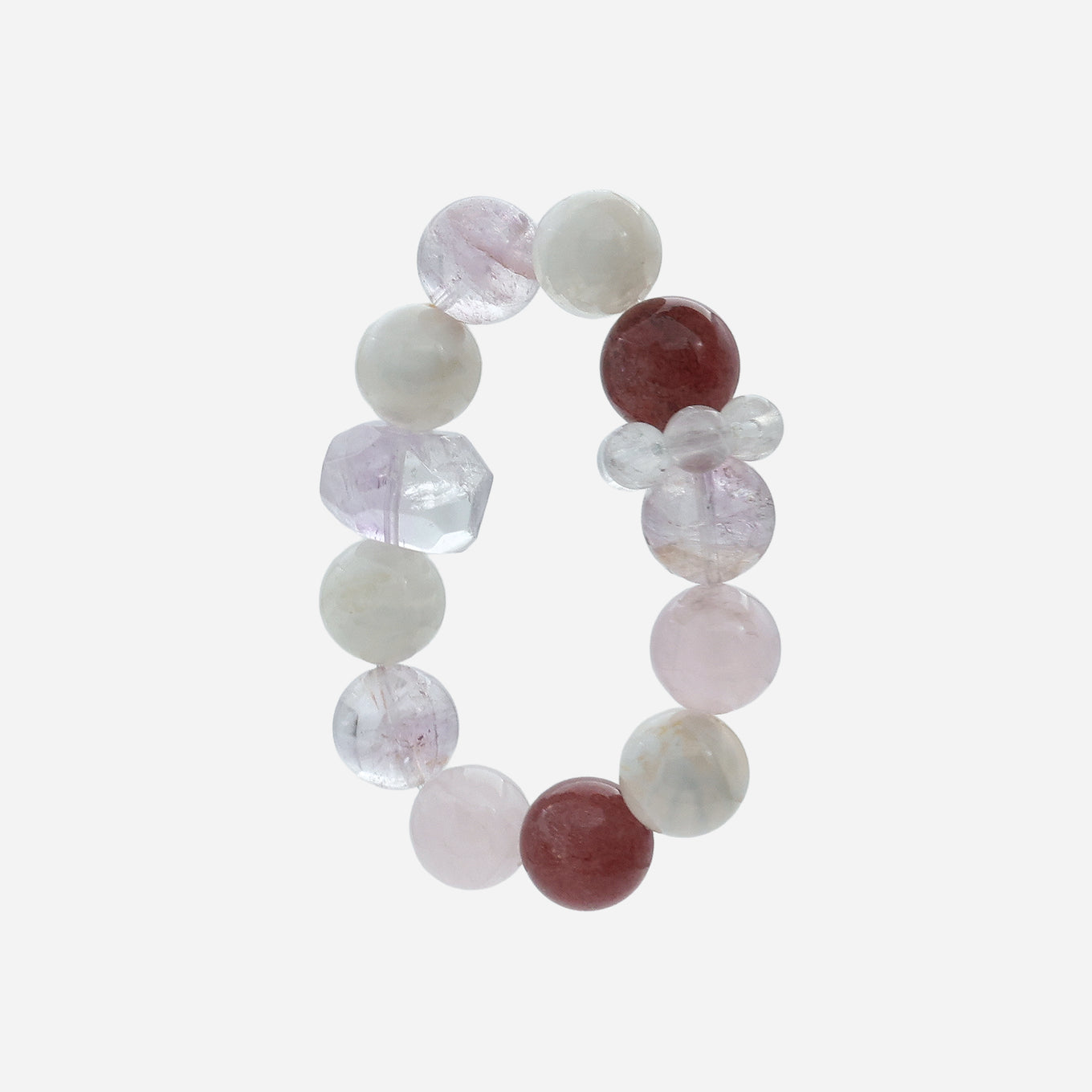
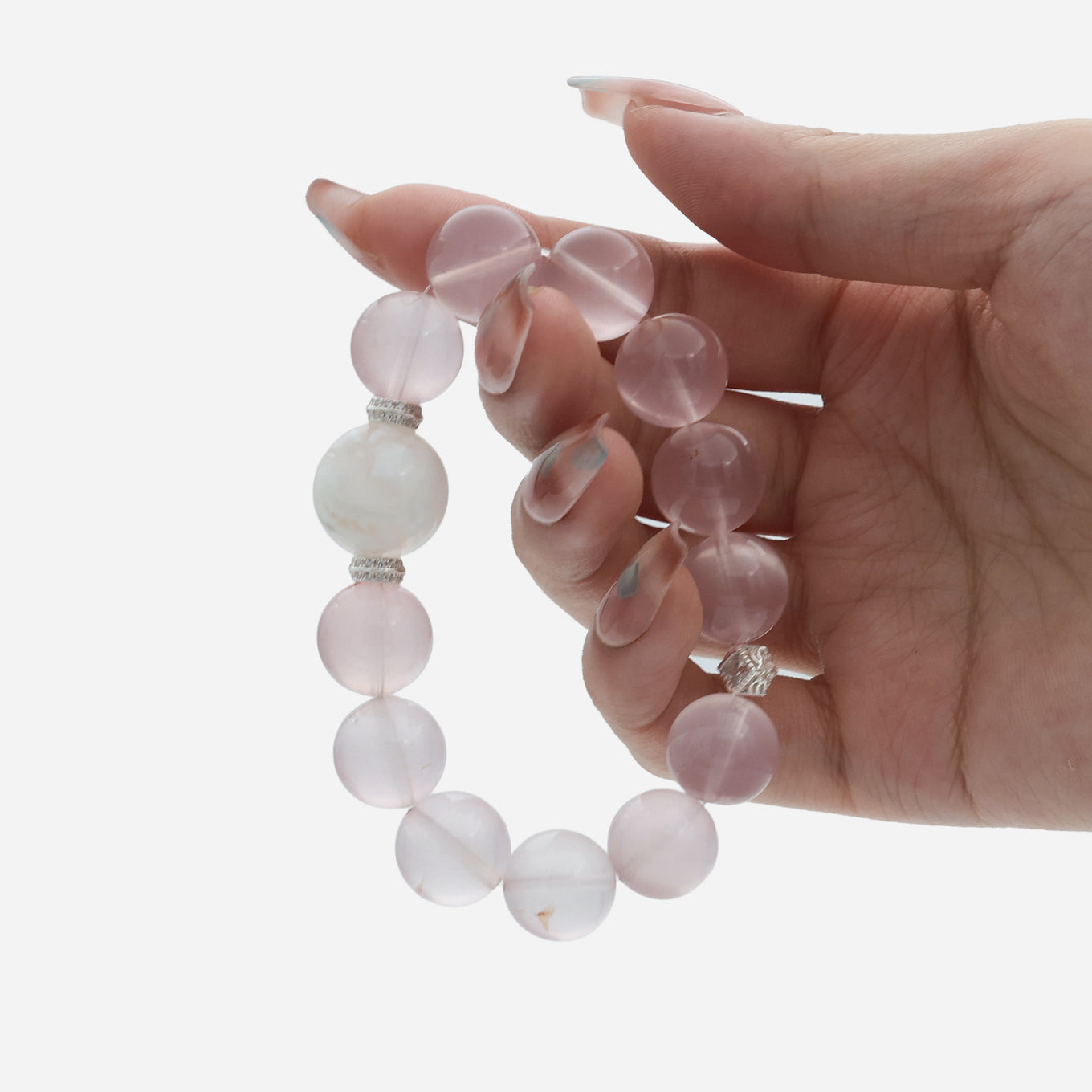
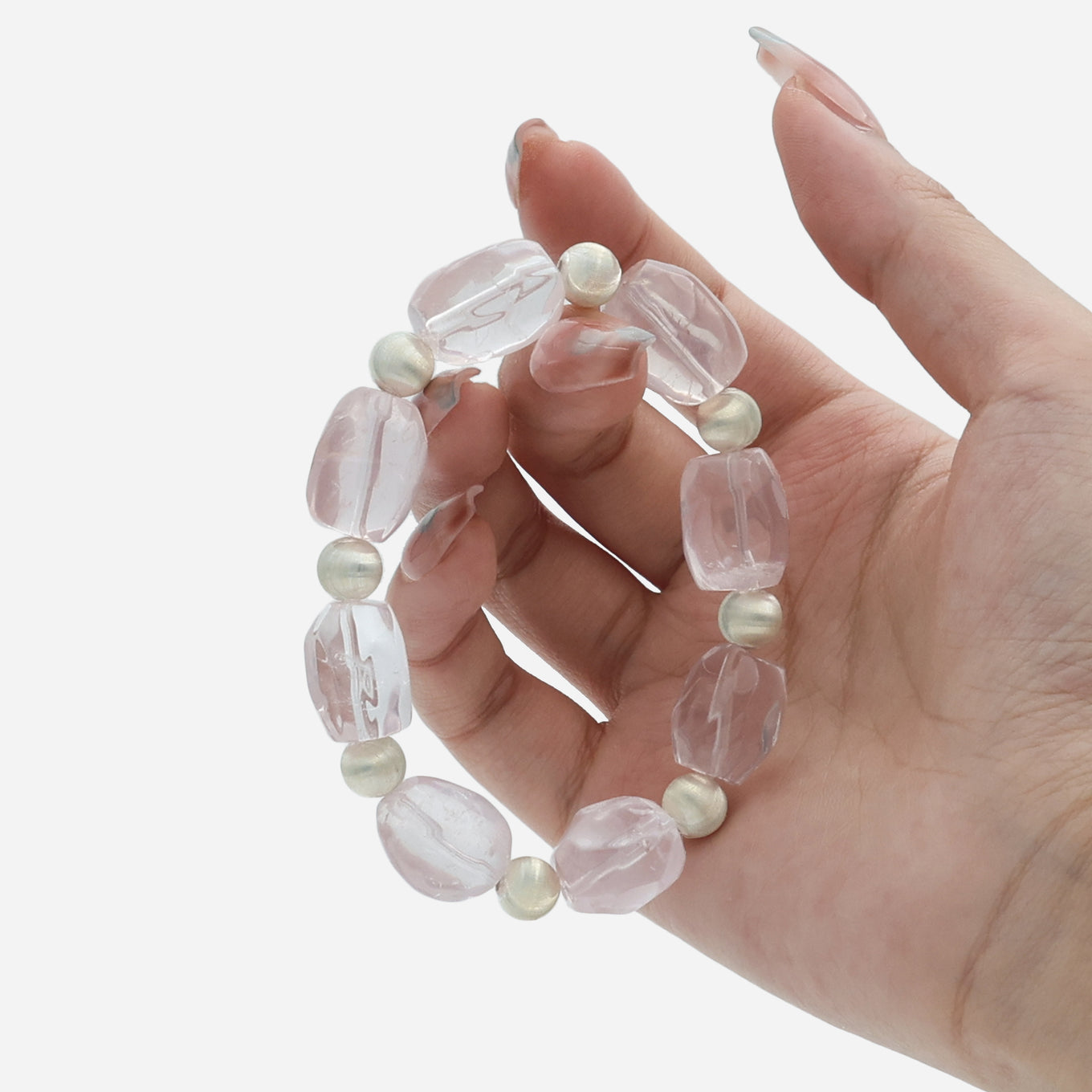
For color maximalists: the Crystal Multi-Gemstone Stack layers different crystal beads into a single adjustable bracelet — zero effort, maximum impact..
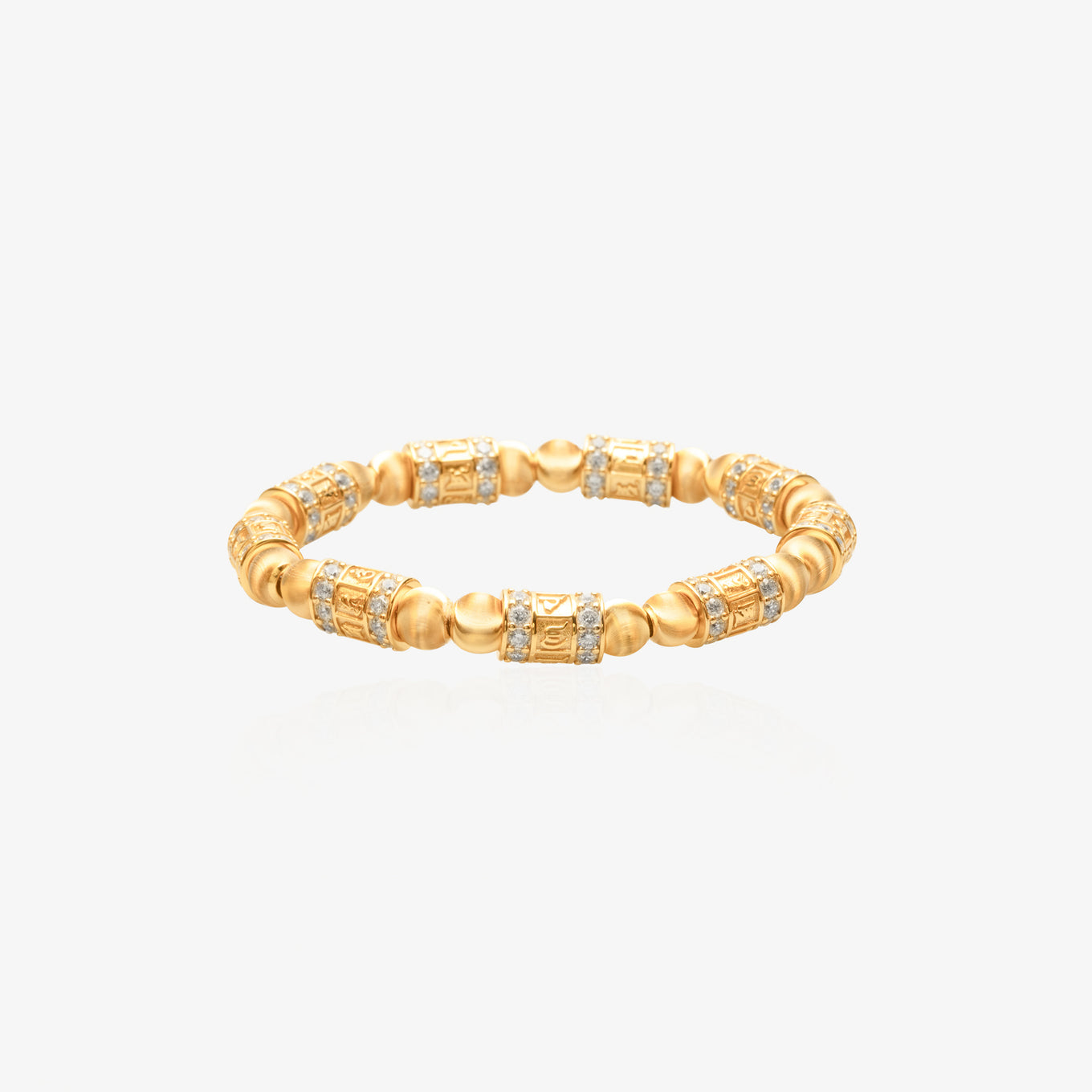
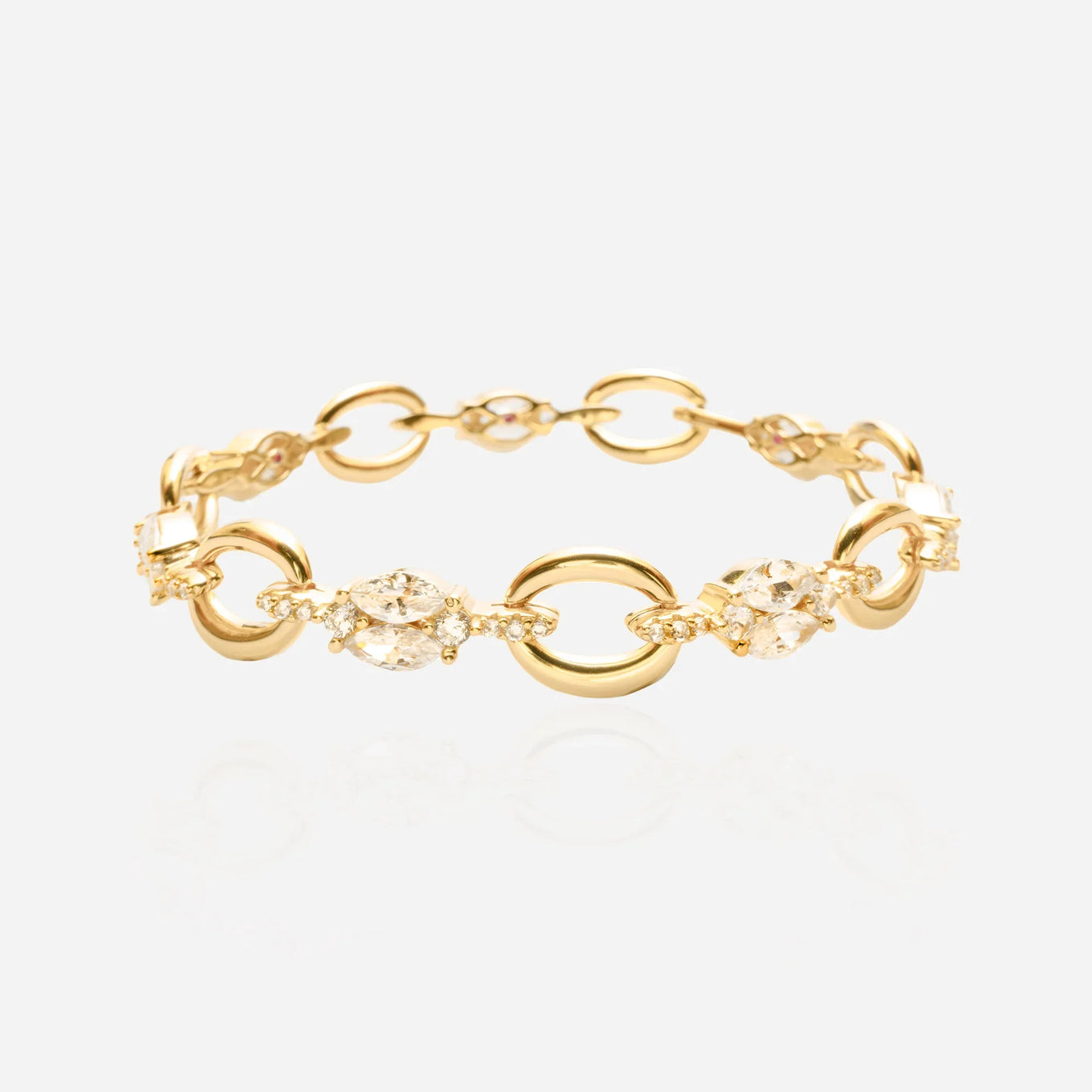
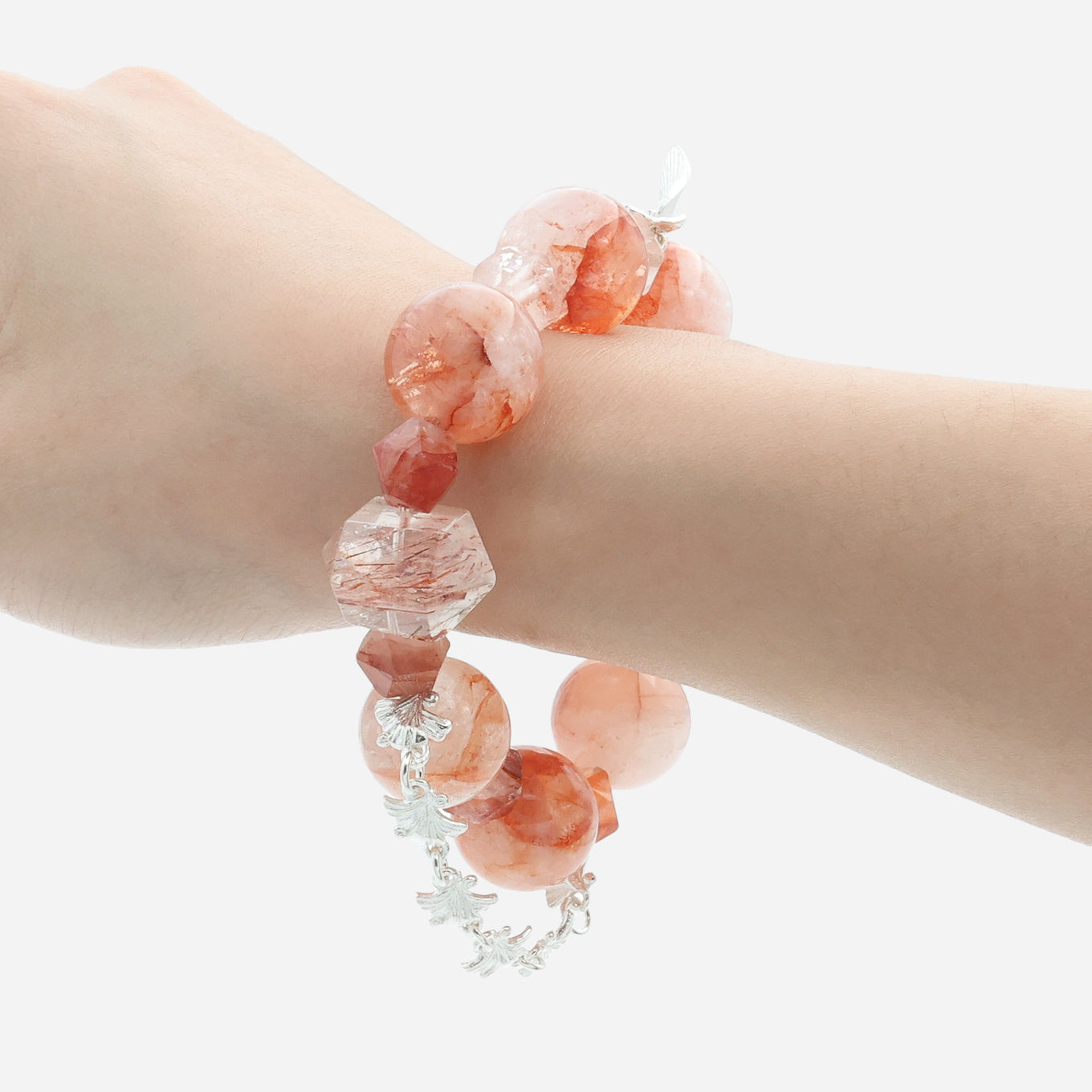
And for evening: the Gold Open Cuff Bracelet uses Austrian crystal pearls (lab-grown crystals cut to pearl profiles) in a wide open cuff — adjustable to any wrist.
How to Style Crystal Jewelry Without Looking Costume-y
Crystal jewelry walks a fine line. Done right, it looks like you have a personal gemologist on speed dial. Done wrong, it looks like you raided the accessories table at a middle school dance. Three non-negotiable rules:
- The One-Statement Rule. One crystal piece per outfit — period. A drusy cuff ring? Everything else goes quiet. Crystal drop earrings? Skip the necklace entirely. Crystal wants to be the focal point. Let it. Wearing three crystal pieces together broadcasts "I'm selling these" rather than "I'm wearing these."
- Metal grounding is what makes it jewelry. Crystal without visible metal looks like something from a rock shop, not a jewelry box. The gold or silver setting isn't decorative — it's what elevates crystal from mineral specimen to wearable accessory. Always choose crystal pieces where the metal frame is substantial and visible.
- Day-to-night by crystal type, not by quantity. Pink crystal bow studs handle a 9 AM meeting effortlessly — they're small, polished, and read as "accessory" not "attention-getter."
A drusy ring can work for daytime because drusy sparkle is subtle — more crystallized sugar than nightclub sequin. Save the Mirrored Crystal Ring and the Crystal Cage Necklace for evening, when a piece that throws light across the room makes contextual sense.
Crystal Jewelry Care: Different Rules Than Metal
Crystal needs different care than your gold chains — applying metal-care logic to crystal jewelry is how people ruin good pieces. Here's the adjustment:
- No ultrasonic cleaners. Ever. Ultrasonic vibrations propagate through crystal's internal structure and can turn a microscopic natural inclusion into a visible crack. Clean with a soft microfiber cloth for daily maintenance, and — when deeper cleaning is necessary — lukewarm water with a single drop of mild dish soap applied with a soft toothbrush to the setting only (not the crystal surface). Rinse and pat dry immediately.
- Drusy has special needs. Drusy surfaces are composed of thousands of microscopic crystal points — they can and will snag on sweaters, silk, and loose-weave fabrics. Store drusy pieces in their own compartment or pouch, never jumbled with other jewelry where harder stones can abrade the delicate crystal surface.
- Lab-grown is low-maintenance. Austrian crystal's uniform internal structure (no natural fractures) makes it the most durable crystal type for daily wear. If you want a crystal piece you literally never remove, choose lab-grown Austrian crystal in a secure bezel setting.
- Chemicals create a dulling film. Perfume, hairspray, and body lotion leave a microscopic residue on crystal surfaces that reduces brilliance over time. Apply beauty products first, wait for them to fully dry, then put on crystal jewelry. A weekly microfiber buff restores full sparkle.
More Resources
For a deeper dive into gemstone authenticity and quality, see our Demi-Fine Jewelry Guide — it covers the material standards that separate real jewelry from costume.
We Believe
We believe crystal jewelry should feel like jewelry — substantial, intentional, mounted in real metal — not like something you impulse-bought at a checkout counter. At ÉLARAMUSE, every crystal — whether it's a drusy surface formed over geological time or an Austrian crystal precision-cut to throw rainbows — is set in Ag925 sterling silver with 0.5-micron 18K gold plating.
Because the frame is what separates jewelry from trinkets. We choose crystal for what it reveals rather than what it hides: natural inclusions, visible structure, honest weight in the hand. A beautiful stone doesn't need embellishment. It needs a setting that gets out of its way.
Key Terms
- Rock Crystal / Quartz
- Pure silicon dioxide (SiO₂) in crystalline form — transparent, colorless, Mohs 7 hardness. Forms naturally in hydrothermal veins over millions of years. Unlike its colored quartz cousins (amethyst, citrine), rock crystal is valued for icy clarity and the visible internal structure that proves its natural origin.
- Austrian Crystal
- Lab-grown crystal precision-cut under controlled factory conditions. Named for its Austrian origins, modern Austrian crystal is engineered for maximum brilliance — its facet edges are sharper than natural crystal and its internal structure is uniform (no inclusions to diffuse light beams), producing more intense sparkle than natural quartz.
- Drusy / Druzy
- A surface coating of thousands of microscopic quartz crystals growing on host rock. Each drusy surface is unique — no two formations are identical — and the sparkle effect resembles granulated sugar rather than a single flat facet. Because drusy texture is created by thousands of individual points, it catches light differently from every angle.
- Cabochon
- A gemstone cut with a smooth, domed top and flat bottom — no facets. Used for opaque stones where light doesn't penetrate (turquoise, amazonite) and for translucent crystals where the goal is to showcase internal structure and color depth rather than surface sparkle.
- Mohs Hardness Scale
- The universal mineral hardness scale, running from 1 (talc) to 10 (lab diamond). For jewelry: anything below Mohs 5 scratches from casual contact. Quartz crystal at Mohs 7 is harder than glass (5.5) and steel (6.5) — meaning it won't scratch from keys, zippers, or everyday desk contact. Austrian crystal at Mohs 6-7 is slightly softer but adequate for most daily wear scenarios.
Frequently Asked Questions
Q: Is crystal jewelry considered real jewelry?
Yes — when the stone is genuine quartz or quality lab-grown crystal mounted in sterling silver or gold. A rock crystal pendant in a 925 silver bezel (like our Crystal Cage Necklace) is real jewelry by any standard: genuine gemstone, precious metal setting, professional construction..
The confusion comes from the low end of the market, where glass chips are glued to mystery alloy — that's costume jewelry, and it gives crystal a name it doesn't deserve. The difference is stone type, setting construction, and base metal — get those three right and it's real jewelry.
Q: How durable is crystal jewelry compared to lab diamonds?
Crystal (Mohs 7) is softer than lab diamond (Mohs 8.5) — it will eventually show fine surface wear that diamonds won't. But for earrings, pendants, and occasional-wear rings, the practical difference is negligible — crystal is harder than most things it encounters in daily life..
Unlike precious stones, crystal's affordable price point means replacement doesn't require a second mortgage. If you want a sparkly everyday piece with zero durability concerns, choose lab-grown crystal jewelry. If you want natural character and are willing to accept moderate care requirements, crystal is the right choice.
Q: Can I shower or swim with crystal jewelry?
No — and this applies across all crystal types. Prolonged water exposure can seep into microscopic fractures in natural crystal, and chlorine/salt are corrosive to the gold plating on the setting. Remove crystal jewelry before swimming, showering, or hot tubs. It's water-resistant for daily life (hand washing, caught in rain), not waterproof for submersion. For pieces you want to wear 24/7 without removing, choose solid metal designs like a plain gold chain or bangle.
Q: How do I style crystal jewelry for a wedding or formal event?
A single statement piece is the rule. For wedding guests: a drusy cuff ring or a crystal pendant necklace against a solid-colored dress — let the jewelry be the only sparkle in the outfit. For the bride or bridal party: crystal stud earrings (like our Bow Studs) offer subtle sparkle that photographs beautifully without competing with the dress or veil. Avoid multiple crystal pieces — a necklace + earrings + bracelet in crystal reads bridal-shop-display, not curated elegance.
Q: What's the best crystal jewelry gift?
A giftable crystal piece should be: low-maintenance (Austrian crystal over natural), adjustable (open-band rings or slider bracelets — no sizing guesswork), and versatile (neutral colors over bold)..
Our top gift picks: the Gold Open Cuff Bracelet for its adjustability and classic appeal, or the Bow Stud Earrings for their wear-anywhere versatility. Both arrive in ÉLARAMUSE gift packaging — unwrap and wear, no assembly required.
Q: Why does some crystal jewelry cost $20 and some cost $200?
The gap comes down to three factors. Stone: natural quartz costs more than glass, and lab-grown Austrian crystal (precision-cut) costs more than generic factory crystal. Setting: a sterling silver bezel costs more to manufacture than a glue-on pad. Brand markup: unbranded crystal jewelry from direct-to-consumer brands (like ÉLARAMUSE) typically costs 30-60% less than branded counterparts (like Swarovski) for comparable stone and metal quality — you pay for the crystal, not the name on the box.
References
- GIA (Gemological Institute of America). "Quartz Quality Factors." GIA Quartz Guide
- Smithsonian National Museum of Natural History. "The Quartz Family: Mineral Collection." Smithsonian Mineral Sciences
- American Gem Society. "Drusy & Crystal Jewelry Buying Guide." AGS Buying Guides
- Victoria and Albert Museum. "Glass & Crystal in Jewelry: A Historical Perspective." V&A Jewellery Collection
Published: July 2026. This guide reflects current ÉLARAMUSE product specifications and gemological standards as of the publication date. Product images are representative — natural crystals vary in appearance.
Read next: Natural Garnet Bracelet | January Birthstone | Healing Talisman — 100% natural deep-red garnet with alternating bead rhythm, quartz focal, and sterling silver accents. The January birthstone bracelet that burns with quiet fire.
Read next: Kite Diamond Earrings | Art Deco Gold Kite Studs | ELARAMUSE — Art Deco geometry meets modern wearability. Kite diamond earrings with high-carbon lab diamonds, hollow-cast comfort, hypoallergenic sterling silver posts. The architectural stud that bridges boardroom and evening.