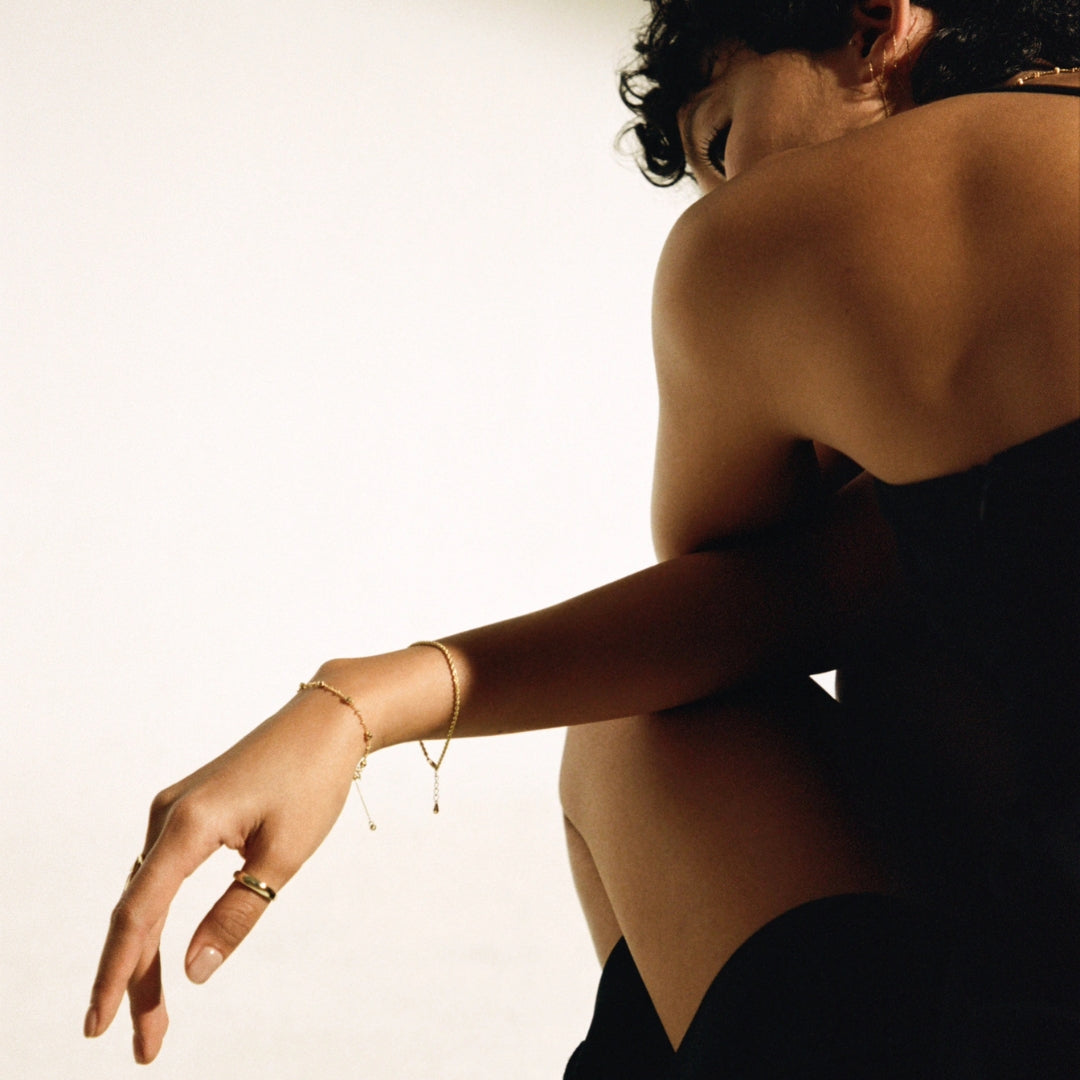
From the Natural Garnet Bracelet to Quick Answer: A charm bracelet is a chain or link bracelet carrying personal tokens — each charm represents a memory, milestone, belief, or intention — and the 2026 revival is driven by a shift from decorative jewelry to narrative jewelry that tells the story of a life in miniature.
📑 In This Guide
- What Is a Charm Bracelet — Beyond the Beads
- A Brief History: From Prehistory to Pandora and Past It
- 4 Types of Charm Bracelets (and Which One Is Yours)
- How to Style a Charm Bracelet in 2026 Without Looking Like 2005
- The Charm Bracelet as Talisman: Ritual, Intention, and Personal Mythology
- The ÉLARAMUSE Standard
- Frequently Asked Questions
- What We Believe
- References & Further Reading
What Is a Charm Bracelet — Beyond the Beads
A charm bracelet is not just a bracelet with stuff hanging off it. It is a wearable autobiography. Each charm is a data point — a place visited, a love begun, a child born, a fear overcome. The bracelet itself is the timeline; the charms are the plot points. This is the difference between a charm bracelet and a regular bracelet: one says "I accessorized this morning," the other says "this is who I have been."
Key distinction for 2026: The charm bracelet revival is not a nostalgia play for 2005-era Pandora. It is being driven by the same cultural current that lifted astrology, tarot, manifestation, and talismanic jewelry — a desire to externalize interior life onto wearable objects. A charm bracelet from the 2000s said "I went to Italy." A charm bracelet in 2026 says "I am building my own mythology, one charm at a time."
Key Terms — Charm Bracelet Vocabulary
Charm (n.): From Latin carmen (song, incantation). A small ornament worn on a bracelet, originally worn as a protective amulet. In modern jewelry, a charm carries personal meaning — a memory, milestone, or intention — rather than magical function.
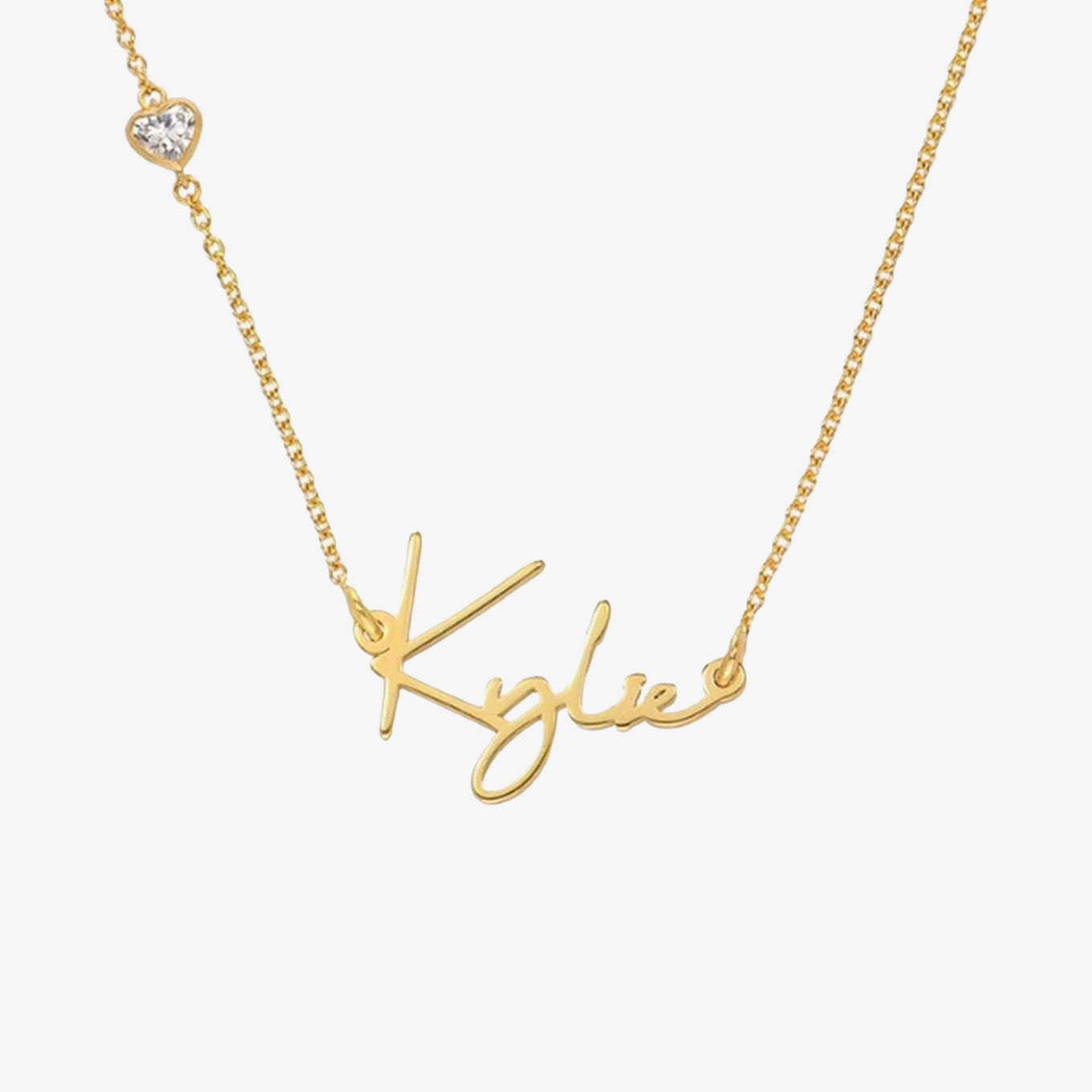
While bracelets are the traditional home for charms, the Gold Lock Charm Necklace adapts this talisman concept into a pendant — a sculptural padlock with vintage key and diamond bail, worn as a personal story around your neck.
Cuban Link Chain: A chain style with interlocking oval links, each link slightly thicker than the chain width. Distinguished from a cable chain by the flat, close-fitting link profile. The Cuban link is the standard base chain for charm bracelets because its smooth surface prevents charm attachments from snagging.
Lobster Clasp: A spring-loaded clasp shaped like a lobster claw, opened by pressing a small trigger. Standard on charm bracelets because it is secure (won't pop open under tension) and easy to operate one-handed — critical for a bracelet you take on and off daily.
Adjustable Extender: A 1–2 inch extension chain at the clasp end, allowing the bracelet to fit multiple wrist sizes. Charm bracelets benefit from extenders more than other bracelet types because a slightly looser fit reduces charm-on-charm friction and extends plating life.
Clip-on Charm vs. Permanent Charm: A clip-on charm attaches with a hinged clasp and can be added or removed in seconds. A permanent charm is soldered or structurally integrated into the bracelet. Permanent charms do not snag, fall off, or rattle — the 2026 preference for daily-wear charm bracelets.
A Brief History: From Prehistory to Pandora and Past It
Charm bracelets are not a 21st-century invention. They are arguably the oldest form of jewelry still worn today.
Prehistoric amulets (30,000+ BCE): The earliest known charms were not metal — they were bone, shell, and stone, worn to invoke protection from natural forces and spirits. The function was purely talismanic: the charm was a portable altar, a prayer you could wear.
Ancient civilizations (3000 BCE–500 CE): Egyptians wore charm bracelets bearing the Eye of Horus and scarab beetles — protective amulets for the afterlife. Romans wore small fish charms as coded Christian symbols. Across cultures, the pattern was the same: a charm bracelet was spiritual armor, not fashion.
Victorian sentimentality (1837–1901): Queen Victoria made charm bracelets fashionable in the modern sense. She wore a bracelet of lockets containing family portraits and gave charm bracelets as gifts to her children and ladies-in-waiting. The Victorian charm bracelet was a portable sentimental archive — love letters compressed into metal.
Mid-century travel souvenirs (1940s–1960s): Post-war tourism produced an explosion of souvenir charms — tiny Eiffel Towers, gondolas, palm trees — each one a literal travel trophy. A woman's bracelet was her passport, and the more crowded it got, the more interesting she was assumed to be.
Pandora era (2000–2015): Pandora industrialized the charm bracelet, turning it into a mass-market customizable platform with interchangeable beads and a gamified collecting mechanism. At peak Pandora, the appeal was the collecting system itself — the bracelet was a puzzle you solved one bead at a time.
2026 — The post-Pandora revival: The current resurgence strips away the gamification and returns to the core appeal: charms as carriers of personal meaning.
The Victoria and Albert Museum notes that charm bracelets are among the most personal objects in its jewelry collection — each one a miniature biography that requires no explanation for its owner but rewards one for anyone who asks.
4 Types of Charm Bracelets (and Which One Is Yours)
1. The Chain-Link Charm Bracelet
A classic cable or Cuban link chain with charms clipped or soldered on. The Gold Coin Charm Bracelet represents the 2026 evolution of this form: a single, intentional charm on an adjustable Cuban link chain, with an antique Chinese lucky coin as the focal point. This is the minimalist's charm bracelet — one charm, one meaning, maximum impact.
Unlike the charm-bracelets-as-christmas-tree approach, a single-charm chain says "this one thing matters to me" with zero visual noise.
2. The Beaded Charm Bracelet
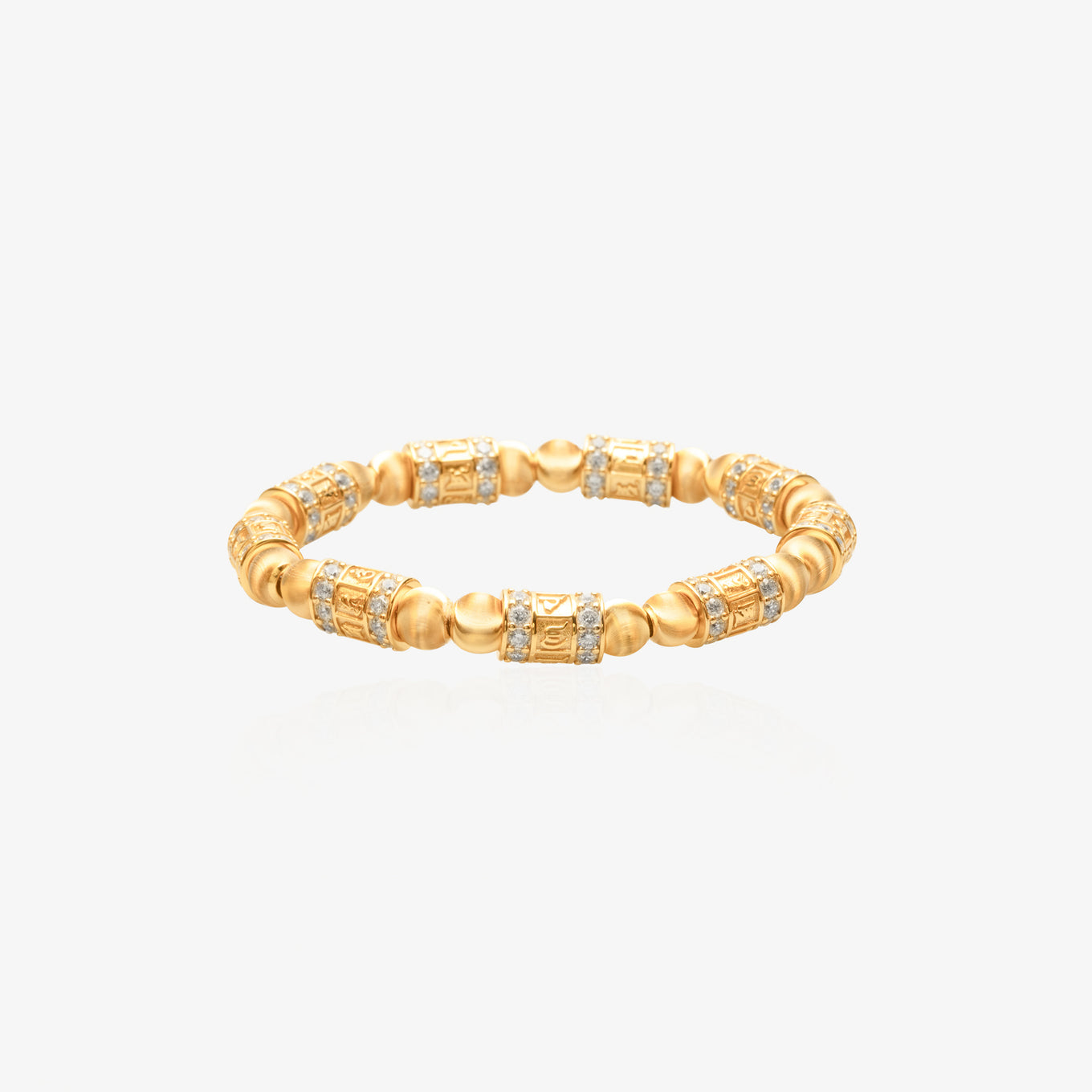
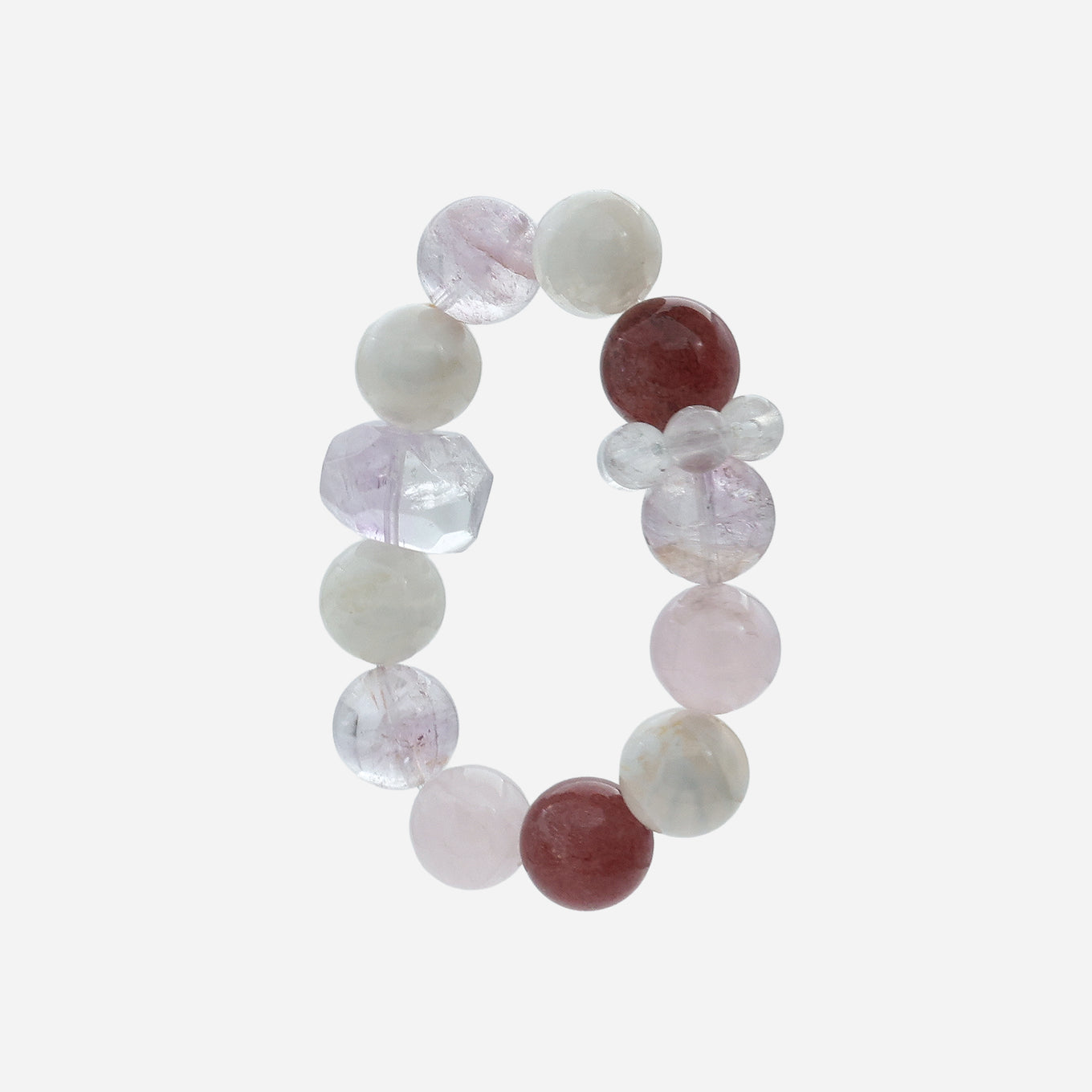
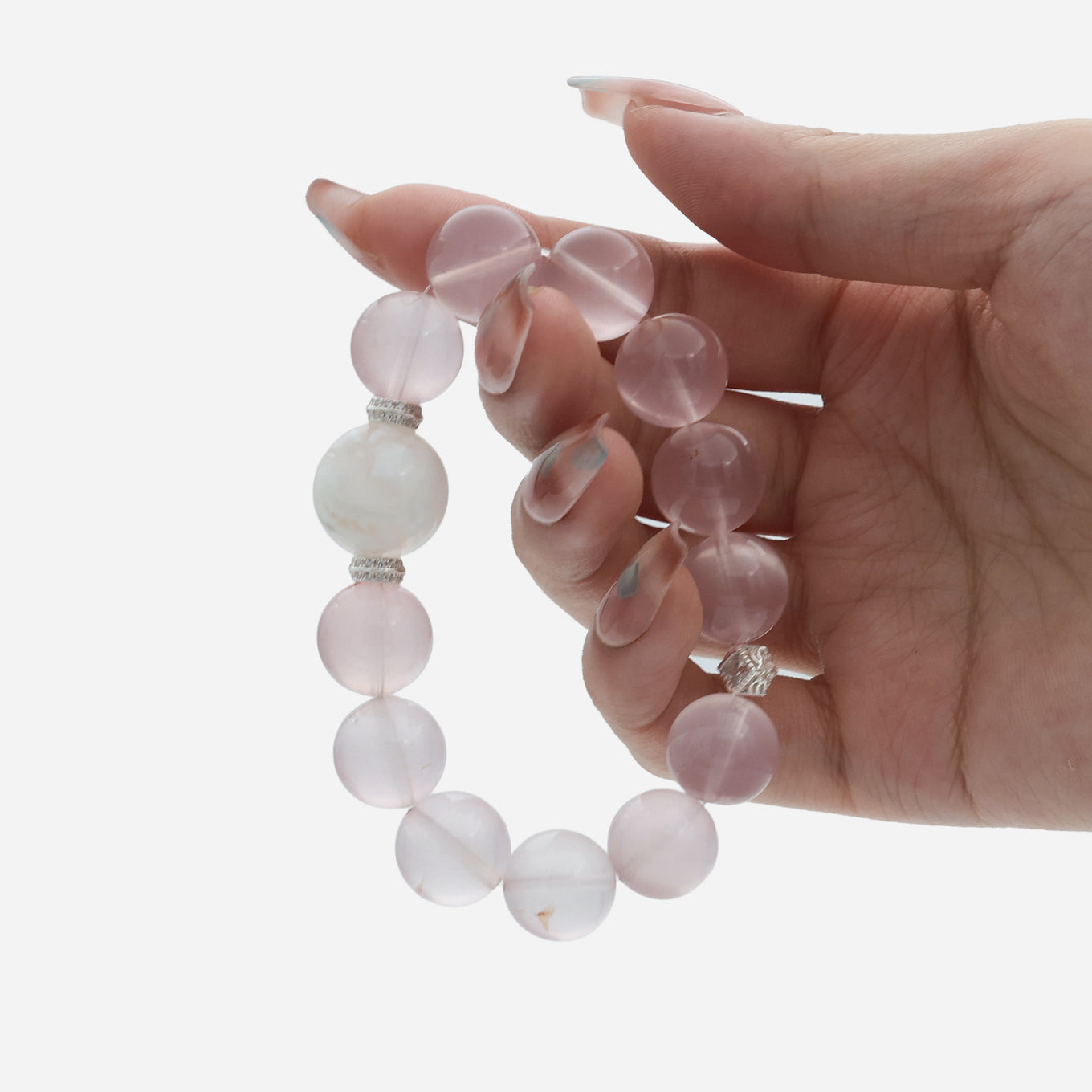
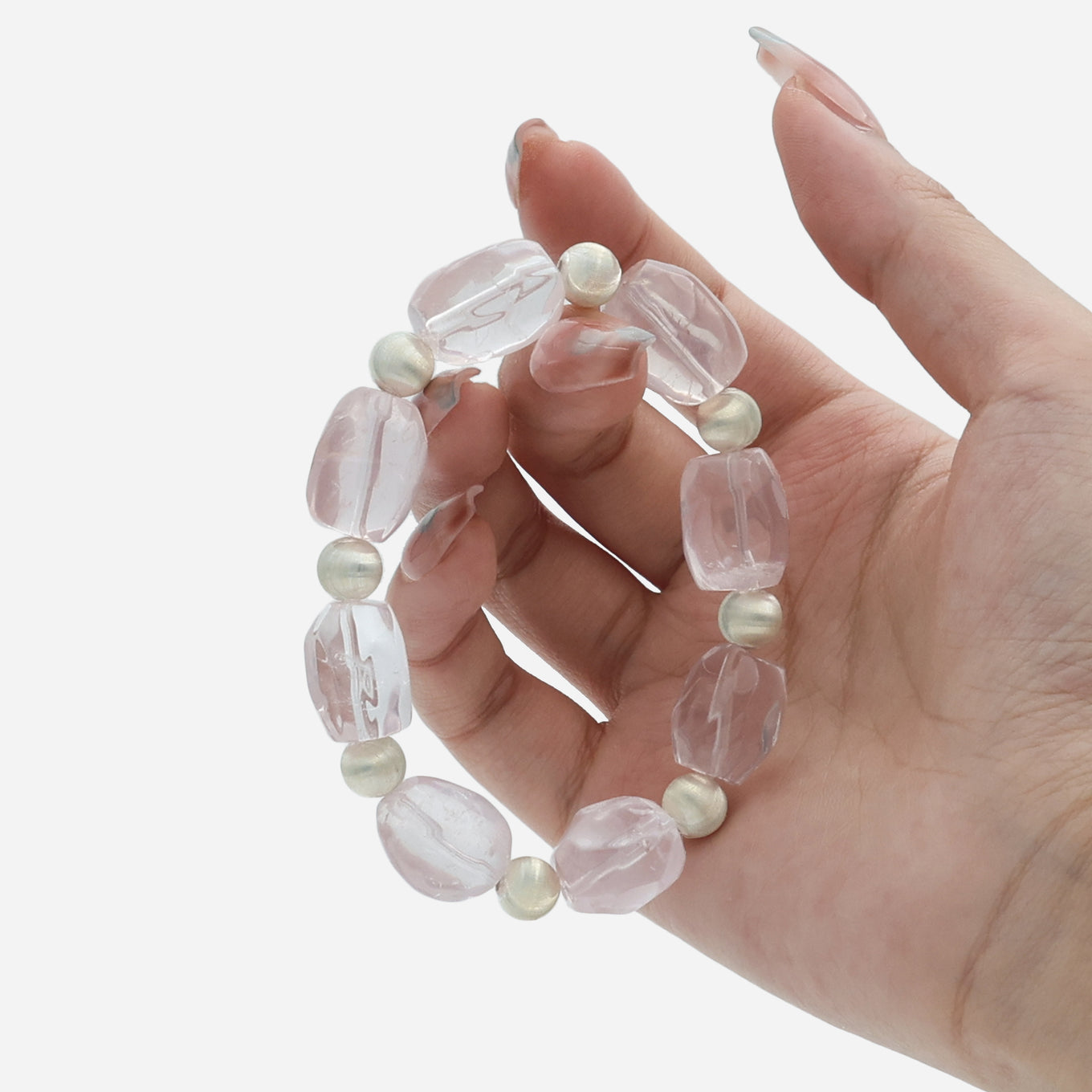
Semi-precious stone beads strung on elastic or wire, with small metal charms interspersed among the stones. The Crystal Multi-Gemstone Stack represents this category — multiple natural gemstones, each with its own symbolic weight, worn alone or stacked.
The beads themselves function as charms: every stone carries a meaning (amethyst = clarity, rose quartz = love, citrine = abundance), so the bracelet works as a wearable intention-setting ritual.
3. The Talismanic Wrap Bracelet
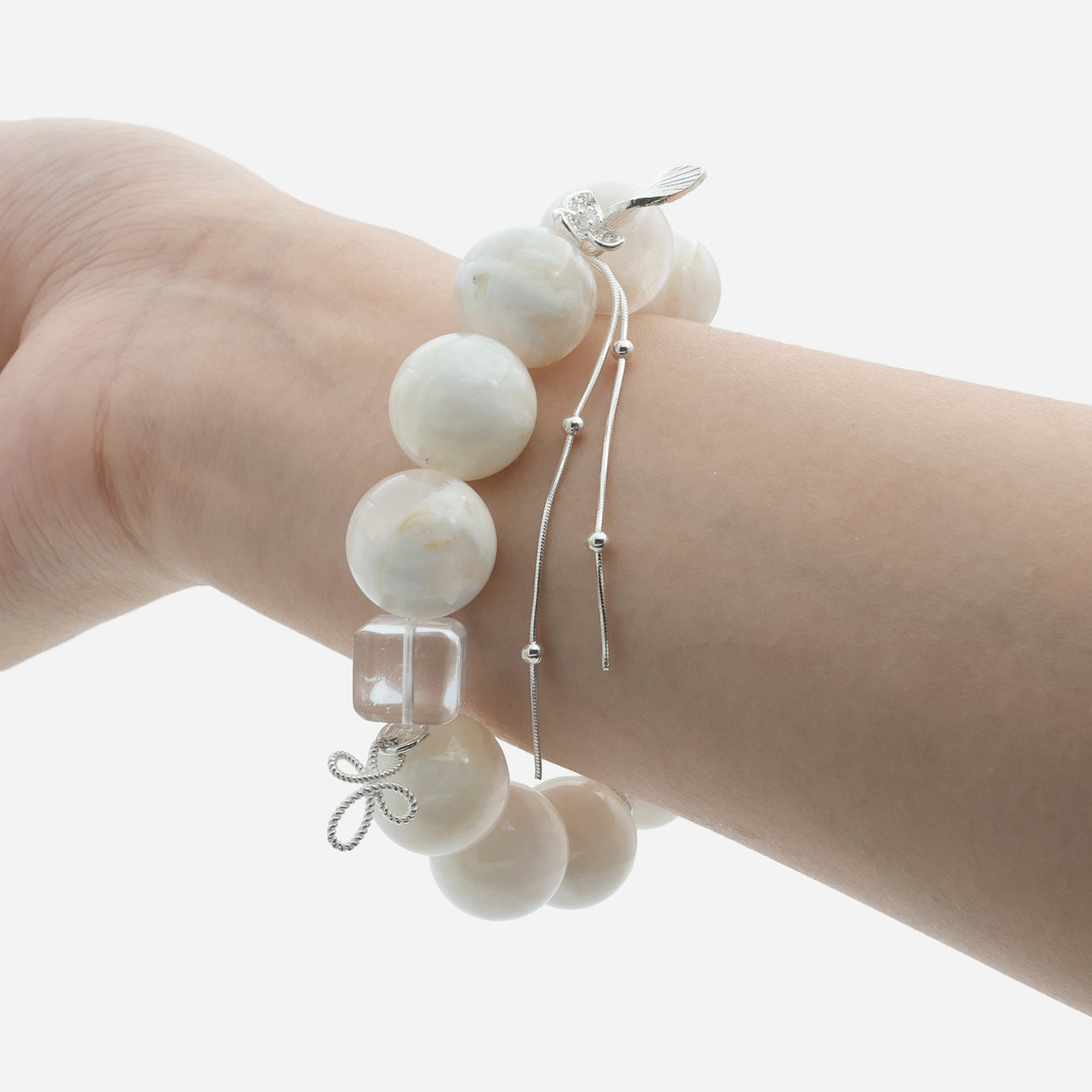
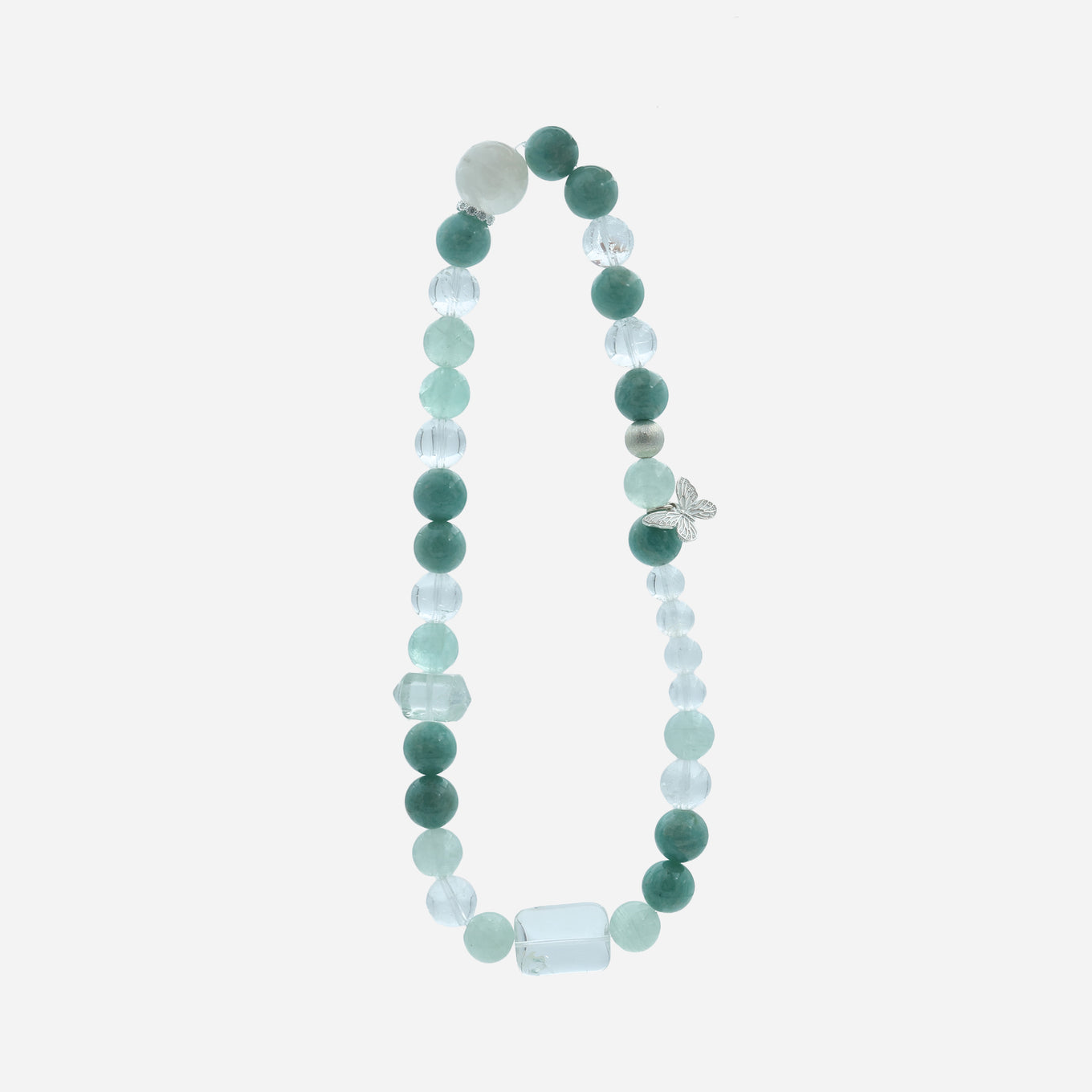
A longer chain or cord wrapped multiple times around the wrist, with charms distributed along its length. The Amazonite & Quartz Wrap Bracelet is this form at its most intentional: a silver butterfly charm on a multi-wrap cord of amazonite and quartz — the butterfly representing transformation, the amazonite calming anxiety, the quartz amplifying intention. One wrap, three layers of meaning.
4. The Statement Charm Cuff
A rigid cuff with a single, bold charm element integrated into the design — not clipped on but built in. This is the architectural end of charm bracelets: the charm is structural, not additive.
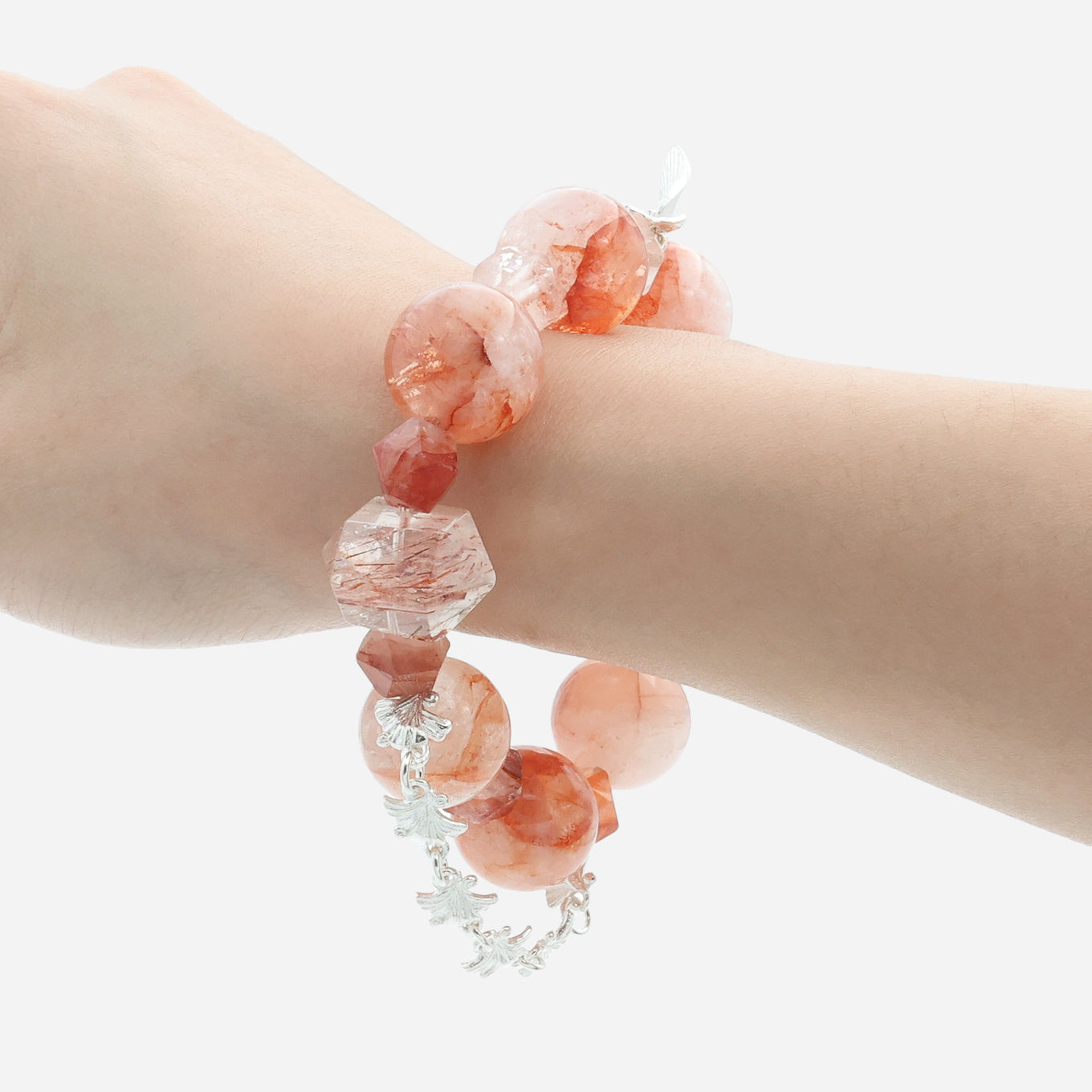
The Red Rutilated Quartz Bracelet straddles this category: a geometric quartz center that functions like a charm in visual weight and symbolic force, mounted on an adjustable chain rather than a rigid cuff.
How to Style a Charm Bracelet in 2026 Without Looking Like 2005
The Pandora-era aesthetic — a jangling, overloaded bracelet with 17 beads and 3 dangling charms — is not coming back. The 2026 charm bracelet is quieter, more curated, and more personal.
The Rule of Three: One wrist, maximum three bracelets stacked. One charm bracelet + one plain chain + one beaded bracelet = curated wrist. Five charm bracelets stacked together = a wind chime on your arm.
A Gold Coin Charm Bracelet stacked with a Crystal Multi-Gemstone Stack and a thin plain bangle hits the rule of three with textural variety: metal charm + gemstone beads + smooth metal.
Intentional silence: Unlike the mid-2000s approach of "add charms until the bracelet is full," the 2026 approach is "add charms until the bracelet is finished" — which might mean one charm. Negative space on a bracelet is not empty; it is room to grow. Each charm you add should be a chapter, not a sentence. If you only have three meaningful moments, wear three charms. The rest of the chain is for the future.
Metal mixing is mandatory: A single-metal charm bracelet reads as too precious. Mix a gold charm bracelet with silver beaded bracelets, or vice versa.
The Gold Coin Charm Bracelet in Premium 18K Gold Plating plays beautifully against sterling silver cuffs or oxidized chains — the warm gold charm pops against the cool silver, and the visual tension makes the whole stack look intentional rather than accidental.
The Charm Bracelet as Talisman: Ritual, Intention, and Personal Mythology
The word "charm" comes from the Latin carmen — a song, an incantation. Before charms were decorative, they were functional: objects believed to protect the wearer from specific harms — illness, bad luck, evil spirits. A charm was not a souvenir; it was a shield.
In 2026, the functional dimension is returning — not as superstition but as intention-setting. A Chinese coin charm worn daily is not literally warding off poverty; it is reminding the wearer of abundance as a daily practice. A butterfly charm is not literally transforming the wearer; it is anchoring the intention of becoming. This is the intersection where jewelry meets ritual, and it is the most potent territory for the modern charm bracelet.
How to build your personal charm bracelet ritual:
1. Choose the anchor charm — the one that represents where you are now. Not where you want to be, not where you were. Now.
2. Set an intention — not "I want more money" but "I notice abundance when it arrives." The charm becomes a trigger for an internal practice, not a lucky token.
3. Wear it for 30 days before adding a second charm.
This forces intentional progression rather than charm-hoarding.
4. Add a charm for milestones, not impulses. A promotion, a birth, a year of therapy — yes. A cute charm you saw on Instagram — no. The bracelet is your biography, not your mood board.
The ÉLARAMUSE Standard
We believe a charm bracelet should survive the life it documents. Every piece in our collection is built on the same foundation: solid Ag925 sterling silver, Premium 18K Gold Plating, and water-resistant durability — because your bracelet should never be the fragile thing in your life.
| Feature | Specification |
|---|---|
| Base Metal | Solid Ag925 Sterling Silver (92.5% pure silver) |
| Plating | Premium 18K Gold Plating — 0.5-micron thickness |
| Safety | 100% Nickel-Free, Hypoallergenic |
| Durability | Water-resistant, Tarnish-resistant — shower-safe, gym-to-office |
| Chain | Adjustable Cuban link — fits wrists 6″–8″ with extender |
| Charms | Permanent, precision-set attachments — no clip-ons that snag and fall off |
Unlike mass-market charm bracelets with brass cores and nickel-heavy plating that triggers skin reactions by the second wear, every ÉLARAMUSE charm bracelet uses Ag925 silver as its structural core — the same foundation used in fine jewelry at a fraction of the markup.
Unlike the Pandora model, where the bracelet is an empty platform designed to sell you more beads forever, our charm bracelets arrive as complete talismans — wearable on day one, expandable only by you, on your timeline, with charms that carry meaning, not just millimetres.
Editor's Picks: Charm Bracelet Essentials
Gold Coin Charm Bracelet | Chinese Lucky Coin Chain | Adjustable Cuban Link | ÉLARAMUSE: Gold Coin Charm Bracelet | Chinese Lucky Coin Chain | Adjustable Cuban Link | ÉLARAMUSE — A fully loaded talisman bracelet in 18K gold. Good fortune, zero assembly required.
Red Rutilated Quartz Bracelet | Geometric Fire Quartz Talisman: Red Rutilated Quartz Bracelet | Geometric Fire Quartz Talisman — Red rutilated quartz with internal golden needles — every stone IS the charm.
Amazonite & Quartz Wrap Bracelet | Silver Butterfly | Healing Crystal: Amazonite & Quartz Wrap Bracelet | Silver Butterfly | Healing Crystal — Raw amazonite on adjustable cord. Organic, unpolished, impossible to replicate.
Frequently Asked Questions
Q: How many charms should a charm bracelet have?
A: In 2026, fewer is more. One charm on a clean chain is a statement. Three to five charms tells a story. More than ten charms and you are approaching the 2005-era jingle-jangle aesthetic — which is a valid choice, but make it consciously, not by accident. Start with one meaningful charm and add a second only when a genuine milestone arrives.
Q: What is the difference between a charm bracelet and a tennis bracelet?
A: A tennis bracelet is a symmetrical line of identical stones with no thematic variation — pure repetition. A charm bracelet is asymmetrical by design, with each charm carrying individual meaning. Tennis bracelet = rhythm. Charm bracelet = narrative.
Q: Can I wear a charm bracelet with a watch?
A: Yes, on opposite wrists. Watch on the left, charm bracelet on the right creates balance without crowding. If you insist on wearing both on the same wrist, choose a thin, flexible charm bracelet and place it behind the watch face — charm closer to elbow, watch toward hand.
Q: How do I keep a charm bracelet from tangling or snagging on sweaters?
A: Choose bracelets with permanent, low-profile charm attachments rather than clip-on dangles. The Gold Coin Charm Bracelet uses a fixed coin charm that sits flush against the wrist — no dangle, no snag, no catching on knitwear. A flush-mount charm is the single best defense against the charm-bracelet snag problem.
Q: Are charm bracelets still in style in 2026?
A: The charm bracelet is back, but not the version you remember from 2005. The 2026 iteration is quieter, more curated, and driven by personal meaning rather than brand loyalty. The shift is decisively from "collect them all" to "choose the ones that mean something."
What We Believe
We believe a charm bracelet is the most intimate piece of jewelry a person can own. Rings mark commitments. Necklaces mark style. But a charm bracelet marks a life — the milestones, the private victories, the intentions no one else needs to understand. And if sculptural, hardware-inspired bracelets speak your design language, our Cartier Love bracelet alternatives guide showcases pieces with that same iconic, architectural presence. You do not buy a charm bracelet. You build it, over years, one talisman at a time. That pace — slow, deliberate, personal — is the art of becoming. Be your own muse. Build your own mythology.
References & Further Reading
- Victoria and Albert Museum — Charm Bracelet Collection: Personal Narratives in Jewelry
- The Metropolitan Museum of Art — Jewelry Through the Ages: Amulets and Talismans
- GIA Gem Encyclopedia — Gemstone Properties and Hardness Ratings for Semi-Precious Bracelet Stones