Baroque Pearl Jewelry Guide 2026: Shapes, Styling & Buying
If you think pearls mean prim twin sets and grandmother's jewelry box, baroque pearls are here to rewrite that story entirely. These gloriously irregular gems—named from the Portuguese barroco, meaning "imperfect pearl"—have become the defining jewelry trend of 2026. Not despite their asymmetry. Because of it.
📚 In This Guide
- What Are Baroque Pearls? The Science Behind Irregular Beauty
- The Baroque Pearl Shape Taxonomy: 6 Forms Every Collector Should Know
- Why Baroque Pearls Are the Defining Jewelry Trend of 2026
- Behind the Design: Why I Build Collections Around Baroque Pearls
- How to Style Baroque Pearl Jewelry: A Seasonal & Occasion Guide
- How to Buy Baroque Pearl Jewelry: A Quality-First Framework
- Baroque Pearl Jewelry Care & Longevity
- Baroque vs. Round vs. Keshi Pearls: The Comparison Matrix
- FAQ: Baroque Pearl Jewelry
Unlike perfectly round cultured pearls, which require mollusks to produce identical spheres (a feat of biological engineering), baroque pearls form freely—each one a fingerprint of the oyster or mussel that created it. The result is jewelry that feels alive: sculptural, one-of-a-kind, and refreshingly impossible to mass-replicate.
Whether you're buying your first baroque piece or adding to a growing collection, this guide covers everything you need to know—from shape classification to seasonal styling to quality evaluation. Because in 2026, the most interesting jewelry isn't perfect. It's personal.
🧸 Quick Answer: What Makes Baroque Pearls Special?
Baroque pearls are genuine pearls with irregular, non-spherical shapes—formed naturally when nacre (mother-of-pearl) layers deposit unevenly inside a mollusk. They're celebrated for their sculptural uniqueness (no two are identical), artistic versatility, and more accessible price point compared to perfectly round pearls of equivalent size and luster. Every baroque pearl is, quite literally, a one-of-a-kind artwork produced by nature.
📸 Visual: Baroque Pearl Shape Comparison — A curated flatlay showing 6 baroque pearl shapes (coin, rice, stick, keshi, circled, freeform) against raw linen background, natural side lighting. Credits: ÉLARAMUSE Studio.
What Are Baroque Pearls? The Science Behind Irregular Beauty
Every pearl—round or baroque—begins the same way: an irritant enters a mollusk, and the creature responds by coating it in concentric layers of nacre (crystalline calcium carbonate and organic proteins). The difference lies in how evenly those layers are deposited.
In round cultured pearls, a spherical bead nucleus is surgically implanted, and the mollusk is carefully managed to deposit nacre uniformly around it—a process the Gemological Institute of America (GIA) describes as requiring precise biological and environmental conditions.
Baroque pearls form when nacre deposition becomes uneven: the pearl sac rotates, the mollusk shifts, or the nucleus itself is irregular. The result is a pearl that twists, bulges, elongates, or undulates—every curve a record of its creation. What's remarkable is that baroque pearls share the identical material composition as their perfectly round counterparts. A baroque freshwater pearl and a round freshwater pearl from the same farm contain the same nacre structure—they simply express it differently.
💡 Key distinction: Baroque ≠ low quality. It's a shape category, not a grade. Some of the world's most valuable natural pearls—including pearls that have sold at auction for millions—are baroque in form. The GIA itself notes that well-formed baroque cultured pearls are "prized by pearl lovers" and can rival round pearls in value when luster and surface quality are exceptional.
The Baroque Pearl Shape Taxonomy: 6 Forms Every Collector Should Know
Not all baroque pearls look alike. Understanding the distinct shape categories transforms you from a casual admirer into an informed collector. Here are the six primary baroque forms you'll encounter in fine jewelry:
| Shape | Appearance | Best Styled As |
|---|---|---|
| Coin | Flattened, disc-like; often nearly circular in profile but compressed along one axis | Statement pendants, earrings, stacked bracelets—the flat surface catches light dramatically |
| Rice | Small, elongated ovals resembling grains of rice; often cross-drilled for strands | Multi-strand necklaces, tin-cup chains, delicate bracelets—subtle texture that moves with you |
| Stick / Biwa | Long, thin, rod-like; originally from Lake Biwa, Japan; now farmed globally | Architectural earrings, asymmetrical pendants—linearity creates striking negative space |
| Keshi | Seedless pearls (no nucleus); pure nacre, often with intense luster and organic contours | High-luster stud earrings, collector-grade pendants—keshi pearls punch above their size in brilliance |
| Circled / Ringed | Round-ish pearls with concentric grooves or rings encircling the surface | Textured necklaces, boho earrings—the rings add visual rhythm to strands |
| Freeform / Abstract | Completely irregular; no discernible geometric pattern; pure organic sculpture | Solo pendants, cocktail rings—conversation pieces that demand the spotlight |
At ÉLARAMUSE, we work predominantly with freeform and rice baroque freshwater pearls—their organic silhouettes align with our design philosophy of celebrating nature's unpredictable beauty.
Our Woven Pearl Necklace ($73), for instance, strings delicate rice pearls through a gold vermeil basket weave setting inspired by French pastoral craft. Each pearl in the strand carries its own subtle asymmetry, creating movement and texture impossible to achieve with uniform rounds.
📸 Visual: Woven Pearl Necklace detail shot — Rice-shaped baroque pearls threaded through gold vermeil basket weave. Model: lifestyle, soft natural light, cream knitwear. Credits: ÉLARAMUSE Studio.
Why Baroque Pearls Are the Defining Jewelry Trend of 2026
The baroque pearl renaissance isn't a fleeting micro-trend—it's the culmination of a decade-long cultural shift toward authenticity in luxury. Three forces have converged to make 2026 the year of the irregular pearl:
1. The Anti-Algorithm Aesthetic. After years of algorithmically optimized feeds showing identical aesthetics, consumers are gravitating toward objects that resist replication. A baroque pearl is nature's original limited edition—no filter, no factory, no two alike. This resonates deeply with a generation that values personal expression over mass conformity.
2. Designer Adoption at the Highest Level. Baroque pearls have walked every major runway from 2024 through 2026. Independent jewelry designers—ÉLARAMUSE included—have embraced baroque forms for their sculptural potential, treating each pearl as a miniature artwork rather than a standardized bead. The result is jewelry that reads as art, not ornament.
3. The "Quiet Luxury" Evolution. As overt branding recedes, the markers of true luxury have shifted toward material integrity and craftsmanship. Baroque pearls signal "I understand quality" without a logo. Their organic imperfection telegraphs confidence—the confidence to wear something that doesn't conform to traditional standards of "perfect."
Unlike traditional round pearl strands—which can feel formal, prescribed, and tied to specific dress codes—baroque pearl jewelry operates across the full spectrum of personal style. It's as comfortable with distressed denim and a white tee as it is with silk eveningwear. Isn't that what modern luxury should feel like?
Behind the Design: Why I Build Collections Around Baroque Pearls
When I founded ÉLARAMUSE, I knew I wanted pearls—but not the pearls you'd expect.
I spent months sourcing, handling hundreds of pearl samples across farms in Zhuji (China's freshwater pearl capital) and beyond. Every time, my hand gravitated toward the irregulars: the pearl with a subtle ridge down one side, the one that bulged asymmetrically like a tiny Henry Moore sculpture, the rice pearl that caught light in three directions at once.
The Pallas Pearl Cuff ($129) was born from this obsession. The design is simple—an open gold cuff with a freshwater pearl and Austrian crystal accent at each terminal—but the pearl selection is painstaking. We reject roughly 60% of candidate pearls because their luster isn't sharp enough, their surface markings too prominent, or their shape doesn't create the right visual tension against the clean architectural line of the cuff.
A round pearl would sit passively in this setting. A baroque pearl activates it—the asymmetry makes your eye travel, return, discover something new each time. That's the baroque pearl design principle in one sentence: a round pearl decorates; a baroque pearl engages.
📸 Visual: Pallas Pearl Cuff — Model wrist shot, open cuff with baroque freshwater pearl and crystal accents, gold vermeil finish, natural daylight, neutral styling. Credits: ÉLARAMUSE Studio.
How to Style Baroque Pearl Jewelry: A Seasonal & Occasion Guide
The supreme versatility of baroque pearls lies in their ability to shapeshift across contexts. Here's how to wear them through every season and scenario:
🌸 Spring/Summer: Bare Skin & Natural Light
Beach Wedding Guest: A single dramatic baroque pearl pendant on a long chain against sun-kissed skin. The pearl's organic silhouette echoes seashells and driftwood—effortlessly thematic without trying. Pair with linen, silk slip dresses, or open-back silhouettes.
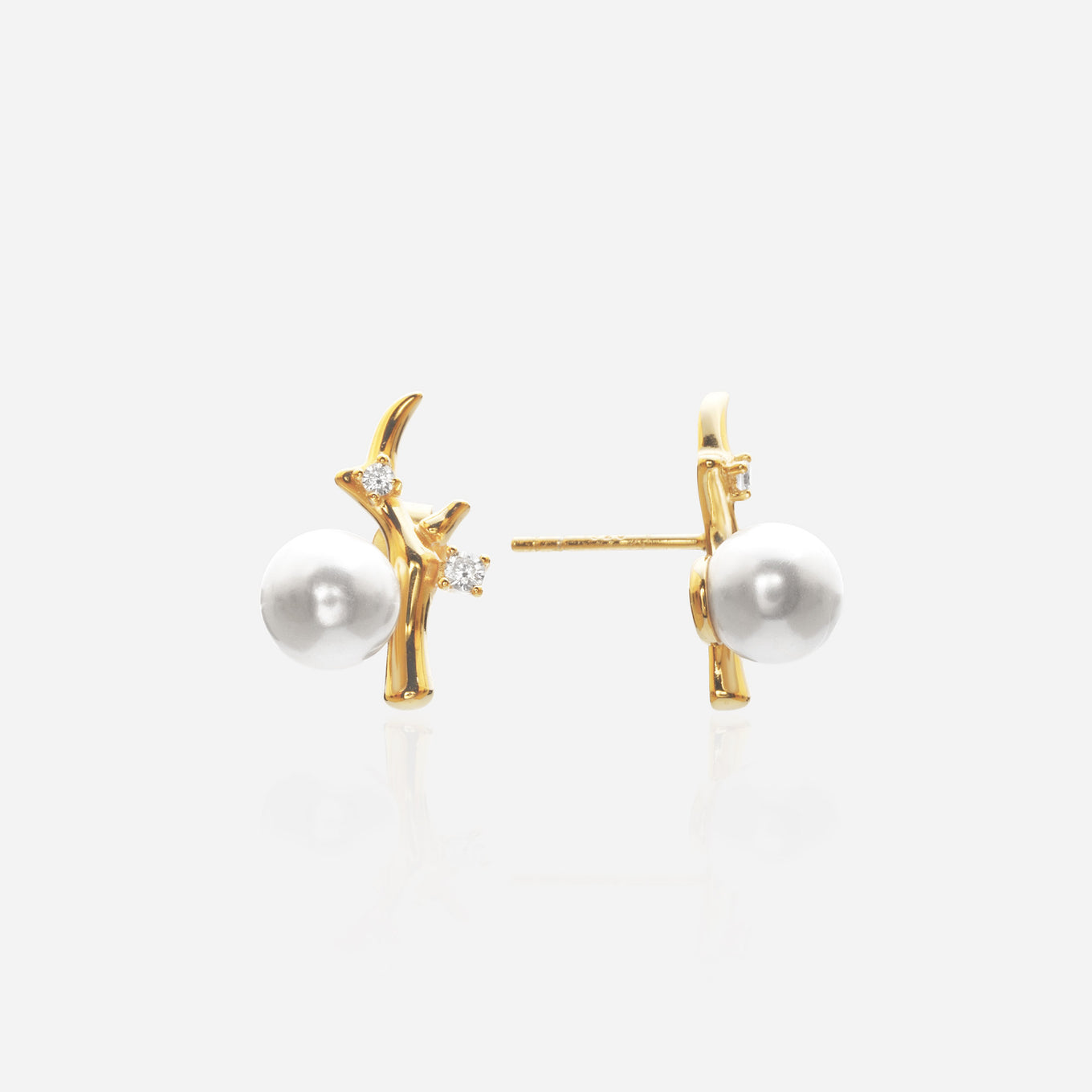
Weekend Brunch: Rice pearl stud earrings or small coin pearl drops. These add texture without weight—perfect with oversized sunglasses, a crisp poplin shirt, and a spritz. Our Gold Coral Branch Earrings ($36) pair crystal pearls with organic coral-inspired goldwork for a look that feels curated but never overthought.
Creative Office: A baroque pearl bracelet stacked with a fine chain or watch. The texture contrast reads as intentional and design-aware. The Pallas Pearl Cuff ($129) does double duty here—sculptural enough to stand alone, slim enough to stack.
🍂 Fall/Winter: Texture Play & Layered Drama
Holiday Party Statement: This is where freeform baroque pearls dominate. A large abstract-form pearl pendant over a black turtleneck creates a gallery-opening level of impact. The contrast between the severe, opaque fabric and the pearl's luminous, organic curves is pure visual theater.
Cozy Luxe Weekend: Layer a baroque tin-cup necklace over a cashmere crewneck. The pearls punctuate the expanse of knit without feeling fussy. Stick pearls work especially well here—their elongated linearity creates vertical rhythm against the horizontal ribbing of knitwear.
Professional Power Dressing: Baroque pearl drop earrings with a sharply tailored blazer. The juxtaposition of organic form against architectural tailoring signals someone who understands that true style lives in dichotomies. Our Gold Butterfly Pearl Earrings ($45) with satin-finish gold wings and luminous pearl drops nail this tension perfectly.
How to Buy Baroque Pearl Jewelry: A Quality-First Framework
Baroque doesn't mean "anything goes." Quality still matters—and in some ways, it's harder to evaluate baroque pearls because you can't fall back on "is it perfectly round?" as a proxy. Use this five-factor framework adapted from GIA pearl grading standards:
| Factor | What to Look For | Red Flags |
|---|---|---|
| Luster | Sharp, bright reflections with good contrast. You should see your reflection—even on an irregular surface. | Chalky, dull, or matte surface. Pearl looks like painted ceramic rather than luminous nacre. |
| Surface Quality | Minor natural texture is expected and adds character. Small dimples, gentle ridges are acceptable. | Deep cracks, peeling nacre, large pits, or visible drill-throughs compromising structure. |
| Nacre Thickness | Thick, even nacre. Good freshwater baroque pearls show no nucleus beneath. Hold to light to check. | Nucleus visible beneath nacre (translucency in spots), chalky appearance indicating thin coating. |
| Color & Overtone | Rich bodycolor (white, cream, pink, lavender) with subtle overtone shimmer. Multi-dimensional color is premium. | Flat, one-dimensional color. Overly bleached or dyed appearance. Unnatural uniformity. |
| Setting/Mounting | Secure, well-fitted settings. Pearl sits firmly. Premium 18K Gold Plating over sterling silver base. Smooth drill holes. | Glue-visible settings, loose pearls, rough drill holes, base metal that will tarnish quickly. |
For freshwater baroque pearl jewelry in the $30–$150 range (where ÉLARAMUSE operates), prioritize luster above all else. A baroque pearl with mediocre shape but brilliant luster will always outshine one with an interesting silhouette but zero glow.
All ÉLARAMUSE pearls are individually selected for luster and surface quality before being set—we reject pearls that don't meet our reflectivity threshold, regardless of how interesting their shape might be. That's the commitment behind the Treasure Knot Pearl Ring ($99), where the freeform pearl crown must earn its place through both shape character and brilliance.
Baroque Pearl Jewelry Care & Longevity
Pearls are organic gemstones (2.5–4.5 on the Mohs hardness scale), which means they require gentler care than diamonds or sapphires. The irregular surface of baroque pearls demands extra attention with those textured ridges and valleys:
• Storage: Store baroque pearl jewelry separately in a soft pouch or lined compartment. The irregular protrusions can scratch against harder jewelry. Never store pearls in plastic bags—they need to breathe.
• Cleaning: After each wear, gently wipe pearls with a soft, slightly damp microfiber cloth. For deeper cleaning, use lukewarm water with a drop of mild soap, then pat dry immediately. Never soak pearls.
• What to Avoid: Perfume, hairspray, cosmetics, chlorine, ultrasonic cleaners, steam cleaners, and direct sunlight for extended periods. The "last on, first off" rule applies: put pearls on after your beauty routine, remove them first when you get home.
• Restringing: Pearl strands (especially baroque strands where uneven weight distribution accelerates thread wear) should be restrung every 1–2 years with regular wear. Knot between each pearl to prevent loss if the strand breaks.
Baroque vs. Round vs. Keshi Pearls: The Comparison Matrix
We believe jewelry should be chosen with intention, not obligation. Baroque pearls, round pearls, and keshi pearls each speak a different design language—none is categorically "better," but one will feel unmistakably yours. Understanding their differences is the first step toward finding the pearl that becomes your talisman, not just another item in your jewelry box.
Here's how the three most discussed pearl categories stack up:
| Feature | Baroque Pearls | Round Pearls | Keshi Pearls |
|---|---|---|---|
| Shape | Irregular, organic, non-spherical | Near-perfect spheres | Seedless, freeform, pure nacre |
| Formation | Uneven nacre deposition around nucleus | Uniform nacre around spherical bead nucleus | No nucleus at all—100% nacre |
| Luster | Varies widely; high-quality baroque can be brilliant | Consistent; luster depends on nacre quality | Often exceptional—pure nacre produces intense luster |
| Uniqueness | ★★★★★ Every piece is one-of-a-kind | ★★☆☆☆ Nearly identical within a grade | ★★★★☆ Highly individual |
| Price (eq. size/luster) | $$ Most accessible | $$$$ Premium for perfect spheres | $$$ Mid-to-high (rarity factor) |
| Best For | Artistic, modern, everyday-to-evening versatility | Traditional elegance, formal occasions, heirlooms | Collectors, luster connoisseurs, statement pieces |
| Style Vibe | Sculptural, confident, contemporary | Classic, refined, timeless | Artisanal, rare, luminous |
The blunt truth: If you want jewelry that telegraphs "traditional luxury," buy round pearls. If you want jewelry that telegraphs "I have taste and I don't need anyone's approval to prove it," buy baroque. If you're a collector chasing the most luminous, structurally pure pearls money can buy, keshi is your category.
For everyone else—for the woman who wears jewelry as self-expression, not status signaling—baroque pearls deliver the highest style impact per dollar spent. They're how you become your own muse, not someone else's standard of "perfect."
"A round pearl is nature following instructions. A baroque pearl is nature expressing an opinion."
— Joyce, Founder & Designer, ÉLARAMUSE
Editor's Picks: The Baroque Pearl Edit
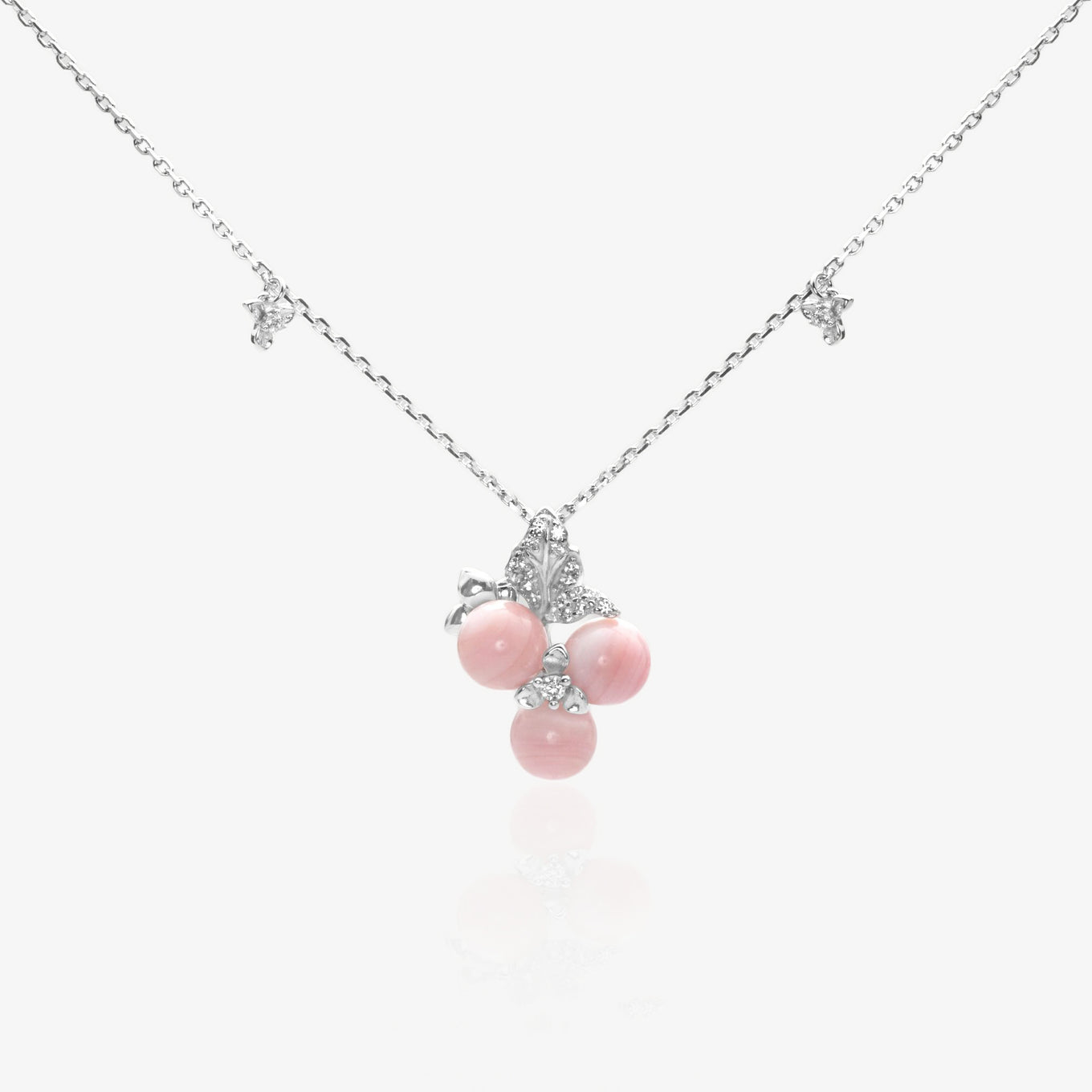
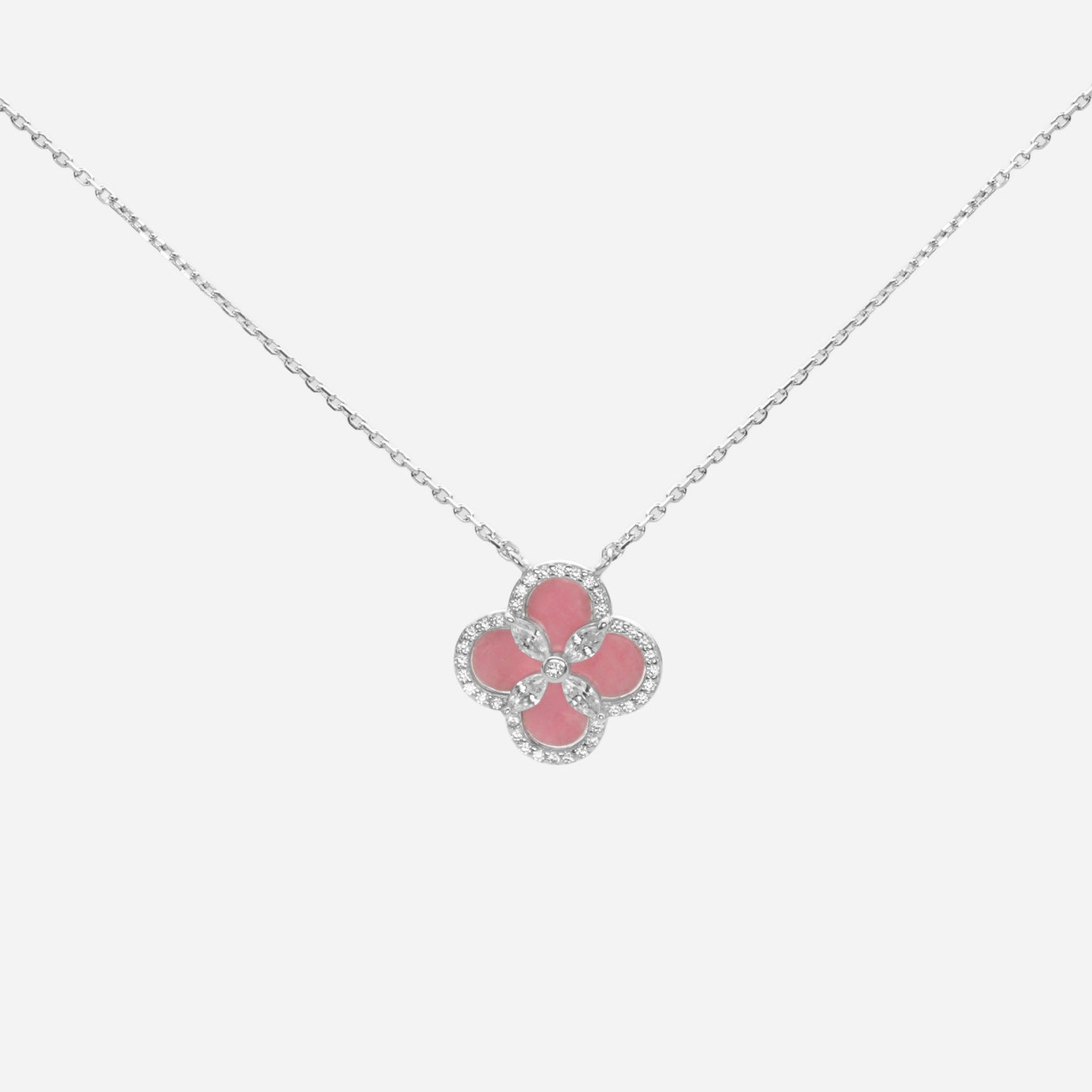
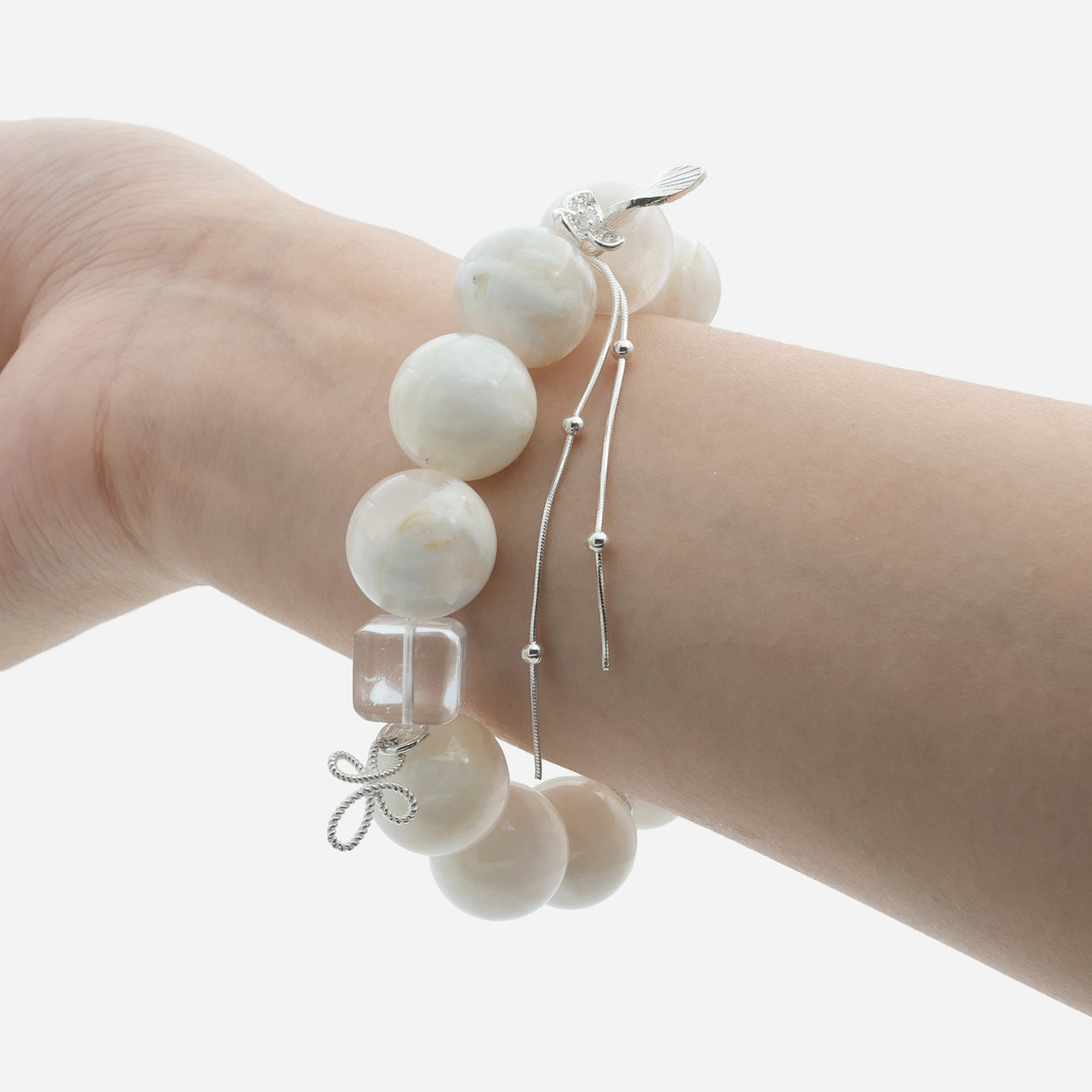
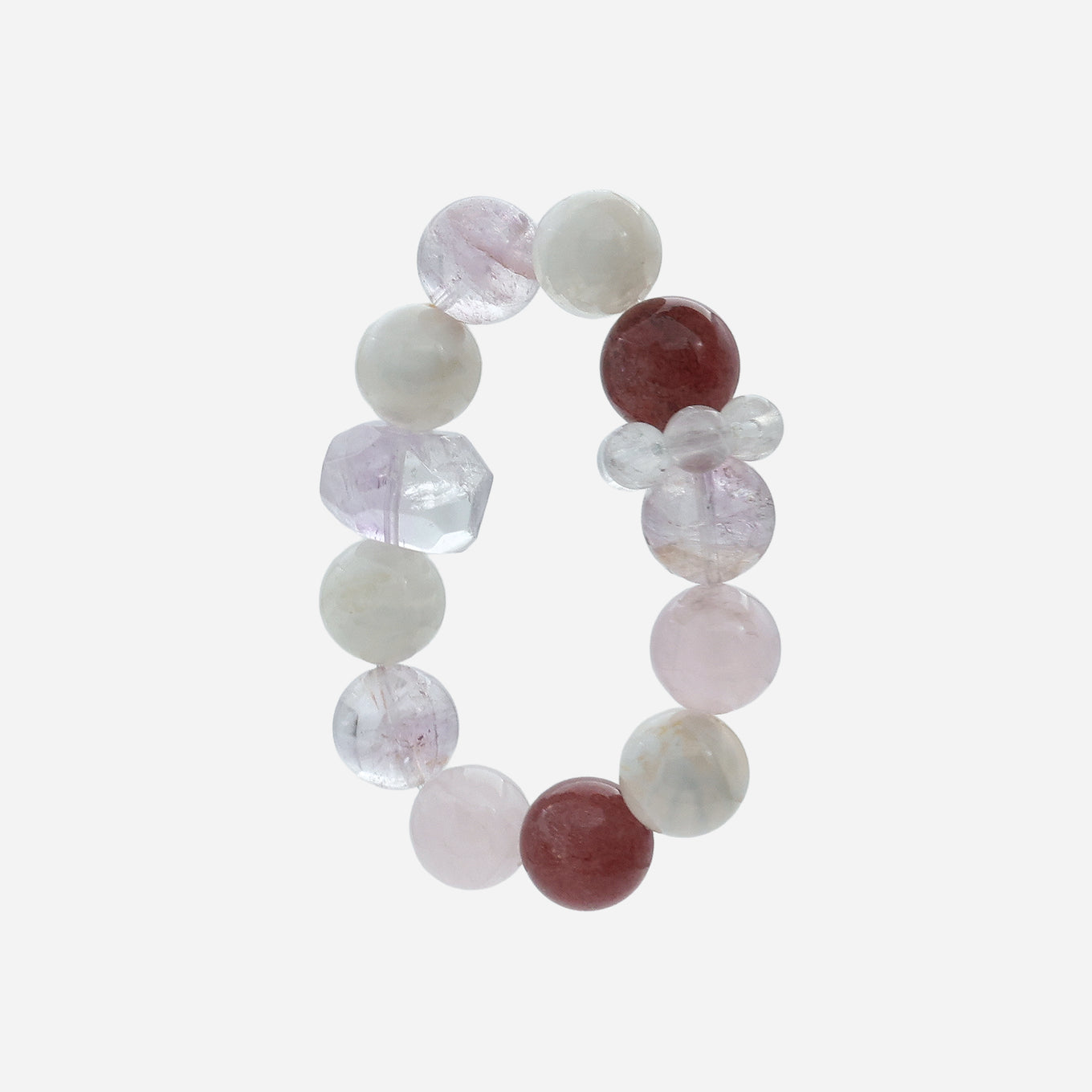
Curated from the ÉLARAMUSE collection—each piece individually pearl-selected for shape character and luster:
Explore the full collection: Shop All ÉLARAMUSE Jewelry →
📖 Continue Reading: Pearl Jewelry Guides
- → The Complete Pearl Necklace Guide: Types, Lengths & How to Choose
- → Pearl Ring Guide 2026: Styles, Meanings & How to Wear
- → How to Wear Pearl Jewelry Every Day: A Modern Styling Guide
- → Mother of Pearl Jewelry Guide: Meaning, Style & Care Tips
- → The Complete Jewelry Care Guide: How to Make Your Pieces Last
🔬 Sources & Further Reading
- → GIA: Pearl Quality Factors — The definitive grading framework for all pearl types, including baroque
- → V&A Museum: The Baroque Style — Etymology and cultural history of the baroque aesthetic from pearl to art movement
- → Merriam-Webster: Baroque Definition — "Baroque came to English from the French word barroque, meaning 'irregularly shaped.' At first, the word in French was used mostly to refer to pearls."
FAQ: Baroque Pearl Jewelry
Q: Are baroque pearls real pearls?
Yes—absolutely. Baroque pearls are 100% genuine pearls formed by mollusks, identical in material composition to round pearls. The only difference is the shape: baroque pearls develop non-spherical, organic forms due to uneven nacre deposition. They are not imitation pearls or lower-grade products. In fact, some of the most valuable natural pearls in auction history (including La Peregrina) are baroque in shape.
Q: Are baroque pearls more affordable than round pearls?
Generally, yes. Culturing perfectly round pearls requires precise bead nucleation and controlled growing conditions—making them rarer and more expensive. Baroque pearls, being naturally irregular, are more common and thus more affordable. You can typically purchase a high-luster baroque pearl piece for 30–50% less than an equivalent round pearl piece. This makes baroque pearls one of the best value propositions in fine jewelry.
Q: Can I wear baroque pearls every day?
Yes—with proper care. Freshwater baroque pearls are durable enough for daily wear, provided you follow the "last on, first off" rule (put pearls on after cosmetics and perfume, remove first when undressing). Avoid exposing them to water, sweat, and chemicals. We specifically design ÉLARAMUSE baroque pearl pieces—like the Pallas Pearl Cuff and Gold Butterfly Pearl Earrings—for everyday wear with secure settings that protect the pearls during normal activity.
Q: How do I know if a baroque pearl is high quality?
Evaluate five factors in this order: (1) Luster—look for sharp, bright reflections on the surface; (2) Surface quality—minor texture is normal, deep cracks or peeling are not; (3) Nacre thickness—hold the pearl to light and check for translucency or visible nucleus; (4) Color and overtone—rich, multi-dimensional color is superior to flat or overly uniform tones; (5) Craftsmanship—secure setting, smooth drill holes, quality metal findings. All ÉLARAMUSE pearls pass individual luster and surface quality inspection before setting.
Q: How do I style baroque pearl jewelry for a formal event?
For formal occasions (weddings, galas, black-tie events), choose a single statement baroque piece and let it command the look. A freeform baroque pearl pendant on a long chain against a sleek evening gown, or baroque drop earrings with an updo hairstyle, creates maximum impact with minimum effort. The key is contrast: baroque pearls look most dramatic set against clean, architectural silhouettes—think column dresses, sharp tailoring, or minimalist silk pieces. Avoid wearing multiple large baroque pieces at once; the irregularity needs breathing room to be appreciated.
The bottom line: Baroque pearl jewelry represents the sweet spot where artistry meets accessibility. You get the prestige and luminosity of genuine pearls, the sculptural uniqueness of a one-of-a-kind artwork, and a price point that doesn't require a trust fund.
Whether you're drawn to the architectural drama of a freeform pendant, the subtle texture of a rice pearl strand, or the quiet sophistication of pearl-studded earrings, baroque pearls let you wear nature's creativity—not nature's compliance. This isn't jewelry you put on and forget. It's jewelry that becomes a ritual—a small daily decision to wear something that reflects who you are, not who tradition says you should be.
Be your own muse. Find the baroque pearl that speaks your language at the ÉLARAMUSE collection →