Types of Gold Chain Necklaces — A Complete Guide to Chain Styles & How to Wear Them
From the understated cable chain to the liquid shimmer of a herringbone, the world of gold chain necklaces is far richer than most people realize. Whether you are shopping for your first everyday chain, searching for the perfect pendant foundation, or building a layered necklace stack, understanding the different chain styles necklace designers offer is the key to making a choice you will love for years. For those interested in how to style these chains once you have chosen, our Jewelry Layering Guide pairs naturally with the fundamentals below. In this guide, we walk through nine essential types of gold chains — the most comprehensive overview of types of chain necklaces available — covering everything from durability and appearance to styling advice and pendant compatibility. By the end, you will have a clear understanding of which gold chain types suit your personal style and practical needs.
1. Cable Chain
The cable chain is the most fundamental and widely recognized of all chain necklace styles. It is constructed from uniform oval or round links connected in a simple alternating pattern — essentially the blueprint from which most other types of gold chains evolved. If you are just beginning to explore different chain styles necklace options, the cable chain is the natural starting point.
Appearance: Clean, classic, and unpretentious. Cable chains have a flat profile that sits close to the skin, making them an unobtrusive choice for daily wear. Their simplicity is their strength: they complement any outfit without drawing attention away from a pendant or the wearer's face.
Durability: Moderate. While the links are generally sturdy, thinner cable chains (under 1.5mm) can be prone to stretching or kinking under tension. We recommend choosing a mid-weight cable chain if you plan to wear it daily with a pendant.
Best for pendants: Excellent. The simple link structure allows pendants to slide freely and hang centered. For a refined example, our Gold Solitaire Necklace demonstrates how beautifully a pendant rests on a delicate cable-style foundation.
Styling tip: Cable chains are the workhorse of any layered look. We like pairing a 16-inch cable chain with a longer statement chain — they sit at different elevations and never compete.
2. Curb Chain
The curb chain is characterized by flattened, interlocking links that have been twisted so they lie flat against the skin. This is one of the most classic types of gold chains, with roots in vintage menswear that have since expanded into a unisex staple. Among all chain necklace styles, the curb chain offers one of the most versatile foundations for both solo wear and pendant pairings.
Appearance: Bold and substantial. The flat, wide links create a smooth, almost mirror-like surface that reflects light in broad flashes. Curb chains can range from delicate 2mm widths to chunky statement pieces exceeding 10mm.
Durability: High. The flattened, interlocking construction distributes weight evenly across each link, making curb chains one of the more robust options in the types of chain necklaces family.
Best for pendants: Suitable for heavier pendants. The sturdy links can support more weight without strain. A curb chain pairs naturally with bold pendants like our Gold Lock Charm Necklace.
Styling tip: A medium-width curb chain worn solo at 20 inches delivers effortless polish. For a contemporary edge, we layer it with finer chains in mixed lengths.
3. Box Chain
The box chain is built from squared-off links that form a smooth, geometric chain with a remarkably clean profile. Among all different chain styles necklace lovers gravitate toward, the box chain stands out for its precise, architectural quality. It is consistently one of the most-requested types of chain necklaces for pendant wear, and for good reason.
Appearance: Sleek and modern. Each square link connects flush with the next, creating a continuous, almost seamless line. The flat inner surface rests comfortably against the skin, while the outer edges catch light with crisp, defined reflections.
Durability: High. The squared links resist twisting and maintain their shape well under tension. A quality box chain — like our Box Chain Necklace, crafted from Premium 18K Gold Plating over S925 Sterling Silver — is built to hold up beautifully through years of daily wear.
Best for pendants: One of the best choices available. The clean, gap-free surface allows pendants to glide smoothly and sit centered. We designed our box chain specifically with pendant compatibility in mind.
Styling tip: The box chain's geometric precision plays beautifully against softer, organic pendant shapes. Try pairing it with a nature-inspired piece like our Gold Ginkgo Leaf Necklace for an elegant contrast between structure and flow.
4. Figaro Chain
The Figaro chain originated in Italy and is distinguished by a rhythmic pattern of alternating link lengths — typically one elongated link followed by two or three shorter circular links. This creates a recognizable, almost musical cadence along the chain that sets it apart from more uniform gold chain types. Among the many types of chain necklaces with European heritage, the Figaro remains one of the most recognizable and enduring.
Appearance: Distinctive and elegant. The pattern provides visual rhythm that sets it apart from simpler chain designs. Figaro chains tend to have a slightly more traditional, European feel, which we think adds character to both casual and formal looks.
Durability: Good. The alternating link structure provides reliable strength, though the elongated links can sometimes catch on fabrics if the chain is very thin. We suggest a width of 2mm or above for worry-free everyday wear.
Best for pendants: Works well, particularly with pendants that have a vintage or ornate character. The chain's own personality means it holds its own alongside statement pieces without competing for attention.
Styling tip: A Figaro chain worn alone at 18 to 20 inches makes a quietly confident statement — no pendant required. We especially like it peeking out from beneath a crisp button-down collar.
5. Rope Chain
The rope chain is created by twisting multiple small links into a spiral pattern that resembles a length of rope. This technique produces one of the most textured and light-reflective types of gold chains available, with a dimensional quality that no flat chain can replicate. It is among the most popular chain necklace styles for those who want their jewelry to catch attention from every angle.
Appearance: Rich and dimensional. The spiral weave catches light from every direction, creating a shimmering, almost braided effect. Rope chains have a rounded, substantial presence that reads as both classic and luxurious. Our Bicolor Choker | Twisted Rope Chain demonstrates how this traditional weave can feel thoroughly contemporary — and our Gilded Vine Bracelet | Twisted Rope brings the same craftsmanship and texture to the wrist.
Durability: High when well-made. The twisted construction naturally resists kinking, and the multiple contact points between links distribute tension effectively. A quality rope chain, properly cared for, can last for decades.
Best for pendants: Good, especially for medium-weight pendants. The textured surface of a rope chain adds visual interest while still letting the pendant shine. We suggest choosing a slightly heavier-gauge rope chain if you plan to wear it with a pendant regularly.
Styling tip: A rope chain at 22 inches worn alone makes a confident statement. We also love pairing it with a smooth chain like a snake or box chain for textural contrast in a layered look — the rope's dimensionality and the smooth chain's sleekness play off each other beautifully.
6. Herringbone Chain
The herringbone chain is composed of short, V-shaped links arranged in parallel rows that create a flat, flexible surface. The effect is a smooth, fabric-like chain that catches and reflects light with a distinctive liquid-metal quality. It is one of the most visually striking chain necklace styles we work with. Among all types of chain necklaces, few command attention the way a well-crafted herringbone does — it is jewelry that refuses to be ignored.
Appearance: Sleek, fluid, and luminous. A well-made herringbone chain — like our Herringbone Chain Necklace — drapes like silk and reflects light in continuous, sweeping bands. Available in both gold and silver finishes, it has a refined elegance that elevates even the simplest outfit.
Durability: Moderate, with care required. Herringbone chains can kink or fold if bent sharply, and once kinked, the damage is difficult to repair. We advise storing herringbone chains flat or hanging, and always removing them before sleep or exercise. Treat them with the same care you would give a fine silk scarf.
Best for pendants: Not recommended. The flat, smooth surface of a herringbone chain means pendants do not slide freely and can snag on the V-shaped links. We suggest wearing herringbone chains solo to let their natural beauty take center stage.
Styling tip: A herringbone chain worn at 16 to 18 inches pairs incredibly well with an off-the-shoulder top or a deep V-neck — the chain's luminous surface becomes an extension of the neckline. It is one of those rare pieces that makes an outfit feel instantly more intentional.
7. Snake Chain
The snake chain — sometimes called a Brazilian chain — is constructed from tightly connected round or slightly curved plates that form a smooth, tubular surface. The result is a chain with a silky, almost liquid flexibility and a sleek, contemporary finish. Among the various types of gold chains, the snake chain offers one of the smoothest profiles, making it a favorite in minimalist jewelry wardrobes.
Appearance: Smooth, modern, and minimalist. The tightly joined plates create an unbroken surface with a gentle, consistent shimmer rather than the sparkle of faceted chains. Our Cutout Chain Necklace takes this smooth aesthetic and adds delicate cutout detailing for an elevated interpretation of the classic snake chain silhouette.
Durability: Good, with a caveat. Snake chains are flexible and resistant to kinking in the traditional sense, but their round cross-section can make them more susceptible to crimping if crushed under heavy weight. They also tend to be lighter than box or curb chains of comparable width.
Best for pendants: Suitable for lightweight pendants. The smooth surface allows pendants to slide easily, but the tubular construction means clasps and bails need to be correctly sized. We would pair a snake chain with a delicate piece like our Emerge Necklace for a harmonious, streamlined look.
Styling tip: Snake chains are ideal for layering because their smooth, round surface resists tangling with other chains. Try stacking a 16-inch snake chain with an 18-inch rope chain for a beautiful textural interplay that feels curated rather than cluttered.
8. Marquise / Diamond-Cut Chain
A diamond-cut chain — sometimes called a marquise chain — features links that have been precision-cut with angled facets along their surface. These faceted cuts act like tiny mirrors, catching and refracting light for maximum brilliance. Among all types of gold chains, diamond-cut styles offer the most dramatic sparkle, making them a standout in any collection of chain necklace styles.
Appearance: Dazzling and refined. The faceted surface produces a continuous shimmer that rivals the sparkle of fine gemstones. Our Diamond-Cut Marquise Chain showcases this effect beautifully — each link is precisely cut to scatter light in every direction, creating a necklace that feels celebratory even on an ordinary day. It is the chain equivalent of jewelry that catches the light from across the room.
Durability: Good. The faceting process does not compromise structural integrity. However, because the cut surfaces are slightly more textured, diamond-cut chains can accumulate oils and lotions slightly faster than smooth chains. Regular gentle cleaning with a soft cloth restores their brilliance instantly.
Best for pendants: Choose wisely. The chain's own sparkle means it works best with simpler pendants that will not compete visually. A solitaire or minimalist charm is ideal. For a stunning combination, we suggest pairing a diamond-cut chain with a Gold Fleur de Lis Pendant — the pendant's classic, understated silhouette provides a beautiful counterpoint to the chain's modern brilliance.
Styling tip: A diamond-cut chain worn solo at 18 inches is all the jewelry an evening look needs. Its sparkle does the work of multiple pieces, which means less is genuinely more.
9. Bead / Ball Chain
The bead chain — also known as a ball chain — features evenly spaced metal beads or spheres strung along a fine wire or link base. This design creates a tactile, rhythmic pattern that sets it apart from link-based chain necklace styles. While not the most common entry in discussions of types of chain necklaces, bead chains bring a distinctive personality that no other style replicates.
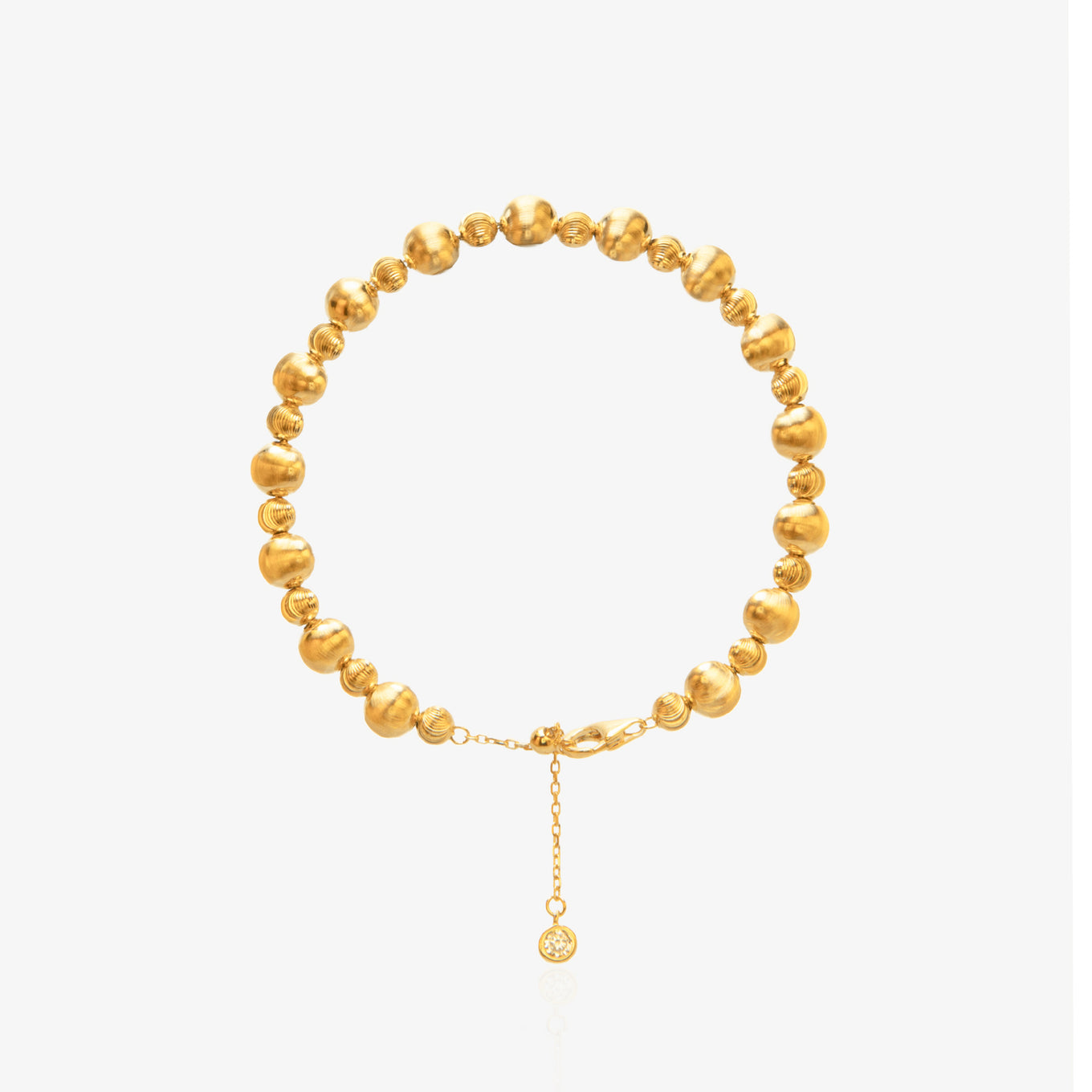
Appearance: Playful yet sophisticated. The alternating beads and spaces create visual breathing room, making bead chains feel lighter and more whimsical than continuous-link chains. Our Gold Bead Bracelet brings this aesthetic to the wrist with vintage charm, while the Compass Rose Necklace uses a bead-chain foundation to create a piece that is both meaningful and modern.
Durability: Moderate. Bead chains rely on the strength of the connecting wire or links between beads. Higher-quality versions use reinforced connections that resist pulling. We recommend avoiding heavy pendants on bead chains and handling them with care around water and lotions.
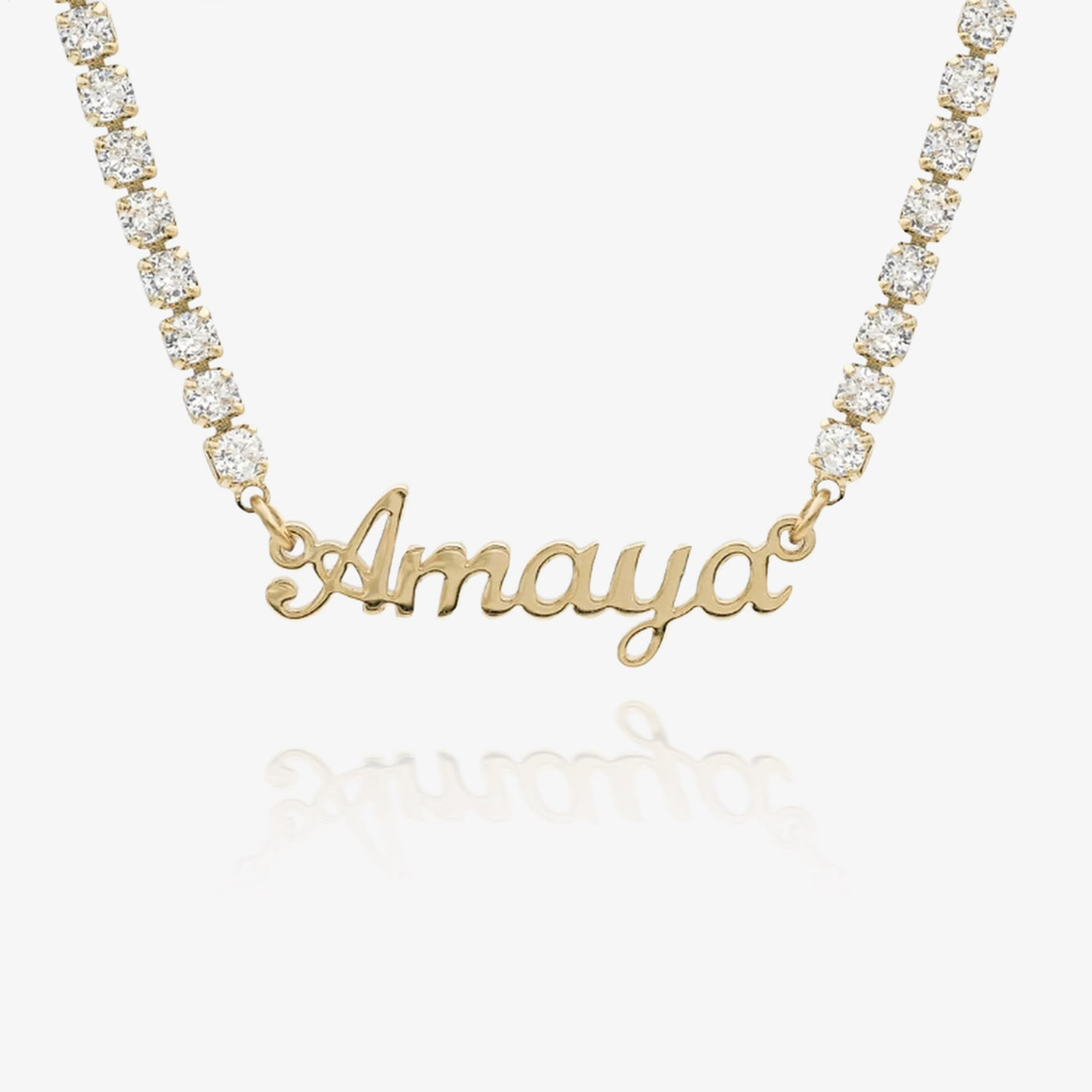
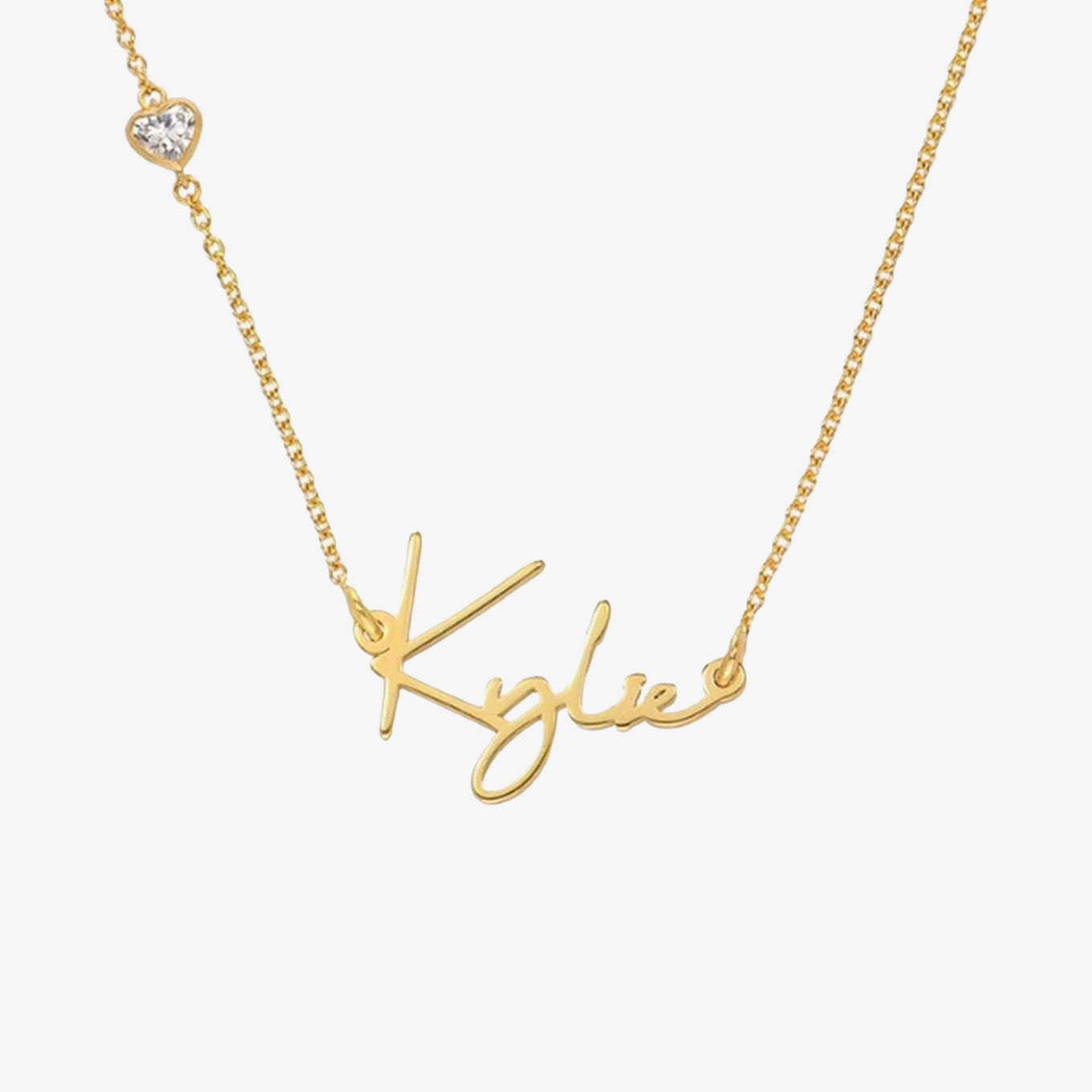
Best for pendants: Lightweight, small pendants only. Bead chains are not designed to carry significant weight. They shine brightest when worn solo or with a tiny, meaningful charm. The Custom Name Necklace, for example, captures this balance perfectly — minimal weight paired with maximum personal significance.
Styling tip: We love stacking multiple bead chains of different bead sizes in the same metal tone for a look that is equal parts bohemian and polished. The rhythmic spacing between beads creates a visual texture that no other chain type can replicate.
How to Choose the Right Chain
With so many types of chain necklaces to consider, narrowing down your choice can feel overwhelming. Whether you are comparing gold chain types for a specific pendant or simply exploring different chain styles necklace enthusiasts love, we approach chain selection through four practical lenses: purpose, length, width, and metal finish.
1. Define Your Purpose
Ask yourself how you intend to wear the chain. If it will primarily serve as a pendant foundation, the best chain for pendant use is typically a box chain, cable chain, or a mid-weight curb chain — styles that allow pendants to slide freely and sit centered. If the chain will be worn solo, consider a herringbone, rope, or diamond-cut style where the chain itself is the statement. Our Italian Gold Collar is a perfect example of a chain designed to stand alone — bold, sculptural, and unapologetically present.
2. Choose Your Length
Chain length determines where the necklace falls on your body and how it interacts with your clothing:
- 16 inches — Sits at the collarbone. Ideal for choker-style wear and as a base layer in necklace stacks.
- 18 inches — Falls at the base of the neck. The most versatile length; works with nearly every neckline.
- 20–22 inches — Reaches the collarbone to upper décolletage. Excellent for layering and larger pendants.
- 24 inches and above — Falls below the décolletage. Makes a dramatic, standalone statement.
3. Consider Width (Gauge)
Chain width affects both durability and aesthetic. Delicate chains (1–1.5mm) are graceful for layering but require gentle care. Medium-width chains (2–3mm) offer the best balance of strength and refinement — we consider this the sweet spot for everyday wear. Wider chains (4mm+) make bold design statements and can support heavier pendants with ease.
4. Match the Metal to Your Wardrobe
Warm gold tones complement earth-toned wardrobes, autumn color palettes, and warm skin undertones. If you frequently mix metals in your accessories, a two-tone piece like our Bicolor Choker bridges gold and silver effortlessly. For those who prefer cool tones, silver or white-gold-finished chains harmonize with blues, grays, and jewel tones.
Care Tips for Gold Chains
Regardless of which types of gold chains you choose, a few consistent care habits will extend their life significantly. The right care routine varies slightly across different chain styles necklace owners prefer, but the fundamentals remain the same:
- Remove before water exposure — Chlorine, saltwater, and even prolonged freshwater exposure can accelerate tarnishing and weaken delicate links over time.
- Store individually — Chains stored together tangle and scratch. We recommend hanging them separately or storing each chain in its own soft pouch.
- Clean gently and regularly — A soft, lint-free cloth after each wear removes oils and maintains luster. For deeper cleaning, use a mild jewelry cleaning solution specifically formulated for gold-plated pieces.
- Put jewelry on last — Apply perfumes, lotions, and hair products before putting on your chains. These products can leave residue that dulls the finish.
- Know your chain's limits — If you are wondering which chain is strongest, curb chains and box chains generally offer the highest tensile strength among common styles. Herringbone and very fine cable chains require the most mindful handling.
All ÉLARAMUSE chains are crafted from Premium 18K Gold Plating over S925 Sterling Silver, a foundation that provides both the warmth of gold and the durability of sterling silver. This construction means our chains resist tarnishing better than lower-quality plated alternatives and maintain their integrity through years of thoughtful wear. Browse our full chain necklace collection to see every style in context, or explore our chain bracelet assortment for coordinating wrist pieces.
Key Terms
- Link Gauge
- The thickness of individual chain links, typically measured in millimeters. Higher gauge numbers indicate thinner wire, while lower numbers indicate thicker, more substantial links. Gauge directly affects both the chain's visual presence and its load-bearing capacity for pendants.
- Karat (K)
- A measure of gold purity. 24K is pure gold, while 18K contains 75% gold alloyed with other metals for strength. At ÉLARAMUSE, we use Premium 18K Gold Plating — delivering the rich color of 18-karat gold with the structural integrity of a sterling silver core.
- Clasp
- The fastening mechanism that secures the chain. Common types include lobster clasps (spring-loaded, secure, and easy to operate), spring ring clasps (circular, lightweight, best for delicate chains), and box clasps (decorative, often used on statement pieces). We select clasp types based on each chain's weight and intended use.
- Layering
- The practice of wearing multiple necklaces of varying lengths, styles, or metal tones simultaneously. Effective layering relies on contrast — mixing chain textures (smooth + textured), lengths (staggered by at least 2 inches), and pendant weights creates visual depth without tangling.
- Station Chain
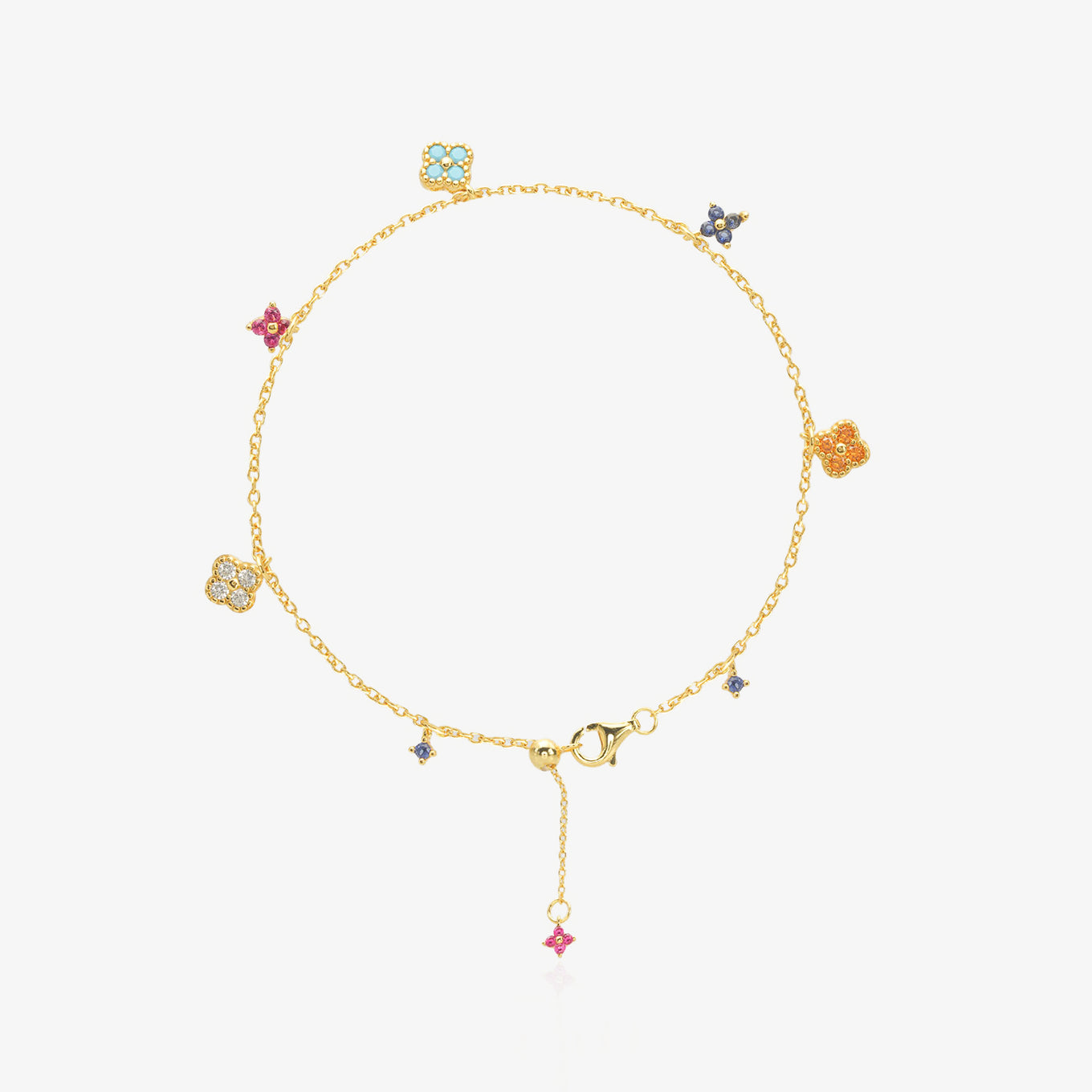
- A chain style where decorative elements (stones, bezels, or shaped links) appear at regular intervals along an otherwise uniform chain. Station chains bridge the gap between plain chains and pendant necklaces. Our Moire Gold Bangle Bracelet and Cocoon Chain Bracelet apply this rhythmic design principle to bracelet silhouettes.
Frequently Asked Questions
Which chain type is the strongest?
Among common chain styles, curb chains and box chains generally offer the highest tensile strength due to their tightly interlocking link structures. For those specifically asking which chain is strongest for daily pendant wear, we recommend a box chain like our Box Chain Necklace — the squared links distribute weight evenly and resist deformation better than round-link alternatives. Rope chains are also exceptionally strong when well-made, thanks to their twisted, multi-strand construction. When comparing types of chain necklaces for durability, these three styles consistently rank at the top.
What is the best chain for a pendant?
The best chain for pendant wear is one that allows the pendant to slide freely and sit centered, without the chain itself competing for attention. Box chains and cable chains are our top recommendations among all types of chain necklaces — they have smooth, gap-free surfaces that pendants glide across easily. For heavier pendants, a mid-weight curb chain provides the necessary strength without looking disproportionate. Avoid herringbone and bead chains for pendant use, as their surface structures can snag or fail to support the weight. Across all gold chain types, the most pendant-friendly styles share three qualities: smooth link surfaces, even weight distribution, and a clasp design that does not interfere with pendant bails.
Can I wear gold-plated chains every day?
Yes — with thoughtful care. High-quality gold-plated chains, like those in our collection (Premium 18K Gold Plating over S925 Sterling Silver), are designed for regular wear. The key factors that determine longevity are plating thickness, base metal quality, and care habits. Our plating exceeds 0.5 microns, which provides significantly better durability than fashion-jewelry-grade plating found on many types of gold chains. Remove your chain before swimming, showering, or exercising, and store it properly between wears to maintain its finish for years.
How do I measure the right chain length?
The simplest method is to measure a necklace you already own that falls at your preferred position. Lay it flat and measure from clasp to clasp. If you do not have a reference chain, use a flexible measuring tape around your neck at the desired drop point and note the circumference. For pendant wear, remember that the pendant itself will add approximately 0.5 to 1 inch of visible drop below the chain. When in doubt, 18 inches is the most universally flattering length across chain necklace styles and the one we recommend as a starting point.
Do gold-plated chains tarnish?
Premium gold-plated chains resist tarnishing far better than lower-quality alternatives, but they are not entirely immune. The sterling silver base in our chains can develop a natural patina over extended time if exposed to humidity, chemicals, or body oils without cleaning. Regular gentle wiping with a soft cloth after wear prevents buildup — a simple habit that preserves the beauty of all types of gold chains. If tarnish does appear, a mild jewelry cleaning solution formulated for gold-plated pieces will typically restore the original finish. The Herringbone Chain Necklace, with its broad flat surface, particularly benefits from consistent after-wear care to maintain its luminous, liquid-metal appearance.
We Believe
Quality materials are not negotiable. Every chain we design begins with S925 sterling silver as its foundation. We choose Premium 18K Gold Plating because it delivers the warmth and richness of fine gold without compromising the structural integrity that sterling silver provides. A chain should feel substantial in your hand and look beautiful around your neck — not just on day one, but on day one thousand.
Jewelry should adapt to your life, not the other way around. We design our chain collection — from the Diamond-Cut Marquise Chain for evening drama to the Box Chain Necklace for everyday pendant wear — to move with you. A well-chosen chain should feel like a natural extension of your personal style, not a fragile accessory you are afraid to touch. The best types of gold chains are the ones that become part of your daily rhythm — so effortless you forget you are wearing them until someone compliments them.
Education empowers better choices. We believe that understanding the differences between types of gold chains — how they are made, what makes them durable, which ones work best for pendants — leads to purchases you will love for years rather than regret after weeks. Knowing your chain necklace styles is not about following rules; it is about discovering what feels like you. This guide exists because we want you to choose confidently, whether that choice is from our collection or anywhere else.
Less, but better. Urban Naturalism is not about owning more jewelry. It is about owning the right pieces — chains that layer effortlessly, pendants that carry meaning, materials that endure. A single well-chosen box chain with a pendant you love is worth more than a drawer of impulse purchases that never see daylight. Understanding different chain styles necklace designers offer is the first step toward building a collection that truly reflects who you are.
References
- Gemological Institute of America (GIA). Jewelry Metals: A Guide to Gold, Silver, and Platinum. gia.edu
- U.S. Federal Trade Commission (FTC). Guides for the Jewelry, Precious Metals, and Pewter Industries. ftc.gov
- Vogue. The Ultimate Guide to Chain Necklaces and How to Style Them. vogue.com
- American Gem Society (AGS). Understanding Gold Karat and Purity. americangemsociety.org