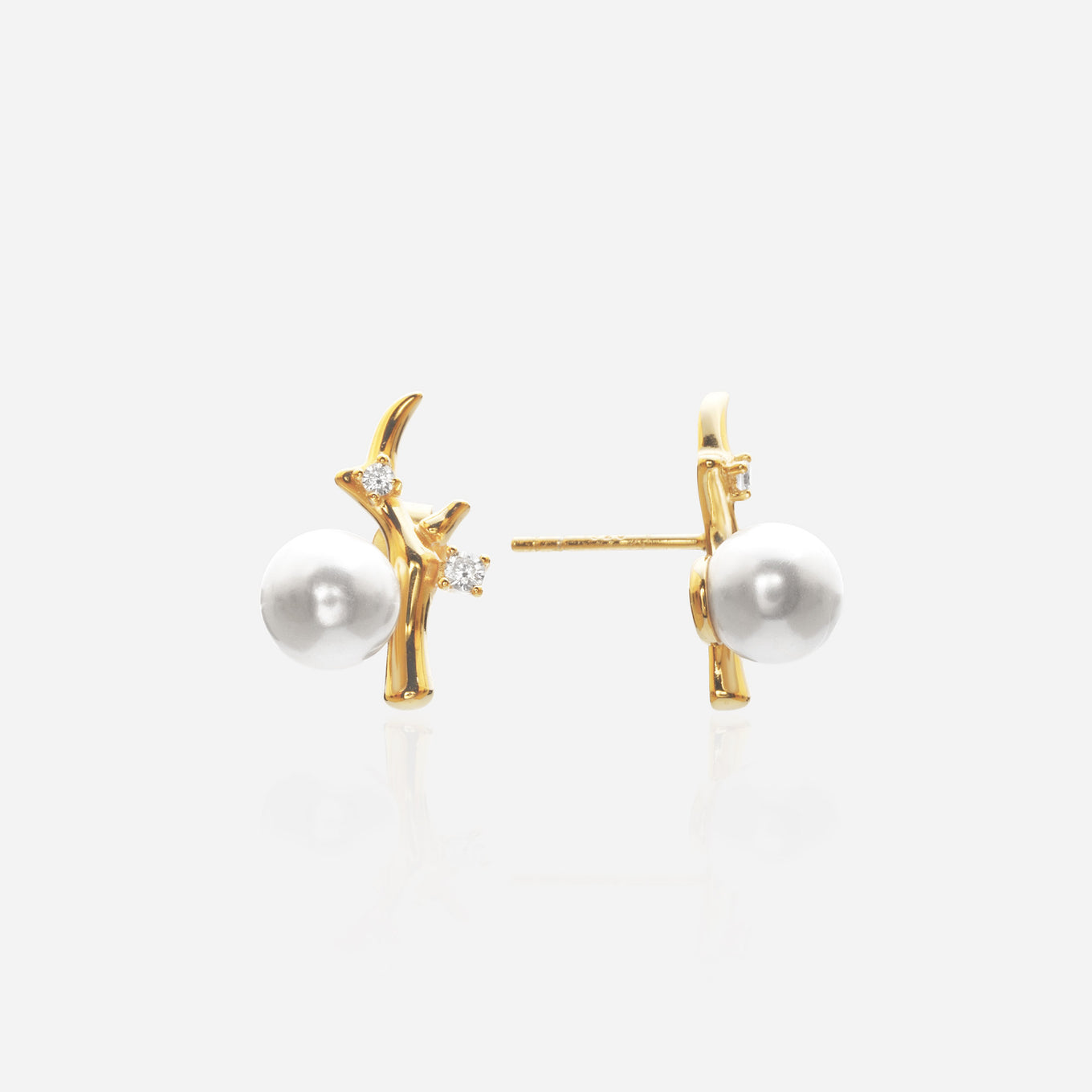
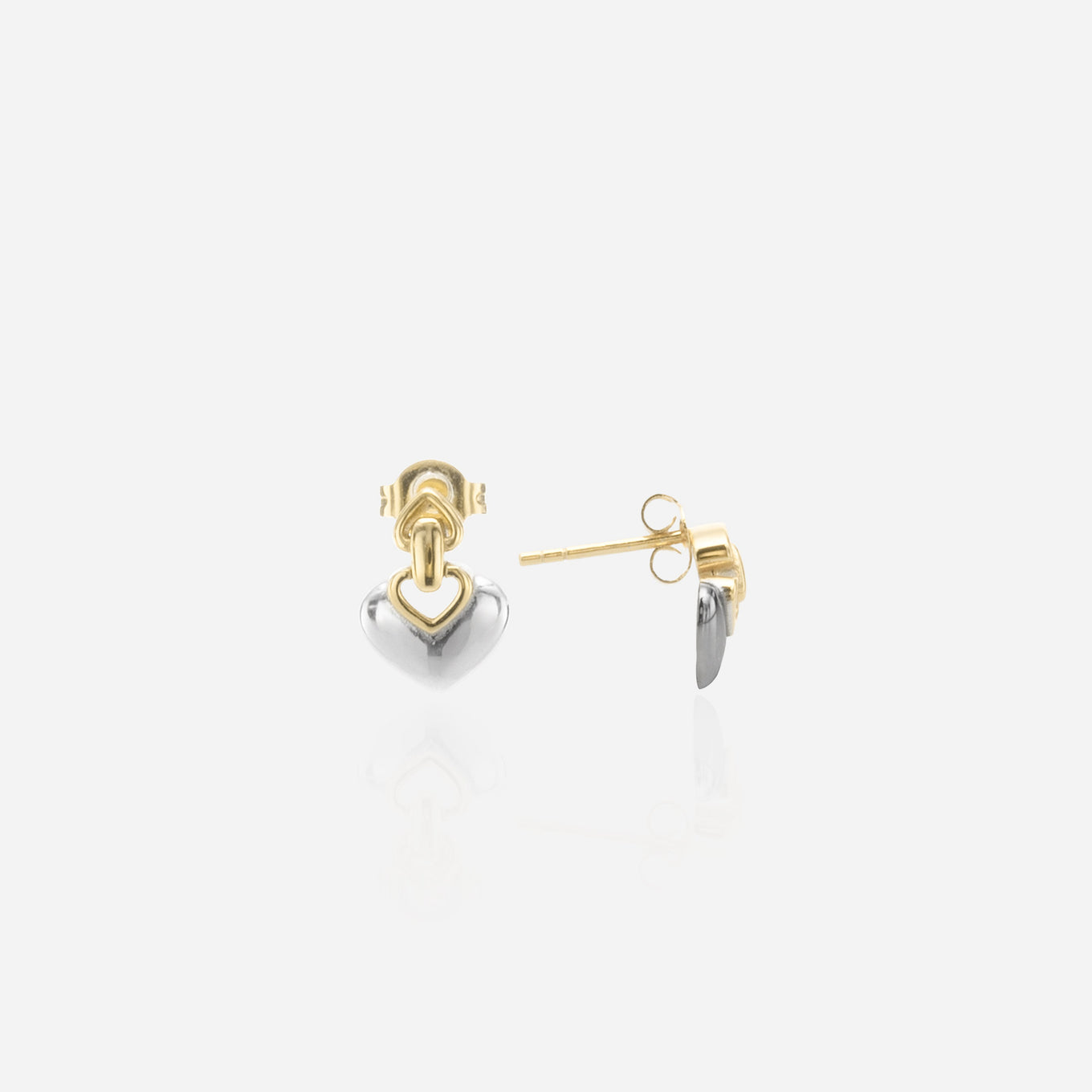
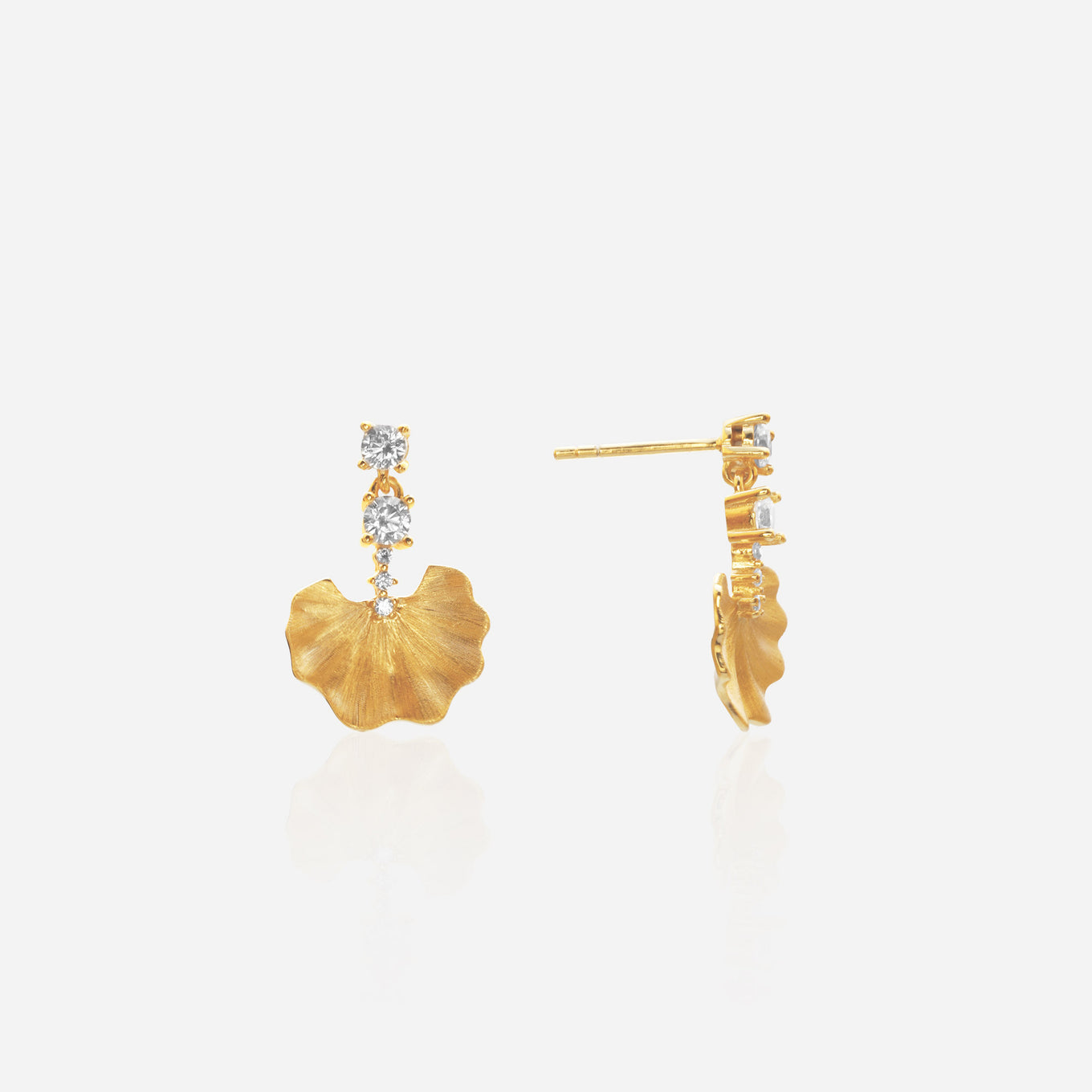
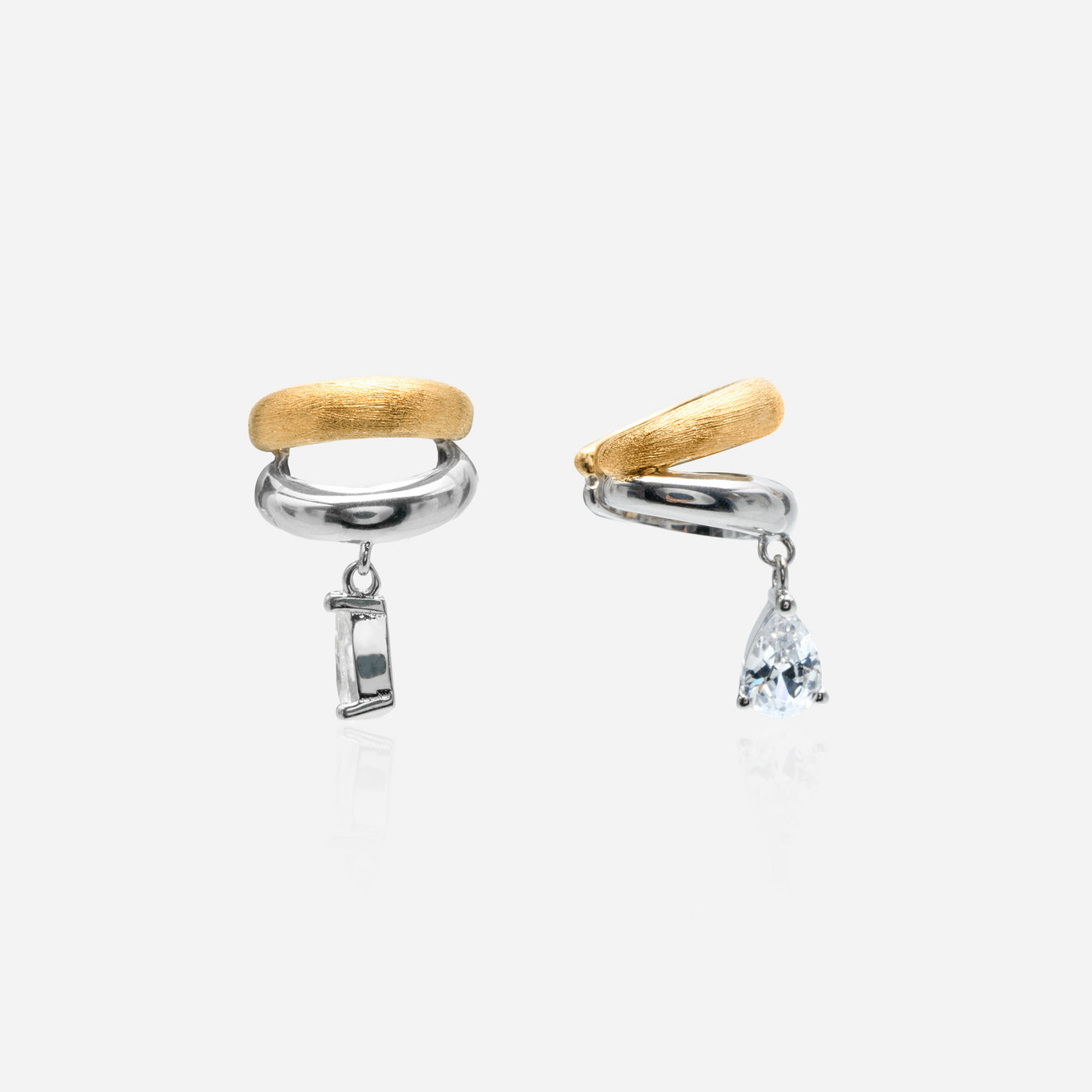
Quick Answer: Turquoise is one of the oldest gemstones in human history — worn by Egyptian pharaohs, Persian kings, and Native American artisans for over 5,000 years. When buying turquoise jewelry, the three things that matter most: natural vs. dyed (genuine turquoise has natural matrix veins), setting quality (bezel settings protect the soft stone), and base metal (sterling silver > brass for sensitive ears). This guide covers identification, styling, and care for your turquoise jewelry.
What Makes Turquoise Special: 5,000 Years of History
Turquoise isn't just another blue stone. It's been traded, worn, and revered across continents for millennia. Egyptian tombs from 3,000 BCE contain turquoise jewelry. Persian turquoise (the legendary "robin's egg blue" variety) was so prized that the word "turquoise" itself derives from the French for "Turkish stone" — the trade route through Turkey that brought Persian turquoise to Europe.
In the American Southwest, turquoise has deep cultural significance among Navajo, Zuni, and Hopi artisans, who have worked the stone for centuries. The iconic silver-and-turquoise combination that defines Southwestern jewelry is not just aesthetic — it's a living tradition.
Today, turquoise jewelry bridges two worlds: the earthy authenticity of Western craft and the clean minimalism of modern design. A simple turquoise stud in a bezel setting reads as quietly sophisticated — which is exactly why it's becoming the cool-girl alternative to lab diamonds.
December Birthstone: Turquoise as the Ultimate Personal Gift
Turquoise is the official birthstone for December — sharing the month with tanzanite and zircon, but carrying more cultural weight. If you're buying a birthday gift for someone born in December, turquoise jewelry is the most meaningful choice:
- Symbolism: Protection, calm, and wisdom. Turquoise was believed to protect the wearer from harm — Persian monarchs wore it to deflect the "evil eye," and Tibetan Buddhists consider it a sacred stone.
- Uniqueness: No two turquoise stones are identical. Each cabochon has its own matrix pattern — those thin dark veins that prove the stone is genuine. Your December baby gets a one-of-a-kind piece.
- Wearability: Turquoise blue is surprisingly versatile. It pops against neutrals (white, black, beige), harmonizes with earth tones, and creates a striking contrast with gold.
How to Tell If Turquoise Is Real (And Why It Matters)
The turquoise market is flooded with imitations — dyed howlite, reconstituted turquoise dust, and plastic composites. Here's how to identify genuine turquoise:
- Look for the matrix. Genuine turquoise almost always has matrix — thin, irregular dark veins running through the stone. These are remnants of the host rock. Dyed howlite (the most common imitation) has no matrix. If the stone is perfectly uniform blue with zero veining, be suspicious.
- Check the temperature. Real turquoise feels cool to the touch and warms slowly. Plastic and resin warm up almost instantly.
- Examine the setting quality. Because turquoise is relatively soft (Mohs 5-6), it needs protection. A quality turquoise piece will use a bezel setting (a metal rim surrounding the stone) rather than prongs. If you see turquoise in a prong setting, the jeweler doesn't understand the material.
- Price should reflect reality. High-grade natural turquoise is expensive — $50+ per carat. If you see "turquoise" jewelry selling for $12, it's either dyed, treated, or composite. Quality mid-grade turquoise at an accessible price typically uses genuine stones with visible matrix — not flawless museum-grade specimens.
Turquoise Jewelry: Our Top Picks
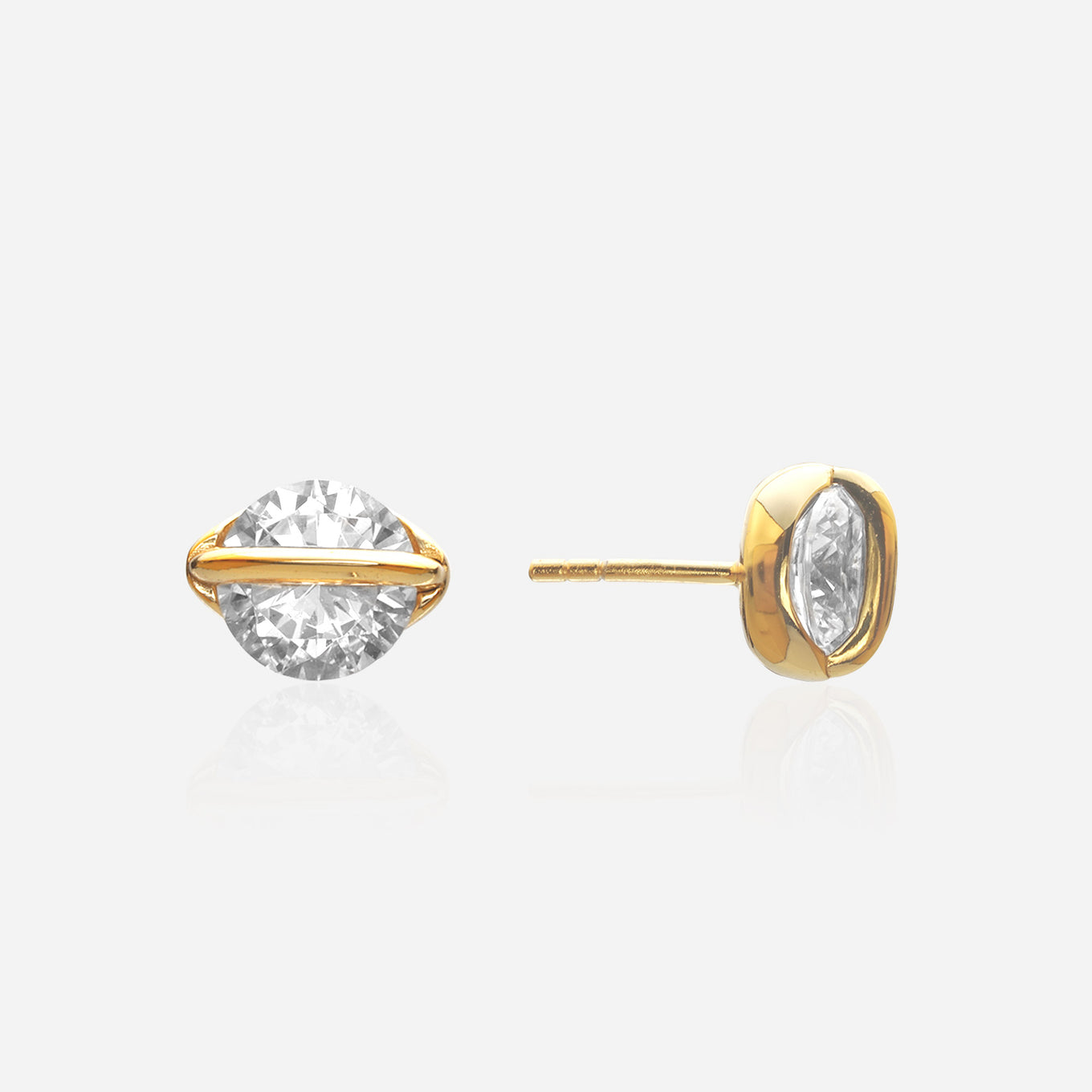
We believe turquoise is at its best when it's not over-designed. The stone should lead — the setting should support. Our Turquoise Stud Earrings embody this philosophy: a genuine turquoise cabochon in a simple bezel setting on hypoallergenic sterling silver. Each pair has unique matrix patterns — the thin veins that prove authenticity. No embellishment, because a stone with 5,000 years of history doesn't need it.
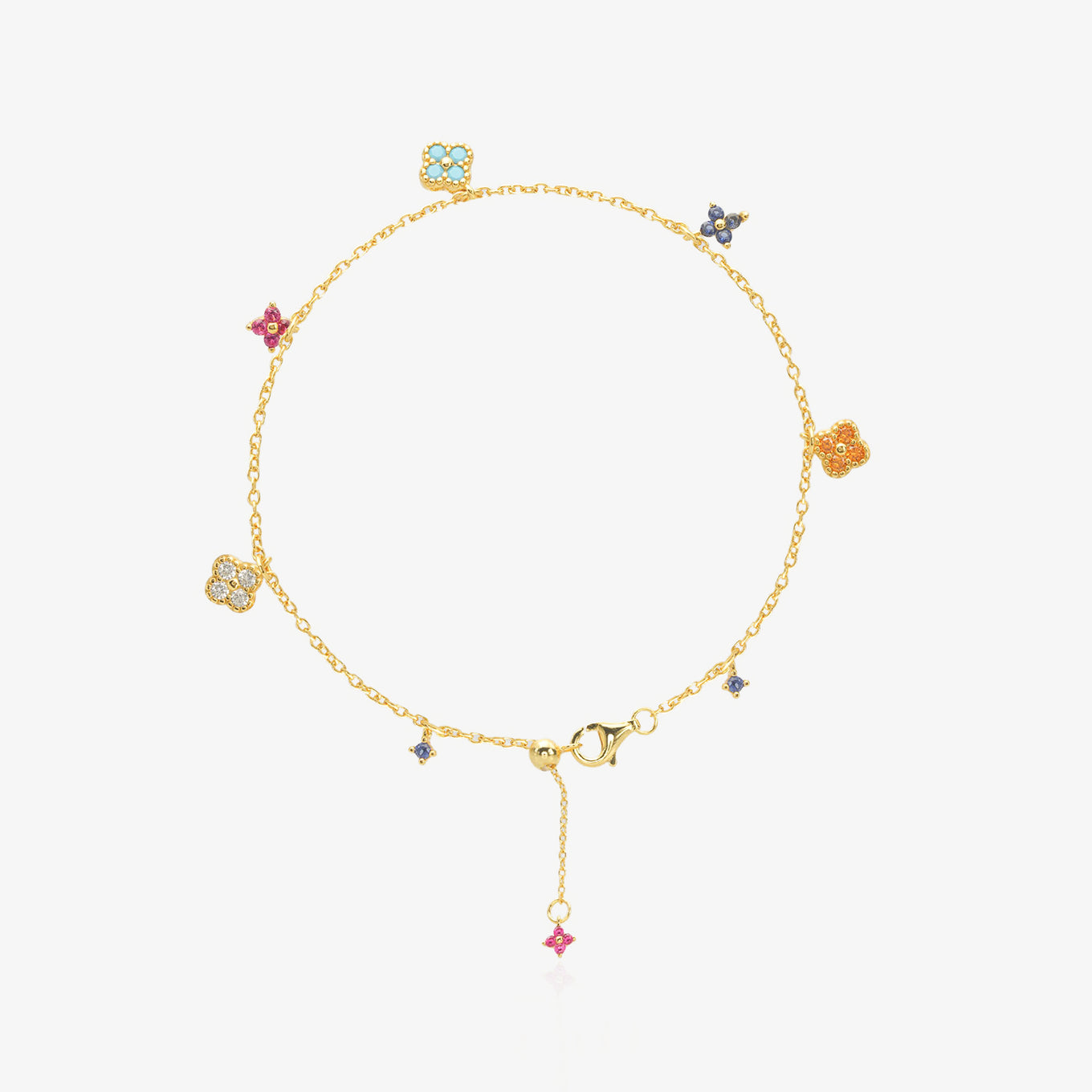
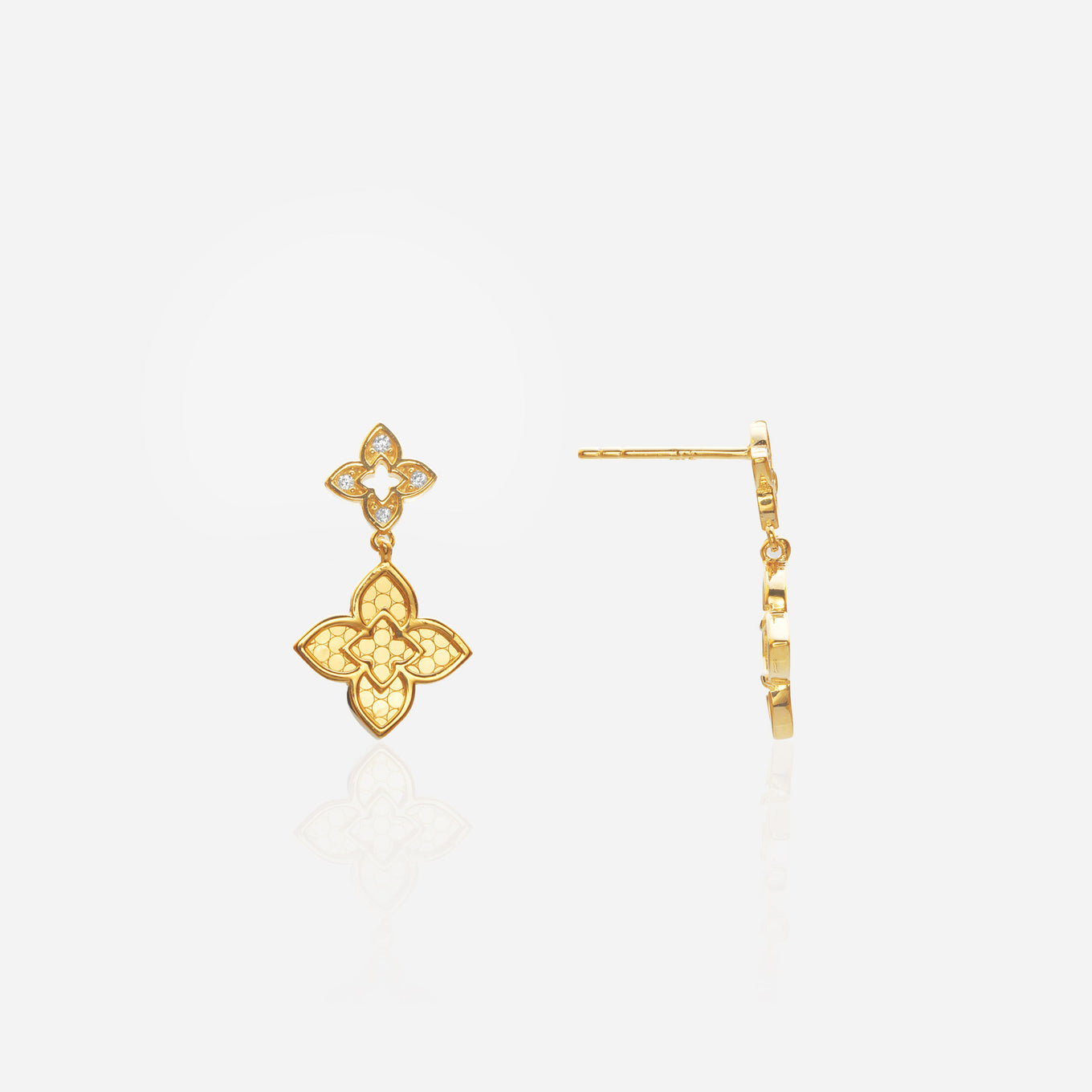
Styling with complementary pieces: Turquoise studs are a statement on their own, but they're also a brilliant anchor for an ear stack. Pair them with a simple gold clover drop earring in a second piercing for a layered blue-and-gold look..
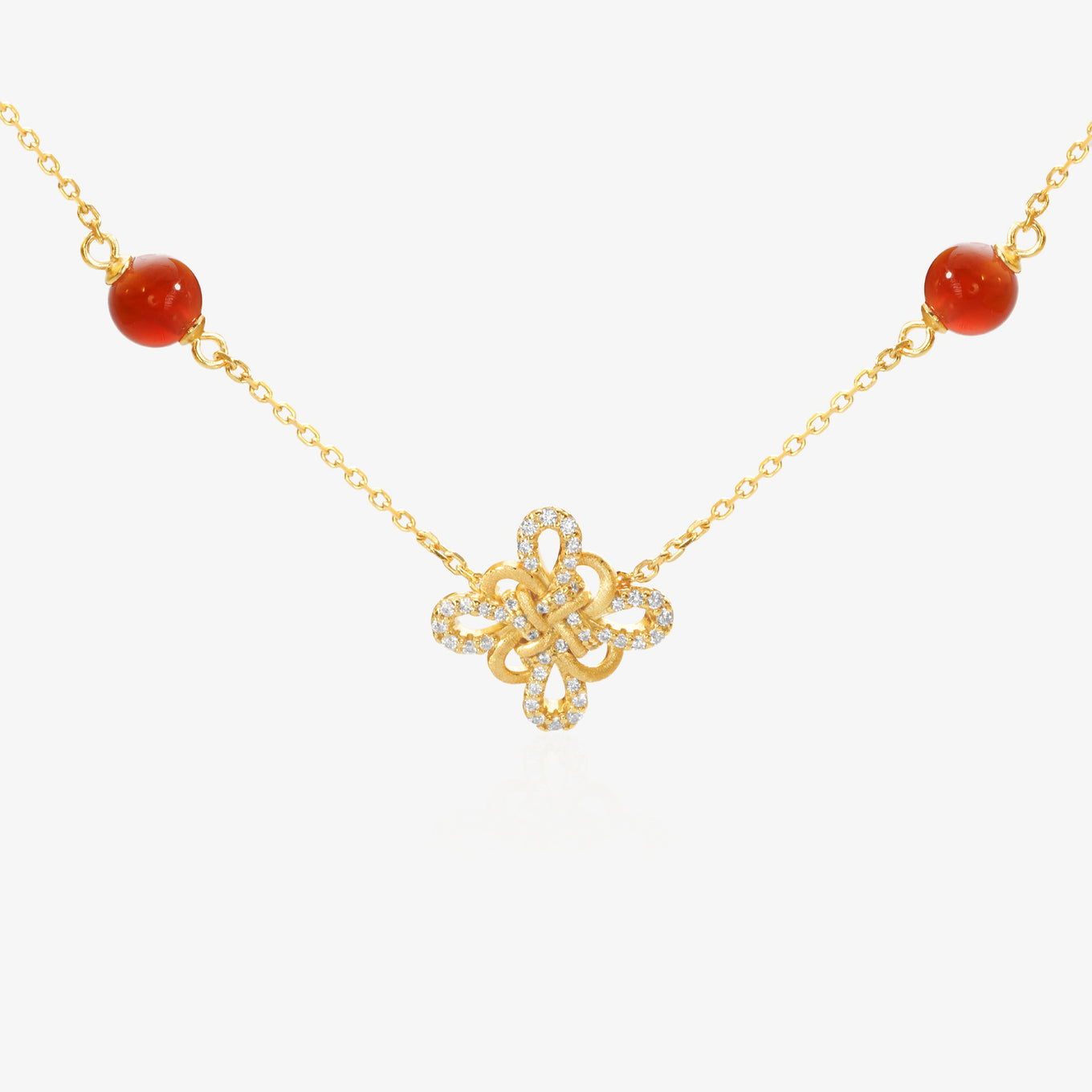
Or wear them solo with a gold clover necklace — the red agate and turquoise blue create an unexpected but harmonious color pairing.
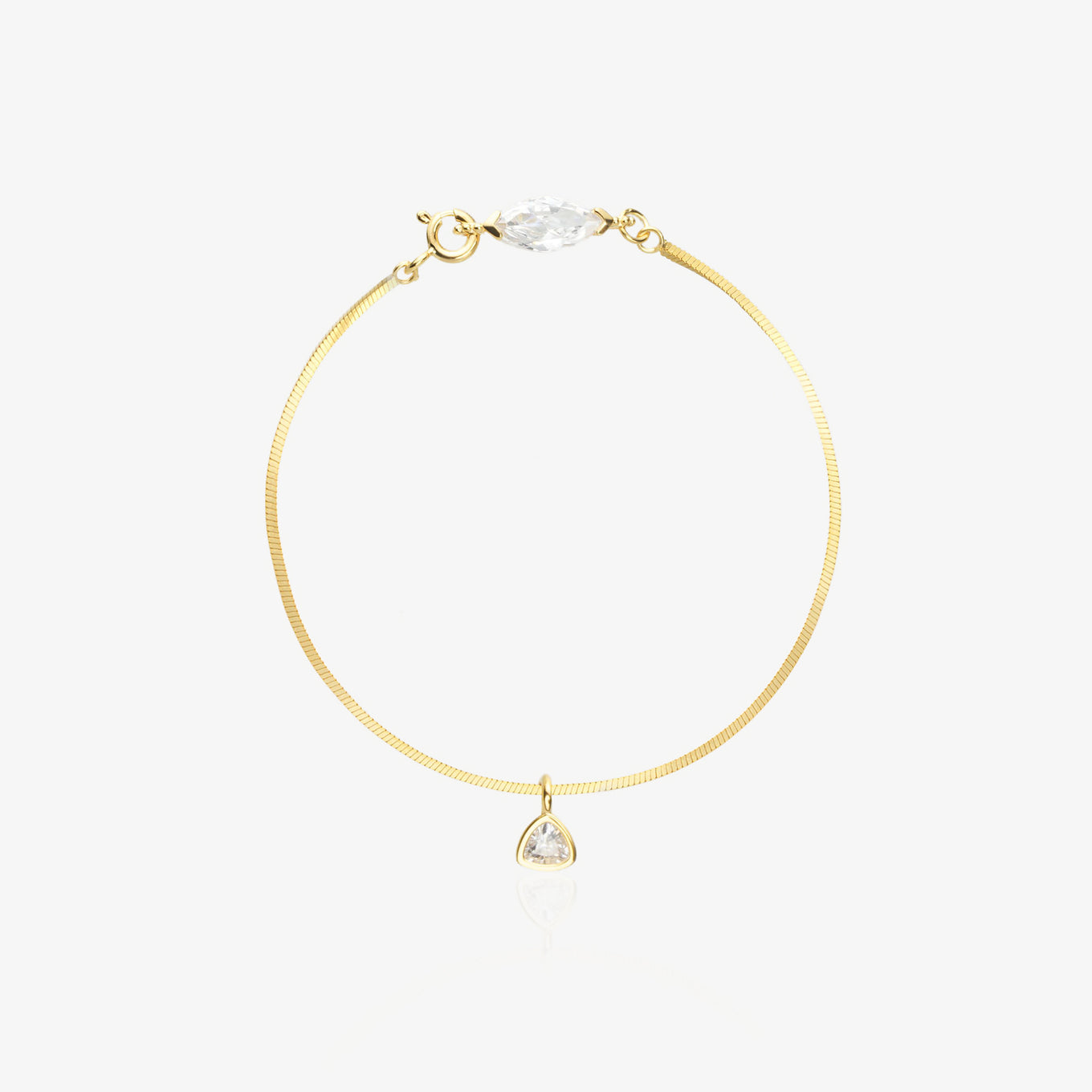
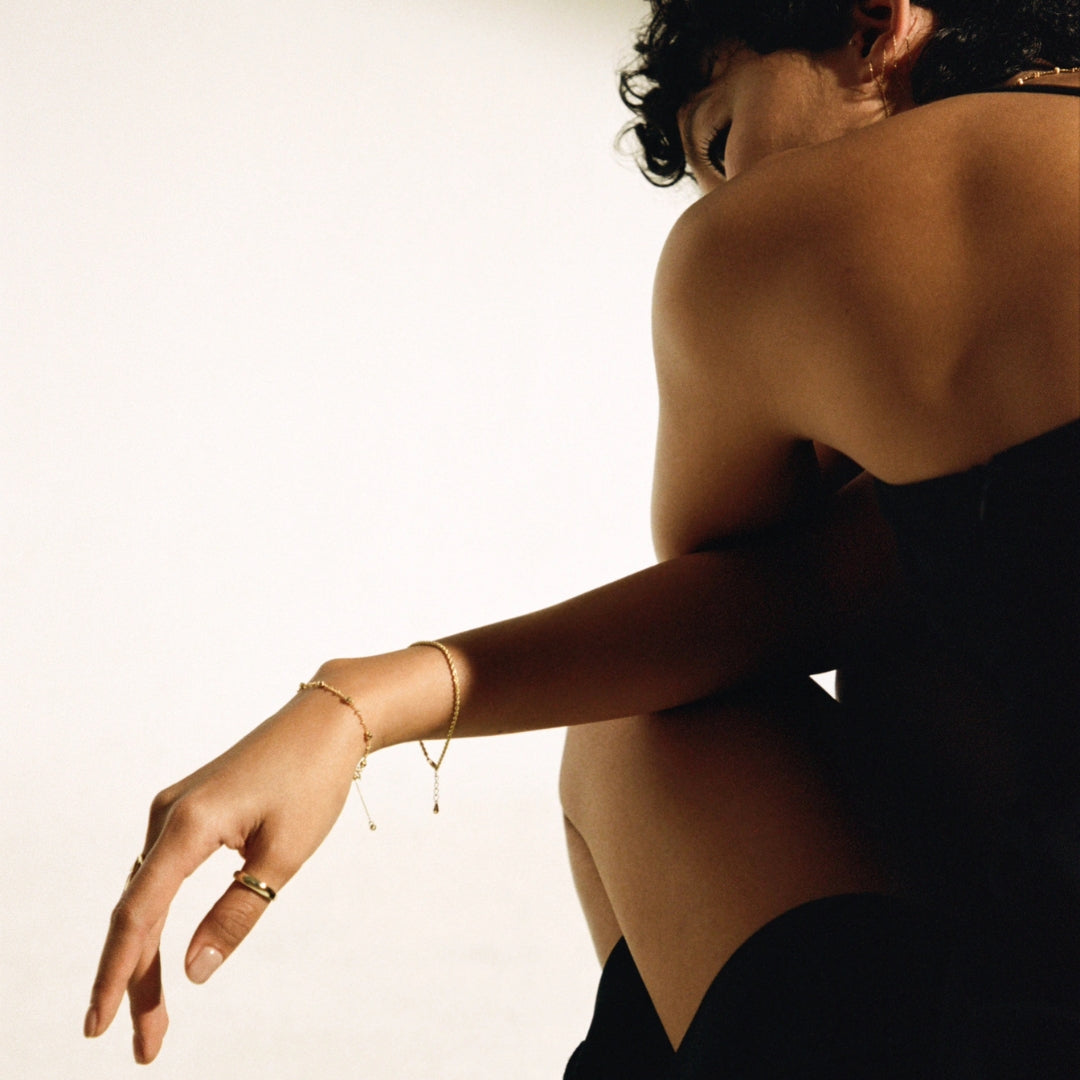
For the wrist: a twisted gold rope chain bracelet echoes the earthy-luxe vibe — warm gold with organic texture that feels connected to the natural world.
Turquoise Care: Protecting Your Stone
- Water exposure: Brief contact is fine, but prolonged soaking can discolor turquoise. Remove before swimming, showering, or washing dishes.
- Chemicals are the enemy. Perfume, hairspray, and cleaning products can discolor turquoise. Apply beauty products first, let them dry, then put on your turquoise.
- Storage: Store turquoise separately from harder gemstones that can scratch it. A soft pouch or compartmented jewelry box is ideal.
- Patina is normal: Turquoise can develop a patina over time as it absorbs skin oils. Many collectors consider this desirable — it deepens the stone's character.
We Believe
We believe turquoise is the anti-lab-diamond — and that's a compliment. A lab diamond sparkles predictably, identically, flawlessly. Turquoise tells a story instead — every matrix line is a geological event, every color variation is a fingerprint of the earth it came from.
Wearing turquoise isn't about status or carat weight. It's about carrying a piece of the natural world — one of the oldest stones humans have ever worn — into the modern day. At ÉLARAMUSE, we treat turquoise with the respect 5,000 years of history demands: minimal intervention, maximum authenticity.
Key Terms
- Turquoise Matrix
- The natural thin dark veins running through turquoise. Matrix is the remnant of the host rock — it's the most reliable indicator of genuine turquoise. Each stone's pattern is unique, like a fingerprint.
- Cabochon
- A gemstone cut with a smooth, domed top and flat bottom — no facets. Turquoise is almost always cut as a cabochon because its softness and opacity don't benefit from faceting.
- Bezel Setting
- A metal rim that surrounds and holds a gemstone in place. Bezel settings are essential for turquoise because they protect the stone's soft edges from chips and impacts.
- Dyed Howlite
- The most common turquoise imitation. Howlite is a white mineral that absorbs dye easily — it can be colored blue to mimic turquoise. But dyed howlite lacks the depth and natural matrix patterns of genuine turquoise.
Frequently Asked Questions
Q: Is turquoise a good gift?
Yes — especially for December birthdays (it's the official birthstone), but really for anyone who appreciates jewelry with story and authenticity. A pair of turquoise studs says "I chose this for a reason" rather than "I selected the first blue thing I saw."
Q: How can I be sure I'm buying real turquoise?
Three checks: (1) Look for natural matrix veins — irregular dark lines; (2) Check the setting — quality turquoise comes in protective bezels, not exposed prongs; (3) Trust the source — buy from jewelers who disclose their turquoise origin. ÉLARAMUSE turquoise is genuine, untreated, and sourced through reputable suppliers.
Q: Can turquoise be worn every day?
Yes, with moderate care. Turquoise is softer than diamonds or sapphires (Mohs 5-6), so it can scratch if banged against hard surfaces. But everyday activities — driving, typing, walking — pose no risk. Remove before swimming, showering, or heavy exercise.
Q: Does turquoise jewelry go with everything?
Surprisingly, yes. Turquoise blue is a neutral in the natural world — it works with warm tones (cream, camel, coral) and cool tones (white, grey, navy) equally well. Let the turquoise be the focal point with simple gold accents for a look that works for brunch, office, and evening.
Q: Why does some turquoise cost $20 and some cost $2,000?
The price range reflects an enormous quality spectrum. Low end: dyed howlite, reconstituted dust mixed with resin. High end: natural Sleeping Beauty turquoise (from the now-closed Arizona mine) or high-grade Persian turquoise. Mid-range quality genuine turquoise — like ÉLARAMUSE uses — offers authentic turquoise with visible matrix at an accessible price.
Q: Can men wear turquoise jewelry?
Absolutely. Turquoise has a long history in men's jewelry — from Persian royal seals to Navajo silverwork to modern rock stars. Turquoise studs or a turquoise-accented ring read as confident and culturally aware. The stone's earthy, historical connotations transcend gender.
Resources
For more on jewelry with personal meaning, see our Symbolic Jewelry Guide and Birthstone Gift Guide.
References
- GIA (Gemological Institute of America). "Turquoise Quality Factors." GIA Turquoise Guide
- Smithsonian National Museum of Natural History. "Turquoise: Mineral Collection." Smithsonian Mineral Sciences
- American Gem Society. "Turquoise Buying Guide." AGS Turquoise Buying Guide
- Metropolitan Museum of Art. "Jewelry: The Body Transformed." The Met Collection
Published: July 2026. This guide reflects current ÉLARAMUSE product specifications and gemological standards as of the publication date.
Read next: Kite Diamond Earrings | Art Deco Gold Kite Studs | ELARAMUSE — Art Deco geometry meets modern wearability. Kite diamond earrings with high-carbon lab diamonds, hollow-cast comfort, hypoallergenic sterling silver posts. The architectural stud that bridges boardroom and evening.