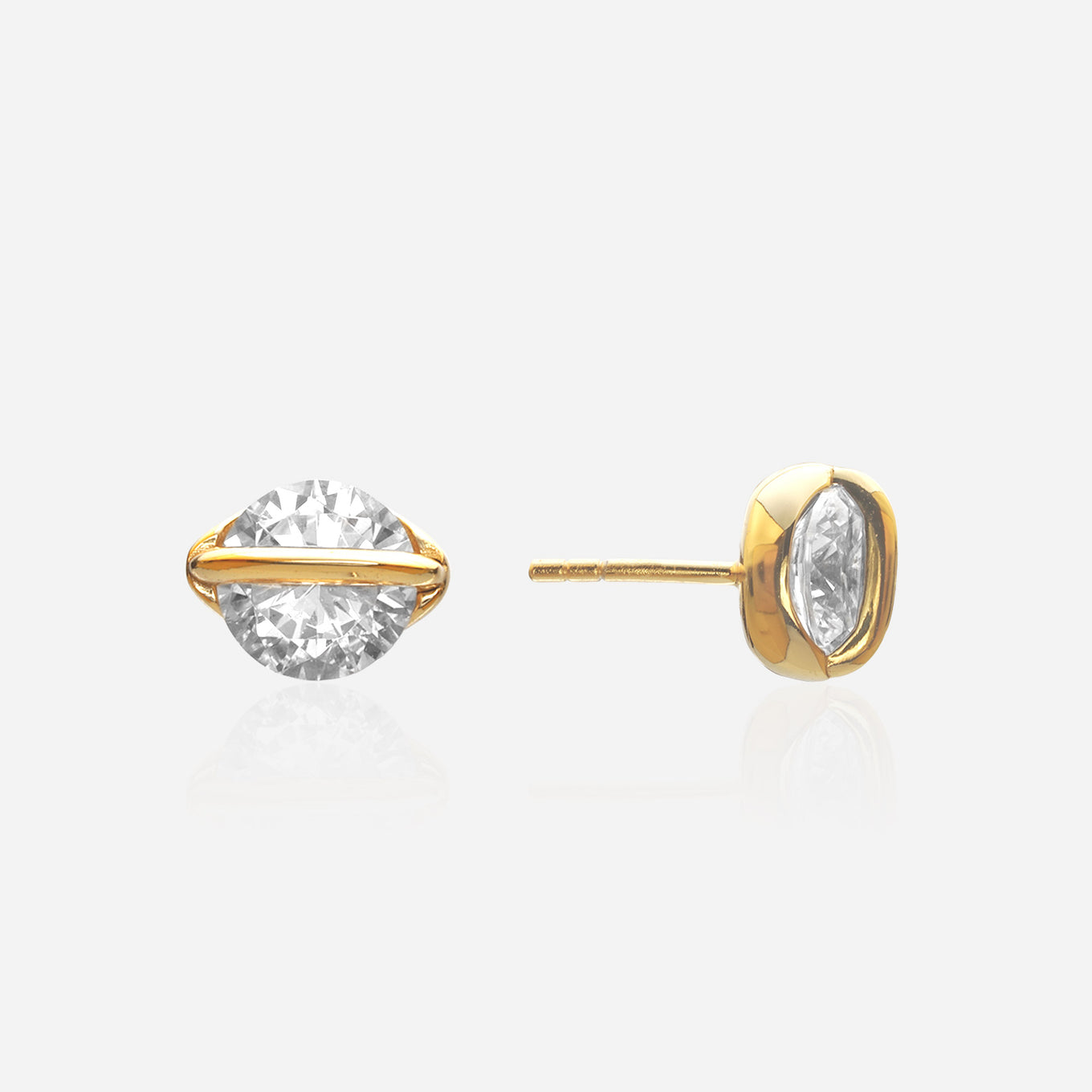
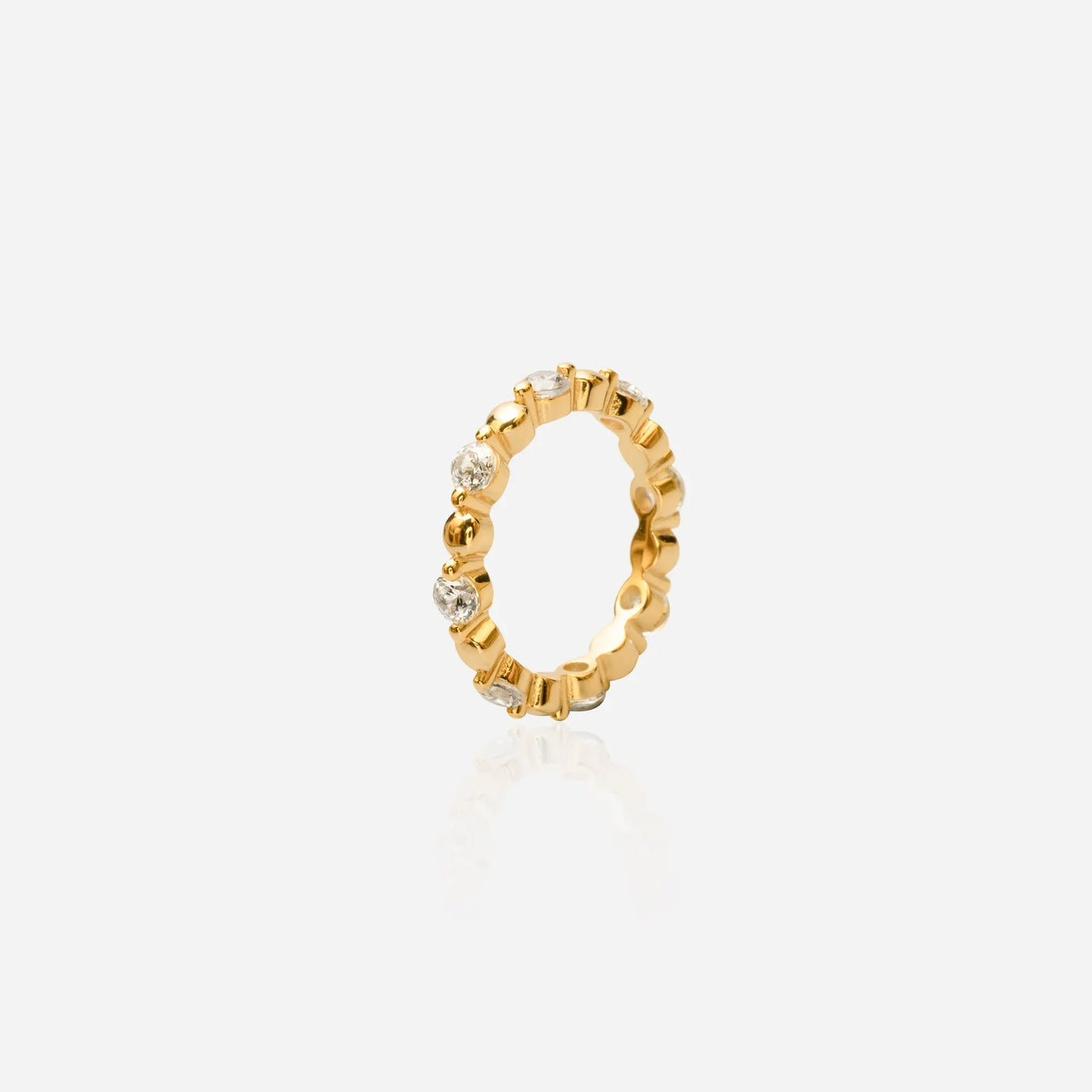
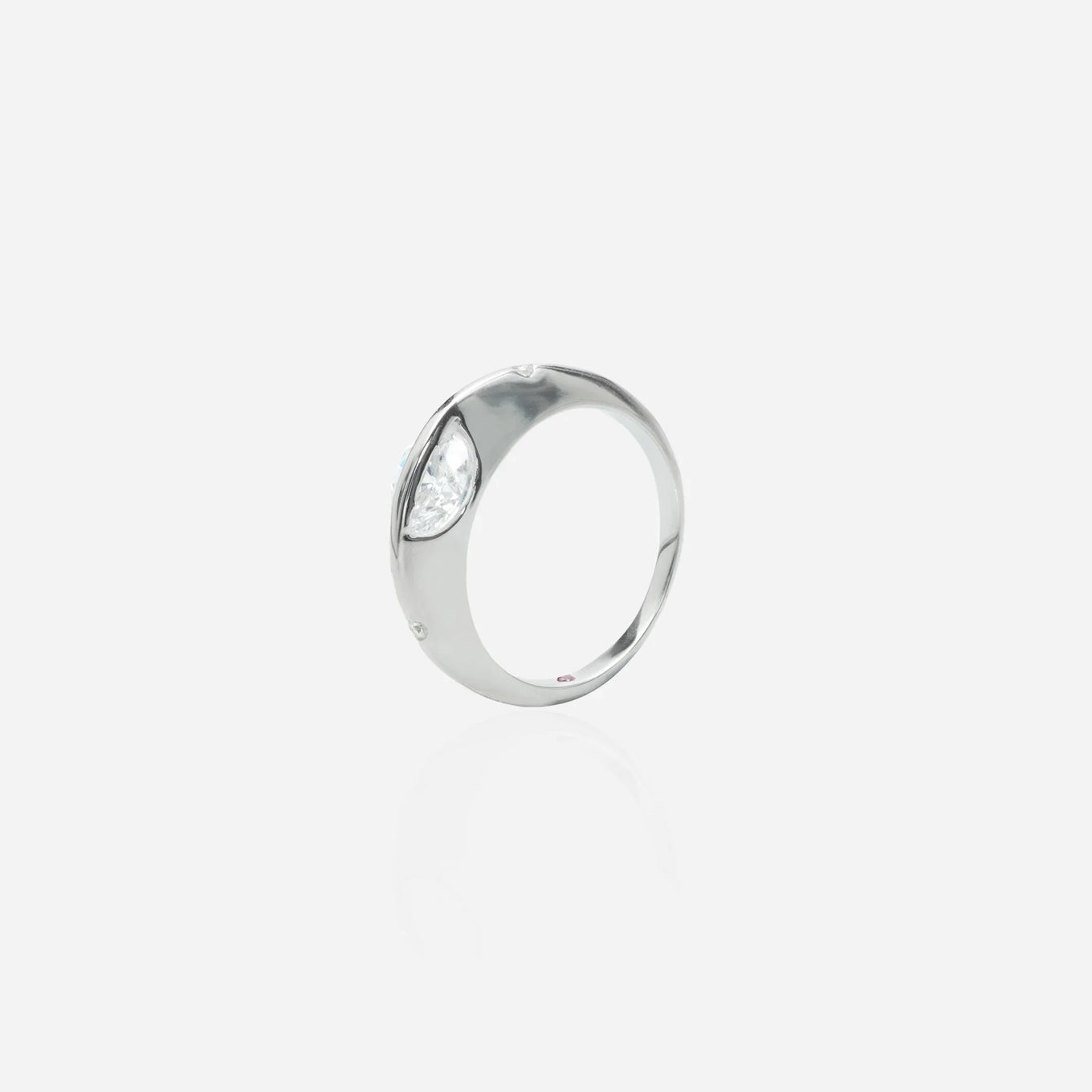
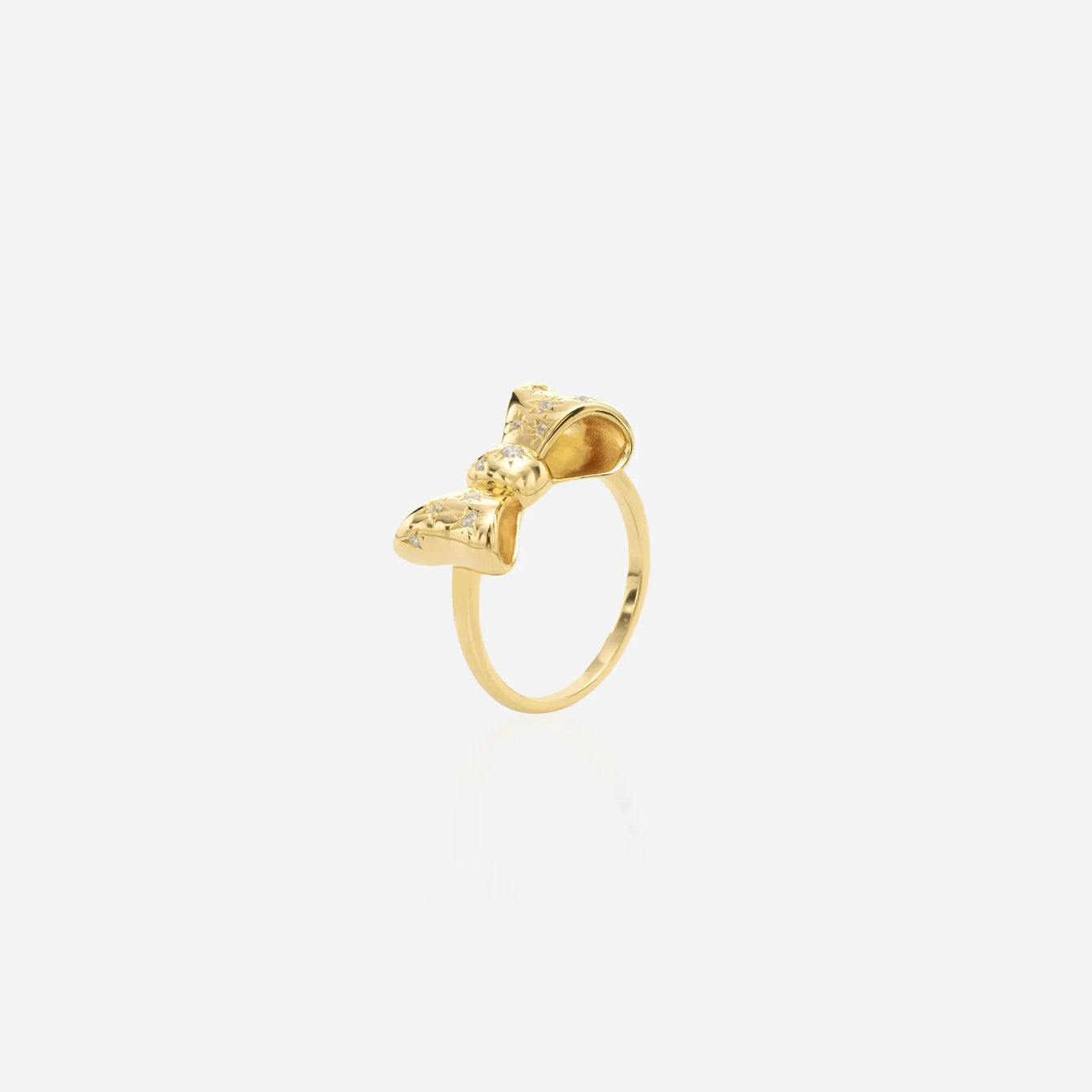
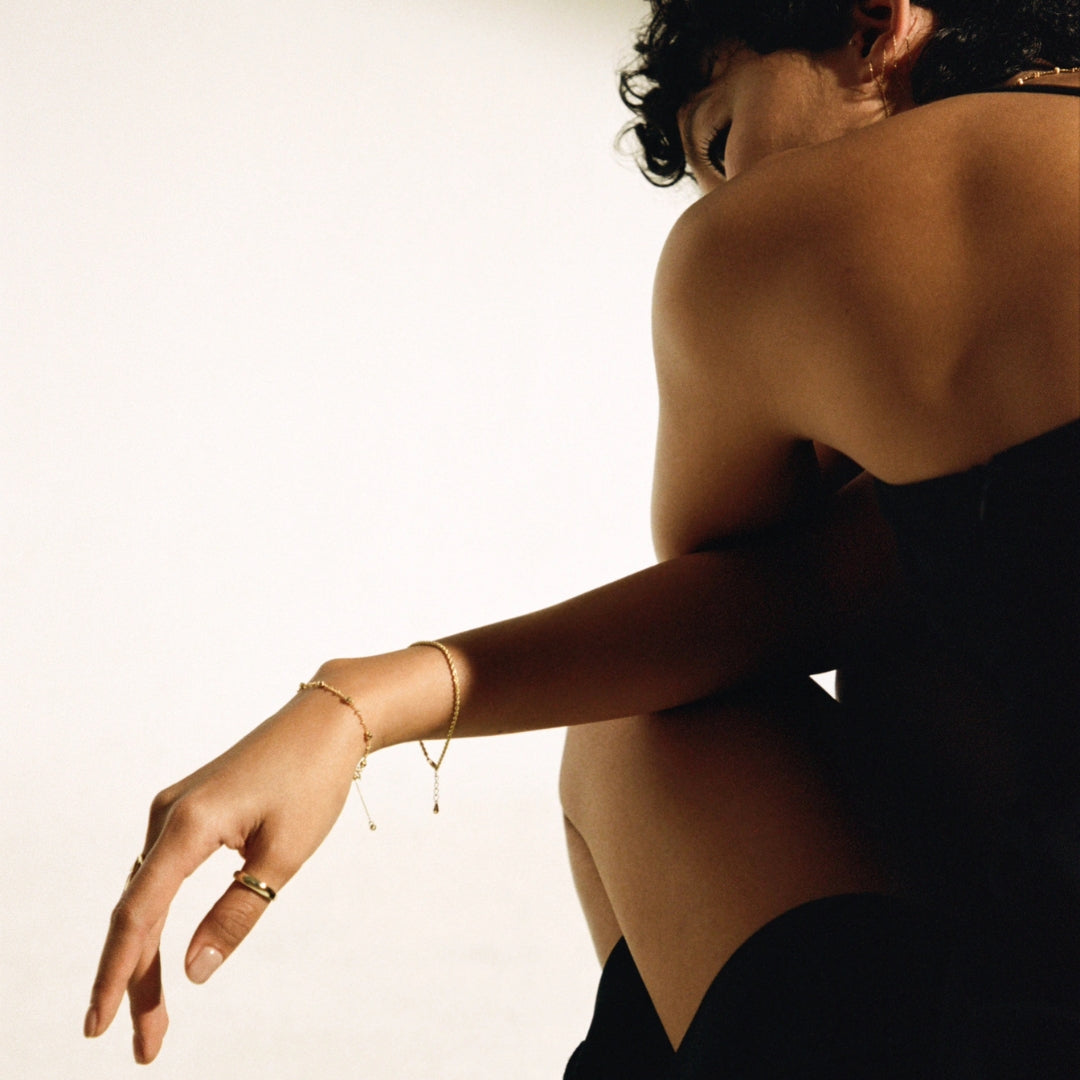
Quick Answer: Summer jewelry damage comes from three main sources — sunscreen chemicals, sweat acidity, and saltwater/chlorine. The solution: Ag925 sterling silver with 0.5-micron 18K gold plating (water-resistant, nickel-free), paired with a 3-minute daily care routine. Rinse after swimming, wipe after sunscreen, store cool and dry.
Why Summer Is Different for Your Jewelry
Your jewelry doesn't take a vacation in summer — it works overtime. Between June and September, your pieces face an onslaught no other season demands: UV exposure, sunscreen residue, saltwater immersion, chlorine, sweat acidity, and rapid temperature swings from air-conditioned interiors to sun-baked exteriors.
Most jewelry care guides treat all seasons the same. They're wrong. Summer creates a perfect storm of chemical and physical stress that standard cleaning advice doesn't address. A necklace that survived 11 months of office wear can tarnish in a single beach weekend — not because it's poorly made, but because summer's chemistry is fundamentally different from winter's.
Understanding this difference is the first step toward keeping your jewelry brilliant through every pool day, beach walk, and rooftop evening.
Sunscreen + Sweat: The Hidden Damage Duo
Sunscreen is your skin's best friend — but it can be your jewelry's worst if the base metal isn't right. Here is the chemistry that matters: most chemical sunscreens contain avobenzone and oxybenzone, compounds that accelerate oxidation when they contact metal surfaces. Mineral sunscreens (zinc oxide, titanium dioxide) are gentler, but their thick, adhesive texture traps moisture against metal, creating a micro-environment where tarnish thrives.
Sweat compounds the problem. Human perspiration contains lactic acid, urea, and sodium chloride — all metal corrosion accelerators. This is why a gold-plated necklace worn during a humid afternoon walk can show dullness by evening, when the same necklace worn in an air-conditioned office stays brilliant for weeks.
The combined effect is multiplicative, not additive. Sunscreen creates a sticky film that holds sweat against the metal. Sweat's acidity then works through that film, attacking the plating at a microscopic level. A piece that would take 6 months to show wear in normal conditions can show it in 6 hours during a summer beach day — if the base metal is brass or copper.
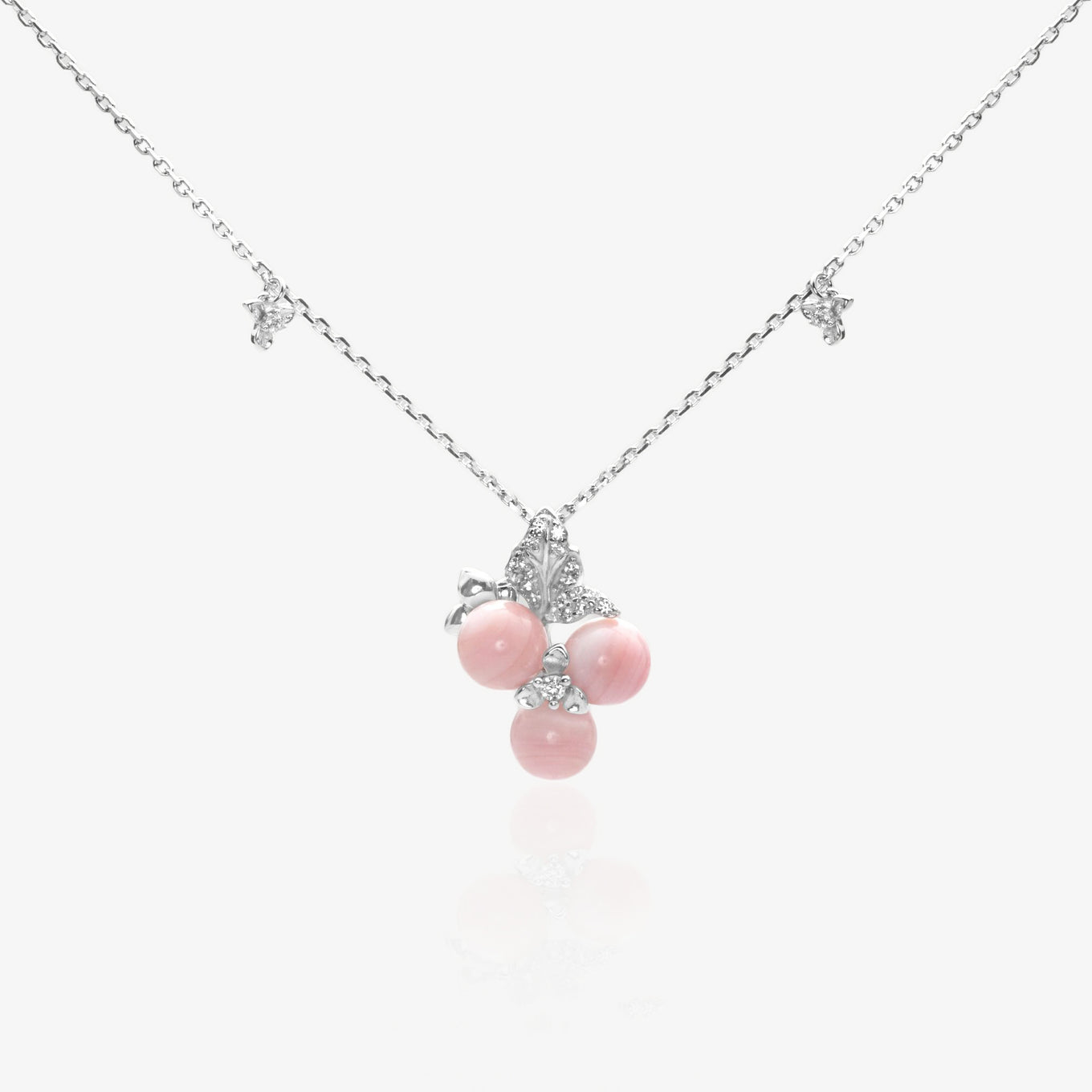
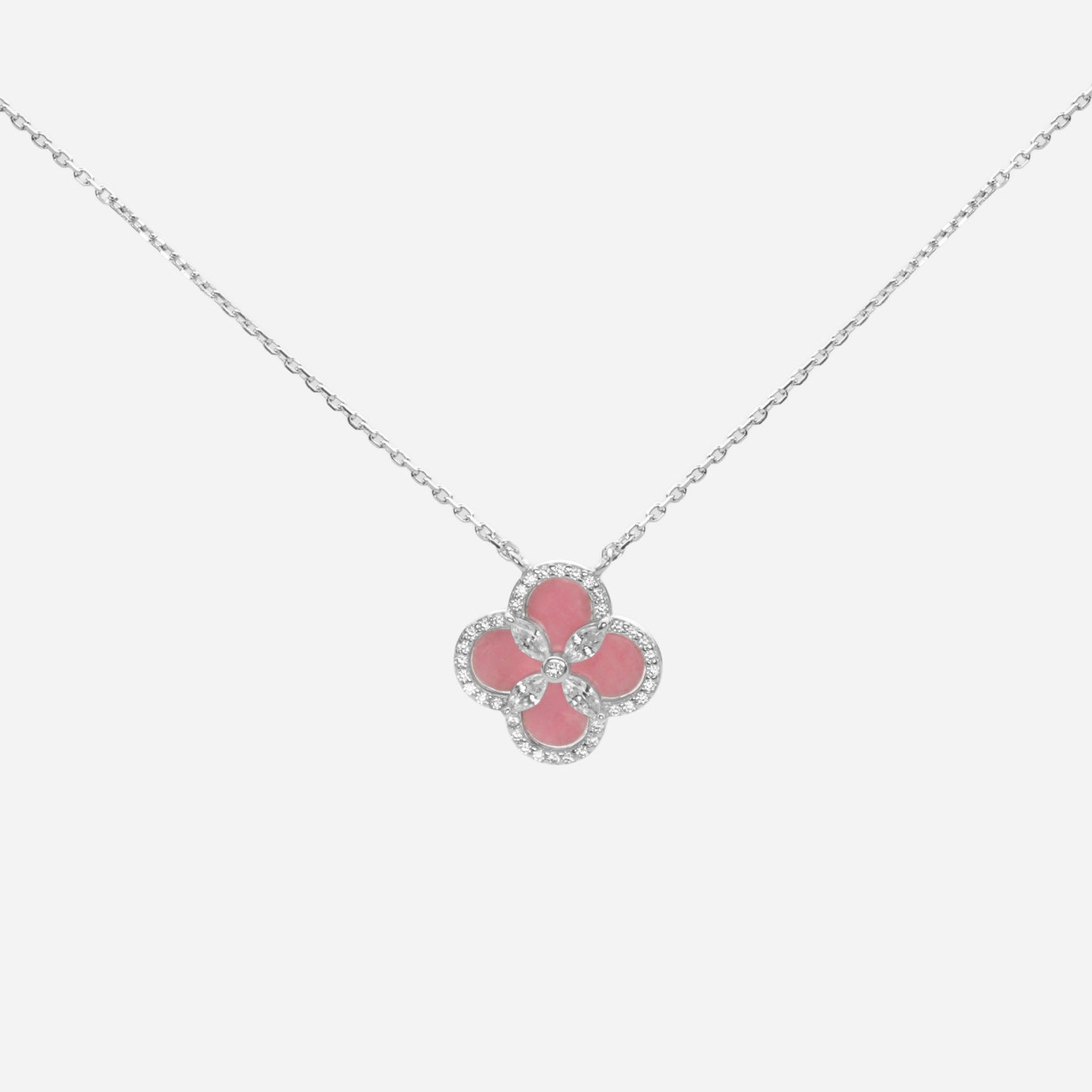
The material makes all the difference. Brass and copper react aggressively with sweat acids, producing the green discoloration many women have experienced. Solid Ag925 sterling silver — the base of every ELARAMUSE piece — remains chemically stable in the same conditions. Combined with 0.5-micron 18K gold plating (5-10 times thicker than standard flash plating), the protection is geometric: each layer reinforces the next.
Unlike mass-market jewelry that demands you baby it through summer, ELARAMUSE pieces are built for exactly this: a summer of sunscreen reapplication, spontaneous beach dips, and humid evenings.
Saltwater, Chlorine, and Gold Plating: What Actually Happens
There is a persistent myth in jewelry care: "gold does not tarnish." It is technically true for pure 24K gold. It is dangerously misleading for everything else.
Saltwater attacks jewelry through two mechanisms simultaneously. First, sodium chloride ions penetrate microscopic pores in the gold plating, reaching the base metal beneath. Second, saltwater is an electrolyte — it accelerates galvanic corrosion between different metals in a piece (gold plating over brass, or gold plating next to a silver clasp). The result: accelerated wear, pitting, and discoloration that appears weeks after the beach day that caused it.
Chlorine is even more aggressive. Pool chlorine (hypochlorous acid) doesn't just tarnish — it dissolves gold at the molecular level, particularly at grain boundaries where the plating is thinnest. A single hour in a chlorinated pool can strip months of plating life from a thin gold layer. This is not a problem for ELARAMUSE's 0.5-micron plating — the thickness provides a substantial buffer — but it is catastrophic for the 0.05-micron flash plating common on mass-market jewelry.
According to research published by the National Association of Jewelry Appraisers, chlorine exposure is one of the top three causes of premature jewelry failure (NAJA). The GIA similarly warns that even 18K gold can be damaged by prolonged chlorine exposure (GIA).
The practical rule: remove jewelry before swimming whenever possible. If you forget — and everyone does — rinse immediately with fresh water and dry with a soft cloth. An Ag925 sterling silver base with thick 18K plating forgives occasional exposure; brass-based jewelry doesn't.
Summer-Safe Metals: What to Look for in 2026
Not all "gold" jewelry handles summer the same way. The safety window depends almost entirely on what is underneath the gold.
| Metal Type | Sunscreen Safe? | Saltwater Safe? | Sweat Safe? | Lasts Through Summer? |
|---|---|---|---|---|
| Gold-plated brass | No | No | No | 1-2 weeks maximum |
| Gold-plated copper | No | No | No | 1-2 weeks maximum |
| Gold-plated stainless steel | Limited | Limited | Moderate | 1-2 months |
| Gold-plated Ag925 sterling silver | Yes | Short exposure OK with rinse | Yes | Full season and beyond |
| Solid 14K/18K gold | Yes | Yes (rinse after) | Yes | Lifetime |
The table tells a clear story: Ag925 sterling silver with thick 18K gold plating delivers summer durability that approaches solid gold — at a fraction of the cost. Unlike brass-based jewelry that demands constant vigilance, ELARAMUSE pieces are designed to survive summer rather than survive despite it.
The 3-Minute Summer Care Routine
Good materials eliminate 80% of summer jewelry problems. The other 20% comes down to a daily routine that takes less time than applying sunscreen.
Step 1: After wearing, wipe. Use a soft, lint-free microfiber cloth — the kind included with every ELARAMUSE order — to gently wipe each piece. This removes sunscreen residue, sweat, and body oils before they interact with the metal. Wipe in one direction to avoid pushing debris into crevices.
Step 2: If exposed to water, rinse. Swam, sweat heavily, or applied sunscreen while wearing jewelry? Rinse under lukewarm tap water for 10-15 seconds per piece. The goal is dilution — washing away salt, chlorine, and chemical residues before they concentrate. Pat dry immediately.
Step 3: Store properly. Drop jewelry into the ELARAMUSE microfiber pouch or a dedicated compartment. The worst summer storage choice: leaving jewelry on the bathroom counter, where humidity from showers creates a tarnish-friendly environment within minutes. Keep pieces separate — Ag925 does not scratch easily, but pave-set stones benefit from individual storage.
Step 4: Deep clean weekly. Once per week, give each frequently-worn piece a deeper clean: warm water + one drop of mild dish soap, gentle fingertip cleaning, thorough rinse, complete dry. Remember: no chemical dips, no ultrasonic cleaners, no toothpaste — all three are common but destructive shortcuts.
Behind the Design — Founders Note: "I created the ELARAMUSE microfiber pouch with summer in mind. It is not just packaging — it is the first line of defense against humidity, the second against scratching, and the third against the chaos of a beach bag. The pouch is designed to live in your purse, your gym bag, your suitcase. Because the easiest care routine is the one you actually follow."
Summer Travel: Protecting Your Jewelry From Heat and Humidity
Travel amplifies every summer jewelry risk. A piece that is fine in your climate-controlled bedroom faces a completely different environment in a beachfront hotel room, a car trunk, or a carry-on bag.
Heat is a plating accelerator. High temperatures cause metal to expand, creating microscopic gaps in gold plating that let moisture and chemicals reach the base metal. A necklace left on a sunny hotel nightstand for an afternoon can experience thermal stress equivalent to months of normal wear.
Humidity is a tarnish catalyst. Relative humidity above 60% — common in coastal destinations and tropical travel — accelerates silver tarnish by a factor of 3-5 times compared to normal indoor conditions. This is why sterling silver jewelry sometimes tarnishes faster on vacation, even when worn less.
The ELARAMUSE travel protocol:
- Pack smart: Use the microfiber pouch, then place inside a zip-top bag if traveling to a humid destination. Dual-layer protection, simple but effective.
- Never leave jewelry in direct sunlight — not on the nightstand, not on the beach towel, not on the car dashboard. Heat plus UV equals accelerated wear.
- Apply sunscreen first, then put on jewelry. Wait 2-3 minutes after sunscreen application before wearing necklaces or bracelets. This prevents sunscreen from being pressed directly against the metal surface.
- Rinse after every beach or pool entry. Even a 5-second dip warrants a 30-second freshwater rinse. This prevents what would otherwise become a slow-motion chemical reaction.
- Travel capsule: Pack 2-3 versatile pieces rather than your entire collection. A statement necklace like the Crimson Ruby Necklace, a convertible piece like the Crystal Cage Necklace, and one ring cover every occasion with minimal care burden.
The ELARAMUSE Standard
"We believe jewelry should work as hard as you do — shower-safe, sleep-safe, and never a source of anxiety. Every ELARAMUSE piece is built on Ag925 sterling silver with 0.5-micron 18K gold plating, rigorously tested for real life — including summer."
| Feature | Specification | Summer Benefit |
|---|---|---|
| Base Metal | Solid Ag925 Sterling Silver | Chemically stable in sweat, sunscreen, and humidity |
| Plating | 0.5-micron 18K gold | Resists saltwater penetration far longer than flash plating |
| Safety | 100% Nickel-Free | No green marks even during heavy summer perspiration |
| Package | Microfiber pouch included | Built-in summer travel protection from day one |
FAQ: Summer Jewelry Care
Q: Can I wear gold-plated jewelry in the pool?
We recommend removing jewelry before swimming. However, if a piece is built on Ag925 sterling silver with 0.5-micron 18K gold plating (ELARAMUSE standard), brief chlorine or saltwater exposure followed by immediate freshwater rinsing is unlikely to cause damage. Brass-based gold-plated pieces should never enter pool water — the chlorine reaction begins within minutes.
Q: Does sunscreen really damage jewelry?
Yes — but the severity depends on the base metal. Chemical sunscreens accelerate oxidation on brass and copper. On Ag925 sterling silver, the effect is minimal. The practical rule: apply sunscreen, wait 2-3 minutes, then put on your jewelry. This simple sequence prevents most sunscreen-related damage.
Q: How do I remove sunscreen residue from jewelry?
Warm water, one drop of mild dish soap, gentle fingertip cleaning, thorough rinse, complete dry. Microfiber cloth for final polish. Never use alcohol-based cleaners — they strip the protective layer from gold plating. Never use toothpaste — the abrasives scratch gold plating.
Q: Why does my jewelry tarnish faster at the beach?
Three factors combine: salt (corrosive electrolyte), humidity (tarnish catalyst, 3-5 times acceleration), and heat (thermal expansion creates microscopic gaps in plating). Rinsing after every beach day is the single most effective countermeasure you can take.
Q: What is the best summer jewelry for sensitive skin?
Nickel-free Ag925 sterling silver with thick 18K gold plating. This eliminates the two primary summer irritation triggers: nickel allergy reactions (amplified by sweat) and copper/brass green discoloration (amplified by humidity). Every ELARAMUSE piece meets this standard.
Q: Can I sleep in my jewelry during summer?
If the base metal is Ag925 sterling silver with 0.5-micron gold plating — yes, completely fine. If it is gold-plated brass — no, summer night sweating combined with pillowcase friction accelerates plating wear. Ag925's structural integrity means this friction has negligible effect.
Editors Picks: Summer-Ready Pieces
- Crimson Ruby Necklace — Freud Rose balance bar with lab diamond fringe, Ag925 silver base. Wear poolside to rooftop without worry.
- Crystal Cage Necklace — Detachable rock crystal, convertible length. Your one-necklace travel solution.
- Celestial Tears Y-Necklace — Gold teardrop fringe, elongating silhouette. Beach-to-dinner versatility.
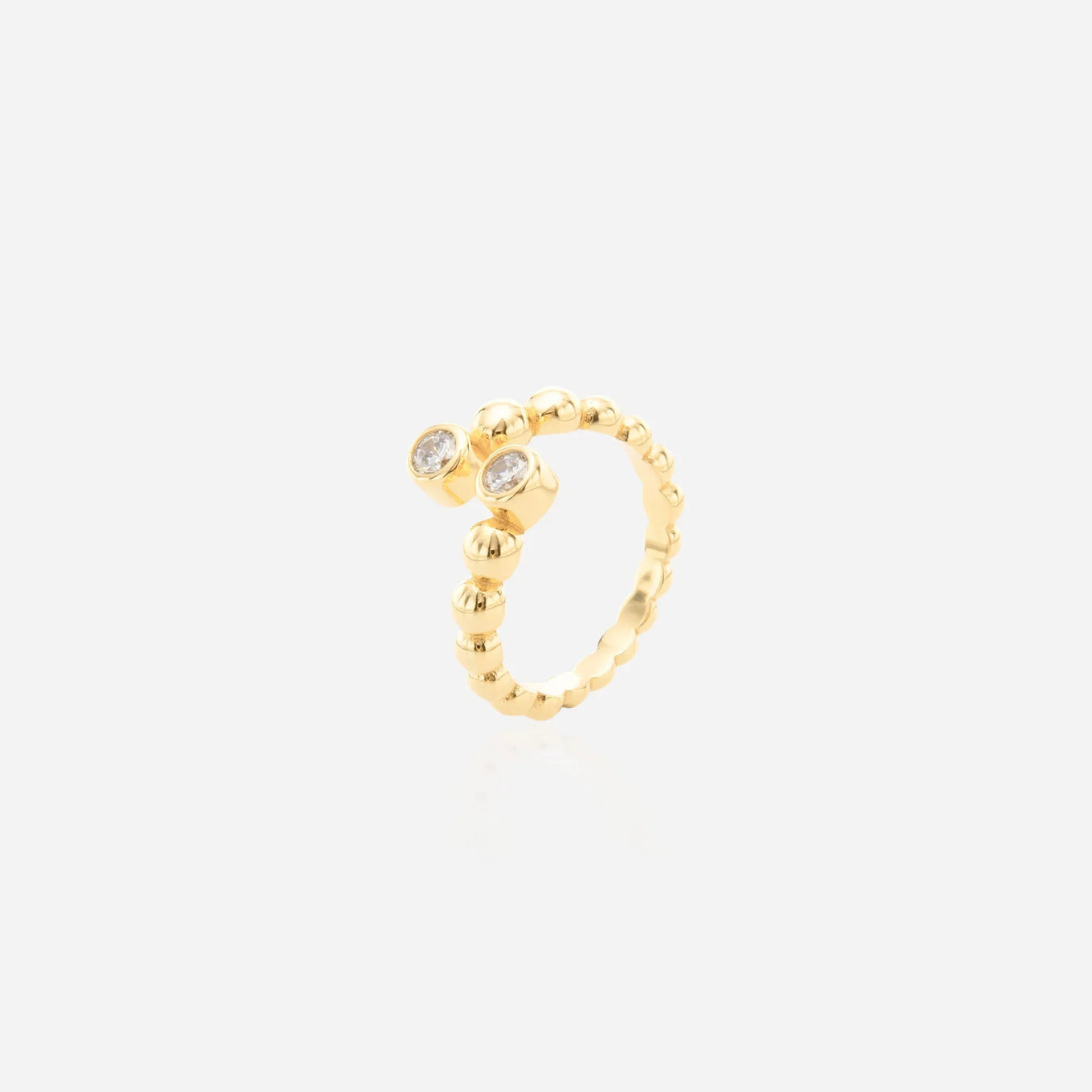
- Gold Bubble Ring — Bezel lab diamond bead band, stacking-friendly. Summer ring that handles sunscreen and saltwater.
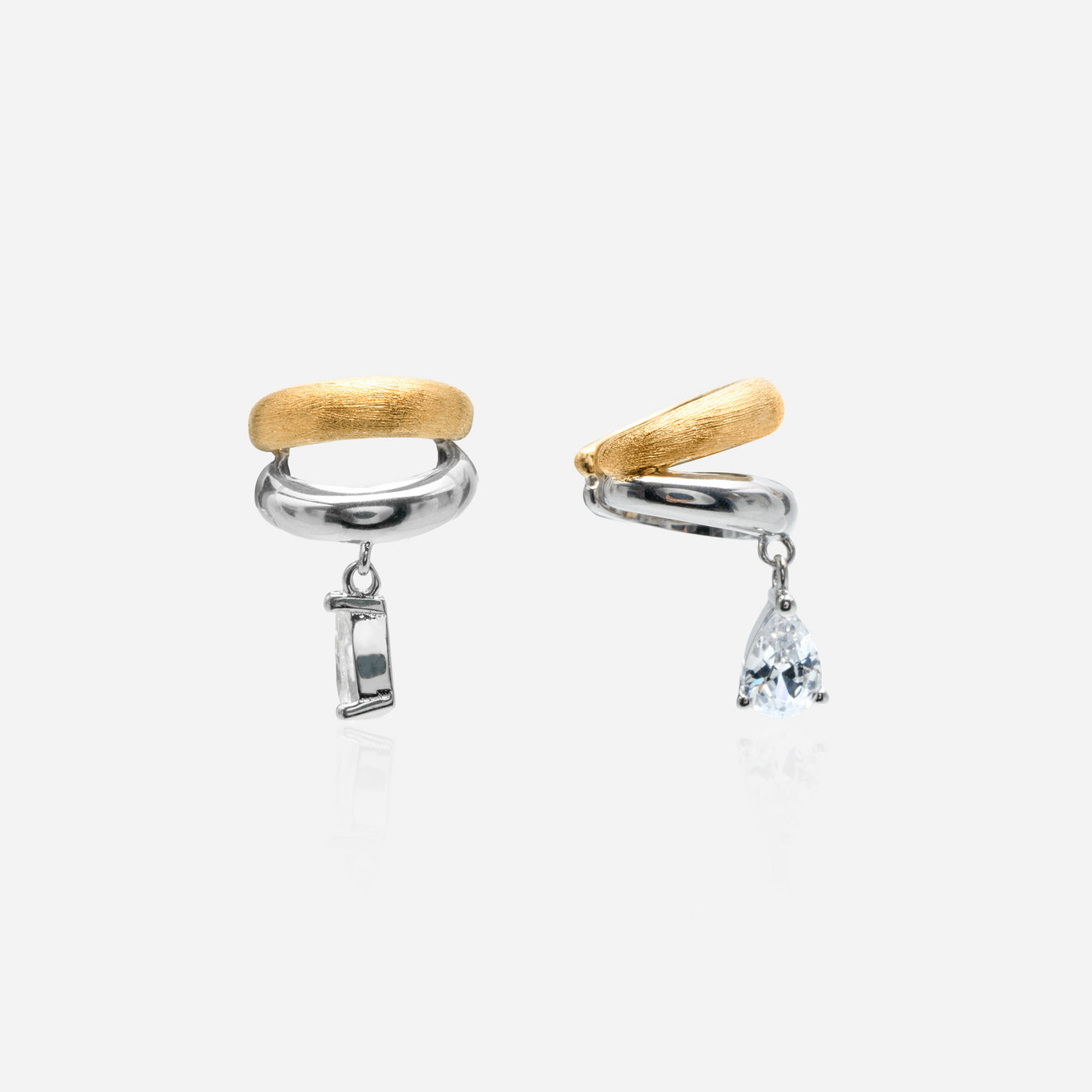
- Ear Cuffs Collection — No-piercing ear jewelry, featherlight and summer-practical for beach days and humid evenings.
Your summer should be about the memories you make — not the jewelry you worry about. Wear it. Live in it. Let it become part of your story.