Signet Ring Guide 2026: History, Meaning & How to Wear One
Quick Answer
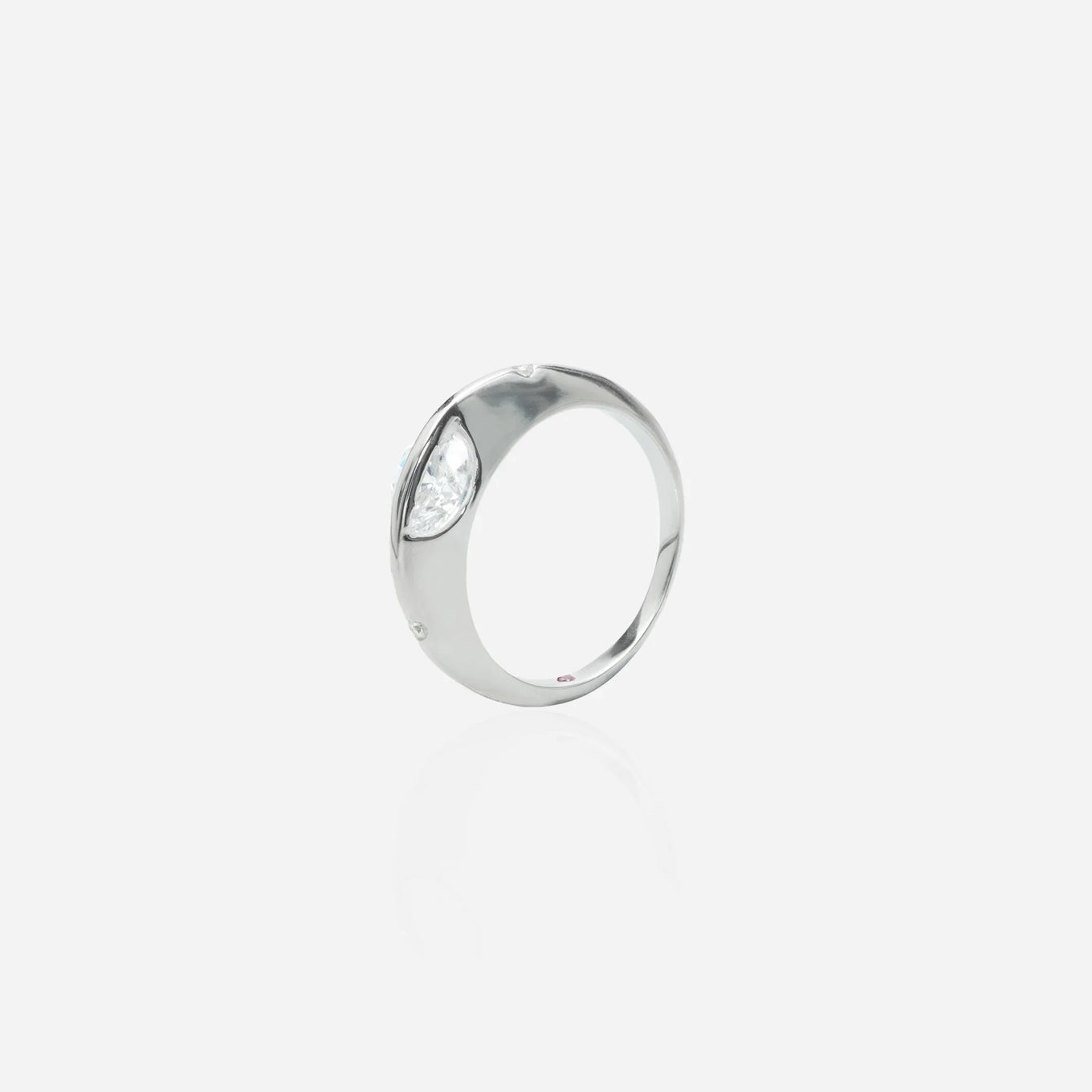
A signet ring is a ring engraved with a personalized emblem — a tradition echoed in modern architectural styles like the Oasis Wide Band, where channel-set lab diamonds replace engraved crests as the mark of craftsmanship —, monogram, or coat of arms — originally used as a wax seal for authenticating documents. Today, it is worn as a symbol of identity, heritage, and personal style.
Table of Contents
- Signet Ring Meaning & Symbolism
- How to Wear a Signet Ring
- Types of Signet Rings
- Gold vs Silver Signet Rings
- The Modern Signet Ring Alternative
- How to Choose Your Signet Ring
- <a href="#what-is"What Is a Signet Ring?
What Is a Signet Ring?
A signet ring is among the oldest forms of jewelry still in continuous use — one that began not as ornament but as a functional tool of power. The signet ring history stretches back over 5,000 years — and its stacked crown DNA lives on in rings like the Summit Ring, from the clay tablets of Mesopotamia to the digital signatures of today.
In ancient Mesopotamia, cylinder seals carved from stone were rolled across wet clay to authenticate transactions and decrees. By the Bronze Age, these seals had been miniaturized into rings worn on the finger — always within reach, impossible to misplace. The ring itself became the signature.
The practice reached its full expression in ancient Rome, where every male citizen of rank wore an iron or gold ring engraved with his family's emblem. These rings served as legal instruments — pressing the intaglio into hot wax sealed contracts, wills, and correspondence. To possess another man's signet ring was to assume his authority; to destroy it was to nullify his power.
During the medieval period, signet rings became the province of nobility and clergy. By the 14th century, English merchants had adopted the tradition, commissioning rings with their merchant marks. The practice trickled down the social ladder until, by the Victorian era, signet rings were worn at every level of society as markers of identity rather than instruments of law.
Today, a signet ring is a deliberate choice — a declaration that identity matters, that history has weight, and that some symbols are worth wearing permanently.
The British Museum holds some of the finest surviving examples from antiquity, and the Victoria & Albert Museum collection offers an extraordinary visual record of the form's evolution across centuries.
Signet Ring Meaning & Symbolism
The signet ring meaning is layered across millennia: at its core, it signifies identity made physical. Unlike an ornament chosen purely for beauty, a signet ring carries a statement about who you are, where you come from, and what you stand for.
Historically, the signet ring meant authority. A king's seal on a document carried the full weight of the crown. When the Metropolitan Museum of Art cataloged medieval signets, they documented rings that could start wars, arrange royal marriages, or pass death sentences — all with a single press into wax. The ring was not jewelry; it was jurisdiction.
The family crest on a signet ring — passed from father to eldest son — represented lineage. In a world before identification documents, your ring told people who you were. Even today, the wearing of a family crest signet ring carries the weight of ancestry and belonging.
In a modern context, the signet ring meaning has broadened. It can represent professional identity (a lawyer's ring, a doctor's seal), personal commitment (an alternative to a wedding band), or membership in a chosen family. Some wear it simply as a declaration: I know who I am.
The signet ring has also become a symbol of self-made identity. Unlike inherited titles, a contemporary signet can bear initials, coordinates, a personal motto, or an abstract emblem — a seal you design for the life you are building, not the one you were born into.
How to Wear a Signet Ring
The question of how to wear a signet ring has more than one correct answer — tradition varies by culture, family, and personal preference. The two most debated variables are finger choice and hand choice.
The traditional choice is the pinky finger of the non-dominant hand. A pinky signet ring keeps the ring out of the way for writing and handshakes while keeping the seal within easy reach. In British tradition, the left pinky was the standard for men; the right pinky was reserved for the Prince of Wales and those who followed his style. In American and Continental European practice, either pinky is acceptable.
Wearing a signet ring on the ring finger carries its own significance. This placement can signal that the ring serves as a wedding band. For those who prefer the ring finger without nuptial implications, wearing the ring face turned inward (toward the palm) is a stylistic gesture that says the emblem is for the wearer, not the audience.
The direction of the engraving also matters. When worn on the pinky, a signet ring is traditionally oriented so the design faces outward — visible to the person shaking your hand. Some modern wearers reverse this, turning the design inward so it's visible to them, treating it as a private reminder rather than a public declaration.
For women, the rules are more fluid. A women's signet ring can be worn on any finger — stacked with other bands on the index or middle finger for a contemporary look, or worn solo on the pinky for a nod to tradition. The key is intentionality: the choice of finger and hand should feel deliberate, not accidental.
What matters most is that the ring sits securely. A signet ring, unlike a delicate band, tends to have a substantial head that can spin or catch. A proper fit — snug enough to stay oriented, loose enough to remove — is non-negotiable.
Types of Signet Rings
Not all signet rings are created equal. The form has evolved across centuries and cultures, producing distinct types that speak to different tastes and traditions.
Vintage Signet Rings. A vintage signet ring typically refers to pieces from the mid-19th through mid-20th centuries — Victorian, Edwardian, Art Deco, and mid-century. These rings frequently feature hand-engraved details, warm patinas, and ornate shoulders that mass-produced modern rings rarely replicate. The appeal lies in character: a century of wear leaves a ring with a story no new piece can manufacture.
Antique Signet Rings. Older still, antique signet rings (pre-1837, using the standard antique threshold) are museum-grade. Georgian-era signets are distinguished by heavier gold weight, simpler geometric faces, and the unmistakable depth of hand-cut intaglio engraving. An antique signet ring is as much history as it is jewelry.
Engraved Signet Rings. An engraved signet ring may feature initials, a monogram, a family crest, or a personal emblem. Hand engraving produces depth and texture that machine work cannot replicate. Laser engraving is the modern standard for precision and affordability — it has opened signet rings to a new generation who want personalization without the wait time of custom hand work.
Family Crest Signet Rings. The most traditional type, a family crest signet ring bears the full heraldic achievement — shield, crest, motto, and sometimes supporters. These are typically commissioned from a jeweler familiar with heraldry, as the engraving must accurately render the specific tinctures and charges described in the family's grant of arms.
Diamond Signet Rings. A contemporary development, diamond signet rings frame or replace the traditional engraved face with precious stones. Pave-set diamonds around the bezel add brilliance while preserving the central face. Some designs set a single diamond at the center of the signet face, creating a hybrid between a signet and a statement ring.
Pinky Signet Rings. Sized smaller and proportioned for the pinky finger, the pinky signet ring is the classic silhouette in signet tradition. Its compact face keeps the design intimate — visible, but not broadcasting. This is the choice for purists.
Gold vs Silver Signet Rings
The material of a signet ring shapes both its visual presence and daily wear characteristics. The choice between gold and silver is practical as well as aesthetic.
Gold Signet Rings. Gold has been the traditional metal for signet rings since antiquity. It resists tarnish, develops a warm patina with age, and carries an inherent sense of permanence. Yellow gold (14K or 18K) is classic; rose gold offers a softer, more romantic alternative. Gold's density gives a signet ring satisfying weight — a constant reminder of its presence on the hand.
The main consideration with gold is cost. A fine gold signet ring is a significant investment. Gold-plated sterling silver options provide the same aesthetic at a more accessible price point, though they require more care to preserve the finish over years of daily wear.
Sterling Silver Signet Rings. A sterling silver signet ring offers a cooler, more understated alternative. Silver's bright white luster provides a striking backdrop for engraving — the contrast between polished silver and recessed oxidized engraving is one of the most legible combinations in ring design.
According to the Gemological Institute of America (GIA), sterling silver (92.5% pure) balances beauty and durability for everyday jewelry.
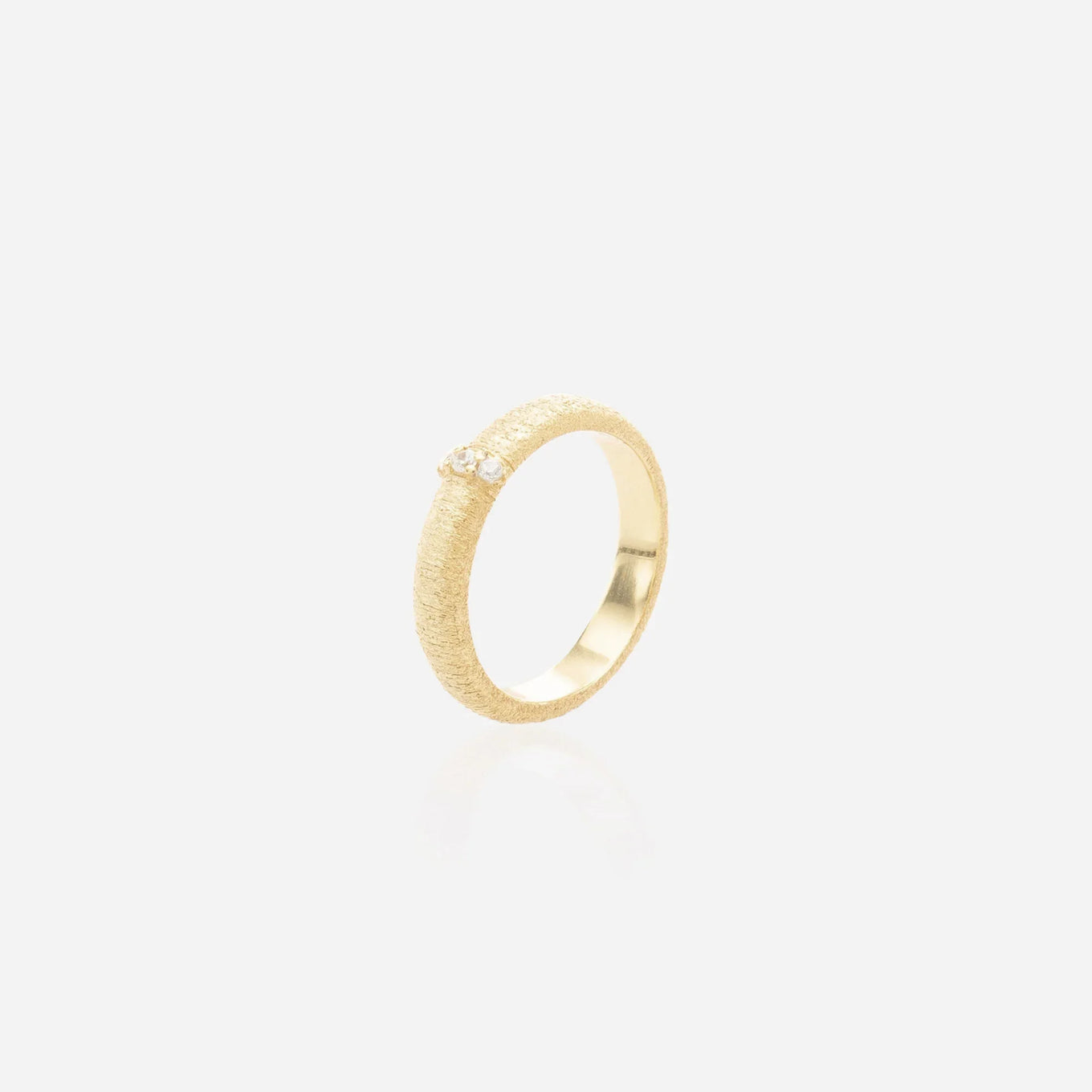
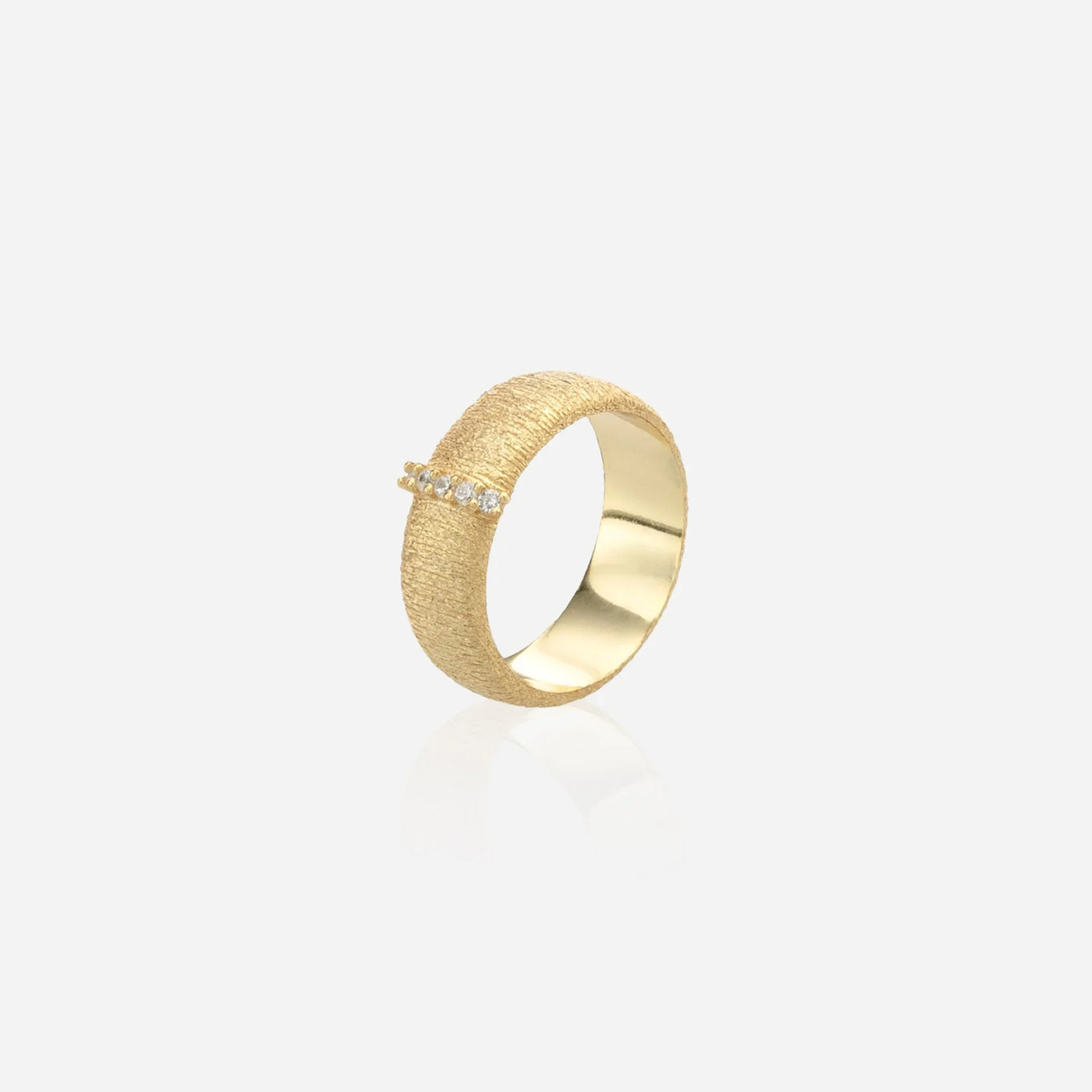
For a modern interpretation of signet-inspired design, our Wide Band Ring and Laurel Cuff Ring reinterpret the signet silhouette with architectural precision and botanical motifs.
Silver does require occasional maintenance — it will tarnish over time, especially in humid environments. A monthly polish and proper storage in an anti-tarnish pouch will keep a sterling silver signet ring bright for decades. The trade-off — a lower cost of entry and a versatile cool tone — makes silver the practical choice for first-time signet ring buyers.
Mixed Metals. A growing number of contemporary signet rings combine gold and silver in a single piece. A silver signet face set in a gold bezel, or a gold band with a silver engraved plate, creates visual contrast that neither metal achieves alone. This approach works particularly well for those who stack both gold and silver jewelry.
The Modern Signet Ring Alternative
Not everyone needs a traditional signet — or wants one. The classic signet ring silhouette, with its flat engraved face and substantial presence, has inspired a new wave of contemporary designs that capture the spirit without the formality.
A modern signet ring alternative keeps the core elements that make the style compelling: a broad, noticeable face; architectural presence on the hand; and a sense of permanence. But it replaces the engraved emblem with sculptural metalwork, textured surfaces, or carefully placed gemstones. The result is a ring that commands attention on its own design merits rather than heraldry.
This evolution opens signet-style rings to a broader audience. You no longer need a coat of arms or family crest to wear a ring with weight and presence. A wide band with an architectural face, a sculptural wrap ring with a prominent profile, or a domed ring with a radiant central stone all channel the signet's DNA without requiring genealogy.
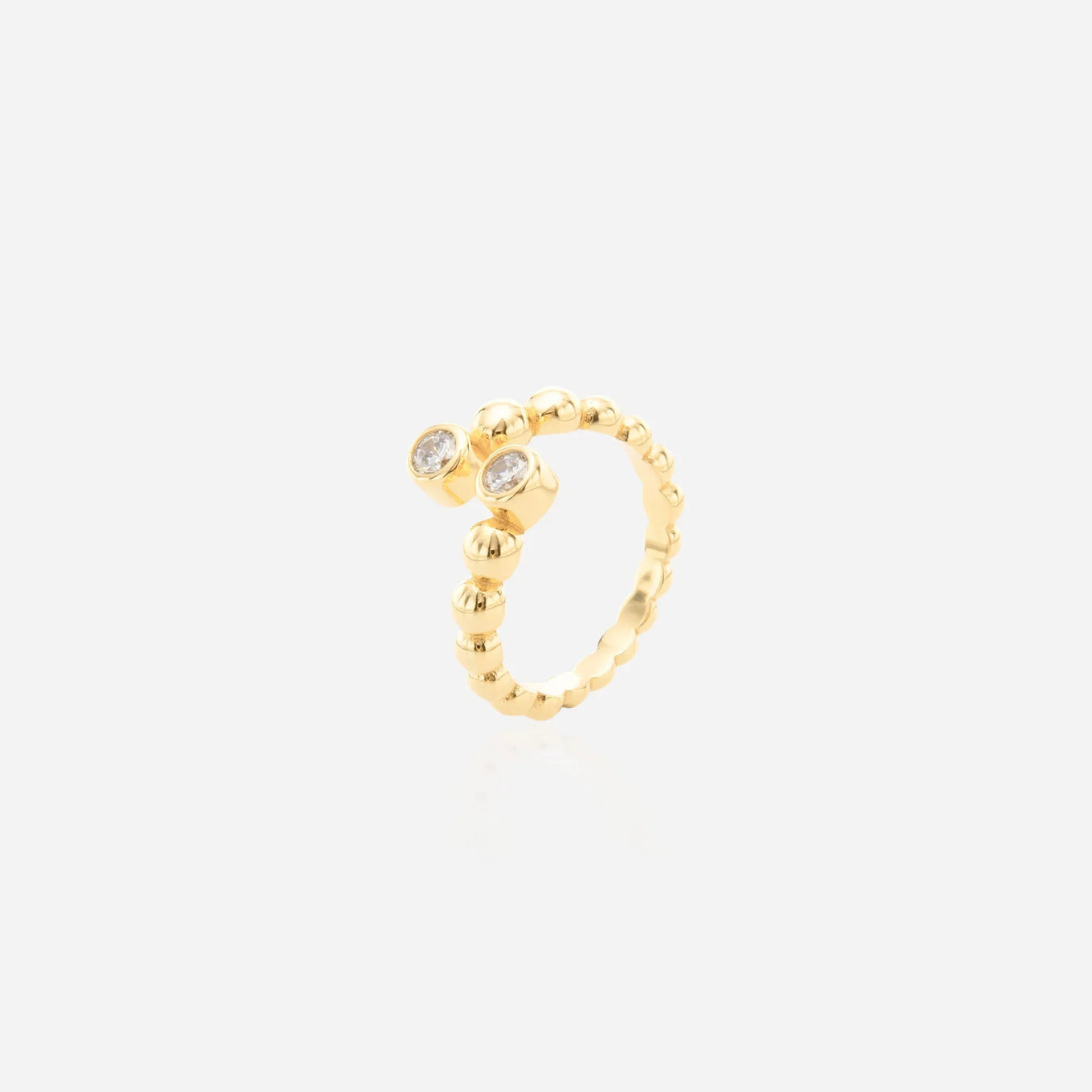
At ELARAMUSE, this philosophy informs rings like the sculptural Serpentina Cuff, the architectural Wide Band Ring, and the solar-inspired Dome Ring Solaris. Each channels the signet's commanding presence through contemporary design language — no wax seal required.

How to Choose Your Signet Ring
Choosing a signet ring — traditional or contemporary — is a personal decision that rewards patience. Here are the factors to weigh before committing.
1. Define Your Purpose. Are you honoring a family tradition, marking a personal milestone, or simply drawn to the signet aesthetic? A family crest may call for a traditional engraved signet; a personal milestone might inspire a contemporary piece with symbolic design elements. Clarity on purpose narrows your options immediately.
2. Choose Your Metal. Yellow gold reads as timeless and warm; white gold or sterling silver feels modern and crisp; rose gold offers romantic warmth. Consider what other jewelry you wear daily — your signet ring should harmonize with your existing pieces rather than competing with them.
3. Select the Face Shape. Signet faces come in oval, round, cushion, and octagonal cuts. Oval is the traditional choice for engraved family crests. Round and cushion faces feel softer and more contemporary. An octagonal face reads as architectural and decisive — ideal for modern designs.
4. Get the Fit Right. A signet ring should fit more snugly than a typical band because its weight can cause spinning. Visit a jeweler for professional sizing, and try on rings with similar face widths. If ordering online, measure your finger at the end of the day when fingers are at their largest.
5. Consider Engraving. Inside-ring engraving — a date, initials, or a short phrase — adds a layer of personal meaning accessible only to the wearer. Even contemporary signet-style rings can carry an interior message that transforms the piece from beautiful to irreplaceable.
Editor's Picks: The Modern Signet Ring Collection
These ELARAMUSE rings reinterpret the signet ring silhouette through a contemporary lens. Each piece carries the commanding presence of a signet while trading heraldry for sculptural design, gemstones, and architectural form.
Dome Ring Solaris
Sunburst dome ring with nano zircon center — radiant signet presence
Solaris Dome Ring
Wide Band Ring
Architectural interlocking gold band — bold signet-style statement
Gold Wide Band Ring
Laurel Cuff Ring
Gold laurel wrap ring with diamond accents — a victory emblem for the hand
Laurel Cuff Ring
Oeil de Tigre Ring
Tiger's Eye cabochon guarded by diamond beasts — protection as adornment
Oeil de Tigre Ring
Serpentina Cuff
Serpentine gold wrap ring with zircon eye — a ring that commands the hand
Serpentina Cuff RingKey Terms
- Signet Ring
- A ring bearing an engraved emblem, historically used to impress a wax seal. The engraving is typically in intaglio (recessed) rather than relief.
- Intaglio
- A design carved into a surface so that it sits below the surrounding material. The reverse of cameo (relief). Essential to the signet ring's sealing function.
- Heraldry
- The system by which coats of arms and other armorial bearings are devised, described, and regulated. The language of family crest signet rings.
- Bezel
- The top face of a signet ring where the engraving or design sits. Also refers to the metal rim holding a gemstone in place.
- Vermeil
- Sterling silver electroplated with a heavy layer of gold — typically 2.5 microns or thicker. Provides gold's warmth at silver's price point.
Frequently Asked Questions
What is a signet ring?
A signet ring is a ring engraved with a personalized symbol, monogram, or family crest. Historically used to press into wax and seal documents, today it serves as a mark of identity and personal style. The flat face (bezel) of the ring carries the engraved design, typically cut in intaglio for the traditional sealing function.
What finger do you wear a signet ring on?
Traditionally, the pinky finger of the non-dominant hand. In British custom, the left pinky for men; the right pinky was historically reserved for royal tradition. The ring finger is also common, especially when the ring doubles as a wedding band. For women, any finger works — index and middle finger stacking is increasingly popular.
What does a signet ring symbolize?
A signet ring symbolizes identity, authority, and belonging. Historically, it represented the power to make legally binding decisions. In a family context, it symbolizes lineage and inheritance. In a modern context, it can symbolize self-made identity, a milestone achieved, or membership in a chosen community.
Can women wear signet rings?
Absolutely. While historically a male tradition, women have worn signet rings for centuries — from queens sealing royal decrees to modern women commissioning their own crests. Contemporary women's signet rings tend toward lighter proportions and are frequently stacked with other bands, but there are no rules: a bold, traditional-style signet on a woman's hand reads as confident and intentional.
Are signet rings still in style?
Yes — and they are experiencing a significant revival. Contemporary designers are reinterpreting the signet silhouette with sculptural forms, colored gemstones, and mixed metals. The form's permanence and meaning resonate strongly in an era of fast fashion and disposable accessories. A signet ring is the antithesis of throwaway culture.
How do I clean a signet ring?
For daily maintenance, wipe with a soft, lint-free cloth after wear. For deeper cleaning: soak gold signet rings in warm water with mild dish soap for 15-20 minutes, gently brush crevices with a soft toothbrush, rinse, and dry thoroughly. Silver signet rings benefit from a monthly polish with a silver polishing cloth. For rings with gemstones, avoid ultrasonic cleaners unless you have confirmed the stones can withstand them. When in doubt, have your ring professionally cleaned once a year.
WE BELIEVE
Jewelry is autobiography. Every ring, every chain, every stone tells the story of who you are and who you are becoming. At ELARAMUSE, we design for the narrators — the ones who know that what they wear speaks before they do.
References & Further Reading
- Victoria & Albert Museum — Signet Rings Through the Ages
- The Metropolitan Museum of Art — Signet Ring Collection
- Gemological Institute of America (GIA) — Gem Encyclopedia
- <a href="https: target="_blank" rel="noopener noreferrer">British Museum — Ancient Signet Rings Collection