What Is a Rope Chain? The Complete Twisted Gold Chain Guide (2026)
Quick Answer: A rope chain is a twisted-link chain style where multiple oval links spiral together in alternating directions, creating a 3D helix pattern that catches more light than any flat chain — ideal as a standalone statement piece or a sparkling layering anchor.
Table of Contents
- The Anatomy of a Rope Chain: What Makes It Different
- Key Terms You Need to Know
- Rope Chain vs Other Chain Styles: A Quick Comparison
- The ÉLARAMUSE Standard
- How to Style a Rope Chain: 3 Looks That Always Work
- Types of Rope Chain Jewelry Worth Owning
- How to Care for Your Rope Chain: The 2-Minute Routine
- Frequently Asked Questions
- Editor's Picks
A well-made rope chain doesn't just sit on your neck — it performs. Every turn of your head sends a cascade of light down its spiral grooves, and that's a sensation flat chains simply cannot deliver. I remember the first time I held a diamond-cut rope chain under jewelry-store lighting — it threw off so many tiny sparkles per second that I genuinely thought I was looking at pavé diamonds. I wasn't. It was just precision engineering at the micron level.
Key Terms You Need to Know
- Rope Chain: A chain style formed by twisting multiple small links into a spiral pattern that resembles a rope — the twisted grooves catch light from every angle.
- Ag925: International hallmark for sterling silver — 92.5% pure silver, the standard base metal for all ÉLARAMUSE pieces.
- Micron Plating: The thickness measurement of gold plating — 0.5 micron is the premium standard that ensures years of wear without fading.
- Magnetic Clasp: A secure closure mechanism that snaps shut with magnets — ideal for people who struggle with traditional lobster clasps.
- Diamond-Cut: A machine-finishing technique that creates micro-facets on chain links, amplifying sparkle without adding gemstones.
The Anatomy of a Rope Chain: What Makes It Different
Walk into any jewelry store and you'll see dozens of chain styles hanging behind the glass. But the rope chain stands out immediately — and for good reason. Unlike flat chains that sit against the skin, a rope chain is three-dimensional. Its twisted helix structure means the chain reflects light in multiple directions simultaneously, creating a shimmering effect that flat chains simply cannot achieve.
Here's how it works technically: each "link" in a rope chain is actually multiple smaller oval links that have been tightly twisted together in alternating directions — clockwise, then counter-clockwise, then clockwise again. This alternating twist pattern is what creates the distinctive spiral grooves. The more twists per inch, the tighter — and stronger — the chain.
The term "diamond-cut" rope chain takes this one step further. After the links are twisted, a precision cutting tool shaves off microscopic slices from the surface of each link, creating hundreds of tiny reflective planes. The result? A chain that sparkles like it's set with diamonds — without a single stone.
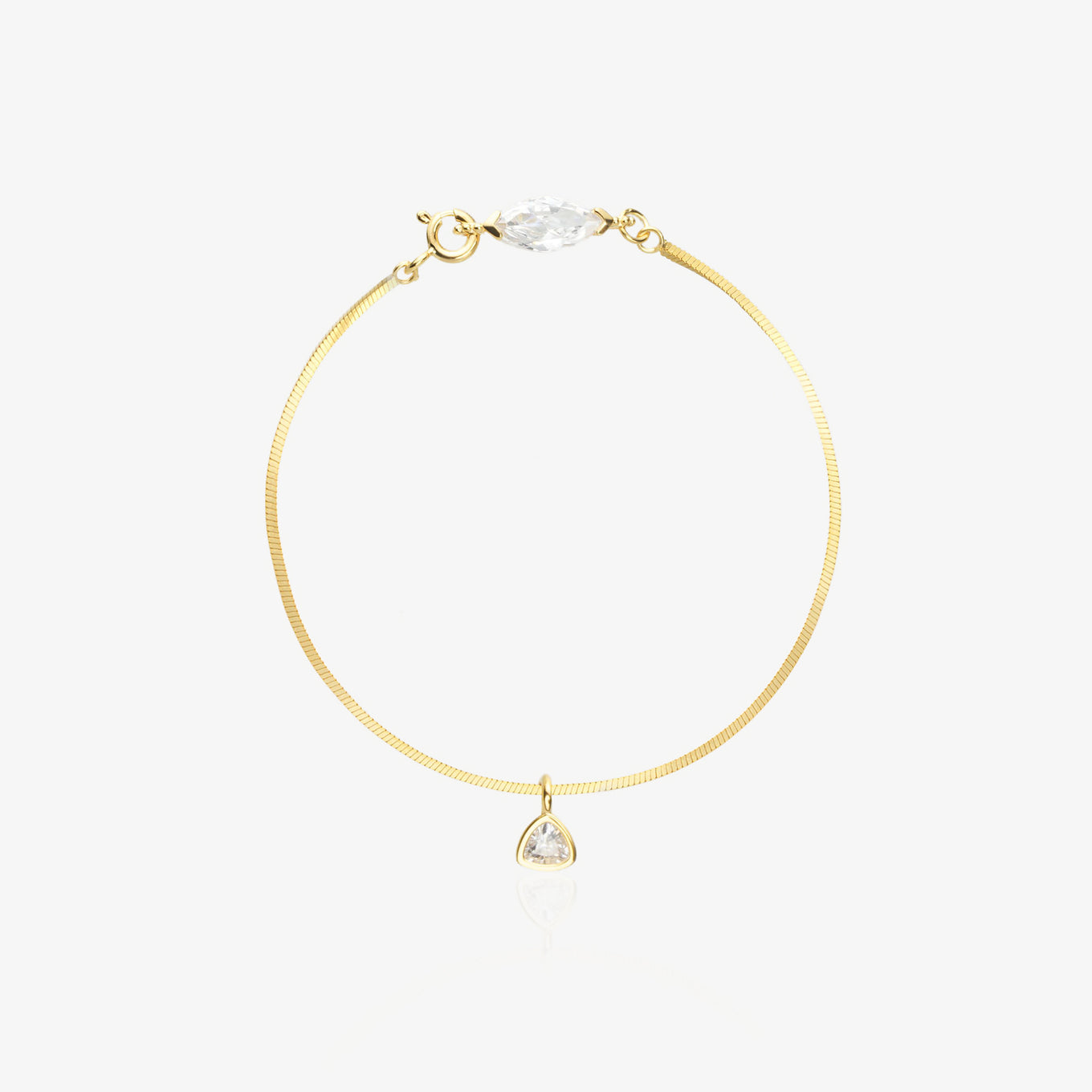
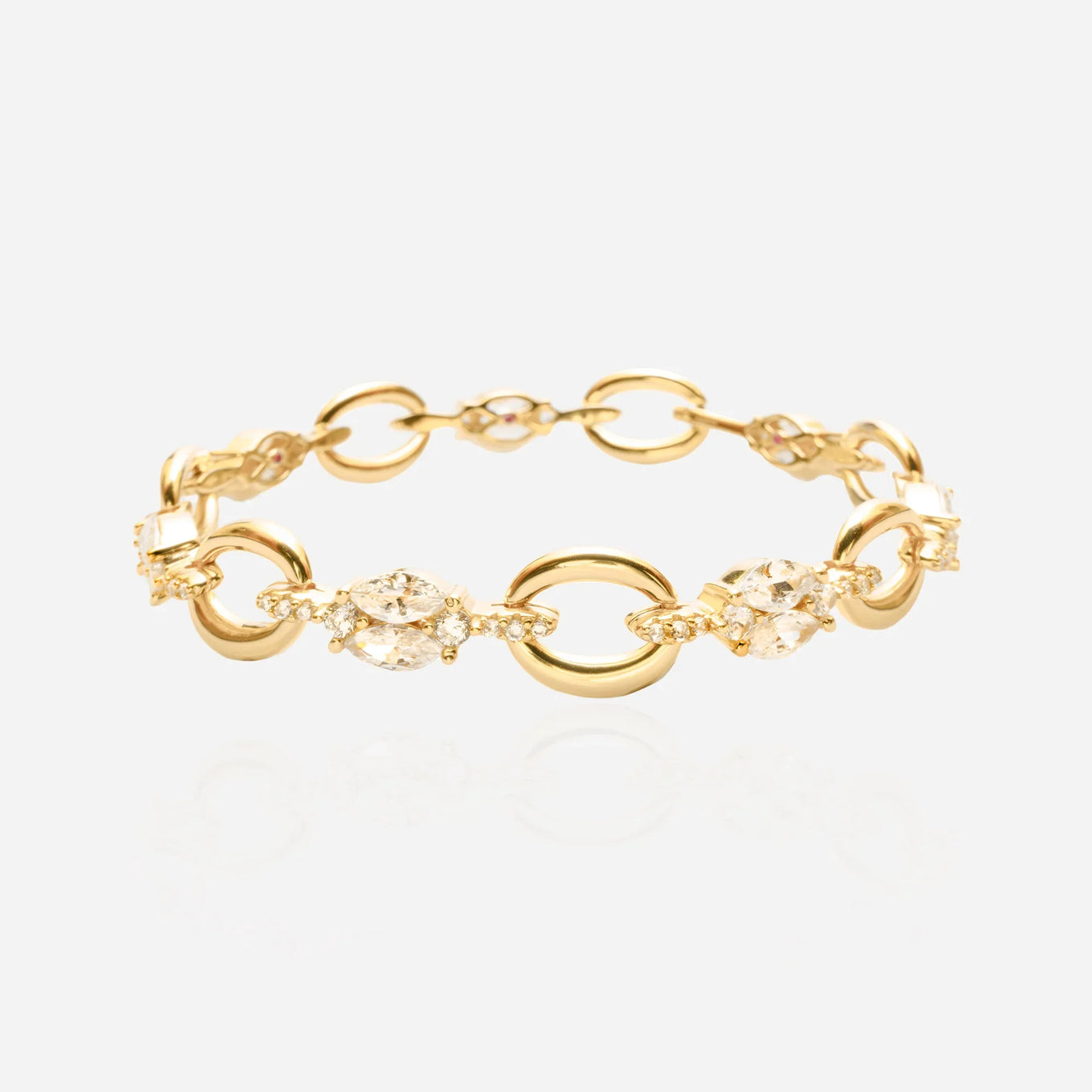
When we designed the Gilded Vine Bracelet, we built it around a diamond-cut rope chain precisely because of this visual mechanism. The bracelet registers every wrist rotation — typing, gesturing, reaching for a coffee — as a fresh burst of light. It's jewelry that rewards you for simply living your life.
What really separates a quality rope chain from a cheap one comes down to three factors: link density (more links per inch = smoother drape), twist consistency (even spacing throughout), and plating thickness (0.5-micron minimum for daily wear). Skip on any of these, and you'll spot the difference within weeks — the chain loses its structure, gaps appear between links, and the gold tone fades unevenly.
Rope Chain vs Other Chain Styles: A Quick Comparison
| Chain Style | Structure | Sparkle Level | Best For |
|---|---|---|---|
| Rope Chain | Twisted spiral links | ⭐⭐⭐⭐⭐ | Standalone statement, layering anchor |
| Curb / Cuban | Flat interlocking links | ⭐⭐⭐ | Bold street style, menswear |
| Box Chain | Square box-shaped links | ⭐⭐ | Pendant display, minimalist |
| Figaro Chain | Alternating long-short links | ⭐⭐ | Classic Italian, pendant base |
| Wheat Chain | Tightly braided oval links | ⭐⭐⭐⭐ | Textured subtlety, sensitive skin |
| Herringbone | Flat V-shaped slats | ⭐⭐⭐⭐ | High-shine formal, prone to kinking |
Unlike flat chains that lie static against your collarbone, a twisted rope chain catches light with every micro-movement you make. A diamond-cut rope chain at 0.5-micron 18K gold plating delivers 90%+ of the visual impact of solid gold — at a fraction of the price. That's not marketing speak; it's physics. More reflective surface area = more visible sparkle.
The ÉLARAMUSE Standard
We believe jewelry should work as hard as you do — shower-safe, sleep-safe, and never a source of anxiety. Every ÉLARAMUSE piece is built on Ag925 sterling silver with 0.5-micron 18K gold plating, rigorously tested for real life. Our twisted rope chain pieces go through an additional 3-step quality check: link density verification, twist uniformity inspection, and plating adhesion testing.
| Feature | Specification |
|---|---|
| Base Metal | Solid Ag925 Sterling Silver |
| Plating | 0.5-micron 18K gold plating |
| Safety | 100% Nickel-Free, Hypoallergenic |
| Durability | Water-resistant, Tarnish-resistant |
| Chain Type | Diamond-cut twisted rope links |
| Clasp Options | Lobster clasp / Magnetic clasp |
How to Style a Rope Chain: 3 Looks That Always Work
The rope chain is the most versatile chain in your jewelry box. Because it has enough presence to stand alone but isn't so chunky that it overwhelms, it works across every style scenario. Here are three foolproof ways to wear it.
Solo Statement. A 2-3mm rope chain worn alone lets the spiral texture do all the talking. This is your everyday uniform — it dresses up a plain white tee, adds polish to a blazer, and somehow makes a hoodie look intentional. The key is width: 2mm for subtle shimmer, 3mm for noticeable presence.
Layering Anchor. The rope chain is the perfect base for a layered look. Wear it at 18 inches as your foundation piece, then add a shorter pendant necklace at 16 inches and a longer lariat or Y-necklace at 20-22 inches. The rope chain's angled surface creates visual separation between layers, preventing the dreaded "tangled blob" effect that happens with flat chains.
Pendant Host. While some chains compete with their pendant for attention, a rope chain complements. The spiral texture frames the pendant without stealing focus. This works especially well with minimalist pendants — a solitaire diamond pendant on a diamond-cut rope chain is arguably the most photogenic jewelry combination you can wear.
Types of Rope Chain Jewelry Worth Owning
Rope Chain Necklaces
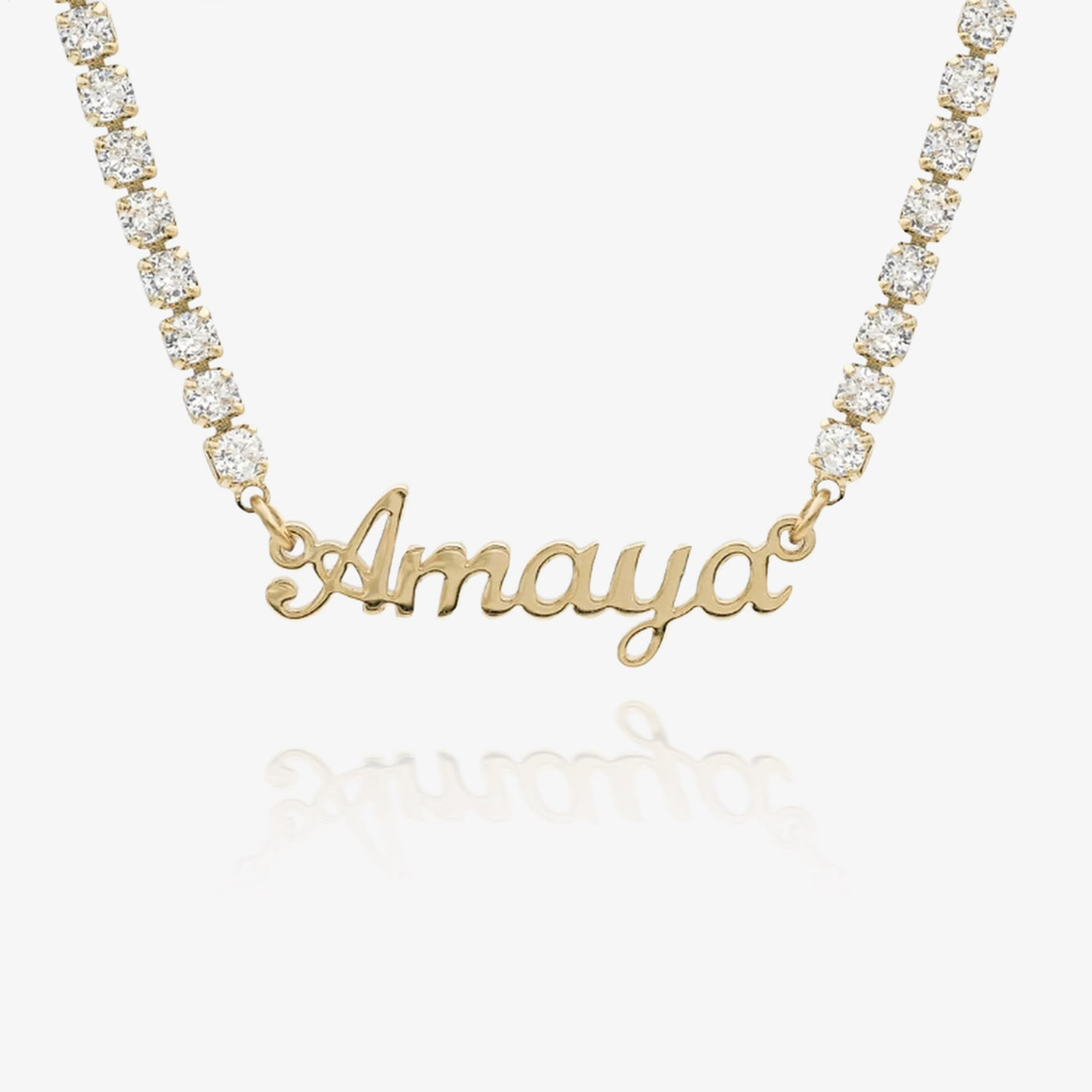
The classic. Available in widths from 1mm (barely-there shimmer) to 5mm+ (sculptural statement). For daily wear, 2-3mm is the sweet spot — substantial enough to see the spiral detail, delicate enough to sleep in. The Bicolor Choker takes the rope chain to the next level with a two-tone finish and an ingenious magnetic clasp — no more fumbling with tiny lobster clasps behind your neck.
Rope Chain Bracelets
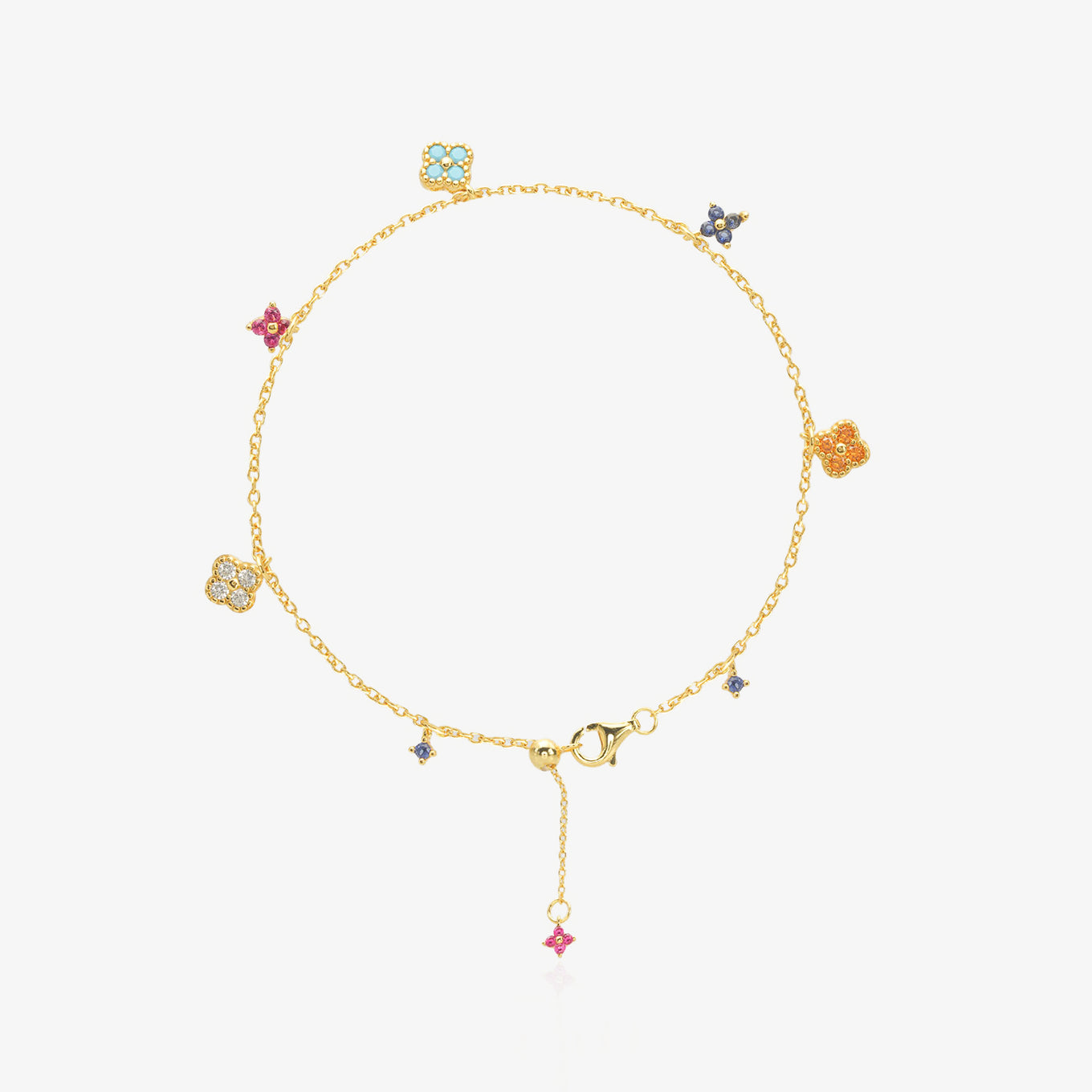
Because your wrist moves more than your neck, a rope chain bracelet catches exponentially more light throughout the day. The Gilded Vine Bracelet combines twisted rope chain links with diamond-cut marquise accents — think of it as a rope chain that got dressed up for dinner. At 1.27g of solid Ag925 with 0.5-micron 18K plating, it's comfortable enough for 24/7 wear.
Rope Chain Anklets
The most underrated rope chain application. An anklet moves with every step you take — and a diamond-cut rope chain turns that motion into an endless light show. If you're going to wear one piece of jewelry all summer, make it a rope chain anklet.
How to Care for Your Rope Chain: The 2-Minute Routine
Rope chains are tougher than they look, but their spiral structure has one vulnerability: link compression. If a rope chain ets pulled or yanked, the twisted links can tighten against each other, creating stiff spots that won't lie flat. Here's your 2-minute care routine to prevent that.
- Store flat or hanging. Never ball up a rope chain in a jewelry box — the spiral links can compress and lose their structure. Hang it on a jewelry stand or lay it flat in a compartment.
- Clean with warm water + mild soap. Dip a soft toothbrush in soapy water, gently brush along the spiral grooves (never against them), rinse, and pat dry. The grooves trap less debris than you'd expect, but they still need attention every 2-3 weeks.
- Remove before heavy exercise. While the 0.5-micron plating is sweat-resistant, the physical stress of weightlifting or contact sports can compress links. Take it off for the gym; put it back on for brunch.
- Check the clasp monthly. Give the clasp a gentle tug test once a month. A loose clasp on a rope chain is easily fixed early but can cause you to lose the entire piece if ignored.
One thing you don't need to worry about? Showering in a rope chain. The 0.5-micron 18K gold plating over Ag925 sterling silver is specifically engineered to handle water exposure — unlike cheap flash-plated chains that fade within weeks of daily wear.
Frequently Asked Questions
Is a rope chain durable enough for everyday wear?
Yes — when built correctly. A rope chain on Ag925 sterling silver with 0.5-micron gold plating is engineered for 24/7 wear. The key variable is link density: higher twists per inch = stronger chain. Cheap rope chains with loose, sparse links will stretch and break; quality rope chains with dense, consistent spirals handle daily life without issue.
Does a rope chain tangle easily?
Less than you'd expect. The spiral structure actually resists tangling because the twisted surface creates friction that prevents chains from sliding over each other. Flat chains are far more prone to the "knoted necklace" problem. That said, if you're layering multiple rope chains, store them separately to prevent link-on-link compression.
What's the difference between a rope chain and a wheat chain?
Both are twisted-link styles, but wheat chains use a tighter, braided construction (paralel oval links woven in a single direction), while rope chains alternate twist directions (clockwise / counter-clockwise). Result: wheat chains are smoother and more subtle; rope chains are more textured and reflective. Wheat chains excel at pendant display; rope chains excel as standalone statements.
Can I wear a rope chain with a pendant?
Absolutely — and it's one of the best combinations you can make. The spiral grooves of the rope chain create beautiful visual contrast against a solid pendant. Just match the width: a 1-2mm rope chain works with dainty pendants under 10mm; a 2-3mm rope chain handles most standard pendants; 4mm+ rope chains are statement pieces that don't need a pendant at all.
How do I know if a rope chain is good quality?
Three tests: (1) Hold it up to light and rotate it slowly — a quality diamond-cut rope chain should throw off dozens of tiny sparkles per second. (2) Run your fingernail gently along the spiral grooves — they should feel uniform, not irregular or "skiping." (3) Check the clasp — it should be the same metal composition as the chain, not a cheaper substitute. If the chain is gold-plated but the clasp is bare silver, walk away.
Rope chain vs box chain — which should I choose?
Choose a rope chain if you want standalone sparkle and texture that catches the light without a pendant. Choose a box chain if you want a minimalist base for displaying a pendant prominently. Rope chains are extroverts; box chains are the reliable supporting cast. Most people end up owning both — they serve completly different styling purposes.
Editor's Picks: Shop Rope Chain Jewelry
These are the pieces we reach for when we want that rope chain sparkle.
Gilded Vine Bracelet — Twisted rope chain meets marquise-cut lab diamonds. The ultimate wrist statement.
Bicolor Choker — Two-tone twisted rope chain with a magnetic clasp. Zero-fuss elegance.
Shop All Chain Necklaces — Explore the full chain collection.
References & Further Reading
- GIA — Gemological Institute of America: Authority on precious metal standards and grading.
- V&A Museum: Histrical collection of chain-making techniques spanning 3,000 years of jewelry craftsmanship.
Your jewelry is a talisman — a daily ritual of becoming who you're meant to be. Whether it's the spiral of a rope chain catching morning light or the quiet confidence of a piece you never take off, every choice you make is a step in the art of becoming. Be your own muse. Find the rope chain that feels like it was always yours.