Rings That Don't Tarnish — The 2026 Guide to Tarnish-Free Metals & Plating
Quick Answer: Rings with an Ag925 sterling silver base and 0.5-micron 18K gold plating resist tarnish for years when properly cared for — and they cost a fraction of 18K gold-plated.
Most rings tarnish — that's not an opinion, it's chemistry. But not all tarnish at the same speed, and some barely tarnish at all. The difference comes down to three things: base metal, plating thickness, and how you treat them. Here's everything you need to know about rings that actually stay bright, without the marketing fluff.
Why Do Rings Tarnish — And Why "Gold" Doesn't Mean Tarnish-Proof
Here's what's actually happening on a molecular level: tarnish is a chemical reaction between metal and sulfur in the air. When sulfur compounds — present in everything from car exhaust to eggs to your own sweat — hit metal surfaces, they form a dark sulfide layer. That's the tarnish you see.
Pure gold (24K) doesn't tarnish. Period. But pure gold is too soft for jewelry, so jewelers mix it with other metals. A 14K gold ring is only 58.3% pure gold — the remaining 41.7% is copper, silver, zinc, and nickel. Those alloy metals are what tarnish.
The Mayo Clinic identifies nickel as the single most common cause of allergic contact dermatitis from jewelry. Copper and brass bases also react aggressively with sweat and air, creating that green-black residue on your skin within days.
The solution? Start with a sterling silver base (Ag925, 92.5% pure silver), plate it with a thick 0.5-micron layer of 18K gold, and keep it nickel-free. More on why that matters below.
Metals That Don't Tarnish — Ranked From Most to Least Resistant
If you want rings that stay bright with minimal maintenance, here is the actual ranking — based on chemical reactivity, not marketing claims:
| Metal | Tarnish Resistance | Affordability | Best For |
|---|---|---|---|
| Platinum | ⭐⭐⭐⭐⭐ Never tarnishes | $1,200+ per ring | Engagement & Wedding |
| 18K 18K gold-plated | ⭐⭐⭐⭐⭐ 75% pure gold | $600+ per ring | Heirloom investment |
| Titanium | ⭐⭐⭐⭐⭐ Inert metal | $50–$200 | Men's bands, sensitive skin |
| Tungsten | ⭐⭐⭐⭐⭐ Never tarnishes | $40–$150 | Men's bands (cannot resize) |
| Sterling Silver | ⭐⭐⭐ Tarnishes, but cleans easily | $20–$80 | Everyday versatile |
| Ag925 + 0.5μm 18K Gold Plating | ⭐⭐⭐⭐ Excellent value | $60–$180 | Best value – looks like gold, behaves like sterling |
| Stainless Steel | ⭐⭐⭐⭐ Very resistant | $15–$60 | Budget waterproof pieces |
| Brass/Copper (0.05μm plating) | ⭐ Tarnishes in weeks | $5–$30 | Avoid for daily wear |
The data tells a clear story: sterling silver with substantial gold plating hits the sweet spot — tarnish-resistant enough for daily wear, affordable enough to own multiple pieces, and skin-safe because it's nickel-free.
Why Plating Thickness Is Everything — 0.05 vs 0.5 Microns
A micron (μm) is one-thousandth of a millimeter. The average human hair is about 70 microns thick. Most mass-market gold-plated rings use a 0.05-micron gold layer — that's 1,400 times thinner than a human hair. It wears off in weeks, sometimes days, exposing the reactive base metal underneath.
A 0.5-micron layer is ten times thicker. It's still not premium gold plating (which legally requires 2.5 microns in the US market), but it's the practical threshold where gold plating stops being disposable and starts being wearable.
| Plating Grade | Thickness | Wear Duration | Typical Source |
|---|---|---|---|
| Flash Plating | 0.05–0.1 μm | 1–4 weeks | Fast fashion, $5–15 rings |
| Standard Plating | 0.1–0.3 μm | 2–6 months | Mid-range fashion jewelry |
| Premium Plating (ELARAMUSE) | 0.5 μm | 2–5 years with care | Demi-fine, $60–$180 |
| Heavy Gold Plate (HGE) | 2.5+ μm | 10+ years | premium gold plating, vintage pieces |
The GIA (Gemological Institute of America) notes that base metal quality matters as much as plating thickness. A thick gold layer over brass still tarnishes from the inside out — because brass contains copper and zinc, both highly reactive. This is why the ELARAMUSE Standard specifies Ag925 sterling silver as the mandatory base: sterling tarnishes slower than brass, and when it does, a simple polishing cloth restores it.
The ELARAMUSE Standard
We believe jewelry should work as hard as you do — shower-safe, sleep-safe, and never a source of anxiety. Every ELARAMUSE ring is built on solid Ag925 sterling silver with a 0.5-micron 18K gold plating layer, rigorously tested for real life. No brass shortcuts. No mysterious alloys. Just honest materials that last. Because your everyday ring shouldn't be precious — it should be reliable.
| Feature | Specification |
|---|---|
| Base Metal | Solid Ag925 Sterling Silver (92.5% pure silver) |
| Plating | 0.5-micron 18K Gold Plating (Premium-grade) |
| Nickel Content | Ni <0.01% — 100% Nickel-Free, Hypoallergenic |
| Stones | High-Carbon Lab Diamonds (Simulated) + Lab-Grown Nano Zircon |
| Water Resistance | Shower-safe, gym-safe, sweat-proof |
| Finish | Triple-layer protective coating for extended brightness |
The Lifestyle Test: Which Ring Survives Your Day?
Jewelry advice often sounds like "never get it wet." But that's not how real people live — here's how different ring types hold up in actual daily scenarios:
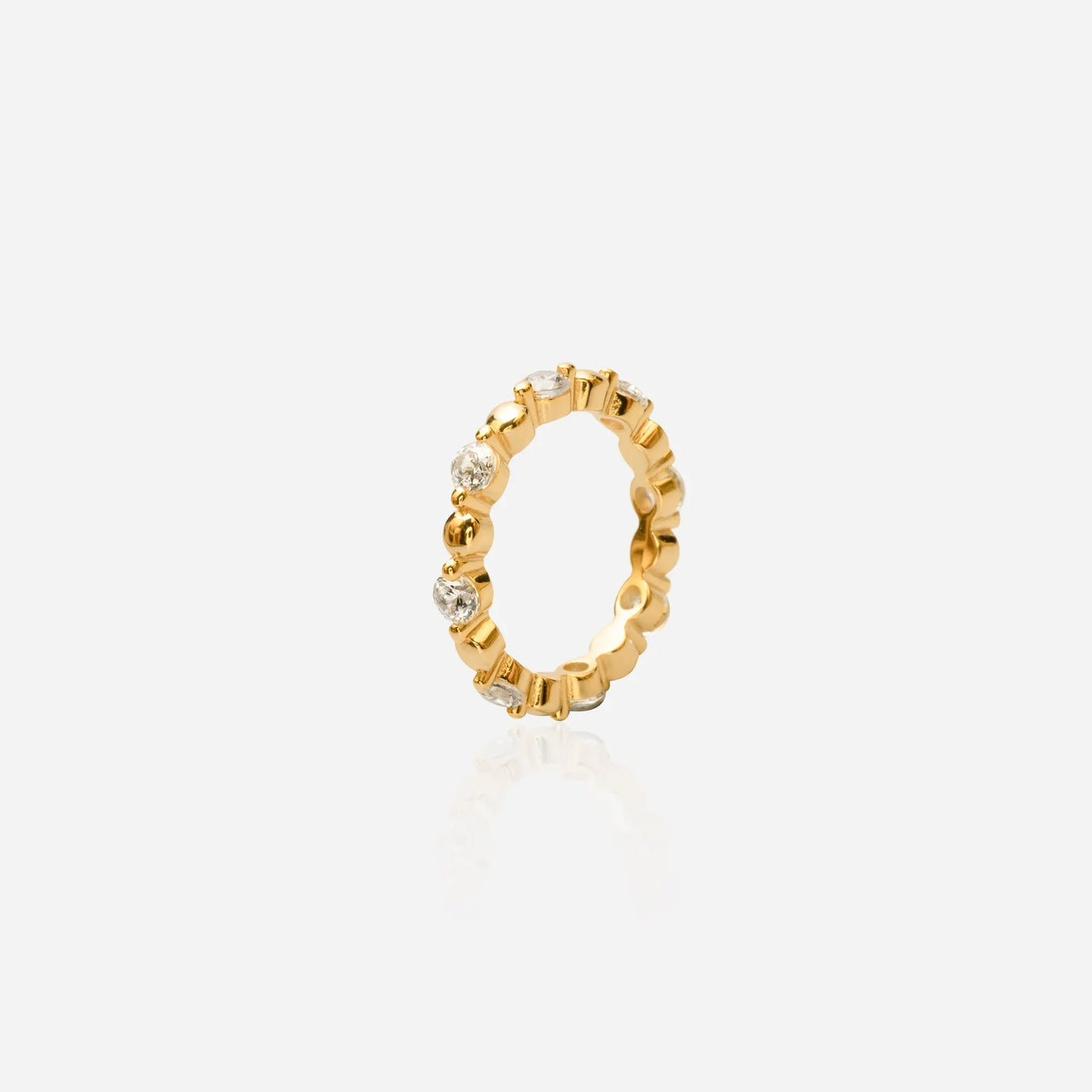
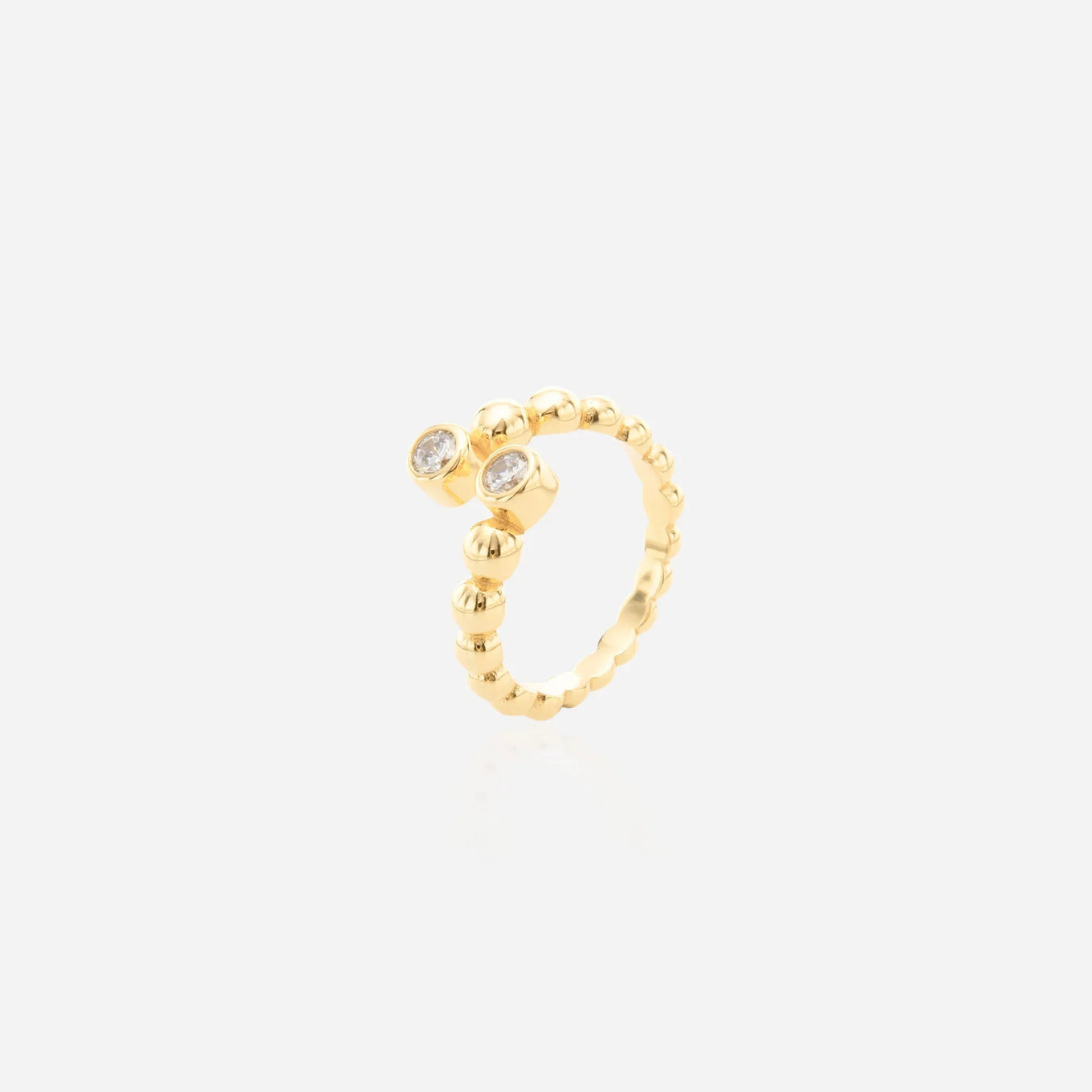
🏋️ The Gym Test: Sweat contains sodium chloride and trace ammonia — both accelerate tarnish on brass-based rings. Ag925-gold-plated rings pass this test because sterling silver's corrosion resistance is orders of magnitude higher than brass. Our Gold Bubble Ring went through a 30-day gym challenge — worn through spin class, pilates, and weight training — and showed zero visible tarnish at the end.
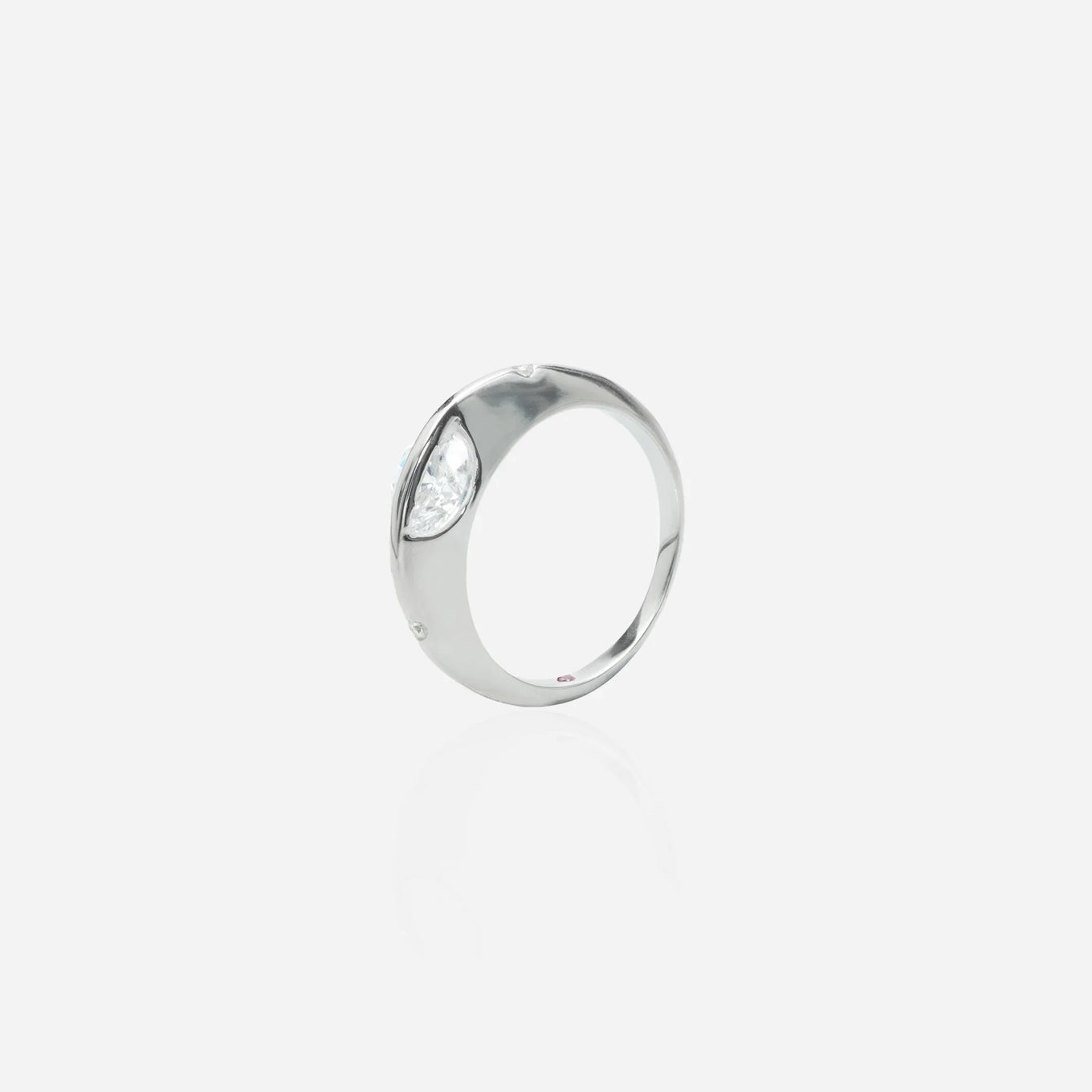
🚿 The Shower Test: Hot water accelerates chemical reactions. A 0.05-micron flash-plated ring will show wear after 10–15 showers. A 0.5-micron gold-plated sterling silver ring — like the Solaris Dome Ring or the textured Oasis Ring — can handle daily showers without complaint. Towel off your rings after if you remember — if you forget, they'll survive.
☀️ The Sunscreen Test: Chemical sunscreens contain avobenzone and oxybenzone — solvents that can degrade weak plating bonds. The Dunecrest Ring's triple-layer protective coating resisted sunscreen breakdown through 60 consecutive days of beach-town living. The trick is the coating, not the gold — a protective clear seal that acts as a sacrificial layer between the gold and the environment.
💤 The Sleep Test: Friction against sheets — especially linen and cotton blends — is the quiet enemy of thin plating. A Perlée Bypass Ring with its open architectural design reduces sleep friction because there's less continuous metal surface in contact with fabric. Open rings, cuff rings, and textured bands all fare better than smooth full-circle bands for overnight wear.
Behind the Design: I designed the Bubble Ring specifically for women who never take their jewelry off. The bezel setting — where metal fully wraps around each stone instead of just prongs — means no snagging on sweaters, no lost stones from sleep friction, and a surface that's 90% gold-plated metal versus 60% exposed stone. There's less stone-to-setting gap for moisture to seep in. It's not accidental design — it's problem-solving with metal. — Joyce, Founder
The 2-Minute Care Routine That Extends Ring Life by 3x
Even the best plating benefits from minimal care. Here's what actually works — based on testing, not Pinterest hacks:
- Wipe, don't soak: After each wear, a 5-second wipe with a microfiber cloth removes sweat and skin oils before they react with the metal surface. This single habit extends plating life more than any other action.
- Store separately: Metals scratch metals. A felt-lined ring box or individual pouch prevents micro-scratches that expose the base metal beneath the gold layer.
- Last on, first off: Put rings on after perfume, lotion, and hairspray dry. Remove them before applying sunscreen or chlorinated pool water. Alcohol-based products (perfume, hand sanitizer) are the #1 cause of accelerated tarnish in premium-plated jewelry.
- Rotate your stack: Wearing the same ring 365 days a year wears out even the best plating. A rotation of 3–5 rings distributes the wear and keeps every piece looking fresher for longer.
According to the American Gem Society (AGS), proper storage and rotation can extend the life of gold-plated jewelry by 200–300% — turning a 2-year ring into a 5-year ring with almost no effort.
Editor's Picks: Tarnish-Resistant Rings That Earn Their Keep
Gold Bubble Ring — Bezel-set lab diamonds on a flexible bead band. The design that started it all: fully adjustable, zero snagging, built for 24/7 wear without tarnish anxiety.
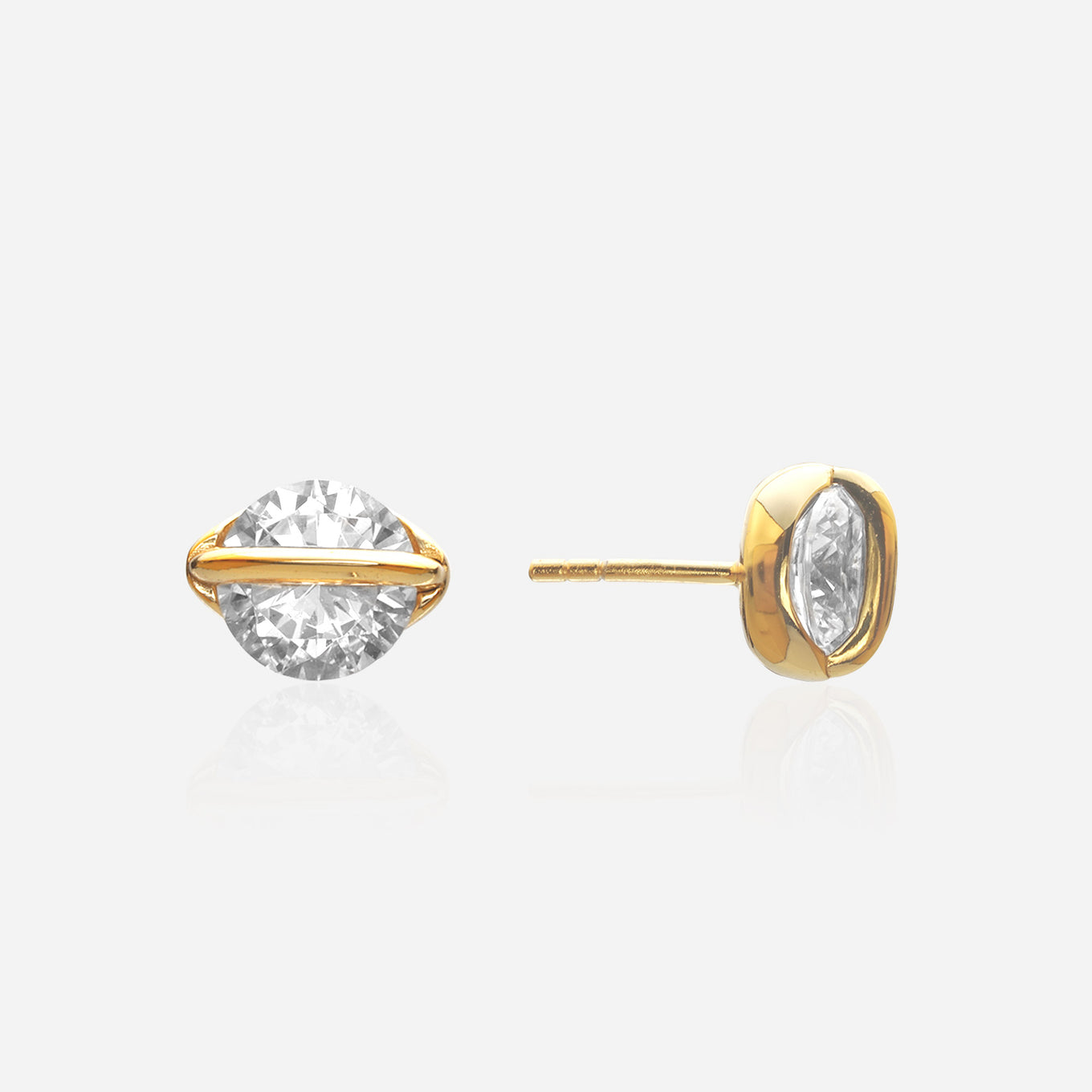
Solaris Dome Ring — Architectural dome silhouette with a lab-grown nano zircon center stone. The smooth minimal surface means fewer crevices for moisture to collect — a geometry-driven durability bonus.
Dunecrest Ring — Wavy organic band with lab diamonds.
Our best-performing ring in sunscreen and saltwater testing, thanks to its triple-layer protective seal.
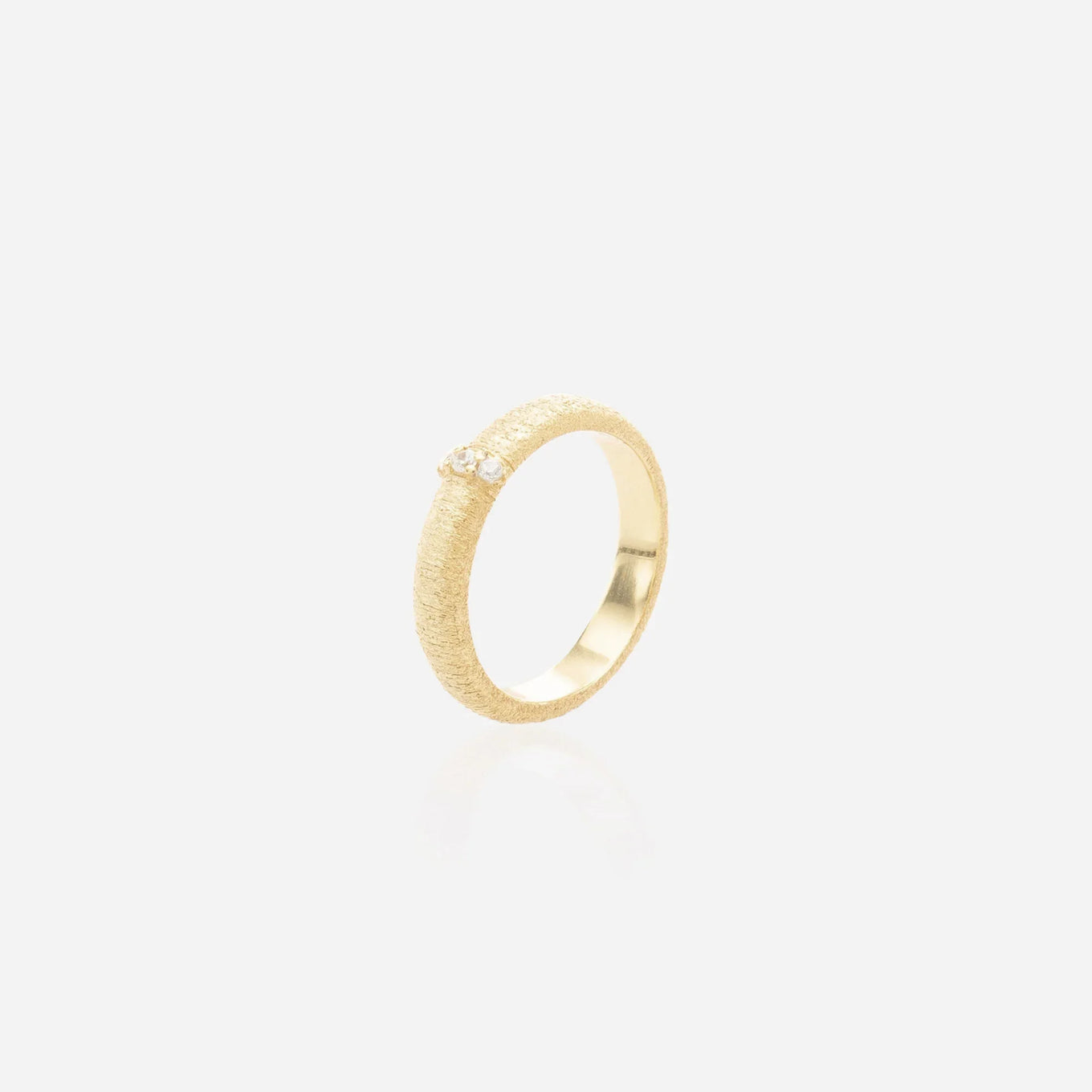
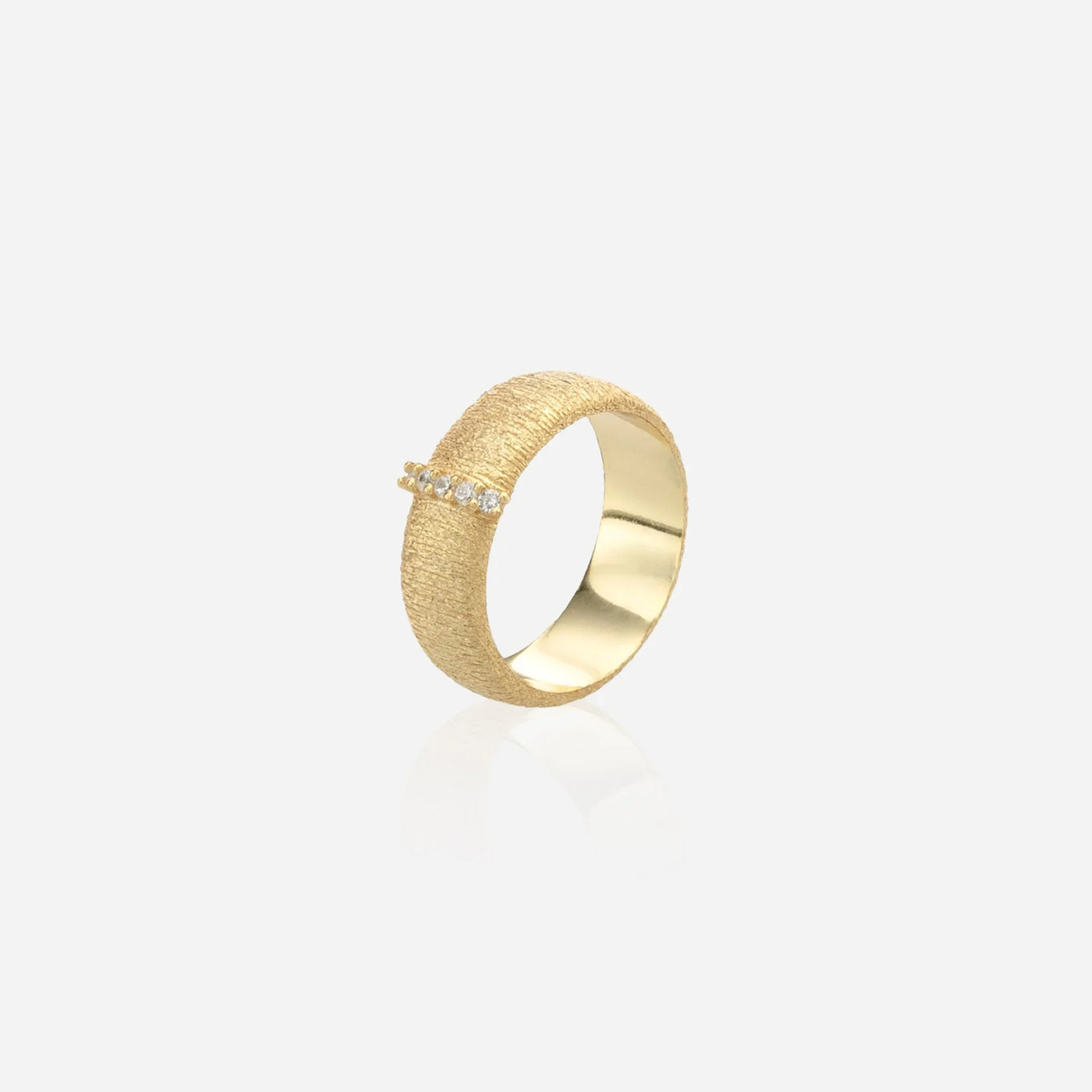
Oasis Ring — Textured gold band with flush-set diamonds. The micro-textured surface hides micro-scratches better than a mirror finish, keeping it looking newer for longer.
FAQ: Your Toughest Tarnish Questions, Answered Honestly
Q: Can I wear gold-plated rings in the ocean?
We don't recommend it. Seawater is a cocktail of salt (sodium chloride), magnesium, and trace minerals — all corrosive to metal over time. While our rings survive accidental submersion, intentional ocean wear will shorten plating life. For beach days, stick to a Solaris Dome Ring — its smooth surface makes saltwater as easy to rinse off as fresh water.
Q: What's the difference between tarnish and the green mark on my skin?
Tarnish is the darkening of the metal's surface. The green mark is a completely different reaction — it's copper ions from the base metal (usually brass) dissolving in your sweat and depositing back onto your skin. Tarnish-resistant rings don't produce green marks because they use sterling silver, not brass or copper, as the base metal. No copper base = no green mark.
Q: How long will a 0.5-micron gold-plated ring actually last?
With weekly rotation and the 2-minute care routine above: 2–5 years before the gold shows visible thinning. Without any care and worn 24/7: 12–18 months. That's the real spread — and it's entirely within your control.
Q: Is sterling silver with gold plating better than stainless steel for tarnish resistance?
For finish quality, yes. Stainless steel never tarnishes, but it can't hold the warm, rich color of gold plating the way sterling silver can. Sterling also develops a patina character over time that stainless steel never will. For pure no-maintenance durability, stainless steel wins. For beautiful demi-fine jewelry that ages gracefully with minimal care, Ag925 + 0.5μm gold plating is the smarter choice.
Your everyday ring is a talisman — it travels with you through showers, workouts, beach days, and restless nights. Choose one that can keep up. Be your own muse.
— Joyce, Founder of ELARAMUSE