Lab Diamond Jewelry Buying Guide 2026: The Demi-Fine Alternative
Quick Answer: Lab diamonds are chemically, optically, and physically identical to mined diamonds — the only difference is origin. High-Carbon Lab Diamonds (Simulated) used in demi-fine jewelry deliver Mohs 8.5 hardness, exceptional brilliance and fire, and cost roughly 80-90% less than mined equivalents of the same carat weight.
For the price of one mined diamond solitaire, you can own an entire collection of lab diamond demi-fine pieces — rings, necklaces, and earrings — that are indistinguishable to the naked eye. Our best-value pick: the Gold Solitaire Necklace — a floating lab diamond pendant on an 18K gold chain for under $200, delivering the same visual impact as a $2,000+ mined-diamond equivalent.
- What Are Lab Diamonds? The 30-Second Chemistry Lesson
- Lab Diamonds vs. Mined: The Honest Comparison
- High-Carbon Lab Diamonds vs. Cubic Zirconia vs. Moissanite
- Why Demi-Fine Is the Smartest Way to Buy Lab Diamond Jewelry
- How to Choose: The 5-Factor Framework
- Best Lab Diamond Pieces by Type
- Budget Guide: What Your Dollar Actually Buys
- Care & Longevity
- Key Terms
- Frequently Asked Questions
- Editor's Picks
What Are Lab Diamonds? The 30-Second Chemistry Lesson
Lab diamonds are not "fake diamonds." They are not "diamond alternatives." They are actual diamond crystal — pure carbon arranged in the same cubic crystal structure as any diamond pulled from a mine.
The difference is that while mined diamonds crystallized 100 miles beneath the Earth's surface over billions of years, lab diamonds crystallize in a controlled chamber over weeks, using one of two methods: High Pressure High Temperature (HPHT), which replicates the Earth's geological forces, or Chemical Vapor Deposition (CVD), which builds diamond layer by layer from carbon-rich gas.
The result is chemically identical to mined diamond — same hardness (Mohs 10), same refractive index (2.42), same fire and brilliance. A gemologist with a microscope can distinguish them by growth patterns. The naked human eye cannot.
At ÉLARAMUSE, we use High-Carbon Lab Diamonds (Simulated) — premium simulated diamonds with Mohs 8.5 hardness that deliver exceptional sparkle and are indistinguishable to the naked eye from mined stones. The slightly lower hardness point (8.5 vs. 10) matters zero in daily wear — even at 8.5, the only common household material that could scratch your ring is another diamond. They're the ethical and sustainable alternative that doesn't ask you to compromise on sparkle.
Lab Diamonds vs. Mined: The Honest Comparison
| Factor | Mined Diamond | High-Carbon Lab Diamond |
|---|---|---|
| Chemical Composition | Pure carbon (C), cubic crystal structure | Carbon-based, cubic crystal structure — identical visual appearance |
| Hardness | Mohs 10 (hardest natural material) | Mohs 8.5 (exceeds daily-wear thresholds; scratch-resistant) |
| Brilliance | Refractive index 2.42 | Exceptional fire and brilliance — indistinguishable to the eye |
| Price (1ct equiv.) | $3,000–$8,000+ | $100–$350 (in a full ring or pendant) |
| Environmental | 250 tons of earth moved per carat; significant carbon footprint | Minimal land disruption; ethically produced |
| Human Impact | Complex supply chain with documented risks | Transparent, conflict-free by definition |
| Resale Value | Retains 25-50% (diamonds depreciate like cars) | Jewelry is worn, not traded — demi-fine is priced for wearing, not investing |
| Visual Identical? | — | ✅ Yes — indistinguishable to the unaided eye |
High-Carbon Lab Diamonds vs. Cubic Zirconia vs. Moissanite
Not all diamond-like stones are created equal. Here's how High-Carbon Lab Diamonds stack up against the two most common alternatives you'll encounter while shopping:
| Property | High-Carbon Lab Diamond | Cubic Zirconia (CZ) | Moissanite |
|---|---|---|---|
| Hardness | Mohs 8.5 ✅ | Mohs 8.0 ⚠️ | Mohs 9.25 ✅ |
| Brilliance | Diamond-like fire, balanced | Good initially, clouds over time | Excessive "disco ball" fire — noticeably different from diamond |
| Longevity | Years of daily wear; maintains clarity | Turns cloudy within 1-2 years; porous surface absorbs oils | Lifetime durability but unnatural sparkle |
| Price | Mid-range ($$) | Budget ($) | Upper-mid ($$$) |
| Best For | Everyday jewelry that needs to pass as diamond | Costume / single-event wear | People who want durability but prefer an "icy" over a diamond look |
The takeaway: High-Carbon Lab Diamonds occupy the sweet spot between CZ (too cloudy, too cheap) and Moissanite (too disco, oddly expensive for a synthetic). They deliver the diamond visual with daily-wear durability at a price that makes sense for demi-fine jewelry.
For a comparison of gold jewelry construction methods, see our 18K Gold Plated Jewelry Buying Guide — which covers plating thickness, sterling silver bases, and the metallurgy behind demi-fine quality.Why Demi-Fine Is the Smartest Way to Buy Lab Diamond Jewelry
There's an uncomfortable truth in the jewelry industry: the metal setting often costs more than the lab diamond it holds. A solid 14K gold ring from a traditional jeweler might price its lab lab diamond center stone at $150 and the gold band at $400. You're paying for the gold — and gold is priced by the gram on the open market, not marked up by a brand.
Demi-fine solves this structural problem ingeniously. By using Ag925 sterling silver as the base metal and applying 0.5-micron 18K gold plating, the metal cost drops dramatically while the visible exterior remains identical to solid gold. The lab diamond now becomes the star of the piece — not the setting material.
This is how a Gold Solitaire Necklace with a brilliant lab diamond pendant can sit under $200: the value is concentrated in the stone design, not in the metal weight. Every ÉLARAMUSE piece follows this logic — precious materials where they matter, smart engineering where they don't.
How to Choose: The 5-Factor Framework
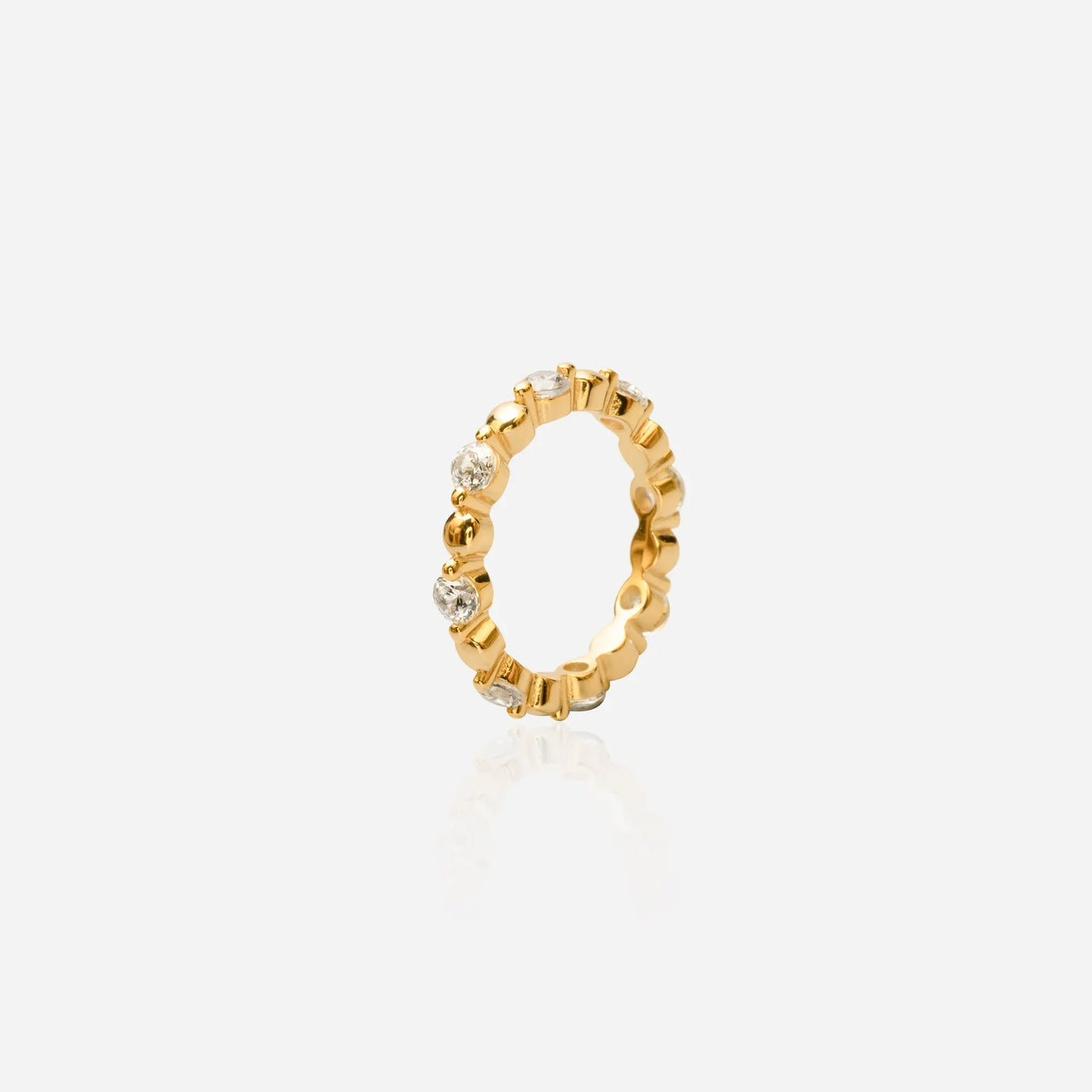
- Clarity of setting. How many lab diamonds are actually in the piece? The Gold Macaron Ring Set packs three rings worth of pavé-set stones. The Gold Solitaire Necklace focuses the entire budget on a single floating stone. Neither is better — they're for different personalities.
- Metal tone. Lab diamonds are colorless. They read cooler against silver, warmer against gold. If your partner wears exclusively gold, choose a gold-plated setting. If she mixes metals, the contrast of a white stone on gold creates a deliberate, editorial look.
- Piece type. Rings get the most attention (she sees them every time she gestures). Necklaces and earrings get the most external compliments (other people see them first). If the gift is about her self-perception, choose a ring. If it's about how the world perceives her, choose a necklace.
- Stackability. Does she wear multiple rings? The Gold Bubble Ring and Tempo Ring are designed to live in a stack. Does she wear a single statement piece? The Guardian Wing Cuff Ring or Oasis Wide Band hold their own without company.
- Symbolism. A solitaire says "clarity." A wing says "protection." A toi et moi says "us, together." An eternity band says "forever." Choose the symbol that matches the occasion — birthday, anniversary, just-because, or self-gift.
Best Lab Diamond Pieces by Type
Rings
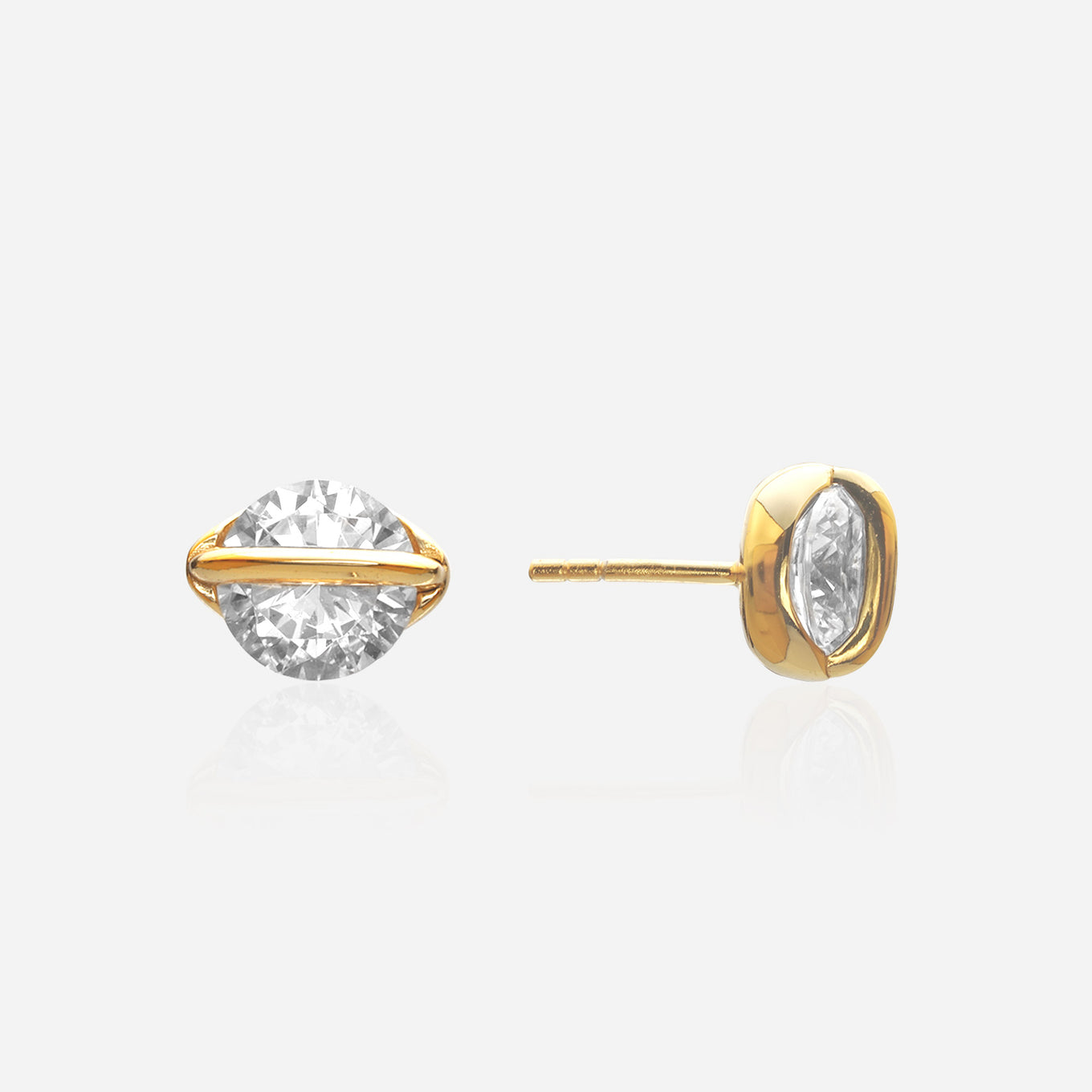
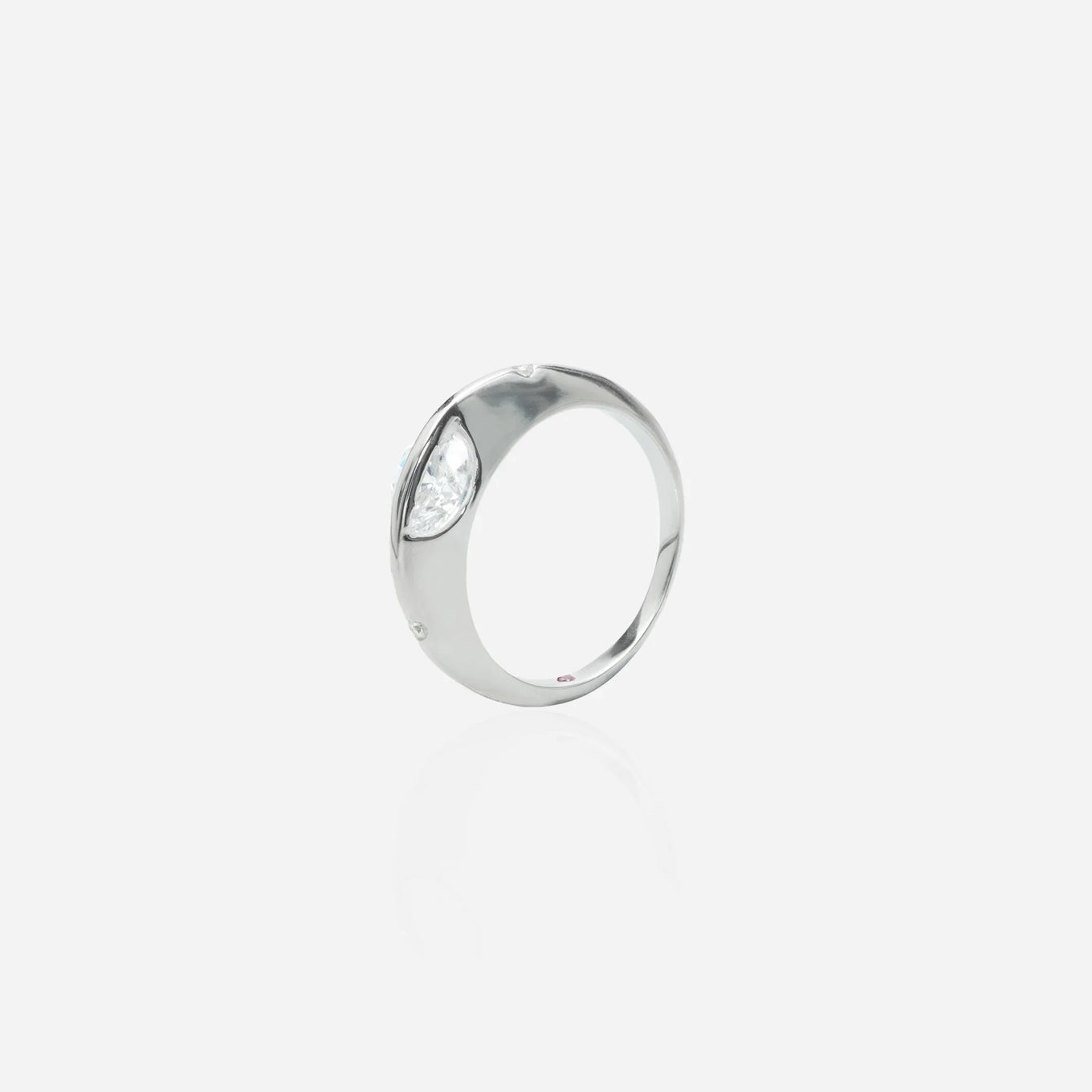
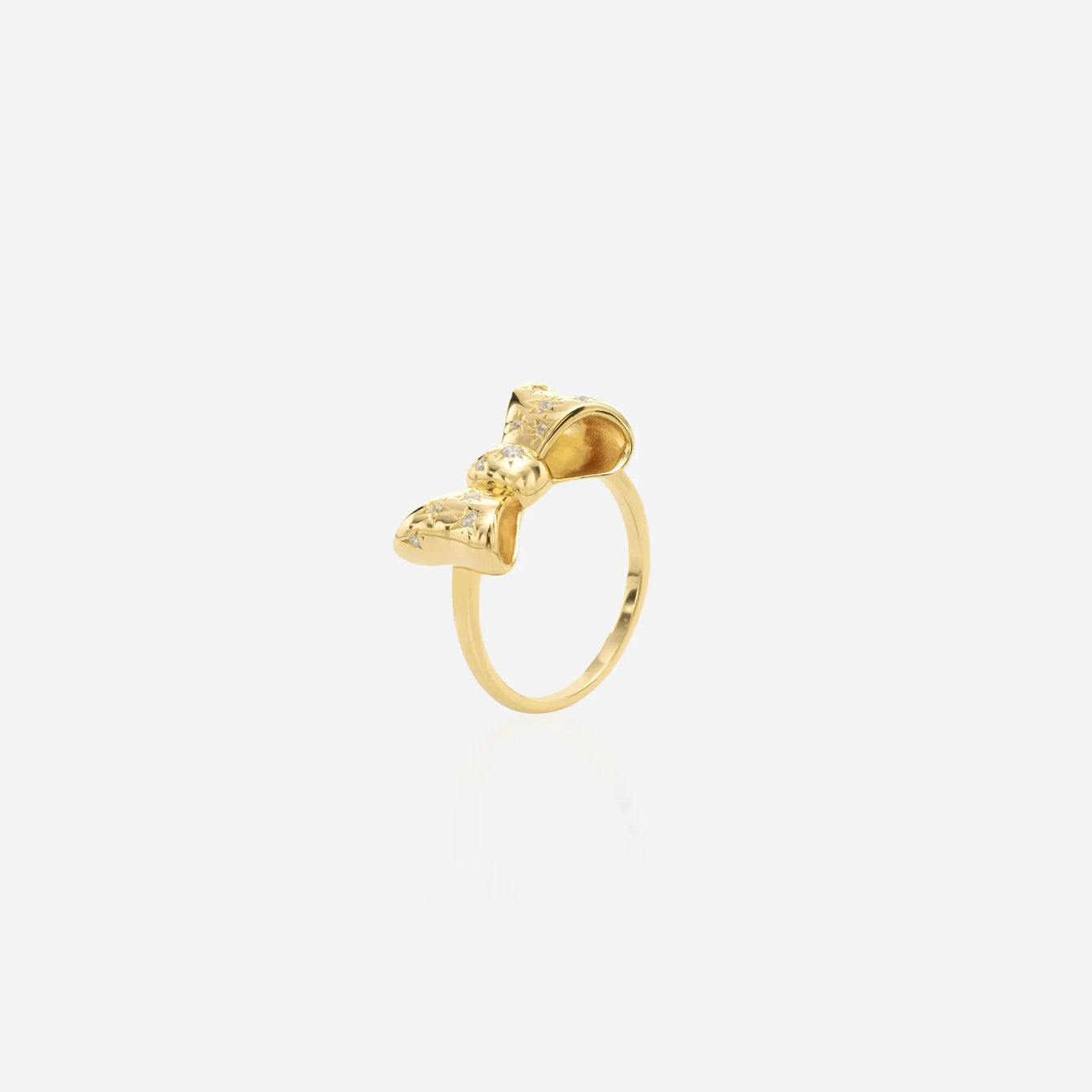
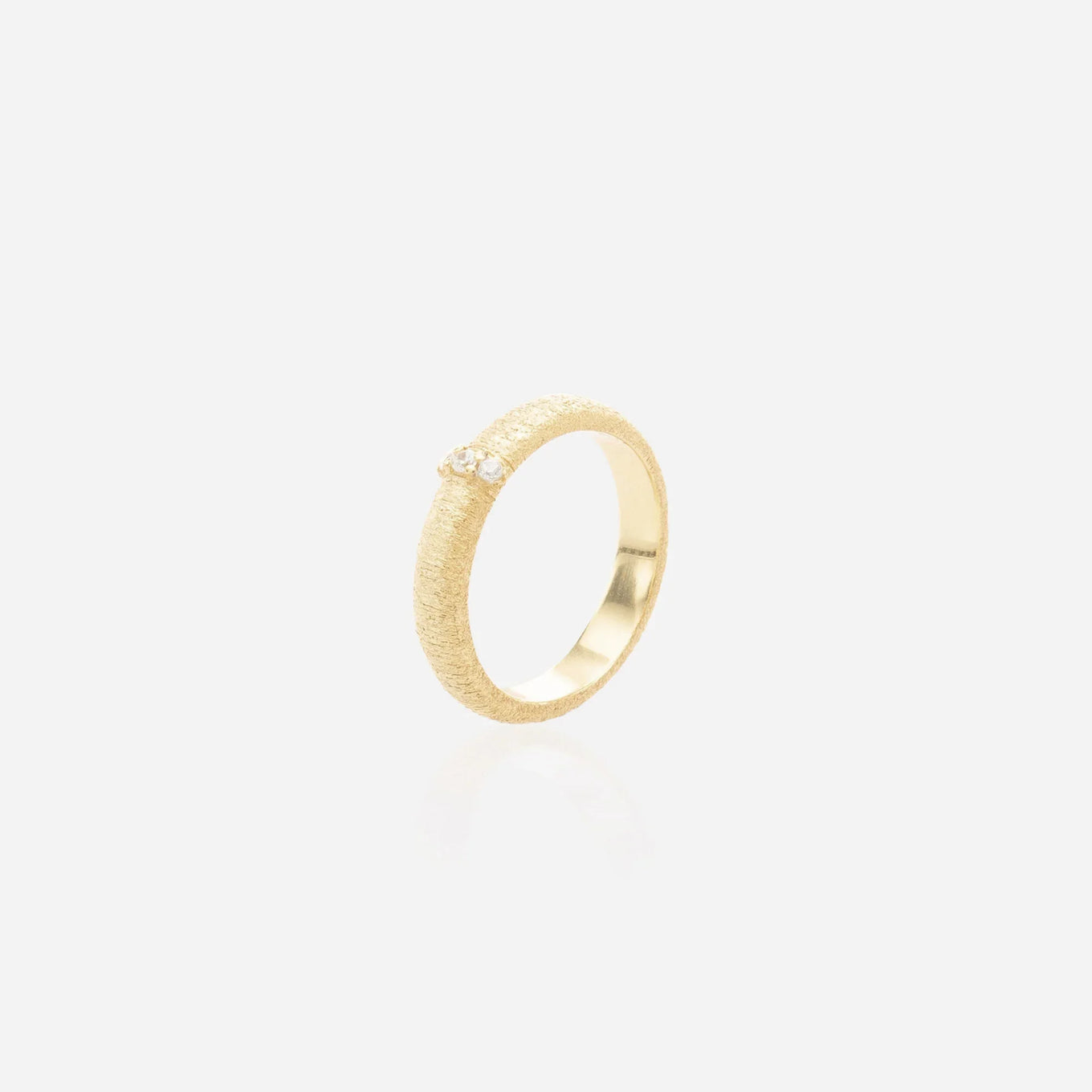
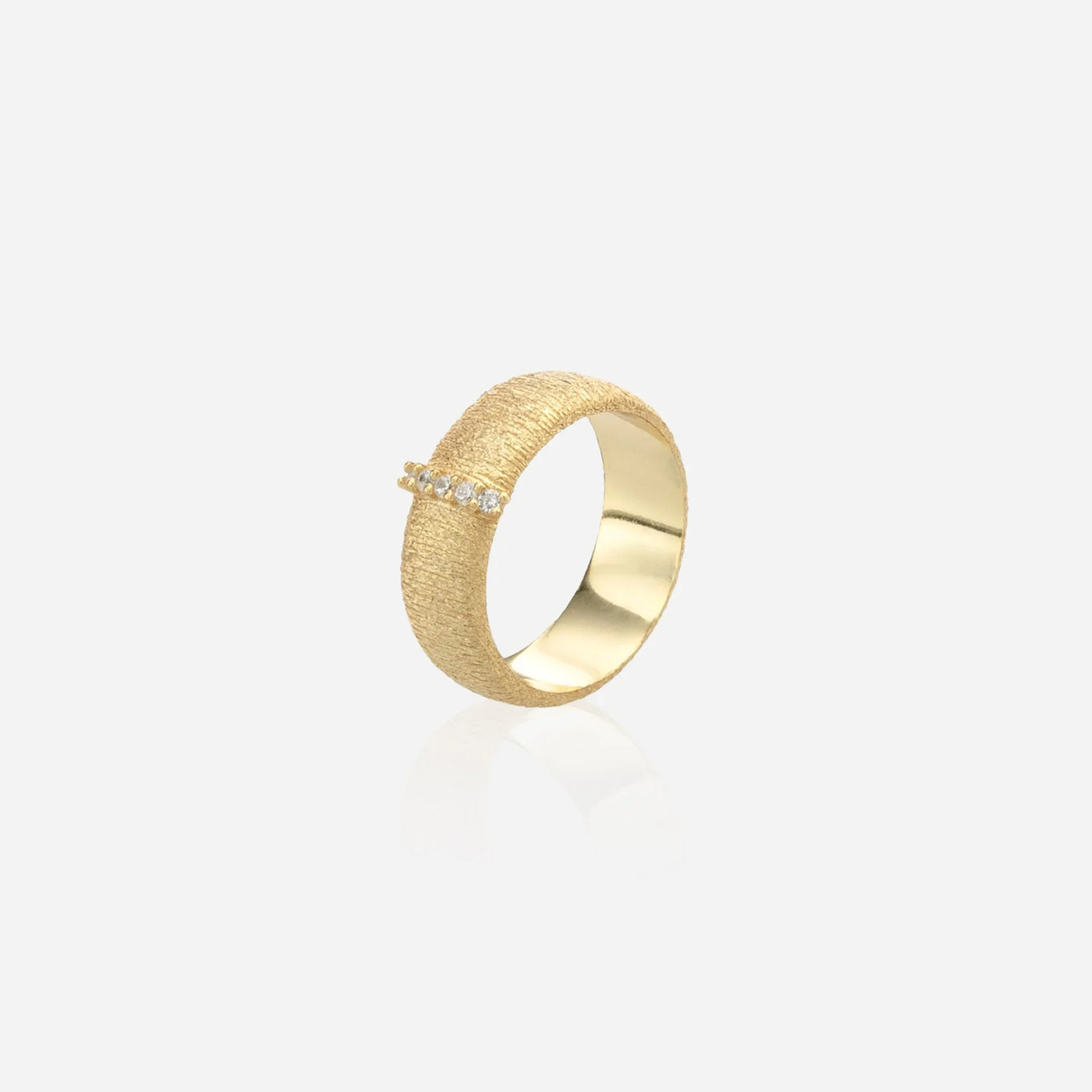
The Pleat Ring — gold ribbon band with pavé-set lab diamonds — works for an anniversary, a birthday, or a Tuesday. The Bypass Ring — toi et moi design with two converging lab diamond clusters — is jewelry's most elegant way to say "me and you, always." The Channel Set Ring — a gallery band with a continuous line of High-Carbon Lab Diamonds set flush into the channel — delivers that uninterrupted sparkle line that catches light from every angle.
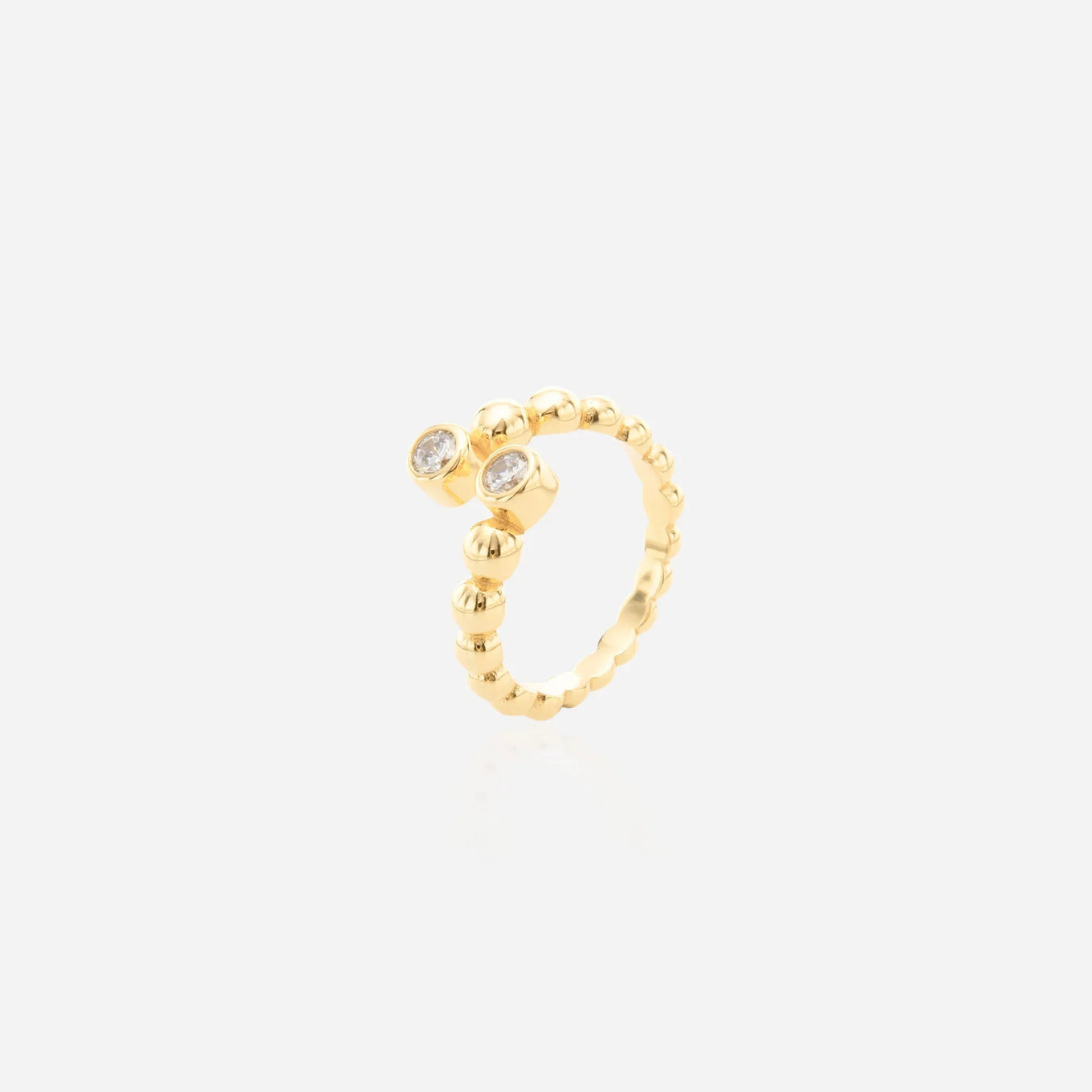
For the architectural minimalist, the Tempo Ring — an asymmetric open ring with lab diamonds anchoring each terminus — reads as a tiny kinetic sculpture you wear on your finger. The Crossover Ring — gold entwine lab lab diamond band — and the Dunecrest Ring — wavy gold band with lab diamonds — offer two more interpretations of the lab diamond ring at excellent value.
Necklaces & Pendants
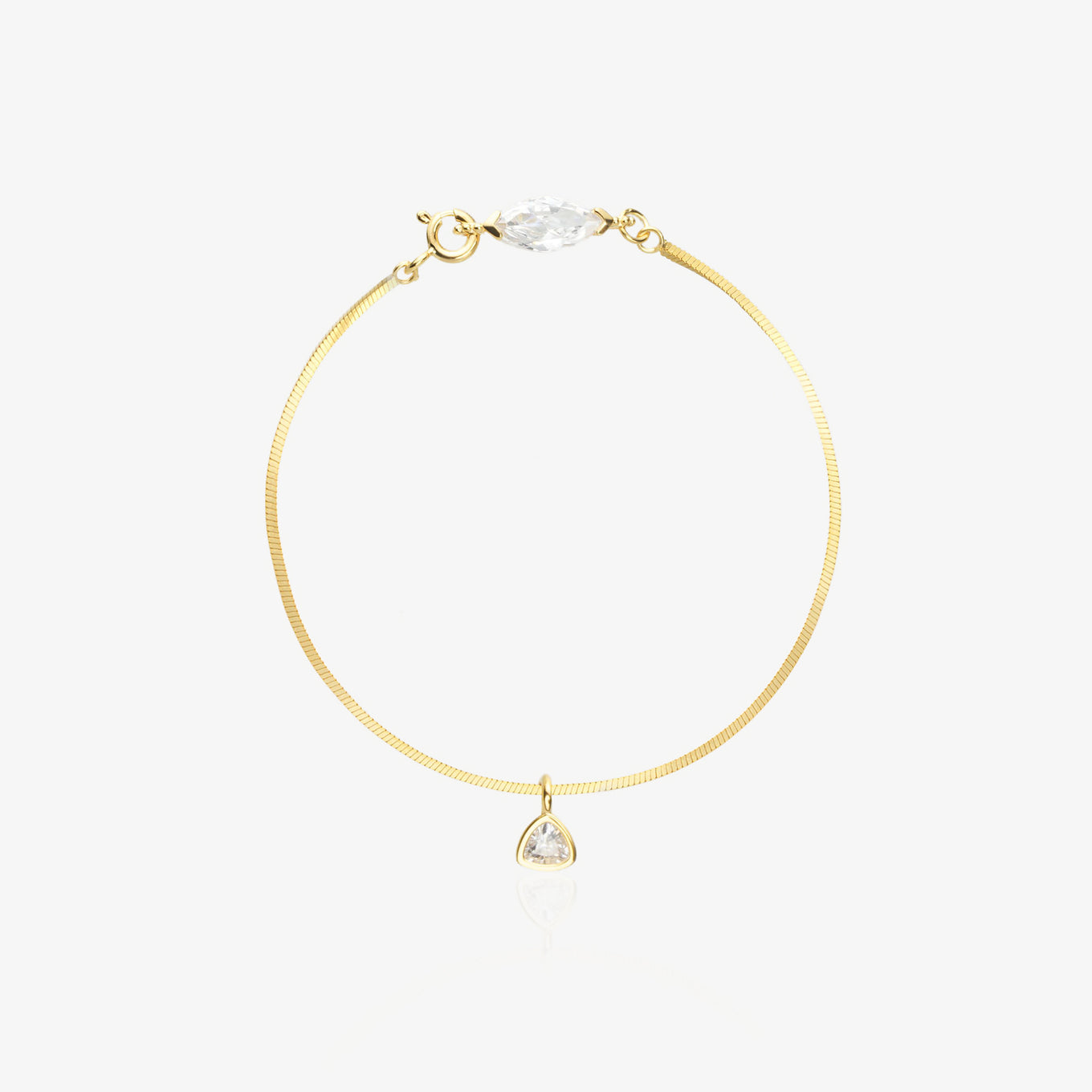
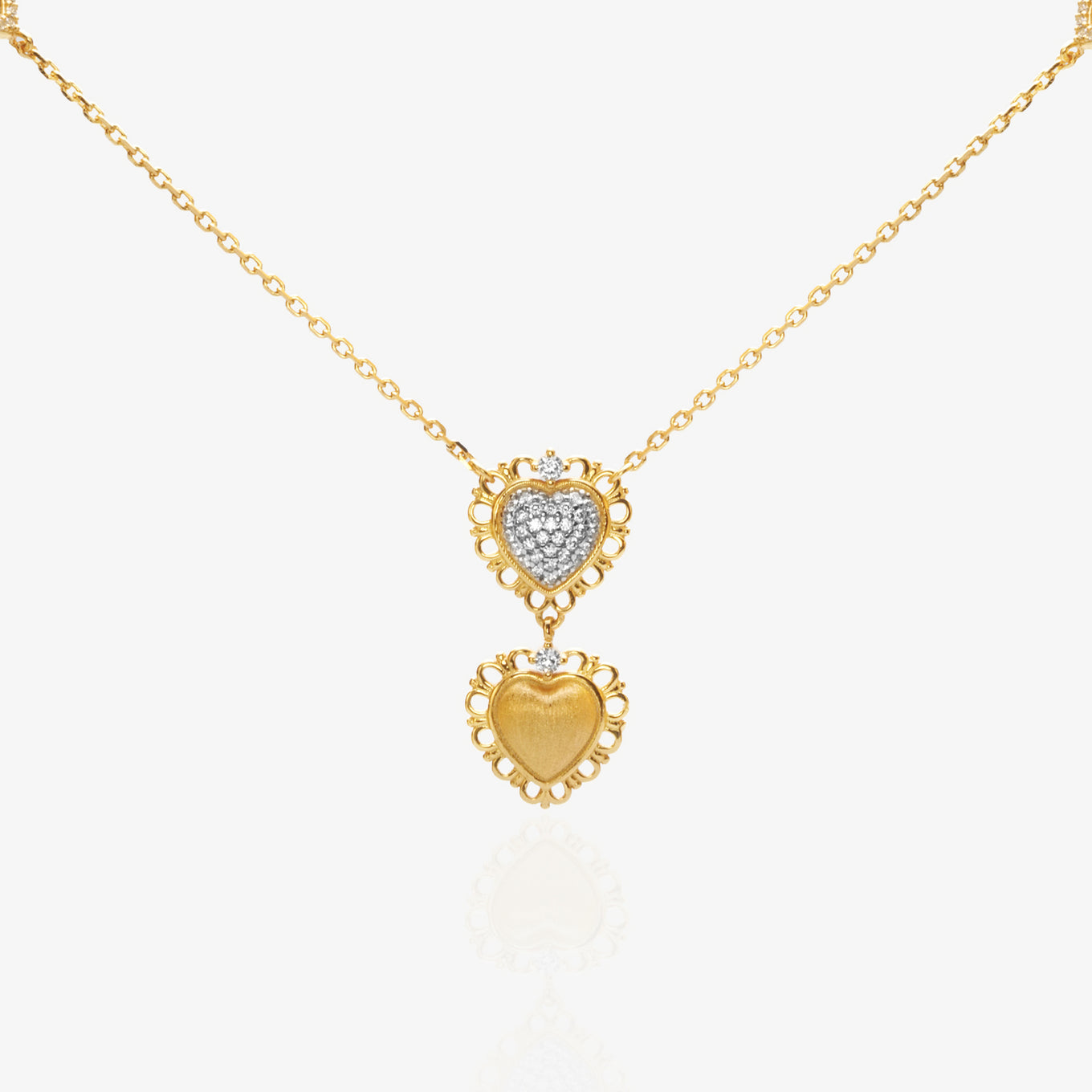
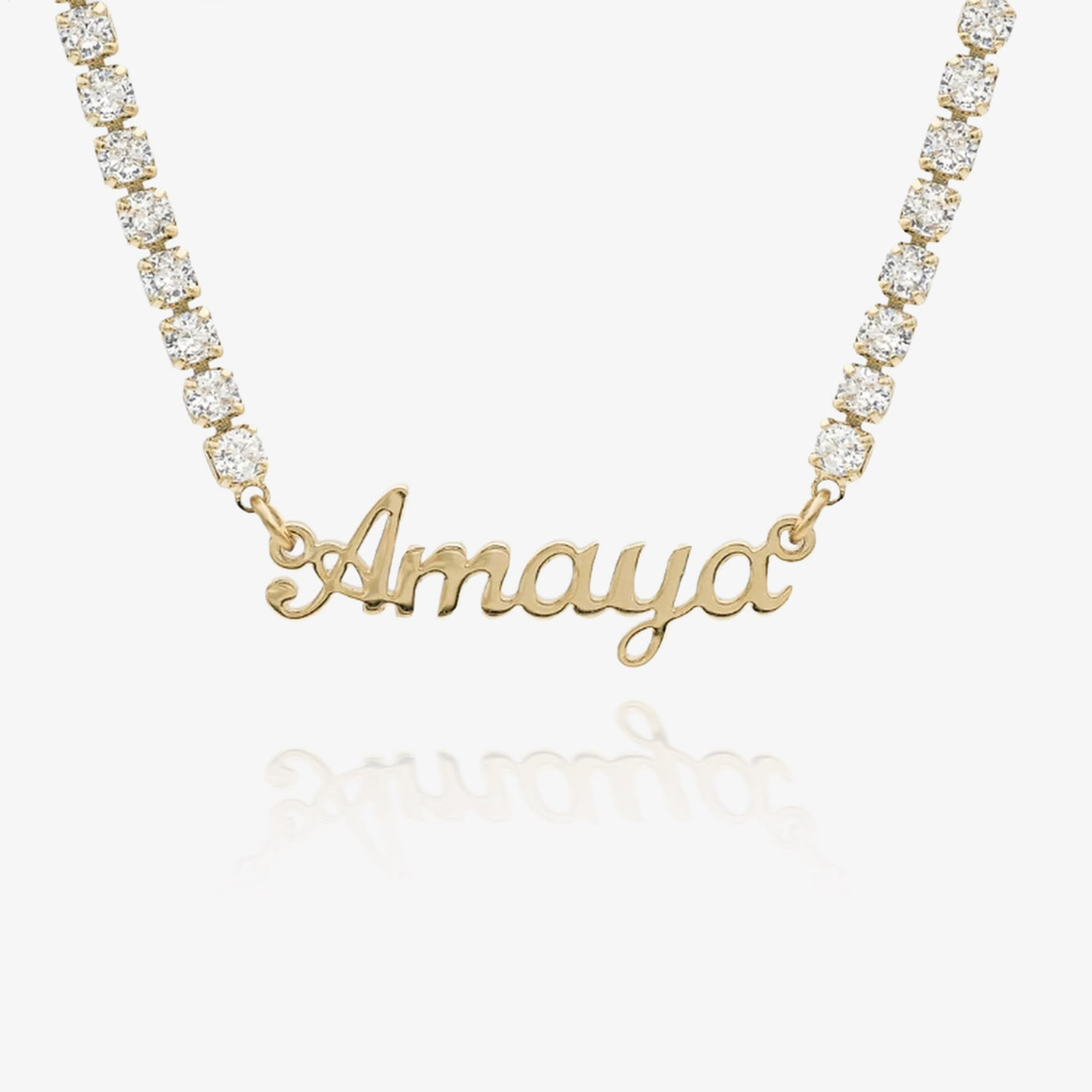
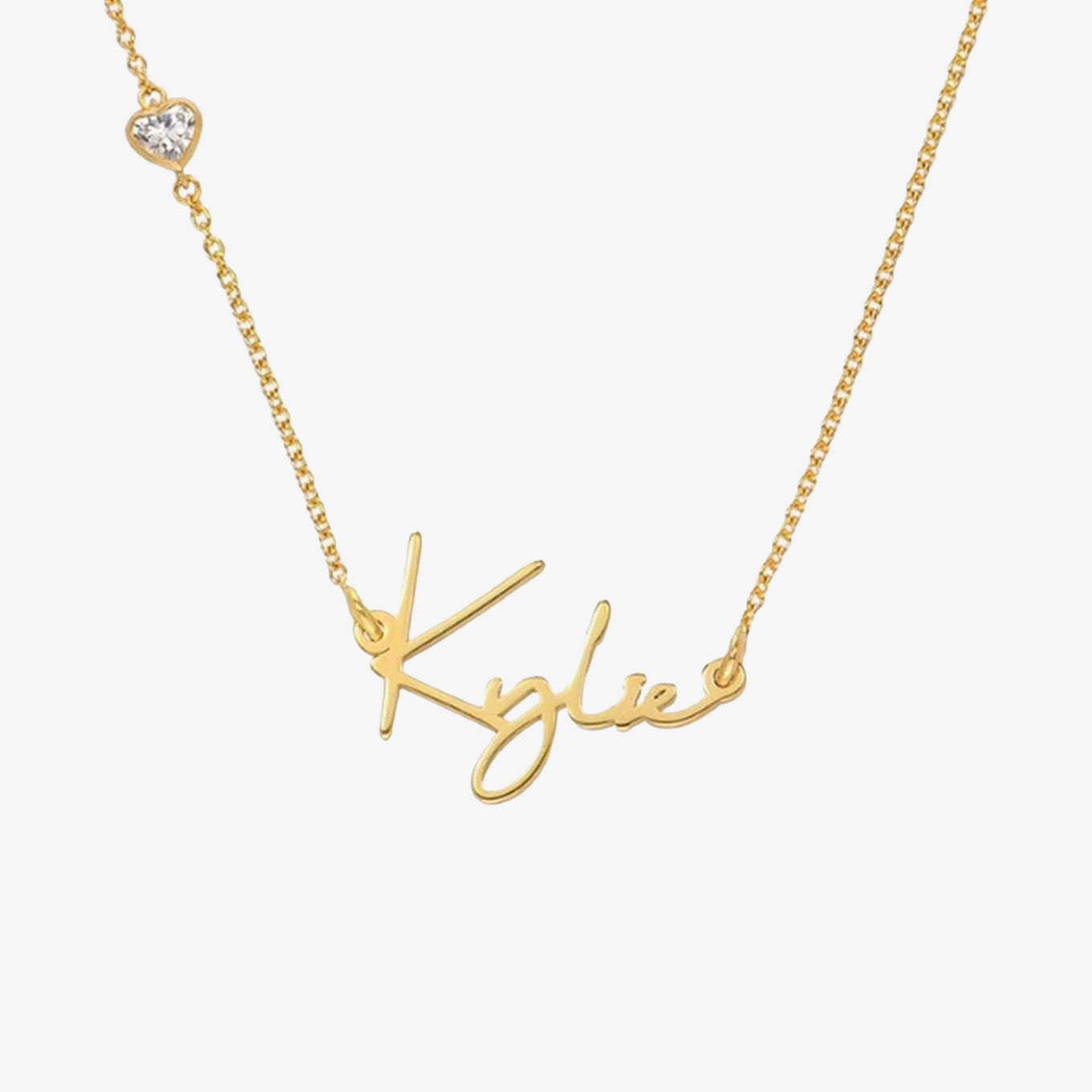
The Gold Solitaire Necklace — floating lab diamond pendant on an 18K gold chain — is the piece that makes strangers ask "is that real?" and then ask "where did you get it?" The Luck-Digger Pendant — gilded spade necklace with satin gold and lab diamond — pairs talisman meaning with genuine sparkle. For something with Old World presence, the Double Heart Gold Pendant combines two-tone pavé and matte finish with lab diamond accents on a substantial gold chain.
Bracelets
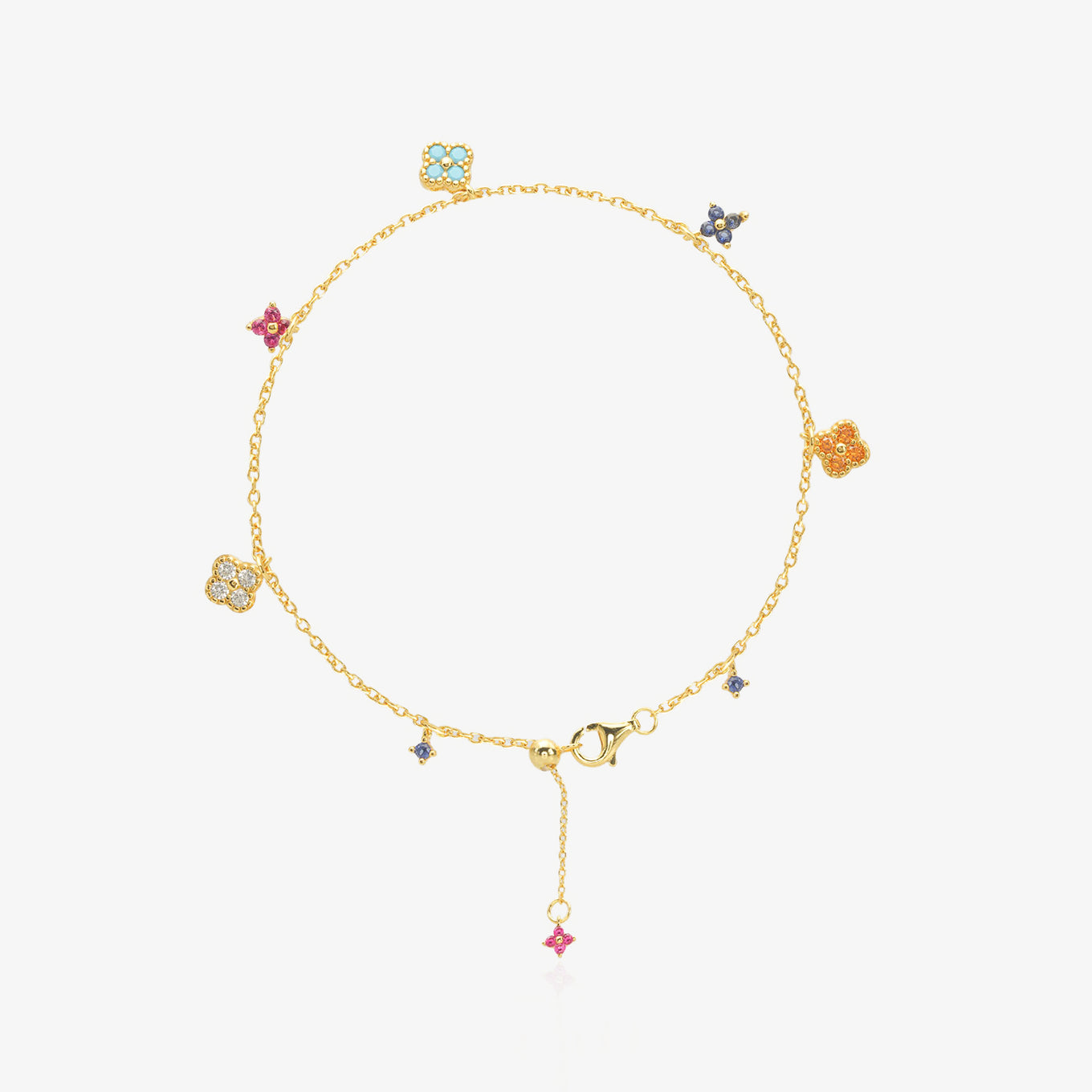
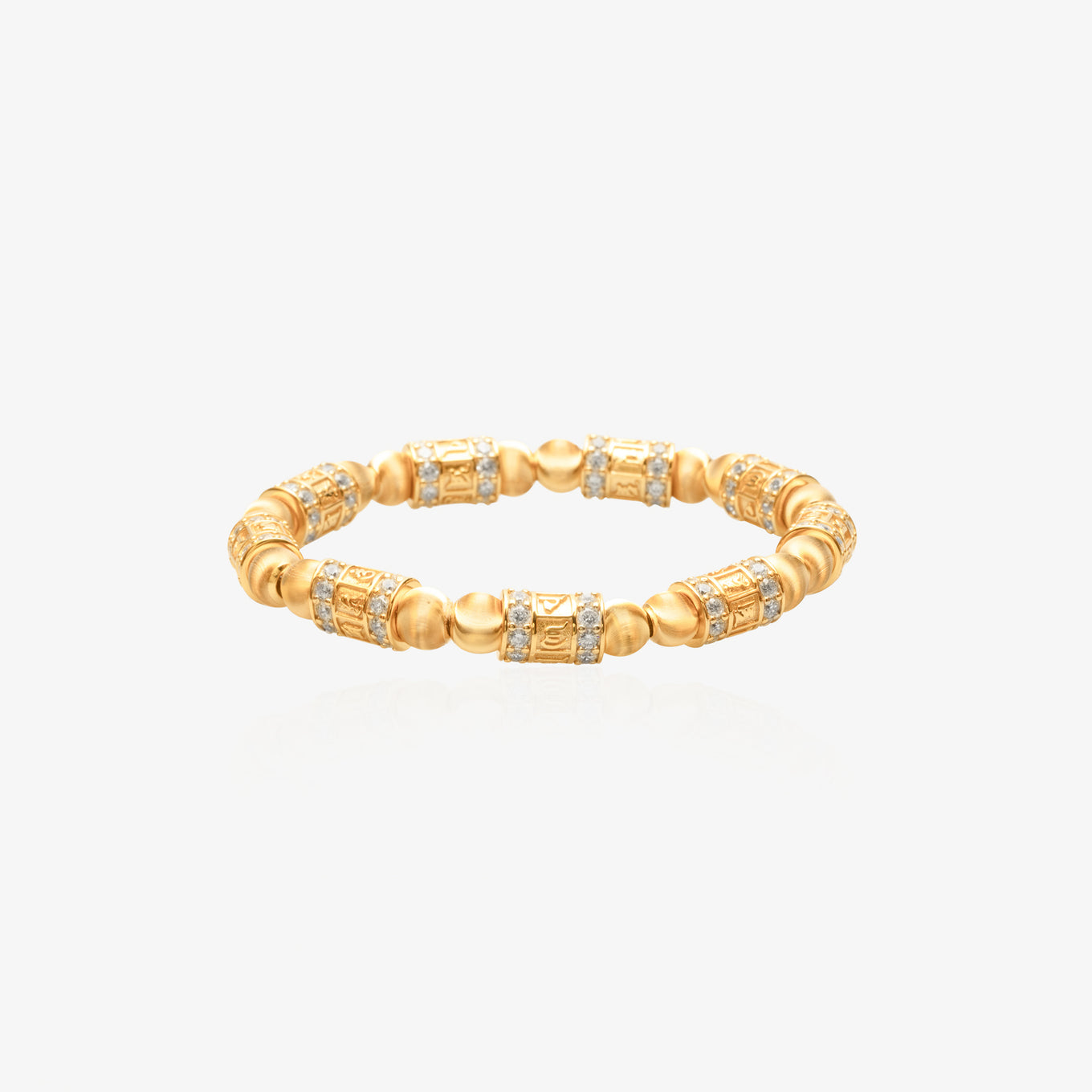
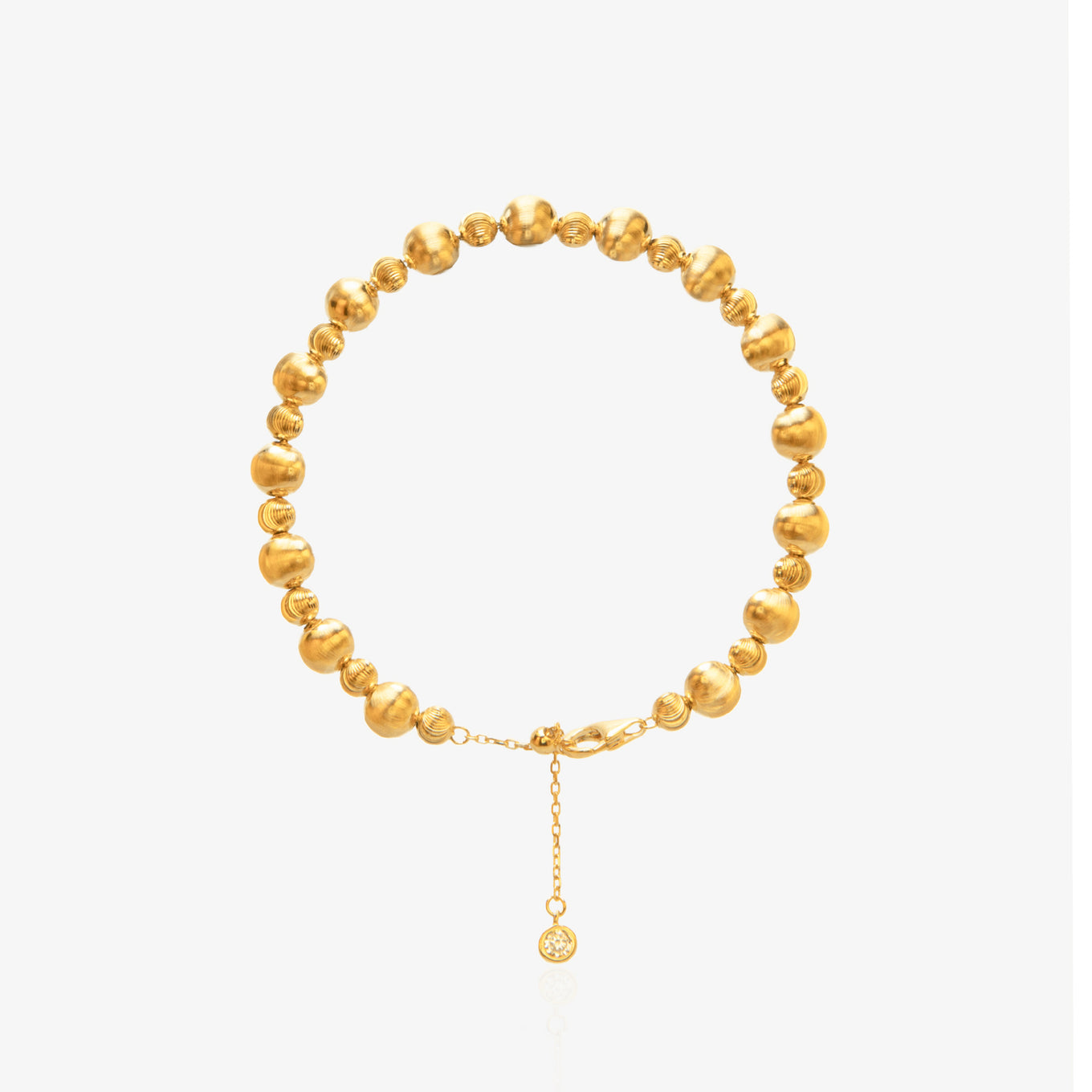
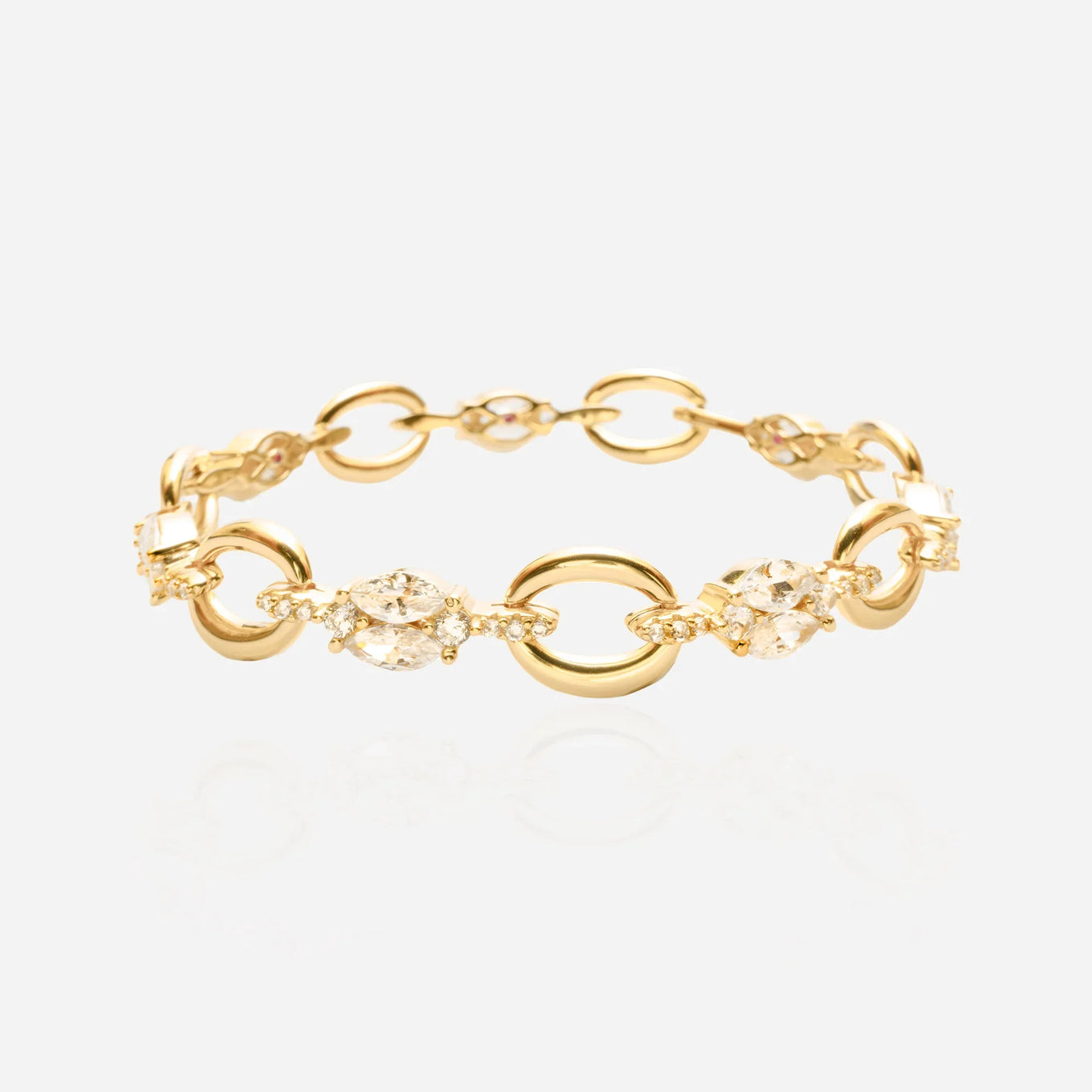
The Marquise Garland Link Bracelet — mixed-cut lab diamonds on articulated 18K gold links — is the lab diamond bracelet that looks like an inheritance. The Cocoon Chain Bracelet — satin oval beads on sterling silver — works as the understated alternative for someone who wants the quality without the statement.
Stacking & Sets
The Gold Macaron Ring Set — a 3-piece stacking trio with lab lab diamond pavé — gives you three rings for roughly the price of one mined-lab diamond band. The Gold Wave Ring Set — three stackable sterling silver bands with lab diamond accents — lets you build a ring stack that looks curated over a decade in a single gift.
Budget Guide: What Your Dollar Actually Buys
| Budget | Best Lab Diamond Pick | What the Money Actually Gets You |
|---|---|---|
| Under $100 | Tempo Ring | Asymmetric open band with two lab diamond clusters — architectural and unmistakably intentional. Reads as a jewelry person's ring |
| $100–$180 | Gold Solitaire Necklace / Gold Bubble Ring | Floating lab diamond = $2,000 visual at $180. The Bubble Ring = bezel-set lab lab diamond band that stacks beautifully |
| $180–$280 | Pleat Ring / Gold Macaron Ring Set | Three rings or one ribbon ring — both with enough lab diamond presence to dominate a handshake |
| $280+ | Guardian Wing Cuff Ring / Marquise Garland Link Bracelet | Angel wing ring with pavé = daily-wear talisman. Marquise bracelet = mixed-cut diamonds, articulated gold — heirloom territory |
Care & Longevity: Lab Diamond Jewelry That Lasts
Lab diamonds on a sterling silver base with 18K gold plating require the same care as any fine jewelry — and with the right habits, these pieces can last decades. Store pieces separately in the included pouch to prevent gold-plated surfaces rubbing against each other.
Remove before swimming (chlorine is gold plating's only real enemy at 0.5-micron thickness). Wipe with the included polishing cloth monthly to maintain warmth and finish. Unlike cubic zirconia, High-Carbon Lab Diamonds won't cloud over time — they maintain their clarity and brilliance for years of daily wear.
Key Terms
- Lab Diamond / Laboratory-Grown Diamond
- A diamond created in a controlled laboratory environment rather than mined from the Earth. Chemically, optically, and physically identical to mined diamonds — pure carbon in a cubic crystal structure. Distinguished from mined diamonds only by gemological equipment analyzing growth patterns.
- High-Carbon Lab Diamond (Simulated)
- Premium simulated diamonds used in ÉLARAMUSE jewelry with Mohs 8.5 hardness and exceptional fire. "Simulated" distinguishes them from mined diamonds while "High-Carbon" and "Lab" communicate the technological precision behind their creation. These stones deliver the visual impact of natural diamonds at an accessible price point.
- Mohs Hardness Scale
- The standard measure of mineral hardness (scratch resistance), running from 1 (talc) to 10 (diamond). High-Carbon Lab Diamonds score 8.5 — harder than topaz (8) and nearly as hard as corundum/sapphire (9). For context: steel scores 4-4.5, meaning your lab diamond ring won't scratch from daily contact with keys, doorknobs, or kitchen tools.
- Cubic Zirconia (CZ)
- A synthetic crystalline material (zirconium dioxide) commonly used as a low-cost diamond simulant. Mohs 8.0 hardness. Main drawback: porous surface absorbs skin oils over time, causing cloudiness and loss of brilliance within 1-2 years of regular wear.
- Moissanite
- Silicon carbide gemstone with Mohs 9.25 hardness. Originally discovered in meteorites, now exclusively lab-created. Has higher refractive index than diamond (2.65 vs 2.42), producing a rainbow "disco ball" effect that trained eyes can distinguish from natural diamond.
- Pavé Setting
- From the French "pavé" meaning paved — a setting technique where small stones are set closely together with minimal visible metal, creating a surface that appears "paved" with diamonds. Common in stacking rings and bands for maximum sparkle per square millimeter.
Frequently Asked Questions
Q: Are lab diamonds "real diamonds"?
Yes — chemically, optically, and physically. A lab diamond is pure carbon crystallized in the cubic diamond structure. It has the same hardness (Mohs 10 for true lab-grown, Mohs 8.5 for High-Carbon Simulated), the same refractive index, and the same fire and brilliance as a mined diamond. The Federal Trade Commission (FTC) recognizes lab-grown diamonds as real diamonds.
The distinction between "lab" and "mined" is one of origin, not identity — just as ice from your freezer is still ice even though it wasn't carved from a glacier. Our High-Carbon Lab Diamonds (Simulated) achieve the same visual result through premium simulated diamond technology optimized for the demi-fine price point.
Q: Can jewelers tell the difference between lab and mined diamonds?
Yes — but only with specialized gemological equipment. Mined diamonds and true lab-grown diamonds have different growth patterns — octahedral faces in HPHT diamonds, striated layers in CVD diamonds — that are visible under magnification to a trained gemologist.
High-Carbon Lab Diamonds (Simulated) have their own optical characteristics detectable with professional equipment. The key point: no one at a dinner party, wedding, or business meeting can tell the difference with an unaided eye. The sparkle reads identically.
Q: Will a lab diamond ring hold its value?
Neither lab nor mined diamond jewelry "holds its value" in the investment sense. Mined diamonds typically resell for 25-50% of retail — comparable to driving a new car off the lot. Lab diamonds are priced for wearing, not investing.
This is actually an advantage: the lower entry price means you can own a more impressive-looking piece without the guilt of knowing you paid a 3X markup that you'll never recover. Demi-fine is about value at purchase, not resale — and a $200 lab diamond necklace that brings joy for 10 years has delivered more value per dollar than a $3,000 mined diamond ring that sits in a safe deposit box.
Q: Do High-Carbon Lab Diamonds get cloudy like cubic zirconia?
No. Cubic zirconia clouds because its surface is porous — microscopic pits absorb skin oils, lotions, and soap residue, gradually eroding the surface polish. High-Carbon Lab Diamonds are non-porous and maintain their clarity and brilliance indefinitely with basic care. This is one of the three main reasons we use High-Carbon Lab Diamonds instead of CZ (the other two being superior hardness and more diamond-authentic fire).
Q: Is demi-fine appropriate for an engagement ring?
This depends on your partner's expectations. If she wants a piece that looks like a $5,000 ring and can wear it daily for years, a demi-fine lab diamond ring like the Pleat Ring, Crossover Ring, or Bypass Ring delivers exactly that — at a fraction of the price.
However, sterling silver with gold plating will show its age faster than solid 14K or 18K gold under engagement-ring conditions (24/7 wear, constant handwashing, hand-sanitizer exposure). For an engagement ring intended to last a literal lifetime of uninterrupted wear, solid gold has longevity advantages.
For any other ring purpose — anniversary, promise, milestone birthday, self-gift — demi-fine is an excellent choice. Our rings include sizing adjusters and are backed by our quality standards.
Q: How ethical are lab diamonds compared to mined?
Lab diamonds eliminate three major concerns associated with mined diamonds: environmental degradation (250 tons of earth moved per mined carat vs. minimal land disruption), human rights risks in supply chains, and the lack of transparency in diamond sourcing. Even the Kimberley Process — designed to prevent conflict diamonds from entering the market — has documented gaps in enforcement.
Lab diamonds, by contrast, are produced under controlled, transparent conditions with known origins and no displacement of communities or ecosystems. For gift-givers who want the beauty of diamond without the moral calculus, lab-created stones are the clearest ethical choice available in jewelry today.
Editor's Picks


We Believe — The diamond industry spent a century convincing people that love is measured in carats pulled from the Earth. We believe love is measured in intention — in the thought behind the gift, the story embedded in the motif, the daily act of choosing to wear a piece that someone chose with care. Lab diamond demi-fine jewelry isn't the "cheaper alternative." It's the smarter one.
High-Carbon Lab Diamonds deliver the same visual impact as mined stones — the same fire, the same brilliance, the same way they catch light and hold attention — without the environmental cost, the supply-chain opacity, or the markup that makes mined diamonds one of the worst-value purchases in consumer goods.
At ÉLARAMUSE, every lab diamond piece is built on an Ag925 sterling silver core with 0.5-micron 18K gold plating: real precious metals, real sparkle, real intention. Whether it's a solitaire necklace, a pavé stacking ring, or a guardian wing talisman, the right lab diamond piece says: I thought about this. I chose this, for you.
References
- GIA (Gemological Institute of America). Laboratory-Grown Diamonds: A Comprehensive Guide. gia.edu/lab-grown-diamonds
- Federal Trade Commission. Guides for the Jewelry, Precious Metals, and Pewter Industries. ftc.gov
- American Gem Society. Synthetic vs. Simulated: Diamond Terminology Explained. americangemsociety.org
- Mohs Hardness Scale. International Mineralogical Association Standard. britannica.com