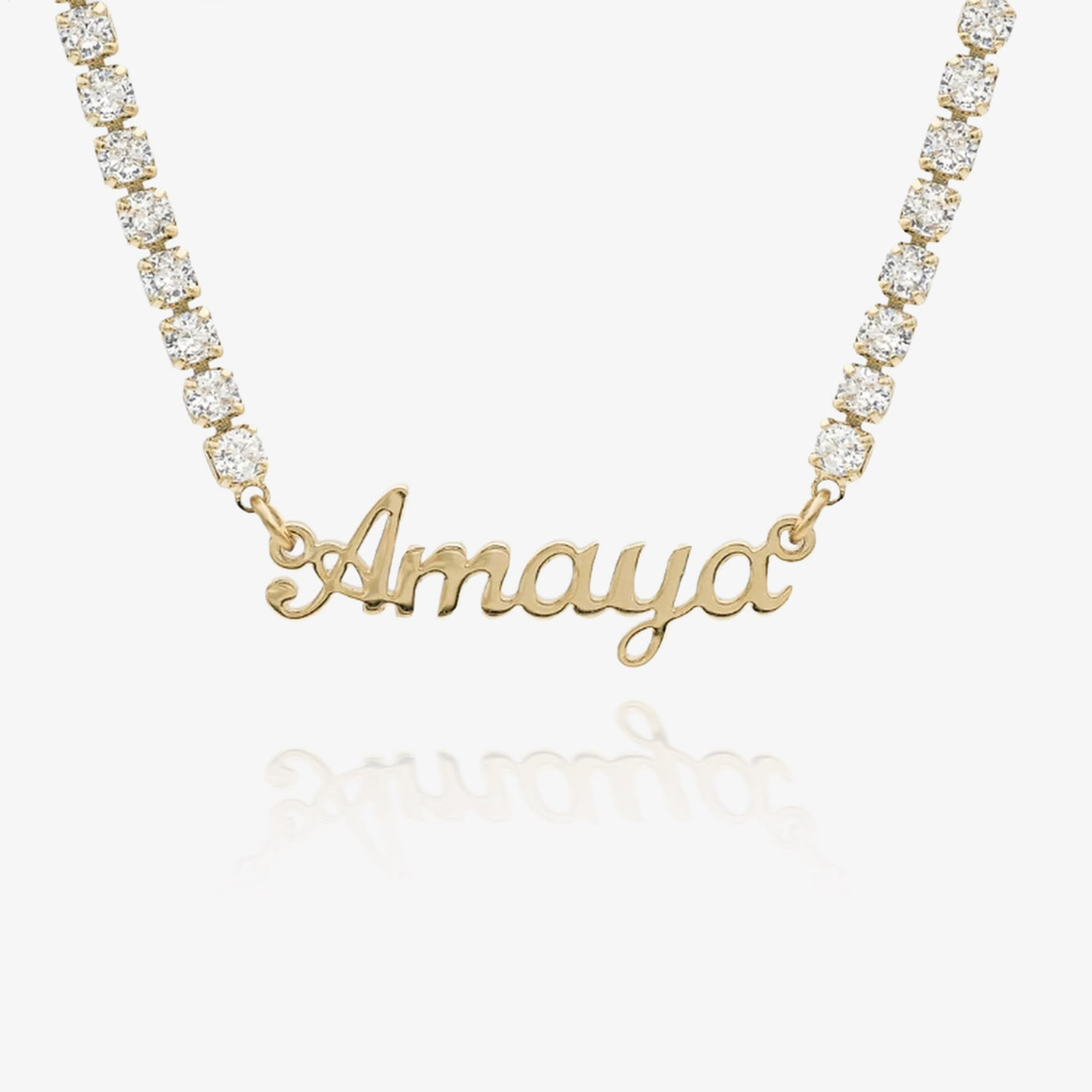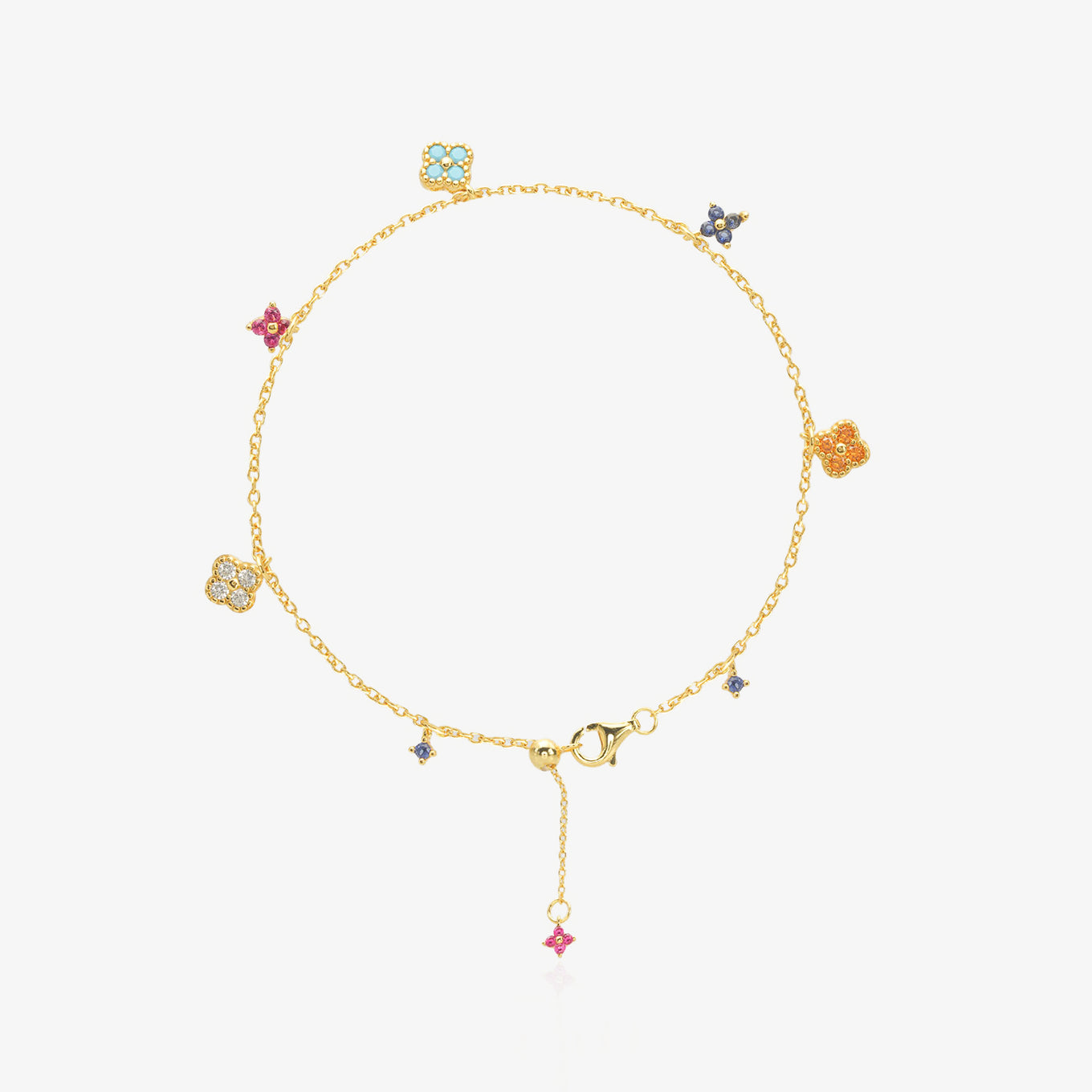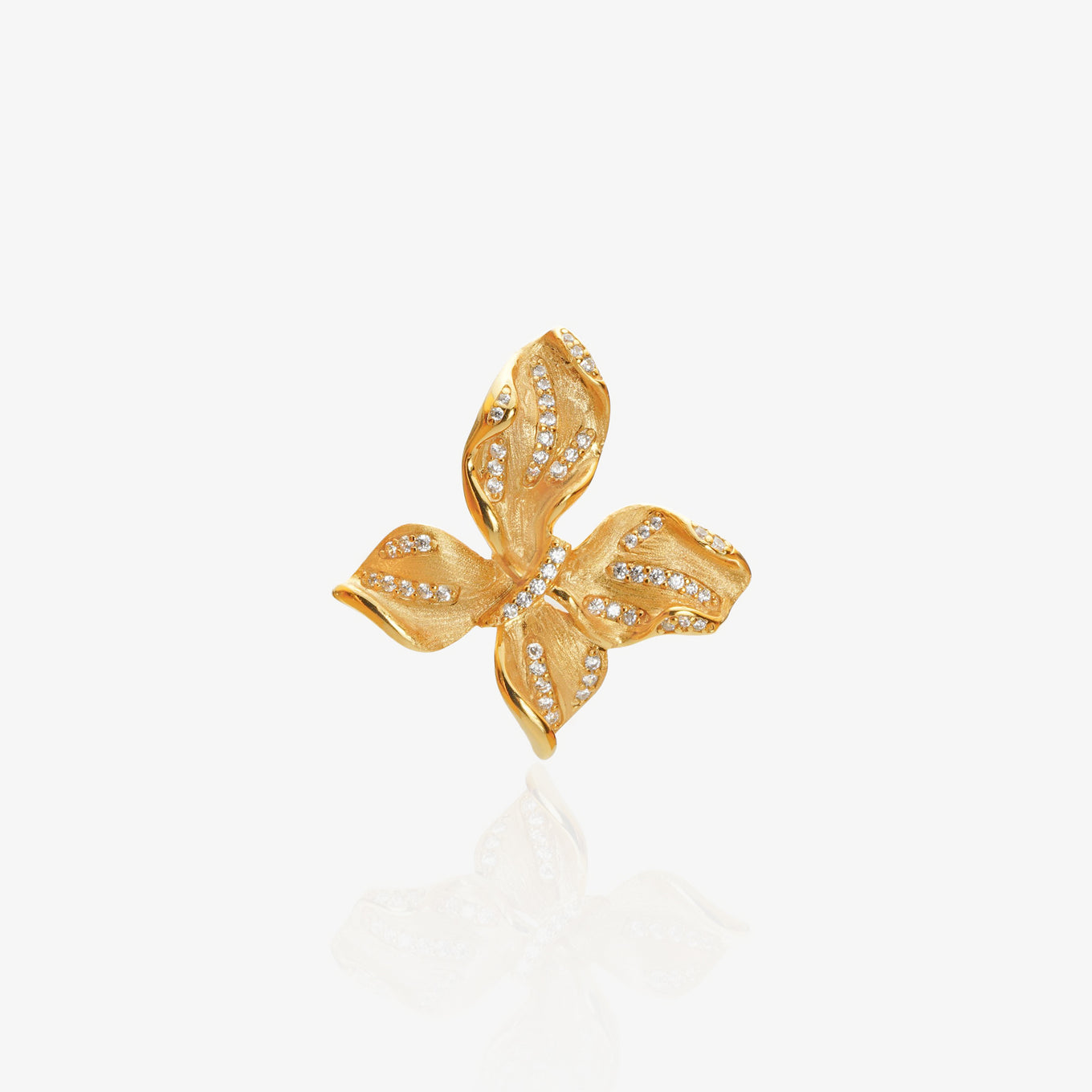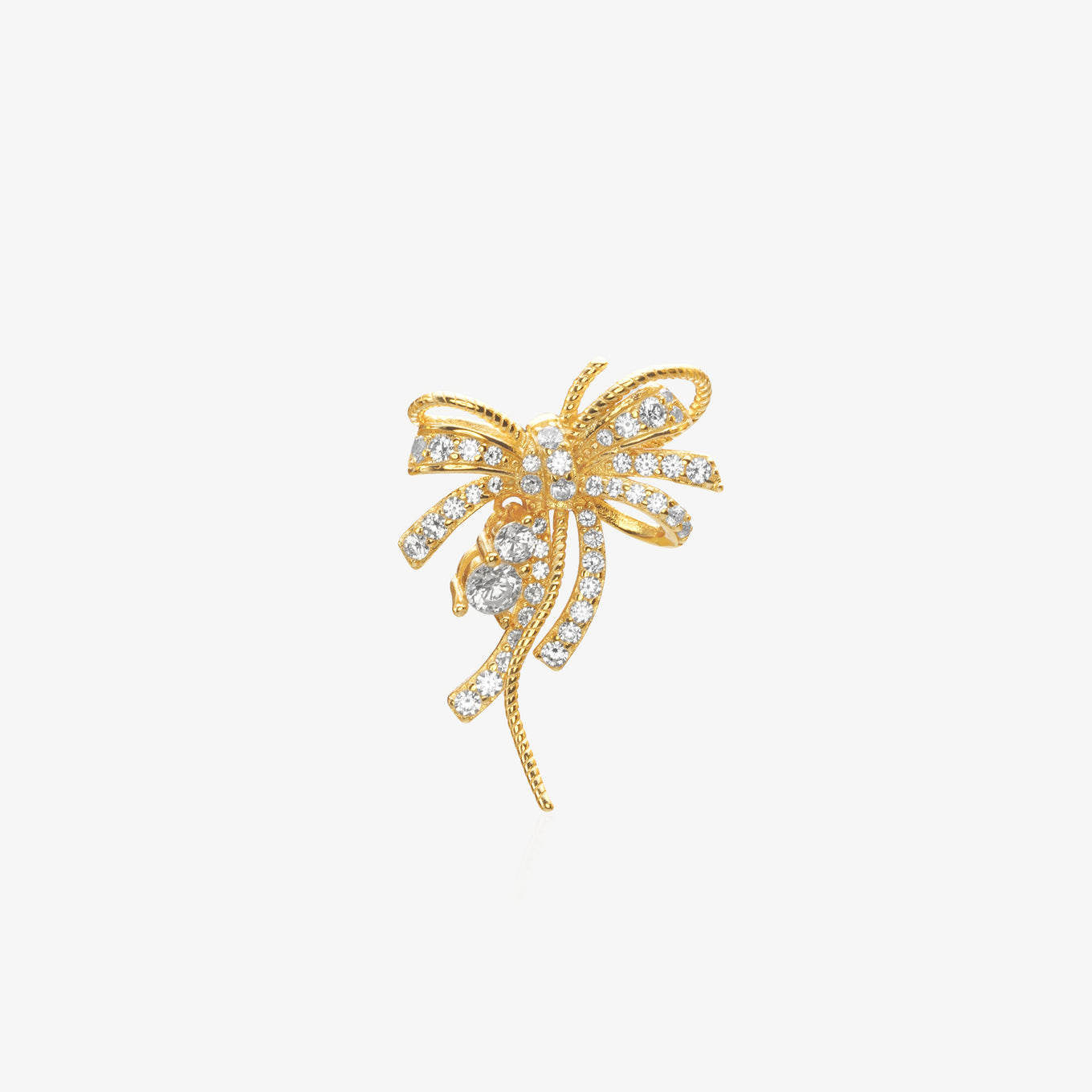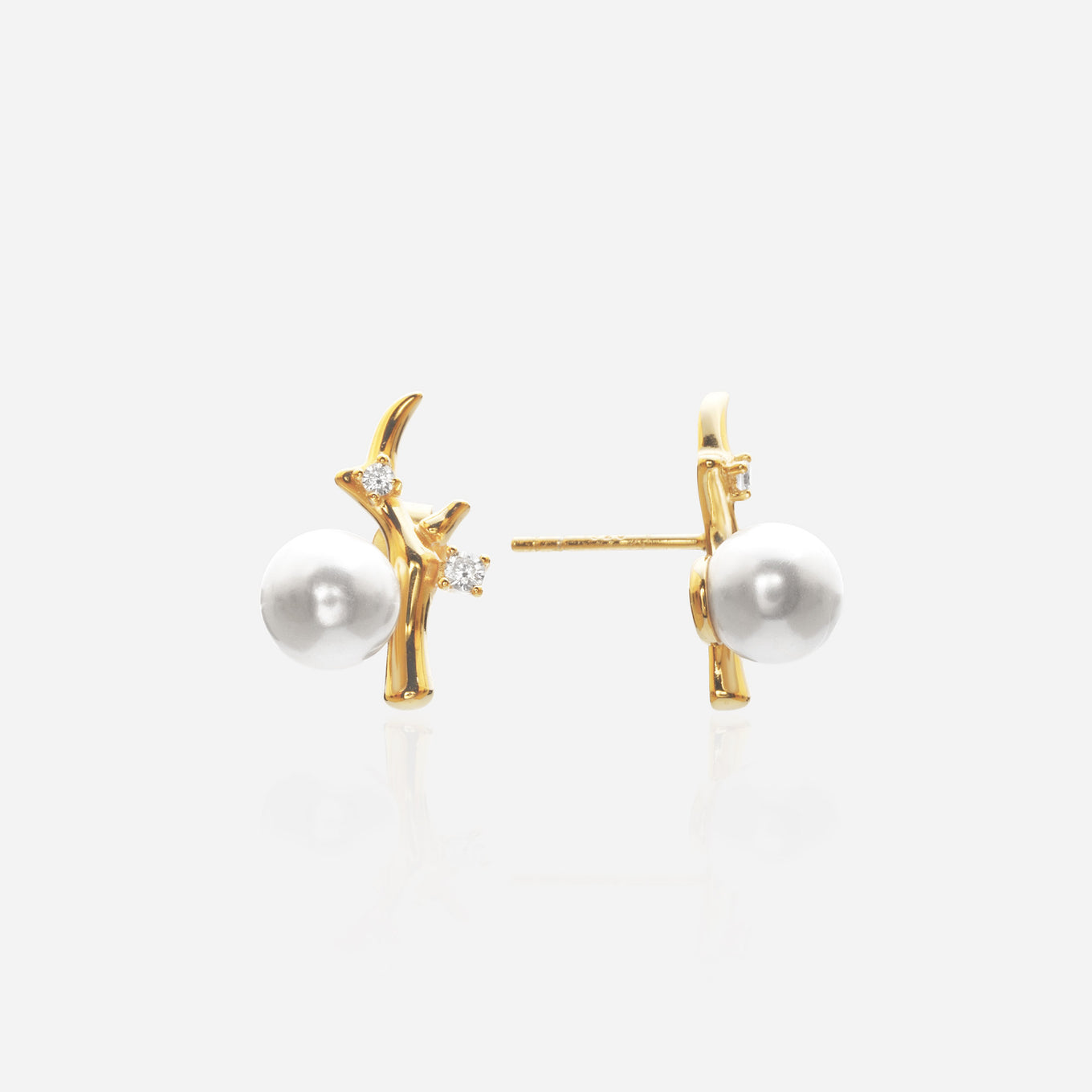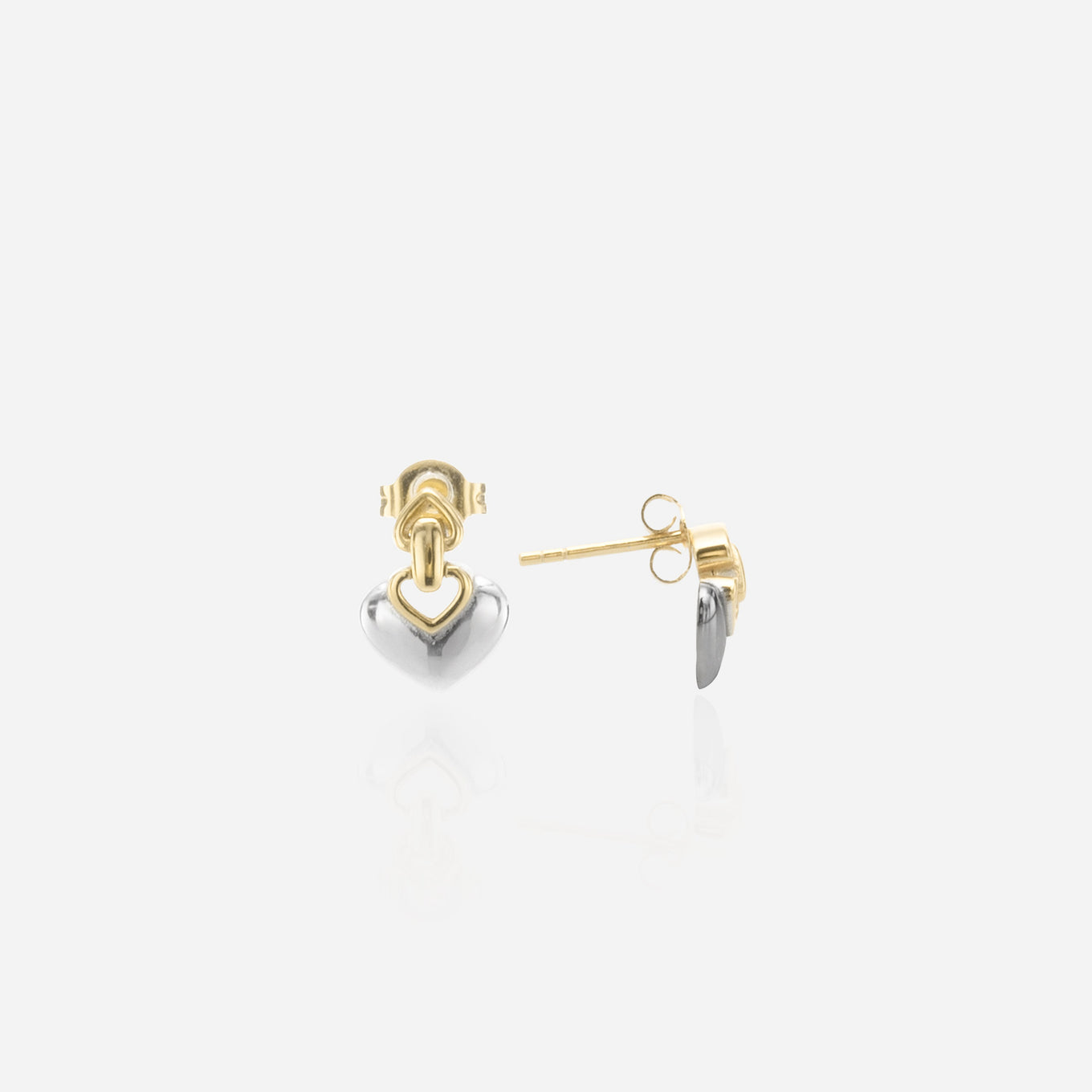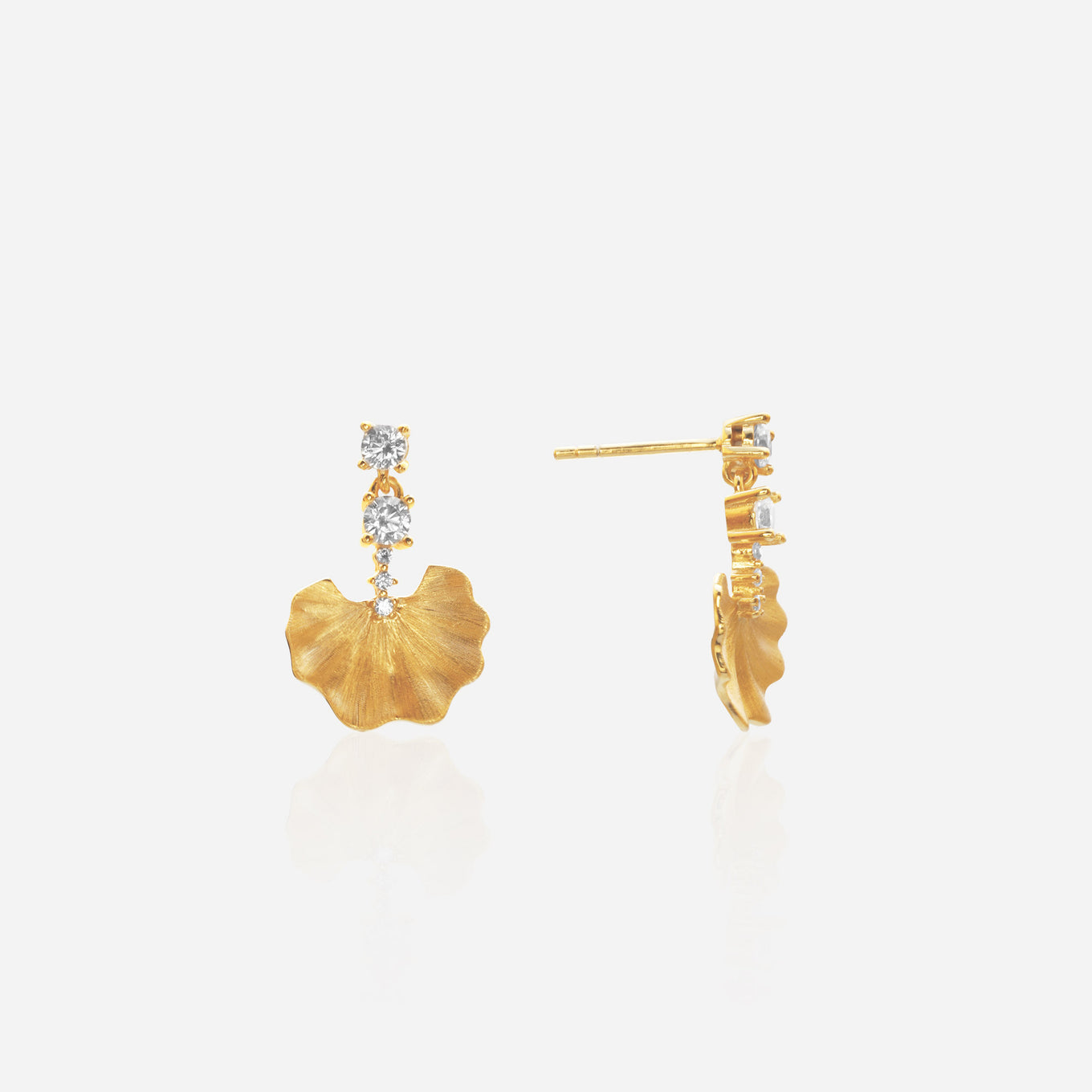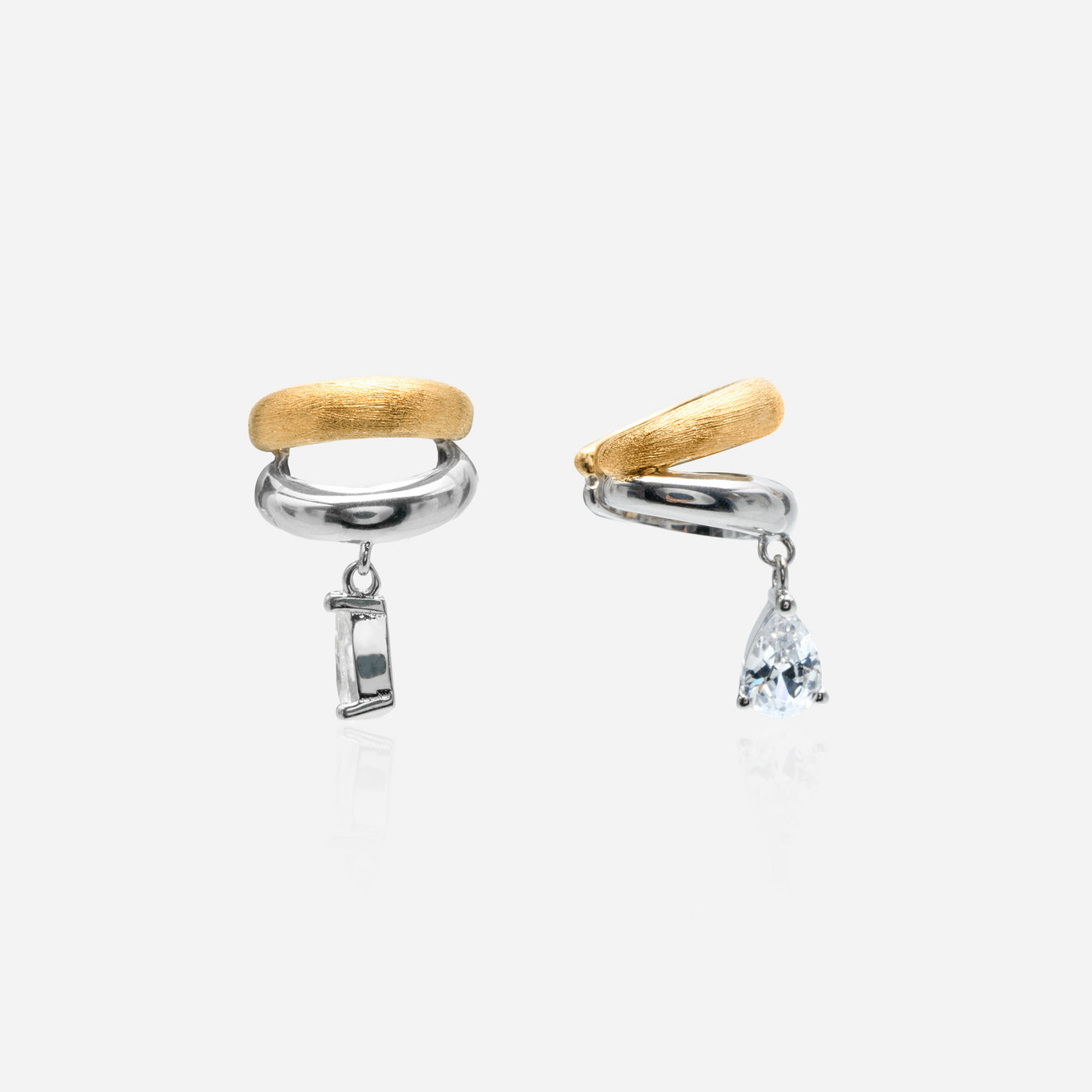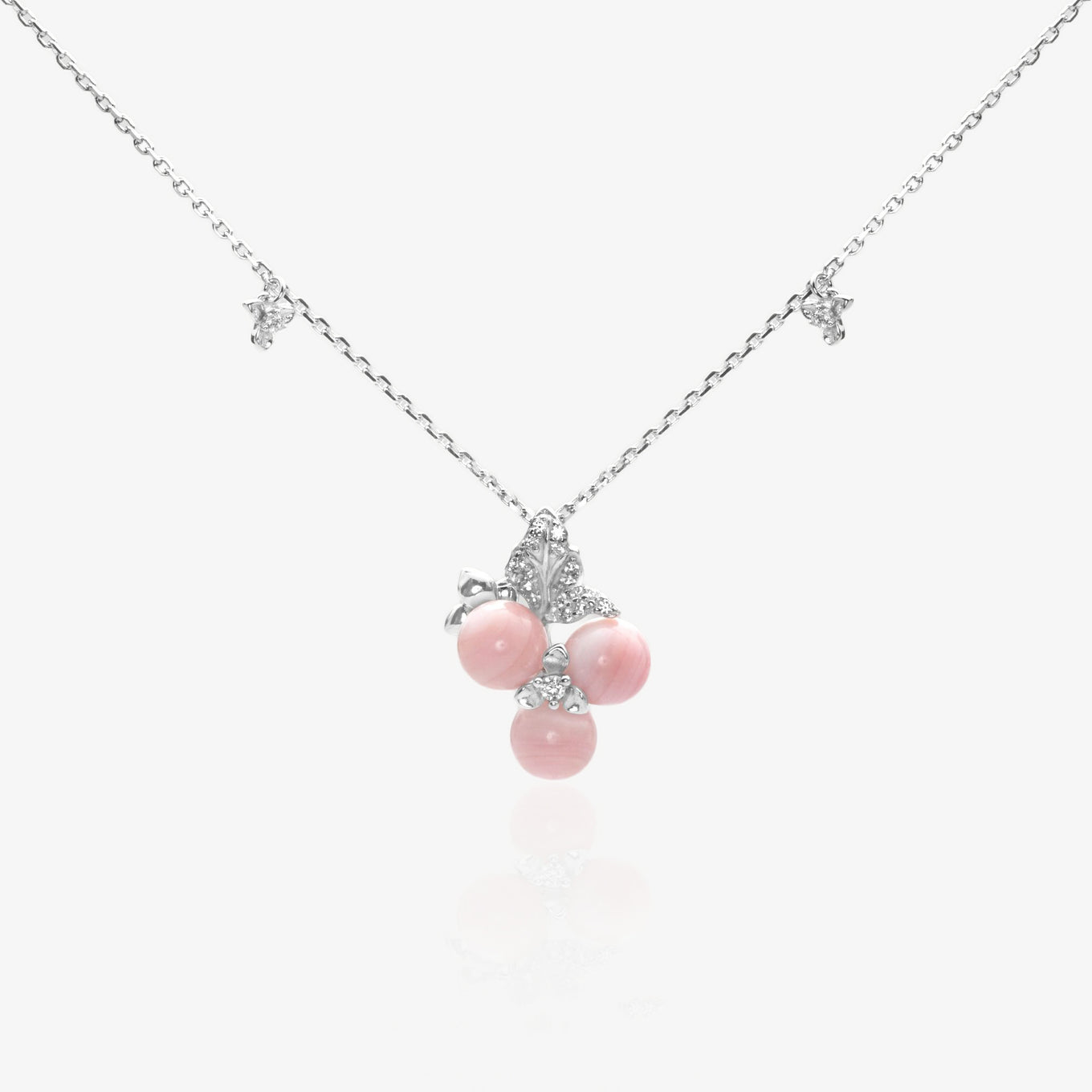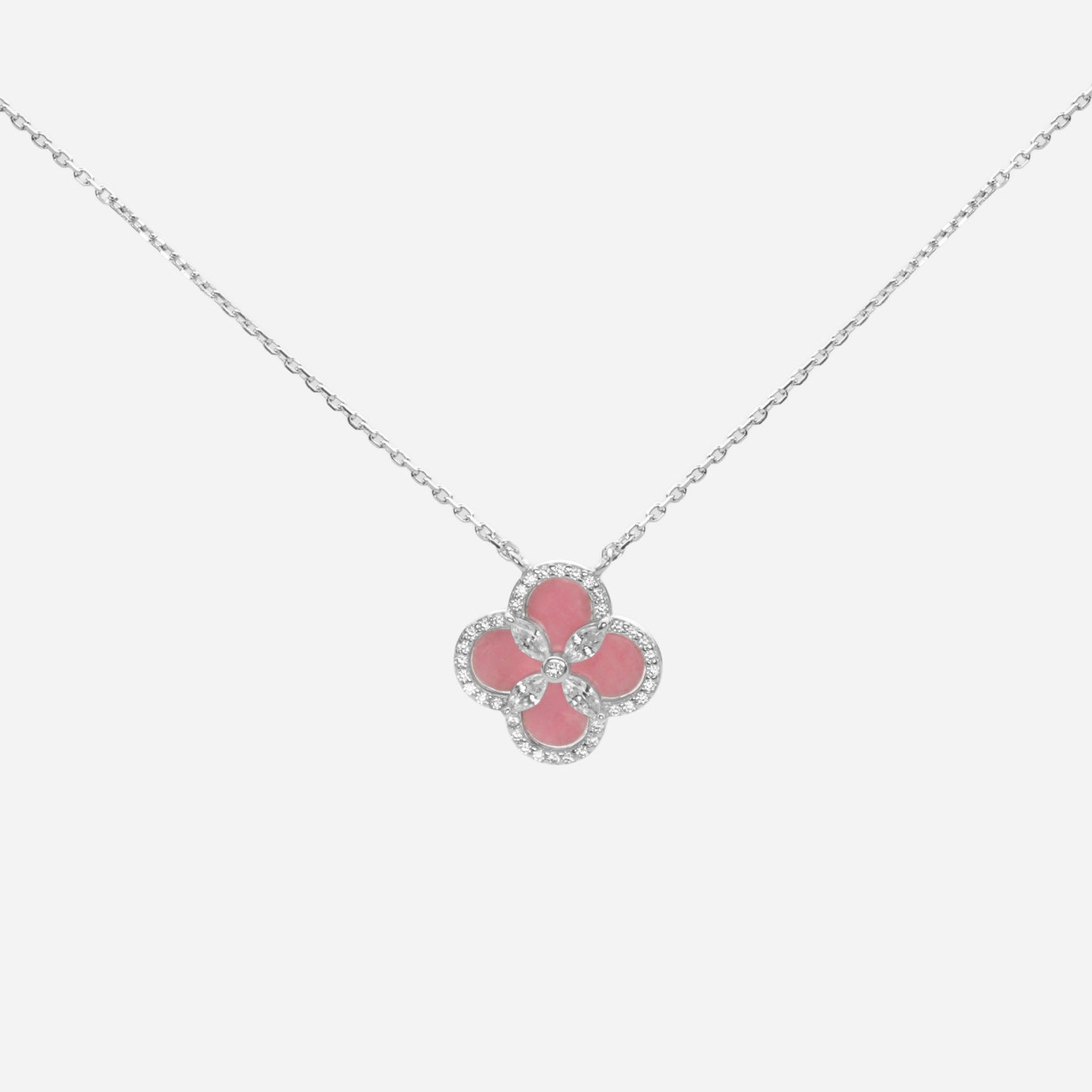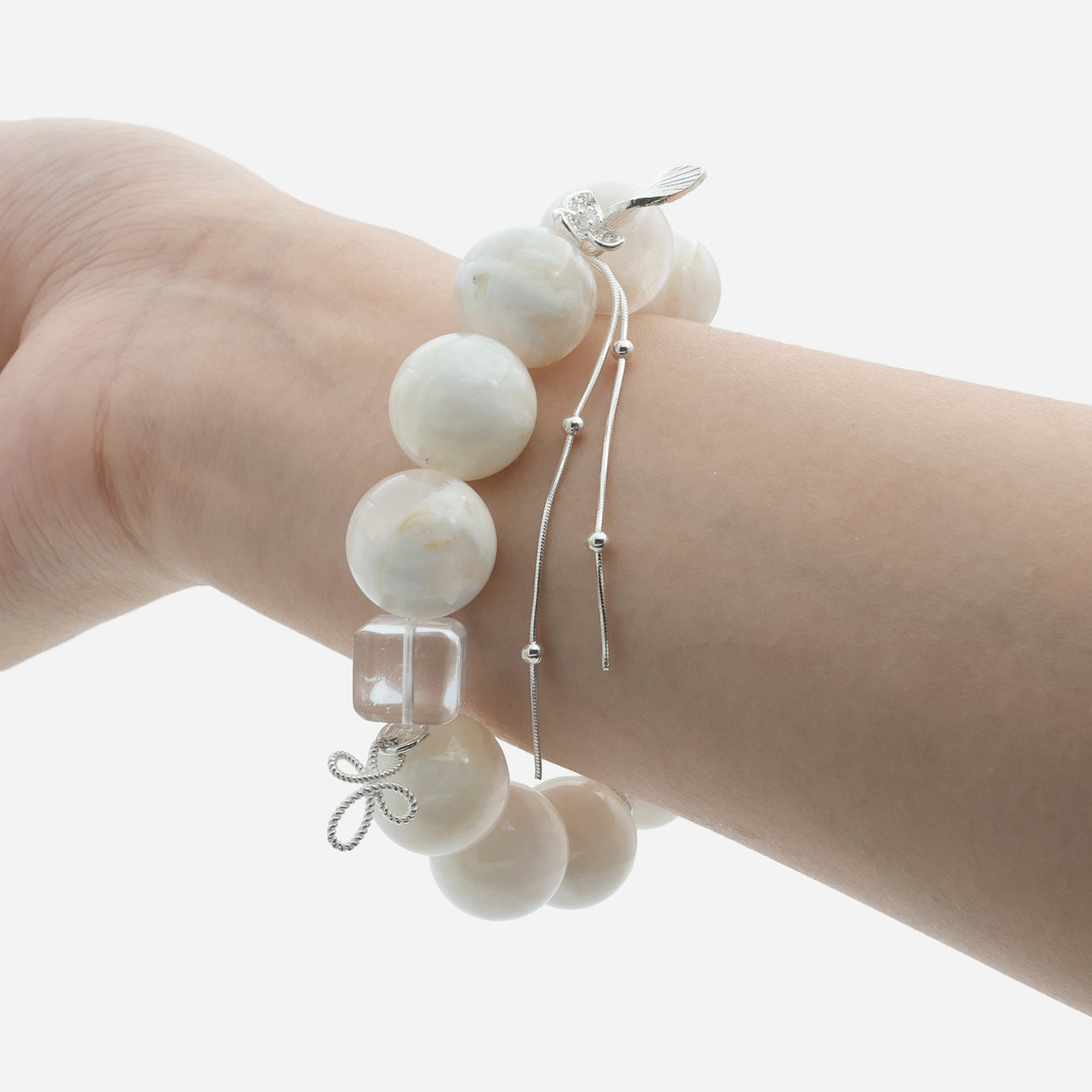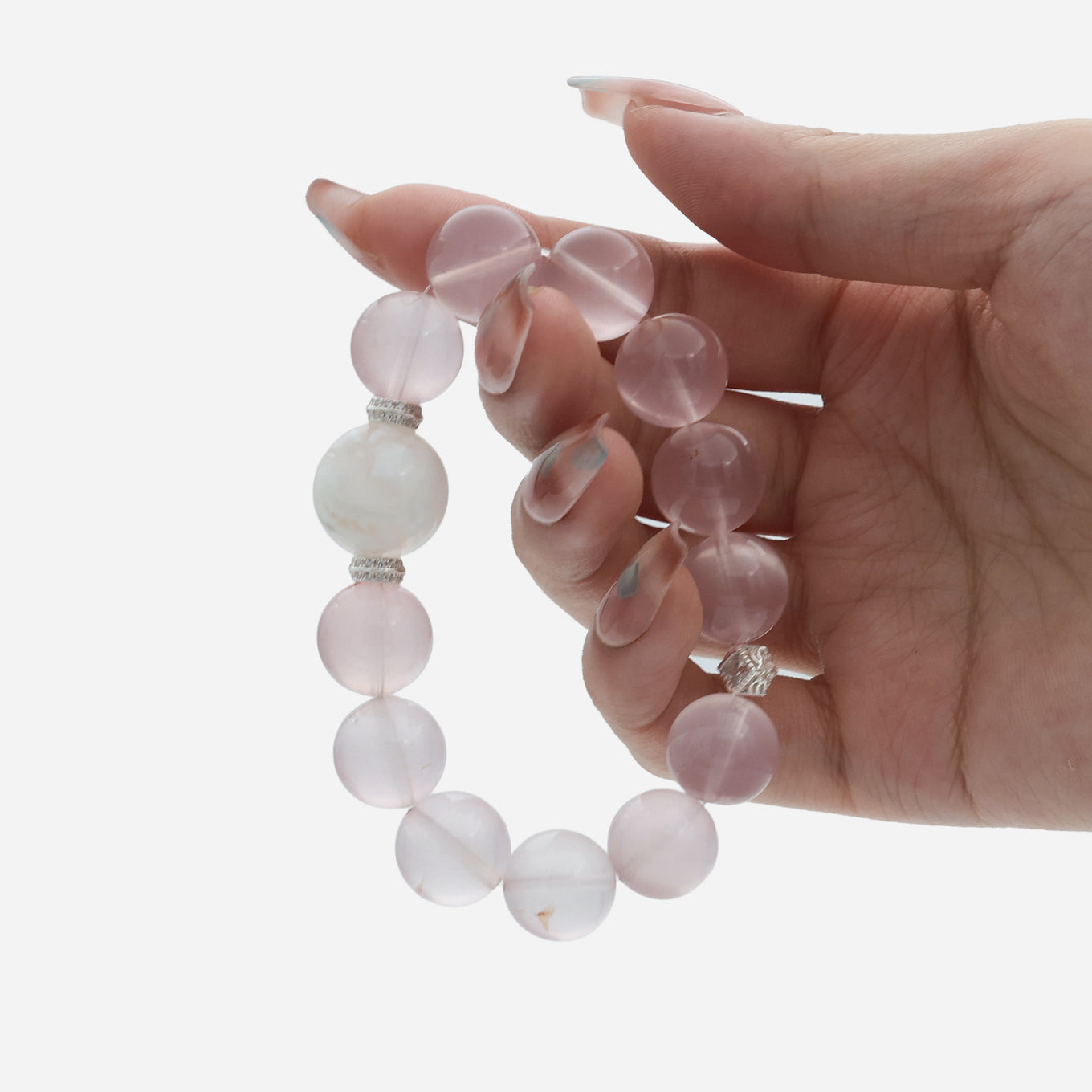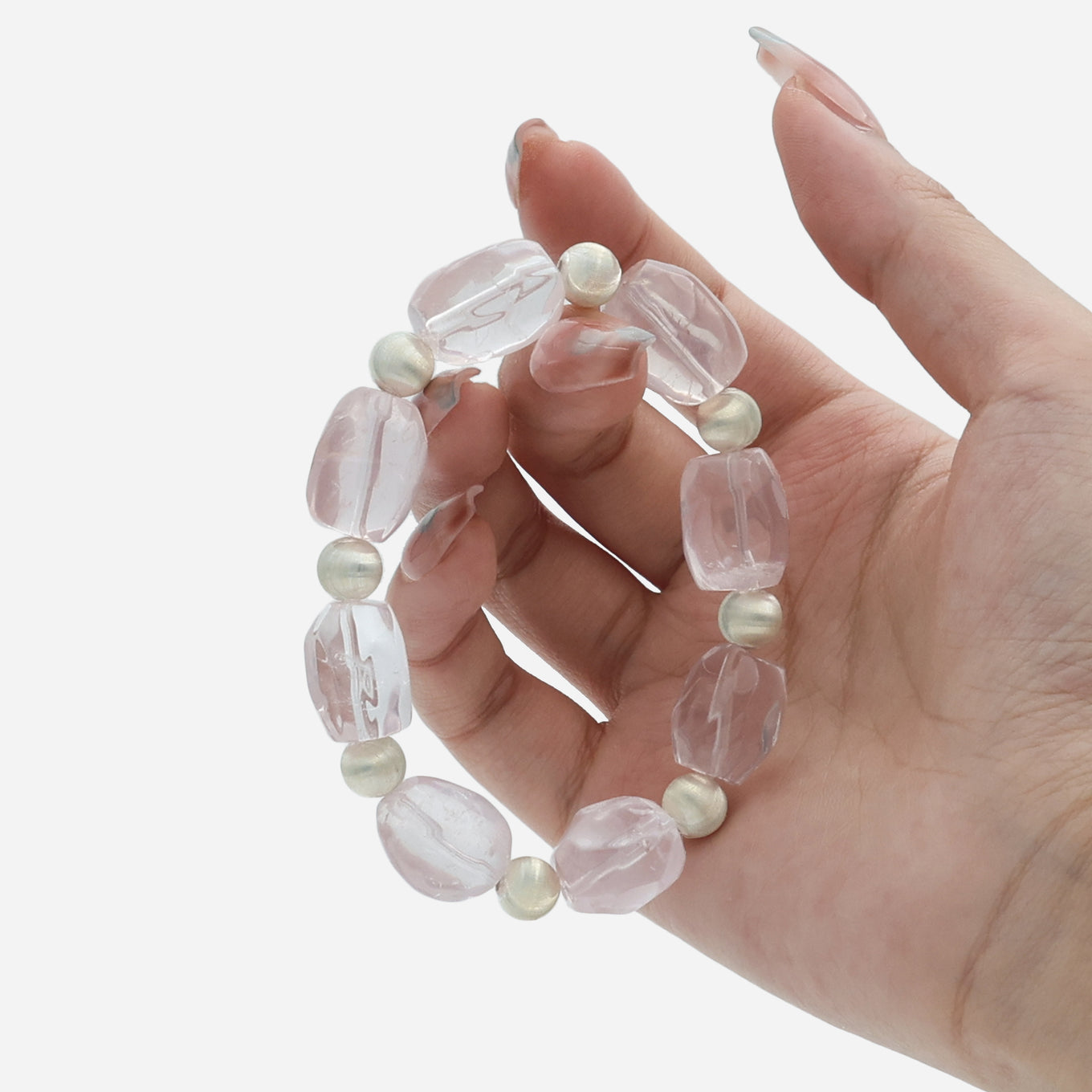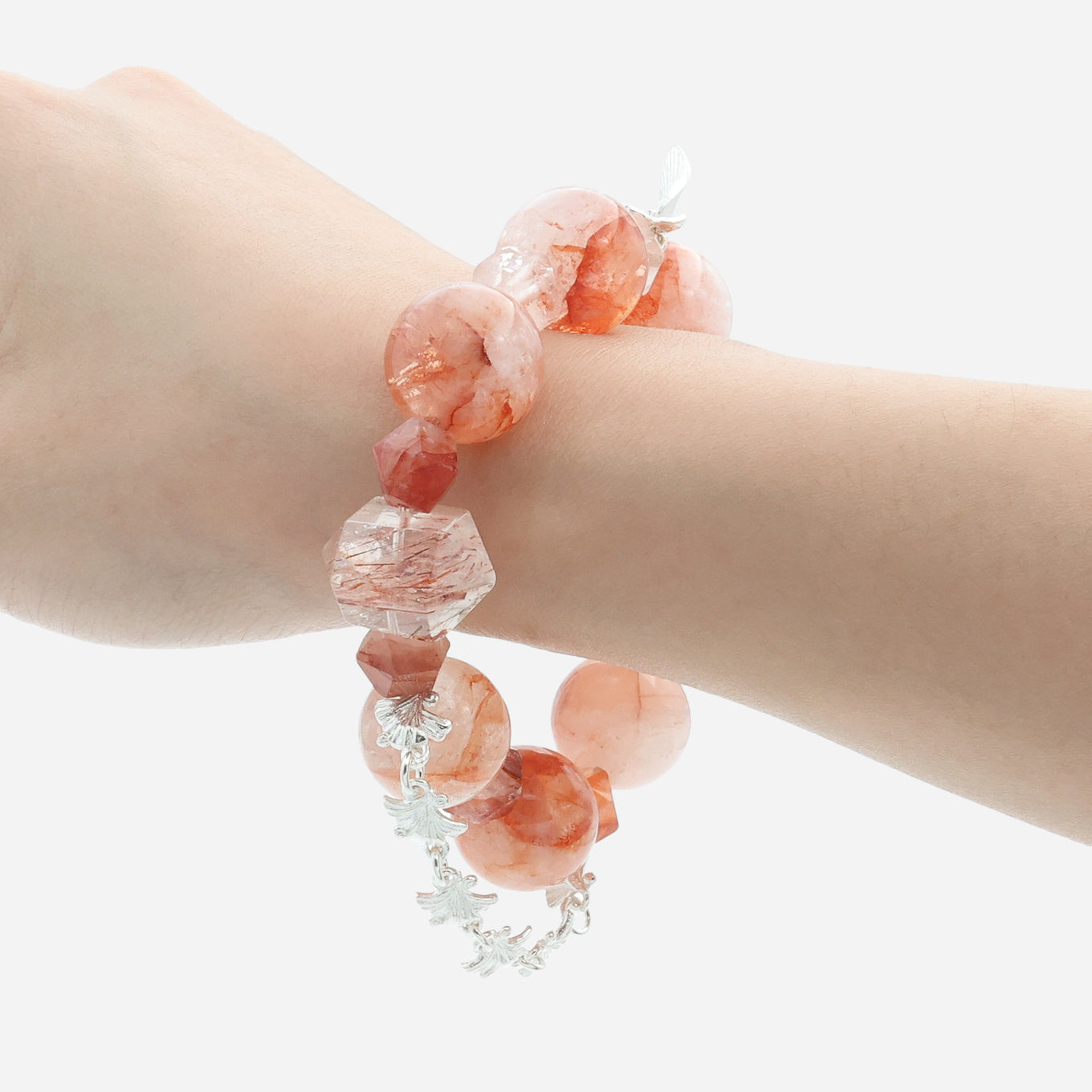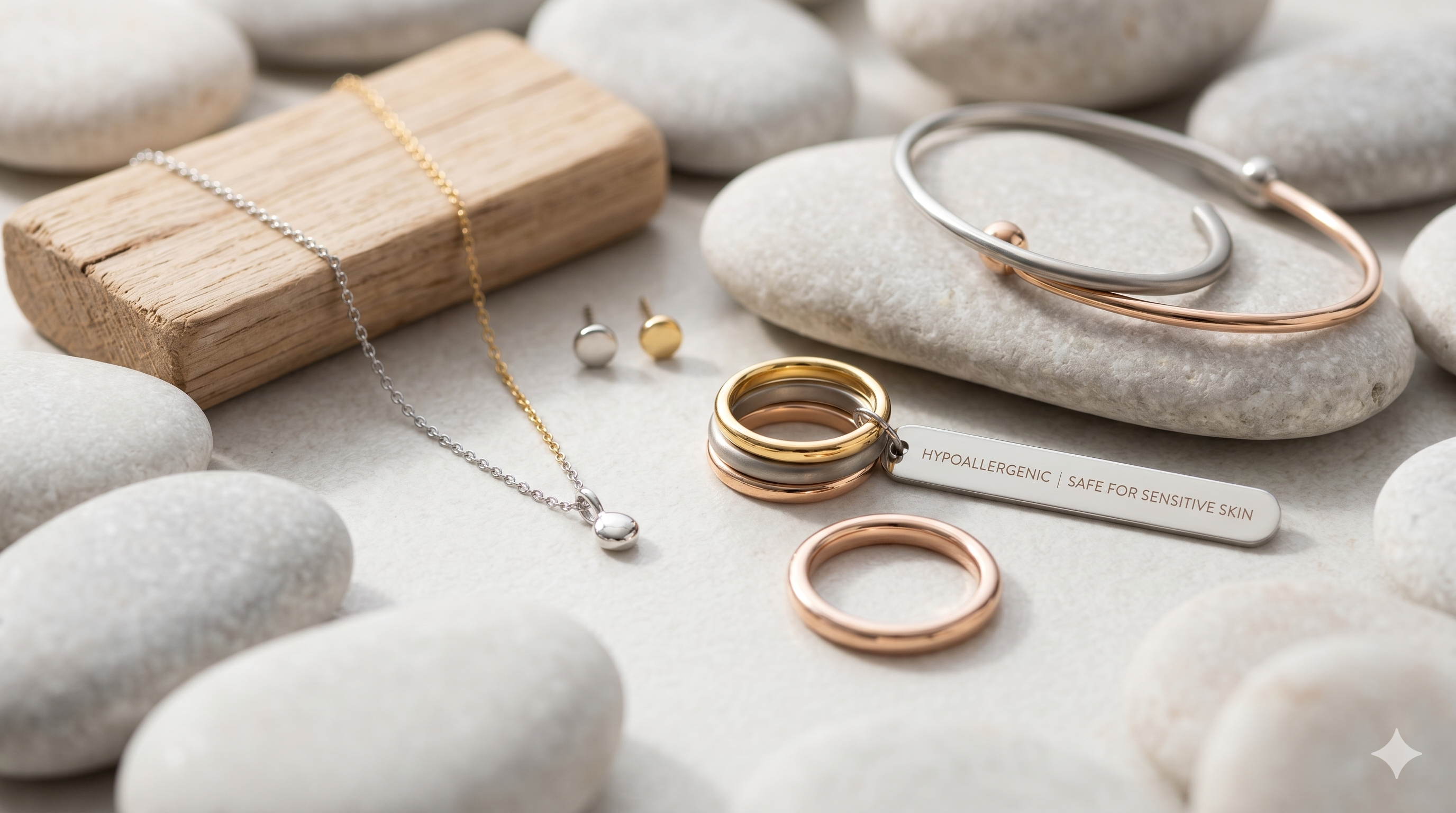
Hypoallergenic jewelry isn't a luxury — it's a necessity for the millions of women who react to nickel and base metals — Nickel allergy affects 10-20% of the population — and most people don't realize their jewelry is the cause until the rash appears. If your ears itch, turn red, or swell within hours of wearing earrings, you're not imagining it. The culprit is almost always the metal touching your skin, not the design or brand.
The good news: truly hypoallergenic jewelry exists. The challenge: "hypoallergenic" on a label means nothing without material transparency.
📑 In This Guide
- In This Article
- Key Terms You Need to Know
- Why Your Skin Reacts: The Science of Metal Allergies
- The 5 Metals That Won't Trigger Reactions
- What to Avoid: The Hidden Irritants in "Hypoallergenic" Jewelry
- Where and When to Wear
- The ÉLARAMUSE Standard
- How to Choose Jewelry for Sensitive Skin: A Decision Framework
- Why Plating Thickness Determines If You'll React
- Approach to Skin-Safe Jewelry
- What We Believe
- Editor's Picks for 2026
- Hypoallergenic Statement Pieces: Snake Rings & Bold Designs
- Why Stainless Steel Is a Hypoallergenic Powerhouse
- Rhodium Plating, Gold Standards & Quality Tier Breakdown
- Frequently Asked Questions
- Behind the Design
- Sources
- References & Further Reading
References
- NIH PubMed. "Metal Allergy & Contact Dermatitis from Jewelry." National Institutes of Health.
- GIA. "Metal Guide: Hypoallergenic Options." Gemological Institute of America.
- V&A. "Jewelry Collection." V&A Collections.
Quick Answer: Hypoallergenic jewelry uses nickel-free (nickel-free = <0.01% nickel content, safe for sensitive skin) metals like Ag925 sterling silver—safe for sensitive skin with zero irritation, even after years of daily wear.
Key Terms You Need to Know
- Ag925: 92.5% pure silver — hypoallergenic, durable precious metal.
- Nickel-Free: Zero nickel — eliminates #1 cause of jewelry allergies.
- 0.5-micron 18K Gold Plating: Premium gold layer over silver — lasting brilliance.
- Hypoallergenic: Safe for sensitive skin — no irritation or green marks.
Why Your Skin Reacts: The Science of Metal Allergies
Metal allergies are contact dermatitis — an immune system response to metal ions that penetrate your skin. Here's what actually happens:
The Immune Mechanism
- Sweat dissolves metal ions: Perspiration (pH 4.5-7) acts as a weak acid, dissolving trace amounts of metal from jewelry surfaces
- Ions penetrate skin: Metal ions bind to proteins in your skin, creating complexes your immune system identifies as foreign
- T-cell activation: For nickel-sensitive individuals, immune T-cells recognize nickel-protein complexes and trigger inflammation — itching, redness, swelling, and in severe cases, blistering
- Sensitization builds over time: Each exposure increases sensitivity. You may tolerate nickel for years, then suddenly develop a lifelong allergy after one prolonged exposure
Why Nickel Is the Primary Culprit
Nickel causes more allergic reactions than all other metals combined. The reasons are structural:
- Small atomic size: Nickel ions (Ni²⁺) are small enough to penetrate skin barriers easily
- Strong protein binding: Nickel forms stable complexes with skin proteins that the immune system recognizes as threats
- Ubiquity in jewelry: Nickel is used as a hardening agent in white gold, as a base metal in costume jewelry, and in inexpensive alloy mixes — often without disclosure on labels
Reaction Timeline
| Exposure Duration | Typical Reaction | What It Means |
|---|---|---|
| Within 1 hour | Itching, warmth, mild redness | Immediate sensitivity — avoid this metal entirely |
| Within 24 hours | Redness, swelling, rash at contact site | Confirmed allergy — this metal is a trigger |
| After 48-72 hours | Delayed dermatitis, spreading rash | Delayed-type hypersensitivity — common with nickel |
| After weeks of wear | Sudden reaction after previous tolerance | Sensitization occurred — allergy developed from repeated exposure |
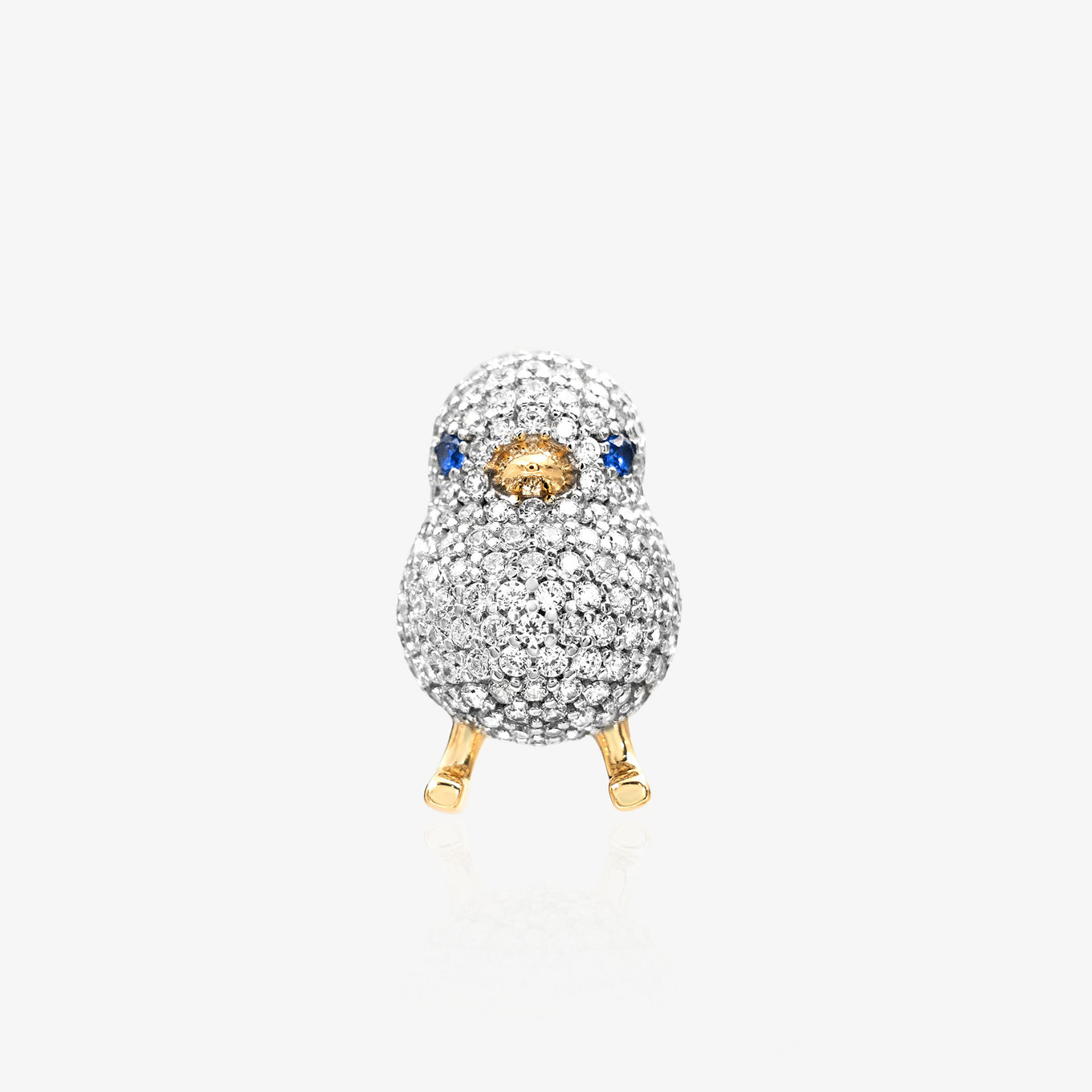
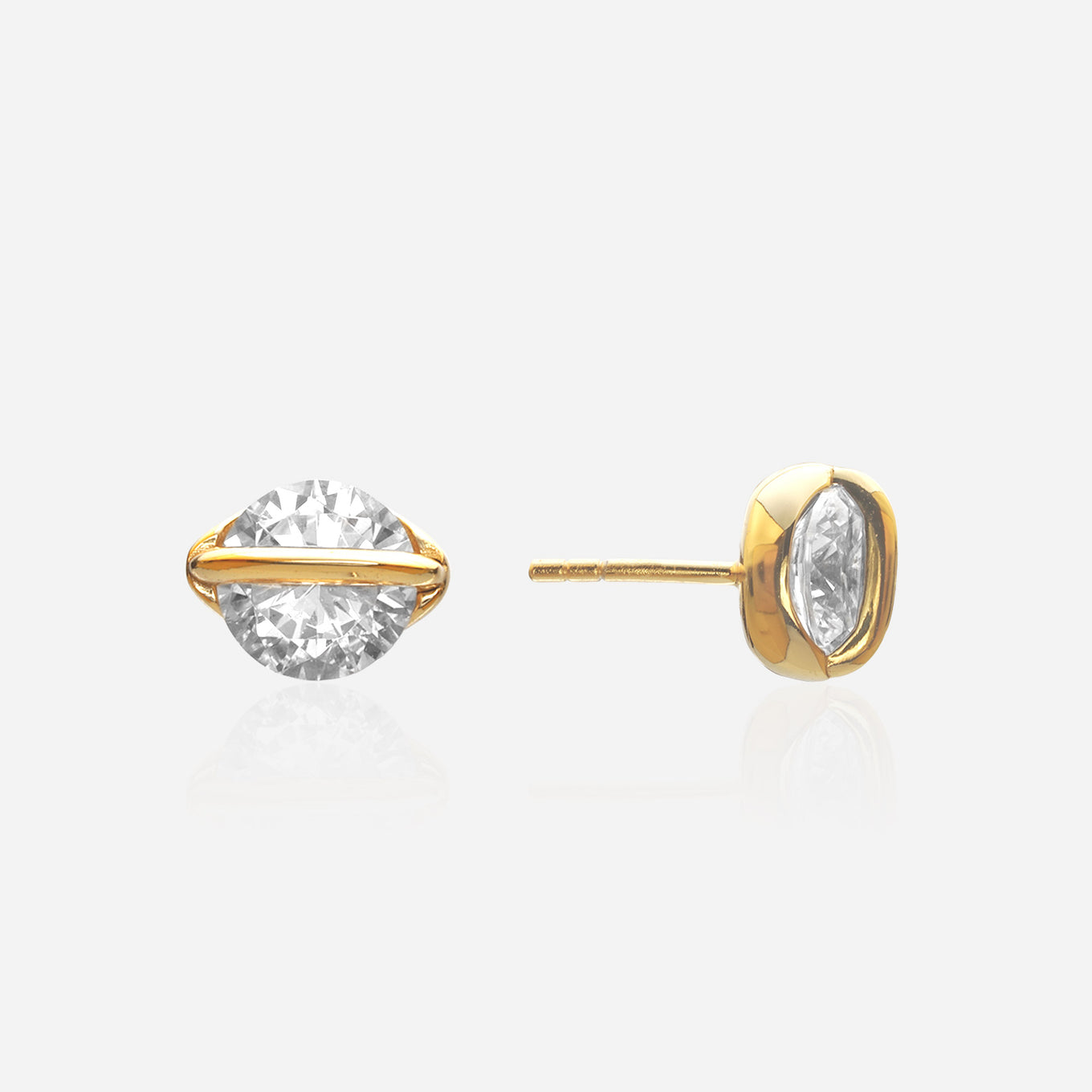
Explore the collection: Classic Solitaire Necklace or Golden Sparrow Studs — crafted in Ag925 sterling silver with 18K gold plating.
At Elara Muse, we believe everyone deserves jewelry they can wear without fear. That's why every piece we make starts with 925 sterling silver — a nickel-free base that doesn't trigger immune responses in the vast majority of wearers. No brass bases, no mystery alloys, no nickel hardening agents.
The 5 Metals That Won't Trigger Reactions
Not all metals are created equal for sensitive skin. Here's the hierarchy of safety, backed by dermatology research:
Tier 1: Medical-Grade Safety (Safe for Nearly Everyone)
- Implant-grade titanium (ASTM F136): Used for medical implants and surgical tools. Biocompatible, corrosion-resistant, and non-allergenic. The gold standard for extremely sensitive skin
- Niobium: Naturally nickel-free, hypoallergenic, and often used for initial piercings. Slightly heavier than titanium but equally safe
- Platinum: Noble metal that doesn't corrode or react. The most expensive option but 100% safe for sensitive skin
Tier 2: Premium 18K Gold Plating (Safe for Most)
- 18K gold and above: Contains 75%+ Premium 18K Gold Plating. Nickel is rarely used in 18K+ alloys, and the high gold content means fewer reactive metals in the mix
- 14K gold: Safe for most, but contains 41.7% alloy metals. If you're highly sensitive, verify the specific alloy mix — some 14K gold contains trace nickel
- 24K gold: Premium 18K Gold Plating, completely hypoallergenic. Too soft for most jewelry, but ideal for those with severe sensitivities
Tier 3: Sterling Silver with Proper Plating (Safe for Most)
- 925 sterling silver + thick gold Premium 18K Gold Plated: Sterling silver is 92.5% silver and 7.5% copper — nickel-free by definition. When plated with 0.5+ microns of 18K gold, the copper never touches your skin
- 925 sterling silver + rhodium plating: Rhodium is a noble metal that creates a hypoallergenic barrier. The silver underneath never contacts skin as long as the plating remains intact
The Critical Factor: Plating Thickness
For tier 3 options, plating thickness determines whether you'll react. Industry standard gold Premium 18K Gold Plated is 0.1 microns — thin enough to wear through in weeks. At ÉLARAMUSE, we use 0.5 microns (5x industry standard), which means the gold layer lasts years, not weeks, and your skin never contacts the underlying copper alloy.
Our Designer Suggests
For those new to hypoallergenic jewelry, start with rhodium-plated sterling silver pieces. The rhodium creates an impenetrable barrier between your skin and any reactive metals.
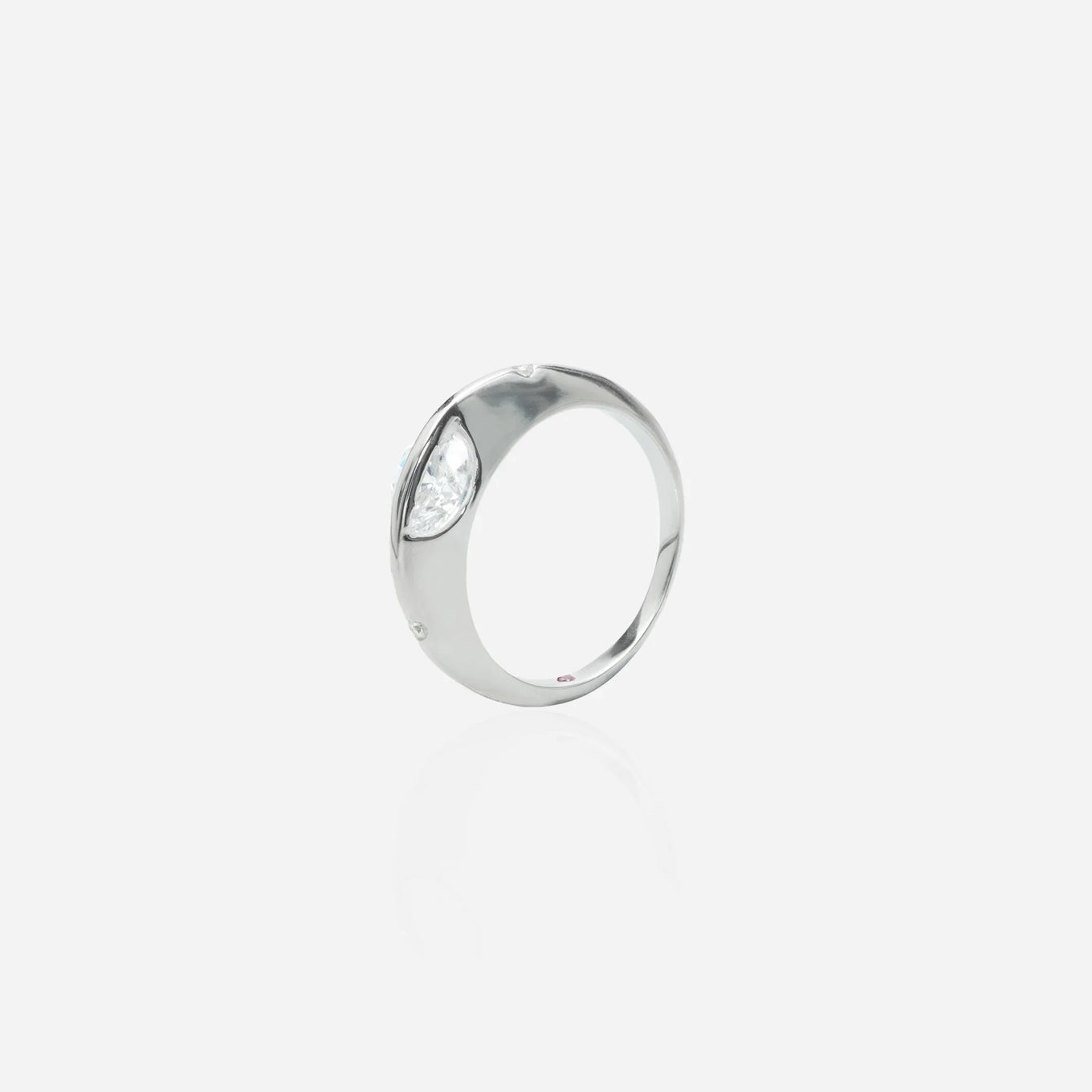
Our Lunar Dome Studs feature rhodium plating over 925 sterling silver — the silver appearance comes from rhodium, a noble metal that's among the safest options for sensitive ears.
What to Avoid: The Hidden Irritants in "Hypoallergenic" Jewelry
The term "hypoallergenic" is unregulated. Brands can use it without meeting any material standards. Here's what actually causes problems:
Metals to Avoid Entirely
- Nickel-containing alloys: Any jewelry that lists "alloy" without specifying the metals — nickel is the cheapest hardening agent and often present in unmarked pieces
- Brass: Copper-zinc alloy that can cause reactions even in non-nickel-sensitive individuals. The copper content is problematic for some skin types
- "Fashion jewelry" or "costume jewelry": Typically uses base metals that aren't disclosed, often including nickel, lead, or cadmium
- White gold under 18K: Many 14K and 10K white gold alloys use nickel as a bleaching agent to achieve the white color. 18K white gold usually uses palladium instead
The "Hypoallergenic" Label Problem
- Thin plating over reactive base: A piece marked "hypoallergenic" may have a thin gold layer over nickel-containing alloy. Once the plating wears through (weeks to months), you're exposed to the reactive metal underneath
- "Nickel-free" without verification: Some brands use "nickel-free" loosely. True nickel-free means zero nickel content — ask for material specifications if you're highly sensitive
- Spot-plating: Some manufacturers plate only the post or backing of earrings while the rest contains reactive metals. Sweat and moisture spread ions to all parts
Red Flags When Shopping
- Price seems too low for the materials claimed (real 18K gold Premium 18K Gold Plated has material costs)
- Material description is vague ("gold-colored metal," "silver-tone alloy")
- No specification of plating thickness or base metal
- "Hypoallergenic" claim without material breakdown
At ÉLARAMUSE, we're transparent about every layer. Our gold-appearing pieces use 925 sterling silver base with 0.5-micron 18K gold plating (0.5-micron 18K gold plating = 500 nanometers thickness, exceeding industry standard). Our silver-appearing pieces use 925 sterling silver base with rhodium plating. Both options keep reactive metals away from your skin.
Unlike cheap brass jewelry that causes green skin and allergic reactions, our pieces use solid Ag925 sterling silver with 0.5-micron 18K gold plating — zero irritation, even after months of daily wear.
Unlike flash-plated fashion jewelry that chips after weeks, our premium plating withstands daily showers, sweat, and sleep while maintaining its warm gold tone.
Where and When to Wear
Because our pieces use solid Ag925 construction, they're perfect for:
- Gym-to-office wear: No need to remove between workouts and meetings
- Safe for showering: Water-resistant plating won't tarnish
- Sleep-safe: Lightweight and smooth — no poking or irritation
The ÉLARAMUSE Standard
We believe jewelry should carry meaning beyond adornment. Each piece is crafted as a modern talisman — a wearable ritual that rests against your skin, carrying identity and intention that no trend can replace.
| Feature | Specification |
|---|---|
| Base Metal | Solid Ag925 Sterling Silver |
| Plating | 0.5-micron 18K gold plating |
| Safety | 100% Nickel-Free, Hypoallergenic |
| Durability | Water-resistant, Tarnish-resistant |
How to Choose Jewelry for Sensitive Skin: A Decision Framework
Not all sensitive skin is the same. Use this framework to match your sensitivity level to the right metals:
Sensitivity Assessment
| Sensitivity Level | Your Experience | Recommended Metals | What to Test First |
|---|---|---|---|
| Mild | Occasional itching with costume jewelry; no reactions to silver or gold | 925 sterling silver (gold or rhodium plated), 14K+ gold | Start with rhodium-plated sterling silver |
| Moderate | Reactions to unknown metals; some tolerance for silver or gold Premium 18K Gold Plated | 18K+ gold, thick-plated (0.5+ micron) Premium 18K Gold Plated, platinum | Test 18K gold Premium 18K Gold Plated with 0.5+ micron plating |
| Severe | Reactions to most jewelry; can only wear specific metals without issues | Implant-grade titanium, niobium, platinum, 24K gold | Start with titanium; it's the medical standard for a reason |
| Newly Sensitive | Recently developed reactions after years of tolerance | Medical-grade metals while identifying triggers | Switch to titanium temporarily, then test other metals one at a time |
Testing Protocol
Explore our Golden Sparrow Studs and Classic Solitaire Necklace—each crafted from Premium 18K Gold Plating over Solid 925 Sterling Silver for timeless elegance.
- Start with 1-2 hours: Wear new jewelry briefly on a day when you can monitor for reactions
- Check contact points: Earring posts, ring interiors, and necklace clasps are highest-risk areas
- Wait 24 hours: Delayed reactions are common with nickel. No immediate reaction doesn't mean no reaction
- Gradually extend wear: If no reaction after 24 hours, extend to overnight, then full-day wear
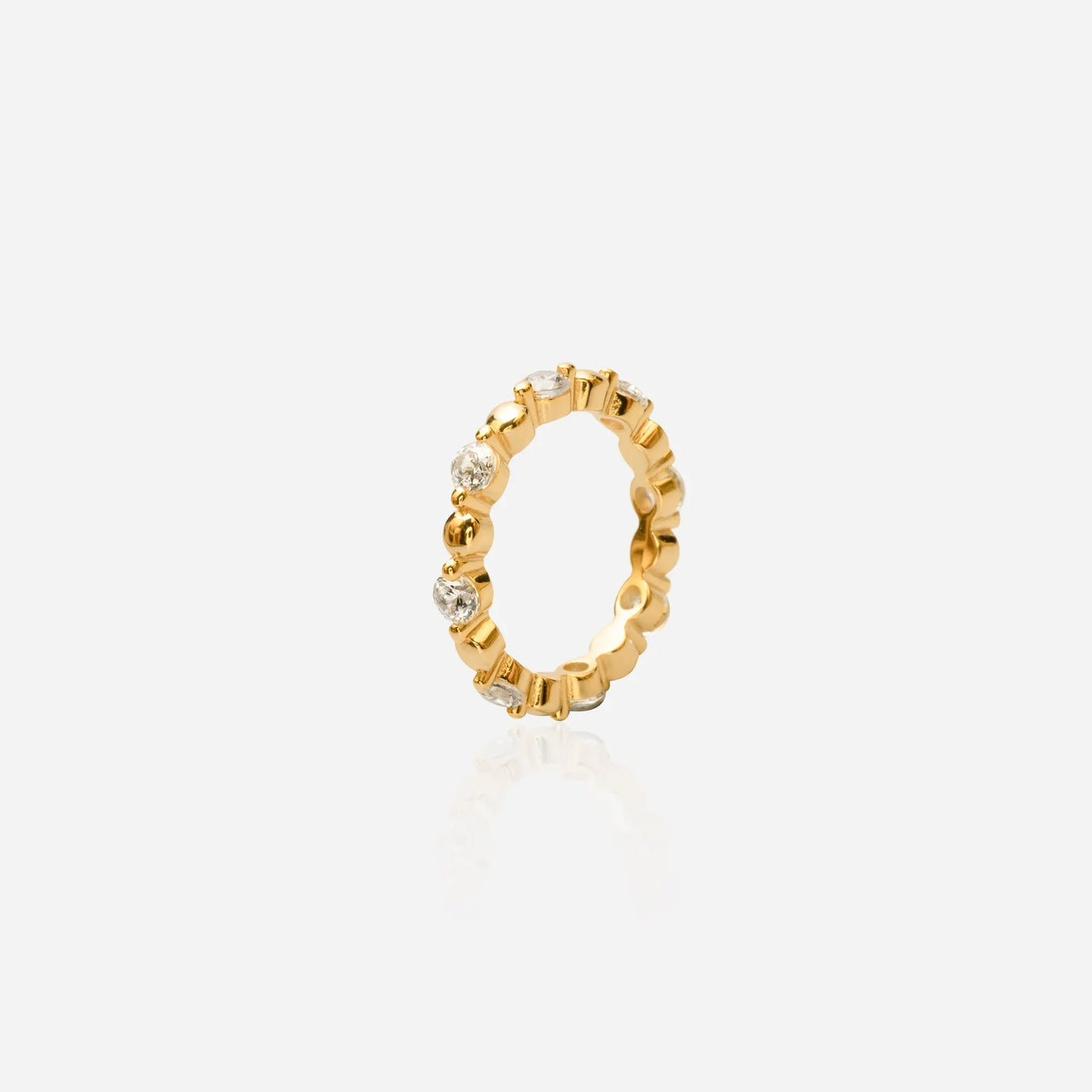
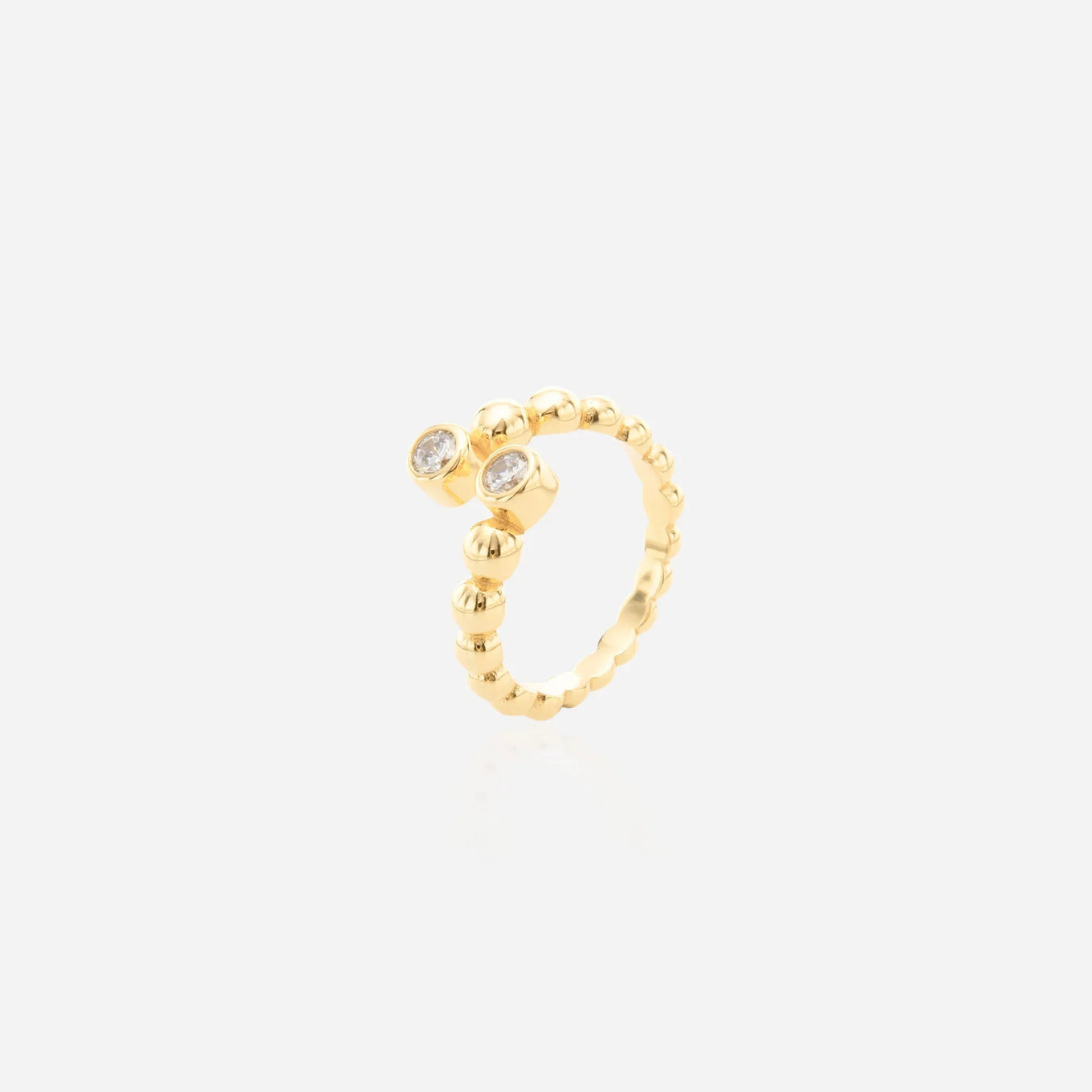
For moderate sensitivity, our gold-appearing pieces offer a good balance of safety and wearability. The Bubble Ring | Minimalist Stacking Ring in 18K Gold Premium 18K Gold Plated uses 0.5-micron plating over 925 sterling silver — the thick gold layer means your skin contacts 18K gold, not the underlying silver-copper alloy.
Why Plating Thickness Determines If You'll React
Plating thickness isn't a detail — it's the difference between jewelry you can wear for years and jewelry that triggers reactions within weeks. Here's the science:
How Plating Works
- Electroplating process: Metal ions are deposited onto a base metal through electrical current. The longer the process runs, the thicker the plating
- Industry standard: Most gold Premium 18K Gold Plated uses 0.1-0.2 microns of plating — thin enough to reduce costs but also thin enough to wear through quickly
- ÉLARAMUSE standard: 0.5 microns (5x industry standard). This thickness creates a durable barrier that lasts years with normal wear
Why Thickness Matters for Sensitive Skin
- Wear-through timeline: Thin plating (0.1 microns) can wear through in 2-3 months of daily wear, exposing reactive base metal
- Sweat penetration: Thin plating has microscopic gaps that allow sweat to reach the base metal, dissolving ions that cause reactions
- Friction points: Ring interiors and earring backs experience friction that accelerates plating wear — thin plating fails fastest at these contact points
How to Verify Plating Quality
- Ask for micron thickness: Reputable brands specify their plating thickness. If they don't know or won't say, assume it's thin
- Check for wear guarantees: Brands confident in their plating thickness often offer guarantees against wear-through
- Inspect edges and contact points: Plating wears thin first at edges. Quality plating maintains coverage even at stress points
The difference between 0.1 and 0.5 microns isn't visible to the eye — but your skin will know within months. At ÉLARAMUSE, we invest in thick plating because it's the only way to create jewelry that's genuinely safe for sensitive skin, not just marketed that way.
Our Approach to Skin-Safe Jewelry
At Elara Muse, we design for the reality that most people don't know their exact metal sensitivities — and shouldn't need a dermatology degree to buy jewelry. Here's how we approach hypoallergenic design:
Material Standards
- 925 sterling silver base: Every piece starts with 92.5% pure silver and 7.5% copper — zero nickel, zero brass, zero mystery alloys
- 0.5-micron gold Premium 18K Gold Plated: 5x industry standard thickness ensures the gold layer lasts years, not weeks
- Rhodium plating for silver-appearing pieces: Noble metal barrier that's among the safest options for sensitive skin
- Full material disclosure: We tell you exactly what's in every layer — no vague "alloy" descriptions
Our Skin-Safe Collection
Silver-Appearing Pieces (Rhodium Plated):
- Lunar Dome Studs — Rhodium-plated sterling silver; ideal starting point for sensitive ears
- Gold Fern Earrings — Omega clip back design with rhodium barrier
Gold-Appearing Pieces (18K Gold Premium 18K Gold Plated, 0.5 Microns):
- Bubble Ring | Minimalist Stacking Ring in 18K Gold Premium 18K Gold Plated — Thick gold plating over nickel-free sterling silver
- Carmen Ruby Ring | Bold Red Garnet & 18K Gold Premium 18K Gold Plated Statement Ring — Statement piece with skin-safe foundation
Two-Tone Pieces (Dual Plating):
- Byzantine Lattice Hoops — Gold lattice with rhodium silver accents; both metals hypoallergenic
What We Don't Use
- No nickel in any piece
- No brass bases (copper-zinc alloy causes reactions in some individuals)
- No thin plating (under 0.3 microns) that wears through quickly
- No mystery alloys or undisclosed metals
We can't guarantee every person will tolerate every metal — sensitivities vary too widely. But we can guarantee that our materials are disclosed, our plating is thick, and our standards exceed industry norms. Questions about whether our pieces will work for your skin? Ask us directly.
Find the talisman that resonates with your next chapter.
What We Believe
We believe jewelry is not decoration - it is self-definition.
Every piece we make must earn its place on your body: through material integrity (solid Ag925 cores, never hollow brass), through design intelligence (pieces that survive showers, sleep, and spontaneous decisions), and through a commitment to transparency that the jewelry industry has historically avoided. We do not chase trends. We build talismans for the captain of her own soul - pieces that feel like you, only more intentional.
Editor's Picks for 2026
🏆 Golden Sparrow Studs - $36
Best for sensitive ears — lightweight and nickel-free
🏆 Classic Solitaire Necklace - $37
Best for hypoallergenic everyday necklace
🏆 Gallery Ring - $42
Best for sensitive skin — Ag925 comfort ring
Hypoallergenic Statement Pieces: Snake Rings & Bold Designs
Statement jewelry presents a unique challenge for sensitive skin: the more metal your piece covers, the more surface area there is for potential reactions. Snake rings — with their continuous spiral wrapping the finger — maximize skin contact. If the material is compromised, you will react faster than with a simple band ring.
The Mayo Clinic identifies nickel as the most common cause of metal allergy, affecting up to 17% of women. A snake ring's coiled design, worn for 12+ hours daily through workouts, hand washing, and temperature swings, demands materials that earn their place on your skin.
The three most common material failures are distinct and diagnostic: a green finger (dark band where the ring sits — copper in brass base metals oxidizing against sweat), red or itchy skin (rash, bumps, peeling — nickel allergy, Type IV hypersensitivity), and rapid tarnish (gold turning gray or black within weeks — plating under 0.2 microns worn through to a reactive base).
At ÉLARAMUSE, every snake ring is built on a three-layer standard: an Ag925 sterling silver core (92.5% pure silver, zero nickel) for structural integrity and hypoallergenic safety; 0.5-micron 18K gold plating for a protective barrier thick enough for daily friction; and a precision-polished smooth finish ensuring the spiral glides against skin rather than scraping. Unlike fashion jewelry that starts with mystery brass cores and plates just enough gold to look good in a photo, our snake rings are built from the inside out.
Four signs your snake ring is skin-safe: (1) The stamp says Ag925 or 925 — if it only says "gold-plated" with no base metal stamp, assume nickel alloy. (2) The price is above $25 — a sub-$20 snake ring cannot use Ag925 + real 18K gold plating; the math does not work. (3) The finish is uniform — look where the coils overlap; color variation means the plating is already too thin at friction points. (4) You can wear it for 48 hours with zero reaction — this is the only definitive test. A properly constructed snake ring should disappear on your skin; you forget you're wearing it.
The snake motif itself has been a jewelry icon for 4,000 years — from Egyptian pharaohs to Victorian mourning rings to modern minimalist spirals. It does not shout. It coils quietly with meaning. Explore the Serpentina Cuff Ring — a wide gold snake ring with continuous spiral silhouette and Ag925 core — or the Guardian Snake Studs for ears that demand the same material integrity.
Why Stainless Steel Is a Hypoallergenic Powerhouse
In 2026, 316L surgical stainless steel has moved beyond a budget option to become a dominant choice for everyday wear — and understanding why reveals something important about material science versus marketing claims. 316L steel is the same material used in surgical implants, orthopedic devices, and body piercings.
It has a documented safety profile no marketing claim can match. The "L" in 316L stands for "low carbon," which increases corrosion resistance — this isn't marketing language, it's a material specification that matters for your skin.
Here's what confuses people: 316L steel contains 10-14% nickel. But that nickel is locked into the steel's molecular lattice. It doesn't release into your skin in measurable amounts. This is why surgical steel is classified as "nickel-safe" — not nickel-free, but safe for people with nickel allergy because the nickel stays trapped in the metal structure.
Crucially, it's important to distinguish between an allergic reaction (itching, redness, swelling — caused by nickel ions penetrating skin) and a chemical reaction (green skin discoloration — caused by copper or brass oxidizing with your skin's natural acids). 316L steel addresses both: nickel is bound and the metal doesn't oxidize.
The 2026 advantage extends to finishes: Physical Vapor Deposition (PVD) gold coatings are replacing traditional electroplating. PVD coatings are harder, more scratch-resistant, and more durable than traditional plating. When applied over 316L steel, even if the gold layer eventually shows wear, what your skin meets is still hypoallergenic surgical steel.
This is the critical difference between gold-plated brass (reactive base) and gold-coated steel (safe base). The base metal determines long-term safety — not just the coating thickness. Choose the right foundation, and your jewelry stays skin-safe indefinitely, even as surface finishes age.
However, not all stainless steel is 316L. Lower grades may contain higher nickel levels or different compositions that do release ions. Always look for "316L" or "surgical steel" specifically, not just "stainless steel."
When shopping, ask these questions: (1) What is the exact base metal specification, not just the finish color? (2) Is "nickel-free" backed by a material standard or just a label? (3) Can you wear it in water and during workouts without damage? (4) Does the brand specialize in sensitive skin, or did they add a filter to an existing catalog? Specialization creates accountability.
For a piece that embodies this design philosophy, explore the Gold Geometric Studs — a sleek architectural bar silhouette that's lightweight, hypoallergenic, and comfortable for all-day wear on even the most sensitive ears.
Rhodium Plating, Gold Standards & Quality Tier Breakdown
Understanding jewelry quality requires looking past the finish to the stack of measurable standards beneath. Two of the most misunderstood elements in hypoallergenic jewelry are rhodium plating and Premium 18K Gold Plated — and getting the science right is what separates pieces that last years from those that tarnish in weeks.
The Rhodium Paradox: Why Thicker Isn't Better. Rhodium, a platinum-family metal, gives silver jewelry that icy white glow. It's incredibly hard (Mohs 8.5 hardness rating — highly resistant to scratches and daily wear), much harder than the silver underneath it. This is precisely why rhodium is safe for sensitive ears — it forms an impermeable, 100% hypoallergenic barrier between reactive metals and your skin, making rhodium-plated sterling silver one of the safest jewelry choices for anyone with nickel allergy or metal sensitivity. Most people assume thicker plating means better quality, but with rhodium, the opposite is true.
When plated too thick (over 0.5 microns), internal stress creates microscopic cracks — invisible initially, but these become failure points where tarnish penetrates and plating peels. The sweet spot is 0.03-0.08 microns for flash plating that provides brilliant white color without structural stress.
For pieces requiring extra durability, 0.1-0.3 microns offers enhanced protection while staying within safe stress limits. To visualize 0.03 microns: a human hair is about 70 microns thick; rhodium plating at 0.03 microns is roughly 1/2,300 the thickness of a hair — yet it provides tarnish resistance that lasts years because rhodium's molecular structure creates an impenetrable barrier even at microscopic thickness, provided the underlying silver surface is perfectly prepared.
Premium 18K Gold Plated vs. Gold Plating — The FTC Reality Check. The FTC (Federal Trade Commission) defines Premium 18K Gold Plated specifically: a sterling silver base (Ag925) plated with gold at least 2.5 microns thick. That's the legal standard.
What you find in the market is that most "premium gold plating" jewelry uses plating under 1 micron — and some brands use 0.5 microns or less while still calling it premium gold plating. At 0.5 microns, gold plating typically shows wear within 3-6 months of daily use.
At 2.5 microns (true premium gold plating), the same piece lasts 2-3 years. At 5 microns (heavy premium gold plating), you're looking at 5+ years of daily wear. At ÉLARAMUSE, we specify our gold layer as "Premium 18K Gold Plating at 0.5+ microns" — technically below the FTC premium gold plating threshold, which is exactly why we use precise language rather than the vague "premium gold plating" term that often misleads consumers. Transparency over terminology: every time.
How We Test Jewelry Quality. Beyond specifications, true quality is verified through systematic testing of every production batch: plating adhesion (50 passes with a soft cloth without revealing base metal), tarnish resistance (30-day air exposure with zero discoloration), clasp durability (500 open-close cycles without failure), water resistance (24-hour immersion without plating degradation), and skin reaction testing (72-hour continuous wear on sensitive skin with zero irritation). These are not marketing claims — they are production standards measured at batch level.
For pieces that exemplify this commitment to measurable quality, explore the Classic Solitaire Necklace (rhodium-plated Ag925 with lab diamond) or the Emerge Necklace (18K gold-plated with lab diamond orb).
Frequently Asked Questions
What does hypoallergenic jewelry actually mean?
"Hypoallergenic" has no legal definition or regulatory standard. Any brand can use the term without meeting material requirements. Truly hypoallergenic jewelry is made from metals that don't trigger immune responses: implant-grade titanium, niobium, platinum, Premium 18K Gold Plating, and properly plated sterling silver.
The key is material transparency — knowing exactly what touches your skin — not the "hypoallergenic" label itself.
Is 925 sterling silver hypoallergenic?
Yes — 925 sterling silver is 92.5% silver and 7.5% copper, with no nickel content. For most people with sensitive skin, sterling silver is safe. However, the copper content can cause reactions in rare cases. If you're highly sensitive, rhodium-plated sterling silver provides an additional barrier, or choose implant-grade titanium for maximum safety. At ÉLARAMUSE, all our pieces use 925 sterling silver as the base.
Why do my ears itch when I wear earrings?
Itching within hours of wearing earrings typically indicates contact dermatitis from metal ions — most commonly nickel. Your sweat dissolves metal ions from the earring post; these penetrate your skin and trigger an immune response.
The solution is switching to truly hypoallergenic materials: titanium, niobium, platinum, Premium 18K Gold Plating, or thick-plated Premium 18K Gold Plated over nickel-free base metal. Thin plating over reactive metal causes the same reaction once the plating wears through.
How can I tell if jewelry contains nickel?
Without lab testing, you can't definitively identify nickel content. However, these indicators suggest nickel presence: price too low for claimed materials, vague material descriptions ("alloy," "metal blend"), no plating thickness specification, and "hypoallergenic" claims without material breakdown. Reputable brands specify exact materials. If a brand won't tell you what's in their jewelry, assume it contains nickel.
Can I become allergic to jewelry I've worn for years?
Yes — nickel allergy develops through sensitization. Each exposure increases your sensitivity level. You may tolerate nickel-containing jewelry for years, then suddenly develop a lifelong allergy after one prolonged exposure or during a period of immune system change (illness, stress, hormonal shifts). Once sensitized, you'll react to nickel at lower exposure levels for the rest of your life. This is why prevention matters — avoiding nickel before sensitization occurs.
Behind the Design
After testing multiple plating thicknesses with sensitive-skin customers, we discovered that 0.5 microns of 18K gold plating over Ag925 sterling silver is the optimal configuration — thick enough to prevent silver oxidation, thin enough to avoid cracking. Many customers who had given up on wearing jewelry entirely due to nickel allergies told us our pieces were the first they could wear for 24 hours without any reaction.
Sources
- American Academy of Dermatology: Nickel Allergy Overview
- NCBI: Contact Dermatitis from Metals
- Elara Muse: Our Materials & Hypoallergenic Standards
- Gem Encyclopedia & Jewelry Education — GIA (Gemological Institute of America)
Your jewelry is more than adornment — it's a talisman for your story. Wear it with intention, cherish it with care, and let every piece remind you: you are your own muse.
References & Further Reading
- GIA — Diamond Quality Factors — Gemological Institute of America's official grading standards for gemstones and precious metals.
- FTC — Jewelry Guides — Federal Trade Commission regulations on precious metal marketing and jewelry disclosure standards.
- GIA — Simulant & Imitation Gem Guide — Educational resource on laboratory-created and simulated gemstones.
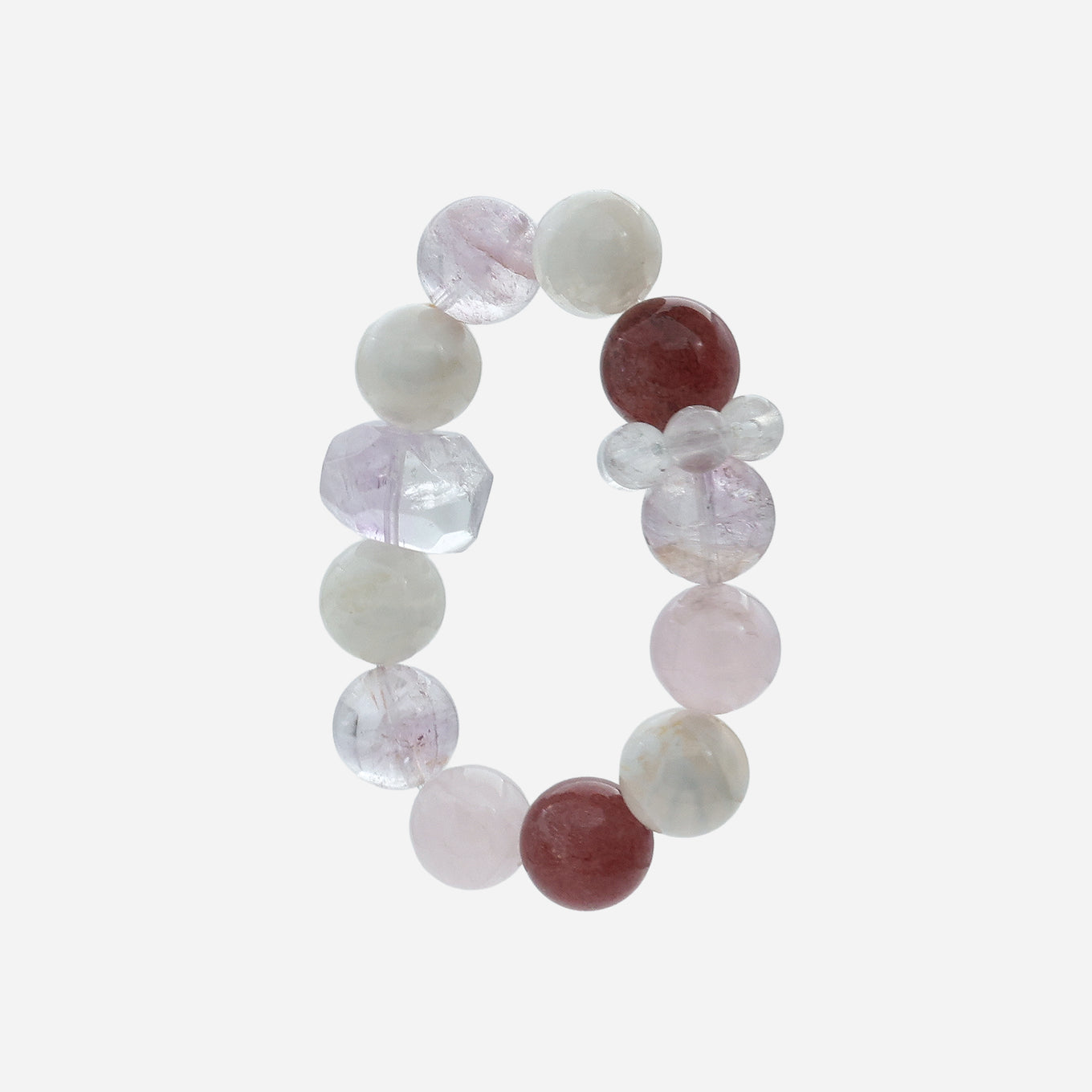
- Star Rose Quartz Crystal Bracelet — Asterism + Snow Ghost Phantom Quartz, Petite Fit