• Hallmark — A stamped mark indicating metal purity (e.g., 14K = 58.5% gold)
• Gold Plated (GP) — A thin layer of gold electroplated onto a base metal core
• Gold Filled (GF) — A thicker gold layer mechanically bonded to a base metal
• Solid Gold — Gold alloy throughout the entire piece (10K-24K)
• Vermeil — Sterling silver electroplated with gold (industry standard: 2.5+ microns)
• Magnet Test — Testing gold authenticity with a magnet; real gold is non-magnetic
• Acid Test — Applying nitric acid to check gold purity; gold doesn't react
• Is it Real Gold? Why This Question Matters in 2026
• Test 1: The Hallmark Stamp Check (30 Seconds)
• Test 2: The Magnet Test (10 Seconds)
• Test 3: The Ceramic Scratch Test (20 Seconds)
• Test 4: The Acid Test (Requires a Kit)
• Test 5: The Professional Appraisal (Gold Standard)
• What "Gold" Jewelry Usually Actually Is
• FAQ
• We Believe
• Editor's Picks
• References
Is it Real Gold? Why This Question Matters in 2026
Gold prices hit record highs in 2026, and the jewelry market has responded accordingly. More brands than ever sell "gold" jewelry at seemingly unbeatable prices, leaving consumers wondering what they're actually getting.
The term "gold jewelry" covers a surprisingly wide spectrum: solid 14K gold (58.5% pure gold, more than $500 for a chain), gold-filled (5% gold by weight, mechanically bonded), and gold-plated (a microscopic layer of gold, sometimes as thin as 0.05 microns). Without a simple test, none of them look different in a photograph.
Why this matters: Gold-plated jewelry with a thin flash-plating layer (0.05 microns) can look identical to solid gold for about two weeks. After that, the plating wears off and you're left with a green-staining brass core. Knowing how to test means knowing what you paid for.
The five tests below move from "takes 10 seconds" to "gold standard laboratory verification." None require special equipment for the first three.
Test 1: The Hallmark Stamp Check (30 Seconds)
Every piece of genuine gold jewelry sold in the U.S. should carry a hallmark — a tiny stamped mark indicating its purity. This is the first and easiest check.
Where to look: Inside the band (rings), on the clasp or a small tag near the clasp (necklaces and bracelets), or on the post (earrings).
What the stamps mean:
| Stamp | Purity | What You're Holding |
|---|---|---|
| 24K / 999 | 99.9% gold | Pure gold — soft, rare in everyday jewelry |
| 18K / 750 | 75% gold | Fine jewelry standard |
| 14K / 585 | 58.5% gold | Most common in U.S. fine jewelry |
| 10K / 417 | 41.7% gold | Minimum legal standard for "gold" in U.S. |
| GP / GEP / HGE | Gold-plated | Thin electroplated layer over base metal |
| GF / 1/20 GF | Gold-filled | Thicker mechanically bonded gold layer |
| 925 | Sterling silver | Silver, not gold (may be vermeil if gold-toned) |
| No stamp | Unknown | Could be anything — test further |
Catch #1: A stamp that says "14K GP" means 14-karat gold plated, not solid gold. The "GP" suffix is easy to miss.
Catch #2: Counterfeiters stamp fake markings. A hallmark alone doesn't prove authenticity — it's a starting point, not a guarantee.
Catch #3: Very thin chains or delicate designs sometimes lack stamps simply because there's nowhere to put one. If no stamp is present, move to Test 2.
Test 2: The Magnet Test (10 Seconds)
This is the highest-ROI test: it takes seconds, costs nothing, and catches most fakes instantly.
How it works: Gold is diamagnetic — it does not attract to a magnet. If your "gold" jewelry jumps onto a magnet, the core is made of a magnetic base metal (typically nickel, iron, or cobalt alloys).
What you need: A strong neodymium magnet — the kind sold at hardware stores for a few dollars, not a flimsy refrigerator magnet.
What the results mean:
| Magnet Reaction | Likely Composition |
|---|---|
| Strongly attracted | Base metal core — definitely not solid gold |
| Slightly attracted | Possible gold-plated with magnetic base metal |
| No attraction | Could be solid gold or non-magnetic base metal (copper, brass, zinc) |
Important caveats:
1. Non-magnetic ≠ real gold. Copper, brass, zinc, and aluminum are also non-magnetic. A piece that passes the magnet test still requires further verification.
2. Clasp springs are magnetic. Many genuine gold chains have tiny steel springs in the clasp mechanism. If only the clasp area attracts and the chain itself doesn't, the piece may still be authentic.
3. White gold often contains nickel. If your white gold piece is mildly magnetic, it may be a nickel-alloy white gold — not necessarily fake.
Google Trends shows "is gold magnetic" as a +250% rising query and "how to tell if gold is real with a lighter" as a BREAKOUT search term in 2026, indicating that consumers are increasingly seeking DIY verification methods. The magnet test remains the most accessible starting point.
Test 3: The Ceramic Scratch Test (20 Seconds)
This test is slightly destructive — it will leave a tiny mark — so use it on an inconspicuous area.
How it works: Real gold leaves a gold-colored streak when scratched against unglazed ceramic. Fake gold (pyrite, brass, plated copper) leaves a dark or black streak.
What you need: An unglazed ceramic tile or plate. The bottom rim of a ceramic mug works if unglazed.
Procedure:
- Press the jewelry piece firmly against the unglazed ceramic
- Drag it across the surface in a short (0.5-inch) line
- Examine the color of the streak
| Streak Color | Meaning |
|---|---|
| Gold / yellow | Likely real gold |
| Black / dark gray | Base metal or iron pyrite exposed |
| Silver / gray | Silver or silver-plated base |
Warning: This test leaves a scratch on the jewelry. Do not perform it on visible surfaces or heirloom pieces. Gold is soft (Mohs 2.5-3 for pure gold, higher for alloys), so even a ceramic drag will remove a small amount of material.
Test 4: The Acid Test (Requires a Kit)
The acid test provides near-certain results and is the standard method used by pawn shops and small jewelers worldwide.
How it works: Nitric acid does not react with gold. When applied to a scratch mark made by the piece, acid dissolves base metals but leaves gold untouched.
What you need: A gold testing acid kit (typically $15-30 online), containing nitric acid solutions calibrated for 10K, 14K, 18K, and 22K gold.
Procedure:
- Rub the jewelry against a testing stone (included in kits) to leave a visible gold streak
- Apply one drop of the lowest-karat acid (10K) to the streak
- Observe: if the streak dissolves rapidly, the piece is below that karat level
- Repeat with progressively higher-karat acids until you find the match
Safety: Nitric acid is corrosive. Wear gloves, work in a ventilated area, and keep baking soda nearby to neutralize spills. This test is not recommended for heirloom or delicate pieces.
When to skip this: If your jewelry is gold-plated (GP/GEP stamp) over sterling silver, the acid will dissolve the silver streak underneath once the thin gold layer is scratched through — potentially damaging the piece. The acid test is best suited for verifying pieces sold as solid gold.
Test 5: The Professional Appraisal (Gold Standard)
If the previous tests produce uncertain results, or if you believe you have a valuable piece, the professional appraisal is the definitive answer.
What a jeweler does:
- XRF (X-Ray Fluorescence) analysis: A handheld device that reads metal composition without damaging the piece. Results in under 30 seconds. Detects gold purity, base metals, and plating thickness.
- Electronic gold tester: Uses electrical conductivity — gold has a specific resistance signature that counterfeit metals can't match.
- Density test (hydrostatic weighing): Gold is dense (19.3 g/cm³ for pure gold). A water displacement test can identify tungsten counterfeits and other heavy-metal fakes.
Cost: Many jewelers perform XRF testing free of charge (as a pre-purchase evaluation). Independent appraisals cost $25-75.
When to get an appraisal:
- You inherited jewelry and need to know its value
- You're about to make a significant purchase from a non-verified seller
- You want to sell gold jewelry and need a documented purity report
What "Gold" Jewelry Usually Actually Is
Oncee you've tested a piece, understanding what the result means in practical terms separates informed buyers from disappointed ones.
| Type | Gold Content | Thickness | Lifespan | Price (Chain) |
|---|---|---|---|---|
| Solid 14K Gold | 58.5% throughout | Entire piece | Lifetime | $400-800+ |
| Gold Filled | 5% by weight | 50-100 microns | 10-30 years | $50-150 |
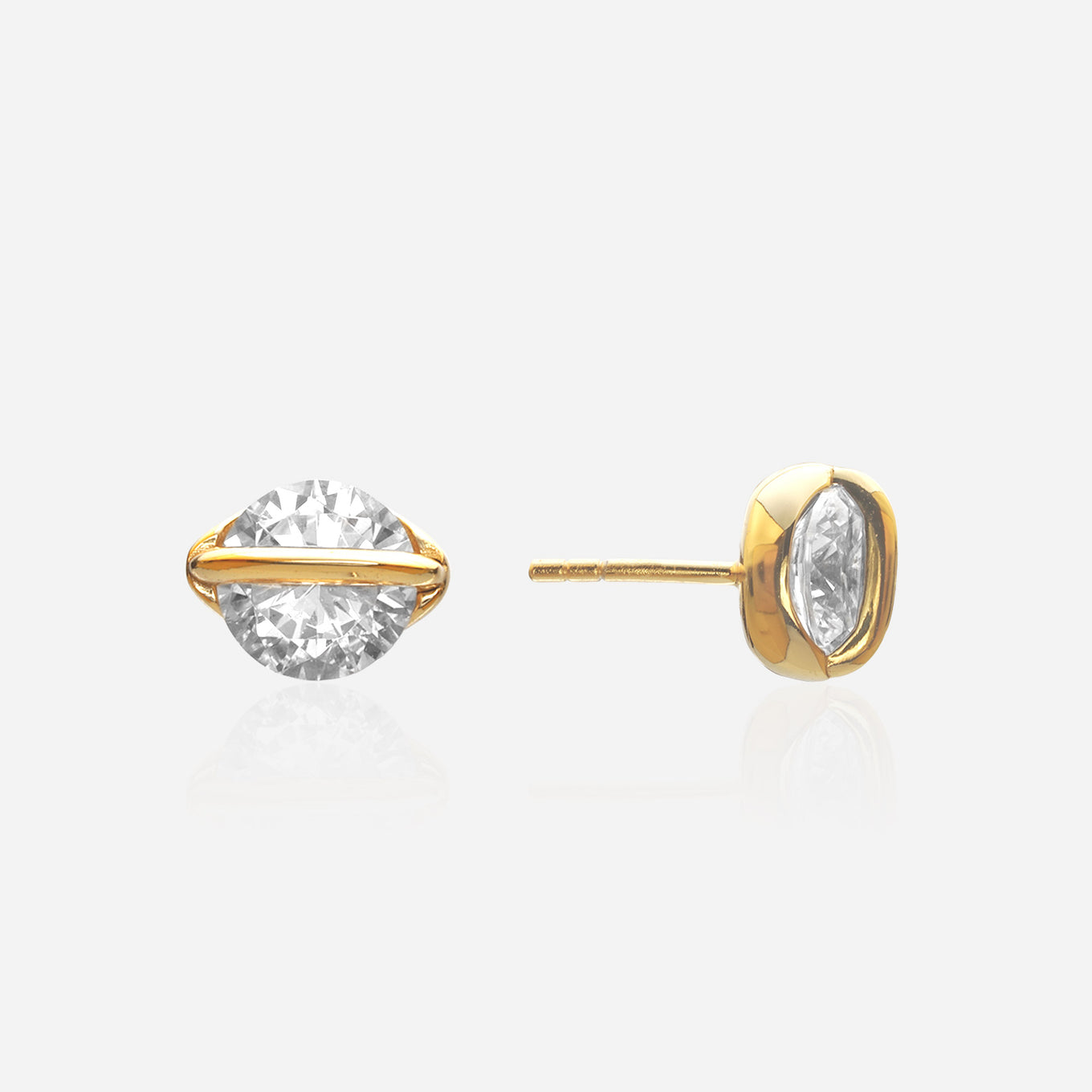
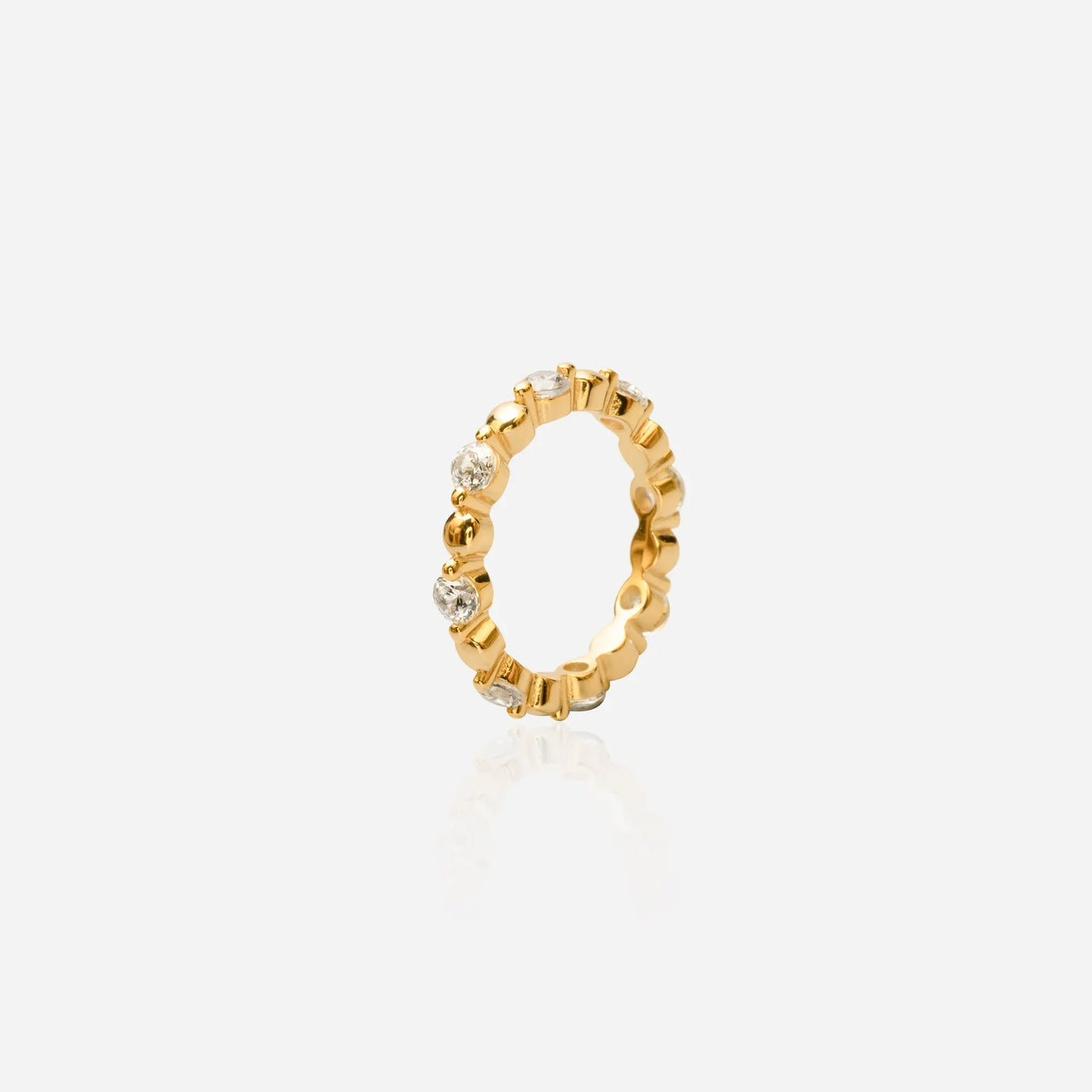
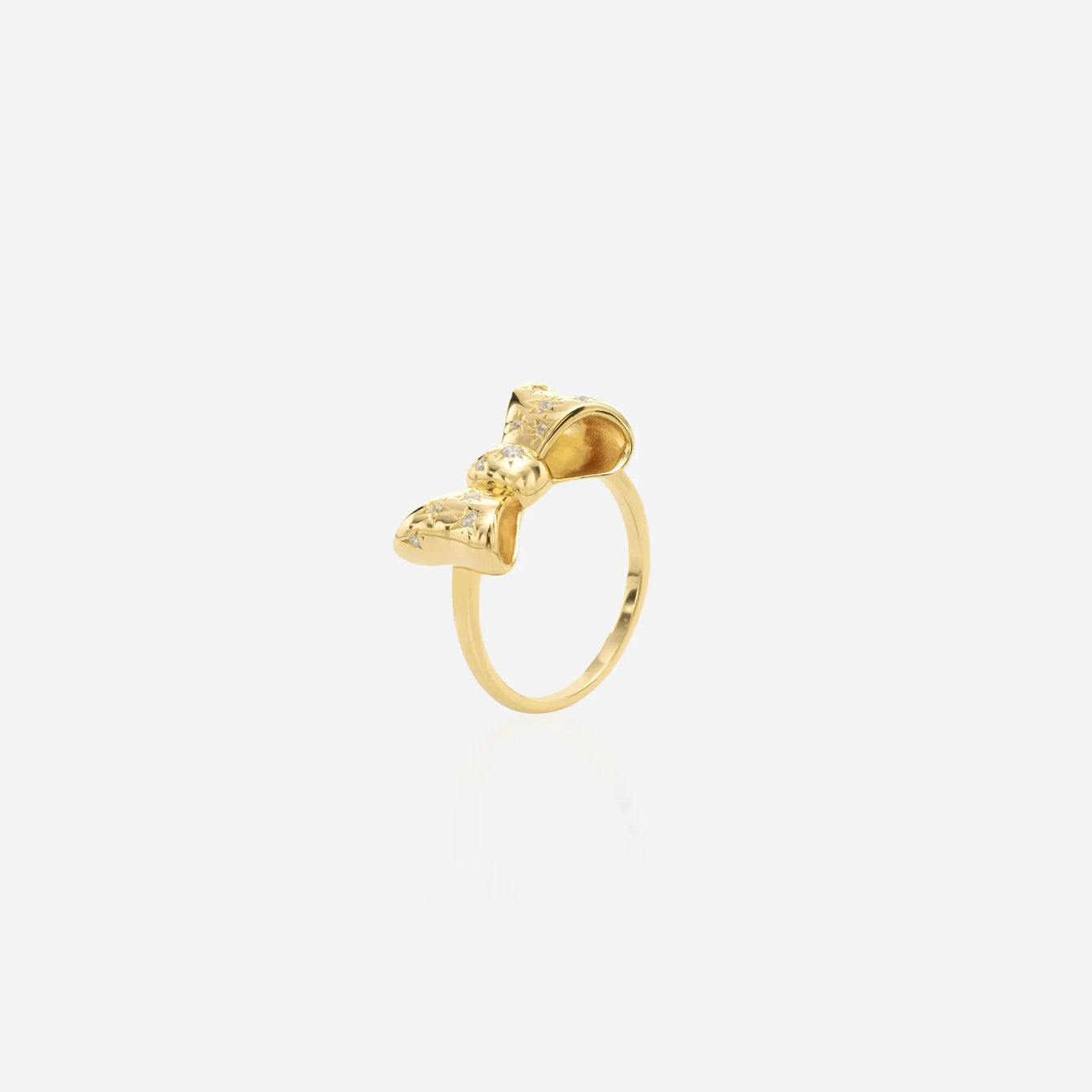
| Premium 18K Gold Plated (ELARAMUSE) | 0.5 micron 18K | 0.5 microns on Ag925 | 2-5+ years with care | $35-60 |
| Flash Plated (Fast Fashion) | 0.05 micron | 0.05 microns on brass | 2-4 weeks | $8-20 |
The critical distinction: base metal matters as much as plating thickness. A thick 0.5-micron gold layer over sterling silver (Ag925) wears differently than the same layer over brass. Silver naturally resists corrosion — when gold plating eventually wears, silver tones emerge instead of green brass stains. This is why premium demi-fine brands invest in sterling silver bases even though the consumer can't see them in a product photo. The difference reveals itself months later.
FAQ
How can I tell if my gold jewelry is real at home?
Start with the hallmark stamp check (look for 10K, 14K, 18K, 585, or 750), then test with a strong magnet. Real gold is non-magnetic — if the piece sticks to the magnet, the core is base metal. For confirmation, use a gold acid test kit ($15-30) or visit a jeweler for XRF analysis.
Is the magnet test reliable for authenticating gold?
A magnetic "fail" (the piece sticks to a magnet) reliably indicates the piece is NOT solid gold. However, a "pass" (no magnetic attraction) does not prove authenticity — copper, brass, and zinc are also non-magnetic. Use the magnet test as a rapid first screen, not a definitive answer.
What does 925 stamped on gold-colored jewelry mean?
"925" means the piece is sterling silver (92.5% pure silver). If it appears gold-toned, it's likely gold-plated sterling silver — a thin layer of gold over a silver base. This is actually a positive sign: silver-based plating wears better and doesn't turn skin green the way brass-based plating does.
Can gold-plated jewelry pass a gold test?
It depends on the test and the plating thickness. Flash-plated pieces (0.05 microns) will fail almost any test immediately — the gold rubs off on a ceramic scratch test, reveals base metal in an acid test, and attracts a magnet if the core is steel-based. Premium gold-plated pieces (0.5+ microns on sterling silver) may pass a brief acid test on the surface before the plating is scratched through. XRF analysis at a jeweler will always reveal the truth by detecting the base metal beneath.
We Believe
We believe transparency matters more than marketing claims. Every ELARAMUSE piece lists its exact composition — Ag925 sterling silver base with 0.5-micron 18K gold plating — because you deserve to know what you're wearing. We don't call it "gold jewelry" and leave you guessing. We call it demi-fine, we tell you exactly what's in it, and we stand behind it with a guarantee: no green skin, no mystery metals, no surprises. If you can't find the hallmark, you can't trust the jewelry.
Editor's Picks


References
- Federal Trade Commission. "Guides for the Jewelry, Precious Metals, and Pewter Industries." FTC.gov, 16 CFR Part 23. https://www.ftc.gov/tips-advice/business-center/guidance/jewelry-guides
- GIA (Gemological Institute of America). "Gold and Gold Alloys." GIA.edu. https://www.gia.edu/gold
- ASTM International. "Standard Specification for Electrodeposited Coatings of Gold." ASTM B488. https://www.astm.org/b0488-18.html
- International Association of Assay Offices. "Hallmarking Guidance: Precious Metal Marks." https://www.thegoldsmiths.co.uk/company/assay-office/