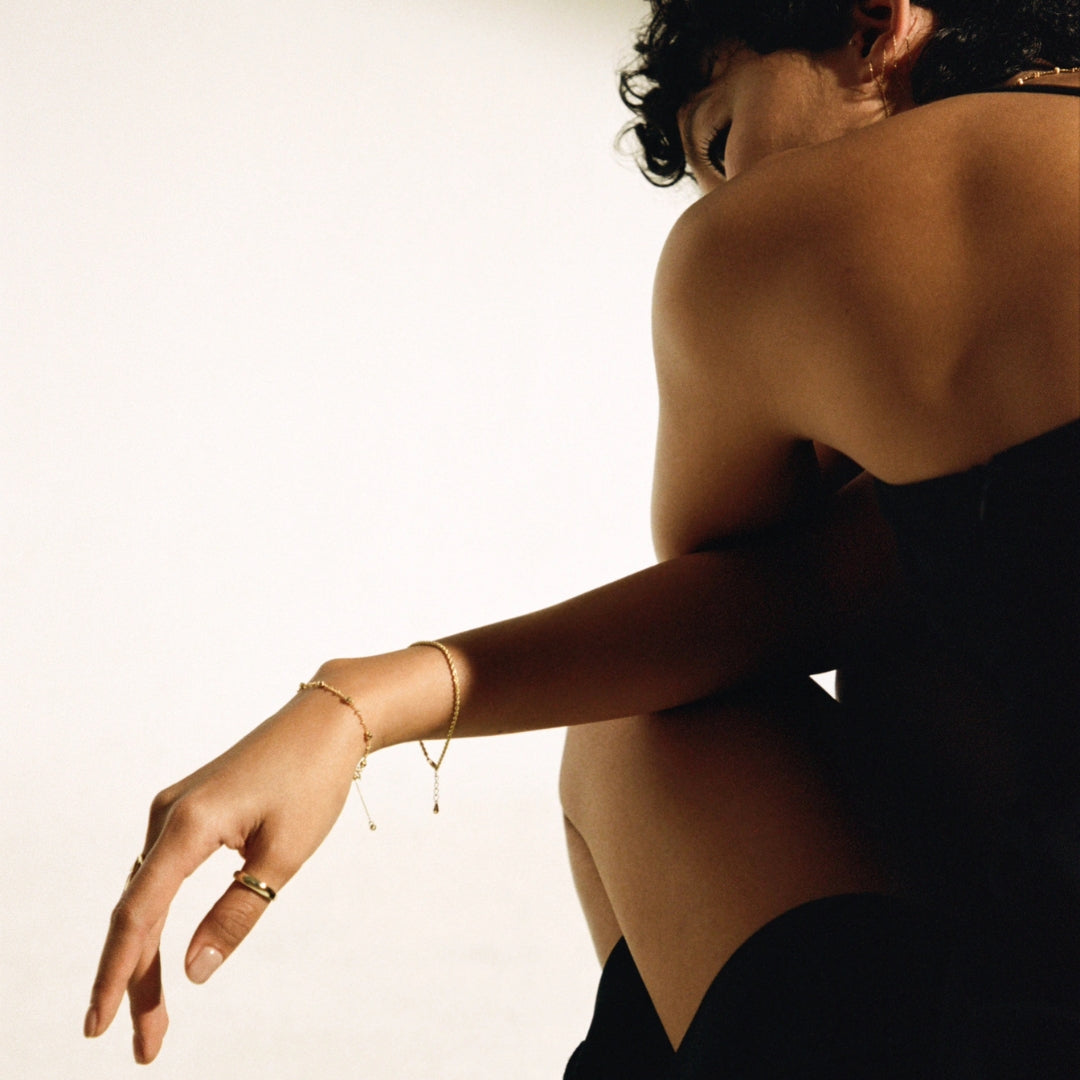
Most jewelry collections don't start with a plan. They start with an impulse buy — a necklace that caught your eye at checkout, a pair of earrings from a vacation pop-up, a ring that was on sale. Two years later, you have a drawer of pieces that don't talk to each other. You're not wearing half of them. And when you want to buy something new, you don't know what gap you're filling.
This guide is the opposite of that drawer. It's a framework for starting a jewelry collection that grows with intention — where every piece you add makes the whole collection more versatile, not more cluttered.
We'll cover: the three foundation pieces to buy first, the order of expansion by category, how to evaluate quality markers, the "cost per wear" framework that replaces "is this worth it," and how to avoid the four most common first-collection mistakes.
Phase 1: The Foundation (First Three Pieces)
These are the pieces that everything else builds on. They work with each other. They work with most outfits in your closet. They're the jewelry equivalent of a white button-down and well-fitting jeans — not exciting on their own, but they make everything else look better.
Piece 1: A Gold Chain (Box Chain or Herringbone)
A 16-18 inch gold chain is the spine of a jewelry collection. Without it, pendants have nothing to hang from and layering techniques have no base layer. The Box Chain Necklace — an Italian-made link chain with squared edges — is the most versatile choice because its geometric links catch light without overpowering pendants. The Herringbone Chain Necklace is the dressier alternative: flat, woven links that lie flush against the skin and wear best solo or with an extender.
Price range: $40-70. Cost per wear (200 days/year): $0.20-0.35.
Piece 2: A Solitaire or Small Pendant Necklace
A single-stone pendant on a fine chain. This is the piece you never take off — the necklace you sleep in, shower in, and reflexively touch when you're thinking. The Classic Solitaire Necklace — a floating high-carbon lab diamond on a 20-inch chain — is the archetype. A single point of light that works with every neckline.
If a solitaire feels too formal, start with a Emerge Necklace — a lab diamond orb pendant with a sculptural silhouette. Same function, different personality.
Price range: $50-90. Cost per wear (300 days/year): $0.17-0.30.
Piece 3: One Pair of Gold Studs
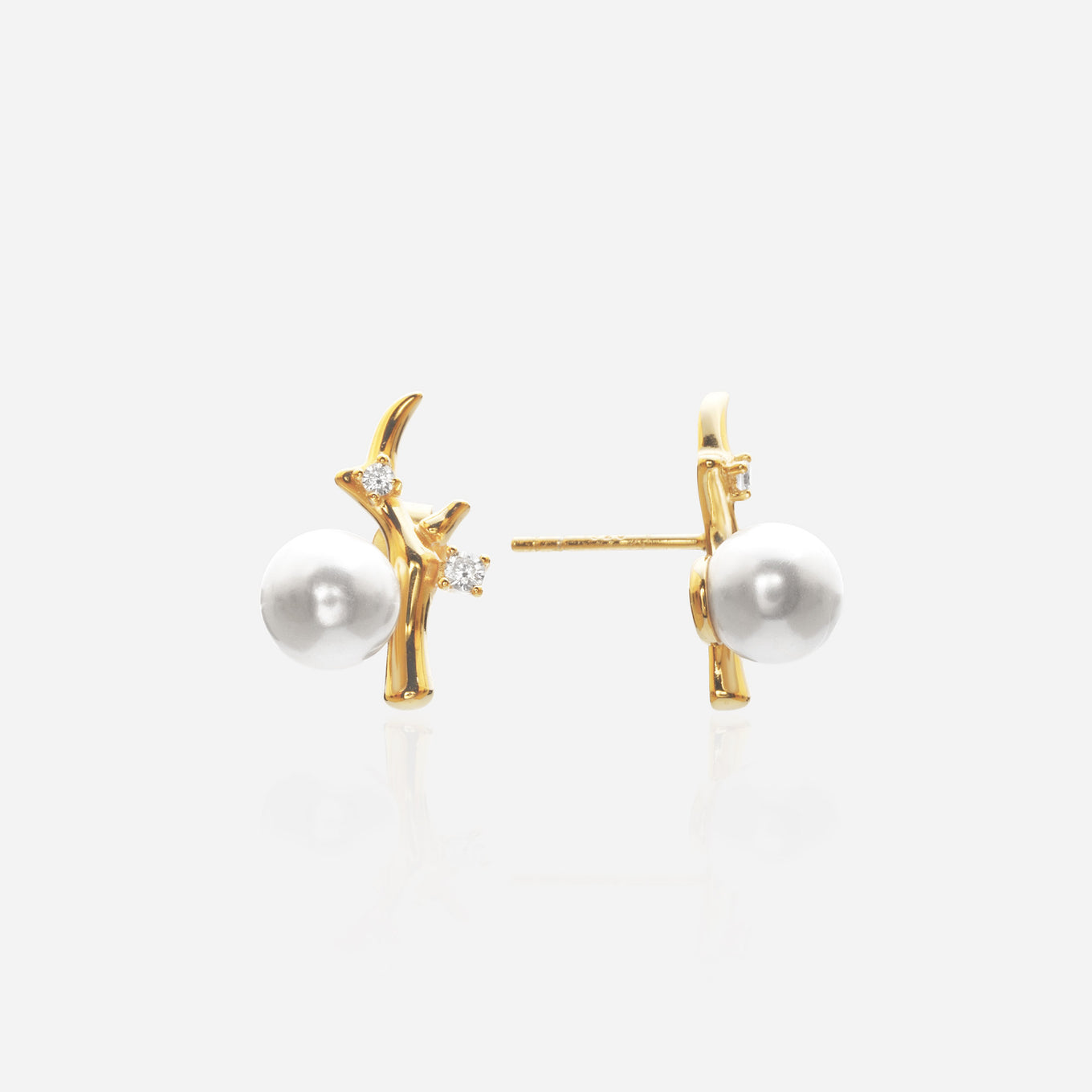
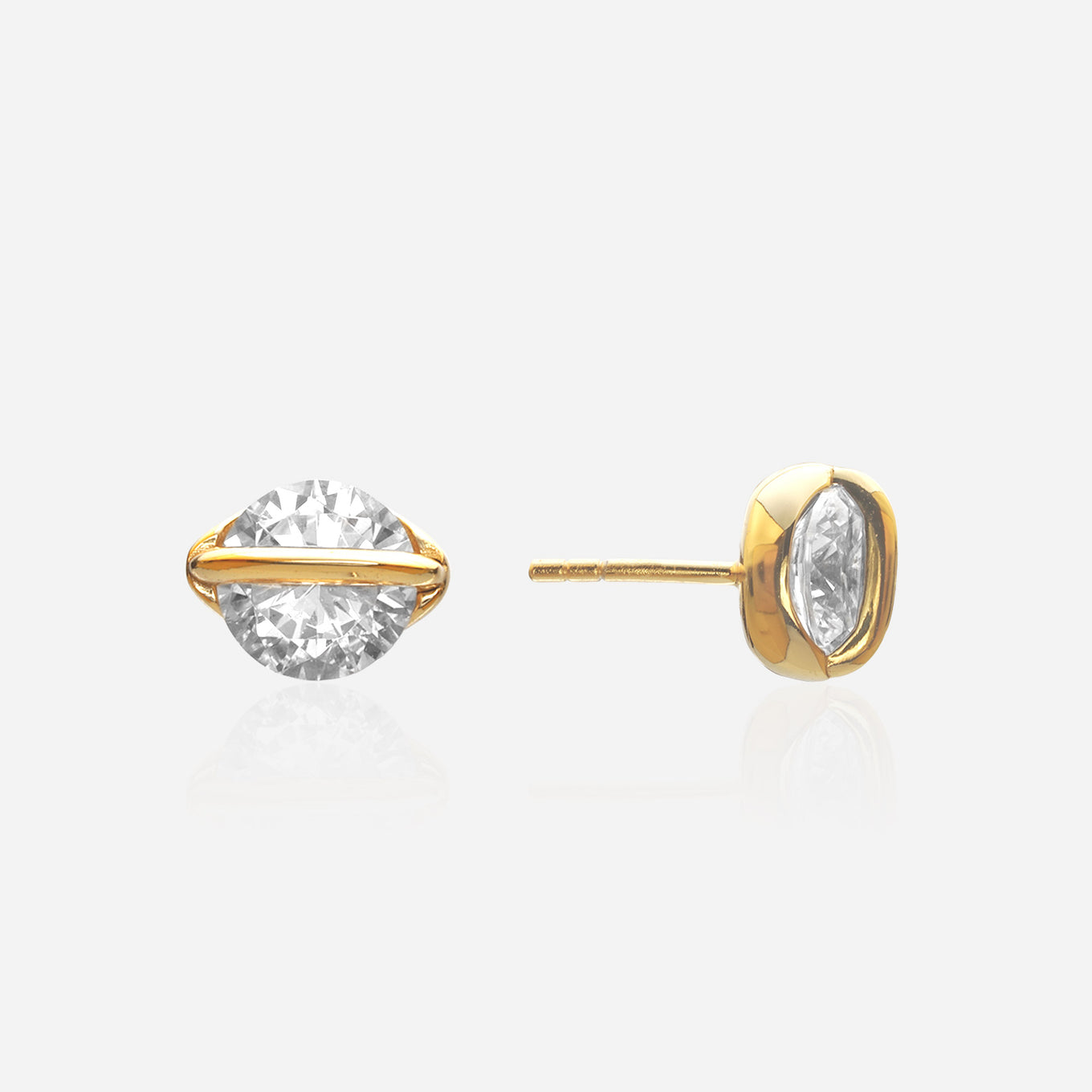
The earring equivalent of the solitaire necklace: always appropriate, never wrong. The Gold Geometric Studs — lab diamond bar earrings — are the default choice because their rectangular silhouette reads as modern rather than traditional. For a softer profile, the Pearl Cluster Earrings — gold grape leaf studs with high-luster simulated pearls — offer the same 24/7 wearability with a romantic edge.
Price range: $35-60. Cost per wear (250 days/year): $0.14-0.24.
Phase 2: The Category Expansion
After the three foundation pieces, expand by category. The order matters — not because of rules, but because each new category multiplies the outfits your existing pieces can create.
Rings (Add Second — After Foundation Pieces)
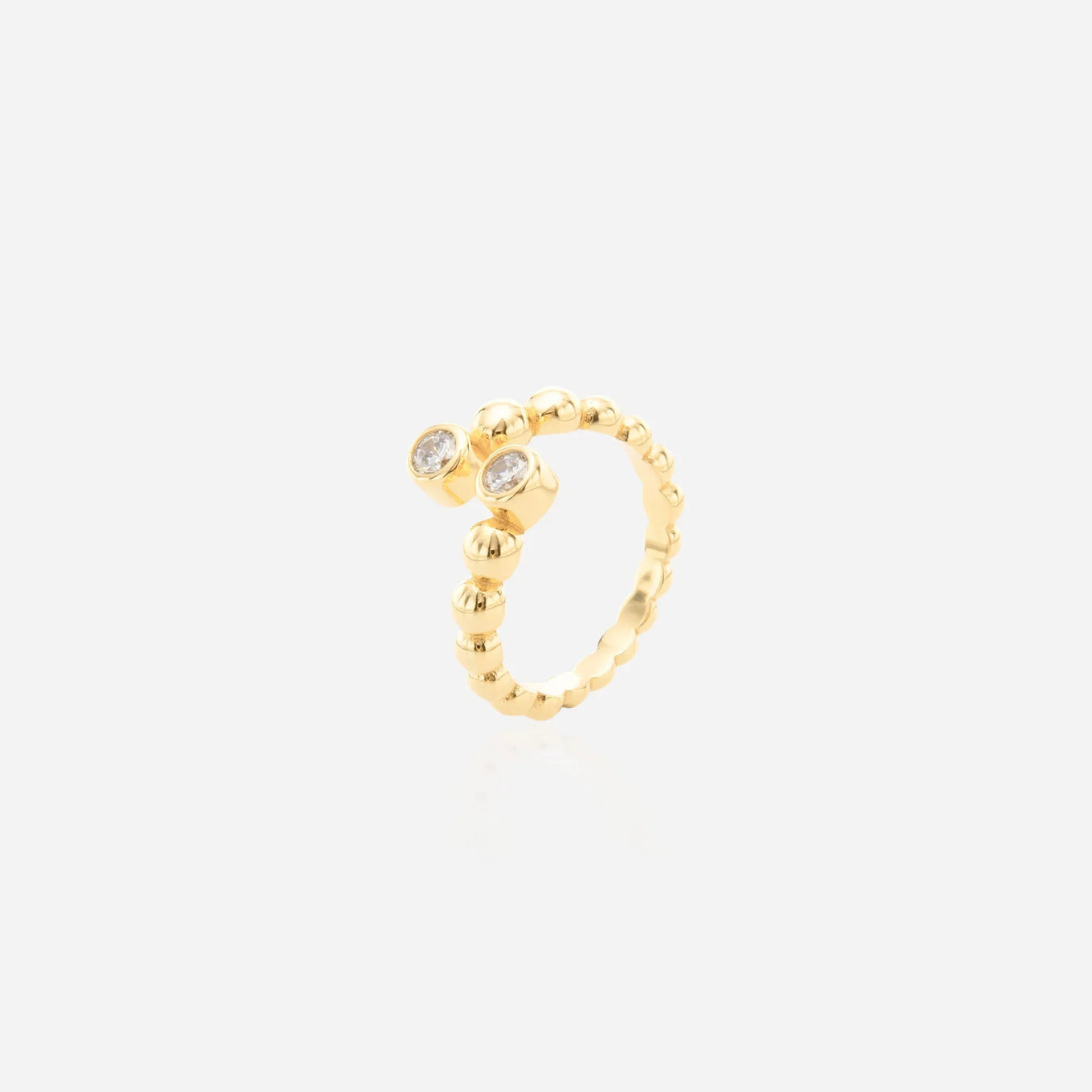
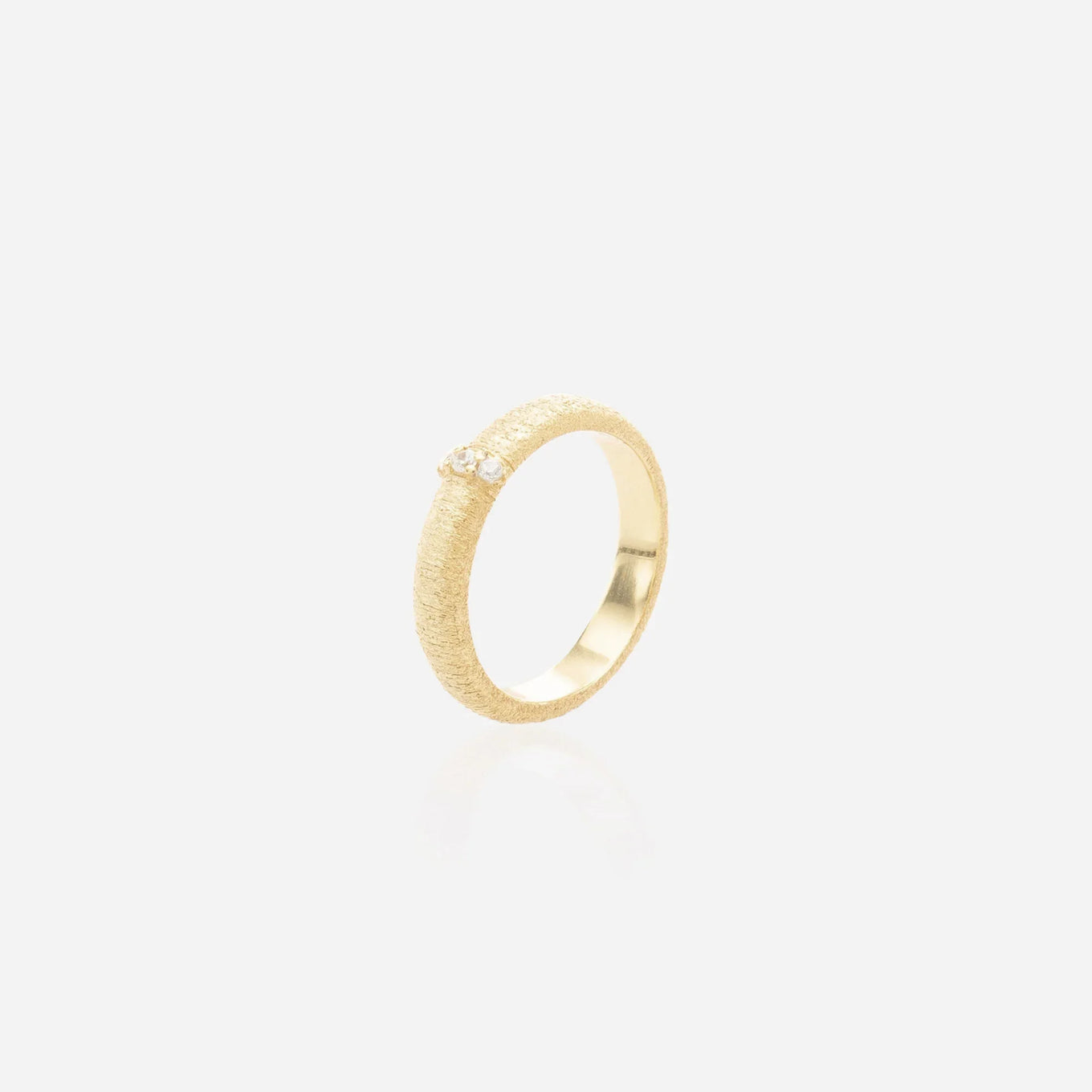
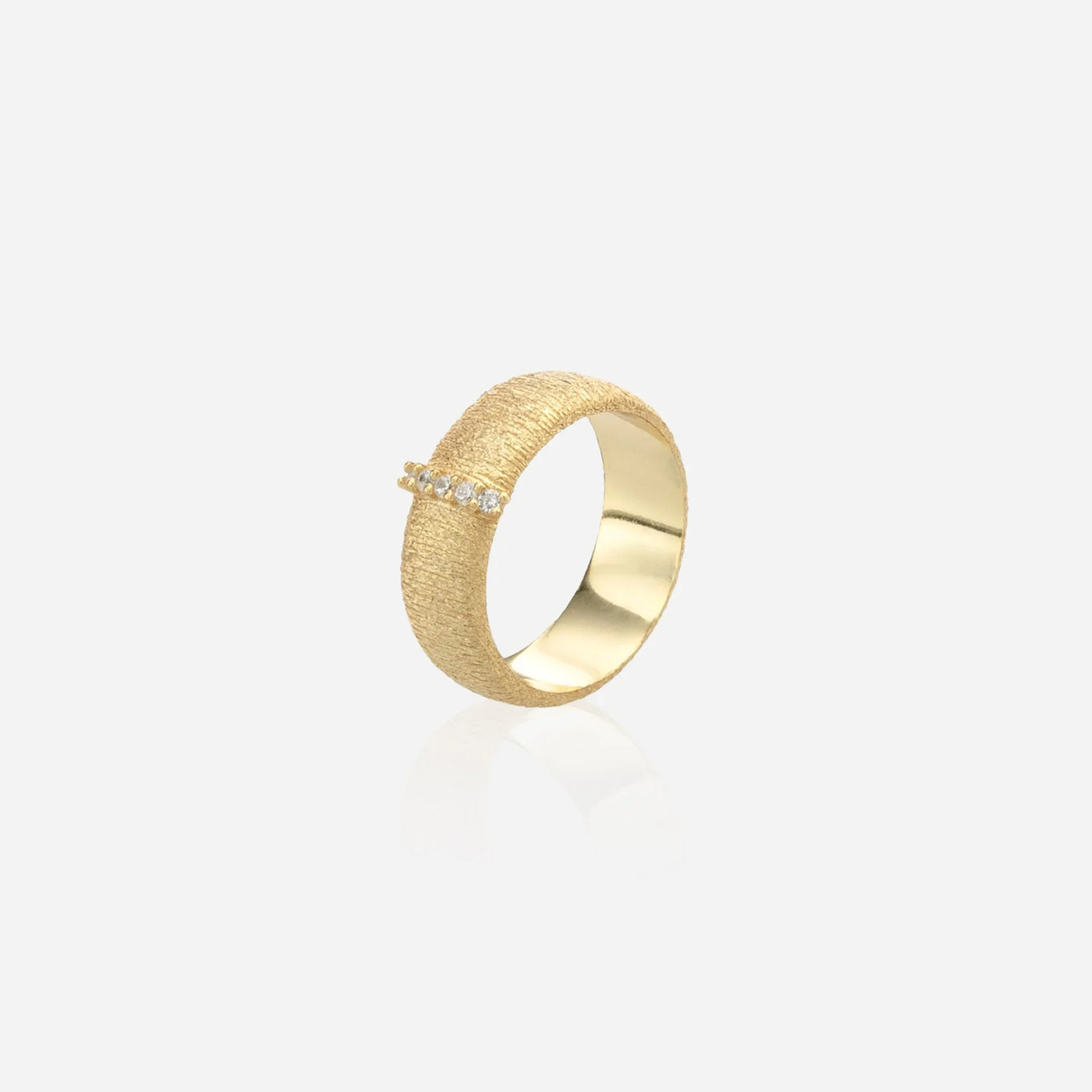
Rings are the second priority because they're the most visible jewelry you wear. Your hands are in every photo, every gesture, every interaction. A versatile ring collection starts with two bands you can stack or wear separately:
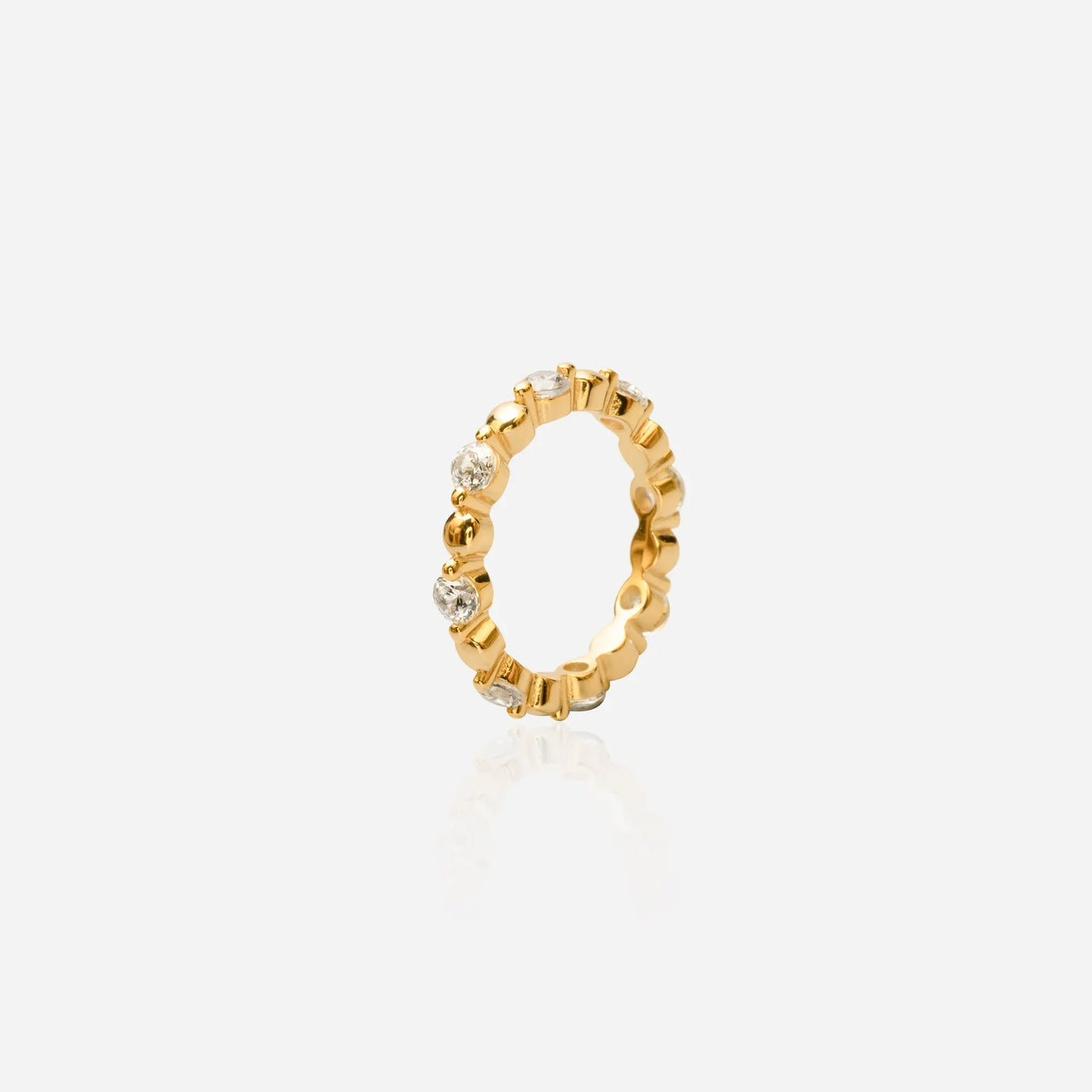
- Gold Macaron Ring Set — Three stacking bands in one purchase. Wear one alone, two together, or all three. The most economical entry into ring layering.
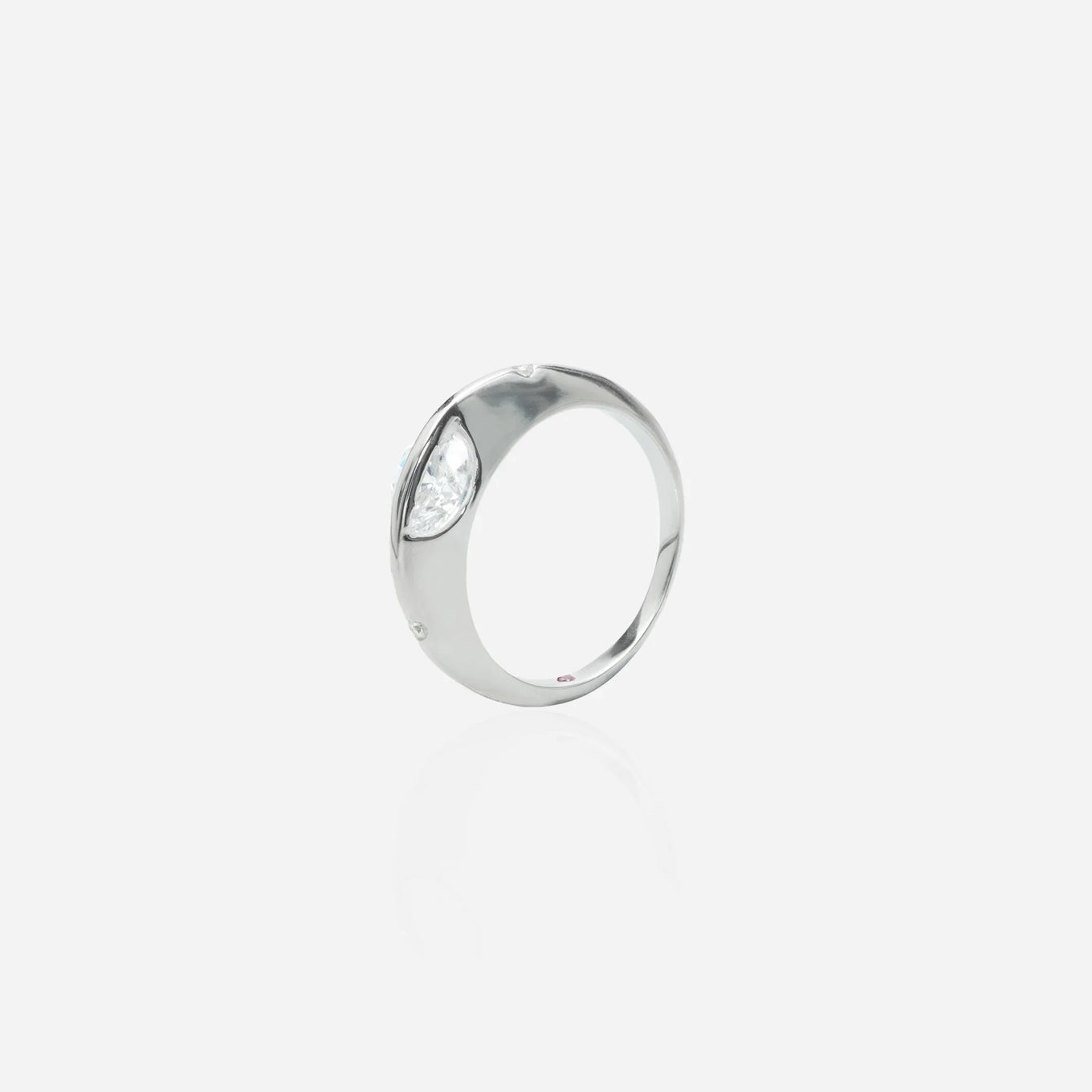
- Solaris Dome Ring — An architectural dome with lab-grown nano zircon at the center. Worn alone, it's a statement. Worn with a slim band below it, it's a composition.
Price range: $45-65 per ring. Cost per wear (250 days/year): $0.18-0.26.
Bracelets (Add Third)
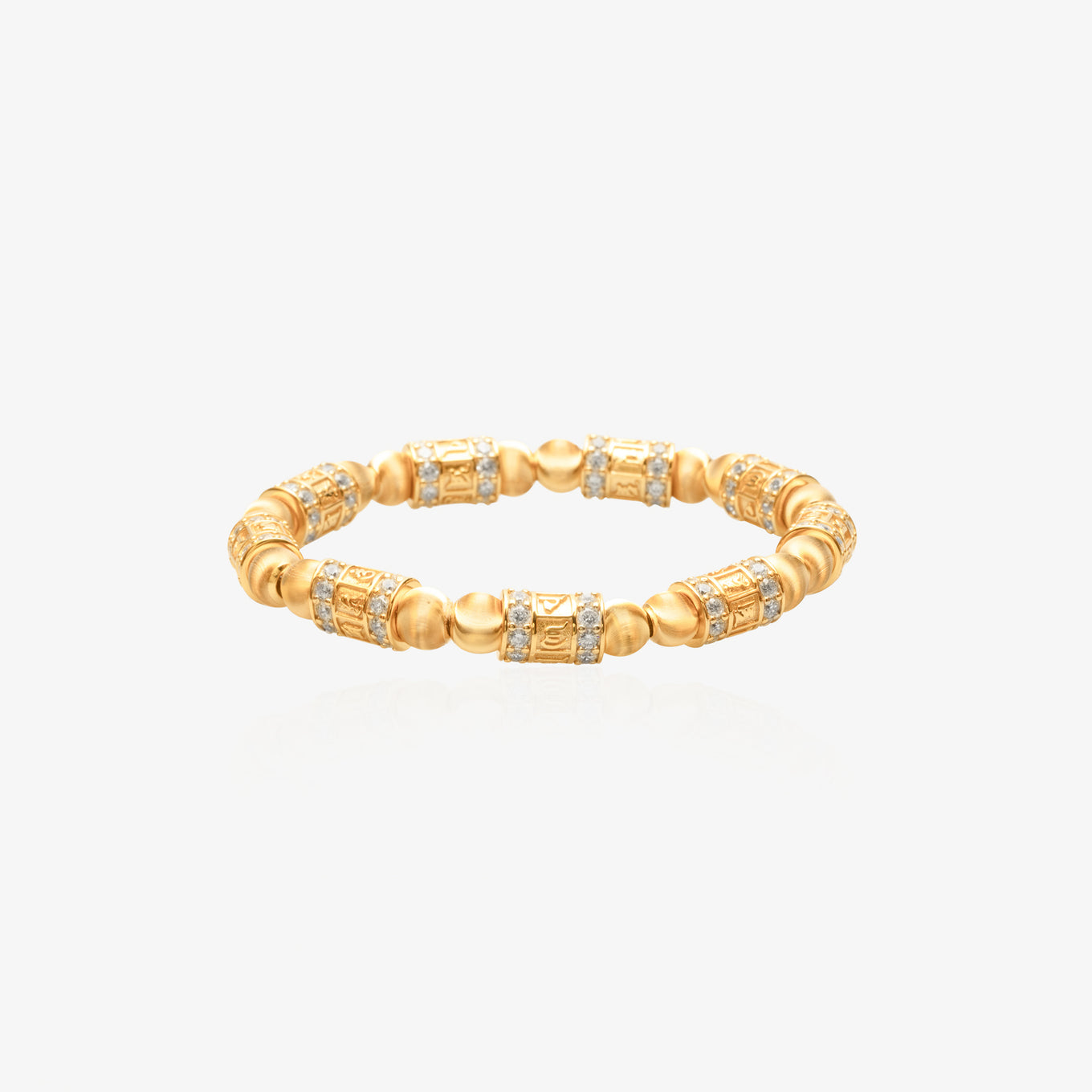
Bracelets are the category most first-collection builders skip — which is precisely why they add the most dimension when you do include them. A single gold bracelet peeking out from a sleeve signals deliberate style without looking like you tried.
Start with one of these two profiles:
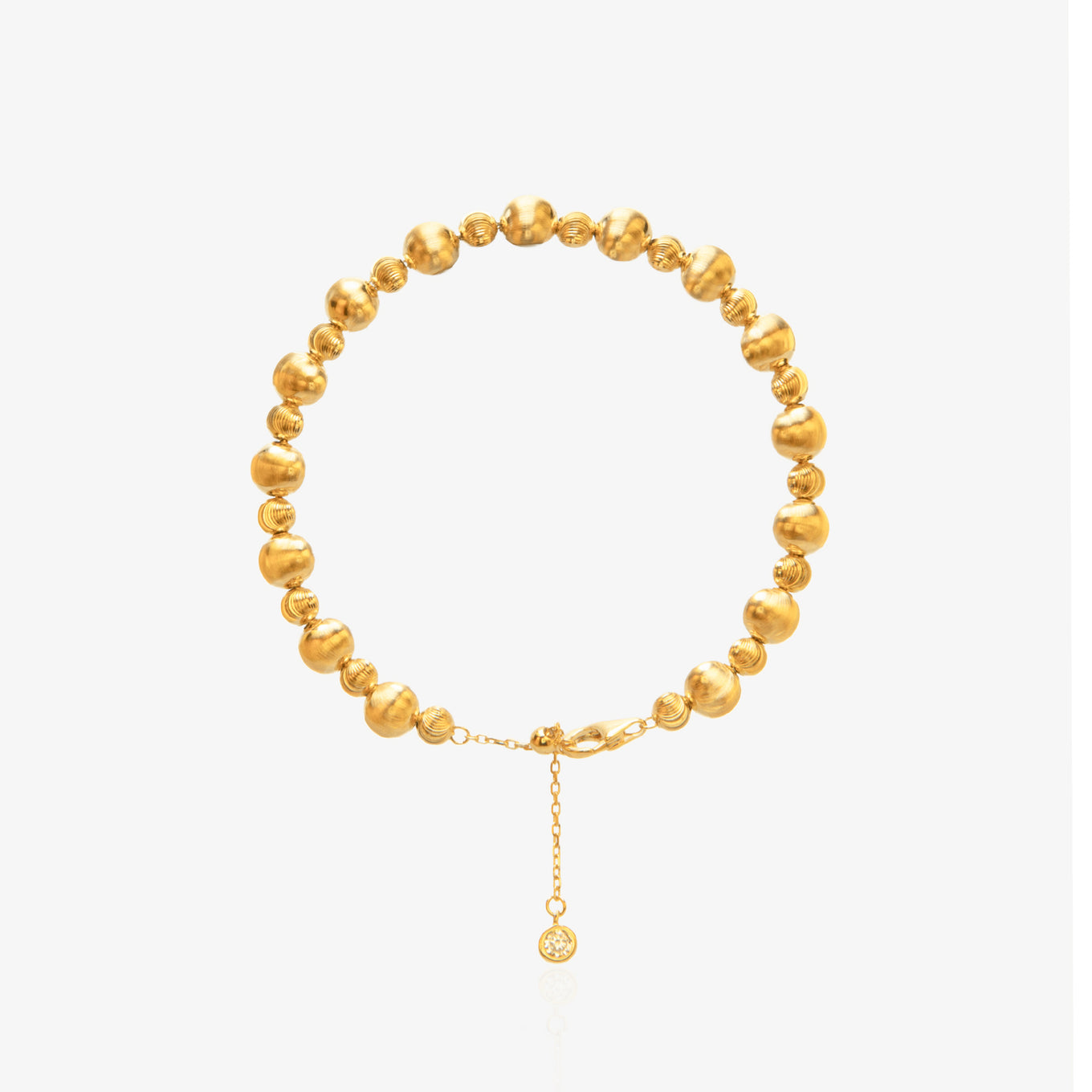
- Cocoon Chain Bracelet — A dainty everyday gold chain with satin oval beads. Understated, stackable, doesn't catch on sleeves.
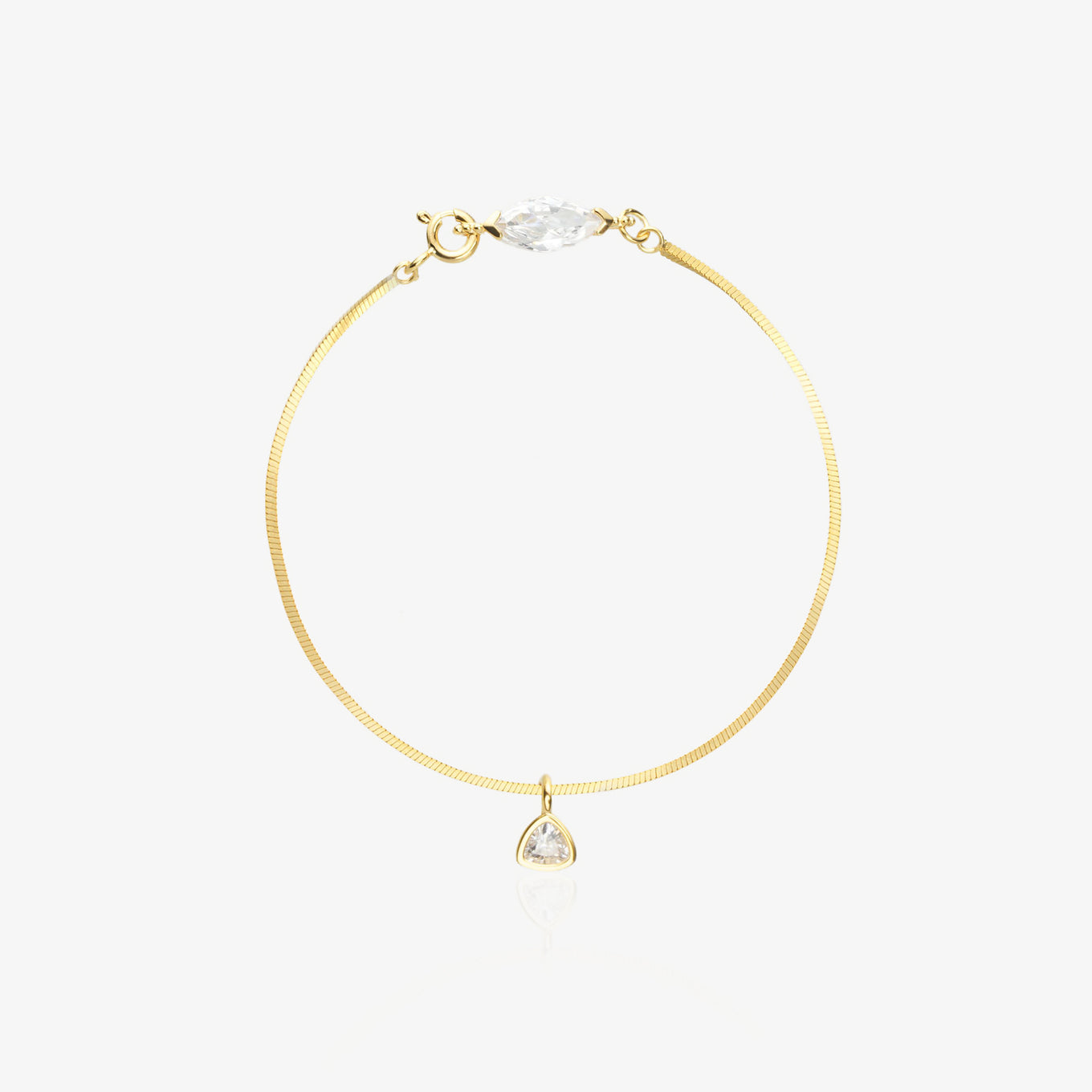
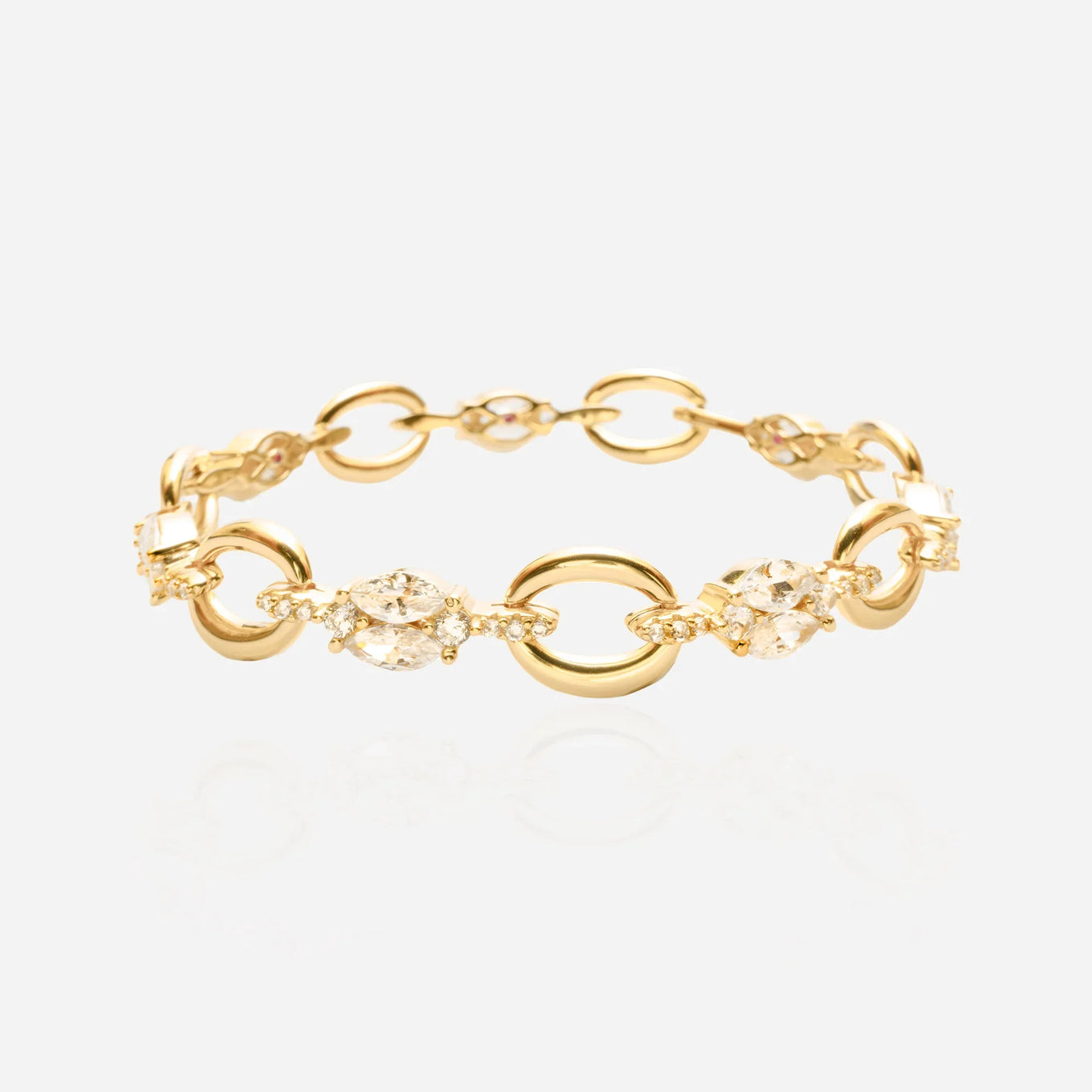
- Marquise Garland Link Bracelet — Mixed-cut lab diamonds on a garland chain. The dressy option — wear it alone with rolled-up sleeves for maximum impact.
Price range: $40-75. Cost per wear (200 days/year): $0.20-0.38.
Statement Earrings (Add Fourth)
Once you have studs, add a pair of earrings that change the mood of an outfit — hoops or drops that turn a basic outfit into a deliberate one.
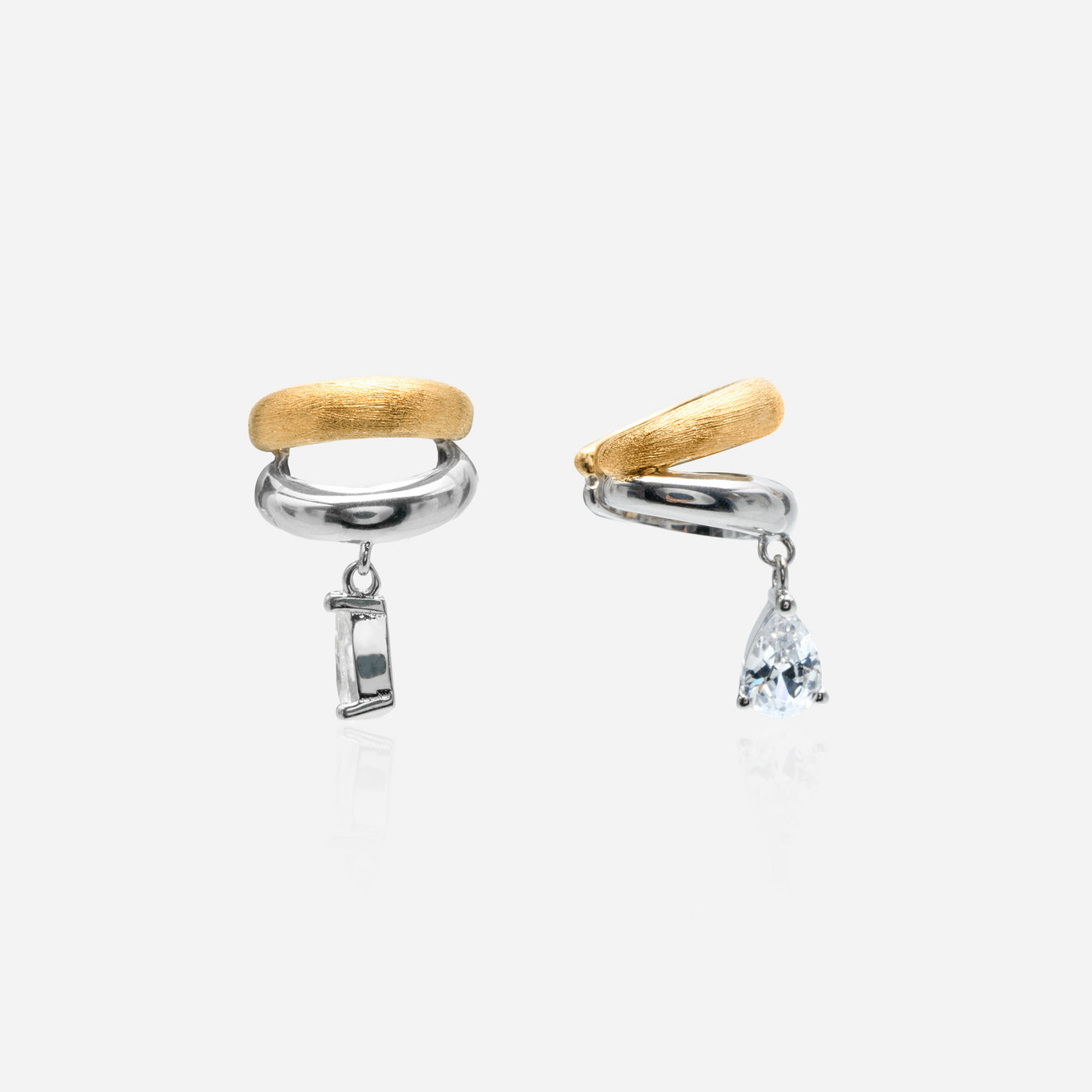
- Byzantine Lattice Hoops — Wide huggie hoops in two-tone gold and silver. Bold enough to be the only jewelry you wear.
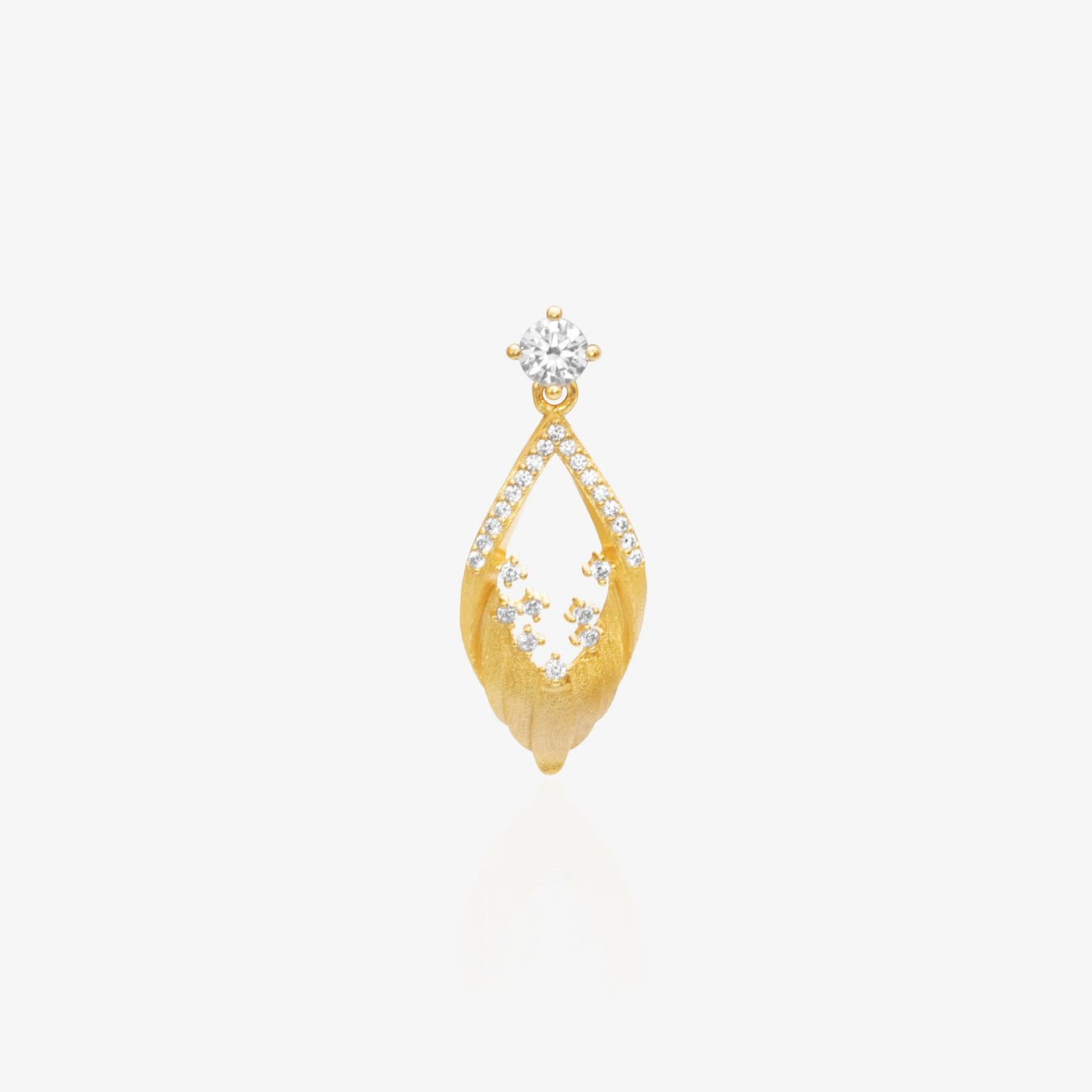
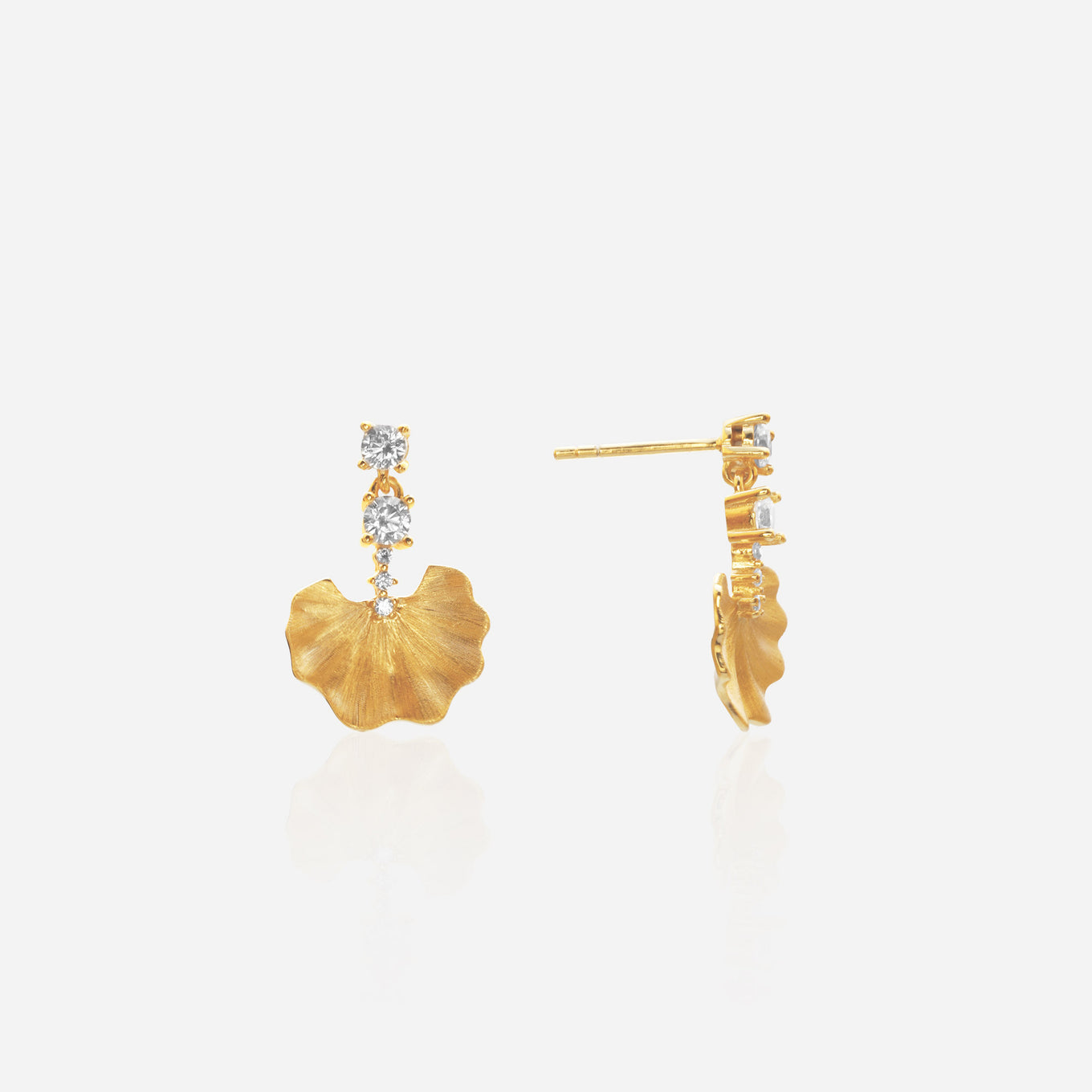
- Ginkgo Leaf Dangle Earrings — Botanical drop earrings with high-carbon lab diamonds. The earring equivalent of wearing heels: it changes the entire silhouette.
Price range: $45-65. Cost per wear (150 days/year): $0.30-0.43.
Pendants (Add Fifth)
Pendants are the final category because they require a chain (Piece 1) to be wearable. Once you have the Box Chain or Herringbone, a pendant transforms it into a completely different necklace. Two chains plus three pendants equals six necklace combinations — before layering.
- Compass Rose Necklace — A spinning fortune bead on a satellite chain. The talisman option: a piece with a story.
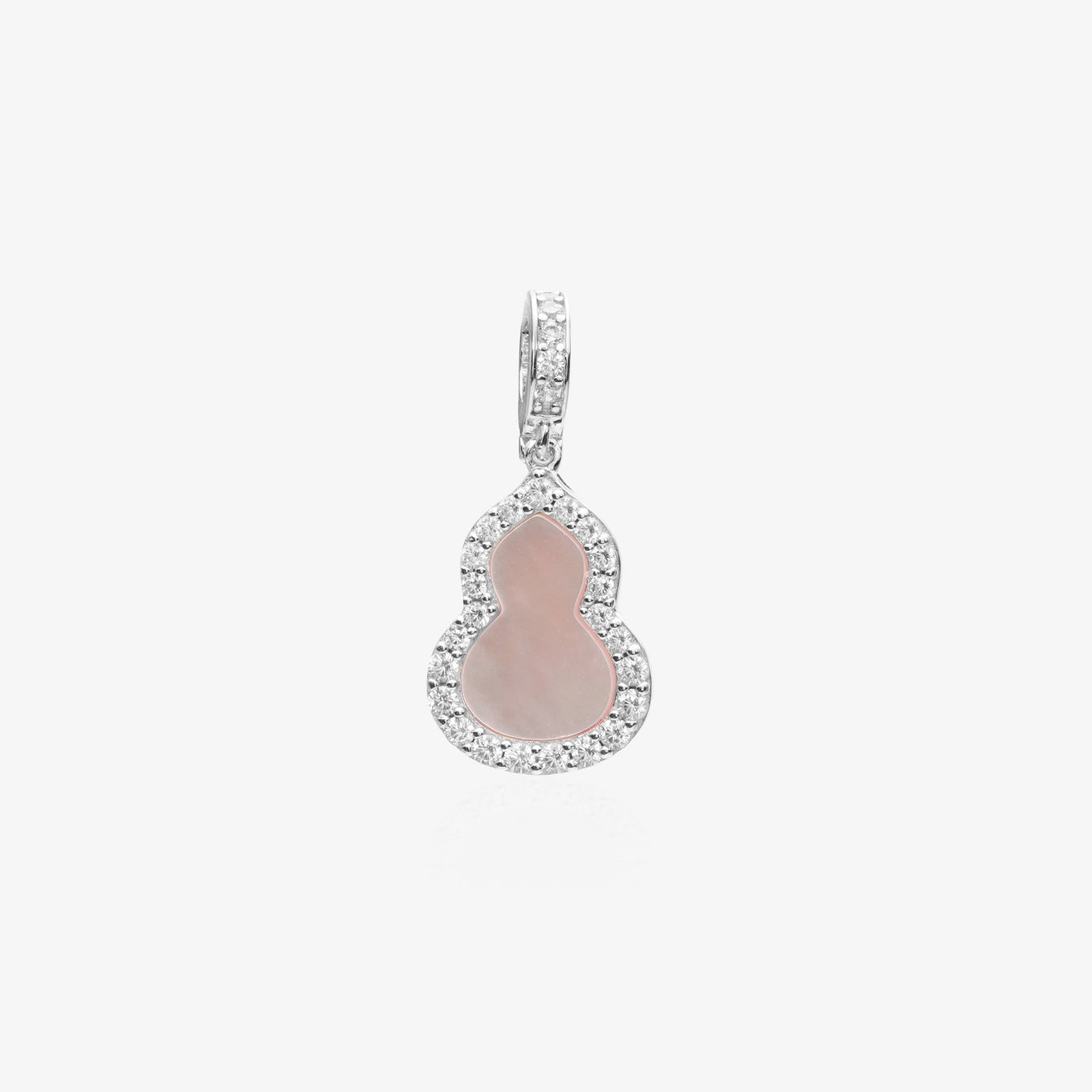
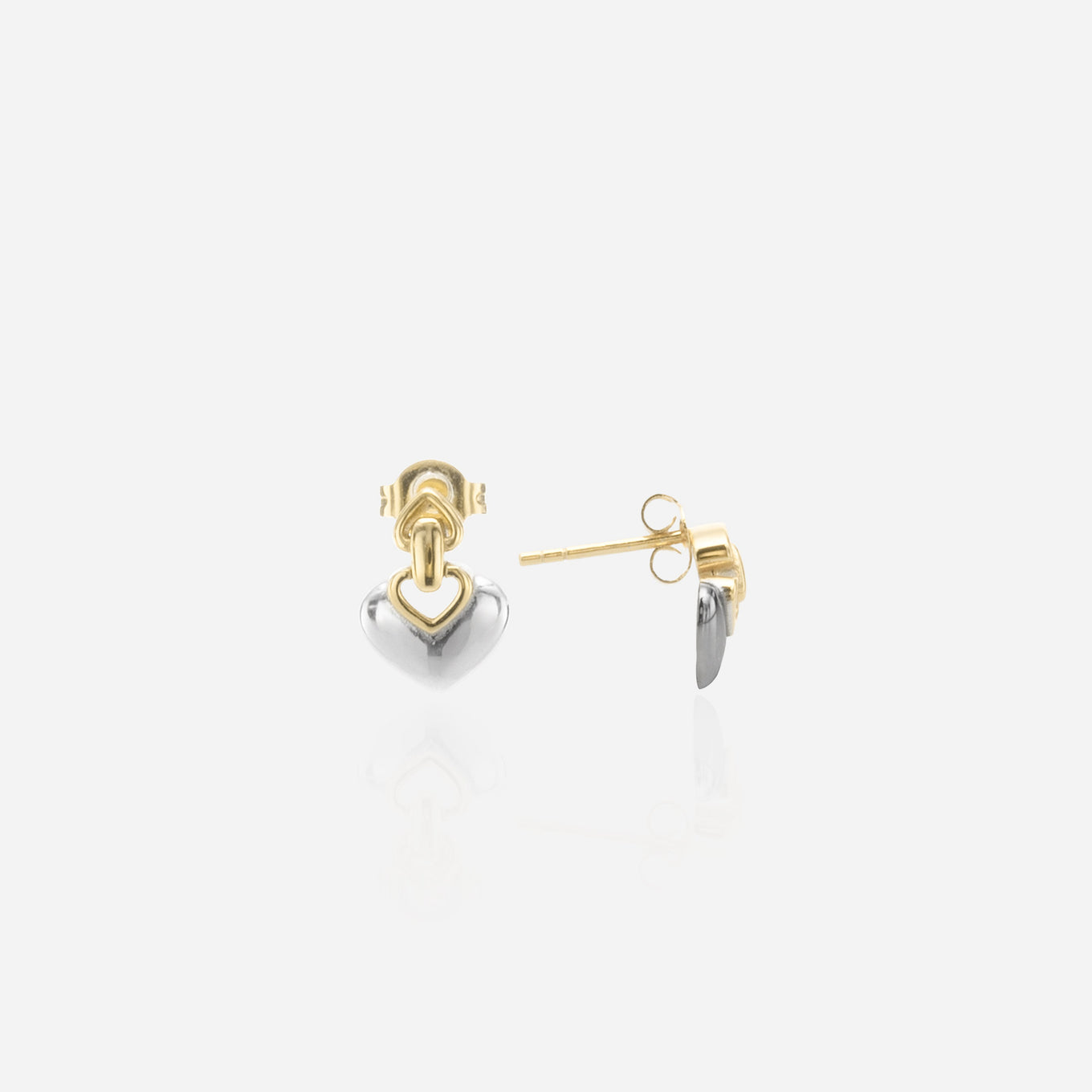
- Gold Fleur de Lis Pendant — A heritage symbol in bicolor gold and silver. Works on the Box Chain for everyday, on the Herringbone for evening.
Price range: $40-70. Cost per wear (150 days/year): $0.27-0.47.
Collection Timeline: What to Buy When
| Timeline | Pieces | Estimated Investment | Combinations Created |
|---|---|---|---|
| Month 1 | Chain + Solitaire + Studs | $120-220 | 3 core looks |
| Month 2-3 | + 2 Stacking Rings | + $90-130 | 6+ with ring combinations |
| Month 4-5 | + 1 Bracelet | + $40-75 | 12+ with wrist dimension |
| Month 6+ | + Statement Earrings + 1 Pendant | + $85-135 | 30+ outfit permutations |
The Cost Per Wear Framework
Jewelry feels expensive when you look at the sticker price. It feels cheap when you look at the per-wear cost over a year. A Classic Solitaire Necklace at $80 worn 300 days a year costs $0.27 per wear — less than the coffee you bought while reading this.
The framework:
- Everyday piece ($50-$90): Worn 250-350 days → $0.14-0.36/wear
- Regular rotation ($45-$70): Worn 150-200 days → $0.23-0.47/wear
- Statement piece ($60-$90): Worn 60-120 days → $0.50-1.50/wear
Compare this to a $30 fast-fashion necklace worn 10 times before it tarnishes ($3/wear) or a $20 pair of earrings that turns your lobes green after three wears ($6.67/wear). Demi-fine jewelry, built on Ag925 sterling silver with 0.5-micron 18K gold plating, is almost always the least expensive option — not despite the upfront investment, but because of it.
How to Evaluate Quality Before You Buy
When starting a collection, you're making micro-investments. Here's what to check before any purchase:
- The stamp. Ag925 or 925 means sterling silver (92.5% pure). If a piece says "gold-plated" but doesn't specify the base metal, assume brass.
- The plating thickness. Anything under 0.1 microns is decorative — it will wear off in weeks. ÉLARAMUSE uses 0.5-micron plating, the maximum for demi-fine before entering vermeil territory.
- The nickel declaration. If the seller doesn't explicitly say "nickel-free," the piece contains nickel. Nickel is the most common metal allergen and the primary cause of green skin marks.
- The clasp type. Lobster clasps outlast spring-ring clasps. Magnetic clasps (like on the Bicolor Choker) are easier to fasten but should be checked for magnet security over time.
- The return policy. A brand that stands behind its quality offers at least 30 days. If the return window is 7 days or less, they expect you to be disappointed.
The Four Most Common First-Collection Mistakes
Mistake 1: Buying a Statement Piece First
Statement pieces are exciting. That's why they're called statement pieces. But a statement piece with nothing to play off of — no chain to layer under, no studs to ground the look — sits alone in your collection like a sofa in an otherwise empty living room. Start with foundations. Statements come later.
Mistake 2: Matching Metals Rigidly
The 2026 mixed-metal trend has rendered the "all gold or all silver" rule obsolete. A gold chain with a silver pendant. Gold hoops with a silver bracelet. The collection that mixes metals is more versatile than the one that doesn't. The only rule: intentionality. Mixing gold and silver reads as deliberate when you repeat both metals across at least two zones (ears + neck, or neck + wrist).
Mistake 3: Overlooking the Clasp
The clasp is the most-used and least-seen part of any necklace or bracelet. A poorly made clasp — usually a spring-ring that catches on hair or loosens over time — is the #1 reason everyday jewelry stops being everyday jewelry. Look for lobster clasps with a smooth, consistent spring action.
Mistake 4: Not Testing 24/7 Wearability
The difference between jewelry you wear and jewelry you own is whether you can sleep in it, shower in it, and forget it's there. If a piece requires removal before every shower or workout, it will spend more time on your nightstand than on your body. The collection you actually wear is the one that lives on you, not in a drawer.
Key Terms: Jewelry Collection Lexicon
- Cost Per Wear (CPW)
- Price of the piece divided by estimated wears per year. The CPW of a $70 necklace worn 300 times is $0.23. The CPW of a $20 necklace worn 10 times is $2.00. CPW reveals that demi-fine is often the cheapest option per wear.
- Foundation Piece
- A versatile jewelry item that pairs with most of your wardrobe and serves as the base layer for more expressive pieces. Chains, solitaire pendants, and studs are the three universal foundations.
- Ag925 / Sterling Silver
- An alloy of 92.5% pure silver and 7.5% other metals (typically copper) for strength. The industry standard for quality jewelry. Stamped "925" on every ÉLARAMUSE piece.
- Plating Thickness (Microns)
- A micron (µm) is 0.001 millimeters. Demi-fine gold plating ranges from 0.1-0.5 microns. Below 0.1 microns, plating is decorative; at 0.5 microns (ÉLARAMUSE standard), plating withstands daily wear, water, and sweat for years.
- Collection Coherence
- The principle that every piece in a jewelry collection should be wearable with — or layerable with — at least two other pieces. A coherent collection of 8 pieces can create 30+ combinations; an incoherent one of 20 pieces might create 10.
The ÉLARAMUSE Standard
| Base Material | Ag925 Sterling Silver (92.5% pure silver) |
| Plating | 0.5-micron 18K gold plating |
| Gemstones | High-Carbon Lab Diamonds (Simulated), Mohs 8.5; Nano Zircon (Lab-grown); High-Luster Simulated Pearl |
| Skin Safety | Nickel-free, lead-free — safe for all skin types, 24/7 wear |
FAQ: Starting a Jewelry Collection
How much should I spend to start a jewelry collection?
A functional three-piece foundation — chain, solitaire pendant, and studs — costs $120-220 at demi-fine quality. A six-month expansion to 8 pieces (adding rings, a bracelet, statement earrings, and a pendant) totals approximately $335-560. Spread across six months, that's $56-93/month — comparable to one dinner out. The key difference: the jewelry is still there on month seven.
Should I buy gold or silver for my first pieces?
Gold-plated silver is the best entry point for a collection: it has the warmth of gold, the structural integrity of sterling silver, and it costs a fraction of solid gold. If your wardrobe leans warm (beige, cream, olive, rust), gold is the natural complement. If cool-toned (black, white, navy, grey), silver or white gold reads more naturally. If your wardrobe is neutral, gold is the more versatile choice — it adds warmth to any outfit.
How do I know if a piece is worth the price?
Apply four checks: (1) Is the base metal Ag925 sterling silver, not brass? (2) Is the plating at least 0.3 microns? (3) Is it declared nickel-free and hypoallergenic? (4) What's the cost per wear based on how often you'll actually wear it? A piece that passes all four is worth its price — the CPW will almost always be lower than cheaper alternatives that fail one or more checks.
Can I mix different brands in my collection?
Yes — as long as the core material standards are compatible. Mixing an ÉLARAMUSE 18K gold-plated necklace with a 14K solid gold ring from another brand creates a subtle tone difference. At close range this is visible if both pieces are near each other (on the neckline or the same hand). But the "clash" is far less noticeable than the internet suggests — and 2026's mixed-metal trend has made slight tone variations intentional rather than accidental.
What's the one piece I should spend more on?
The solitaire or everyday pendant. It's the piece you'll wear most frequently (250-350 days/year), making its cost-per-wear the lowest of any piece in your collection. Spending $80 on a Classic Solitaire Necklace you wear 300 times a year costs $0.27/wear. Spending $50 on a pendant you wear 50 times costs $1/wear. The more you spend on the piece you wear most, the lower your real cost.
Editor's Picks: The Collection Starter Kit
- Box Chain Necklace — The collection's spine. Italian gold chain that works as a solo piece, pendant base, or layering foundation.
- Classic Solitaire Necklace — The piece you never take off. A floating high-carbon lab diamond at 20 inches.
- Gold Geometric Studs — The default earring. Lab diamond bar studs that work with every outfit.
- Gold Macaron Ring Set — Three stacking bands at one purchase. The most efficient ring entry point.
- Cocoon Chain Bracelet — The daily bracelet. Satin oval beads on a dainty gold chain.
- Byzantine Lattice Hoops — The statement earring upgrade. Two-tone wide huggies for when studs aren't enough.
- Compass Rose Necklace — The pendant that turns your chain into a different necklace. A spinning fortune bead with a story.
We believe a jewelry collection should be built, not accumulated. We build every ÉLARAMUSE piece on Ag925 sterling silver with 0.5-micron 18K gold plating — nickel-free, hypoallergenic, and designed to be worn, not stored. The best collection is the one that lives on you every day.