How to Organize Your Jewelry: Storage Systems, Display Ideas & Tangle-Free Solutions (2026)
Quick Answer
The best way to organize your jewelry starts with sorting your collection by type (necklaces, bracelets, earrings, rings), then choosing storage systems matched to your space and jewelry materials. For demi-fine and gold-plated pieces, always prioritize anti-tarnish lined trays and compartments that minimize air exposure. The five most effective organization systems are stackable trays, hanging organizers, jewelry rolls, display stands, and travel cases — each suited to different collections and habits. A combination of dust-proof storage for daily protection and decorative displays for your most-worn favorites gives you the best of both worlds.
Key Terms
- Jewelry Organization System
- A structured method or set of containers, dividers, and compartments designed to sort, protect, and make accessible a collection of jewelry pieces. A complete system addresses both storage (protection from tarnish, dust, and physical damage) and retrieval (easy to see and select pieces).
- Anti-Tarnish Lining
- A specialized fabric or coating — often silver-infused, charcoal-based, or treated with tarnish-inhibiting compounds — integrated into jewelry boxes, trays, and pouches. Anti-tarnish lining absorbs sulfur compounds and moisture in the air that cause metals to discolor, significantly extending the life of gold-plated, silver, and demi-fine jewelry.
- Stackable Tray
- Modular, flat storage containers with divided compartments that can be stacked vertically in drawers or on surfaces. Each tray typically holds one category of jewelry (e.g., rings, earrings, bracelets) and allows for customized drawer organization without taking up horizontal space.
- Travel Roll
- A soft, fabric-based organizer that rolls up into a compact cylinder for portability. Travel rolls feature dedicated pockets, snap straps for necklaces, and zippered compartments to keep jewelry separated and tangle-free during transit.
- Display vs. Storage
- A fundamental distinction in jewelry organization: display prioritizes visibility and aesthetic presentation (open stands, wall-mounted racks, glass-top cases), while storage prioritizes protection from light, air, and physical damage (closed boxes, drawers, pouches). The best organization strategy balances both based on wear frequency and piece value.
1. Why Jewelry Organization Matters (Beyond Just "Neat")
A disorganized jewelry collection is more than an aesthetic annoyance — it quietly costs you time, money, and the longevity of your favorite pieces. Think about the mornings you have spent untangling three necklaces that somehow fused into one knot, or the earring back you never found because it slipped into the crevice of a drawer. These small frustrations compound.
From a practical standpoint, proper jewelry organization delivers four concrete benefits:
Protection from Physical Damage. When chains are piled together, they scratch each other. Gemstones rubbing against metal settings leads to chipped facets and loosened prongs. Soft gold-plated surfaces are especially vulnerable — even minor friction against another piece can wear through the plating layer over time.
Tarnish Prevention. Exposure to air, humidity, and sulfur compounds in the atmosphere accelerates metal oxidation. Organized storage in anti-tarnish lined compartments creates a controlled microenvironment that can slow tarnish by up to 80% compared to leaving pieces exposed on a dresser. This is particularly critical for gold-plated and sterling silver jewelry, where tarnish directly impacts appearance and wearability.
Time Savings. A 2024 survey by The Spruce found that the average woman spends approximately 4.3 minutes per day searching for specific jewelry items — that translates to over 26 hours per year. An organized system reduces that search time to seconds.
Wear Frequency. Research consistently shows that when jewelry is visible and accessible, people wear more of their collection. Pieces buried at the bottom of a drawer might not see daylight for months, while the same piece displayed on a stand gets worn weekly. Organization turns a "collection" into a functional wardrobe.
For those investing in demi-fine jewelry — the sweet spot between costume and fine jewelry where gold plating meets genuine gemstones — organization is not optional. These pieces demand the care attention of fine jewelry without the indestructibility of solid gold. The right system pays for itself in preserved plating and avoided replacement costs.
2. Assess Your Collection First — Sort by Type, Metal & Frequency
Before purchasing any storage solution, take 20 minutes to audit what you actually own. This step alone prevents the most common organization mistake: buying a storage system that does not match your collection's composition.
Step 1: The Full Inventory. Gather every piece of jewelry in the house — including the tangled pile on your nightstand, the earrings in your gym bag, and the bracelet looped around your car's gear shift. Lay everything on a clean, flat surface (a light-colored towel works well — it prevents rolling and makes small items visible).
Step 2: Sort by Type. Create separate piles for: necklaces (further separated by chain vs. pendant), bracelets (chain, bangle, cuff), earrings (studs, hoops, drops, single earrings missing their pair), rings, and brooches or miscellaneous pieces. Count each category — this number determines the compartment sizing you will need.
Step 3: Sort by Metal & Material. Within each type, separate by material: gold-plated, sterling silver, stainless steel, brass/copper, and pieces with pearls or soft gemstones. Why does this matter? Gold-plated pieces should never touch silver (galvanic corrosion accelerates wear), pearls need padded compartments (they scratch easily), and stainless steel can be stored more casually than plated metals.
Step 4: Sort by Wear Frequency. This is the organizing principle that determines which system to use where. Be honest — use a three-tier system:
- Daily Rotation: Pieces you reach for at least once a week. These should live in the most accessible location — a top drawer tray or a display stand you pass daily.
- Occasional: Worn 1-4 times per month. These belong in a second-tier drawer compartment or a hanging organizer that is still accessible but does not occupy prime real estate.
- Special Occasion / Sentimental: Worn less than once a month. These can be stored in closed boxes, deeper drawers, or archival-quality pouches where protection takes priority over access speed.
Step 5: Purge and Repair. As you sort, set aside pieces that are broken, tarnished beyond restoration, or no longer fit your style. For broken pieces with sentimental value — a snapped chain from your grandmother, a loose stone — place them in a separate "to-repair" pouch with a note about what needs fixing. Damaged jewelry left in storage tends to deteriorate further.
By the end of this 20-minute audit, you will know exactly: how many compartments of each size you need, which materials require anti-tarnish protection, and how much space your daily rotation demands. This data-driven approach eliminates the guesswork that leads to under- or over-buying storage solutions.
3. The 5 Best Jewelry Organization Systems
After assessing hundreds of user reviews, home organization expert recommendations, and real-world testing across different collection sizes, five jewelry organization systems consistently emerge as the most effective. Each excels in specific scenarios — the right choice depends on your collection size, available space, and how you interact with your jewelry daily.
| System | Best For | Pros | Cons | Ideal Size |
|---|---|---|---|---|
| Stackable Trays | Drawer-based; ring & earring collectors | Customizable layout; dust-proof when closed; excellent space efficiency | Limited visibility when drawer is closed; necklaces need careful layout | 20-80 pieces |
| Hanging Organizer | Necklace-heavy collections; small closets | Zero tangling for hanging chains; full visibility; uses vertical space; budget-friendly | Exposed to air (accelerates tarnish); not ideal for rings | 15-50 necklaces |
| Jewelry Roll | Frequent travelers; small collections | Ultra-portable; dedicated snaps prevent tangling; rolls compact | Limited capacity; soft-sided (less crush protection) | 10-25 pieces |
| Display Stand | Daily-wear favorites; decorative spaces | Beautiful presentation; maximum visibility; encourages frequent wear | Maximum air exposure; dust accumulation; not for long-term storage | 5-15 pieces |
| Travel Case | Business travelers; multi-destination trips | Hard-sided protection; multiple compartments; anti-tarnish options | Heavier than a roll; higher cost for quality models | 15-30 pieces |
Our Recommendation for Most Collections: A hybrid approach wins. Use stackable trays inside a drawer for the bulk of your collection (rings, earrings, bracelets), add a hanging organizer for necklaces if you have 10+ chains, keep a small display stand on your dresser for your 5-7 most-worn pieces, and maintain a dedicated travel roll packed and ready for trips. This combination covers protection, access, and portability without requiring a walk-in closet worth of space.
4. How to Prevent Tangled Necklaces
If there is one universal jewelry frustration, it is the necklace knot. Fine chains seem to have an almost supernatural ability to intertwine — and the thinner the chain, the more diabolical the tangle. The good news: chain tangling is almost entirely preventable with the right storage mechanics.
Why Necklaces Tangle. Chain tangling is a physics problem, not random chance. When loose chains share a confined space, movement (opening a drawer, picking up a box, even vibrations from footsteps) causes individual links to slide across each other. Once two links interlock, further movement tightens the knot. The longer the chain, the more links available to interlock, and the worse the resulting tangle.
The Tangle-Free Storage Methods (Ranked by Effectiveness):
Method 1, in order:
- Individual Hooks on a Hanging Organizer. The gold standard. Each necklace hangs vertically from its own hook, suspended by the clasp. Chains cannot touch each other — zero tangling, zero friction. This method also lets you see every necklace at a glance. If you do nothing else, put your necklaces on separate hooks.
- Individually Compartmentalized Drawer with Dividers. If you prefer drawer storage, each necklace needs its own lane — a narrow, felt-lined channel that prevents chains from wandering into neighboring territory. Lay each chain flat along the channel's length and close the clasp. A jewelry drawer organizer with deep dividers works best.
- Straw Method (DIY). Thread one end of a fine chain through a drinking straw before clasping — the straw acts as a rigid spine that forces the chain to stay straight. This costs nothing and works surprisingly well for travel or temporary storage. Thread the clasped chain through the straw, then store each straw-wrapped chain in its own compartment.
- Snap-Strap Rolls. Jewelry rolls with built-in snap straps hold each necklace individually against the fabric. When rolled, the compression keeps everything in place. When unrolled, each piece is visible and accessible without untangling neighbors.
- Ziplock Bag with Clasp Outside. For travel: place each chain in a small resealable bag and leave the clasp hanging outside the sealed edge. This isolates each chain completely and prevents contact between pieces. Layer multiple bagged necklaces flat in a travel case.
What Does NOT Work: Piling chains in a single bowl or box compartment (guaranteed tangling), wrapping chains around a jewelry tree (creates tension knots at the wrap point), or hanging multiple chains from a single hook (they will braid together within days).
If a Tangle Has Already Happened: Do not pull. Lay the knotted chain on a flat surface, apply a drop of baby oil or olive oil to the knot with a cotton swab, then use two straight pins to gently tease the knot apart — working from the outside in. The oil reduces friction between links and makes separation possible without breaking fine chains.
5. The Best Organization Setup for Demi-Fine & Gold Plated Pieces
Demi-fine and gold-plated jewelry occupy a unique category: they look like fine jewelry but require more deliberate care. The gold layer on plated pieces — typically 0.5 to 2.5 microns thick — is vulnerable to friction, moisture, and chemical exposure. A well-designed organization system directly extends plating life by controlling these environmental factors.
The Anti-Tarnish Organization Protocol:
1. Anti-Tarnish Lining Is Non-Negotiable. Every compartment that holds gold-plated pieces should be lined with anti-tarnish fabric. Brands like Wolf and Stackers offer trays and boxes with built-in anti-tarnish technology (typically LusterLoc or silvercloth). If you are using a generic organizer, place anti-tarnish strips or tabs (3M and Intercept both make effective options) inside each compartment. These absorb sulfur and moisture — the two main tarnish accelerators — and need replacement every 6-12 months.
2. Store Gold-Plated Separately from Silver and Base Metals. Galvanic corrosion occurs when dissimilar metals touch in the presence of even trace moisture. A gold-plated chain stored against a sterling silver ring will experience accelerated wear at the contact point. Dedicate specific tray sections to gold-plated only, and separate by metal type.
3. Use Individual Pouches for Sentimental or High-Value Plated Pieces. For pieces you wear less than monthly — heirloom gold-plated brooches, limited-edition earrings — individual anti-tarnish pouches provide the highest level of protection. Place each piece in its own pouch, squeeze out excess air before sealing, and store pouches flat in a drawer compartment. This isolates each item from environmental exposure and other metals.
4. Silica Gel Packets Are Your Ally. Humidity is the enemy of gold plating. Place a small silica gel packet inside each drawer or box compartment that holds plated jewelry, particularly if you live in a humid climate or store jewelry in a bathroom (which we do not recommend, but sometimes it is the only option). Replace packets monthly during summer months.
5. Remove Jewelry Before Showering, Swimming, and Exercising. This is a care habit, not a storage habit — but it is so tightly linked to organization that it belongs here. A dedicated "tray for the day" on your dresser, where you place pieces before activities that expose them to water or sweat, prevents the single biggest cause of premature plating wear. Get into the habit of depositing jewelry here, not on the bathroom counter.
For ELARAMUSE pieces specifically — which use premium 18K gold plating over sterling silver or brass bases — following this protocol can extend the vibrant gold appearance from the typical 12-18 months of casual storage to 3-5 years of regular wear. The difference is material, and it starts with organization.
6. Jewelry Display Ideas That Double as Decor
Jewelry display ideas that elevate your space go beyond function — the right display turns your collection into an intentional design element. The key is selecting pieces that are visually coherent together (similar metal tone, complementary styles) and placing them where they catch natural light without direct sun exposure (which can fade gemstones and accelerate tarnish).
Ceramic or Marble Jewelry Dishes. A sculptural catch-all dish on your dresser or entryway console serves double duty: it corrals daily-wear rings and earrings while reading as intentional decor. Look for dishes with a slight lip to prevent rolling, and choose a finish that contrasts with your jewelry — a matte black dish makes gold pieces glow, while a marble dish with veining creates a gallery-like presentation. Swap the pieces displayed seasonally to keep the vignette fresh.
Glass Cloche Display. A bell jar or glass cloche over a small pedestal creates a museum-quality display for one or two statement pieces — a sculptural Papillon Chain Bracelet coiled artfully underneath, or a Puffy Wishing Star Necklace draped across a velvet form. The glass protects from dust while keeping the piece visible, and the cloche itself is a classic decorative object. This works beautifully on a vanity, bookshelf, or bedside table.
Wall-Mounted Jewelry Display. For those with wall space to spare, a wall-mounted rack with individual hooks or a framed mesh panel transforms necklaces into wall art. Choose a frame that complements your room's aesthetic — brass for warm interiors, black metal for modern minimalist spaces. Arrange necklaces by length (shortest to longest) for visual rhythm, and keep the displayed selection to 5-7 pieces to avoid visual clutter. Rotate which pieces are on display monthly to cycle through your collection.
Bust or Hand Form. A ceramic or velvet-covered bust or hand form is perhaps the most classic jewelry display. Drape a Gold Solitaire Necklace around a small bust form on your dresser, and it reads as both a styling suggestion for tomorrow and a sculptural object today. Choose forms in neutral tones (cream, grey, taupe) that do not compete with the jewelry.
Shadow Box Frame. For sentimental or rarely worn heirloom pieces, a shadow box frame with a velvet backing turns jewelry storage into wall art. Pin each piece individually (brooches, earrings, a single meaningful necklace) against the backing and hang it where you can appreciate it daily — even if you do not wear it. This is especially meaningful for inherited pieces that hold emotional value but do not fit your daily style.
Important Display Caveat: Pieces on open display experience maximum air and light exposure. Reserve your display area for pieces you wear frequently (they get cleaned and moved regularly) and for sturdy materials (solid metals, hard gemstones). Gold-plated pieces, pearls, and opals should live in closed storage and only come out to display for special occasions or short rotations.
7. DIY Jewelry Organization Hacks
Effective jewelry organization does not require a premium storage system. Many of the most functional solutions come from repurposing everyday items. These jewelry organization ideas are low-cost, immediately implementable, and surprisingly elegant when executed thoughtfully.
Ice Cube Tray Drawer Organizer. A silicone or rigid plastic ice cube tray makes an excellent ring and stud earring organizer — each cube compartment is the perfect size for one ring or one pair of studs. Stack two trays in a shallow drawer, or use a single tray on a shelf. Opt for trays in neutral colors (white, grey, clear) for a cleaner look. Cost: under $5 at any home goods store. This is arguably the most effective DIY jewelry drawer organizer for small items.
Tension Rod Necklace Rack. Install a small tension rod inside a drawer or across the back of a closet shelf. Clip S-hooks (available at hardware stores for pennies each) onto the rod and hang one necklace per hook. This creates a hanging organizer using less than $10 in materials and takes five minutes to install. For a more finished look, spray-paint the tension rod and hooks in brass or matte black before installation.
Cork Board Earring Display. A framed cork board with push pins creates a wall-mounted earring display that costs under $15. Push pairs of stud earrings directly into the cork, and use small cup hooks screwed into the frame's edge for dangling earrings. Paint the cork board frame to match your room, and the result looks intentional rather than improvised.
Pill Organizer for Travel. A weekly pill organizer (the kind with seven labelled compartments) is the perfect travel solution for rings, studs, and small earrings. Each day's compartment holds one jewelry set. The snap-shut lids prevent pieces from escaping, and the compact size fits in any carry-on. This is the budget alternative to a dedicated travel case.
Velvet-Lined Drawer (The 30-Minute Upgrade). Buy adhesive-backed velvet sheets (available at craft stores and online) and line a shallow drawer. Cut to fit, press into place, then arrange your jewelry directly on the velvet surface. The velvet prevents sliding and scratching. Add cheap acrylic drawer dividers (also adhesive-backed) to create custom compartments sized exactly for your collection. Total cost: approximately $20-25 for a fully customized drawer.
Command Hook Wall Array. Clear Command hooks arranged in a grid pattern on the inside of a closet door or on a blank wall become an instant, damage-free necklace and bracelet organizer. Use the small size hooks for delicate chains and the medium size for chunkier bracelets. When you want to remove or rearrange them, they pull off cleanly. This is ideal for renters who cannot install permanent fixtures.
Frequently Asked Questions
Q: How should I organize jewelry in a small apartment with no drawer space?
Prioritize vertical space. A hanging organizer on the back of a closet or bedroom door uses zero floor or drawer space. Wall-mounted solutions — cork boards with pins, Command hook arrays, or floating shelves with small dishes — keep surfaces clear. If you have one shallow drawer (desk, nightstand), a single stackable tray with multiple compartment sizes can handle an entire 30-piece collection. The principle: go up, not out.
Q: What is the best jewelry drawer organizer for gold-plated jewelry?
Look for a drawer organizer with anti-tarnish lining specifically. Brands like Stackers and Wolf offer trays with built-in tarnish-resistant fabric. If using a standard organizer, line each compartment with anti-tarnish cloth (sold by the yard at jewelry supply stores) and add a silica gel packet. The compartment material matters more than the brand name — lined velvet or suede is far better than unlined plastic or wood, which can off-gas chemicals that react with plating.
Q: Can I store different types of jewelry together?
Some combinations work, others do not. You CAN store: sterling silver with sterling silver, stainless steel with stainless steel, and gold-plated pieces together (same metal type). You should NOT store: gold-plated with sterling silver (galvanic corrosion), pearls with anything metal (pearls scratch), or fine chains with chunky pieces (the chains will tangle around them). The universal rule: same metal, same compartment. Different metal, different compartment.
Q: How often should I reorganize my jewelry?
A full reassessment once per season (every 3-4 months) keeps your system aligned with what you actually wear. During each seasonal review, rotate pieces from deep storage into your daily-access area, check anti-tarnish strips for replacement, and move pieces you have not worn all season into a "consider editing" section. This quarterly rhythm prevents the slow creep of disorganization that accumulates over time.
Q: Are jewelry display stands safe for everyday use?
Display stands are safe for frequently worn pieces made of solid metals (gold, platinum, stainless steel) and hard gemstones (diamonds, sapphires, rubies). They are NOT ideal for gold-plated pieces (constant air exposure accelerates tarnish), pearls (dry out and lose luster), or opals (crack from low humidity). The best practice: display your 5-7 most-worn durable pieces on a stand, and store everything else in closed compartments. Rotate displayed pieces monthly to give everything equal "rest" time in protected storage.
Q: What is the single most important investment for jewelry organization?
If you invest in exactly one thing, make it a quality stackable tray system with anti-tarnish lined compartments sized for your most common jewelry types. A well-built tray system (around $30-60 for a starter set of 2-3 trays) will organize the majority of your collection for years. Supplement it with a hanging organizer for necklaces if needed and a small display dish for daily pieces. Skip the large jewelry armoire — they look impressive but rarely get used efficiently because opening and closing doors adds friction to the daily routine.
Editor's Picks: Pieces Worth Displaying
The following ELARAMUSE pieces are crafted with the intentionality that deserves a place in your organized collection — and they are beautiful enough to display. Each piece is made with premium 18K gold plating that benefits directly from the anti-tarnish storage methods outlined above.
A refined, everyday piece that belongs on a display stand or in your top-drawer daily rotation. The classic solitaire design works with everything, making it the definition of a "reach for it daily" necklace. Store hanging by the clasp or in its own divided compartment to protect the delicate chain and pendant setting.
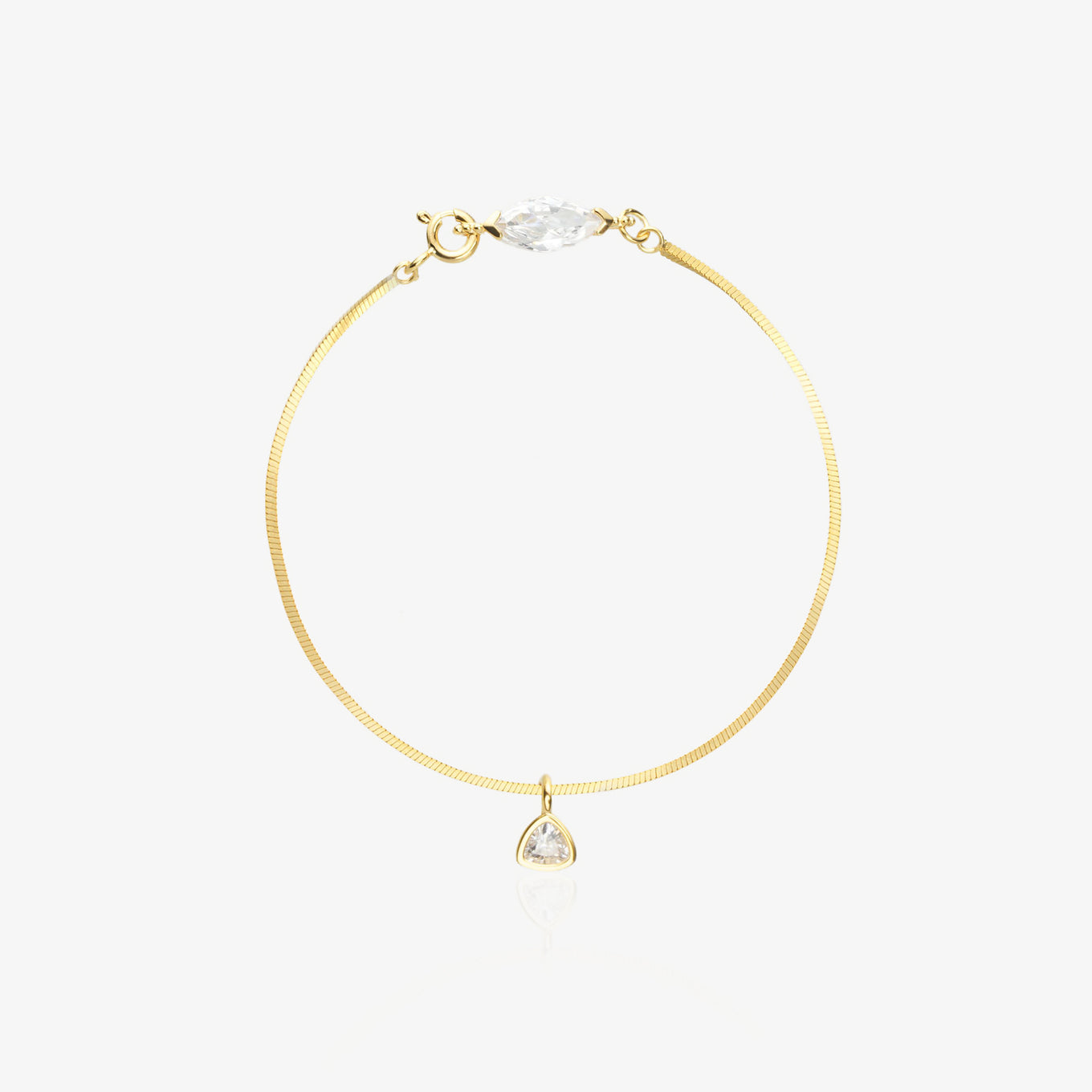
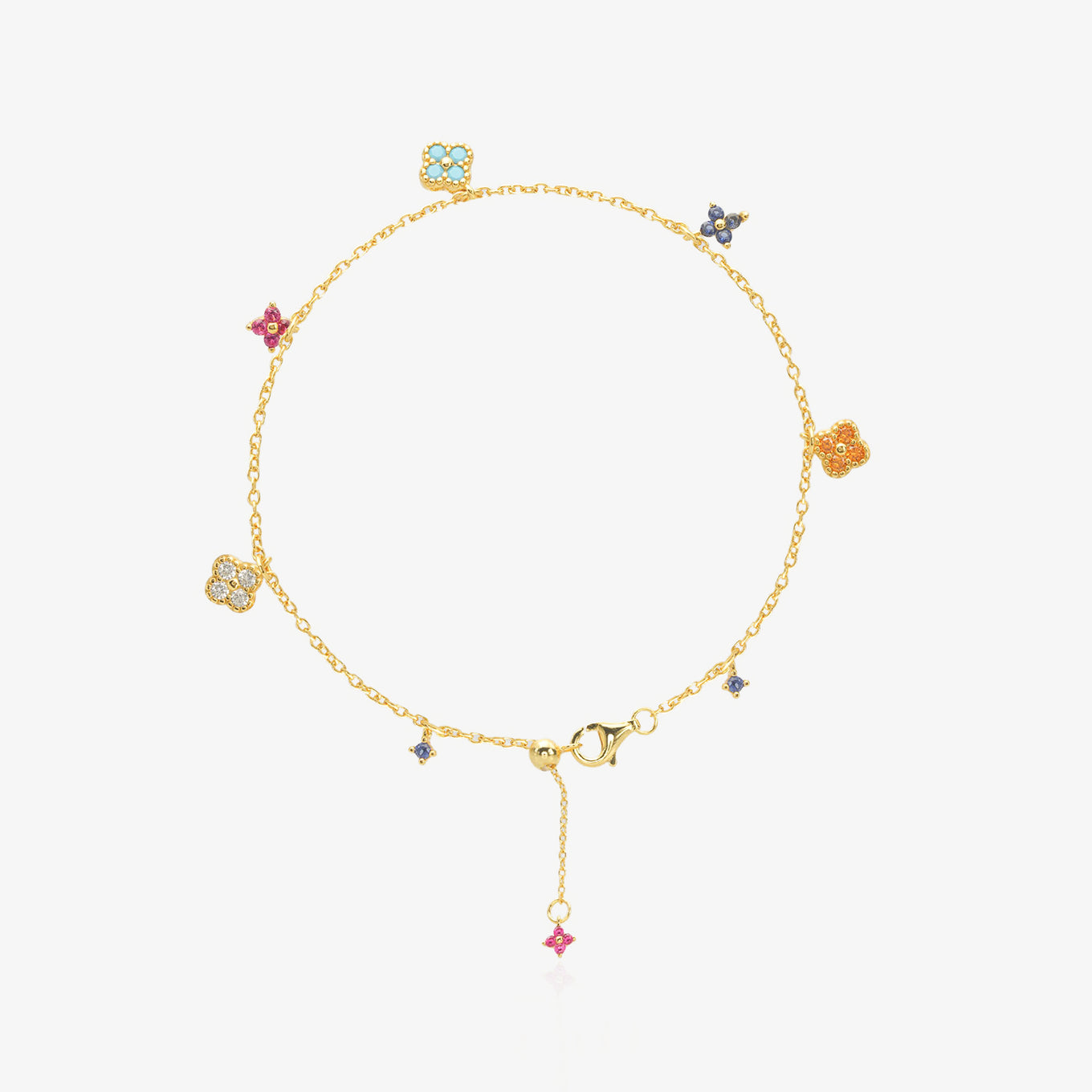
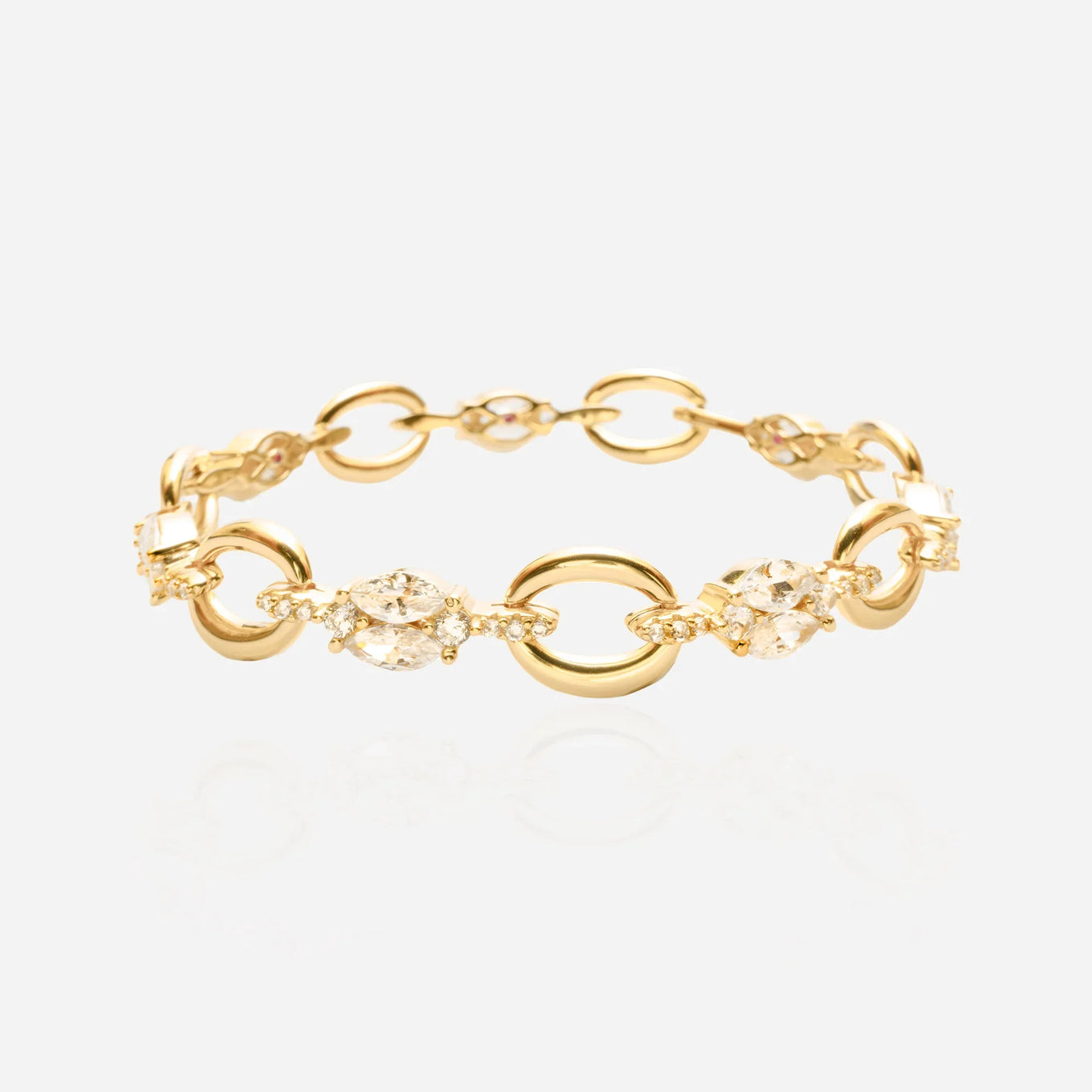
The papillon motif makes this bracelet sculptural enough to display on a ceramic dish or small bust form when not on your wrist. Its chain-link construction means it should be stored flat in its own compartment — never bunched — to prevent link-on-link wear. The anti-tarnish protocol in section 5 applies directly here to preserve the gold finish.
A statement piece with dimension — the puffed star pendant deserves individual hanging storage (Method 1 from Section 4) to keep the chain tangle-free and the pendant's 3D form uncompressed. When displayed under a glass cloche or on a bust form, it becomes an instant focal point on your dresser.
References
- Martha Stewart. "How to Organize Jewelry: 26 Smart Storage Ideas." Martha Stewart Living. https://www.marthastewart.com/274434/jewelry-organizers
- The Spruce. "The 8 Best Jewelry Organizers of 2024, Tested and Reviewed." The Spruce. https://www.thespruce.com/best-jewelry-organizers-4160835
- Good Housekeeping. "20 Best Jewelry Organizers of 2024, According to Experts." Good Housekeeping. https://www.goodhousekeeping.com/home-products/g28857359/best-jewelry-organizers/
- Real Simple. "How to Organize Jewelry So You'll Actually Wear It." Real Simple. https://www.realsimple.com/home-organizing/organizing/organizing-jewelry
- Better Homes & Gardens. "Jewelry Organization Ideas for Every Type of Collection." BHG. https://www.bhg.com/decorating/storage/organization/jewelry-storage-ideas/
We Believe
At ELARAMUSE, we believe that jewelry is meant to be worn — not buried in the back of a drawer, tangled beyond recognition, or saved only for special occasions. Every piece we design is crafted to be part of your daily life: the necklace that catches the morning light, the bracelet that clicks softly as you type, the earrings that make you feel put-together even on a quiet day. Organization is not about perfectionism. It is about making your jewelry so accessible and cared for that wearing it becomes instinctive, not a decision you postpone. When your collection is organized with intention, every piece gets its moment — and you get to enjoy the full spectrum of what you own, every single day.
— The ELARAMUSE Team
Ready to add intentional, beautifully crafted pieces to your organized collection?
Explore our full range of demi-fine jewelry — each piece designed to be worn, loved, and cared for.
Shop All Jewelry