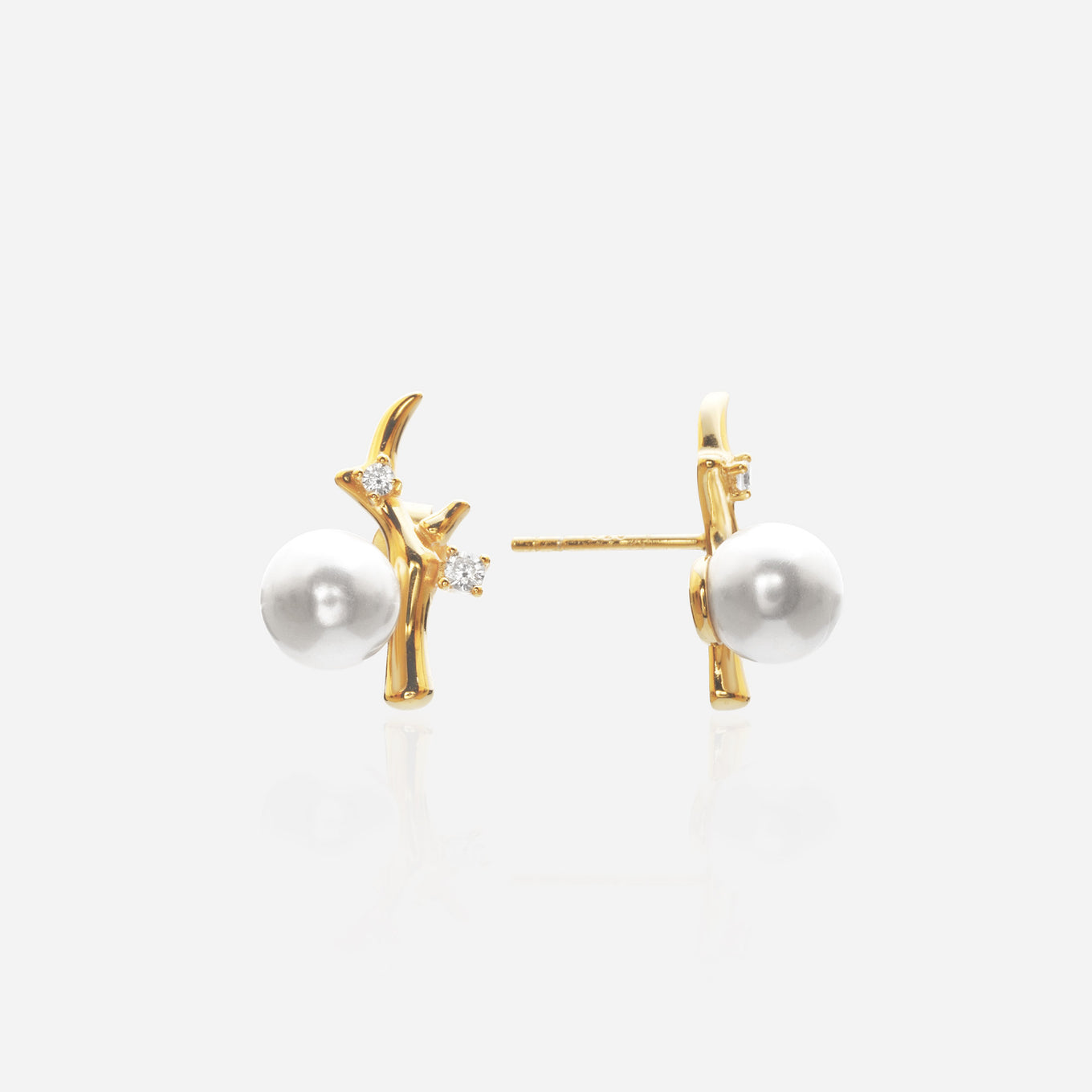
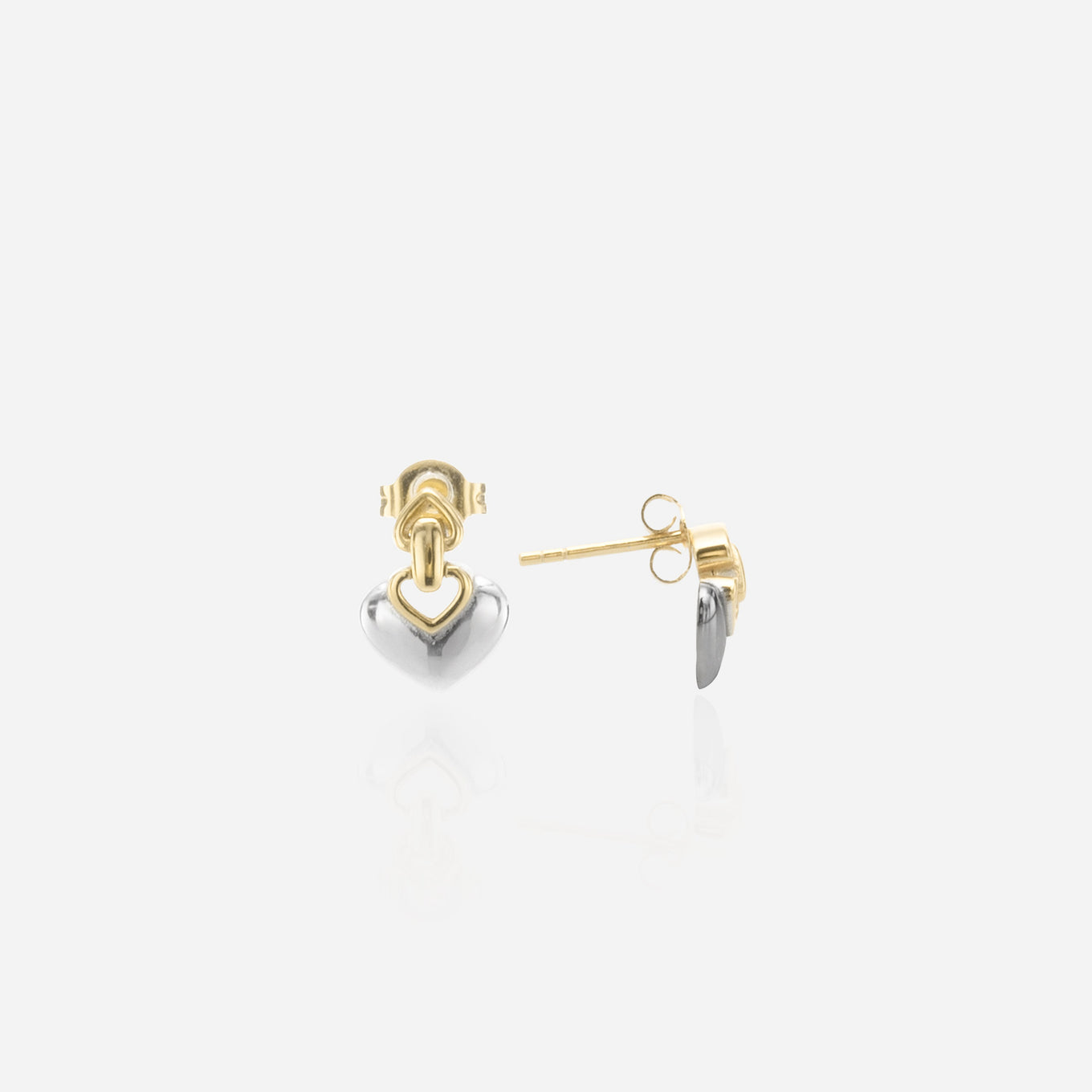
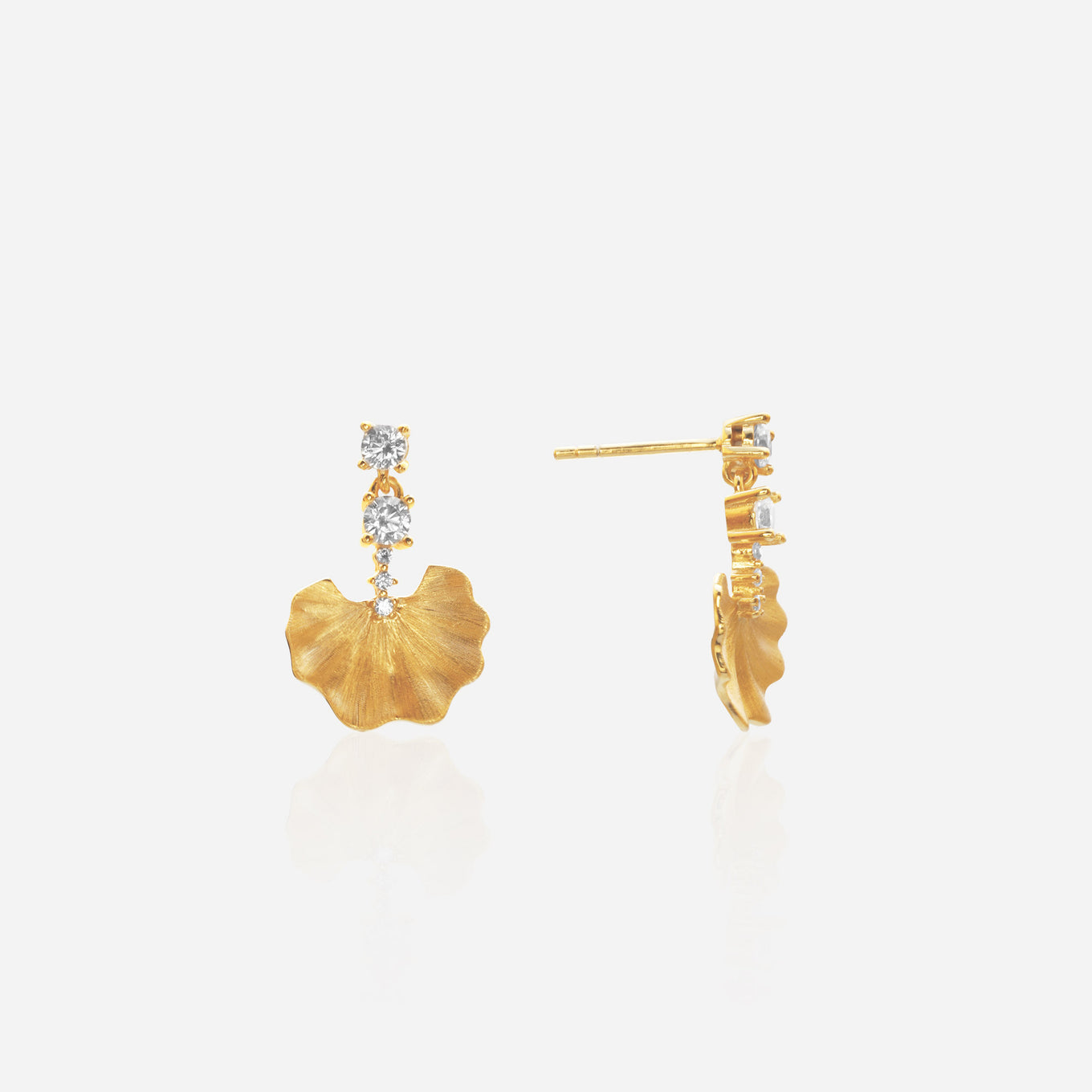
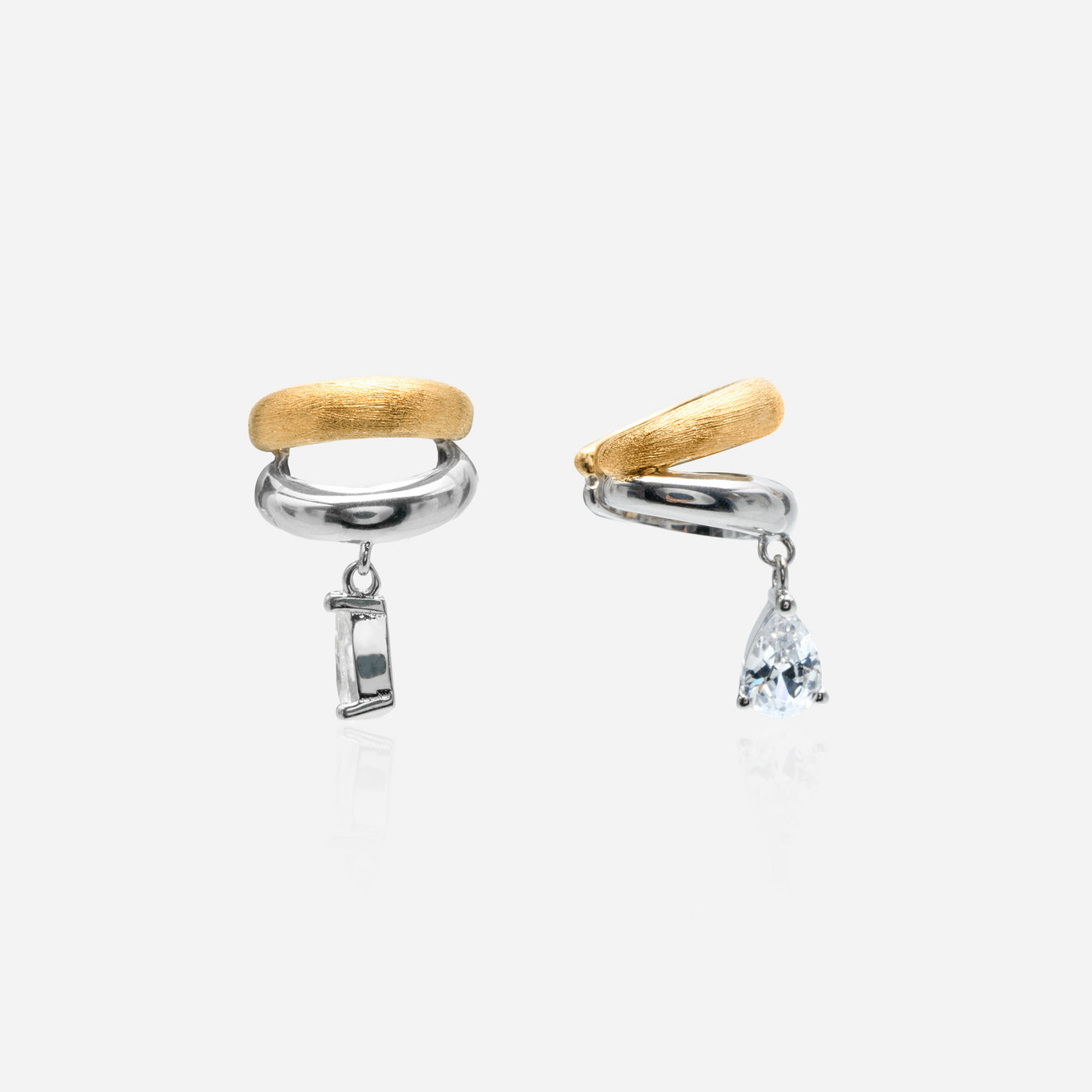
How Jewelry Is Made: Inside the ÉLARAMUSE Craftsmanship Standard (2026)
Demi-fine jewelry isn't about claiming to be the best — it's about being the most honest. Every ÉLARAMUSE piece goes through five stages: design, casting, plating, stone-setting, and quality control. The single most important thing to understand? The materials underneath matter more than the surface. An Ag925 solid sterling silver core with Everyday 18K Gold Plating means that when the gold layer naturally wears — as all plating eventually does — what's waiting underneath is pure silver, not cheap brass. That's the standard that matters.
From the Italian Gold Collar to Most jewelry brands tell you how their pieces are "crafted by master artisans using the world's finest materials." We're going to tell you something different: exactly what goes into our jewelry, what standards we meet, what we do not claim — and why, if you understand the materials, you'll never look at a piece of jewelry the same way again.
📑 In This Guide
This is not a marketing document dressed up as a guide. It's a transparent walkthrough of how demi-fine jewelry actually gets made — the processes, the materials, the physics of gold plating, and the one truth that cheap jewelry brands never want you to know: what happens when the gold fades. Explore the Diamond-Cut Marquise Chain.
Key Terms — Your Jewelry-Making Vocabulary
- Lost-Wax Casting
- A 6,000-year-old technique where a wax model of the jewelry is encased in plaster, melted out, and replaced with molten metal. The result is a precise, seamless metal form — the industry standard for detailed designs. Think of it as 3D printing before 3D printing existed.
- Electroplating
- The process of using an electric current to deposit a thin layer of metal (in our case, 18K gold) onto a base metal surface (in our case, Ag925 sterling silver). The thickness of this layer is measured in microns — 1 micron = 0.001 millimeters. A human hair is about 70 microns thick for scale.
- Micron (μm)
- The unit of measurement for gold plating thickness. 0.5 microns = everyday gold plating. 2.5 microns = Premium 18K Gold Plated (an industry threshold). The difference is not "quality" versus "cheap" — it's durability expectations versus price accessibility. We use 0.5 microns because it delivers brilliant 18K color at a price point that does not require a payment plan.
- Ag925 Sterling Silver
- The international standard for sterling silver: 92.5% pure silver, 7.5% other metals (typically copper) for strength. Pure silver (99.9%) is too soft for jewelry. Ag925 is the optimal balance of purity and durability. This is our core — literally.
- Nickel-Free
- Nickel is the #1 cause of jewelry-related skin allergies. Nickel-free means nickel content below 0.01% — effectively zero. All ÉLARAMUSE pieces are nickel-free by design, not by accident. If your skin reacts to jewelry, nickel is almost certainly the culprit.
- Rhodium Plating
- A member of the platinum family, rhodium is used as a protective finish on white gold and some silver pieces to prevent tarnishing and add a bright, reflective white finish. It is hypoallergenic and extremely hard-wearing.
The 5 Stages of Demi-Fine Jewelry Making
Stage 1: Design & Prototyping — From Sketch to Silver
Every ÉLARAMUSE piece starts as a sketch — sometimes dozens of them. A design goes through multiple iterations before it ever touches metal. The question at this stage is not "will this sell?" but "can this be worn every day without breaking, tarnishing, or irritating the skin?"
Once a design is finalized, a 3D model is created using CAD (computer-aided design) software. This digital model allows the design team to examine every angle, test structural integrity, and adjust proportions to within fractions of a millimeter before committing to physical production. A resin prototype is 3D-printed for physical review — the first time a design exists as a tangible object you can hold.
This prototype answers questions that drawings cannot: How does it catch light? Does it catch on clothing? Does the clasp feel secure when you move?
Only after the prototype passes wear-testing does production begin. Some designs require 6-8 prototype rounds before approval.
Stage 2: Casting — The 6,000-Year-Old Technology That Still Wins
Lost-wax casting is ancient — civilizations from Mesopotamia to the Indus Valley used it — but in precision jewelry manufacturing, nothing has beaten it. Here is how it works at industrial scale:
The process: A wax model of the jewelry piece is created (injected into a mold made from the master prototype). Multiple wax models are attached to a central wax stem — forming what looks like a tree. This "wax tree" is placed in a steel flask and surrounded by investment plaster. The flask is heated in a kiln: the wax melts and burns out completely, leaving a negative cavity in the plaster.
Molten Ag925 sterling silver (heated to approximately 960°C / 1,760°F) is poured or vacuum-injected into the cavity. Once cooled, the plaster is broken away, revealing a silver tree of jewelry pieces.
Why casting over stamping? Die-stamping (pressing metal sheet between two dies) is faster and cheaper for simple shapes, but it cannot produce the dimensional detail that lost-wax casting delivers.
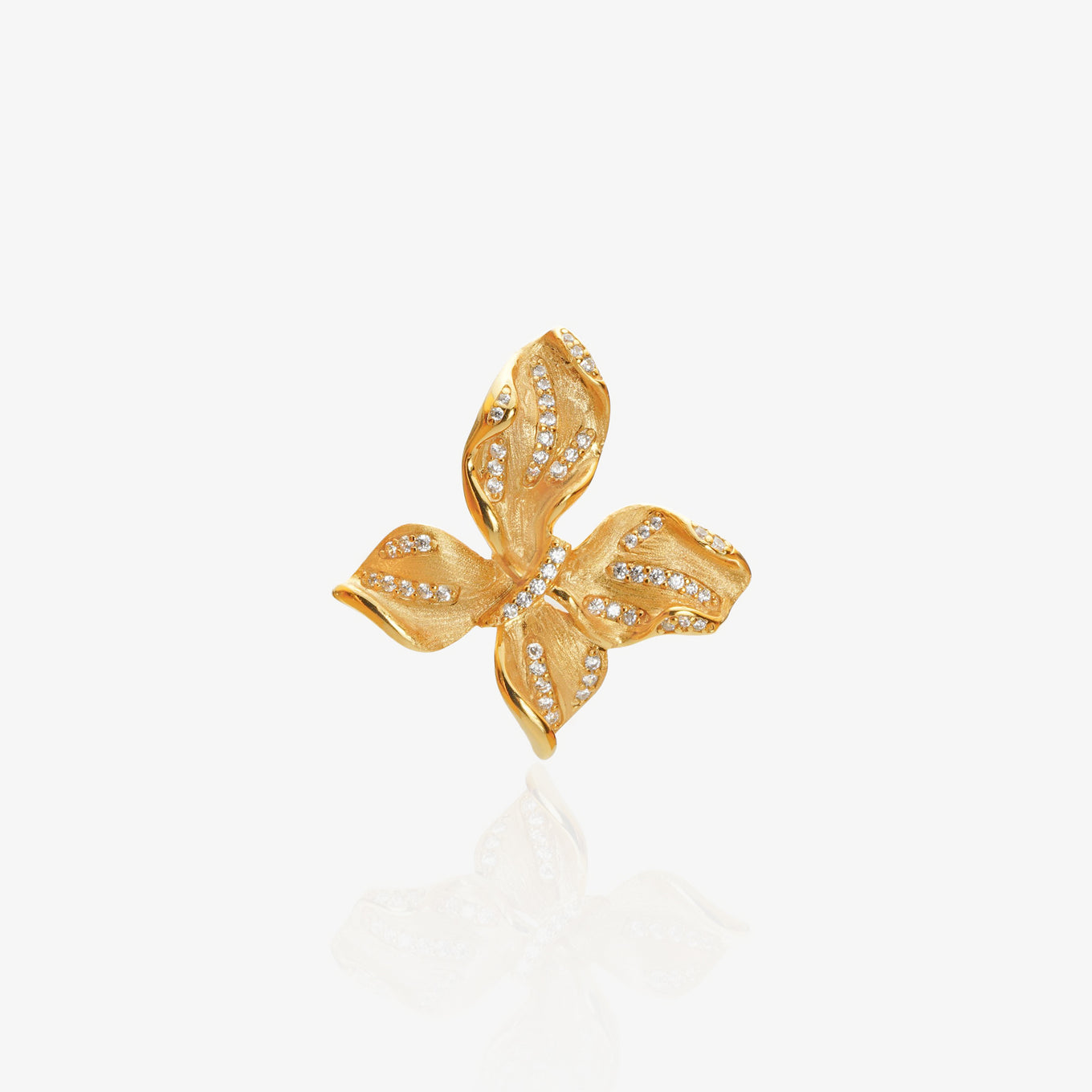
For the intricate textures on the Entwine Ring's quilted surface or the layered petals of the Bouquet Ring, casting is the only method that captures the design faithfully. Each piece is then cut from the tree, and the attachment point is filed smooth — a process called "spruing removal" that requires a steady hand and years of practice.
Stage 3: Plating — The Honest Truth About Gold Layers
This is the chapter most jewelry brands skip. We are writing it first, and writing it in full.
After casting, each Ag925 silver piece enters the electroplating stage. The piece is submerged in a solution containing 18K gold ions. An electric current is applied. Gold ions are attracted to the silver surface, bonding atom by atom to form a thin, uniform layer of 18K gold. This is electroplating — the same fundamental process used for everything from aerospace components to luxury watches.
The micron question: why 0.5 and not 2.5?
In the jewelry industry, gold plating thickness is measured in microns. At 2.5 microns, gold plating legally qualifies as "Premium 18K Gold Plated" — a term with specific regulatory meaning in the United States (FTC) and European Union. At 0.5 microns, it is classified as gold plating. The difference is not "quality" versus "cheap." The difference is physics, cost, and intention.
A 0.5-micron layer of 18K gold is approximately 2,000 gold atoms thick. It is enough to create the full, warm, unmistakable color of 18K gold on the surface of your jewelry. It is enough to last through daily wear for months or years, depending on your body chemistry, how often you wear the piece, and what it comes into contact with. It is not enough to claim that the gold layer will never wear — because no gold layer, at any thickness, will never wear.
We chose 0.5 microns deliberately. Here is the calculus: a 2.5-micron premium gold plating piece costs roughly 3-5x more to produce — a cost that must be passed to you. The additional 2.0 microns of gold do not change how the piece looks. They extend the wear-time of the gold layer, but they do not make it permanent. No gold-plated or premium gold plating piece is permanent — that is physics, not marketing.
Given these realities, we made a deliberate choice: deliver brilliant 18K gold color at a price that does not require a payment plan, and invest the savings into what matters most — the sterling silver core that your skin actually touches.
The truth about gold wear, stated plainly: All gold-plated jewelry will eventually show wear. Friction from clothing, contact with lotions and perfumes, and the natural pH of your skin all contribute to the gradual thinning of the gold layer. This is not a defect. It is the physical reality of wearing a micro-thin layer of precious metal against a living, moving body.
We tell you this upfront because most brands will not — and when their plating wears and you see what is underneath, you will know whether they used sterling silver or cheap mystery alloy.
That brings us to the only question that actually matters.
Stage 4: Stone Setting — Precision, Not Magic
Stone setting is where craftsmanship meets geometry. Each stone — whether a High-Carbon Lab Diamond (Simulated), a Nano Zircon (Lab-grown), or a High-Luster Simulated Pearl — must be seated at a precise depth and angle within its metal setting to maximize light return and ensure it stays in place through years of wear.
The most common setting techniques used in our pieces:
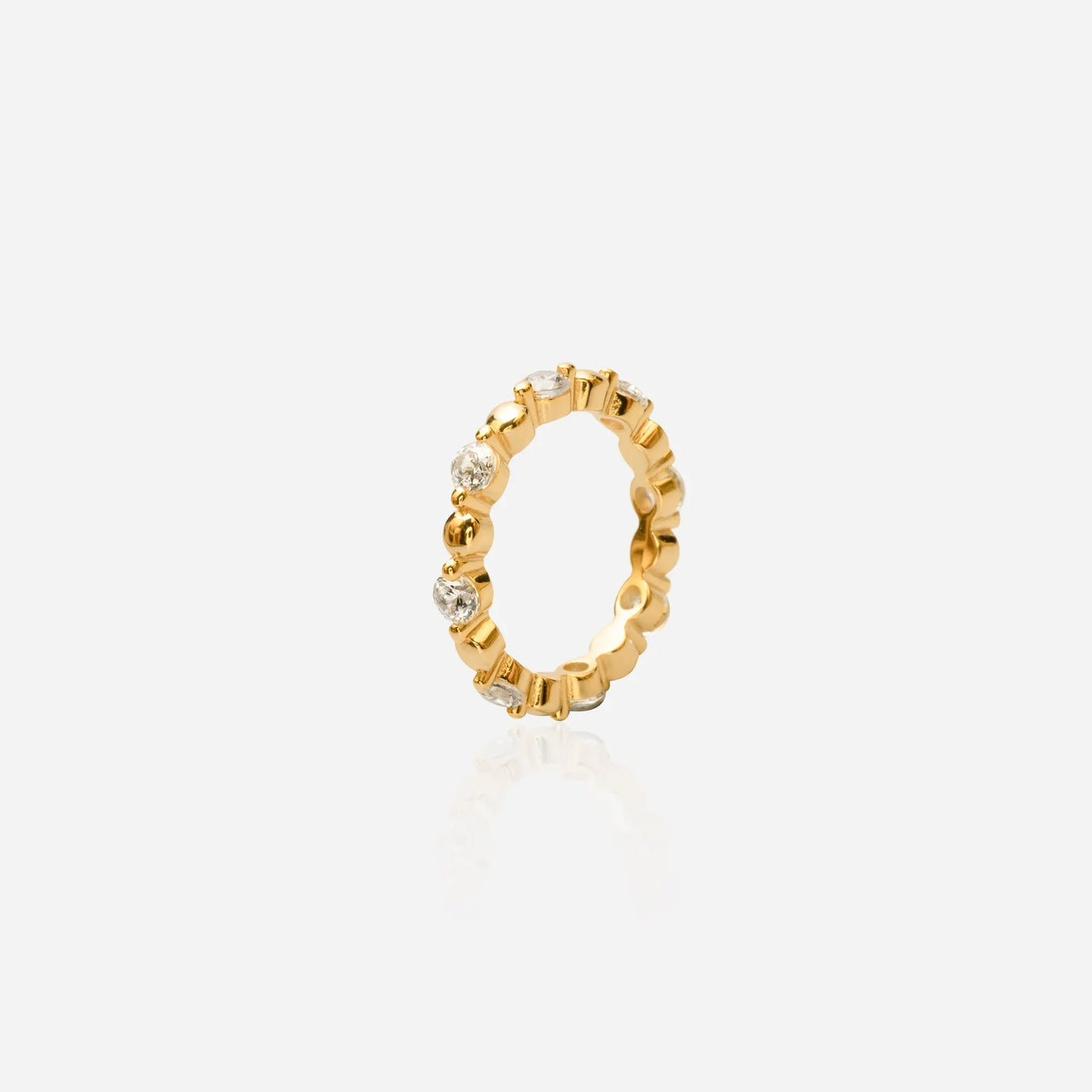
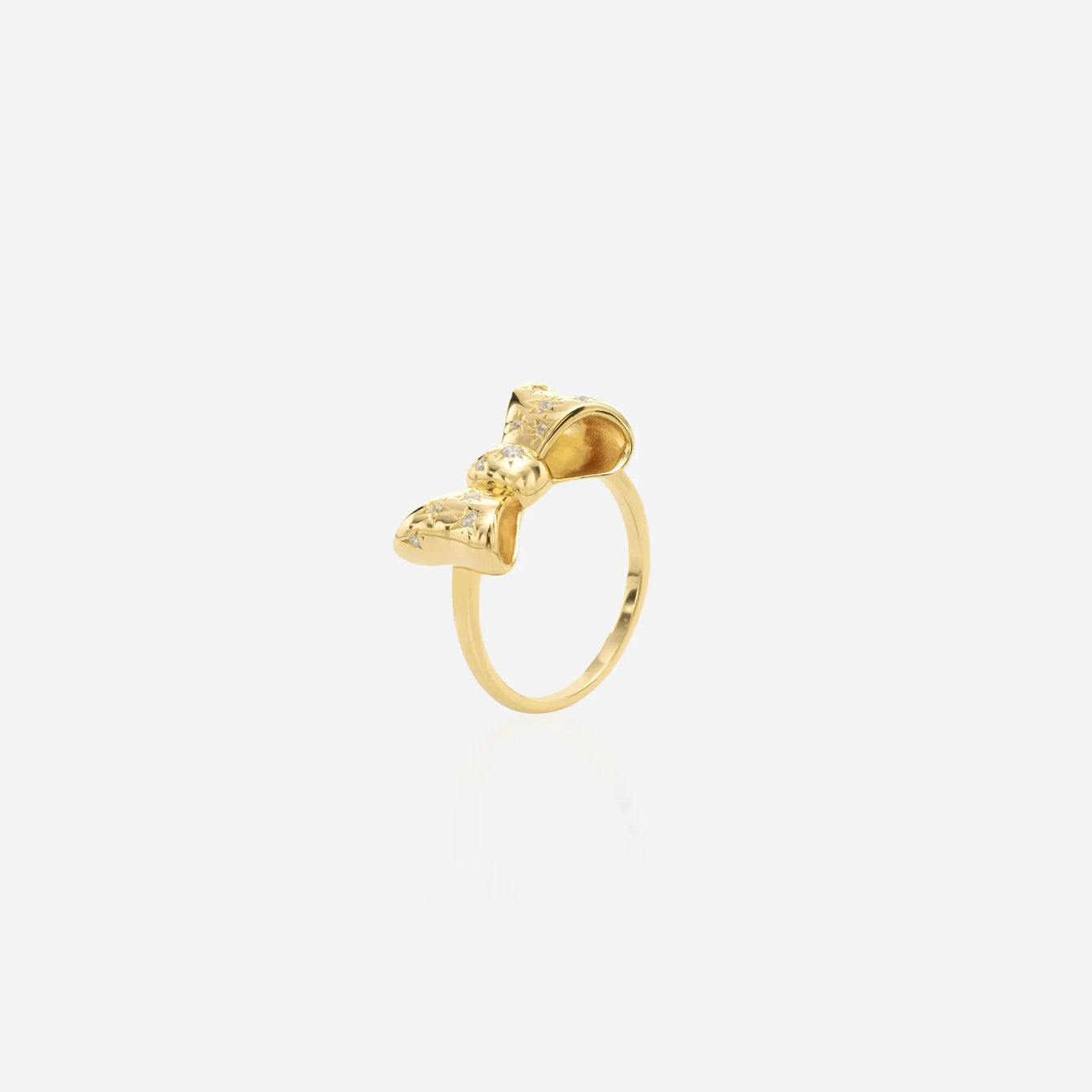
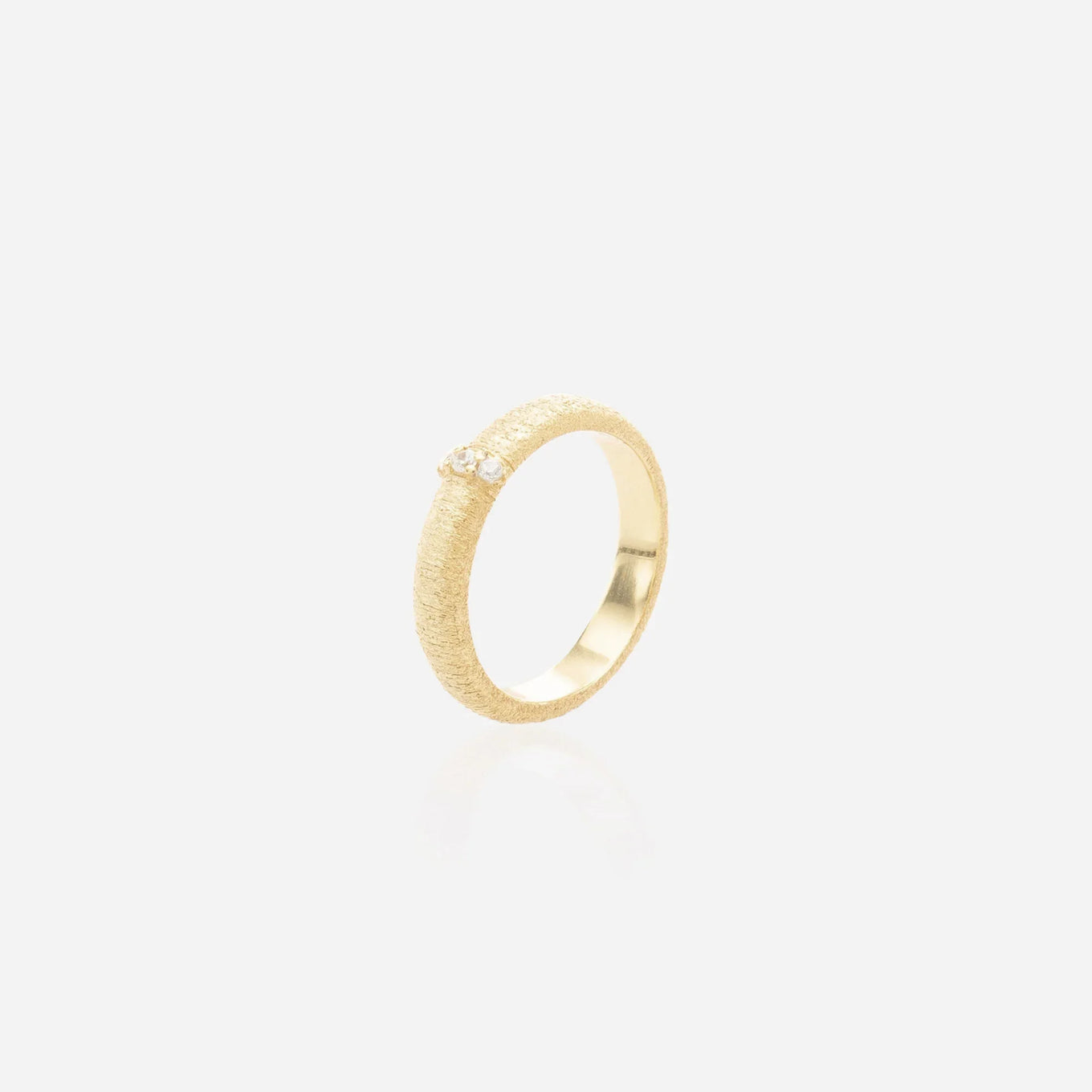
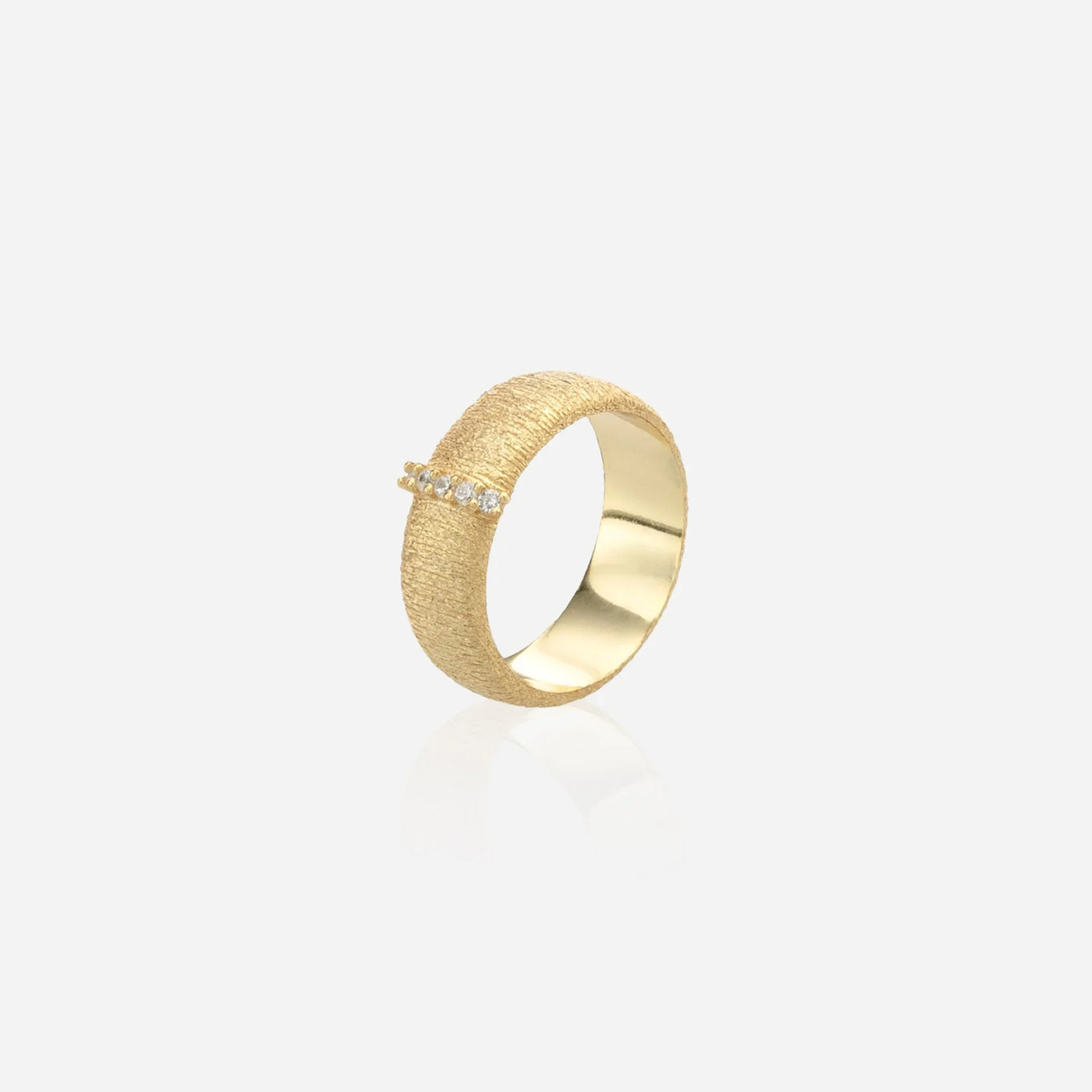
Pavé setting (from the French for "paved"): Multiple small stones are set close together in a field of tiny metal beads or prongs, creating a continuous surface of sparkle. Used on the Entwine Ring and Gold Clover Earrings.
This is the most labor-intensive setting method — each stone requires individual placement and securing.
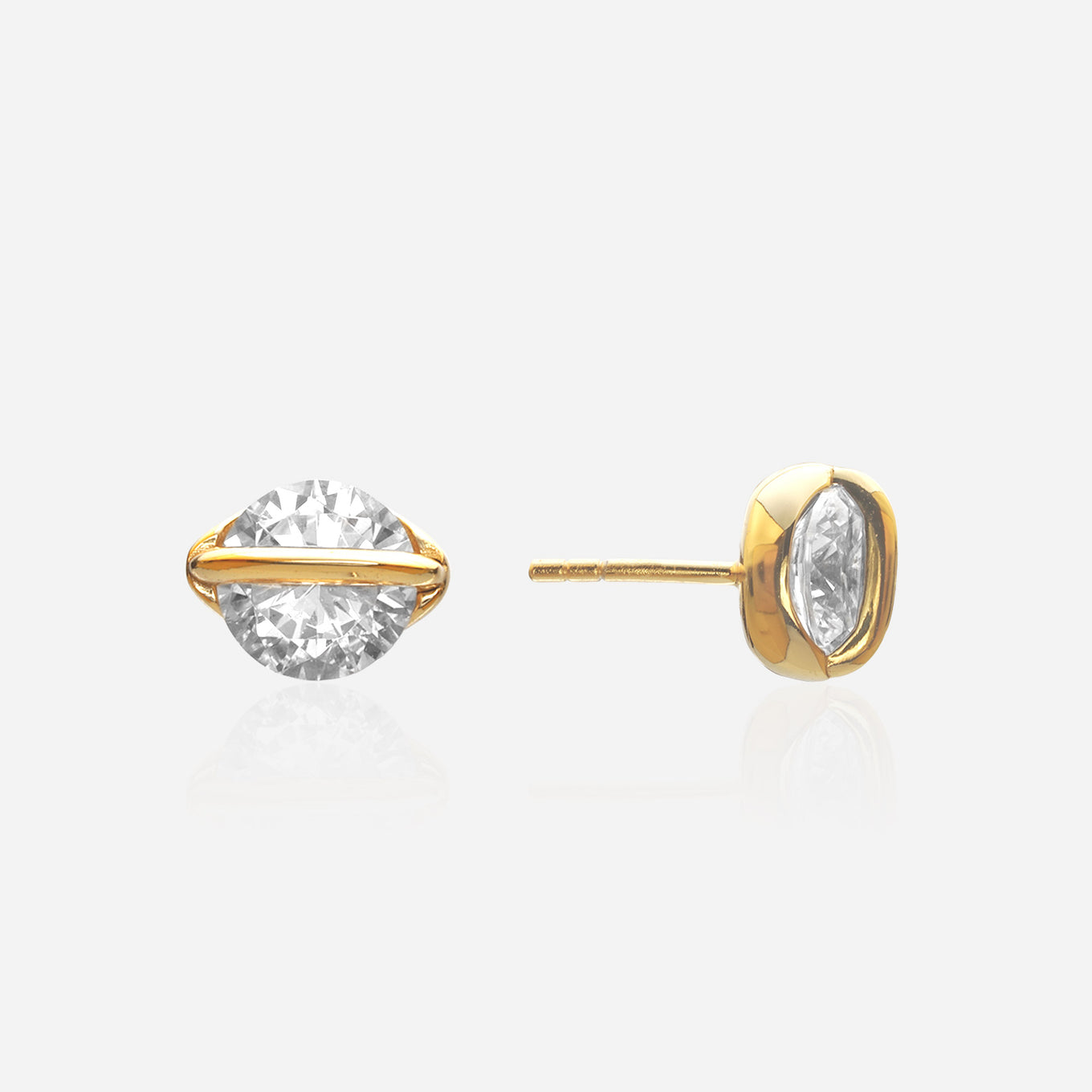
Prong setting: Individual prongs grip each stone at specific points, elevating it above the metal surface to maximize light entry. Used on solitaire-style pieces. The number of prongs (typically 4 or 6) is a trade-off: more prongs = more security, fewer prongs = more visible stone surface.
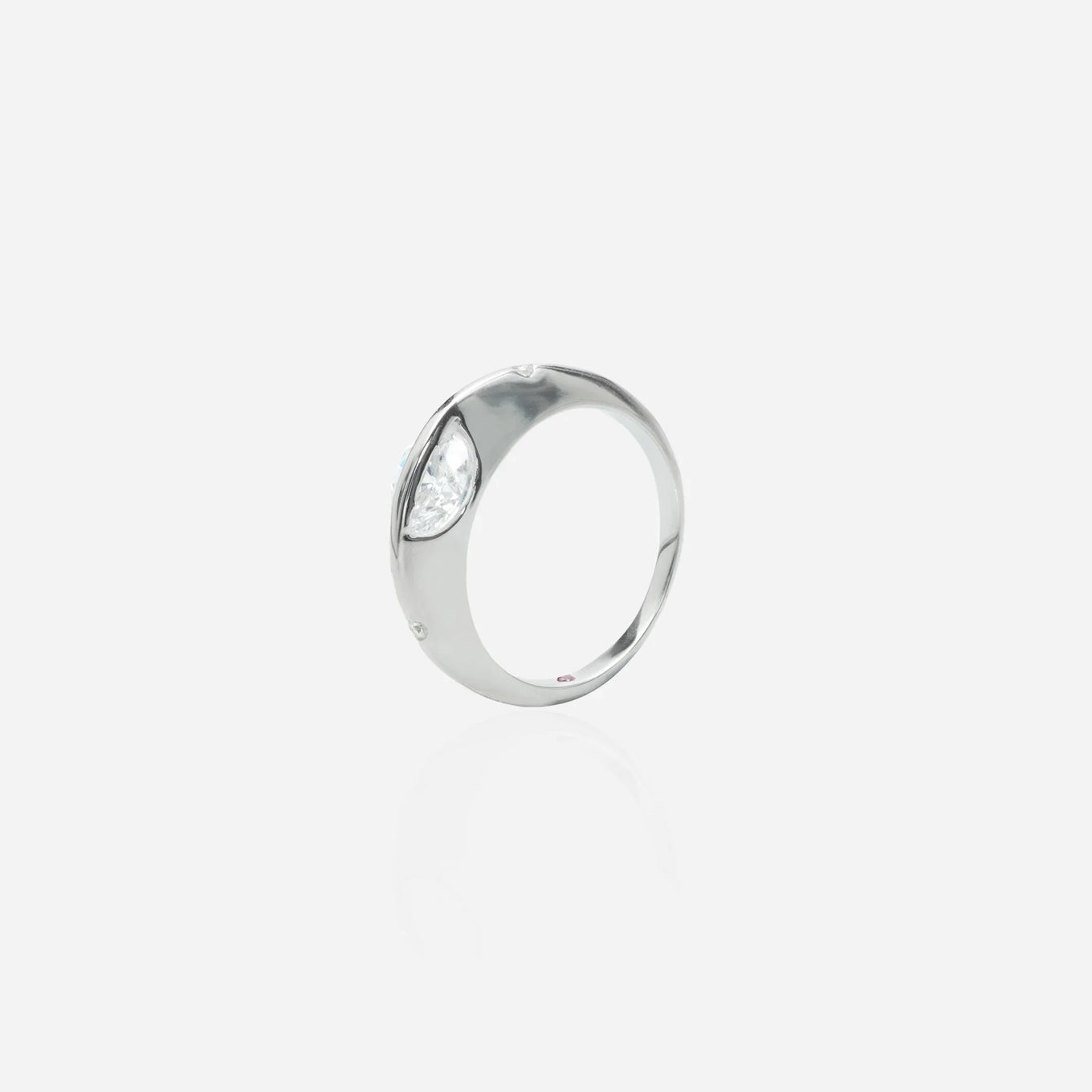
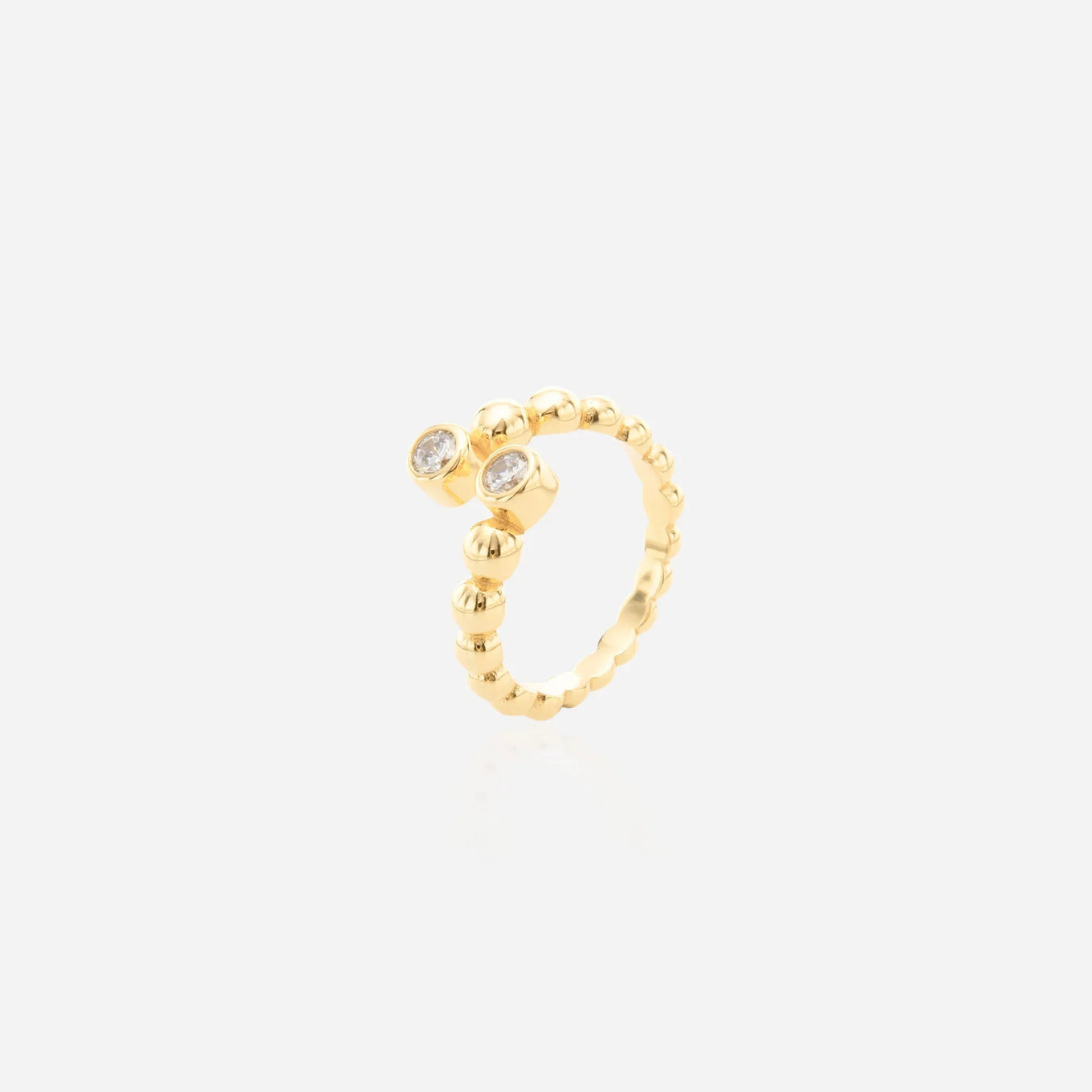
Bezel setting: A thin metal rim encircles the entire stone, holding it flush against the surface. The most secure setting method — nearly impossible to dislodge a bezel-set stone without destroying the setting. Excellent for active daily wear.
Channel setting: Stones are suspended between two parallel metal walls, with no prongs between them. Creates a clean, continuous line of stones. Used on the Channel Set Ring. All stones are precision-set — meaning each stone's placement is verified against its design specification using magnification and measurement tools, not approximated by eye.
Stage 5: Quality Control — What "Good Enough" Actually Means
After setting, every piece goes through a final quality check before it reaches you.
The checklist: stone security (each stone is physically tested with a probe to verify it cannot be dislodged), clasp function (lobster clasps, lever backs, and push-back posts are each cycled 20+ times), surface finish (inspected under magnification for plating uniformity, scratches, or rough spots), and comfort (sharp edges, uneven prongs, or anything that could catch on fabric or skin is flagged and returned for refinishing).
A piece that passes all four checks is cleaned, polished, and packaged. A piece that fails any one check goes back to the relevant stage — or is melted down and recast. There is no "good enough" that skips a check.
The ÉLARAMUSE Materials Standard: Three Questions That Actually Matter
Most jewelry brands give you a list of features. We're giving you the answers to the three questions you should be asking — and the questions most brands hope you never think to ask.
| You Might Wonder | The Honest Answer | Why You Can Trust It |
|---|---|---|
| Will the gold fade? | Yes — every gold-plated piece, at every price point, will eventually show wear. 0.5-micron Everyday 18K Gold Plating is designed for brilliant color and accessible pricing, not permanence. This is physics, not a defect. | What is underneath is Ag925 solid sterling silver — 92.5% pure silver. Not nickel alloy. Not mystery metal. When the gold wears, you get silver, not a green stain on your skin. That is the difference between honest jewelry and a disposable accessory. |
| Will my skin react? | Nickel content is below 0.01% — effectively zero. The #1 cause of jewelry-related contact dermatitis is nickel, which is abundant in cheap fashion jewelry. We do not use it. | 100% nickel-free by design, not by accident. The Ag925 silver core itself is hypoallergenic. If you have reacted to jewelry before, the culprit was almost certainly nickel — which is not present in any ÉLARAMUSE piece. |
| Is it worth the price? | You are paying for solid sterling silver, not plated mystery metal. The 18K gold layer delivers the color. The silver core delivers the value. At this price point, most brands use brass or copper alloy cores — materials that oxidize and stain skin. | When you compare: Ag925 solid silver core + actual 18K gold surface + nickel-free guarantee vs. a brass-core alternative — the value gap is measured in years of wearable life. Most fashion jewelry is designed to be worn a few times before degradation begins. Ours is designed to be worn until you decide to stop. |
When the Gold Fades, the Silver Remains
This is the real test of a jewelry brand — and the one most brands design their entire marketing strategy around avoiding.
Here is what happens with a typical piece of fashion jewelry: the gold-colored coating wears off after weeks or months of wear. Underneath, you find a dull gray or coppery base metal — usually brass, sometimes a zinc alloy. Within days of the base metal being exposed to air and skin, oxidation begins. Your finger turns green. The piece goes in the trash. You feel cheated.
Here is what happens with an ÉLARAMUSE piece: the Everyday 18K Gold Plating wears — which it will, because all plating wears — and underneath, you find Ag925 sterling silver. The same silver that has been used for fine jewelry for centuries. It does not turn your skin green. It does not oxidize into something ugly. It develops a soft patina, like an antique silver spoon, that many people genuinely prefer over the bright finish of new metal.
The green-finger test: If a piece of jewelry turns your skin green, the base metal is almost certainly copper-heavy brass or a copper alloy. Copper reacts with the acids and salts in your sweat to form copper chloride — a green compound that transfers to skin. Sterling silver (Ag925) does not do this. The 7.5% copper in sterling silver is alloyed at a molecular level — chemically bound, not free to react with your skin.
We are telling you that our gold plating will eventually wear because that honesty is rarer — and more useful to you — than any marketing claim about "lifetime durability." Wear the gold while it lasts. When it thins, you still have real silver. That is the deal.
Why the Ag925 Core Is the Real Story
In jewelry manufacturing, the base metal is where cost-cutting happens — and where the worst consumer harm hides. If you only read one section of this guide, make it this one.
925 = 92.5% Pure Silver. The Ag925 hallmark is an international standard protected by law in most countries. It means the piece contains no less than 925 parts per thousand of pure silver. The remaining 75 parts are typically copper, added for hardness — pure silver is too soft to hold its shape in jewelry. This is not "silver-plated" over brass. This is solid silver all the way through.
Why this matters for your skin: Sterling silver is hypoallergenic. It does not contain nickel, lead, or cadmium — the three metals most commonly associated with jewelry allergies and skin reactions. The EU's REACH regulation and California's Proposition 65 both strictly limit these metals in consumer products. An Ag925 core complies with both — and then some.
Why this matters for durability: Solid silver does not flake, peel, or expose a different-colored metal underneath. A silver piece can be polished, refinished, or even re-plated if you choose. It is jewelry with a lifespan measured in decades, not seasons.
Frequently Asked Questions
How long does 0.5-micron gold plating actually last?
There is no single answer, because wear rate depends on your body chemistry, how often you wear the piece, and what it comes into contact with. On a ring (high friction, constant contact), the gold layer may show thinning after several months of daily wear. On a necklace or earrings (lower friction), it can last years with normal care. The variable is you — your skin's pH, the products you use, how you store your jewelry.
What remains constant: the silver underneath will not harm your skin, no matter when the gold wears. For maximum gold-layer life, remove jewelry before swimming, showering, or applying lotions — water, chlorine, and oils accelerate wear on any plated surface.
If the gold wears off, can the piece be re-plated?
Yes. Because the core is solid sterling silver (not brass or mystery alloy), an ÉLARAMUSE piece can be re-plated by any jeweler who offers rhodium or gold plating services. Many local jewelers provide this service for a modest fee. This is a meaningful advantage of an Ag925 core over a brass core — brass-core pieces are rarely worth the cost of re-plating, which makes them effectively disposable once the coating wears. A silver-core piece, by contrast, is worth maintaining.
Is 0.5-micron gold plating the industry standard?
At this price tier, 0.5 microns is common — but the base metal is what separates honest jewelry from overpriced costume pieces. Many brands at similar price points use brass cores with flash plating (0.1-0.2 microns), which wears in weeks. A 0.5-micron layer over Ag925 sterling silver is a fundamentally different product from a 0.1-micron layer over brass — even though both might be described as "gold-plated" in product listings. The core is the quality. The plating is the color.
What is the difference between gold plating and Premium 18K Gold Plated?
Premium 18K Gold Plated (pronounced "ver-may") is a legally regulated term in the United States (FTC) requiring: a sterling silver base, gold plating of at least 2.5 microns thickness, and gold of at least 10K fineness. Gold plating, by contrast, has no legal minimum thickness — it can range from 0.1 microns (flash plating) to 2.4 microns.
We use the term "Everyday 18K Gold Plating" because our 0.5-micron layer does not meet the 2.5-micron premium gold plating threshold — and we believe in saying exactly what we are, not what we wish we were. premium gold plating costs more to produce and lasts longer on the surface. Gold-plated silver costs less and delivers the same look. You decide what combination of price, longevity, and transparency matters most to you.
How should I care for gold-plated jewelry to extend its life?
Five specific, actionable things. (1) Put jewelry on last — after lotion, perfume, makeup, and hair products. Each of these creates a micro-barrier between the gold layer and your skin's chemistry. (2) Take it off before water contact — showering, swimming, and dishwashing all accelerate plating wear. (3) Store pieces separately — gold-on-gold friction in a jumbled jewelry box is a fast track to visible wear.
Individual pouches or a lined jewelry box with compartments is ideal. (4) Clean gently — a soft, dry microfiber cloth after each wear removes the oils and acids that contribute to tarnishing. No chemical dips, no ultrasonic cleaners. (5) Accept the patina — sterling silver naturally darkens with age as it reacts with sulfur compounds in the air. This is not damage. It is character.
A silver polishing cloth restores brightness in seconds if you prefer the fresh-from-the-box look.
What We Believe
"We believe the jewelry industry talks too much about what makes pieces special and not enough about what makes them honest. We build every piece on an Ag925 sterling silver core with Everyday 18K Gold Plating — and we tell you exactly what that means, including what wears and when. No superlatives.
No magic materials. No claims that violate the laws of physics. Just good materials, clearly explained. Because trust, once broken by a green stain on your skin and a marketing claim that turned out to be fiction, is the one material no jeweler can recast."
Editor's Picks: Pieces That Prove Our Craftsmanship Standard
Channel Set Ring | Gallery Band with High-Carbon Lab Diamonds | ÉLARAMUSE: Channel Set Ring | Gallery Band with High-Carbon Lab Diamonds | ÉLARAMUSE — Lab diamonds in precision-machined channels. No prongs, no shortcuts, clean geometry.
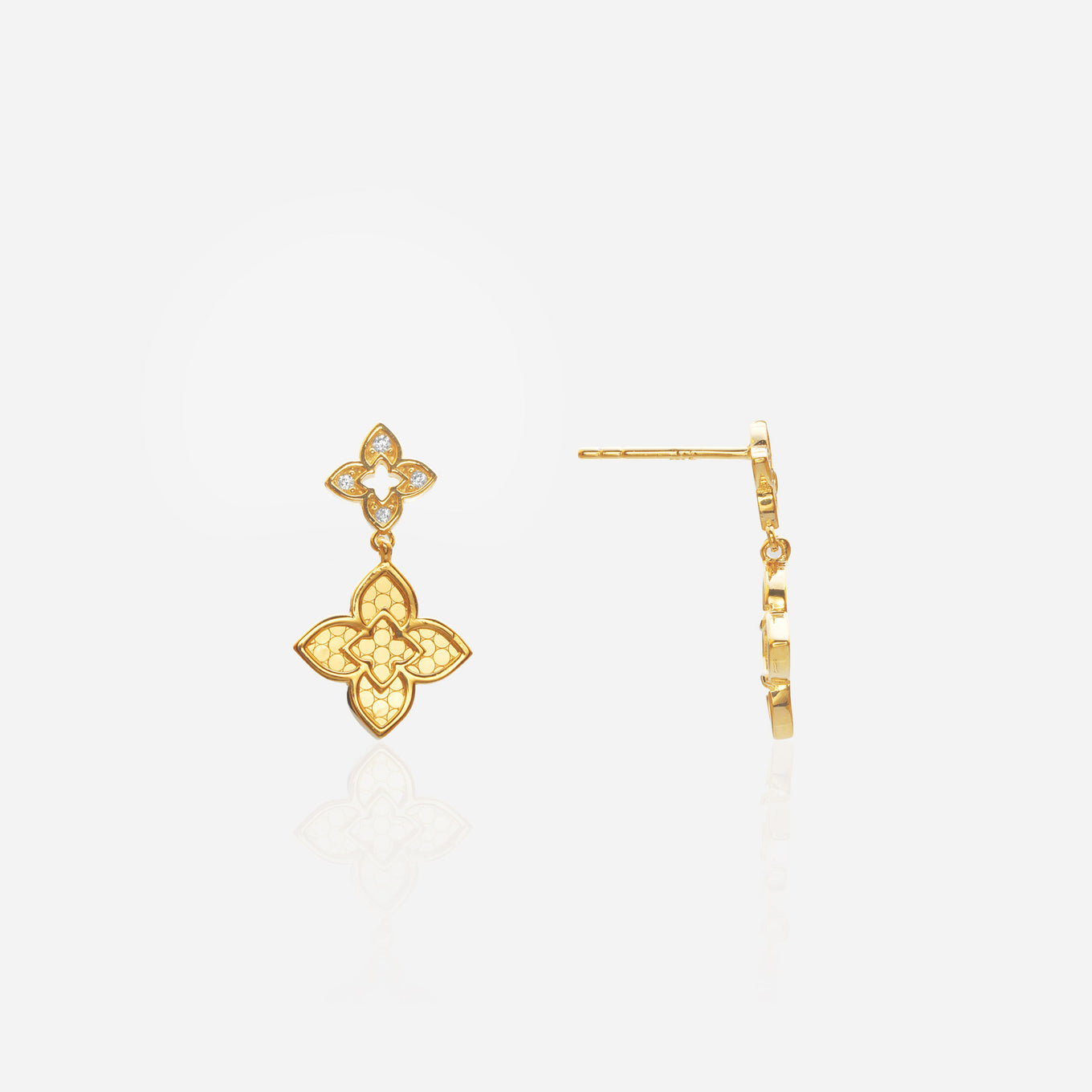
Gold Clover Earrings | Four Leaf Lucky Charm | Textured Pavé Drop: Gold Clover Earrings | Four Leaf Lucky Charm | Textured Pavé Drop — Laser-etched surface texture on gold-plated Ag925. The craftsmanship difference, up close.
References
- Federal Trade Commission — Guides for the Jewelry, Precious Metals, and Pewter Industries
- GIA (Gemological Institute of America) — Gem Imitations, Synthetics, and Treatments
- American Academy of Dermatology — Contact Dermatitis & Metal Allergies