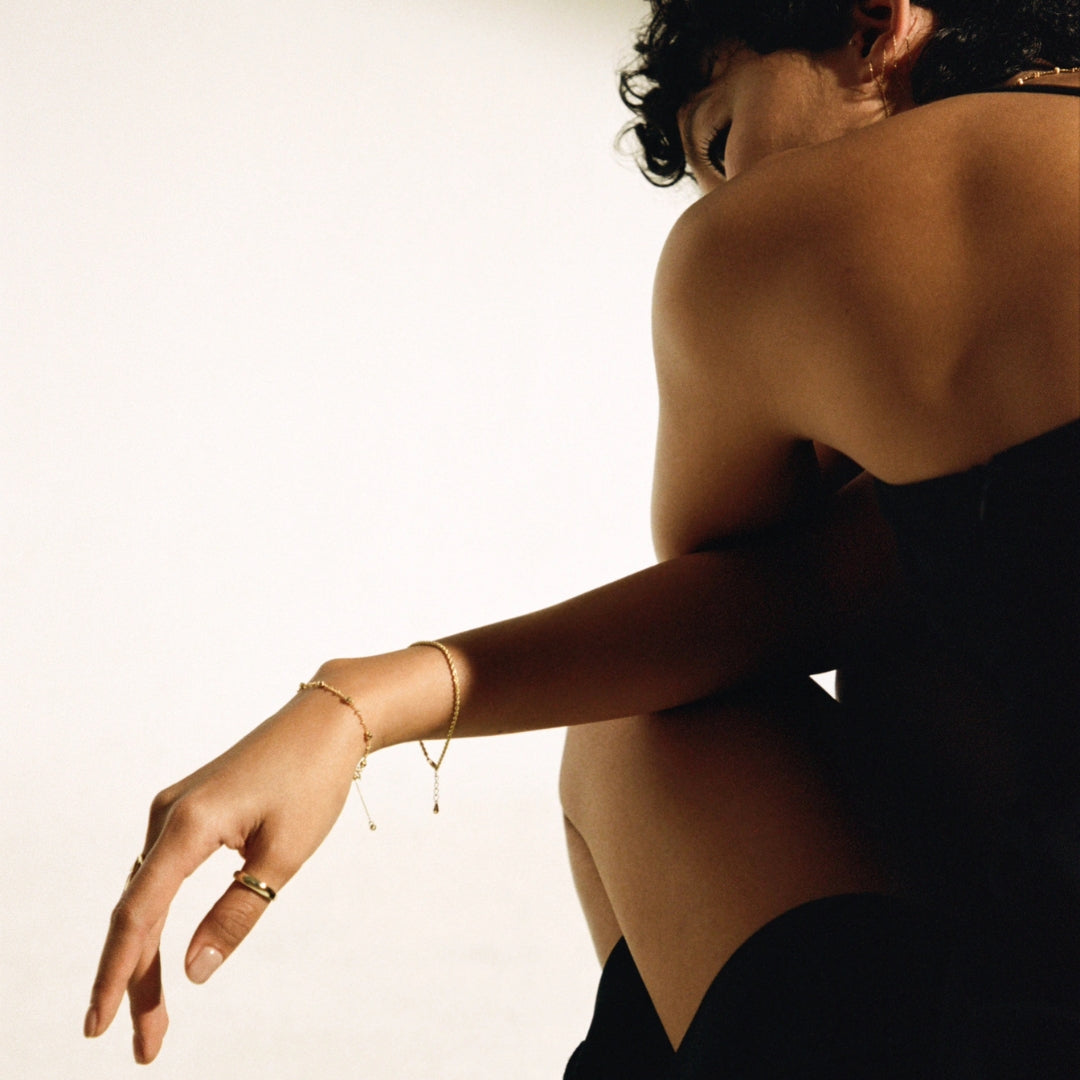
Gothic Jewelry Guide 2026: Dark Romanticism from Victorian Mourning to Modern Cross Necklaces
From the Gold Snake Pendant to Gothic jewelry is not about Halloween. It is about the most durable aesthetic tradition in Western adornment — a 200-year lineage of dark romanticism that treats jewelry not as decoration but as talisman. What began in Victorian mourning parlors has evolved into one of 2026's most quietly influential jewelry movements.
📑 In This Guide
- Quick Answer: What Defines Gothic Jewelry?
- Key Terms — The Vocabulary of Dark Romanticism
- A Brief History of Gothic Jewelry
- The Cross Necklace: Cornerstone of Gothic Design
- How to Wear Gothic Jewelry Without Looking Costume
- Five Pieces That Capture Dark Romanticism
- Frequently Asked Questions
- What We Believe
- References & Further Reading
References
- Met Museum. "Gothic Art." Heilbrunn Timeline of Art History.
- V&A. "Gothic Jewelry Collection." V&A Collections.
- British Museum. "Gothic Jewelry Collection." British Museum.
Quick Answer: What Defines Gothic Jewelry?
Gothic jewelry is characterized by four design signatures: dark-toned metals (oxidized silver, blackened gold, two-tone contrasts), symbolic motifs drawn from medieval and Victorian vocabulary (crosses, serpents, winged forms, architectural arches), an emphasis on texture over sparkle, and a philosophical orientation toward the melancholy, the mysterious, and the eternal.
It is the aesthetic counterpoint to minimalist jewelry — where minimalism subtracts, Gothic jewelry layers meaning, history, and physical presence onto every surface.
Key Terms — The Vocabulary of Dark Romanticism
Memento Mori: Latin for "remember you must die" — a Victorian-era jewelry category featuring skulls, crossbones, coffins, and hourglasses designed to remind the wearer of mortality. The philosophical ancestor of all Gothic jewelry.
Mourning Jewelry: Specifically Victorian (1837–1901), worn in honor of the deceased. Queen Victoria's 40-year mourning for Prince Albert transformed black jewelry — jet, onyx, black enamel, and darkened metals — from funeral necessity to fashion statement.
Rigato Finish: An Italian engraving technique that creates parallel lines across a metal surface, producing a textured, almost fabric-like effect. The ÉLARAMUSE Gothic Cross Necklace uses Rigato-finished silver to give its two-tone crucifix a depth that polished metal cannot achieve — light catches the engraved lines differently at every angle.
Two-Tone: The deliberate pairing of contrasting metal colors — silver and gold, oxidized and bright, dark and light — within a single piece. Two-tone is fundamental to Gothic jewelry because it creates visual tension, a core aesthetic principle of the genre.
Serpent Motif: The snake is the longest-running Gothic jewelry motif. It represents eternity (the ouroboros), temptation, wisdom, and transformation. The Serpentina Cuff carries this tradition into contemporary demi-fine.
A Brief History of Gothic Jewelry
Gothic jewelry's genealogy runs through three distinct periods, each adding a layer to the modern understanding of the aesthetic.
Victorian Mourning (1837–1901). When Prince Albert died in 1861, Queen Victoria entered a state of permanent public mourning that lasted until her own death 40 years later. The aristocracy followed her lead, and a formal mourning jewelry industry emerged.
Jet — a fossilized coal that could be carved and polished to a deep, light-absorbing black — became the era's defining gemstone. Cross necklaces, lockets containing hair of the deceased, and black enamel memorial rings were worn not as fashion statements but as visible declarations of grief.
Queen Victoria's 40-year mourning transformed what was once ritual obligation into an aesthetic movement. By the 1880s, black jewelry had become fashionable beyond mourning — women who had never lost a husband wore jet necklaces because the material itself had acquired cultural weight. This was the first moment Gothic jewelry crossed from function into fashion.
Mid-Century Revival (1960s–1980s). The Victorian mourning vocabulary was rediscovered and repurposed — stripped of its funereal context and reimagined as counter-cultural expression. Punk and goth subcultures adopted the cross, the skull, and the serpent not as symbols of death but as symbols of refusal: refusal to conform, refusal to smile for the camera, refusal to wear what was expected.
Contemporary Dark Romanticism (2026). The current moment is a third wave — one that keeps the aesthetic vocabulary of Gothic jewelry but sheds both the mourning function and the counter-cultural aggression. Today's dark romanticism is about texture, contrast, and quiet mystique. A two-tone cross necklace worn over a neutral cashmere sweater is not a cry of rebellion; it is a signal of interior complexity.
This is the aesthetic space ÉLARAMUSE's Gothic Cross Necklace and serpentine cuff designs occupy.
The Cross Necklace: Cornerstone of Gothic Design
No single jewelry form carries more accumulated cultural weight than the cross necklace — a single symbol that has served as devotion, fashion, rebellion, and talisman across two millennia.
The ÉLARAMUSE Gothic Cross Necklace approaches this weight with design intelligence rather than piety. Its two-tone construction — 18K gold-plated crucifix suspended from a Rigato-finished silver chain — creates a deliberate visual tension between warm and cool, sacred and secular, historical form and contemporary execution.
The Rigato engraving technique transforms the silver surface from mere shine into texture, catching light in narrow, parallel bands that shift as the wearer moves.
What makes a cross necklace read "Gothic" rather than simply "religious" comes down to three design choices: dark metal finishes or two-tone contrasts, elongated proportions that emphasize verticality, and a willingness to let the form be architectural rather than ornamental.
How to Wear Gothic Jewelry Without Looking Costume
The single most important rule for Gothic jewelry in 2026 is this: one dark piece anchors a contemporary outfit. Two dark pieces is a look. Three is a costume.

Start with the Cross Necklace. A two-tone Gothic cross like the Gothic Cross Necklace worn as a solo pendant against a neutral top — white, cream, charcoal, or black — creates contrast without trying. The cross does the work; the outfit stays quiet.
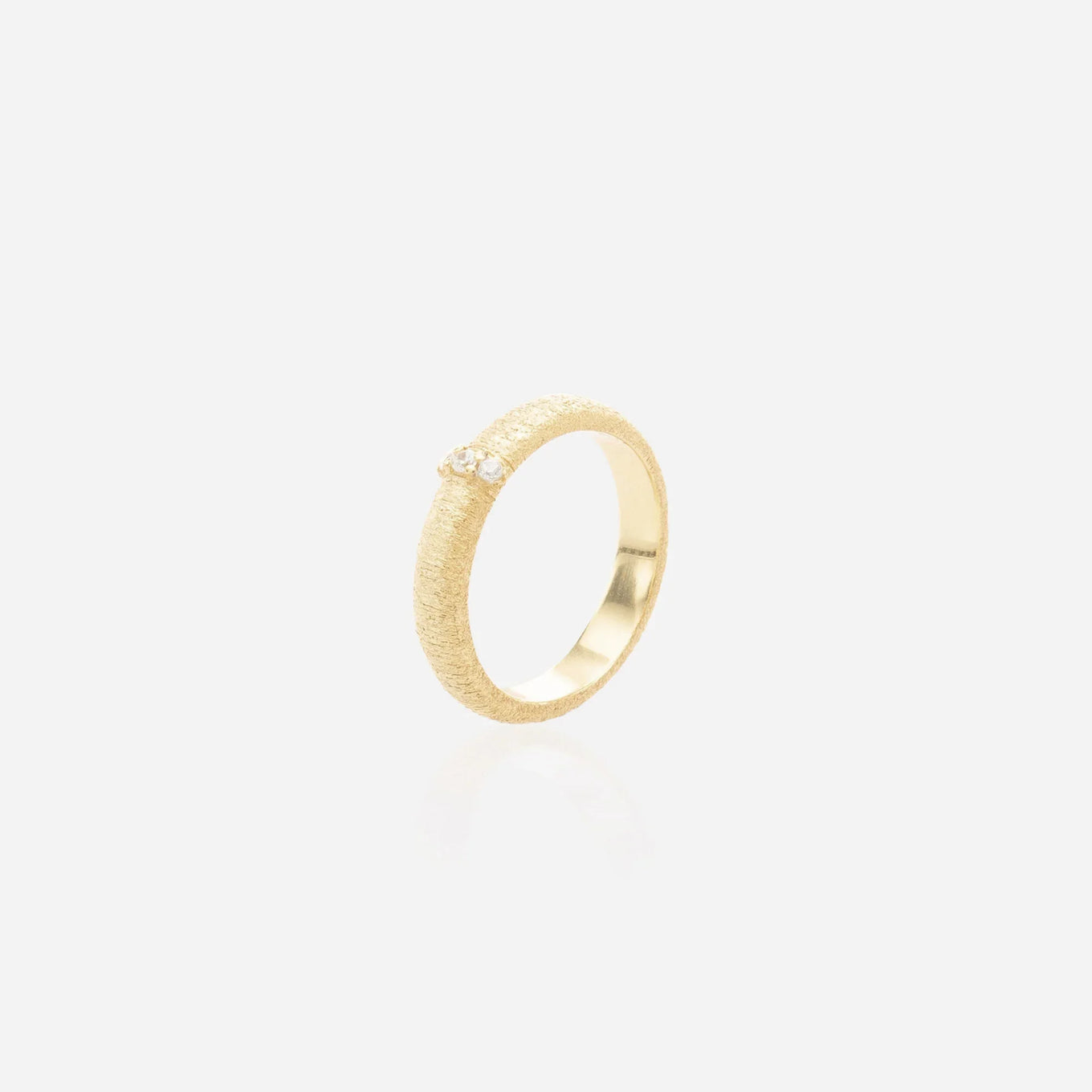
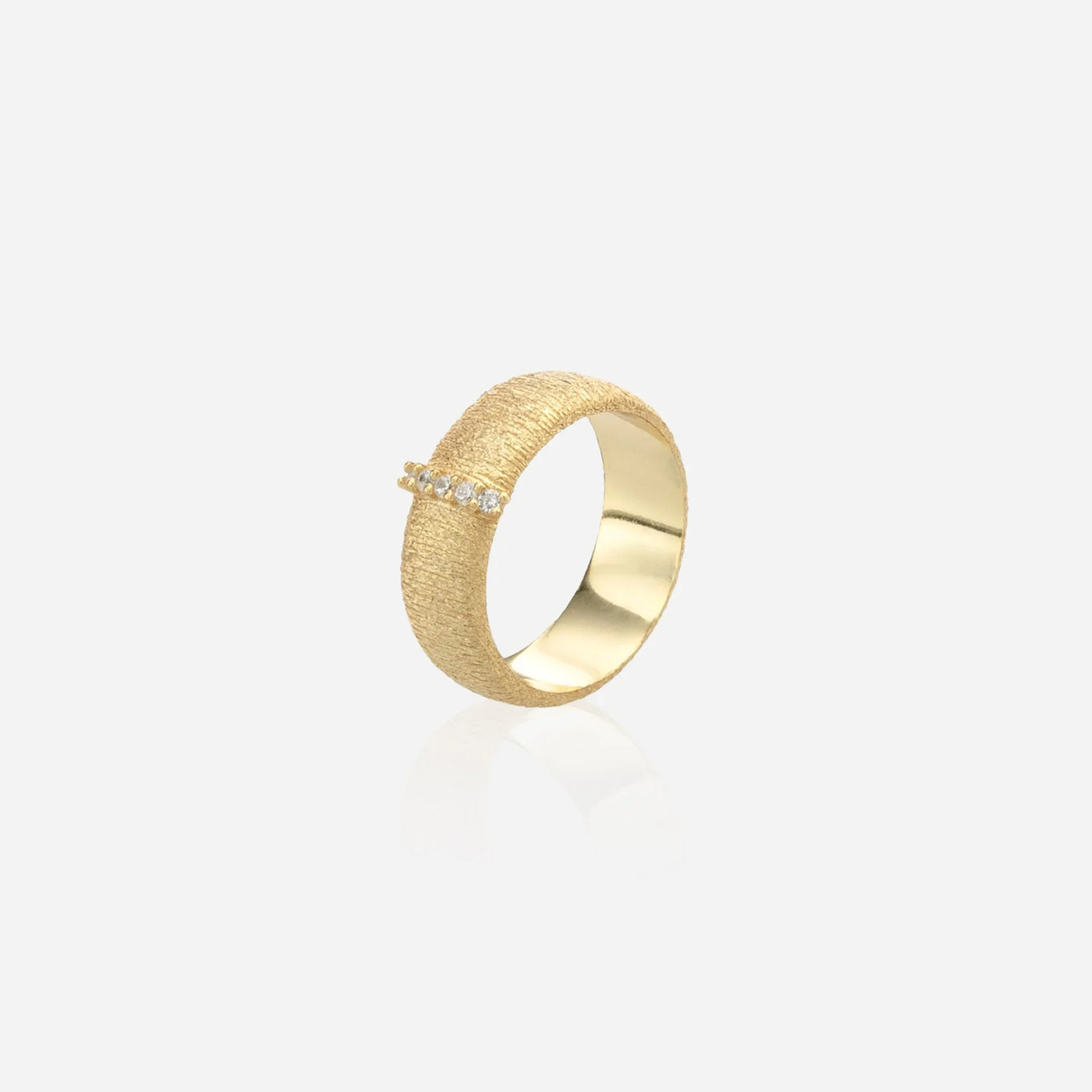
Textured Gold for Daylight. A ring with architectural texture and a flush-set stone — like the Dunecrest\ Ring with its textured gold band — channels the Gothic appreciation for surface complexity without reading as "dark." It is the stealth entry point to the aesthetic: all depth, no drama.
Serpent as Signature. A snake-motif cuff or ring belongs to the Gothic vocabulary but carries its own independent symbolic weight. The Serpentina Cuff — an open band with serpent-head terminals — reads as ancient rather than alternative, classical rather than costume. Pair it with a simple chain necklace and let the serpent speak for itself.
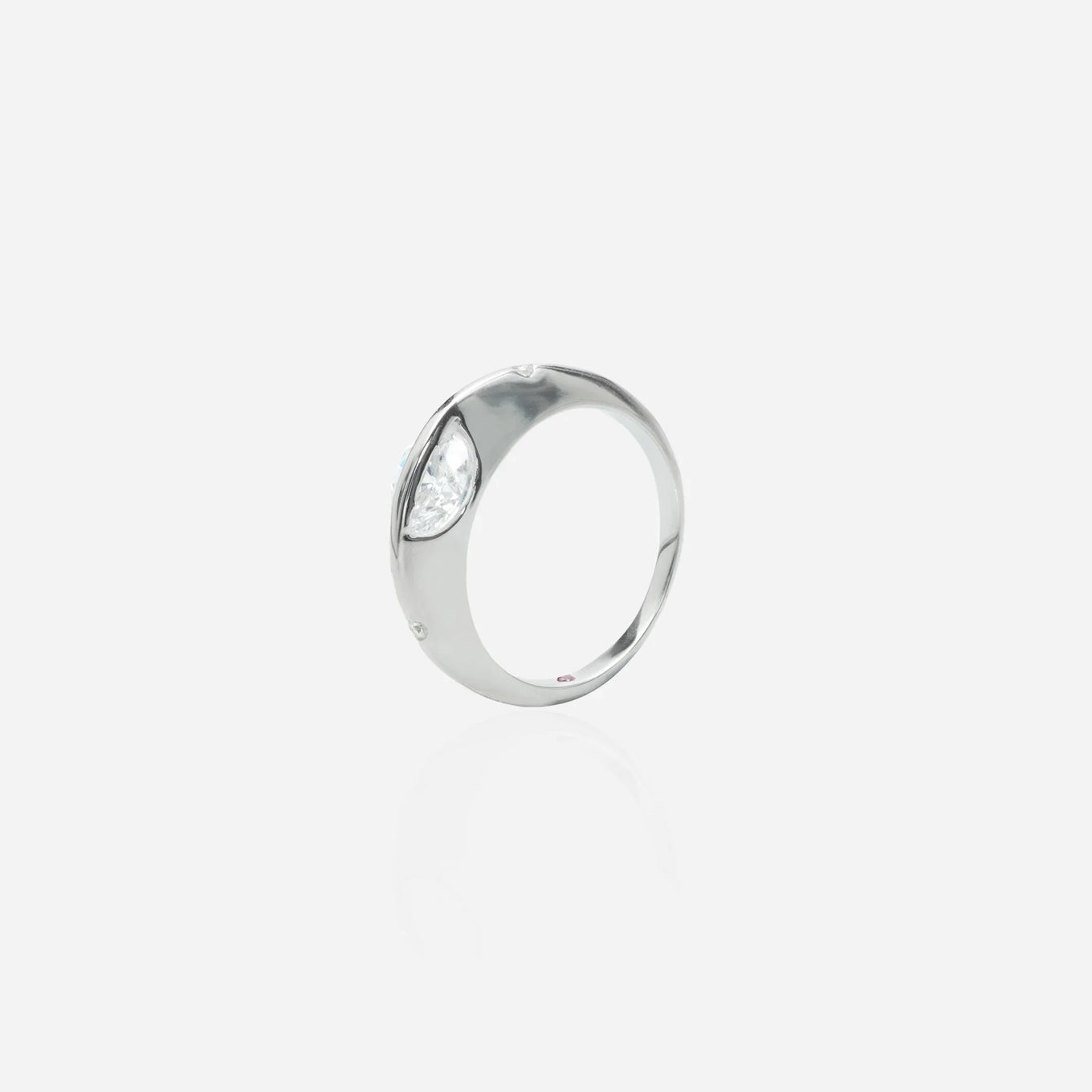
Silver for Evening. The Gothic jewelry palette skews toward oxidized and textured silver after dark. Architectural rings like the Frostwave Ring — with its wave-motif silver band and blue zircon accent — bring the Gothic appreciation for surface complexity into evening territory without the weight of black-on-black styling.
Five Pieces That Capture Dark Romanticism
1. The Two-Tone Cross. The Gothic Cross Necklace is the genre's anchor piece — Rigato-finished silver chain, 18K gold-plated crucifix, engineered for layered wear at an 18-inch drop. It is simultaneously a historical form and a contemporary design object.
2. The Serpent Cuff. The Serpentina Cuff channels the oldest continuous motif in Gothic jewelry — the snake as guardian, tempter, and symbol of eternal return. An open-band design with serpent-head terminals, it requires no companion piece.
3. The Textured Gold Band. Not all Gothic-adjacent jewelry is dark. The Dunecrest Ring — a textured gold band with a flush-set lab diamond — translates the Gothic emphasis on surface complexity into warm metal. Architectural presence without the darkness.
4. The Silver Wave Ring. The Frostwave Ring brings organic silver texture — a wave pattern across the band — and a single blue zircon that reads as both cool and mysterious. An evening ring with Gothic DNA.
5. The Layered Chain. A dark-finished or two-tone chain necklace worn alone provides the structural foundation of any Gothic-adjacent outfit. Simple architecture, maximum versatility, zero costume risk.
Editor's Picks: Gothic Jewelry for the Modern Dark Romantic
Gothic Cross Necklace | 18K Two-Tone Layered Crucifix | Rigato Silver: Gothic Cross Necklace | 18K Two-Tone Layered Crucifix | Rigato Silver — A cross fit for a Victorian mourning portrait — remade in 18K gold on Ag925 for 2026.
Frostwave Ring | Silver Wave | Blue Zircon | ÉLARAMUSE: Frostwave Ring | Silver Wave | Blue Zircon | ÉLARAMUSE — White gold-plated wave band. Reads like frost on a cathedral window.
Frequently Asked Questions
Q: Is Gothic jewelry only for alternative or goth subcultures?
A: No. The modern Gothic jewelry aesthetic — dark metals, textured surfaces, symbolic motifs — has crossed fully into mainstream demi-fine design. What changed: the motivation. Contemporary designers borrow the vocabulary (crosses, serpents, two-tone metals, architectural forms) without borrowing the subcultural identity.
A two-tone cross necklace is no more "goth" in 2026 than a leather jacket is "biker" — both have become universal design languages.
Q: What metals are used in Gothic jewelry?
A: Historically: jet, onyx, blackened silver, and oxidized brass. In contemporary demi-fine Gothic jewelry, the dominant metals are sterling silver (often with Rigato or matte finishes), 18K gold plating over solid S925 silver cores, and deliberate two-tone combinations. The material quality matters because textured finishes — a hallmark of Gothic design — reveal poor plating immediately through uneven wear patterns.
Q: Can Gothic jewelry be worn in professional settings?
A: Yes, when approached through texture rather than darkness. A textured gold band (like the Dunecrest Ring) or a simple two-tone cross necklace on a short chain reads as design-forward rather than counter-cultural. The key distinction: architectural silhouettes translate to professional environments; skulls and heavy chains do not.
Choose the Gothic vocabulary's structural elements — engraving, contrast, elongated forms — over its more theatrical expressions.
Q: How do I care for two-tone and textured Gothic jewelry?
A: Textured finishes (Rigato, matte, brushed) require gentler cleaning than polished surfaces — a soft microfiber cloth without chemical cleaners preserves the engraving's definition. Two-tone pieces with gold plating over silver should be stored away from humidity and never ultrasonically cleaned, as the process can accelerate plating wear at the gold-silver junction.
Patina on silver is intentional in Gothic aesthetics and should not be polished away.
What We Believe
We believe darkness has architecture. The Gothic tradition in jewelry is not about morbidity — it is about the recognition that beauty exists on a spectrum from light to shadow, and that the most compelling pieces often live in the tension between the two. A two-time cross, a textured gold band, a serpent cuff: these are not costumes. They are quiet declarations of interior depth, worn by people who understand that mystery is more magnetic than transparency.
References & Further Reading
- Victoria and Albert Museum — "Mourning Jewelry: The Victorian Culture of Grief in Adornment"
- The Metropolitan Museum of Art — Heilbrunn Timeline: "Nineteenth-Century American Mourning Jewelry"
- GIA Gem Encyclopedia — Jet, Onyx, and Black Diamond: Dark Gemstones in Jewelry History
- Luthi, A. L. Sentimental Jewellery (Shire Publications, 2007) — Victorian mourning jewelry taxonomy and social history