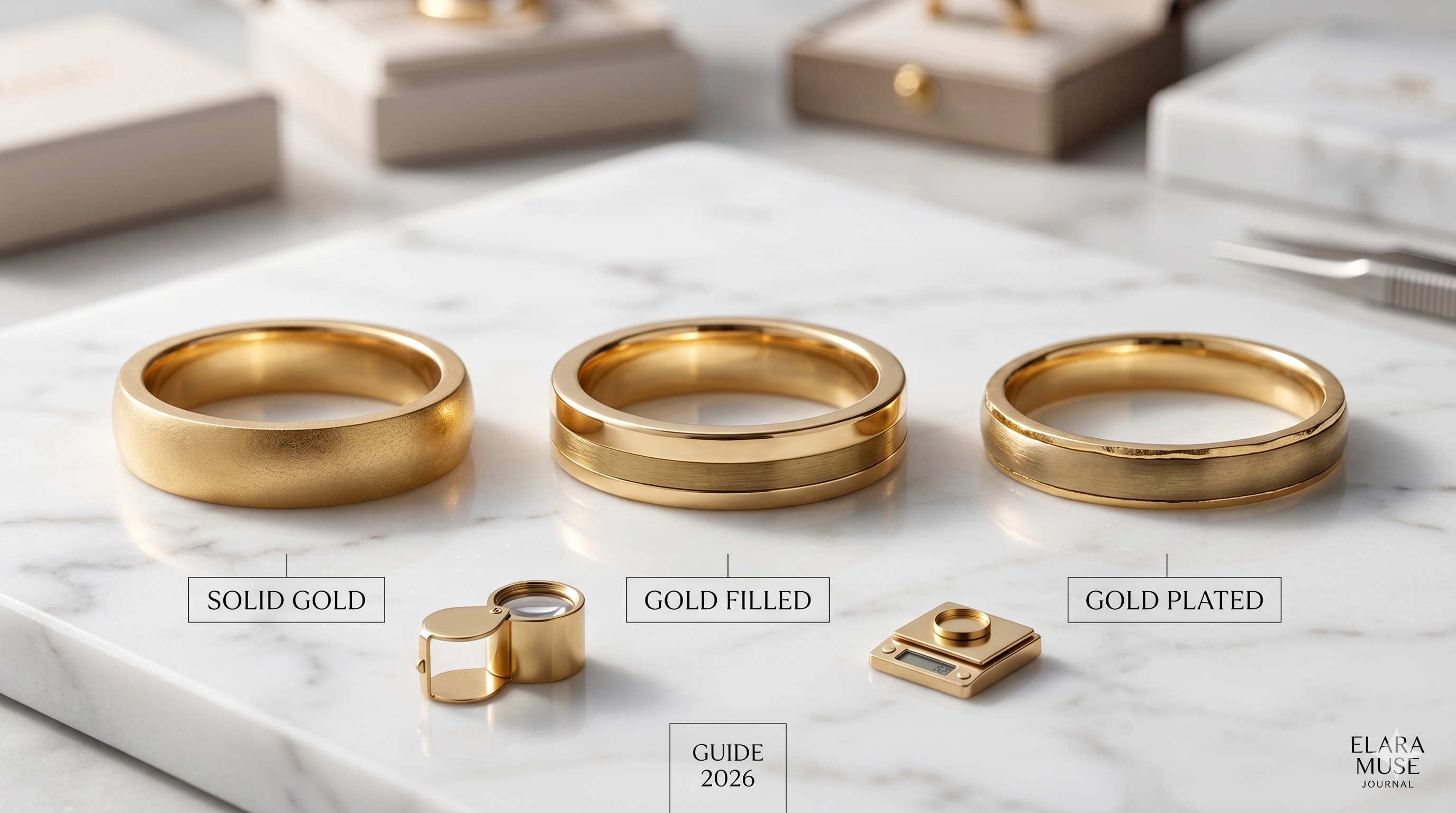
Gold Plated vs Gold Filled vs Solid Gold: The Honest Comparison (2026)
Quick Answer: Gold plated is a thin layer (0.05–2.5 microns) of gold electroplated onto a base metal — affordable and fashionable, lifespan depends almost entirely on base metal quality and plating thickness. Gold filled is a mechanically bonded thick gold layer (legally ≥5% of total weight) over a brass core — mid-range durability, 10–30 year lifespan.
Solid gold is gold through and through (≥10K) — heirloom-grade, hypoallergenic, but 10–50× more expensive. For most people, the smartest choice is premium gold plating on a sterling silver core — the look of solid gold, none of the skin reactions of brass-based jewelry, at 1/20th the price.
📑 IN THIS GUIDE
- The Three Tiers of Gold Jewelry
- What's Under the Gold — Base Metals Exposed
- Microns, Karats, and the Numbers That Matter
- The Vermeil Problem — Why Most Brands Get It Wrong
- How to Choose the Right Gold Jewelry for Your Life
- How Long Does Each Type Actually Last?
- FAQ
- Editor's Picks
- What We Believe
- References & Further Reading
The Three Tiers of Gold Jewelry
Here is what most jewelry brands will not tell you: the difference between a $45 gold necklace and a $4,500 one is not branding. It is physics. Gold atoms currently cost approximately $85–95 per gram at 18K. How those atoms are attached to the jewelry — electroplated, mechanically bonded, or cast solid — determines everything about how the piece wears, how long it lasts, and whether your skin reacts to it.
There are exactly three fundamental ways gold ends up on your body. Everything else — including terms like "gold vermeil," "gold bonded," "gold overlay," and "gold dipped" — is a variation on one of these three. Once you understand the three, you will never be confused by jewelry marketing again.
| Feature | Gold Plated | Gold Filled | Solid Gold |
|---|---|---|---|
| Process | Electroplated — gold ions deposit atom by atom onto base metal | Heat-and-pressure bonded — thick gold sheet fused to brass core | Cast or fabricated — gold alloy throughout, no core |
| Gold Layer | 0.05–2.5 microns | ~120–250 microns (≥5% of weight) | N/A — solid throughout |
| Gold Purity | Usually 14K–24K plating solution | 12K–14K (typically) | 10K, 14K, 18K, 22K, 24K |
| Base Metal | Brass, copper, sterling silver, or mystery alloy | Brass (nearly always) | None |
| Lifespan | 1–5+ years (varies enormously by base metal) | 10–30 years | Lifetime / heirloom |
| Skin Reaction | Depends on base — Ag925 = none | Low; brass core may react if gold wears | None (14K+) |
| Water Resistance | Yes — shower-safe with proper care | Yes | Yes |
| Typical Price (Necklace) | $35–$200 | $80–$500 | $400–$8,000+ |
| Best For | Fashion-forward daily wear, trend pieces, ring stacking | Everyday staples, gifts, demi-fine jewelry | Engagement rings, heirlooms, investment pieces |
Gold Plated — The Smart Choice (When Done Right)
Gold plating is an electrochemical process. A piece of jewelry is submerged in a solution containing gold ions. Electric current causes those ions to bond to the surface, atom by atom. The result is genuine gold — real 14K, 18K, or 24K — chemically bonded to the base metal underneath. It is not "fake" gold. It is a thin layer of real gold on a different core.
The quality of gold plated jewelry hinges on two variables, and two variables only:
- The thickness of the gold layer, measured in microns. A 0.05-micron "flash" plating on brass will look dull within weeks. A 0.5-micron plating will hold its warmth and luster for years of daily wear.
- What sits underneath the gold. A sterling silver core means no green marks, no nickel rash, and a precious-metal feel against your skin even at friction points. A brass core means eventual oxidation and potential skin reactions.
Most brands disclose neither. They say "gold plated" and leave you to guess whether you are buying a piece that will last two months or two years. At ÉLARAMUSE, every gold plated piece lists its base metal (Ag925 sterling silver) and plating thickness (0.5+ microns) on the product page. Because what is underneath the gold matters as much as the gold itself.
Gold Filled — The Durable Middle Ground
Despite the name, gold filled jewelry is not "filled with gold." It is a thick layer of gold — usually 12K or 14K — mechanically bonded under extreme heat and pressure to a brass core. Under US law (FTC 16 CFR Part 23), gold filled pieces must contain gold that makes up at least 1/20th (5%) of the total metal weight. The resulting gold layer is approximately 120–250 microns thick — roughly 100–500 times thicker than standard gold plating.
This thickness buys you decades. A gold filled chain or pair of earrings can last 20–30 years of regular wear before the brass core begins to show. The trade-off: the core is brass. Over very long periods under friction, the gold layer can thin enough to expose brass, which oxidizes and, for a small percentage of people, causes skin irritation.
Gold filled is excellent for earrings and pendants — low-friction zones. For rings and bracelets (high-friction), premium plating on sterling silver can actually be the better long-term choice for your skin.
Important: "Gold bonded," "gold overlay," and "rolled gold plate" are essentially the same mechanical bonding process. If a piece is labeled "gold bonded" without a karat stamp or percentage, treat it with the same skepticism you would apply to unverified "gold plated."
Solid Gold — Heirloom Quality
Solid gold means the entire piece is gold alloy through and through. No base metal core. No plating to wear off. It is measured in karats: 24K is pure gold, 18K is 75% gold alloyed with silver, copper, or palladium for strength, 14K is 58.5% gold, and 10K is 41.7% gold — the minimum legal standard for "solid gold" in the United States.
Solid gold does not tarnish. It does not wear through to reveal another metal. At 14K and above it is hypoallergenic. It is the obvious choice for engagement rings, wedding bands, and the one piece you wear every single day.
The honest trade-off is price. A solid 14K gold chain costs 10–50× what a premium plated chain costs. For most people building a jewelry collection, owning five distinctive plated designs beats owning one solid gold band. The calculation changes only when you are buying a forever piece.
What's Under the Gold — Base Metals Exposed
This is the single most important factor in gold plated jewelry, and it is the one almost no brand discusses openly. When the gold layer eventually wears thin at friction points — and all plating eventually does — the base metal is what meets your skin. The difference between sterling silver and brass at that moment is the difference between "I did not even notice" and "why is there a green ring on my finger."
| Base Metal | Hypoallergenic? | Green Marks? | Tarnishes? | Found In |
|---|---|---|---|---|
| Sterling Silver (Ag925) | ✅ Yes — nickel-free | No | Minimal — warm patina | Premium gold plated jewelry |
| Brass | ❌ No — copper + zinc | Yes — when gold wears | Yes — green-brown | Budget plating, gold filled core |
| Copper | ❌ No | Yes | Yes — green patina | Ultra-budget fashion |
| Mystery Alloy | ❓ Usually contains nickel | Likely | Likely | Fast fashion, dropshipped |
Here is the rule: If a brand does not tell you what is under the gold, assume brass or worse. Brands that use sterling silver cores say so proudly — right on the product page. Brands that use brass say "premium base metal" or nothing at all. The word "premium" in front of "base metal" is a red flag, not a feature.
This is why ÉLARAMUSE stamps every piece with Ag925 and lists the base metal on every product page. Transparency is not a marketing tactic. It is the only credible signal of quality in gold plated jewelry.
Microns, Karats, and the Numbers That Matter
Once you know what to look for, reading a jewelry label becomes straightforward. Here are the three numbers that actually matter, and what they mean in practice:
Microns (μm) — The thickness of gold plating. One micron = one thousandth of a millimeter. For reference, a human hair is about 70 microns thick. The gold on a typical "gold plated" piece from a fast-fashionbrand is often 0.05–0.1 microns — roughly 1/500th the thickness of a human hair. At ÉLARAMUSE, we plate at 0.5+ microns. Here is what different plating thicknesses mean for you:
- 0.05–0.1 microns (flash plating): "Gold tone" jewelry. Will look dull within 1–3 months of wear. The gold is essentially cosmetic. Common in fast fashion and under-$20 jewelry.
- 0.25–0.5 microns (standard plating): Decent quality. 1–2 years of wear with care. This is the minimum reasonable quality for something you intend to wear regularly. Most mall-brand gold plated jewelry falls here.
- 0.5–1.0 microns (premium plating): Excellent quality. 2–5+ years of daily wear. At this thickness, the gold layer is durable enough for rings and bracelets — high-friction zones where thin plating fails fast. This is the range ÉLARAMUSE uses.
- 2.5+ microns (heavy gold electroplate / vermeil): Legally regulated as "gold vermeil" in the US when the base is sterling silver. Extremely durable — 5–10+ years. Uncommon outside high-end brands because of material cost.
Karats (K) — The purity of the gold. 24K = 100% pure gold. 18K = 75% gold + 25% alloy metals. 14K = 58.5% gold. The higher the karat, the warmer the color and the softer the metal. For plated jewelry, the karat of the plating solution determines the color — 18K has a rich, warm yellow that most people think of as "classic gold." 24K plating is very yellow and very soft; it wears faster. For solid gold, 14K and 18K are the most popular because they balance color, durability, and cost.
The takeaway: A piece labeled "18K Gold Plated on Ag925" with a stated 0.5+ micron thickness is a high-quality, honest product. A piece labeled simply "Gold Plated" with no base metal, no thickness, and no karat — at any price — is a gamble.
The Vermeil Problem — Why Most Brands Get It Wrong
Gold vermeil (pronounced "ver-may") is a legally regulated term in the United States. Per FTC guidelines, vermeil requires: (1) sterling silver as the base metal, (2) gold plating of at least 2.5 microns thickness, and (3) gold of at least 10K purity. If a piece is vermeil, it means three specific, verifiable things.
Here is where it goes wrong: A large number of jewelry brands — especially on marketplaces — use "vermeil" as a marketing word. They call their pieces vermeil because it sounds French and expensive, while the actual plating is 0.1–0.5 microns. It is not vermeil. It is regular gold plating with a fancy label.
ÉLARAMUSE does not use the term "vermeil" — because our plating is 0.5+ microns, not 2.5. We believe in calling things what they are. Our pieces are "Premium 18K Gold Plated on Sterling Silver." Less glamorous than "vermeil"? Maybe. But it is accurate, and accuracy in jewelry is more valuable than a borrowed French word.
When you see "vermeil" on a product, ask: what is the micron thickness? If the brand cannot tell you — or if they say "we do not know" — it is not vermeil.
How to Choose the Right Gold Jewelry for Your Life
After eighteen months of making, selling, and wearing gold plated jewelry daily — and talking to hundreds of customers about what works and what does not — here is our honest framework:
Buy solid gold if: You are buying an engagement ring or wedding band. You have a severe nickel allergy. You want to hand this piece to your daughter in thirty years. You wear one piece every single day and never take it off.
Buy gold filled if: You want a durable everyday necklace or pair of earrings. You do not have sensitive skin (the brass core is buried deep, but it is there). You plan to wear the piece regularly for 5–15 years. Gold filled earrings and pendants are a particularly good value — low friction zones where the thick gold layer shines.
Buy premium gold plated if: You like variety — you change your jewelry with your outfits. You are building a collection and want more designs for your budget. You want the look of solid gold without committing 10–50× the price to a single piece. You have sensitive skin (as long as the base metal is sterling silver — always check).
The common thread: The base metal makes or breaks the experience with plated jewelry. Plating on sterling silver is a fundamentally different product from plating on brass. If you take one thing from this guide, take that.
How Long Does Each Type Actually Last?
These estimates assume regular wear — 3–5 days per week — with basic care (remove before swimming, store dry, occasional cleaning).
| Type | Ring | Necklace | Earrings | Bracelet |
|---|---|---|---|---|
| Flash Plating (0.05–0.1μ) | 1–3 months | 3–6 months | 6–12 months | 1–3 months |
| Standard Plating (0.25–0.5μ) | 1–2 years | 2–3 years | 2–5 years | 1–2 years |
| Premium Plating (0.5–1.0μ on Ag925) | 2–5+ years | 3–5+ years | 5–10+ years | 2–5+ years |
| Gold Filled (120–250μ) | 10–20 years | 20–30 years | 20–30 years | 10–15 years |
| Solid Gold (14K–18K) | Lifetime | Lifetime | Lifetime | Lifetime |
The pattern is clear: Rings and bracelets wear fastest — they experience constant friction against desks, doorknobs, clothing, and other surfaces. Necklaces last longest — minimal contact, minimal friction. Earrings live somewhere in between. This is why ring buyers should be especially careful about base metal: rings are where cheap plating fails first.
FAQ
Is gold plated jewelry real gold?
Yes. The gold on the surface is real gold — 14K, 18K, or 24K. It is chemically identical to solid gold of the same karat. The difference is thickness: a thin layer on a different core versus solid throughout. A jeweler cannot tell the difference between a 0.5-micron 18K plated surface and solid 18K gold with the naked eye.
Does gold plated jewelry turn your skin green?
Not if the base metal is sterling silver. Green marks come from copper and brass oxidation — when the gold layer wears through and the copper or brass underneath reacts with sweat and skin oils. Sterling silver does not produce the copper oxides that cause green marks. If your gold plated jewelry is turning your skin green, the base metal is brass or copper — and the plating has worn through.
Is gold filled better than gold plated?
In terms of gold longevity, yes — gold filled has a gold layer 100–500× thicker than standard plating. But "better" depends on what you value. Gold filled jewelry has a brass core — and brass can react with some people's skin over time.
Premium gold plating on sterling silver has a thinner gold layer but a hypoallergenic, non-tarnishing core. For rings (high friction), we believe sterling silver core plating outperforms brass-core gold filled for skin comfort. For necklaces and earrings (low friction), gold filled is genuinely excellent.
Can I shower with gold plated jewelry?
Yes — with caveats. Water alone does not damage gold plating. But soap, shampoo, and body wash can leave residue that dulls the surface over time. Hard water minerals can build up. Chlorinated pool water will degrade gold plating. Our recommendation: showering occasionally with plated jewelry is fine. Making a habit of it will shorten the piece's life. Remove before swimming — chlorine is gold plating's worst enemy.
What does "gold bonded" mean?
Gold bonded is the same mechanical process as gold filled: a thick layer of gold heat-and-pressure fused to a base metal core. The difference is that "gold filled" is a legally regulated term (FTC 16 CFR Part 23), while "gold bonded" is not. A piece labeled "gold bonded" may meet gold filled standards — or it may not. Without a karat stamp and percentage, assume it is marketing language rather than a regulated claim.
How do I know if my gold plated jewelry is high quality?
Three checks: (1) Is the base metal disclosed? Sterling silver = good. Brass = budget. No disclosure = assume brass. (2) Is the plating thickness stated? 0.5+ microns = premium. Less or unstated = unknown. (3) Is the karat specified? 18K plating solution = warm yellow. Unspecified = could be anything. A quality gold plated piece tells you everything. A piece that hides details is hiding them for a reason.
Why does solid gold cost so much more?
Because there is 500–2,500× more gold in a solid gold piece than in a plated one. A solid 18K gold necklace chain weighing 5 grams contains approximately $350–475 worth of pure gold at current market prices — before any labor, design, or retail markup. A 0.5-micron plated equivalent contains perhaps $0.50 worth of gold in the plating layer. The price difference reflects actual gold content. Whether that much gold is worth the investment depends on how you wear the piece.
Editor's Picks: Gold Plated Jewelry Worth Wearing Every Day
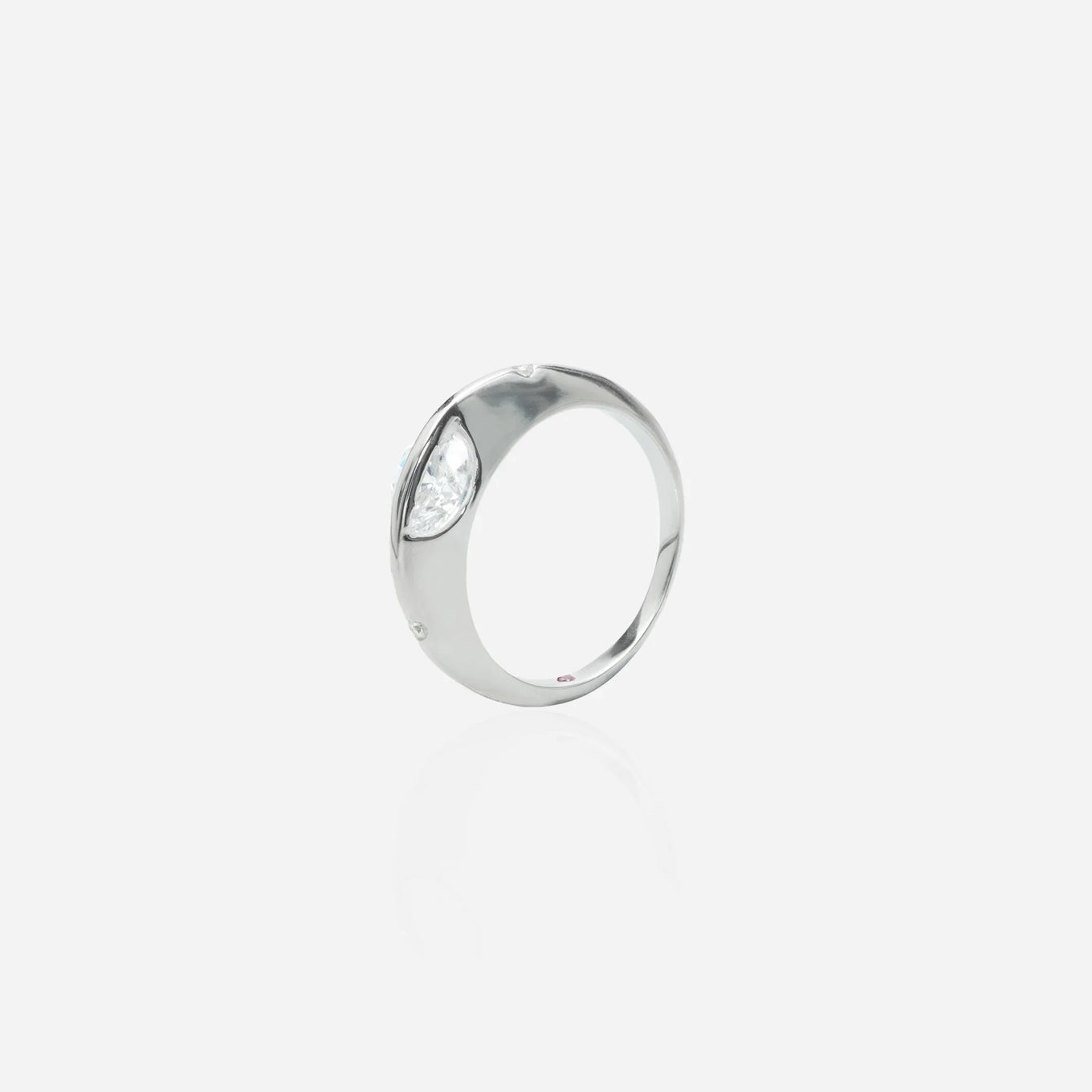
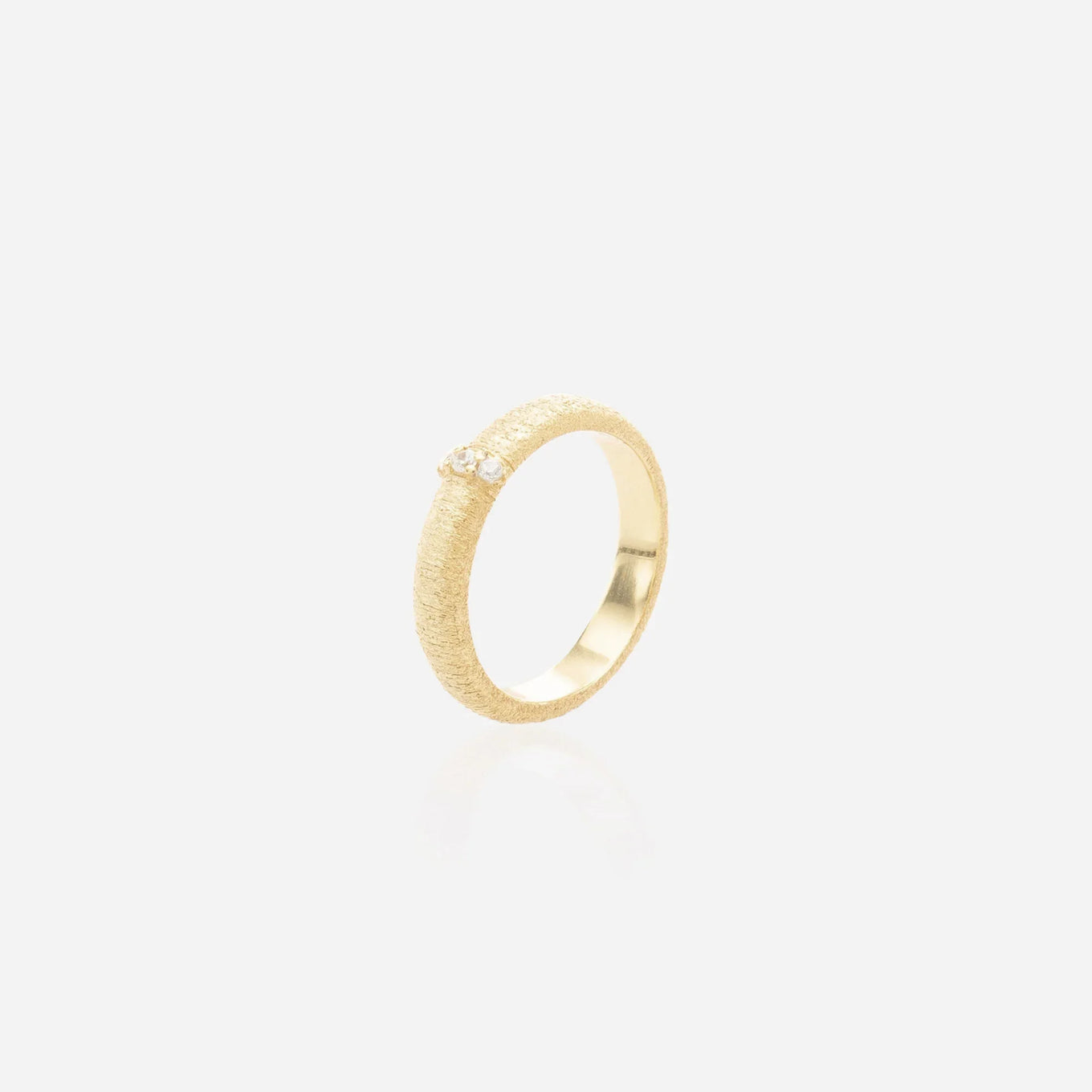
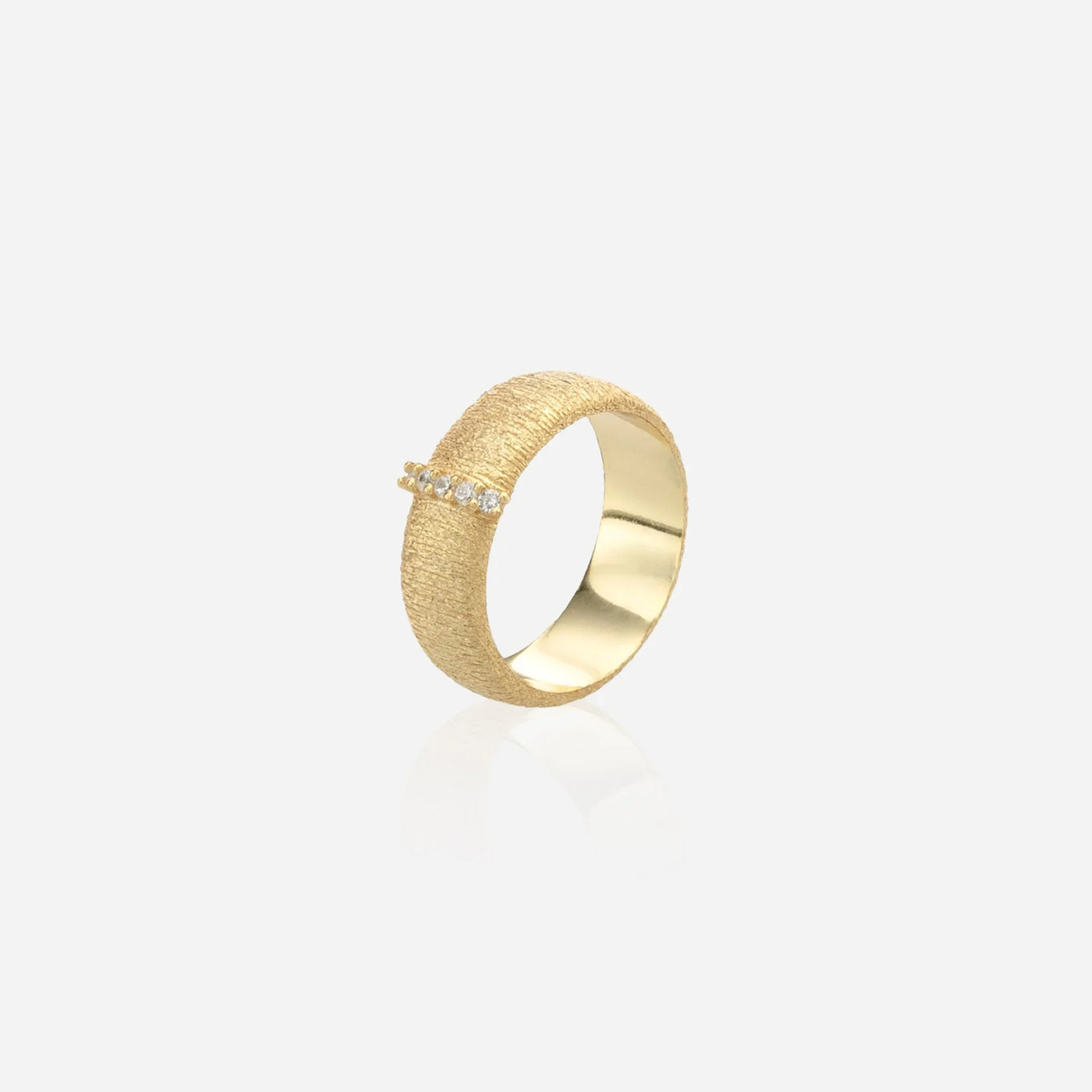
Gold Bubble Ring | ÉLARAMUSE: Gold Bubble Ring | Wide Band with High-Carbon Lab Diamonds | ÉLARAMUSE — A sculptural wide band in 18K gold plating over Ag925 sterling silver. The domed, organic texture catches light from every angle. This is the piece that convinced us 0.5-micron plating on sterling silver is the sweet spot for rings.
Classic Solitaire Necklace | ÉLARAMUSE: Classic Solitaire Necklace | Floating Lab Diamond | 18K Gold Plated | ÉLARAMUSE — A single floating lab diamond on a fine chain. 18K gold plating over Ag925. The pendant moves independently — it never sits still, which is what makes it mesmerizing. The necklace that proves gold plated jewelry can be an everyday signature piece.
Moiré Bangle Bracelet | ÉLARAMUSE: Moiré Bangle Bracelet | Brushed Gold with lab lab diamond accent | ÉLARAMUSE — A brushed-finish open bangle with a lab lab lab diamond accent. The matte gold surface has the texture of raw silk — a moiré pattern created by microscopic grooves in the metal. Because the surface is intentionally matte, minor wear is invisible.
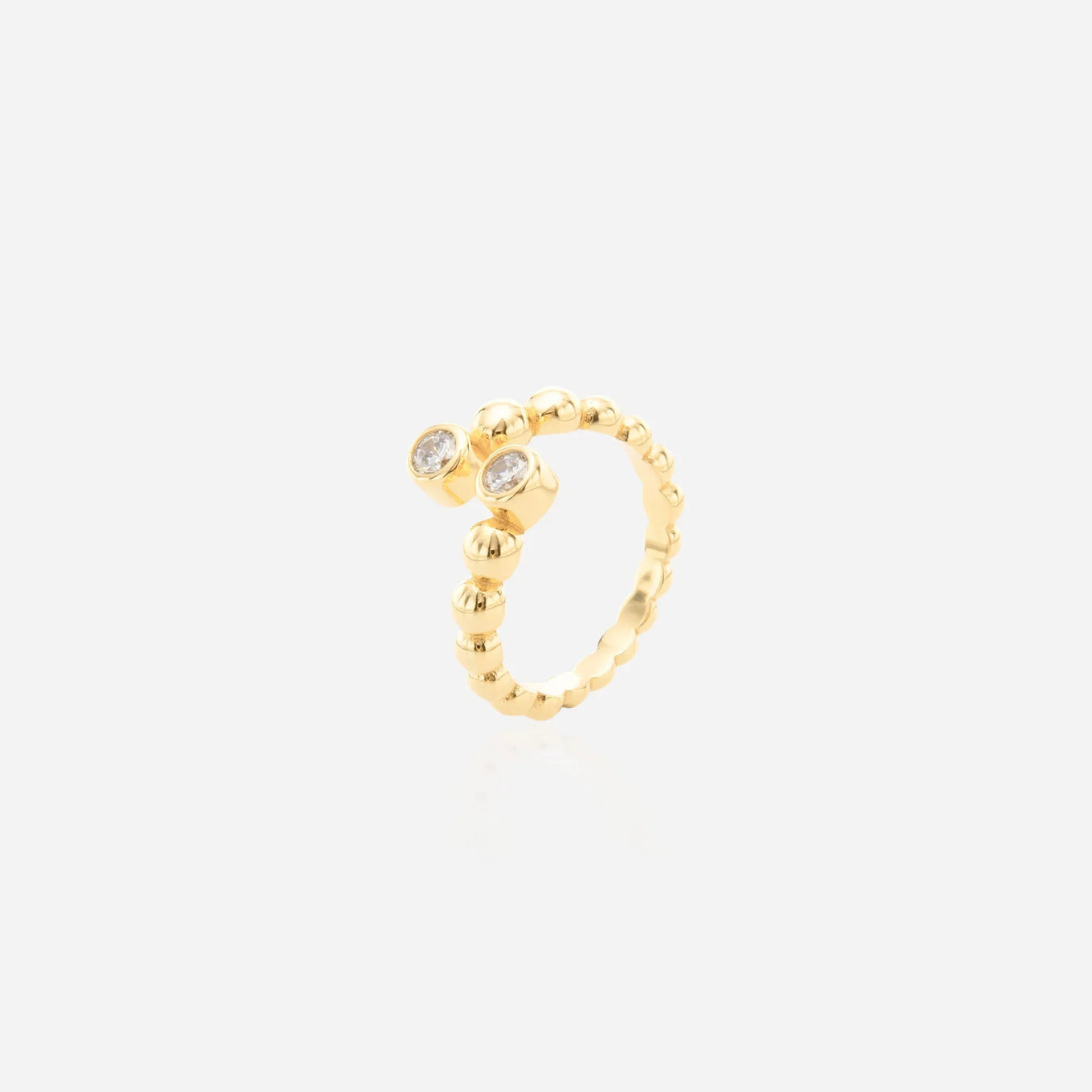
Serpentina Cuff Ring | ÉLARAMUSE: Serpentina Cuff Ring | Sculptural Open Band | 18K Gold Plated | ÉLARAMUSE — An architectural open-band ring that wraps the finger like a serpent. The negative space between the two ends creates a dynamic profile that changes as your hand moves.
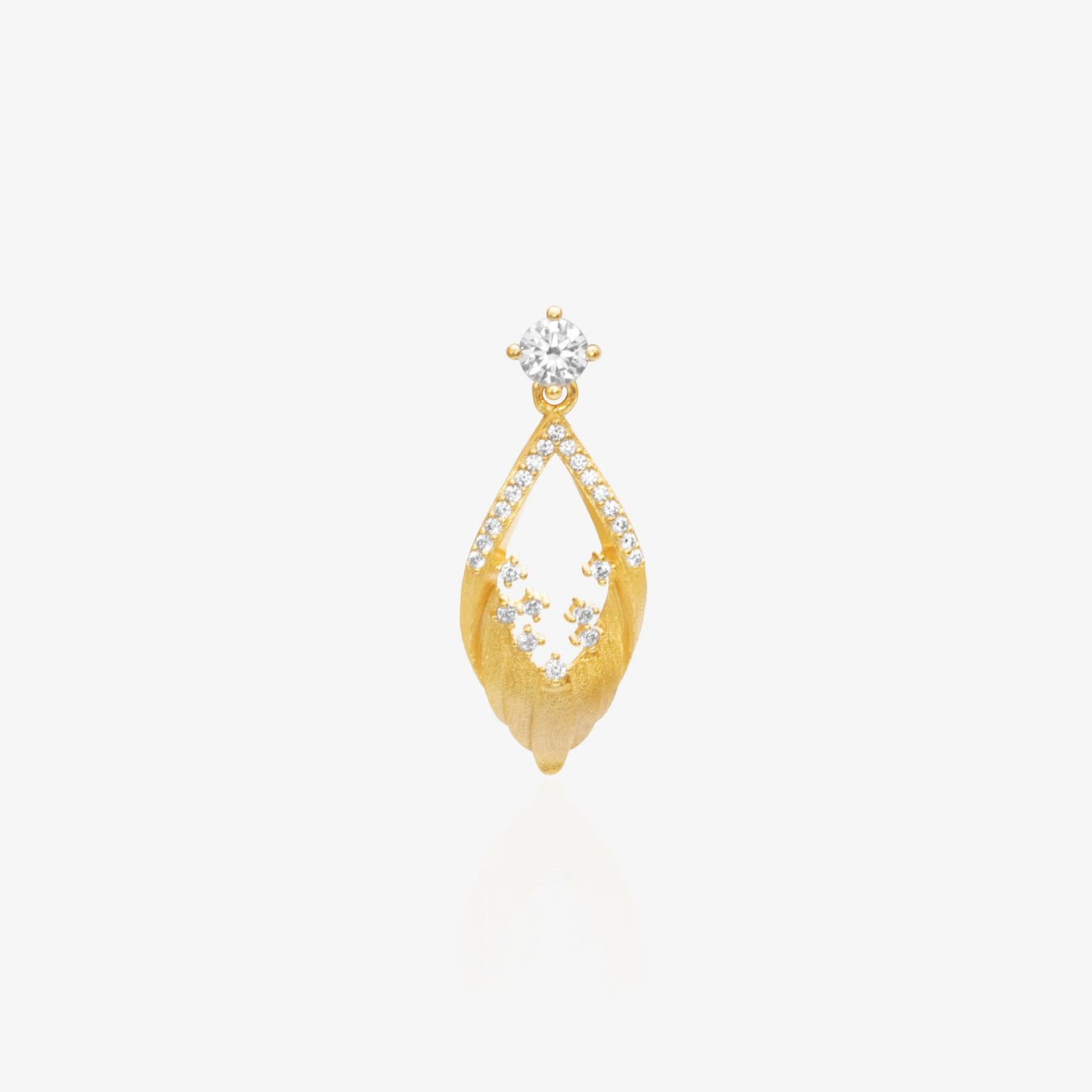
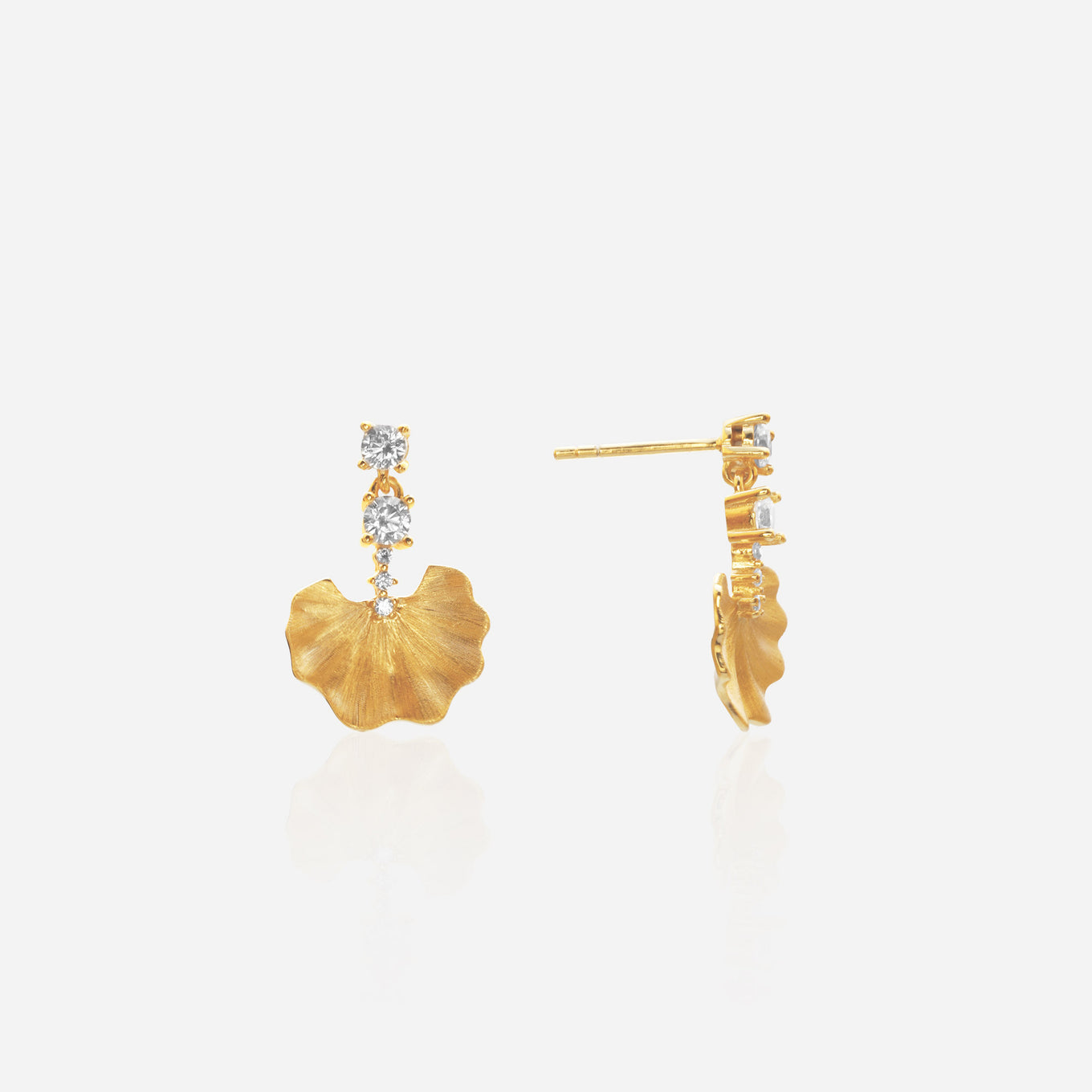
Gold Leaf Earrings | ÉLARAMUSE: Gold Leaf Earrings | Dangle Drop with Lab Diamond | 18K Gold Plated | ÉLARAMUSE — Ginkgo-leaf dangle earrings with a single lab lab lab diamond accent at the stem. Featherlight Ag925 silver base under 18K gold plating. They move with you.
What We Believe
Honest jewelry is better jewelry. The jewelry industry has spent centuries obfuscating what things are made of. "Vermeil." "Bonded." "Premium base metal." These words exist to make you feel good about buying something without telling you what you are actually buying.
We believe you deserve to know exactly what is touching your skin — the base metal, the plating thickness, the karat. If a jewelry brand cannot or will not tell you those three things, they are selling a mystery, not a piece of jewelry.
References & Further Reading
- FTC Jewelry Guides (16 CFR Part 23) — Federal regulations governing how gold terms may be used in the United States. The definitive legal reference for what "gold filled," "gold plated," and "vermeil" actually mean.
- GIA — Gold: Characteristics, Classification, and Quality Factors — From the Gemological Institute of America, the world authority on gemstones and precious metals.
- GIA — Metal Guide: Gold, Silver, Platinum, and More — Comprehensive reference on precious metal properties, alloys, and care.
- American Gem Society — Jewelry Education — Consumer education on jewelry materials, quality, and ethics.
- American Academy of Dermatology — Contact Dermatitis — Medical reference on metal allergies and skin reactions to jewelry.
- Mayo Clinic — Nickel Allergy — Clinical information on nickel allergy, the most common metal sensitivity affecting an estimated 10–20% of the population.