Every piece of jewelry you buy today is a piece someone will hold tomorrow — after you are gone, at an estate sale, in a velvet pouch on your granddaughter's dresser. The question is not whether your jewelry will become an heirloom. The question is whether it will be worthy of the word.
This guide does not romanticize heirlooms. It deconstructs them — what makes a piece structurally capable of surviving decades, what makes it emotionally capable of being wanted, and how to build a collection now that someone will fight over later. Because the best heirlooms are not accidents. They are decisions made at the point of purchase.
What Makes Jewelry Heirloom-Worthy? The Three-Part Test
Heirloom jewelry passes three tests simultaneously: a structural test (can it physically survive 50 years?), an aesthetic test (will anyone still want to wear it in 50 years?), and an emotional test (does it carry enough meaning to be kept rather than sold?). Most jewelry fails at least one.
Test 1: Structural Integrity — The Material Truth
An heirloom's structural lifespan is determined entirely by its base metal. Brass — the default core of most costume jewelry — oxidizes, weakens, and turns skin green within a few years of daily wear. Sterling silver (Ag925) does not. When ÉLARAMUSE builds a Classic Solitaire Necklace on an Ag925 sterling silver core with 0.5-micron 18K gold plating, the silver core provides the structural integrity — it will not corrode, weaken, or degrade in a jewelry box the way brass will. The gold plating provides the appearance; the silver provides the permanence.
This is the single most important material fact about heirloom jewelry: the metal that matters most is the one you cannot see. Sterling silver cores are the difference between a piece that enters the second generation and a piece that doesn't make it through the first.
Test 2: Aesthetic Timelessness — Design That Outlasts Trends
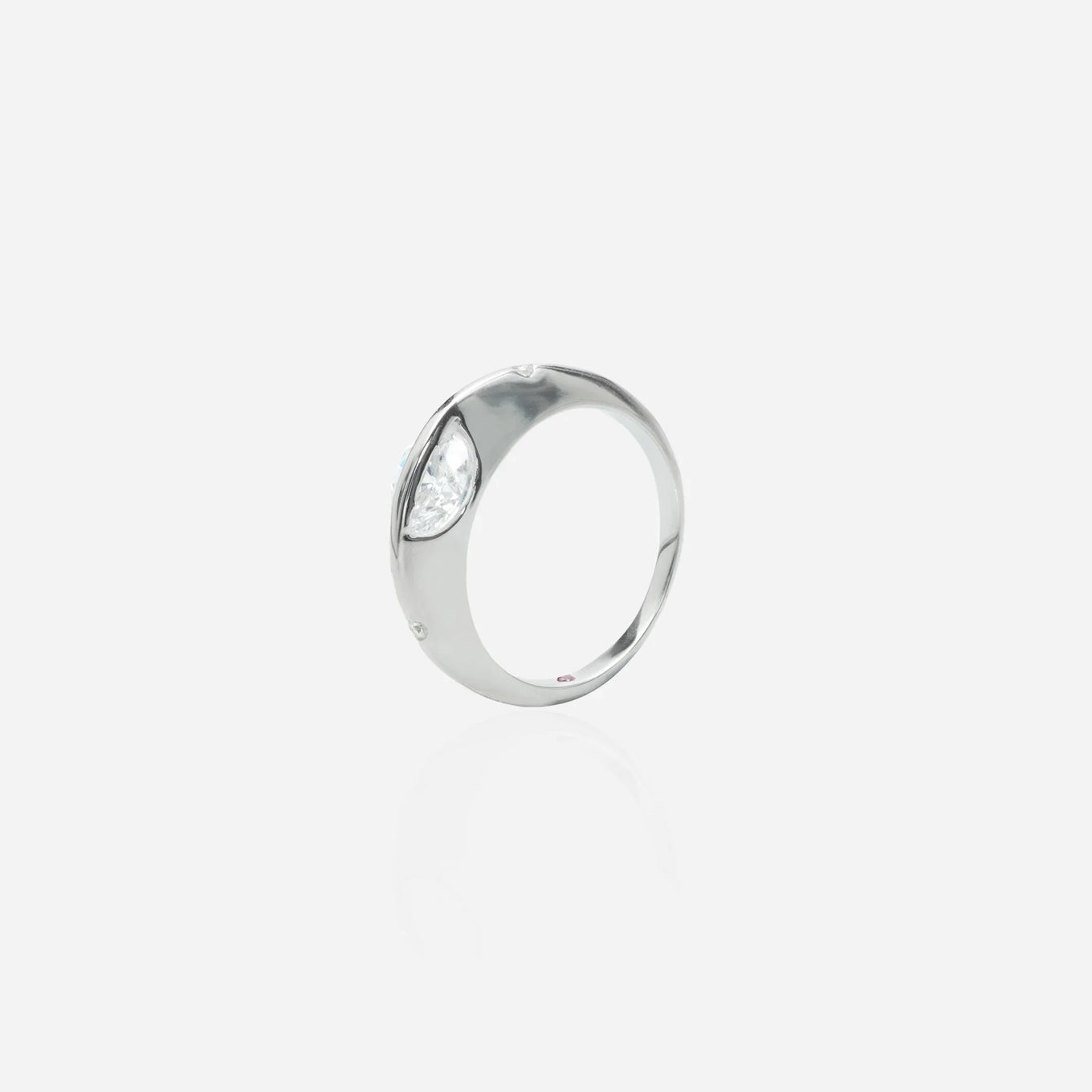
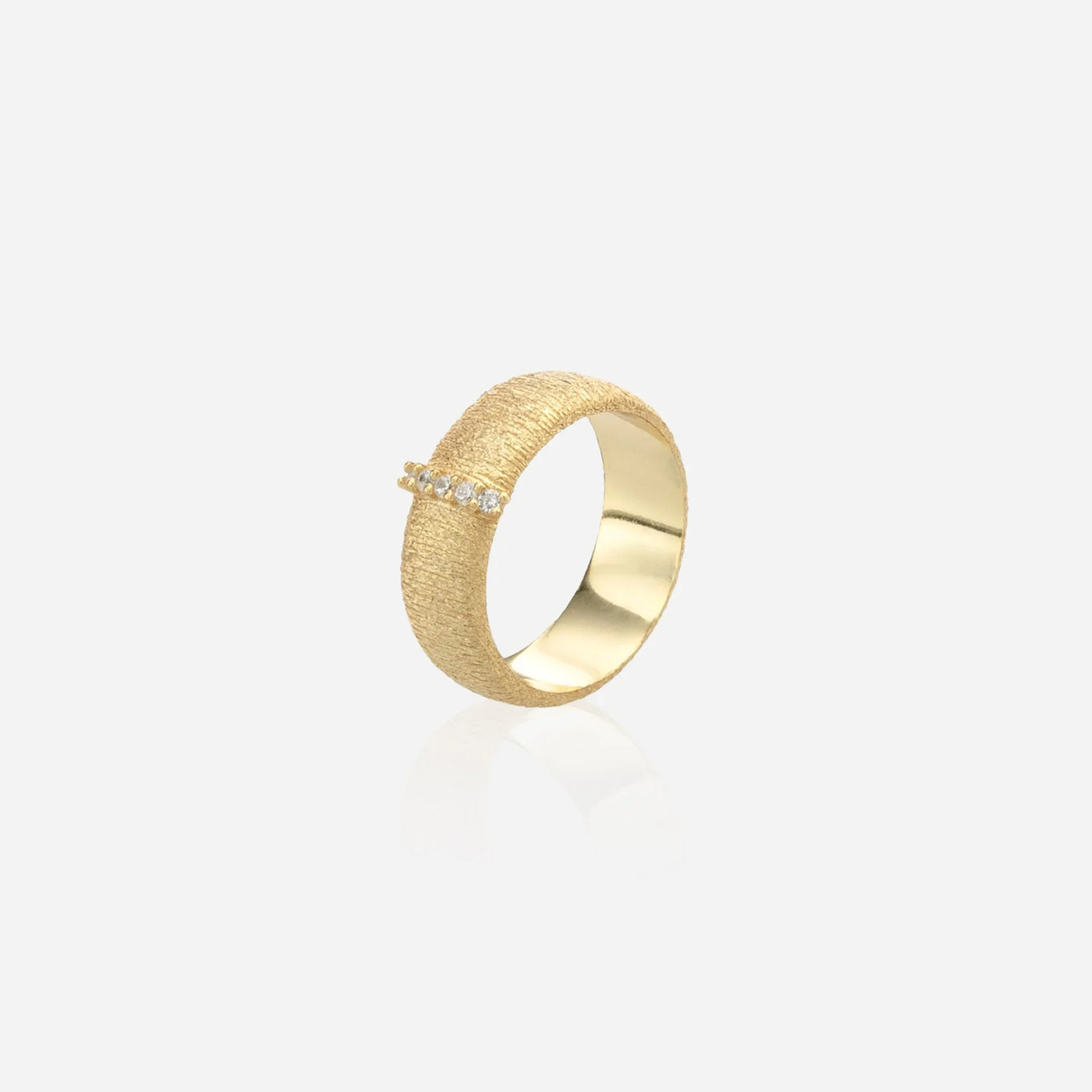
A charm bracelet full of 2026-specific pop-culture references will be embarrassing in 2036. A Wide Band Ring — a 6mm architectural gold band with clean, unadorned geometry — will be as wearable in 2056 as it is today. Geometric abstraction is the aesthetic language of permanence: circles, rectangles, and clean curves have been worn for 4,000 years and will be worn for 4,000 more.
The same principle applies to Box Chain Necklaces — the classic Italian-link chain pattern that has been the foundation of fine jewelry since the Etruscans. A box chain is never in fashion and never out of fashion; it simply is. That is the working definition of an heirloom chain.
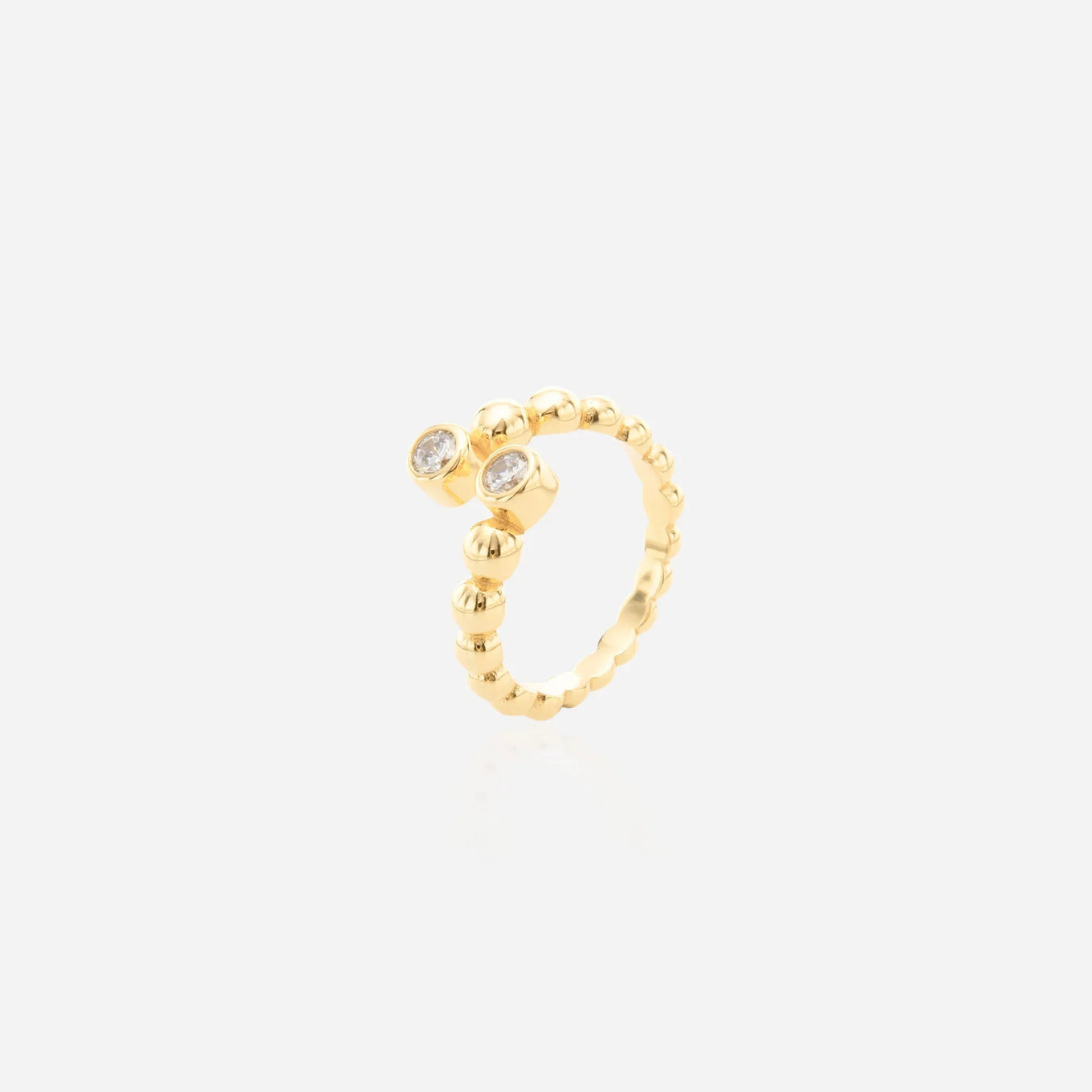
Botanical motifs — leaves, flowers, vines — occupy the same category of permanence. The Guardian Wing Cuff Ring is an angel wing rendered in gold with a lab diamond accent, and its symbolism (protection, guidance, love) will read as clearly to the next generation as it does to this one. Nature is the original design language, and it ages better than any trend.
Test 3: Emotional Weight — The Story the Piece Carries
An heirloom without a story is just old jewelry. The pieces that get passed down are the ones that carry emotional meaning: the necklace worn on a wedding day, the ring bought with a first paycheck, the bracelet that traveled through 12 countries. You cannot manufacture a story, but you can buy pieces with inherent symbolic weight — talismans that arrive already carrying meaning.
The Compass Rose Pendant — a reversible spinning medallion with a pink halo — carries the symbolism of guidance, direction, and finding one's way. Whether the story attached to it is "your grandmother wore this through her divorce and remaking" or "your mother gave you this when you moved to a new city," the pendant arrives already pregnant with meaning. That is the difference between buying jewelry and commissioning a future heirloom.
The Heirloom Starter Collection: 5 Pieces to Build Around
| Piece Type | Recommended | Why It Survives Generations |
|---|---|---|
| Solitaire Necklace | Classic Solitaire | A single floating lab diamond on a chain — the most timeless configuration in jewelry history. Ag925 core, 0.5-micron gold plate. |
| Chain Necklace | Box Chain | The Etruscan pattern that has never gone out of style. At 18 inches, it anchors pendants for the original owner and stands alone for the inheritor. |
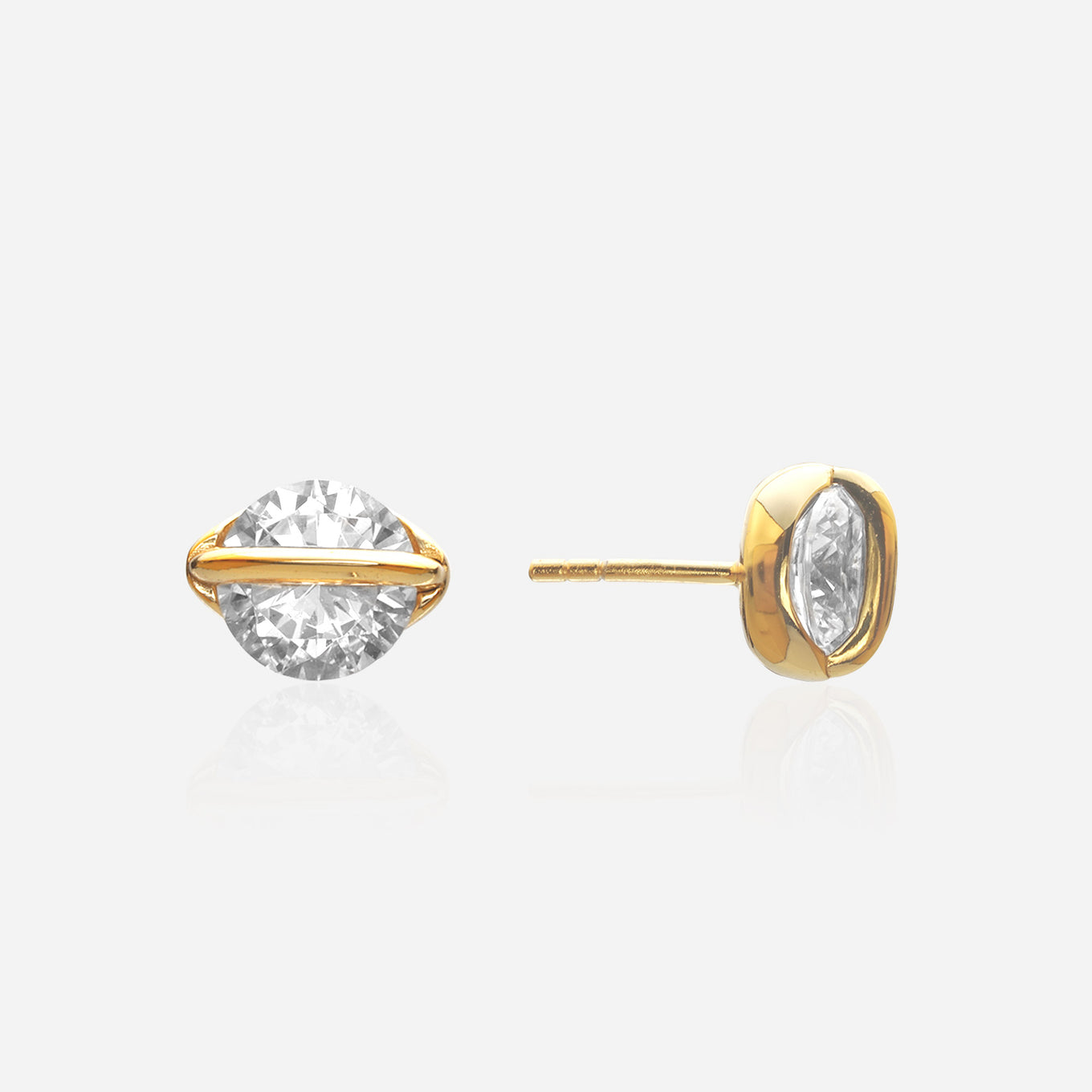
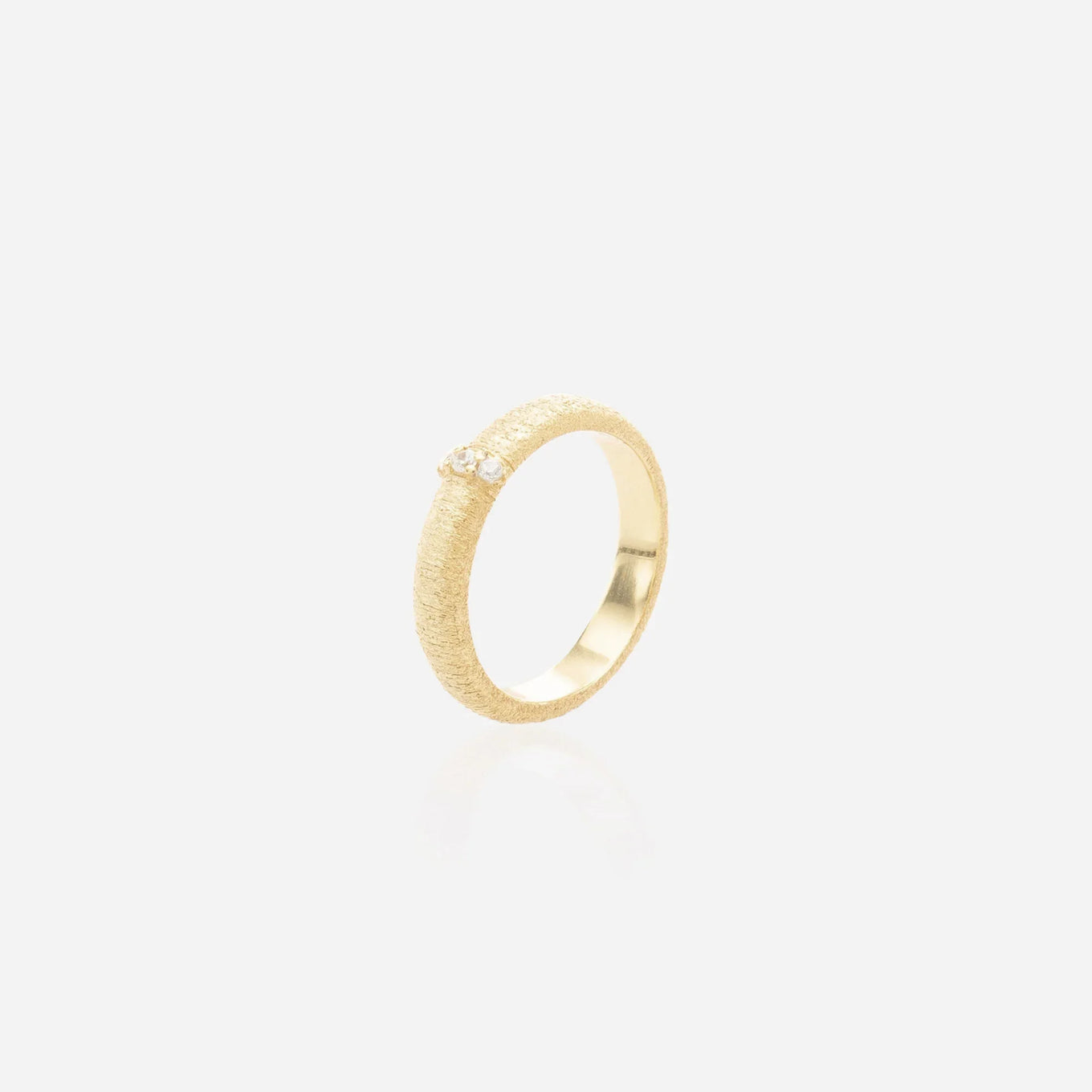
| Statement Ring | Wide Band Ring | 6mm architectural gold. No gemstones to lose, no prongs to bend — pure geometry that fits any finger in any era. |
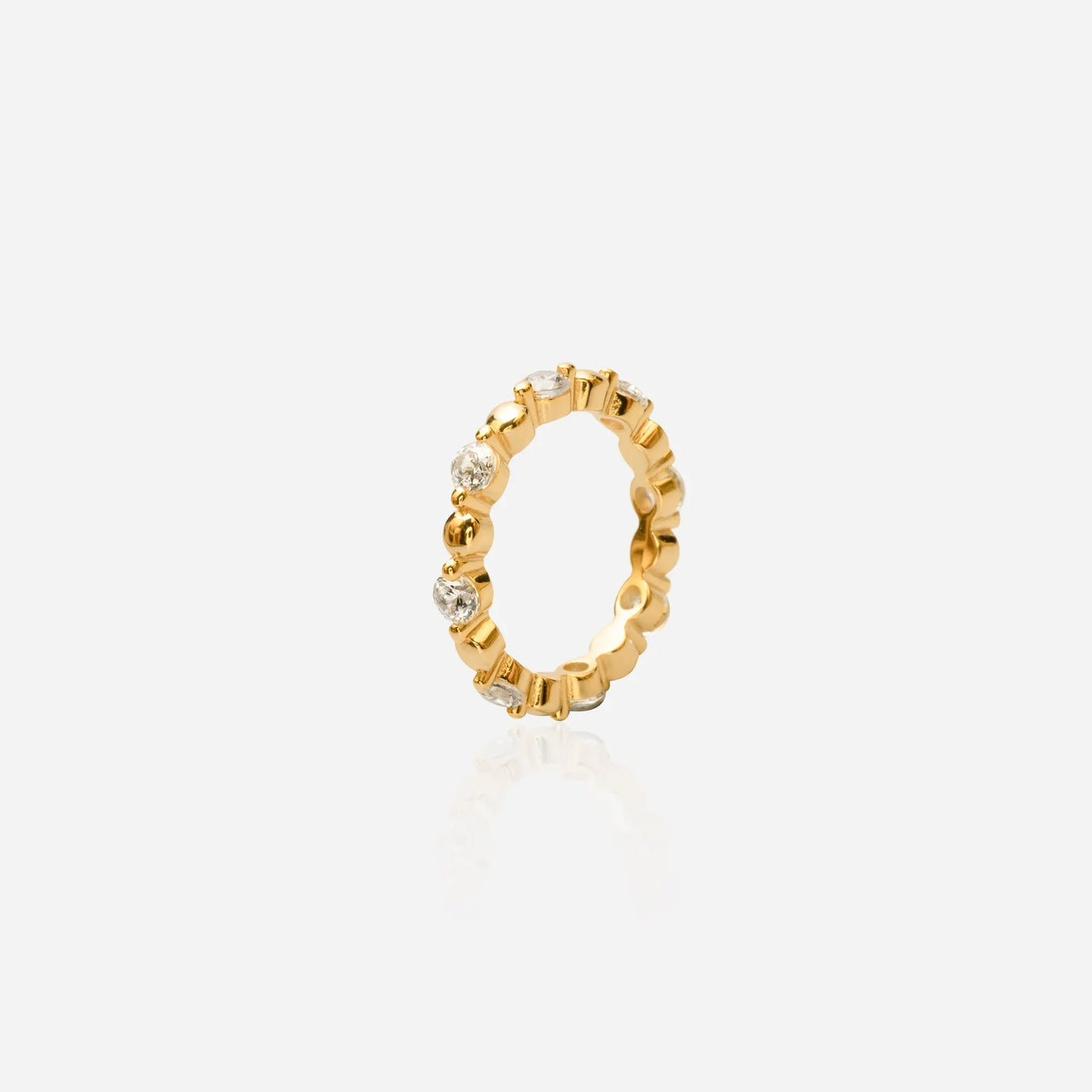
| Stacking Rings | Gold Macaron Ring Set | Three lab diamond bands that can be worn together (original owner) or divided among three inheritors. Built-in generosity. |
| Symbolic Ring | Crossover Ring | Two bands that cross — the Toi et Moi symbolism of two paths meeting, two generations connecting. The design itself tells the story. |
What Not to Buy (If You're Thinking Long-Term)
Three categories of jewelry will not survive into the next generation, regardless of sentimental value:
- Brass-core pieces. If the base metal is not stamped Ag925 or 925, it is brass, and brass will degrade. In 20 years, a brass chain will be corroded, weakened, and unwearable. In 50 years, it will be garbage. Check the stamp — if it is not there, neither is the future.
- Extremely trendy designs. The statement earring that perfectly captures summer 2026 will be dated by 2028 and unwearable by 2030. Trend pieces have their place — they are the spice, not the meal. Buy them for yourself, not for your granddaughter.
- Pieces that only work at one life stage. A belly chain, a toe ring, a piece so specific to being 21 that it will feel like a costume at 41. Heirloom jewelry must be able to cross life stages — the same piece that works on a college student must work on a retiree. The Italian Gold Collar — 21 grams of satin silk gold — reads as effortlessly on a 24-year-old at her first job interview as on a 64-year-old at her last board meeting.
The Bracelet as Heirloom: Why Chains Outlast Stones
Bracelets are the most physically abused category of jewelry — they scrape against desks, catch on sleeves, get submerged in hand-washing. For this reason, the most enduring heirloom bracelets avoid delicate components: no fragile clasps, no exposed prongs, no stones that can be knocked loose.
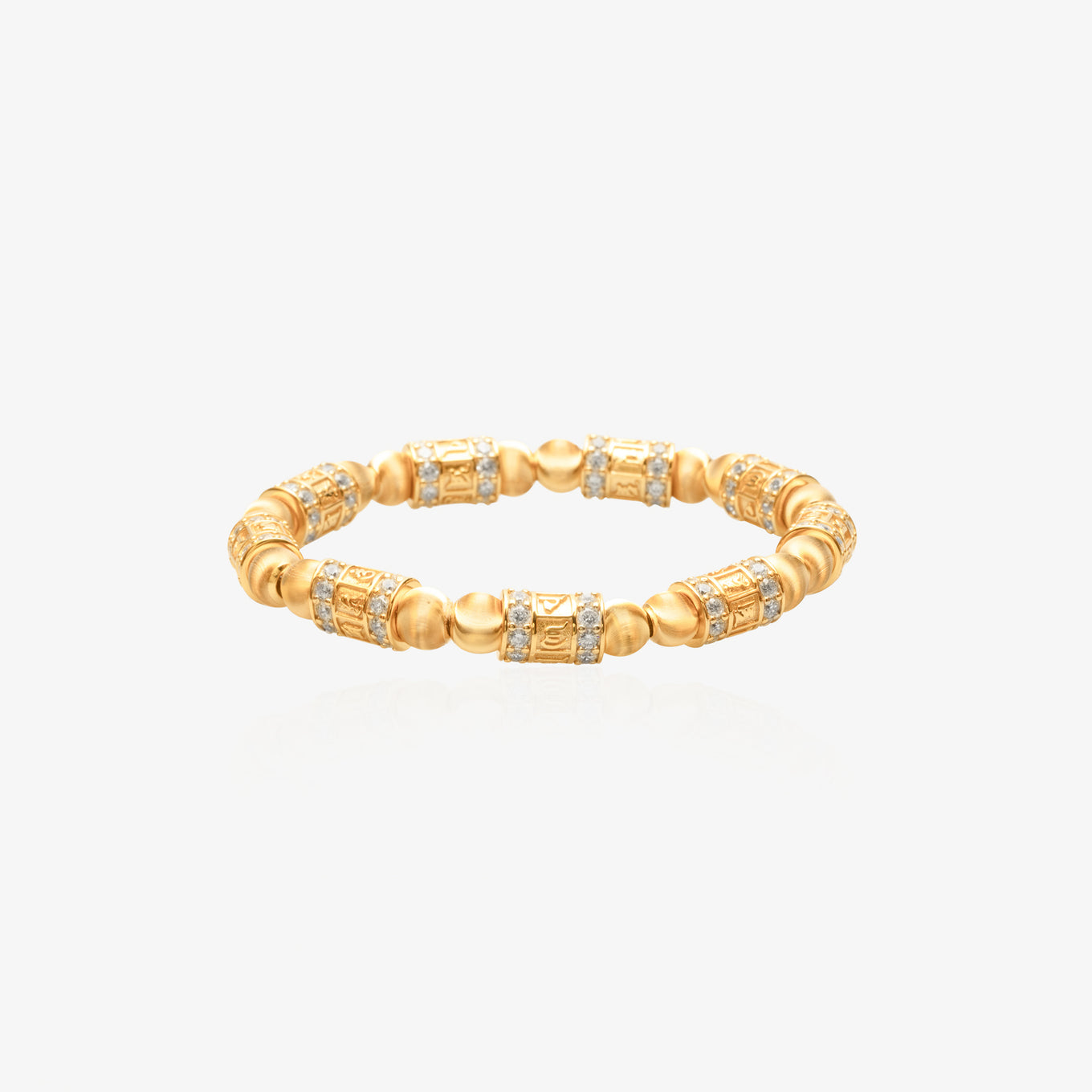
The Chinese Coin Charm Bracelet — an adjustable Cuban link chain with a lucky coin charm — embodies heirloom bracelet logic: the chain is solid-link (no weak points), the charm is a single piece of metal (no stones to lose), and the symbolism (luck, prosperity) deepens with time rather than fading. A grandchild who inherits it inherits not just a bracelet but a talisman.
The Moire Bangle — a textured water ripple gold cuff — represents the opposite approach: a seamless, continuous ring of metal with no clasp at all. If a bracelet cannot break, it cannot be lost. The Moire bangle will be in exactly the same condition in 2076 as it is today, because there is nothing on it that can fail.
How to Document Your Heirloom Collection (So It Actually Gets Passed Down)
A great deal of heirloom jewelry never reaches the next generation because no one knows what it is. The box is found. The pieces are admired. And then someone says, "Is this real gold?" — unable to answer the question, the inheritor puts it back in the box, and eventually the box goes to Goodwill.
Prevent this with three simple acts: (1) Photograph every significant piece against a plain white background and store the photos digitally. (2) Write one sentence about each piece — where it came from, when you wore it, what it meant. (3) Tell the recipient, while you are still alive, which piece is theirs and why. The story is the inheritance. The metal is just the container for it.
Key Terms: Heirloom Jewelry Lexicon
- Ag925 Sterling Silver Core
- 92.5% pure silver — the minimum standard for jewelry intended to survive beyond one generation. Distinguished from brass (copper-zinc alloy used in costume jewelry) by its corrosion resistance, structural stability, and the legal requirement to stamp "925" on the piece.
- 0.5-Micron Gold Plating
- The thickness of the gold layer deposited over the silver core. At 0.5 microns of 18K gold, ÉLARAMUSE plating is designed to withstand years of daily wear — substantially thicker than flash plating (0.05-0.1 microns) used on costume pieces.
- Heirloom Intent
- The deliberate choice, at the point of purchase, to select a piece with the structural integrity and aesthetic timelessness to last beyond the buyer's lifetime. Distinguished from accidental heirlooms (pieces kept purely for sentimental reasons despite poor build quality).
- Botanical Permanence
- The design principle that nature-derived motifs (leaves, flowers, vines, wings) transcend fashion cycles because they reference a visual language older than recorded history. A laurel leaf from 500 BCE and a laurel leaf from 2026 are the same design.
- Talismanic Value
- The emotional weight a piece carries through its symbolism — a compass for guidance, an angel wing for protection, a clover for luck. Talismanic value increases over time as the piece accumulates personal history on top of its inherent meaning.
The ÉLARAMUSE Standard
| Base Material | Ag925 Sterling Silver (92.5% pure silver) — stamped, corrosion-resistant, structurally permanent |
| Plating | 0.5-micron 18K gold plating — designed for decades, not seasons |
| Gemstones | High-Carbon Lab Diamonds (Mohs 8.5), Lab-Created Ruby, Nano Zircon — all chosen for hardness and durability across decades |
| Clasp & Closure | Lobster clasps on chains, magnetic pavé clasps on chokers, seamless hinges on bangles — failure points eliminated at design stage |
FAQ: Building a Jewelry Heirloom Collection
Is gold-plated jewelry really heirloom quality?
Gold-plated jewelry built on a brass core is not. Gold-plated jewelry built on an Ag925 sterling silver core is. Gold-plated jewelry built on an Ag925 sterling silver core, however, has the same structural skeleton as fine jewelry — it simply wears its gold on the outside rather than all the way through. The distinction that matters for heirloom longevity is not the presence of plating but the identity of the base. Sterling silver is permanent. Brass is temporary.
How many pieces make a meaningful heirloom collection?
Five to seven pieces: a solitaire necklace, a chain necklace, a statement ring, a stacking ring set, a symbolic ring or bracelet, and one piece that is purely personal — the one you cannot imagine anyone else wearing. More than that and the collection becomes diluted; less than that and it may not feel like a collection at all. The point is not quantity but that every piece carries both structural integrity and emotional weight.
Should I buy heirloom pieces for myself or wait to inherit them?
Buy them. Inheriting is passive — you receive whatever someone else chose. Building a collection is active — you choose pieces that resonate with your life, your taste, your story. The jewelry you buy yourself carries the most intimate provenance of all: it was chosen by the person who wore it first. That is the purest form of heirloom.
Does the gold color affect heirloom longevity?
18K yellow gold plating has been the standard for fine jewelry for centuries — it will age more gracefully than rose gold or white gold, which are more susceptible to trend cycles. However, the plating thickness matters more than the color: 0.5-micron 18K in any shade will outlast 0.1-micron 24K. Buy the color you love, but make sure the micron count is sufficient.
What if my inheritor doesn't like gold jewelry?
Heirloom jewelry transcends personal taste. Even someone who never wears gold will keep their grandmother's solitaire necklace — not because they plan to wear it, but because it is a physical artifact of someone they loved. The piece does not need to be worn daily to serve its purpose; it needs only to survive and carry its story. And if the inheritor does choose to wear it, gold — unlike silver — flatters every skin tone, so the barrier to wearing is lower than with other metals.
Editor's Picks: The Heirloom-Worthy Edit
- Classic Solitaire Necklace — The heirloom-defining piece. A single floating lab diamond on an Ag925 chain — the necklace that every generation will want.
- Box Chain Necklace — The Etruscan pattern that has been in continuous production for 2,500 years. That is the only trend data you need.
- Wide Band Ring — 6mm of architectural gold — no stones to lose, no prongs to bend, nothing to fail.
- Gold Macaron Ring Set — Three rings, three inheritors — the set that solves the sibling problem.
- Crossover Ring — Two bands that cross — the design itself tells the story of two generations connecting.
- Guardian Wing Cuff — An angel wing in gold — protection symbolism that never expires.
- Chinese Coin Charm Bracelet — A single metal charm on a solid-link chain — zero failure points, infinite luck.
We believe jewelry should outlive its first owner. Every ÉLARAMUSE piece is built on an Ag925 sterling silver core with 0.5-micron 18K gold plating — designed not for a season or a trend, but for the person who will hold it after you are gone.