# Citrine Jewelry Guide 2026: November Birthstone, Meaning & Warm Gold Styling
Citrine is the birthstone of November — a golden quartz that captures sunlight in crystal form and radiates the kind of warmth that makes you want to reach for it every single day. If you were born in November, if you're drawn to honey-gold tones, or if you simply believe jewelry should make you feel warmer when you wear it, this guide is for you.
What Is Citrine? The November Birthstone Explained
Citrine is a variety of quartz, ranging in color from pale lemon yellow to deep amber-gold. Its name comes from the French citron, meaning "lemon." But citrine is far warmer than its etymology suggests — it's the color of late-afternoon sun through a glass of whiskey, not the sharp yellow of a citrus peel.
Historically, citrine was called the "merchant's stone" or "success stone." Ancient traders kept citrine in their cash boxes, believing it attracted prosperity. In modern crystal practice, it's associated with abundance, confidence, and creative energy. For November birthdays, it's a stone that says "I generate my own warmth."
Key citrine facts:
- Hardness: 7 on the Mohs scale (durable enough for daily wear)
- Colors: Pale yellow, golden, honey, amber, Madeira (deep reddish-brown)
- Sources: Brazil (primary), Madagascar, Zambia, Russia
- Traditional meaning: Prosperity, warmth, creativity, self-confidence
Why Citrine Is Having a Moment in 2026
Warm-toned jewelry has been steadily climbing back into the spotlight. After years of cool-toned silver and white-gold dominance (the 2010s minimalist wave), gold — and specifically warm, honey-toned gold — is where jewelry energy is moving.
Citrine fits this shift naturally. Unlike cooler birthstones such as aquamarine or blue topaz, citrine matches the gold settings it's typically set in. A citrine pendant on an 18K gold chain reads as intentional and harmonious — not like a stone fighting the metal around it.
Three reasons citrine is gaining ground:
- The gold renaissance — Yellow gold and warm tones dominate 2025–2026 jewelry trends. Citrine is the birthstone that most naturally pairs with gold.
- Affordable luxury — Unlike emerald or sapphire, fine-quality citrine remains accessible. You can own a substantial citrine piece without a five-figure budget.
- The mood-boost factor — In a world that feels increasingly gray, warm, sun-colored jewelry is a small, everyday act of optimism.
How to Choose Citrine Jewelry
Not all citrine is created equal. Here's what to look for:
| Quality Factor | What's Good | What to Avoid |
|---|---|---|
| **Color saturation** | Medium-deep golden to amber; evenly distributed | Pale, washed-out stones; patchy color |
| **Clarity** | Eye-clean (no visible inclusions) | Cloudy or milky stones — unless it's a deliberate "smoky citrine" |
| **Cut** | Well-proportioned faceting for sparkle | Windowed stones (dark center, pale edges) |
| **Heat treatment** | Heat-treated is standard and acceptable | Untreated doesn't guarantee better quality |
The honesty note: Most commercial citrine is heat-treated amethyst or smoky quartz. This isn't a scam — it's an industry standard that's been practiced for centuries. Heat-treated citrine has the identical chemical composition as naturally occurring citrine. What matters is the final result: a beautiful, durable, golden stone.
Citrine Jewelry Pieces Worth Adding to Your Collection
The Statement Pendant — Your Daily Dose of Sunlight
A faceted citrine pendant on a gold chain is the most wearable way to incorporate this birthstone. Choose a medium-honey tone for maximum versatility — it reads as "interesting gold jewelry" rather than "specific birthstone jewelry," which means you'll wear it well beyond November.
For modern styling, look for designs that pair citrine with subtle architectural metalwork — clean bezels, geometric frames, or asymmetrical placements. Avoid overly ornate Victorian-style settings unless that's your personal aesthetic.
Warm-Toned Stacking Rings — The Entry Point
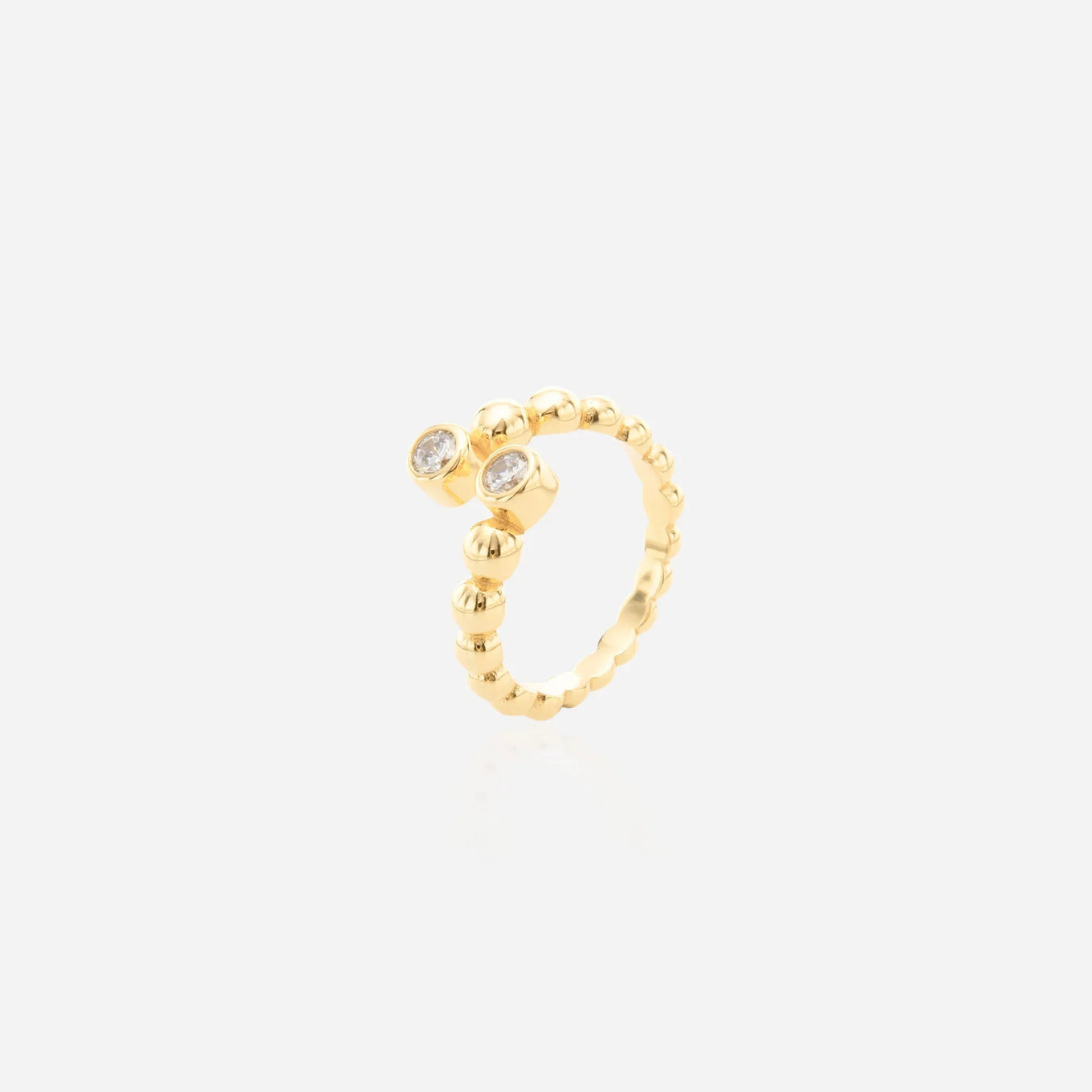
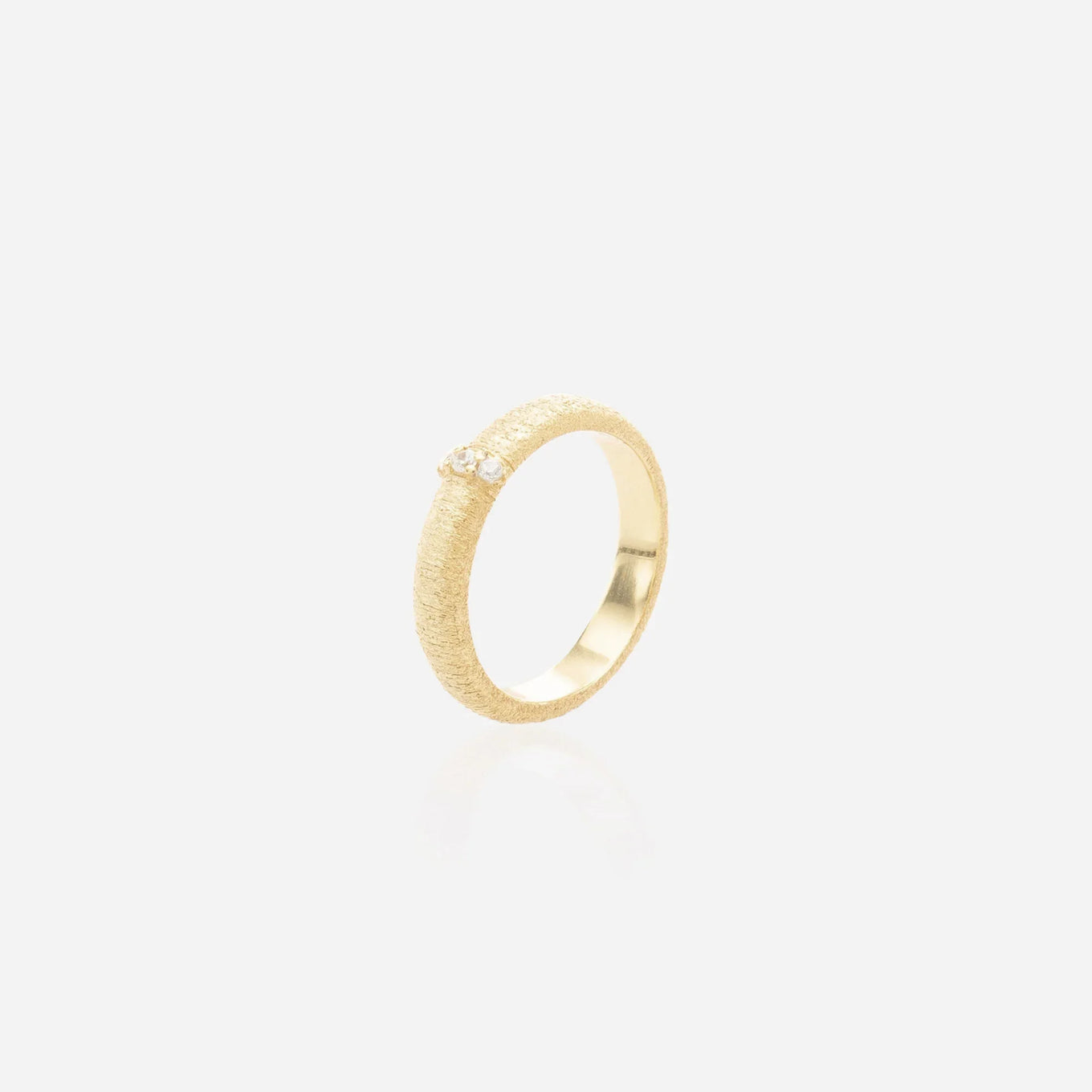
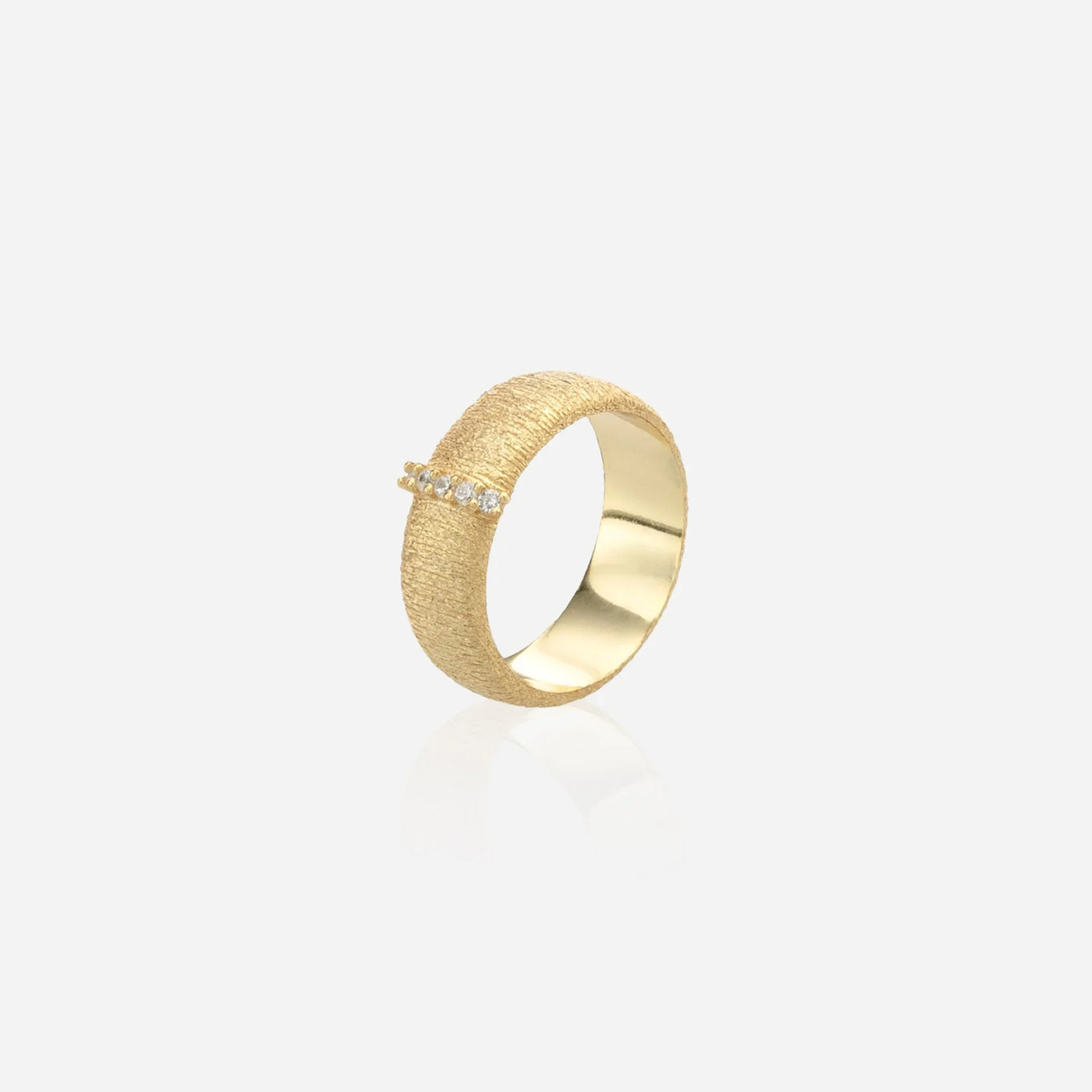
A citrine-accented ring (or a gold-toned crystal ring that channels the same warm energy) is the easiest birthstone piece to incorporate into an existing stack. Wear it alongside a textured gold band and a pavé diamond ring for a curated, collected-over-time look.
Styling Citrine for Every Season
Fall (September–November) — This is citrine's natural domain. Layer a citrine pendant over a chunky cream knit. The gold-on-cream combination feels expensive and effortless. Add warm-toned gold hoops and you're done.
Winter (December–February) — Citrine against dark winter fabrics is striking. A citrine or amber-toned pendant against a black turtleneck creates the kind of contrast that makes people ask, "What is that stone?"
Spring (March–May) — Switch to lighter gold chains and smaller citrine accents. A dainty citrine pendant on a fine 16-inch chain feels spring-appropriate without losing the warmth.
Summer (June–August) — Citrine reflects sunlight beautifully. A drop earring in amber or honey tones, worn with a white linen dress, channels effortless Mediterranean summer energy.
Citrine vs. Lookalike Stones
Citrine is often confused with other yellow and gold gemstones. Here's your quick reference:
| Stone | Key Difference |
|---|---|
| **Yellow topaz** | November's alternative birthstone; typically brighter, more expensive |
| **Yellow sapphire** | Harder (9 vs 7 on Mohs); more expensive; rarer in jewelry stores |
| **Amber** | Organic (fossilized resin), much softer, often contains inclusions |
| **Golden beryl (heliodor)** | Rarer, greener undertones, more expensive |
| **Heat-treated amethyst** | Often sold as citrine — same chemical composition; indistinguishable without lab testing |
For birthstone purposes, natural or heat-treated citrine is the authentic November choice. If you're drawn to the color rather than the birthstone meaning, amber-toned crystal pieces in gold settings deliver the identical warm-gold aesthetic.
What If You Want the Citrine Aesthetic Without the Stone?
Not every jewelry lover wants a literal birthstone piece. Sometimes you want the feeling of citrine — warmth, gold, organic richness — without the specific gemstone label.
Alternative warm-toned pieces that channel citrine energy:
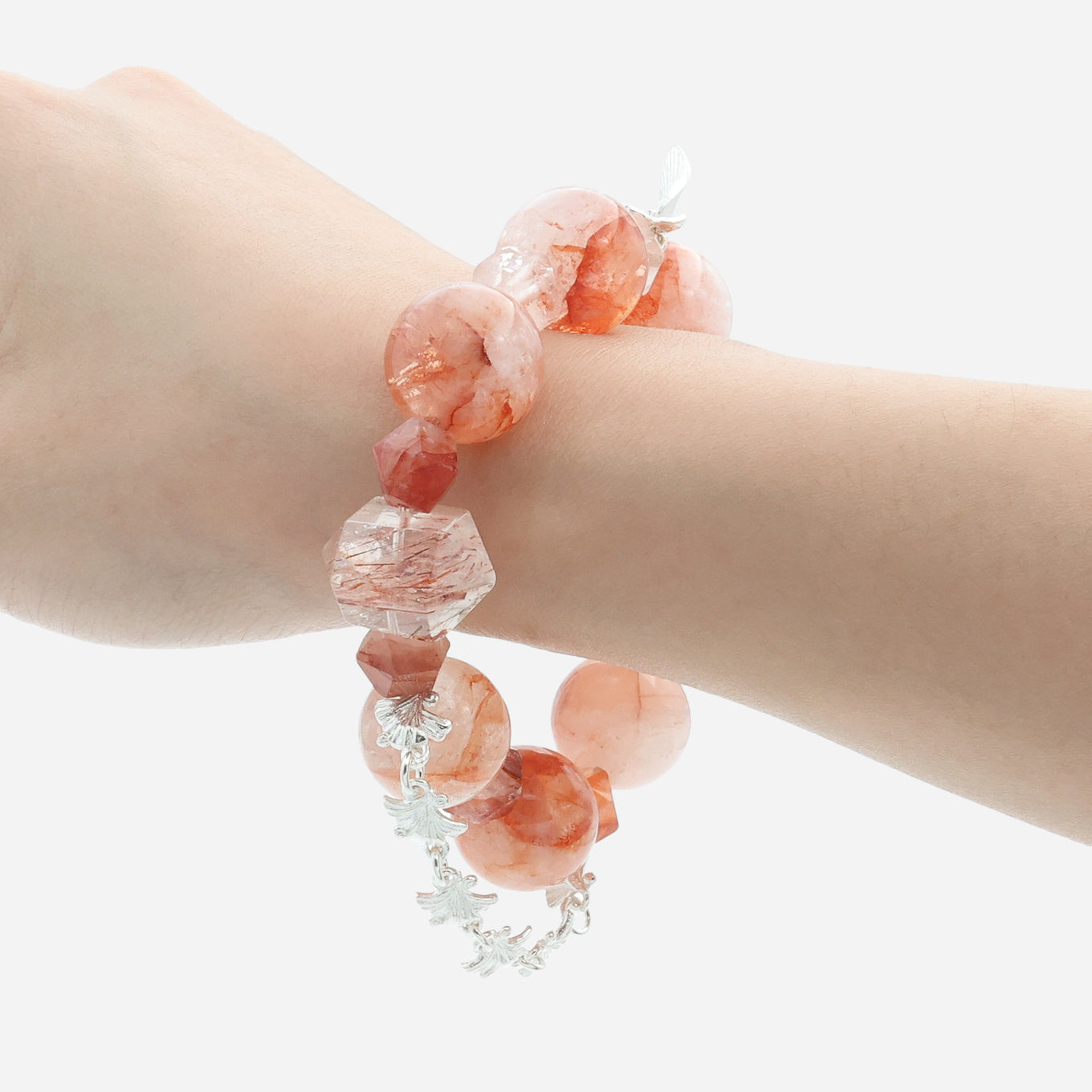
- Amber-hued crystal pendants in gold settings
- Maple leaf motifs in warm gold tones (nature's citrine palette)
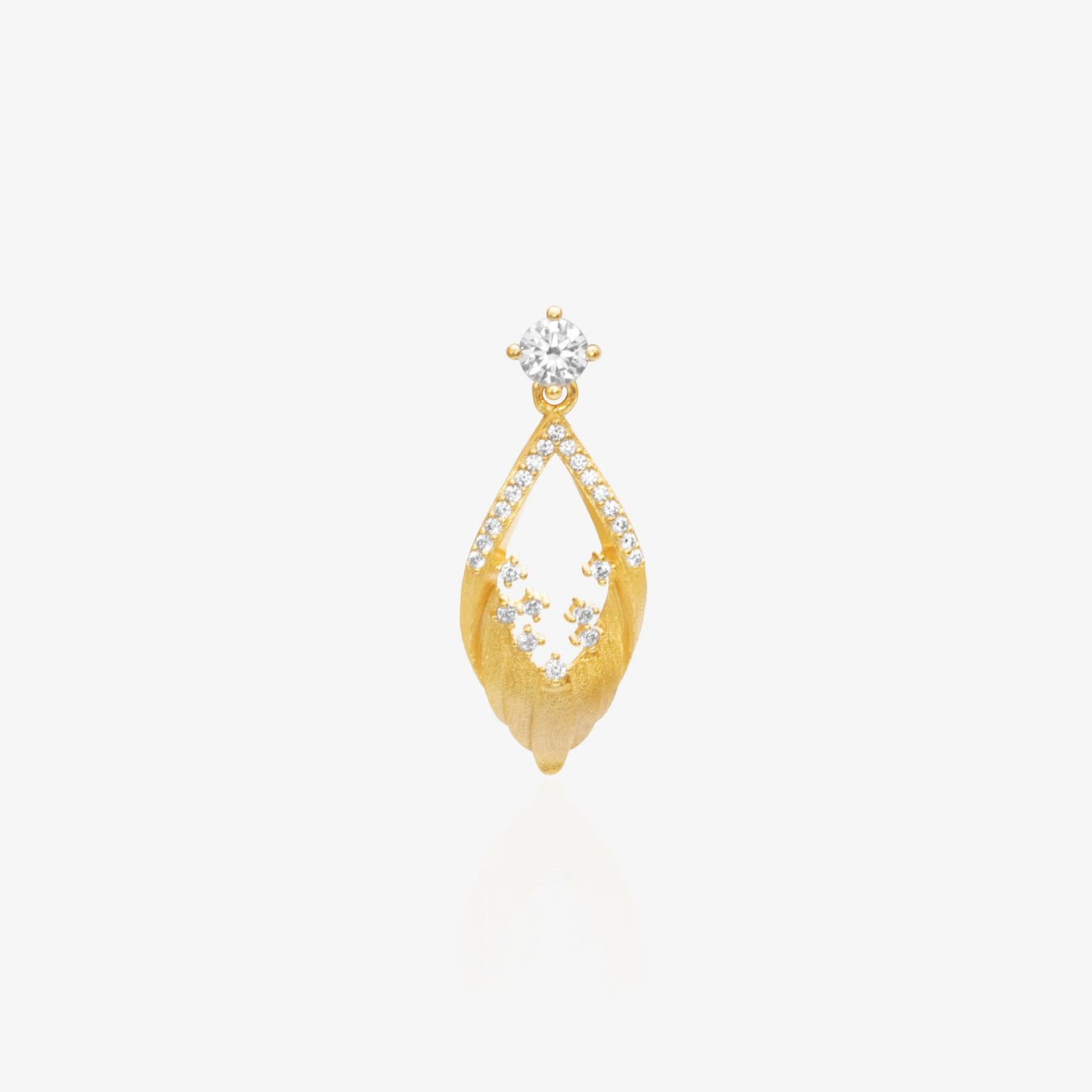
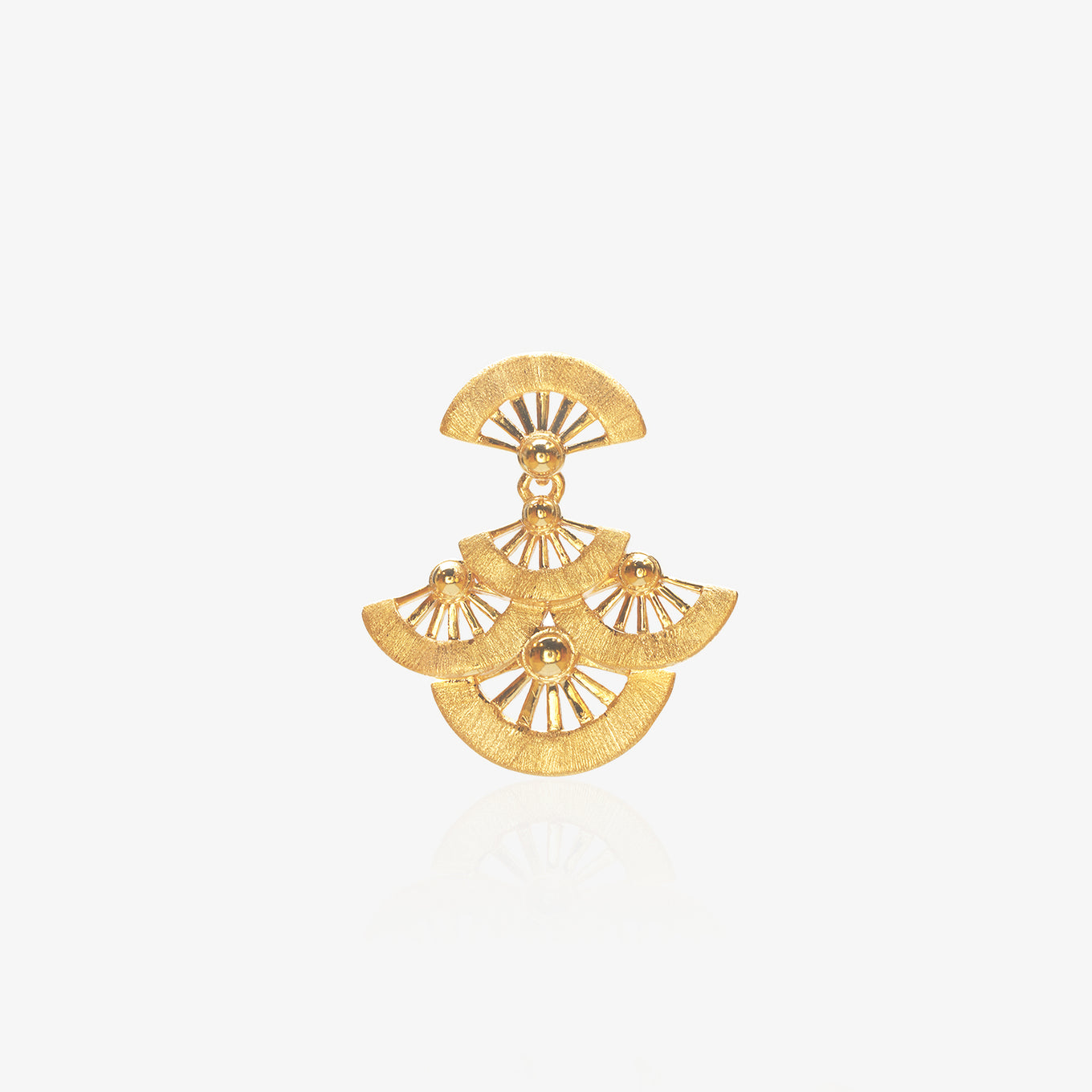
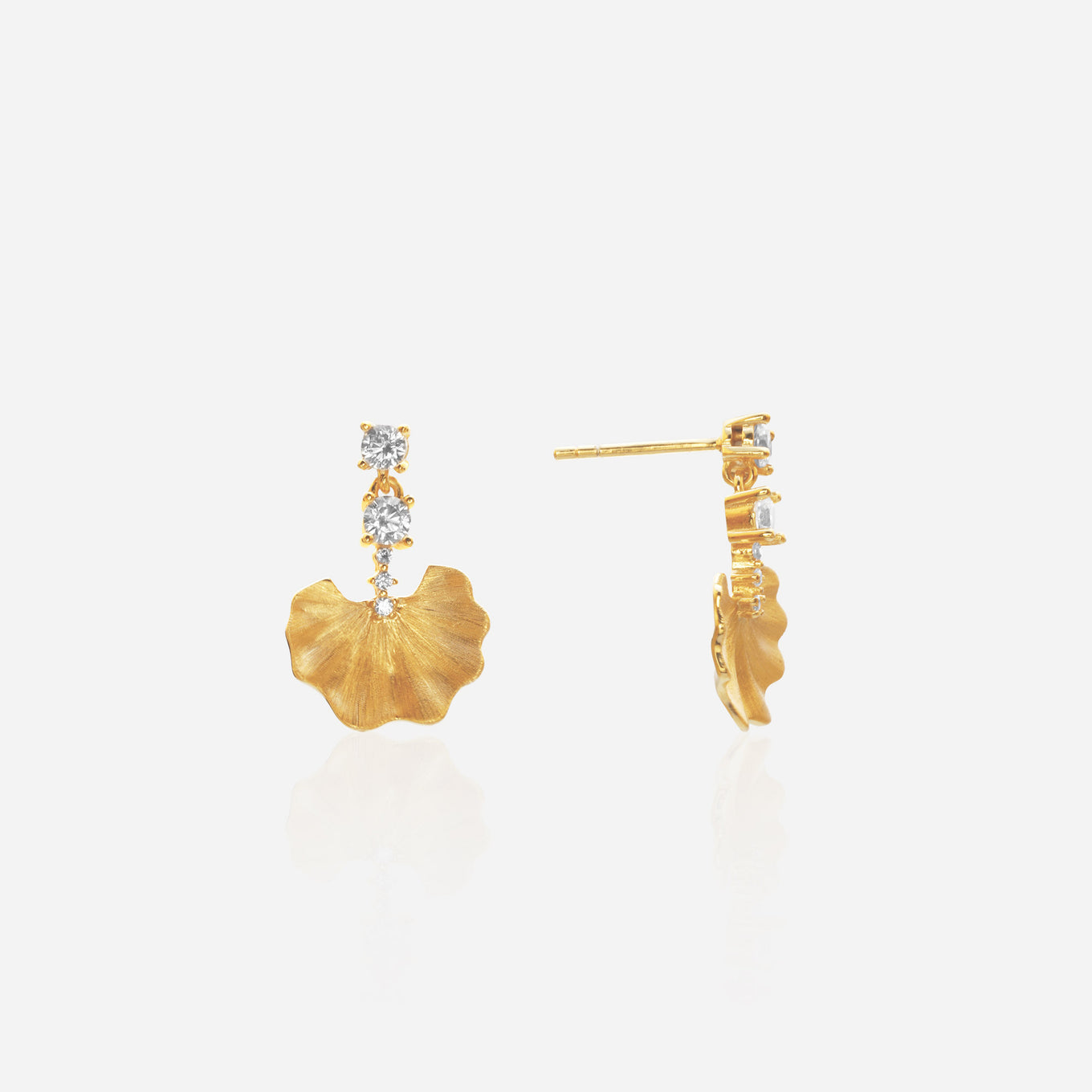
- Brushed gold pendants with warm, satin finishes
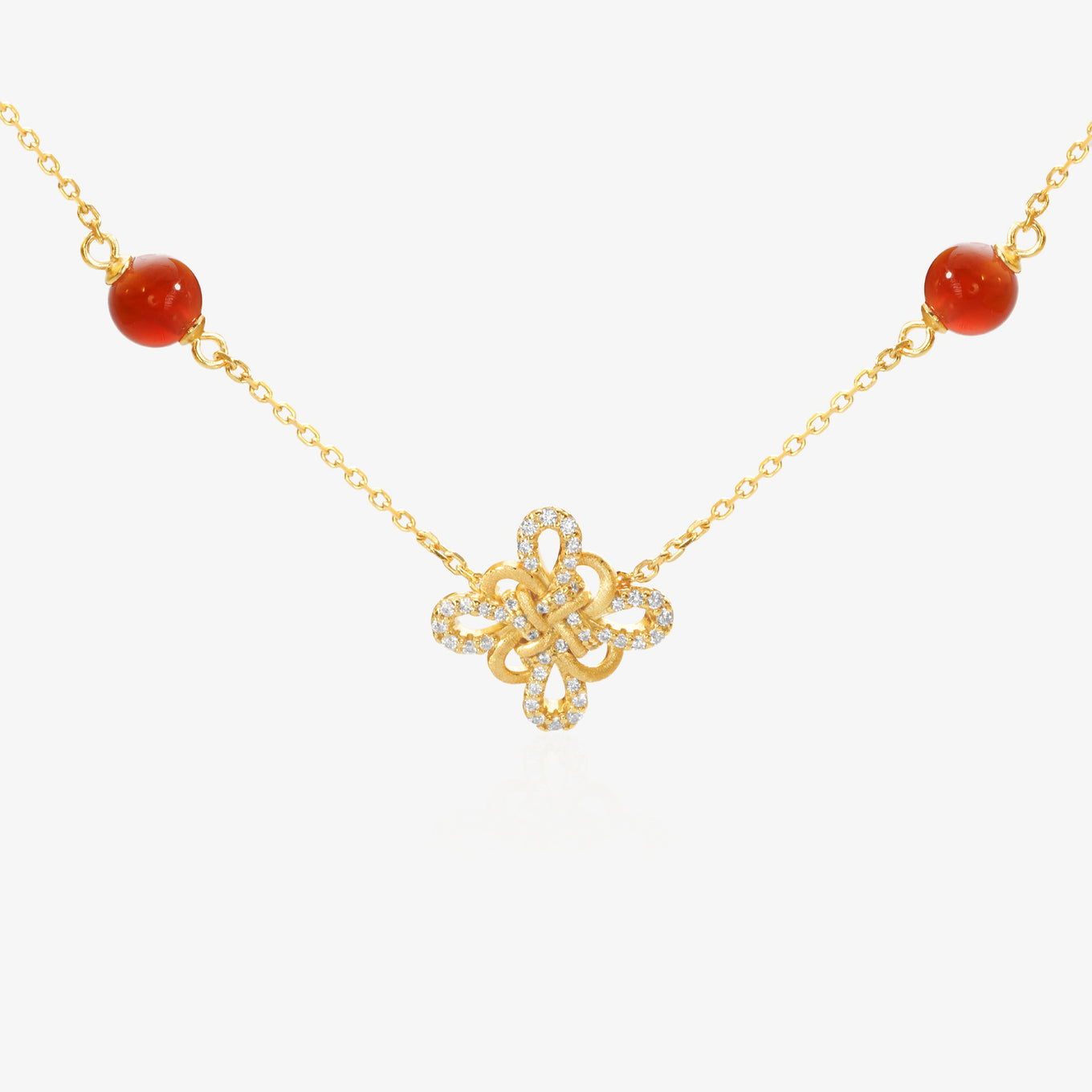
- Gold chain necklaces with honey-toned accents
These pieces offer the citrine aesthetic — warm, approachable, golden — while functioning as versatile everyday jewelry that doesn't read as "birthstone-specific."
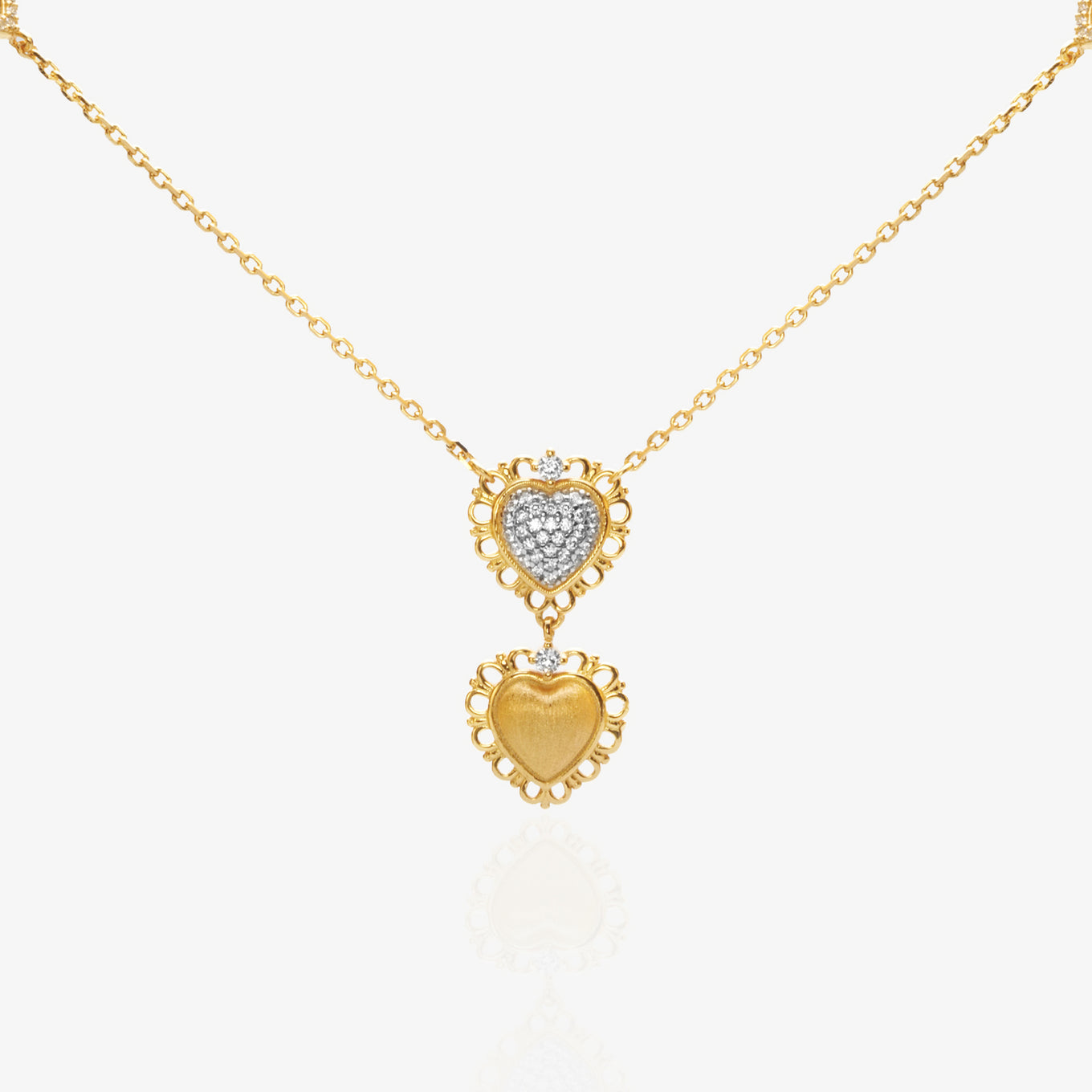
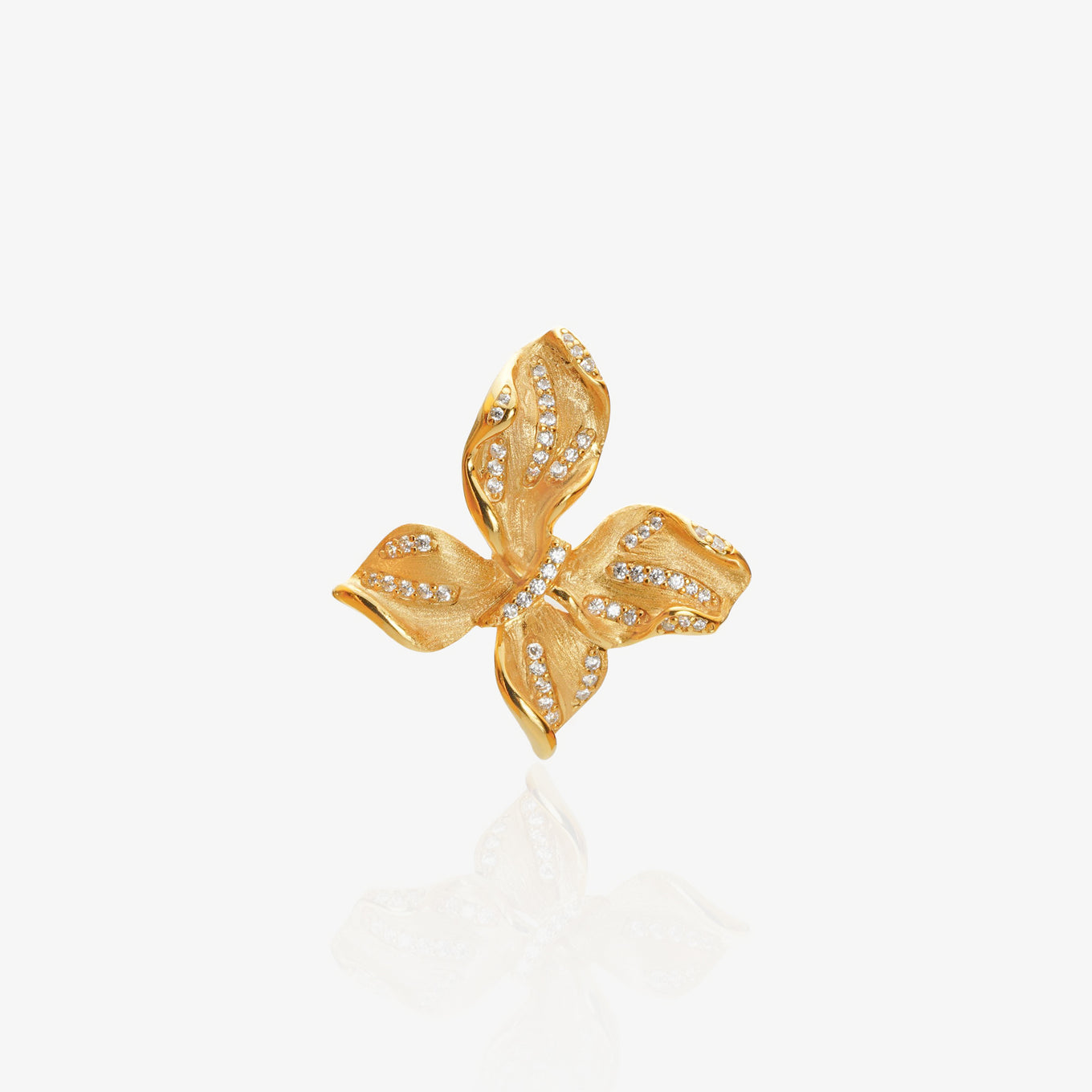
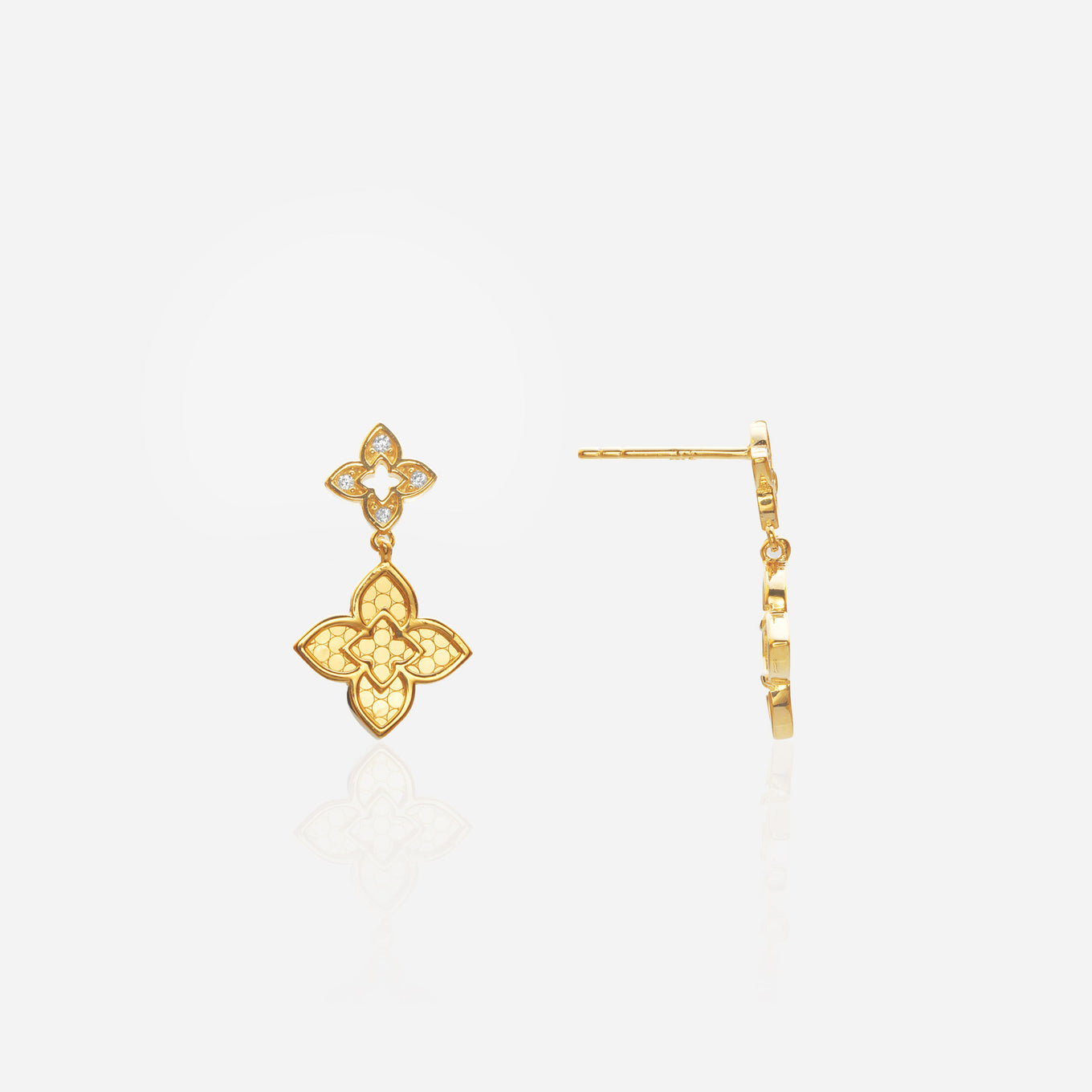
> Shop the look: Maple Leaf Pendant | Amber-Hued Nano Zircon — an autumn-toned pendant that captures citrine's warmth in wearable gold. Also: Brushed Gold Flower Pendant Necklace — satin-finish gold with diamond accents for an organic, sun-touched feel.
Who Is This For?
| Who You Are | What to Wear |
|---|---|
| **November baby looking for meaning** | A faceted citrine pendant — the birthstone classic |
| **You love warm tones more than specific stones** | Amber-toned gold pieces — the aesthetic, minus the label |
| **You're in a creative career** | Citrine ring — the "merchant's stone" for confidence and abundance |
| **You want a fall capsule upgrade** | Honey-toned drop earrings or a warm gold chain — seasonal elevation |
| **You're gift-shopping for a November birthday** | Citrine and gold combination — personal but not overly specific |
How to Care for Citrine Jewelry
Citrine is durable (Mohs 7) but not invincible. Here's how to keep it glowing:
Daily care:
- Wipe with a soft cloth after wear to remove skin oils
- Store in a fabric-lined jewelry box, away from harder stones (diamond will scratch citrine)
- Remove before swimming, heavy cleaning, or applying strong chemicals
Cleaning:
- Warm water, mild soap, soft toothbrush — that's it
- Avoid ultrasonic cleaners (vibrations can loosen settings)
- Avoid steam cleaning for plated settings
What to avoid:
- Prolonged direct sunlight — citrine's color can fade with extreme UV exposure
- Sudden temperature changes
- Impact on hard surfaces — quartz can chip
Philosophy Behind the Warmth
At ÉLARAMUSE, we believe warmth isn't just a color — it's a posture. Jewelry should make you feel like someone who generates her own light, and citrine, with its honey-gold spectrum, embodies that completely.
We believe you shouldn't need to choose between "meaningful birthstone" and "wearable everyday jewelry." The best pieces are both: personal enough to feel intentional, versatile enough to reach for without thinking.
Our design approach — what we call Urban Naturalism — means every piece channels something organic: the curve of a maple leaf, the ripple of water, the texture of raw gold. Citrine and its warm-toned siblings fit this philosophy naturally, because warmth isn't something you add to a design. It's something you build the design around.
Frequently Asked Questions
Q: Is citrine expensive?
Compared to other birthstones, citrine is one of the most affordable November options. Fine natural citrine in large sizes can command higher prices, but most high-quality citrine jewelry is accessible — often in the demi-fine range ($50–200 for plated settings).
Q: Can I wear citrine if November isn't my birth month?
Absolutely. Birthstones don't require a birth certificate. Many women wear citrine for its warm, joyful energy regardless of their birth month. In crystal practice, citrine is considered a stone anyone can benefit from.
Q: Is my citrine natural or heat-treated?
If it's affordable and deep golden-amber, it's likely heat-treated amethyst. If it's pale yellow and more expensive, it may be natural. The good news: they're chemically identical and equally durable. Heat treatment in citrine is permanent and doesn't affect wearability.
Q: How do I know if my gold plating will hold up with citrine?
Choose pieces stamped S925 (sterling silver base) with 18K gold plating. ÉLARAMUSE applies a protective e-coating that significantly extends plating life. With the right care — gentle wear, soft storage, and removing before water exposure — your citrine-in-gold piece can remain brilliant for years.
Q: Does citrine work with silver settings?
It can, but it rarely looks as harmonious. Citrine's warm, honey tones pair naturally with yellow gold and gold plating. Silver with citrine can create a cooler contrast that some wearers love, but the traditional and most flattering pairing is citrine + gold.
Citrine doesn't ask for attention. It earns it — the way a room naturally warms when sunlight enters it. For November birthdays and warmth-seekers alike, it's a birthstone worth wearing beyond the month that claims it.
Meta Description: Citrine is the November birthstone — a golden quartz symbolizing warmth, prosperity, and creative energy. Discover how to choose, style, and care for citrine jewelry, plus warm-toned alternatives that capture the same sunlit aesthetic.