Jewelry Color Psychology Guide 2026: What Your Jewelry Colors Say About You
The colors in your jewelry are not random — they communicate mood, personality, and intention before you speak. Gold signals warmth and grounded confidence. Silver projects clarity and modern restraint. Red conveys passion and power. Blue communicates calm and wisdom. Pearl embodies quiet elegance. And how you pair colors — gold with turquoise, silver with pearl, rose gold with crystal — creates a second layer of meaning that changes how your entire outfit is perceived.
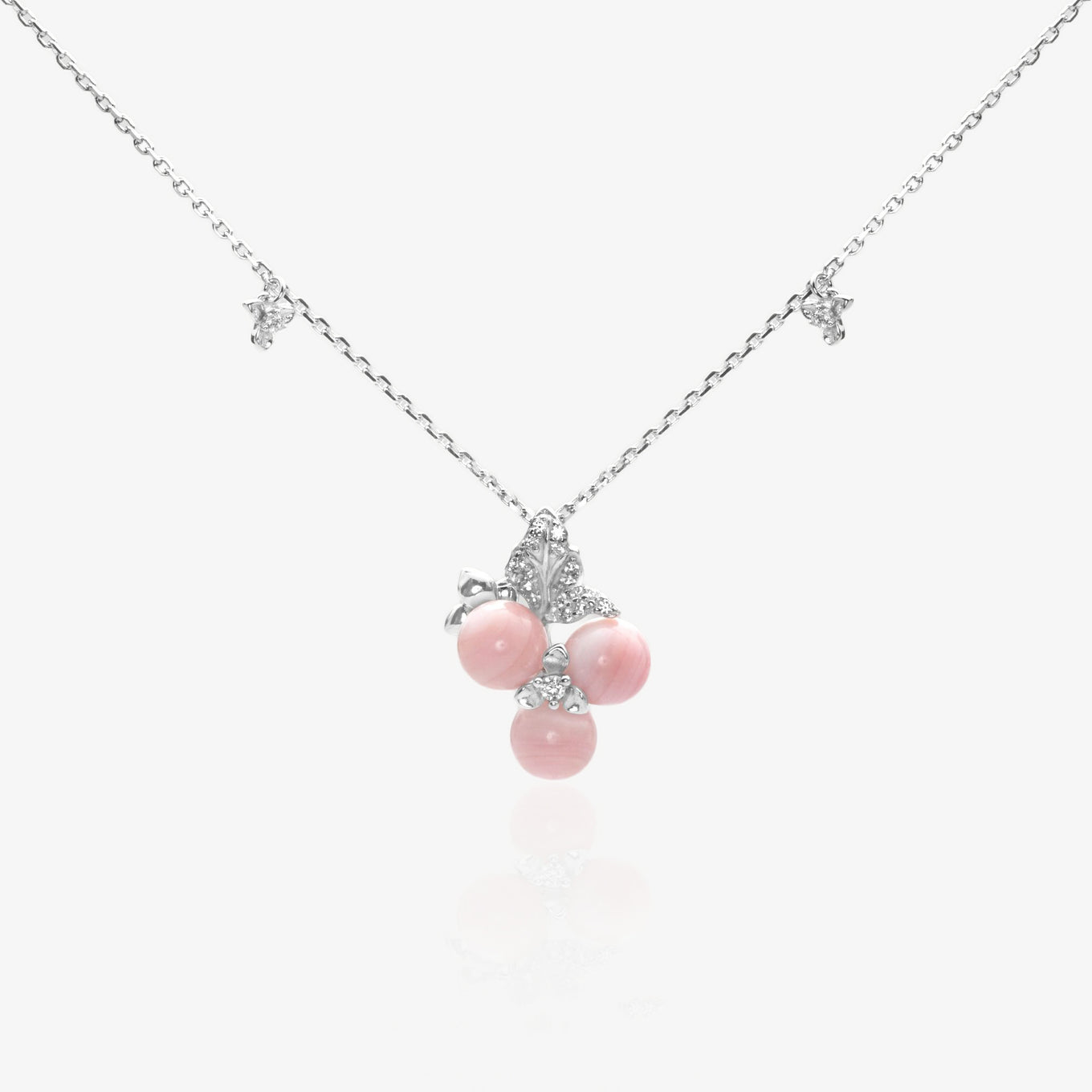
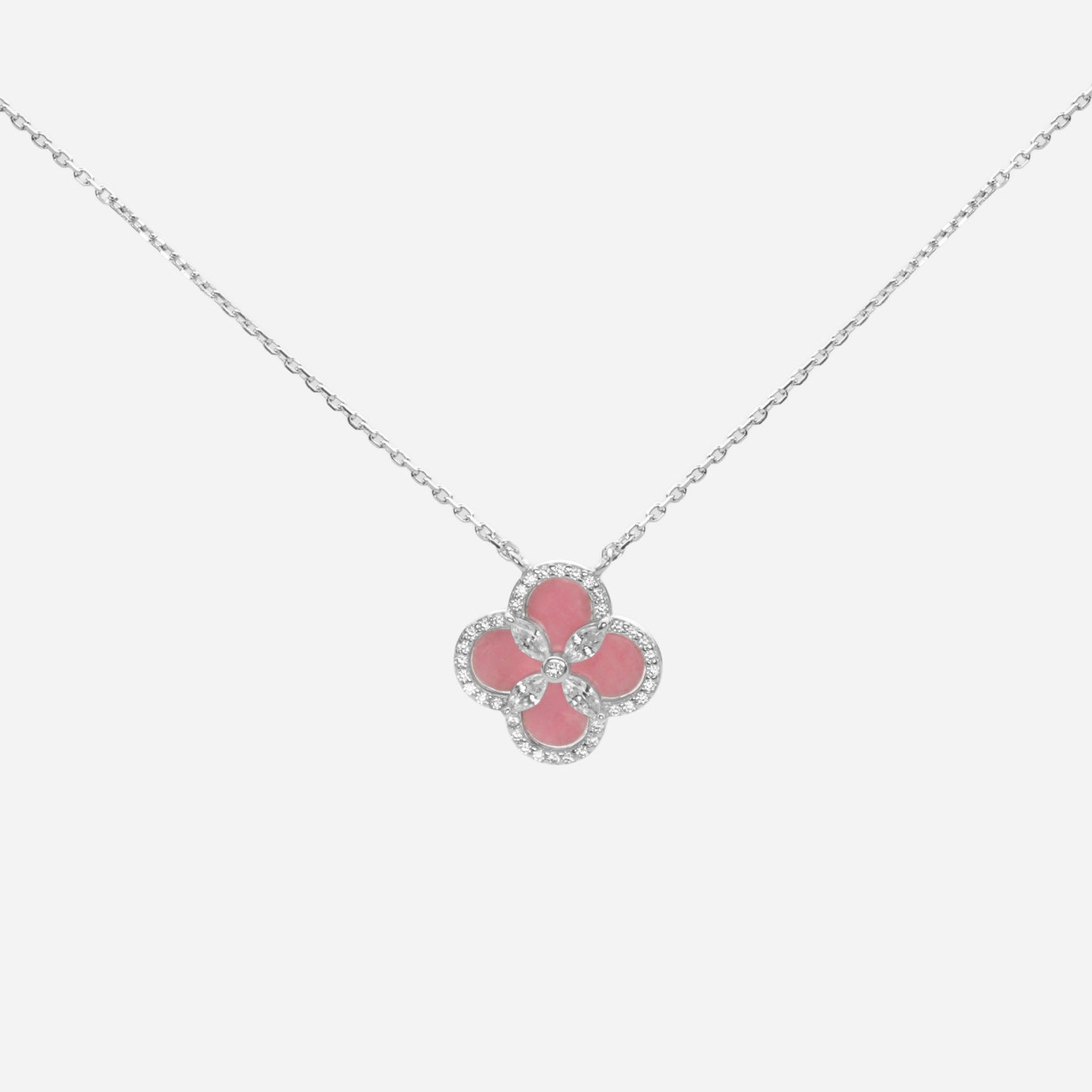
From the Pink Conch Shell Necklace to Every morning, you make a split-second decision about which jewelry to wear. You might think you are choosing based on outfit coordination or what is clean and untangled. But underneath that conscious logic, color psychology is at work — a deep, cross-cultural language of association that marketers, designers, and artists have studied for centuries. The gold hoop versus the silver stud is not just a style choice. It is a signal.
📑 In This Guide
- Key Terms — The Language of Jewelry Color
- Warm Tones — Gold, Red, Pink & Rose
- Cool Tones — Silver, Blue & White
- Earth & Organic Tones — Pearl & Turquoise
- How to Match Jewelry Color to Your Skin Tone
- Color Pairing: What Your Jewelry Combination Communicates
- Frequently Asked Questions
- What We Believe
- References
This guide maps the emotional and psychological associations of every major jewelry color — warm metals, cool tones, and organic neutrals — and shows you how to use that knowledge intentionally. Every example is linked to a real ÉLARAMUSE piece, built on an Ag925 sterling silver core with Everyday 18K Gold Plating where applicable. Because the right color, on the right material, worn with intention, is the most personal accessory you own.
Key Terms — The Language of Jewelry Color
- Color Psychology
- The study of how colors influence human perception, emotion, and behavior. In jewelry, color psychology operates on two levels: the universal associations of a color (red = passion, energy) and the personal associations (the necklace your grandmother wore). Both matter.
- Warm Tones
- Colors on the red-orange-yellow side of the spectrum: gold, rose gold, red, pink, coral. Warm tones project energy, approachability, passion, and confidence. They draw the eye and create visual warmth around the face.
- Cool Tones
- Colors on the blue-green-silver side of the spectrum: silver, white gold, blue, white, clear crystal. Cool tones project calm, clarity, modernity, and restraint. They recede slightly from the eye, creating a more understated presence.
- Metal Tone
- The base color of the metal itself — not the gemstones or accents. Gold (warm yellow), silver (cool white), and rose gold (warm pink) are the three primary metal tones. Your metal tone choice sets the foundation for everything else.
- Organic Neutrals
- Pearl, turquoise, shell, wood, and other non-precious materials found in nature. These carry their own deep symbolic histories — pearls represent wisdom and purity across cultures; turquoise is a protective talisman in Native American and Persian traditions.
Warm Tones — Gold, Red, Pink & Rose
Gold — Confidence, Warmth & Grounded Energy
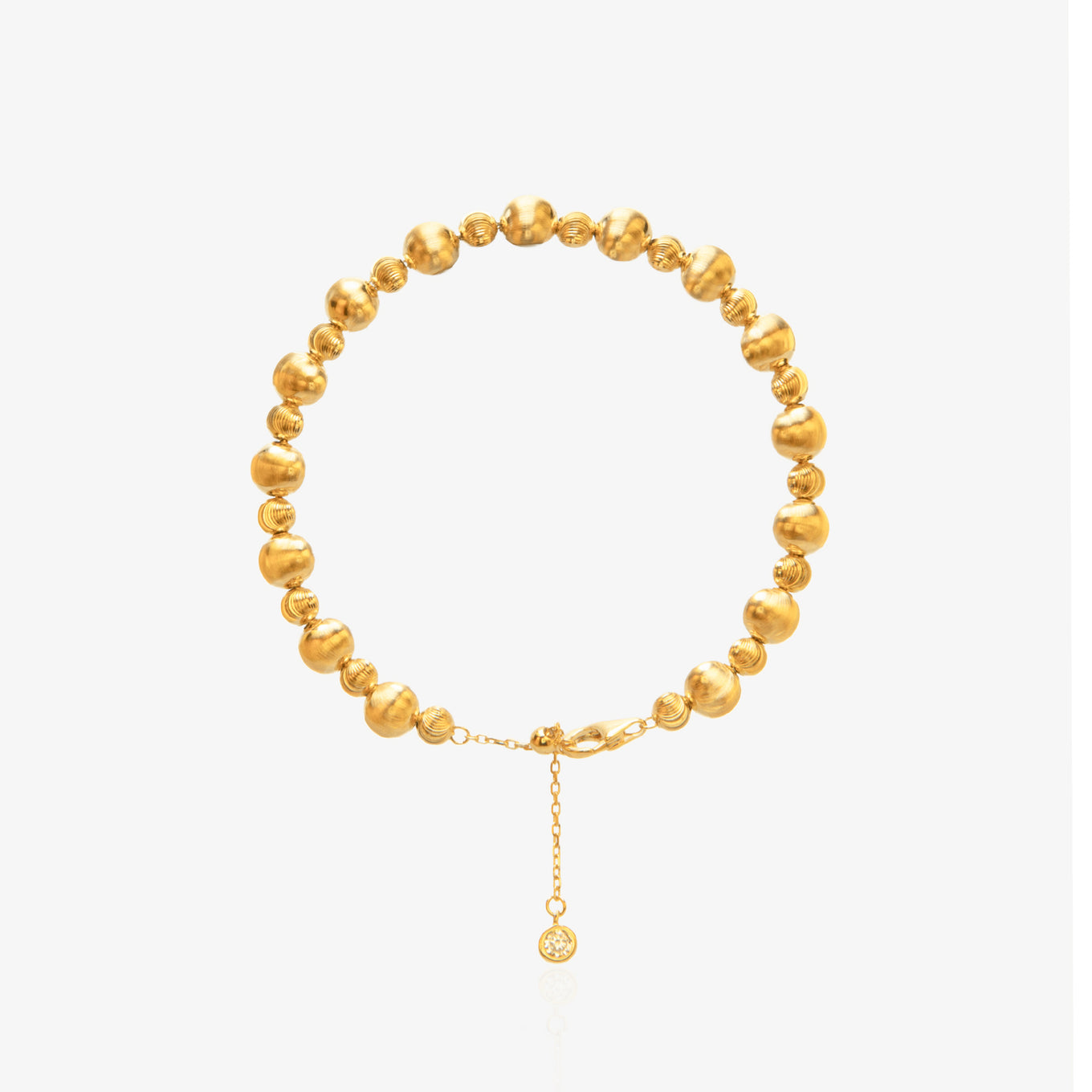
Gold is the color of sunlight — and it carries all of the sun's associations: warmth, confidence, abundance, and visibility. In color psychology, gold projects grounded power. It is not the aggressive red of a sports car or the cool remove of silver. Gold says: I am here, I am comfortable being seen, and I do not need to shout about it.
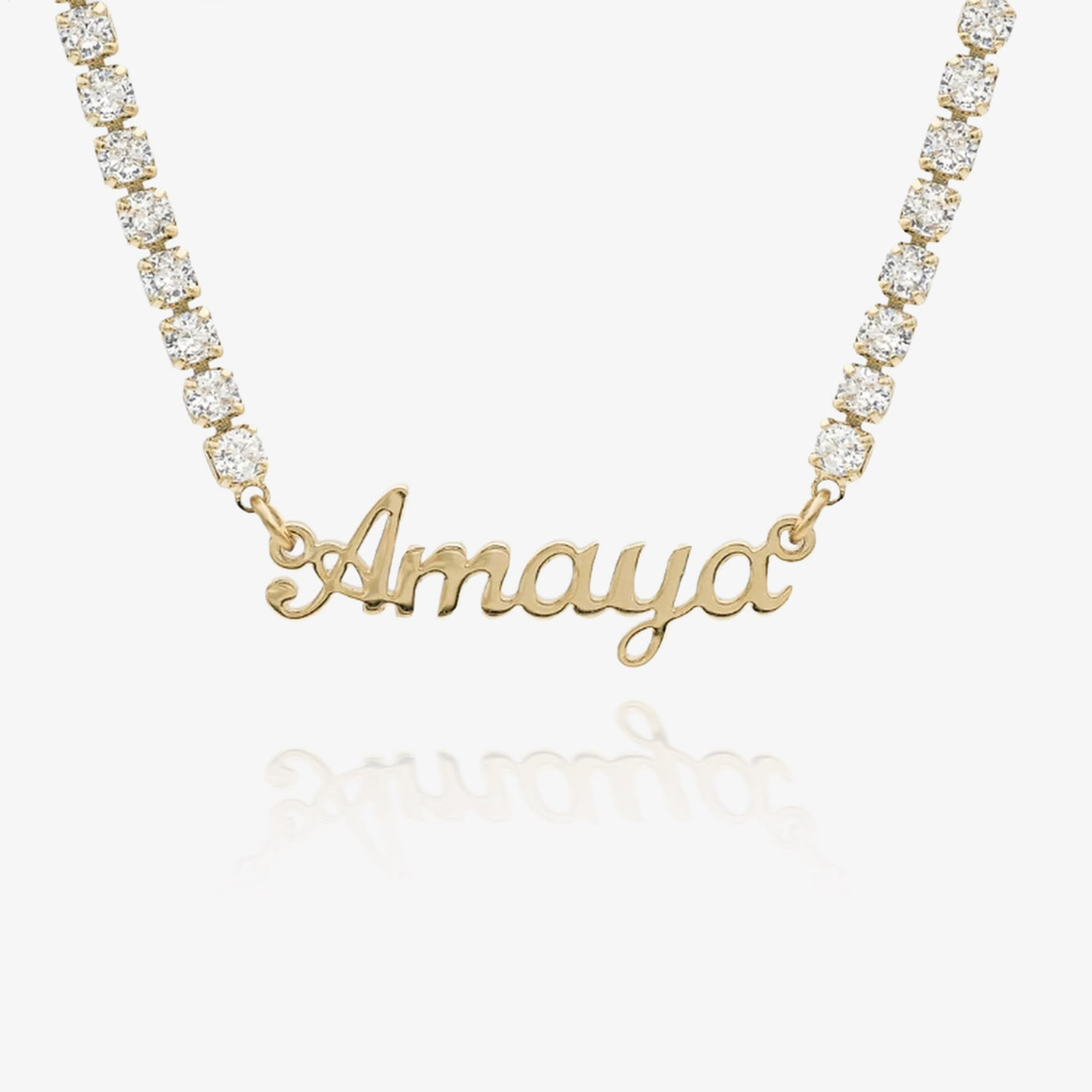
In jewelry, gold is the most traditional and emotionally resonant metal. It is the metal of wedding bands and family heirlooms, of first paychecks and milestone birthdays. When you choose a gold piece, you are tapping into centuries of cultural association — but you are also making a practical choice. Gold reflects warm light onto skin, which subtly enhances warm and olive skin tones. It pairs naturally with earth-toned clothing and reads as intentional even when worn alone.
Wear gold when: You want to project warmth and approachability. Job interviews where likability matters. First dates. Family gatherings. Any situation where you want to be perceived as confident but not intimidating.
ÉLARAMUSE gold pieces:
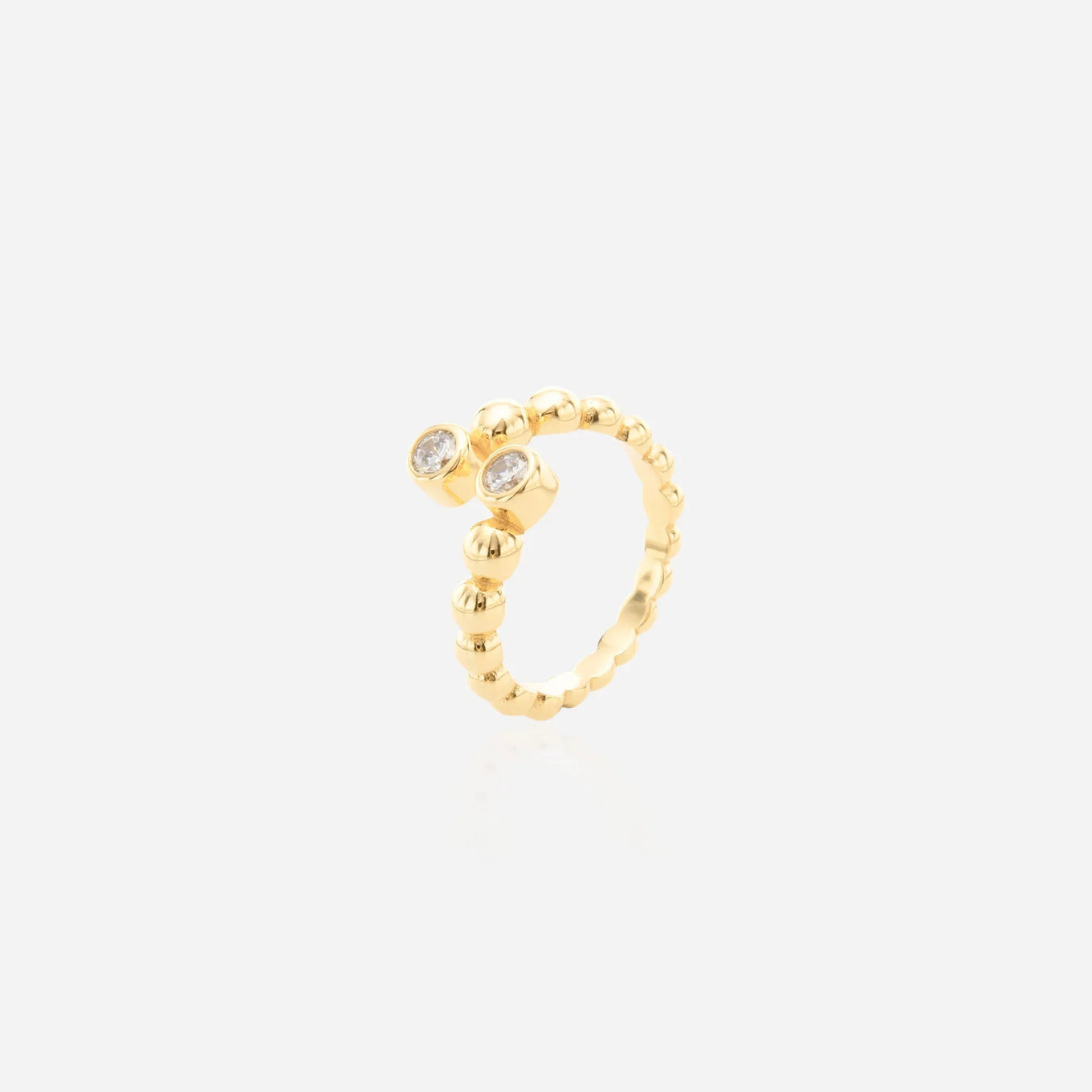
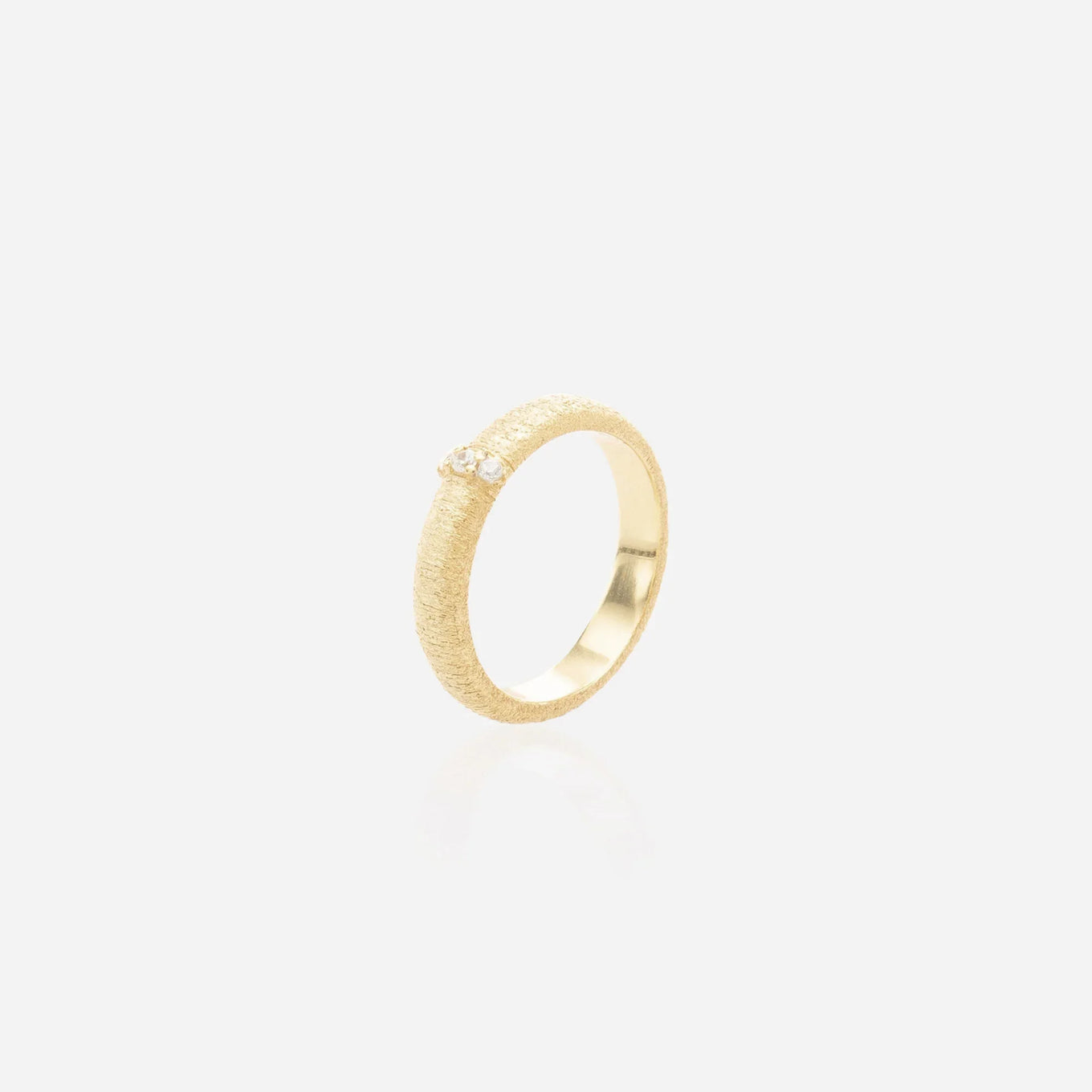
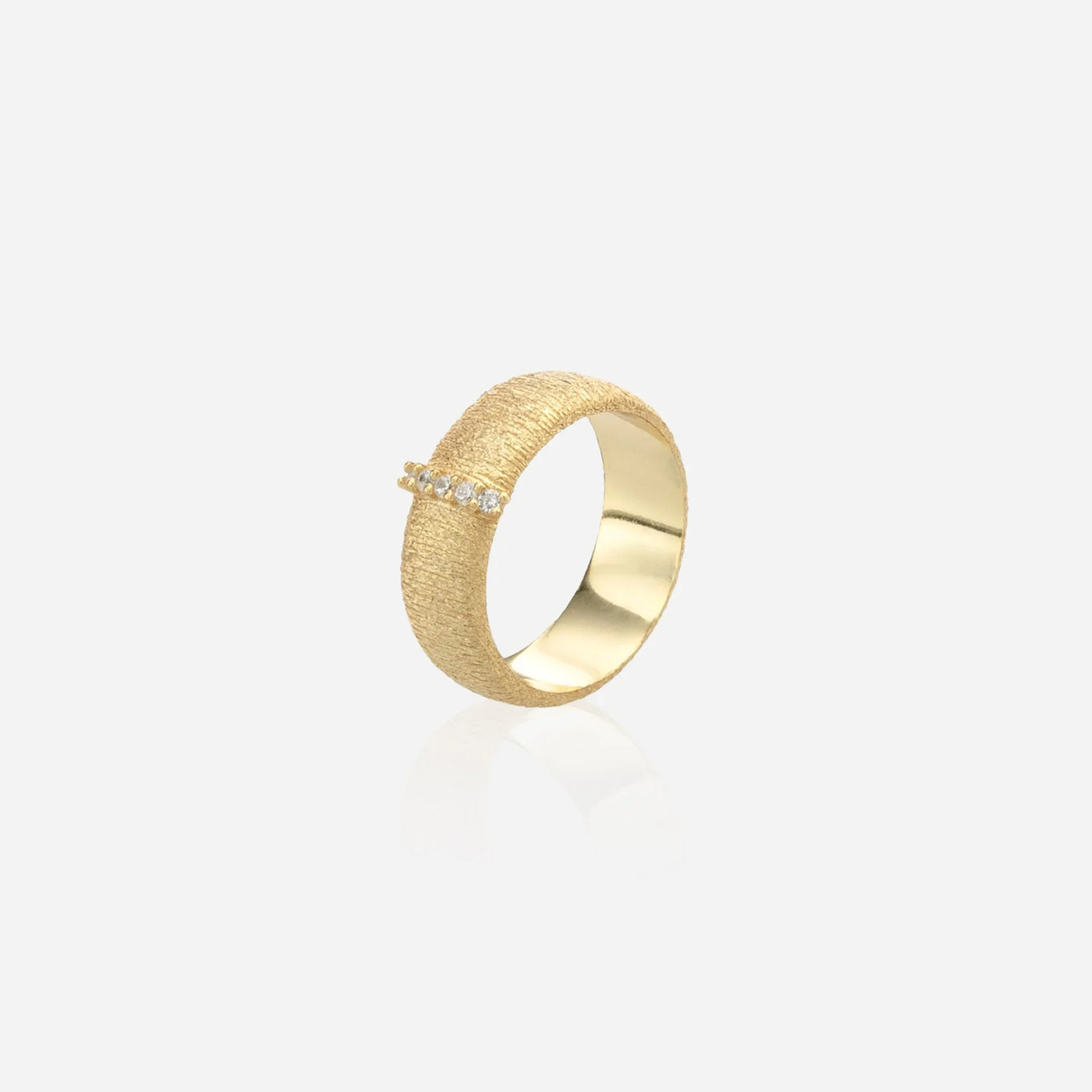
- Entwine Ring | Quilted Dual-Tone Band | Pavé Lab Diamond — The warm gold band with quilted texture is gold at its most architectural: structured, deliberate, quietly luxurious.
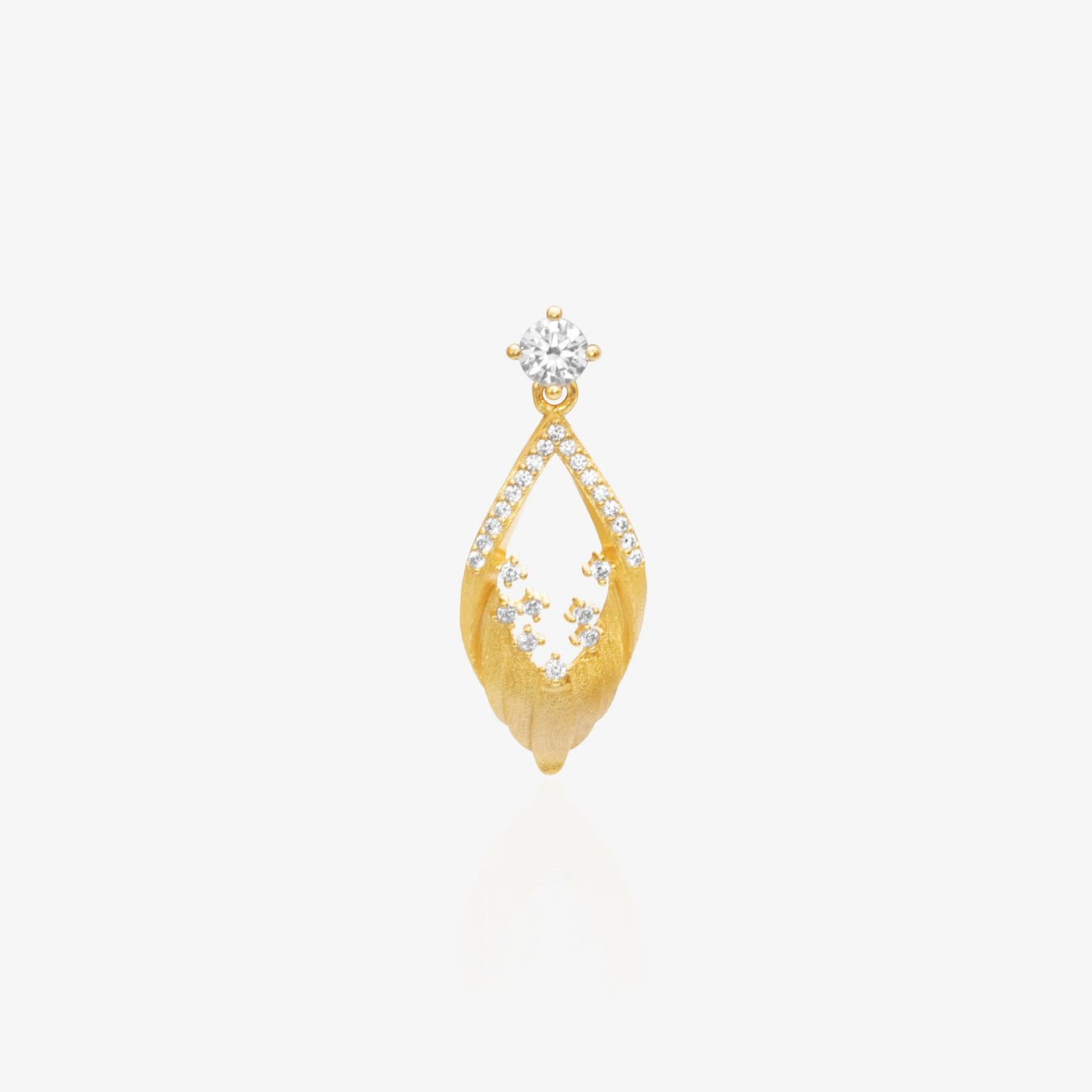
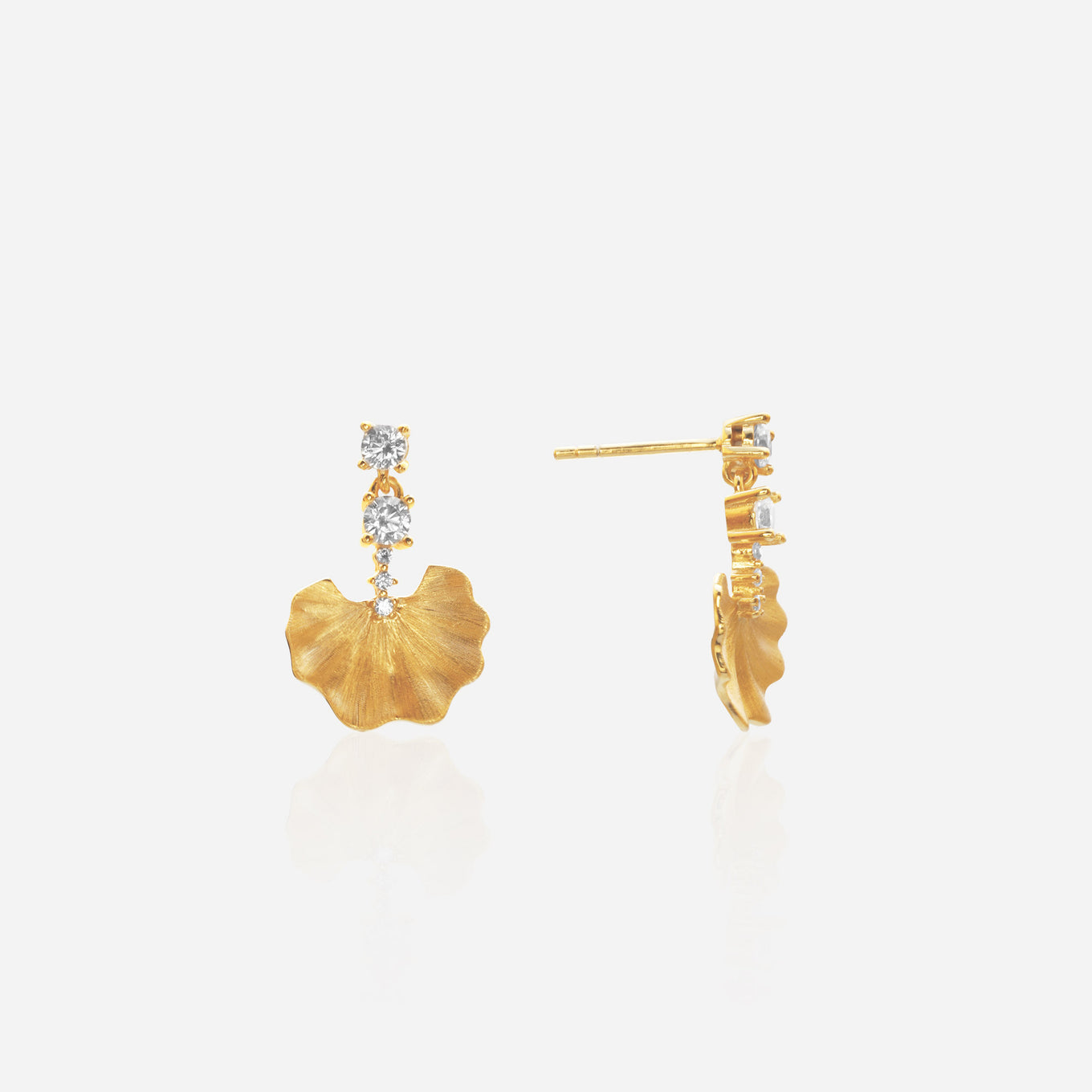
- Gold Ginkgo Leaf Earrings | lab diamond dangle Drop | Featherlight — Organic gold that moves. The fan shape catches light from every angle, projecting warmth without weight.
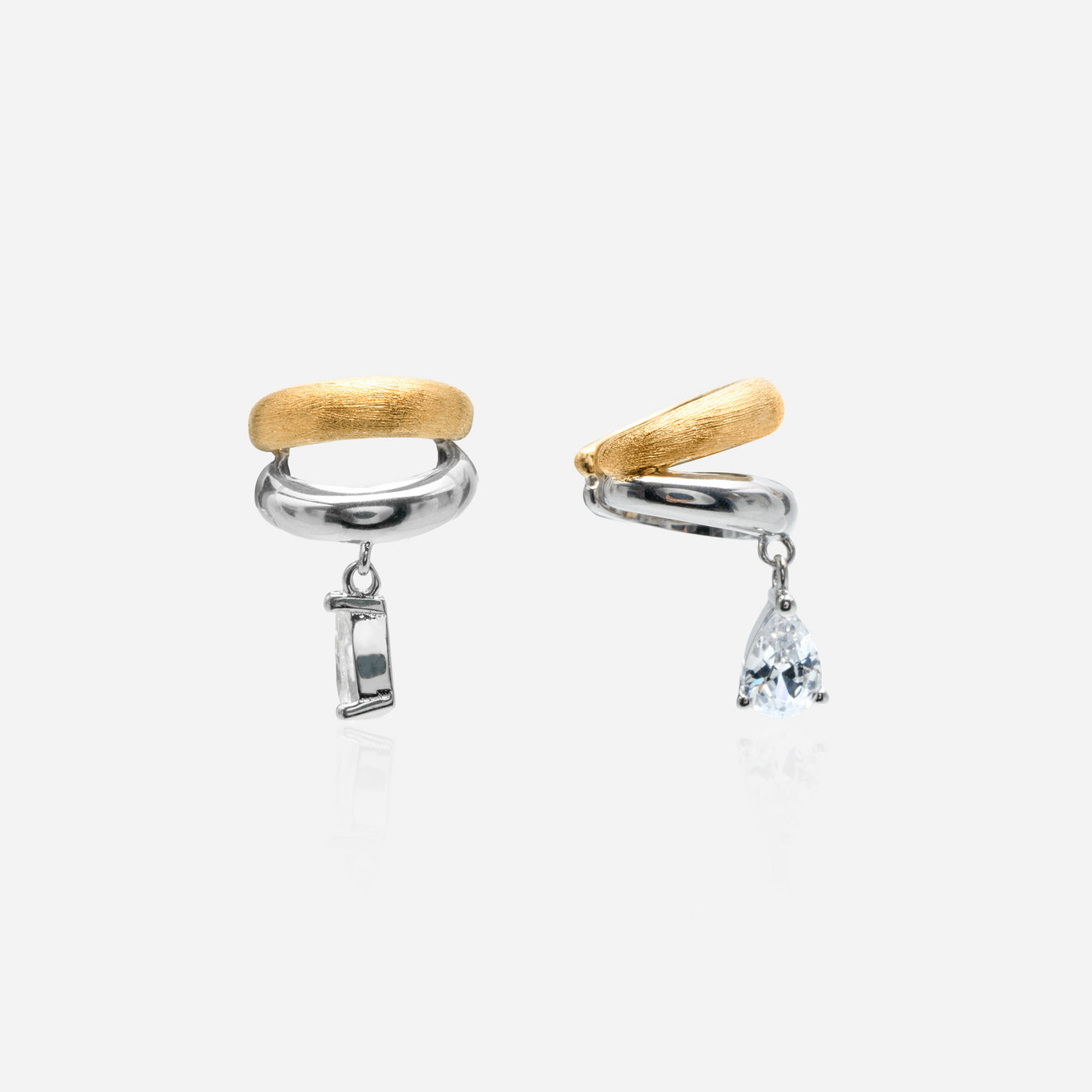
- Byzantine Lattice Hoops | Two-Tone Gold & Silver Wide Huggie — The gold-dominant side of this two-tone hoop delivers warmth with architectural edge.
Red — Passion, Power & Unapologetic Presence
Red is the most psychologically potent color in the human spectrum. It raises heart rate. It commands attention. It signals passion, urgency, and importance. In studies of first impressions, people wearing red are consistently rated as more attractive and more confident — an effect that holds across genders and cultures.
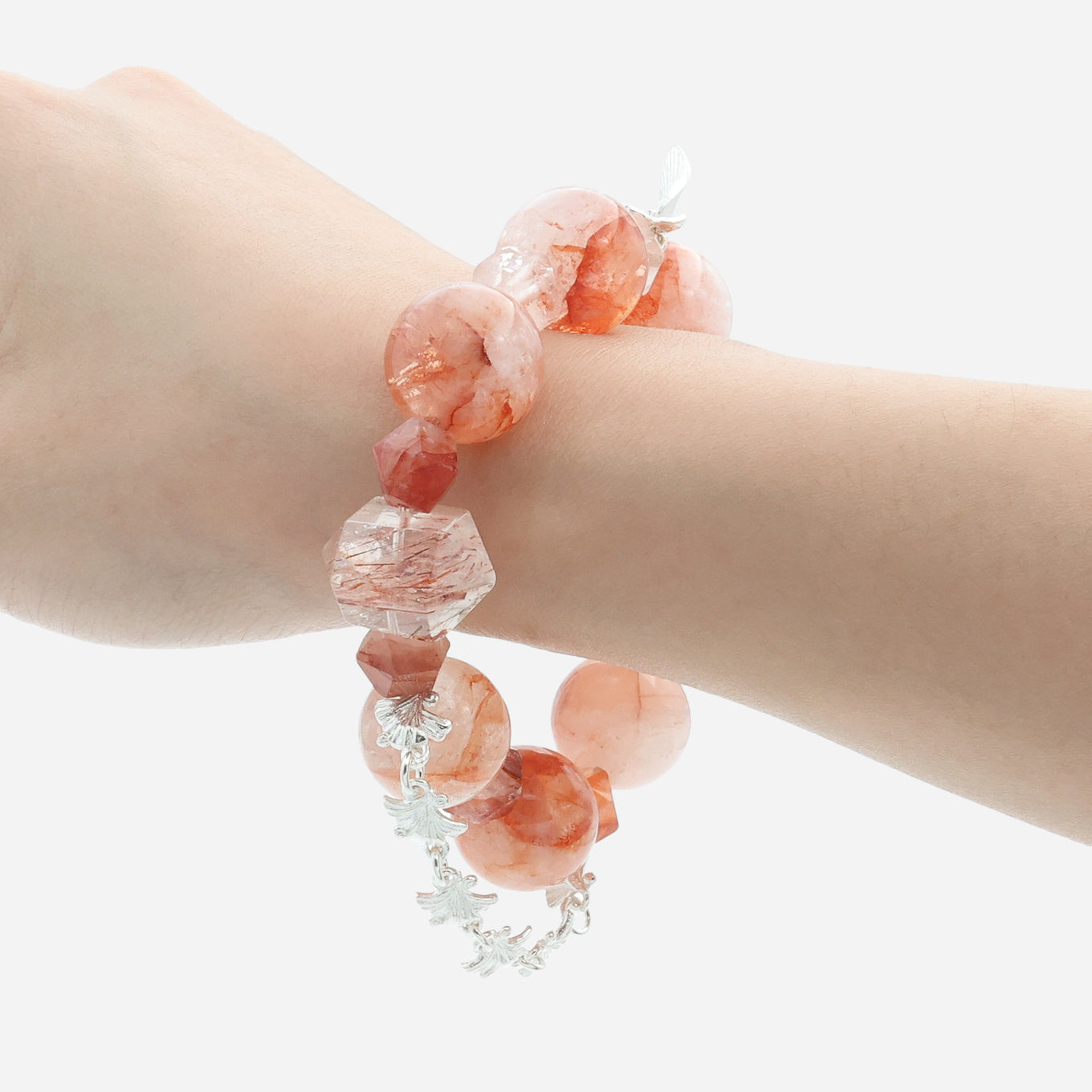
In jewelry, red stones — ruby, garnet, red crystal — are statement pieces by definition. A red ring or necklace does not blend in. It announces. This makes red jewelry ideal for occasions where you want to be remembered: presentations, negotiations, celebrations, nights out. It is less suited to situations where you want to deflect attention or convey neutrality.
Wear red when: You are walking into a room where you need to be noticed. Presentations. Celebrations. Date nights. Any moment that calls for the boldest version of yourself.
ÉLARAMUSE red pieces:
- Carmen Ruby Ring | Lab-Created Ruby Solitaire — A single, intense ruby-red stone in a clean gold setting. No distractions. Pure color impact.
- Bouquet Ring | Flower Cluster Pavé | ÉLARAMUSE — Red crystal at the heart of layered gold petals. Romantic without being soft.
Pink & Rose Gold — Romance, Soft Strength & Modern Femininity
Pink occupies a unique position in color psychology: it is the color of romance and tenderness, but it is also increasingly a power color — soft pink suits and rose gold accessories have become symbols of confident, modern femininity that does not need to prove anything. Rose gold, specifically, hit the jewelry world as a trend in the mid-2010s and never left — because it solved a real problem: how to get the warmth of gold with the subtlety of silver.
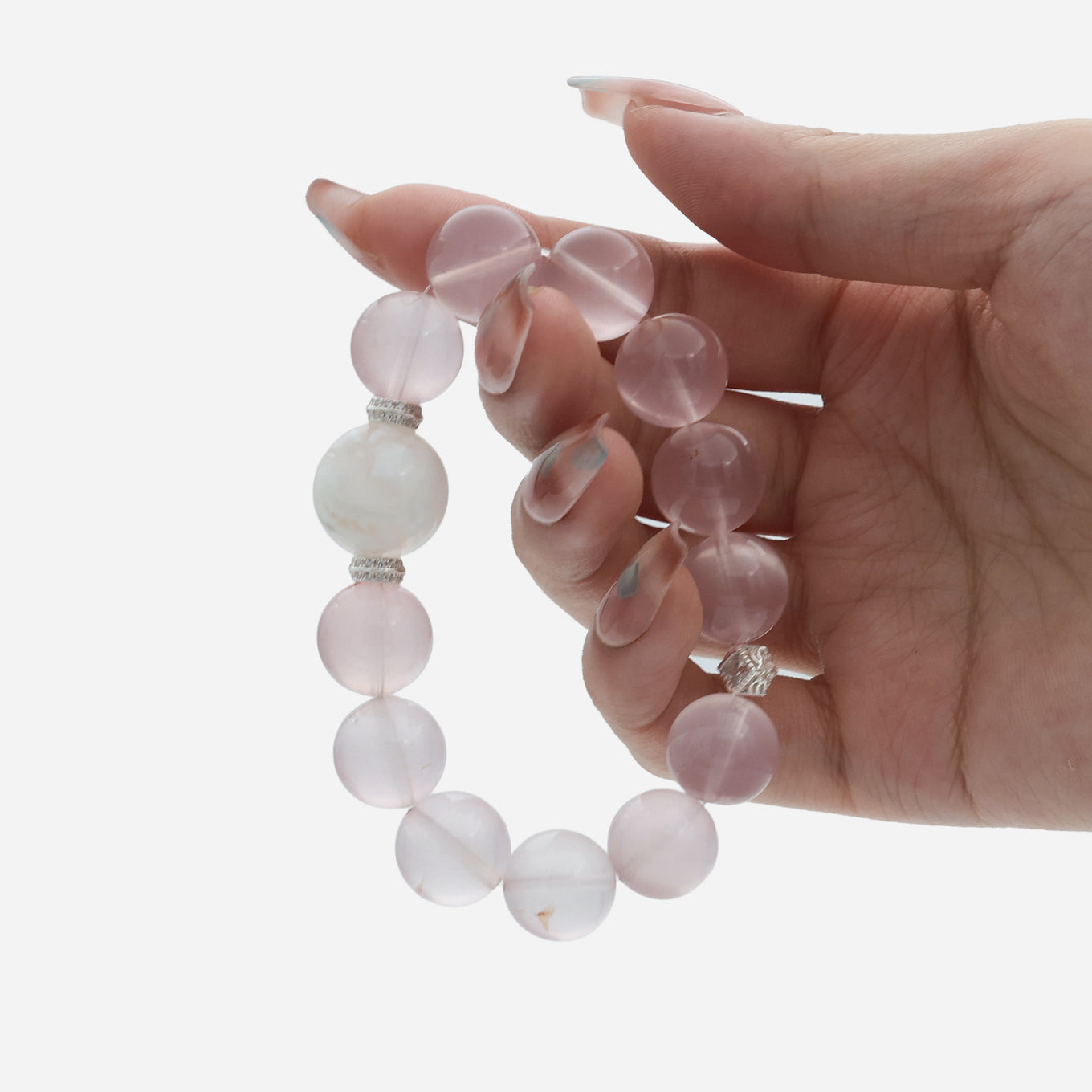
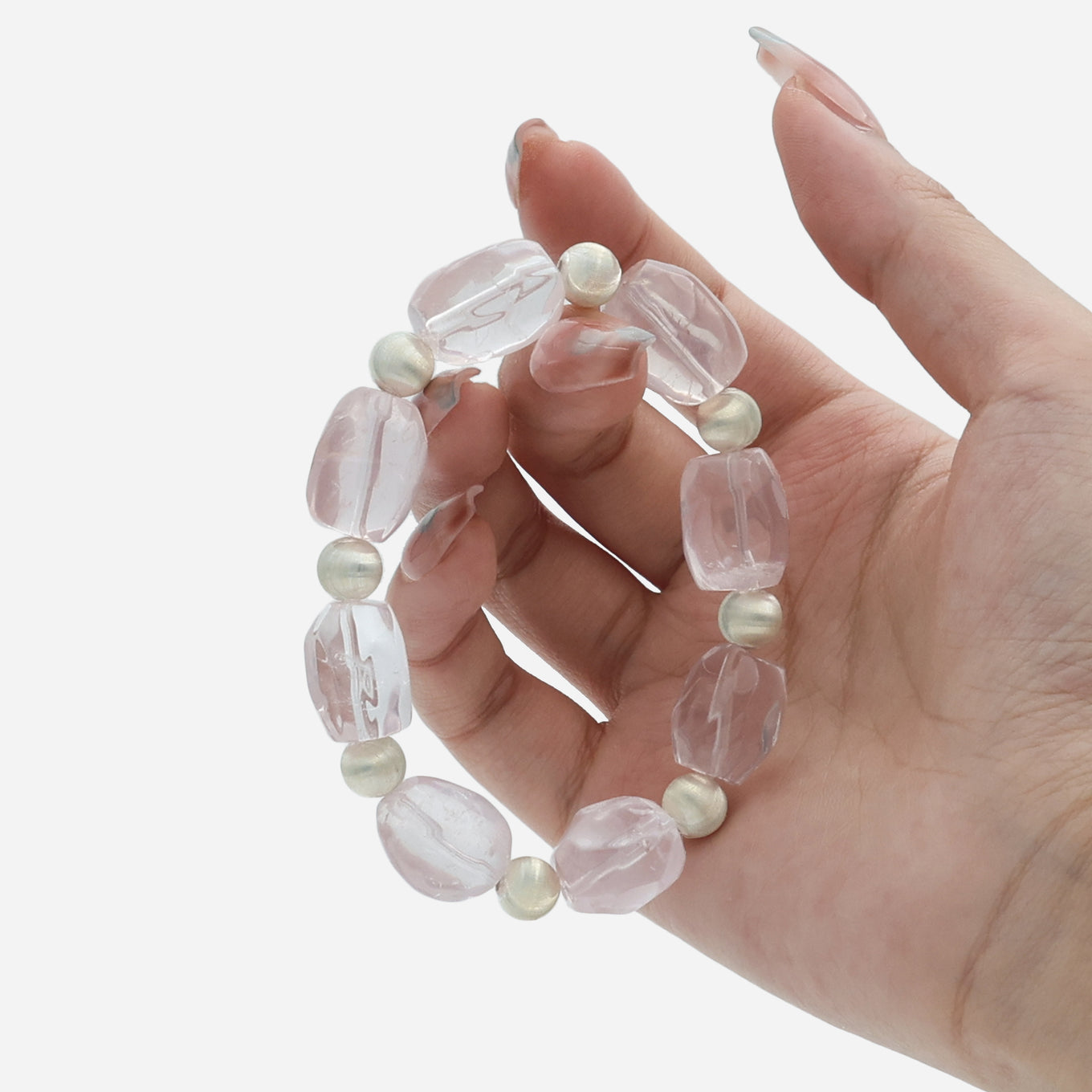
Pink stones — from pale rose quartz to vivid pink crystal — project warmth, empathy, and approachability. They soften angular features and read as intentionally gentle in a way that projects strength through kindness rather than aggression.
Wear pink and rose gold when: You want to project warmth with a softer edge. Creative meetings. Brunch. Wedding guest attire. Any situation where "approachable confidence" is the goal.
Rose gold owes its romantic pink flush to a significant percentage of copper alloy — and copper is a common culprit behind skin sensitivities and the dreaded green-tint oxidation. Because we prioritize your comfort as much as our botanical aesthetics, ÉLARAMUSE intentionally curates collections without copper-heavy alloys. Instead, we champion the timeless elegance and superior skin safety of hypoallergenic 925 sterling silver and premium 18K gold.
ÉLARAMUSE pink pieces:
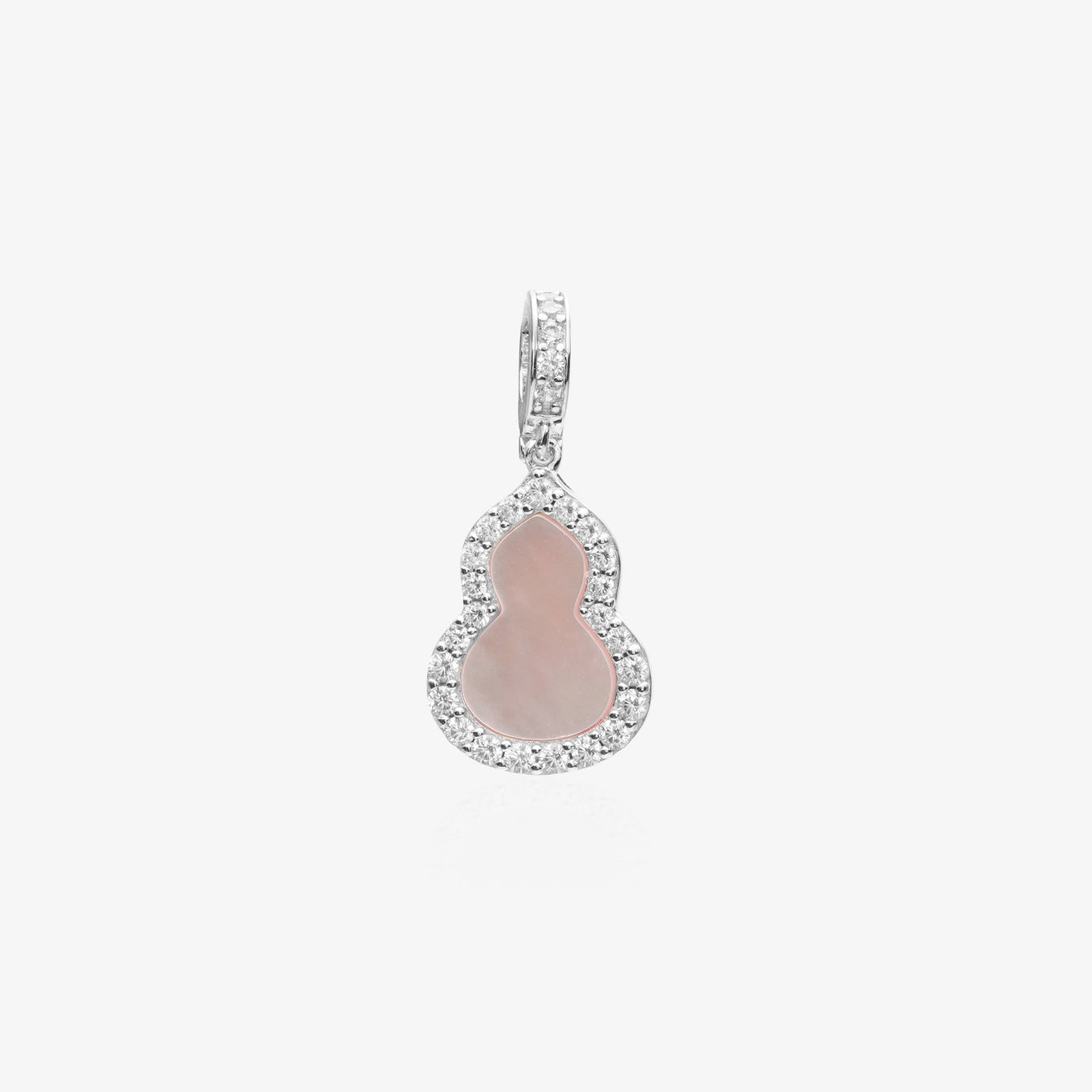
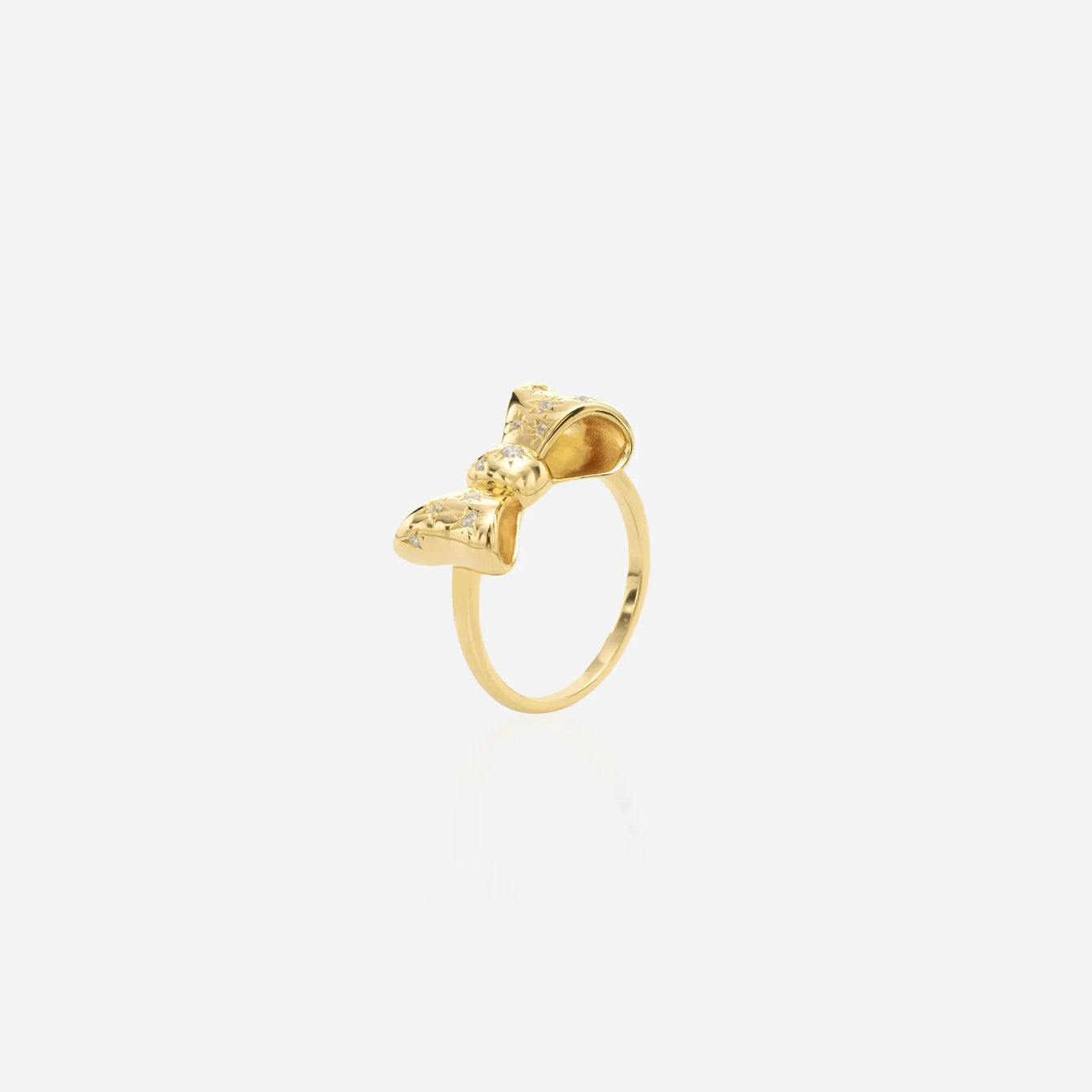
- Bow Stud Earrings | Pink Crystal Coquette | Geometric Pavé — Pink crystal in a bow formation. Feminine, precise, and unapologetically pretty.
- Gold Compass Rose Pendant | Reversible Rigato Medallion | Pink Halo — A compass rose with a pink halo. Navigation as romance. Direction as adornment.
- Star Rose Quartz Bracelet | Snow Ghost Crystal | 925 Silver — Natural rose quartz and snow ghost crystal on a sterling silver chain. The softest introduction to pink's power.
Cool Tones — Silver, Blue & White
Silver — Clarity, Modernity & Quiet Restraint
If gold is a warm handshake, silver is a sharp nod. Silver projects clarity, intelligence, and modern restraint. In color psychology, cool whites and grays are associated with precision, technology, and forward-thinking — silver carries all of these associations into the jewelry space.
Silver has a practical advantage that gold does not: it is the base metal, not a coating. An Ag925 sterling silver piece left unplated is silver all the way through — no layer to wear, no color to fade, no base metal to expose. This gives silver jewelry a permanence and honesty that gold-plated pieces achieve through the core alone. When you choose an unplated silver piece, you are choosing transparency.
Silver is also the default choice for people with cool skin undertones. The cool white light reflected by silver complements pink and blue undertones, while gold can sometimes clash with them. If you have ever tried on a gold necklace and thought "this doesn't look right on me" without knowing why — your skin's undertone is the answer.
Wear silver when: You want to project competence and clarity. Professional settings where you want to be taken seriously. Interviews where credibility matters more than likability. Minimalist outfits where the jewelry is the punctuation, not the paragraph.
ÉLARAMUSE silver pieces:
- Hammered Silver Dome Earrings | Lunar Studs | Hypoallergenic — Unplated sterling silver with a hammered lunar surface. Pure material, no coating, no pretense.
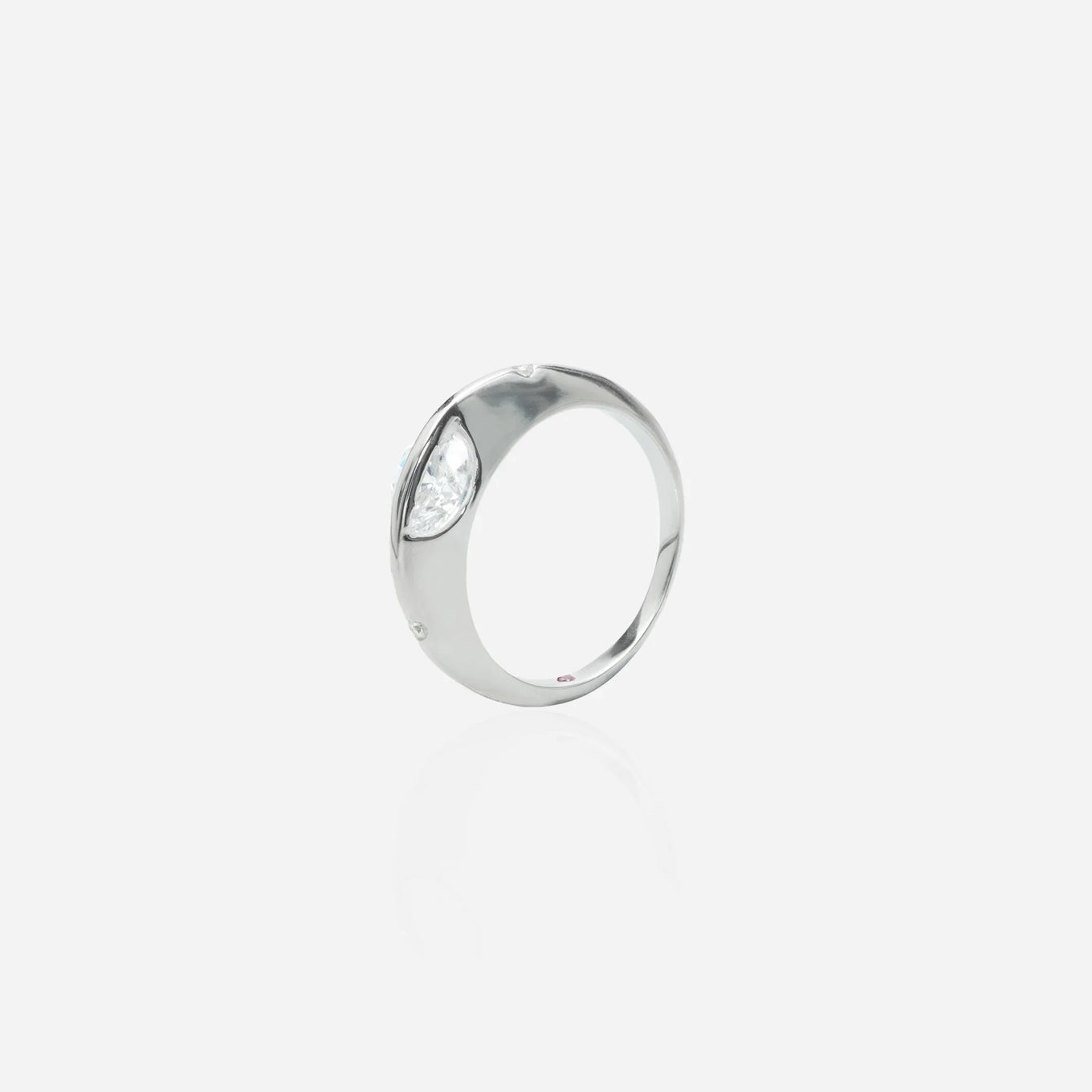
- Frostwave Ring | Silver Wave | Blue Zircon — Silver wave form with a cool blue zircon accent. The silver is the star; the zircon is the punctuation.
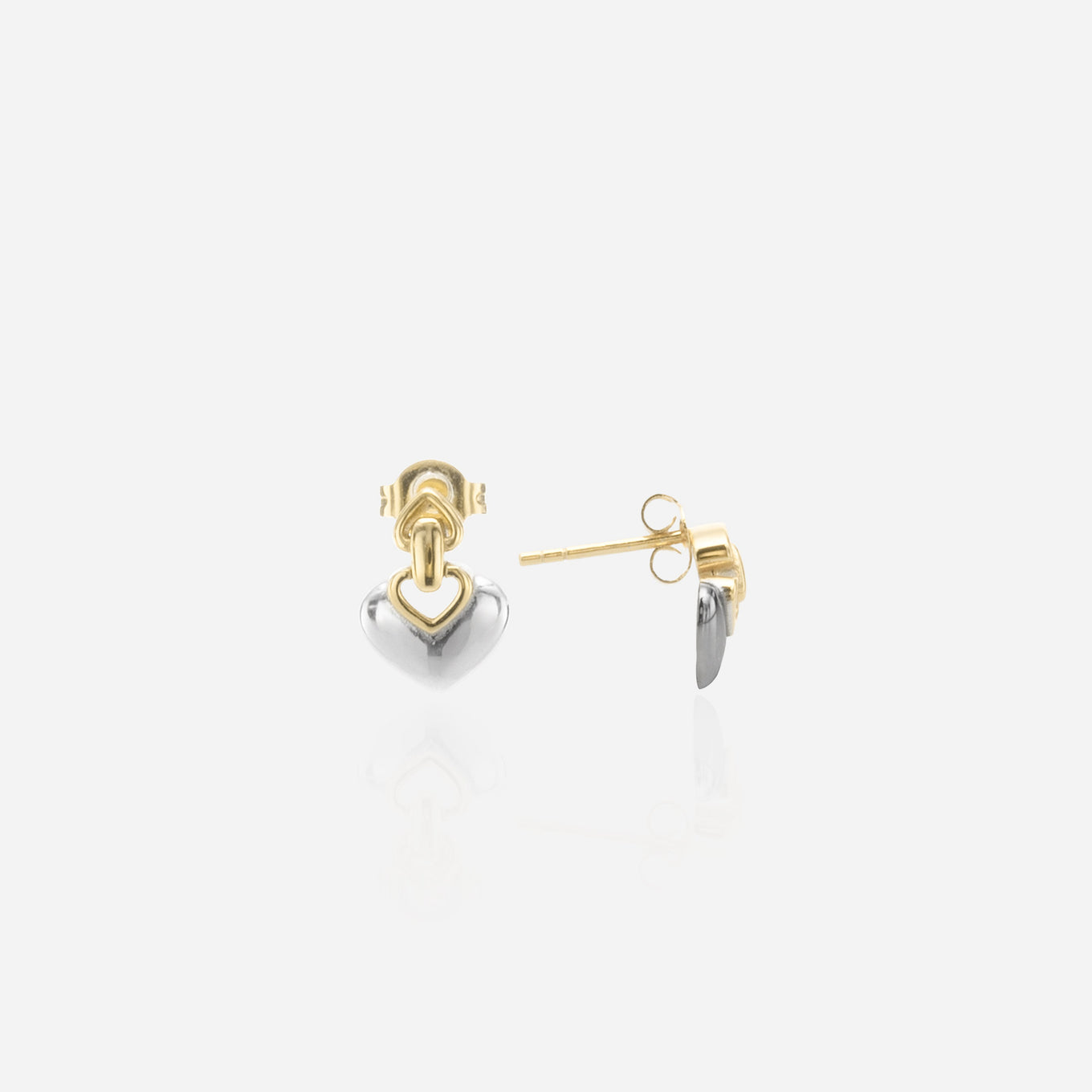
- Rayline Ring | Two-Tone Gold Silver — Silver and gold in one band. For when you refuse to choose.
Blue — Calm, Wisdom & Quiet Authority
Blue is the color of the sky and the ocean — and psychologically, it carries their vastness. Blue projects calm competence, reliability, and wisdom. It is the most universally liked color across all cultures and genders. It is also the color most associated with trust: financial institutions, healthcare organizations, and technology companies all default to blue for a reason.
In jewelry, blue stones — from pale turquoise to deep sapphire-toned crystal — convey thoughtfulness. They do not demand attention the way red does. They earn it quietly. A blue stone says: I have thought about this. I know what I am doing. You can trust me. This makes blue jewelry particularly effective in professional and academic settings.
Wear blue when: You are presenting, teaching, negotiating, or leading. Any situation where projecting calm competence is more effective than projecting bold energy.
ÉLARAMUSE blue pieces:
- Nymph Ring | Blue Crystal Vine Ring | Dainty Gold — A single blue crystal framed by delicate gold vines. Nature-inspired calm in ring form.
- Frostwave Ring | Silver Wave | Blue Zircon — Blue zircon set in a sculptural silver wave band. Cool tones from base to stone.
White & Crystal — Purity, New Beginnings & Endless Possibility
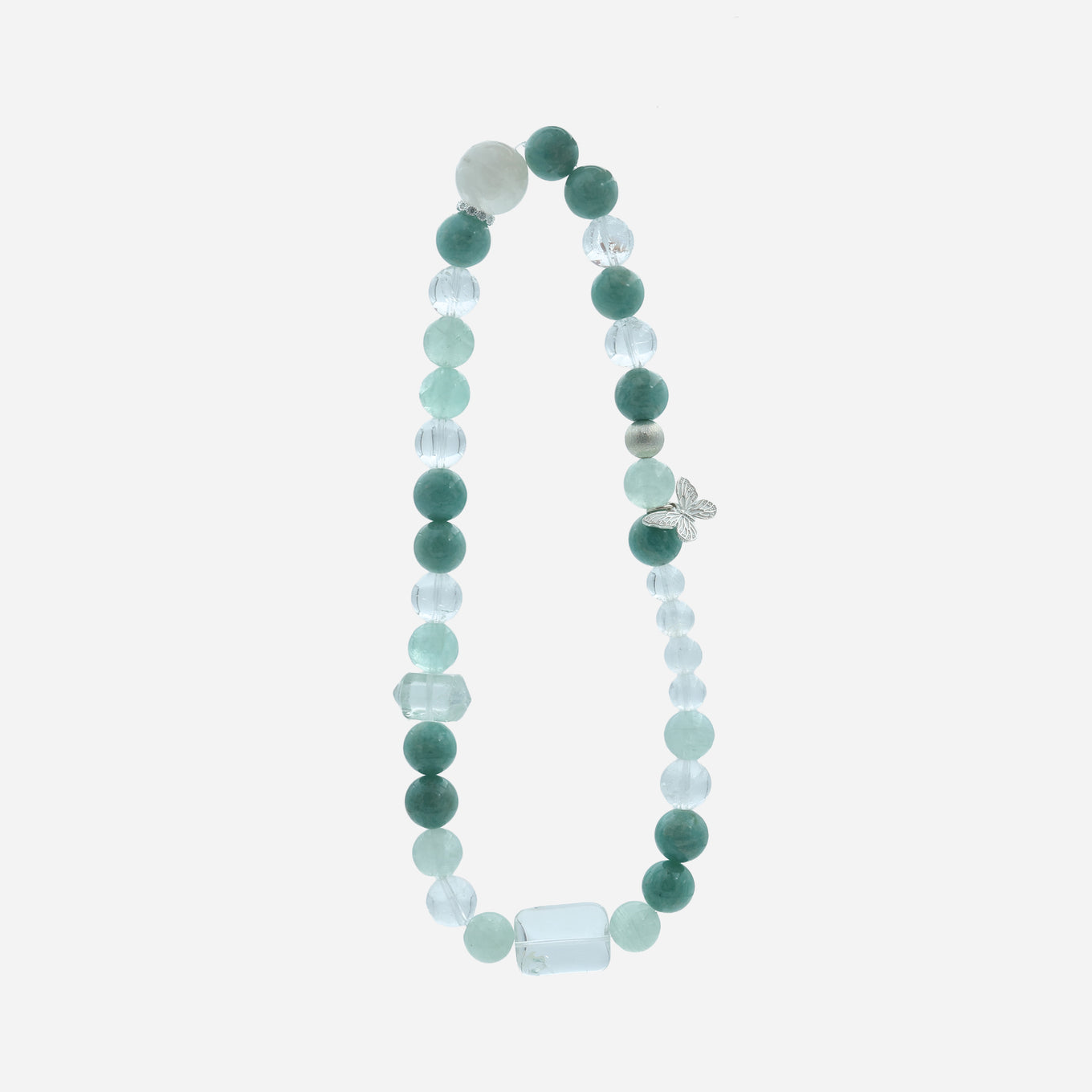
White is the color of the blank page, the fresh snow, the wedding dress. It signifies new beginnings, clarity, and possibility. In jewelry, white stones — from ice-clear High-Carbon Lab Diamonds (Simulated) to white quartz — are the closest thing to universal: they match everything, they suit every occasion, and they carry no strong emotional charge of their own. White is a setting, not a story — which makes it the most versatile tool in your jewelry collection.
Crystal and diamond-simulant stones are especially effective in professional settings where you want sparkle without color distraction. A white stone catches light and draws the eye without imposing a mood — it lets you set the tone with everything else.
Wear white and crystal when: You want sparkle without emotional baggage. Job interviews. Weddings (as guest or principal). Everyday professional wear. Any situation that already has enough emotional weight.
ÉLARAMUSE crystal pieces:
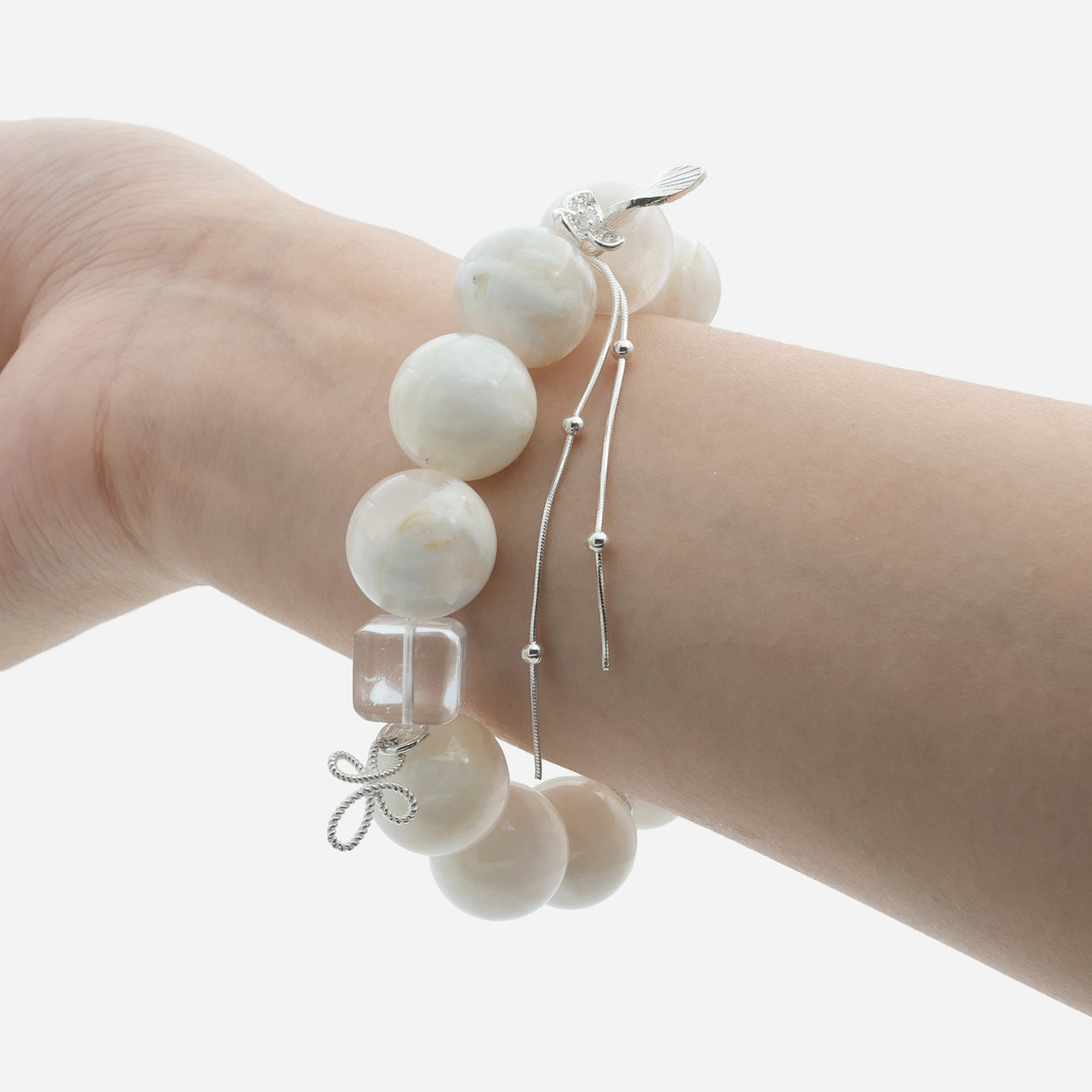
- White Quartz Bracelet | Snow Ghost Phantom | 925 Silver Tassel — Natural white quartz with phantom inclusions on a sterling silver tassel chain. The most neutral-yet-interesting bracelet in the collection.
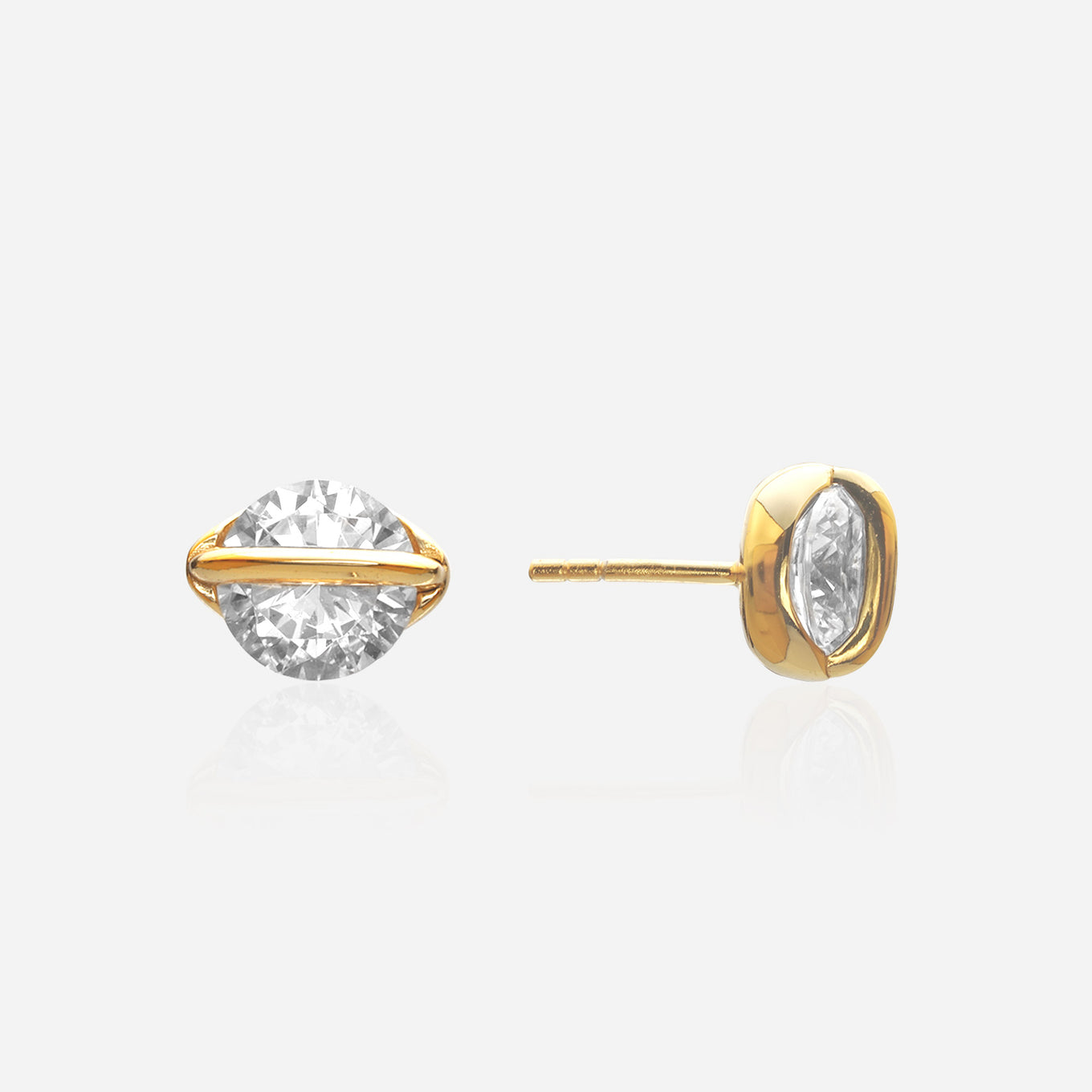
- Channel Set Ring | Gallery Band with High-Carbon Lab Diamonds — A continuous channel of ice-white stones. Clean, precise, and endlessly wearable.
Earth & Organic Tones — Pearl & Turquoise
Pearl — Elegance, Wisdom & Quiet Authority
No gemstone carries more cross-cultural symbolic weight than the pearl. In ancient China, pearls were believed to be tears of dragons. In Hindu tradition, pearls represent purity and love. In Western fashion, a single strand of pearls has been the uniform of women in power for over a century — from Coco Chanel to Kamala Harris.
Psychologically, pearl jewelry projects something no other jewelry color can: earned wisdom. A pearl is formed slowly, layer by layer, inside a living creature. It is the only gemstone produced by a biological process rather than geological pressure. When you wear pearls, you are not projecting youthful energy or trend-awareness. You are projecting the confidence of someone who has been through things and come out luminous.
Our pearl pieces use High-Luster Simulated Pearls — not harvested from oysters, but designed to capture the same soft, dimensional glow without the environmental or ethical concerns of pearl farming. The luster is identical. The symbolism is unchanged.
Wear pearls when: You want to project gravitas without severity. Mentoring, speaking engagements, milestone celebrations, family events where you want to be seen as the steady center.
ÉLARAMUSE pearl pieces:
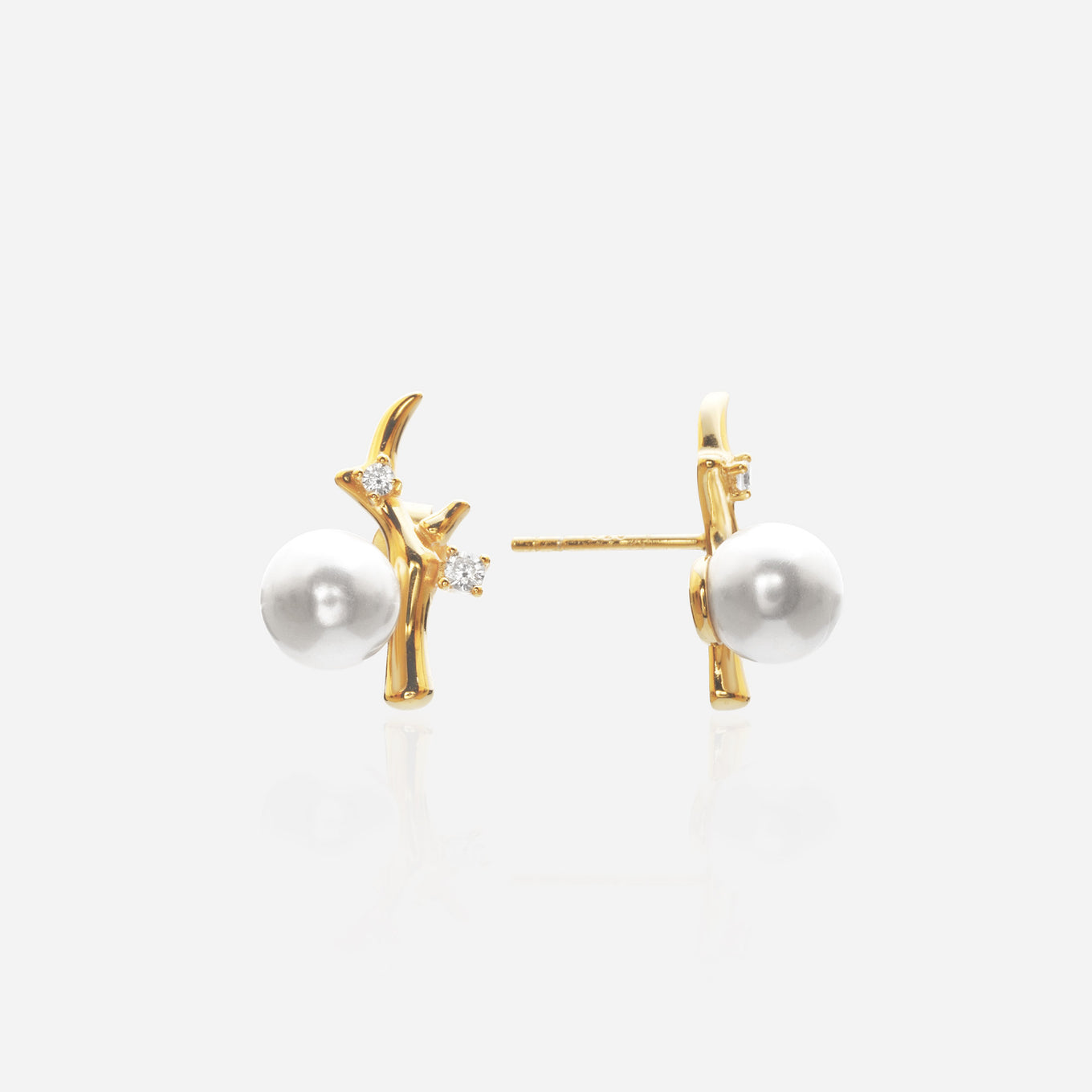
- Pearl Cluster Earrings | Gold Grape Leaf Design | Bridal & Romantic — A cluster of pearls in a grape-leaf formation. Organic, luminous, and quietly dramatic.
- Gold Butterfly Pearl Earrings | Satin Wing Drop | Crystal Pearl — A pearl suspended from a gold butterfly wing. Transformation and wisdom in one drop earring.
- Treasure Knot Pearl Ring | Pearl Statement Ring | 30th Anniversary — A single luminous pearl anchored by a sculptural gold knot. The pearl as protagonist.
Turquoise — Protection, Healing & Ancient Wisdom
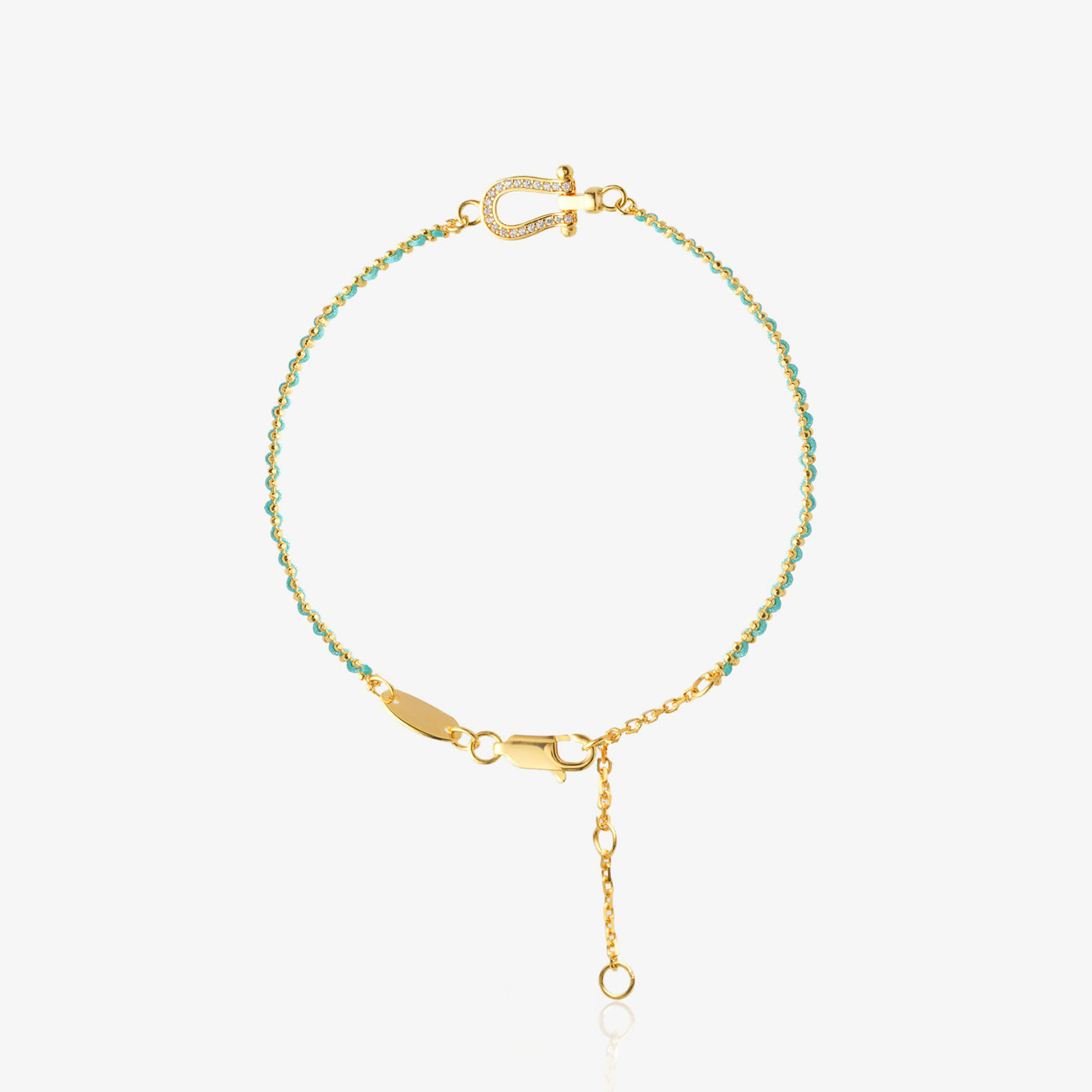
Turquoise is one of the oldest gemstones in human history — mined and worn for over 5,000 years across Egypt, Persia, Tibet, and the Americas. In nearly every culture that encountered it, turquoise was assigned the same role: protection. Persian legend held that turquoise changed color to warn its wearer of danger. Native American traditions use turquoise in protective amulets and ceremonial jewelry. Tibetan Buddhists consider turquoise a sacred stone of spiritual protection.
In modern color psychology, turquoise occupies a unique space between blue and green — carrying the calm of blue and the vitality of green. It is associated with healing, communication, and emotional balance. It is the color of someone who has done their inner work.
Wear turquoise when: You need a talisman. Travel. Important conversations. Situations where you want to feel protected and grounded. Or simply when you want a pop of color that carries five millennia of meaning behind it.
ÉLARAMUSE turquoise piece:
- Turquoise Stud Earrings | Hypoallergenic Silver | December Birthstone — Vivid turquoise in a clean silver setting. Five thousand years of protective symbolism on a hypoallergenic silver post.
How to Match Jewelry Color to Your Skin Tone
The most common jewelry regret — buying a beautiful piece that never quite looks right — is almost always a skin tone mismatch. Here is how to identify yours and what it means for your jewelry choices.
| Skin Tone | How to Identify | Best Metals | Best Gemstones |
|---|---|---|---|
| Warm | Veins on your wrist appear greenish. Gold fabric makes your face look healthier. You tan easily. | Gold, rose gold, brass tones | Red, coral, orange, warm green, turquoise |
| Cool | Veins appear blue or purple. Silver fabric brightens your complexion. You burn before you tan. | Silver, white gold, platinum tones | Blue, purple, pink, white, clear crystal |
| Neutral | Veins appear blue-green. Both gold and silver look good. You tan moderately. | Everything — your choice is purely style, not correction | Everything — wear what you love |
| Olive | Greenish or golden cast to skin. Veins hard to distinguish. Both metals work, but gold is especially flattering. | Gold (warm and bright) > Silver | Turquoise, coral, deep red, emerald green |
Color Pairing: What Your Jewelry Combination Communicates
Single-color jewelry is a statement. Multi-color jewelry is a conversation. Here is what common pairings project:
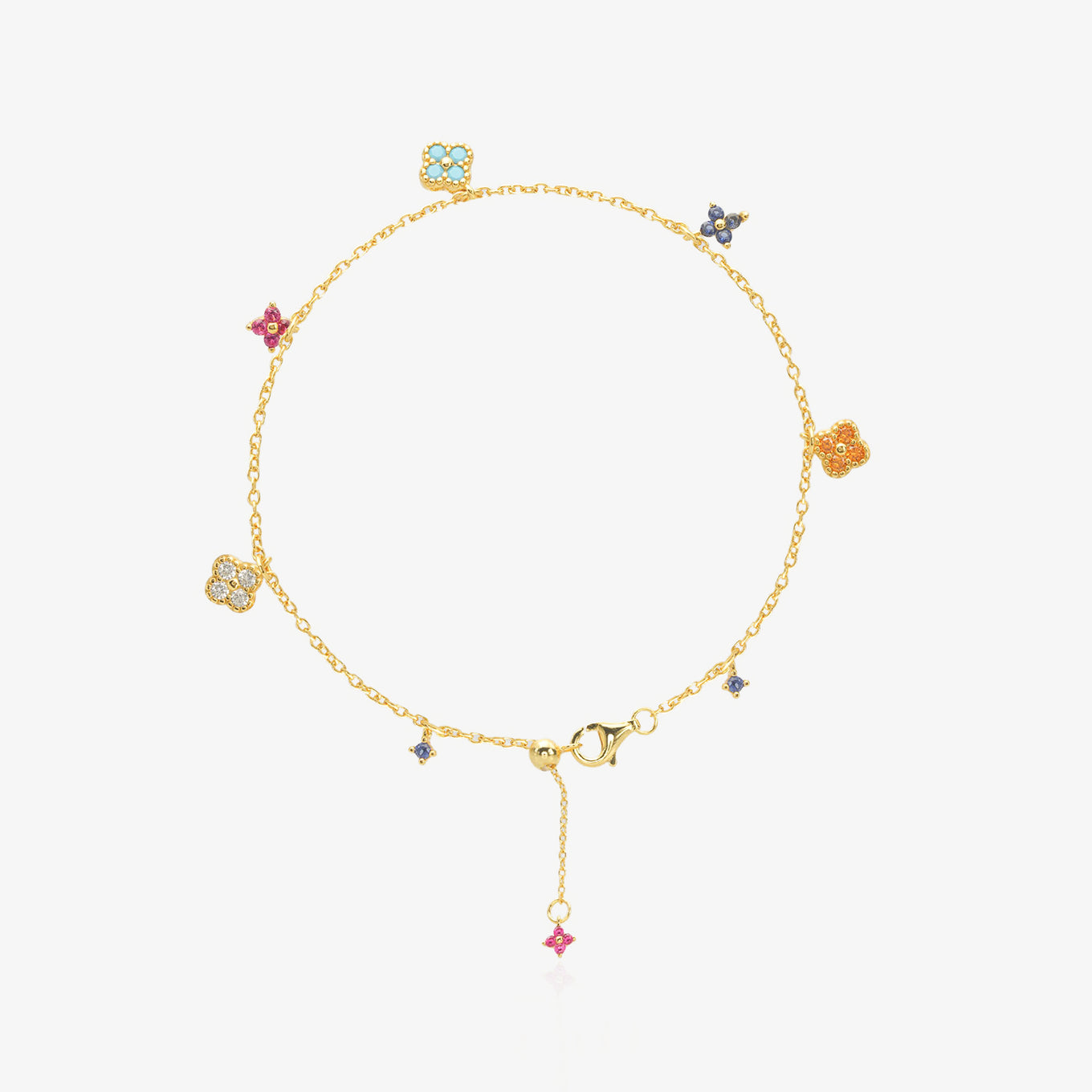
- Gold + Turquoise → Warm confidence meets ancient protection. The most powerful talismanic pairing. Gold anchors the turquoise's spiritual weight in material substance.
- Silver + Pearl → Modern clarity meets timeless wisdom. A pairing that says "I understand tradition and I choose to reinterpret it on my own terms."
- Rose Gold + Crystal → Soft warmth meets clear possibility. Romantic without being saccharine. Ideal for creative professionals.
- Gold + Red → Maximum impact. Confidence plus passion. You want to be seen, remembered, and taken seriously. Wear when the stakes are high.
- Silver + Blue → The intellectual's pairing. Clarity plus calm. You have done your homework and you are not nervous about it.
- Mixed Metals (Gold + Silver) → Rules are for other people. You understand conventions and you have chosen to transcend them. The Rayline Ring and Byzantine Lattice Hoops are built for this.
Frequently Asked Questions
Can I wear gold and silver together?
Yes — and you should. The old rule against mixing metals was never a real rule; it was a convention of a specific era that has been thoroughly discarded. Mixed-metal jewelry is now a deliberate style choice that communicates confidence and independence from arbitrary fashion dictates.
Two-tone pieces like the Rayline Ring and Byzantine Lattice Hoops are designed specifically to bridge gold and silver in a single piece. If you are new to mixing metals, a two-tone piece is the easiest entry point — it does the blending for you.
Does the color of jewelry metal affect how my skin looks?
Absolutely. Gold reflects warm yellow light onto skin — it enhances warmth and can make warm-toned skin glow while making cool-toned skin look sallow. Silver reflects cool white light — it enhances clarity and can make cool-toned skin look bright while draining warmth from warm-toned skin. This is not a minor effect — it is the difference between a piece that looks "right" and one that never quite seems to work, even if you cannot articulate why.
The skin tone table above is your shortcut to getting this right on the first try.
What does wearing pearls say about me?
Pearls communicate something that no other jewelry color can: earned elegance. A young person in pearls reads as precociously sophisticated. An older person in pearls reads as exactly what they are — someone who has accumulated taste and wisdom over time. Pearls are the anti-trend. They do not signal that you know what is fashionable this season. They signal that you know what has been beautiful for centuries.
Are there colors I should avoid for professional settings?
Context overrules color psychology. In most professional settings, the safest choices are silver, white crystal, subtle gold, and small pearls — colors and materials that project competence without demanding attention. Red and large statement pieces are generally reserved for situations where you want to be the focus (presentations, negotiations, leadership roles). The key distinction: a small red stone in a ring is vastly different from a large red statement necklace.
Scale matters as much as color. When in doubt, wear what makes you feel most like yourself — authentic confidence reads as more professional than anxious conformity, in any color.
How do I know which color suits my mood today?
Reverse the question. Instead of asking "what does this color mean?" ask "how do I want to feel?" Want to feel confident and warm? Gold. Want to feel sharp and clear? Silver. Want to feel passionate and present? Red. Want to feel calm and competent? Blue. Want to feel protected? Turquoise. Want to feel luminous and wise? Pearl. The color is a tool. Your mood is the instruction manual.
What We Believe
"We believe the colors you wear next to your skin are never neutral. They are a second language — one that you speak before you open your mouth. Every ÉLARAMUSE piece, whether warm gold or cool silver, red crystal or luminous pearl, is built on an Ag925 sterling silver core with an honest materials promise: nickel-free, hypoallergenic, and transparent about what will wear and when. Because the only color that truly matters is the one you feel like yourself in."
Editor's Picks: Wear Your Color, Command Your Mood
Carmen Ruby Ring | Lab-Created Ruby Solitaire | ÉLARAMUSE: Carmen Ruby Ring | Lab-Created Ruby Solitaire | ÉLARAMUSE — Red = power and passion. A lab-created ruby that delivers stop-traffic energy.
Turquoise Stud Earrings | Hypoallergenic Silver | December Birthstone: Turquoise Stud Earrings | Hypoallergenic Silver | December Birthstone — Turquoise = calm communication. The stone ancient Persians wore against bad energy.
Star Rose Quartz Bracelet | Snow Ghost Crystal | Petite Fit: Star Rose Quartz Bracelet | Snow Ghost Crystal | Petite Fit — Rose quartz = unconditional love. Stack with Snow Ghost for pink + white clarity.
References
- GIA (Gemological Institute of America) — Gemstone Classifications & Color Science
- American Academy of Dermatology — Sensitive Skin & Metal Contact
- The Metropolitan Museum of Art — Jewelry Across Cultures and Eras