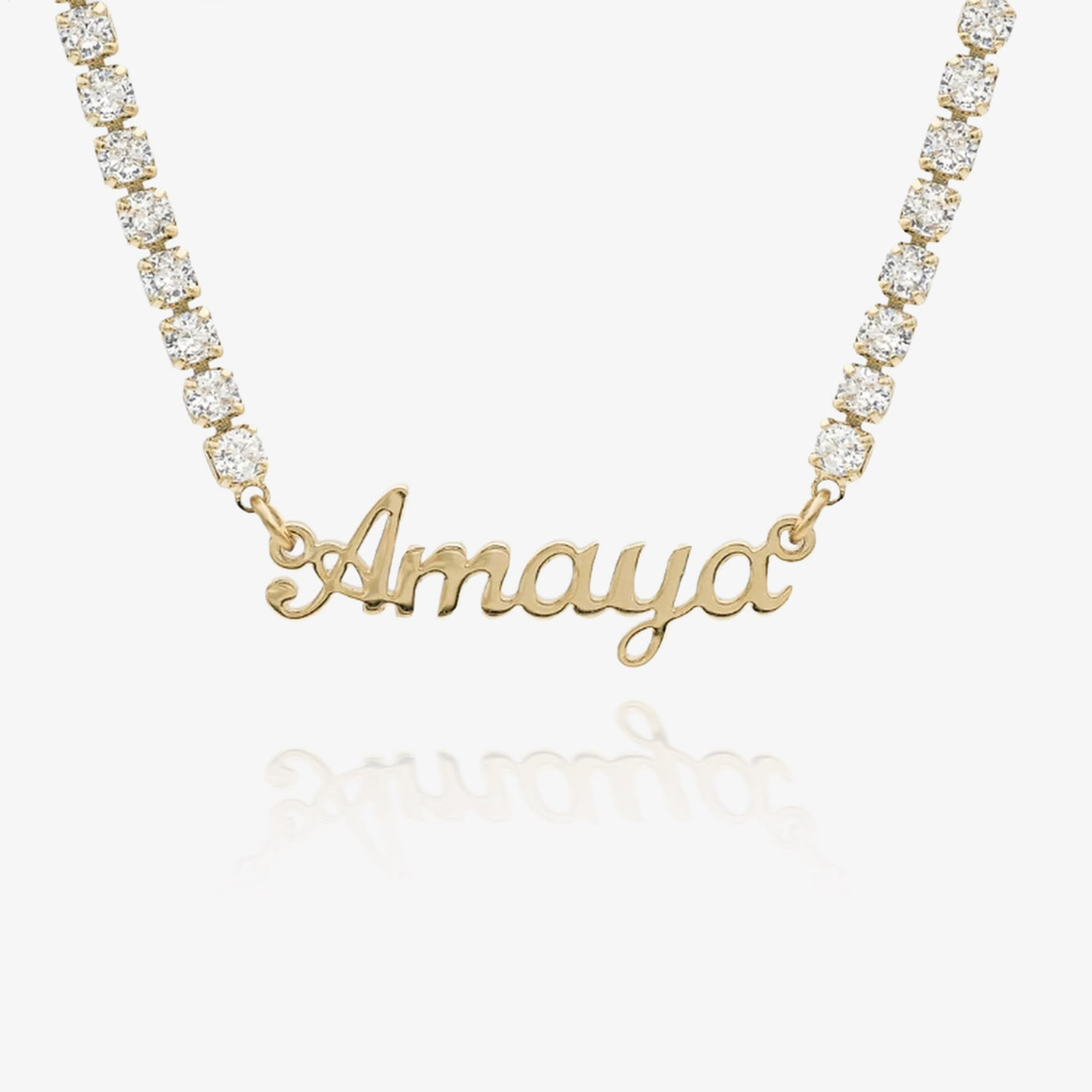
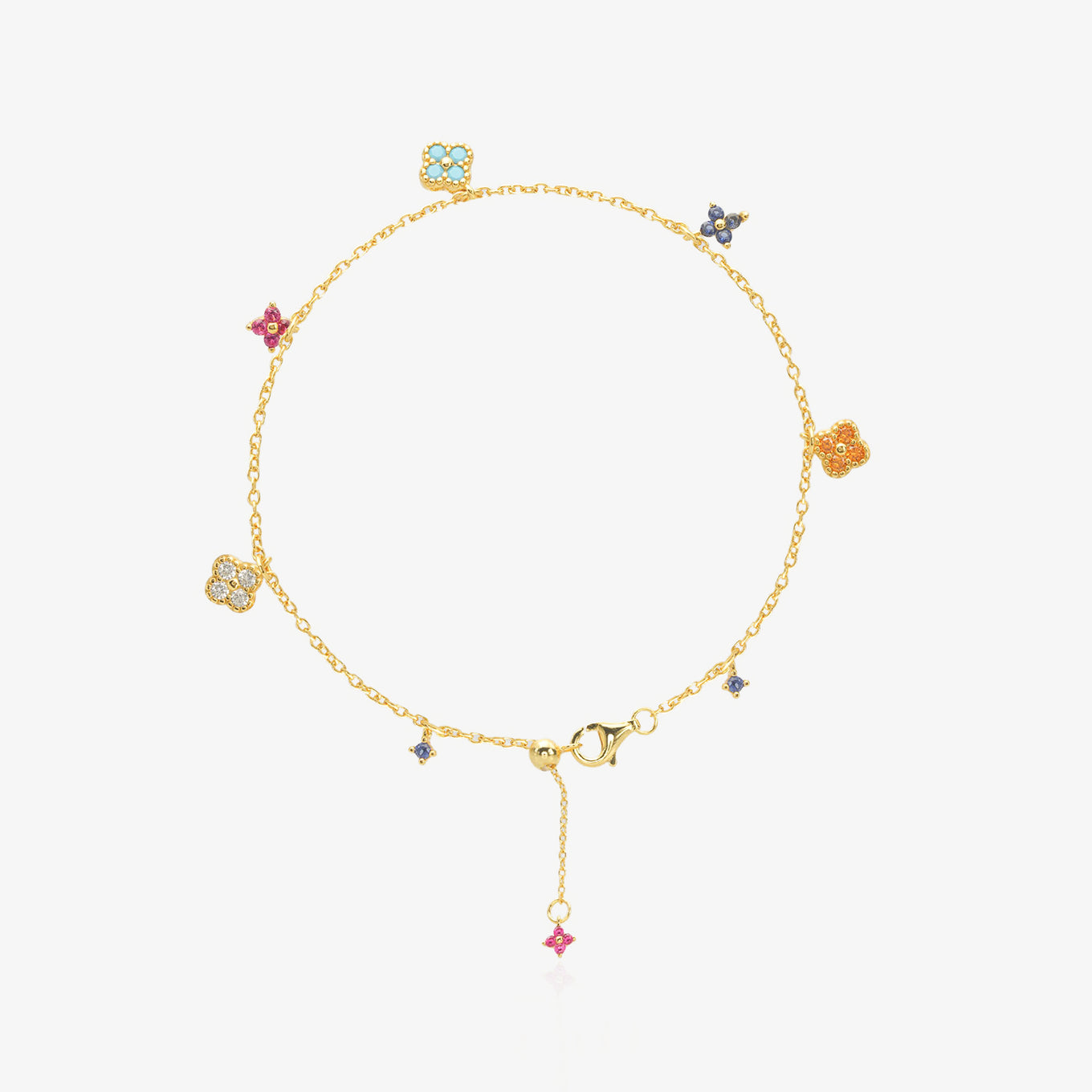
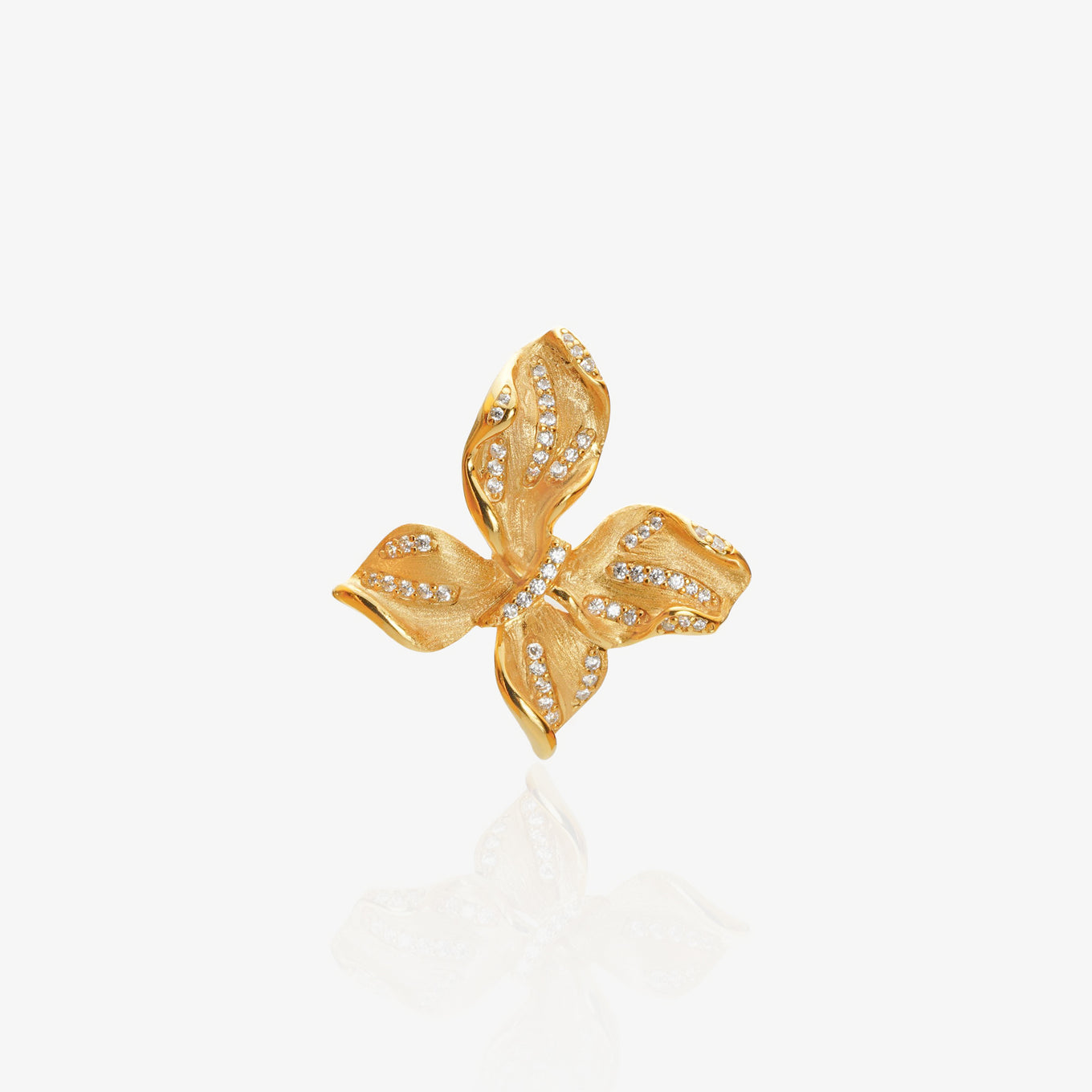
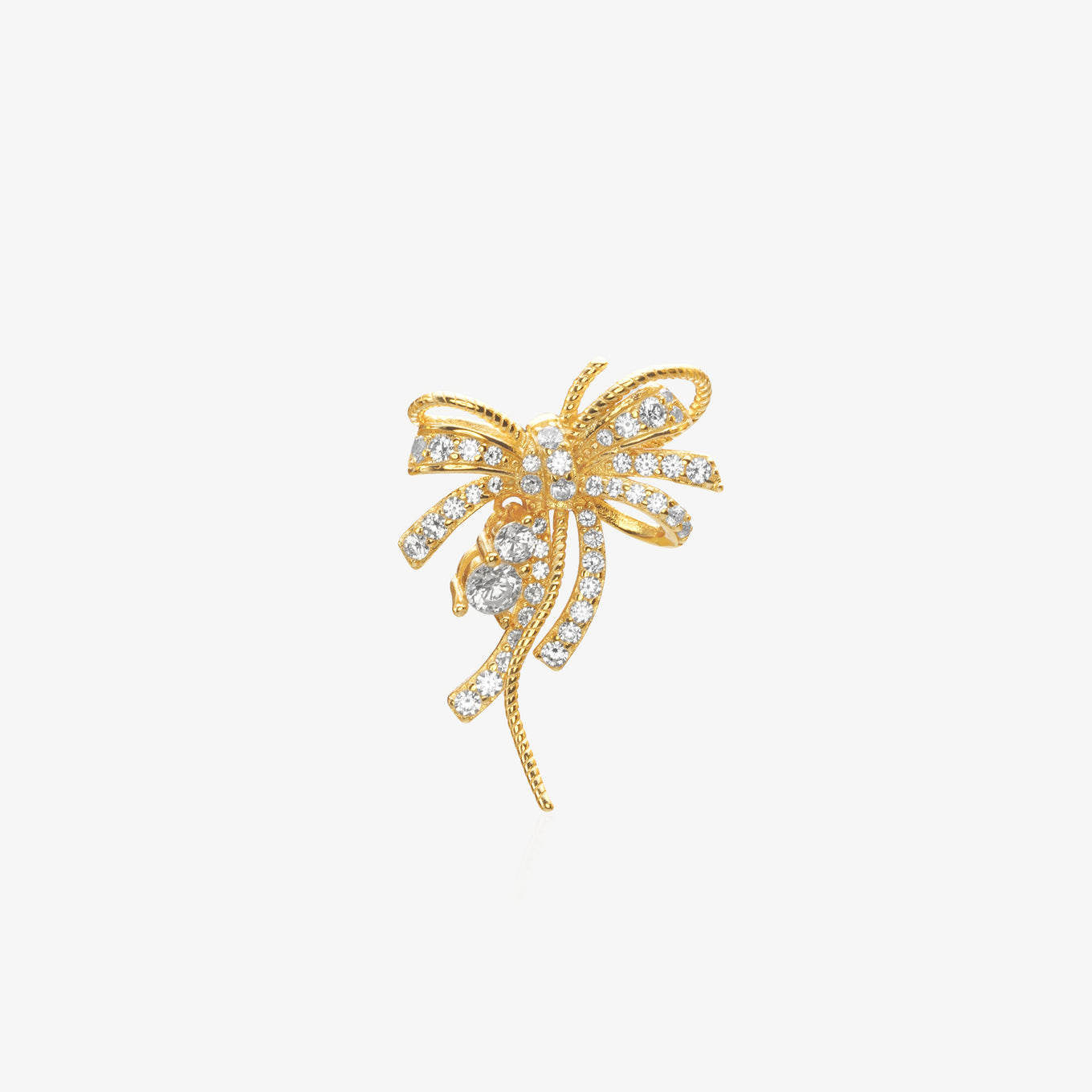
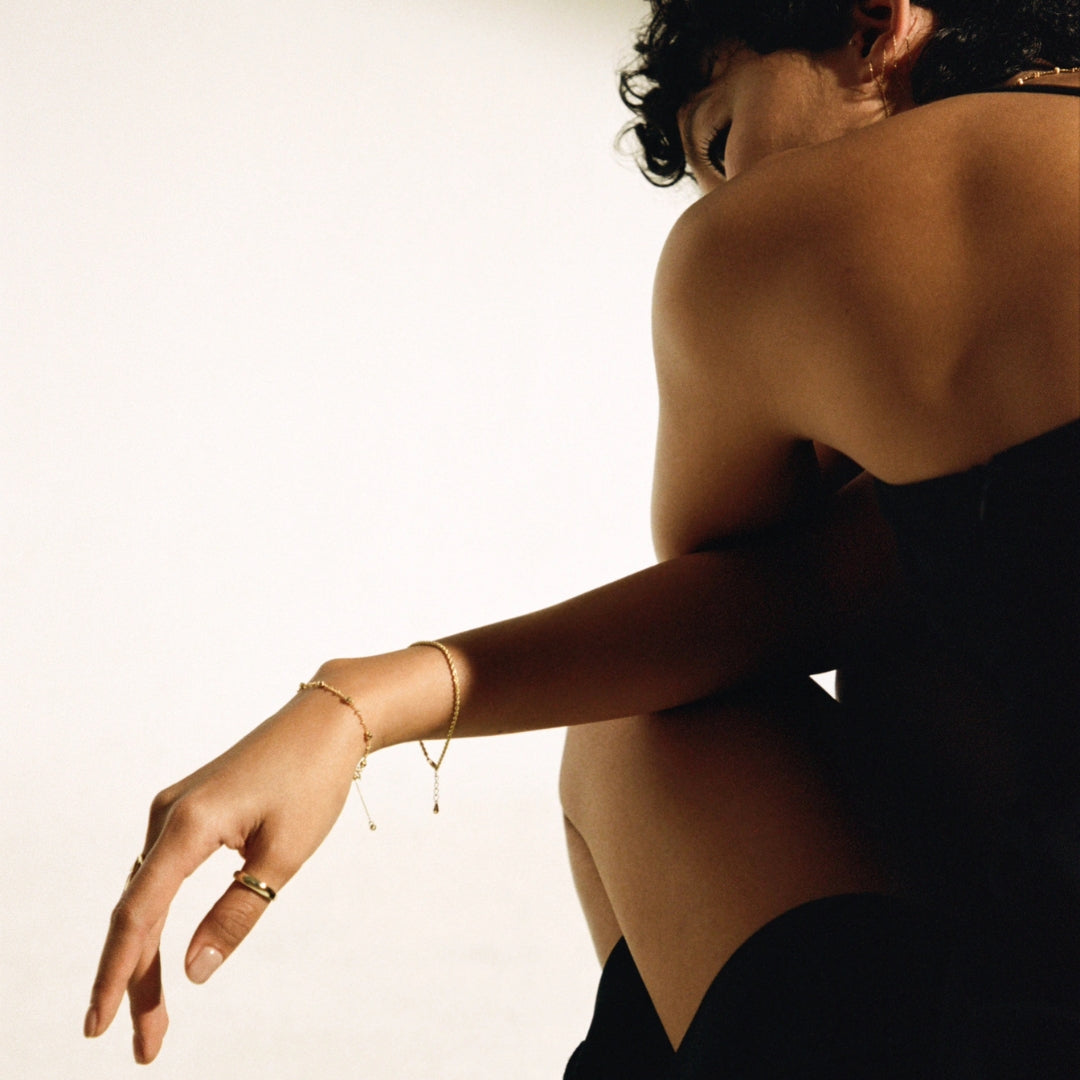
There is a version of you who wears a dramatic gold choker to brunch, layers three chains with effortless precision, and never forgets to take off her rings before the gym. That version of you is the reason jewelry boxes are full of unworn purchases. The choker you bought for her has never left the velvet. The chain you bought for her tangles in a drawer. The rings she never takes off? They are the Macaron set you bought for your actual self — the one who showers, sleeps, and types for a living.
This guide is not about buying less. It is about buying smarter — using a five-question framework that separates pieces that become part of your body from pieces that become part of your clutter. No guilt. No minimalism sermon. Just a system.
Question 1: Can It Survive Your Actual Life?
Be honest about the life you actually have, not the one you would like to have. If you shower with your jewelry on (because you forget), sleep with your jewelry on (because you are tired), and exercise with your jewelry on (because you are efficient), then every piece you buy must survive water, sweat, friction, and neglect. This is not a moral failing — it is a lifestyle. Buy for it.
The Classic Solitaire Necklace passes this test. Its Ag925 sterling silver core with 0.5-micron 18K gold plating and high-carbon lab diamond are built for 24/7 wear — shower, sleep, gym, repeat. The chain is too short to catch on equipment. The pendant is too small to flip over. This is the necklace for people who forget they are wearing a necklace — which is the highest compliment a piece of jewelry can receive.
By contrast, a piece that requires removal before showering, before sleeping, before swimming, before exercising, and before applying lotion is a piece that will be worn approximately twice before becoming a permanent resident of the jewelry box. The maintenance-to-wear ratio is the single best predictor of whether a piece earns its cost per wear.
Question 2: Does It Match Your Most-Worn Outfit — Not Your Fantasy Self?
Go to your closet. Find the outfit you wear most often — the one you reach for when you are tired, late, or just not in the mood for decisions. For most people, this is a variation of jeans and a neutral top, a black dress, or workout clothes. Now ask: does the jewelry you are considering work with this outfit?
If the answer is no, you are buying for someone else.
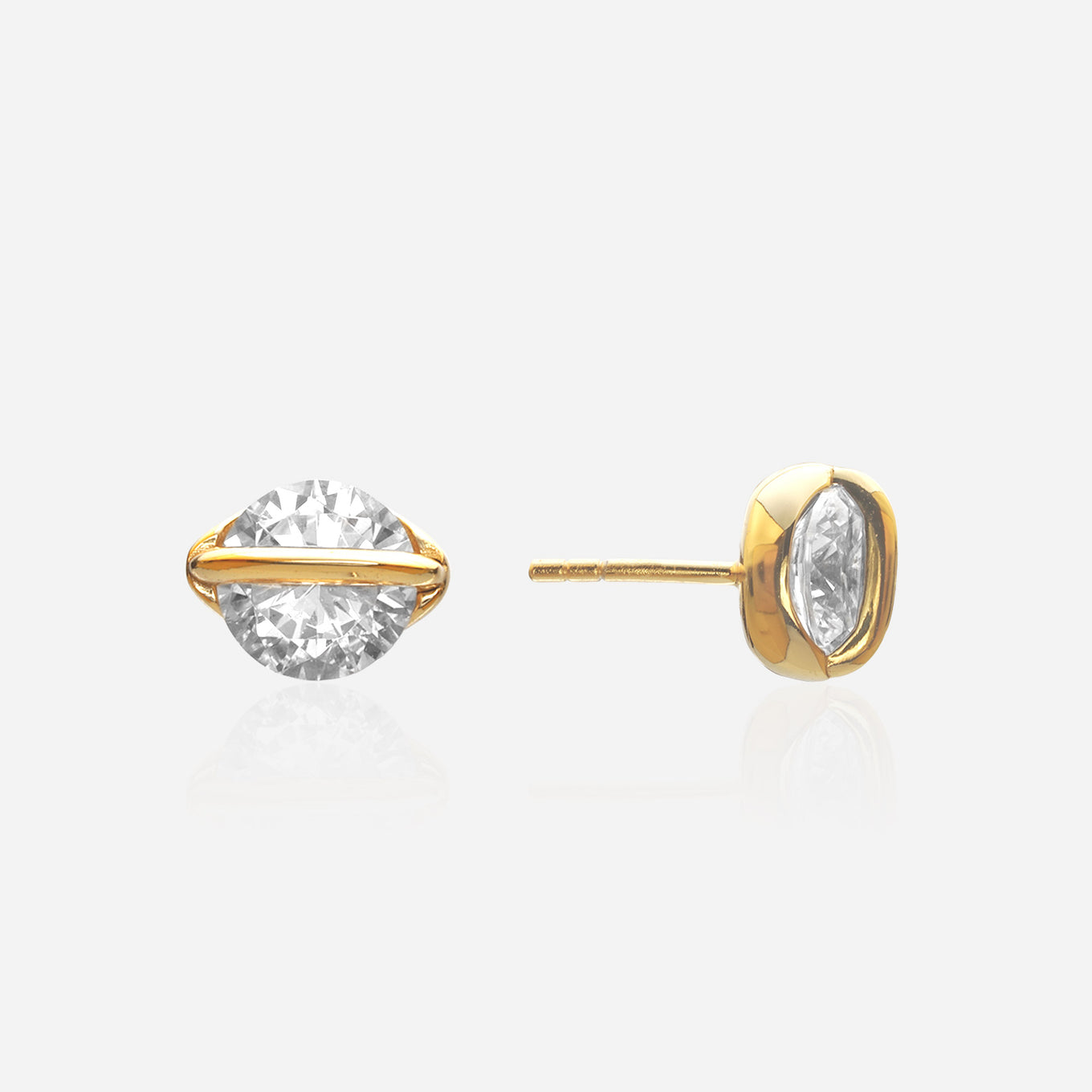
The Gold Geometric Studs — lab diamond bar earrings with a clean horizontal line — pass this test with full marks. They work with jeans and a T-shirt (they add polish without formality), with a blazer and trousers (they echo the geometry of the tailoring), and with workout clothes (they are too small and too secure to be bothersome). The geometric stud is the earring for every outfit because it commits to no aesthetic — it simply makes every outfit look more intentional.
The same logic applies to the Box Chain Necklace at 18 inches. It is the chain equivalent of the white T-shirt: it goes under everything, over everything, with everything. If your most-worn outfit is sweatpants, the box chain makes them look like a choice, not a surrender.
Question 3: Name Three Specific Occasions in the Next 30 Days
Not three hypothetical occasions. Three real, specific, calendar-worthy events in the next month where you would genuinely wear this piece. If you cannot name them — if the answer is "I will find reasons" — you will not find reasons. You will default to your existing jewelry, and the new piece will wait.
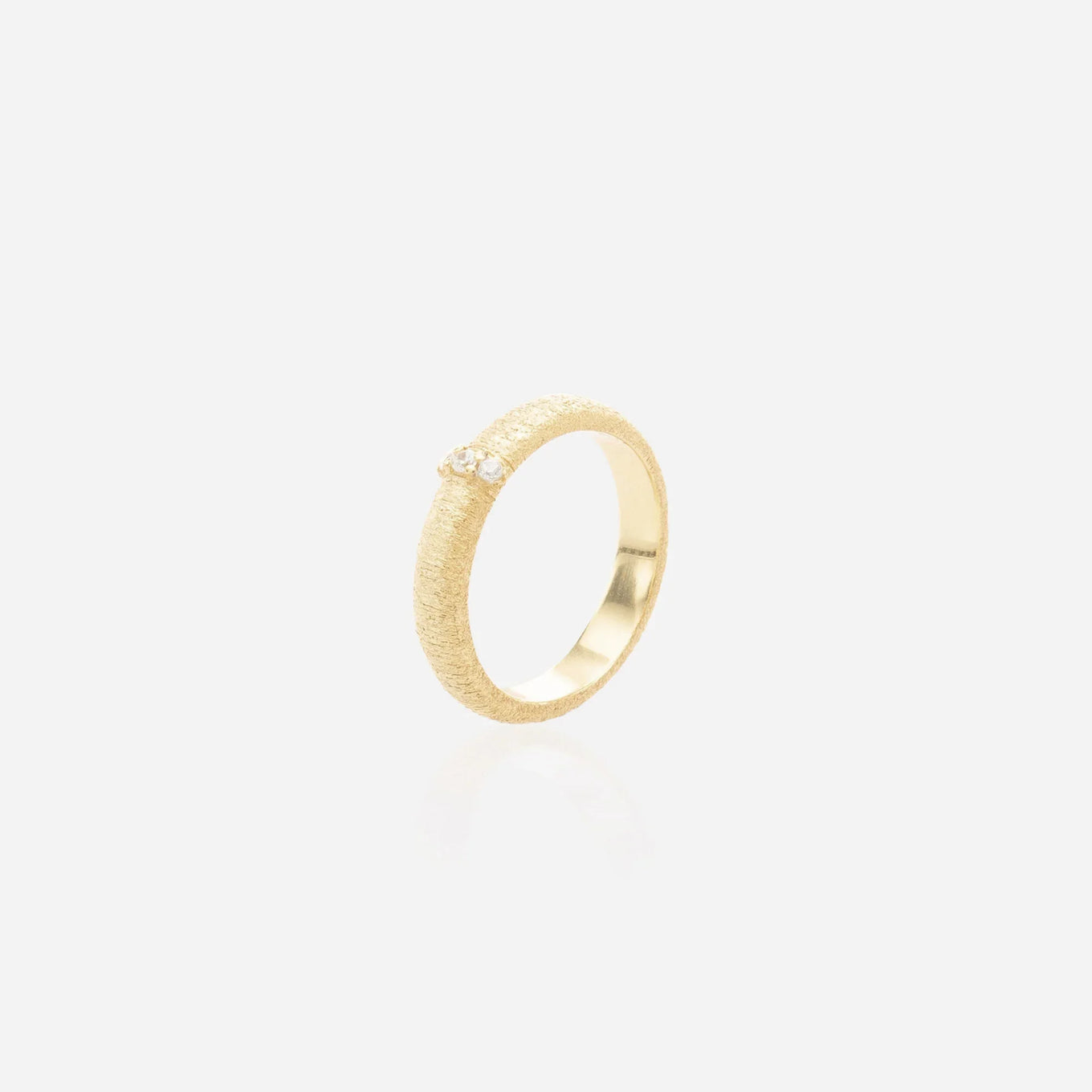
A Solaris Dome Ring — a sunburst gold ring with a central nano zircon — might answer: Tuesday's team meeting (visible when I gesture), Friday dinner (with a black dress), Sunday brunch (with jeans and a white shirt). Three occasions, three different contexts, same ring. That is a purchase you will wear.
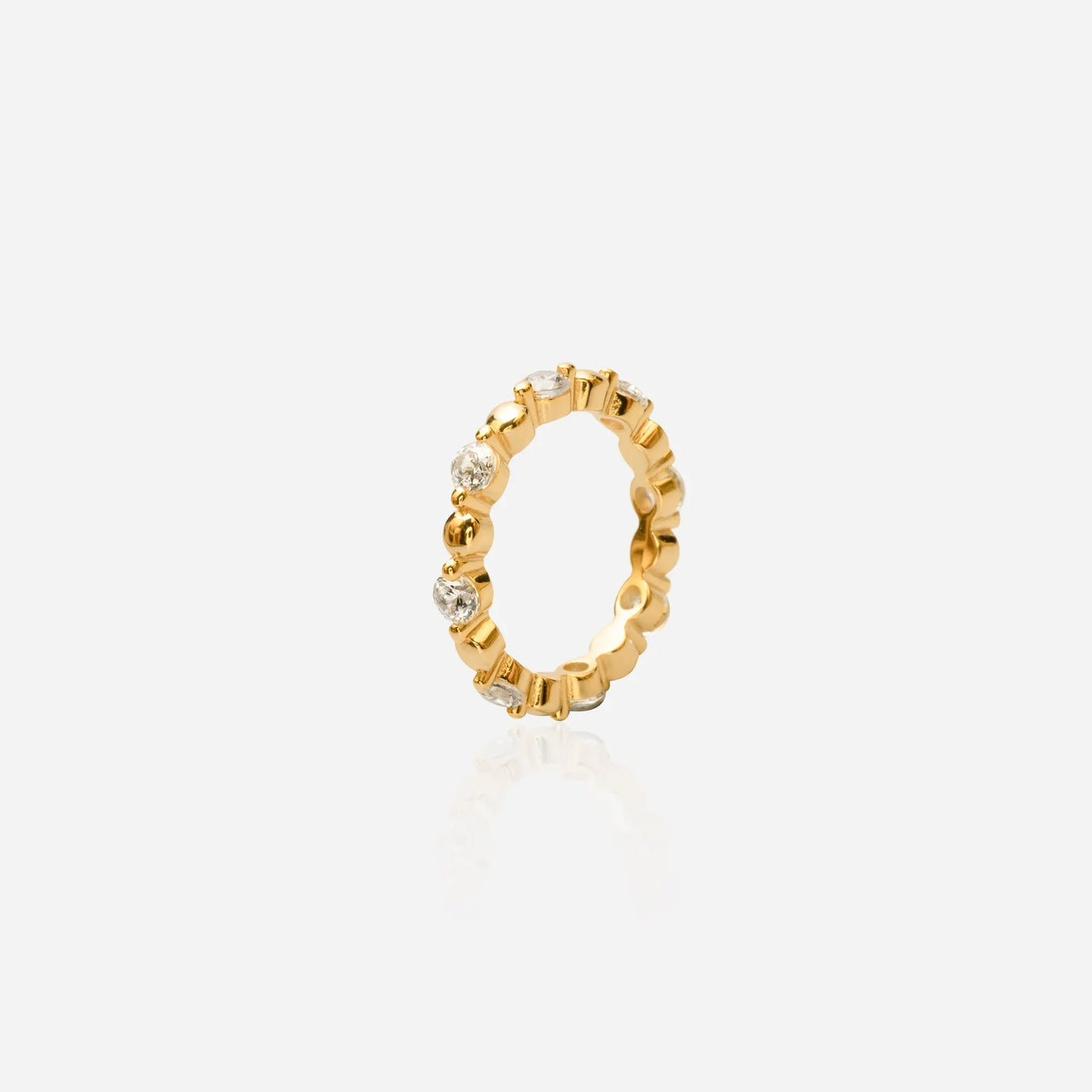
A Gold Macaron Ring Set — three lab diamond stacking bands — answers: every single day. That is the ideal. The three-ring set is modular: wear one for subtlety, two for balance, all three for presence. It earns its cost per wear in the first month.
Question 4: Does It Layer With Something You Already Own?
A piece that cannot integrate with your existing collection is like buying a piece of furniture that does not match anything in your house. It is not a addition — it is a disruption. The piece will sit unused because wearing it requires removing everything else, and inertia always wins.
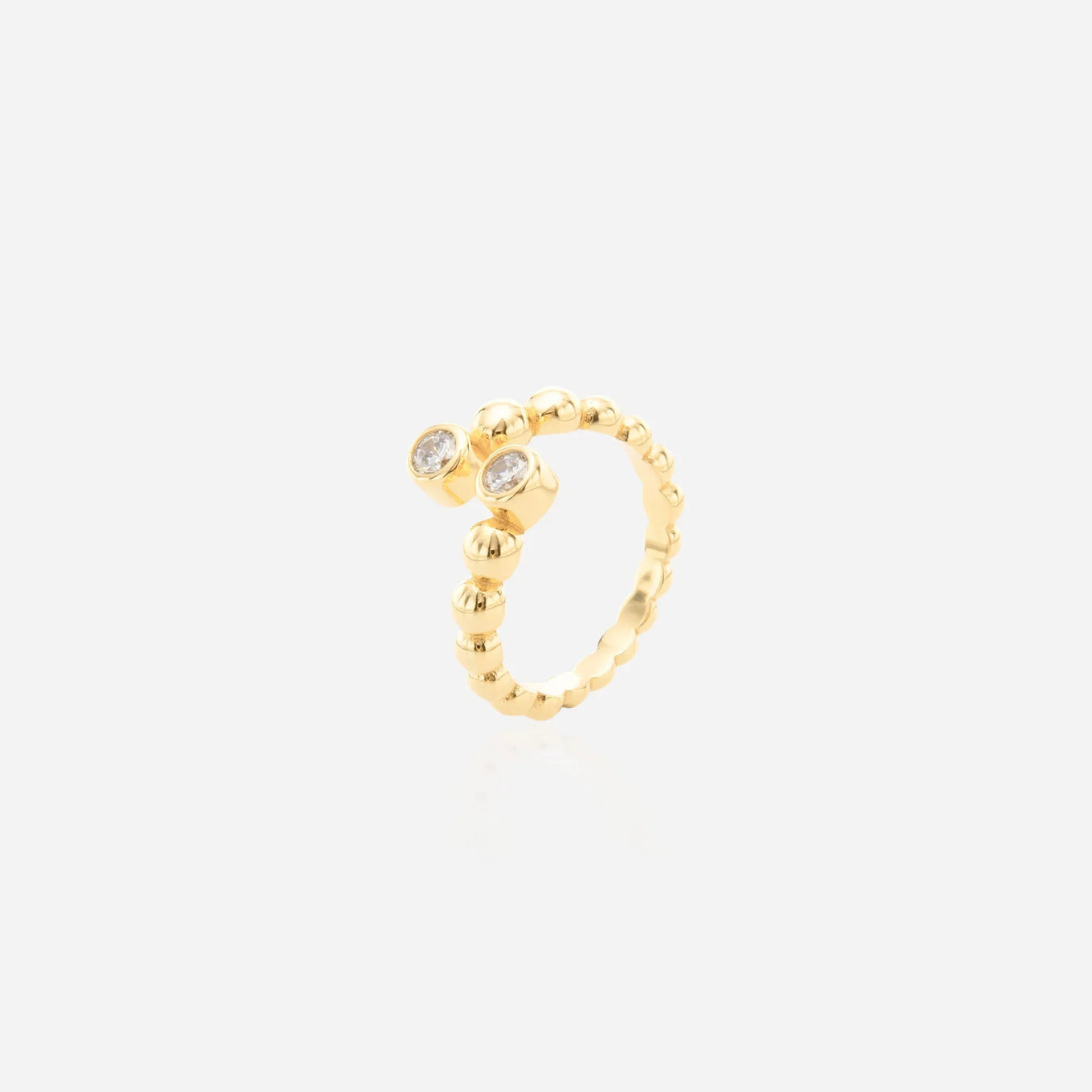
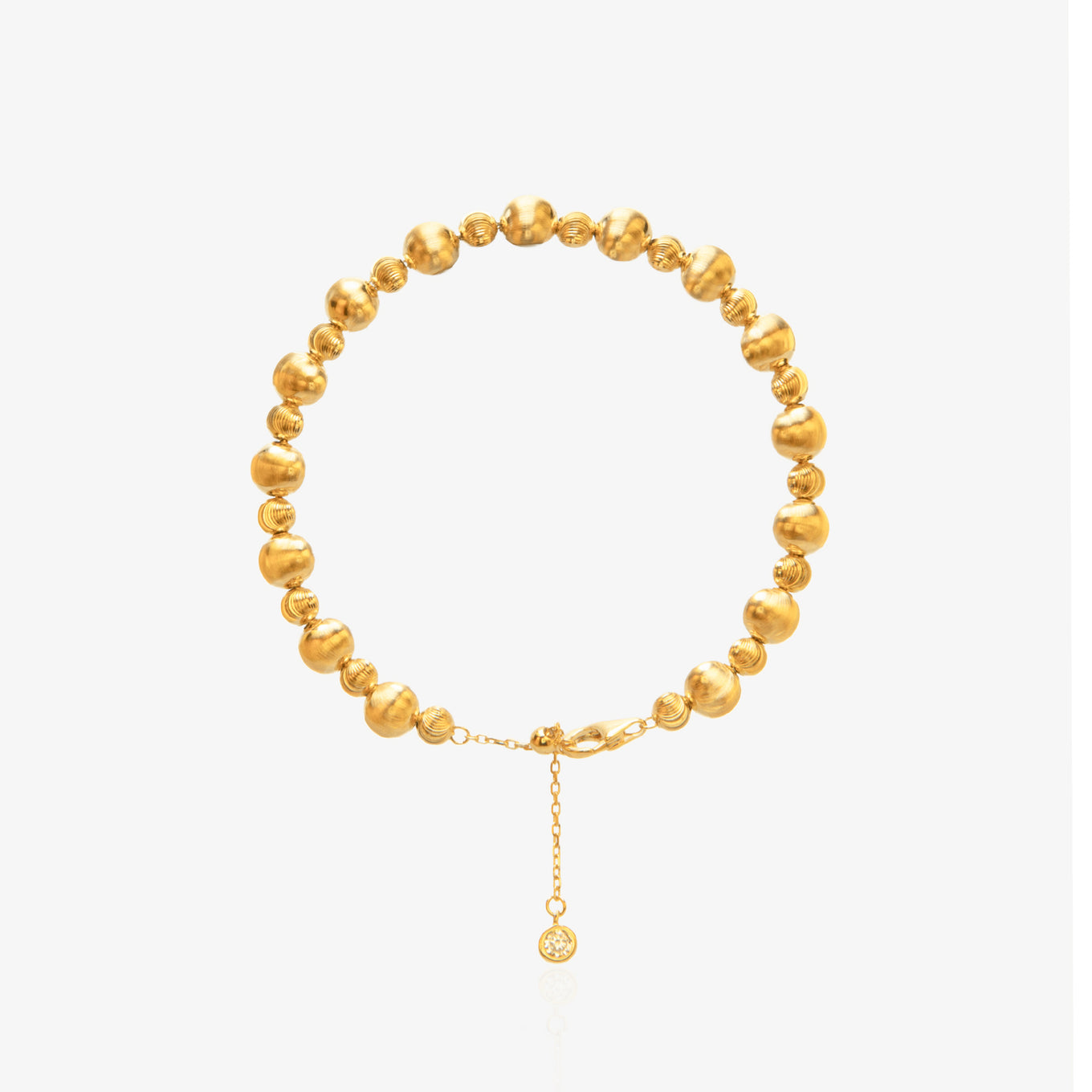
The Crossover Ring — a gold Toi et Moi band — layers naturally with any stacking ring system because its crossover architecture creates negative space. Other rings nest into that space. It plays well with others. The Cocoon Chain Bracelet — a dainty satin oval bead chain — stacks with every bangle, cuff, and chain bracelet you own because it sits flat against the wrist and creates no bulk. A bracelet that demands to be worn alone will be worn less than one that asks to join the party.
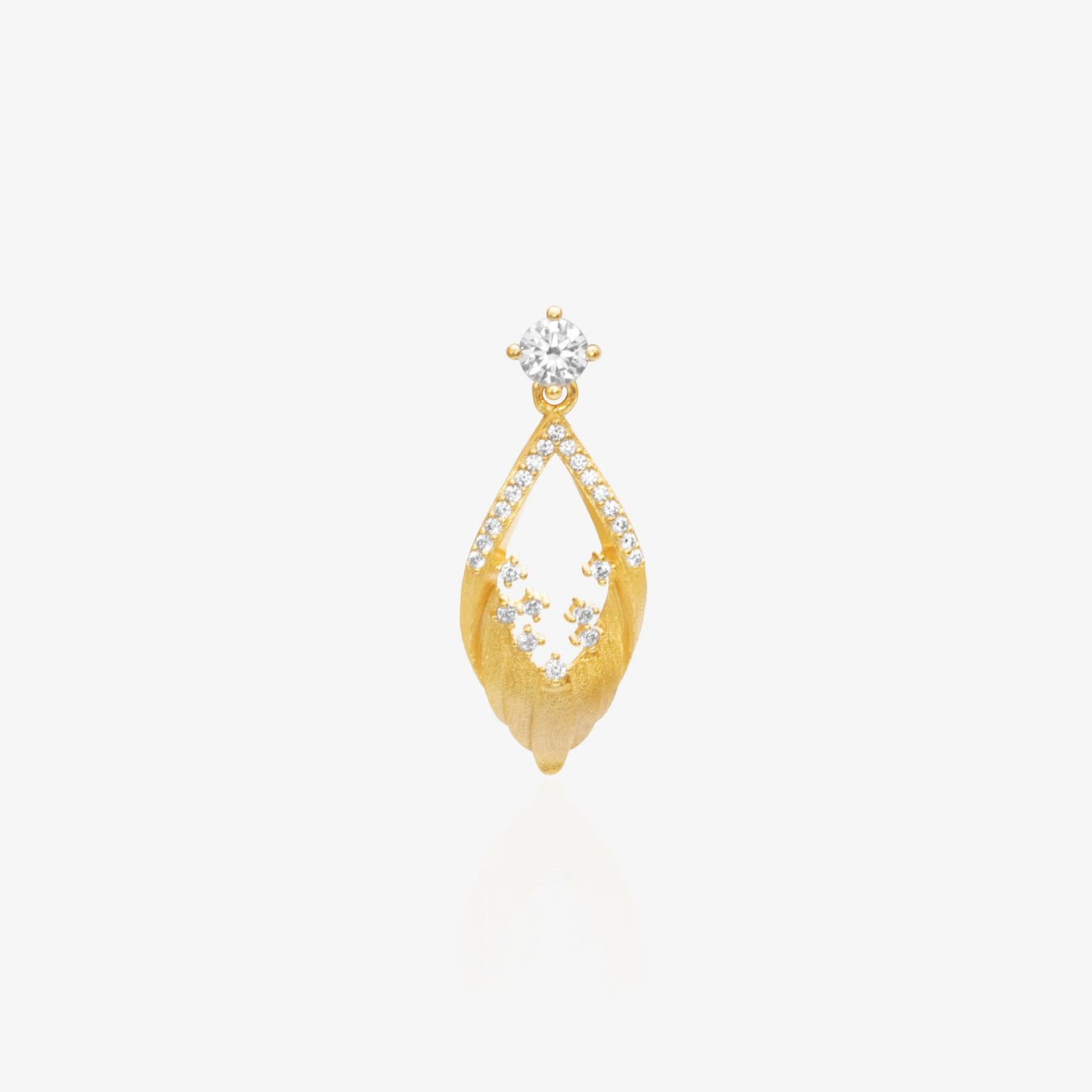
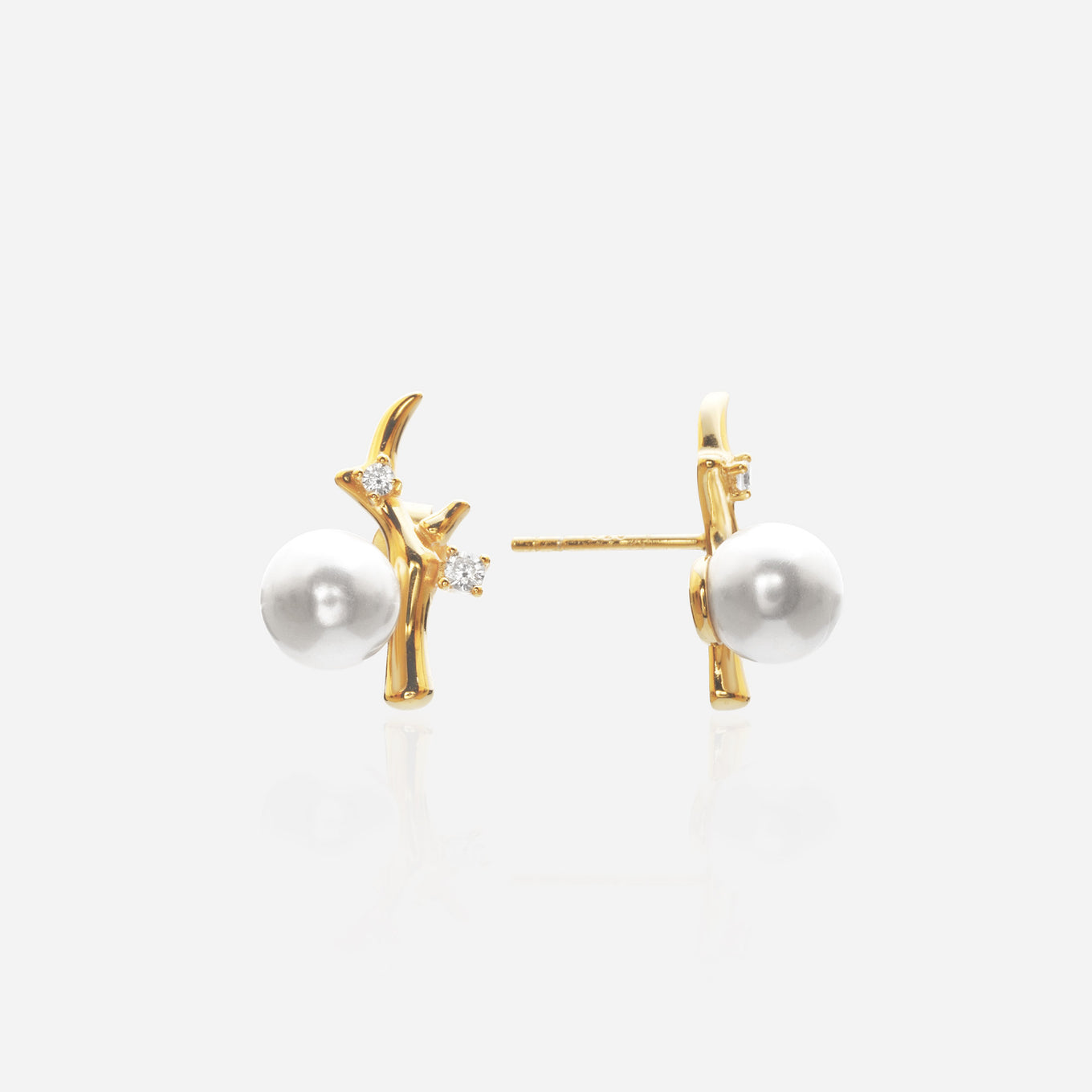
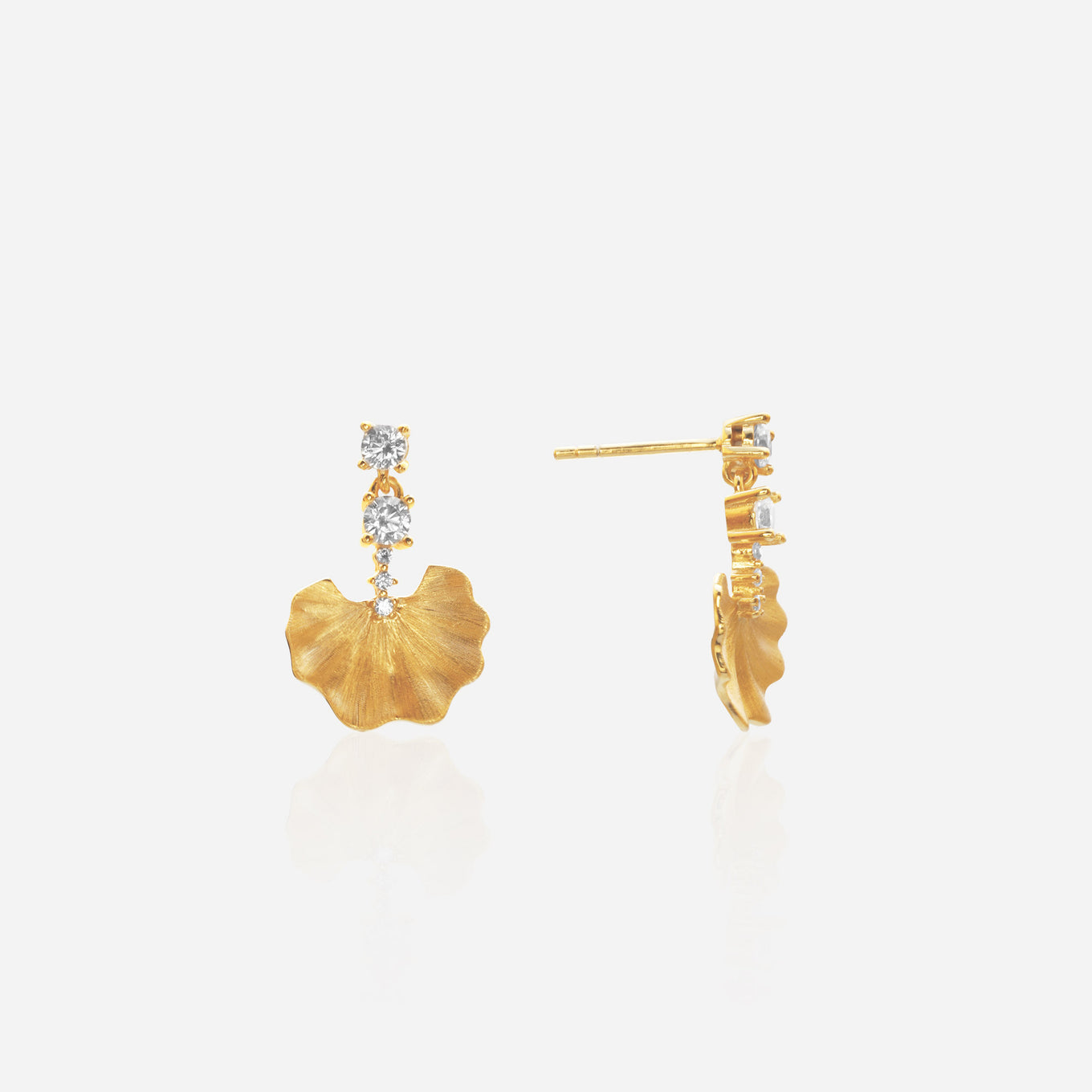
The Pearl Cluster Earrings — gold grape leaf design with luminous simulated pearls — pass this test because pearls are the universal layerer: they pair with gold studs in a second piercing, sit above gold hoops in a double lobe, and complement a gold chain necklace through texture contrast without color competition.
Question 5: If You Lost It Tomorrow, Would You Buy It Again?
This is the merciless question — the one that cuts through marketing, hype, and the dopamine of the cart page. If you lost this piece tomorrow, would you replace it with the exact same piece, or would you use the opportunity to buy something different?
If the answer is "something different," you do not want this piece. You want the feeling of buying something, and this piece happened to be in front of you.
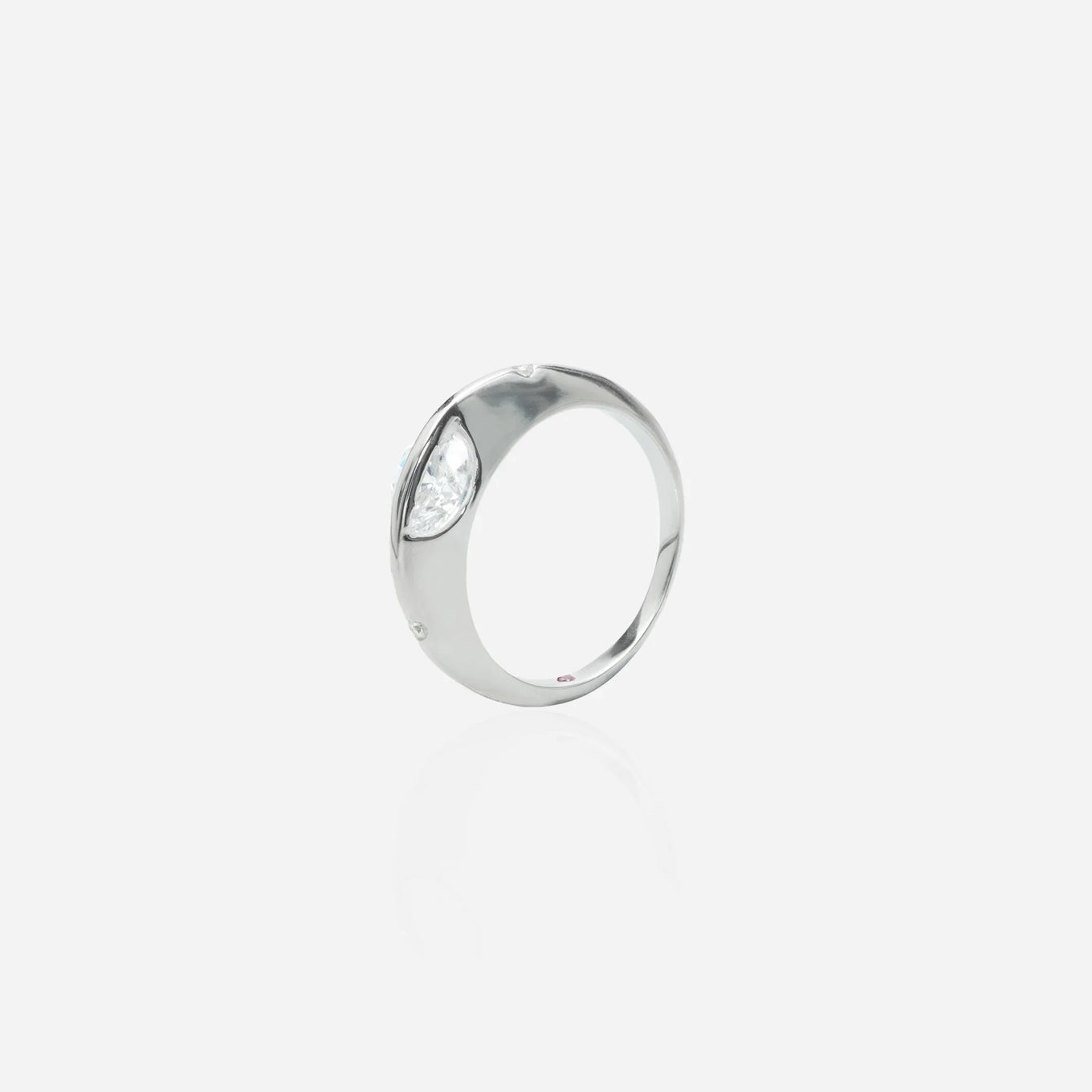
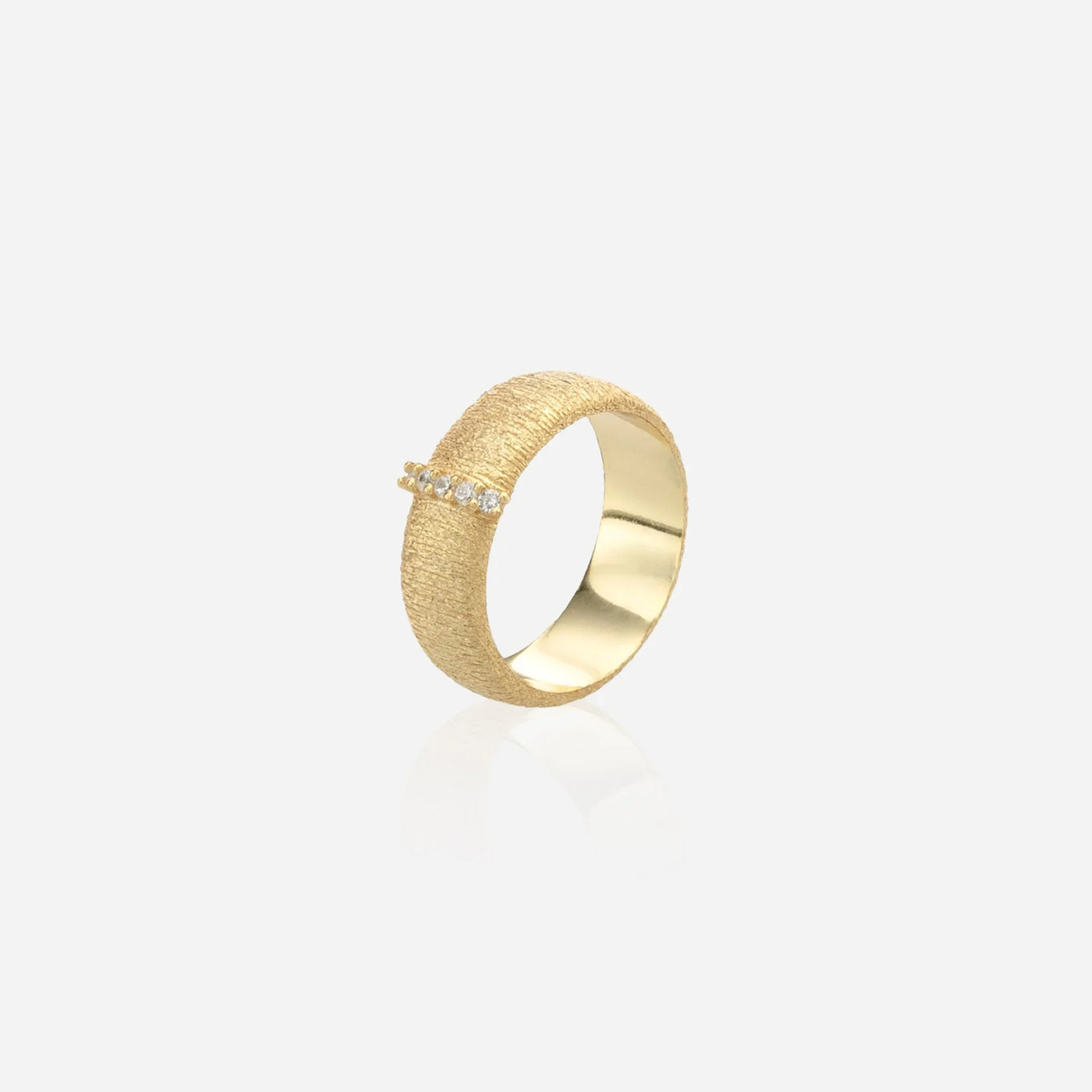
If the answer is "the exact same piece," you have found the thing. Buy it. The Wide Band Ring — 6mm of architectural gold — is a piece most wearers would replace identically because it has no substitute: its weight, its simplicity, its satisfying presence on the hand cannot be found in a less expensive version or a more ornate version. It is exactly itself, and that precision is why it gets worn instead of admired.
The Test in Practice: A Decision Matrix
| Question | Pass If | Reconsider If | Fix |
|---|---|---|---|
| Q1: Survive daily life? | Shower-safe, sweat-proof, sleep-friendly | Requires removal before water, exercise, or sleep | Choose Ag925 silver core + 18K gold plate > 0.3 micron |
| Q2: Match real wardrobe? | Works with jeans, work clothes, and evening | Only works with one specific outfit or aesthetic | Go neutral — gold geometric studs, box chain, dome ring |
| Q3: Three real occasions? | 3+ specific, calendar-ready events in 30 days | "I will find reasons" or purely special-occasion pieces | If < 3 occasions, it is not a buy — find a more versatile piece |
| Q4: Layer with existing? | Integrates without removing current daily pieces | Requires taking off what you already wear daily | Choose modular pieces — stacking rings, layering chains |
| Q5: Buy it again? | "I would buy the exact same piece" | "I would buy something different" | If no, leave it. The right piece is the one you would replace identically. |
Key Terms: The Purchase Decision Lexicon
- Cost Per Wear (CPW)
- The total purchase price divided by the estimated number of wears over the piece's lifetime. A $120 necklace worn 200 times costs $0.60 per wear — less than a coffee. A $60 necklace worn three times costs $20 per wear. The psychological framework that rationalizes investing in quality over quantity.
- Maintenance-to-Wear Ratio
- The ratio of care requirements (removal before shower, removal before sleep, special storage, professional cleaning) to wearing occasions. Pieces with high maintenance-to-wear ratios are worn less regardless of beauty or price. The test: if you cannot wear it to bed, you will rarely wear it at all.
- Integration Compatibility
- Whether a new piece layers, stacks, or pairs with the jewelry you already wear daily. Low compatibility = the new piece sits. High compatibility = the new piece joins the rotation immediately, and the old pieces become more versatile through the addition.
- Fantasy-Self Purchase
- A piece bought for the version of yourself who dresses up more, goes out more, and accessorizes more intentionally than your actual self. Fantasy-self purchases account for the majority of unworn jewelry in most collections. The antidote is Question 2: buy for the closet you have, not the closet you aspire to.
- Identical Replacement Test
- Question 5 of the framework: if the piece were lost, would you replace it with the exact same item? A "yes" confirms genuine desire for the specific piece. A "no" reveals that you are buying the act of buying rather than the item itself.
The ÉLARAMUSE Standard
| Base Material | Ag925 Sterling Silver (92.5% pure silver) — lifetime-grade structural core |
| Plating | 0.5-micron 18K gold plating — survives showers, sleep, and sweat |
| Gemstones | High-Carbon Lab Diamonds (Mohs 8.5), Nano Zircon, Simulated Pearl — hard enough for daily unconscious wear |
| 24/7 Capable | Designed to be worn through showers, sleep, and exercise — the ultimate test of a purchase decision well made |
FAQ: The 5-Question Purchase Test
What if a piece fails one or two questions?
Failing one question is a yellow flag. Failing two is a red flag. Failing three or more: you are buying for your fantasy self, and the piece will not be worn. The most common failure pattern is Q2 + Q3: the piece matches a specific aesthetic (not your daily wardrobe) and you cannot name three real occasions for it. That combination predicts unworn jewelry with near-perfect accuracy.
Does this mean I should never buy special-occasion pieces?
No — but know that you are buying a special-occasion piece, not blaming yourself later for not wearing it. A Laurel Cuff Ring bought for a wedding, worn to that wedding, and then kept for its emotional significance has earned its keep — even if it only gets a handful of wears per year. The test is about honest categorization, not guilt. The problem is buying a piece you believe will be everyday and finding it is special-occasion, not buying a piece you knowingly classify as special-occasion.
What is the single best predictor of an unworn purchase?
Q5: the Identical Replacement Test. If you would not buy the exact same piece again, you do not genuinely want the piece — you want the excitement of buying. This question works because it removes the social context of purchasing (the cart page, the email discount, the influencer recommendation) and isolates the relationship between you and the object. If the relationship cannot survive the removal of context, it was never about the jewelry.
Can I apply this test to jewelry I already own?
Yes — and you should. Go through your jewelry box right now. For each piece, answer Question 5. The pieces you would not replace are candidates for donation, gifting, or selling. The pieces you would replace are your actual collection — the pieces that belong to your real self, not your fantasy self. This exercise often reveals that the pieces people actually wear are the simplest ones: a solitaire necklace, a geometric stud, a stacking ring. Not the statement choker. Not the dramatic earring. The quiet pieces that do not ask for attention and therefore receive it.
Editor's Picks: Pieces That Pass Every Question
- Classic Solitaire Necklace — The piece you would buy again tomorrow. Shower-safe, outfit-agnostic, never-off.
- Gold Geometric Studs — Lab diamond bars that work with jeans, blazers, and gym clothes. Q2 perfection.
- Gold Macaron Ring Set — Three stacking bands that answer Q3 with "every single day" — the ultimate cost-per-wear champion.
- Box Chain Necklace — The layerer's foundation. Q4: it integrates with every pendant and chain you already own.
- Solaris Dome Ring — Q3 powerhouse: three occasions in any given week, guaranteed. Visible when you gesture on Zoom, beautiful at dinner, elegant at brunch.
- Crossover Ring — The ring that nests with everything. Q4: zero integration friction.
- Wide Band Ring — Q5 answer: "I would buy it again tomorrow." 6mm of architectural gold with no substitute.
We believe every piece of jewelry you own should earn its place — on your body, not in a box. Every ÉLARAMUSE piece is built on Ag925 sterling silver with 0.5-micron 18K gold plating, designed for the person who showers, sleeps, and lives without thinking about their jewelry. Because the best purchase is the one you forget you are wearing.