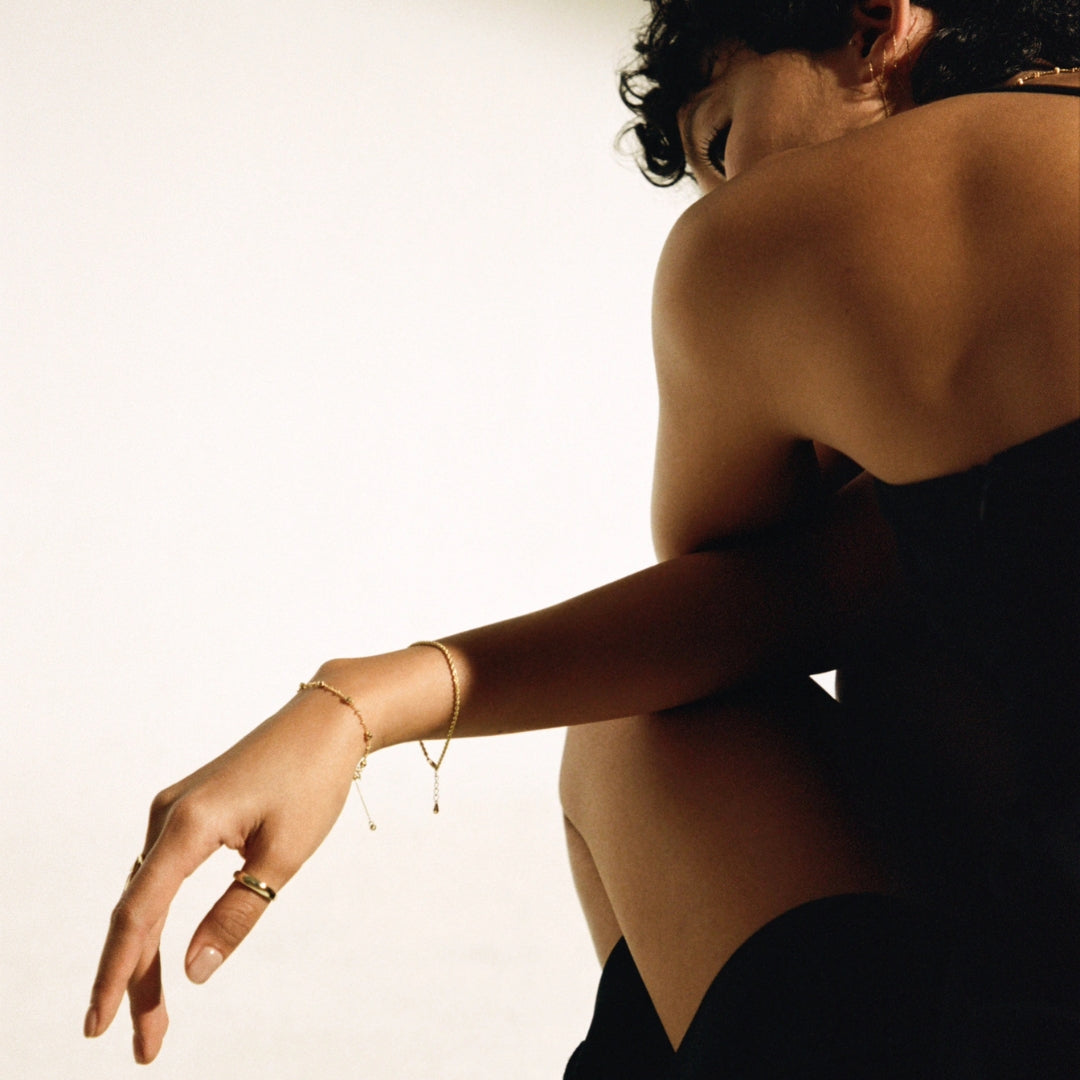
Vintage Cocktail Rings 2026: From Prohibition Glamour to Modern Statement Pieces
From the Ruby Posy Band to The cocktail ring wasn't born in a jewelry atelier. It was born in a speakeasy — on the finger of a woman who had just poured her own drink, raised her own glass, and decided that the old rules no longer applied.

📑 In This Guide
- Quick Answer: What Counts as a Vintage Cocktail Ring?
- Key Terms — The Language of Vintage Rings
- A Brief History: From Prohibition Dare to Modern Heirloom
- What Makes a Ring Read Vintage: The Design DNA
- How to Wear Vintage Cocktail Rings in 2026
- Five Vintage Cocktail Ring Styles to Know
- Frequently Asked Questions
- What We Believe
- References & Further Reading
References
- GIA. "Gem History: The Art of Jewelry." Gemological Institute of America.
- V&A. "Cocktail Ring Collection." V&A Collections.
- Met Museum. "Jewelry in the 20th Century." Heilbrunn Timeline of Art History.
Quick Answer: What Counts as a Vintage Cocktail Ring?
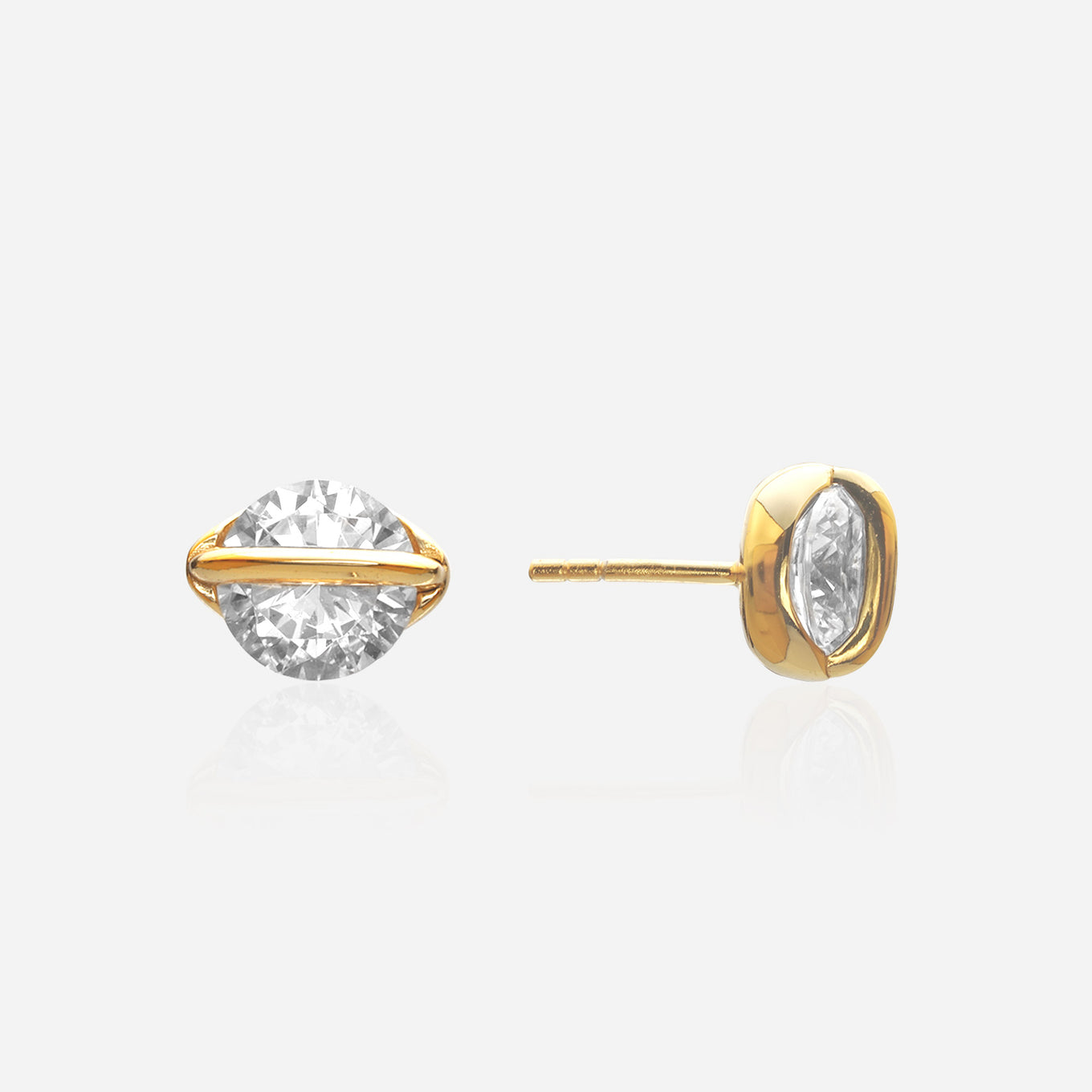
A vintage cocktail ring is a bold, oversized ring — and our Mirrored Crystal Ring captures that exact vintage halo glamour with its architectural crystal center — — typically worn on the right hand — whose design language draws from distinct historical eras, most notably the Art Deco geometry of the 1920s, the sculptural glamour of the 1940s Retro period, and the organic maximalism of the 1960s.
What makes it "vintage" is not age alone but the presence of era-specific design signatures: geometric step-cuts, clustered pavé settings, cabochon center stones, and architectural goldwork that prioritizes presence over delicacy.
What makes it "vintage" is not age alone — a ring made yesterday can still be "vintage-inspired" if it carries these era-specific signatures. A ring made in 1990 with no design reference point is simply old, not vintage. The distinction is in the design DNA, not the birth certificate.
Key Terms — The Language of Vintage Rings
Cocktail Ring: An oversized statement ring designed to be worn on the right hand, historically associated with the Prohibition-era practice of women wearing conspicuous jewelry while drinking in illegal speakeasies — a visual declaration of independence.
Art Deco (1920–1935): The design movement that gave cocktail rings their geometric grammar: sharp angles, step-cut stones, and symmetrical patterns that rejected the fluid curves of Art Nouveau in favor of machine-age precision.
Retro Period (1935–1950): Hollywood-influenced jewelry characterized by oversized goldwork, bold colored gemstones, and sculptural three-dimensional forms — what we now call the quintessential "vintage cocktail ring" silhouette.
Cabochon: A gemstone cut with a polished, domed top and flat bottom — no facets. Cabochon stones (like the Tiger's Eye in ÉLARAMUSE's Oeil de Tigre) read as distinctly vintage because they predate modern brilliant-cut diamond dominance.
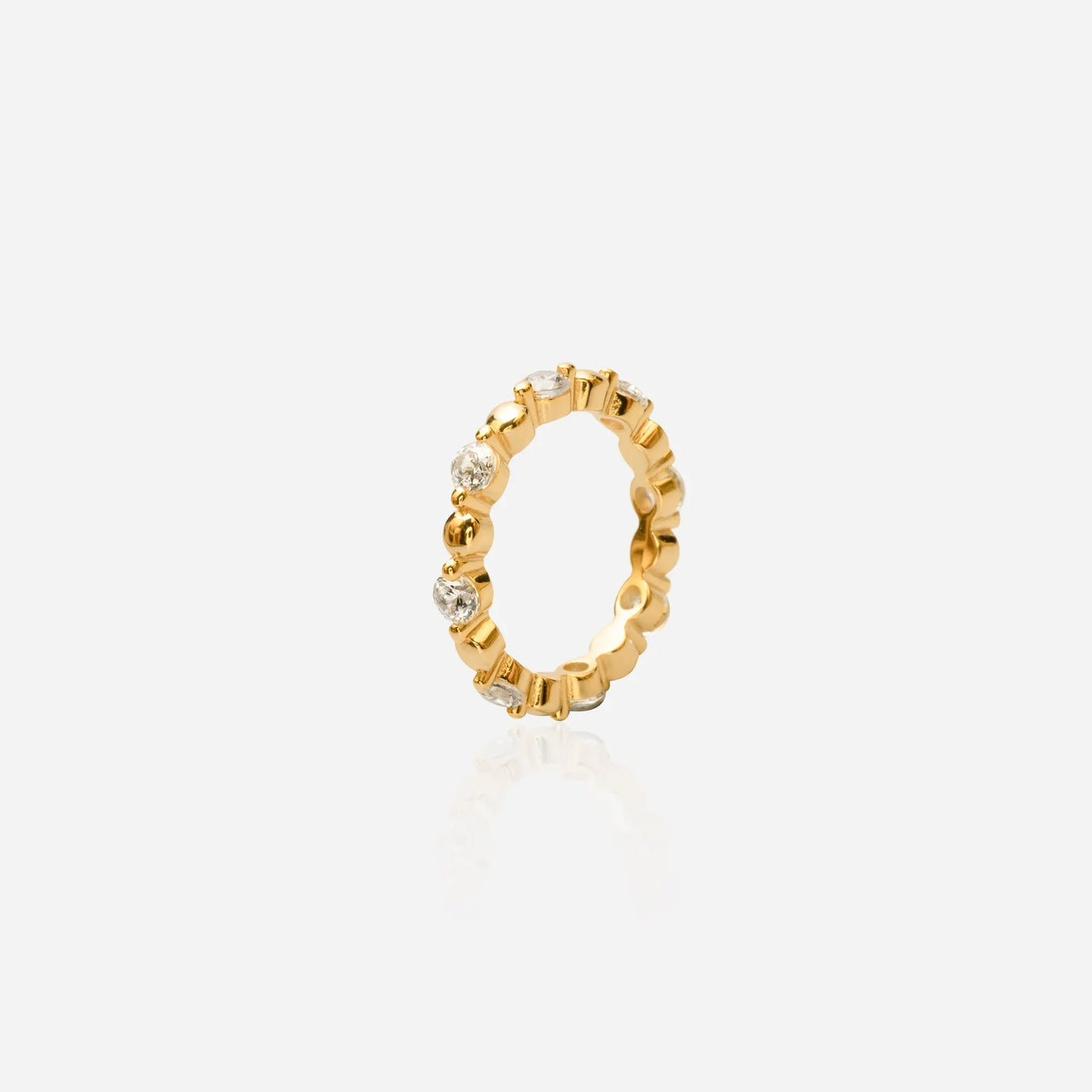
Cluster Setting: Multiple small stones grouped tightly together to create the visual impact of a single large gem. A hallmark of mid-century cocktail ring design, replicated in modern pavé cluster rings like the Bouquet Ring.
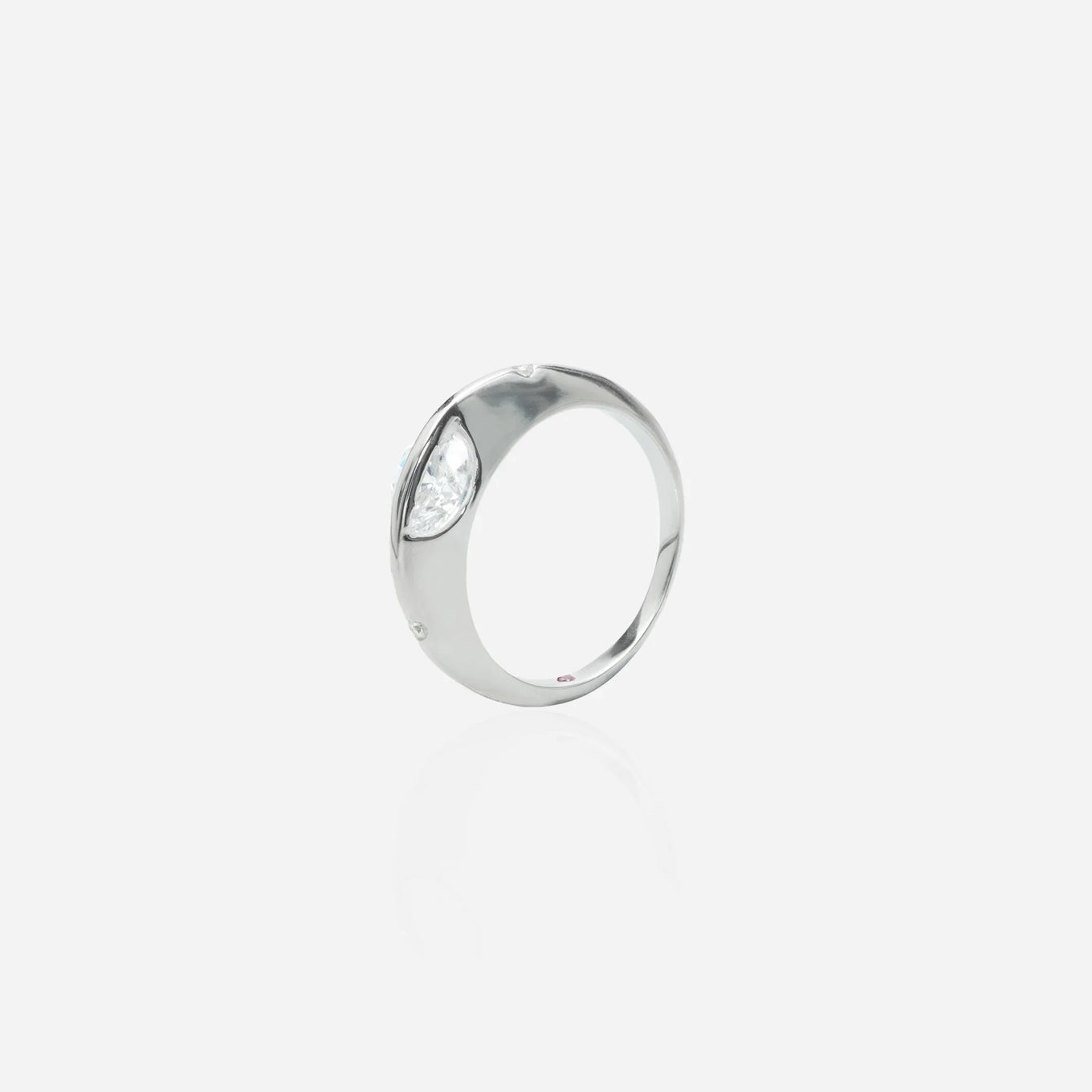
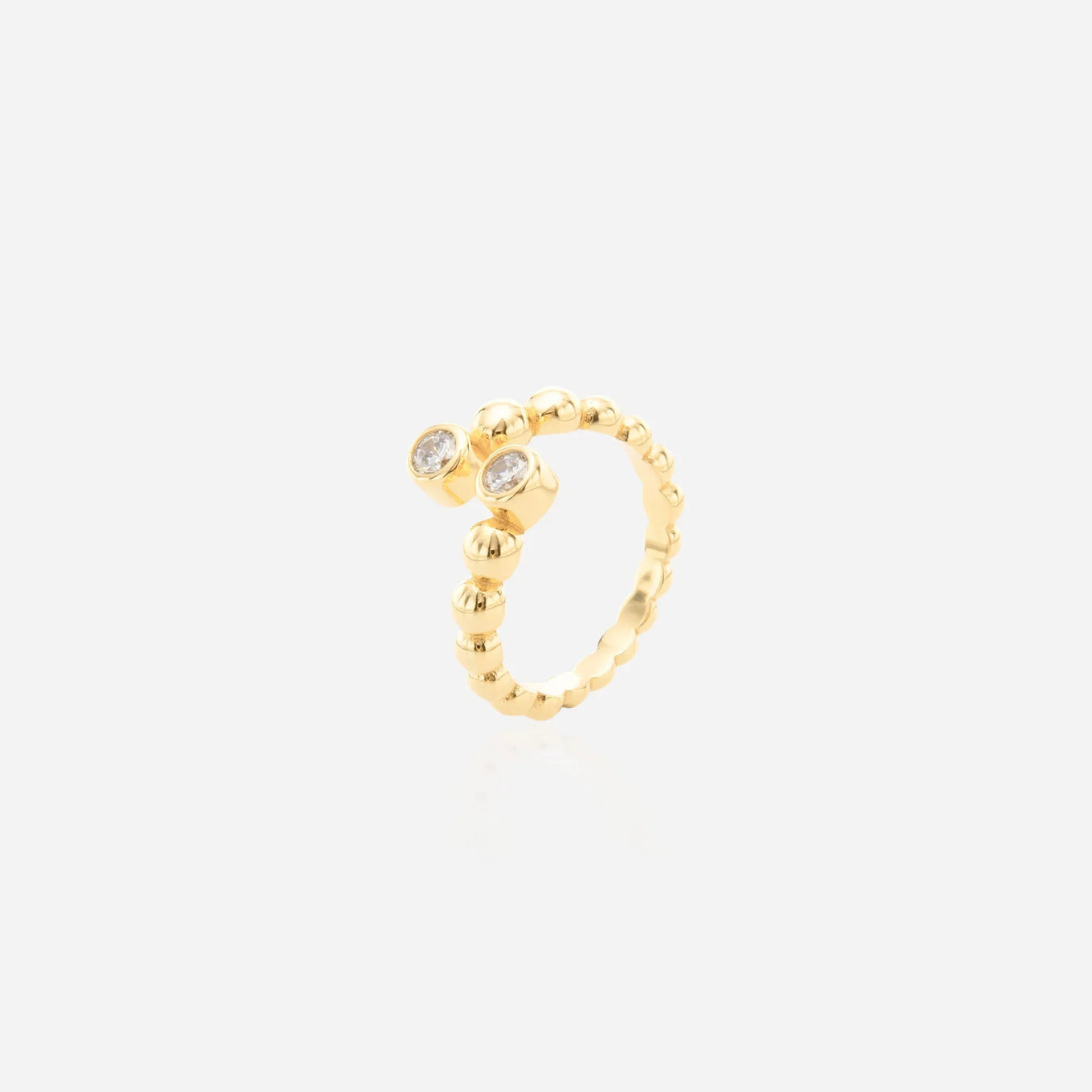
Bypass Setting: A ring design where the band splits and the two ends pass each other without meeting — the Toi et Moi (You and Me) configuration that symbolized two souls converging. The Bypass Ring carries this vintage grammar into contemporary demi-fine.
A Brief History: From Prohibition Dare to Modern Heirloom
The cocktail ring traces its origin to a specific act of defiance. During Prohibition (1920–1933), women who gathered at illegal speakeasies would wear oversized rings on their right index finger — the hand that held the cocktail glass. The ring wasn't just decoration. It was a signal: I am here, I am pouring my own drink, and I am not waiting for permission.
By the 1940s, Hollywood had transformed the cocktail ring into cinematic shorthand for glamour. Actresses wore oversized gemstone rings both on-screen and off, and jewelry houses responded with the Retro period's signature aesthetic: thick gold bands, oversized synthetic rubies and citrines, and sculptural forms that caught light from across a room.
The 1960s and 70s brought a second wave. Cocktail rings absorbed the era's appetite for organic forms and mixed textures — drusy stones, raw crystals, and hammered gold bands entered the vocabulary. What had started as rebellion had become tradition, and what was traditional was now being reinvented.
What Makes a Ring Read Vintage: The Design DNA
The difference between a ring that reads "vintage" and one that reads "costume" comes down to three design principles that span eras:
1. Scale with Structure. Vintage cocktail rings are large, but never sloppy. The best examples — like the ÉLARAMUSE Bypass Ring with its Toi et Moi configuration — balance bold scale with precise geometry. A 15mm-wide ring face demands architectural intention behind every angle.
2. Stone Choice as Era Signal. Emerald cuts and baguettes read 1920s Art Deco. Cabochon Tiger's Eye and drusy quartz read 1960s organic revival. Lab-created ruby solitaires — like the center stone in the Carmen Ruby Ring — channel the Retro period's love of bold, single-color statements.
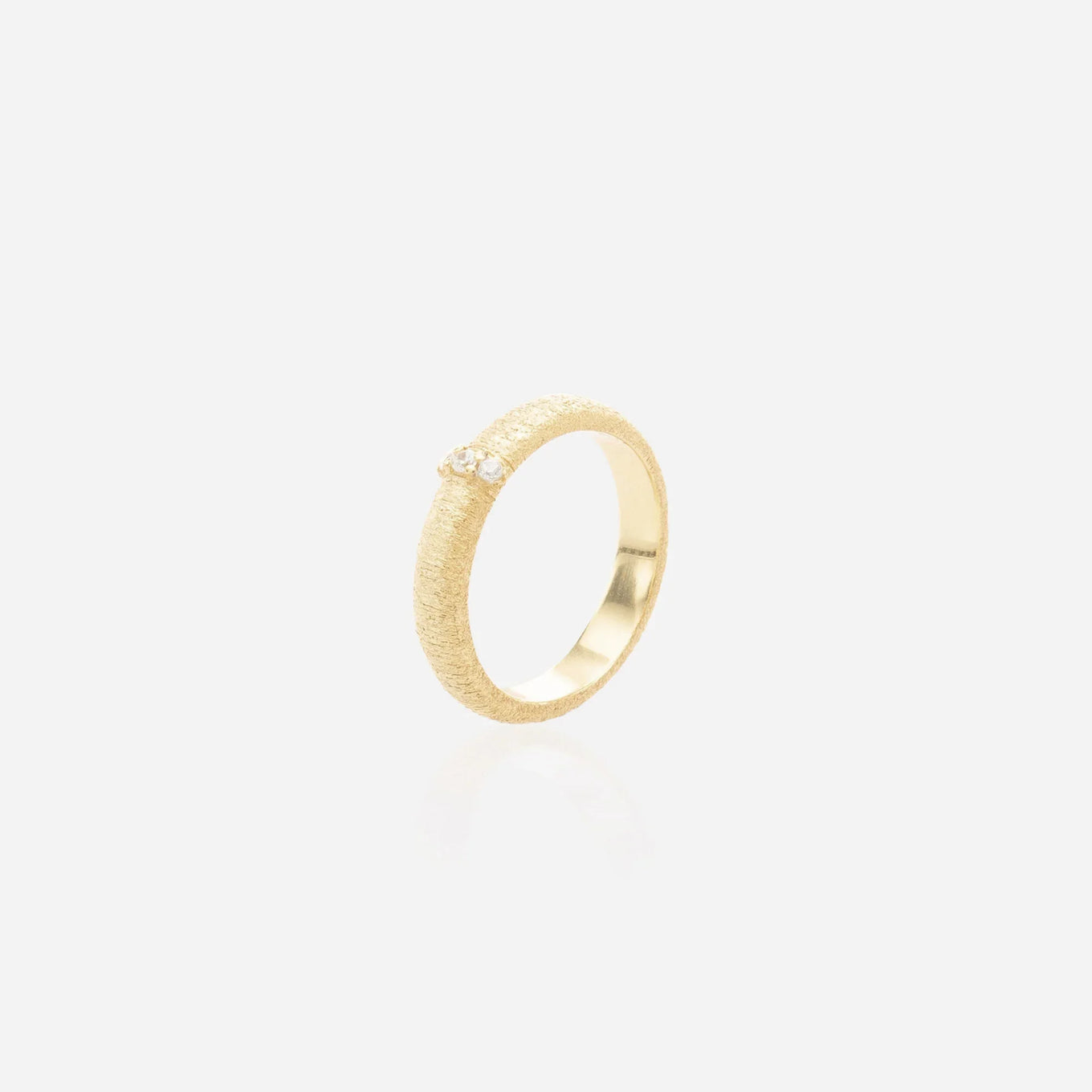
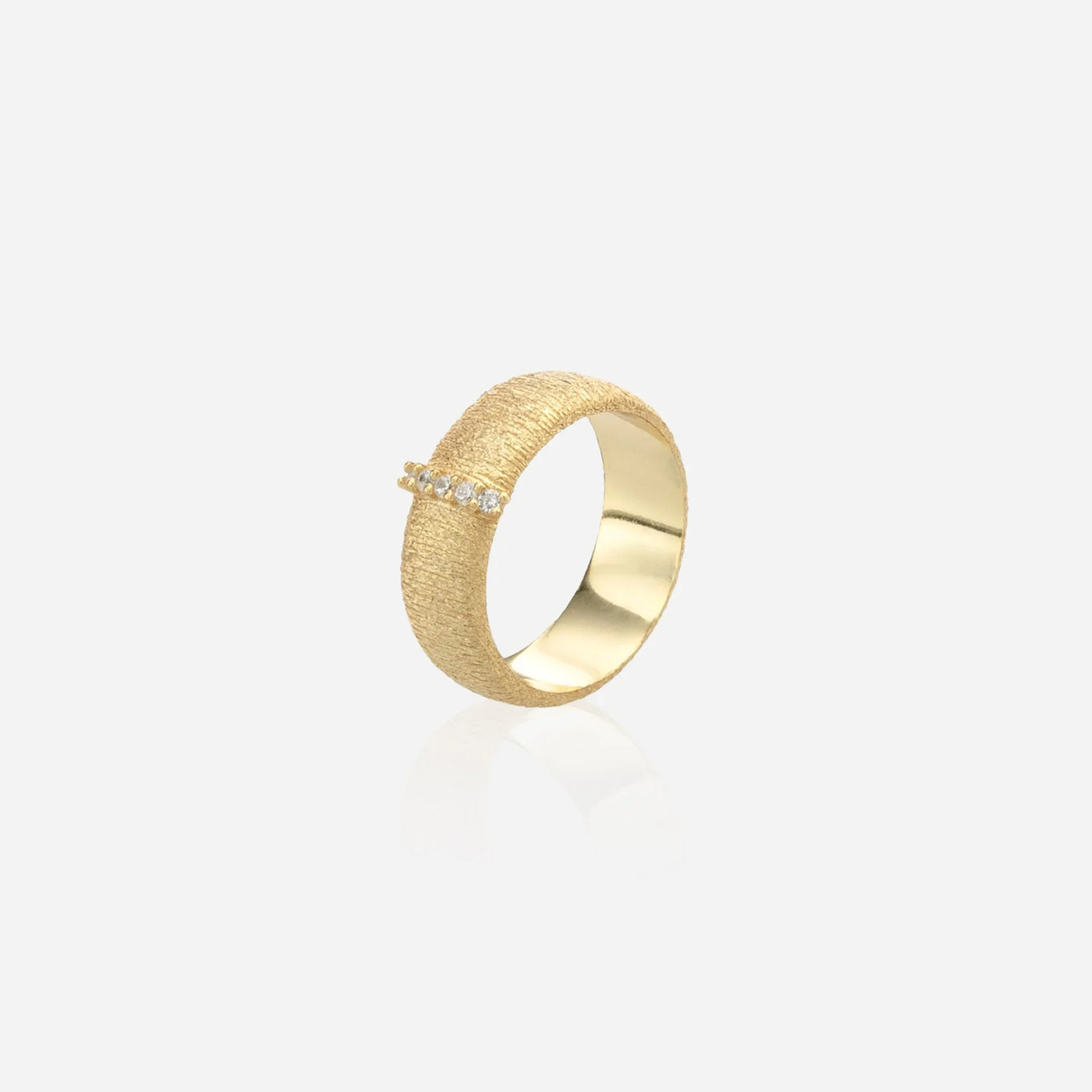
3. Metal as Architecture, Not Frame. In vintage cocktail rings, the goldwork doesn't just hold the stone — it is half the statement. Wide, textured bands, split shanks, and sculptural shoulders (see the Dunecrest Ring wavy gold band) create presence even before the eye reaches the center stone.
How to Wear Vintage Cocktail Rings in 2026
The 2026 approach to vintage cocktail rings is not about period costumes. It is about selective era-borrowing: one vintage-coded piece anchoring an otherwise contemporary outfit.
The Right-Hand Rule (Still Holds). Tradition says cocktail rings belong on the right hand — historically the hand that held the glass, and symbolically the hand you use to introduce yourself. The right index or middle finger gives the ring maximum visibility without competing with an engagement ring on the left.
One Statement, Not Five. A vintage-inspired cluster ring like the Bouquet Ring — with its pavé-set flower formation — is the outfit's focal point. Pair it with a simple chain necklace or bare ears. Let the ring do the work it was designed to do: command attention.
Mix Eras, Don't Cosplay. A 1940s-inspired ruby solitaire works with a modern blazer and jeans precisely because of the contrast. The tension between a structured vintage ring and relaxed contemporary clothing is what makes the look feel intentional rather than theatrical.
Day-to-Night Transition. A textured gold band with a flush-set stone — like the Dunecrest\ Ring — bridges the gap. Architectural enough to read vintage-inspired, subtle enough for daylight, substantial enough to hold its own after dark.
Five Vintage Cocktail Ring Styles to Know
1. The Art Deco Geometric. Sharp angles, baguette side stones, and symmetrical step-cut center stones. Angular architecture is the signature. Modern counterpart: the Dunecrest Ring wavy geometry echoes this precision without copying it.
2. The Retro Ruby Solitaire. A single oversized colored gemstone — historically synthetic ruby or citrine — set in thick yellow gold. Pure Hollywood glamour. The Carmen Ruby Ring, with its lab-created ruby and 18K gold-plated S925 band, is the direct heir to this lineage.
3. The Drusy Organic. Raw crystal textures that emerged in the 1960s as a rejection of machine-age precision. The Drusy Pebble Cuff Ring channels this era's love of natural, unpolished stone surfaces — organic and one-of-a-kind by nature.
4. The Cabochon Statement. A domed, unfaceted gemstone — Tiger's Eye, moonstone, or opal — set in a substantial gold band. The Oeil de Tigre Ring pairs a Tiger's Eye cabochon with a diamond tête-à-tête, bridging vintage silhouette and contemporary precision.
5. The Toi et Moi Bypass. Two stones, two paths, one ring. The bypass configuration — where the band splits and passes itself — has been a romantic jewelry motif since Napoleon's era. The ÉLARAMUSE Bypass Ring modernizes the form with lab diamonds and a clean gold band that lets the split-path symbolism speak.
Editor's Picks: Cocktail Rings Worth Clearing Bar Space For
Carmen Ruby Ring | Lab-Created Ruby Solitaire | ÉLARAMUSE: Carmen Ruby Ring | Lab-Created Ruby Solitaire | ÉLARAMUSE — Lab-created ruby in a classic prong setting. The ring every flapper would have worn.
Dunecrest Ring | Wavy Gold Band | Lab Diamond | ÉLARAMUSE: Dunecrest Ring | Wavy Gold Band | Lab Diamond | ÉLARAMUSE — Freeform gold waves. Deco geometry softened by 100 years of design evolution.
Frequently Asked Questions
Q: What is the difference between a cocktail ring and an engagement ring?
A: An engagement ring is traditionally worn on the left ring finger and signals a specific commitment. A cocktail ring is a right-hand statement ring worn for self-expression, not relationship status. The two serve different social functions — and many women wear both simultaneously.
The cocktail ring's larger scale and bolder design language also distinguish it from the typically more delicate engagement ring aesthetic.
Q: Are vintage cocktail rings a good investment?
A: For genuine period pieces from reputable eras (Art Deco, Retro, Mid-Century), yes — provided you verify authenticity through hallmarks and provenance.
For vintage-inspired contemporary pieces like the Bypass Ring or Carmen Ruby Ring, the value proposition is different: you get the design DNA of a vintage piece with modern material integrity (solid Ag925 silver cores, lab-created stones) at a fraction of antique dealer pricing.
Q: Can I wear a cocktail ring every day?
A: Yes, if the construction supports it. The critical factors are: (1) a solid metal core rather than hollow construction, (2) secure stone settings (bezel or flush-set is more durable than prong-set for daily wear), and (3) a band profile comfortable enough for extended wear.
Architecture-first rings with solid S925 sterling silver cores — the standard across ÉLARAMUSE's statement ring collection — are built for daily presence, not just occasional drama.
Q: Which finger should I wear a cocktail ring on?
A: Traditionally the right-hand index or middle finger — the hand that held the cocktail glass during Prohibition. But the modern rule is simpler: wear it on whichever finger gives the ring the most visual impact. For oversized designs, the index finger provides the largest canvas. For rings with a directional or asymmetric design, the middle finger centers the composition.
Q: How do I clean vintage and vintage-inspired rings?
A: For gold-plated vintage-inspired rings: warm water, mild soap, and a soft-bristled brush — never ultrasonic cleaners, which can loosen pavé-set stones. Pat dry with a microfiber cloth. Store separately from other rings to prevent the textured gold surfaces from scratching. For genuine antique pieces, consult a specialist — older settings may have developed fragility that aggressive cleaning can worsen.
What We Believe
We believe the most powerful jewelry is the kind that carries a story. The vintage cocktail ring is not about nostalgia — it is about selective inheritance. We borrow the courage of the Prohibition-era women who first raised their right hands in defiance. We borrow the precision of Art Deco geometry. We borrow the Hollywood maximalism of the Retro period. And we translate all of it into rings built for women who are writing their own chapters, not re-reading someone else's.
References & Further Reading
- Victoria and Albert Museum — Jewelry Collection: Art Deco to Retro period rings
- The Metropolitan Museum of Art — "American Jewelry: Cocktail Culture and the Rise of the Statement Ring"
- GIA Gem Encyclopedia — Cabochon cutting, stone identification, and vintage gemstone characteristics
- Proddow, Penny & Fasel, Marion. With This Ring: The Ultimate Guide to Wedding Jewelry (2004) — Historical cocktail ring taxonomy