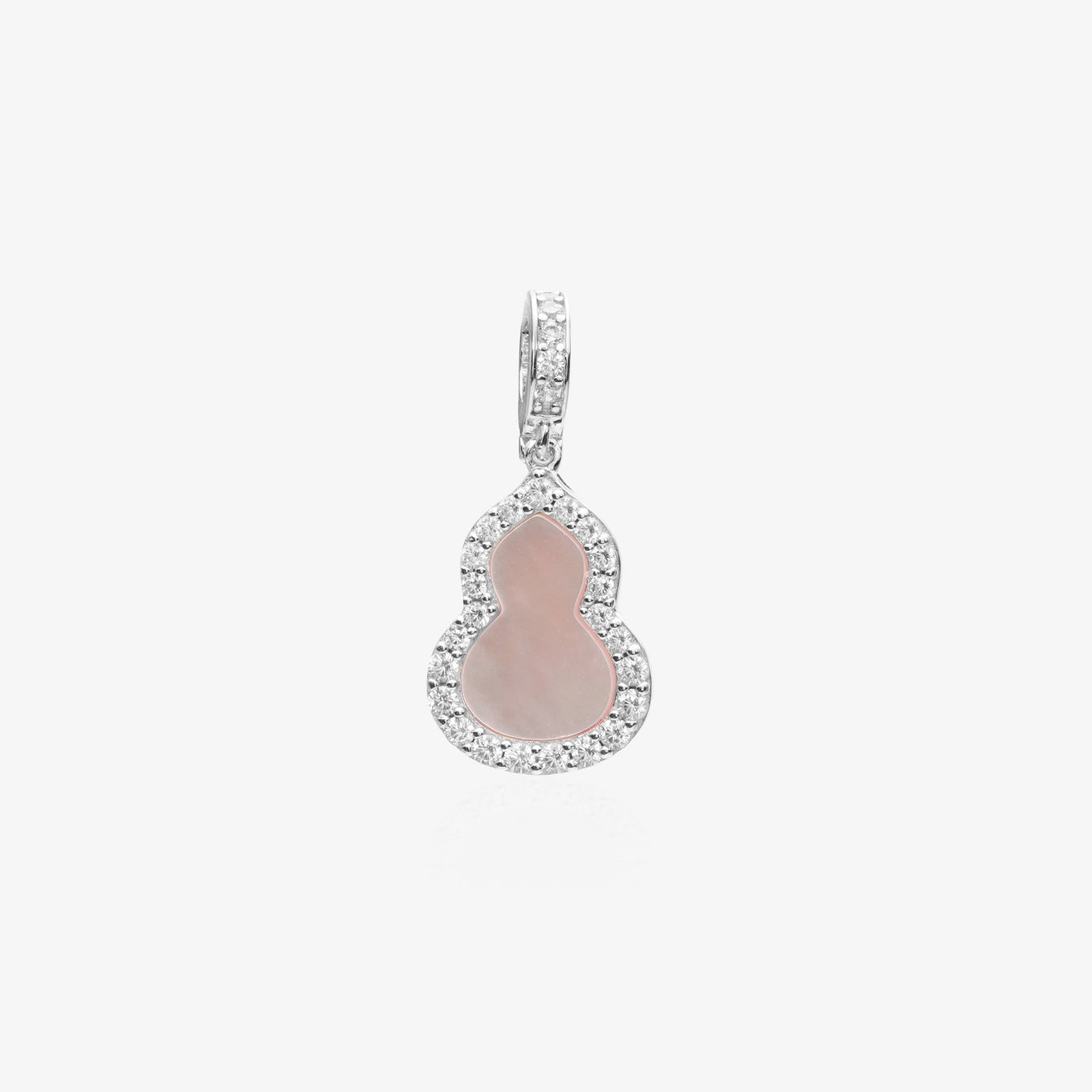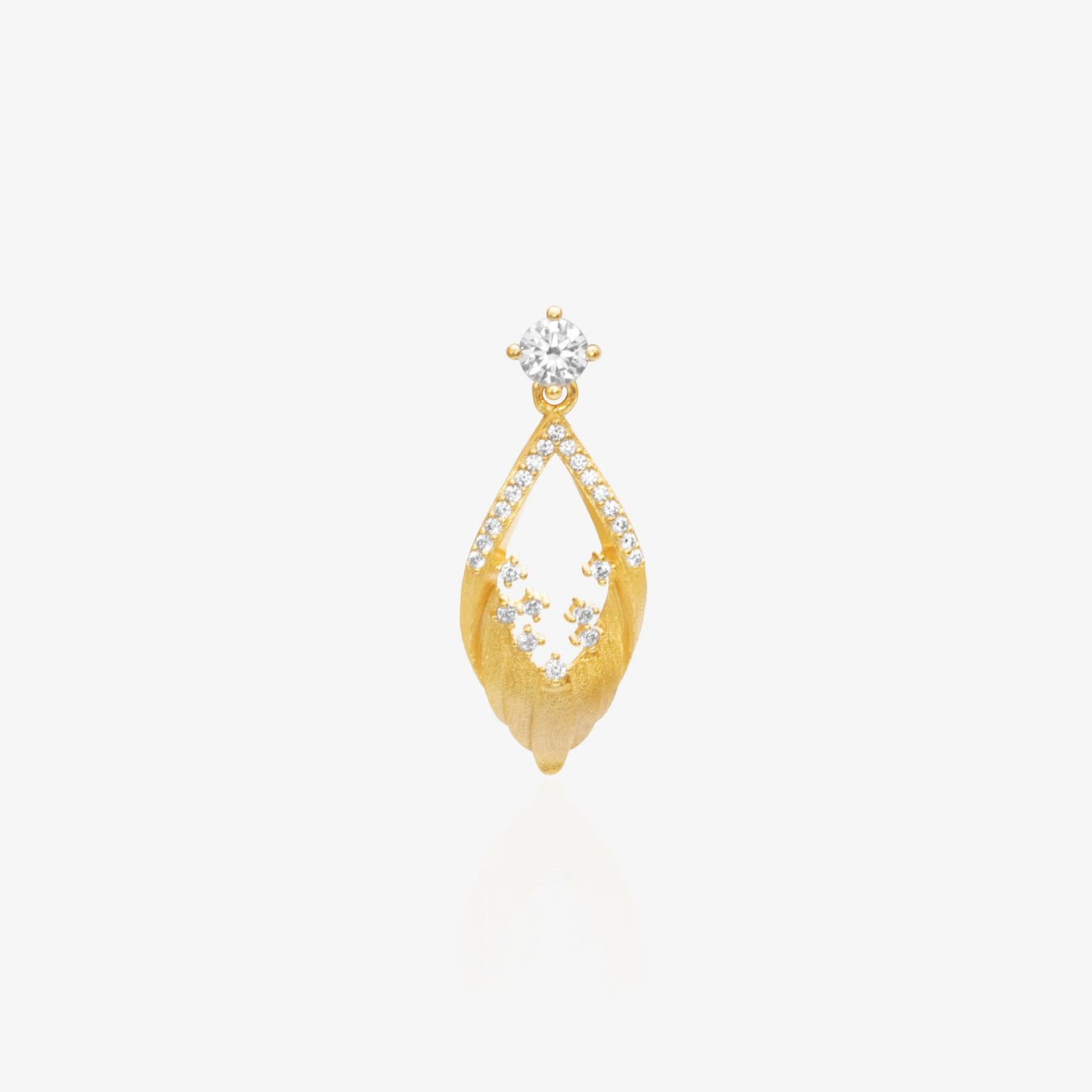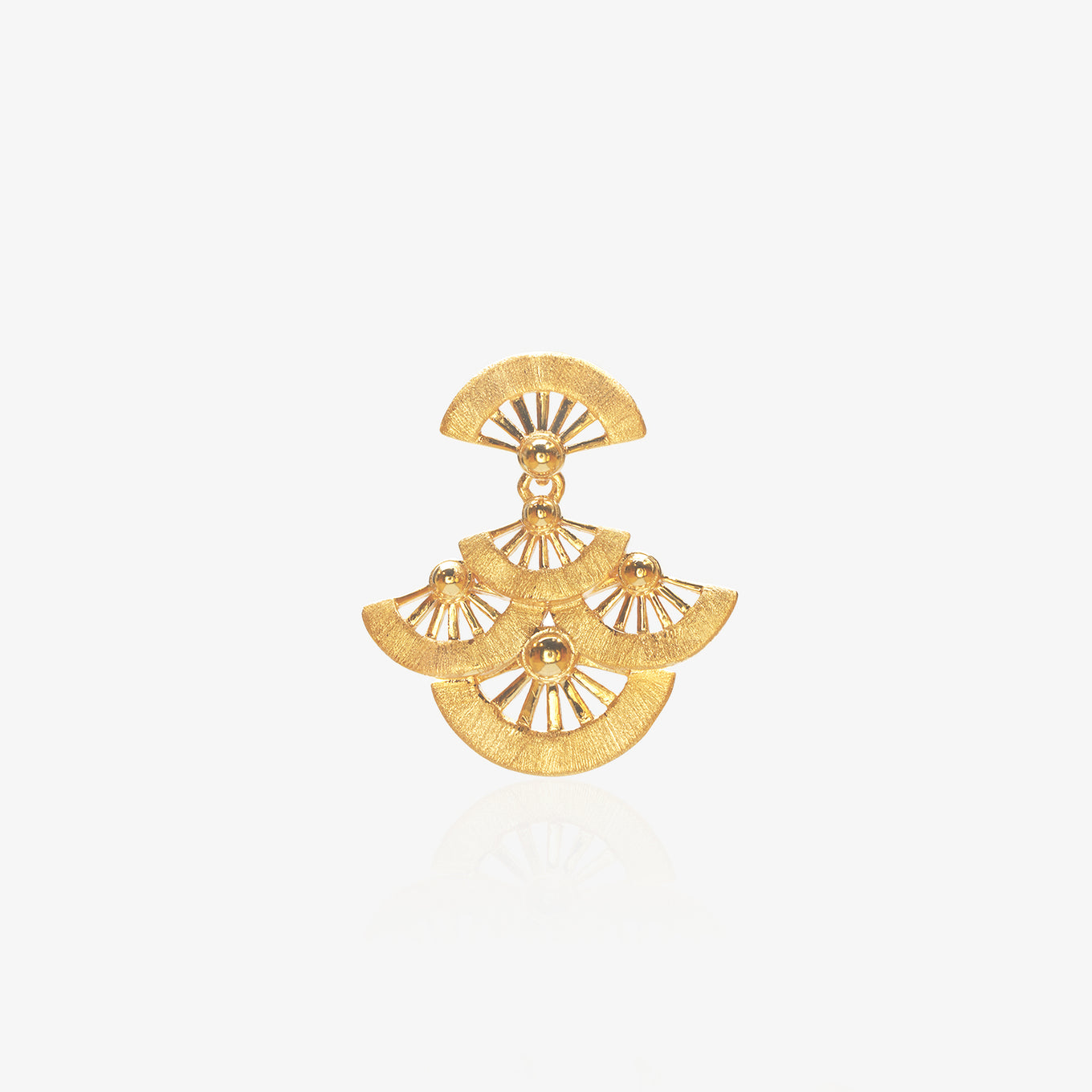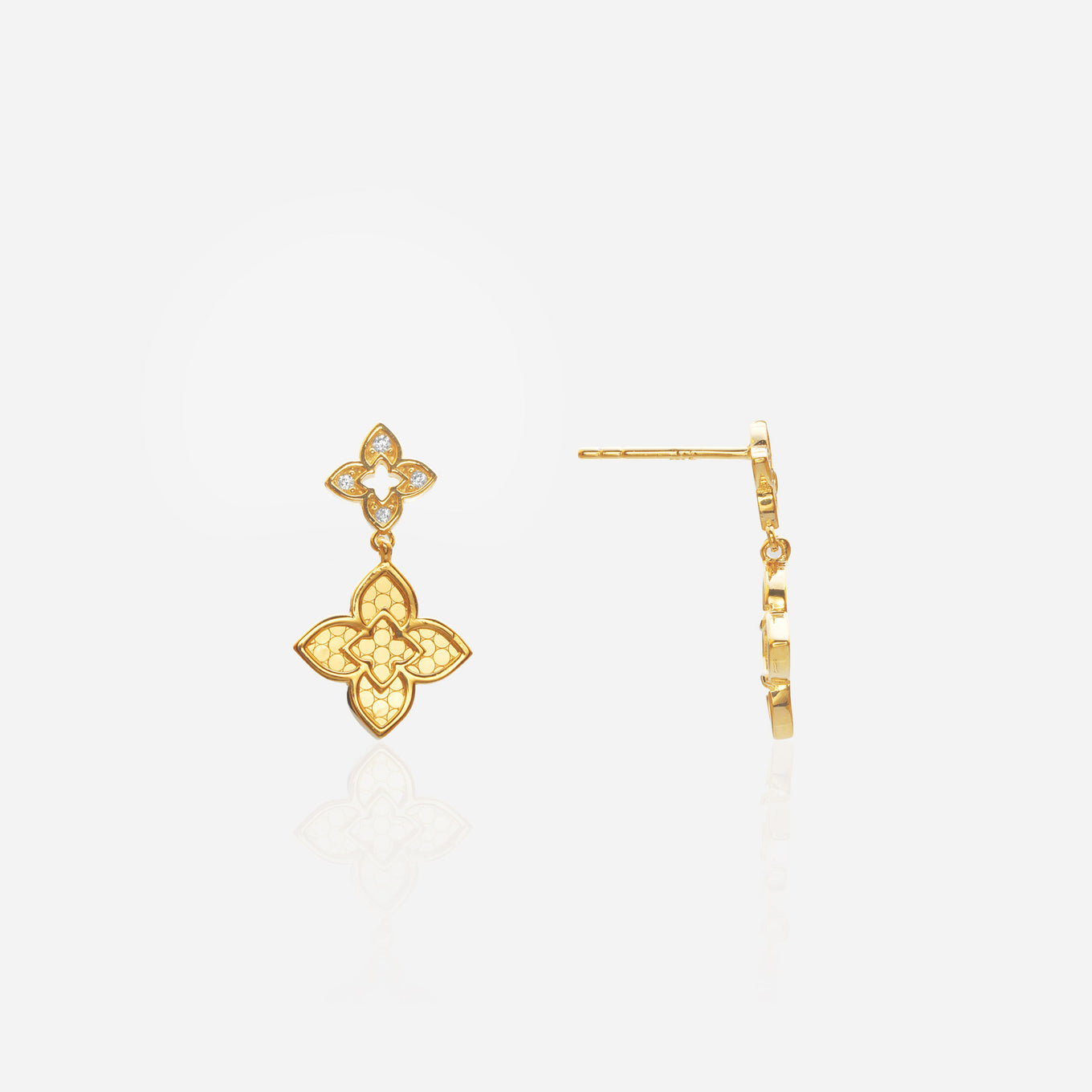
The Complete Lab Diamond Jewelry Guide 2026 — What Every Buyer Should Know
Key Terms: Lab Diamond, Lab-Grown Diamond, High-Carbon Lab Diamond (Simulated), IGI Certification, HPHT, CVD, 4Cs, Diamond Simulant, Ethical Jewelry, Sustainable Luxury
What Are Lab Diamonds? The Science, Simply Explained
Let's clear up the biggest misconception right away: lab-grown diamonds are real diamonds — not imitations, not fakes, not cubic zirconia. They share the same chemical composition (pure carbon), identical crystal structure, and indistinguishable optical properties as mined diamonds. Even trained gemologists cannot tell the difference without specialized spectroscopy equipment.
The only difference is origin: one forms 100 miles beneath the Earth's surface over billions of years; the other grows in a controlled laboratory chamber over several weeks. The result? The exact same stone — at 60–80% less cost and with complete transparency about its supply chain.
In 2026, lab-grown diamonds have crossed the Rubicon: they now represent over 60% of the U.S. engagement ring market (Inasha Diamonds trend report), and the global lab diamond industry is projected to reach $33.5 billion. What was once a niche alternative is now the mainstream choice for modern jewelry buyers who value both quality and conscience.
HPHT vs. CVD: How Lab Diamonds Are Made
Lab diamonds are created through two primary technologies:
High Pressure High Temperature (HPHT): Mimics the Earth's natural diamond-forming conditions. A tiny diamond seed is placed in pure carbon and subjected to extreme pressure (over 1.5 million PSI) and temperatures above 1,400°C. The carbon melts and crystallizes around the seed, forming a diamond in days to weeks.
Chemical Vapor Deposition (CVD): A more modern method. A diamond seed is placed in a vacuum chamber filled with carbon-rich gas (typically methane). The gas is heated to a plasma state, breaking down carbon atoms that layer onto the seed atom by atom, growing a diamond crystal with exceptional purity.
Both methods produce gem-quality diamonds indistinguishable from mined stones. For buyers, the takeaway is simple: CVD diamonds tend to have higher clarity grades, while HPHT diamonds may show slightly better color grades. Neither is "better" — it depends on the specific stone.
Lab Diamond vs. Mined Diamond vs. Diamond Simulant: Your Quick-Reference Guide
The jewelry world uses similar-sounding terms that mean completely different things. Here is the breakdown every buyer needs:
Mined Diamond: Pure carbon formed naturally in the Earth's mantle over 1–3 billion years, brought to the surface by volcanic activity. Hardness: Mohs 10. Price: $4,000–$12,000 for a 1-carat stone. Best for heirloom investment where origin story and rarity matter.
Lab Diamond: Pure carbon grown in a laboratory using HPHT or CVD methods over weeks to months. Identical chemistry, crystal structure, and physical properties to mined diamonds. Hardness: Mohs 10. Price: $800–$3,000 for a 1-carat-equivalent stone. Best for everyday luxury, conscious purchasing, and maximizing carat weight for budget.
High-Carbon Lab Diamond Simulant: Not a diamond — a diamond alternative with different chemical composition (typically silicon carbide). Closely mimics diamond's brilliance and fire. Hardness: Mohs 8.5. Price: $30–$150. Best for trend-forward fashion jewelry, bold scale, and accessible luxury. Always disclosed as a simulant, never sold as a diamond.
Our approach at ÉLARAMUSE: We use both IGI-certified lab diamonds and premium high-carbon simulants, selecting the right material for each design. Lab diamonds for classic, enduring pieces where gemological identity matters. High-carbon simulants for architectural, form-driven designs where the visual impact and scale are the priority. Both are conflict-free, transparent, and ethically sourced — always clearly labeled so you know exactly what you're buying.
The 2026 Lab Diamond Trends: What's Defining the Market Now
The lab diamond market has matured dramatically in 2026. Here are the defining shifts shaping buyer preferences:
1. The "3 Carat Standard" Has Arrived
Affordability has rewritten expectations. With lab diamonds costing up to 80% less than mined equivalents, buyers are upgrading their carat targets. The traditional 1-carat center stone is giving way to 2–3 carat statements at the same or lower price point — what industry analysts now call the "3 Carat Standard."
2. Elongated & Fancy Shapes Dominate
Round brilliants are no longer the default choice. Oval, pear, marquise, emerald, and elongated cushion cuts are the breakout stars of 2026. These shapes create a larger visual footprint on the finger and offer more distinctive personality than traditional rounds.
3. Colored Lab Diamonds Enter the Mainstream
Soft blue, blush pink, champagne, and yellow diamonds — once astronomically rare and expensive in natural form — are now accessible through lab growth. Colored lab diamonds are surging in popularity, particularly for Toi et Moi (two-stone) rings where contrasting colors create visual drama.
4. Mixed-Metal Stacking Is the New Normal
The old rule of "don't mix metals" is officially retired. 2026 is about stacking yellow gold, white gold, and rose gold bands together — including lab diamond bands in mixed metal finishes. The result is more texture, more versatility, and a jewelry wardrobe that works harder.
5. Bezel Settings & East-West Orientations
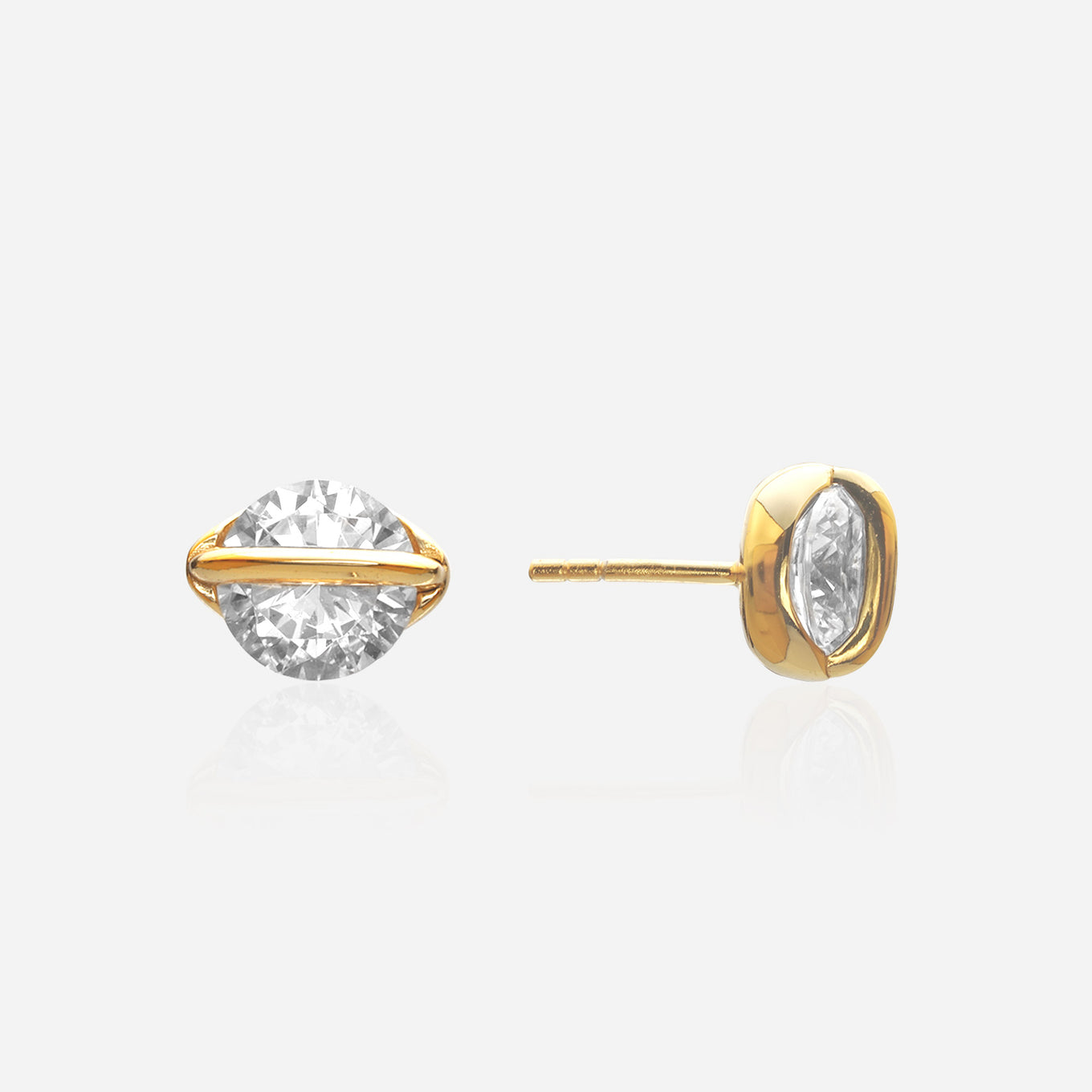
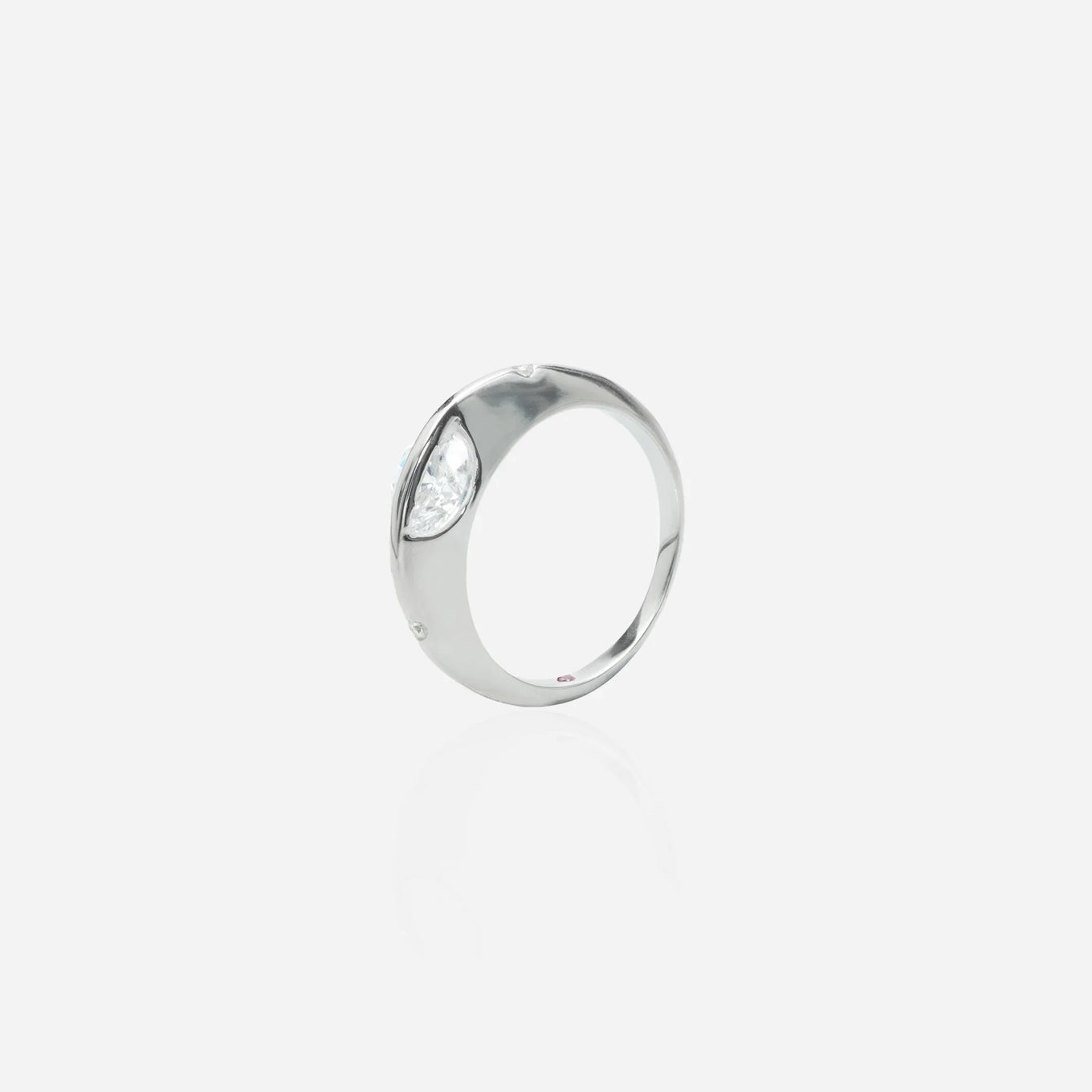
Traditional prong settings are being challenged by clean bezel settings (a metal rim encircling the diamond) and horizontal East-West orientations where elongated stones are set sideways across the finger. Both deliver a modern, architectural feel that distinguishes lab diamond jewelry from its mined predecessors.
How to Buy Lab Diamond Jewelry: The 4Cs Still Matter
Just because lab diamonds are more affordable doesn't mean you should compromise on quality. The 4Cs — Cut, Color, Clarity, Carat — remain the universal standard for evaluating any diamond:
Cut (Most Important): The single biggest factor in sparkle. Always prioritize an "Excellent" or "Ideal" cut grade. A well-cut 1-carat diamond will outshine a poorly-cut 2-carat diamond — every time. Cut determines how light enters, reflects, and exits the stone. Your eye registers the difference instantly.
Color: For white diamonds, target G-H color grade (near-colorless). This is the value sweet spot — visibly white to the naked eye without the premium commanded by D-E-F grades. For colored lab diamonds, evaluate hue saturation and evenness rather than the D-Z scale.
Clarity: Look for VS2 or higher (Very Slightly Included). At this grade, inclusions are invisible to the naked eye. Paying for FL (Flawless) or IF (Internally Flawless) rarely delivers any visible benefit for the premium paid — skip it.
Carat: Size preference is personal. With lab diamond pricing, aim for the carat weight that feels meaningful to you. Just remember: cut quality matters more than carat weight for visual impact. A well-cut 1.5-carat stone will look more impressive than a poorly-cut 2-carat stone.
Pro tip: Always insist on IGI or GIA certification. These independent grading reports verify the diamond's specifications, ensuring you get exactly what you pay for. The GIA (Gemological Institute of America) and IGI (International Gemological Institute) are the two most recognized certifying bodies. There is no credible reason for a lab diamond to lack certification in 2026 — uncertified stones should be treated with skepticism.
Lab Diamond Jewelry: Far Beyond Engagement Rings
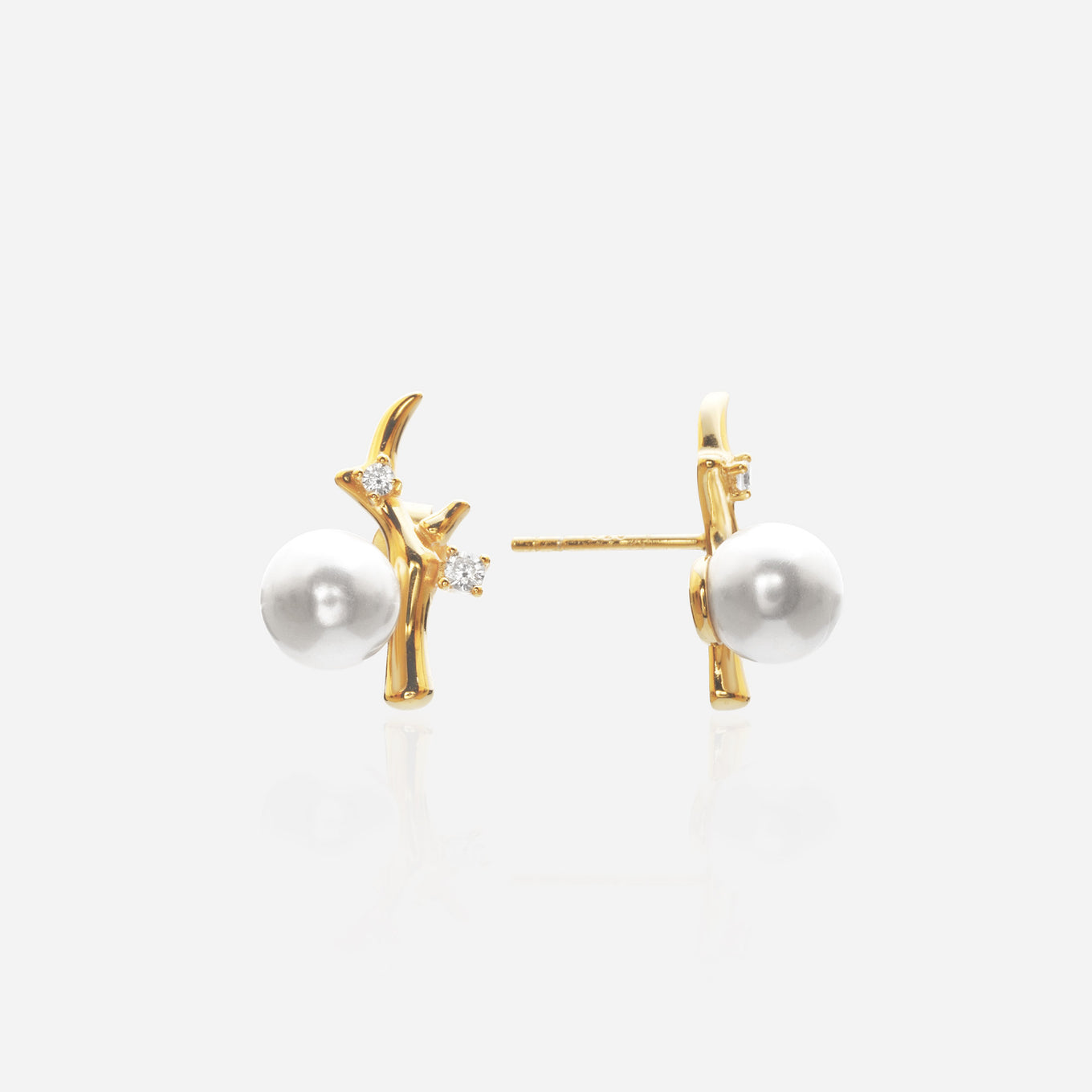
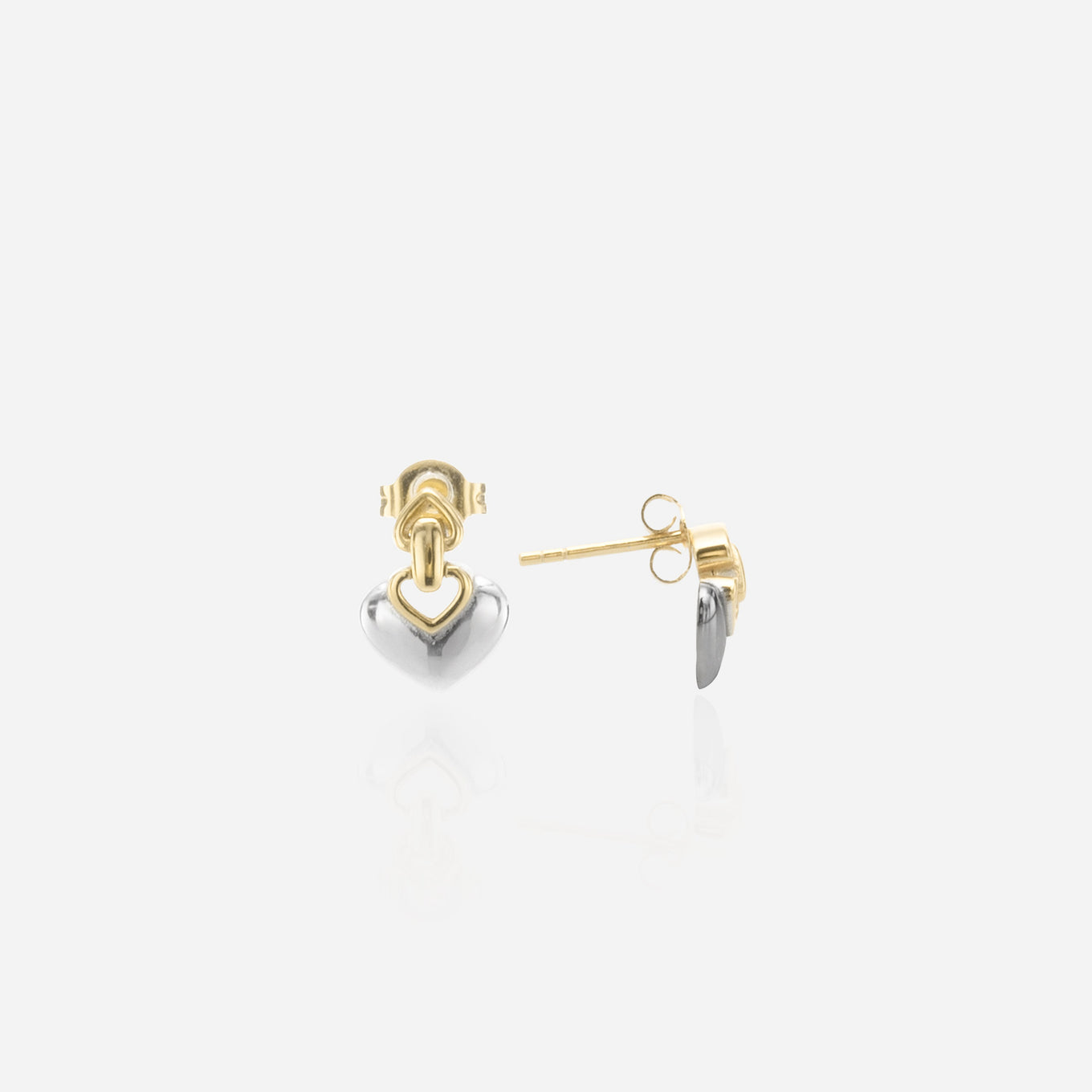
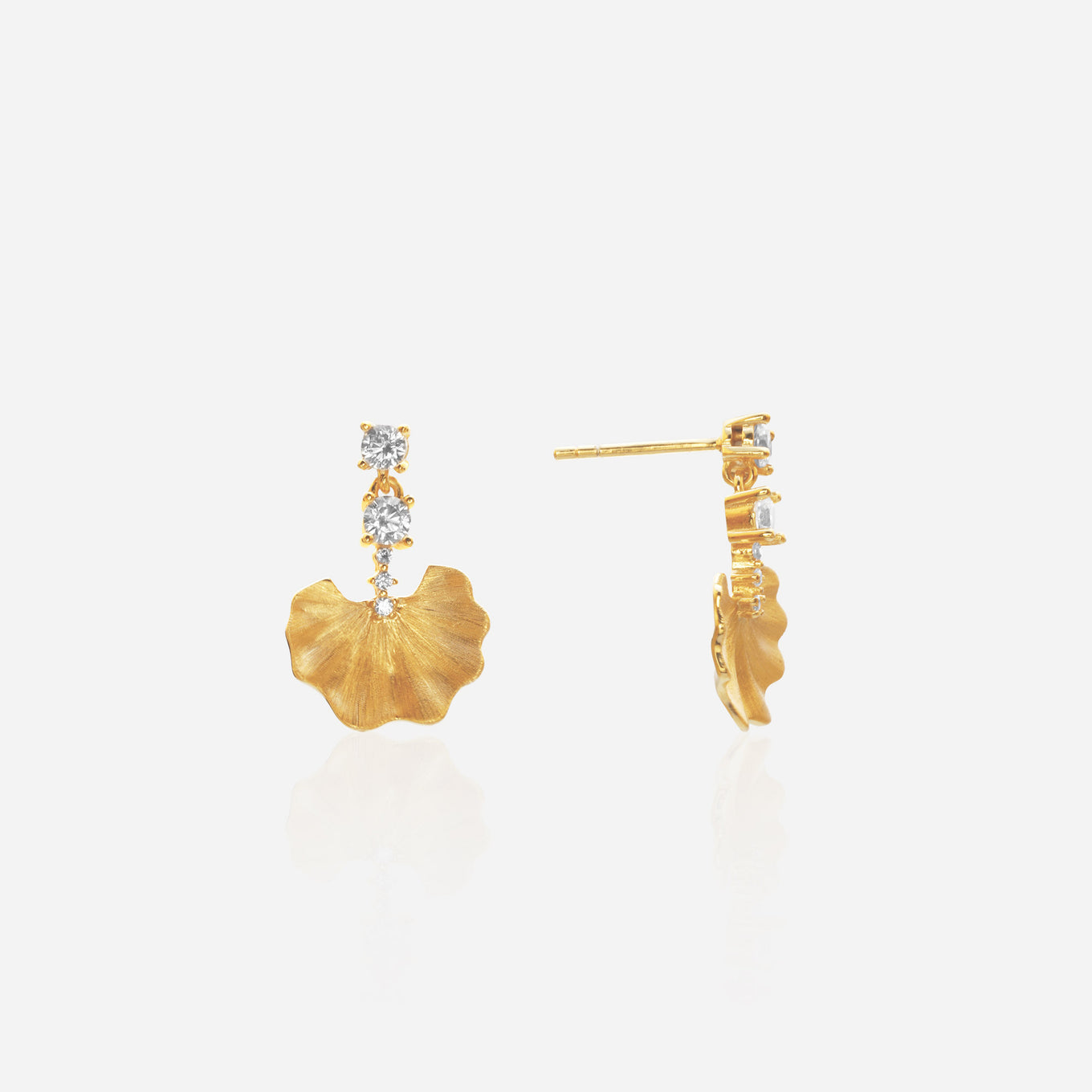
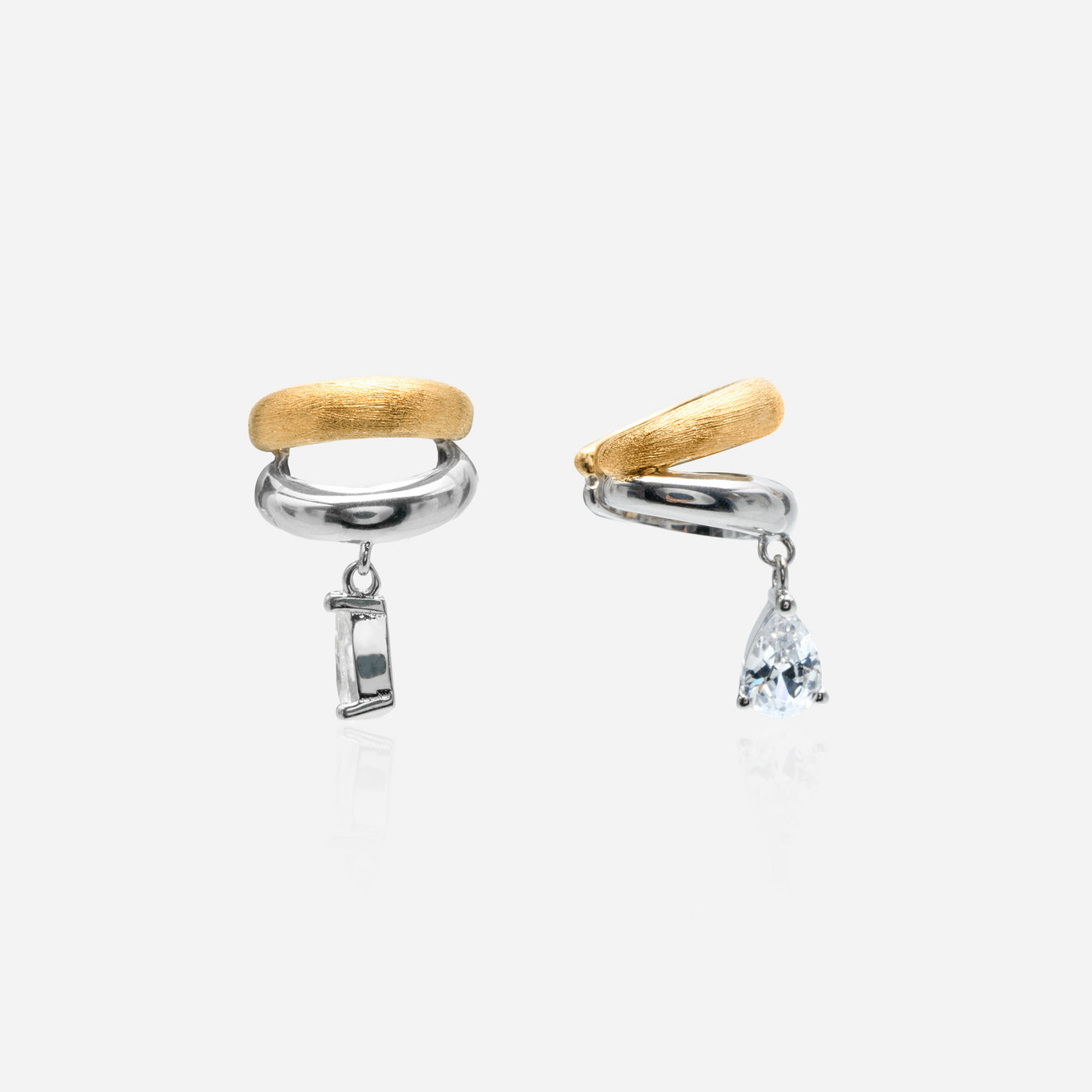
The lab diamond conversation has expanded far beyond engagement rings. Here's how we incorporate lab diamonds into everyday luxury at ÉLARAMUSE:
Sculptural Rings With Architectural Intent
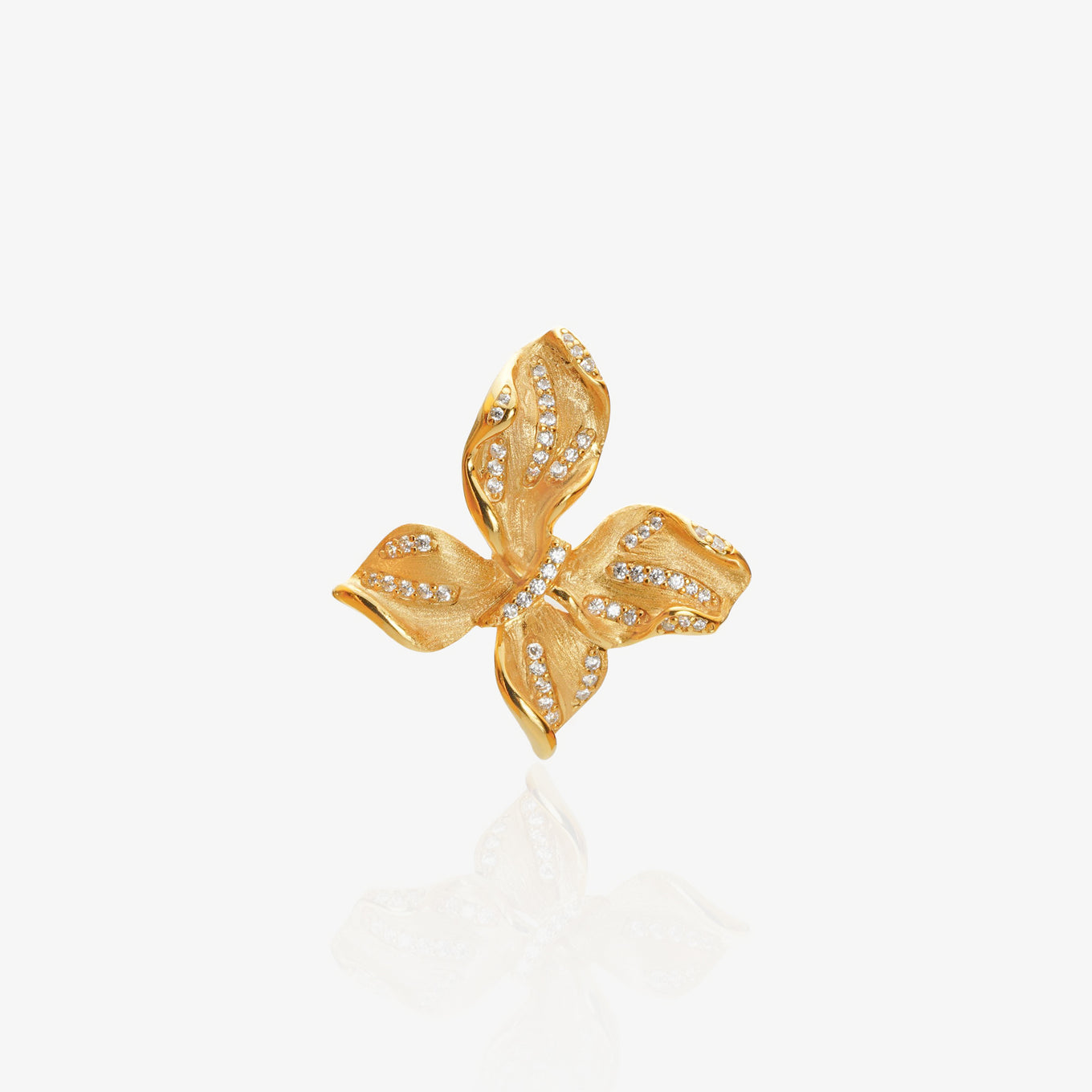
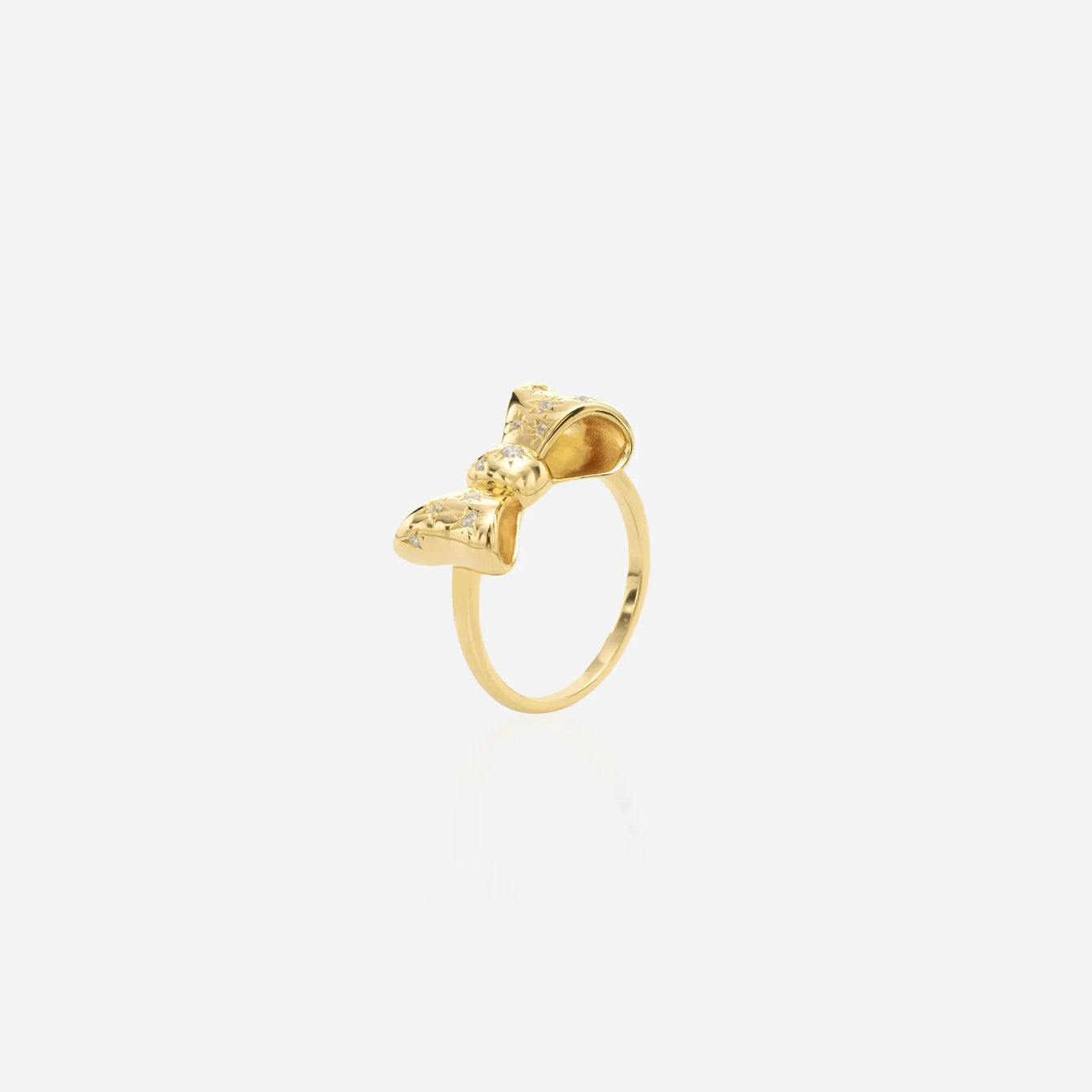
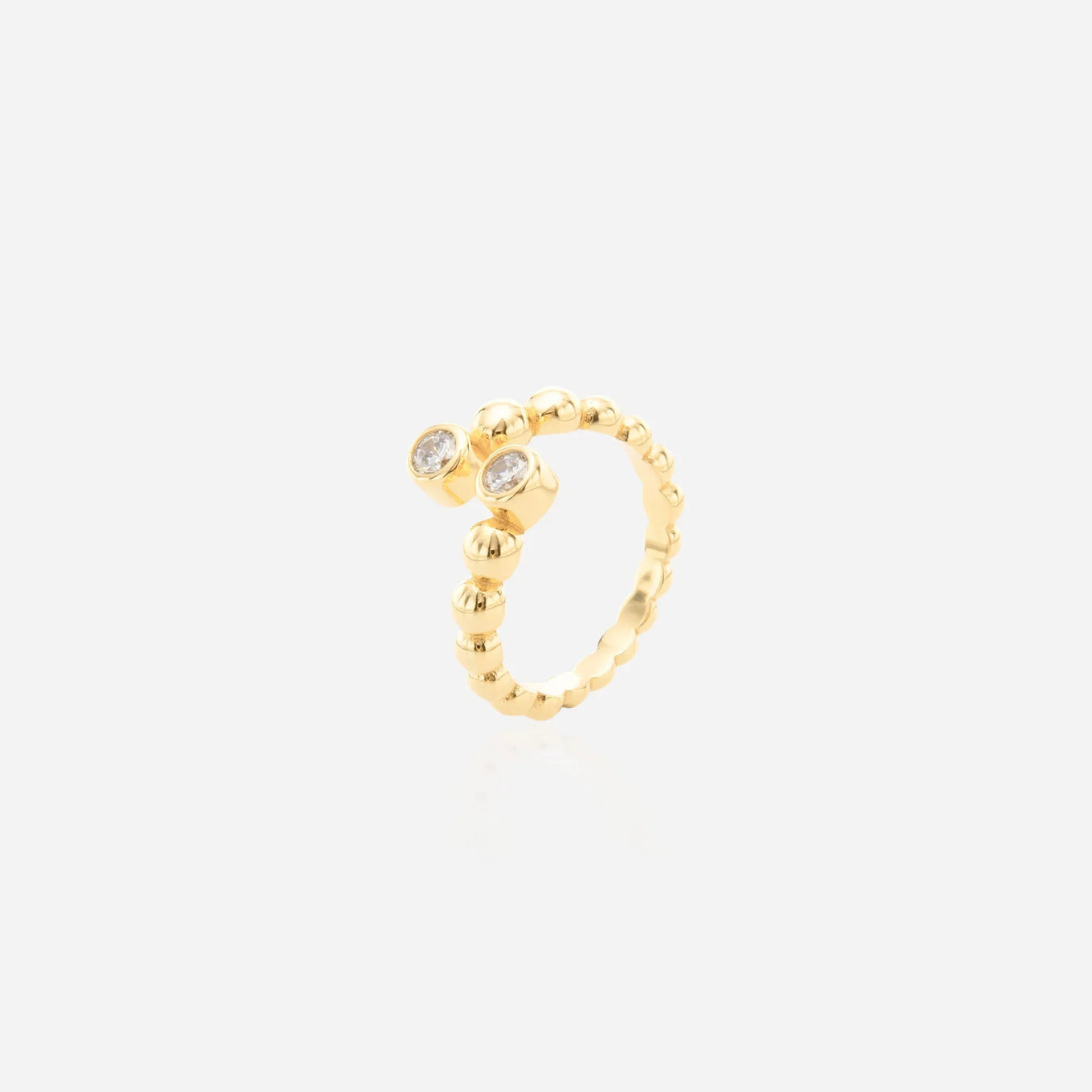
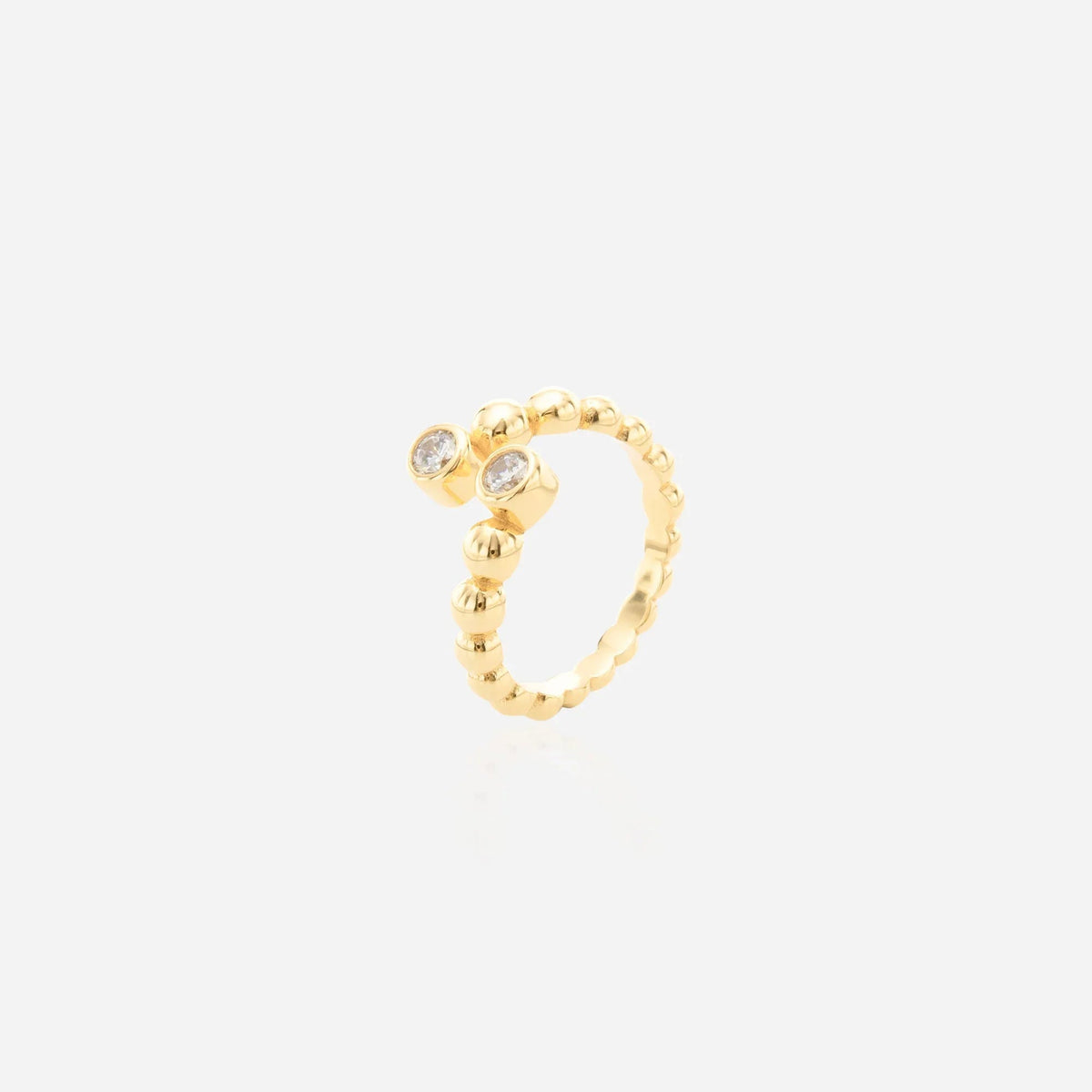
Lab diamonds allow us to explore form without the cost constraints of mined stones. The Lyra Ring wraps diamonds across a harp-inspired gold silhouette. The Pleat Ring channels diamonds through a ribbon-like gold band. The Bypass Ring — our Toi et Moi interpretation — pairs two stones in a sculptural embrace. The Tempo Ring stages diamonds across an open, modern split-band design. Each piece uses diamonds to enhance architecture, not as the sole statement.
Stacking Bands That Work Hard
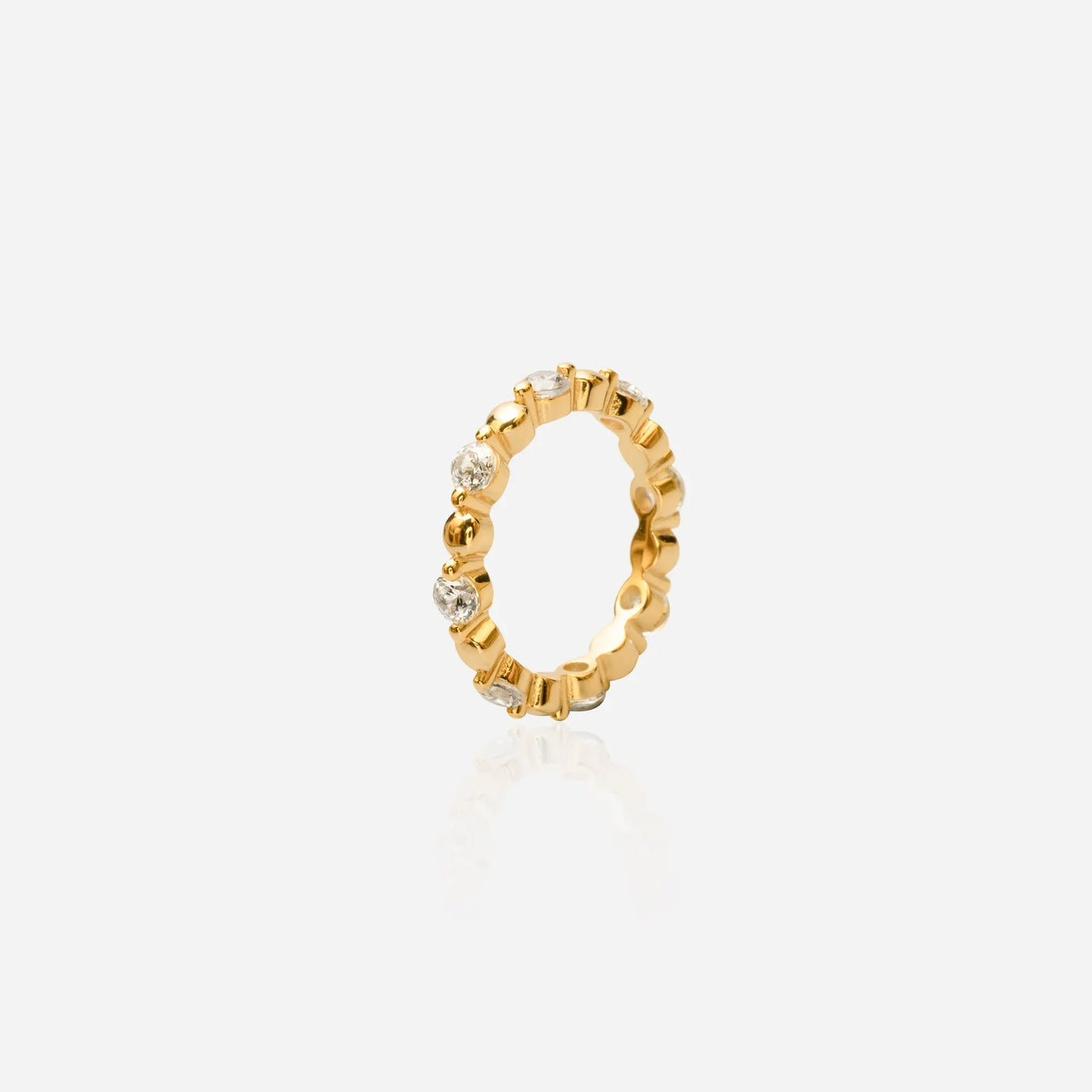
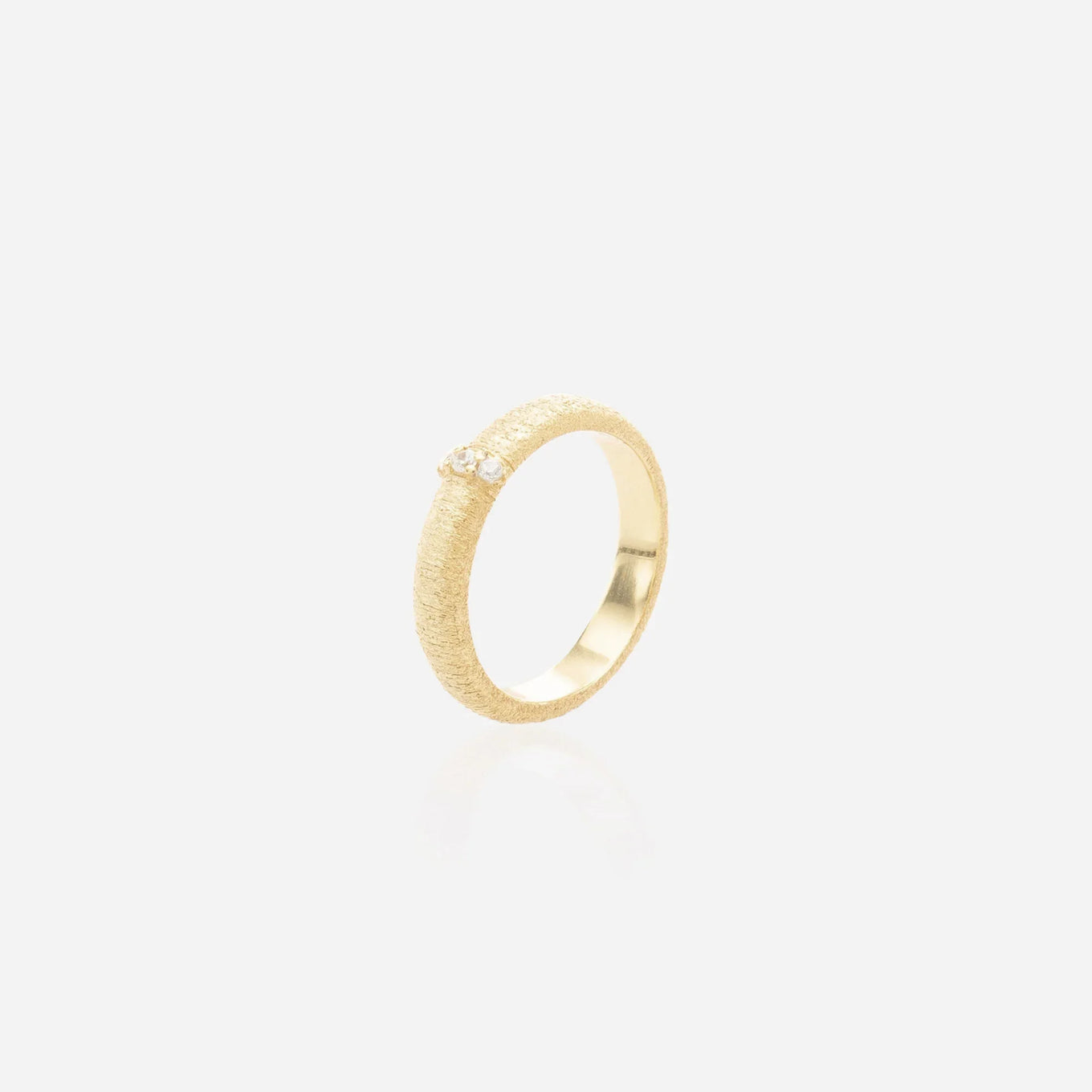
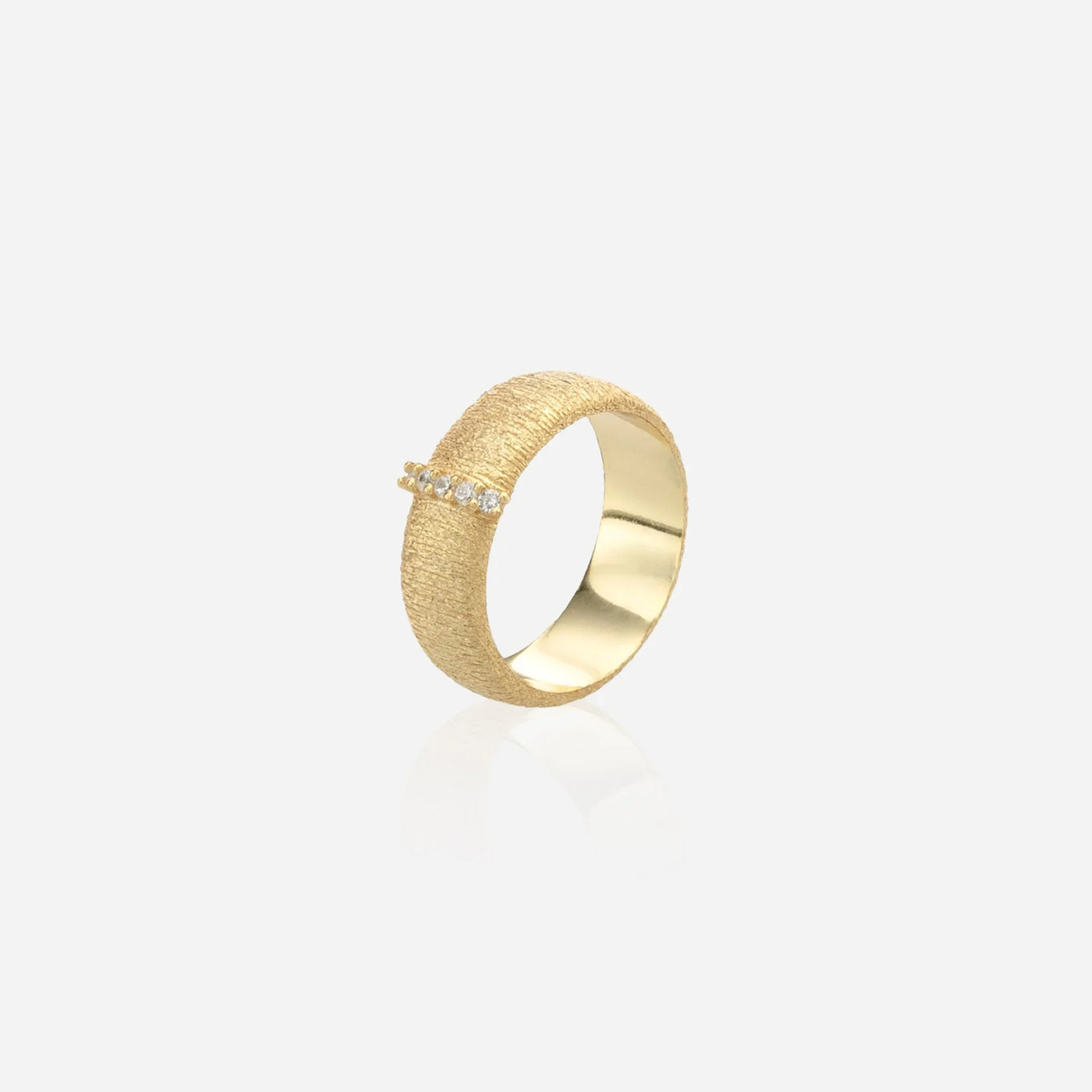
Diamond bands are the unsung heroes of any jewelry wardrobe. The Gold Bubble Ring features bezel-set lab diamonds in a modern bead design that stacks effortlessly. The Channel Set Ring delivers a continuous gallery of stones across a wide-band format. The Dunecrest Ring sets diamonds into an undulating wave-form gold band. The Crossover Ring entwines two bands around a central diamond cluster. The Guardian Wing Cuff wraps an angel-wing silhouette with pavé diamonds across the ridge.
The Floating Necklace: One Diamond, Infinite Outfits
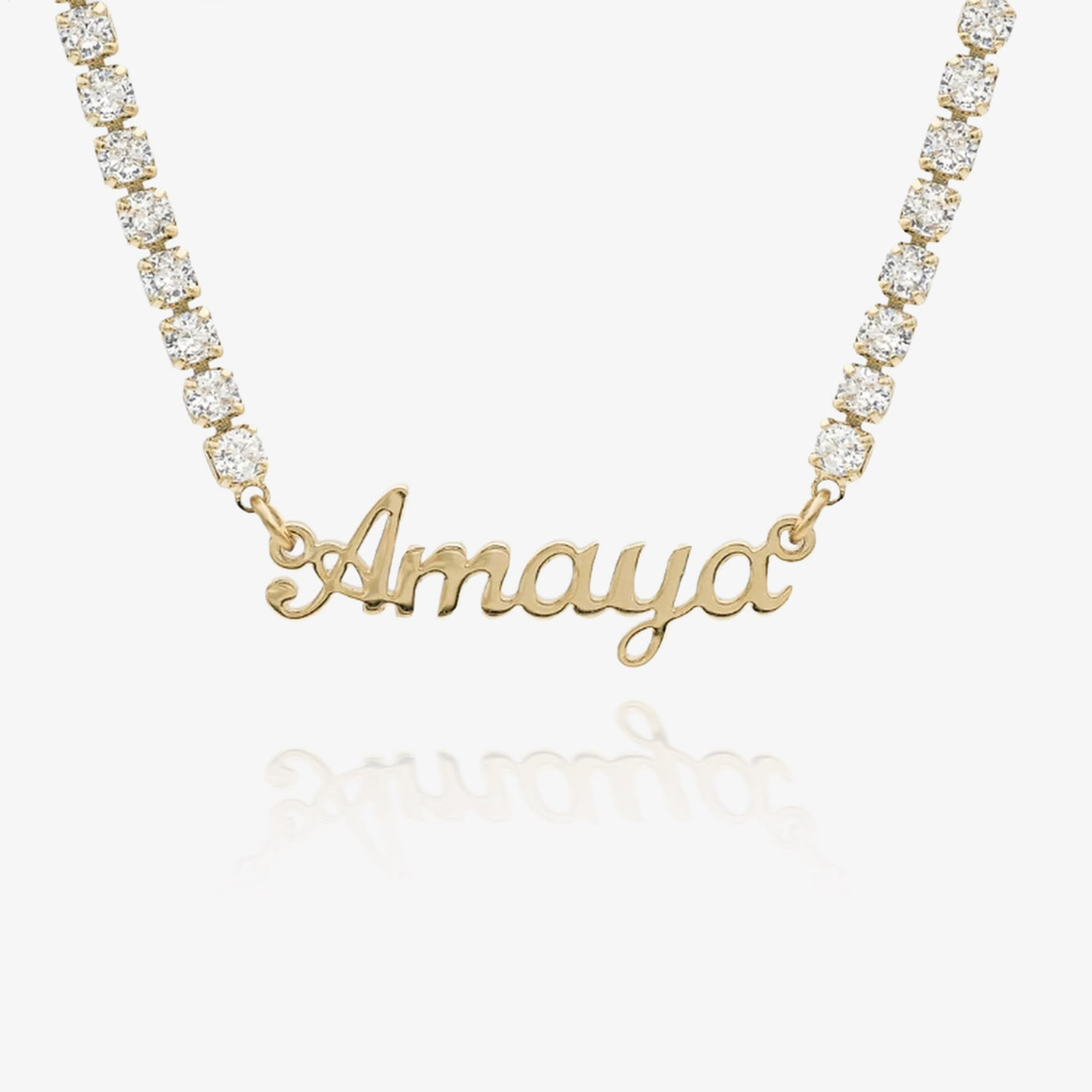
A single lab diamond suspended on a fine chain remains one of the most versatile jewelry investments you can make. The Gold Solitaire Necklace does exactly this — a clean, unfussy floating diamond that works with a white T-shirt, a silk blouse, or an evening dress. It's the definition of everyday luxury: present but never demanding attention.
Are Lab Diamonds a Good Investment? The Honest Answer
Treat lab diamonds as a lifestyle purchase, not a financial investment.
Unlike mined diamonds — which may retain 30–50% of retail value — lab diamonds depreciate more significantly from their retail price. The reason is straightforward economics: lab production can scale. As technology improves and supply increases, prices continue to adjust.
But here's the counter-argument that rarely gets discussed: the cost savings on day one far outweigh any resale consideration. Spend $1,200 on a lab diamond instead of $6,000 on a mined equivalent, and you've already saved $4,800. That's real money you can invest, spend on the wedding, or put toward another piece of jewelry.
Our perspective: Buy lab diamond jewelry because you love the piece and want to wear it — not because you expect to sell it. Jewelry should live on your body, not in a safe. If you're buying for financial appreciation, buy stocks. If you're buying for daily joy and sparkle, lab diamonds deliver the best value per dollar in the history of jewelry.
Frequently Asked Questions
Are lab diamonds real diamonds?
Yes. Lab diamonds are chemically, physically, and optically identical to mined diamonds. They are pure carbon with the same cubic crystal structure. The FTC ruled in 2018 that lab-grown diamonds are diamonds — the term is both accurate and legal. The only distinction is origin, not identity.
Can a jeweler tell if a diamond is lab-grown?
Not with the naked eye or a standard jeweler's loupe. Distinguishing lab from mined diamonds requires advanced spectroscopic equipment available only in gemological laboratories. Most retail jewelers send stones to a lab for definitive identification — they cannot tell at the counter.
Do lab diamonds pass a diamond tester?
Yes, they pass standard thermal conductivity diamond testers because they are diamonds — identically conductive to mined stones. Only specialized photoluminescence spectroscopy can identify the growth method.
Will lab diamond prices keep dropping?
The trend line points to continued gradual price decreases as production technology improves and competition increases. However, the rate of decline has slowed significantly compared to 2023–2024. For buyers in 2026, current pricing is reasonably stable in the near term.
What is a high-carbon lab diamond simulant?
A diamond simulant is a stone that looks like a diamond but has a different chemical composition — typically silicon carbide with Mohs 8.5 hardness. At ÉLARAMUSE, we use premium high-carbon simulants in fashion-forward designs where visual impact matters more than gemological identity. They offer exceptional brilliance at an accessible price point and are always clearly disclosed as simulants, never sold as diamonds.
Why choose lab diamond over mined?
Four compelling reasons: (1) cost savings of 60–80% for the identical stone, (2) guaranteed conflict-free origin with complete supply chain transparency, (3) significantly lower environmental footprint with reduced land disruption and carbon emissions, and (4) the ability to afford a larger, higher-quality stone for the same budget — which means more sparkle on your hand.
We Believe
We believe access to beauty should not require compromise. Lab diamonds deliver precisely that: the brilliance, fire, and permanence of a diamond — with a transparent origin story, an accessible price point, and a clear conscience. No mining, no mystery, no markup for scarcity that doesn't exist.
We believe jewelry is meant to be worn, not locked away. When a piece costs 60% less at equivalent quality, you wear it everywhere — to work, to dinner, on vacation. That's the point of jewelry: it should be part of your life, not an insurance policy sitting in a drawer.
And we believe the future of luxury is knowledge-based. Buyers in 2026 are more informed than any generation before. You deserve to know exactly what you're buying — how it was made, what it's made of, and why it's priced the way it is. Lab diamonds, with their transparent supply chain and verifiable specifications, are the natural choice for the modern jewelry buyer. No smoke, no mirrors. Just stones.
References
- Inasha Diamonds. "Lab-Grown Diamond Jewellery Trends USA 2026 — The 3 Carat Standard." inashadiamonds.com
- Rosec Jewels. "Lab-Grown Diamond Jewelry Trends for 2026." rosecjewels.com
- MollyJewelryUS. "Top 10 Lab Grown Diamond Ring Trends in 2026." mollyjewelryus.com
- Forbes. "Best Lab-Grown Diamonds 2026." forbes.com
- GIA (Gemological Institute of America). "Lab-Grown Diamonds: Questions and Answers." gia.edu
- FTC (Federal Trade Commission). "Guides for the Jewelry, Precious Metals, and Pewter Industries." Revised 2018.
- Javda Diamond. "Lab Grown Diamonds: The Complete Expert Guide to Modern Brilliance 2026." blog.javda.com