Self-Gift Jewelry Guide 2026: Buy Yourself the Good Stuff
Quick Answer: The fastest-growing segment of jewelry buying isn't engagements, anniversaries, or birthdays — it's self-gifting. Women are increasingly buying jewelry for themselves: to mark a promotion, to survive a breakup, to celebrate a Tuesday. The rules are different when you're your own gift-giver: you don't need someone else's taste, budget, or timeline.
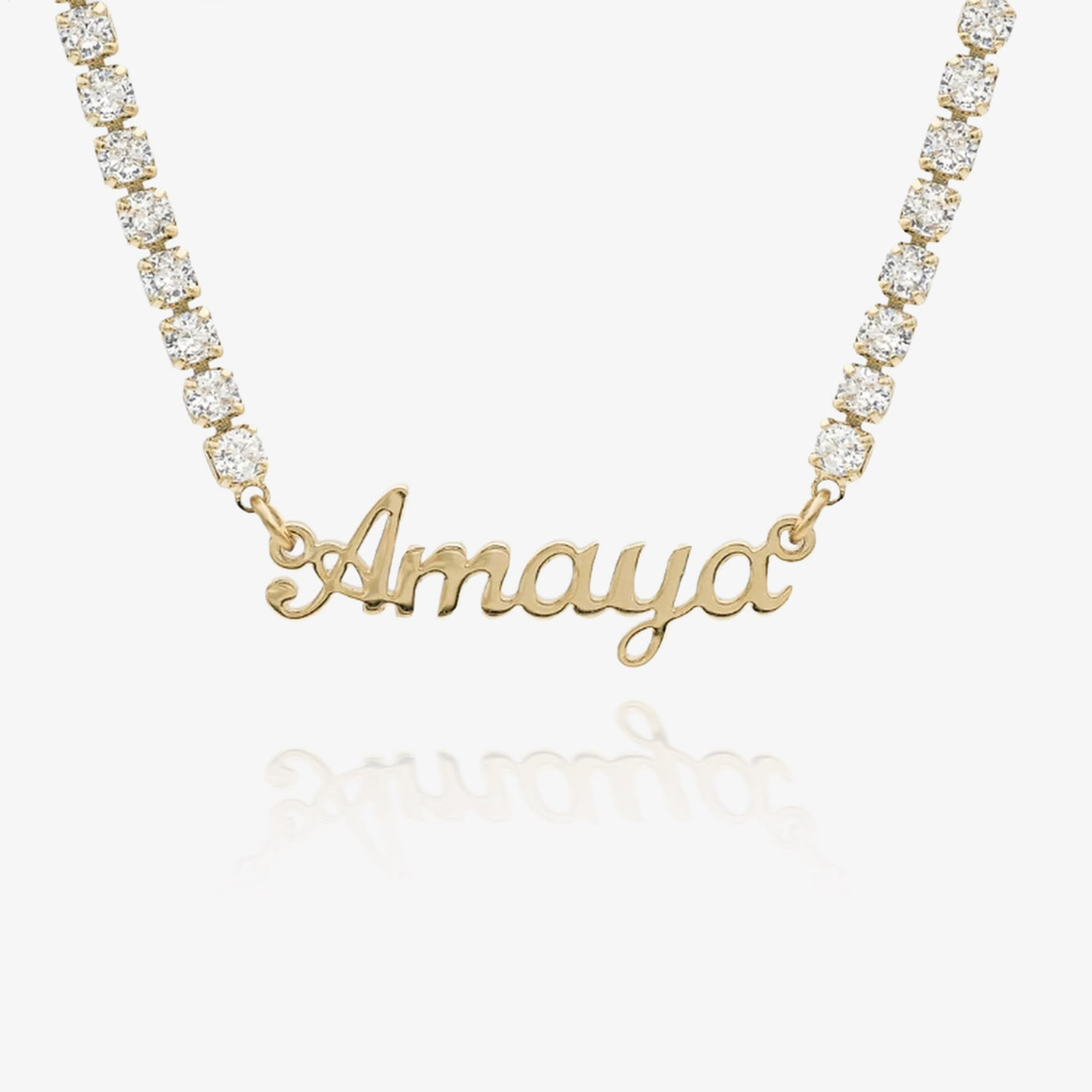
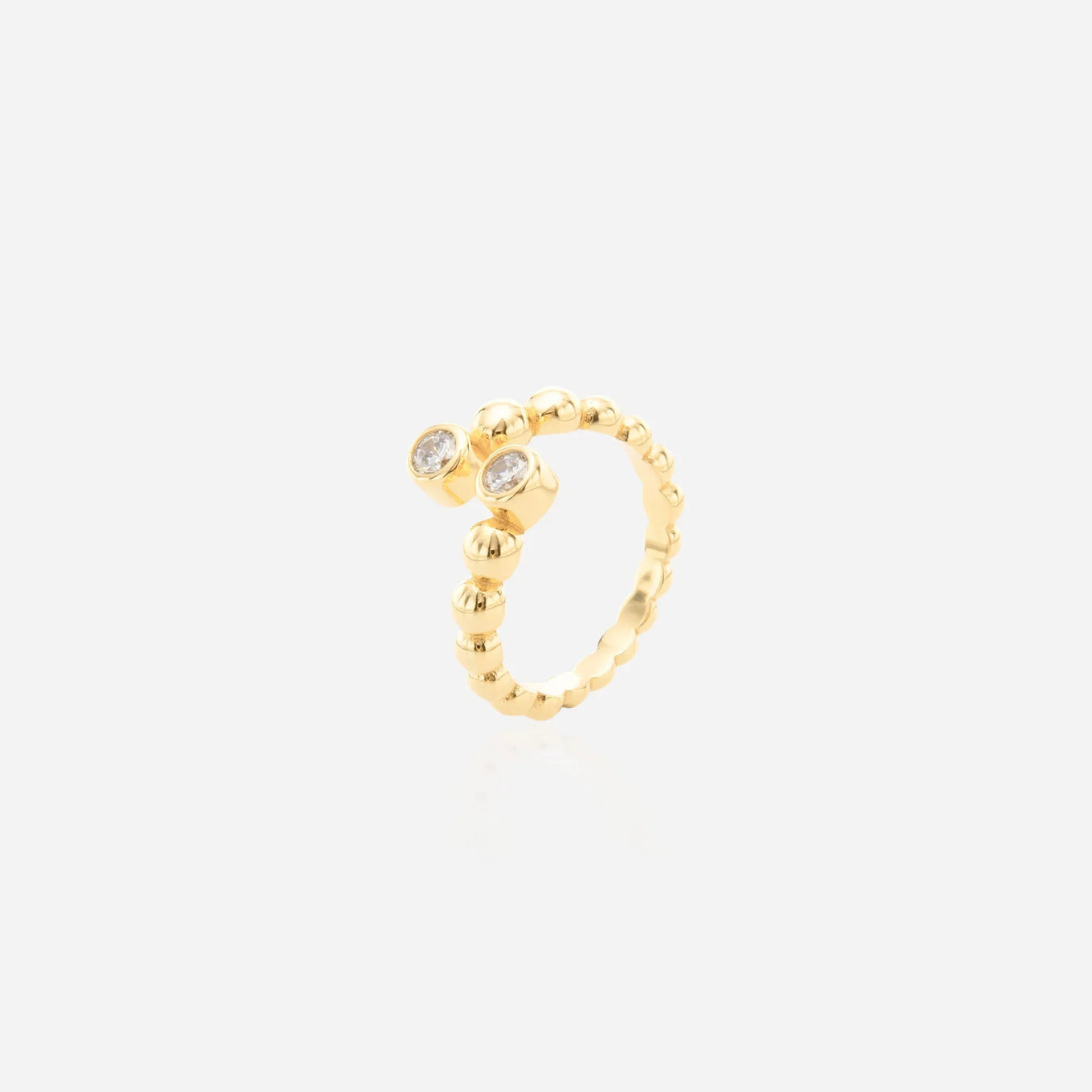
At ÉLARAMUSE, our most popular self-gift pieces are the ones that feel significant enough to mark a moment but wearable enough for everyday — Gold Solitaire Necklace (the $2,000-visual necklace for $180), Pleat Ring (a gold ribbon of lab diamonds), and Serpentina Cuff Ring (a sculptural piece that says "I decided this for myself").
- Why Self-Gifting Is the New Normal
- Self-Gift Occasions: What to Mark and How
- Your First Demi-Fine Piece: Where to Start
- Best Self-Gift Pieces by Budget
- Rings You Buy Yourself
- Necklaces That Say "I Did This"
- Earrings for Every Version of You
- Building a Collection: Stacking & Layering
- The Psychology: Why Buying Yourself Jewelry Is Different
- Key Terms
- Frequently Asked Questions
- Editor's Picks
Why Self-Gifting Is the New Normal
For most of jewelry's history, the narrative was simple: someone else buys it for you. A man buys a woman a ring. Parents buy a daughter pearls for graduation. A husband buys a wife an anniversary band. The recipient didn't choose, didn't pay, and didn't control the timing, style, or message of the jewelry that entered her life. That narrative is obsolete.
According to recent retail data, self-gifting now accounts for a significant and growing share of all jewelry purchases — women buying rings, necklaces, and bracelets for themselves, on their own timeline, with their own money, for their own reasons. A promotion.
A breakup survived. A year of therapy completed. A Tuesday that felt significant for no reason at all. The shift is not about consumerism. It's about agency — about choosing your own symbols, writing your own milestones, marking your own life on your own terms.
Self-Gift Occasions: What to Mark and How
| Occasion | What the Piece Should Say | Best ÉLARAMUSE Pick |
|---|---|---|
| Promotion / Career Win | "I earned this. The world acknowledged my value, and now I'm acknowledging it too." Choose something visible — a necklace that sits at the collarbone, a ring that catches light during handshakes | Gold Solitaire Necklace |
| Breakup / New Chapter | "I am whole on my own." This is the piece that replaces the one you stopped wearing. Choose a ring — specifically a ring that goes on a finger you choose, not one society chose for you | Serpentina Cuff Ring |
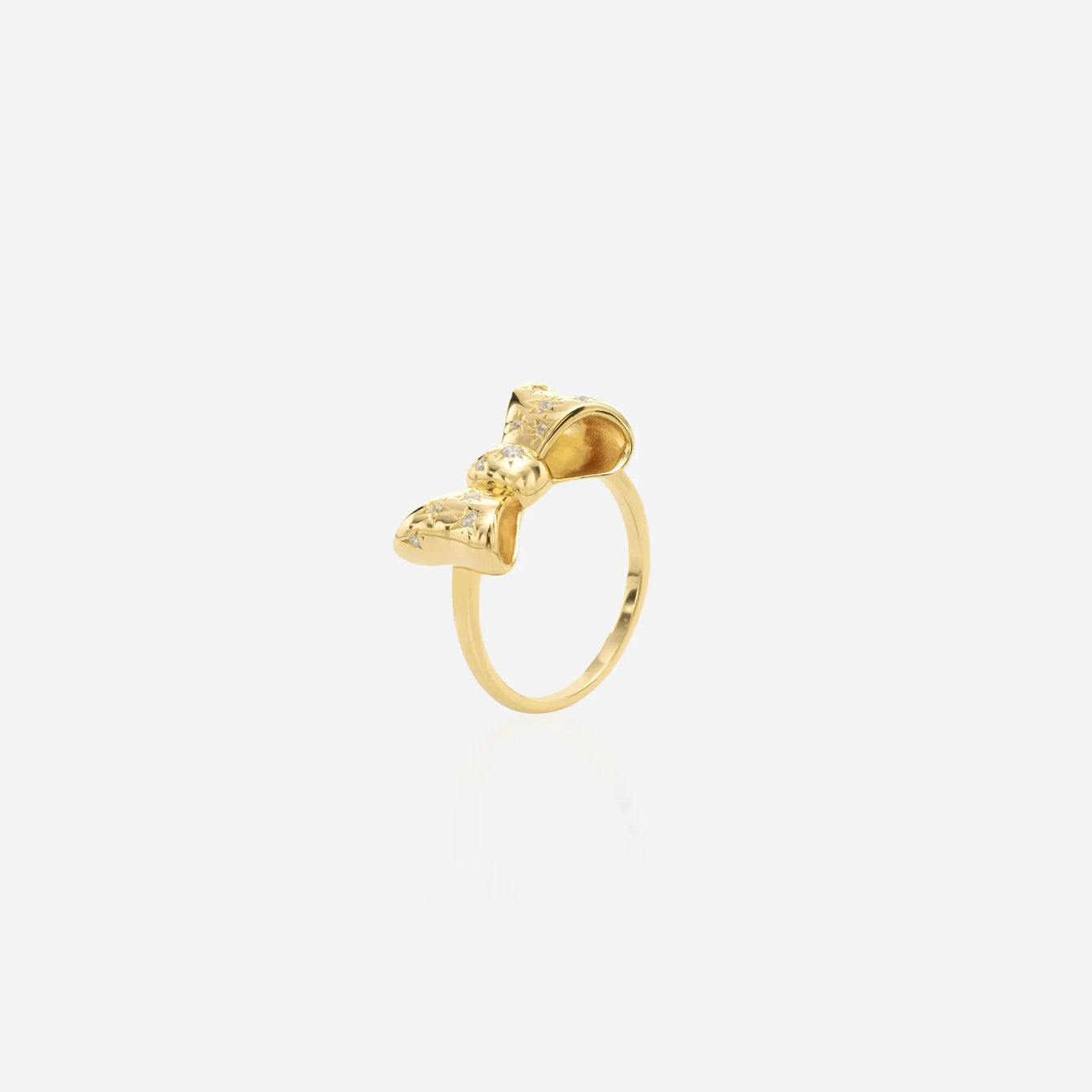
| Birthday (Your Own) | "Another year. I'm still here. I'm still growing." This is the piece that makes getting older feel like an upgrade | Pleat Ring |
| Graduation / Milestone | "I finished something that was hard." Choose something that feels like a diploma you can wear | Guardian Wing Cuff Ring |
| Just Because Tuesday | "I don't need a reason." The purest form of self-gifting | Tempo Ring |
| Surviving a Hard Year | "I am still standing." Choose something with protective symbolism | Gold Compass Rose Pendant |
Your First Demi-Fine Piece: Where to Start
If you've never bought yourself a piece of real jewelry before — not costume, not fast-fashion accessories, but something made of actual precious metal with actual stones — the first purchase can feel intimidating. The stakes feel higher when it's your own money and your own choice. Here's how to start: begin with a necklace.
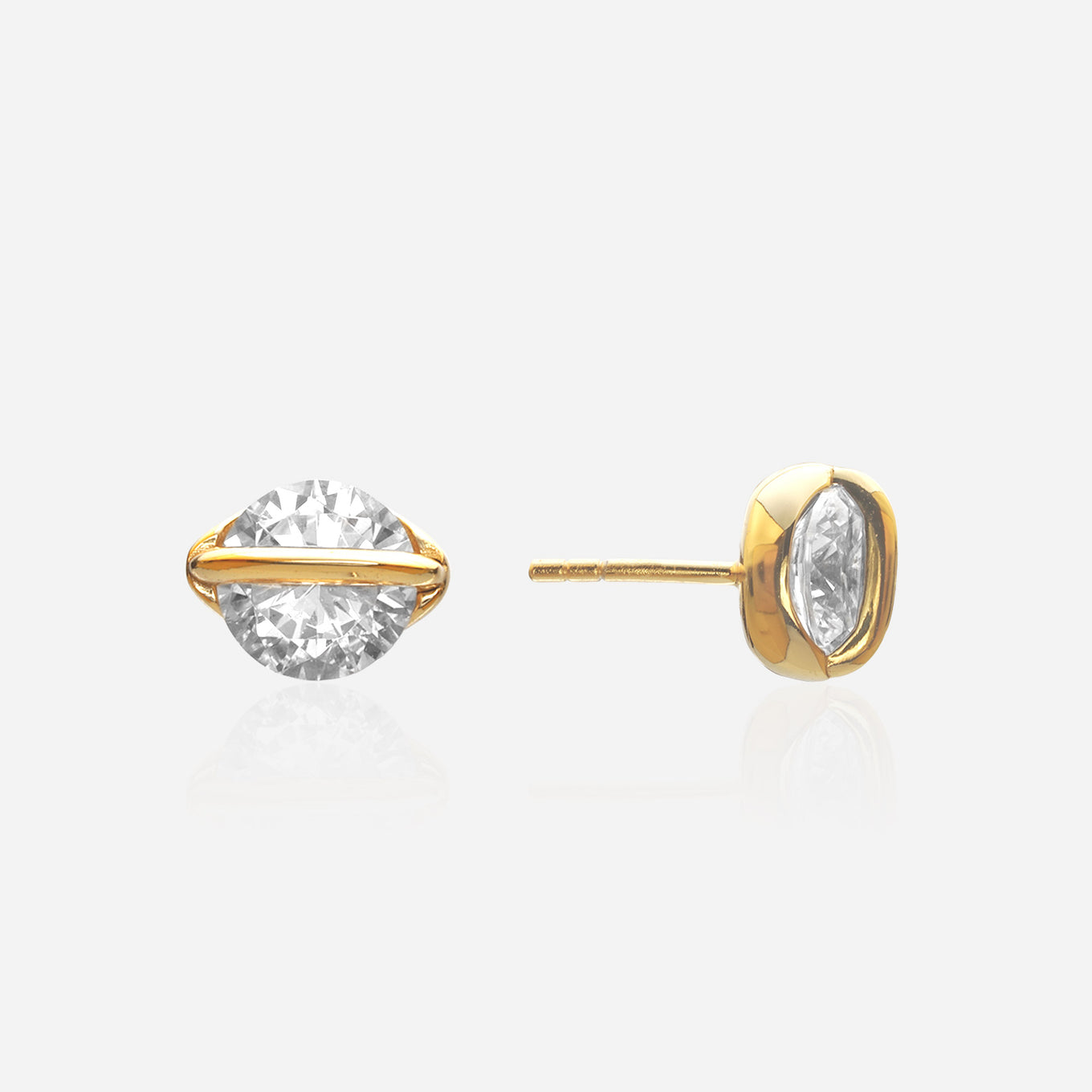
Necklaces have the highest probability of becoming a daily-wear piece because they don't interfere with typing, handwashing, or phone use. A floating solitaire necklace — specifically the Gold Solitaire Necklace — is the ideal entry point.
It's significant enough to feel like a milestone purchase. It's subtle enough to wear with a t-shirt. It sparkles like a $2,000 piece and costs under $200. And every time you catch your reflection and see it sitting in that perfect spot just below the collarbone, you'll remember: I bought this for myself. No one gave it to me. I chose it.
Best Self-Gift Pieces by Budget
| Budget | Best Pick | What Makes It a Self-Gift |
|---|---|---|
| Under $70 | Tempo Ring | Asymmetric open band — architectural, intentional, and unmistakably a jewelry person's ring |
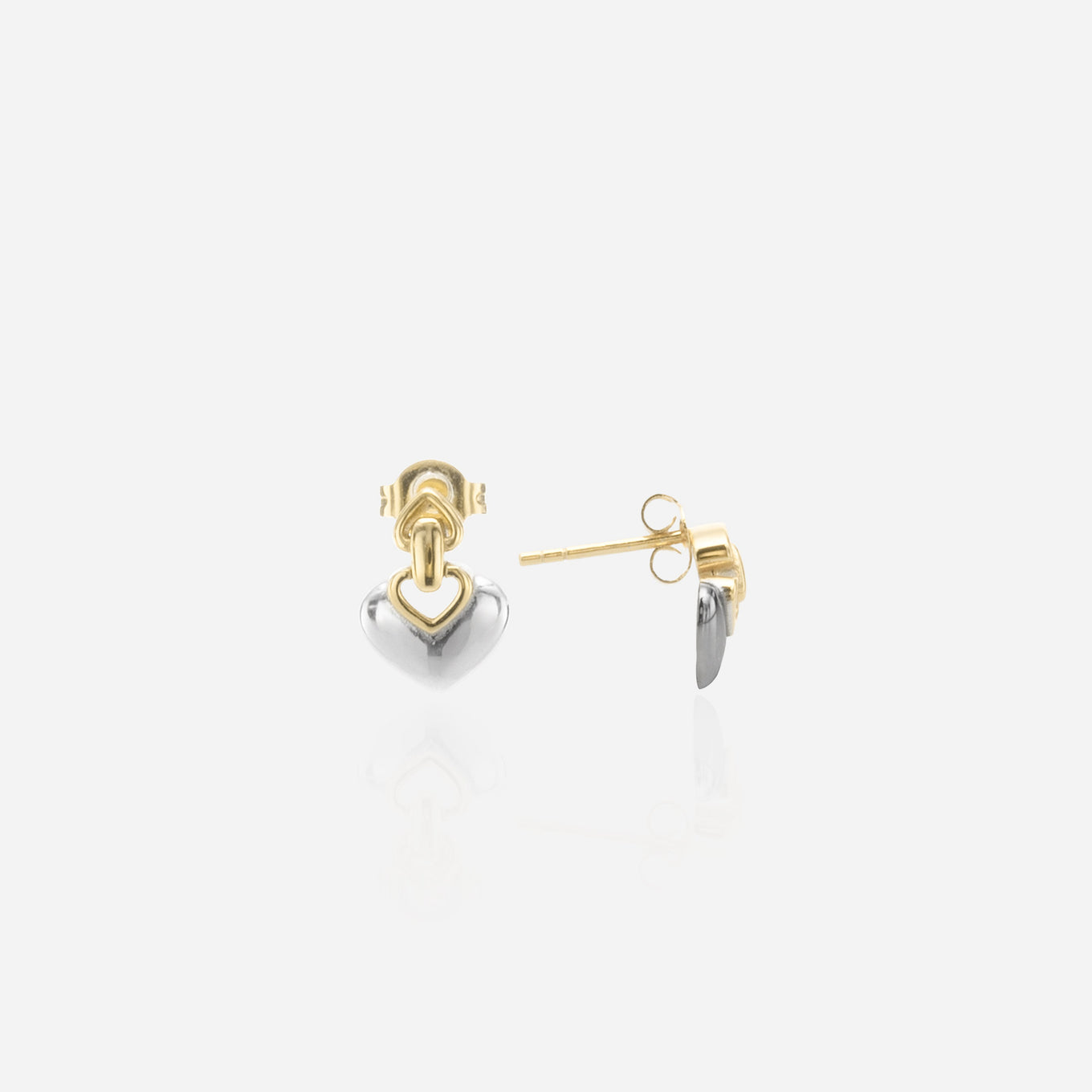
| $70–$120 | Woven Heart Studs / Herringbone Chain Necklace | The studs say "I love myself enough to put diamonds at my earlobe." The herringbone says "I understand that a great chain is the foundation of a jewelry wardrobe" |
| $120–$200 | Gold Solitaire Necklace / Serpentina Cuff Ring | The necklace = $2K visual for a self-gift price. The Serpentina = sculptural statement ring that no one else would think to buy for you |
| $200+ | Pleat Ring / Guardian Wing Cuff Ring / Gold Open Cuff Bracelet | These are the pieces you buy when you want to look at your hand and think "I did that" |
Rings You Buy Yourself
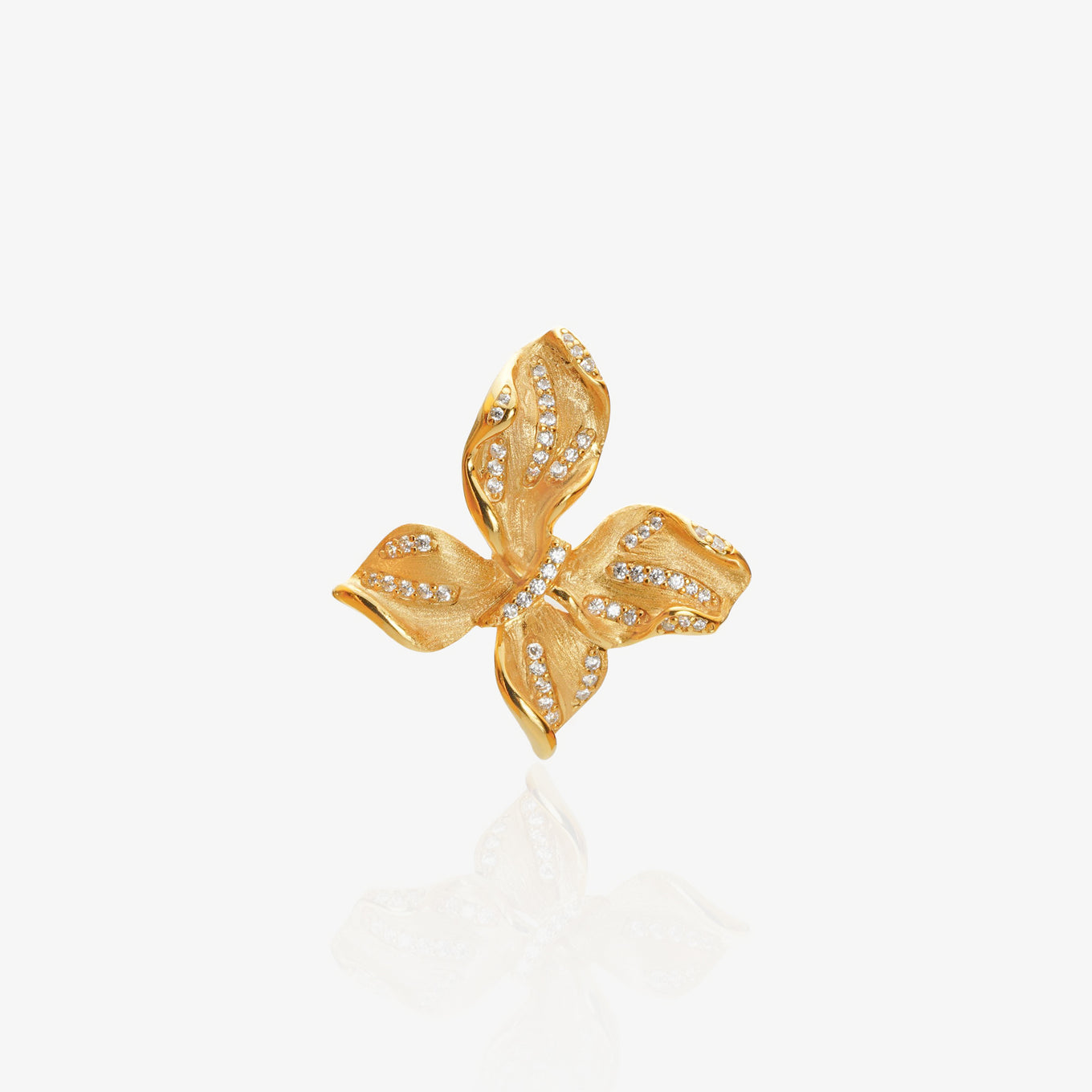
A ring you buy yourself goes on the finger you choose, for reasons you define. The Pleat Ring — gold ribbon band with pavé-set lab diamonds — is the ring you buy after the promotion, the degree, the conversation where you finally said what needed to be said. The Serpentina Cuff Ring — sculptural serpent wrapping the finger — is the ring you buy after the breakup, the shedding of old skin, the decision to become someone new.
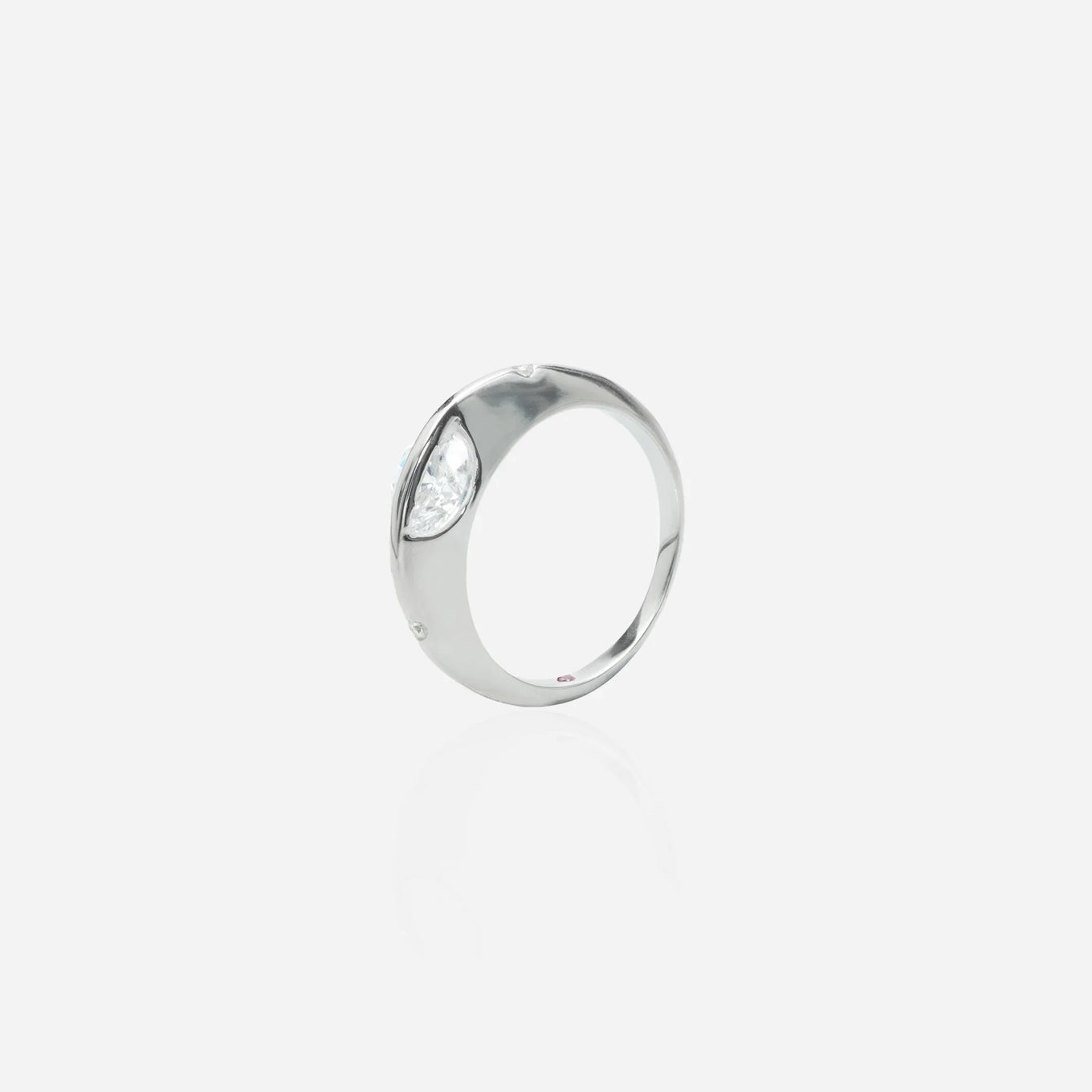
The Tempo Ring — asymmetric open ring with lab diamond terminations — is the ring you buy on a Tuesday for no reason at all. The Guardian Wing Cuff Ring — angel wing with pavé diamonds — is the ring you buy when you realize you've been your own guardian all along.
Necklaces That Say "I Did This"
The Gold Solitaire Necklace — floating lab diamond pendant on an 18K gold chain — is the self-gift that makes strangers ask "who gave you that?" so you can say "I did." The Herringbone Chain Necklace — flat, flexible, liquid gold on the collarbone — is the foundation piece that elevates every other necklace you own.
The Gold Compass Rose Pendant — reversible rigato medallion — is the talisman you buy when you need a physical reminder that you can find your own way. The Italian Gold Collar — satin silk-finish minimalist collar — is the "quiet luxury" piece that reads as expensive because it is, but not in the way people assume.
Earrings for Every Version of You
The Woven Heart Studs — gold love knot with lab diamond — are the earrings equivalent of a daily affirmation. The Twisted Gold Huggie Earrings — lab diamond pavé rope huggies — are the self-gift for someone who's tired of losing one earring from every pair. The Kite Diamond Earrings — Art Deco gold kite studs — are for the version of you who's geometric, precise, and doesn't need to explain her angles.
Building a Collection: Stacking & Layering
Self-gifting rarely stops at one piece. The natural progression is: one solitaire necklace, then a ring, then a second ring that stacks with the first, then studs, then a bracelet — not because you went shopping once, but because over two years, you marked promotions, birthdays, and Tuesdays with pieces that layer together like a story told in metal and stone.
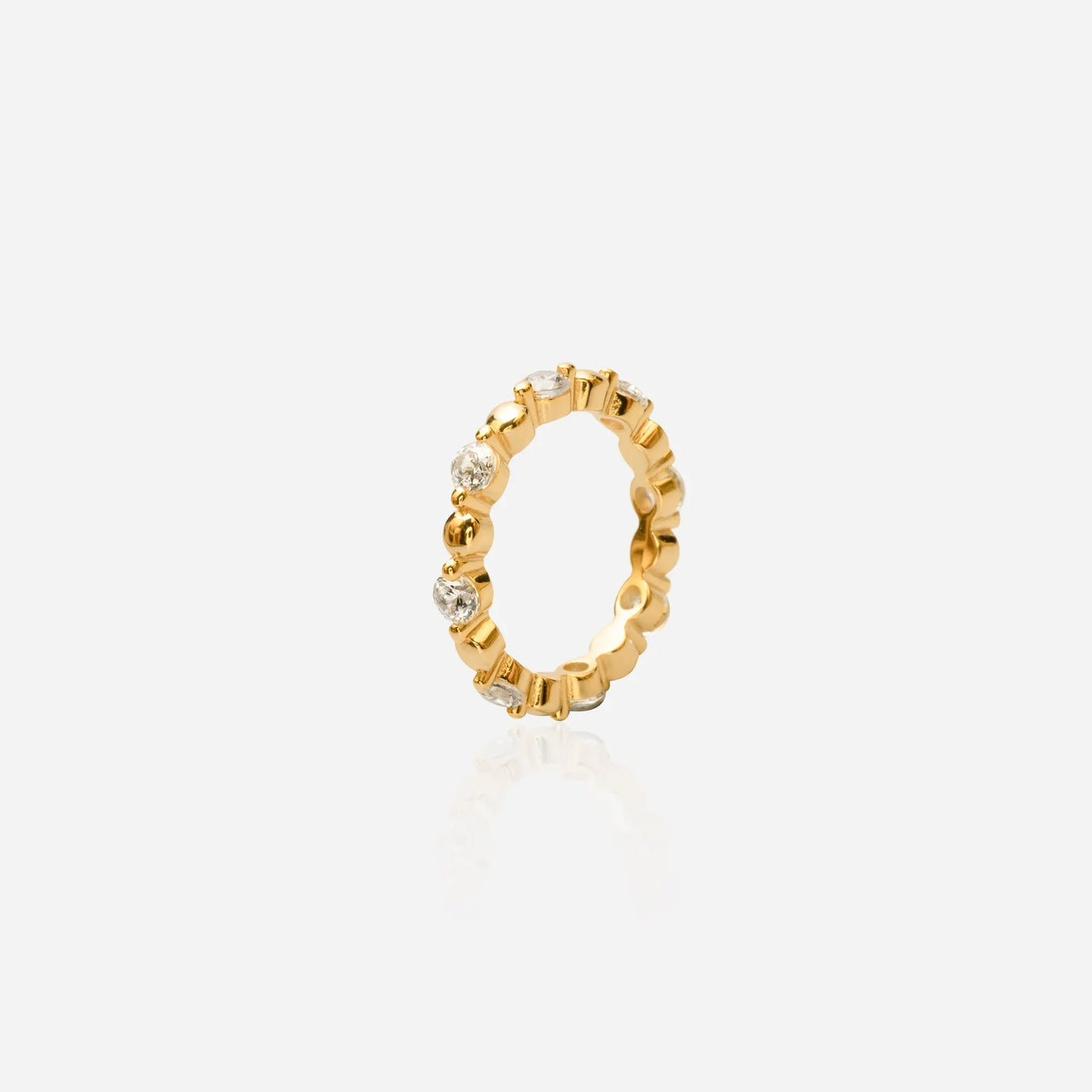
The Gold Wave Ring Set — three stackable sterling silver bands with lab diamond accents — is the fastest way to start a stack in one purchase.
The Sequin Station Necklace — delicate sparkle dots on an O-chain — layers beautifully under or over the Solitaire Necklace. The key to self-gifted stacking is that each piece has its own story: "this one was for the promotion, this one was for the breakup, this one was just because."
The Psychology: Why Buying Yourself Jewelry Is Different
When someone else buys you jewelry, the piece carries their intention, their taste, their budget, and — unavoidably — their expectations. A gift ring comes with a question mark: is this a promise, a proposal, or just a nice thing? A self-gifted ring carries no question. It carries a statement: I value myself enough to put gold and diamonds on my own hand, with my own money, for my own reasons. This distinction matters.
Research in consumer psychology has shown that self-gifting activates different neural pathways than receiving a gift — it engages the brain's self-reward system, the same system activated by achieving a goal. When you buy yourself jewelry, your brain registers the transaction not as "spending" but as "rewarding."
You're not depleting resources. You're completing a loop: I worked → I earned → I chose → I receive. The piece becomes physical evidence of your own agency — proof you can hold, wear, and see in the mirror that says: I did this. No one else gets the credit.
Key Terms
- Self-Gifting
- The practice of purchasing luxury or meaningful items for oneself rather than waiting to receive them as gifts. In jewelry, self-gifting represents a shift from passive receipt to active choice — selecting and purchasing pieces that mark personal milestones. The self-gift market has grown significantly across all jewelry categories as women increasingly control their own purchasing decisions.
- Demi-Fine Jewelry
- Jewelry that sits between fashion/costume jewelry and traditional fine jewelry. Uses genuine precious metals (Ag925 sterling silver, 18K gold plating) and lab-created stones at a price point that makes self-gifting accessible. ÉLARAMUSE demi-fine pieces are built on sterling silver cores with 0.5-micron 18K gold plating and feature High-Carbon Lab Diamonds, Nano Zircon, and lab-created gemstones.
- Talisman Jewelry
- Jewelry worn with protective or empowering intention — a physical object that carries symbolic meaning for the wearer. In self-gifting, talisman pieces (compass pendants, guardian wing rings, serpent rings) serve as concrete reminders of personal strength, direction, or transformation.
Frequently Asked Questions
Q: Is it weird to buy myself jewelry? I've always thought jewelry should be a gift.
It's not weird — it's increasingly the norm. The idea that jewelry should only be received as a gift is a marketing invention from an era when women didn't have their own income. Today, women are the primary jewelry purchasers in a growing share of households.
Buying yourself a ring, necklace, or bracelet is fundamentally no different from buying yourself quality shoes, a good coat, or a piece of art. If you'd buy yourself a $200 dinner to celebrate a promotion, why not a $200 necklace you'll wear for the next five years?
Q: What's the best first piece for someone who's never bought real jewelry before?
A solitaire necklace. Specifically the Gold Solitaire Necklace. Here's why: necklaces don't require sizing (unlike rings), they're less likely to be lost than earrings, they work with everything in your wardrobe, and a floating lab diamond pendant on a gold chain reads as "fine jewelry" to everyone who sees it.
The price point (under $200) makes it a milestone purchase without requiring a milestone justification. And every time you catch that sparkle in the mirror, you'll remember why you bought it — the promotion, the birthday, the Tuesday, the decision that you are worth diamonds.
Q: How do I choose between a ring and a necklace for a self-gift?
Rings carry more symbolic weight because you see them constantly — every time you gesture, type, or reach for something, the ring is in your peripheral vision. If the occasion is deeply personal (breakup, milestone birthday, hard year survived), choose a ring.
You'll see it constantly and be reminded of your own strength. Necklaces carry more external presence because they're visible to others at conversation distance. If the occasion is about how you want to present to the world (promotion, new job, new city), choose a necklace. It announces you before you speak.
Q: I want to start a jewelry collection. How many pieces do I actually need?
Five pieces make a complete jewelry wardrobe: one everyday necklace (solitaire or chain), one pair of stud earrings, one statement ring, one stacking ring (to pair with the statement ring), and one bracelet or bangle. That's it. From those five pieces, you can create dozens of combinations — solitaire alone for minimal days, solitaire + studs for work, solitaire + both rings stacked + studs for going out, bracelet + ring + studs for weekends.
The Gold Solitaire Necklace + Woven Heart Studs + Pleat Ring + Gold Wave Ring Set + Papillon Chain Bracelet is an ideal starter collection — five pieces, all under $200, all layering-compatible, all gold-plated sterling silver with lab-created stones.
Q: Should I buy the same quality of jewelry for myself that I'd want someone else to give me?
Higher. When someone else gives you jewelry, the gesture is part of the gift — the fact that they thought of you, selected it, and presented it adds emotional value. When you buy for yourself, there's no gesture bonus.
The piece has to stand entirely on its own: the quality of materials, the integrity of design, the way it looks in the mirror at 7 AM on a Monday. This is actually liberating. You're not paying for a box, a surprise, a romantic moment, or a proposal. Every dollar goes into the piece itself.
A $180 self-gift solitaire necklace at demi-fine quality delivers more actual jewelry than a $500 gift necklace at traditional retail — because the gift markup (brand premium, mall rent, romantic markup) disappears. Buy yourself the quality you'd want from someone who knows exactly what you're worth.
Q: Can I wear my self-gift pieces every day, or should I save them for special occasions?
Every day. The entire point of self-gifted jewelry is that it marks your everyday life — not just the occasions someone else deemed worthy. A solitaire necklace worn to the grocery store on a Sunday morning says something different than one worn to a gala: it says "my life is worth diamonds even when no one is watching."
Demi-fine jewelry is built for daily wear — sterling silver and 0.5-micron 18K gold plating with lab-created stones are durable enough for everyday conditions. Remove before swimming (chlorine is gold plating's only real enemy), wipe with the included cloth monthly, and your self-gift piece will look as intentional on day 500 as it did on day one.
Editor's Picks


We Believe — The most powerful piece of jewelry you'll ever own is the one you bought yourself. Not because it's more expensive, or shinier, or more significant than the ones you've been given — but because it carries a different kind of meaning. A self-gifted ring on your right hand doesn't say "someone loves me." It says "I love me enough to put gold and diamonds on my own finger." That's a different statement entirely. It's not about rejecting gifts or devaluing romantic gestures.
It's about recognizing that your life contains moments worth marking that no one else will mark for you — the promotion, the Tuesday, the year you survived, the person you decided to become.
At ÉLARAMUSE, our pieces are built on Ag925 sterling silver with 0.5-micron 18K gold plating and lab-created stones — real materials for real milestones, priced so that you don't need an occasion or a permission slip to claim them. Because the person who knows what you're worth best is you. And she deserves a solitaire.
References
- Mick, D.G. & DeMoss, M. (1990). "Self-Gifts: Phenomenological Insights from Four Contexts." Journal of Consumer Research, 17(3), 322–332. Foundational academic research on self-gifting psychology and the distinction between self-gift and interpersonal gift behavior
- GIA (Gemological Institute of America). Jewelry Consumer Behavior and Self-Purchase Trends. gia.edu
- V&A Museum. A History of Personal Adornment: Agency and Identity in Jewelry. vam.ac.uk
- American Gem Society. Understanding Demi-Fine Jewelry Standards. americangemsociety.org