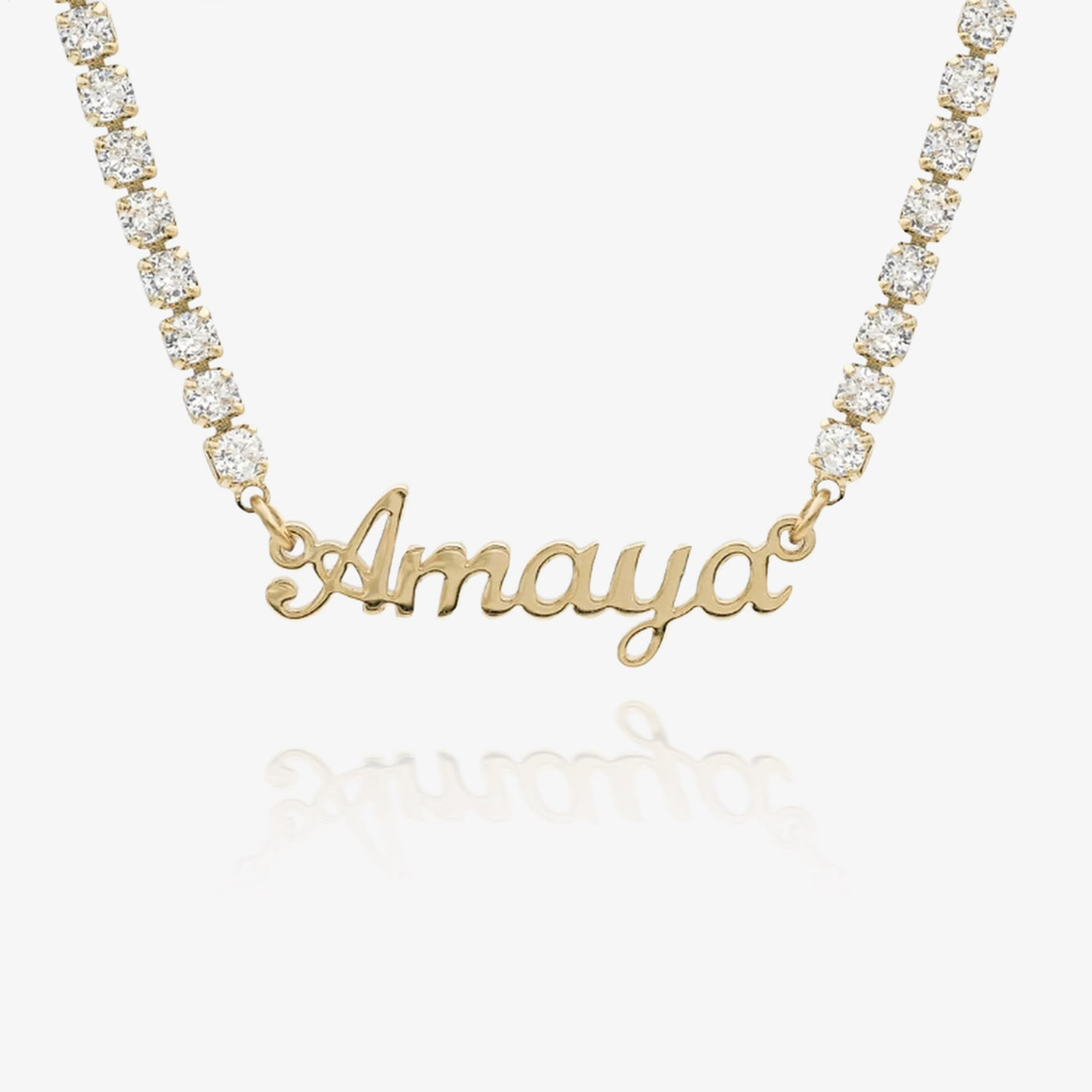
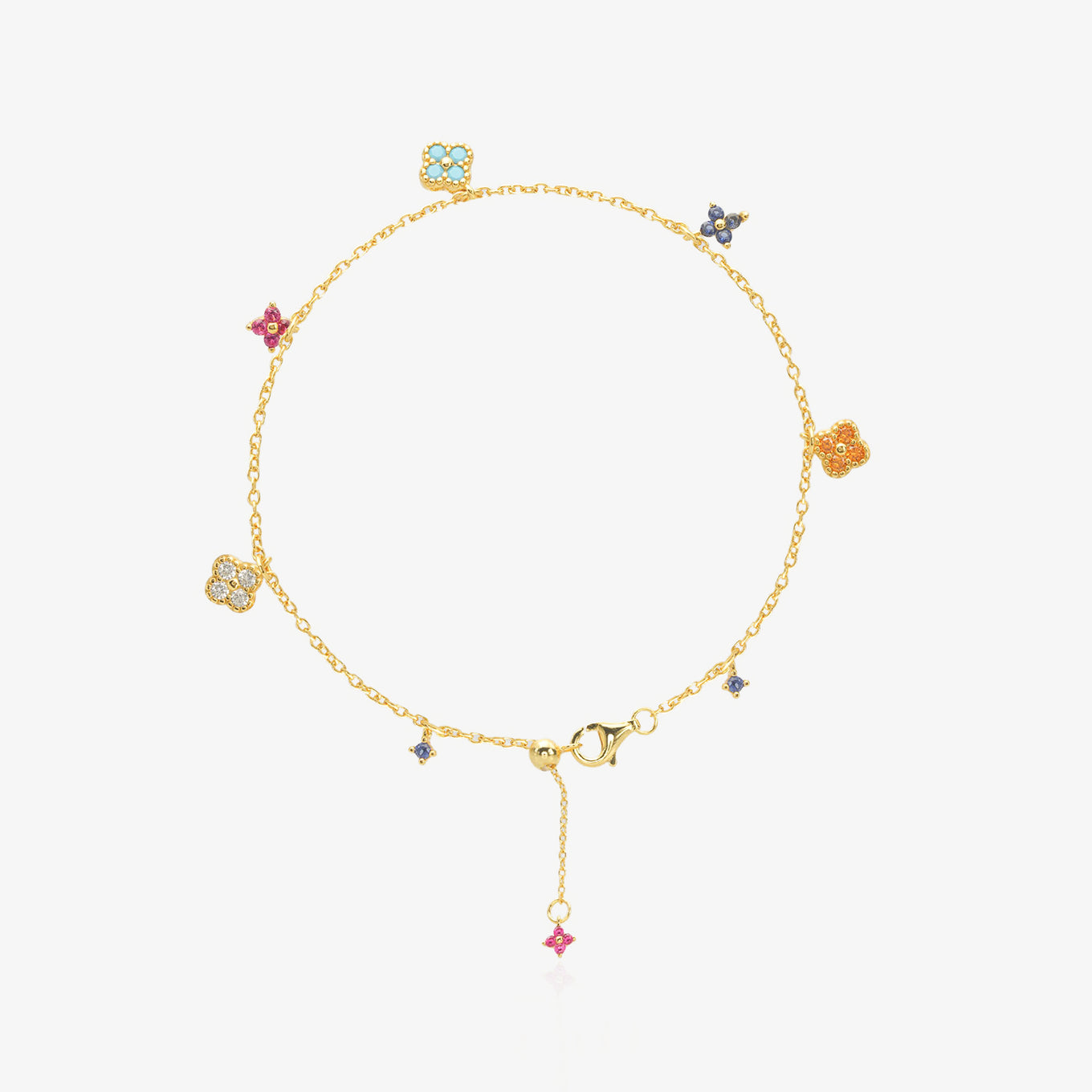
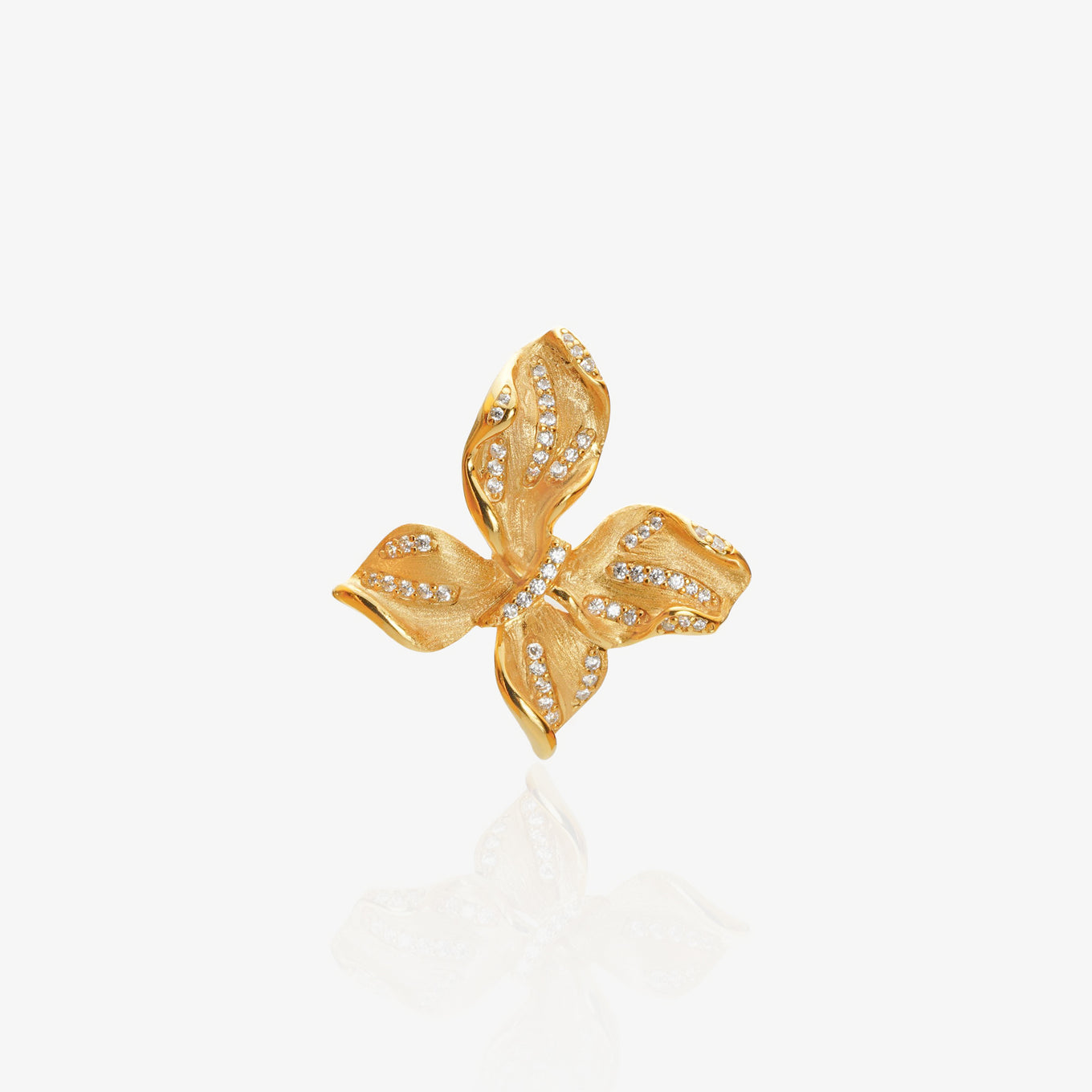
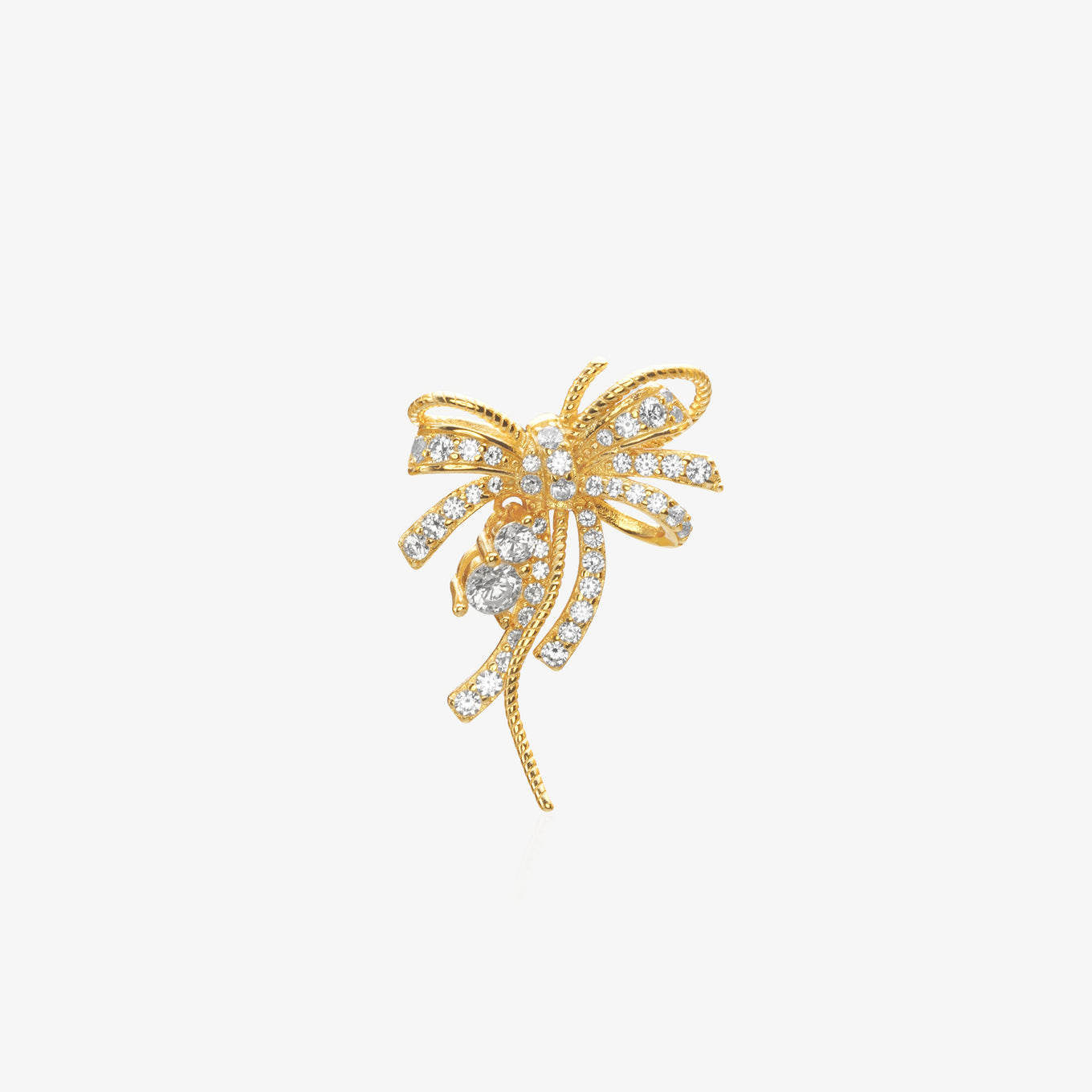
You know the feeling. You put on an outfit that looked perfect in your head, catch a glimpse in a mirror, and something is off. The necklace is fighting the neckline. The earrings are too heavy for the occasion. The rings feel like they belong to three different people, and somehow — impossibly — you look both over-accessorized and under-accessorized at the same time. This is the jewelry styling mistake you cannot name, but you can feel it in your chest when you walk past a reflective surface.
These are the ten most common jewelry mistakes, why they happen, and what to do instead — each fix taking less than a minute.
Mistake 1: Wearing the Same Pieces Every Single Day
The problem: You found a necklace you love, and now you never take it off. It works with everything, so why change it? Because jewelry is a tool of expression, not a uniform. Wearing the same pieces every day flattens your style into a single dimension — recognizable, but never surprising. It also accelerates wear on those pieces. A gold-plated chain worn 365 days a year will thin at the clasp in 12-18 months. The same chain worn in rotation with two others will last three to five years.
The 60-second fix: Own three everyday necklaces. Rotate them weekly. Monday-Wednesday is the Classic Solitaire Necklace — it goes with everything. Thursday-Friday is the Box Chain Necklace — standalone, minimal, architectural. Saturday-Sunday is your statement piece. Rotation gives each piece recovery time, extends plating life, and makes Monday feel different from Friday.
Mistake 2: Matching Metals Too Strictly
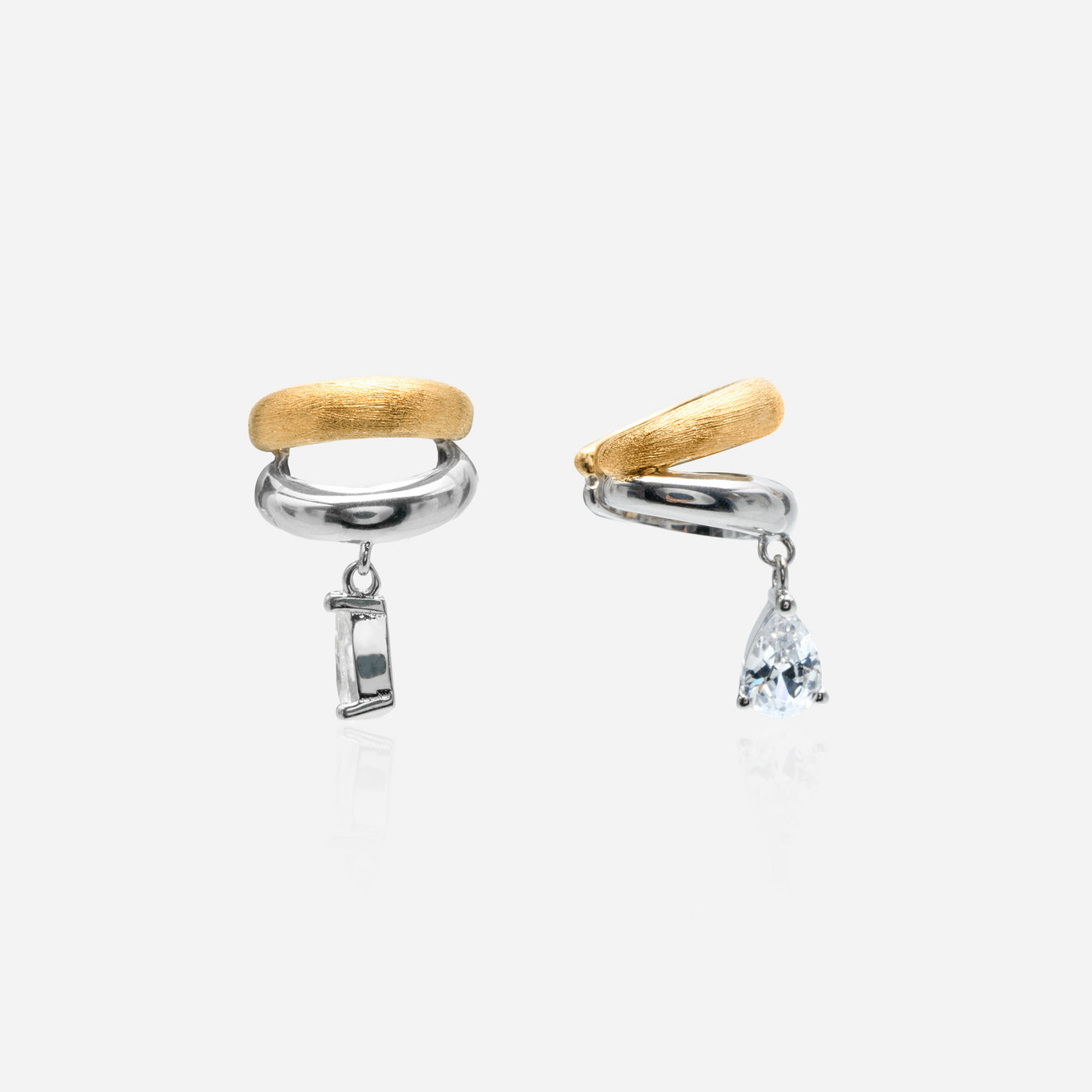
The problem: "I can't wear that — it's gold and my earrings are silver." This rule died in approximately 2017. Mixed metals have been mainstream for nearly a decade, and the only thing holding you back is muscle memory from an era when matching was mandatory. Strict metal matching creates a rigid, catalog-photo look that dates your outfit before you leave the house.
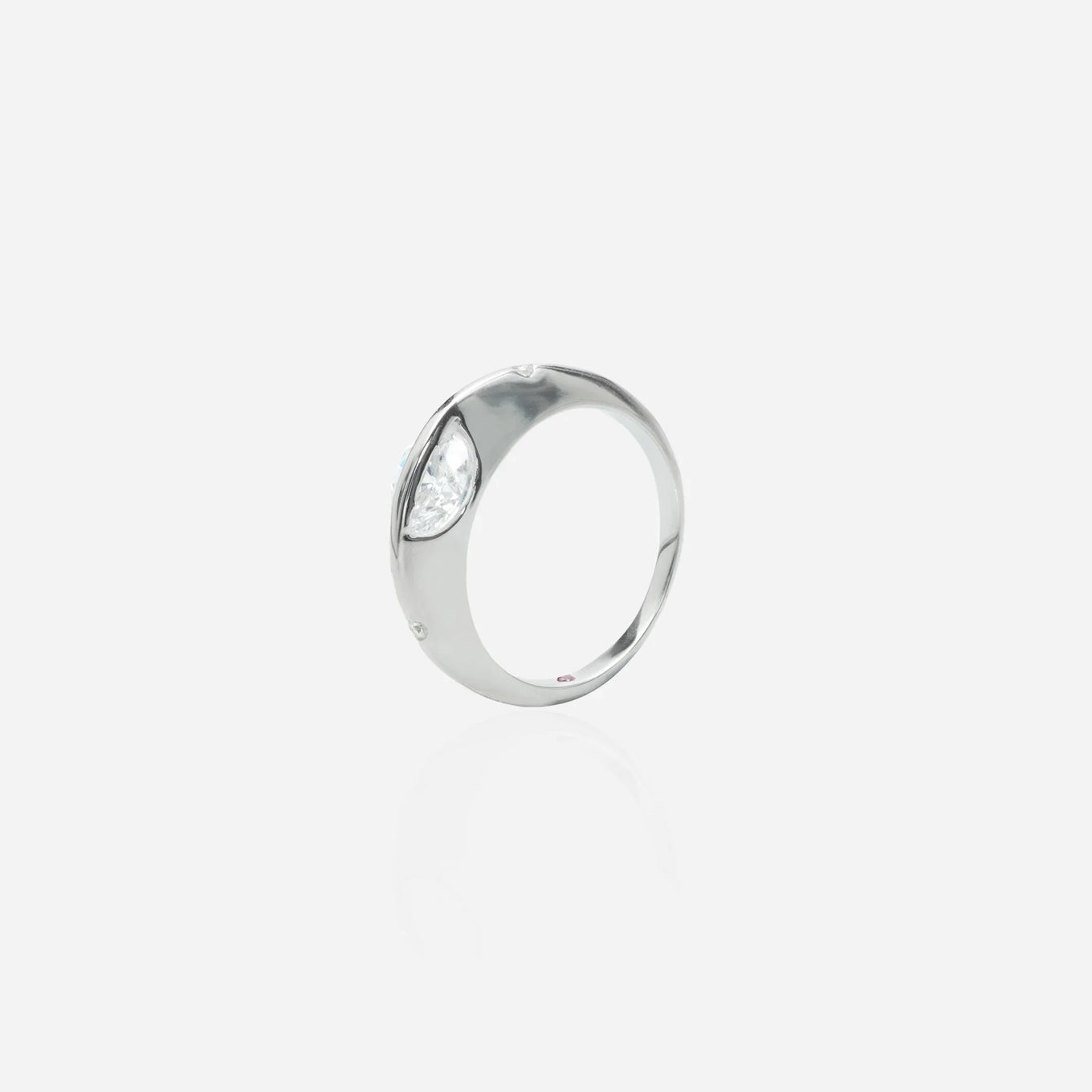
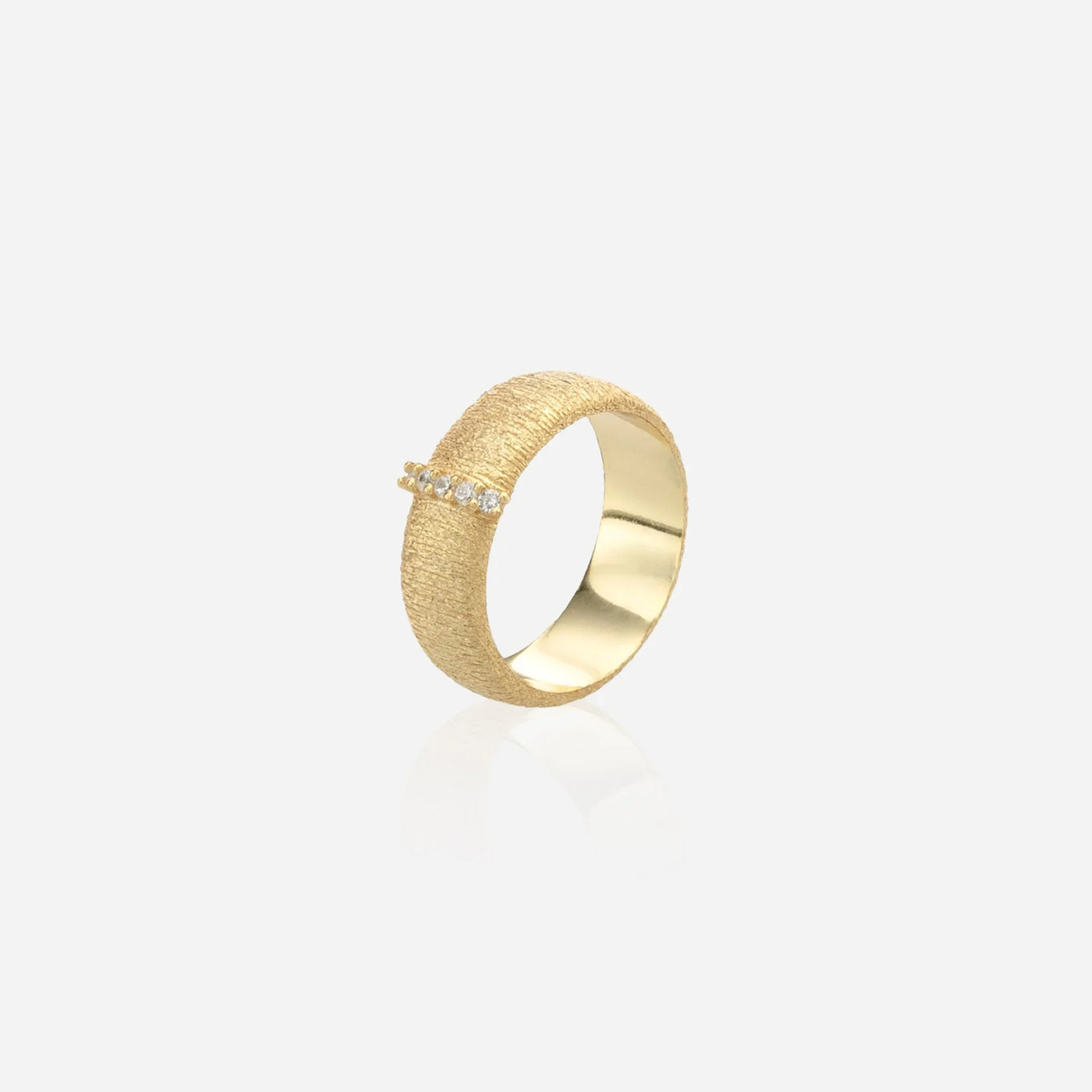
The 60-second fix: Mix metals with intention. Gold necklace + silver earrings is not a mistake — it is a choice. The key is proportion: if your necklace is gold and your earrings are silver, add a third piece (a ring, a bracelet) that echoes one of the metals to create intentionality. A Wide Band Ring in gold finishes the triangle — one gold, one silver, one gold. The eye reads it as deliberate, not accidental.
Mistake 3: Overloading One Area
The problem: Three necklaces. Five rings. Two bracelets on the same wrist. You wanted to express yourself, and now you look like a jewelry display tipped over. Overloading a single area — usually the neck or the hands — creates visual noise. The eye does not know where to look, so it looks away.
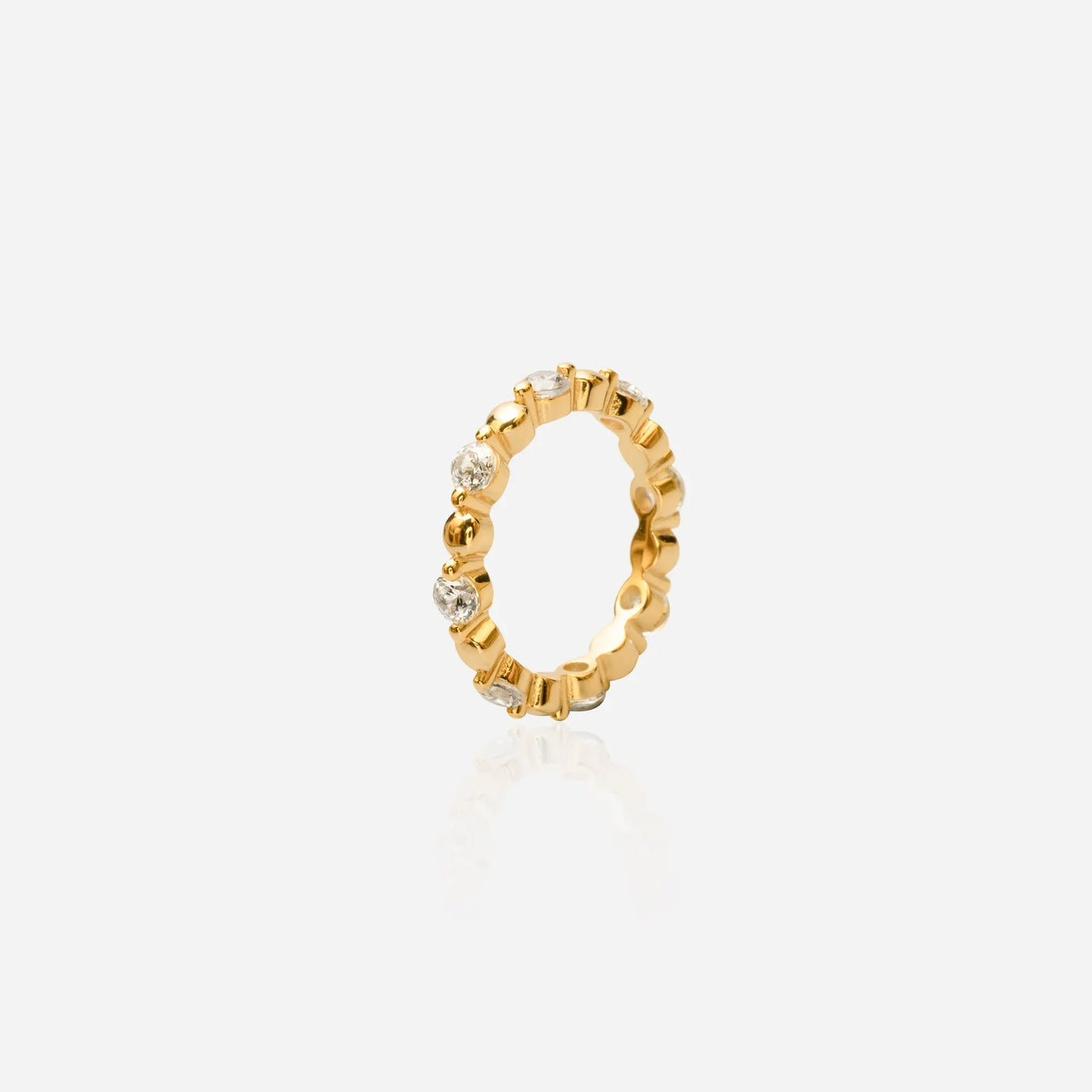
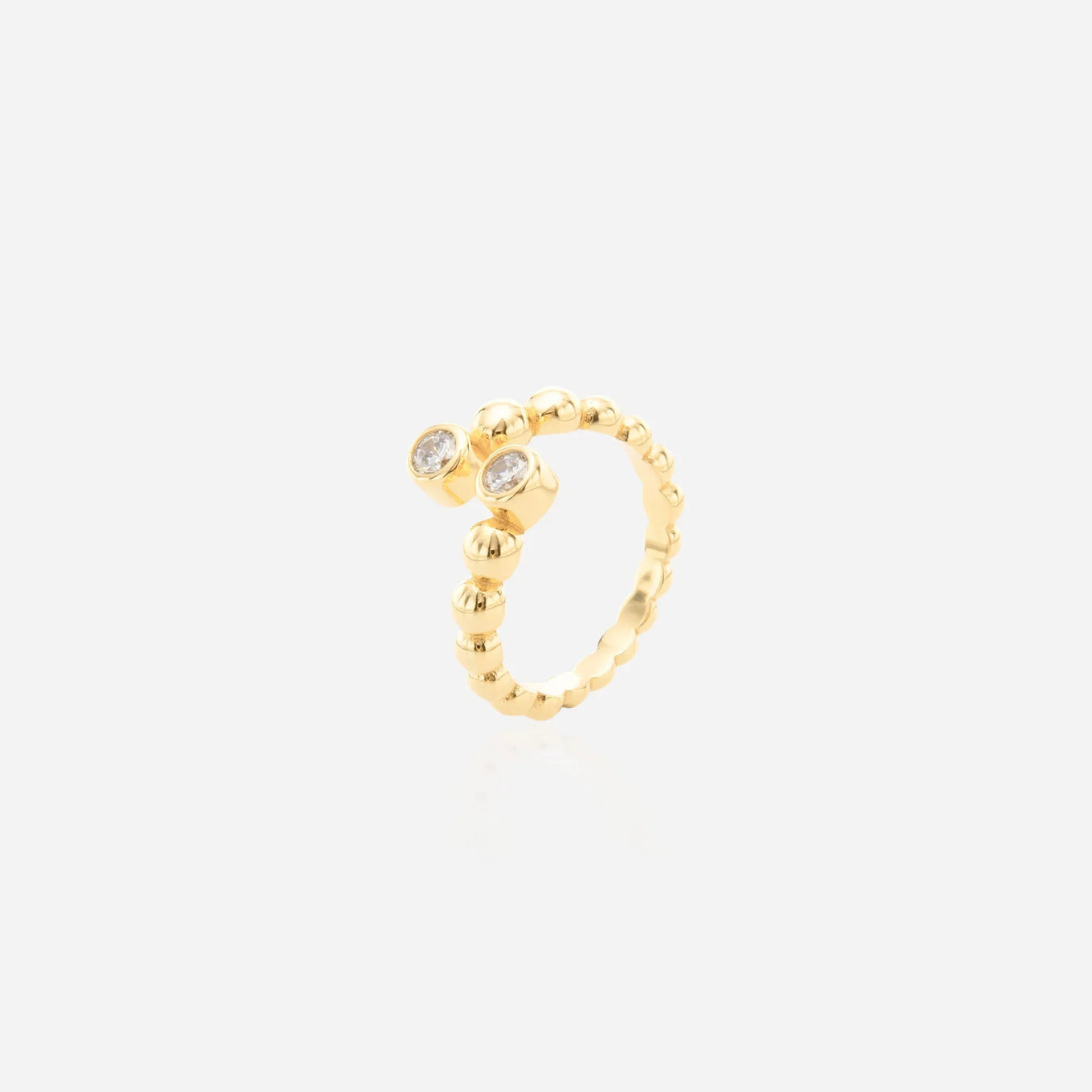
The 60-second fix: Apply the "one focal point" rule. Choose one area to be the star — necklace, ears, or hands — and keep the other two minimal. If you are stacking three rings on one hand, wear studs instead of statement earrings, and skip the necklace entirely or wear a simple chain. The Gold Macaron Ring Set stacked on one finger is the focal point — everything else supports it or stays out of the frame.
Mistake 4: Ignoring Proportion
The problem: A delicate chain on a broad frame disappears. A massive pendant on a petite frame dominates. Proportion is the invisible variable that determines whether jewelry looks like it belongs on you or like you borrowed it from someone else. The most common form of this mistake: women with smaller frames wearing heavy cuff bracelets that extend past the wrist bone and visually shorten the arm.
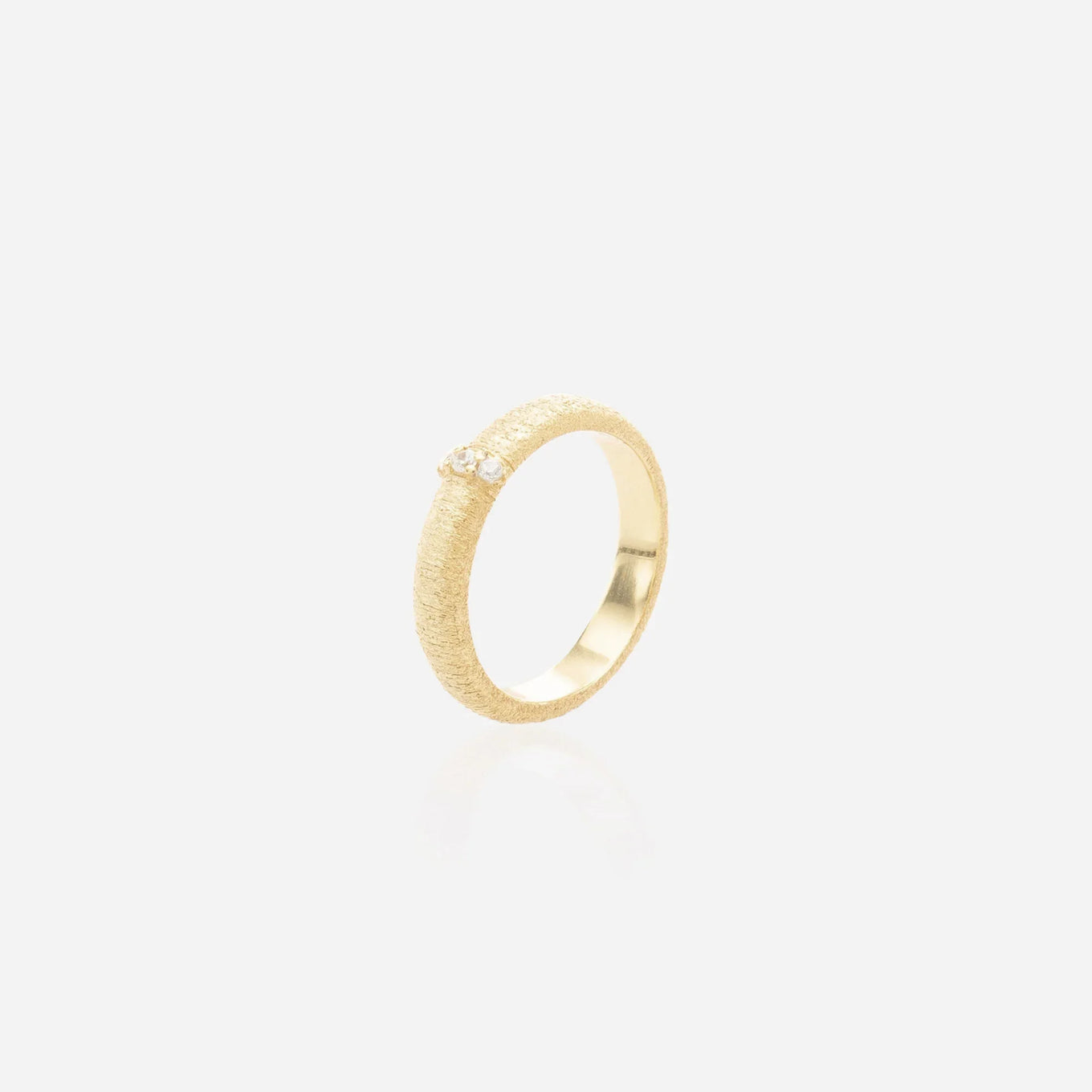
The 60-second fix: Match jewelry scale to your frame. Petite frames: dainty chains (1-2mm), small pendants (under 15mm), slim bands. Broader frames: thicker chains (3mm+), substantial pendants, wider bands. The Solaris Dome Ring works on medium-to-broader hands — its 10mm dome is substantial but not overwhelming. For smaller hands, the Wide Band Ring at 6mm reads as balanced rather than heavy.
Mistake 5: Neglecting Earrings Entirely
The problem: You spent ten minutes on your necklace and rings. Your ears are empty. The top half of your face — the part people look at when you speak — has zero jewelry. Earrings frame the face. Without them, even a great necklace-only look feels unfinished, like a painting in a bare frame.
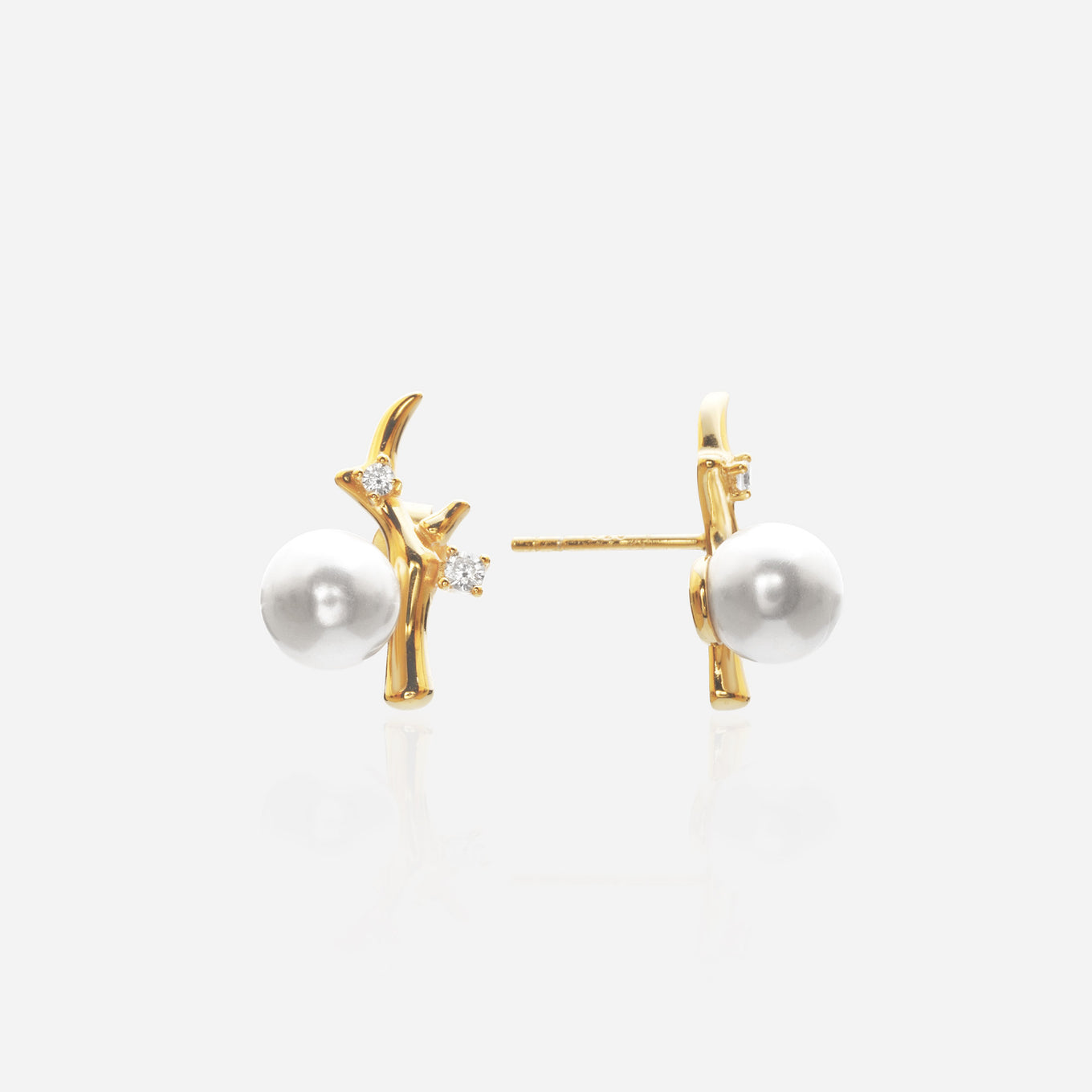
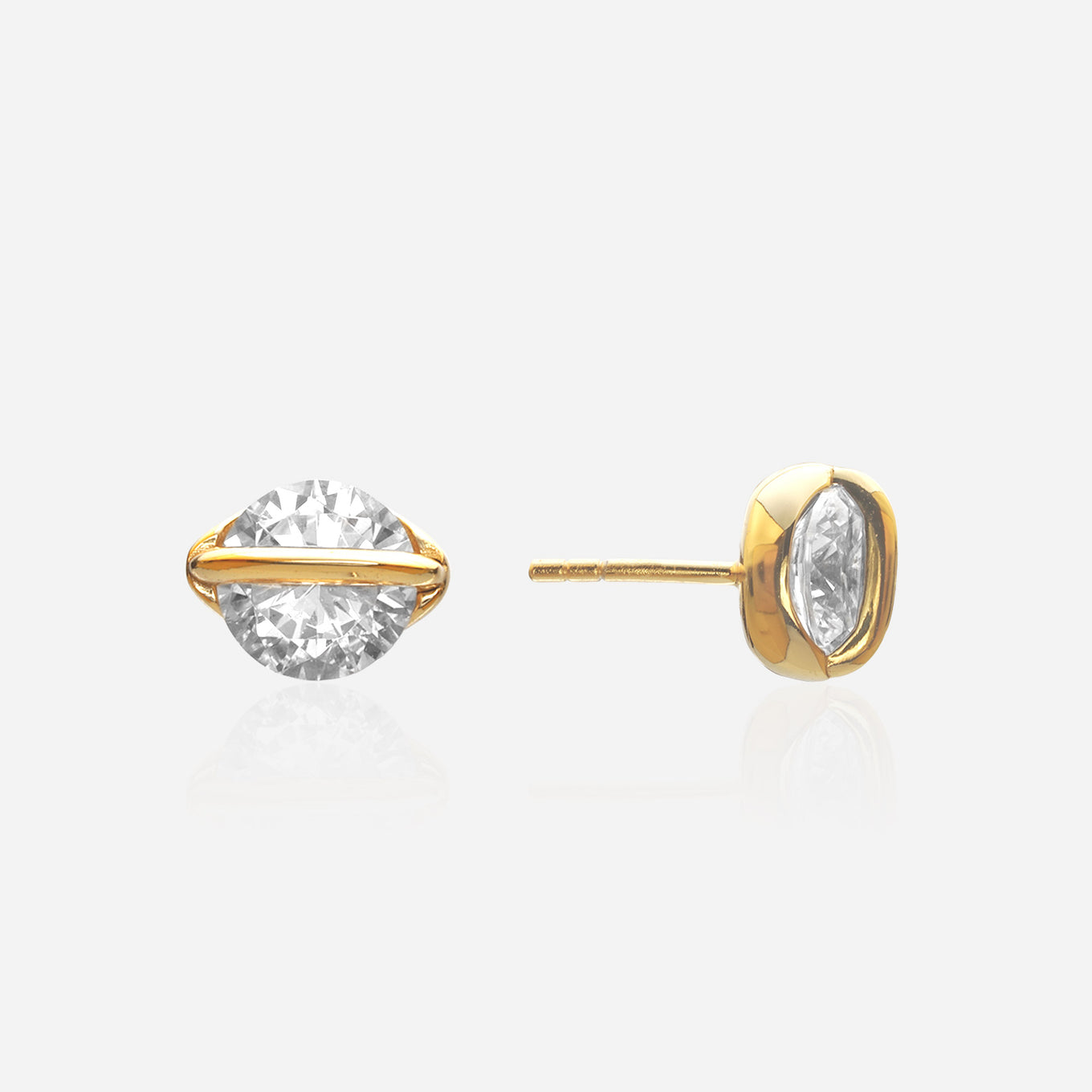
The 60-second fix: Keep one pair of gold studs next to your door. Literally. If you walk out without earrings, they are right there. The Guardian Snake Studs — gold serpents with emerald-eye accents — take three seconds to put on. They register as intentional without adding visual weight. They do not compete with a statement necklace. They just finish the frame.
Mistake 6: Skipping the Third Piece Rule
The problem: You wear a necklace and earrings. That is two pieces. You look fine, but fine is not the goal. The third piece — a ring, a bracelet, a bangle — is what separates "I put on jewelry" from "I have a jewelry point of view." Two pieces reads as functional. Three pieces reads as styled.
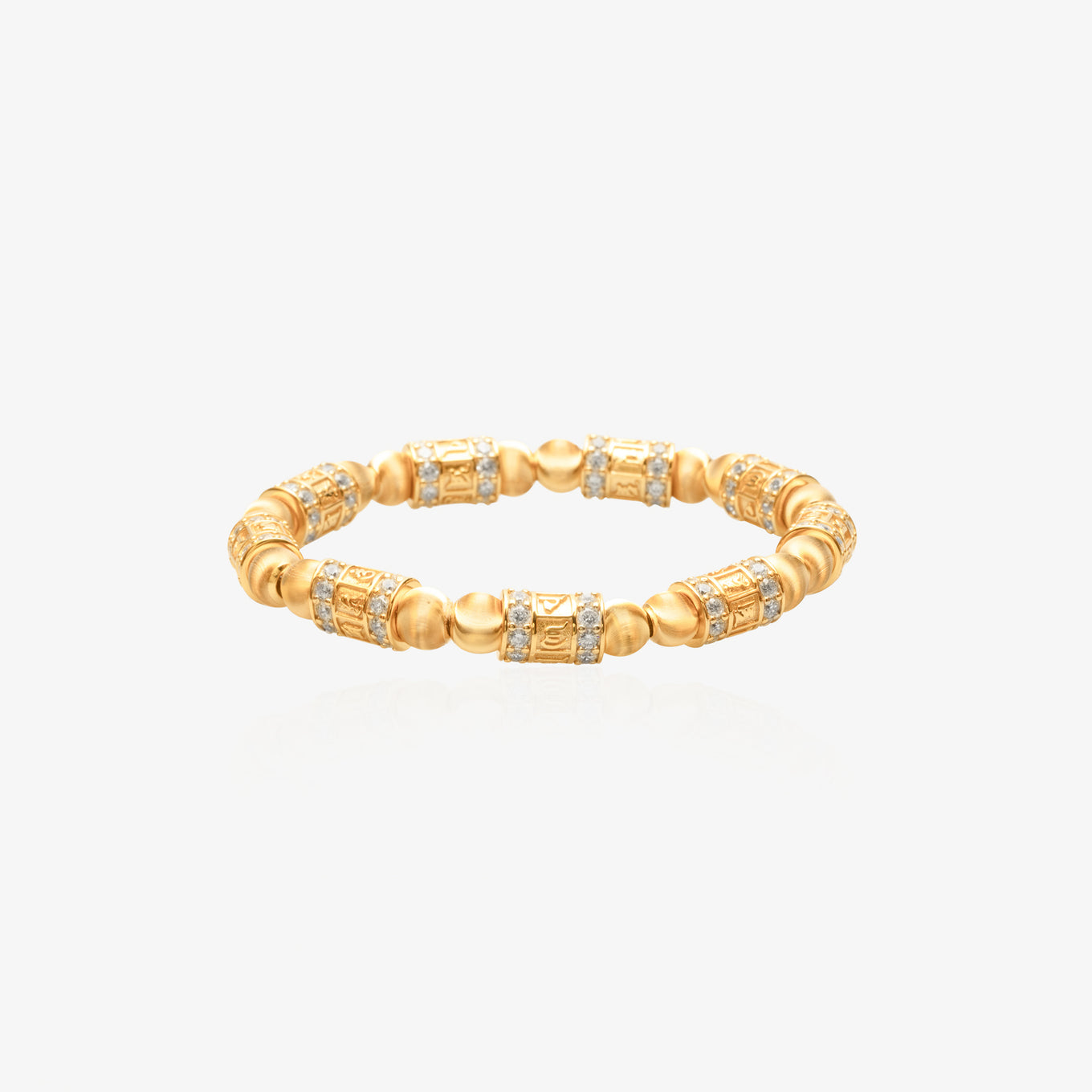
The 60-second fix: The Moire Bangle is the easiest third piece you will ever add. It slides on. It does not need adjustment. It looks intentional with jeans and a T-shirt, with a silk blouse, with a blazer. It is the punctuation mark at the end of your outfit that says "I thought about this."
Mistake 7: Wearing Damaged or Tarnished Jewelry
The problem: A chain with visible wear at the clasp. A ring that has lost its gold color at the edges. A pair of earrings with one stone darker than the other. Damaged jewelry broadcasts neglect. It makes quality pieces look cheap. And the worst part: you probably do not even notice it anymore because you have been wearing them so long.
The 60-second fix: A weekly 30-second inspection. Hold each piece under good light. Check the clasp, the back of the pendant, the inner band of rings. If the gold is thinning at friction points, you have months left — not years — before the base metal shows. Rotate it out of daily rotation. Replace it before it fails in public. Gold-plated sterling silver from ÉLARAMUSE does not tarnish quickly, but it does wear — and catching wear early is the difference between "I replaced it" and "it replaced itself at the worst possible moment."
Mistake 8: Ignoring Your Neckline
The problem: A crew neck with a long pendant creates a visual tangent — the pendant hangs at the exact point where the neckline ends, creating an awkward intersection. A V-neck with a short choker creates an empty triangle of bare skin between the necklace and the neckline. The necklace and the neckline are in a relationship, and when they do not get along, everyone can see it.
The 60-second fix: Match necklace length to neckline. Crew neck → 18-20 inch chain that sits above or below the neckline. V-neck → pendant at 18 inches that mirrors the V shape. Strapless/sweetheart → choker or 16-inch chain that fills the bare space. Button-down → pendant at 18-20 inches that falls between collar points. The Classic Solitaire Necklace at 16-18 inches clears every neckline except the deepest V — which is why it is the most versatile piece in the collection.
Mistake 9: Buying Pieces You Never Wear
The problem: Your jewelry box contains approximately 40% aspirational pieces — the giant statement earrings you bought for a wedding three years ago, the trend ring from 2024 that nobody wears anymore, the bracelet that was on sale and almost matched something you own. Wasted money. Wasted space. And every time you open the box, a tiny pulse of regret.
The 60-second fix: The "90-day rule." If you have not worn a piece in 90 days — and you have not been in a coma or relocated to a different climate — you will not wear it in the next 90 days either. Sell it, gift it, or store it separately. What remains is your actual jewelry wardrobe. Build from there. One versatile solitaire, one quality chain, one pair of studs, one statement ring, one bangle — five pieces worn 300 days a year beats thirty pieces worn twice each.
Mistake 10: Treating All Gold-Plated Jewelry the Same
The problem: "Gold-plated" covers everything from 0.01-micron costume jewelry that tarnishes in two weeks to 0.5-micron gold on sterling silver that lasts years. Treating them as interchangeable means you either (a) spend too much on costume jewelry that dies young, or (b) treat quality pieces with excessive caution because you assume they are fragile. Both outcomes are unnecessary.
The 60-second fix: Flip the piece over. Check for a stamp. "925" or "Sterling" stamped on the clasp or the inner band means the core is sterling silver — it will not turn green, it will not corrode, and it can be worn daily. This is the fast filter that separates costume jewelry from quality jewelry. Every ÉLARAMUSE piece carries this stamp, and the stamp is the promise.
Key Terms: The Jewelry Styling Lexicon
- Third Piece Rule
- The styling principle that three jewelry pieces — not two, not five — create the most balanced look. Two pieces (necklace + earrings) is functional. Three pieces (necklace + earrings + ring/bracelet) is styled. Four or more risks overload. The third piece is the difference between "I put on jewelry" and "I put together a look."
- Proportion Matching
- The practice of scaling jewelry to the wearer's frame. A 1mm chain on a broad frame looks accidental. A 12mm bangle on a petite wrist looks borrowed. Proportion matching means the jewelry size corresponds to body size — a rule that applies to necklace width, pendant diameter, ring band thickness, and earring scale.
- Visual Triangle
- A composition technique where three points of jewelry create a triangular visual path — earrings to necklace to ring, for example. The triangle guides the eye through the outfit, creating a sense of intentionality that random placement cannot achieve.
- Necklace-Neckline Relationship
- The principle that necklace length should respond to neckline shape. A crew neck demands a chain that sits above or below the neckline boundary. A V-neck demands a pendant that mirrors the V angle. Ignoring this relationship creates the most common jewelry mistake visible from across a room.
The ÉLARAMUSE Standard
| Stamp Verifiable | Every piece stamped "925" — the sterling silver core that guarantees no green skin, no corrosion, and daily-wear durability. |
| Versatility by Design | Our pieces are built to be the five items you actually wear — not the forty you bought and forgot. Each design works with multiple outfits, occasions, and styles. |
| 18K Gold on Silver | 0.5-micron 18K gold plating on Ag925 sterling silver — the combination that looks like solid gold, wears like sterling silver, and costs what quality jewelry should cost. |
FAQ: Jewelry Styling Mistakes
What is the most common jewelry mistake people don't realize they're making?
Wearing the same pieces every day without rotation. Most people find a necklace they love and wear it for months straight — not realizing that (1) the plating is wearing down at an accelerated rate, and (2) their style has become visually predictable. Rotation solves both problems. Three everyday necklaces, rotated weekly, extend each piece's lifespan and add variety to your look with zero additional effort.
Is it really okay to mix gold and silver jewelry?
Yes — and it has been for years. The "don't mix metals" rule was relevant when gold and silver signified different social contexts. In 2026, mixed metals are a deliberate styling choice. The key is balance: if you wear a gold necklace and silver earrings, add a third piece that echoes one of the metals to make the mix look intentional rather than accidental.
How do I know if my jewelry proportion is wrong?
Stand three feet from a mirror. If your eye goes to the jewelry before it goes to your face, the jewelry is too large. If you cannot see the jewelry from three feet, it is too small. The ideal proportion: you notice the person first, then the jewelry — the jewelry supports, it does not dominate.
Can I wear the same jewelry to work and on a weekend date?
Yes — if the pieces are versatile. A Classic Solitaire Necklace at 16 inches transitions seamlessly from a blazer at 9:00 a.m. to a black dress at 7:00 p.m. The same chain, same pendant, completely different energy because the context changed. The trick is owning pieces that do not have a dress code — pieces that adapt to the occasion rather than dictating it.
Editor's Picks: Pieces That Fix Every Mistake on This List
- The Everyday Necklace: Classic Solitaire Necklace — solves mistakes 1, 8, and 9 in one floating diamond pendant.
- The Rotation Chain: Box Chain Necklace — the chain you wear when the solitaire is resting. Mistake 1 solved.
- The Frame Finishers: Guardian Snake Studs — solves mistake 5 (empty ears) in three seconds.
- The Third Piece: Moire Bangle — the punctuation mark. Solves mistake 6 effortlessly.
- The Focal Point: Gold Macaron Ring Set — solves mistake 3 (overload) by giving you a controlled stack.
- The Proportion Test: Wide Band Ring — 6mm of balanced gold. Solves mistake 4 for medium-to-smaller hands.
We believe jewelry styling is not about rules — it is about understanding the principles so you can break them with confidence. Every mistake on this list is a signal you are paying attention. The goal is not perfection. The goal is owning five pieces you wear 300 days a year, understanding why they work, and wearing them with the quiet confidence of someone who knows exactly what they are doing.
References & Further Reading
- Victoria & Albert Museum — Jewelry Styling Conventions Through History
- The Met — "Antique Jewelry: Proportion & Wearability"
- GIA — Gem Encyclopedia (Jewelry Durability & Care Standards)
- FTC — Jewelry Guides (Metal Content & Quality Definitions)
Written by Joyce | Founder, ÉLARAMUSE