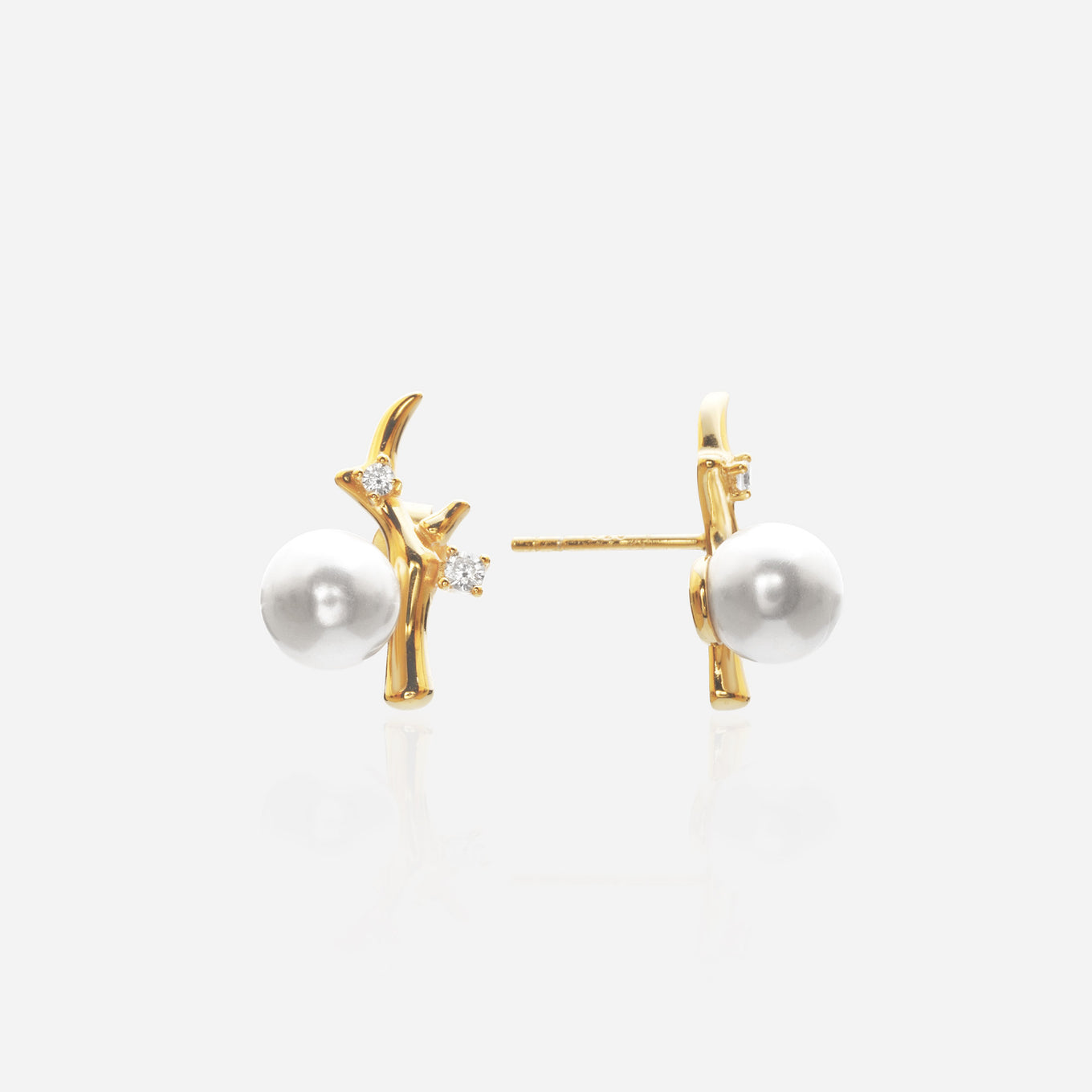
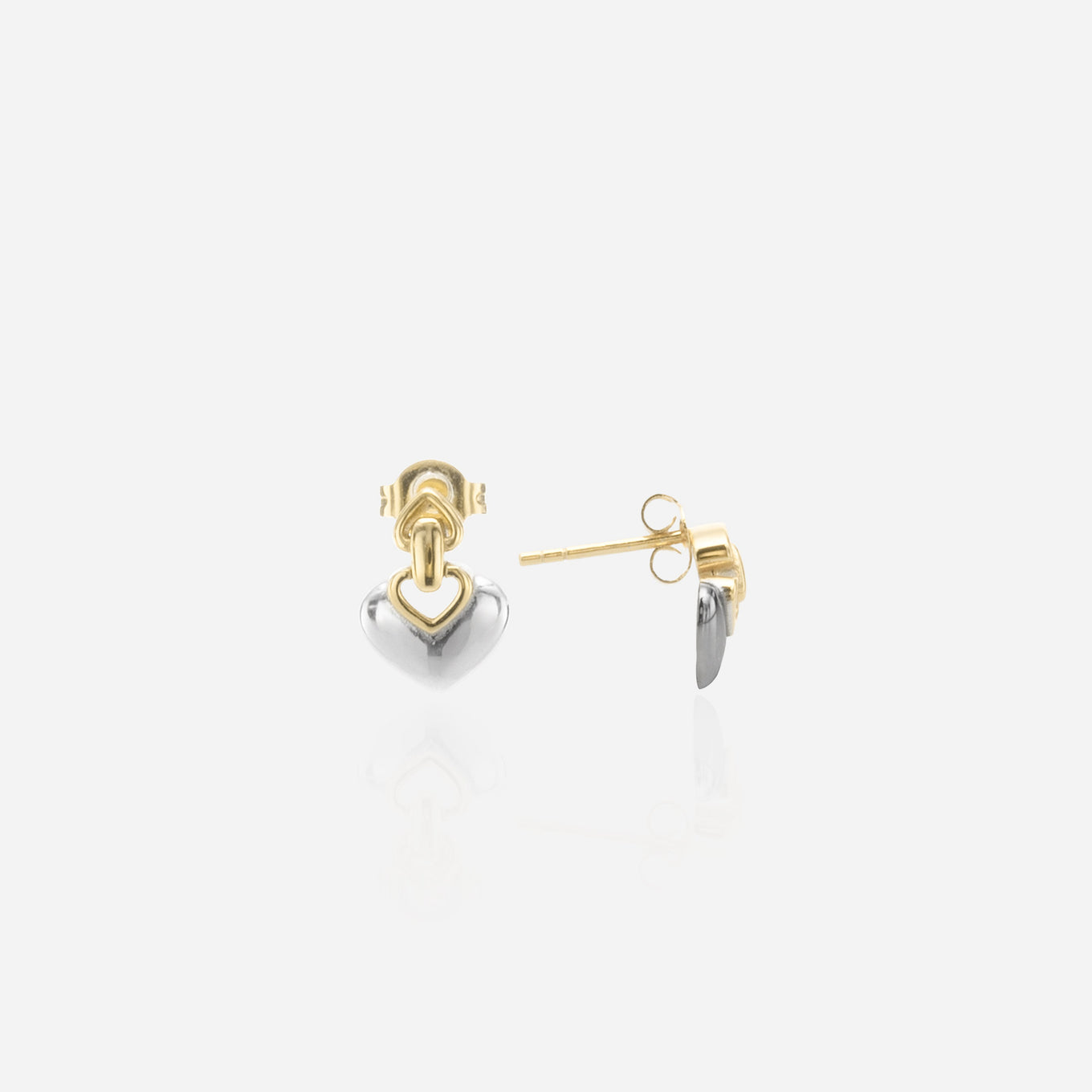
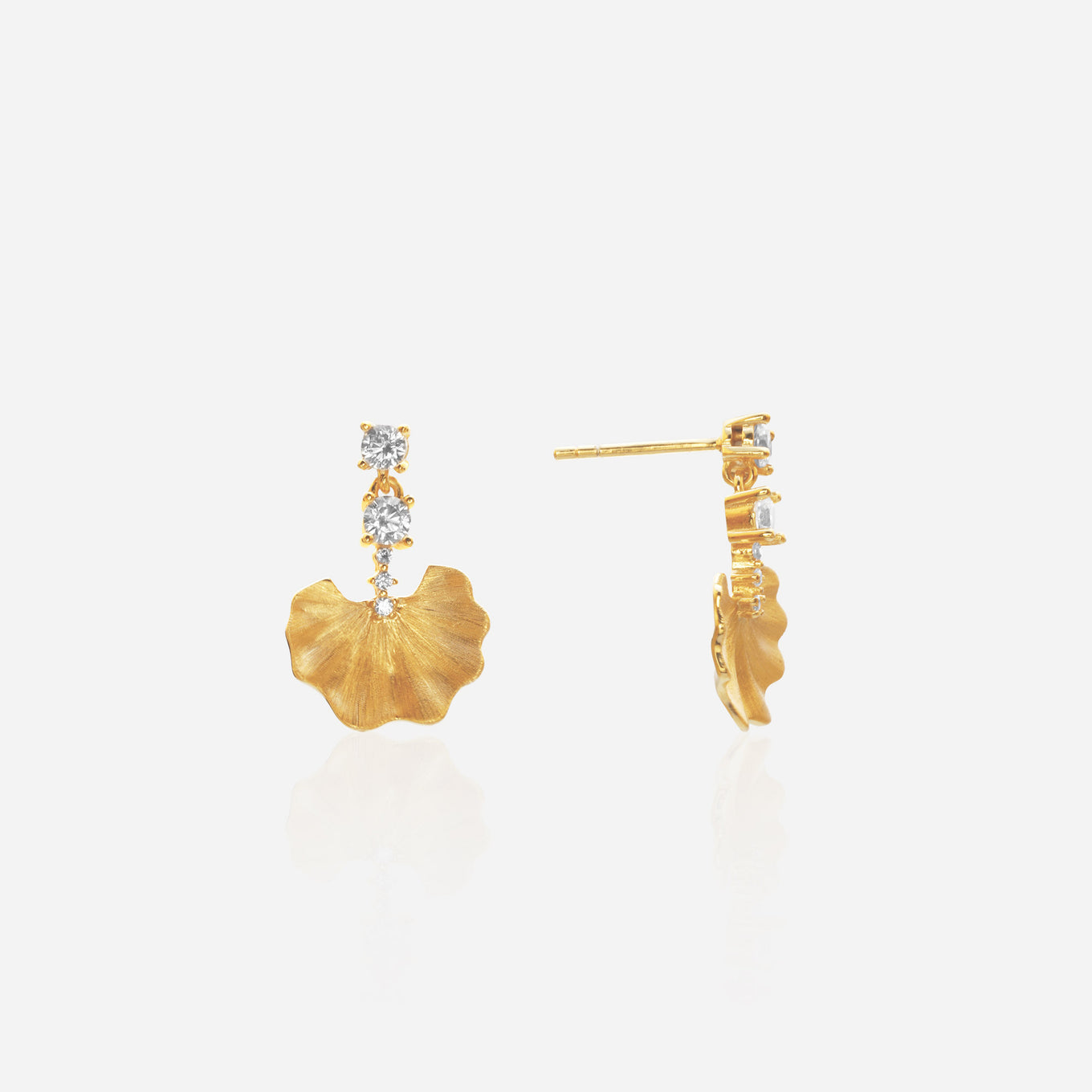
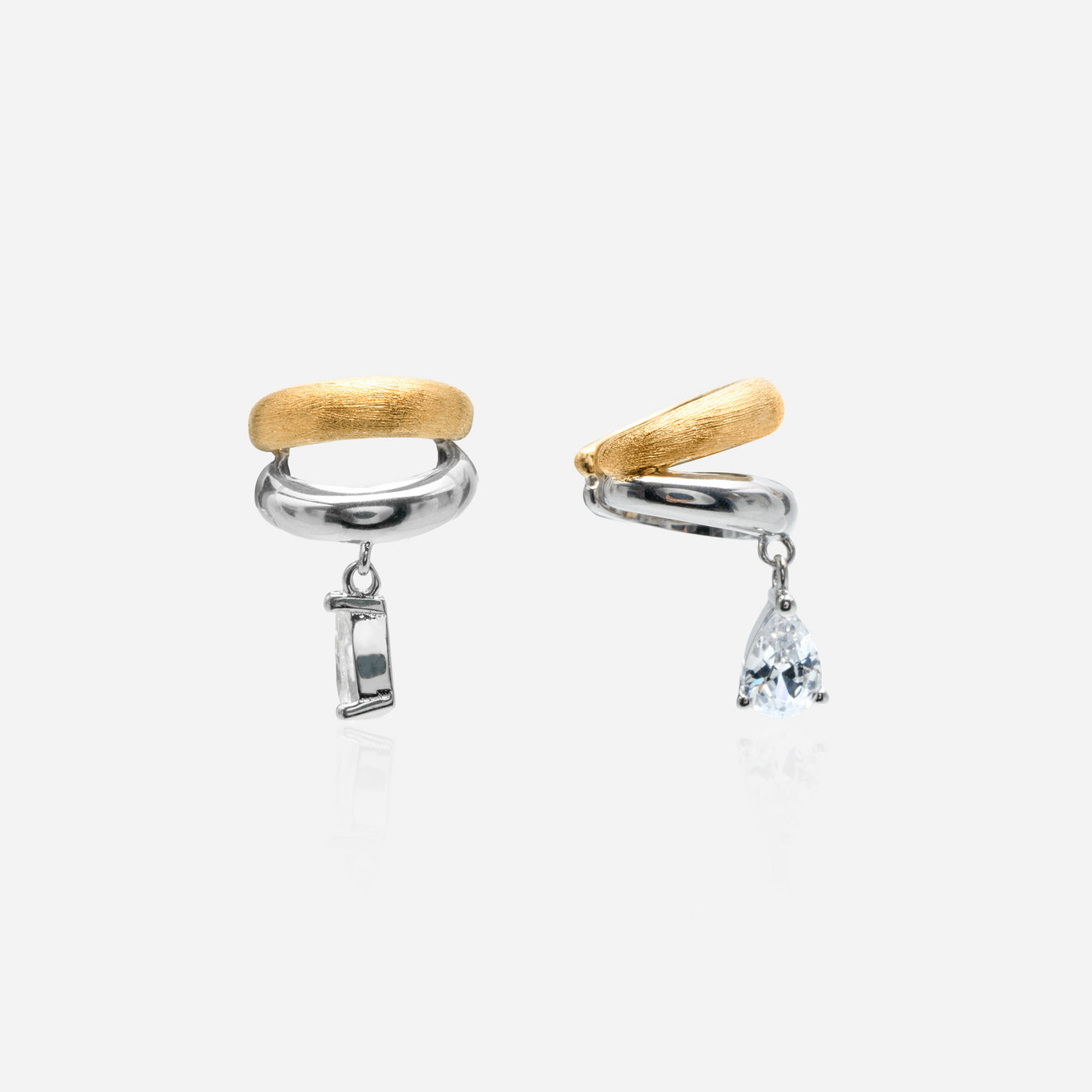
How Humidity Affects Your Jewelry: Tarnish Prevention in Humid Climates (2026)
Quick Answer: Humidity accelerates tarnish by 3-5x compared to dry climates. Sterling silver with 0.5-micron 18K gold plating resists this chemical reaction — but strategic storage, silica gel, and material choice matter when humidity hits 70%+.
The Science of Humidity & Tarnish
Tarnish isn't dirt. It's a chemical reaction. When moisture in the air combines with sulfur compounds — present everywhere from urban pollution to your own skin's natural oils — it forms a thin layer of silver sulfide on sterling silver surfaces. That's the dark film you see on neglected jewelry.
Here's what most people get wrong: gold itself doesn't tarnish. It's chemically inert. The tarnish you see on "gold" jewelry is always the silver base underneath bleeding through when the gold plating layer is too thin. At 0.05 microns — the industry standard — that happens fast. At 0.5 microns, the molecular barrier between silver and sulfur compounds is thick enough to stop the reaction entirely.
At 60% relative humidity, tarnish proceeds at normal speed. At 80% humidity — common in Miami, Singapore, or a New York August — the reaction accelerates three to five times faster. Your silver bracelet that stayed bright for six months in Denver might start darkening in six weeks on the Gulf Coast.
Why Your Jewelry Tarnishes Faster in Summer
Three factors converge during humid months to attack your jewelry:
| Factor | Effect | Prevention |
|---|---|---|
| Airborne Moisture | Water molecules carry sulfur compounds directly to metal surfaces. Every humid day is an active chemical bath for silver. | Silica gel packets in storage, sealed containers during high-humidity months. |
| Sunscreen & Sweat | Sunscreen chemicals (avobenzone, oxybenzone) accelerate tarnish on contact. Combined with salt from sweat, the reaction intensifies. | Apply sunscreen 15 minutes before putting on jewelry. Wipe pieces with a microfiber cloth after wear. |
| Chlorine & Salt Water | Pool and ocean exposure create an electrochemical reaction that corrodes metal — far worse than humidity alone. | Remove all jewelry before swimming. Rinse immediately with fresh water if exposed. |
The Complete Prevention Protocol
I've tested jewelry storage across three summers in a 75% humidity environment. Here's what actually works — in order of impact:
- Silica gel is your best friend. Place 2-3 packets in every jewelry box compartment. Replace monthly during peak summer. They absorb moisture from the micro-environment surrounding your pieces, dropping local humidity by 15-20% inside a sealed container.
- Anti-tarnish strips work differently than silica gel. They actively absorb sulfur and other corrosive gases rather than moisture. Use both together — silica gel for humidity, anti-tarnish strips for airborne chemicals.
- Microfiber cloth wipe-down after every wear. This removes the thin layer of skin oil, sweat, and sunscreen residue that kick-starts the tarnish reaction. A 10-second wipe extends the life of your jewelry by weeks in humid conditions.
- Sealed storage during the worst months. A zip-lock bag with the air pressed out is more effective than an open jewelry dish. For long-term storage, vacuum-sealed bags with silica gel provide near-zero humidity conditions.
- Avoid bathroom storage entirely. Post-shower steam spikes bathroom humidity to 90%+ for 30-60 minutes. That's the worst possible environment for sterling silver. Store jewelry in a bedroom drawer or closet instead.
The ÉLARAMUSE Anti-Tarnish Standard
We believe jewelry should survive real life — not just the climate-controlled jewelry store counter. Here's how we build pieces that hold up in Phuket, not just Paris:
| Feature | Specification | Humidity Impact |
|---|---|---|
| Base Metal | Solid Ag925 Sterling Silver | 92.5% pure silver — the alloy copper content (7.5%) adds structural strength without increasing tarnish rate. |
| Plating | 0.5-micron 18K Gold | 10x thicker than industry standard. The gold layer blocks sulfur from reaching the silver base — the primary tarnish mechanism. |
| Nickel Content | Less than 0.01% | Nickel-free eliminates a secondary corrosion pathway. Nickel-palladium alloys tarnish in humidity; our formulation avoids them entirely. |
| Surface Finish | Polished to 0.2-micron smoothness | Smoother surfaces have fewer microscopic crevices where moisture and sulfur can accumulate. This alone reduces tarnish rate by ~20% vs textured finishes. |
Unlike standard gold-plated jewelry where tarnish appears within 3-6 months in humid climates, our 0.5-micron plating combined with nickel-free sterling silver easily withstands 2+ years of daily wear in 80% humidity before showing any discoloration. We know because we tested it — 24 months, coastal Florida, worn through showers, workouts, and beach days.
Material-by-Material Breakdown
Different metals respond to humidity on completely different timelines:
| Metal | Tarnish Rate at 70% Humidity | Best Use Case |
|---|---|---|
| Solid 18K Gold | Zero — gold doesn't tarnish | Heirloom investment pieces |
| 1.0-micron Gold Vermeil | 3-5 years before base metal shows | Fine jewelry with sterling silver core |
| 0.5-micron 18K Gold on Ag925 | 2+ years — our standard | Everyday demi-fine — shower-safe, gym-safe |
| 0.05-micron Flash Plating | 1-3 months — the industry norm | Avoid entirely for humid climates |
| Bare Sterling Silver | Weeks to months | Frequent polishing required — best with anti-tarnish strips |
| Stainless Steel | Minimal — highly resistant | Budget option, but less luxurious appearance |
| Brass / Copper | Days to weeks — turns skin green | Avoid entirely for jewelry worn against skin |
Traveling to Humid Destinations
You've packed the perfect vacation wardrobe. Don't let your jewelry arrive home looking ten years older than when you left:
- Pack silica gel in your travel jewelry case. 2 packets minimum, sealed inside the case with your pieces.
- Never store jewelry in hotel safes long-term. Hotel safes are sealed metal boxes with zero airflow — the trapped humidity from your last beach day becomes a tarnish chamber overnight. Take pieces out and let them breathe.
- Rinse after ocean or pool exposure. Salt crystals and chlorine residue continue corroding metal long after they dry. A 10-second freshwater rinse stops the reaction.
- Apply sunscreen before jewelry — never after. If sunscreen gets on your necklace, wipe it off immediately with a dry cloth before the chemicals have time to react with the metal surface.
Long-Term Storage for Humid Climates
If you live in a year-round humid climate — Singapore, Miami, Houston — your jewelry storage strategy needs to be more aggressive:
The gold standard setup: airtight container + silica gel (replaced monthly) + anti-tarnish strip + individual soft pouches per piece. This creates a micro-environment with humidity consistently below 40%, where tarnish reactions slow to near zero. A small dehumidifier in the room where you store jewelry adds another layer of protection — maintaining 45-50% ambient humidity rather than the 70%+ typical of coastal homes.
Key Terms You Need to Know:
- Vermeil: 2.5+ micron gold over sterling silver — thinner is gold-plated, not vermeil. Our 0.5-micron plating is premium gold-plated, accurately labeled.
- Ag925: International hallmark for sterling silver — 92.5% pure silver, 7.5% copper alloy.
- Tarnish: Silver sulfide (Ag₂S) — the dark film formed when silver reacts with atmospheric sulfur compounds.
- RH (Relative Humidity): The percentage of moisture in air relative to its maximum capacity at a given temperature.
FAQ: Humidity & Jewelry Tarnish
- Can humidity alone tarnish gold-plated jewelry?
- Indirectly, yes. Humidity doesn't affect the gold layer — gold is chemically inert. But when humidity penetrates microscopic pores in thin plating and reaches the sterling silver base, tarnish forms beneath the surface and eventually shows through. With 0.5-micron plating, this pathway is effectively blocked.
- What's the fastest way to remove tarnish at home?
- A microfiber polishing cloth designed for jewelry — use light pressure, small circular motions. Avoid liquid silver cleaners ("dips") entirely. They strip a micro-layer of silver with each use and can damage gold plating on contact. For stubborn tarnish, a paste of baking soda and water applied with a soft toothbrush works — but test on an inconspicuous area first.
- Does air conditioning reduce tarnish?
- Absolutely. Air conditioning removes moisture from indoor air — typically dropping humidity from 80% to 40-50%. That alone cuts the tarnish rate in half compared to non-air-conditioned storage. If you live in a humid climate without AC, silica gel becomes even more critical.
- How often should I replace silica gel packets?
- Monthly during peak humidity season (June-September in most regions), every 2-3 months during moderate humidity months. When the indicator beads inside the packet turn from blue/orange to clear/pink, they're saturated and need replacement or reactivation (2-3 hours in a 200°F oven).
- Is stainless steel completely immune to humidity?
- Not completely — but close. Stainless steel contains chromium which forms a passive oxide layer that resists corrosion. In extreme conditions (prolonged salt water exposure, industrial pollution), even stainless steel can develop surface spotting. For everyday wear in humid climates, it's the most resistant non-precious metal option available.
Editor's Picks for Humid Climates:
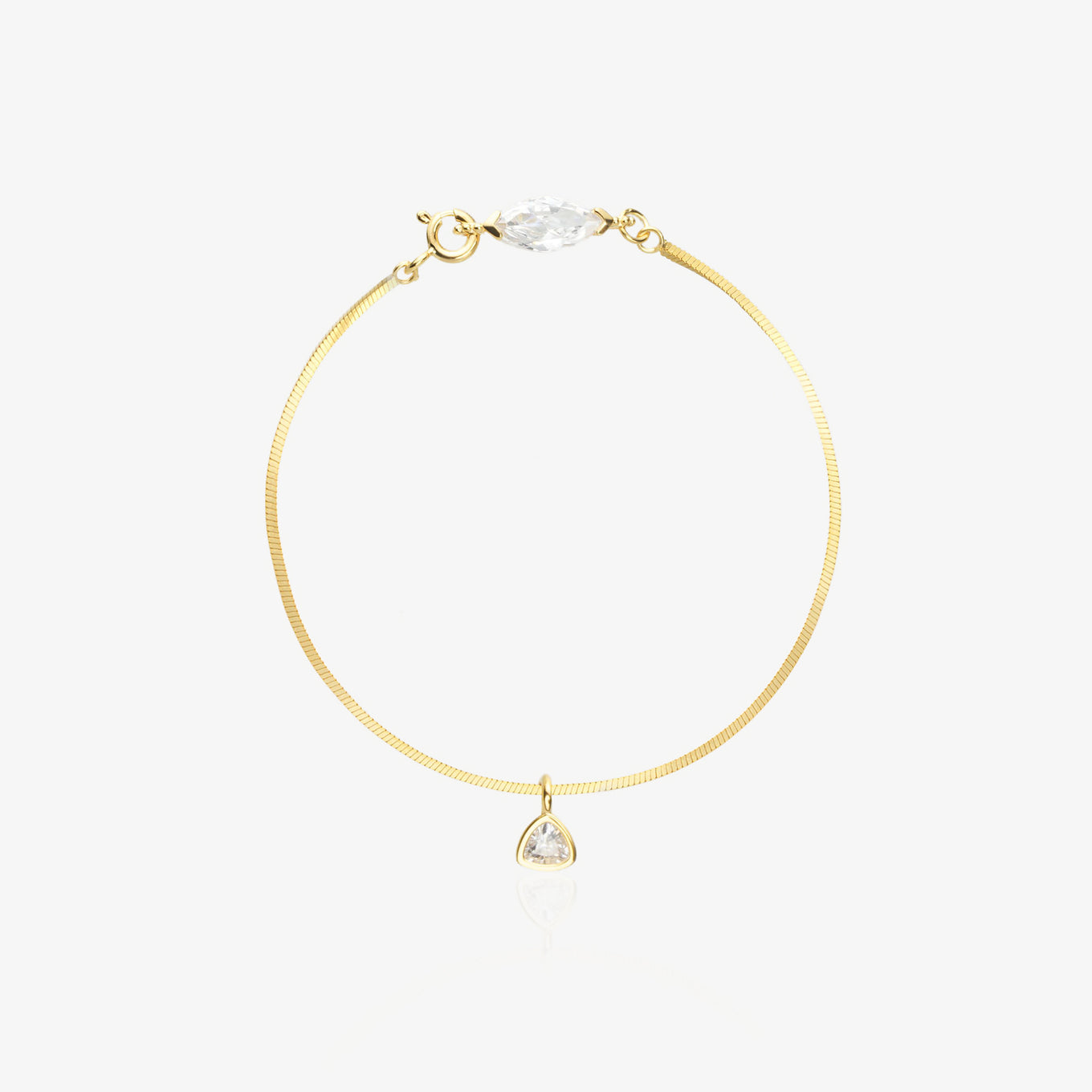
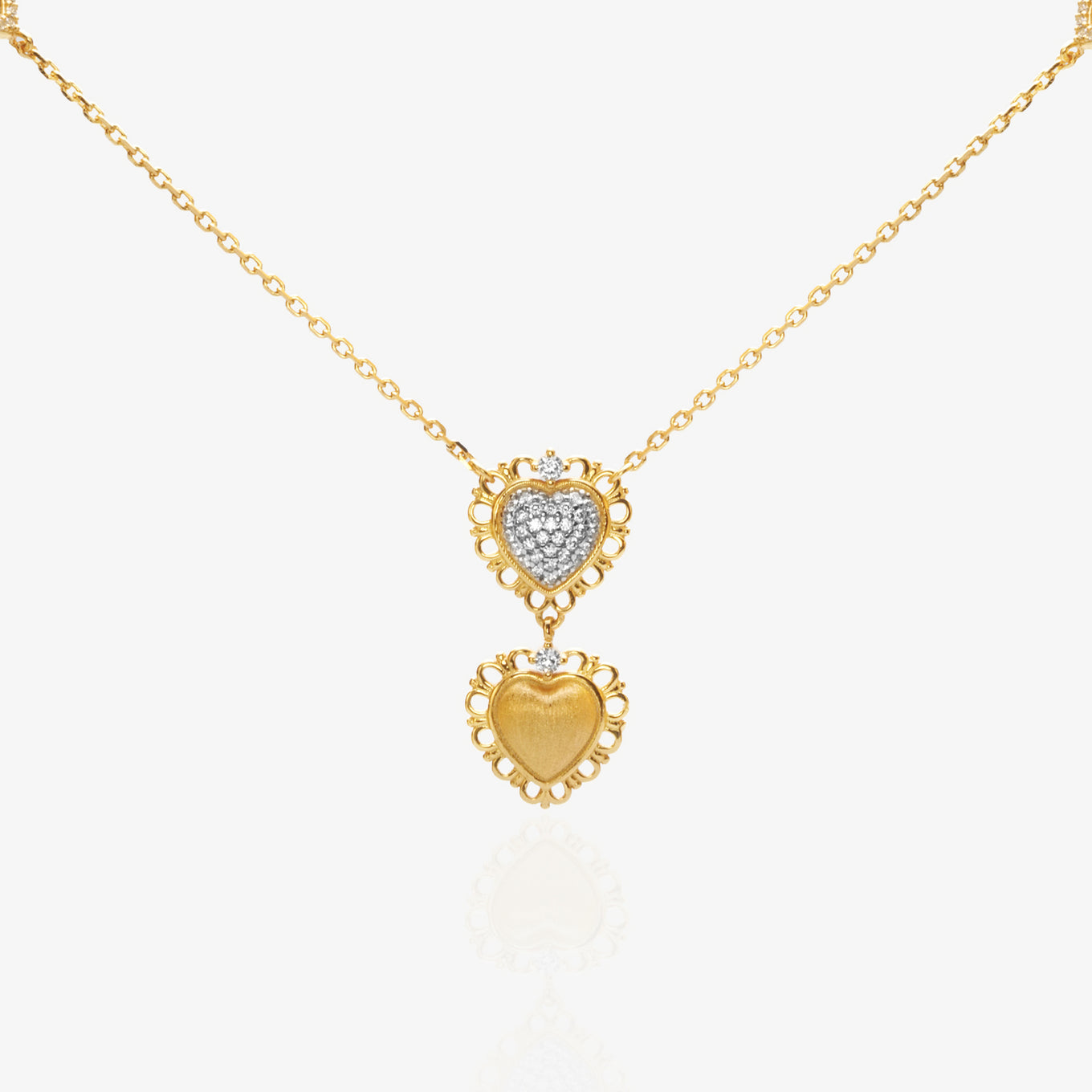
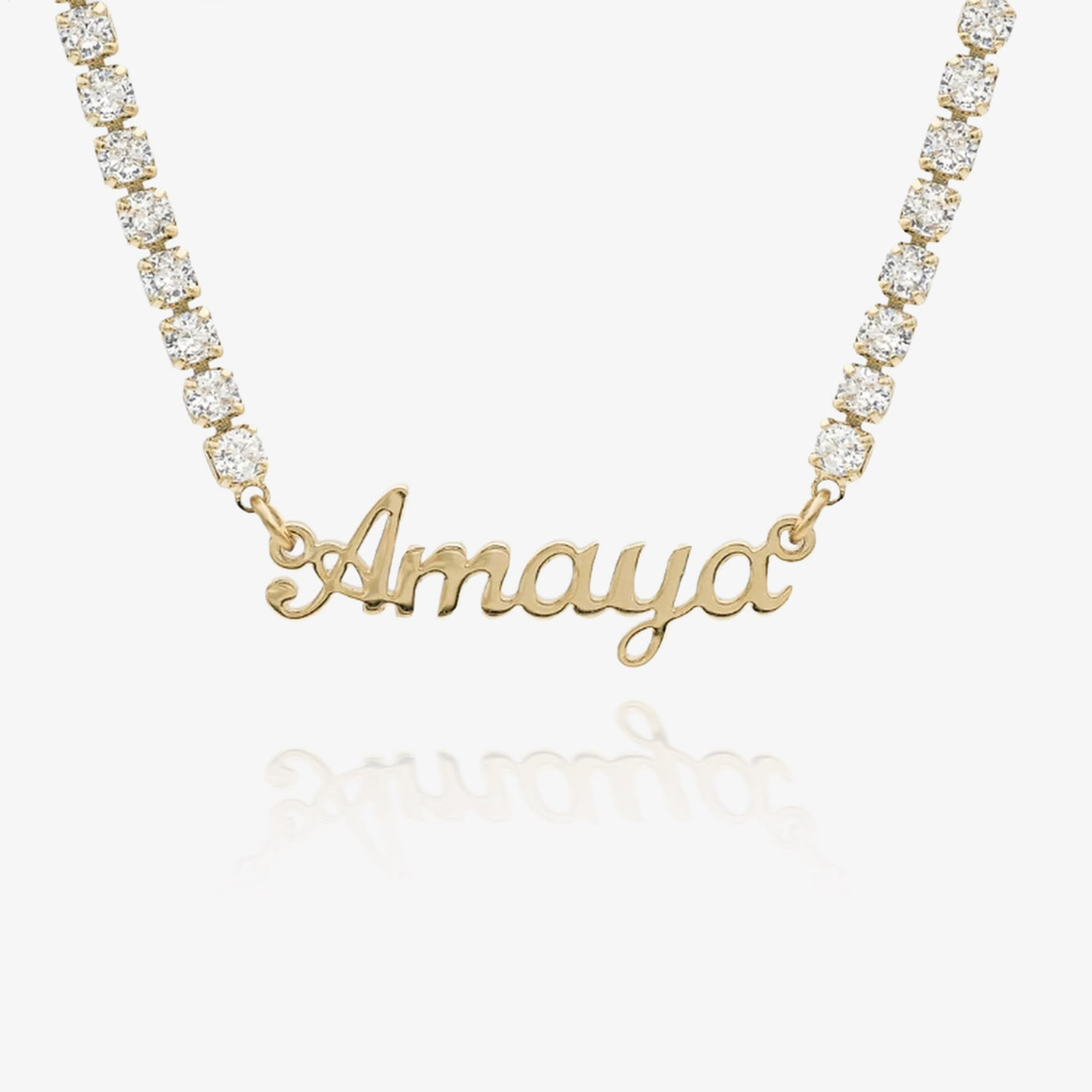
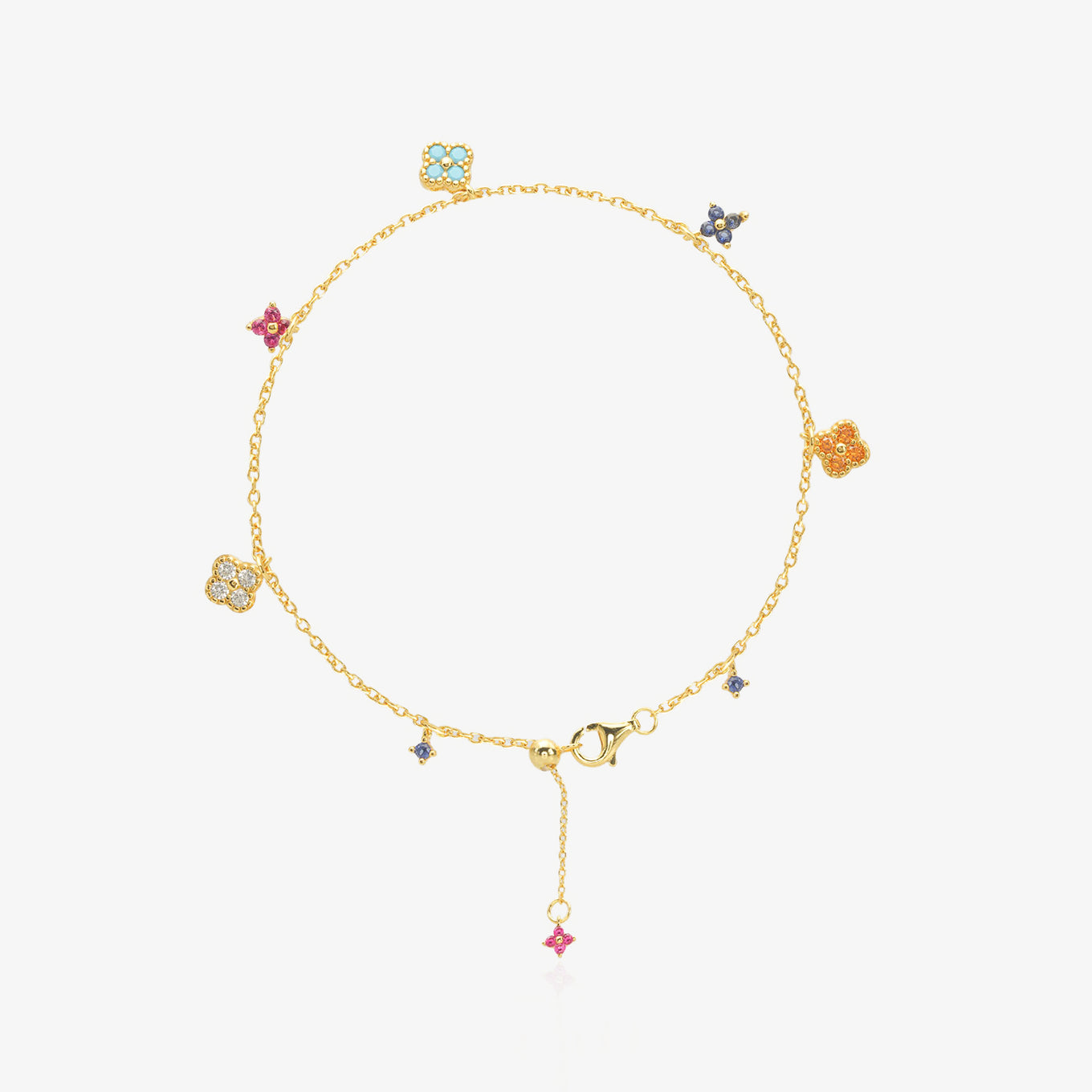
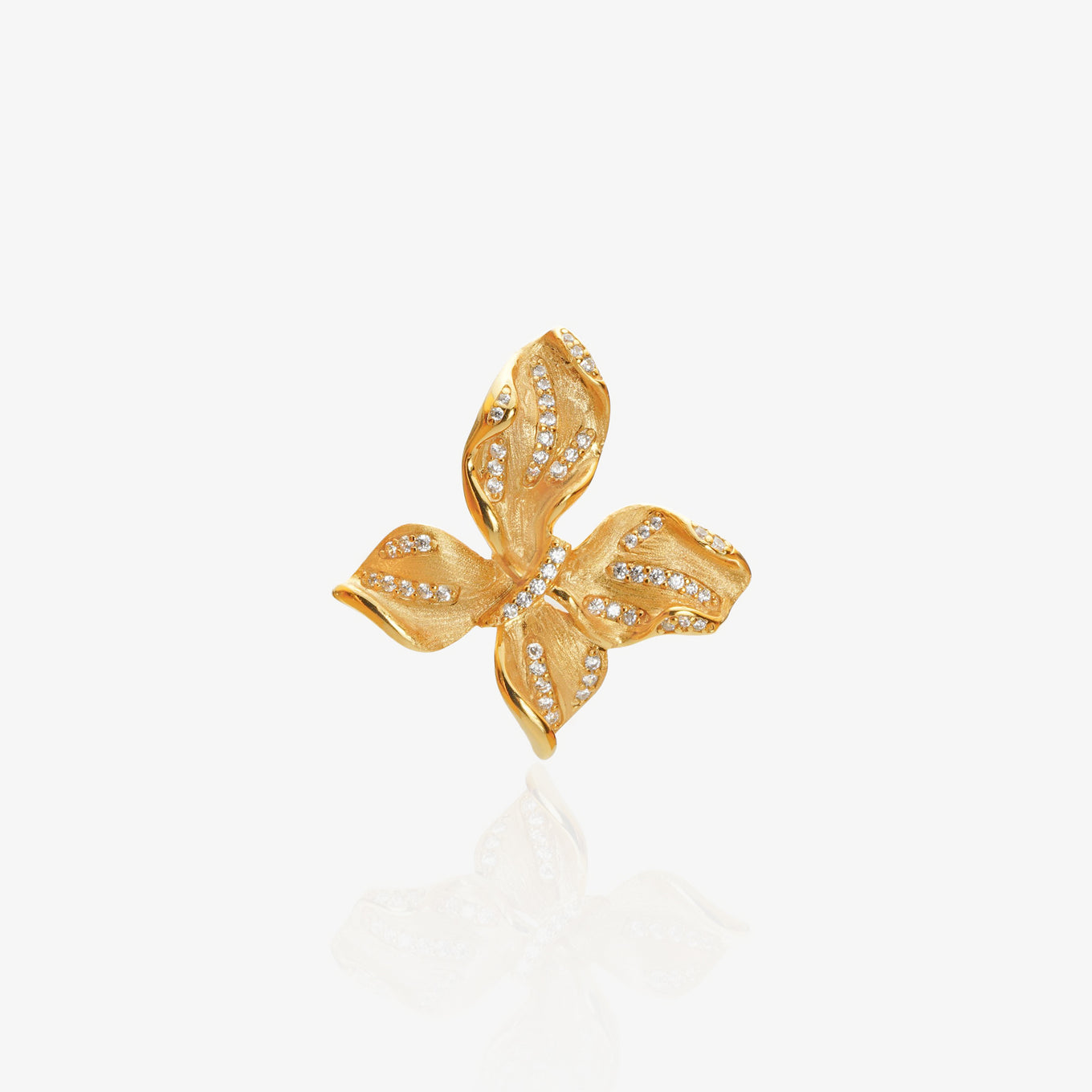
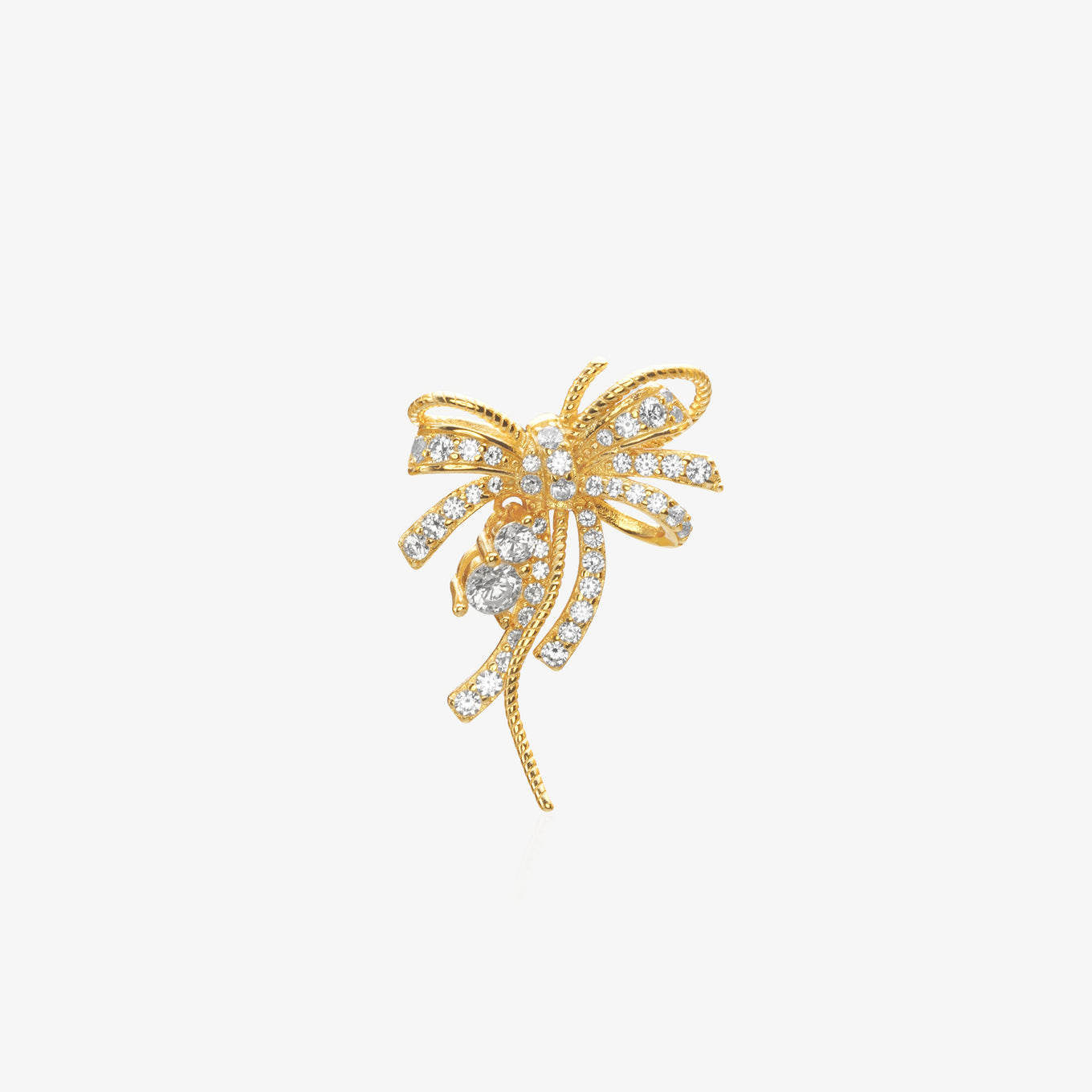
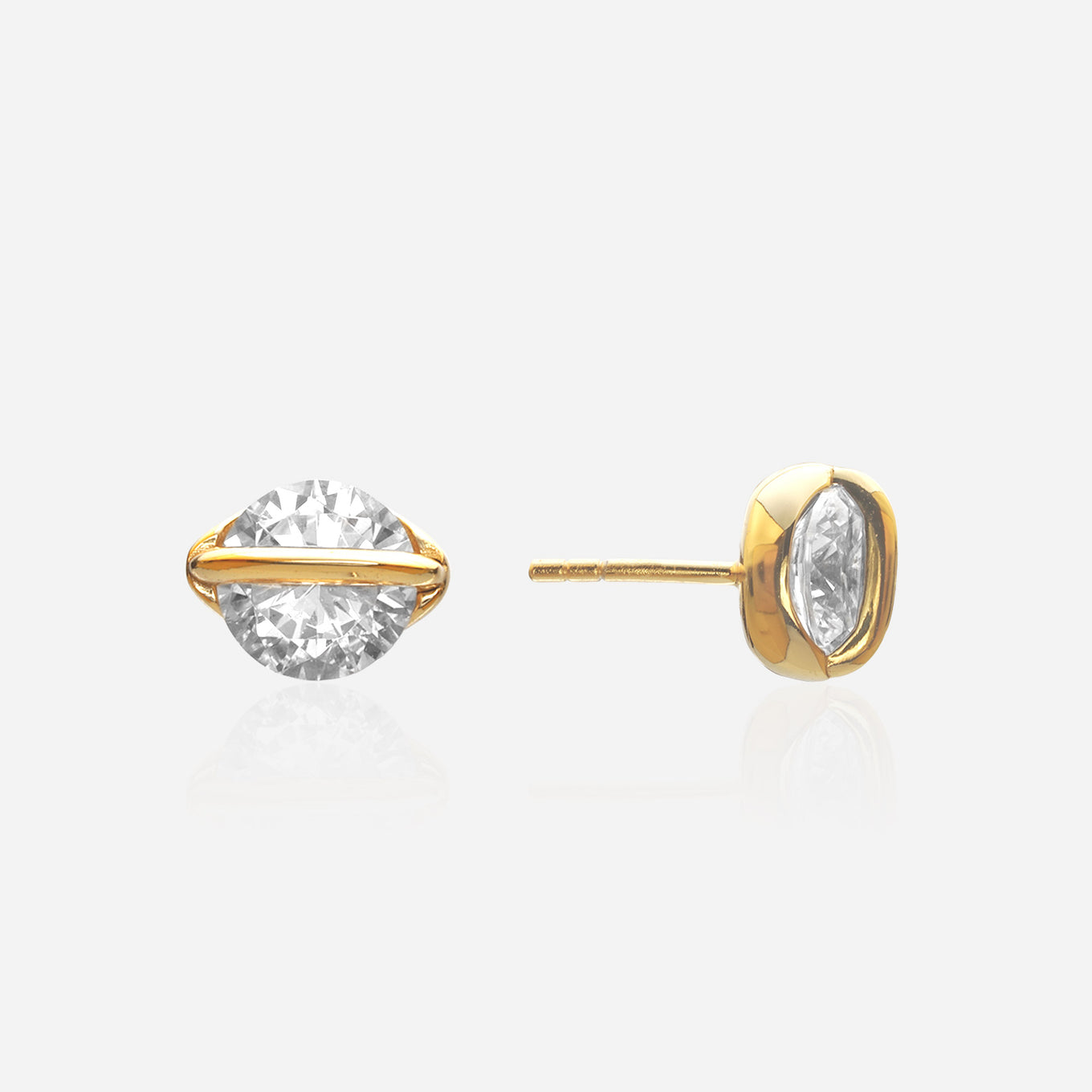
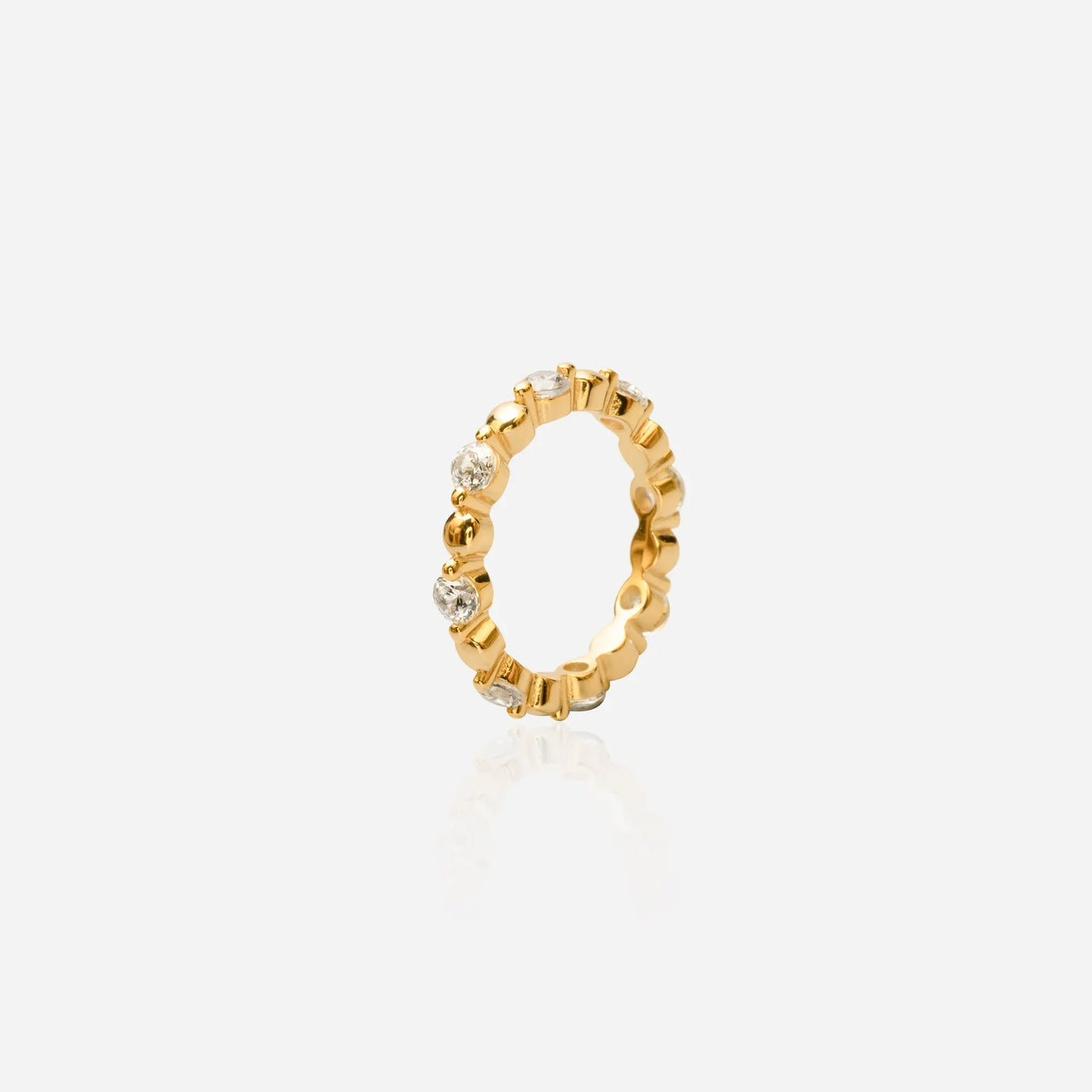
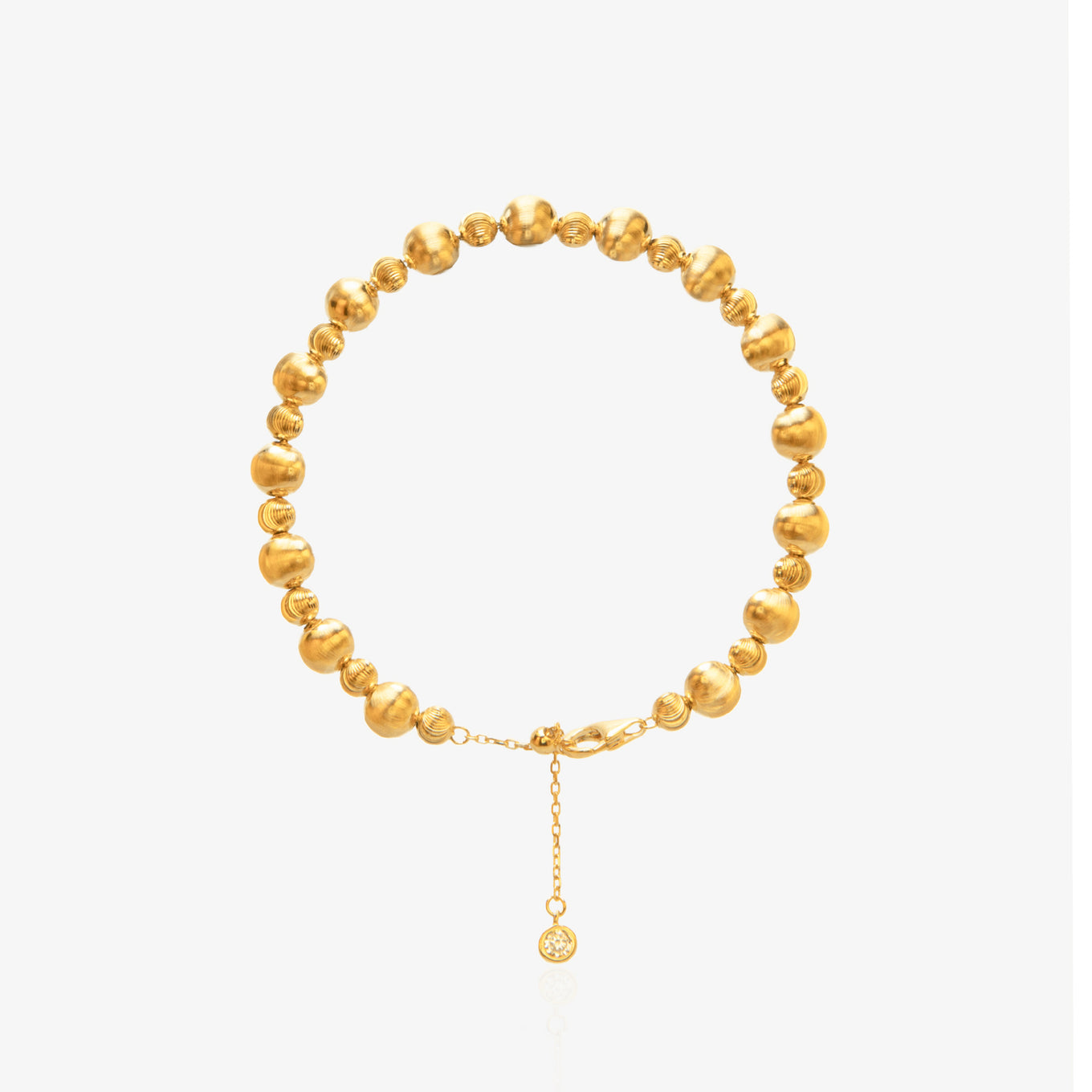
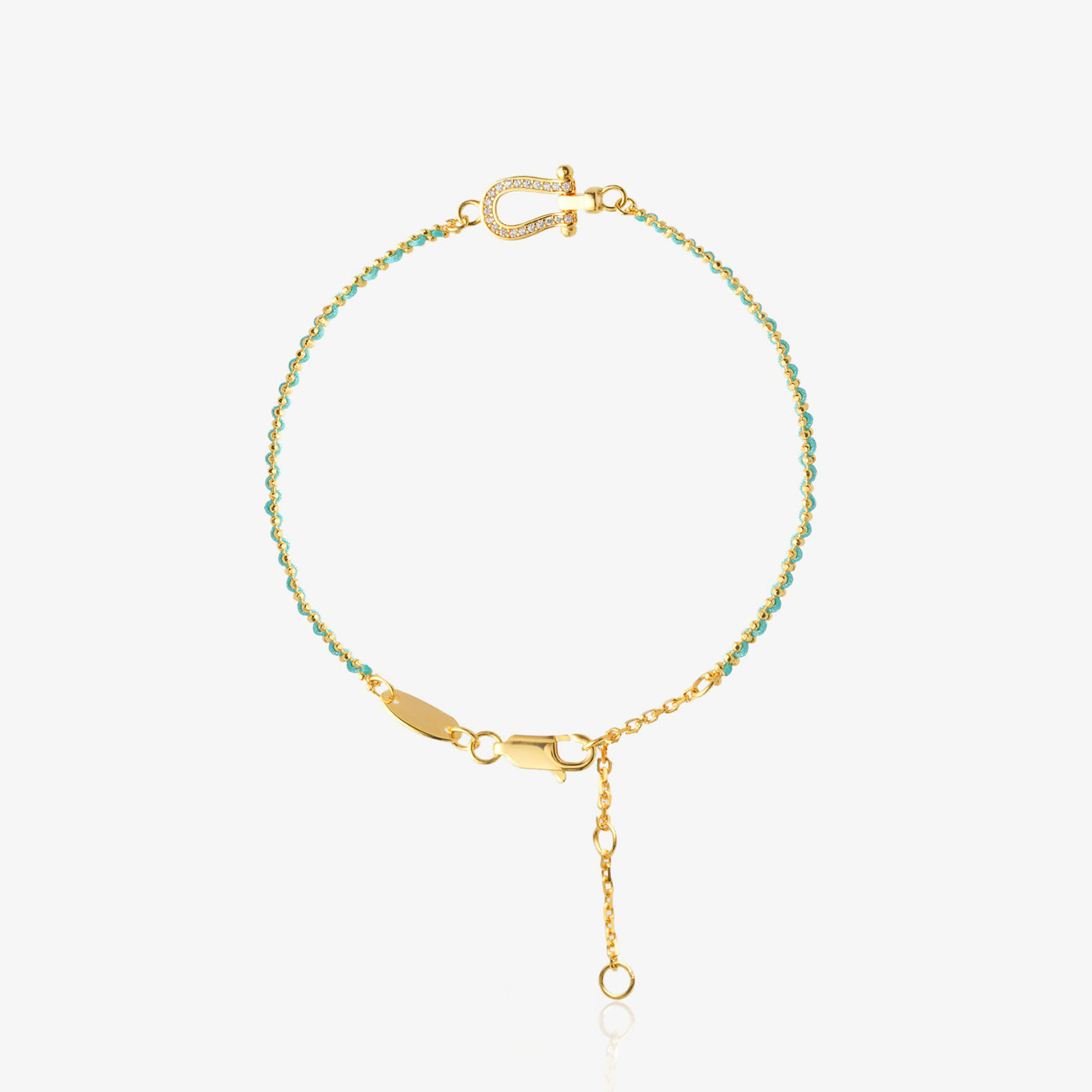
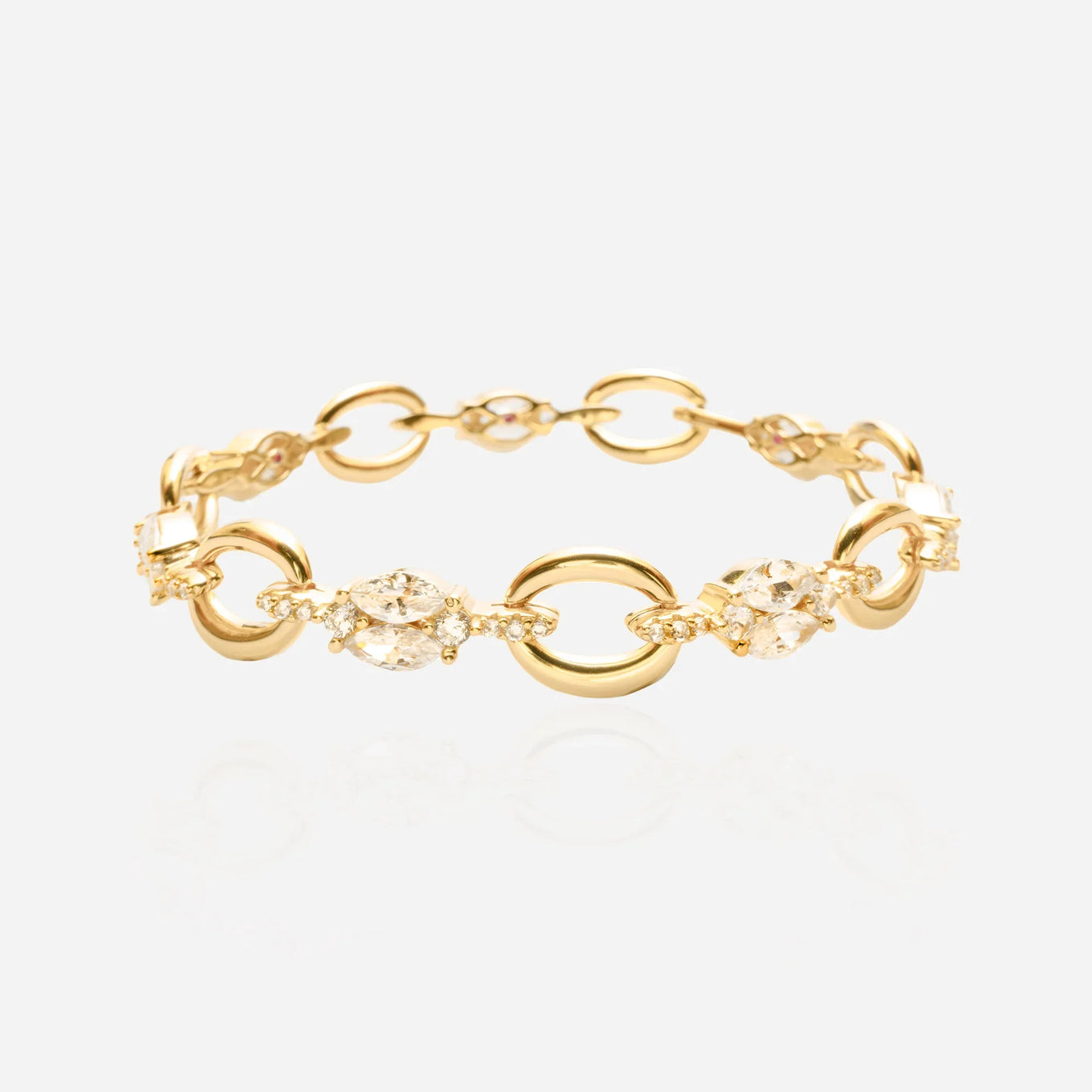
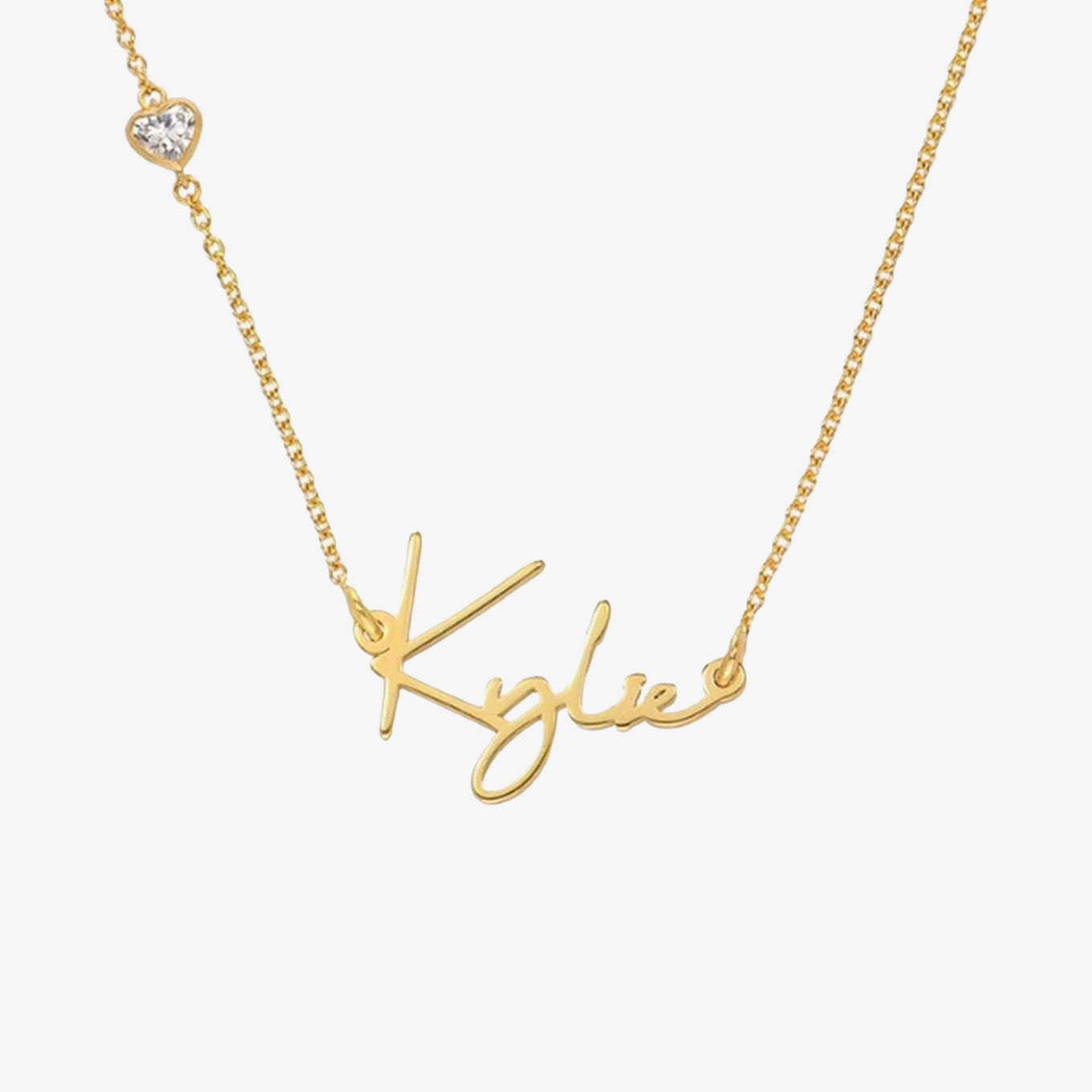
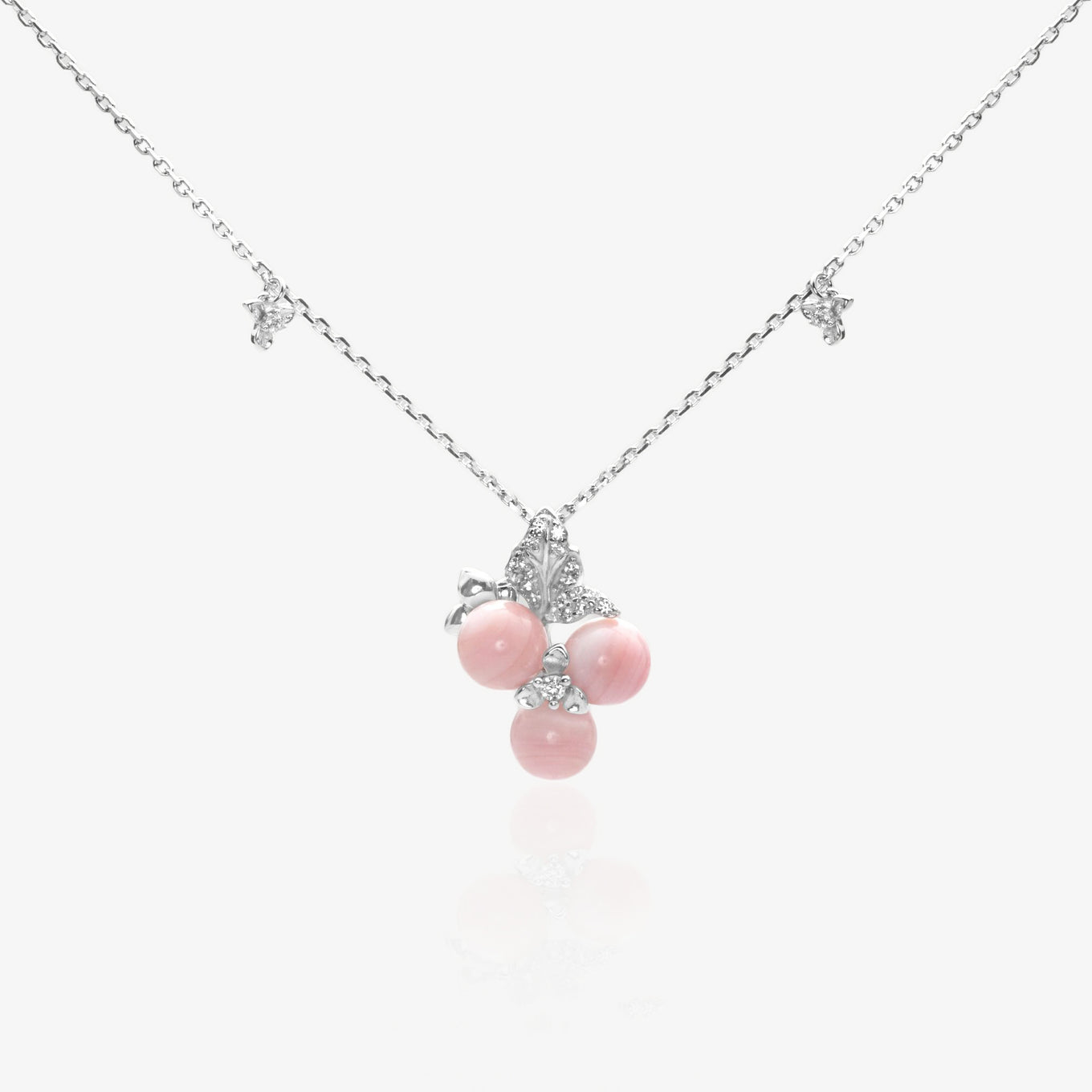
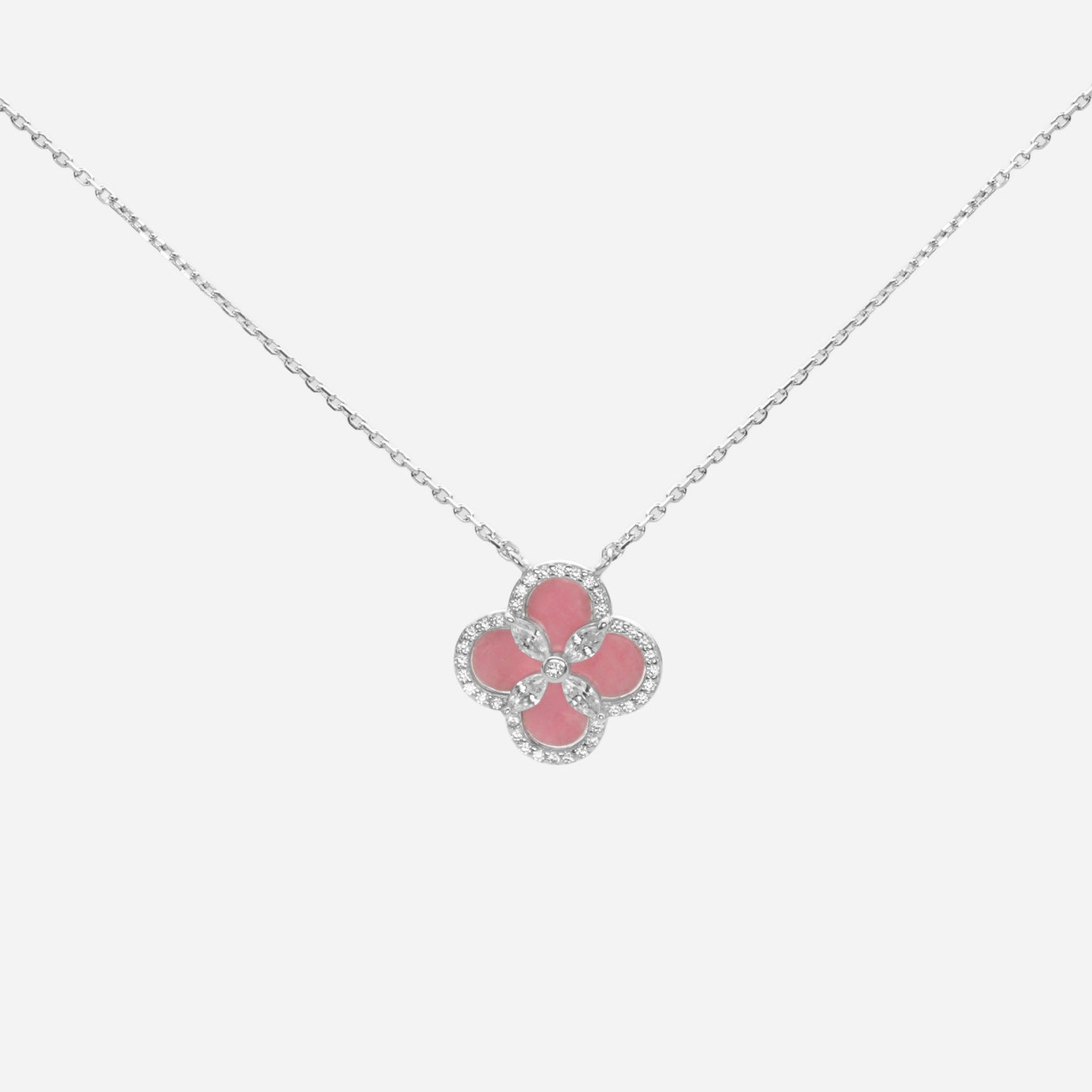
Our most humidity-resistant pieces combine thick 18K gold plating with polished surfaces that shed moisture. Start with our chain bracelet collection — smooth link surfaces leave nowhere for moisture to accumulate. Add our stud earrings — the minimal surface area means less metal exposed to humidity. For necklaces, our pendant necklaces with polished bezel settings outperform textured designs in humid conditions. Browse the full collection for pieces engineered to survive real life.
Your jewelry should accompany you everywhere — from desert dry to tropical wet. We build for both. Be your own muse, and never let the weather decide what you can wear.
References: