Emerald Jewelry Guide 2026: May Birthstone Meaning, History & Everyday Styling
Quick Answer: Emerald — the May birthstone — has been prized for 4,000 years as a symbol of rebirth, wisdom, and enduring love. Unlike diamonds graded purely on clarity, an emerald's visible inclusions (its jardin) are part of its story.
Table of Contents
- Emerald Meaning & Symbolism
- A 4,000-Year Love Affair: Emerald Through History
- Types of Emerald Jewelry: Natural, Lab-Grown & Simulants
- How to Judge Emerald Quality: The 4 Cs That Matter
- How to Style Emerald Jewelry: 3 Looks for Real Life
- Emerald Jewelry Care: What You Actually Need to Know
- The ÉLARAMUSE Approach to Green Gemstones
- FAQ: Emerald Jewelry Questions Answered
- Editor's Picks: Green-Toned Pieces Worth Your Time
Emerald Meaning & Symbolism
Emerald is the stone of Venus — the goddess of love and beauty — and it carries that energy into every piece it touches. For centuries, it's been linked to fertility, rebirth, and unconditional love.
I've worn a tiny emerald-accented piece for three years now, and here's what I've noticed: people tend to comment on it more than any other gemstone I own. There's something about that deep green — it catches light in a way that feels alive. In gemstone therapy, emerald is said to open the heart chakra and promote emotional balance. Whether you buy into that or not, the visual effect is undeniable.
Key symbolism at a glance:
- Rebirth & renewal: The deep green of spring — emerald was sacred to the Egyptians as a symbol of eternal life
- Wisdom & foresight: Ancient Romans believed gazing into an emerald soothed the eyes and sharpened the mind
- Unconditional love: The 20th and 55th wedding anniversary stone — a commitment that deepens with time
- Protection: In medieval Europe, emeralds were worn as talismans against evil spirits and poison
A 4,000-Year Love Affair: Emerald Through History
Emerald mining began in Egypt around 1500 BCE — Cleopatra's legendary mines in the Eastern Desert supplied the ancient world with its most coveted green gems. The Romans called it smaragdus, and Pliny the Elder wrote that "nothing greens greener" — a sentiment that still holds today.
The Spanish conquistadors changed everything. When they arrived in South America in the 16th century, they found the Muzo Indians in modern-day Colombia wearing emeralds of a quality Europe had never seen. The ensuing centuries turned Colombia into the world's emerald capital — a position it still holds. GIA notes that Colombian emeralds are valued specifically for their bluish-green hue and exceptional transparency.
Famous emeralds through history tell the story: the 217.80-carat Mogul Mughal Emerald (carved with a Shi'a Muslim prayer, dated 1695–1696), the 858-carat Gachalá Emerald (discovered in Colombia in 1967), and Elizabeth Taylor's legendary Bulgari emerald necklace (a gift from Richard Burton that sold for $6.1 million in 2011). These aren't just gemstones — they're artifacts of human desire.
Types of Emerald Jewelry: Natural, Lab-Grown & Simulants
Not all "emerald green" jewelry is created equal. Here's what you're actually buying at each price point:
| Type | Composition | Typical Price Range | Best For |
|---|---|---|---|
| Natural Emerald | Beryl mineral (Be₃Al₂Si₆O₁₈) with chromium/vanadium traces | $500–$50,000+ per carat | Investment, heirloom, milestone gift |
| Lab-Grown (Hydrothermal) | Chemically identical to natural — grown in controlled lab conditions over 6-12 months | $50–$500 per carat | Everyday elegance, ethical choice, larger carat budget |
| Emerald Simulants | Green glass, cubic zirconia, or green quartz — look similar but different chemistry | $5–$50 per piece | Trend-driven, costume, one-time event |
| Emerald Accent Stones | Tiny natural or lab emeralds set as decorative accents in gold or silver settings | $50–$300 per piece | Demi-fine daily jewelry, subtle green pop |
What I'd actually recommend: For a piece you'll wear every day — a necklace, earrings, a ring — go with emerald accents or lab-grown emerald. Natural emerald at the carat level is an investment-class purchase. For most of us, the emerald accent route delivers 90% of the visual impact at 5% of the cost. Unlike full-carat natural emerald jewelry that demands insurance and occasion-based wear, emerald-accented demi-fine pieces integrate seamlessly into your daily rotation.
How to Judge Emerald Quality: The 4 Cs That Matter
Emeralds follow a slightly different grading system than diamonds. Here's what to look for:
Color (Most Important): The ideal emerald color is a vivid, slightly bluish-green — not too dark, not too yellow. Colombian emeralds set the standard. Color accounts for roughly 60% of an emerald's value, according to GIA grading standards.
Clarity (Embrace the Garden): Unlike diamonds, emeralds are not judged on "flawlessness." In fact, 99% of natural emeralds have visible inclusions — the French call it jardin (garden). These inclusions are proof of natural origin. An emerald without any inclusions is either synthetic or extraordinarily rare (and priced accordingly). If someone sells you a "flawless" emerald for under $1,000 — you're looking at glass.
Cut: The "emerald cut" (rectangular with beveled corners) was literally designed for this gemstone. It protects the emerald's vulnerable corners from chipping while maximizing color display. Other cuts — oval, round, pear — exist but the emerald cut remains the gold standard.
Carat: Emerald crystals grow smaller than diamonds on average. A 1-carat emerald is considered substantial. Above 3 carats, prices jump exponentially — that's where you enter the "need a safe deposit box" zone.
How to Style Emerald Jewelry: 3 Looks for Real Life
Green jewelry intimidates people. I get it — green feels like a statement. But emerald tones are surprisingly versatile because they sit on the cooler end of the spectrum and pair beautifully with neutrals, black, and even other colors.
1. The Daily Minimalist
One emerald accent piece — a tiny stud earring or a delicate pendant — worn with a white button-down or cream sweater. The contrast of crisp neutral + deep green is quietly striking. This is the look that gets "wait, what are you wearing?" comments without trying.
Wear with: Guardian Snake Studs (emerald eye accents) + a gold chain bracelet.
2. The Layered Bohemian
Stack emerald-toned pieces alongside other gemstones — garnet, peridot, rose quartz — for a deliberate mix of color. The key is choosing pieces with similar metal tones (all warm gold or all cool silver).
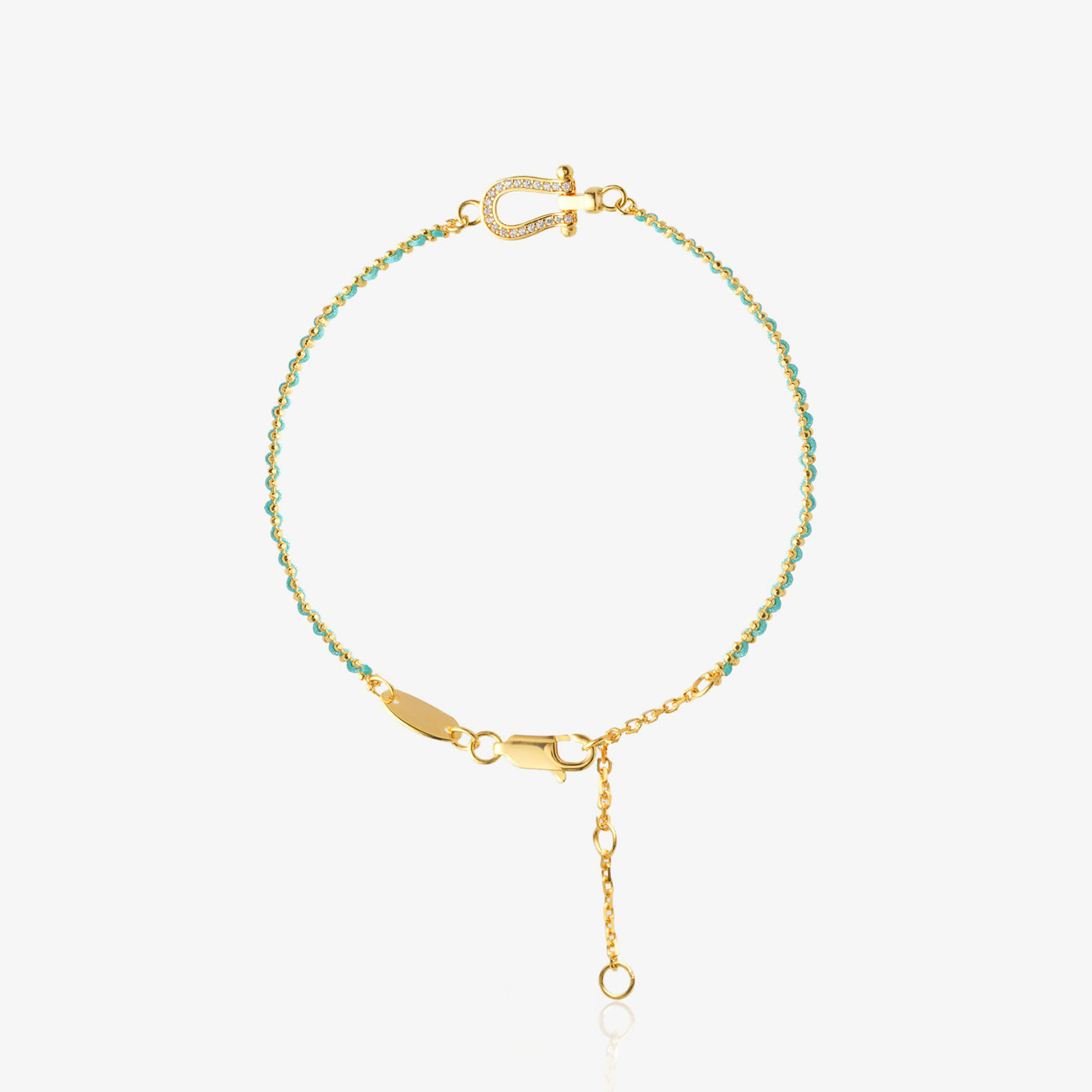
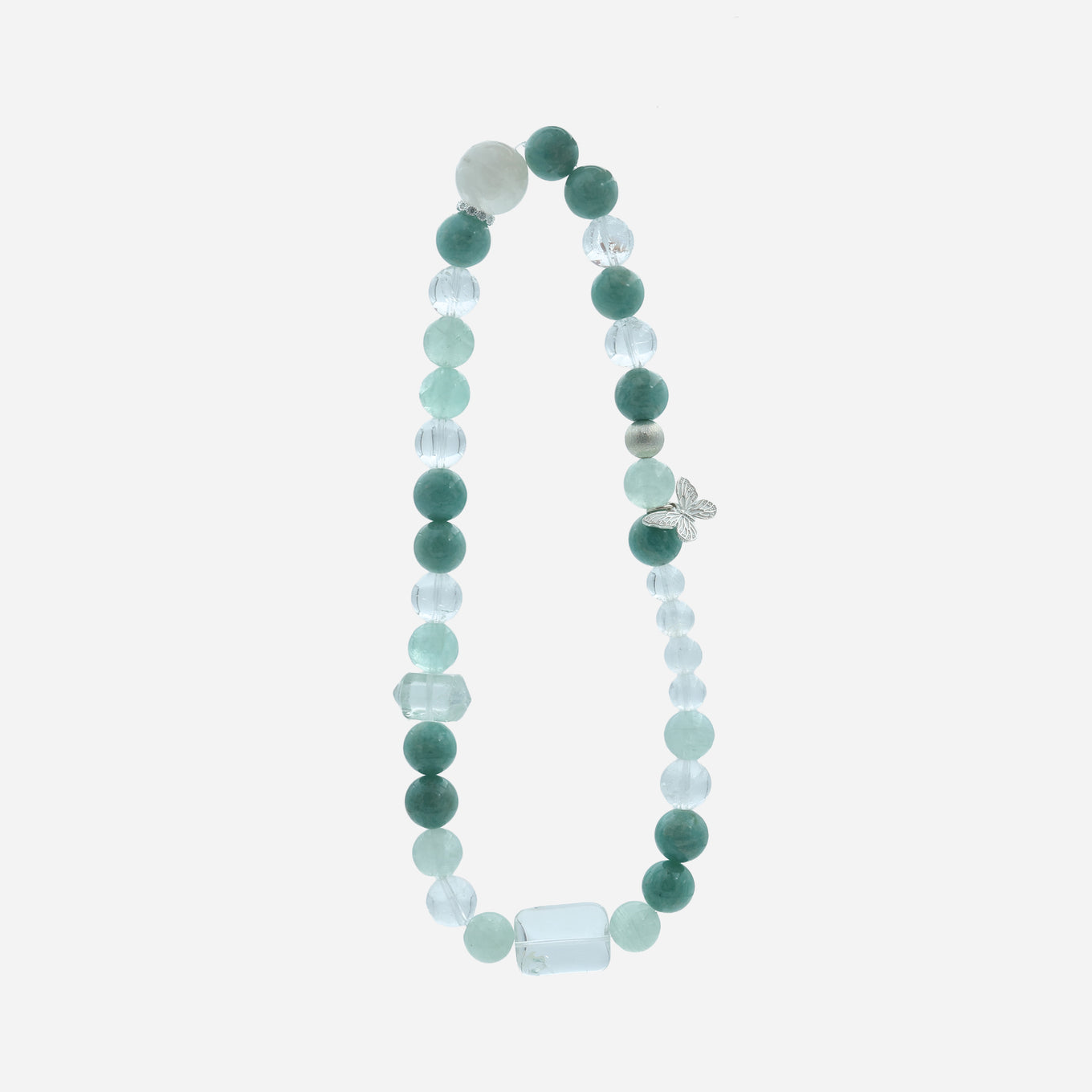
Wear with: A green-tone beaded bracelet stacked with natural gemstone pieces + dangling green crystal earrings.
3. The Evening Statement
Emerald drop earrings or an emerald-accented ring as the single focal point. Keep everything else minimal — no necklace, simple bands on other fingers. Let the green do the talking.
Emerald Jewelry Care: What You Actually Need to Know
Emeralds are a 7.5–8 on the Mohs hardness scale — harder than quartz but softer than sapphire (9) or diamond (10). This means two things: they're durable enough for daily wear, but they need more care than your diamond or sapphire pieces.
The three rules of emerald care:
- No ultrasonic cleaners. Ever. The vibrations can fracture emeralds along their natural inclusions. Warm water, mild soap, and a soft brush only — the same way you'd clean a silk blouse.
- Avoid sudden temperature changes. Going from a hot car to air-conditioned room? Take your emerald ring off first. Thermal shock can cause existing fractures to expand.
- Store separately. Emeralds can scratch other jewelry and be scratched by harder stones. A soft pouch or individual compartment is non-negotiable.
Quick reference:
| Can I… | Emerald | Emerald Accent (Demi-Fine) |
|---|---|---|
| Shower with it? | ❌ No — soap residue dulls the stone | ✅ Yes — if gold-plated sterling silver setting (stone is tiny/protected) |
| Wear daily? | ⚠️ With caution — avoid impact | ✅ Yes — designed for daily wear |
| Use ultrasonic? | ❌ Risk of fracture | ❌ Risk to both stone and plating |
| Sleep in it? | ❌ Prongs can snag | ✅ Yes — sleep-safe design |
The ÉLARAMUSE Approach to Green Gemstones
We believe jewelry should work as hard as you do — shower-safe, sleep-safe, and never a source of anxiety. Every ÉLARAMUSE piece featuring green accent stones is built on solid Ag925 sterling silver with 0.5-micron 18K gold plating, rigorously tested for real life.
| Feature | Specification |
|---|---|
| Base Metal | Solid Ag925 Sterling Silver — 92.5% pure silver core |
| Plating | 0.5-micron 18K Gold Plating — 2× the industry standard for gold-plated jewelry |
| Accent Stones | Lab-Created Emerald / Natural Green Crystals — precision-set for secure daily wear |
| Safety | 100% Nickel-Free, Hypoallergenic — Ni <0.01%, safe for sensitive skin |
| Durability | Water-resistant, Tarnish-resistant — built for shower, gym, and sleep |
Unlike fast-fashion jewelry that turns skin green within weeks — the result of cheap base metals reacting with sweat and lotion — every ÉLARAMUSE green-accented piece uses Ag925 sterling silver beneath its 0.5-micron gold layer. The result: a piece that looks like solid gold, wears like solid gold, and never betrays your trust.
Similarly — unlike natural emerald solitaires that chain you to insurance policies and "special occasion only" logic — our emerald-accented designs free you to enjoy the deep, magnetic presence of green without the anxiety. Wear them everywhere. They're talismans, not museum pieces.
FAQ: Emerald Jewelry Questions Answered
Is emerald more expensive than diamond?
Top-quality natural emeralds over 3 carats can exceed diamonds in price per carat. A fine Colombian emerald of exceptional color and clarity can fetch $30,000–$50,000+ per carat. But emerald accent stones and lab-grown emeralds are dramatically more accessible — making the emerald lookavailable to almost any budget.
What's the difference between emerald and green beryl?
They're the same mineral (beryl). The distinction comes down to color saturation — if the green is too pale to qualify as "emerald" by GIA standards, it's technically "green beryl." Think of it like champagne vs sparkling wine: same chemistry, different classification based on intensity.
Can I wear emerald jewelry every day?
Yes — if you choose the right format. Emerald accent stones in demi-fine settings (Ag925 sterling silver with 18K gold plating) are designed for daily wear. A large natural emerald solitaire ring should be saved for occasions where you won't be typing, cooking, or reaching into bags. The stone's 7.5-8 Mohs hardness is durable, but the inclusions that make it unique also make it vulnerable to impact.
What metal looks best with emerald jewelry?
Yellow gold is the classic pairing — the warmth of gold and the cool depth of emerald create the richest contrast. Rose gold works beautifully for a softer, romantic look. White gold and silver create a more modern, crisp contrast. The ÉLARAMUSE collection uses 18K gold plating over Ag925 sterling silver, which gives that warm, luxurious base emerald jewelry was made for.
How do I know if my emerald jewelry is real?
Real emeralds have inclusions — that jardin pattern is your best authenticity marker. Under magnification, natural emeralds show irregular patterns of inclusions that look like tiny gardens or feathers. Glass imitations show perfectly round bubbles. Lab-grown emeralds have a different inclusion pattern (often "chevron" growth lines). If your emerald looks too perfect and cost under $100 — it's probably not a natural emerald. But lab-grown emerald is chemically identical and ethically sound — the question isn't "real or fake" but "natural or lab-grown," and both have their place.
Editor's Picks: Green-Toned Pieces Worth Your Time
- Guardian Snake Studs — Gold Serpent & Emerald Eye: The emerald accent eyes on these serpent studs deliver a magnetic flash of green against 18K gold plating. Subtle enough for daily wear, distinctive enough to become your signature piece.
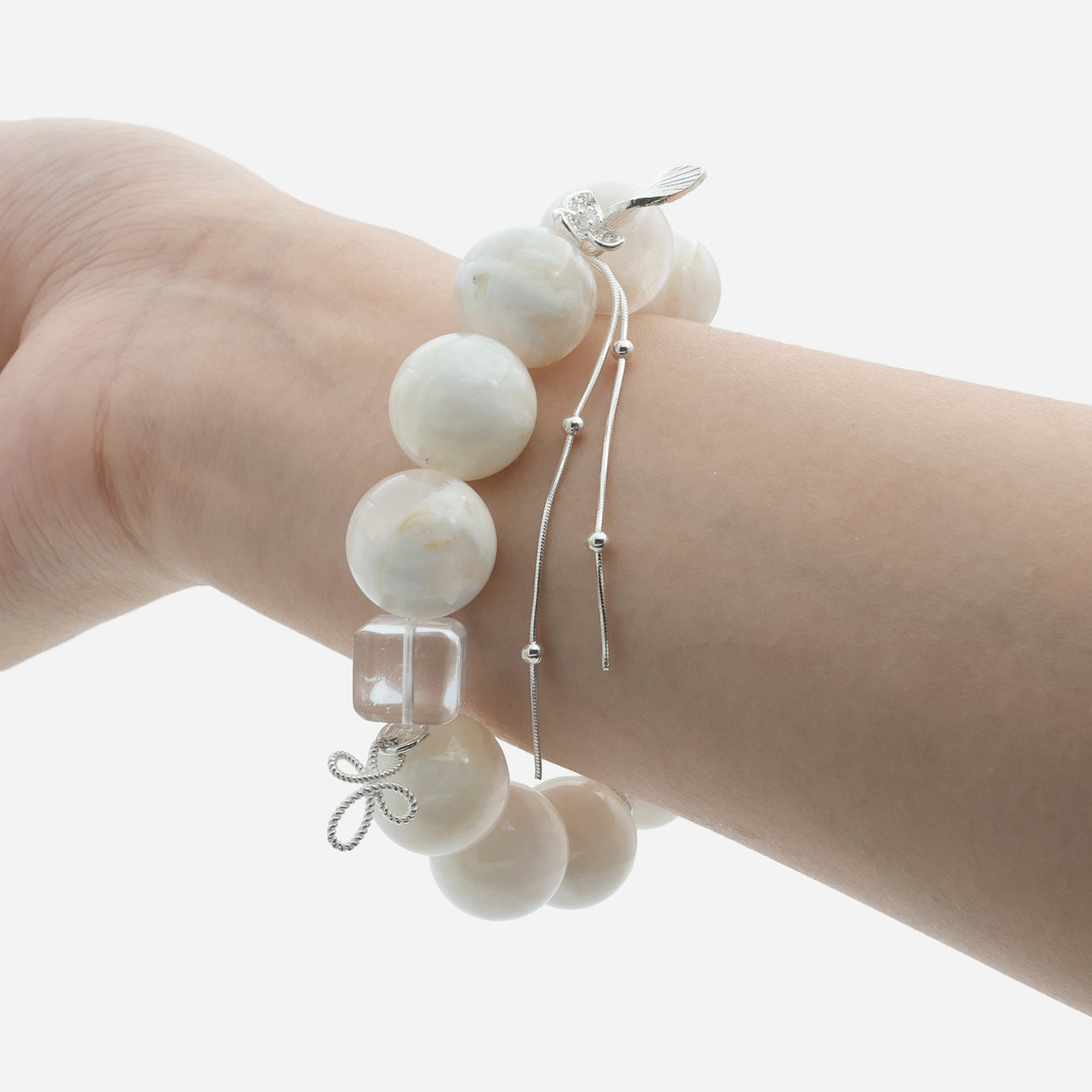
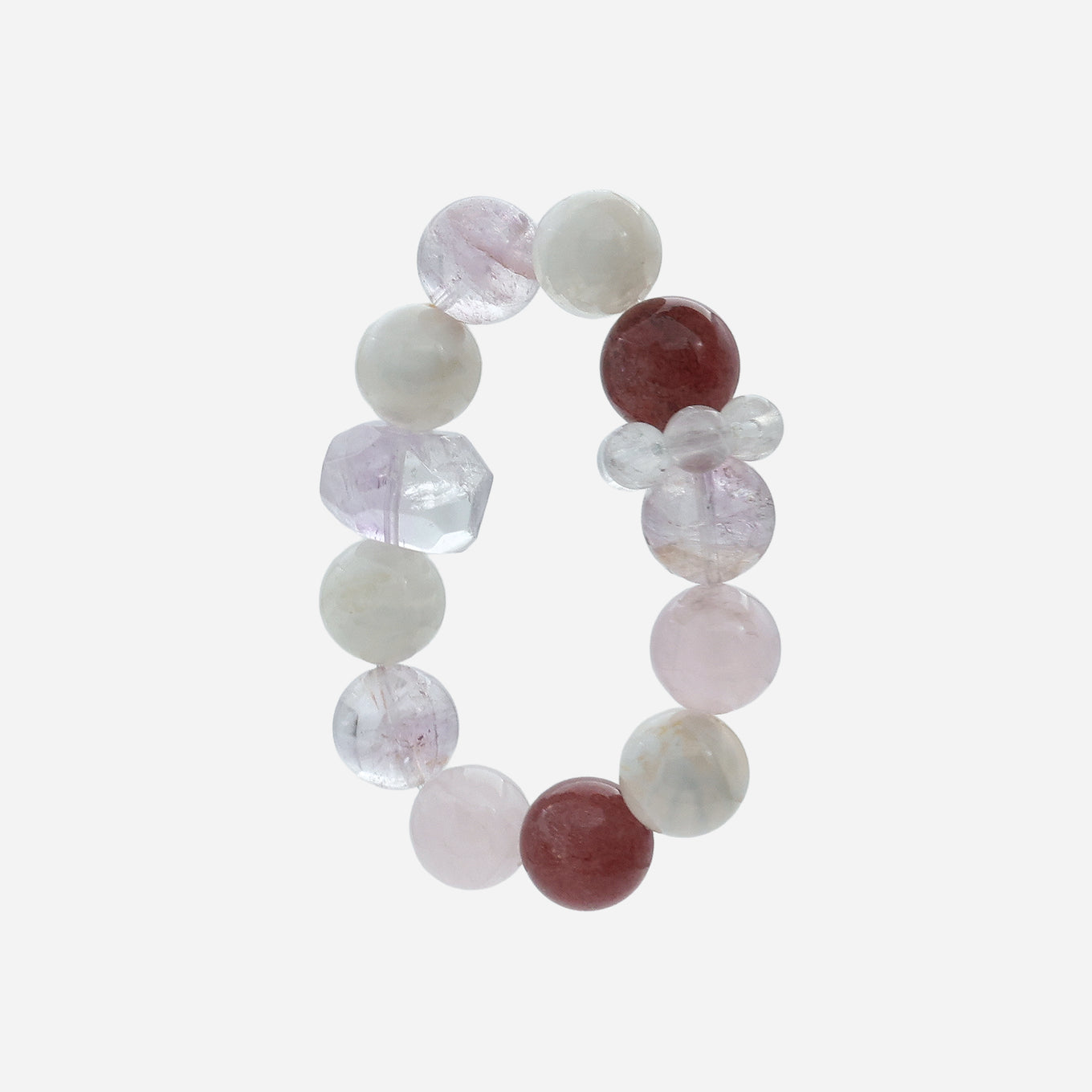
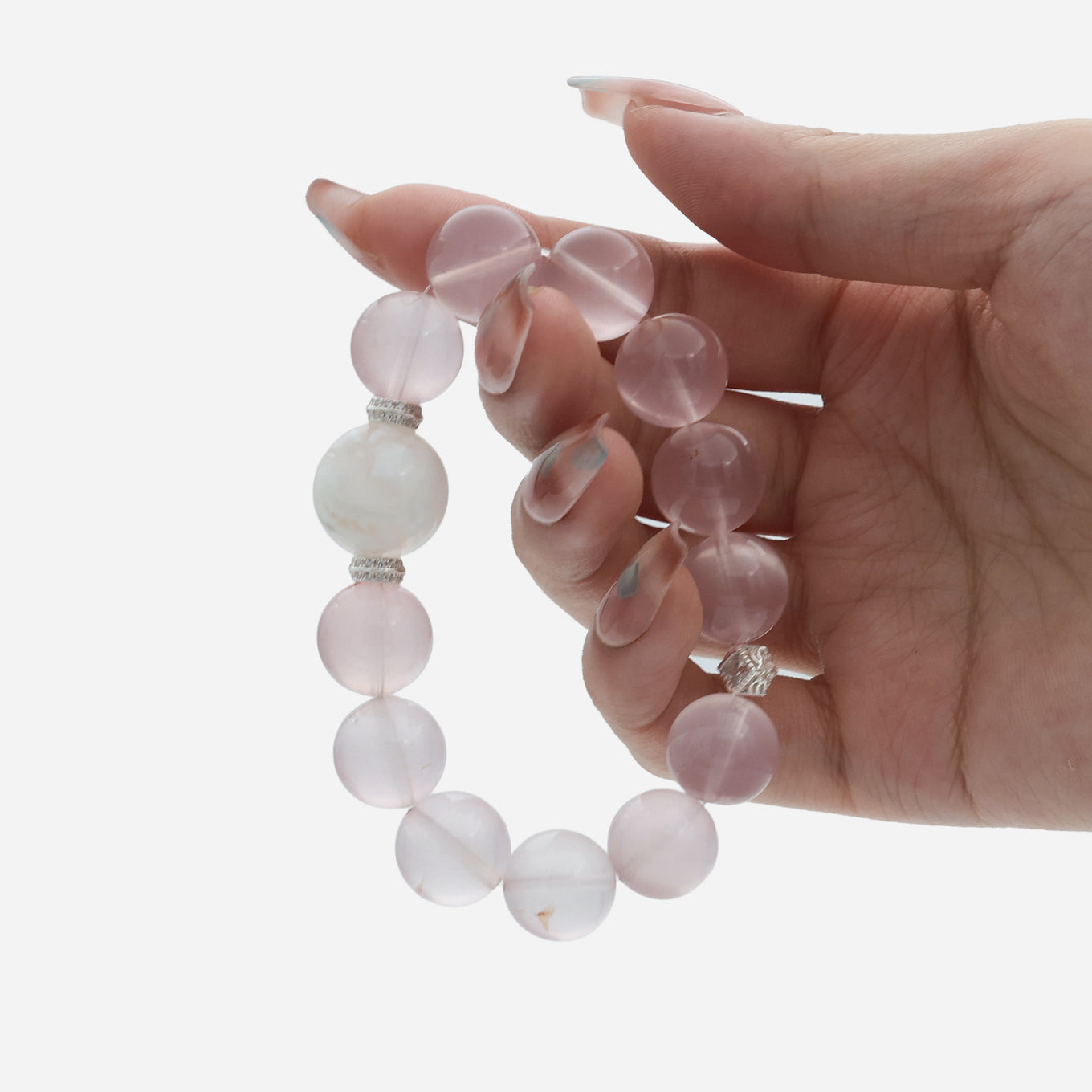
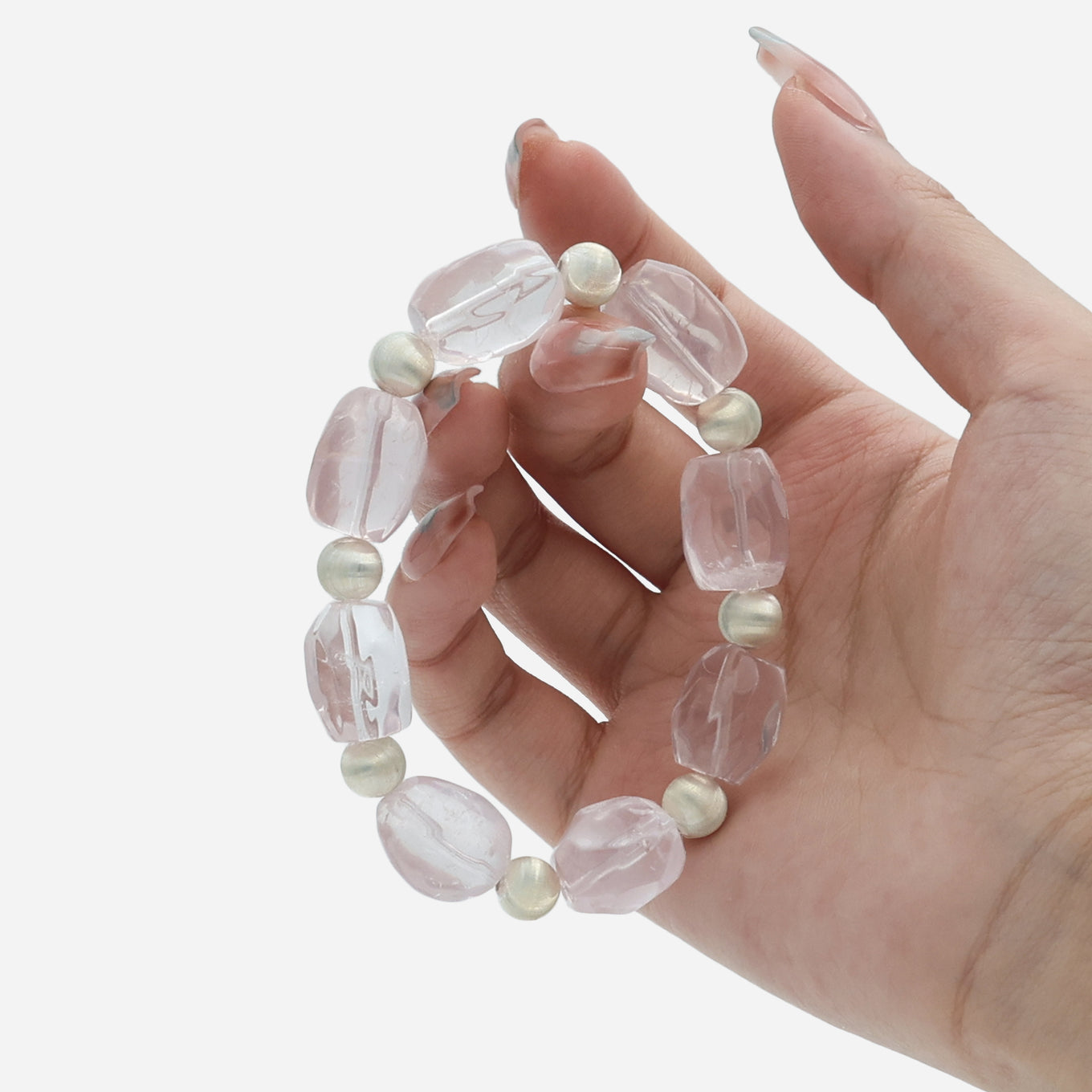
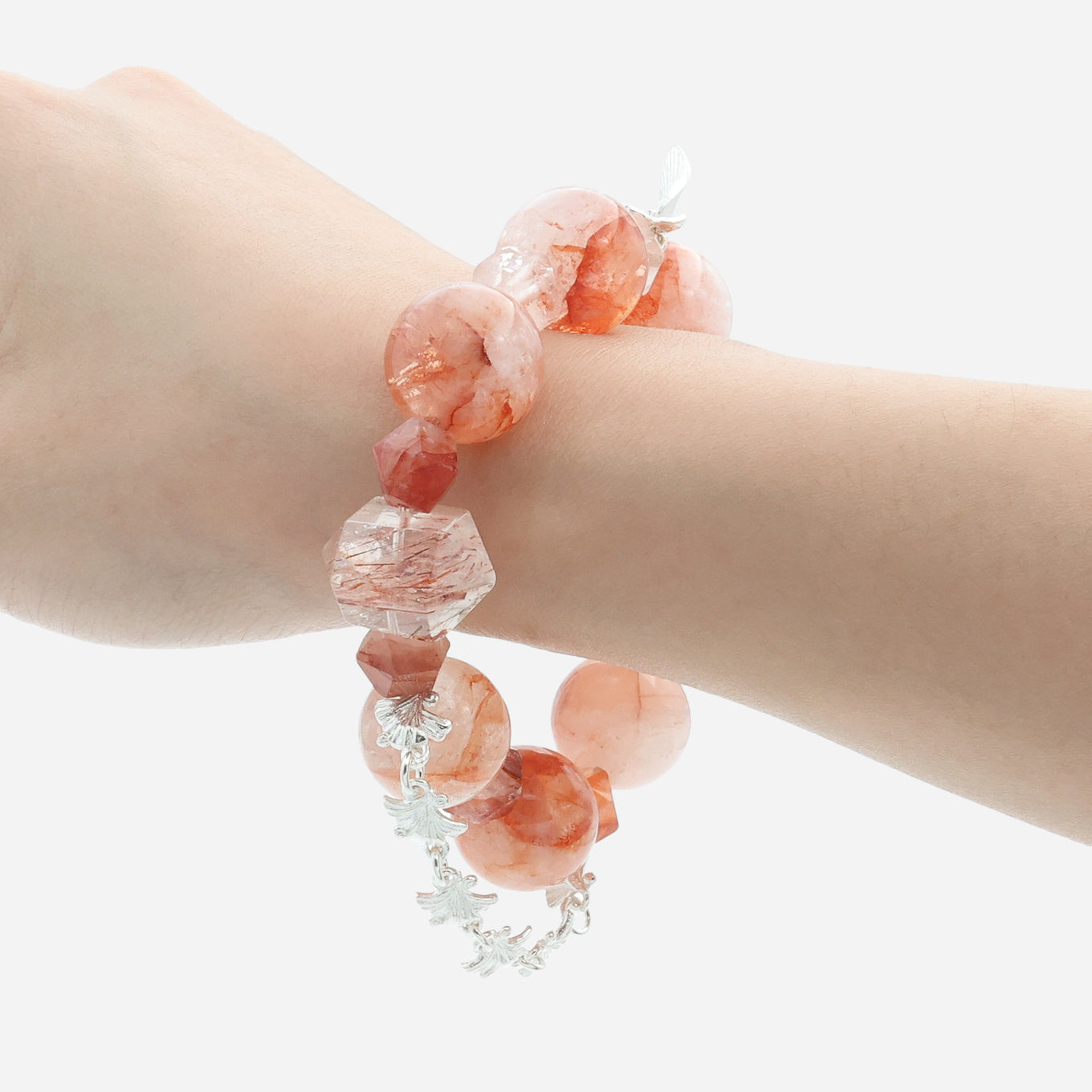
- Natural Gemstone Bracelet Collection — Stack green-toned natural crystal bracelets for a layered look that shifts with the light. Mix with garnet and rose quartz for intentional color play.
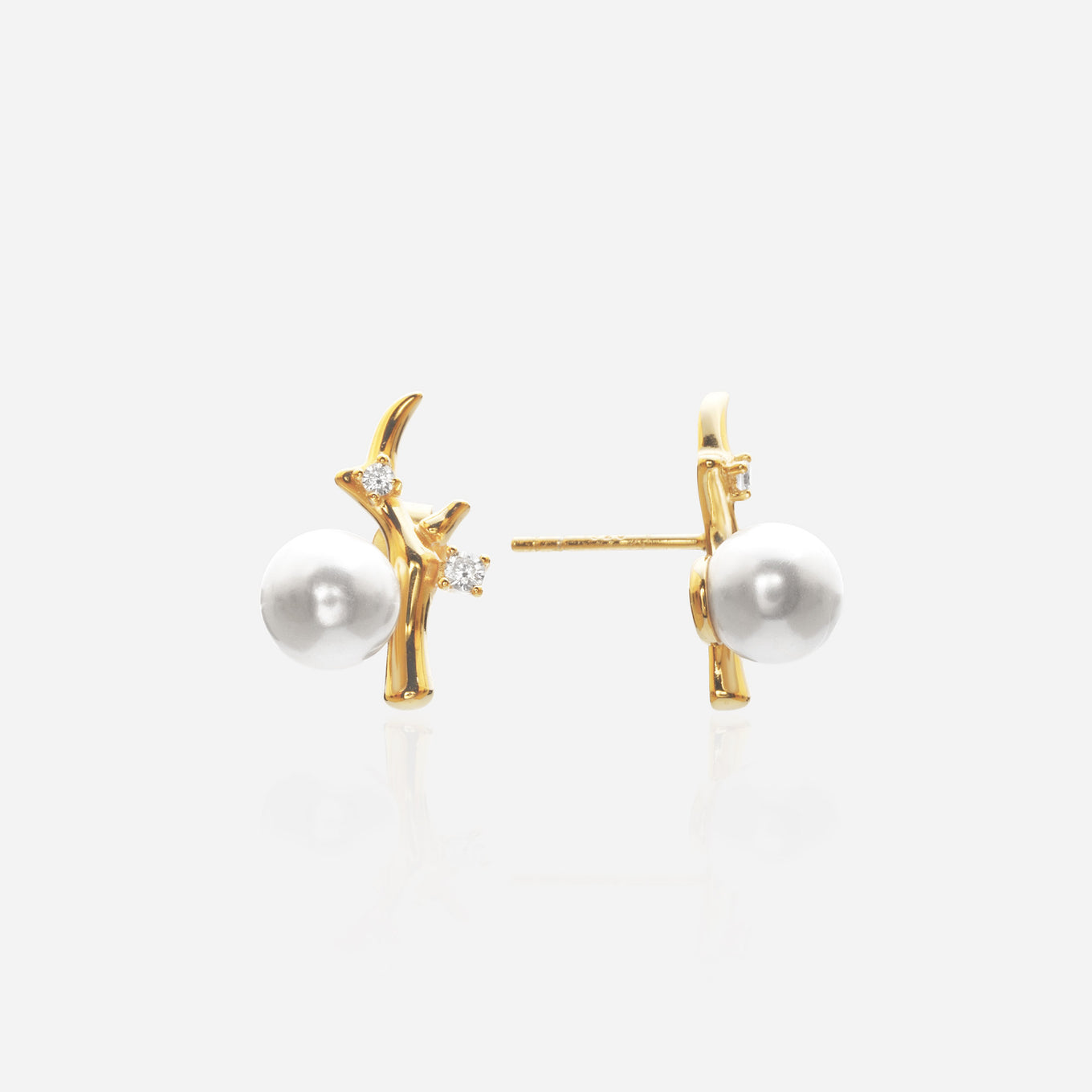
- Gold Coral Branch Earrings — Crystal Pearl Studs with organic green undertones that echo the botanical richness of emerald's natural world.
Green belongs in your jewelry box. It's the color of forests, of deep water, of the first shoots pushing through soil in spring. Every time I wear something green-toned, I feel a little more grounded — a little more aware that beauty doesn't need to shout. It can simply be present.
Find the piece that speaks to you. Be your own muse.