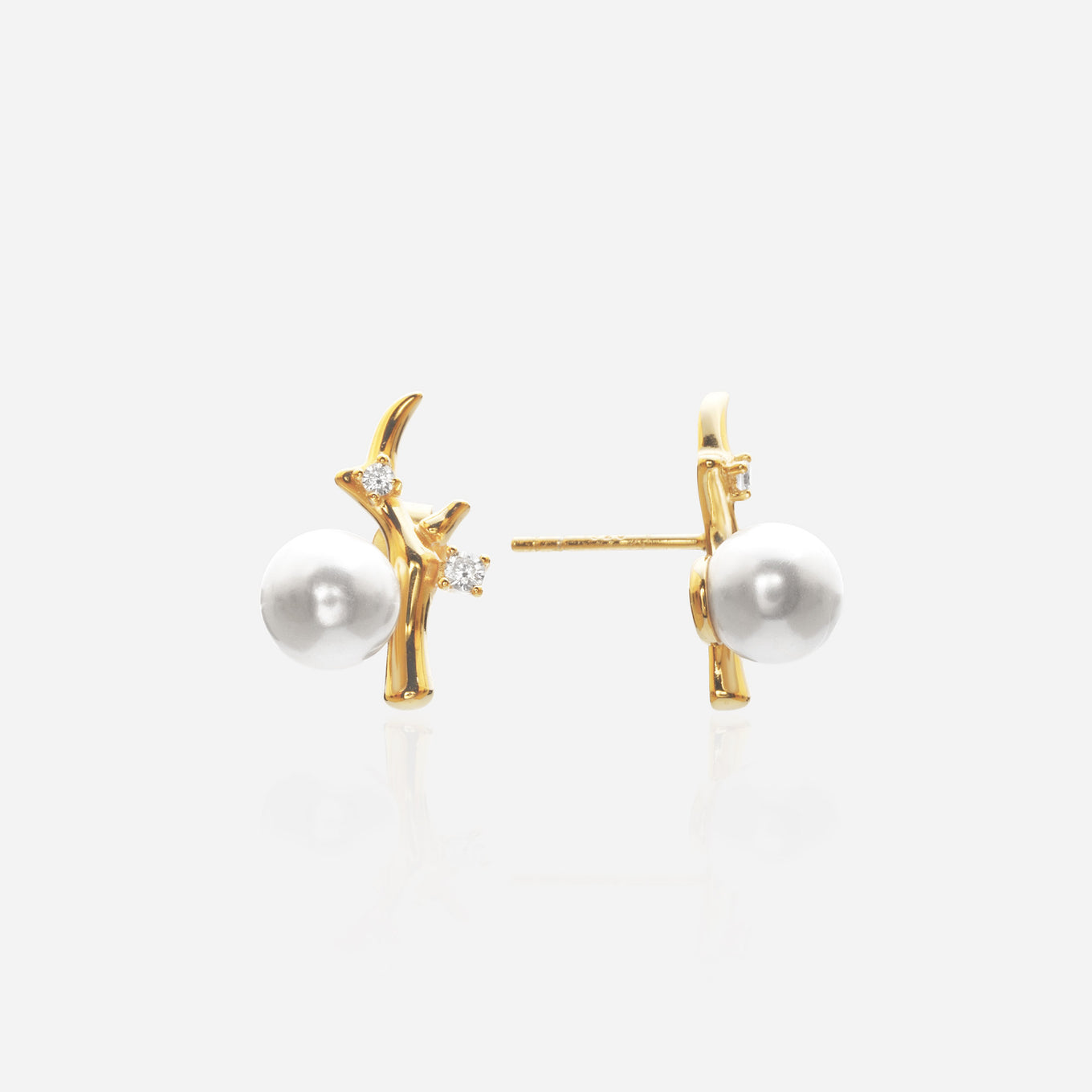
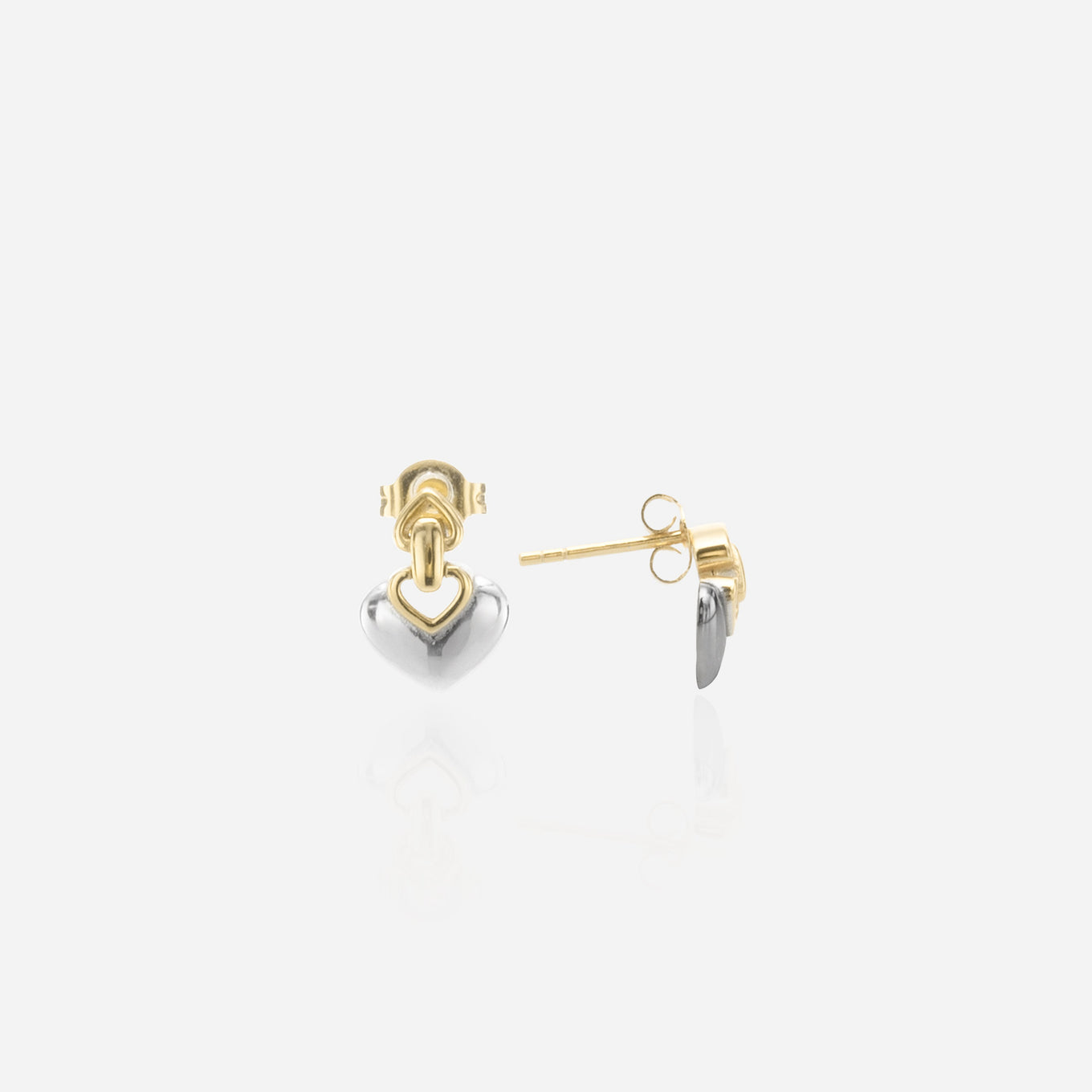
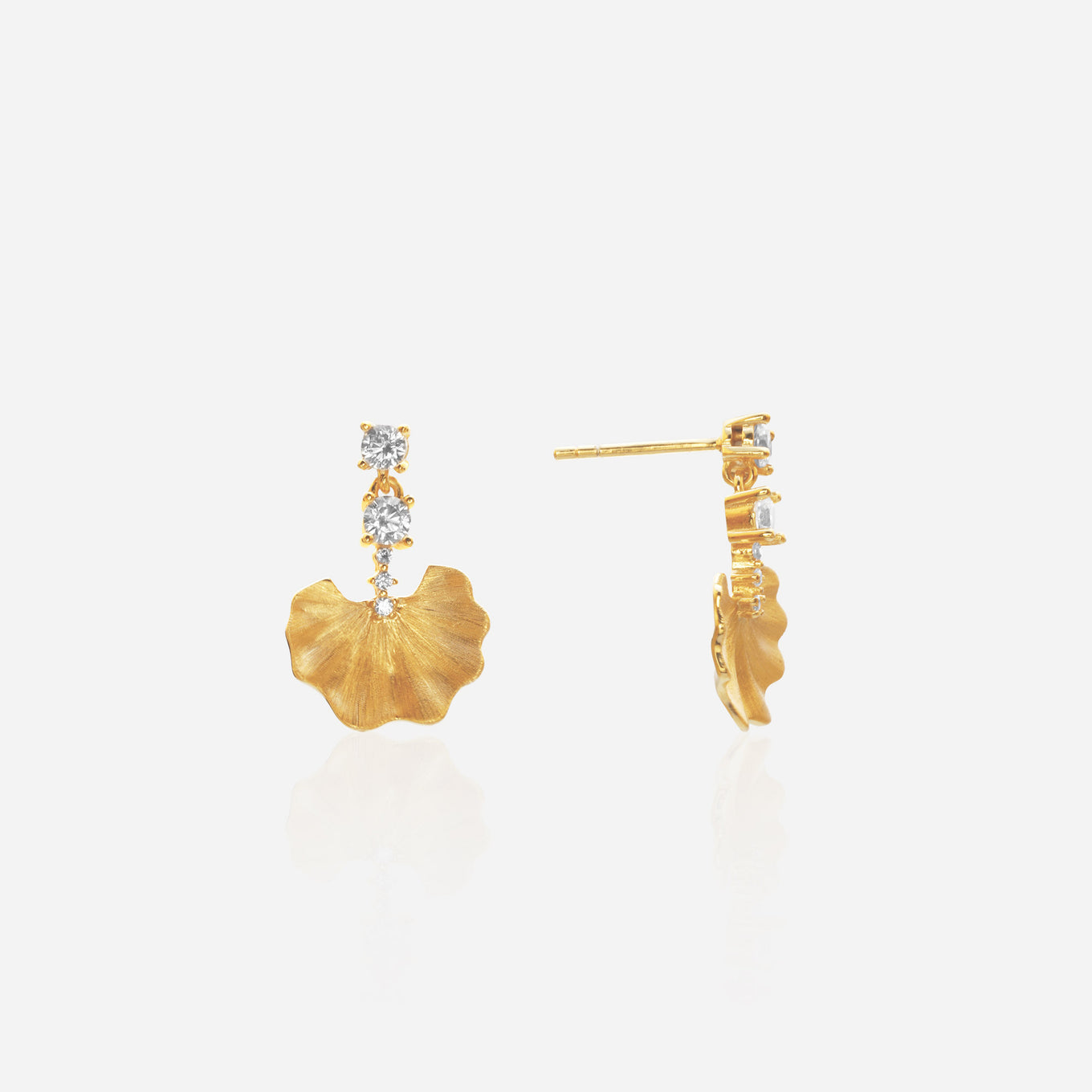
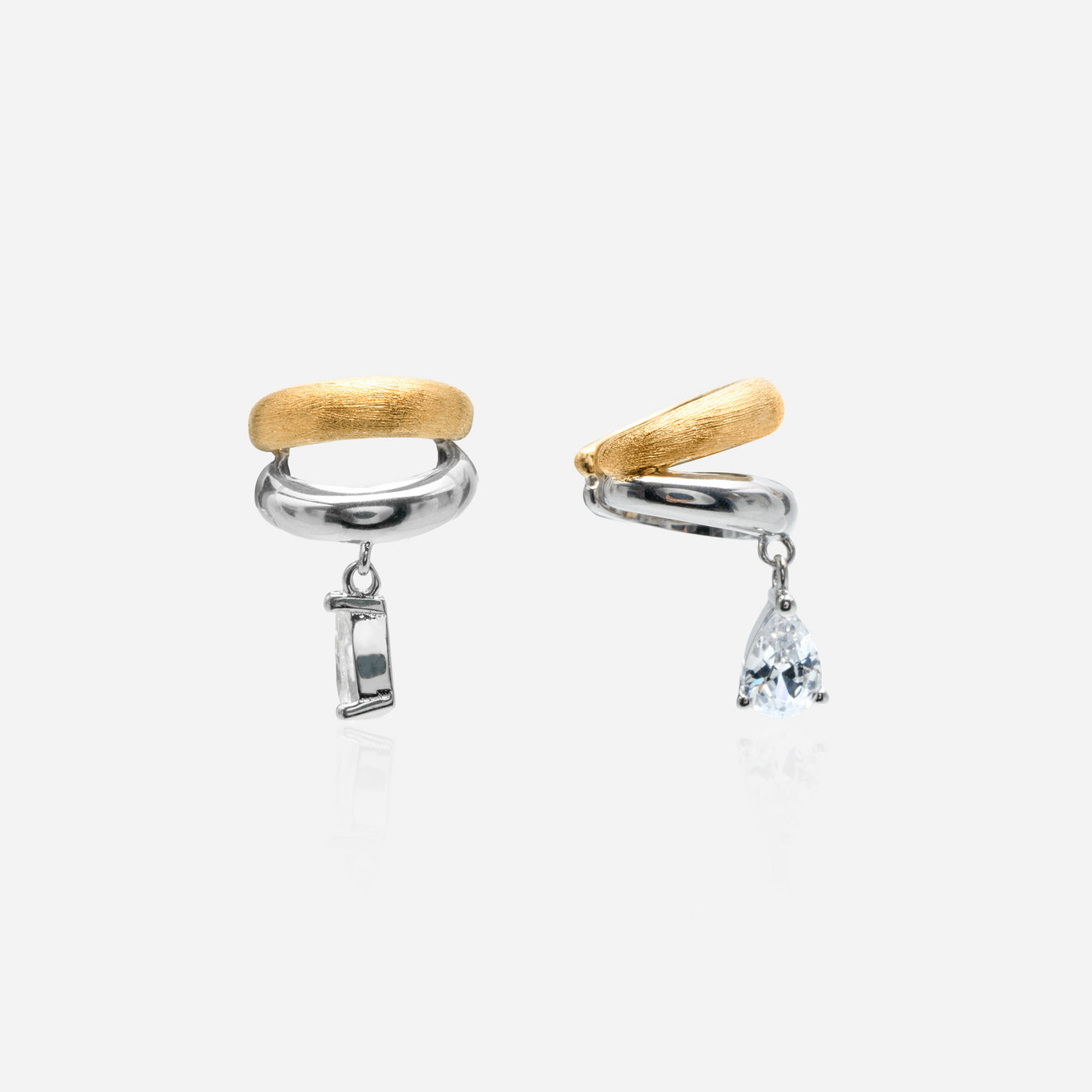
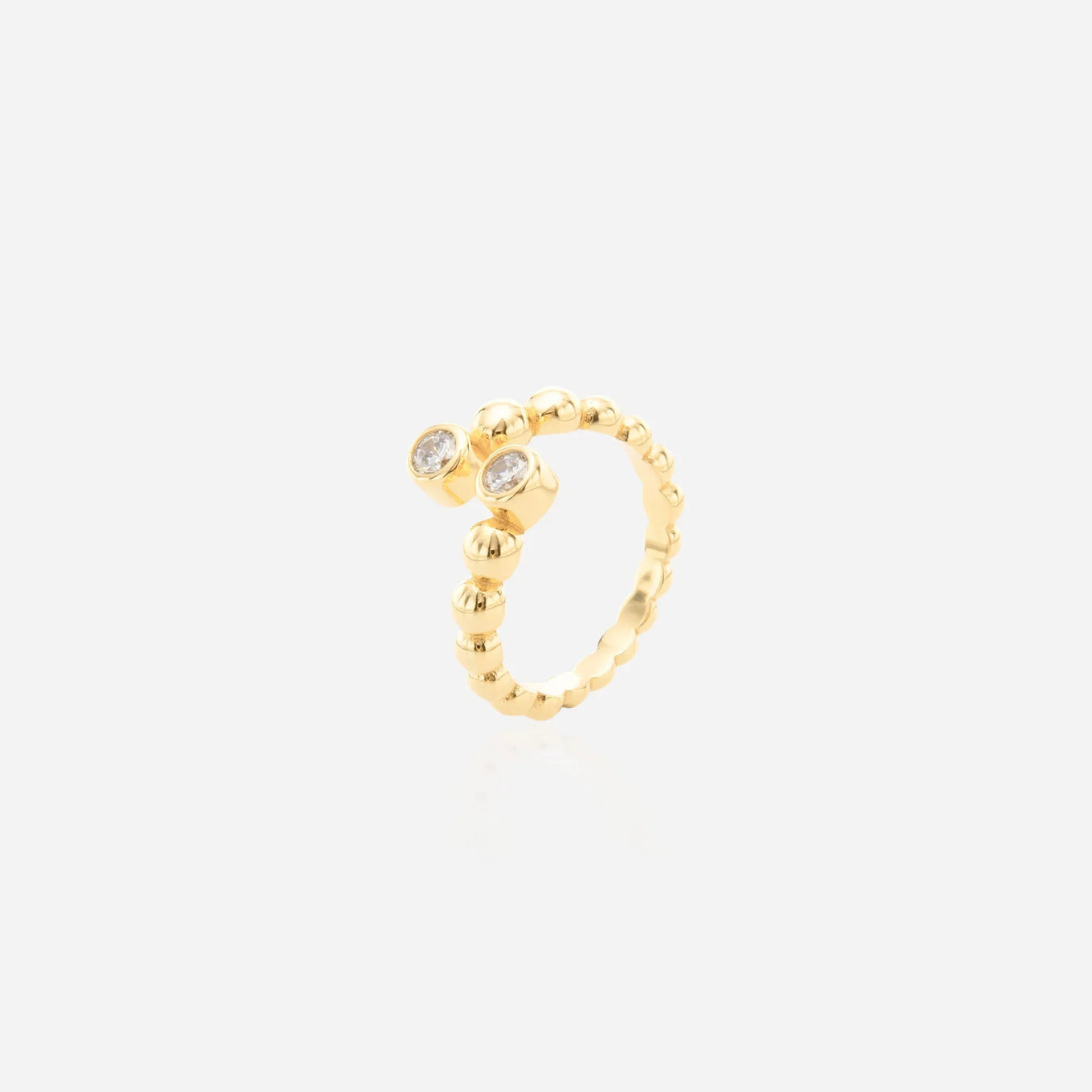
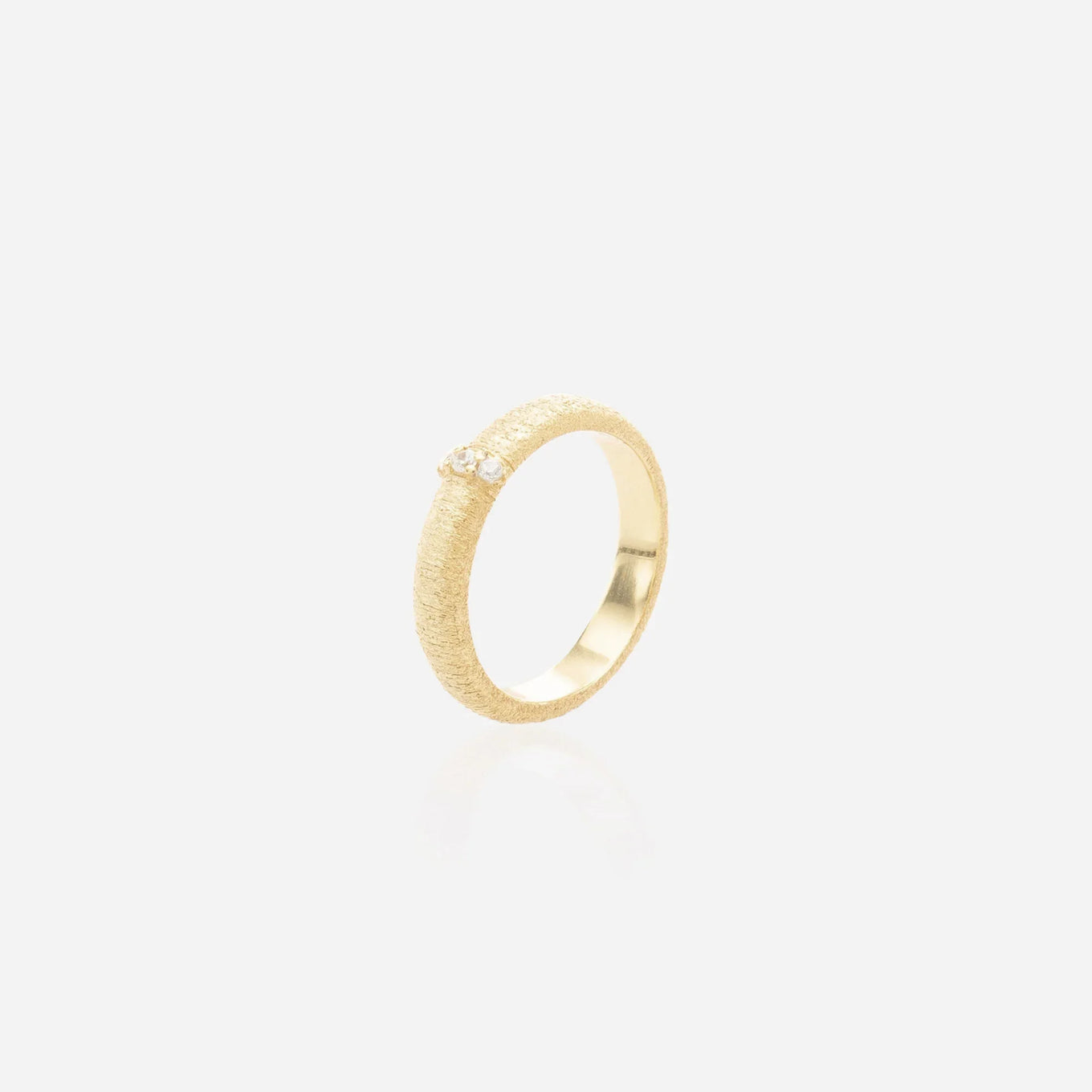
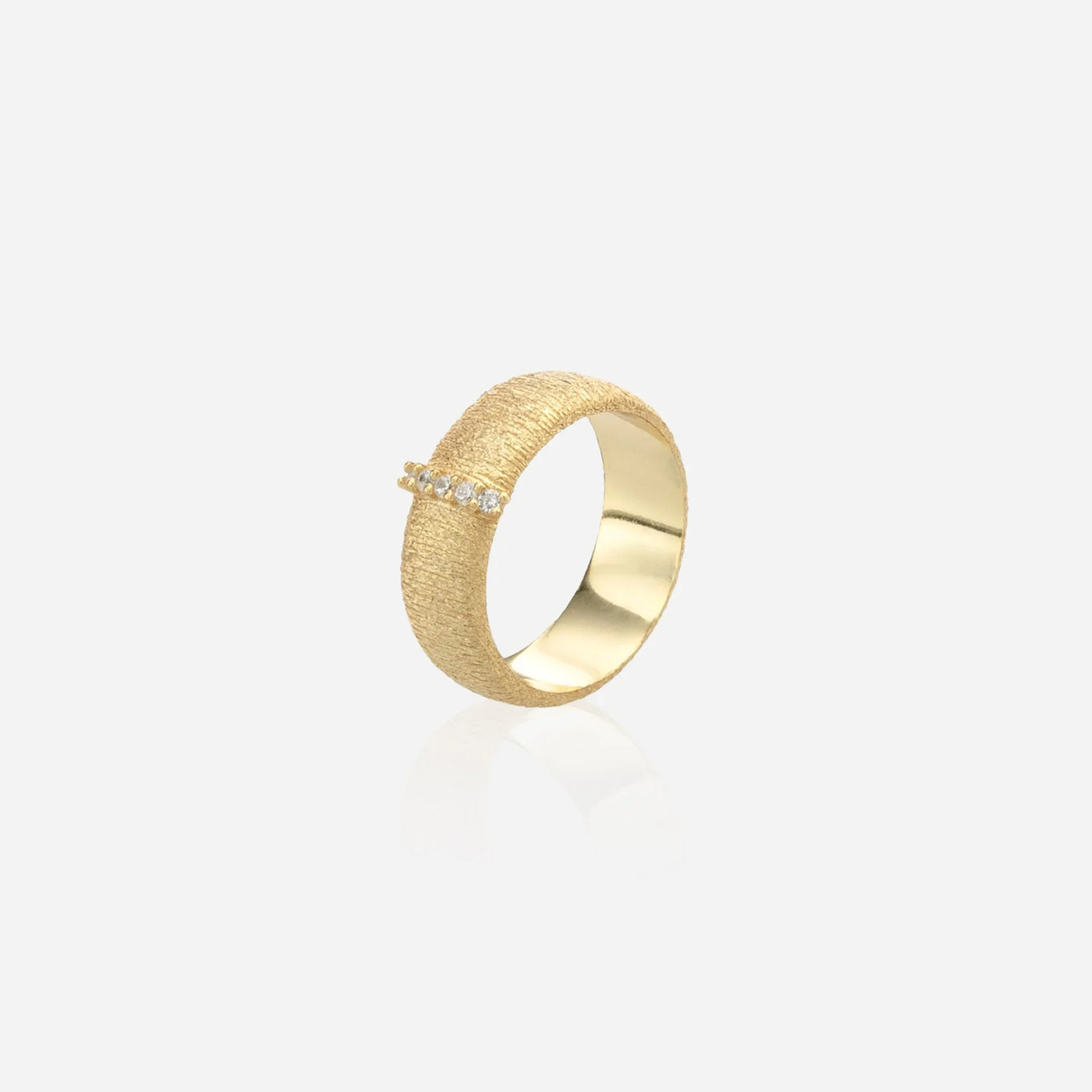
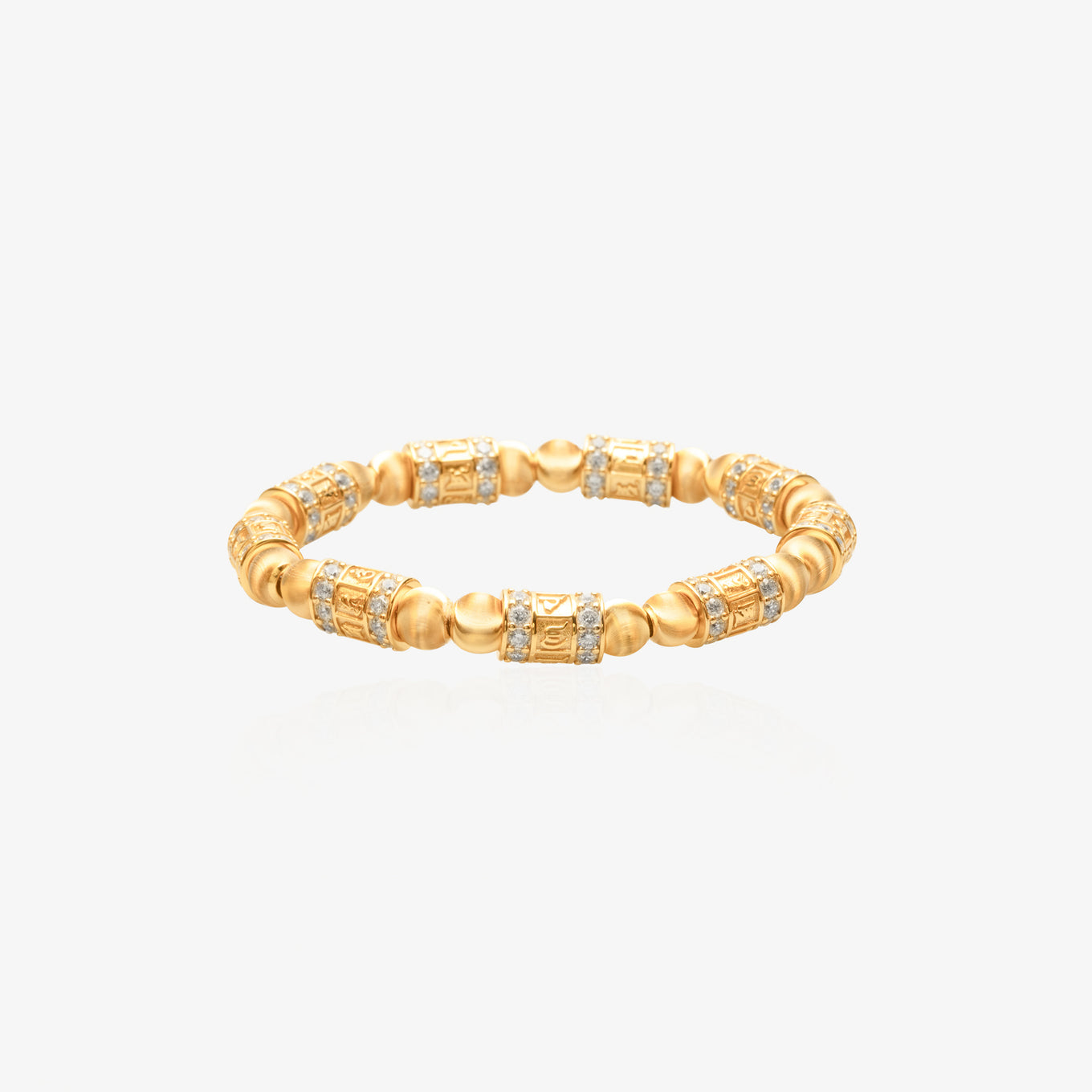
Quick Answer: 18K gold plated jewelry delivers the warm 75% gold look of solid 18K gold at a fraction of the cost. With proper care — avoiding water, storing correctly, and gentle cleaning — quality 18K gold plated pieces over Ag925 sterling silver can last 1–3 years of regular wear. The key is the base metal (sterling silver, not brass) and plating thickness (look for 0.5 microns or more).
What Is 18K Gold Plated Jewelry?
18K gold plated jewelry is made by bonding a thin layer of 18-karat gold (75% pure gold) onto a base metal through electroplating. Unlike solid gold jewelry — which is gold all the way through — plated jewelry gives you the same warm, rich gold color at a price that makes sense for everyday wear.
The "18K" refers to the gold layer's purity: 18 karats means 75% gold content, with the remaining 25% being alloy metals (usually copper and silver) that add durability. This is the same gold composition used in fine jewelry, just in a surface layer rather than solid form.
What separates quality 18K gold plated jewelry from the fast-fashion version? Two things: the base metal underneath the gold and the plating thickness. When the base is Ag925 sterling silver — as it is in every ÉLARAMUSE piece — you get a hypoallergenic, durable foundation. When the plating is 0.5 microns or thicker, you get gold that stays gold — not something that rubs off in a week.
18K Gold Plated vs Premium 18K Gold Plated vs Gold Filled: What's the Difference?
If you've shopped for gold jewelry online, you've seen all three terms. Here's what actually matters:
| Type | Gold Layer | Base Metal | Price Range |
| Gold Plated | 0.1–0.5+ microns | Sterling silver, brass, or copper | $30–$150 |
| Premium 18K Gold Plated | 2.5+ microns (legally required) | Sterling silver only | $60–$250 |
| Gold Filled | 5% of total weight (by law) | Brass (most common) | $40–$200 |
The gold plated advantage: While premium gold plating legally requires 2.5 microns and gold filled requires 5% gold-by-weight, neither guarantees tarnish resistance if the base metal is reactive. A 0.5-micron 18K gold plating over sterling silver — what ÉLARAMUSE uses — can outlast a thicker plating over brass. Sterling silver doesn't react with skin oils the way brass does.
In other words: quality is in the full material system, not just the micron number on the spec sheet. A thin plating over an excellent base outperforms a thick plating over a reactive one every time.
How Long Does 18K Gold Plated Jewelry Last?
The honest answer: 6 months to 3 years, depending on three factors:
- Plating thickness. Under 0.1 micron = weeks. 0.5 micron+ = years. Always check — quality brands disclose their micron thickness on the product page.
- Base metal quality. Sterling silver base = longer life and better skin compatibility. Brass or copper base = faster wear, especially in humid climates or on reactive skin.
- How you wear it. Showering, swimming, sweating, and sleeping in plated jewelry are the four fastest paths to gold loss. Remove before water contact and your pieces will last 2–3 times longer.
We've seen ÉLARAMUSE pieces worn daily for 18+ months with no visible gold loss — the combination of 0.5-micron 18K gold over Ag925 sterling silver, paired with proper care habits, creates a system that holds up beautifully.
5 Signs of Quality 18K Gold Plated Jewelry
You can separate 6-month jewelry from 3-year jewelry before you click "add to cart." Here's what to look for:
- Sterling silver base. If the product page doesn't mention the base metal, assume brass. Reputable brands state "Ag925" or "sterling silver" plainly in the specifications.
- Stated plating thickness. "18K gold plated" with no micron count is a yellow flag. Look for brands that specify "0.5-micron" or thicker — this means they stand behind their plating process.
- Nickel-free certification. Many budget gold plating processes use nickel as an intermediate layer between base metal and gold. Nickel-free plated jewelry is safer for sensitive skin and typically indicates cleaner manufacturing.
- Hallmark stamp. Look for "925" stamped on the metal — this confirms the sterling silver base, the most critical quality indicator for any plated piece.
- Honest water guidance. If a brand claims their gold plated jewelry is "waterproof," be skeptical — they're either using PVD coating or overpromising. Trust brands that give specific guidance: "safe for handwashing and light rain, remove before swimming."
18K Gold Plated Jewelry: Our Top Picks
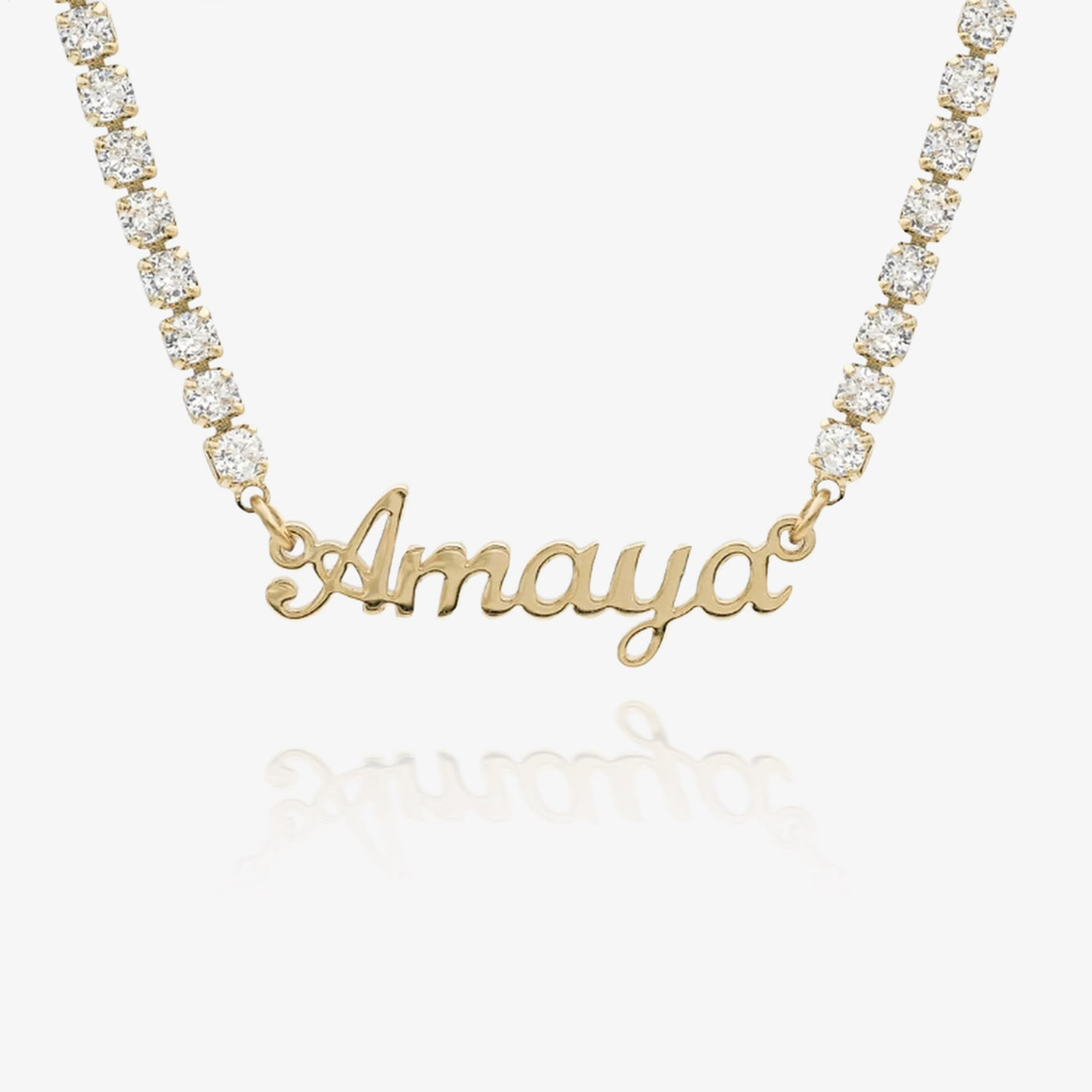
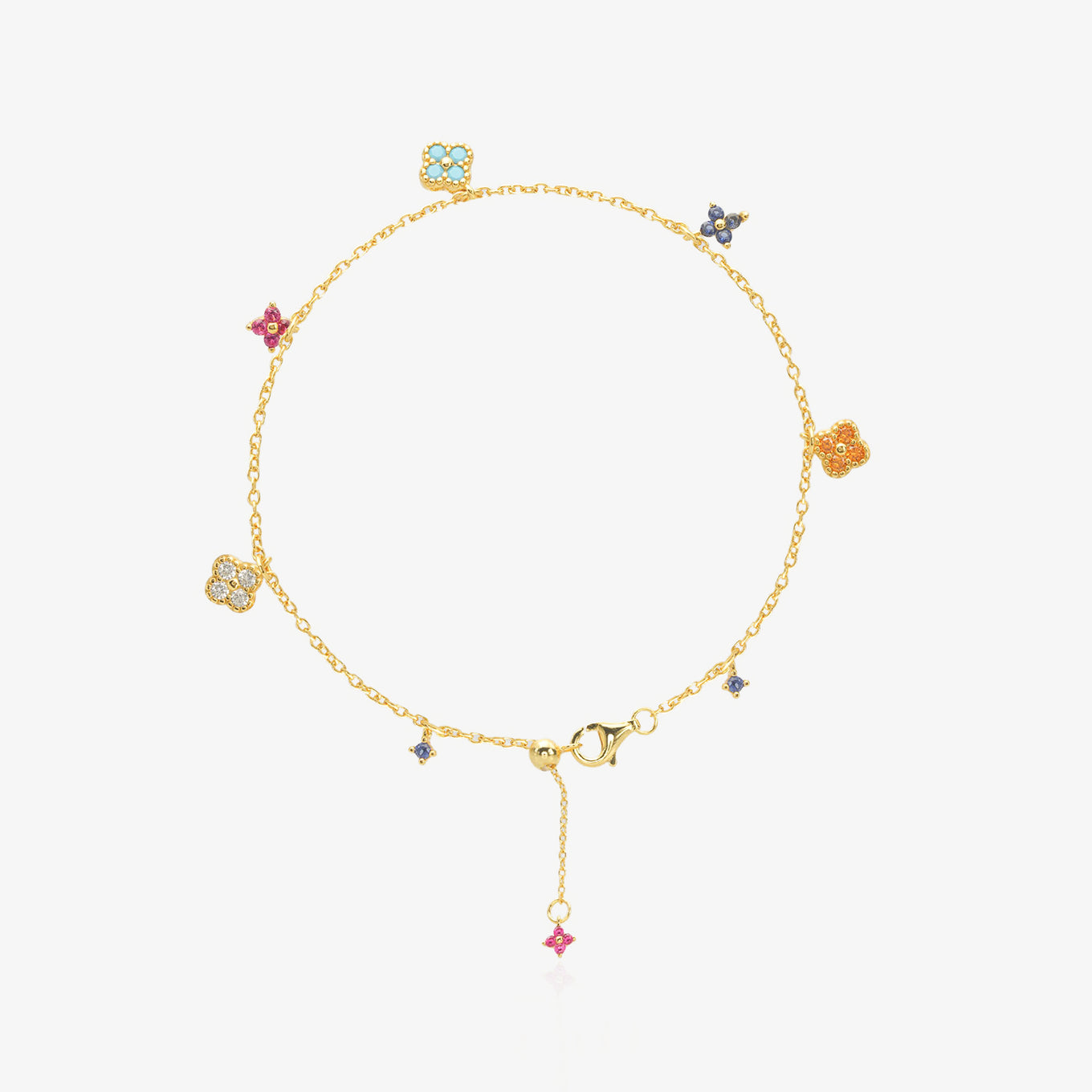
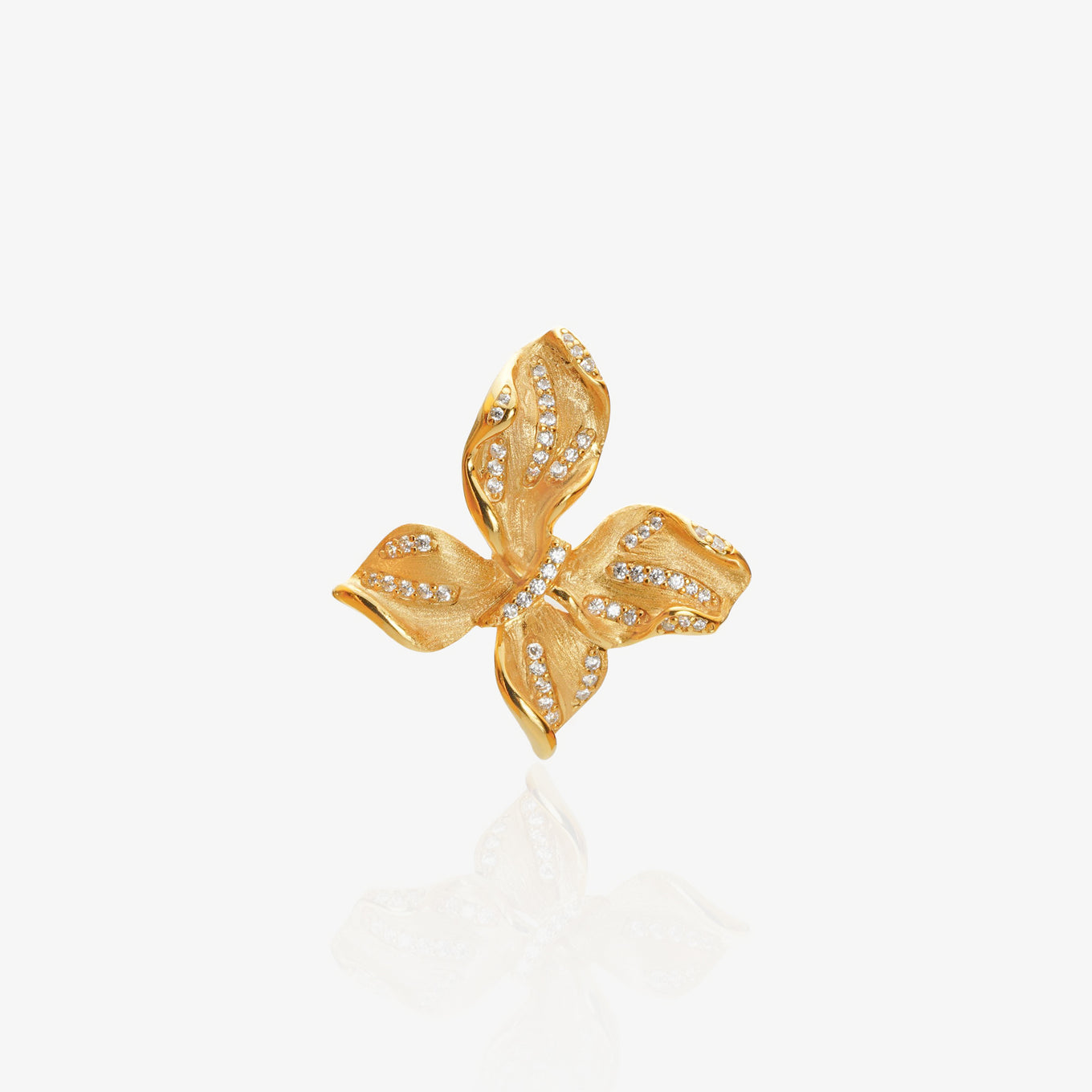
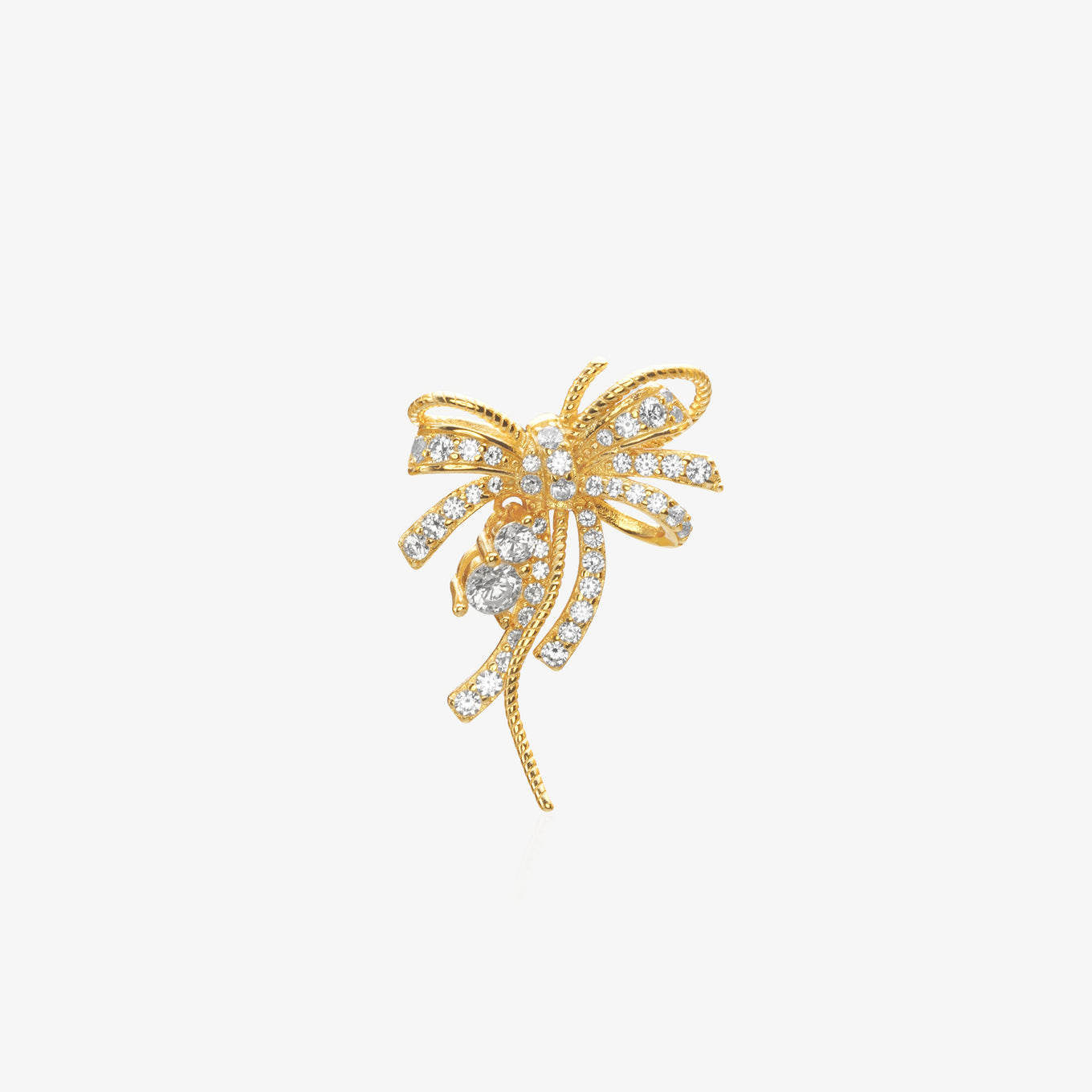
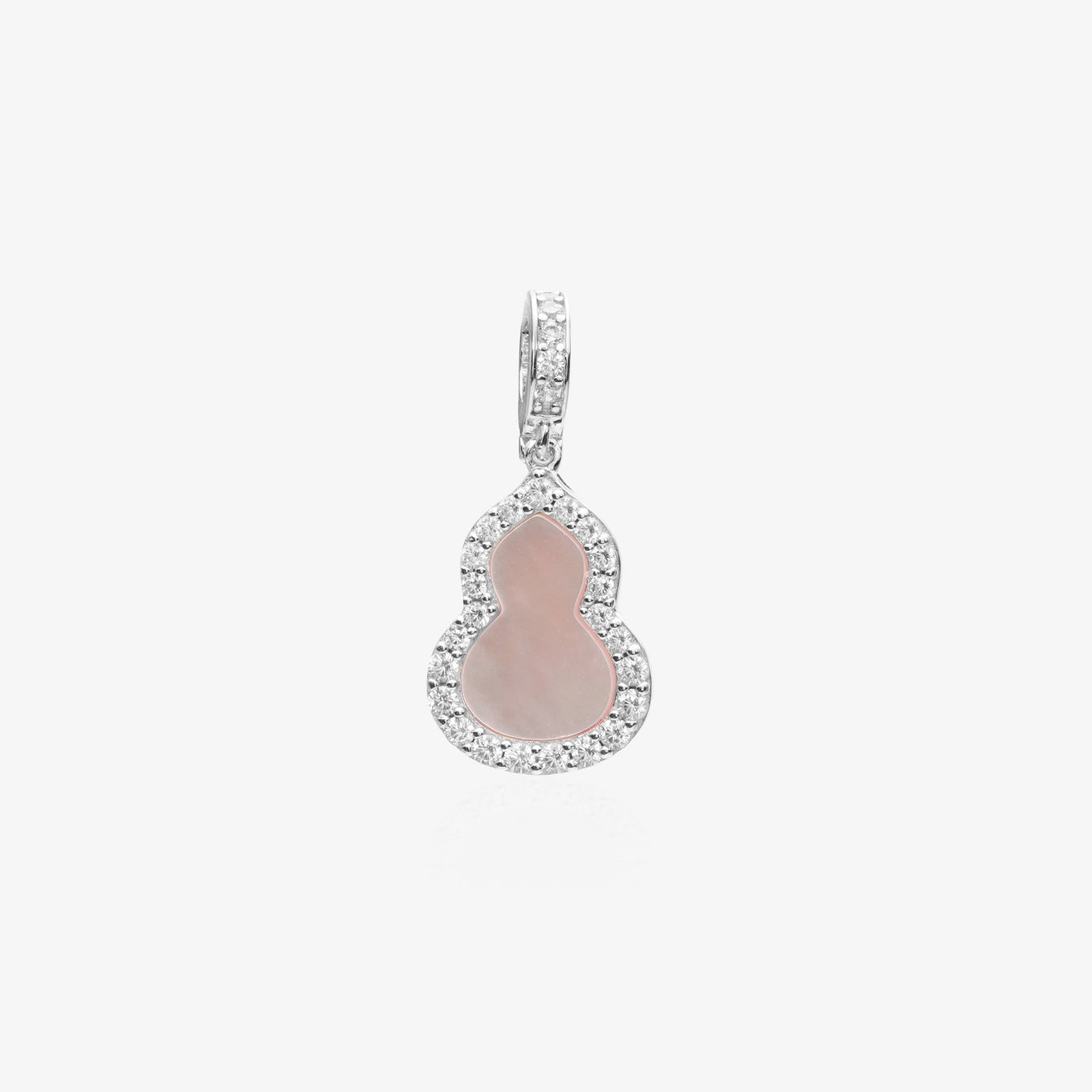
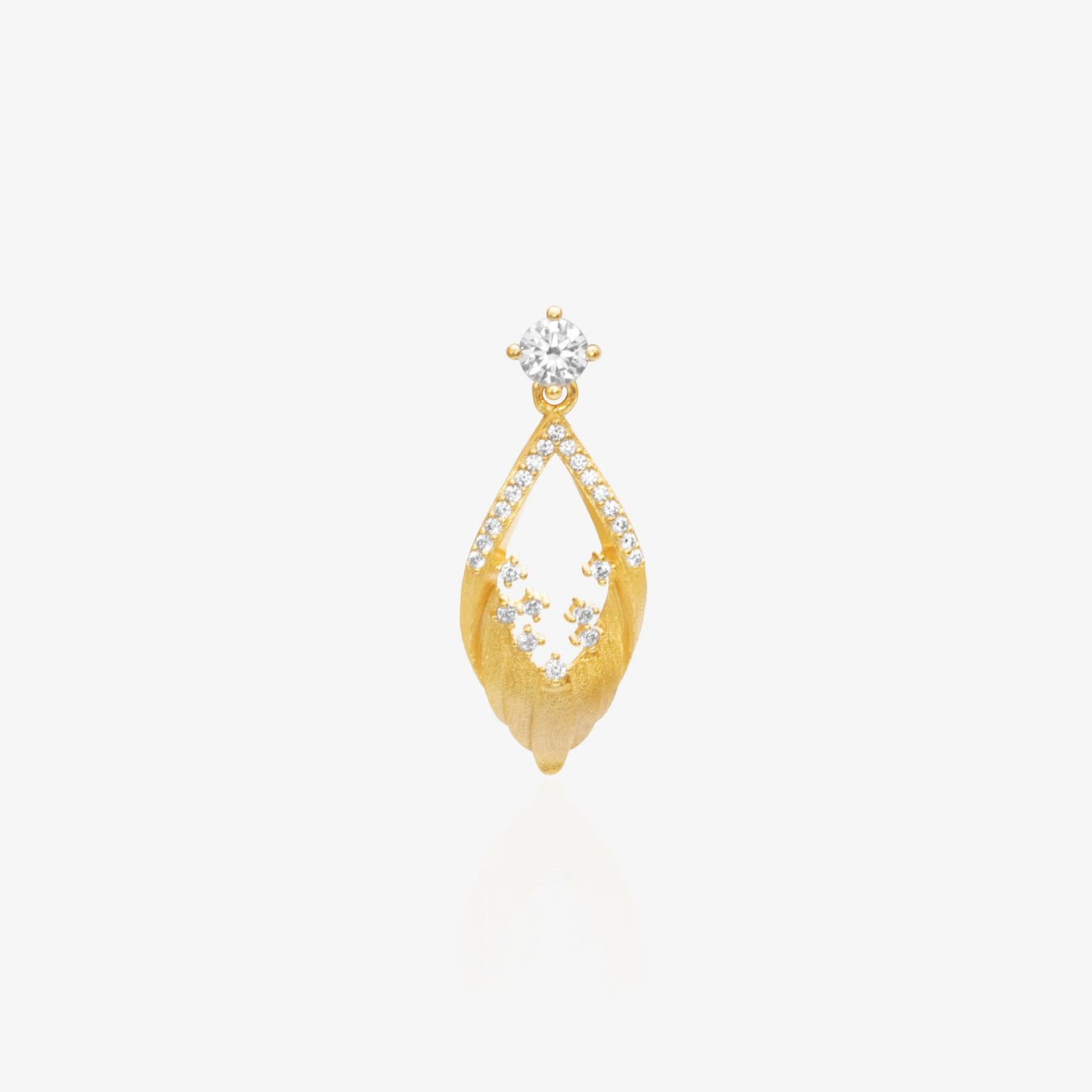
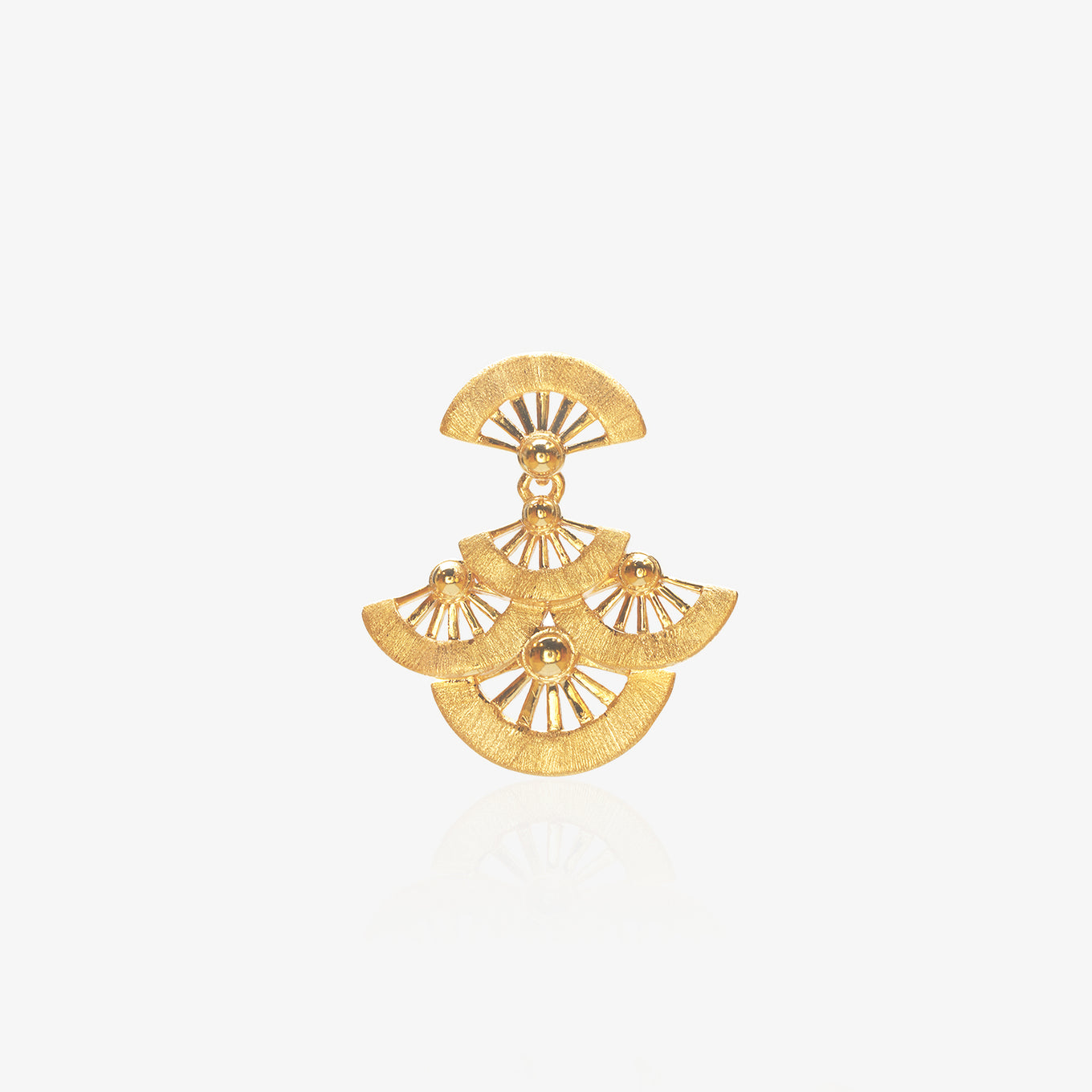
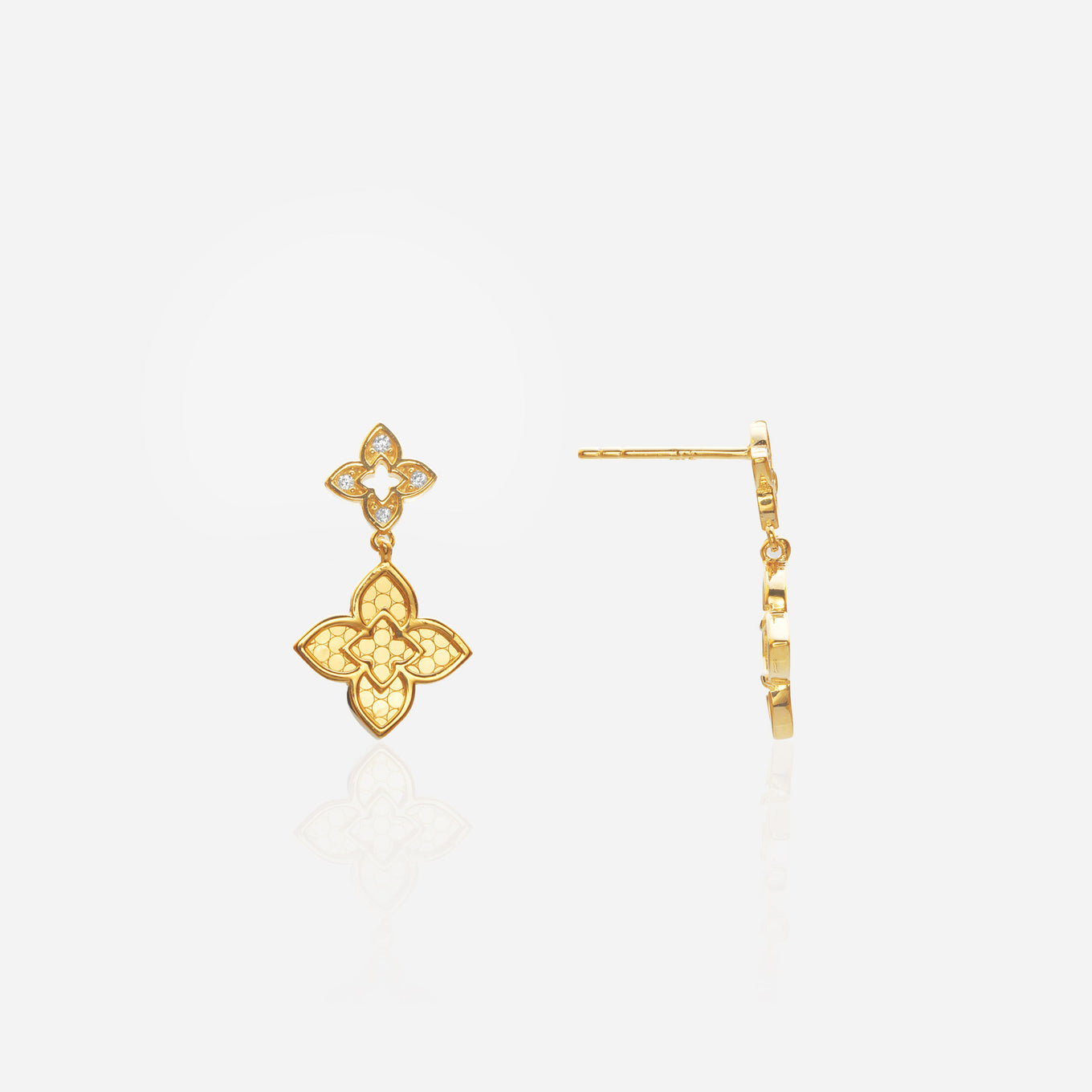
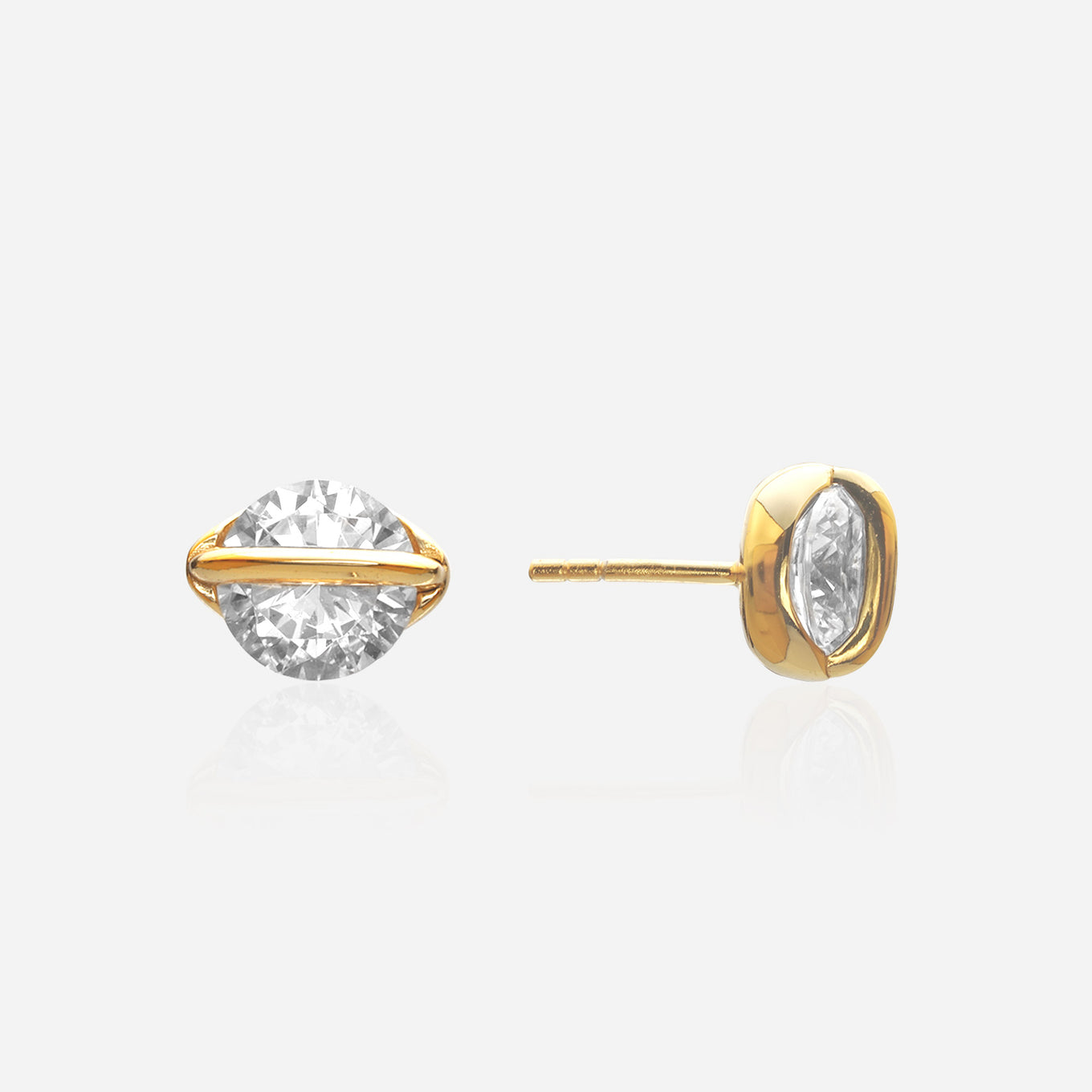
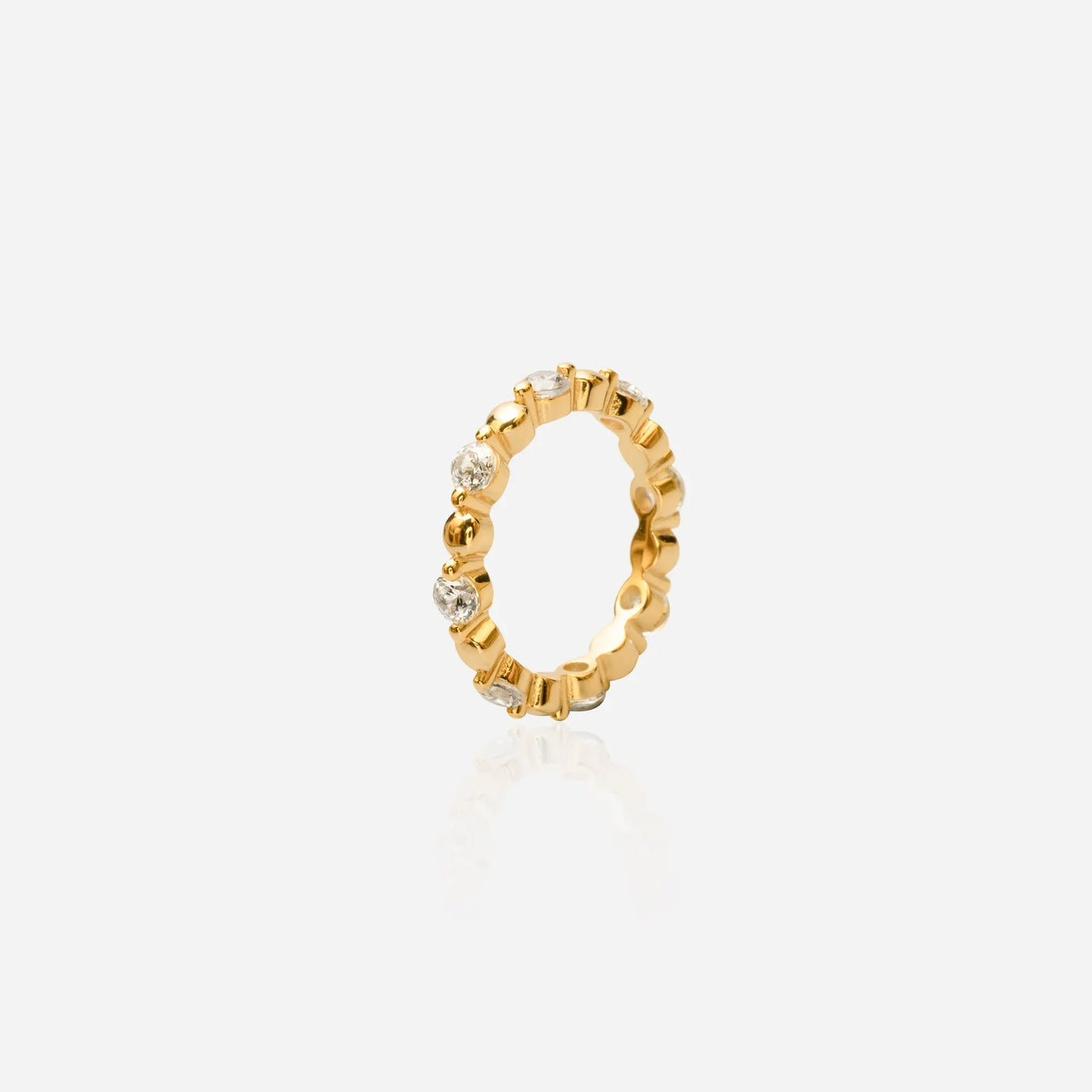
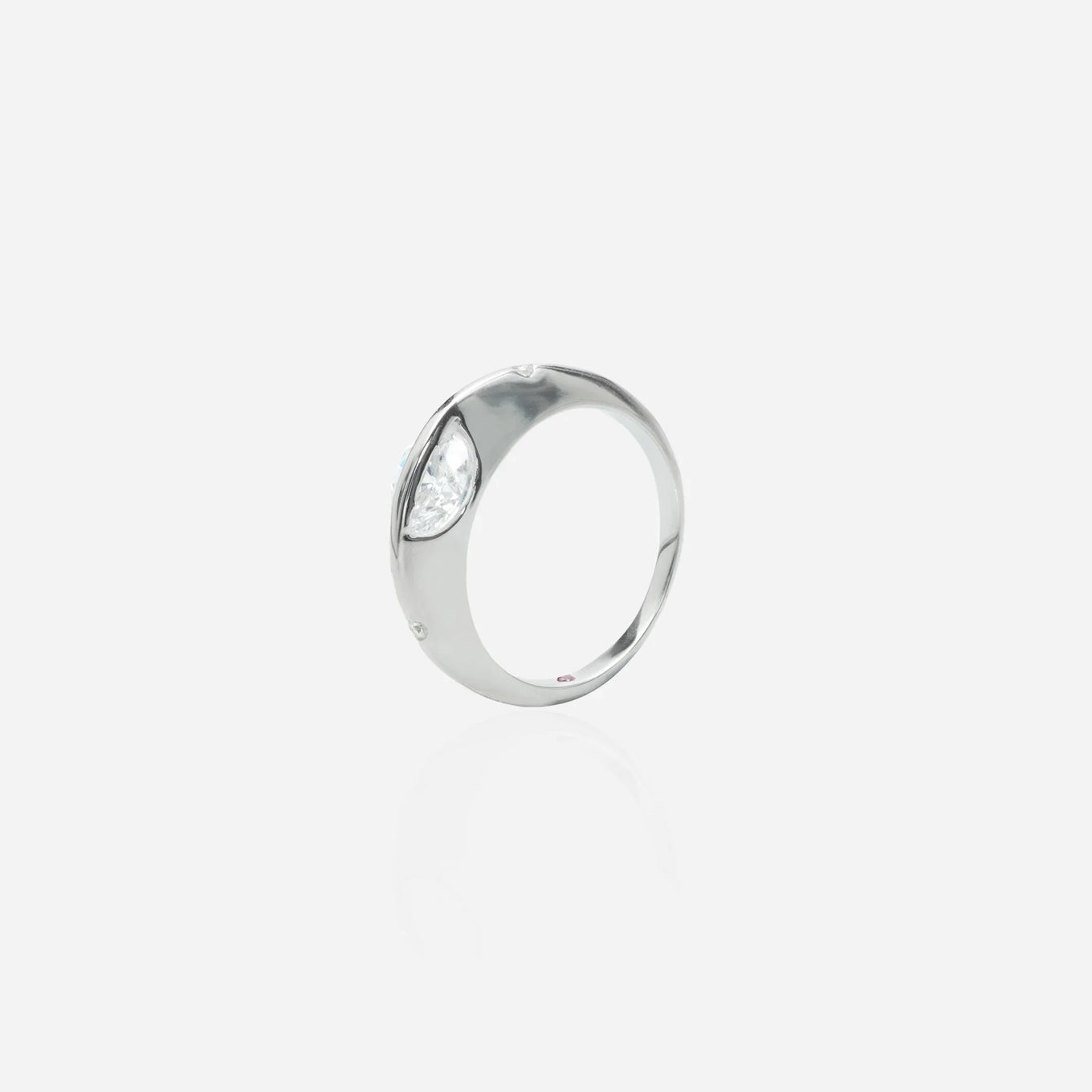
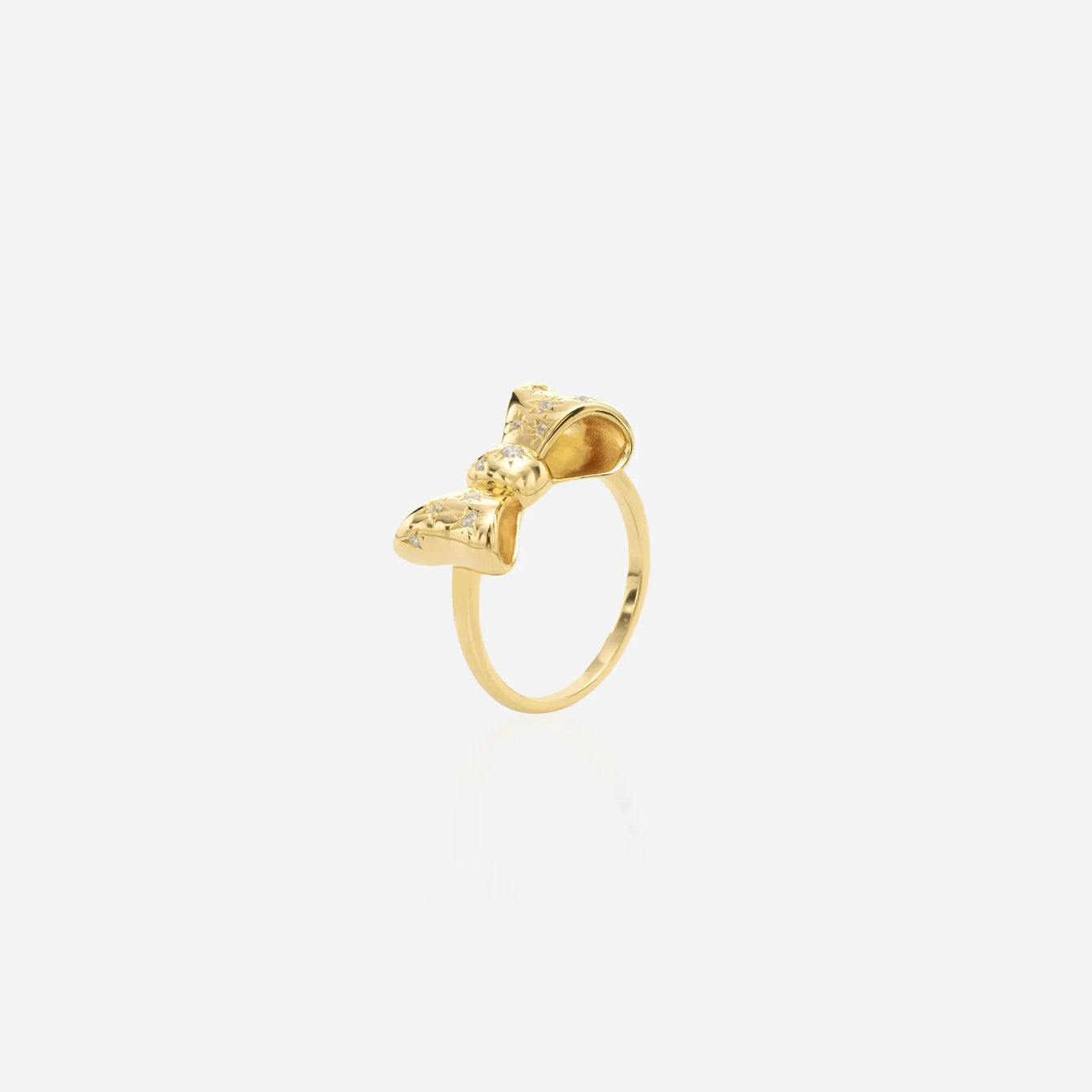
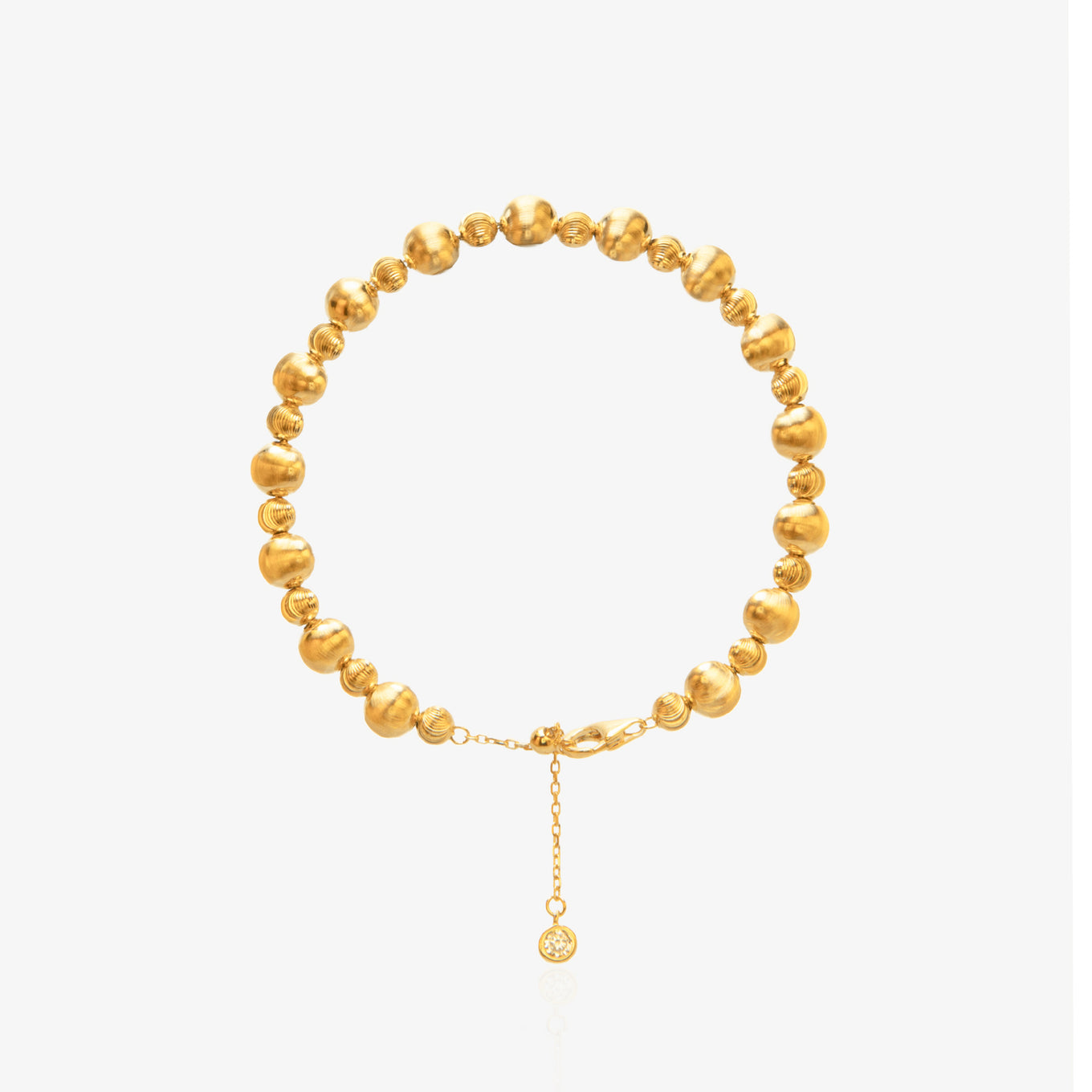
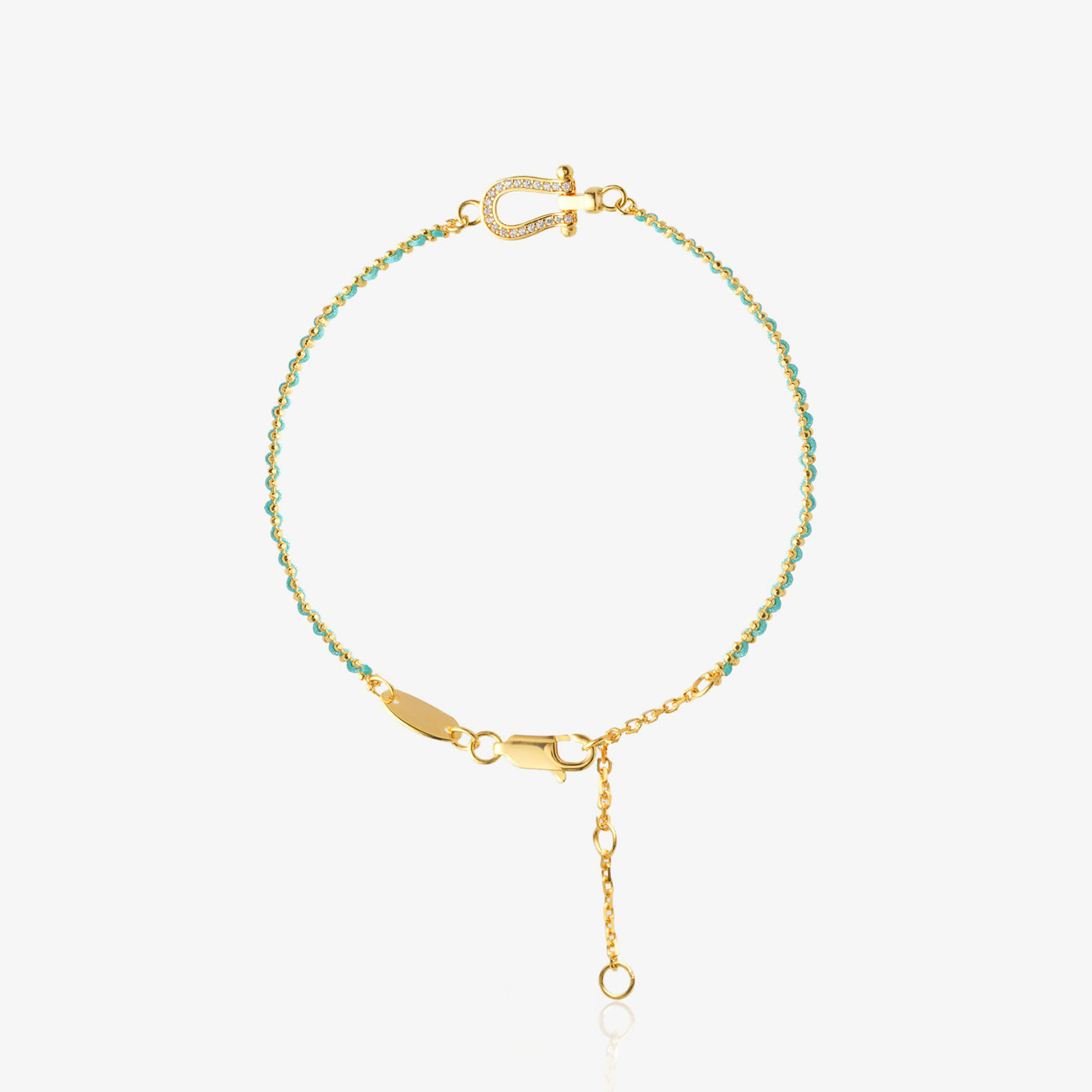
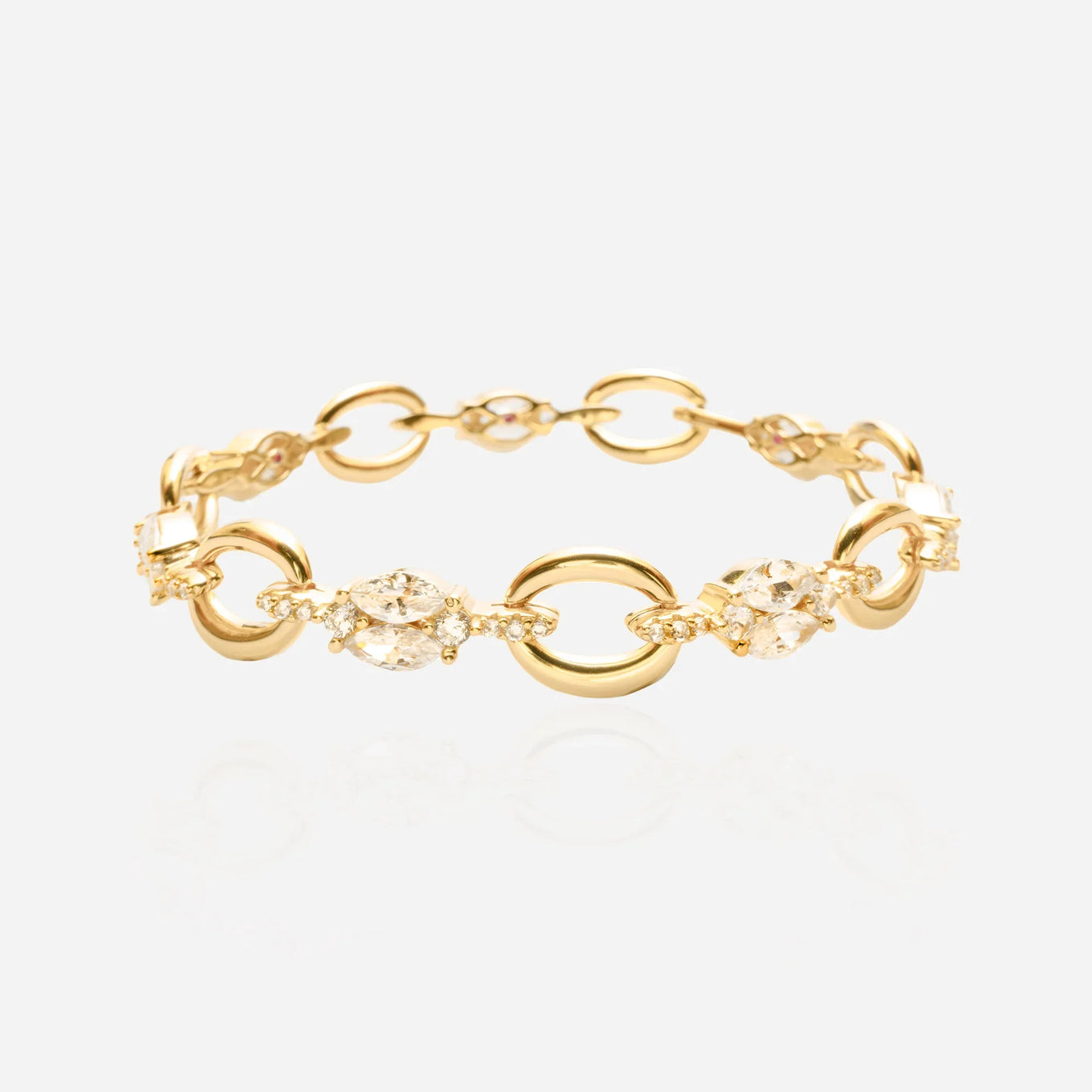
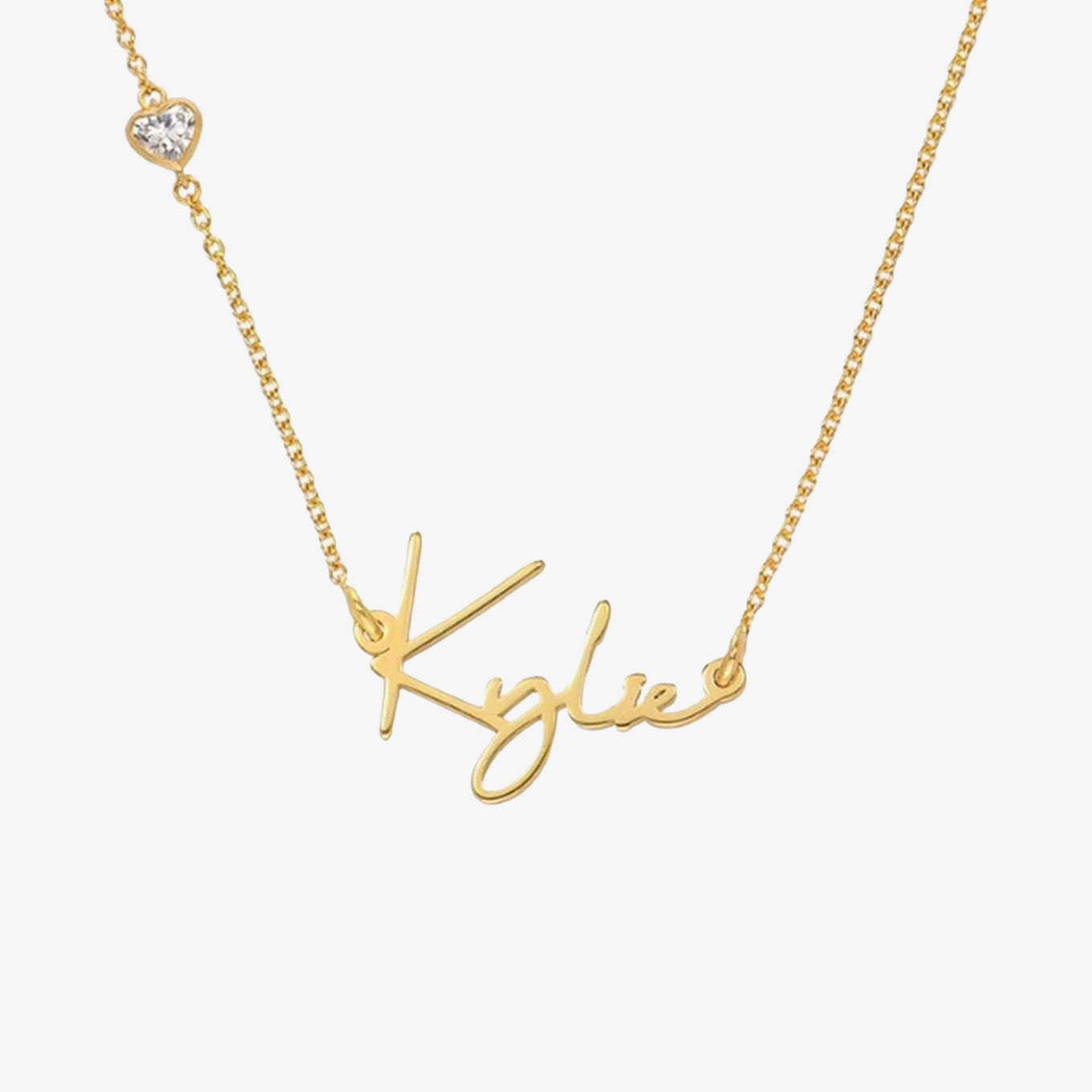
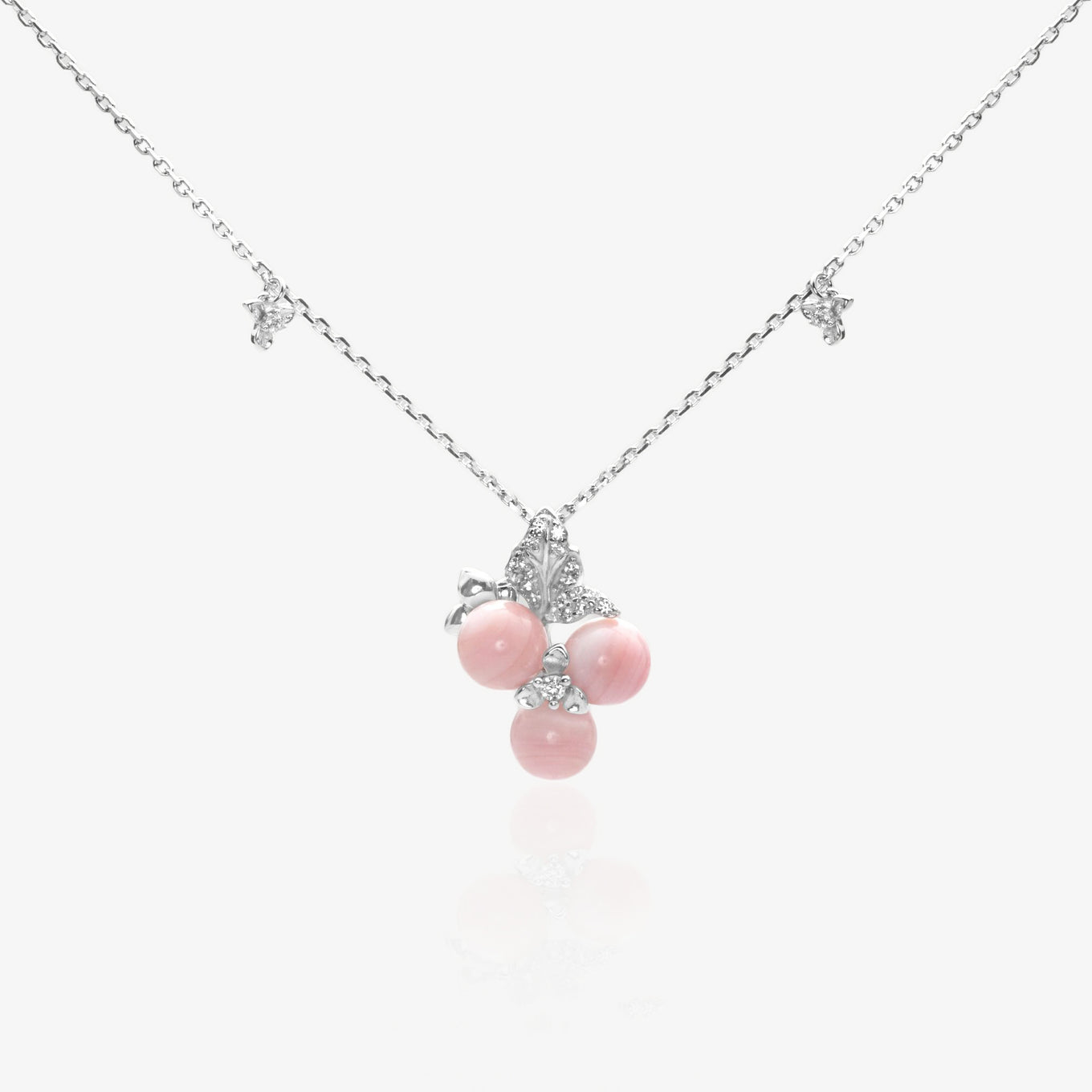
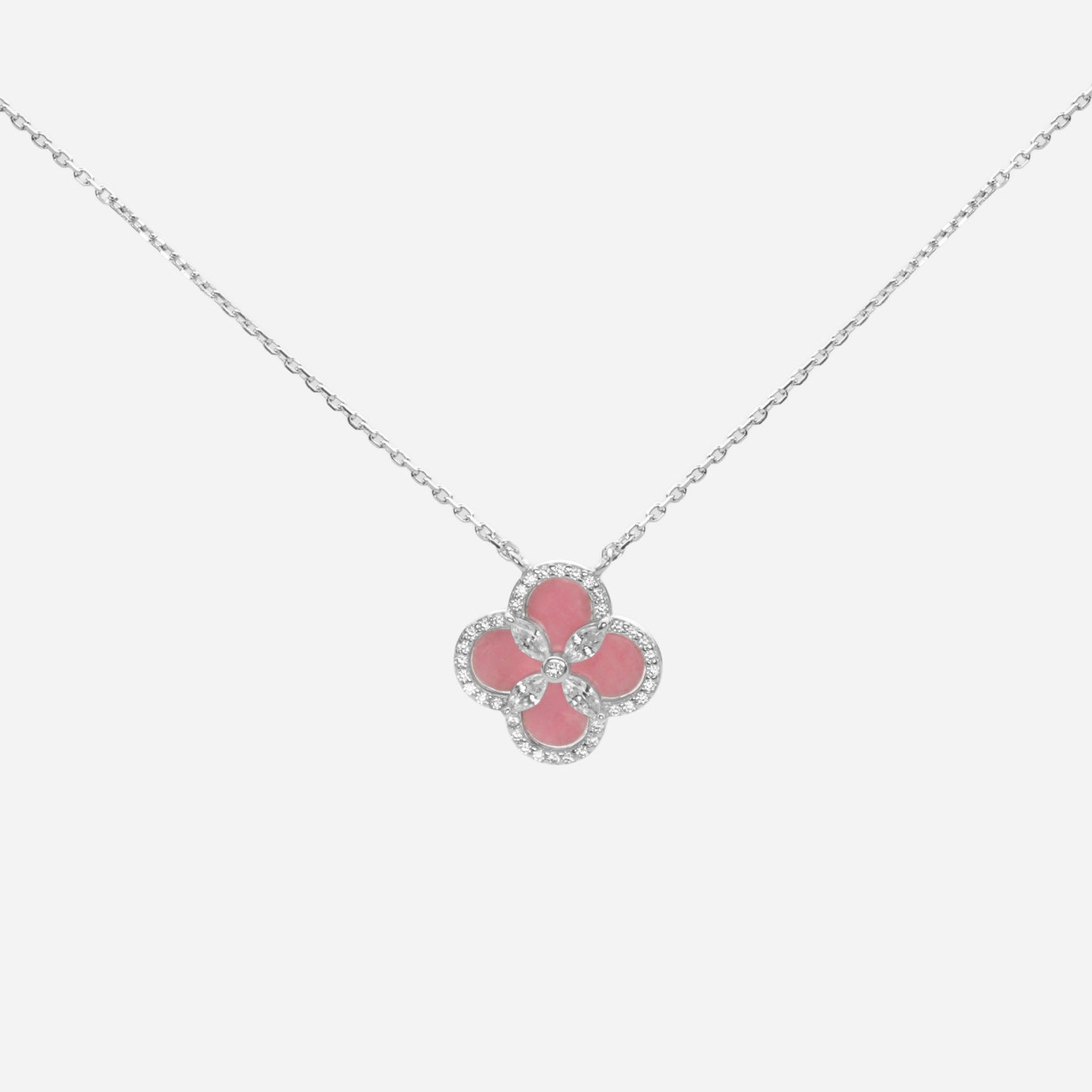
Every piece below is built on the same foundation: 0.5-micron 18K gold plating over solid Ag925 sterling silver, nickel-free, and designed for real life — not just the jewelry box.


How to Care for 18K Gold Plated Jewelry
Gold plating is a surface treatment — it needs a different care approach than solid gold. Here's what actually works:
- Remove before water. Shower, pool, ocean, gym — take it off. Water exposure accelerates gold layer wear by 3–5 times. This single habit makes the biggest difference in longevity.
- Apply products first, jewelry last. Perfume, lotion, sunscreen, hairspray — let them dry completely before putting on your jewelry. The chemicals in these products can react with gold plating over time.
- Clean gently with a microfiber cloth. No chemical cleaners, no ultrasonic machines, no toothpaste hacks. A soft dry microfiber cloth is all you need for routine care.
- Store pieces separately. Gold plated items rubbing against each other in a drawer cause micro-abrasion and faster gold loss. Individual soft pouches or a compartmentalized jewelry box is worth the investment.
- Last on, first off. Put jewelry on after you're fully dressed and ready. Take it off first when you come home. This minimizes total exposure to sweat, friction, and product chemicals.
For a complete care guide, read our article on how to clean gold plated jewelry at home.
Is 18K Gold Plated Jewelry Worth It?
For most jewelry lovers, yes — with one condition: buy quality, not fast fashion. Here's the math:
A solid 18K gold chain necklace typically costs $400–$1,200 depending on weight. A well-made 18K gold plated necklace over sterling silver costs $50–$120..
If the plated version lasts 2 years of regular wear — which quality pieces over sterling silver reliably do — you could buy 4–8 plated necklaces over a decade for the price of one solid gold piece. That's not just cheaper — it gives you more variety, more styling options, and the freedom to switch your look seasonally.
The sweet spot is this: buy 18K gold plated jewelry over sterling silver from brands that disclose their micron thickness. Avoid mystery metals and unstated plating specs. When you know what's underneath the gold, you know exactly what you're paying for — and how long it will last.
Shop 18K Gold Plated Jewelry →
Key Terms
- 18K Gold Plating
- A layer of 18-karat gold (75% pure gold) bonded to a base metal through electroplating. Offers the same gold color as solid 18K at a fraction of the cost.
- Ag925 / Sterling Silver
- An alloy of 92.5% pure silver and 7.5% other metals (usually copper). The gold standard for plated jewelry base metals — hypoallergenic, durable, and tarnish-resistant.
- Micron (μm)
- The unit of measurement for gold plating thickness. 1 micron = 0.001mm. For reference,.1 micron = 0.001mm. For reference, a human hair is about 70 microns thick. Quality gold plating starts at 0.5 microns.
- Premium 18K Gold Plated
- A legally regulated term in the US and UK requiring at least 2.5 microns of gold plating over sterling silver. Note: premium gold plating's micron requirement applies to the gold layer only — not to the overall durability of the piece.
- Gold Filled
- A US-regulated term requiring gold to comprise at least 1/20th (5%) of the item's total weight, mechanically bonded (not electroplated). More durable than plating but limited to brass base metals.
- Electroplating
- The industrial process used to deposit gold onto a base metal using an electric current in a chemical bath. Quality electroplating produces a uniform, well-bonded gold layer.
Frequently Asked Questions
Q: Can I shower with 18K gold plated jewelry?
No. Water, soap, and shampoo accelerate gold layer wear significantly. Even "water-resistant" gold plated jewelry should be removed before showering. The combination of water, heat, and chemical products is particularly aggressive on gold plating — this is the fastest way to shorten your jewelry's lifespan.
Q: Does 18K gold plated jewelry tarnish?
The gold layer itself won't tarnish — gold is chemically inert. However, if the base metal beneath the gold is brass or copper, those metals can tarnish and discolor the gold surface from below. Sterling silver bases minimize this. If your gold plated jewelry is darkening, it's usually the base metal reacting, not the gold.
Q: How can I tell if my gold plated jewelry is 18K vs 14K?
18K gold has a warmer, richer yellow tone compared to 14K's slightly paler yellow. Without a jeweler's test, color is your best visual indicator. Reputable brands state the karat in the product description — if they don't specify, it's usually 14K or lower.
Q: Is 18K gold plated better than 14K gold plated?
"Better" depends on your priorities. 18K has a richer gold color and slightly higher value, but the difference is marginal in a plating layer this thin. The base metal and plating thickness matter far more than whether the gold layer is 14K or 18K. A 0.1-micron 18K plating over brass will fail faster than a 0.5-micron 14K plating over sterling silver.
Q: Is 18K gold plated jewelry safe for sensitive ears?
Yes — if it's nickel-free and over a sterling silver base. The gold itself is hypoallergenic, and sterling silver is naturally skin-compatible. The risk comes from nickel interlayers used in budget plating processes. Always check for "nickel-free" in the product specifications.
Q: How much should 18K gold plated jewelry cost?
A fair range for quality 18K gold plated jewelry over sterling silver: $35–$95 for earrings, $45–$120 for necklaces, $40–$100 for rings, $50–$130 for bracelets. Prices above this usually include brand markup or higher plating thickness; prices significantly below usually mean brass base or sub-0.1-micron plating.
We Believe
We believe luxury shouldn't require a trust fund. The women who wear ÉLARAMUSE are building careers, raising families, traveling the world — they need jewelry that keeps up. 18K gold plated jewelry over sterling silver is our answer: the warmth and presence of fine gold, the durability of a quality foundation, and a price that leaves room for living.
Every piece is nickel-free, hypoallergenic, and backed by our 0.5-micron plating standard — because gold that fades in two weeks isn't luxury, it's landfill.
References
- Federal Trade Commission. Guides for the Jewelry, Precious Metals, and Pewter Industries. 16 CFR Part 23. FTC Jewelry Guides
- American Gem Society. "Understanding Gold Purity: 24K, 18K, 14K, and 10K." AGS Gold Purity Guide
- National Institute of Standards and Technology. "Standard Reference Materials for Jewelry Testing." NIST Jewelry Standards
- Jewelers of America. "Consumer Guide to Gold Jewelry." Jewelers of America Consumer Resources
Published: July 2026. This guide reflects current industry standards and ÉLARAMUSE's material specifications as of the publication date.