The ÉLARAMUSE Standard
We believe jewelry should carry meaning beyond adornment. Each piece is crafted as a modern talisman — a wearable ritual that rests against your skin, carrying identity and intention that no trend can replace.
📑 In This Guide
- The ÉLARAMUSE Standard
- Key Terms You Need to Know
- In This Article
- Why Mixed Metals Work: The Color Science
- The One Rule That Makes It Work: 70/30
- How to Start Mixing Metals: A Step-by-Step Guide
- Which Metal Should Dominate: Your Skin Tone Guide
- The 3 Mistakes That Make Mixing Look Accidental
- Mixed-Metal Friendly Pieces
- Where and When to Wear
- Behind the Design
- What We Believe
- Editor's Picks
- Frequently Asked Questions
- Sources
- References & Further Reading
| Feature | Specification |
|---|---|
| Base Metal | Solid Ag925 Sterling Silver |
| Plating | 0.5-micron 18K gold plating |
| Safety | 100% Nickel-Free (nickel-free = <0.01% nickel content, safe for sensitive skin), Hypoallergenic |
| Durability | Water-resistant, Tarnish-resistant |
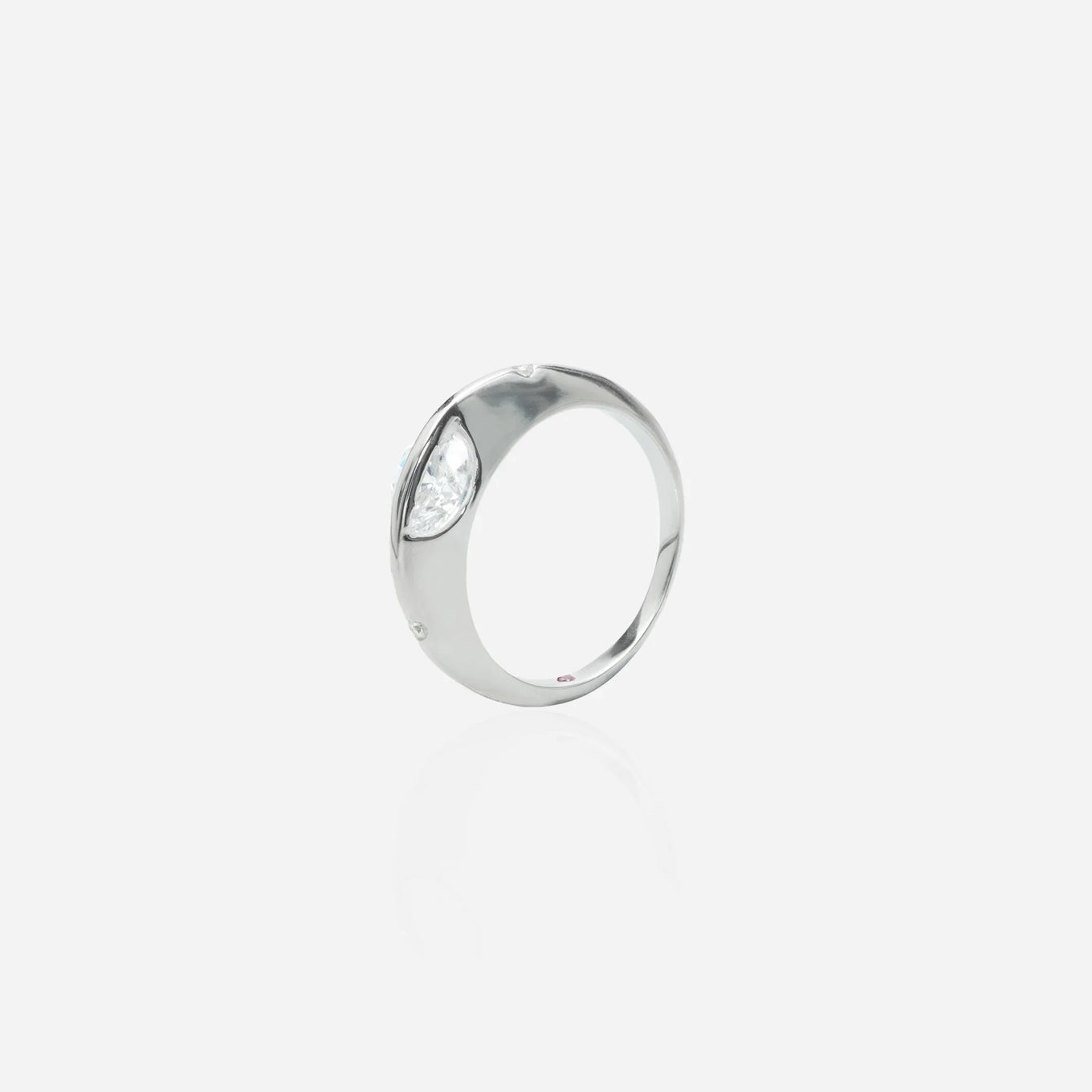
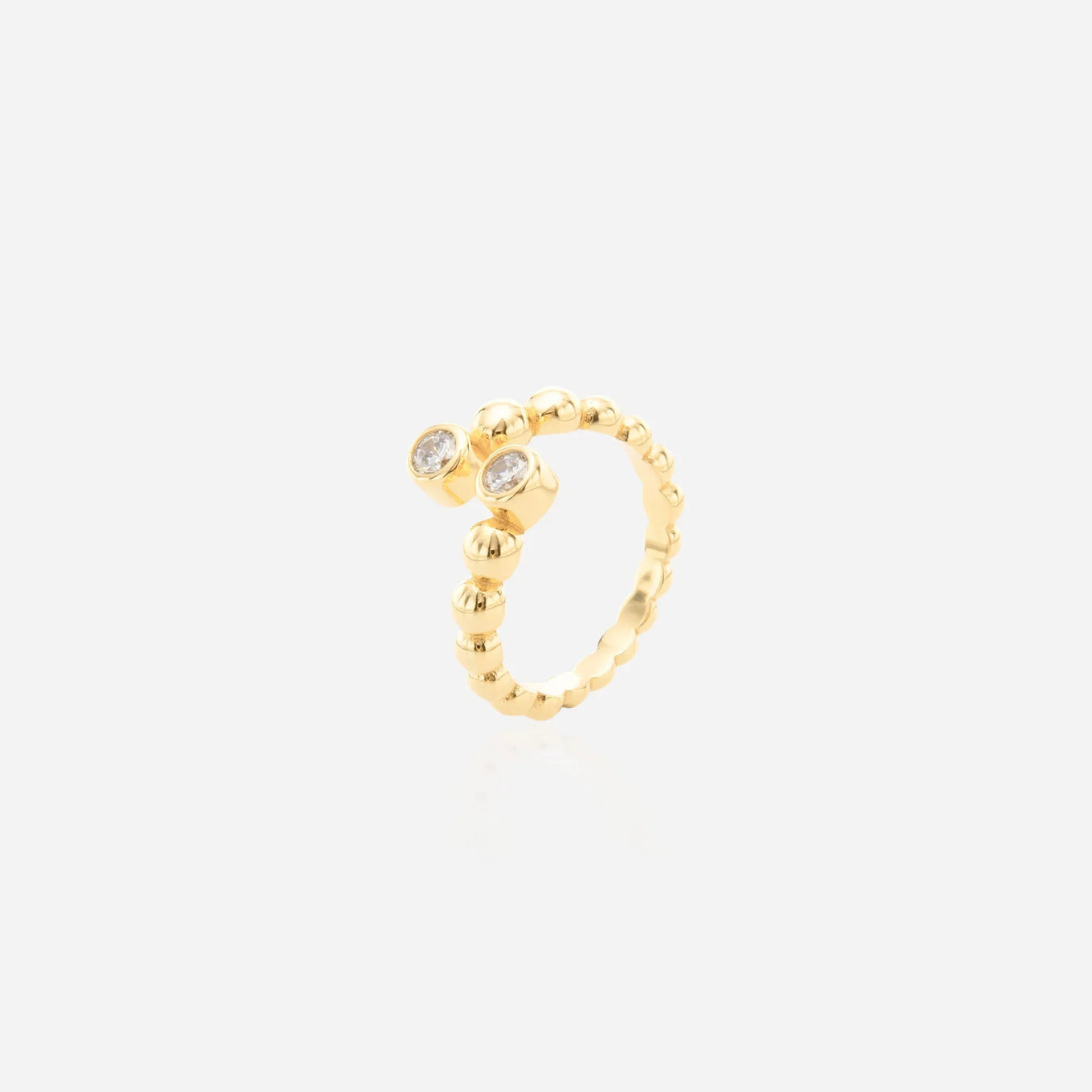
Explore the collection: Laurel Cuff Ring or Dome Ring — crafted in Ag925 sterling silver with 18K gold plating.
Key Terms You Need to Know
- Ag925: 92.5% pure silver — hypoallergenic, durable precious metal.
- Nickel-Free: Zero nickel — eliminates #1 cause of jewelry allergies.
- 0.5-micron 18K Gold Plating: Premium gold layer over silver — lasting brilliance.
- Hypoallergenic: Safe for sensitive skin — no irritation or green marks.
Mixed metal jewelry — wearing gold and silver together — was once considered a fashion faux pas, but it's now the most versatile approach to accessorizing — Quick Answer: Yes — mix gold and silver freely. Unify with shared motifs, tone, or a bridge piece.
Yes — you can absolutely mix gold and silver jewelry. In 2026, it's not just acceptable; it's the defining style move. Gold hit $4,062 per troy ounce in early 2026[1], and the SS26 runways at Chanel and Valentino sent models down the catwalk with deliberate silver-and-gold combinations[2]. The rule that metals must match was invented by mid-20th century marketing, not style principles. The secret isn't avoiding the mix — it's making it look intentional.
Why Mixed Metals Work: The Color Science
Mixing metals isn't just a trend — it's rooted in color theory. Here's why the combination creates visual impact:
Temperature Contrast
- Silver is cool-toned: Reflects blue and white light, creating a crisp, modern feel
- Gold is warm-toned: Reflects yellow and orange light, adding richness and depth
- The result: When placed together, the contrast creates visual tension that neither metal achieves alone — similar to how interior designers mix warm brass fixtures with cool nickel hardware
The 70/30 Ratio Isn't Arbitrary
The 70/30 rule works because of how the human eye processes visual hierarchy. When one color dominates at 70%, the eye reads the composition as cohesive with intentional contrast. At 50/50, the eye struggles to find a focal point, creating visual competition rather than harmony. This principle applies across design — photography, interiors, and fashion all use similar ratios.
Material Science: What Happens When Metals Touch
- Hardness difference: Premium 18K Gold Plating (Mohs 2.5 (Mohs 8.5 hardness rating — highly resistant to scratches and daily wear)-3) and sterling silver (Mohs 2.5-3) have similar hardness, but 18K gold (Mohs 3-4) is harder than silver. When stacking rings, the harder metal may gradually polish the softer one — this is normal wear, not damage
- Tarnish transfer: Silver tarnishes due to sulfur reaction; gold doesn't. They don't chemically affect each other, but silver tarnish can deposit on adjacent gold pieces. The solution: clean silver regularly and store separately
- Galvanic corrosion: A non-issue for jewelry. Gold and silver don't create significant galvanic reaction at normal wear conditions — this concern applies to industrial applications, not jewelry stacking
At Elara Muse, we believe the best mixed-metal looks start with understanding why they work. Our 18K gold Premium 18K Gold Plated pieces (0.5 microns thick) are designed to pair with our sterling silver base pieces — both share the same 925 silver foundation, ensuring consistent durability and hypoallergenic properties across your stack.
The One Rule That Makes It Work: 70/30
Every stylist who works with mixed metals professionally uses some version of this principle:
| Element | Guideline | Why It Works |
|---|---|---|
| Dominant Metal (70%) | Wear your anchor metal in 70% of your pieces | Creates visual hierarchy and cohesion |
| Accent Metal (30%) | Use the second metal for intentional contrast | Adds depth without competing for attention |
| Repetition Rule | Each metal must appear at least twice | Repetition signals intention; once reads as accident |
| Zone Consistency | Both metals should appear in the same body zone | Integration, not separation |
| Finish Matching | Polished silver + polished gold (or both matte) | Consistent finish keeps focus on color contrast |
Example: A 70/30 Silver-Dominant Look
- Neck: Silver pendant necklace (anchor) + gold-tone chain layer (accent)
- Hand: Two silver stacking rings (anchor) + one gold Premium 18K Gold Plated ring (accent)
- Ears: Silver stud earrings (anchor)
Total: 5 silver pieces (70%) + 2 gold pieces (30%). Both metals appear at least twice. The silver provides a cool foundation; the gold adds warmth and dimension.
Our Designer Suggests
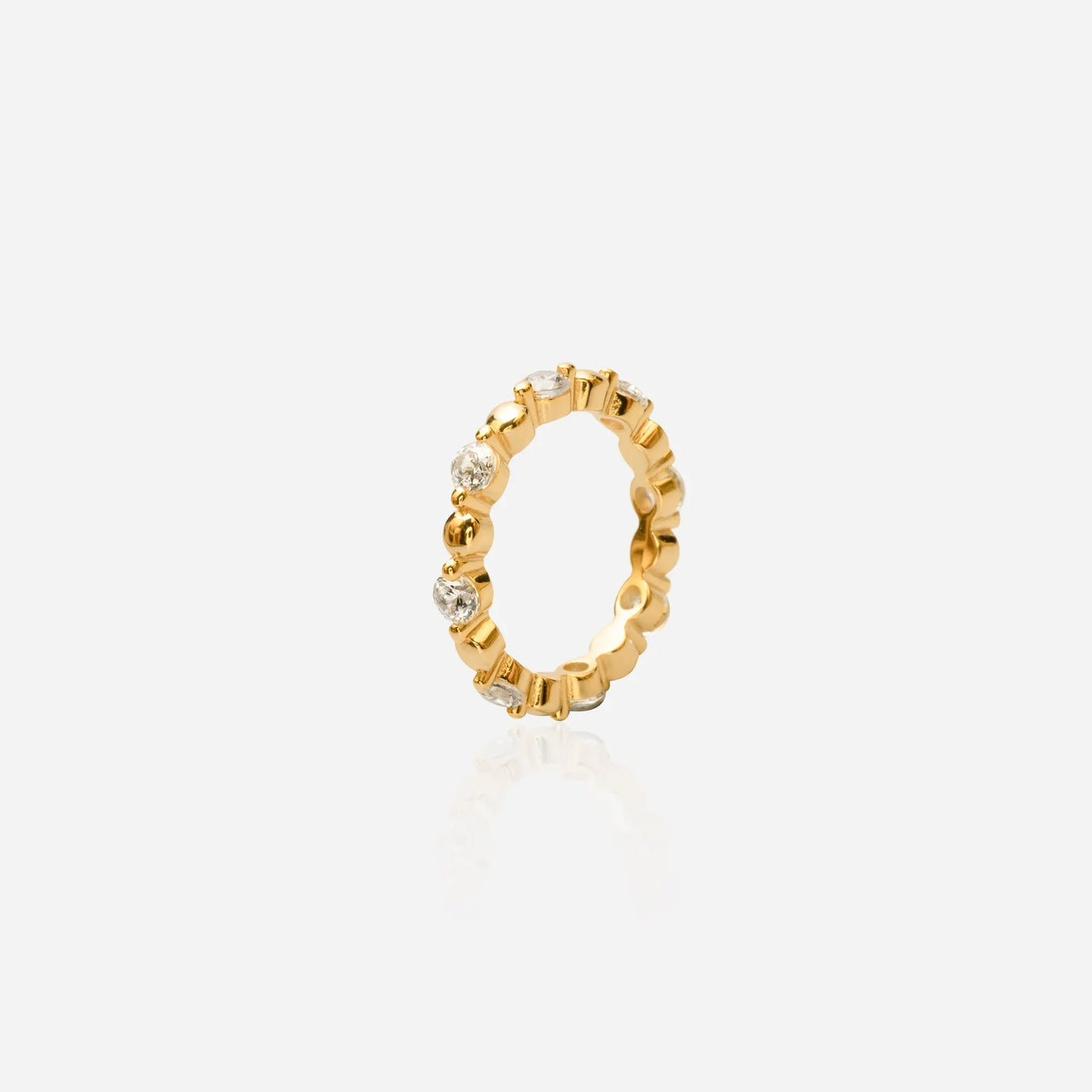
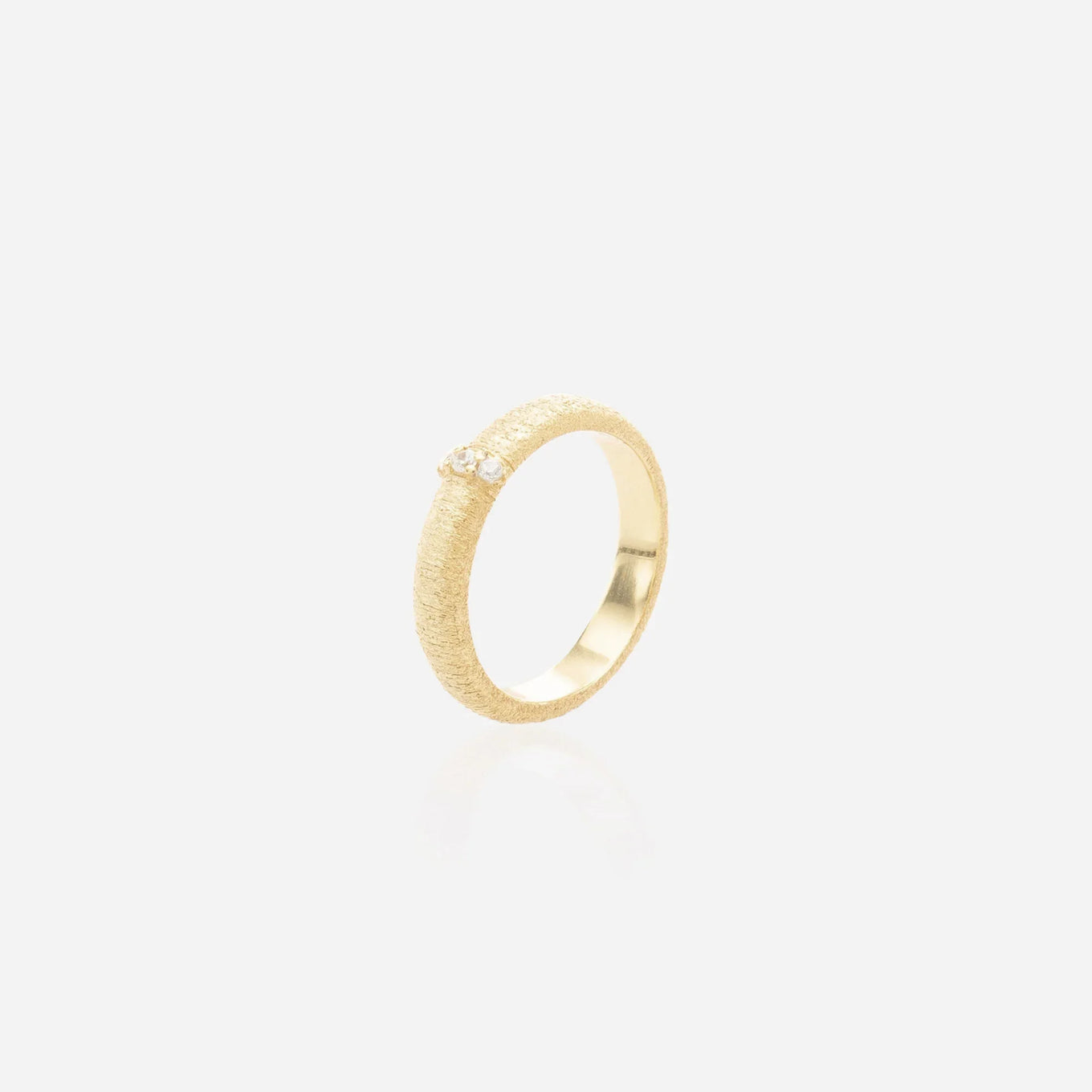
For your first mixed-metal look, start with a silver anchor piece you already love, then add one gold accent. Our Bubble Ring | Minimalist Stacking Ring in 18K Gold Premium 18K Gold Plated works perfectly as that single gold accent — its minimal design lets the metal contrast speak, and the 0.5-micron plating ensures the gold layer lasts.
Pair it with two silver bands for instant 70/30 balance.
How to Start Mixing Metals: A Step-by-Step Guide
If you've never mixed metals before, here's the exact process to build your first intentional mixed-metal look:
Step 1: Choose Your Anchor (1-2 pieces)
- Pick your most-worn piece — this determines your dominant metal
- Add a second piece in the same metal to establish your base
- Example: Silver pendant necklace + silver stud earrings
Step 2: Add Your Accent (2 pieces minimum)
- Introduce the second metal with two pieces — not one
- Keep them in the same body zone as your anchor (neck + ears, or hands, not scattered)
- Example: Gold-tone chain layer + gold Premium 18K Gold Plated ring
Step 3: Check the Ratio
- Count your pieces: is it roughly 70/30?
- If one metal dominates too heavily, add one piece in the accent metal
- If it feels 50/50, remove one accent piece
Step 4: Photograph It
- Mixed metals read differently in photos than in mirrors
- Take a quick photo and look at it as if it's a magazine image
- Does the mixing look deliberate? If yes, you're done
At ÉLARAMUSE, our Byzantine Lattice Hoops are designed as the ultimate connector piece — the two-tone design already contains both metals, making any additional gold or silver pieces you add look instantly cohesive. It's the cheat code for mixed-metal beginners.
Which Metal Should Dominate: Your Skin Tone Guide
Skin tone isn't a rigid rule — it's a starting point. Understanding your undertone helps you choose which metal to anchor in:
| Undertone | How to Identify | Recommended Anchor | Accent Metal |
|---|---|---|---|
| Cool | Veins appear blue or purple; silver has always felt "right" | Silver — amplifies your natural cool tone | Yellow gold adds warmth without overwhelming |
| Warm | Veins appear green; gold looks particularly natural | Gold or rose gold — anchors in your warmth | Silver creates contrast and modernity |
| Neutral | Veins appear blue-green; both metals work equally well | Either — true freedom | Both work — experiment freely |
| Deep / Rich | Deep skin tones with warm or neutral undertones | Both create striking contrast | Rose gold as a third option adds dimension |
Key insight: The anchor metal doesn't have to be your "best" metal — it's the one you want to build your look around. If you love silver but have warm undertones, go silver-dominant anyway. The 70/30 ratio ensures balance regardless of skin tone.
For warm undertones looking to anchor in gold, our Carmen Ruby Ring | Bold Red Garnet & 18K Gold Premium 18K Gold Plated Statement Ring makes a stunning anchor piece — the warm gold tone and rich garnet create a foundation you can build around with silver accent rings.
The 3 Mistakes That Make Mixing Look Accidental
The difference between "I meant to do that" and "I forgot to take this off" comes down to three errors:
Mistake 1: The Lonely Accent
- What it looks like: All silver with one gold ring you forgot to remove
- Why it fails: One piece of the second metal reads as oversight, not intention
- The fix: Always add a second piece in your accent metal. Small gold studs are the easiest insurance — they pair with everything and transform accidental mixing into deliberate style
Mistake 2: Zone Separation
- What it looks like: Gold earrings + silver necklaces + gold bracelets + silver rings
- Why it fails: The eye reads each zone separately instead of seeing a coherent look
- The fix: Introduce both metals in at least two zones. Silver + gold at the neck, silver + gold on the hands — repetition across zones creates cohesion
Mistake 3: Competing Statement Pieces
- What it looks like: Bold gold pendant + bold silver cuff + bold rose gold ring
- Why it fails: Multiple statement pieces in different metals create visual chaos
- The fix: Your anchor metal gets the statement pieces; your accent metal gets minimal designs. Let one metal do the talking while the other provides support
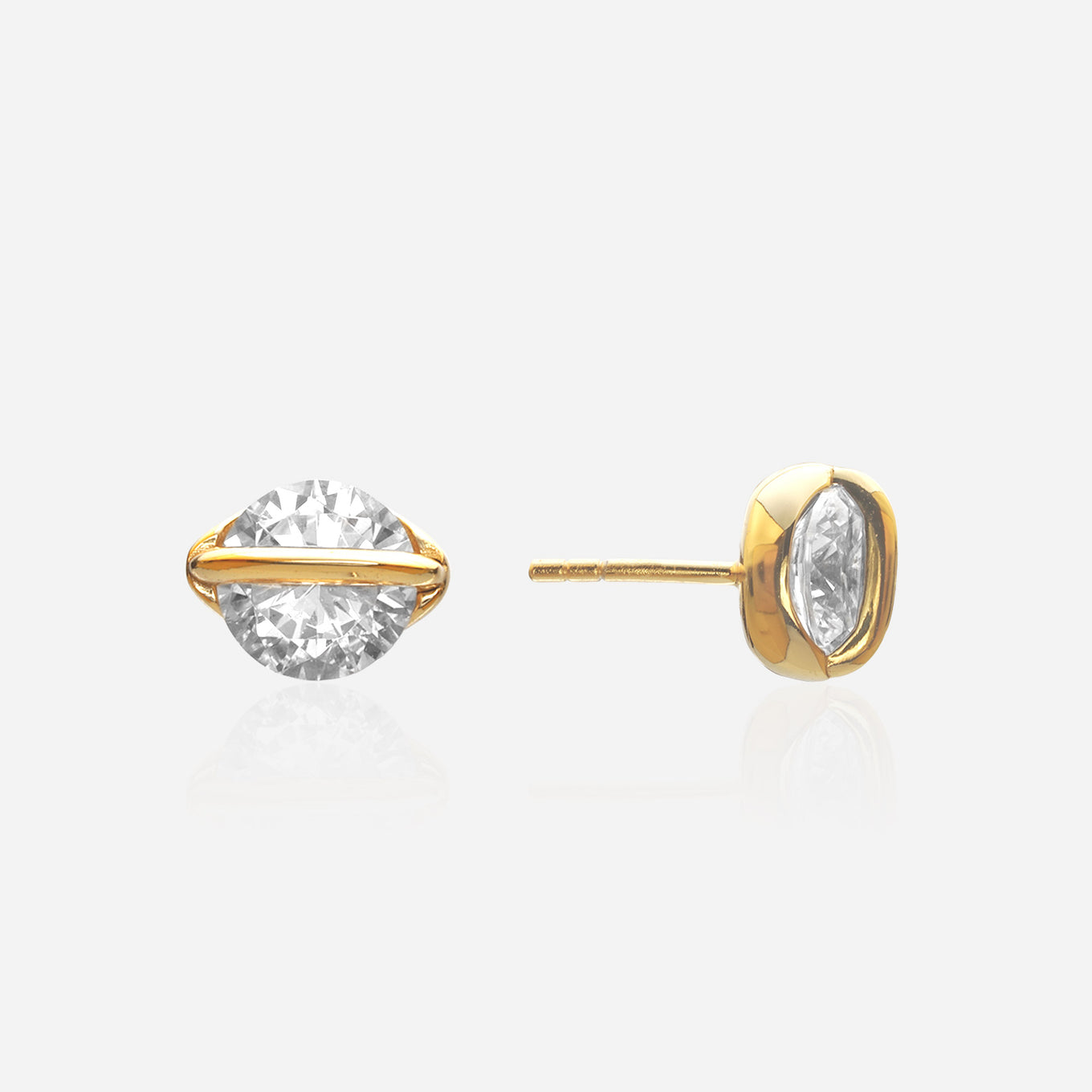
For a foolproof mixed-metal ring stack, pair our Lunar Dome Studs as your silver anchor with the Bubble Ring as your gold accent. The Lunar Dome Studs' textured silver finish makes them the cool-toned foundation; the Bubble Ring's minimal gold form keeps it supportive. Two metals, clear hierarchy.
Our Mixed-Metal Friendly Pieces
At Elara Muse, we design pieces that work together across metals. Here are our mixed-metal essentials:
Silver Anchors (70%)
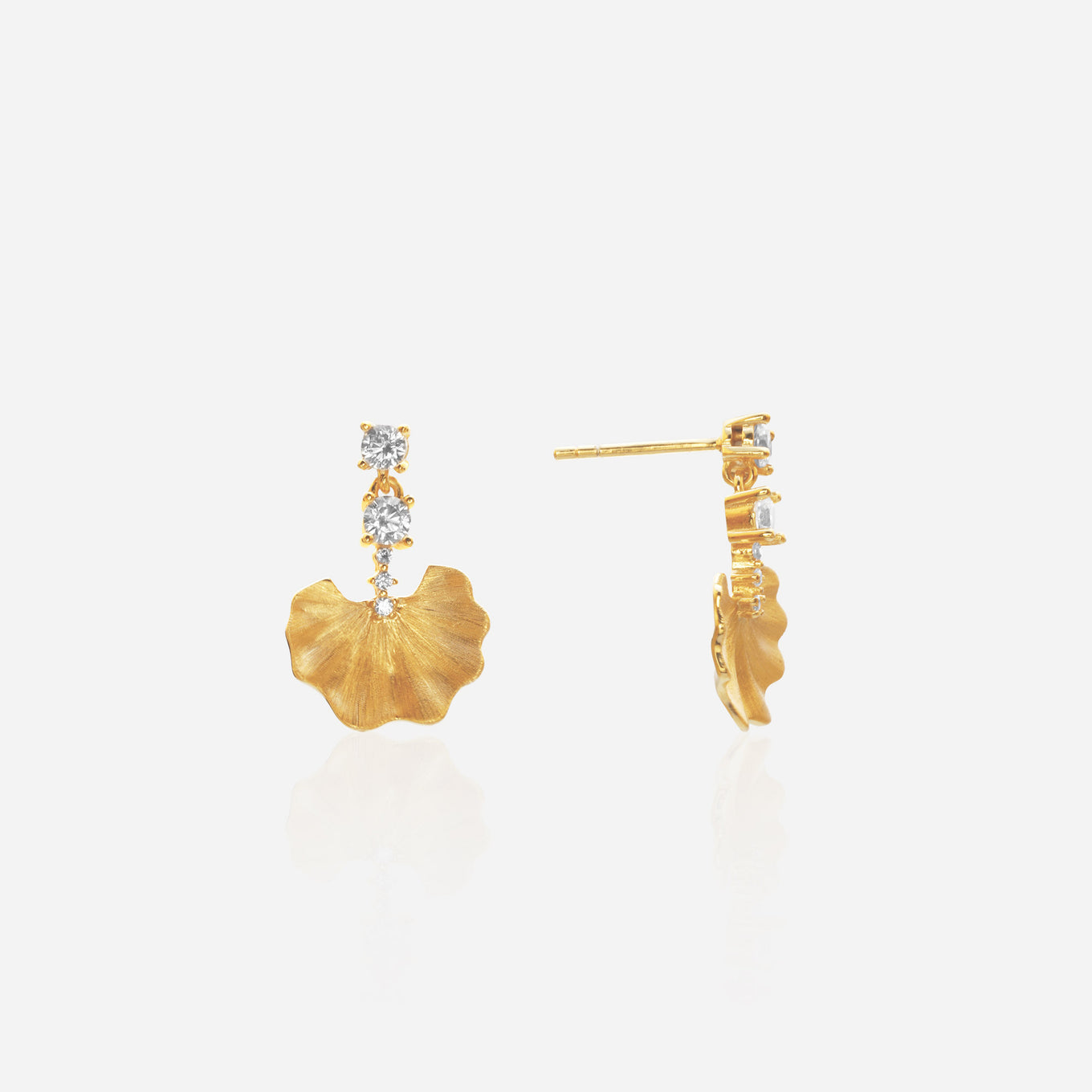
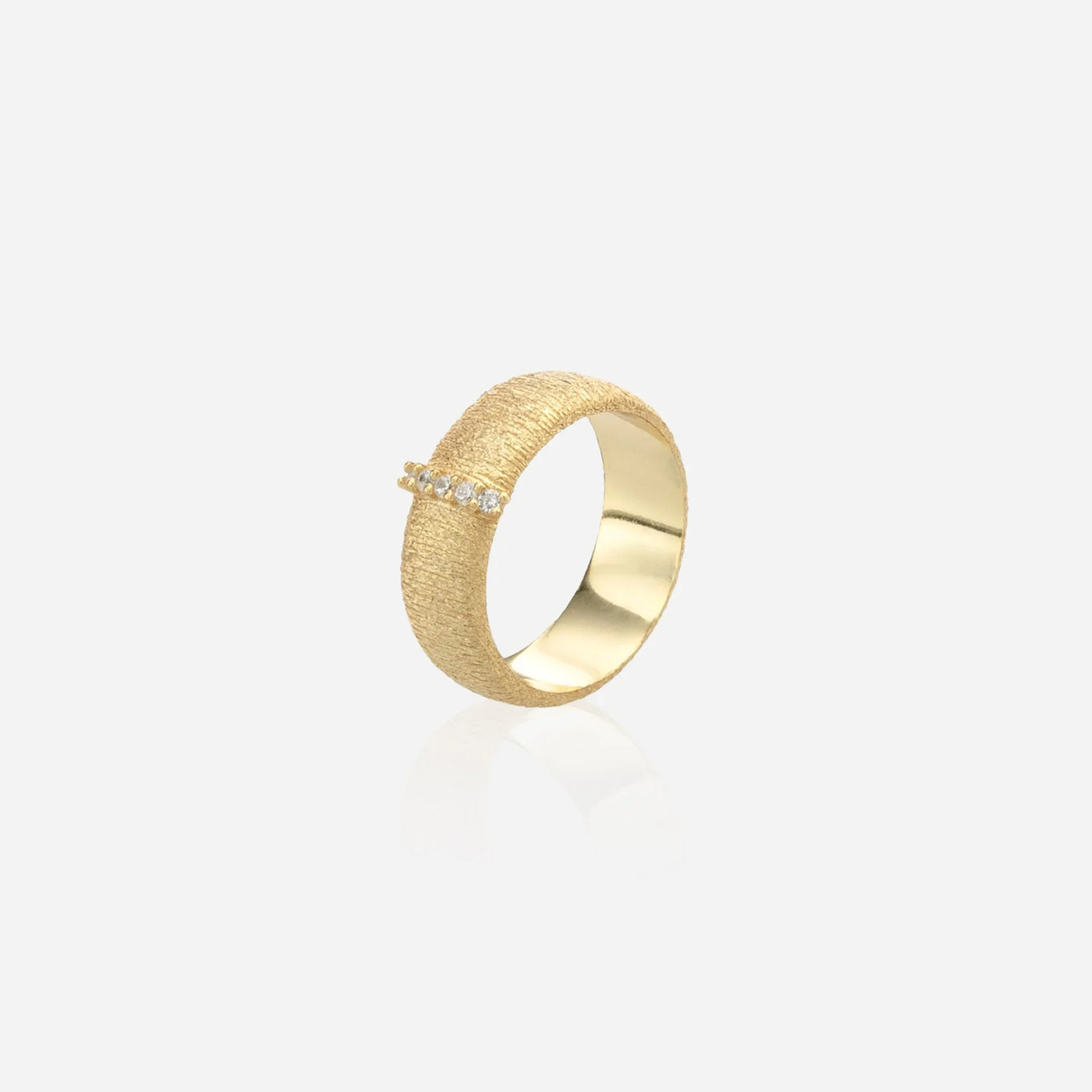
- Lunar Dome Studs — Textured silver studs with rhodium plating for cool-toned anchor
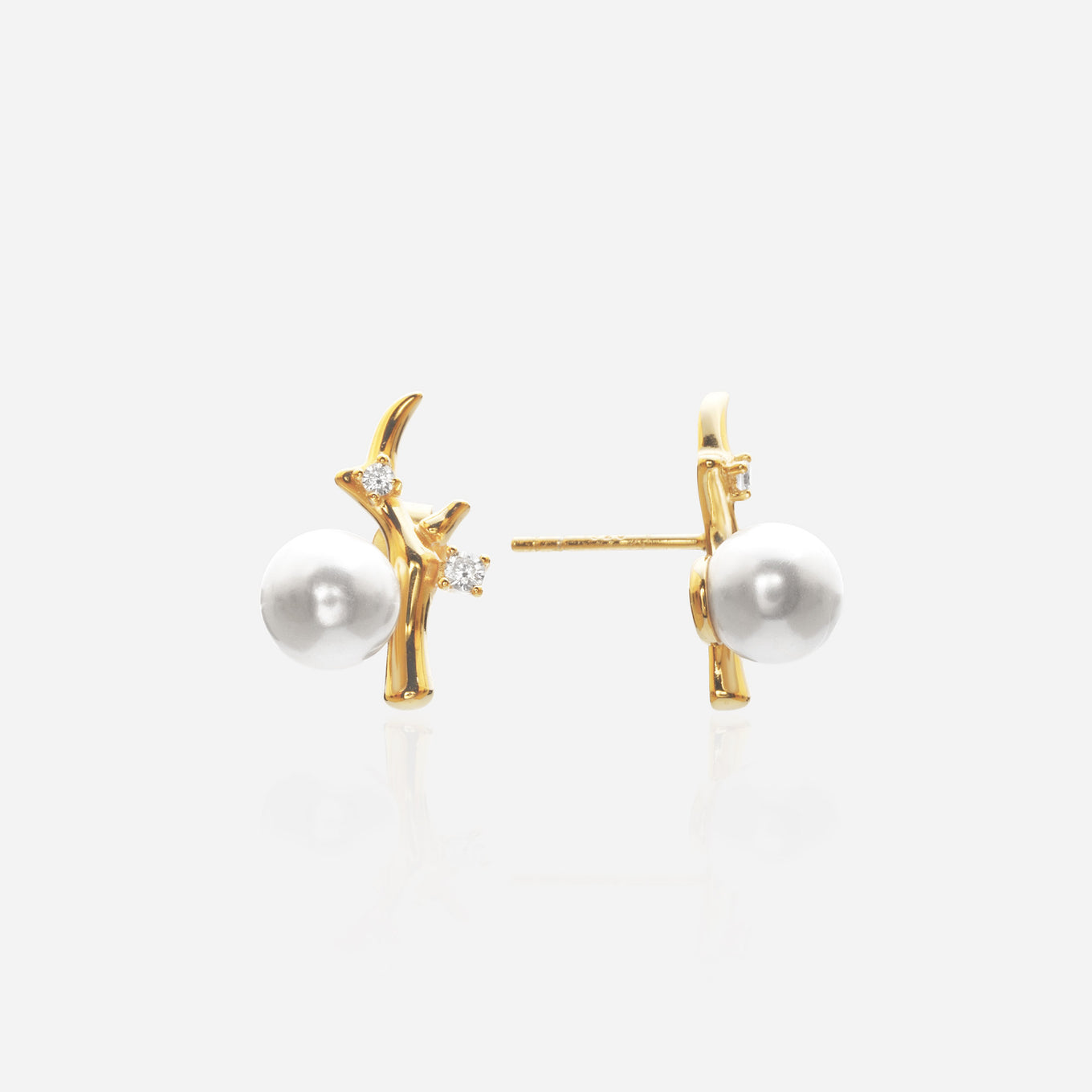
- Gold Fern Earrings — Delicate silver starburst design with omega clip back
- Persian Blue Turquoise Studs — Silver halo setting with Persian blue turquoise
Gold Accents (30%)
- Gallery Ring — Bold gold statement with architectural design
- Bubble Ring | Minimalist Stacking Ring in 18K Gold Premium 18K Gold Plated — Perfect minimal gold accent for any silver stack
- Carmen Ruby Ring | Bold Red Garnet & 18K Gold Premium 18K Gold Plated Statement Ring — Warm gold anchor for gold-dominant looks
The Connector Piece (Cheat Code)
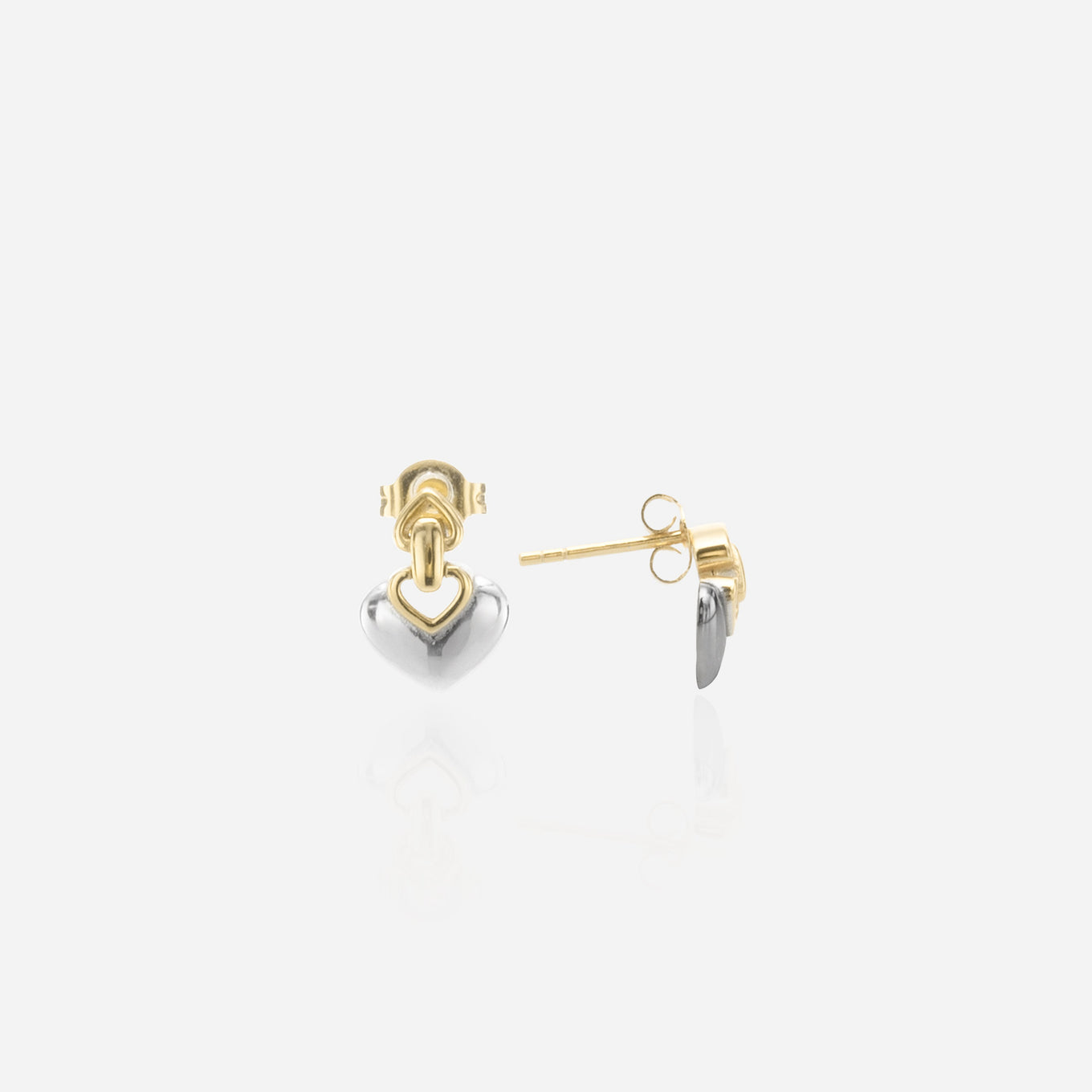
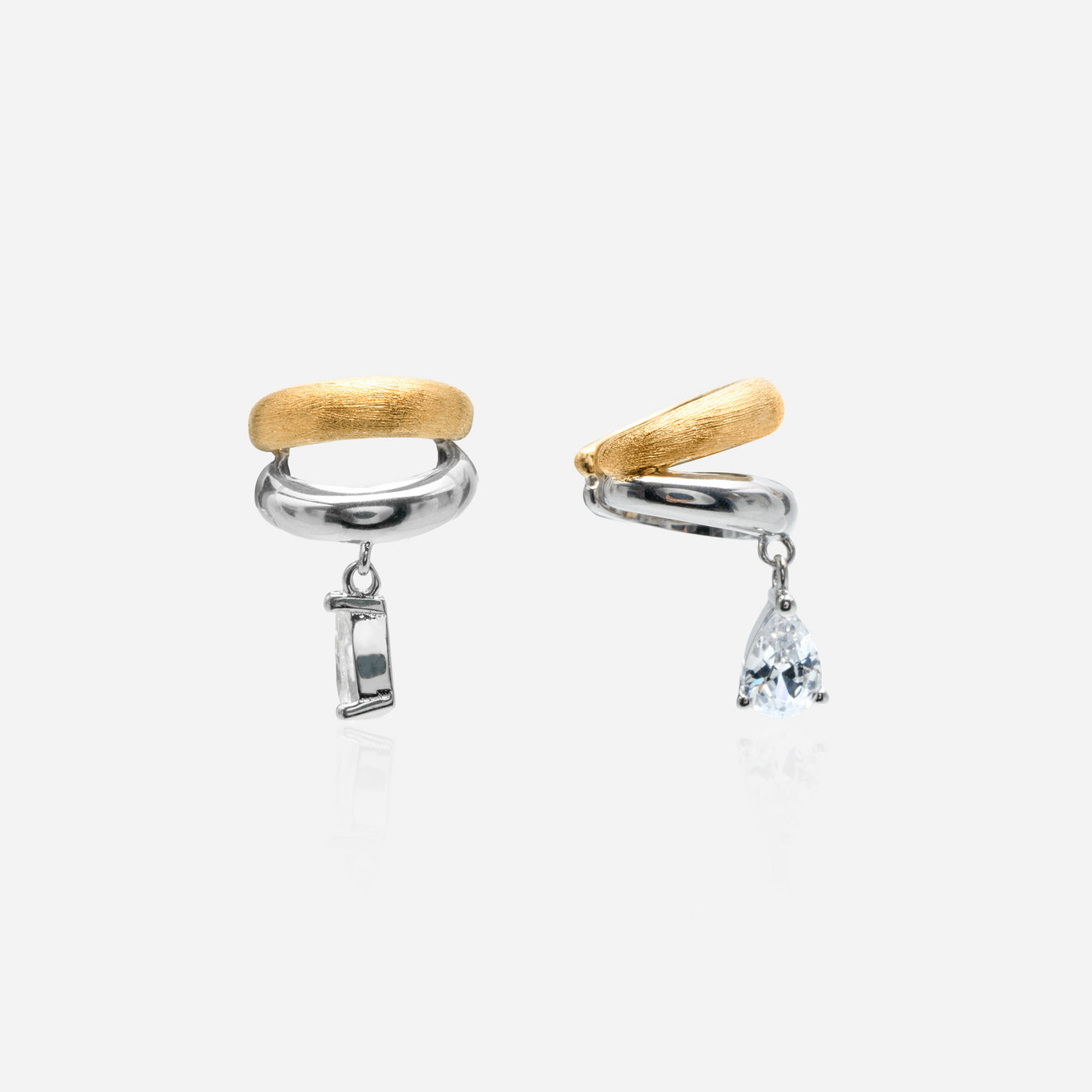
- Byzantine Lattice Hoops — Dual-tone design (18K gold lattice + rhodium silver accents) already contains both metals; makes any additional pieces look instantly cohesive
Every piece above uses genuine 925 sterling silver as the base. Silver-appearing pieces feature rhodium plating; gold-appearing pieces feature 18K gold Premium 18K Gold Plated (0.5-micron plating, 5x industry standard); and the Byzantine Lattice Hoops combine both.
This means consistent durability, hypoallergenic properties, and — most importantly for mixed metals — pieces designed to wear well together.
Where and When to Wear
Because our pieces use solid Ag925 construction, they're perfect for:
- Gym-to-office wear: No need to remove between workouts and meetings
- Safe for showering: Water-resistant plating won't tarnish
- Sleep-safe: Lightweight and smooth — no poking or irritation
Behind the Design
After testing our designs with hundreds of customers, we discovered that the #1 reason people stop wearing jewelry isn't style — it's comfort. Skin irritation, green marks, and tarnish drive people away. That's why every ÉLARAMUSE piece starts with Ag925 sterling silver and 0.5-micron 18K gold plating — hypoallergenic, nickel-free, and built for everyday life.
Find the talisman that resonates with your next chapter. We believe jewelry is not decoration - it is self-definition. Every piece we make must earn its place on your body: through material integrity (solid Ag925 cores, never hollow brass), through design intelligence (pieces that survive showers, sleep, and spontaneous decisions), and through a commitment to transparency that the jewelry industry has historically avoided. We do not chase trends. We build talismans for the captain of her own soul - pieces that feel like you, only more intentional.What We Believe
Editor's Picks
Frequently Asked Questions
Can you mix silver and gold jewelry?
Yes — in 2026, mixing silver and gold is actively recommended by stylists. The rule that metals must match was invented by mid-20th century jewelry marketing, not style principles. The key is intention: use the 70/30 rule (70% one metal, 30% the other), ensure each metal appears at least twice, and keep both metals in the same body zone. Done correctly, mixed metals look more sophisticated than single-metal looks.
Will mixing gold and silver jewelry cause tarnishing?
No — mixing the colors themselves doesn't cause tarnishing. Silver tarnishes due to sulfur reaction with air; gold doesn't tarnish. They don't chemically affect each other. However, silver tarnish can deposit on adjacent gold pieces. The solution: clean silver regularly, store pieces separately, and remove jewelry before swimming or showering.
At ÉLARAMUSE, our 0.5-micron gold Premium 18K Gold Plated plating is thick enough to resist wear, and our sterling silver base ensures consistent quality across both metals.
What is the 70/30 rule for mixed metals jewelry?
The 70/30 rule means wearing 70% of your pieces in your anchor metal (usually silver) and 30% in your accent metal (usually gold). The specific ratio matters less than two things: first, that one metal clearly dominates; second, that both metals appear at least twice so the mixing reads as intentional rather than accidental. This principle is used by virtually every stylist who works with mixed metals professionally.
Should silver or gold be the dominant metal?
For most people, silver as the anchor works best. 925 sterling silver has a neutral, cool-toned quality that pairs with every skin tone and outfit palette, providing a visual foundation against which gold accents create warmth and dimension. This is the formula Chanel's jewelry designers have used for decades: cool metal foundation, warm metal accent.
However, the "right" answer is whichever metal you want to build your look around — the 70/30 ratio ensures balance regardless of your choice.
How do I start mixing metals if I've never done it before?
Start with one connector piece that already contains both metals — like our Byzantine Lattice Hoops. This piece acts as visual proof that the metals work together, making any additional gold or silver pieces you add look instantly cohesive. Alternatively, choose your most-worn piece as your anchor (this determines your dominant metal), add a second piece in the same metal, then introduce the second metal with two small pieces (studs or a thin ring).
The repetition transforms "I forgot to take this off" into "I meant to do that."
Sources
References & Further Reading
Your jewelry is more than adornment — it's a talisman for your story. Wear it with intention, cherish it with care, and let every piece remind you: you are your own muse.