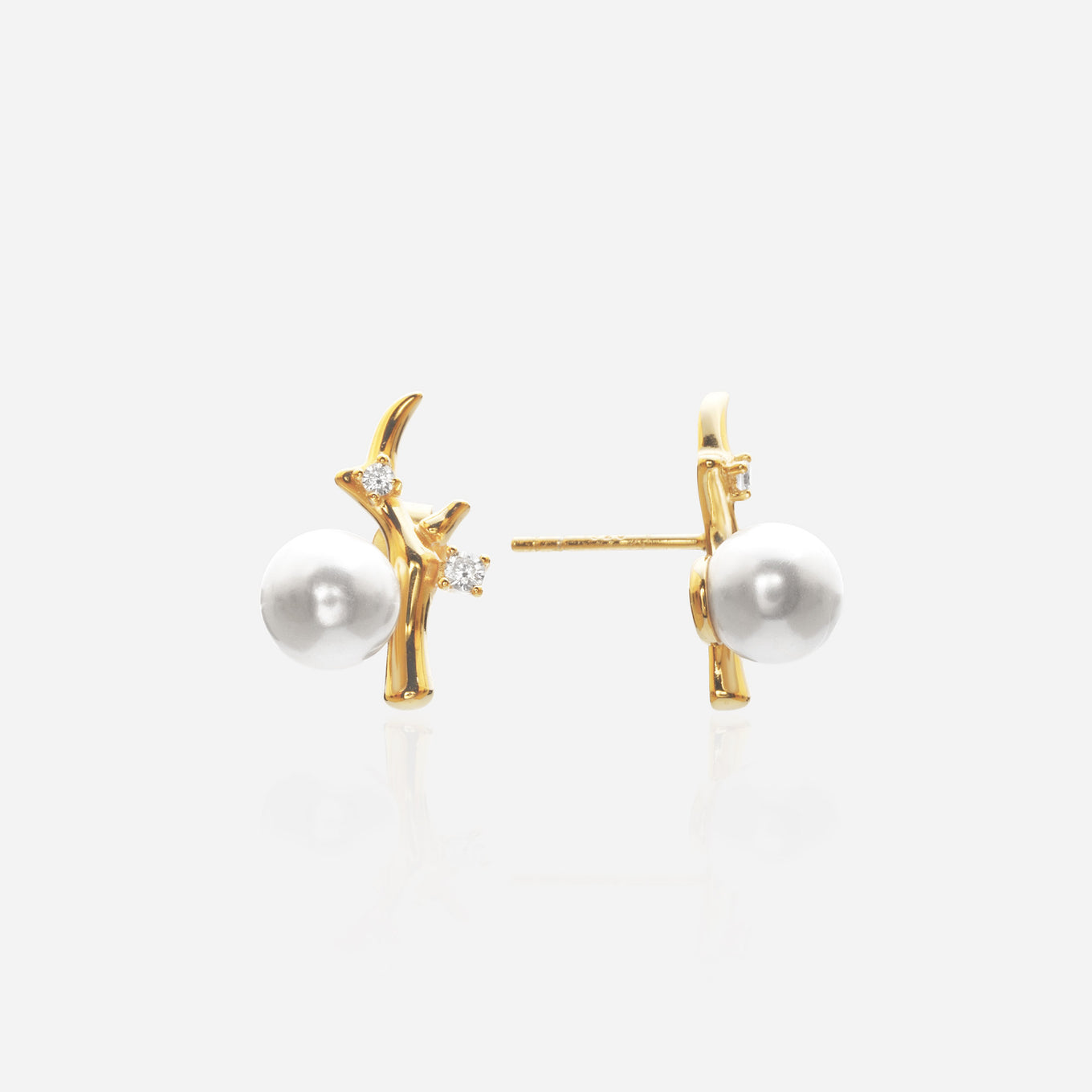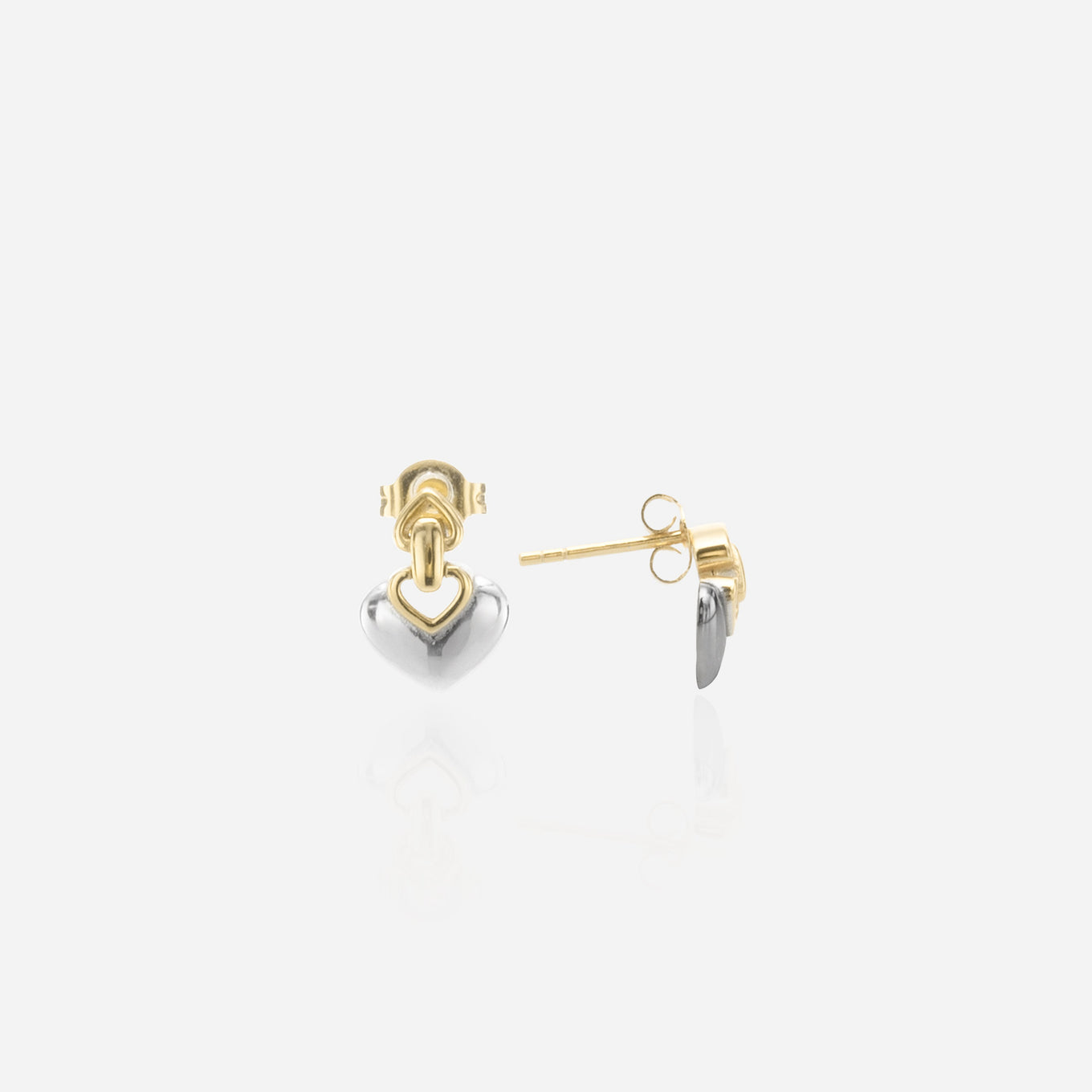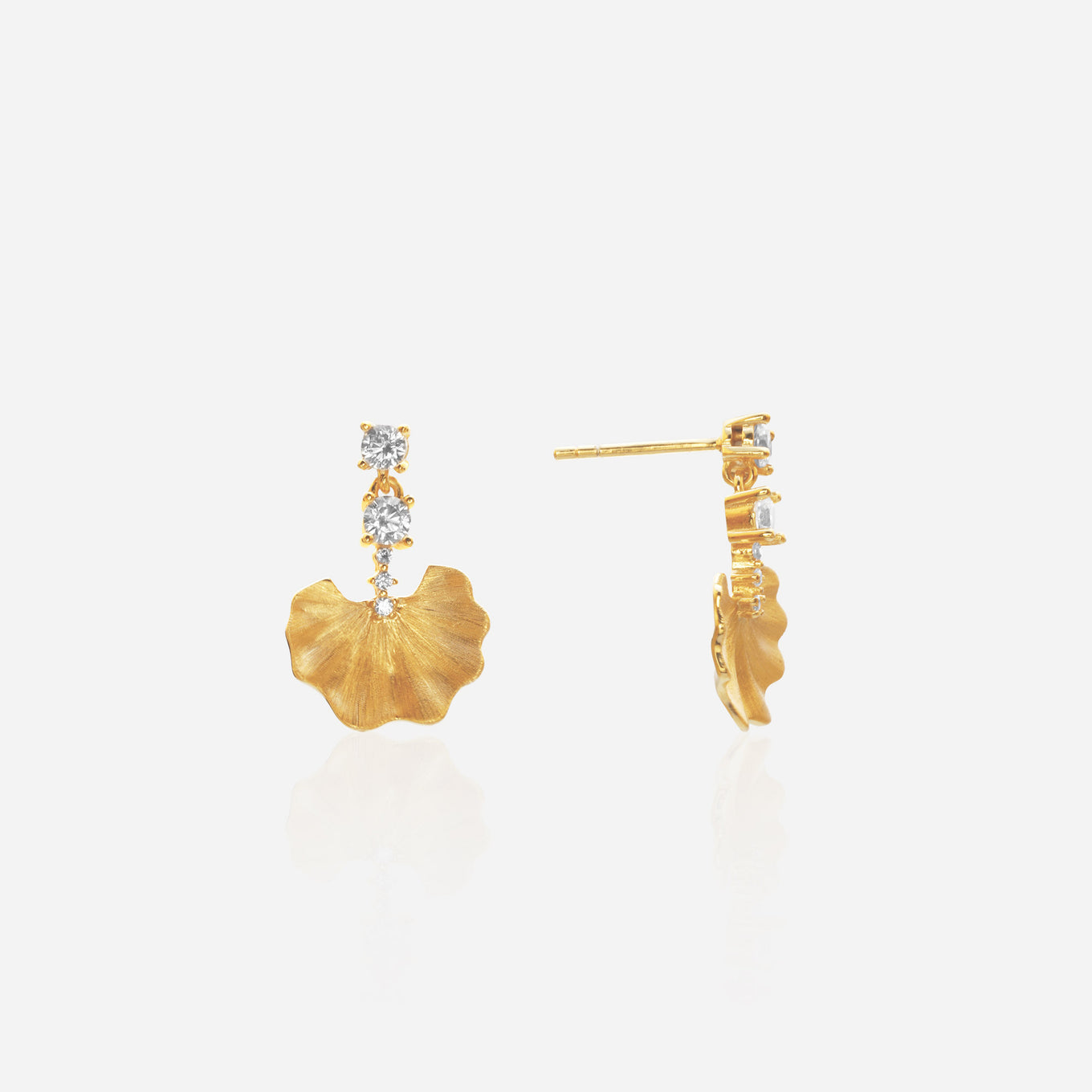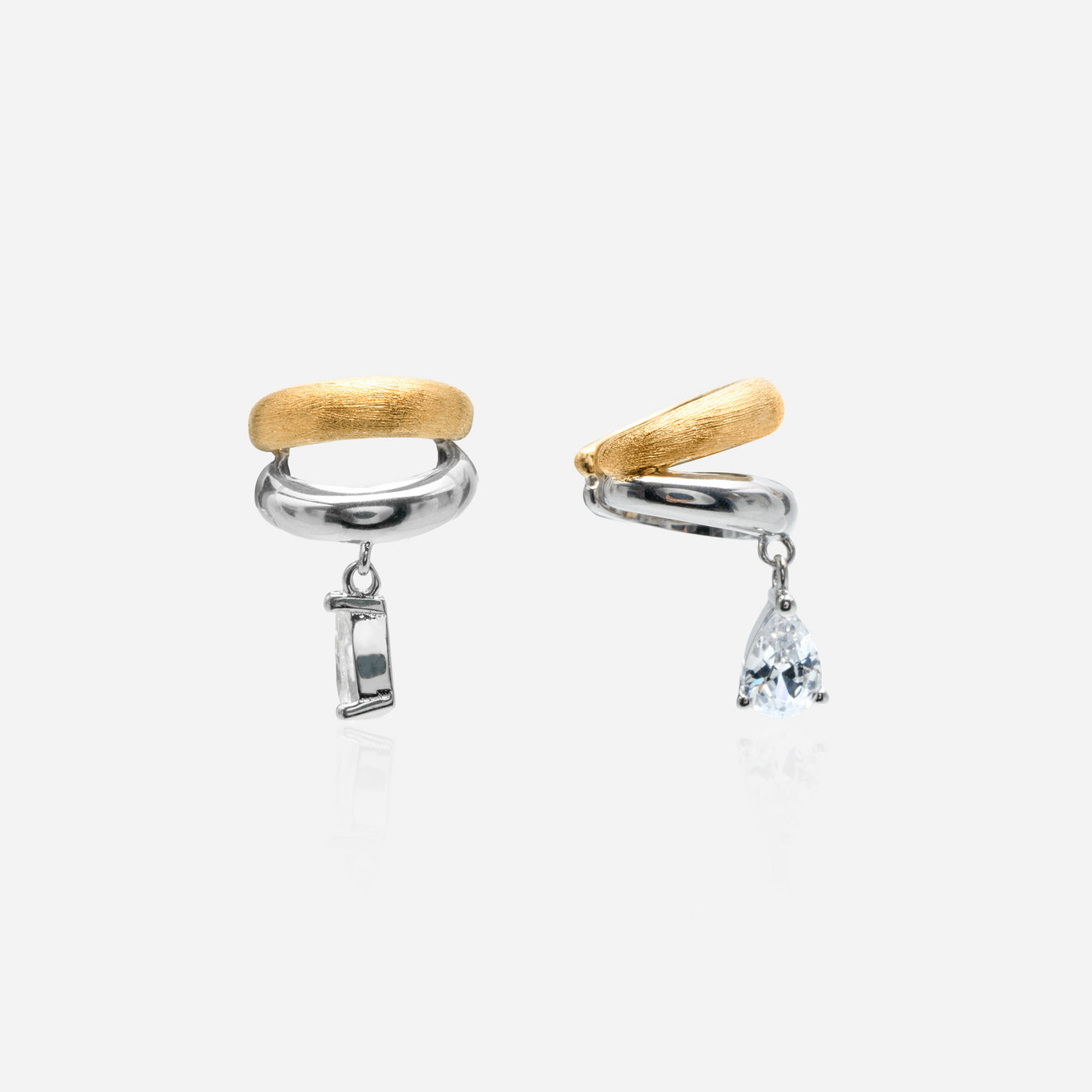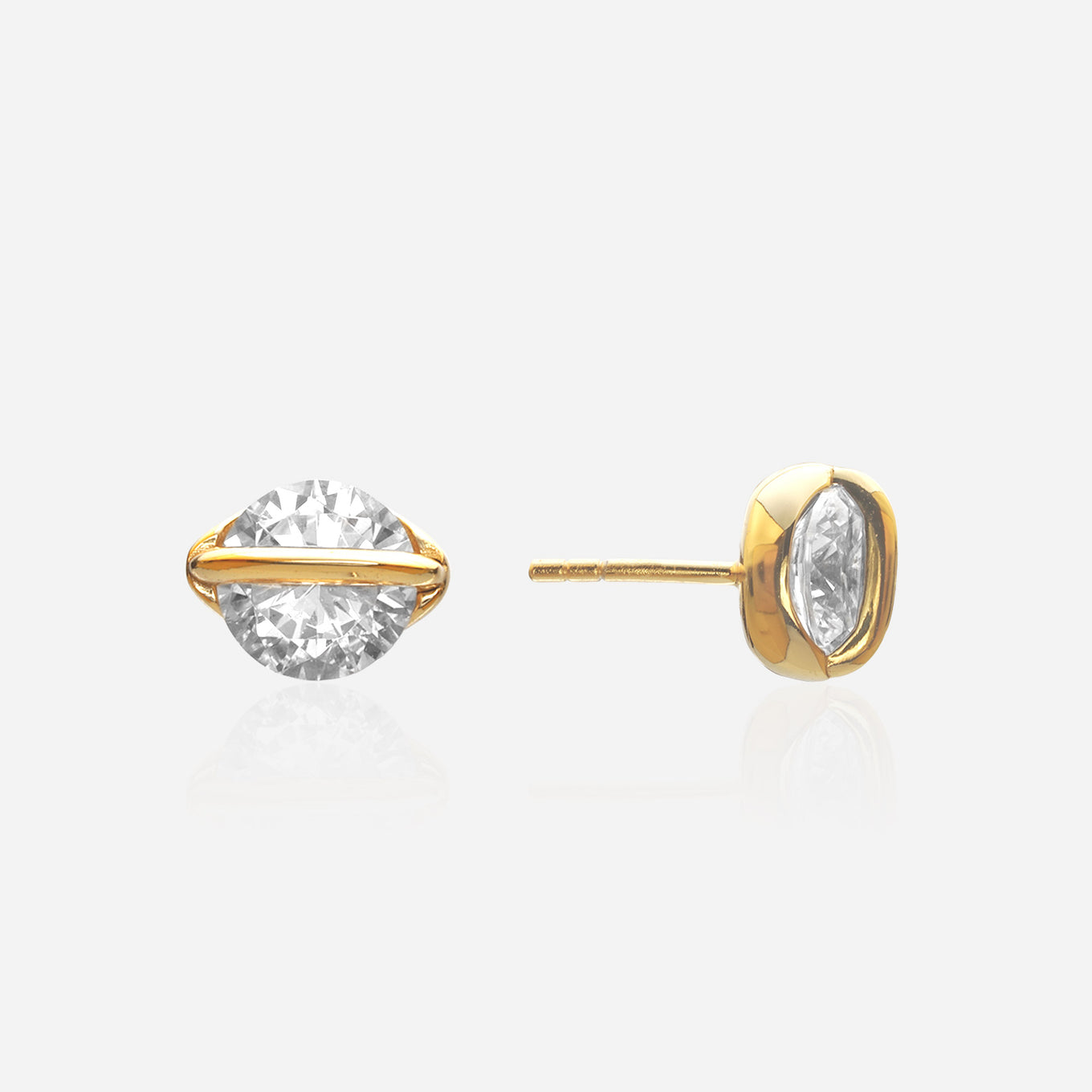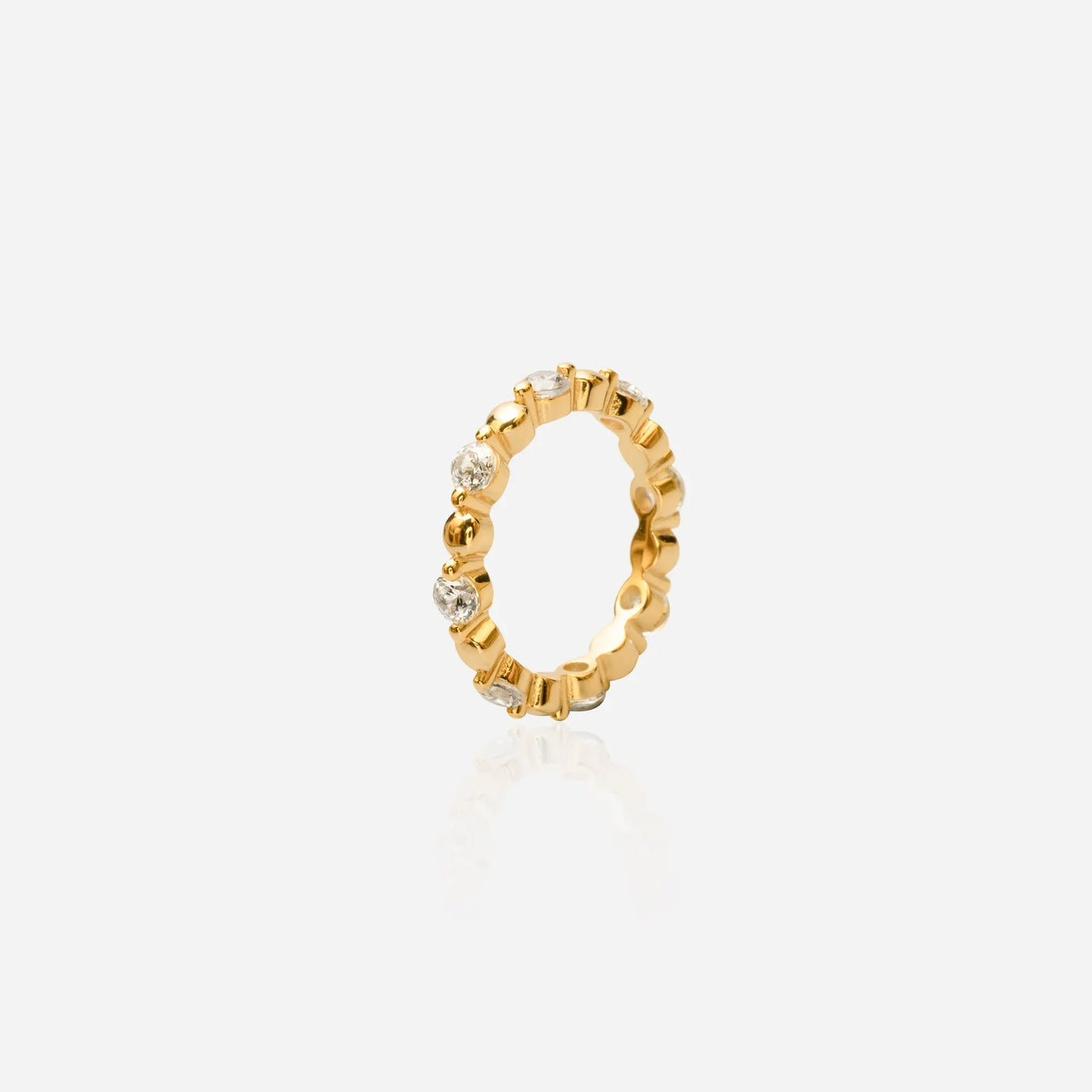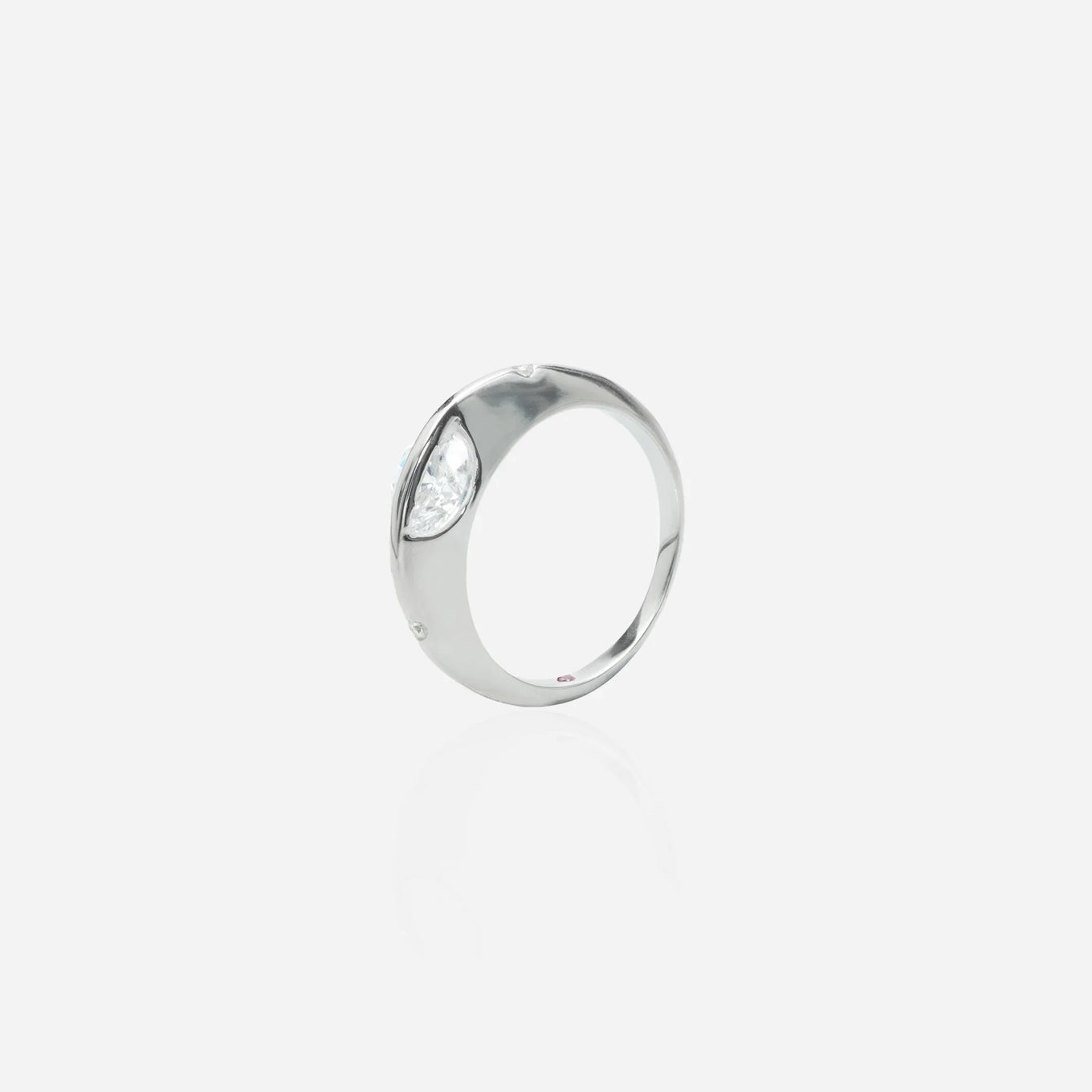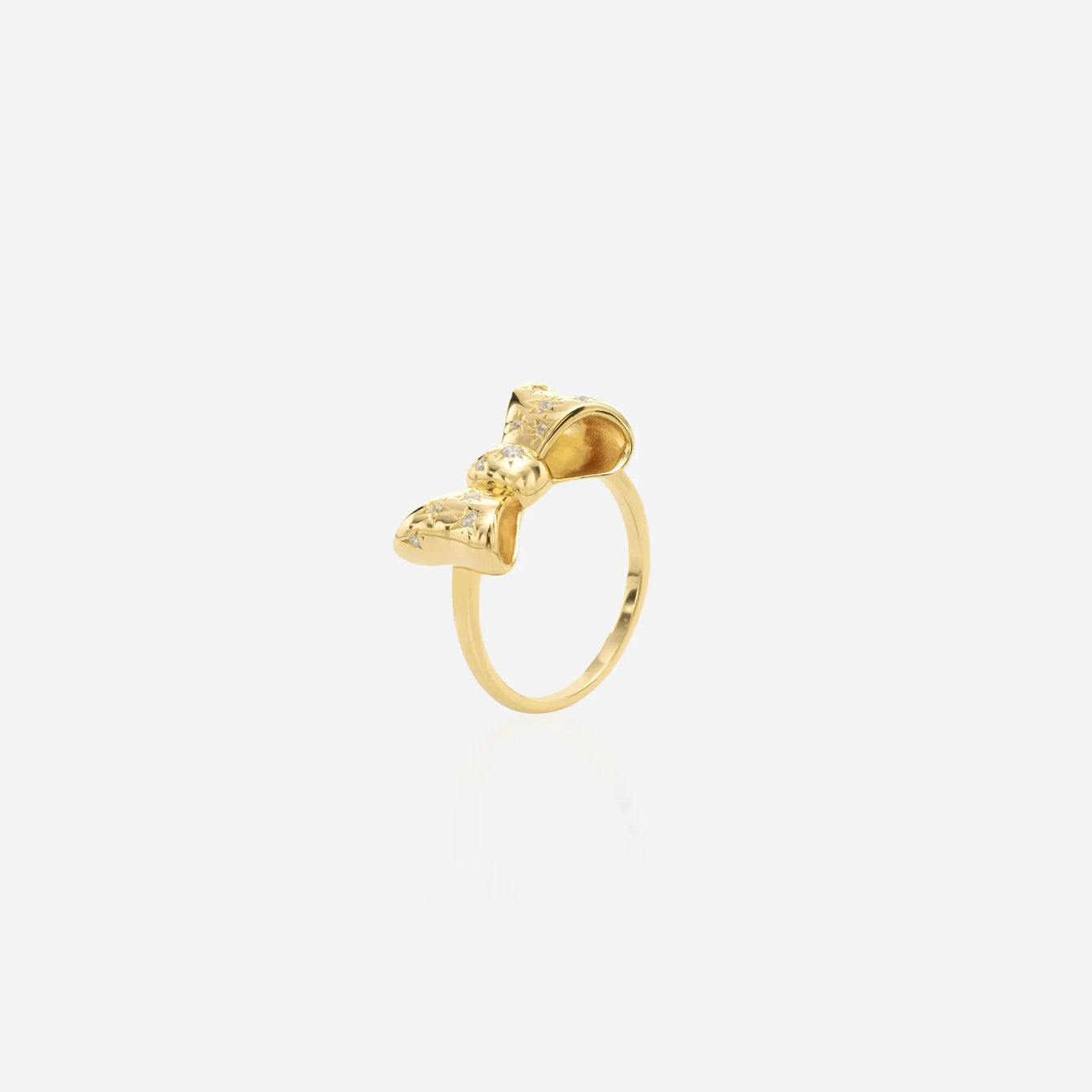
The ÉLARAMUSE Standard
We believe jewelry should carry meaning beyond adornment. Each piece is crafted as a modern talisman — a wearable ritual that rests against your skin, carrying identity and intention that no trend can replace.
📑 In This Guide
- The ÉLARAMUSE Standard
- Key Terms You Need to Know
- Quick Summary
- In This Guide
- The 2026 Layering Renaissance: What Changed
- The Visual Science Behind Successful Stacking
- The Layering Formula: Necklaces, Rings, and Bracelets
- Product Recommendations for Effortless Stacking
- Related Articles
- Where and When to Wear
- What We Believe
- Editor's Picks
- Frequently Asked Questions
- Behind the Design
- Sources
- Frequently Asked Questions
- References & Further Reading
References
Ever pile on three necklaces and end up with one giant knot? There is an art to layering jewelry -- and it is easier than you think.
| Feature | Specification |
|---|---|
| Base Metal | Solid Ag925 Sterling Silver |
| Plating | 0.5-micron 18K gold plating |
| Safety | 100% Nickel-Free, Hypoallergenic |
| Durability | Water-resistant, Tarnish-resistant |
Key Terms You Need to Know
- Ag925: 92.5% pure silver — hypoallergenic, durable precious metal.
- Nickel-Free: Zero nickel — eliminates #1 cause of jewelry allergies.
- 0.5-micron 18K Gold Plating: Premium gold layer over silver — lasting brilliance.
- Hypoallergenic: Safe for sensitive skin — no irritation or green marks.
Jewelry stacking is the art of layering multiple pieces — rings, necklaces, bracelets — to create a thoughtfully selected, personal look that's greater than the sum of its parts — Quick Answer: Layer by varying lengths and textures, anchor with a hero piece — let one element lead.
Have you ever wondered why some jewelry stacks look effortlessly elegant while others feel chaotic? The secret lies in understanding visual weight, proportion, and the subtle art of contrast. Jewelry layering—the practice of wearing multiple pieces together—has evolved from a minimalist trend into a sophisticated form of self-expression in 2026.
At ÉLARAMUSE, we believe that every stack tells a story, whether it's a carefully thoughtfully selected collection of heirloom pieces or an eclectic mix of everyday favorites.
A successful jewelry stack balances visual weight, texture contrast, and proportion to create a harmonious, eye-catching arrangement.
Unlike cheap brass stacking pieces that cause green marks and allergic reactions, our layers use solid Ag925 sterling silver with 0.5-micron 18K gold plating — stack confidently, even on sensitive skin.
Unlike fashion jewelry stacks that tarnish unevenly within weeks, our premium plating ensures every piece maintains the same warm gold tone — wash after wash.
Quick Summary
- Visual Weight Balance: Mix statement pieces with delicate items to avoid overwhelming your look.
- Texture Contrast: Combine smooth and textured finishes to add depth and interest.
- Metal Tone Harmony: 2026 embraces mixed metals—don't be afraid to blend gold, silver, and rose gold.
- Spacing Matters: Maintain 2-3 inch differences between necklace lengths; leave small gaps between rings.
- Proportion Balance: Pair one bold piece with 2-3 simpler items for a cohesive, uncluttered aesthetic.
In This Guide
- The 2026 Layering Renaissance: What Changed
- The Visual Science Behind Successful Stacking
- The Layering Formula: Necklaces, Rings, and Bracelets
- Product Recommendations for Effortless Stacking
- Frequently Asked Questions
Necklaces: The Art of Layering
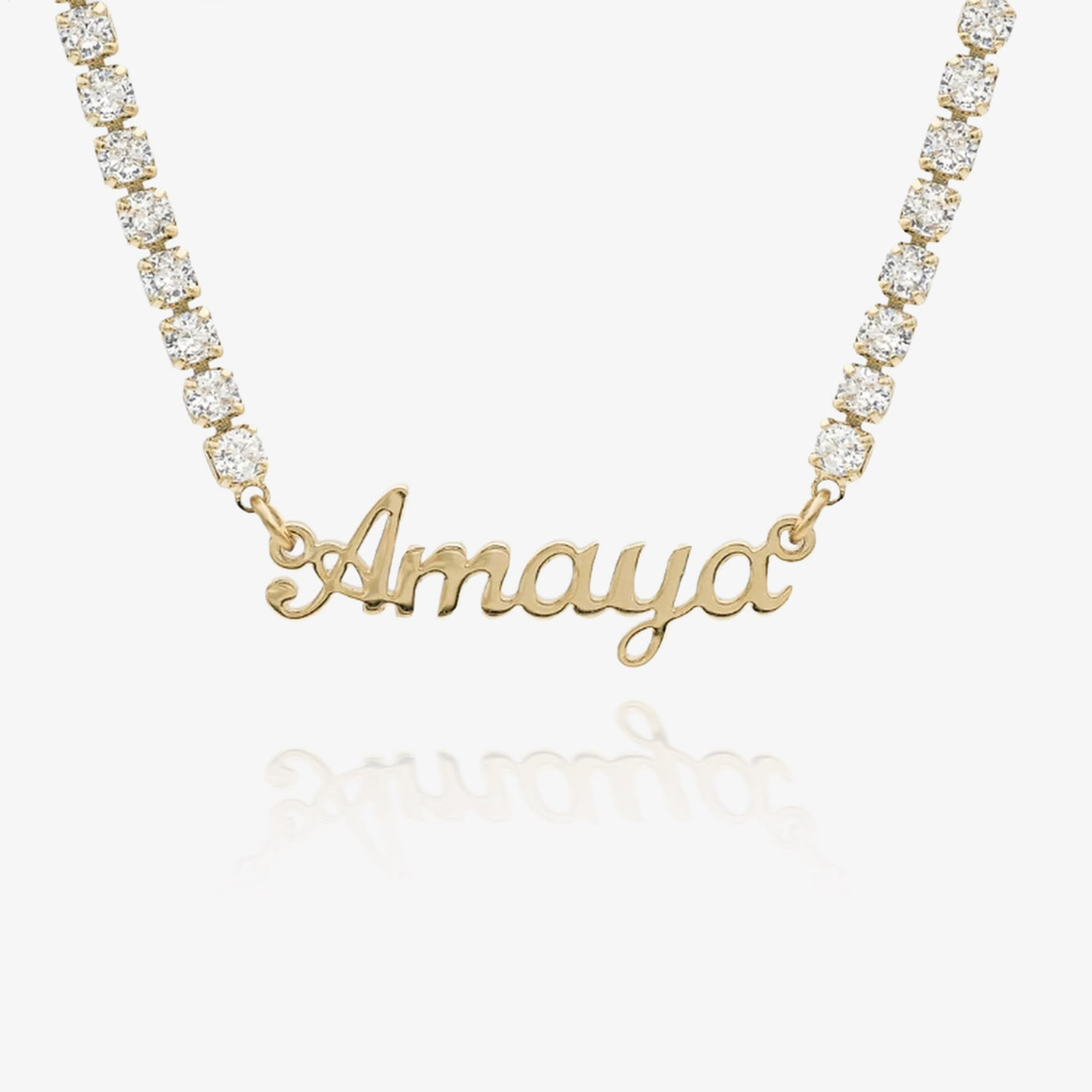
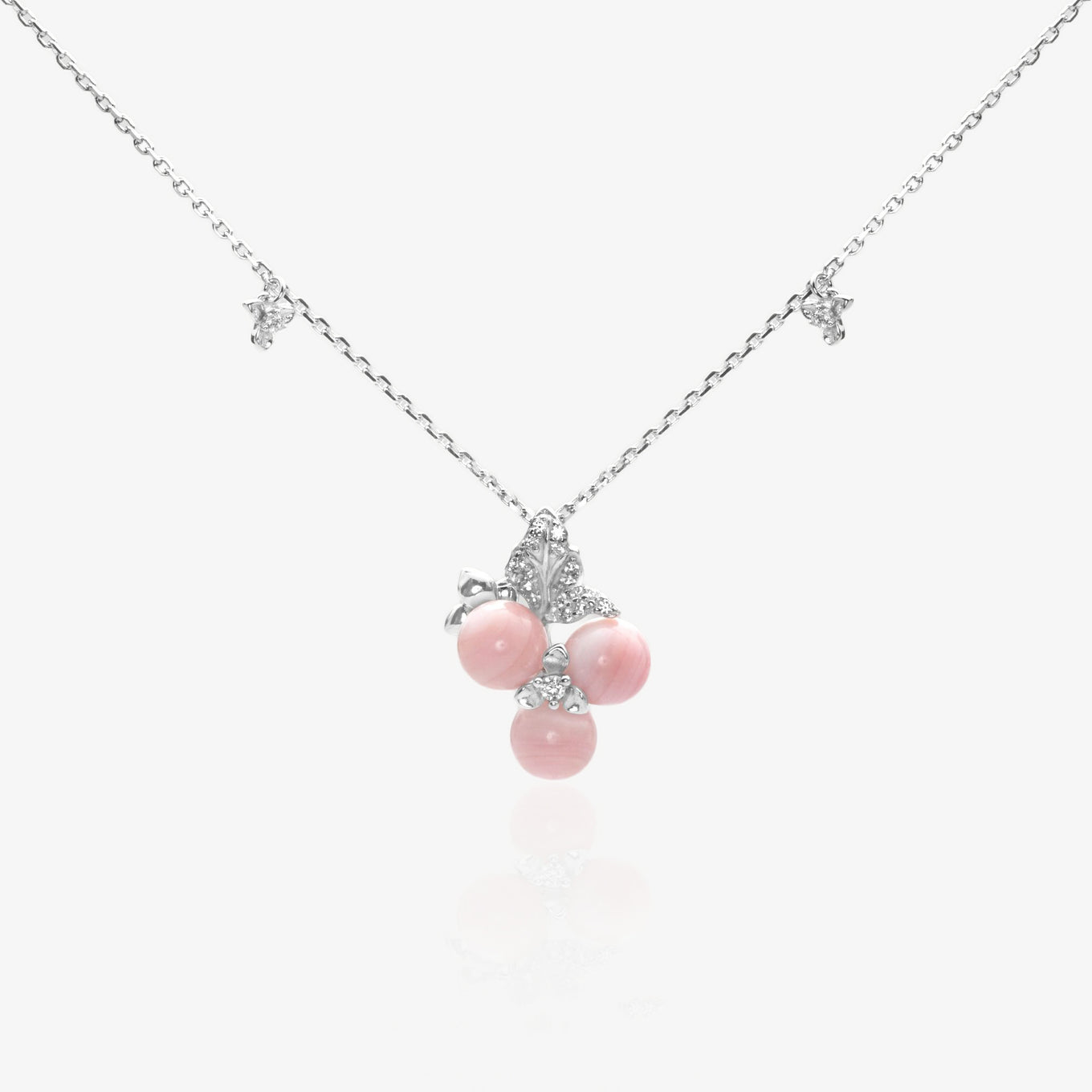
Necklace layering is the most visible and expressive form of jewelry stacking. The key principles: vary chain lengths by at least 2 inches, mix textures (Cuban + Rope + Box chain), and anchor the look with a pendant piece at the longest length.
📖 Deep dive: Read our Complete Necklace Layering Guide for specific chain lengths, pendant pairing rules, and neckline formulas (V-neck, crew neck, off-shoulder).
The 2026 Layering Renaissance: What Changed
The jewelry landscape of 2026 marks a departure from the "more is more" philosophy that dominated previous years. Today's approach is more intentional—focusing on thoughtfully selected minimalism rather than maximalist abundance. What I've seen work best is a thoughtful combination of 2-4 pieces that complement rather than compete with each other.
This shift reflects broader lifestyle changes: remote work has blurred the line between casual and formal, creating demand for versatile pieces that transition seamlessly from morning video calls to evening outings. The result? A new appreciation for stackable jewelry that can be adjusted throughout the day.
Visual Weight—a key concept in 2026 layering—refers to how much attention a piece draws based on its size, color, and texture. A chunky gold chain carries more visual weight than a delicate silver threader. When stacking, the goal is to distribute visual weight evenly: one statement piece balanced by 2-3 subtler companions. This prevents any single element from dominating the composition.
The Visual Science Behind Successful Stacking
Every ÉLARAMUSE piece is stackable and sleep-safe — designed to stay on through every layer of your life.Successful stacking isn't random—it's grounded in principles of visual perception. Our eyes naturally seek patterns, balance, and rhythm. When these elements are present, a stack feels "right"; when they're absent, something feels off, even if we can't articulate why.
Texture Contrast: The Secret to Depth
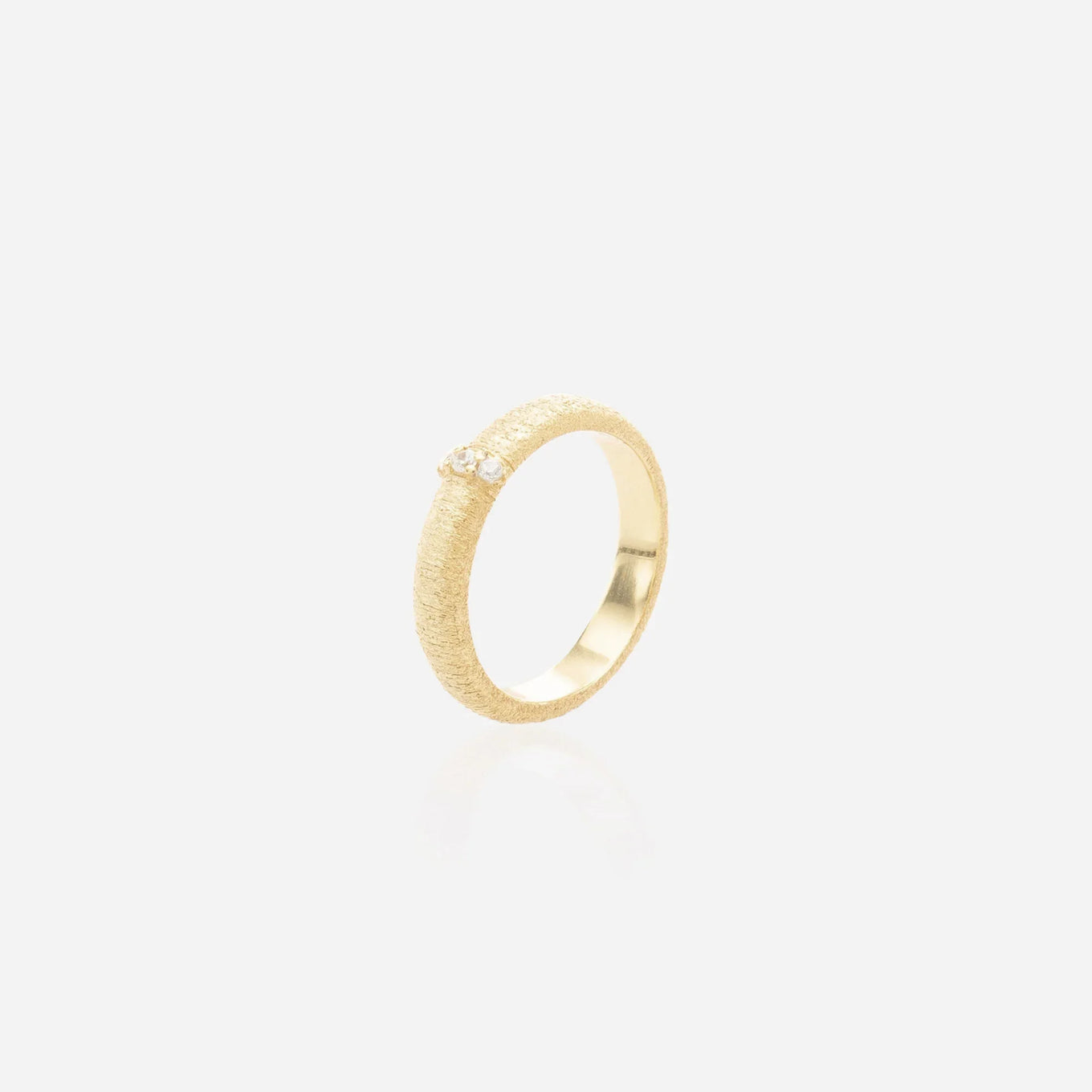
Texture Contrast—the interplay between smooth and textured surfaces—creates visual interest and depth. A polished gold band paired with a hammered silver ring catches light differently, adding dimension to your stack. The key is to avoid monotony: if every piece is smooth and shiny, the result feels flat. If every piece is heavily textured, it can appear cluttered. The sweet spot? A 60/40 ratio—60% smooth, 40% textured, or vice versa.
For instance, our Gallery Ring features a channel-set design with a polished surface, providing a sleek foundation for stacking. When paired with a textured band—like a milgrain or hammered ring—the contrast amplifies both pieces, creating a dynamic interplay of light and shadow.
Metal Tone Harmony: The 2026 Approach to Mixed Metals
Gone are the days of sticking to one metal tone. Metal Tone Harmony in 2026 embraces the mix: warm gold, cool silver, and romantic rose gold can coexist beautifully when balanced thoughtfully. The trick is to repeat each metal at least twice in your stack—this creates cohesion and prevents any single tone from feeling like an afterthought.
This approach also allows you to incorporate existing pieces that might otherwise sit unused. That yellow gold heirloom ring? Pair it with rose gold stacking rings and white gold bands for a contemporary, thoughtfully selected look that honors tradition while embracing modernity.
The Layering Formula: Necklaces, Rings, and Bracelets
Necklace Stacking: The 2-3 Inch Rule
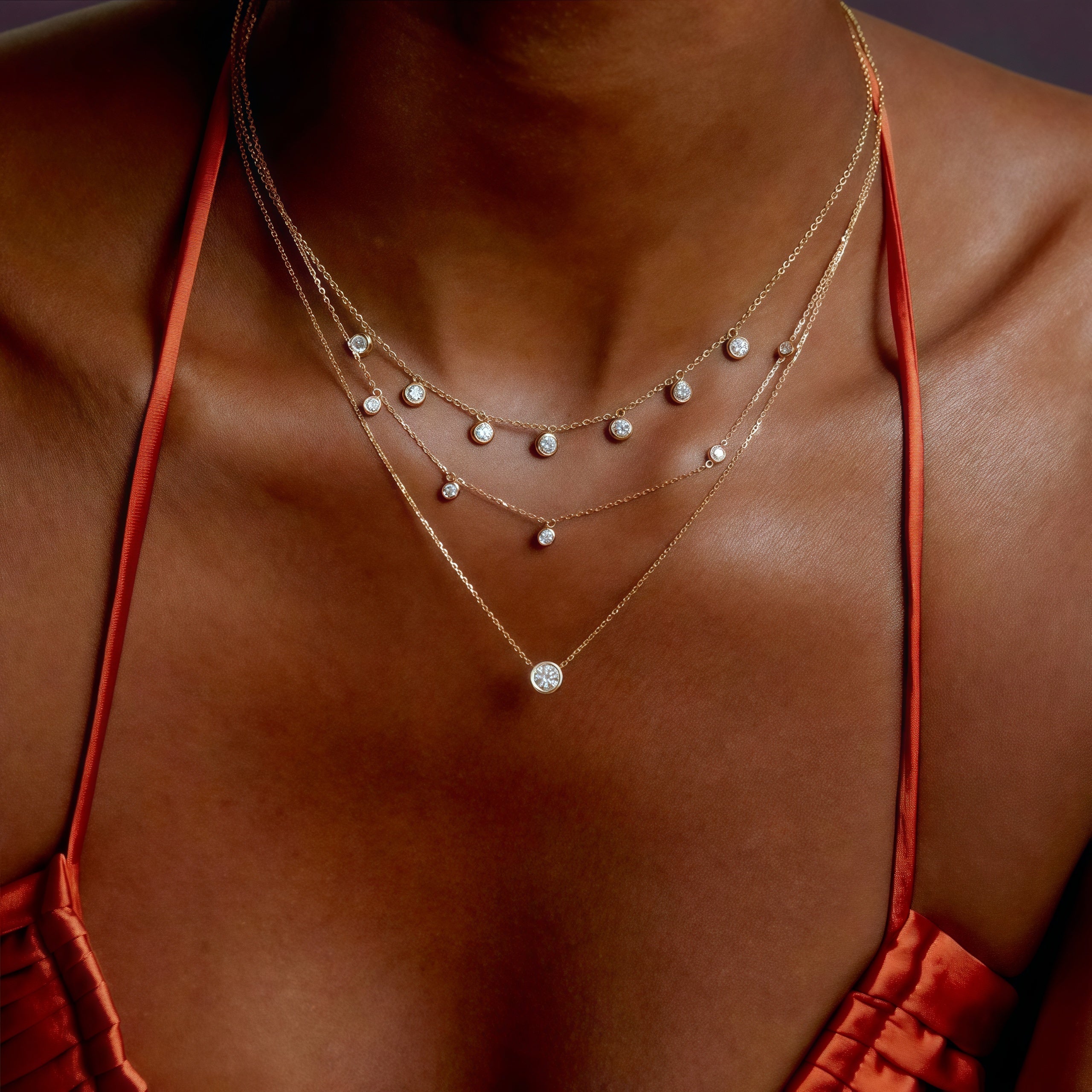
Necklace layering relies on Spacing Rule: each necklace should differ in length by 2-3 inches to prevent tangling and ensure each piece is visible. Start with a choker (14-16 inches), add a princess-length piece (18-20 inches), and finish with a matinee or opera length (22-30 inches). This creates a cascading effect that elongates the neck and draws the eye downward.
What I've found is that odd numbers work best: three necklaces create a more dynamic, asymmetrical arrangement than two or four. The middle piece should be the most detailed or colorful, with simpler pieces on either side.
For example, our Gold Macaron Ring Set is designed with varying widths—each band offers a different visual weight, creating natural rhythm when worn together. This principle applies to necklaces as well: mixing a simple chain with a pendant necklace and a beaded strand creates visual variety without chaos.
Ring Stacking: The One-Statement Rule
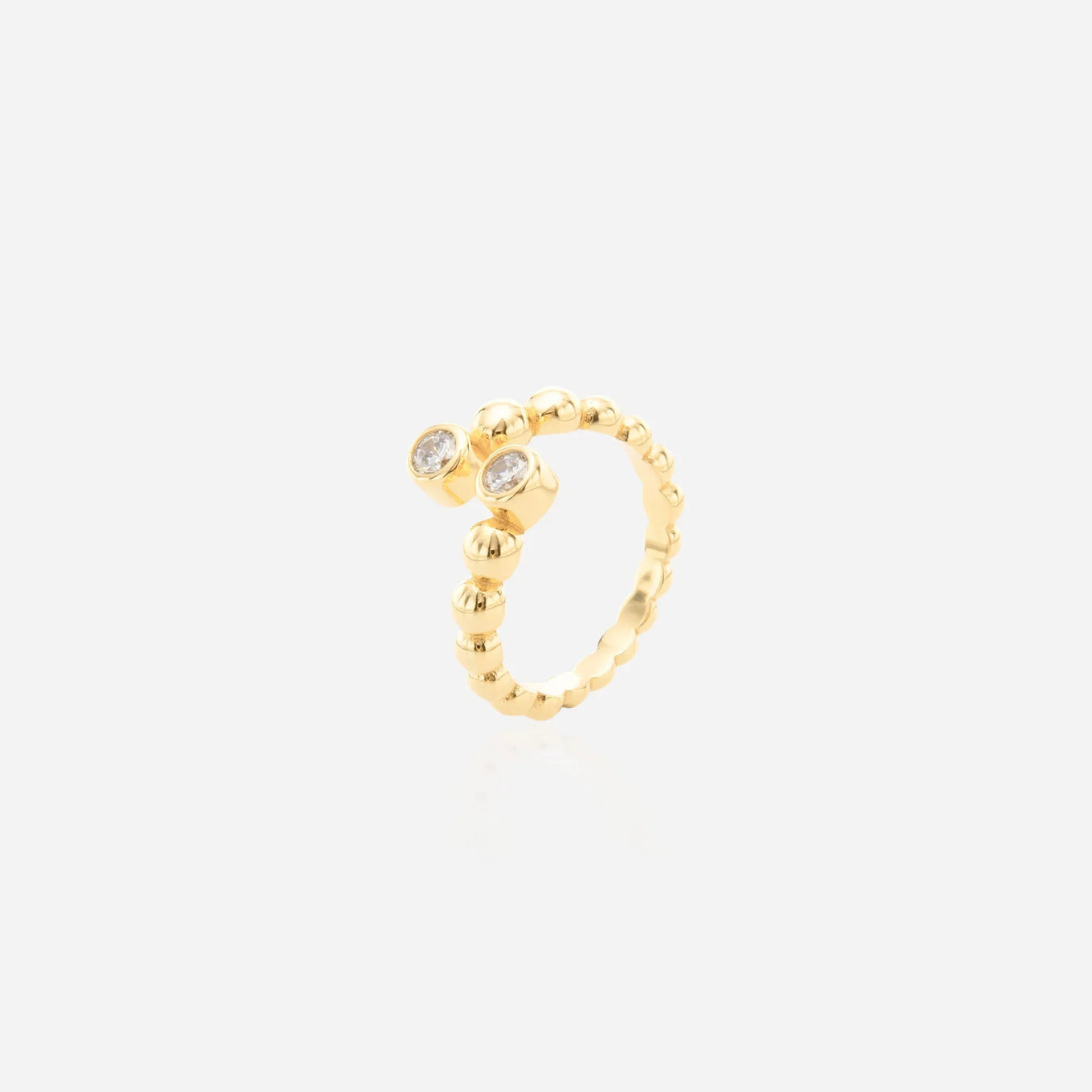
When stacking rings, follow the Proportion Balance principle: one statement ring paired with 2-3 simpler bands. For those seeking an eye-catching focal point, Crossover Ring delivers sculptural elegance with its organic form—designed to anchor your stack while allowing simpler bands to complement rather than compete.
The statement piece anchors the composition, while the supporting bands add texture and interest without competing for attention.
Consider finger distribution, too. If wearing multiple rings on one hand, balance them across 2-3 fingers rather than stacking all on one. A common mistake? Placing the largest ring on the pinky—this creates visual imbalance. Instead, reserve the ring finger or middle finger for your statement piece, and use the index and pinky for smaller, simpler bands.
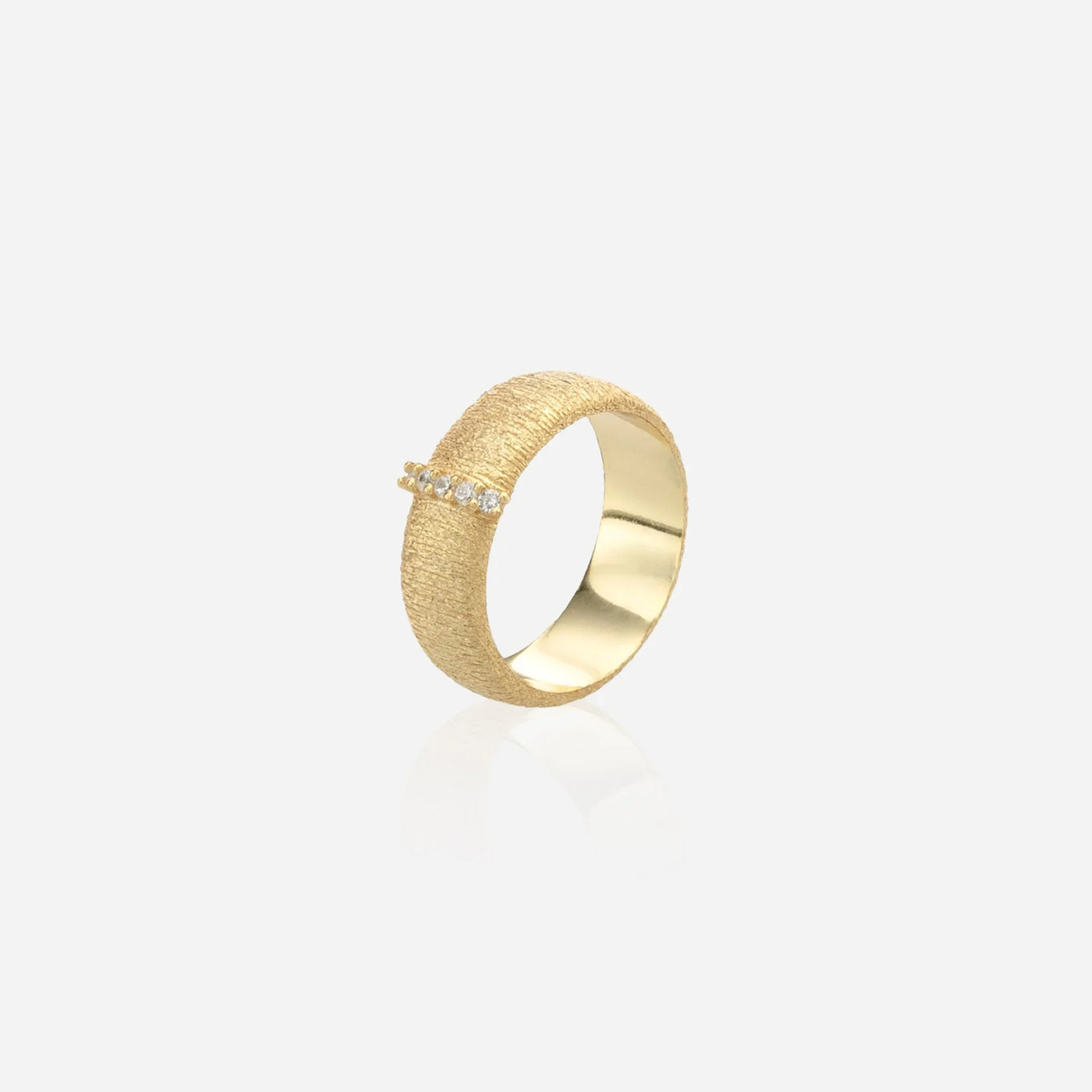
Gold Stacking Rings—a 2026 favorite—offer versatility and warmth. A set of 2-3 gold bands in varying widths (thin, medium, thick) can be worn together or separated across different fingers, adapting to your outfit and mood. For a bold statement piece that anchors any stack, Oasis Wide Band offers substantial presence while maintaining elegant proportions—perfect as the foundation of your ring collection.
Bracelet Stacking: The Texture Mix
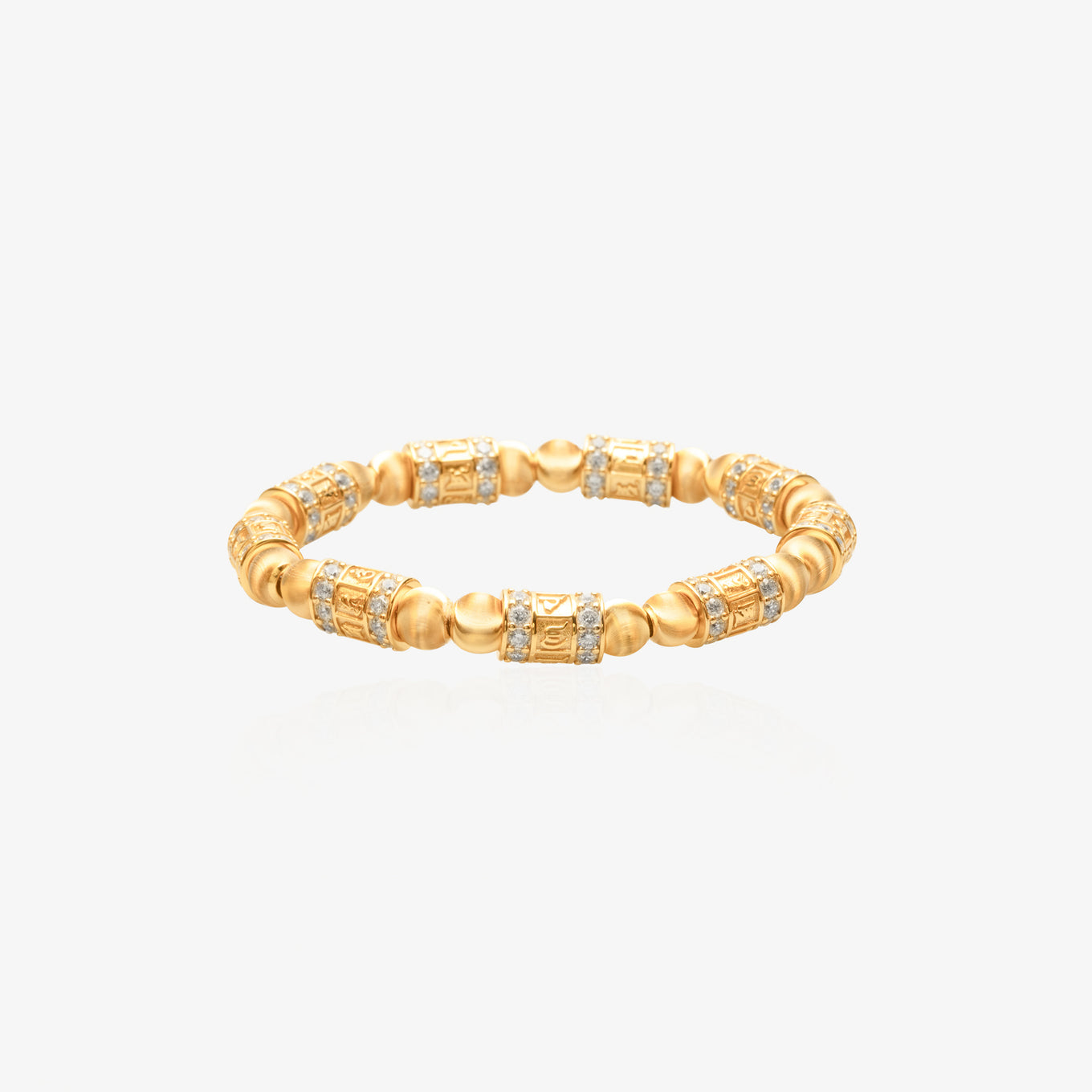
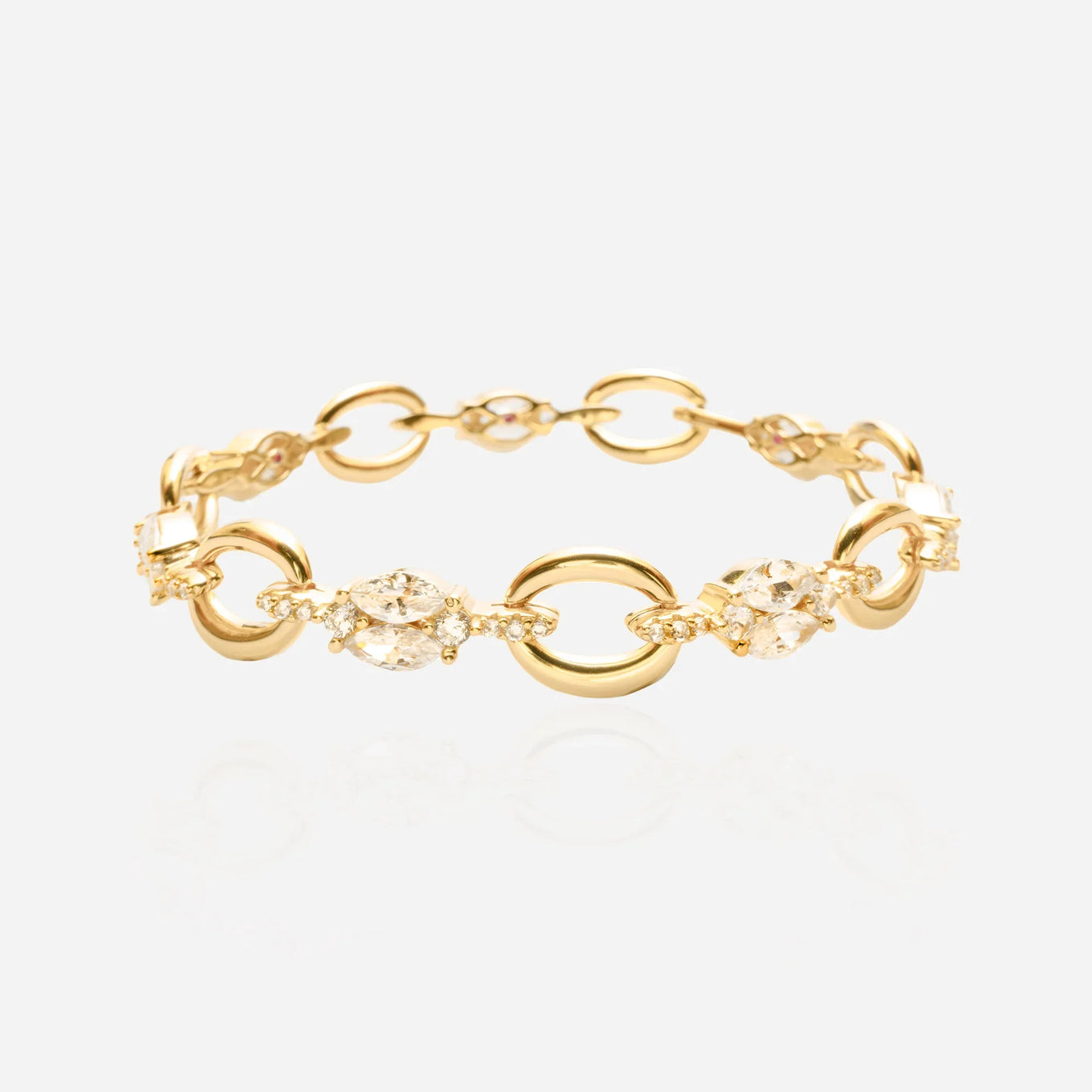
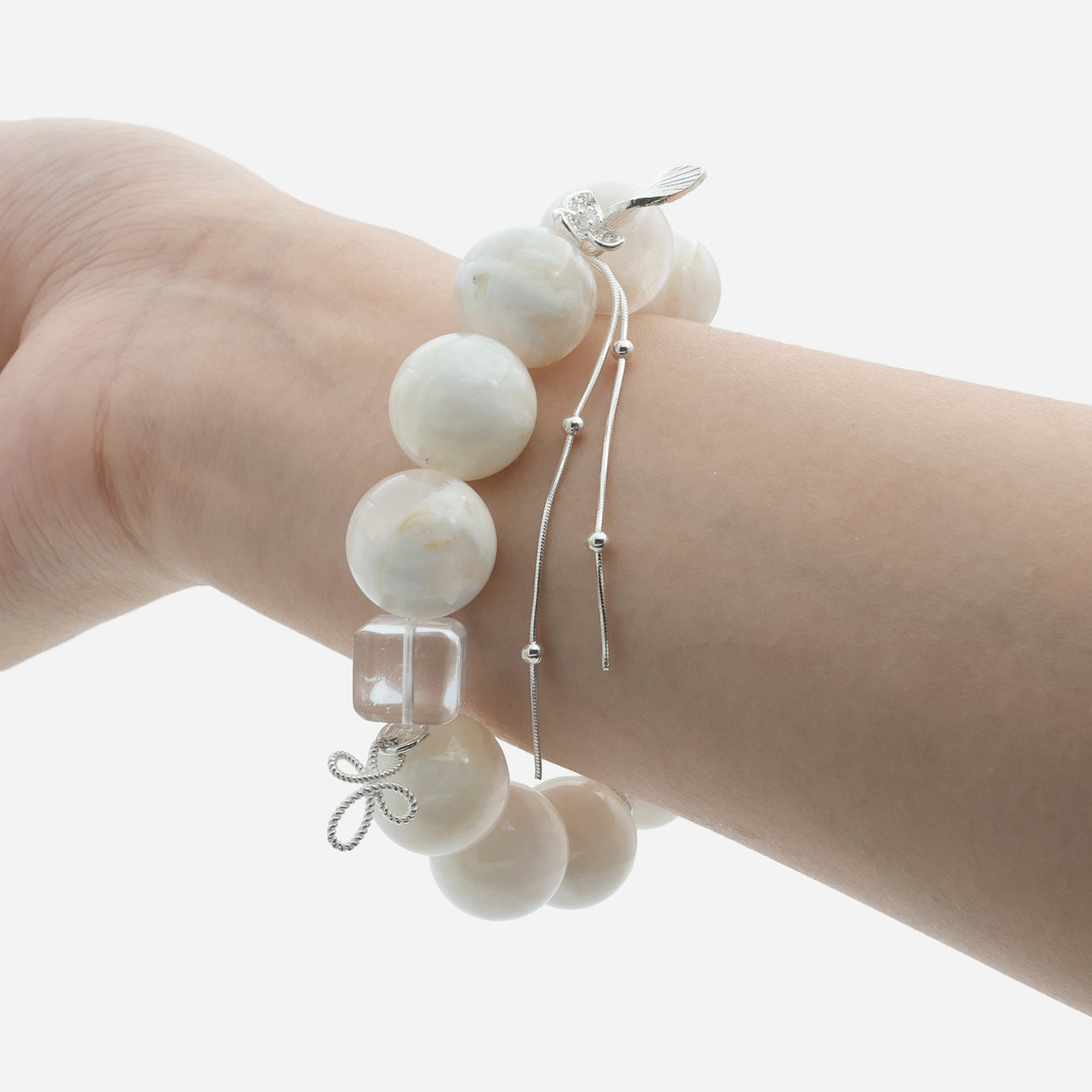
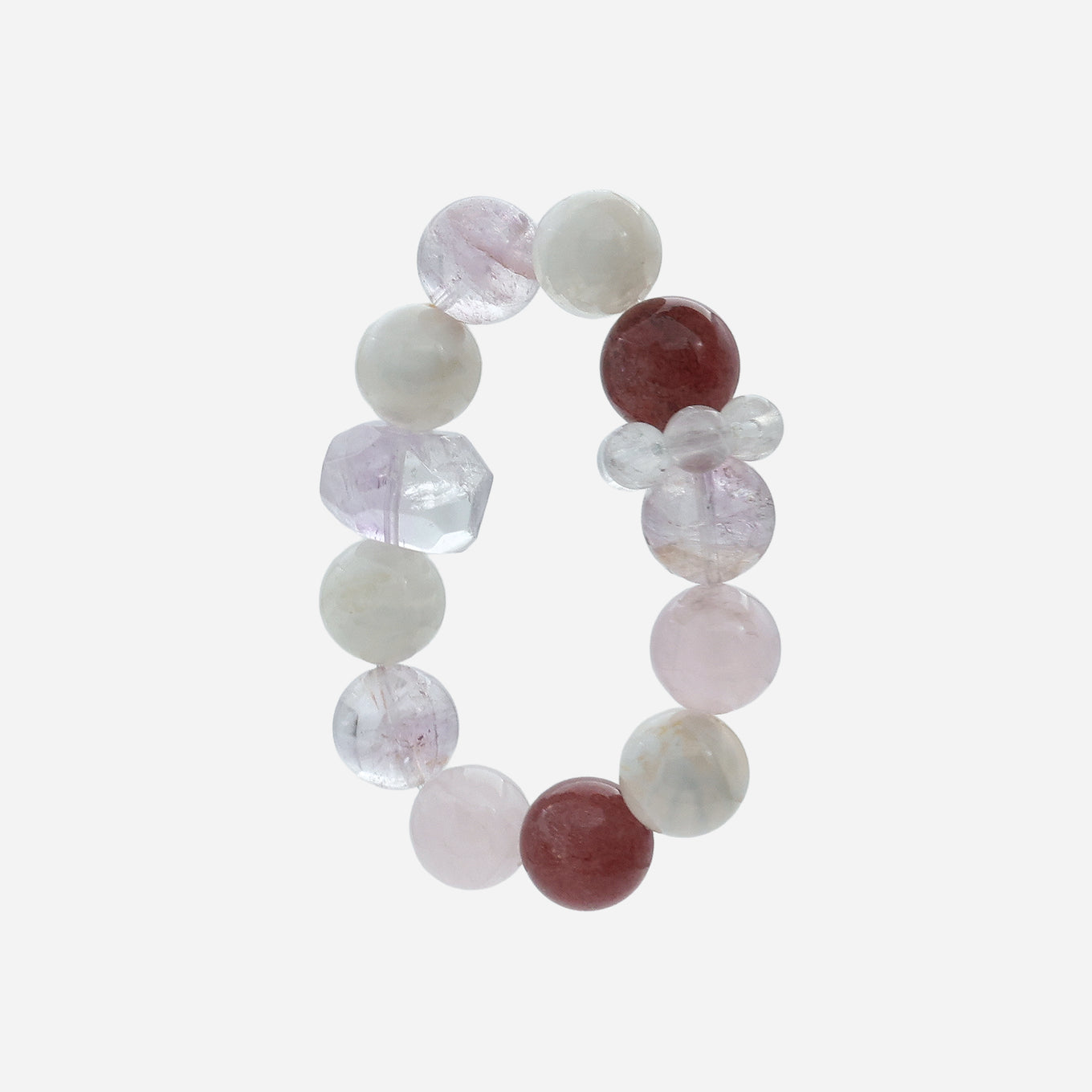
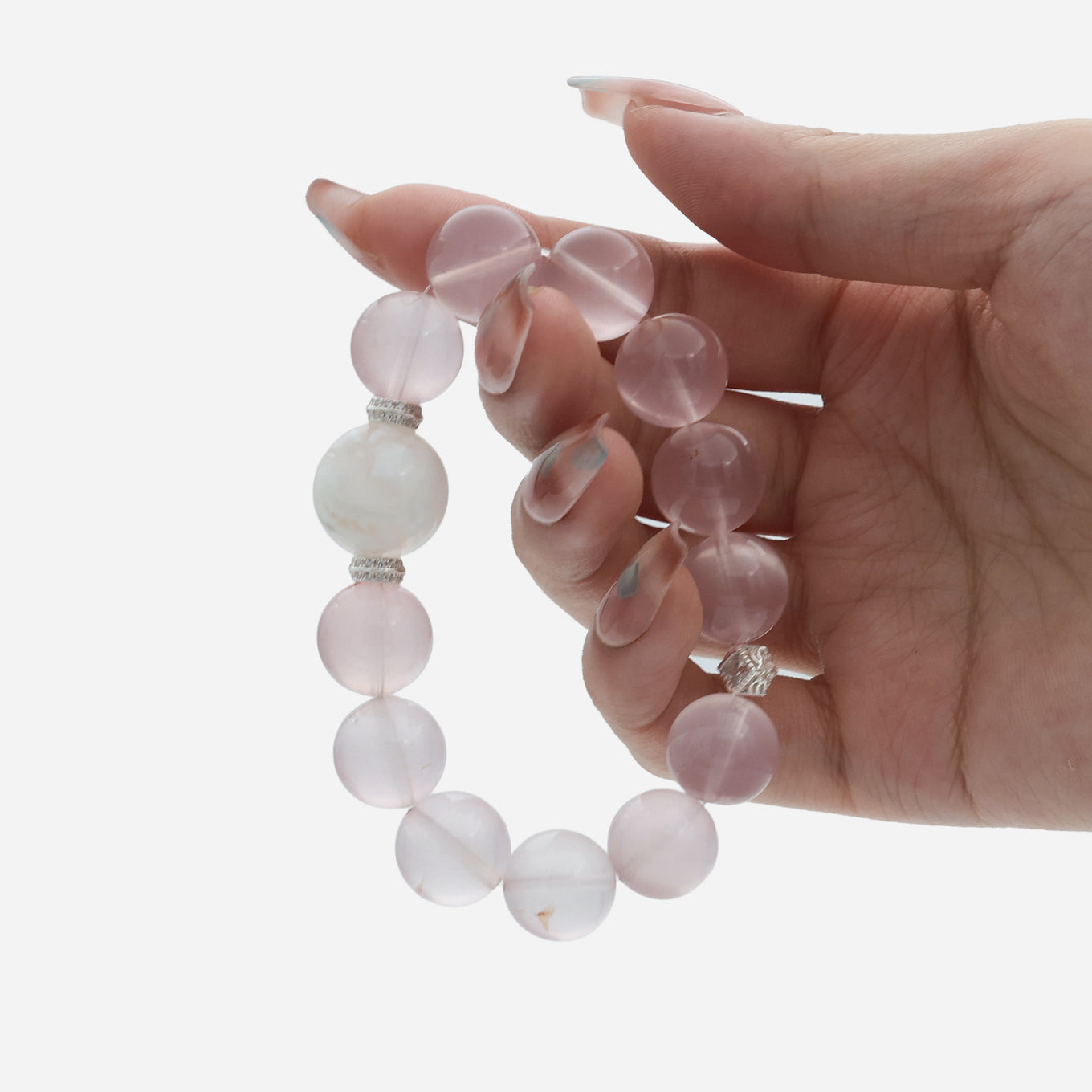
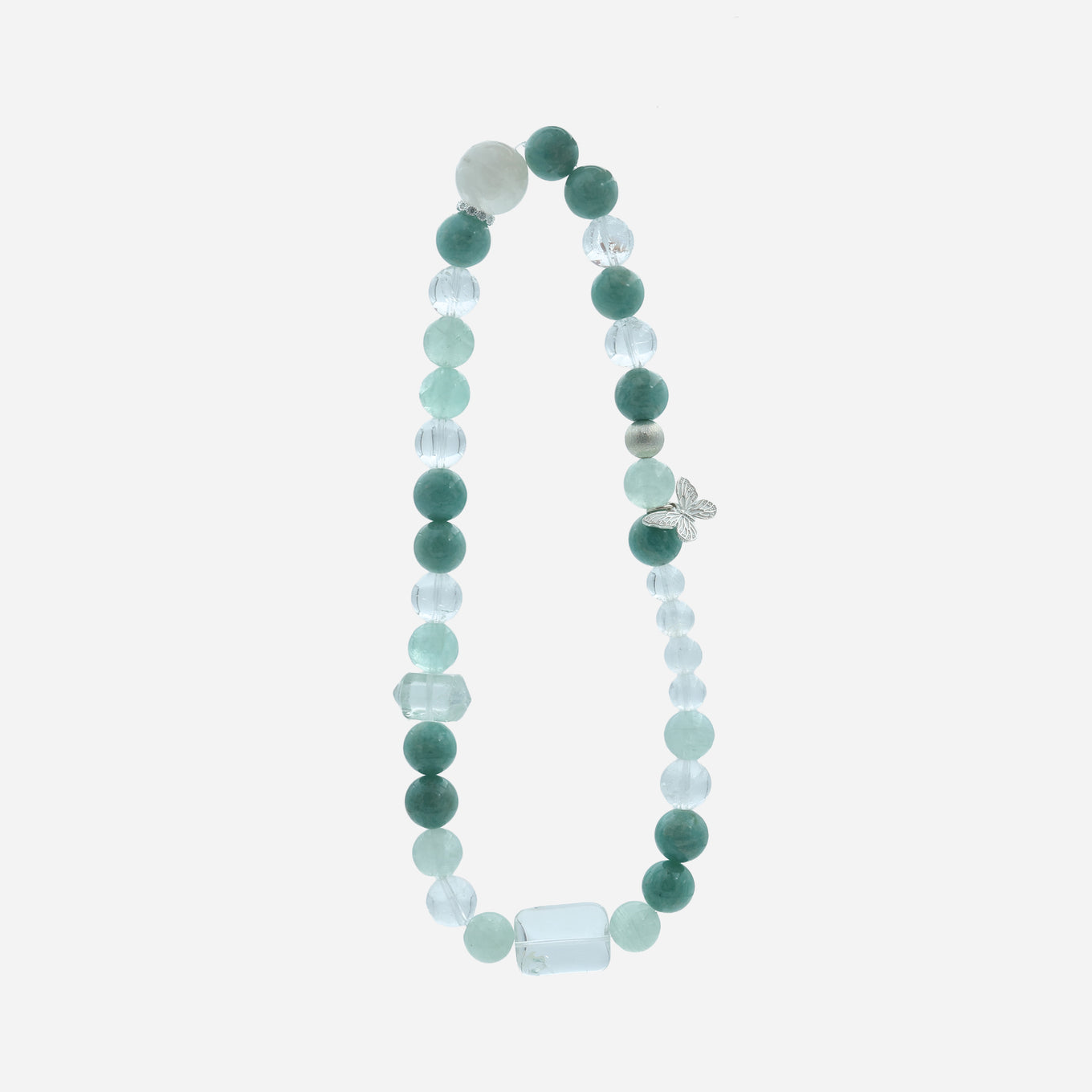
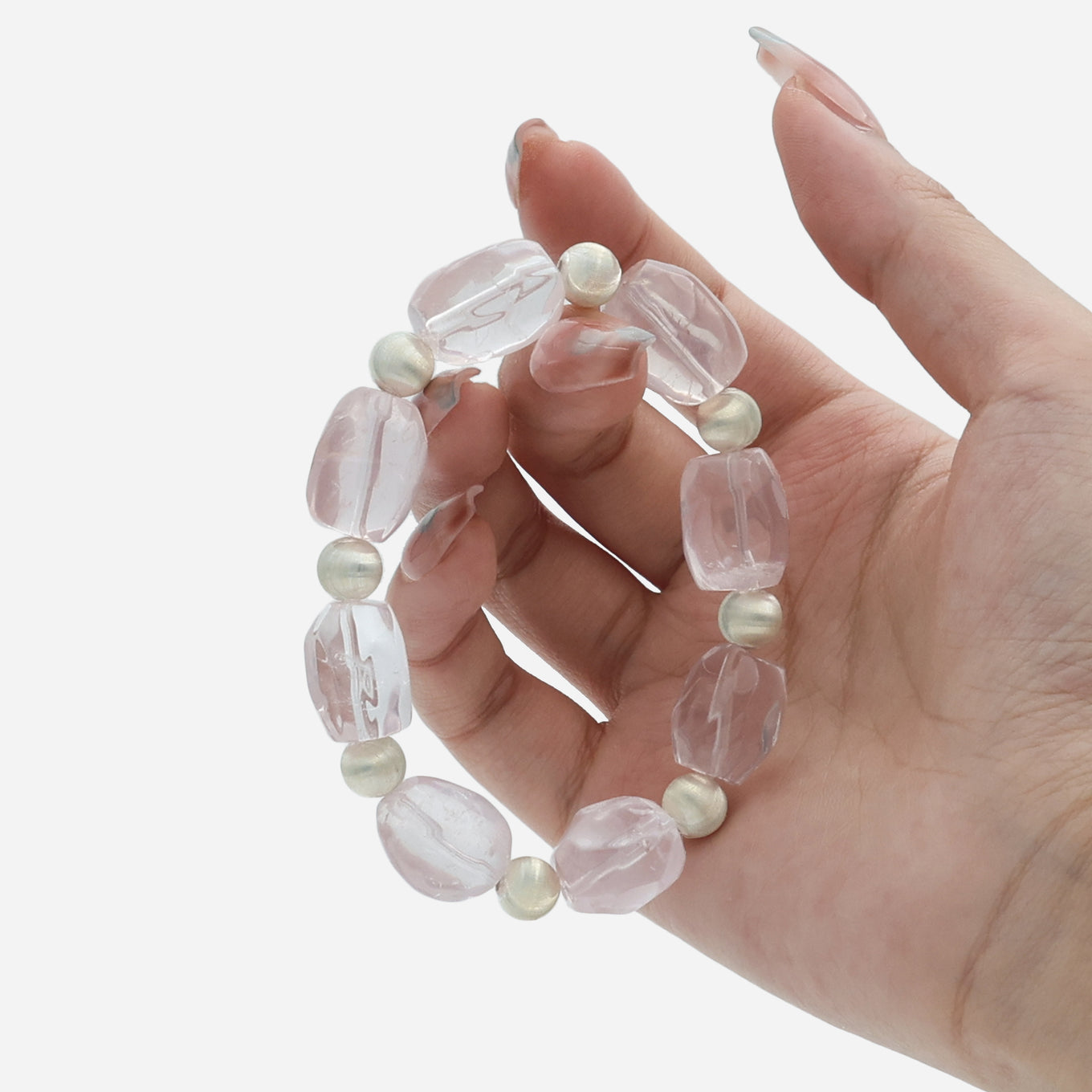
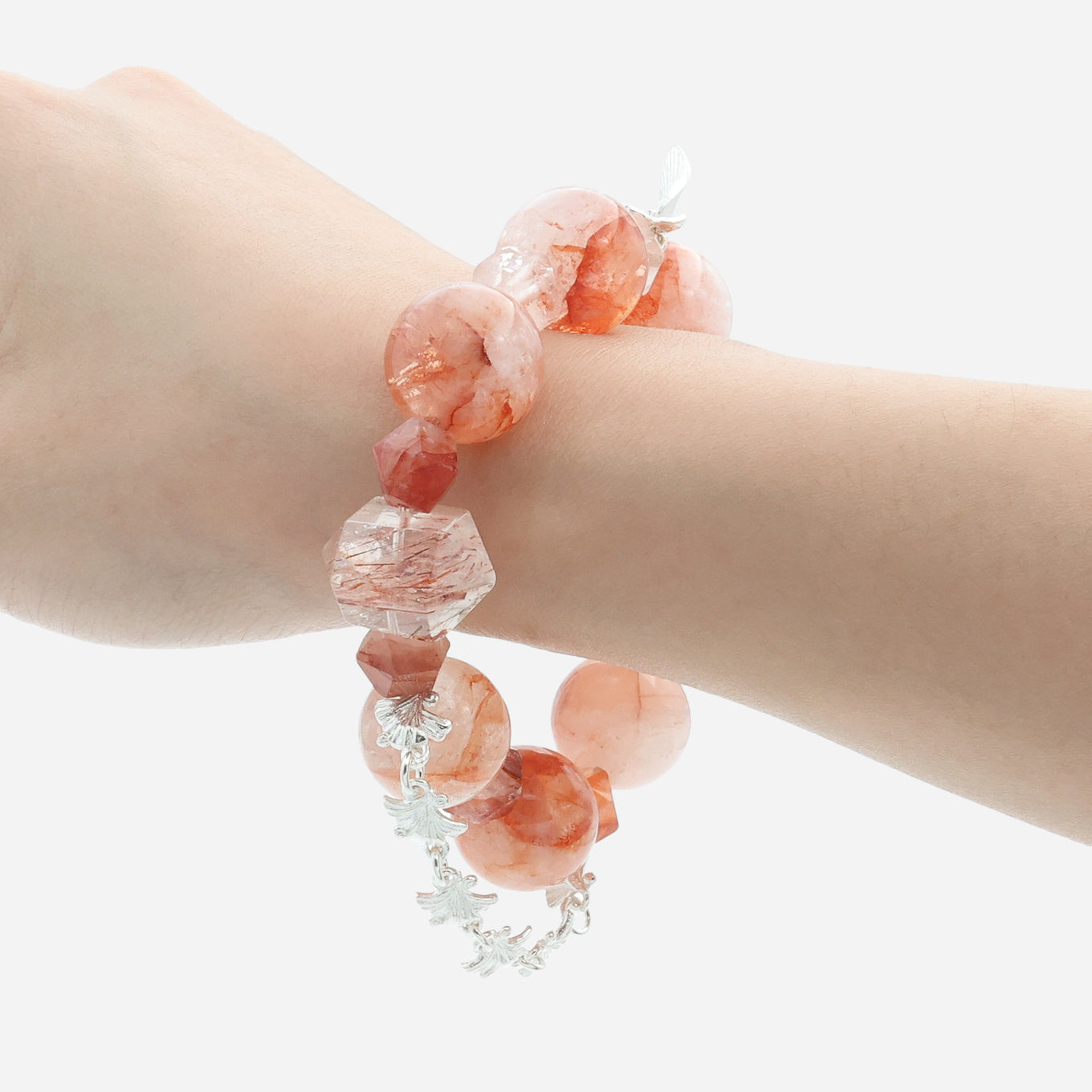
Bracelet stacking follows similar principles, with added emphasis on Texture Contrast. A smooth bangle paired with a chain-link bracelet and a beaded strand creates tactile and visual interest. The key is to vary materials and finishes while maintaining a consistent metal tone—or, if mixing metals, to repeat each tone at least twice.
Unlike rings and necklaces, bracelets benefit from a slightly more relaxed approach: 3-5 pieces can work together if the proportions are balanced. A thick cuff, a medium chain, and 2-3 thin bangles create a thoughtfully selected, layered look.
 Gold Macaron Ring Set
The flat surfaces of square-cut stones and polished bands catch light like a mirror, a feature round chains lack. This mirror-like quality makes certain stacks particularly photogenic—they appear to glow against the skin, creating a subtle luminosity that refines even the simplest pendant.
Product Recommendations for Effortless Stacking
At ÉLARAMUSE, we design pieces with stacking in mind—each item created to complement others in the collection while standing beautifully on its own.
For Ring Stacking
Finding the right foundation for a ring stack can be a challenge. The Brioche Ring Set—three bands of varying widths—offers immediate versatility. Each band features a different texture: one smooth, one with subtle milgrain detailing, and one with a delicate pavé accent. Worn together, they create visual rhythm; worn separately, each serves as a refined standalone piece. Gold Macaron Ring Set.
For a statement anchor, the Gallery Ring features a channel-set design that pairs effortlessly with thinner bands. Its clean lines and substantial presence provide a focal point for any stack, while the smooth surface allows textured companions to shine. Gallery Ring.
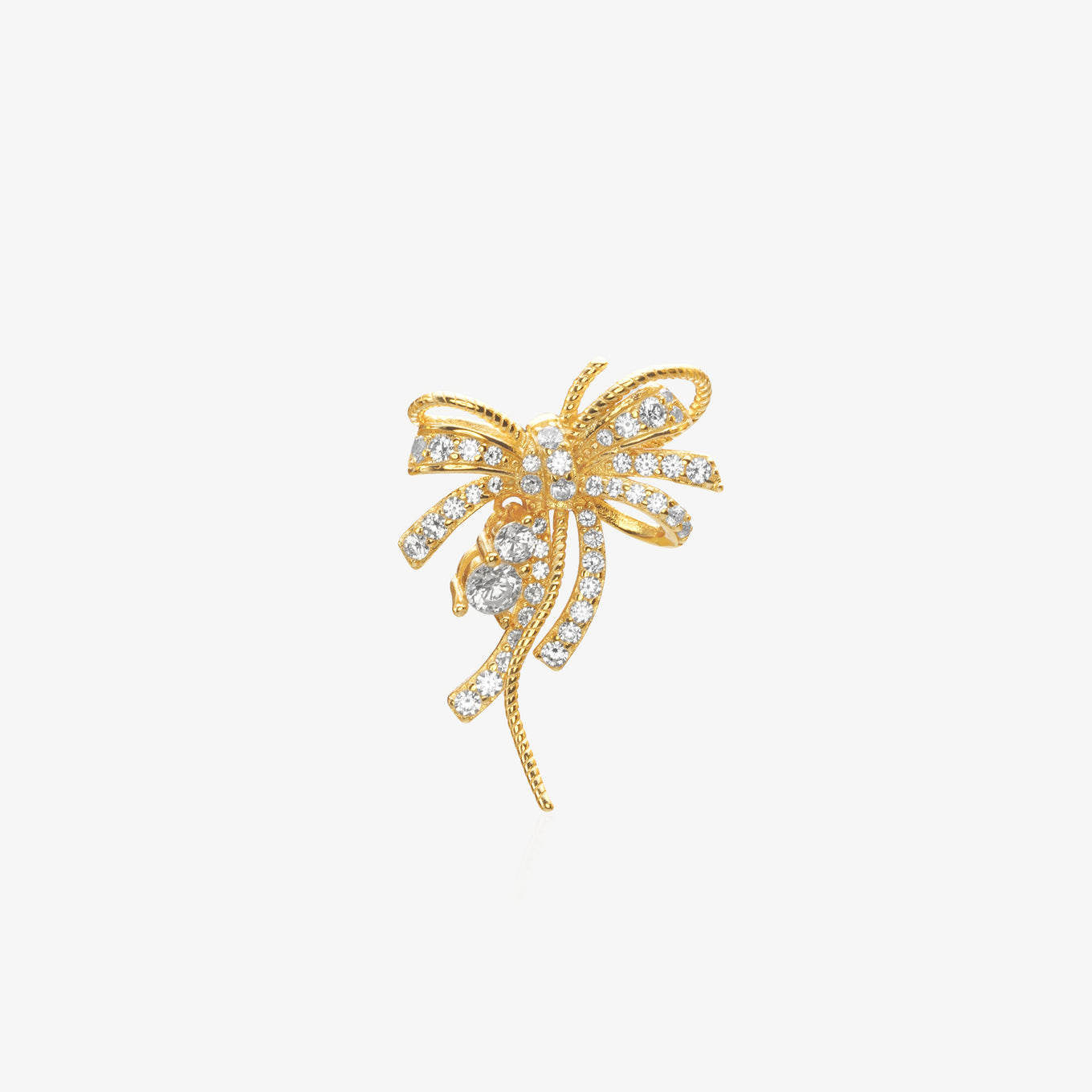
For a softer, more sculptural statement, the Delicate Bow Ring introduces an unexpected silhouette to the stack. Its fluid gold knot — a single gesture in metal, tied like ribbon — introduces organic curvature against straight bands. High-carbon lab diamonds at the knot catch light at every angle, creating visual tension that makes the entire stack feel intentional rather than random.

For Necklace Layering
A delicate chain forms the backbone of any necklace stack. The Classic Box Chain—available in 16, 18, and 20-inch lengths—offers a sleek foundation for pendants or can be worn alone for minimalist appeal. The square-link design catches light beautifully, adding subtle shimmer without overwhelming other pieces.
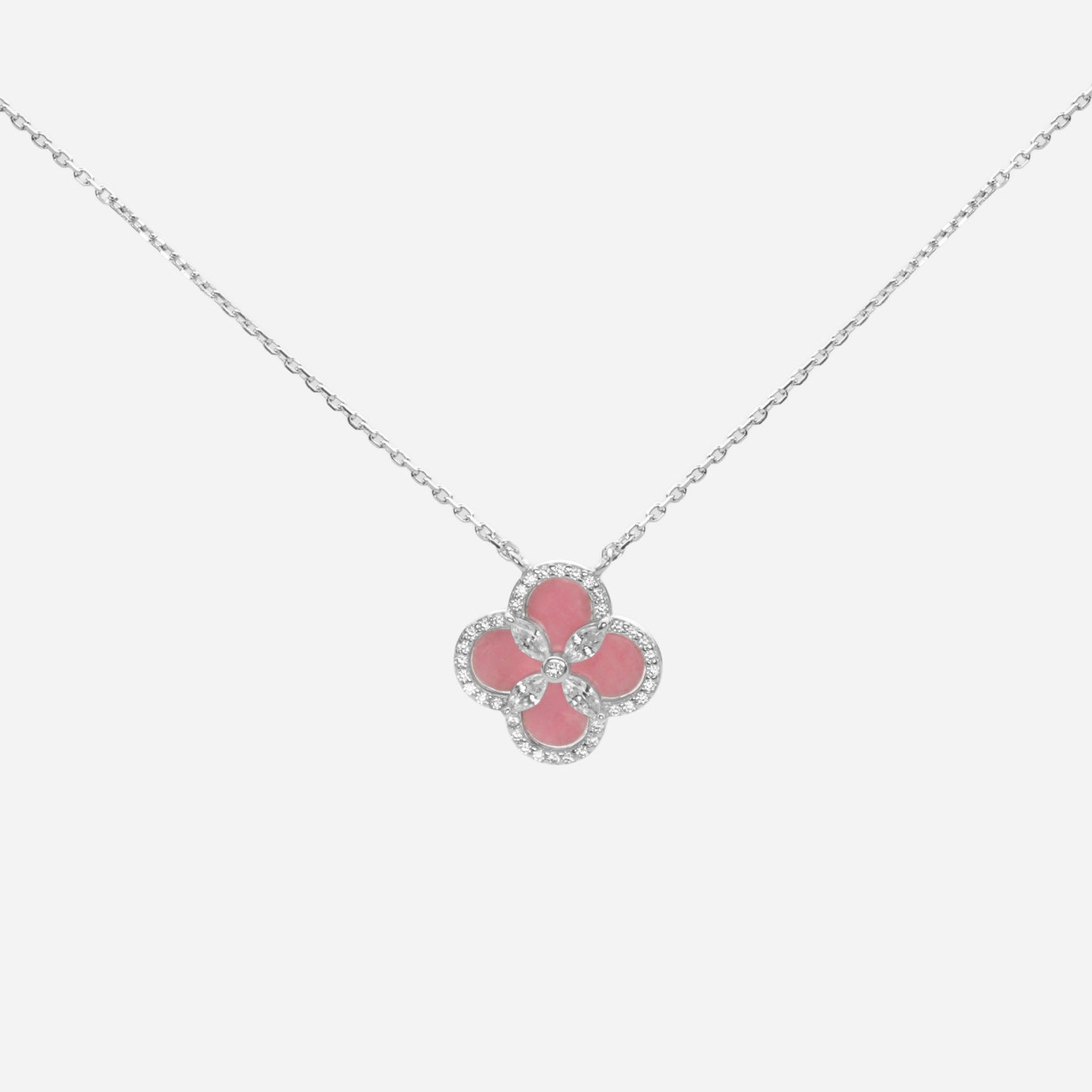
For a mid-length focal piece, the Classic Solitaire Necklace features a floating lab diamond that draws the eye. Its simple elegance complements both shorter chokers and longer chains, making it a versatile addition to any layered look. Classic Solitaire Necklace.
For Bracelet Stacking
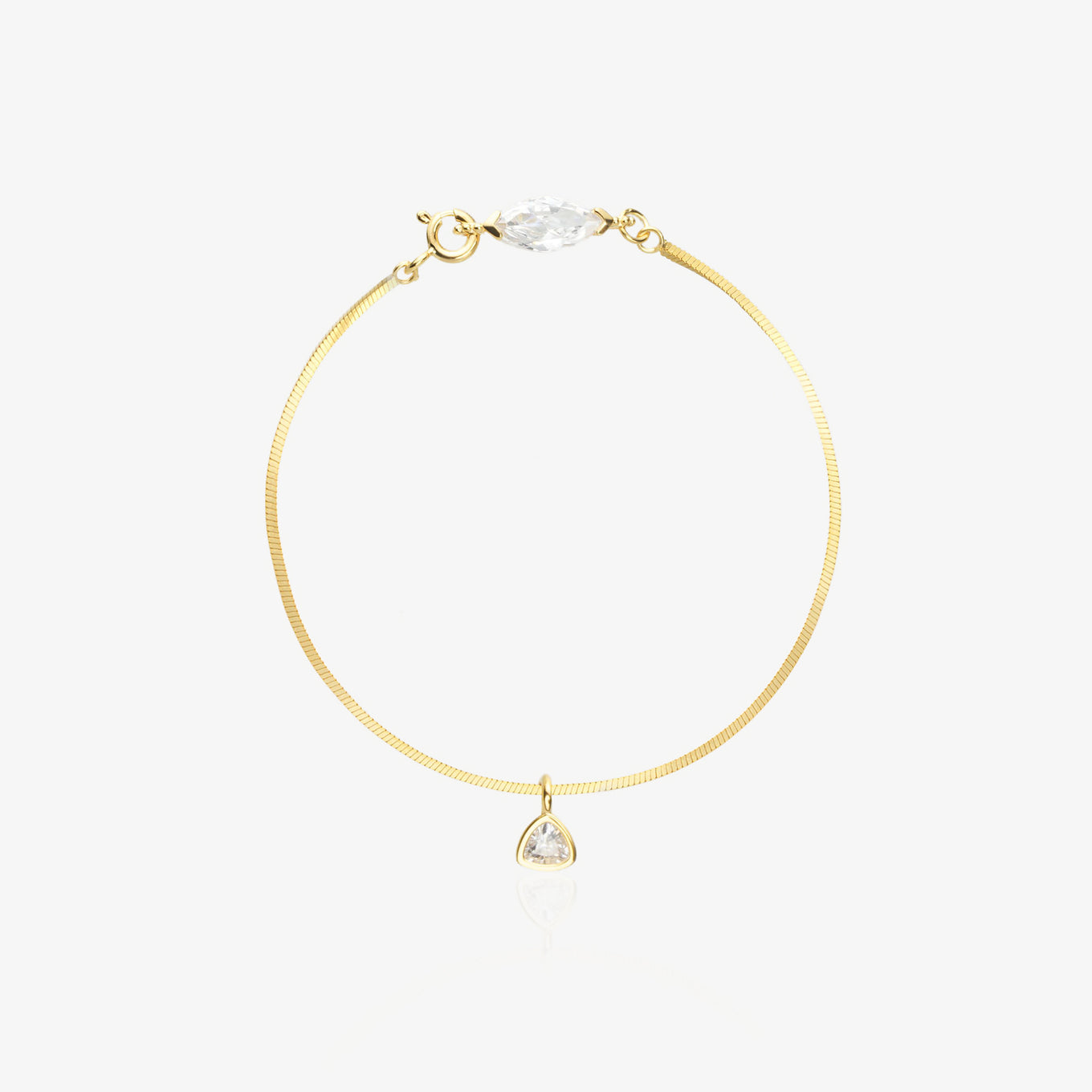
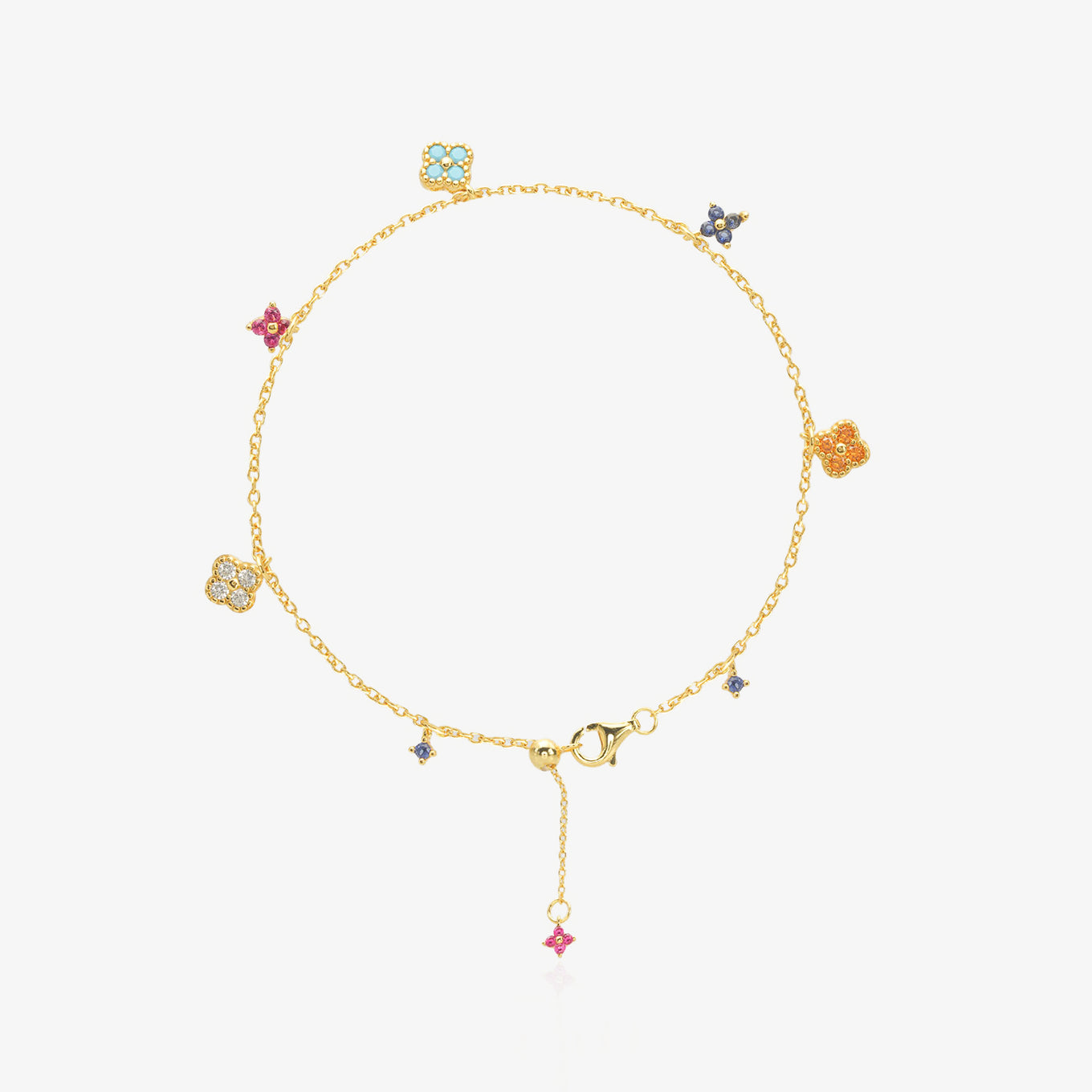
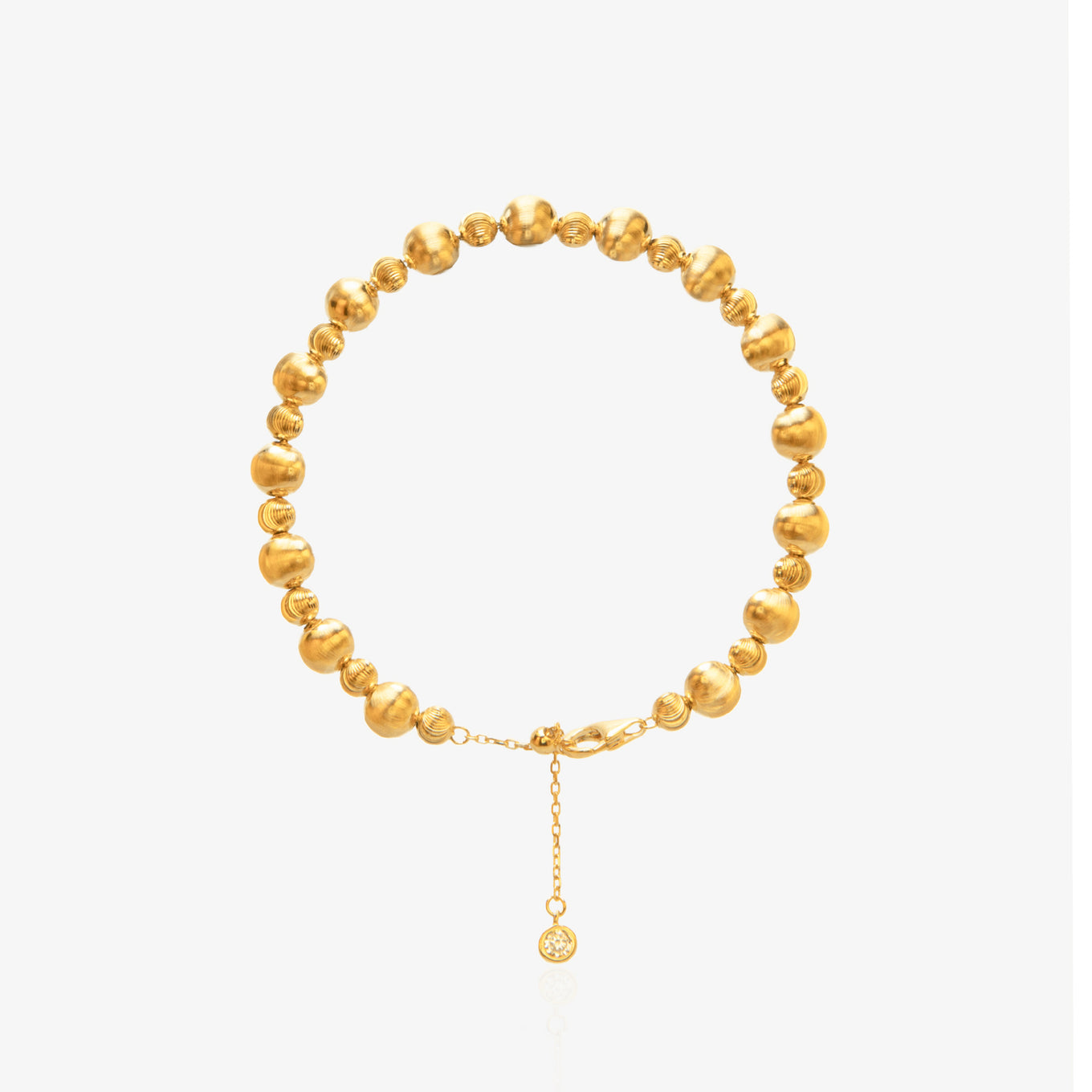
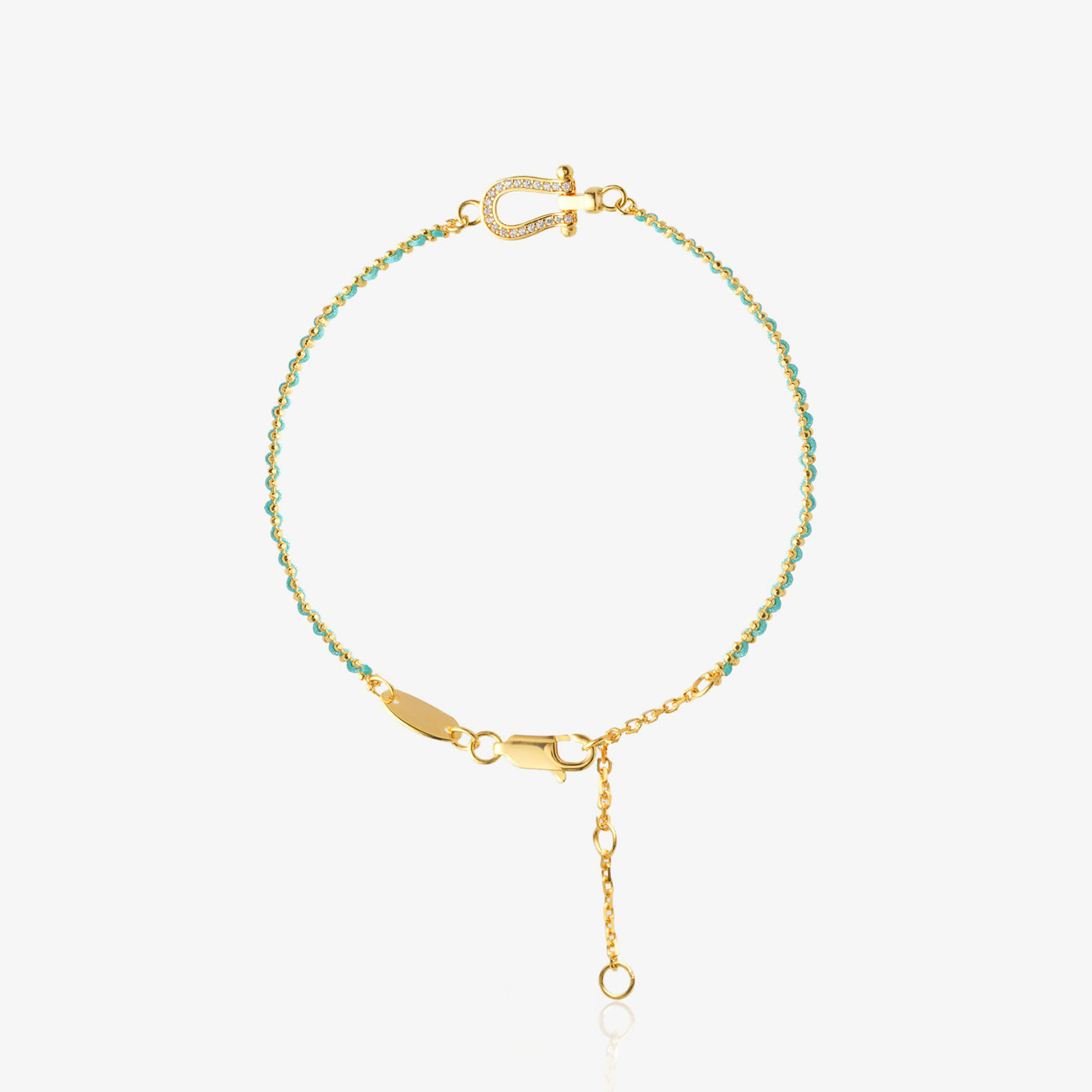
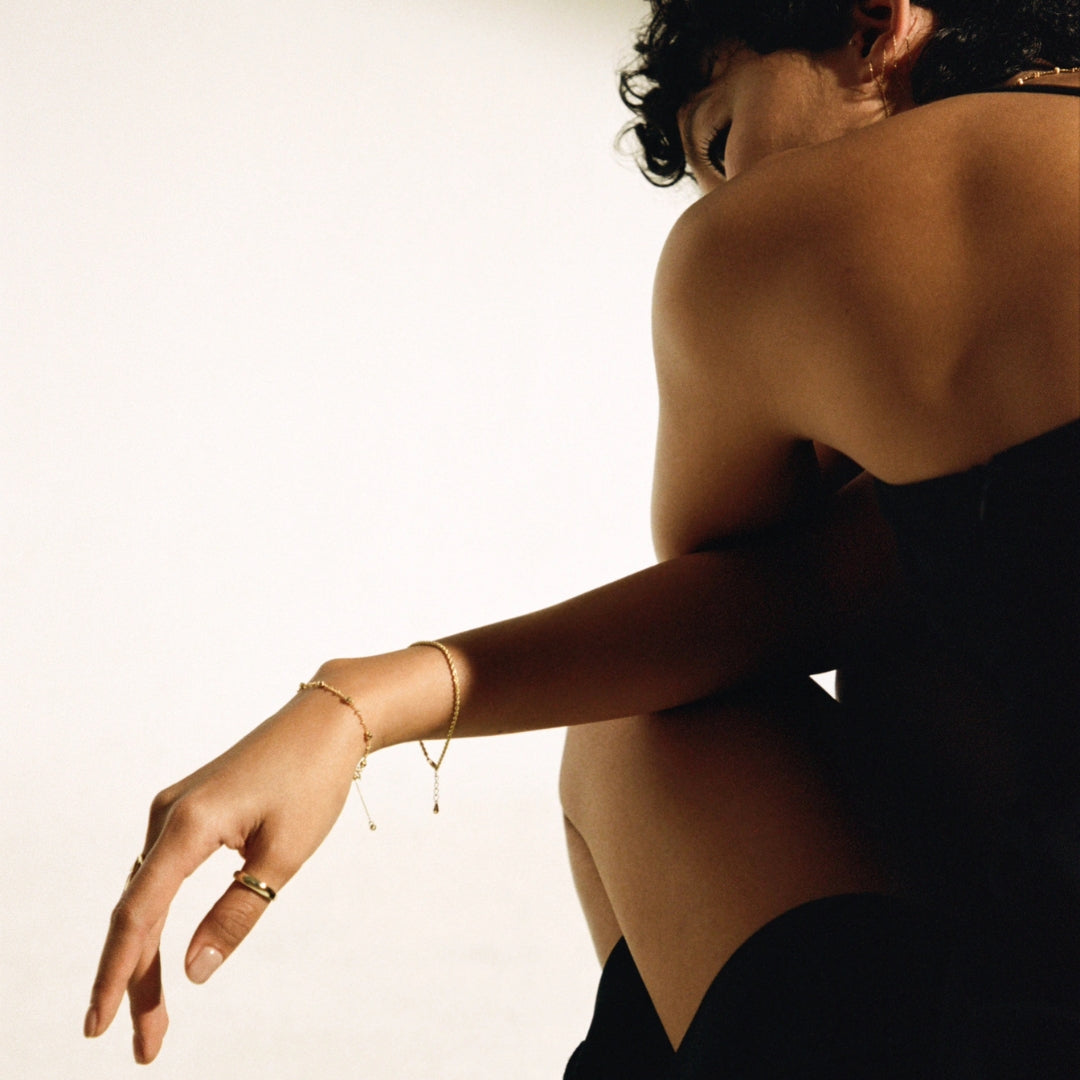
The Dainty Gold Chain Bracelet offers a delicate foundation for stacking. Its thin profile allows it to nestle comfortably alongside thicker bangles or cuffs, while the secure clasp ensures it stays in place throughout the day.
Stacking Rings Trend 2026: The Return of Intentional Architecture
The stacking rings trend for 2026 shifts from random accumulation to intentional architecture. Where 2024-2025 celebrated the "collected over time" look with mixed metals and mismatched widths, the 2026 approach emphasizes deliberate proportion — each stacked ring earns its place through shape, spacing, and material harmony. Think of it as curation rather than collection.
Three Rules Driving the Stacking Rings Trend in 2026
- Proportional Spacing: The gap between stacked rings matters as much as the rings themselves. For 2026, a 1-2mm visual gap between bands creates negative space that lets each design breathe — dense stacking is giving way to architectural spacing.
- Sculptural Silhouettes: Open bands, dome rings, and organic-profile bands are replacing flat-stacked bands. Rings like the Laurel Cuff Ring and Gallery Band Ring introduce three-dimensionality that flat stacking cannot achieve.
- Single-Metal Discipline: Mixed-metal stacking peaked in 2025. The 2026 stacking rings trend favors tonal unity — stacked rings within a consistent metal family (all 18K gold over Ag925, for instance) create a more intentional, elevated look.
At ÉLARAMUSE, every ring in our collection is designed to stack — slim profiles, comfort-fit interiors, and flush settings mean your stack feels like a single piece rather than a cluster of competing elements. Explore our stackable rings collection to build your 2026 stack.
Related Articles
- Minimalist Gold Jewelry Guide 2026: Dainty Pieces for Everyday Wear
- Mixed Metal Jewelry Guide 2026: How to Wear Gold & Silver Together
Where and When to Wear
Because our pieces use solid Ag925 construction, they're perfect for:
- Gym-to-office wear: Stacked pieces stay comfortable from workout to meeting
- Safe for showering: Water-resistant plating — no need to unstack before showering
- Sleep-safe stacks: Smooth, hypoallergenic — wear your stack 24/7 without irritation
Explore our stacking rings collection → We believe jewelry is not decoration - it is self-definition. Every piece we make must earn its place on your body: through material integrity (solid Ag925 cores, never hollow brass), through design intelligence (pieces that survive showers, sleep, and spontaneous decisions), and through a commitment to transparency that the jewelry industry has historically avoided. We do not chase trends. We build talismans for the captain of her own soul - pieces that feel like you, only more intentional.What We Believe
Editor's Picks
Frequently Asked Questions
How many rings should I stack on one finger?
The ideal number depends on finger size and ring thickness. Generally, 2-3 rings per finger creates a balanced look without restricting movement. For thinner bands, you can go up to 4; for thicker or statement rings, stick to 1-2 per finger. The key is comfort—if you can't bend your finger or the rings dig into adjacent fingers, you've overdone it.
Can I mix different metal tones when stacking jewelry?
Absolutely! Mixing metals is a 2026 trend that's here to stay. The secret to success is repetition: include each metal tone at least twice in your stack. For example, pair a yellow gold ring with a rose gold band, then add another yellow gold piece. This creates cohesion and prevents any single metal from appearing random or mismatched.
What order should I stack rings on my finger?
Start with the thinnest band closest to your hand (the base), and work outward with progressively thicker or more elaborate rings. This creates a natural gradient and prevents a thick ring from overshadowing a delicate one. If using a statement ring, position it in the middle or as the topmost piece—it should be the focal point, not buried beneath simpler bands.
How do I prevent necklaces from tangling when layering?
Tangling occurs when necklaces are too close in length. Follow the 2-3 inch rule: each necklace should differ by at least 2 inches. You can also use necklace separators—small clasps that attach to the back of each chain, keeping them aligned. Alternatively, opt for necklaces with different chain styles (box chain, rope chain, cable chain), which are less likely to intertwine.
Is it better to stack rings on one hand or both?
Both approaches work—it depends on the overall look you're aiming for. Stacking on one hand creates a bold, asymmetrical statement, drawing attention to that side. Distributing rings across both hands offers a more balanced, symmetrical aesthetic. If choosing one-hand stacking, consider the weight distribution: a heavy stack on the left hand can be balanced by a single statement ring on the right.
What's the difference between stacking rings and regular rings?
Stacking rings are designed to be worn together—they're typically thinner, with smooth edges that won't snag on adjacent bands. Regular rings, especially statement pieces, are often worn alone and may have protruding stones or elaborate settings that make stacking uncomfortable. However, many rings bridge both categories: a simple solitaire, for example, can serve as a statement piece alone or integrate into a stack.
Can I stack bracelets with different textures?
Yes—in fact, texture contrast is encouraged! A smooth bangle paired with a chain-link bracelet and a beaded strand creates depth and interest. The key is to maintain consistency in metal tone (or repeat mixed metals) to anchor the composition. Avoid combining too many competing textures; a 60/40 ratio (60% one texture, 40% another) tends to be most visually pleasing.
Behind the Design
After testing our designs with hundreds of customers, we discovered that the #1 reason people stop wearing jewelry isn't style — it's comfort. Skin irritation, green marks, and tarnish drive people away. That's why every ÉLARAMUSE piece starts with Ag925 sterling silver and 0.5-micron 18K gold plating — hypoallergenic, nickel-free, and built for everyday life.
Sources
The Met Collection — Jewelry V&A — A History of Jewellery
- GIA (Gemological Institute of America) - Authority on gemstones and jewelry craftsmanship
- American Gem Society - Standards for ethical jewelry practices
At ÉLARAMUSE, we create jewelry that becomes part of your story—each piece designed to layer seamlessly with others, adapting to your evolving style. Our commitment to quality materials, thoughtful design, and sustainable practices ensures that every stack you build is not only beautiful but built to last.
Your jewelry is more than adornment — it's a talisman for your story. Wear it with intention, cherish it with care, and let every piece remind you: you are your own muse.
Frequently Asked Questions
What metal is safest for new piercings?
Surgical-grade stainless steel (316L), titanium, and 14K+ solid karat gold are the three safest metals for healing piercings. They are nickel-free, non-porous, and resist bacterial buildup. Avoid sterling silver, plated metals, and anything containing nickel during the healing period, which ranges from 6 weeks for earlobes to 6-12 months for cartilage.
How do I know if my jewelry is hypoallergenic?
Look for pieces labeled surgical stainless steel (316L), titanium, niobium, or 14K+ solid karat gold. Pieces marketed simply as "nickel-free" may still contain other irritants. The safest approach is to purchase from brands that specify their exact metal composition and use rhodium plating as an additional barrier layer between your skin and the base metal.
Can I wear my jewelry in water?
Stainless steel and solid karat gold pieces can handle brief water exposure, but prolonged contact with chlorinated pools, saltwater, or hot showers accelerates tarnish and weakens plating. The safest rule: remove jewelry before swimming or showering, especially for plated pieces, sterling silver, and any item with glued components or porous stones.
References & Further Reading
- GIA — Diamond Quality Factors — Gemological Institute of America's official grading standards for gemstones and precious metals.
- FTC — Jewelry Guides — Federal Trade Commission regulations on precious metal marketing and jewelry disclosure standards.
- GIA — Simulant & Imitation Gem Guide — Educational resource on laboratory-created and simulated gemstones.