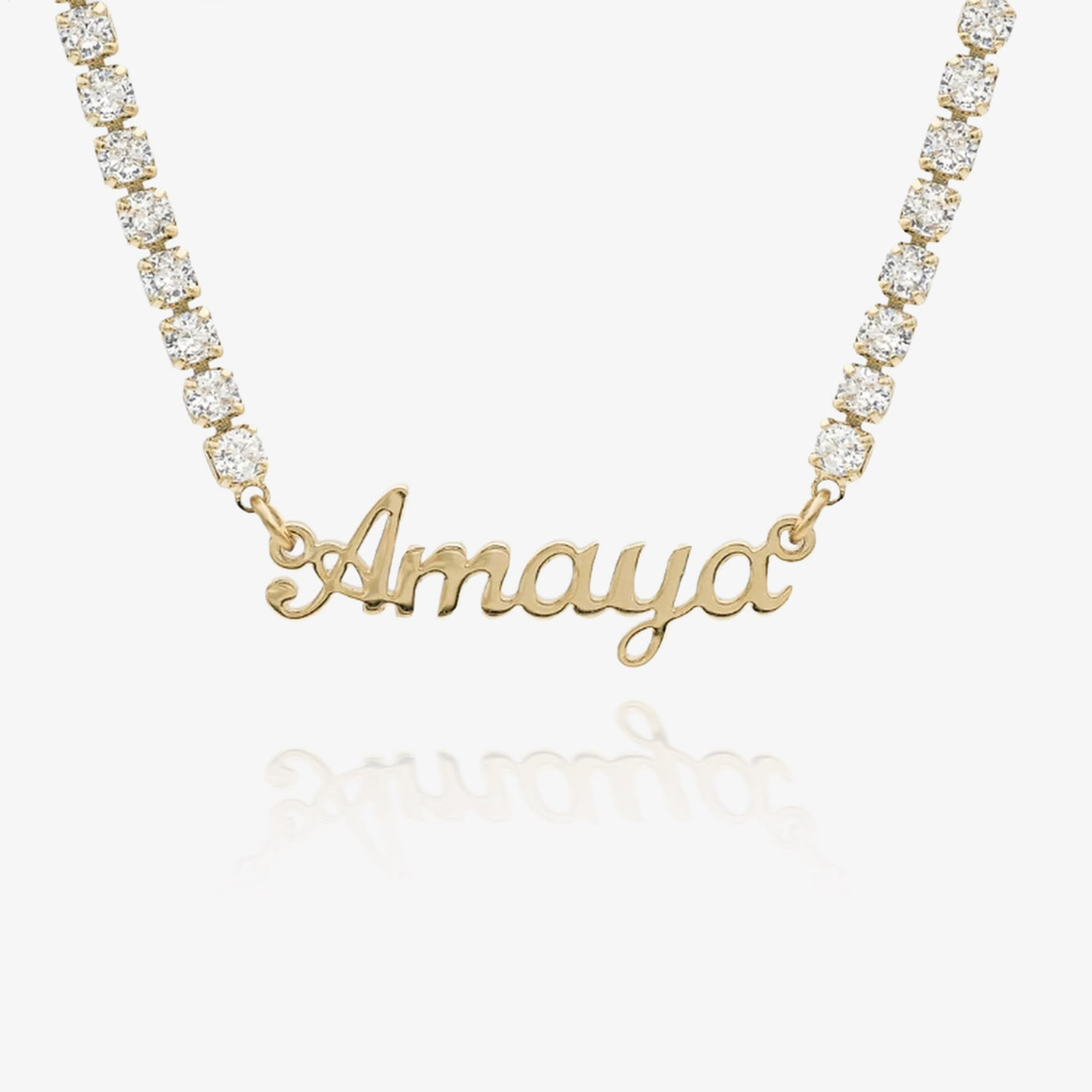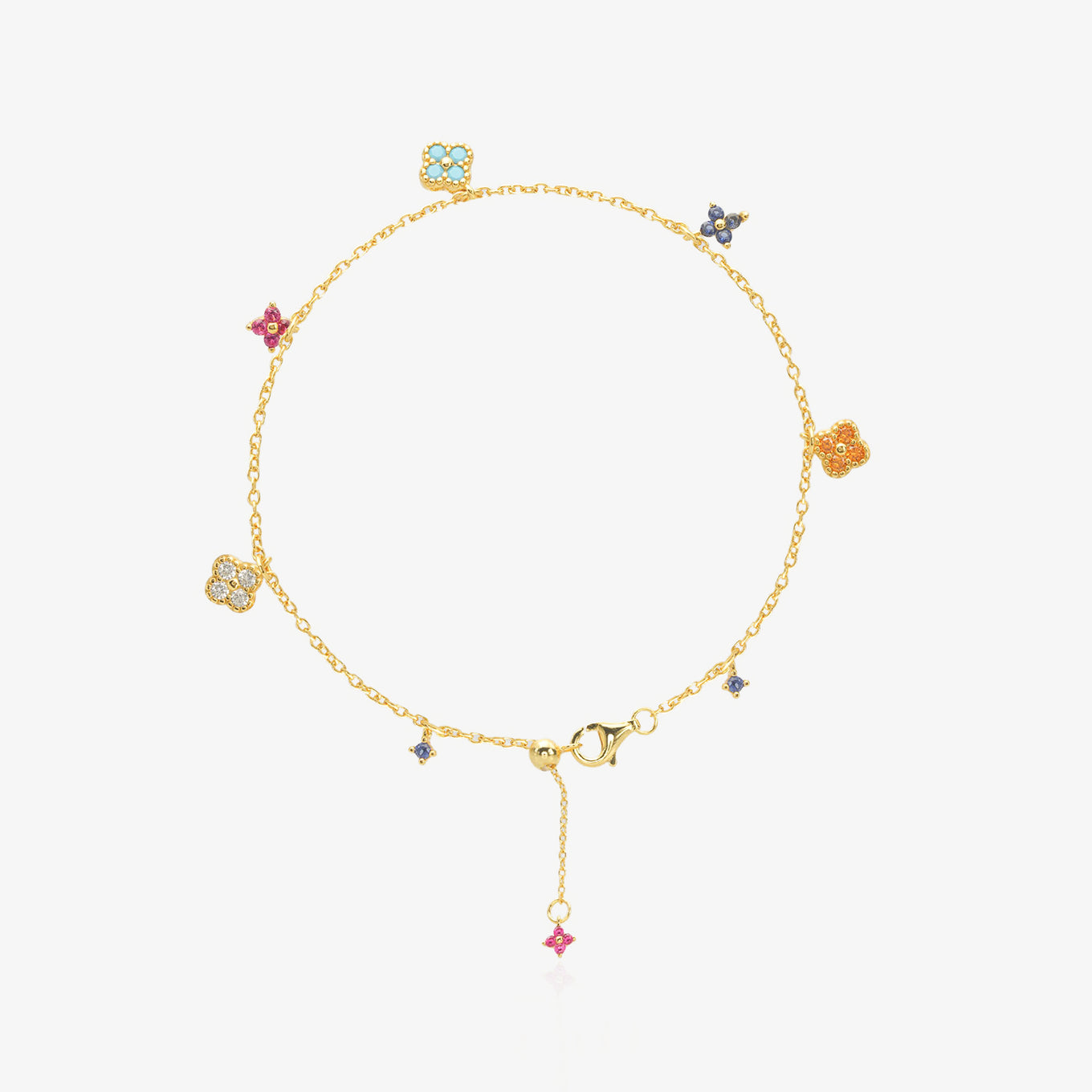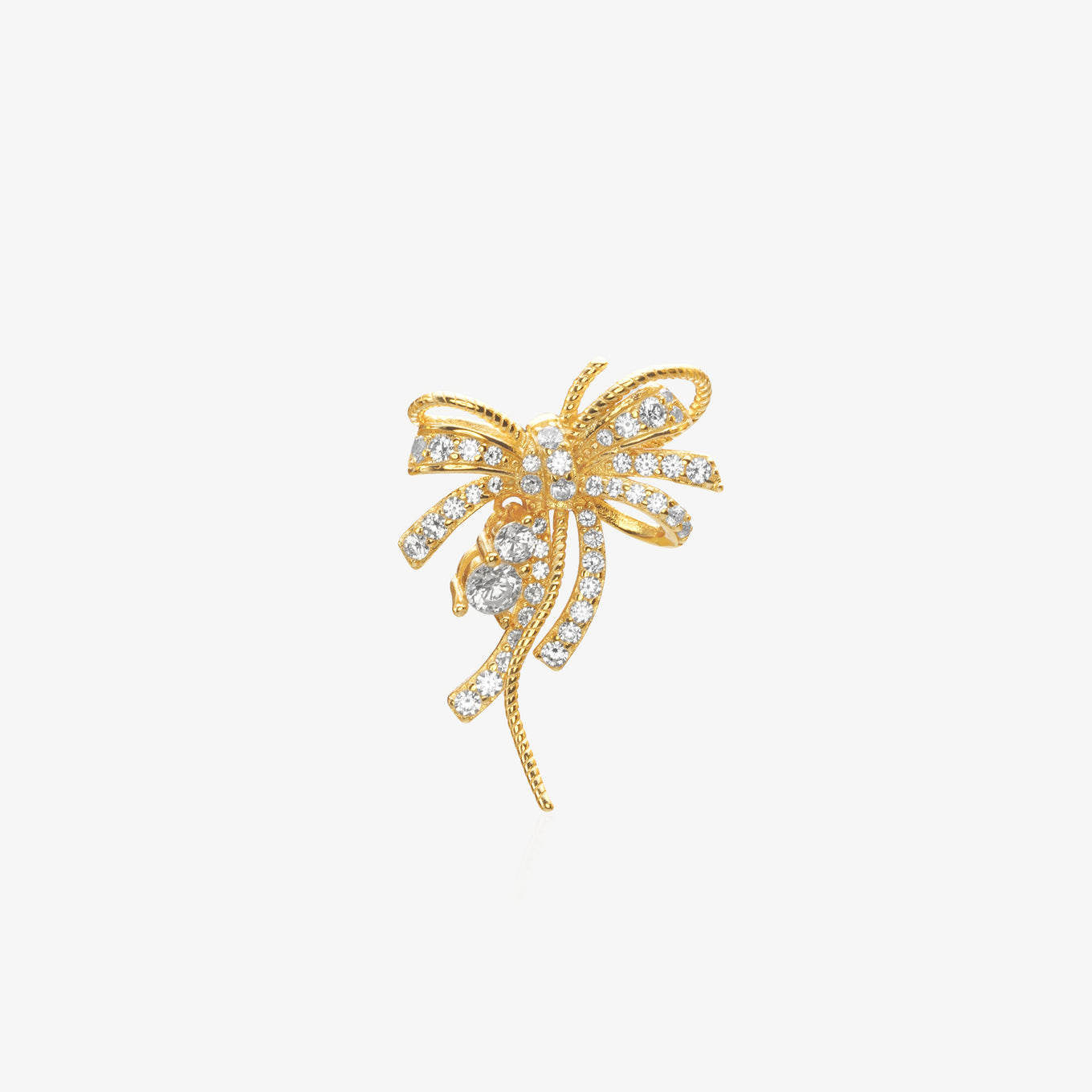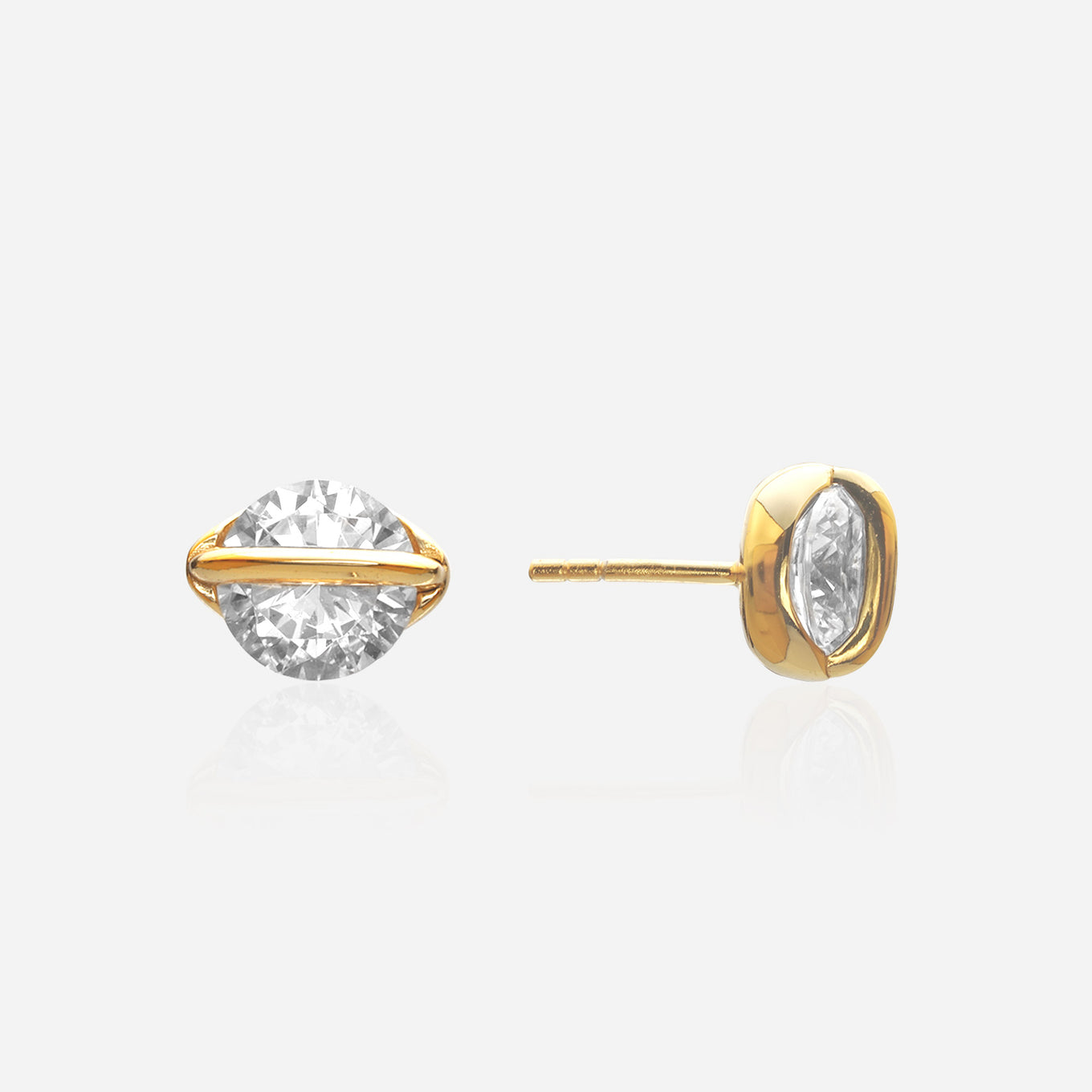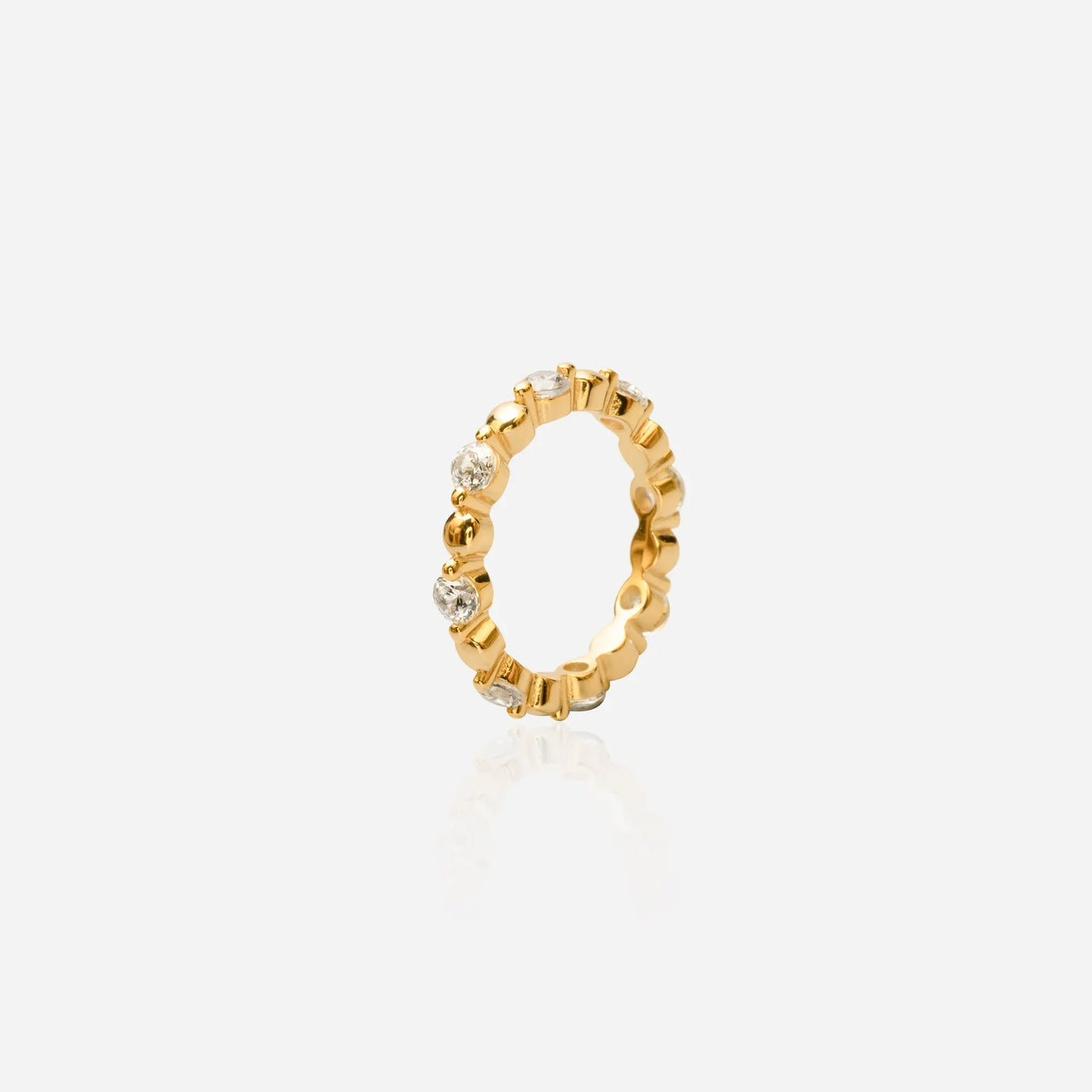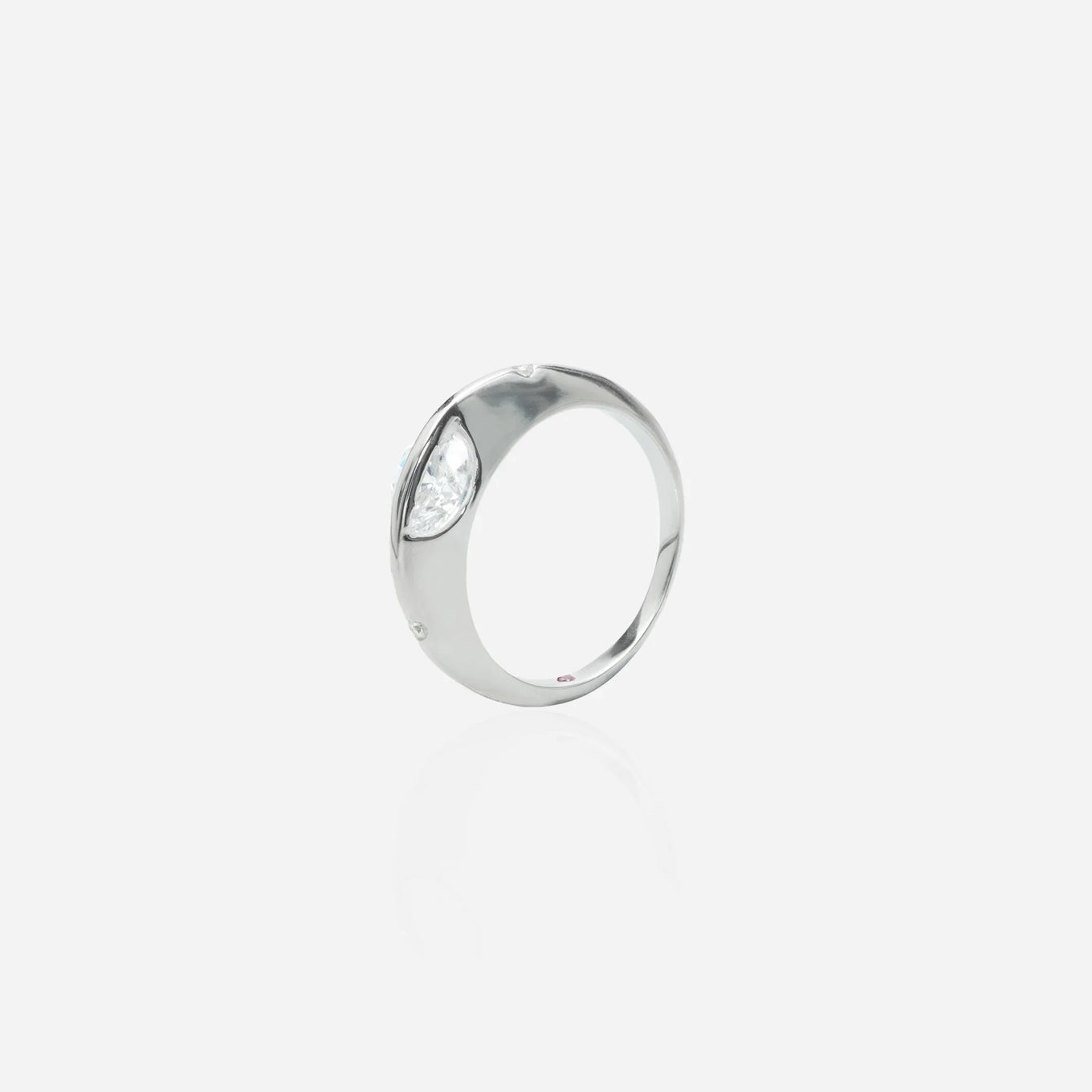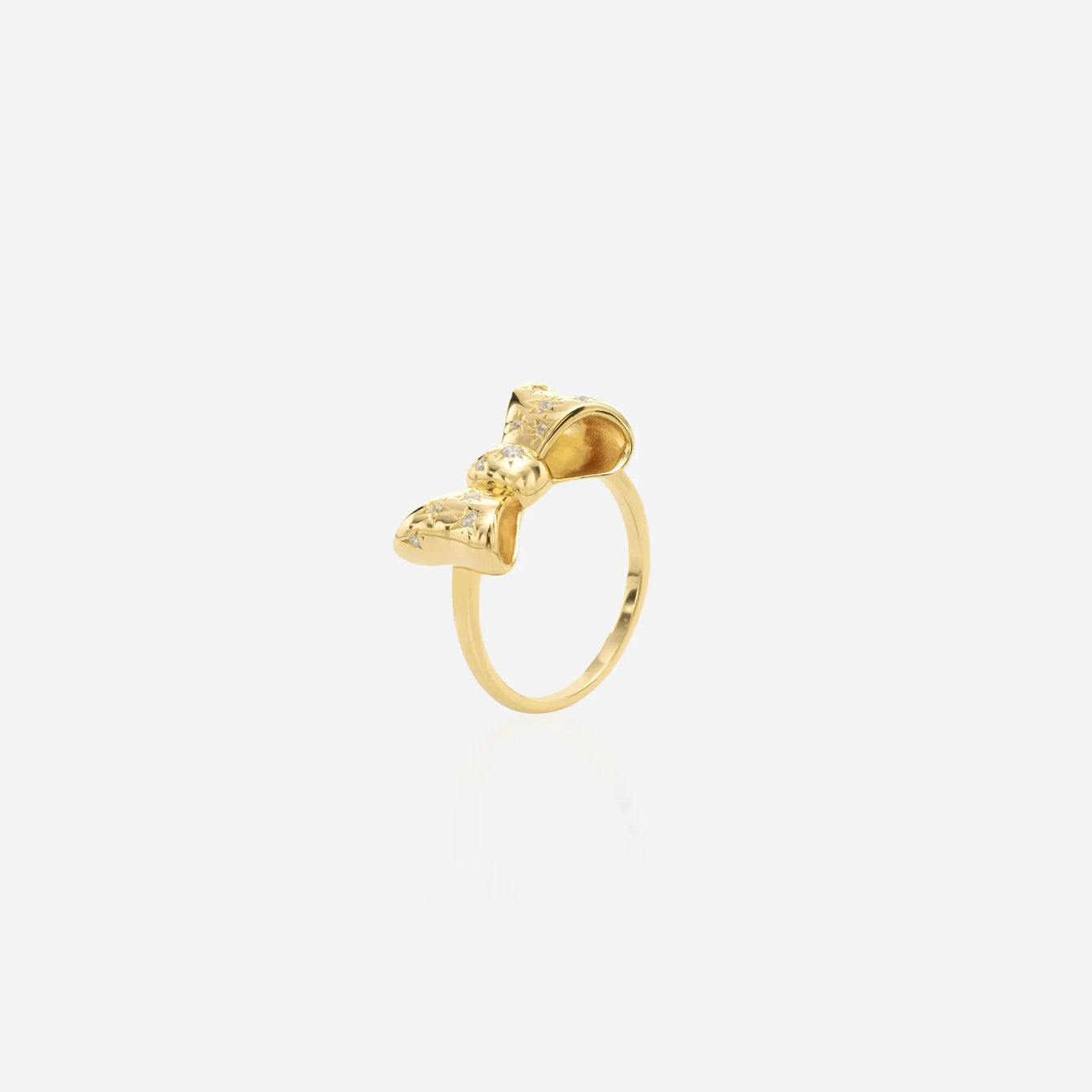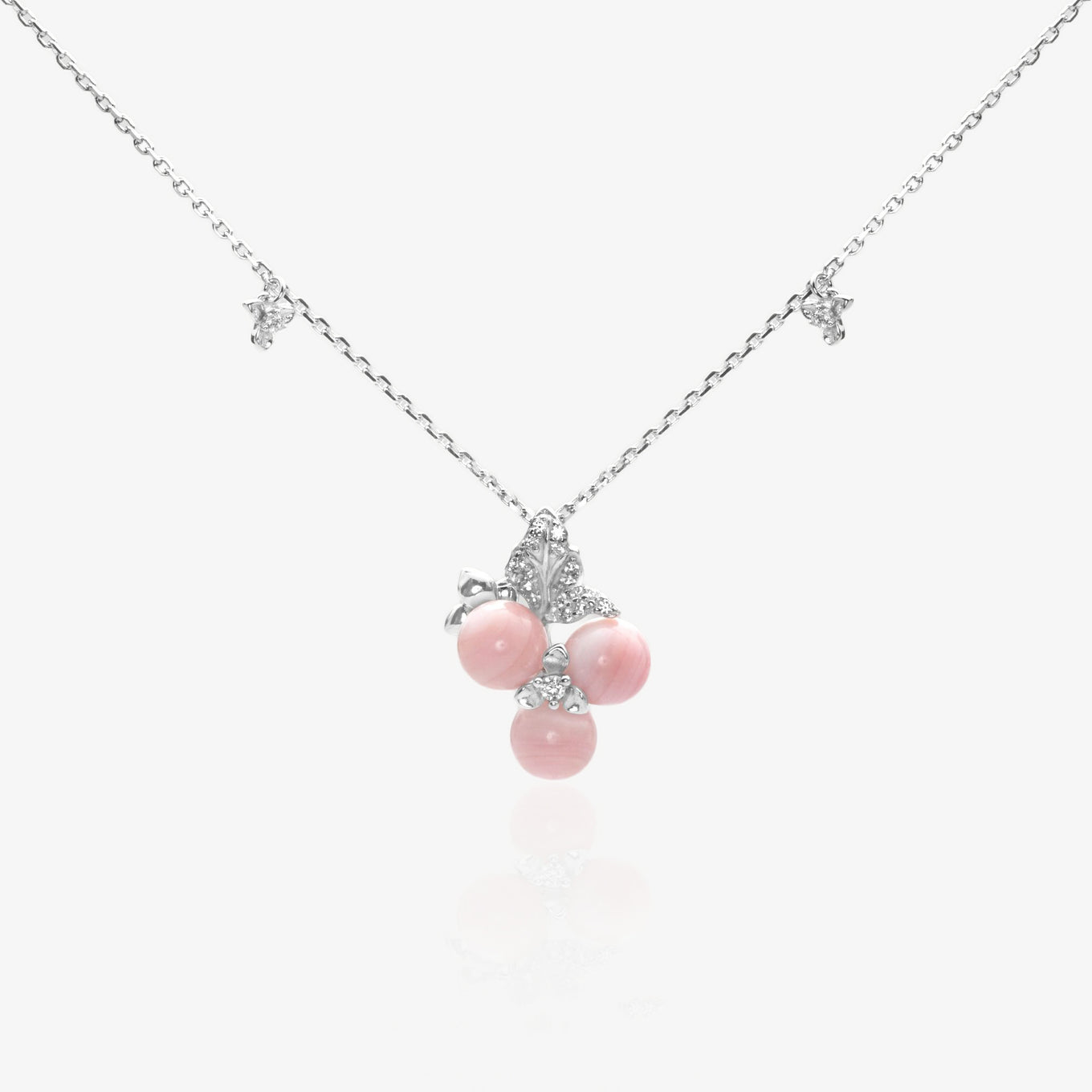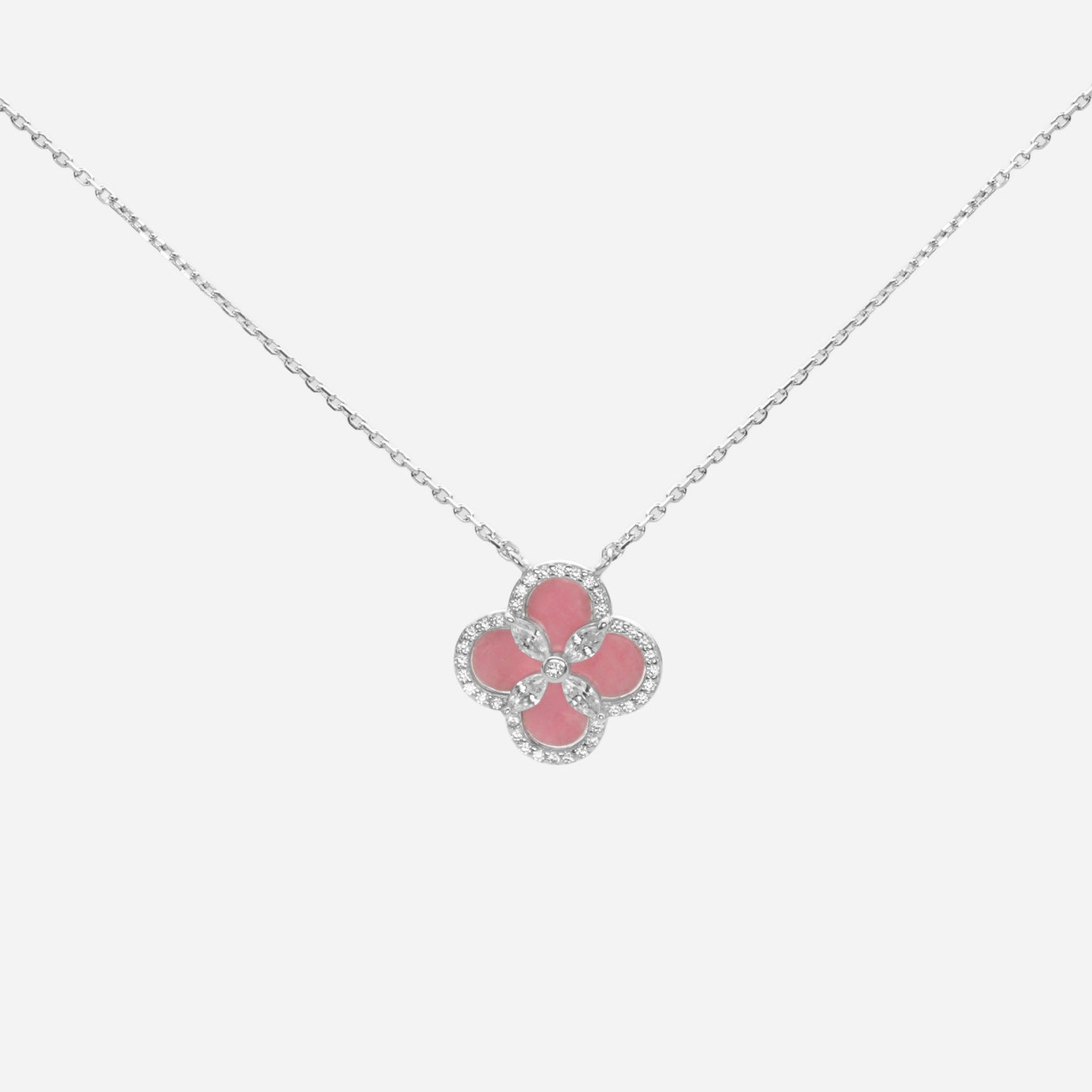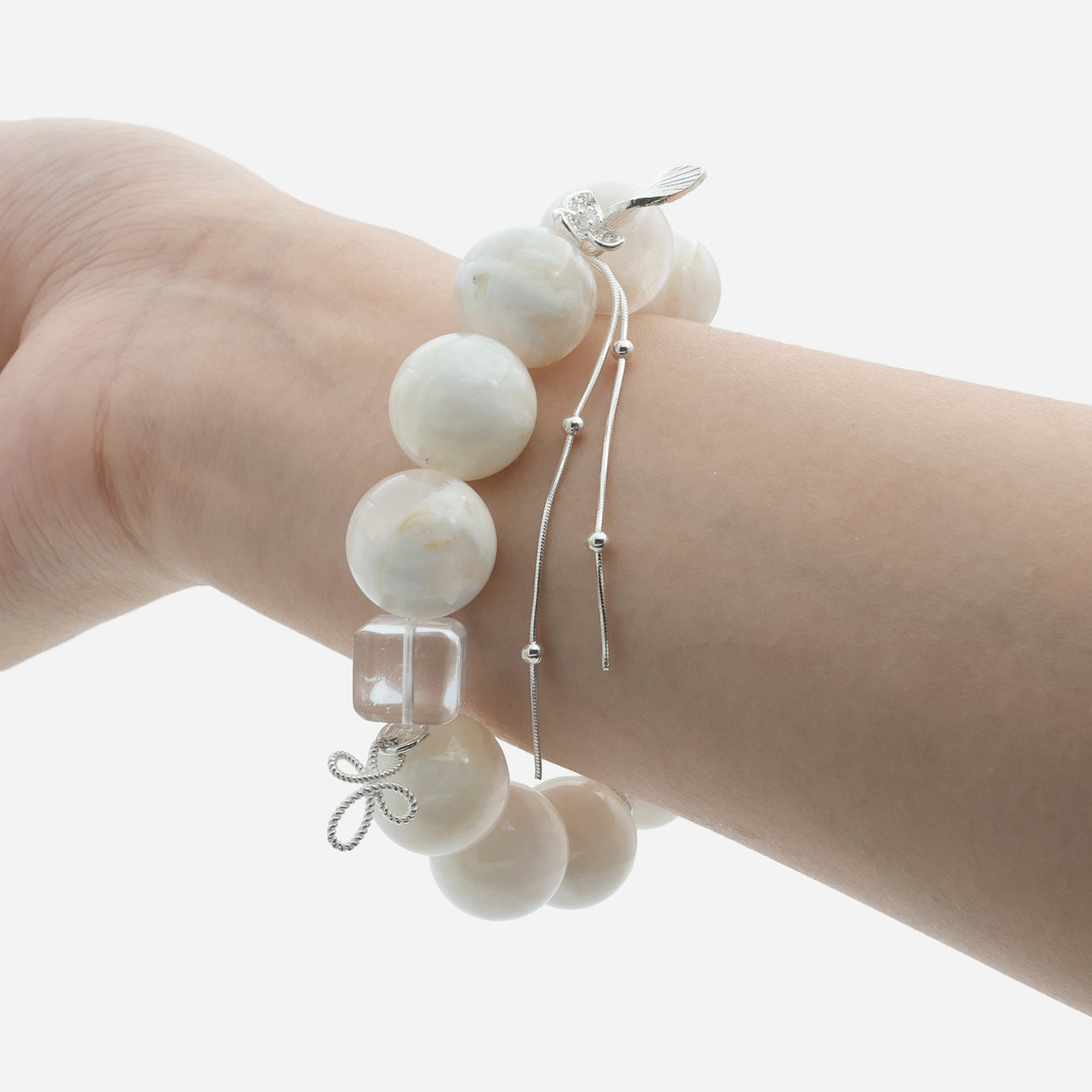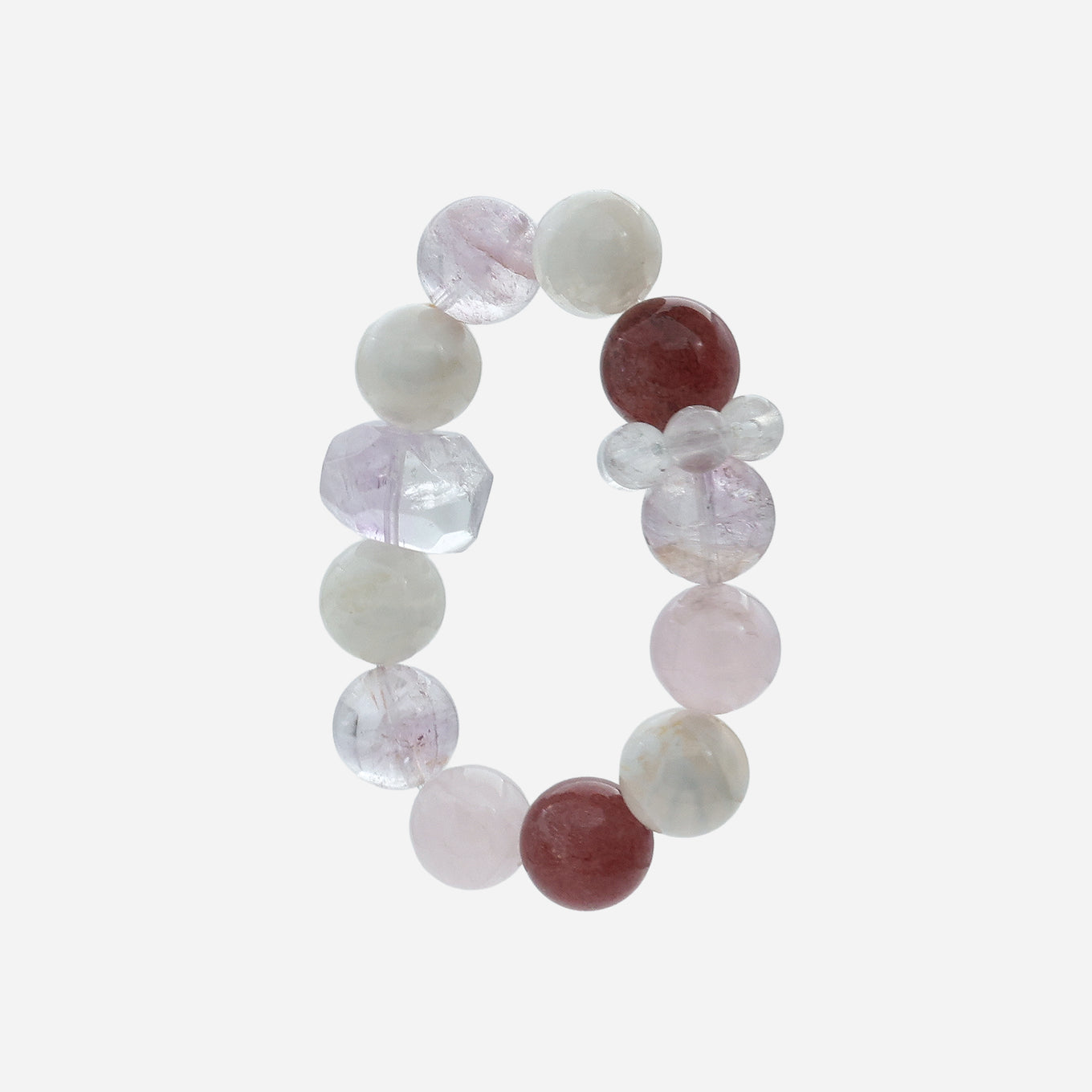
The ÉLARAMUSE Standard
📚 Part of the Stacking Series: This is the deep-dive companion to our Complete Jewelry Stacking Guide. Here we focus exclusively on necklaces — chain lengths, pendant rules, and neckline formulas.
📑 In This Guide
- The ÉLARAMUSE Standard
- Key Terms You Need to Know
- Quick Summary
- In This Guide
- Rule 1: The Cascade Effect (Vary Your Lengths)
- Rule 2: Create a Focal Point (Balance the Weights)
- Rule 3: Keep the Canvas Cohesive (Tone & Texture)
- Product Recommendations for Effortless Layering
- Related Articles
- Where and When to Wear
- What We Believe
- Editor's Picks
- Frequently Asked Questions
- Behind the Design
- Sources
- References & Further Reading
References
- V&A. Layered Necklace Collection.
- The Met. Layered Necklaces.
- British Museum. Layered Jewelry.
How to layer necklaces without tangling is the question every jewelry enthusiast eventually asks — We believe jewelry should carry meaning beyond adornment. Each piece is crafted as a modern talisman — a wearable ritual that rests against your skin, carrying identity and intention that no trend can replace.
| Feature | Specification |
|---|---|
| Base Metal | Solid Ag925 Sterling Silver |
| Plating | 0.5-micron 18K gold plating |
| Safety | 100% Nickel-Free, Hypoallergenic |
| Durability | Water-resistant, Tarnish-resistant |
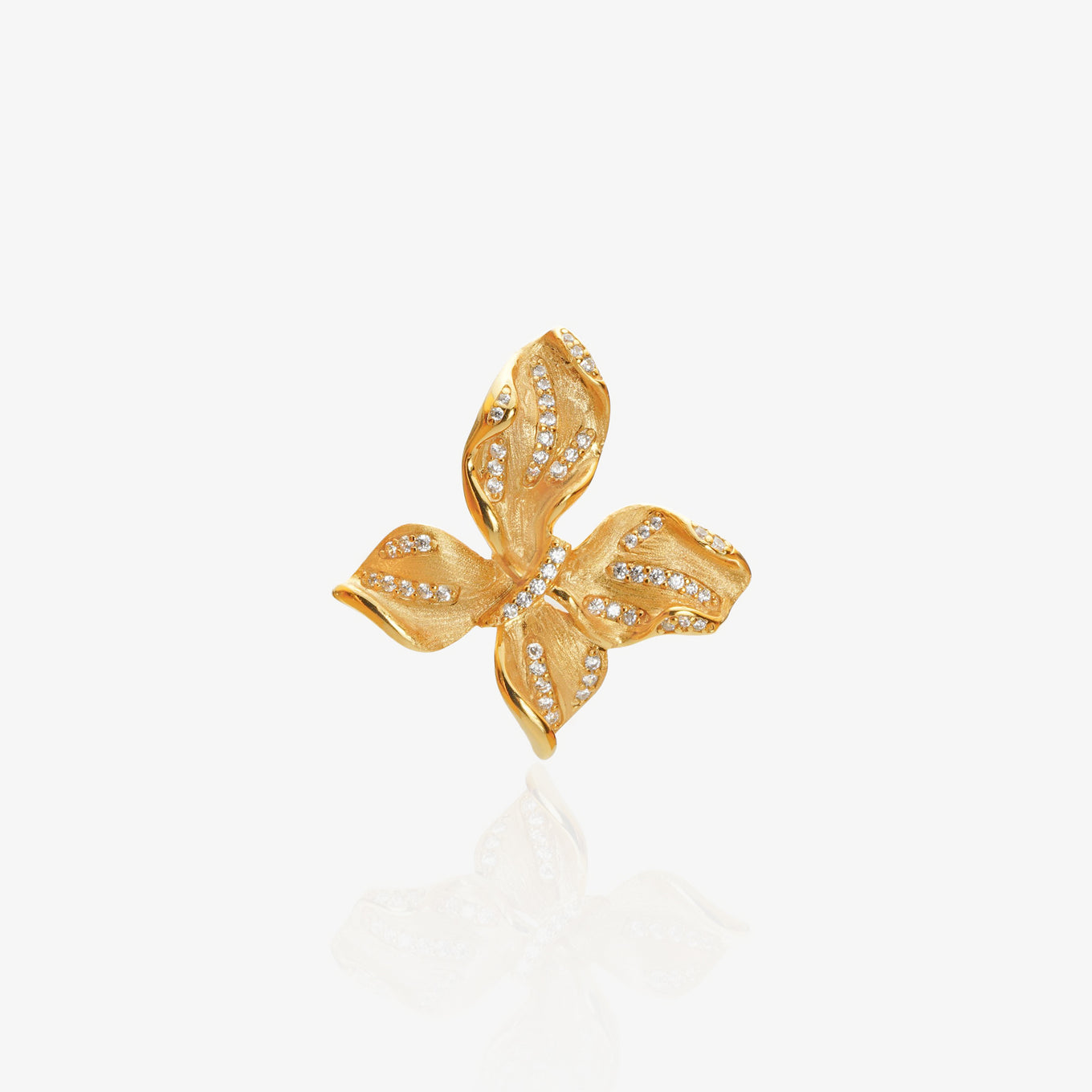
Explore the collection: Maple Leaf Ring or Calla Lily Pendant — crafted in Ag925 sterling silver with 18K gold plating.
Key Terms You Need to Know
- Ag925: 92.5% pure silver — hypoallergenic, durable precious metal.
- Nickel-Free: Zero nickel — eliminates #1 cause of jewelry allergies.
- 0.5-micron 18K Gold Plating: Premium gold layer over silver — lasting brilliance.
- Hypoallergenic: Safe for sensitive skin — no irritation or green marks.
Quick Answer: Layer by varying lengths and textures, anchor with a hero piece — let one element lead.
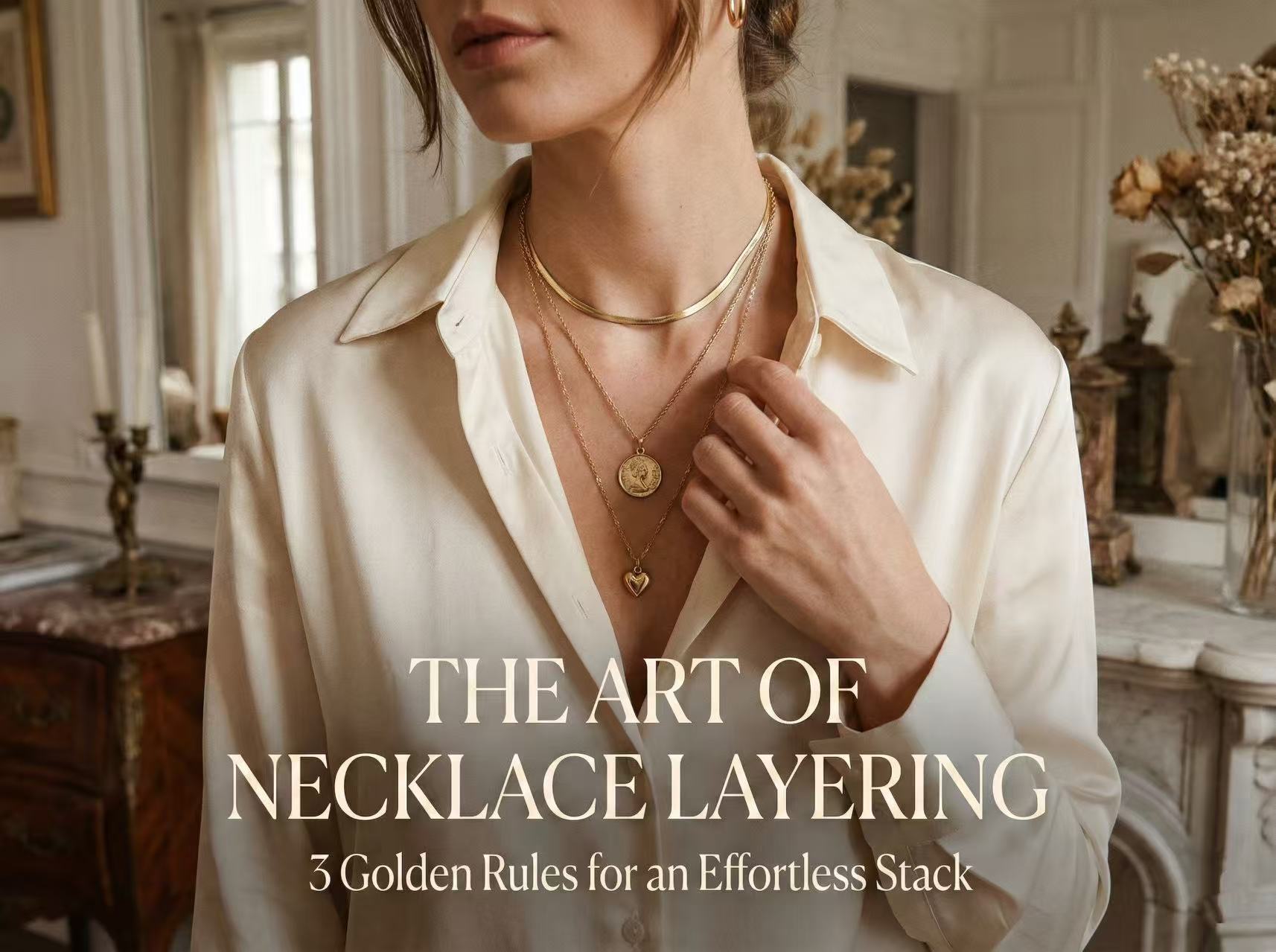
Have you ever looked at a beautifully thoughtfully selected necklace stack and wondered, "Why does hers look effortlessly chic, while mine just looks tangled?" The secret isn't about having more jewelry—it's about understanding the principles of visual weight, proportion, and intentional curation. Necklace layering—the art of wearing multiple chains at varying lengths—has evolved from a minimalist trend into a sophisticated form of self-expression in 2026.
At ÉLARAMUSE, we believe every stack should tell your story: unbound, yet intentional.
Necklace layering creates visual depth by combining chains of different lengths, textures, and weights to form a harmonious, eye-catching arrangement.
Unlike cheap brass stacking pieces that cause green marks and allergic reactions, our layers use solid Ag925 sterling silver with 0.5-micron 18K gold plating — stack confidently, even on sensitive skin.
Unlike fashion jewelry stacks that tarnish unevenly within weeks, our premium plating ensures every piece maintains the same warm gold tone — wash after wash.
Quick Summary
- The Cascade Effect: Vary necklace lengths by at least 2 inches to create an elegant V-shape that elongates the neck.
- Focal Point Principle: One statement piece anchors your stack; keep others simple to avoid visual chaos.
- Tone Harmony: Stick to one metal tone for an instantly refined look, or mix metals with intentional repetition.
- Length Differential: Ensure each layer differs by 2-3 inches to prevent tangling and maintain visibility.
- Weight Balance: Pair thick with thin, complex with simple—create visual rhythm, not clutter.
In This Guide
- Rule 1: The Cascade Effect (Vary Your Lengths)
- Rule 2: Create a Focal Point (Balance the Weights)
- Rule 3: Keep the Canvas Cohesive (Tone & Texture)
- Product Recommendations for Effortless Layering
- Frequently Asked Questions
Rule 1: The Cascade Effect (Vary Your Lengths)
Most layering guides treat necklace stacking like a checklist — "add a choker, then a pendant, then a lariat." But real layering is alchemy, not arithmetic. Unlike mass-market chains that tangle into knots by lunchtime, ÉLARAMUSE necklaces are engineered with tangle-resistant chains and precision-weighted pendants that stay in place all day.
The biggest mistake in necklace layering? Wearing chains that are too close in length—they clash, tangle, and make your neck appear shorter. The secret to a perfect stack is creating a "cascade," where each necklace falls at a different level, guiding the eye downward and elongating your silhouette.
Length Differential—the principle of maintaining at least 2 inches (5cm) between each layer—is the foundation of successful stacking. This spacing prevents chains from intertwining and ensures each piece remains visible, contributing to the overall composition rather than disappearing into a tangle.
The formula is simple: start with a close-fitting base (14-16 inches), add a mid-length princess chain (18-20 inches), and finish with a longer matinee or opera length (22-30 inches). This creates a cascading effect that draws the eye from your collarbone to your décolletage, creating an elegant V-shape that visually lengthens the neck.
For instance, our Bicolor Spira Choker sits right at the collarbone, providing the perfect foundation for layering. When paired with an 18-inch chain and a 24-inch pendant necklace, the three distinct lengths create visual depth without competition.
Rule 2: Create a Focal Point (Balance the Weights)
Every ÉLARAMUSE piece is shower-safe and tarnish-resistant — layer them on and leave them on.A great outfit needs a protagonist, and so does your jewelry stack. If every piece is chunky and demanding attention, the result is chaotic. If every piece is too thin, the stack loses its impact. The key is Weight Balance: pairing one statement piece with simpler companions to create visual rhythm.
Focal Point Principle dictates that one piece should anchor your composition—drawing the eye and providing a central narrative. This could be a pendant with personal meaning, a vintage-inspired design, or a bold statement piece. The supporting chains should complement, not compete.
What I've found works best is the "Complex + Simple" formula. Layer a meaningful, intricate piece over a smooth, delicate chain. For example, the Compass Rose Bead Necklace—with its textured beads and directional symbolism—acts as a natural focal point. Paired with a simple box chain, it creates a thoughtfully selected, intentional look without overwhelming the neckline.
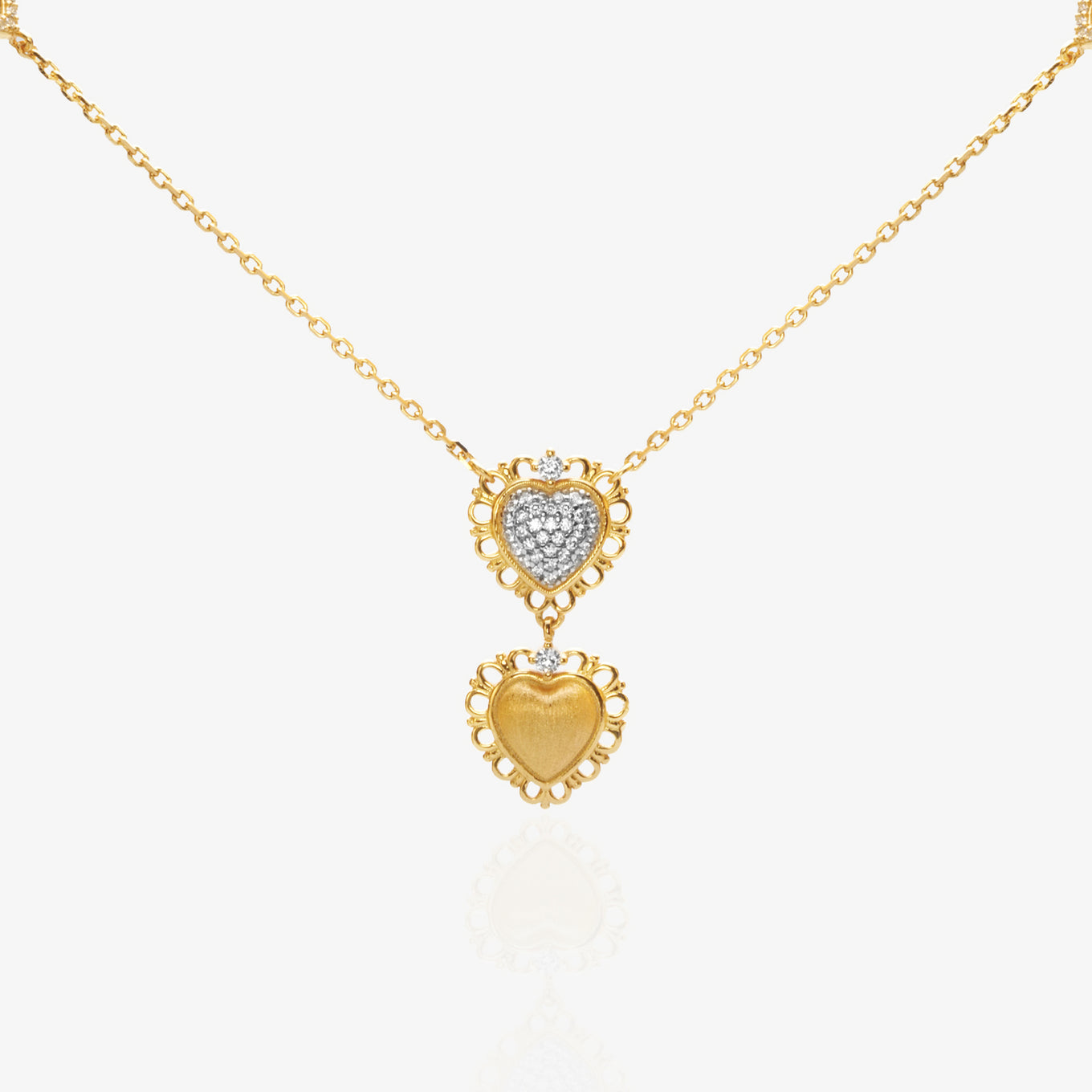
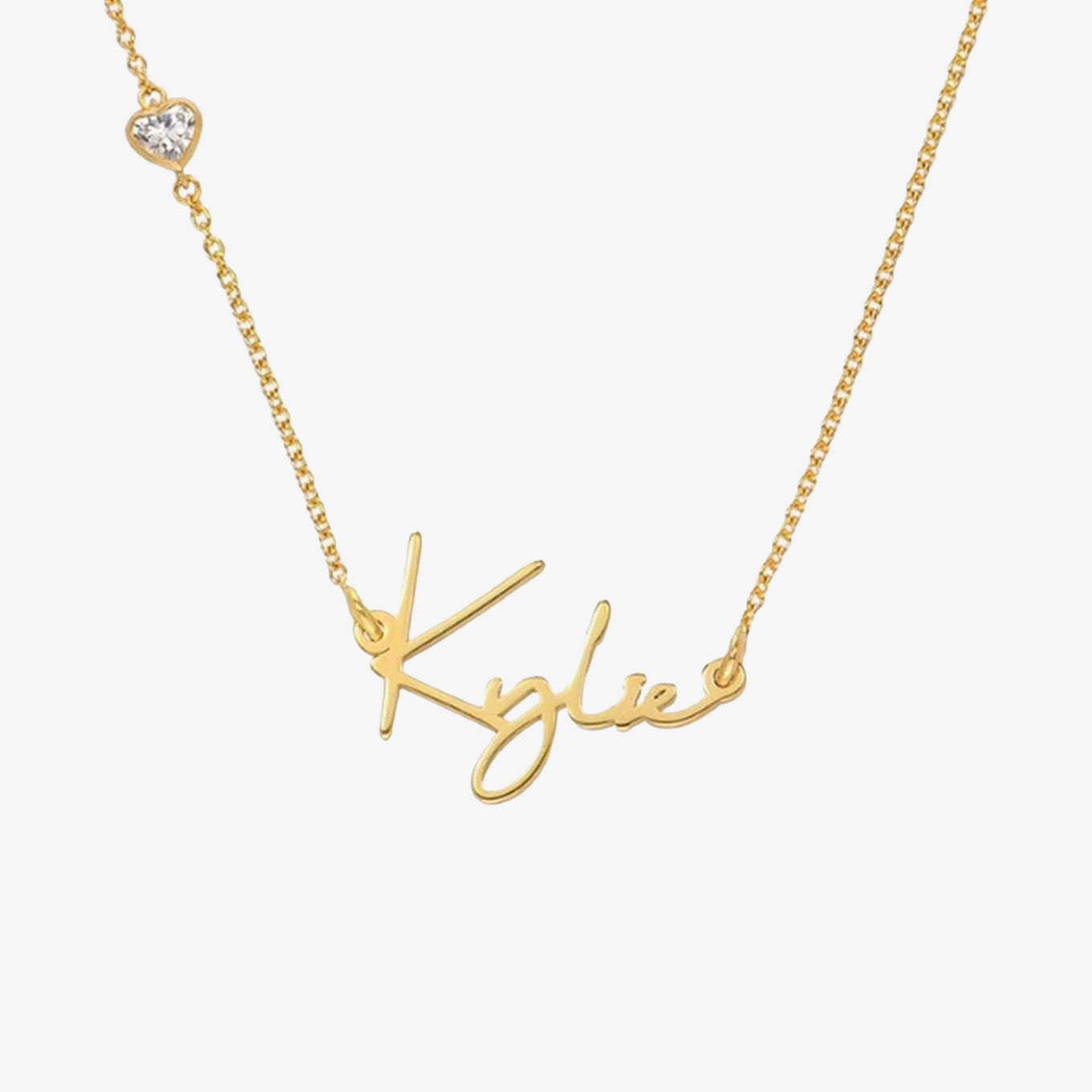
Alternatively, the Bijou Heart Necklace offers romantic charm that draws the eye exactly where you want it, while thinner chains on either side maintain balance and elegance.
Rule 3: Keep the Canvas Cohesive (Tone & Texture)
While mixing metals is a 2026 trend, it requires a careful eye. For an instantly refined, "Old Money" aesthetic, stick to a unified color palette. Tone Harmony—the principle of maintaining consistent metal tones—guarantees a harmonious, rich glow that refines any outfit.
This doesn't mean your stack must be monotonous. In fact, the secret to avoiding flatness lies in texture contrast. Pair a textured or beaded chain with something sleek and liquid-like. The contrast creates depth and interest without sacrificing cohesion.
For example, our Herringbone Chain Necklace features a flat, highly reflective surface that catches light like liquid gold. When layered with a textured pendant or beaded strand, the interplay of smooth and detailed creates that high-end, thoughtfully selected feel.
What I've seen work beautifully is the "Mix Textures, Not Colors" approach. Keep your golds together, your silvers together, but vary the finishes—matte, polished, hammered, beaded—to add dimension without visual discord.
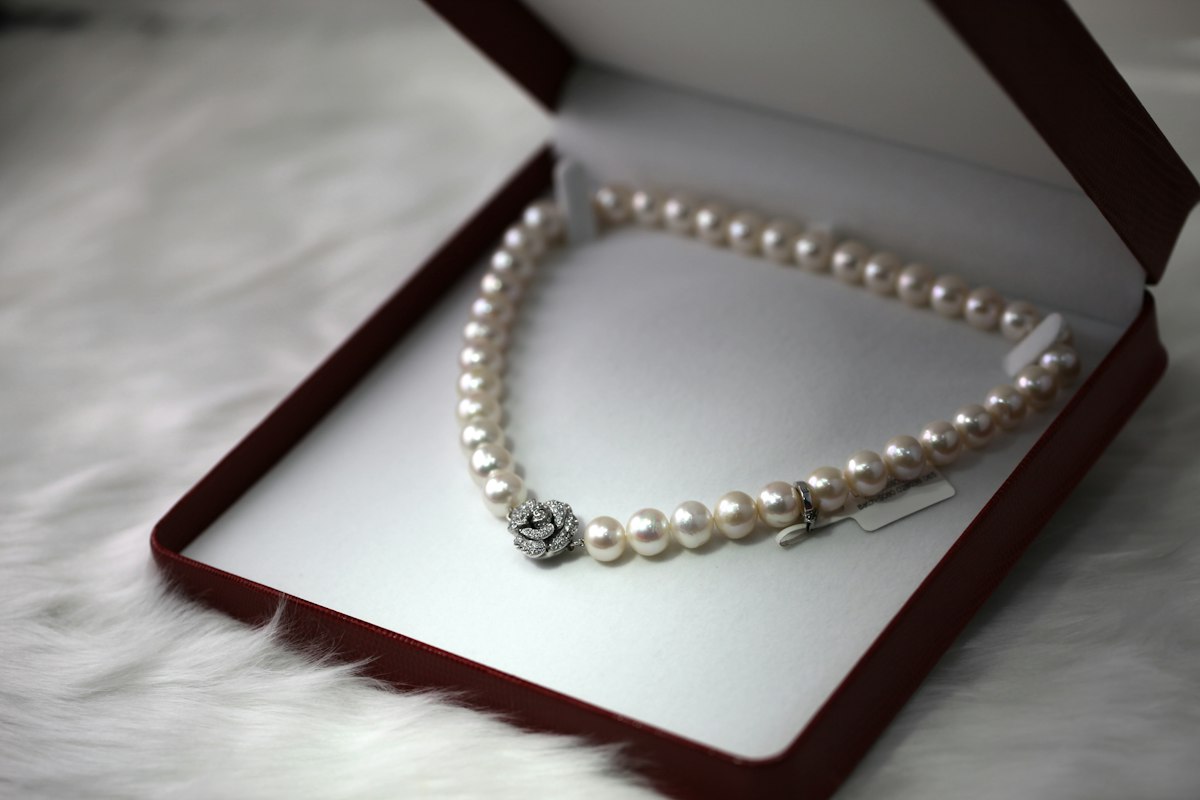
The varying lengths catch light at different points, creating a subtle shimmer that moves with you. This dynamic quality makes layered necklaces particularly photogenic—they appear to glow against the skin, elevating even the simplest outfit.
Product Recommendations for Effortless Layering
At ÉLARAMUSE, we design pieces with layering in mind—each item created to complement others while standing beautifully on its own.
For the Base Layer (14-16 inches)
The Bicolor Spira Choker offers a sleek, close-fitting foundation. Its dual-tone design adds visual interest without overwhelming, making it the perfect anchor for longer chains. Bicolor Spira Choker.
For the Middle Layer (18-20 inches)
A delicate chain with subtle presence, like our Classic Box Chain (available in 16, 18, and 20-inch lengths), bridges the gap between base and statement pieces. The square-link design catches light beautifully, adding shimmer without competing for attention.
For a focal piece at this length, the Classic Solitaire Necklace features a floating lab diamond that draws the eye while maintaining elegant simplicity. Classic Solitaire Necklace.
For the Statement Layer (22-30 inches)
The Compass Rose Bead Necklace brings meaning and texture to your stack. Its directional symbolism resonates with those navigating life's journeys, while the beaded design adds tactile interest. Compass Rose Bead Necklace.
For romantic charm, the Bijou Heart Charm Necklace offers vintage-inspired elegance that pairs effortlessly with both minimalist and bohemian aesthetics.
Related Articles
- Jewelry Layering Guide 2026: How to Stack Rings & Necklaces
- Minimalist Gold Jewelry Guide 2026: Dainty Pieces for Everyday Wear
Where and When to Wear
Because our pieces use solid Ag925 construction, they're perfect for:
- Gym-to-office wear: Stacked pieces stay comfortable from workout to meeting
- Safe for showering: Water-resistant plating — no need to unstack before showering
- Sleep-safe stacks: Smooth, hypoallergenic — wear your stack 24/7 without irritation
Explore our layering chain collection → We believe jewelry is not decoration - it is self-definition. Every piece we make must earn its place on your body: through material integrity (solid Ag925 cores, never hollow brass), through design intelligence (pieces that survive showers, sleep, and spontaneous decisions), and through a commitment to transparency that the jewelry industry has historically avoided. We do not chase trends. We build talismans for the captain of her own soul - pieces that feel like you, only more intentional.What We Believe
Editor's Picks
Your jewelry is more than adornment — it's a talisman for your story. Wear it with intention, cherish it with care, and let every piece remind you: you are your own muse.
Frequently Asked Questions
How many necklaces should I layer together?
For everyday elegance, 2-3 layers is the sweet spot. This creates visual interest without overwhelming your neckline. Once you hit 4 or 5 chains, you risk tangling and visual clutter, especially if you have a shorter neck or are wearing a high-collared top. What I've found is that odd numbers (3 or 5) create more dynamic, asymmetrical arrangements than even numbers.
How do I prevent necklaces from tangling when layering?
Tangling occurs when necklaces are too close in length. Follow the 2-3 inch rule: each necklace should differ by at least 2 inches. You can also use necklace separators—small clasps that attach to the back of each chain, keeping them aligned. Alternatively, opt for necklaces with different chain styles (box chain, rope chain, cable chain), which are less likely to intertwine due to their varying textures.
What order should I layer necklaces?
Start with the shortest necklace closest to your neck (the base), and work outward with progressively longer chains. This creates a natural cascade and prevents longer chains from getting caught under shorter ones. If using a statement pendant, position it in the middle or longest layer—it should be the focal point, not buried beneath other pieces.
Can I mix gold and silver necklaces when layering?
Absolutely! Mixing metals is a 2026 trend that's here to stay. The secret to success is repetition: include each metal tone at least twice in your stack. For example, pair a yellow gold choker with a white gold pendant, then add another yellow gold piece. This creates cohesion and prevents any single metal from appearing random or mismatched.
What length necklaces are best for layering?
The ideal lengths depend on your neck size and outfit, but a classic formula is: 14-16 inches (choker), 18-20 inches (princess length), and 22-30 inches (matinee or opera length). This creates a balanced cascade. If you have a shorter neck, start with 16 inches rather than 14 to avoid crowding your neckline.
Is it better to layer necklaces on bare skin or over clothing?
Both work—it depends on the look you're aiming for. Layering on bare skin (with a V-neck or scoop neck) showcases the jewelry's full detail and creates an elegant décolletage focal point. Layering over a simple top (like a turtleneck or button-down) adds sophistication to casual looks. The key is to match the stack's weight to the outfit: heavier stacks balance structured clothing, while delicate layers suit lighter fabrics.
Can I layer necklaces with different textures?
Yes—in fact, texture contrast is encouraged! A smooth herringbone chain paired with a beaded strand or a hammered pendant creates depth and interest. The key is to maintain consistency in metal tone (or repeat mixed metals) to anchor the composition. Avoid combining too many competing textures; a 60/40 ratio (60% one texture, 40% another) tends to be most visually pleasing.
Behind the Design
After testing our designs with hundreds of customers, we discovered that the #1 reason people stop wearing jewelry isn't style — it's comfort. Skin irritation, green marks, and tarnish drive people away. That's why every ÉLARAMUSE piece starts with Ag925 sterling silver and 0.5-micron 18K gold plating — hypoallergenic, nickel-free, and built for everyday life.
Sources
The Met Collection — Jewelry V&A — A History of Jewellery
- GIA (Gemological Institute of America) - Authority on gemstones and jewelry craftsmanship
- American Gem Society - Standards for ethical jewelry practices
At ÉLARAMUSE, we create jewelry that becomes part of your story—each piece designed to layer seamlessly with others, adapting to your evolving style. Our commitment to quality materials, thoughtful design, and sustainable practices ensures that every stack you build is not only beautiful but built to last.
At ÉLARAMUSE, we believe jewelry is more than adornment — it's a talisman, a ritual, a quiet assertion of identity. Every piece we craft is an invitation to be your own muse. Wear your story. Shine on your own terms.
Explore more from our collection:
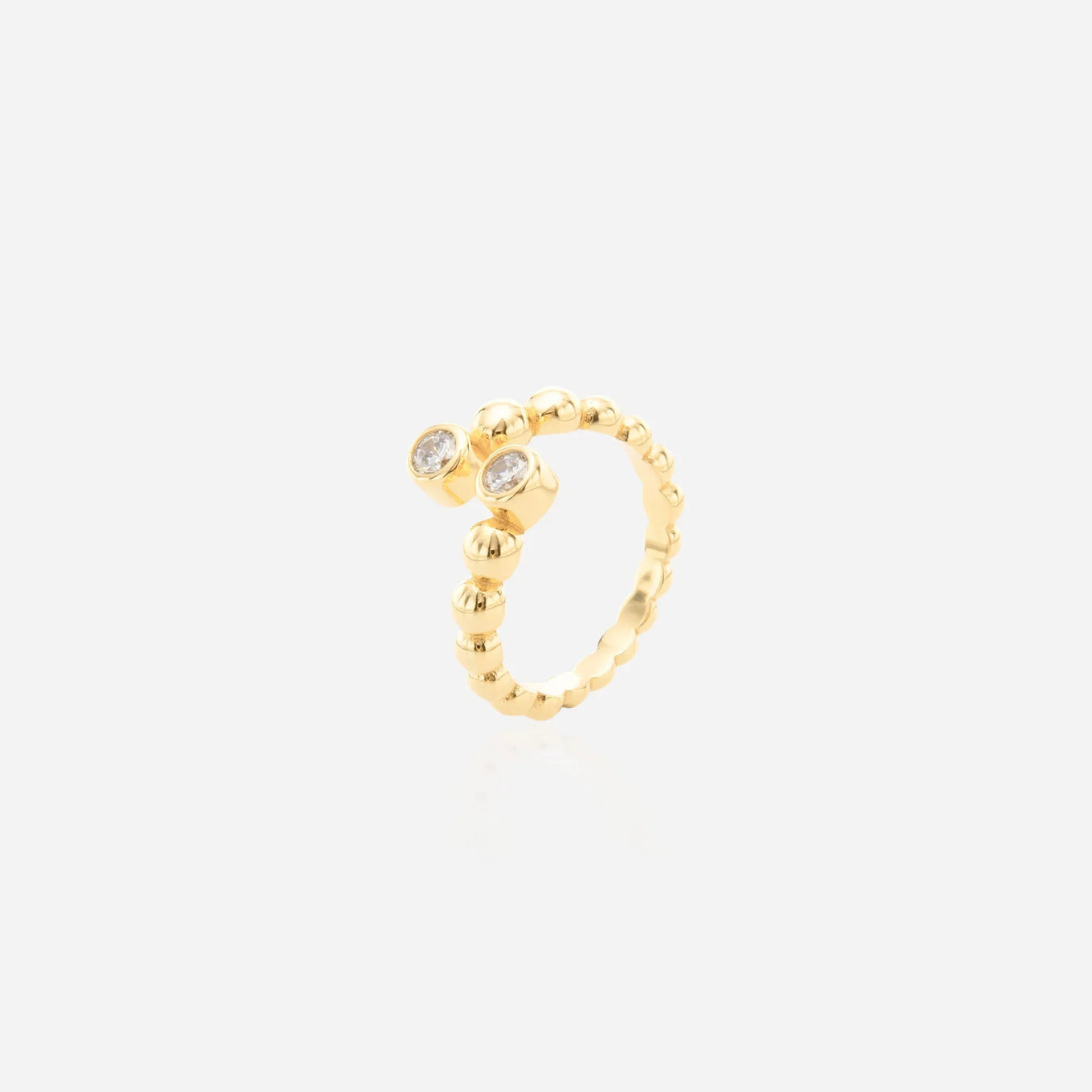
- Gold Bubble Ring — Bezel-set lab diamonds, perfect for stacking
- Laurel Cuff Ring — Victory-inspired gold leaf wrap
- All ÉLARAMUSE Jewelry →
References & Further Reading
- GIA — Diamond Quality Factors — Gemological Institute of America's official grading standards for gemstones and precious metals.
- FTC — Jewelry Guides — Federal Trade Commission regulations on precious metal marketing and jewelry disclosure standards.
- GIA — Simulant & Imitation Gem Guide — Educational resource on laboratory-created and simulated gemstones.