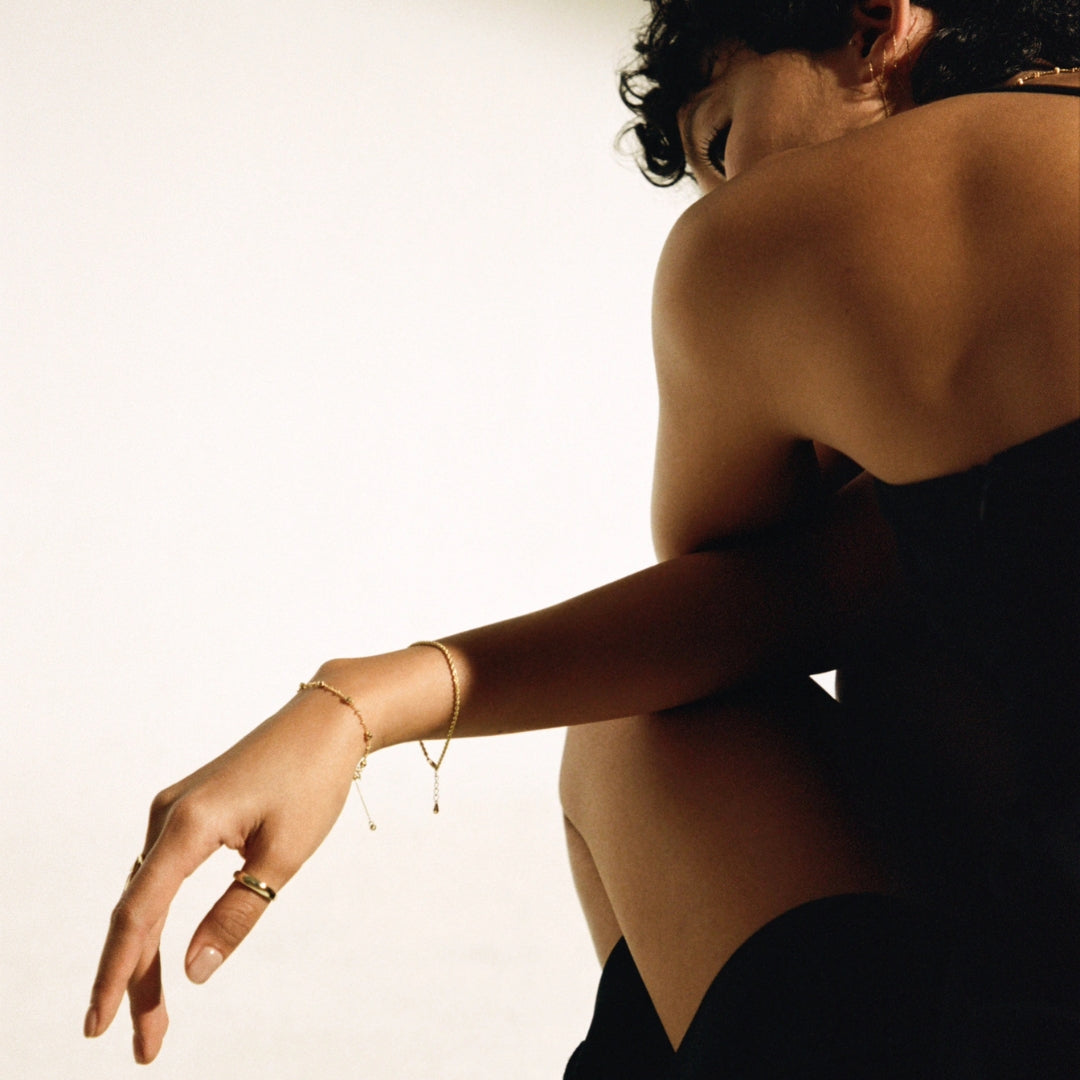
Quick Answer: Sterling silver jewelry stays brilliant for decades when you understand one thing: tarnish is not damage — it's a chemical reaction you can prevent, reverse, and control with the right daily habits.
📑 In This Guide
- Key Terms You Need to Know
- Why Does Sterling Silver Tarnish? The Chemistry Your Jewelry Won't Tell You
- Daily Care Habits That Prevent Tarnish — Before It Starts
- How to Clean Sterling Silver Jewelry at Home: Methods That Actually Work
- The ÉLARAMUSE Standard
- Silver vs. Gold-Plated Silver: Why Care Instructions Differ Completely
- Storage Solutions That Actually Work
- What NOT to Do: 5 Silver Jewelry Care Mistakes
- When to Seek Professional Cleaning
- FAQ
- Building a Silver Jewelry Collection That Lasts
- What We Believe
- Editor's Picks: Silver & Gold-Plated Sterling Silver
- Further Reading
- References & Further Reading
- Behind the Design
- From Our Studio
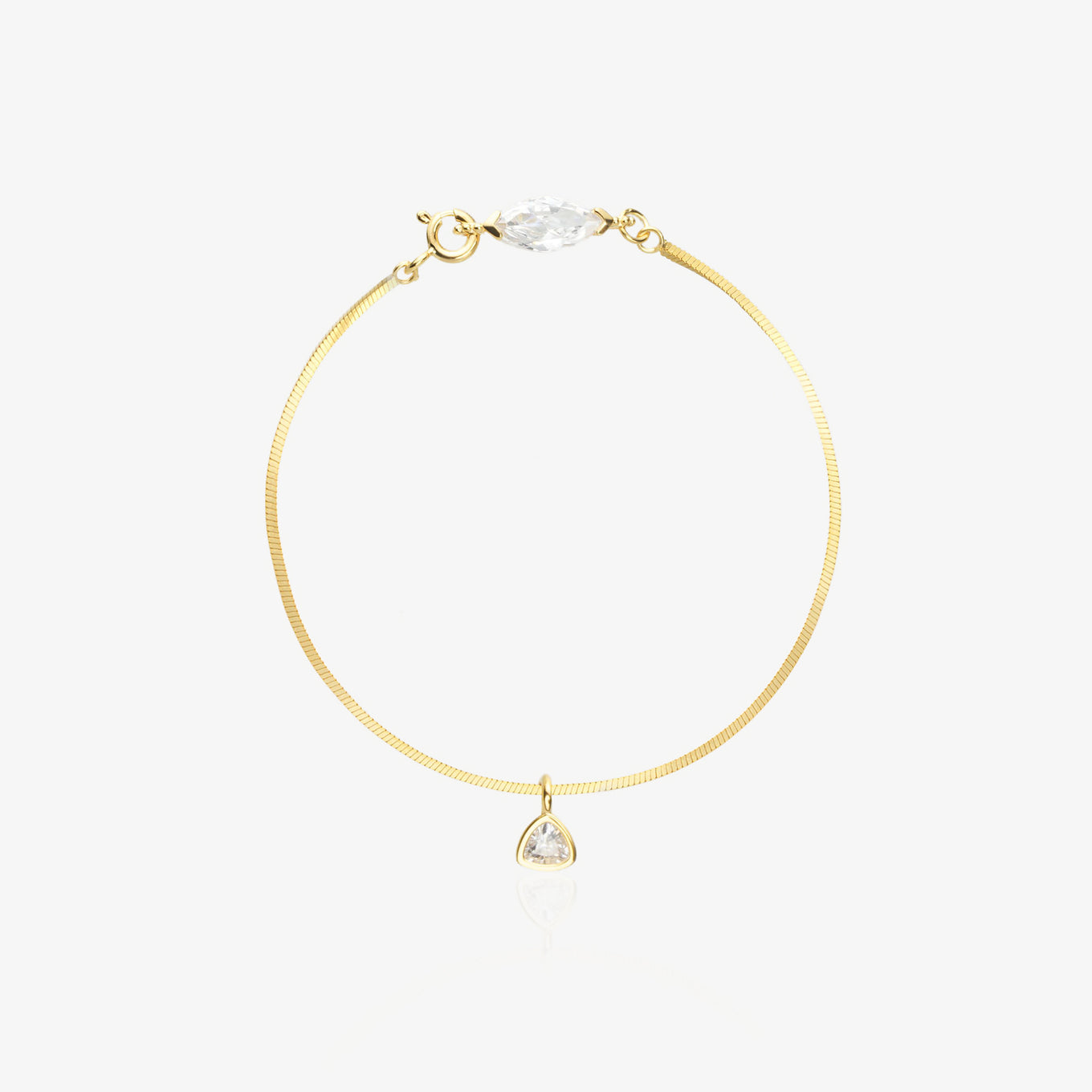
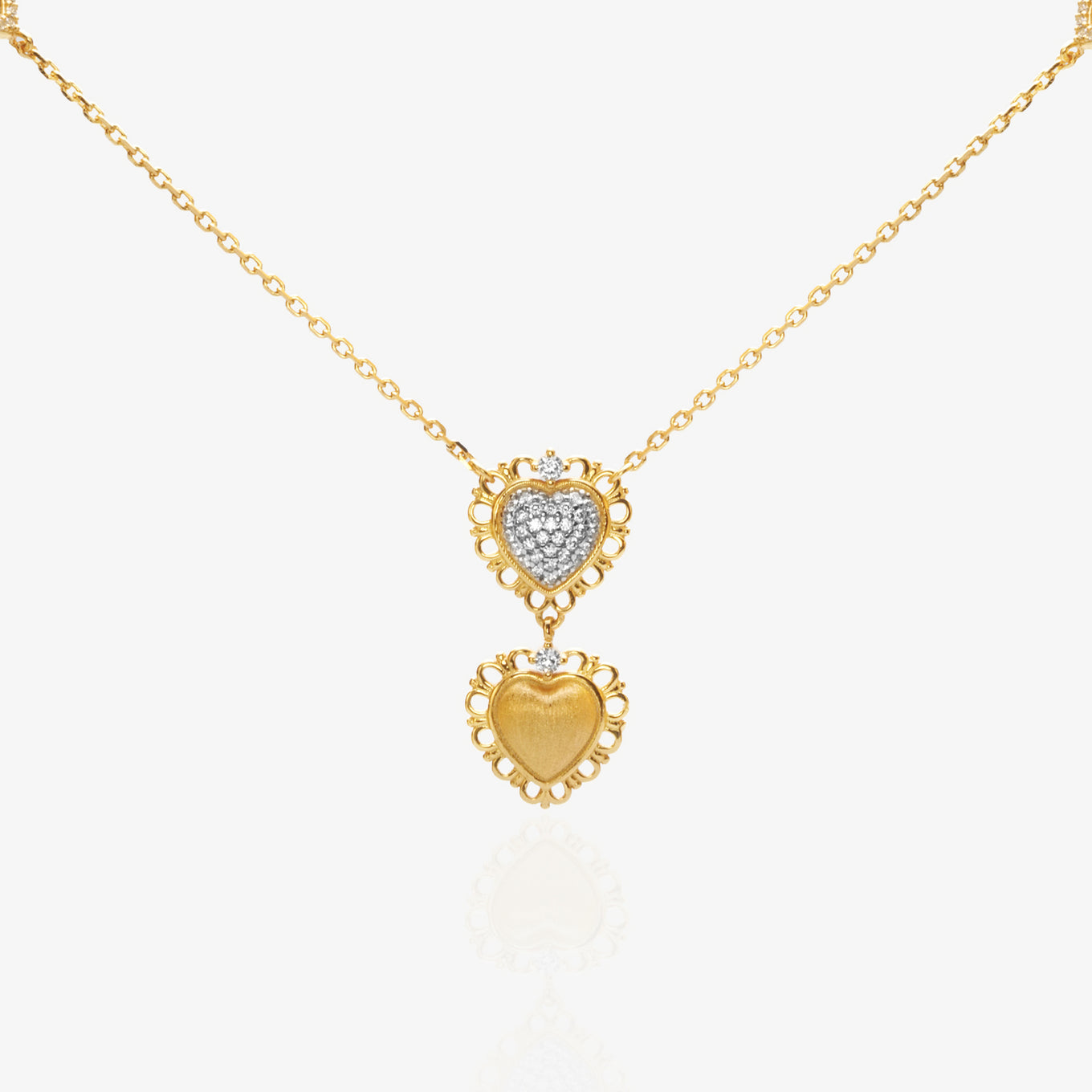
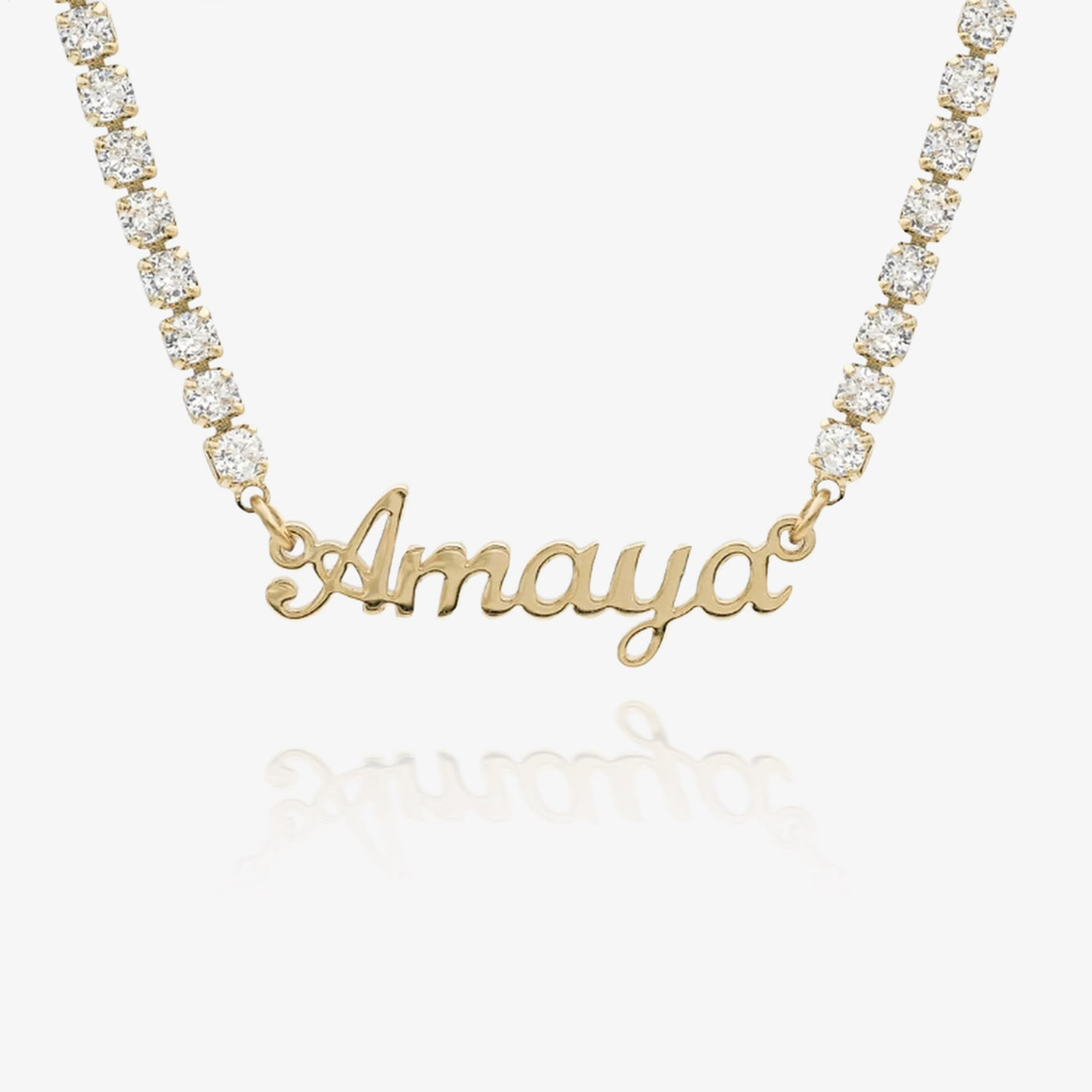
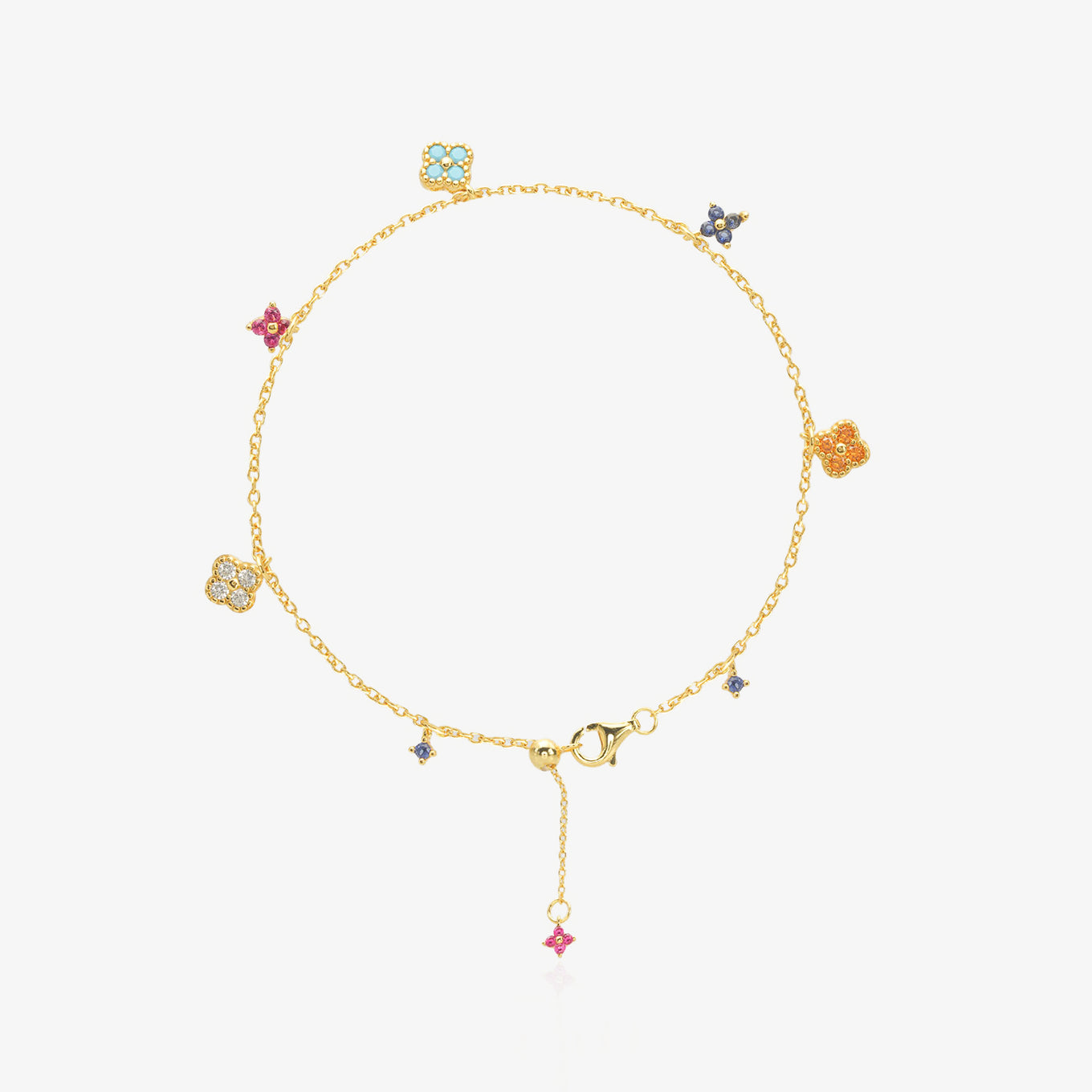
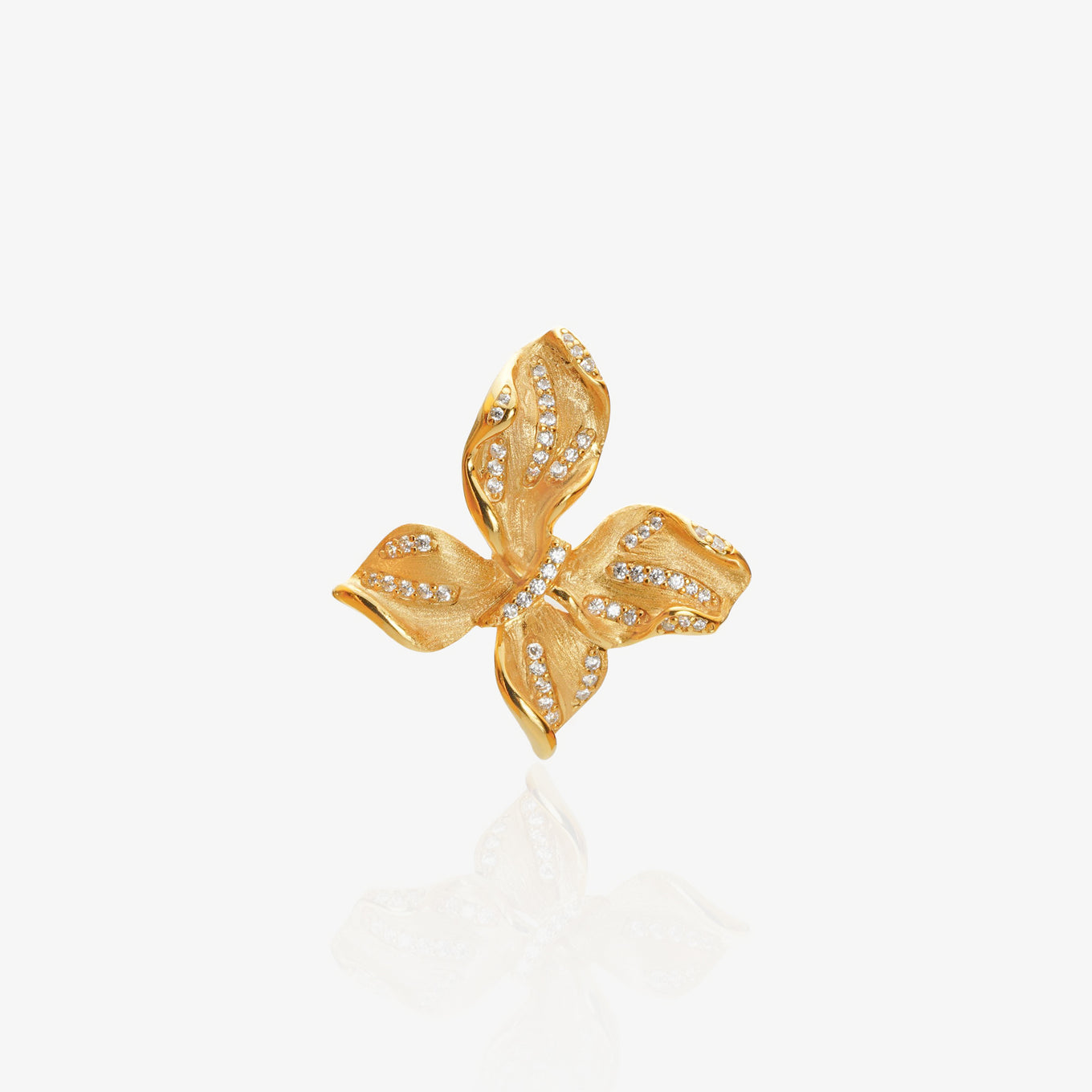
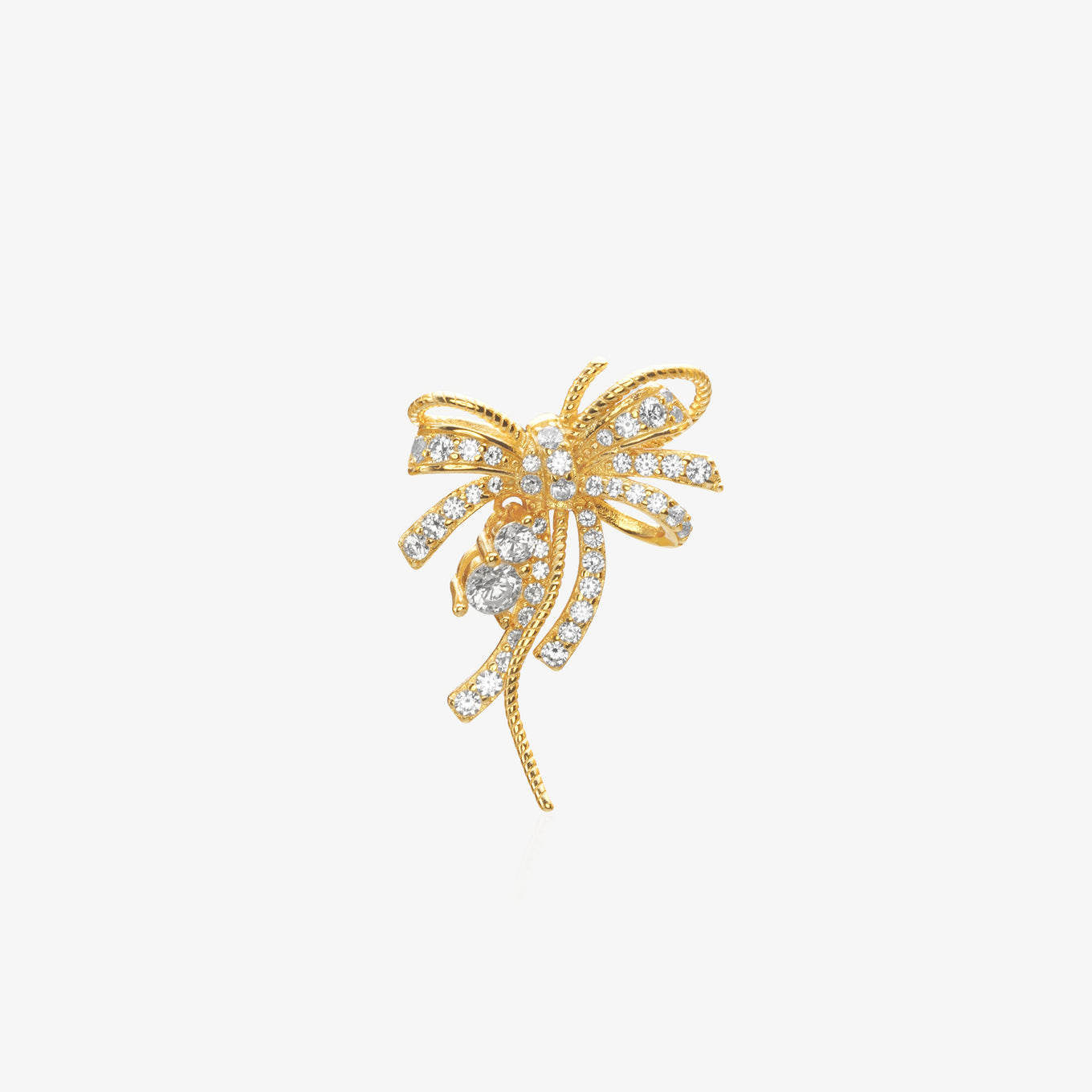
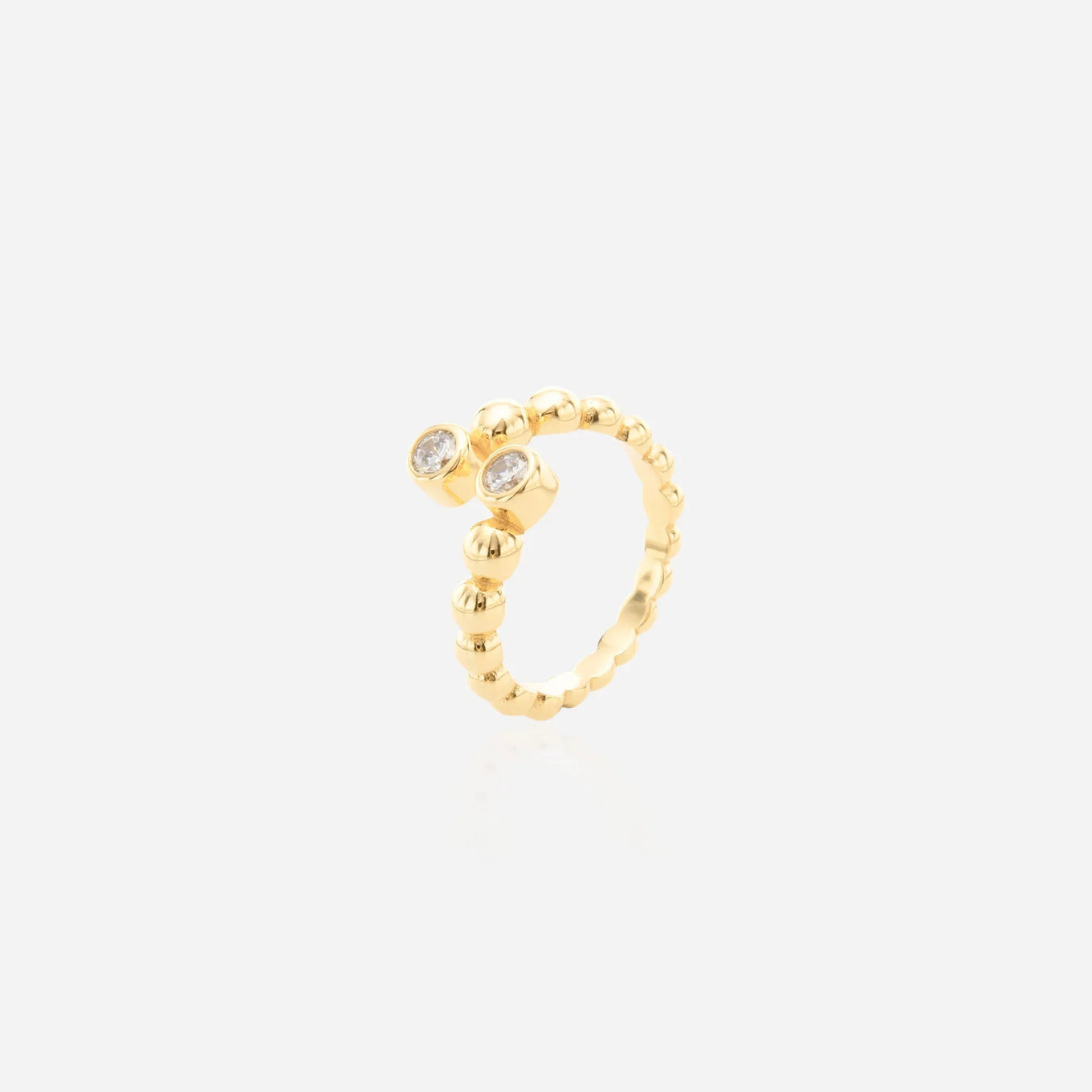
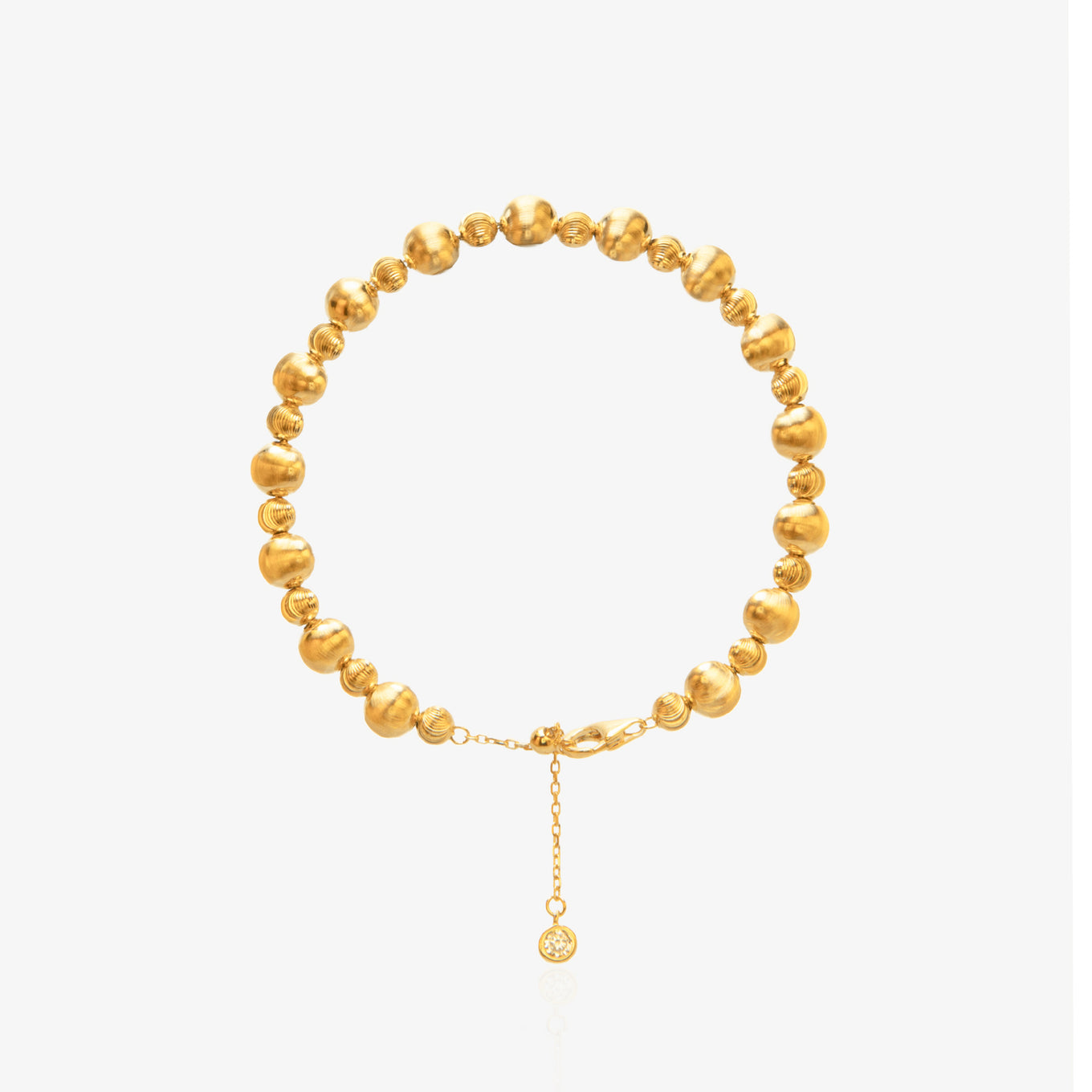
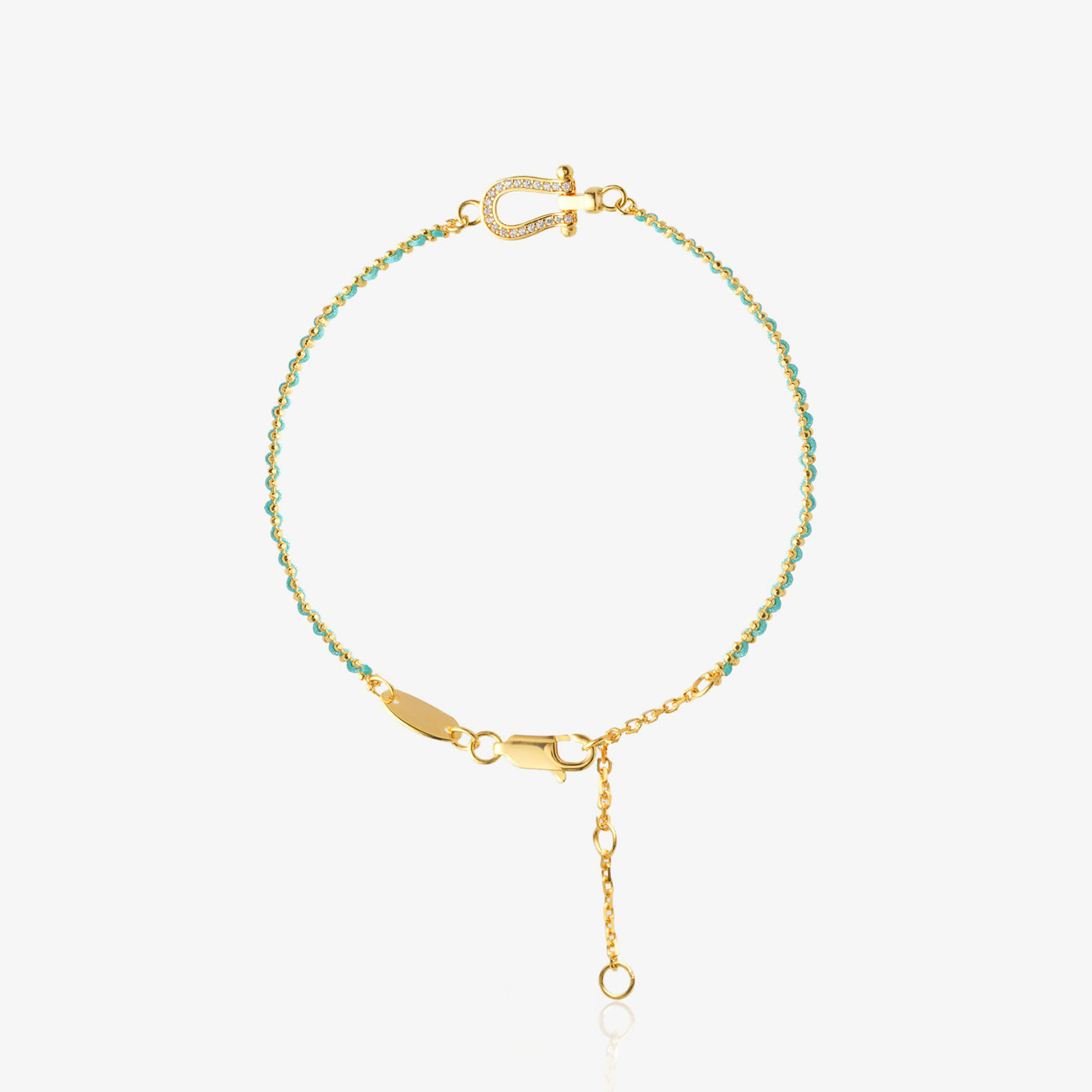
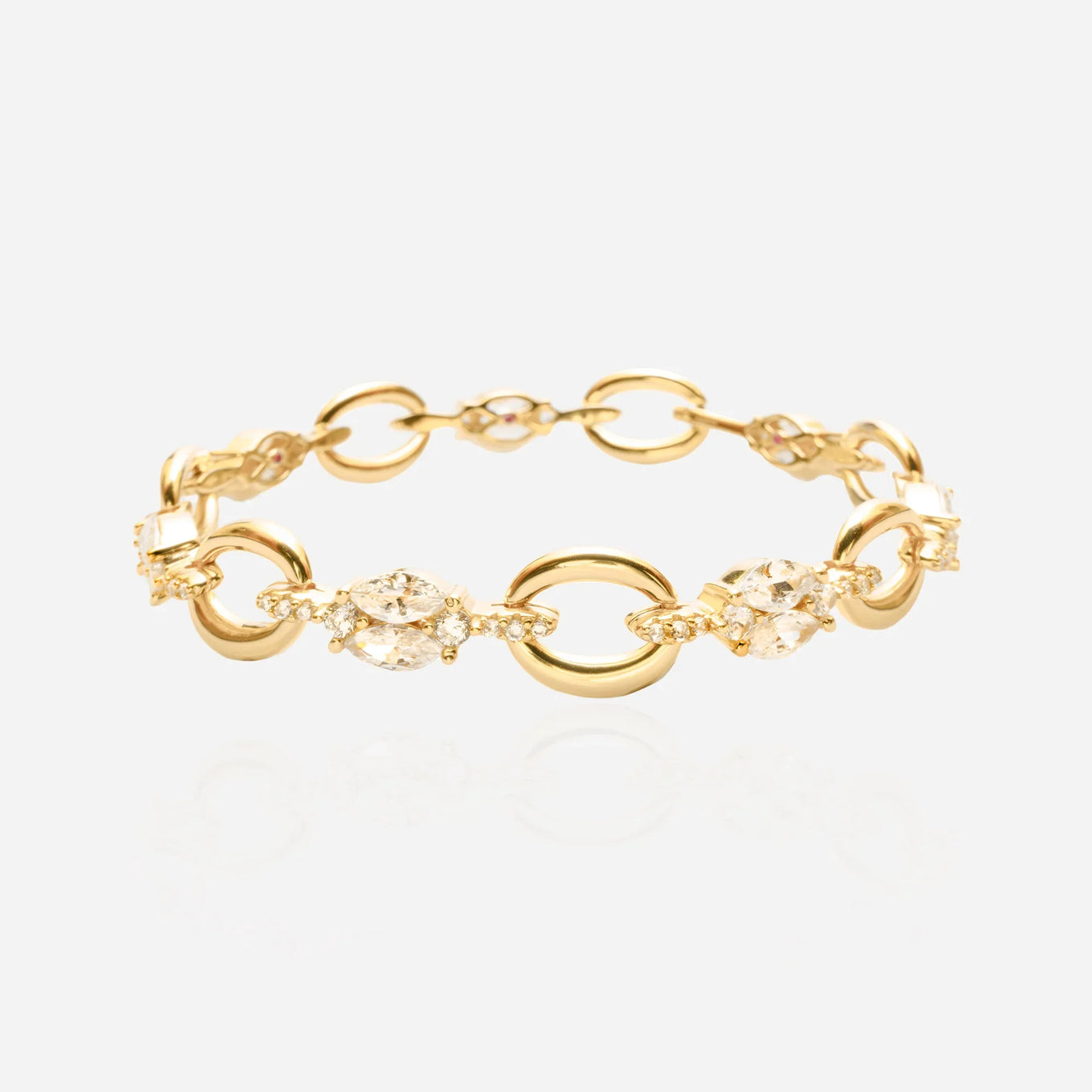
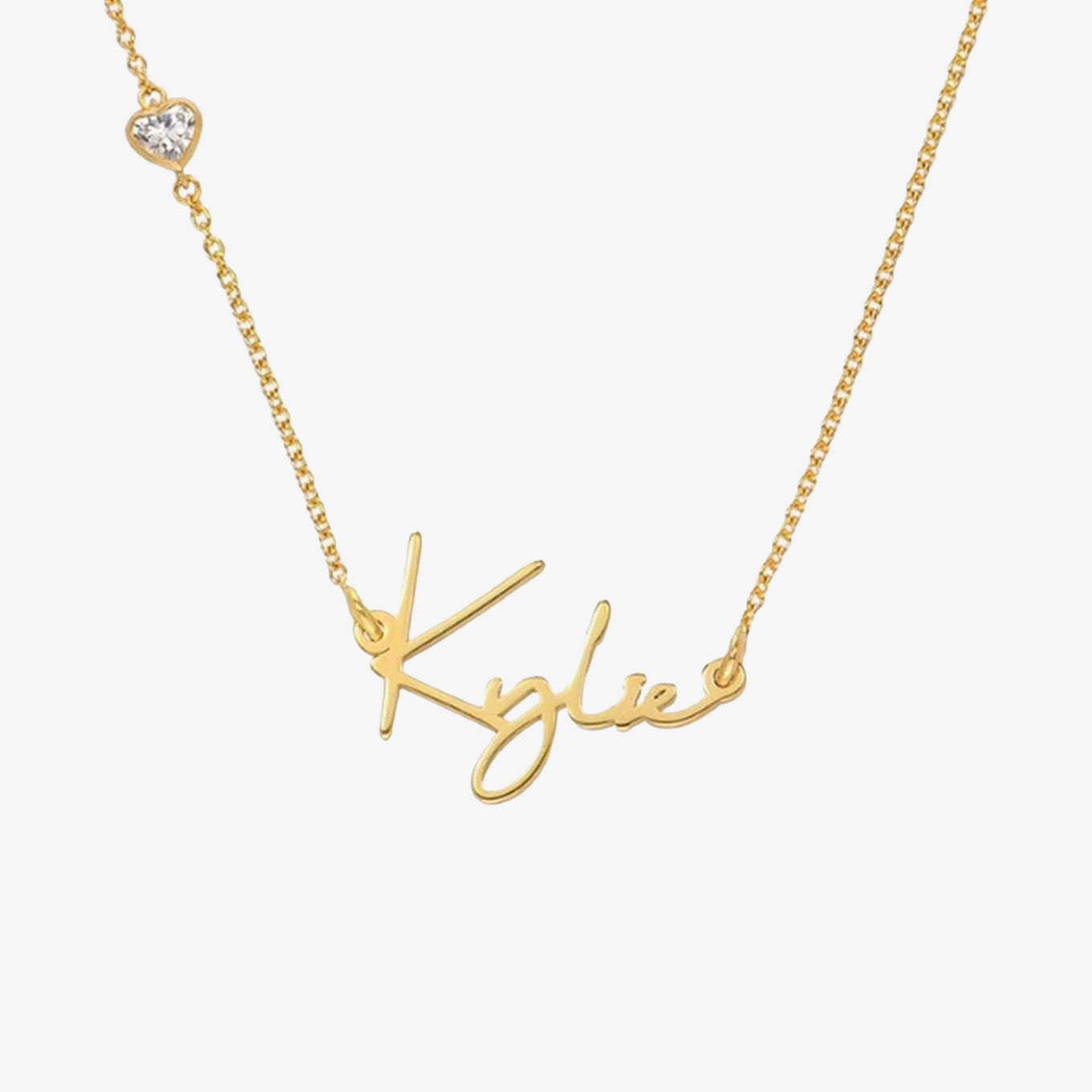
Shop ÉLARAMUSE pieces for this look: Box Chain Necklace | Diamond-Cut Marquise Chain | Box Chain Necklace | Herringbone Chain Necklace | Bijou Heart Necklace
Key Terms You Need to Know
- Ag925: The international hallmark for sterling silver — 92.5% pure silver, 7.5% other metals (typically copper). That 7.5% is where tarnish begins.
- Tarnish: A surface layer of silver sulfide (Ag₂S) formed when silver reacts with sulfur compounds in the air — not rust, not corrosion, not permanent damage.
- Oxidation: The broader chemical process where metal reacts with oxygen. Tarnish is a specific type of oxidation unique to silver.
- Anti-Tarnish: Materials or treatments that slow or prevent tarnish formation — from specialized cloths to storage solutions infused with activated carbon.
- Rhodium Plating: A platinum-group metal coating applied to silver to prevent tarnish and add hardness — commonly used on white gold and some silver pieces.
Why Does Sterling Silver Tarnish? The Chemistry Your Jewelry Won't Tell You
Here is what 90% of jewelry care guides get wrong: they tell you sterling silver tarnishes because it's "not pure silver." That is backwards. The 92.5% silver in your Ag925 pieces does not tarnish. The 7.5% — almost always copper — is what darkens.
Sulfur compounds in the air bind to copper atoms on your jewelry's surface. The result is a thin film of silver sulfide (Ag₂S) — the dark patina you see on neglected silver. This reaction accelerates dramatically with humidity, skin acidity, and exposure to specific chemicals.
According to the American Gem Society, tarnish rate varies dramatically by environment. A piece worn daily in a coastal city with high humidity and salt air tarnishes 3-5× faster than one stored in a landlocked, climate-controlled home (American Gem Society).
But here is what nobody tells you: tarnish is actually protective. That thin sulfide layer, once formed, acts as a barrier against deeper corrosion. Silver that has developed a uniform patina is actually more stable than freshly polished silver — which is why museums rarely polish their antique silver collections.
Does this mean you should let your jewelry turn black? No. But it does mean you should stop panicking when you see a slight warm tone developing on your favorite chain. That is not failure. That is chemistry doing exactly what chemistry does.
What Accelerates Silver Tarnish
| Factor | Why It Matters | How Severe |
|---|---|---|
| Humidity | Water vapor carries dissolved sulfur compounds that react with copper | High — single biggest factor |
| Body Chemistry | Skin pH, sweat composition, and medications affect tarnish rate individually | Medium-High — highly personal |
| Household Chemicals | Bleach, ammonia, chlorine (pools!), hairspray, perfume all contain sulfur or oxidizing agents | High — direct chemical attack |
| Air Pollution | Industrial sulfur dioxide and vehicle exhaust are concentrated sulfur sources | Medium — urban environments accelerate tarnish |
| Foods | Eggs, onions, mayonnaise, mustard — all high in sulfur compounds that transfer to jewelry on contact | Low-Medium — easily avoided |
| Rubber & Wool | Vulcanized rubber and lanolin-rich wool both contain sulfur; storing silver in contact with either accelerates tarnish | Low — storage-related |
Daily Care Habits That Prevent Tarnish — Before It Starts
Prevention costs nothing. Restoration costs time, effort, and — if you make the wrong move — irreversible surface damage. Here is the daily routine that keeps sterling silver looking like the day you bought it.
The "Last On, First Off" Rule: Your jewelry goes on after perfume, lotion, hairspray, and makeup have fully dried. It comes off before showering, swimming, exercising, and sleeping. This single habit eliminates roughly 70% of preventable tarnish.
The 30-Second Daily Wipe
At the end of each wear, run a dry, untreated microfiber cloth over every silver piece for 30 seconds. You are not "cleaning" — you are removing the microscopic layer of skin oils, sweat residue, and airborne particles that fuel tarnish overnight. Think of it as brushing your teeth: quick, daily, non-negotiable.
Why microfiber and not the polishing cloth? Polishing cloths are impregnated with mild abrasives and anti-tarnish compounds. They are for weekly or bi-weekly maintenance, not daily use. Over-polishing with treated cloths wears down the metal surface over years. Daily = microfiber. Weekly = polishing cloth. Simple.
The Humidity Problem Nobody Discusses
Bathroom storage is the number one jewelry care mistake. Every hot shower releases sulfur-containing steam. Every day. Your jewelry box on the bathroom counter is in practice sitting in a tarnish acceleration chamber.
Move your jewelry storage to the bedroom. If your climate is humid (hello, coastal cities and summer anywhere), add a silica gel packet to your jewelry box. Replace it monthly. It costs pennies and doubles the time between polishings.
How to Clean Sterling Silver Jewelry at Home: Methods That Actually Work
There are three tiers of cleaning, and choosing the wrong one for your situation is how most damage happens. You would not use a pressure washer on a silk blouse. Do not use aggressive silver dips on plated pieces.
Tier 1: The Microfiber Polish (Light Tarnish, Weekly)
For pieces worn regularly with no visible discoloration. Use a jewelry polishing cloth — the kind with a lighter inner cloth for polishing and a darker outer cloth for final buffing. Work in one direction (not circles). Do this weekly and you may never need Tier 2 or 3.
Tier 2: Baking Soda Paste (Moderate Tarnish)
Warning: Do NOT use this method on gold-plated sterling silver. Baking soda is abrasive enough to strip gold plating. This method is for solid (unplated) sterling silver only.
Mix 3 parts baking soda to 1 part water to form a thick paste. Apply with a soft, lint-free cloth — never paper towels (paper is abrasive). Gently rub along the metal grain. Rinse thoroughly with lukewarm water. Dry completely with a microfiber cloth before storing.
Tier 3: The Aluminum Foil + Baking Soda Bath (Heavy Tarnish)
Most jewelry guides stop at the surface — but there are critical gaps most brands leave unaddressed.
This is chemistry, not abrasion — and it is the most effective home method for heavily tarnished pieces. The reaction is an ion exchange: sulfur ions leave the silver and bond to the aluminum instead.
- Line a glass bowl with aluminum foil (shiny side up)
- Place silver pieces on the foil — they must touch the foil
- Sprinkle 1 tablespoon baking soda over the pieces
- Pour boiling water to fully submerge the jewelry
- Wait 5-10 minutes — you will smell sulfur (rotten egg odor) as the tarnish transfers
- Remove, rinse, dry with microfiber
Same warning applies: do not use on gold-plated sterling silver. The chemical reaction can affect the gold plating layer. For plated pieces, stick to Tier 1 only.
The ÉLARAMUSE Standard
We believe jewelry should work as hard as you do — shower-safe, sleep-safe, and never a source of anxiety. Every ÉLARAMUSE piece is built on an Ag925 sterling silver base, with rigorous real-life wear testing that goes far beyond what any care guide can cover. Here is what that means for your silver care routine.
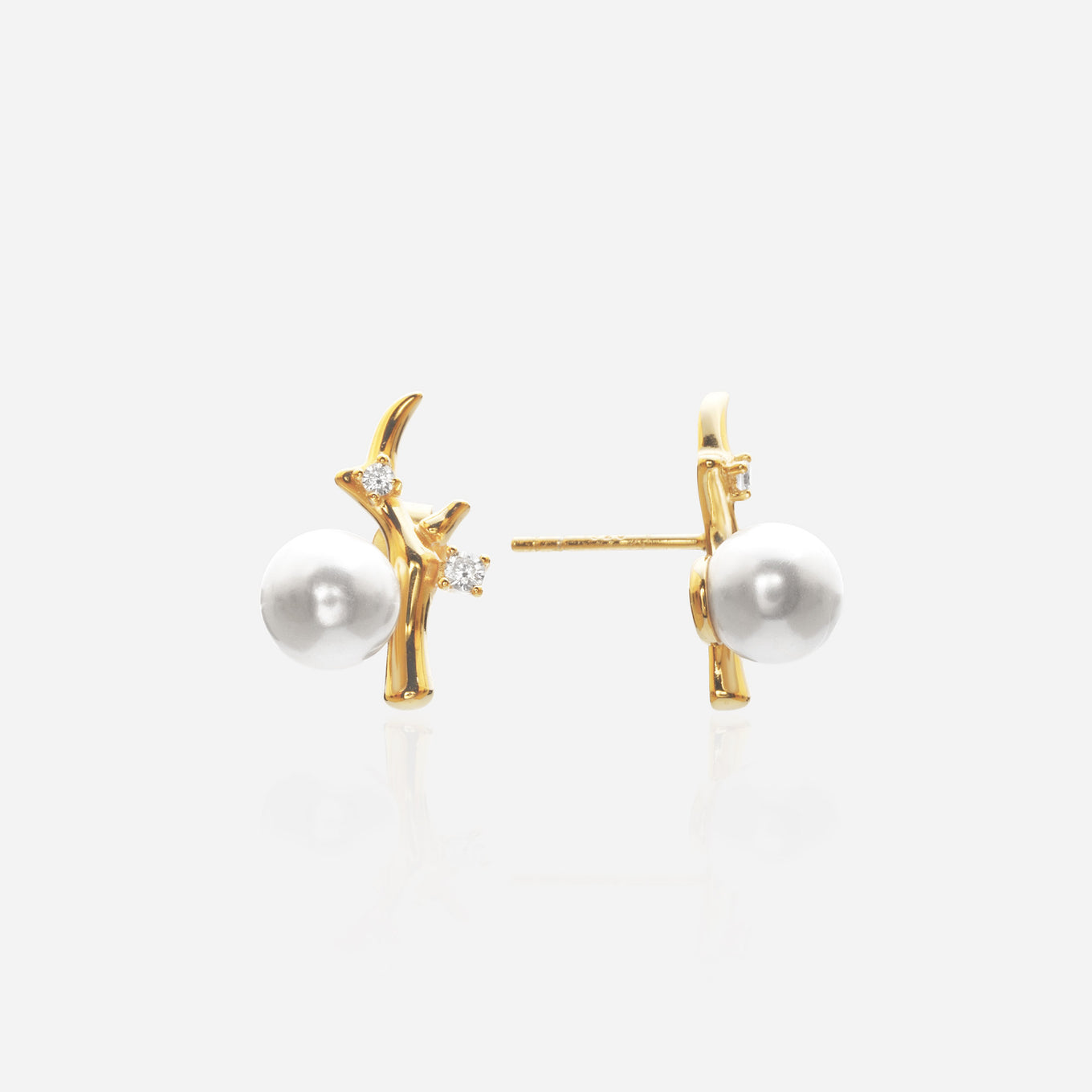
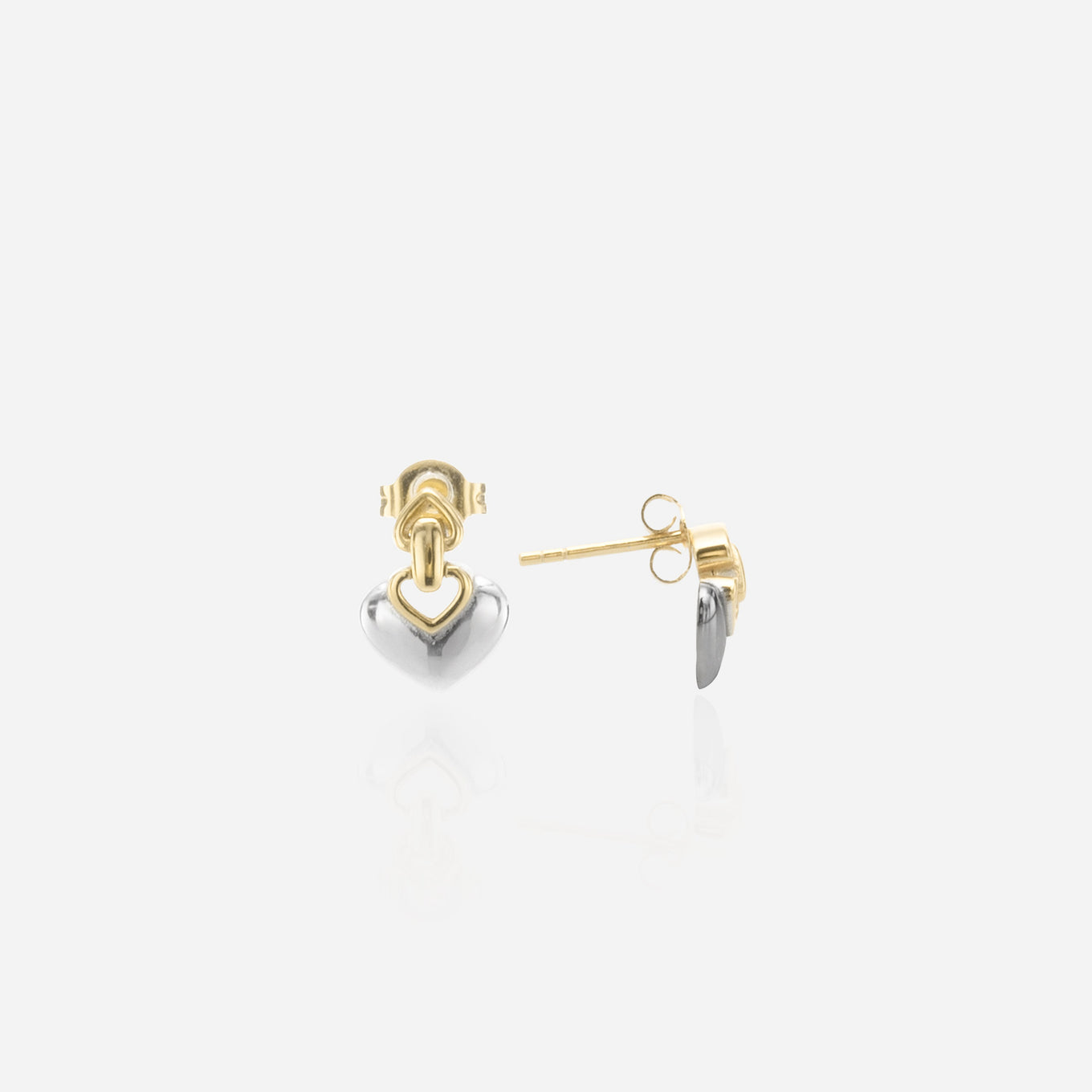
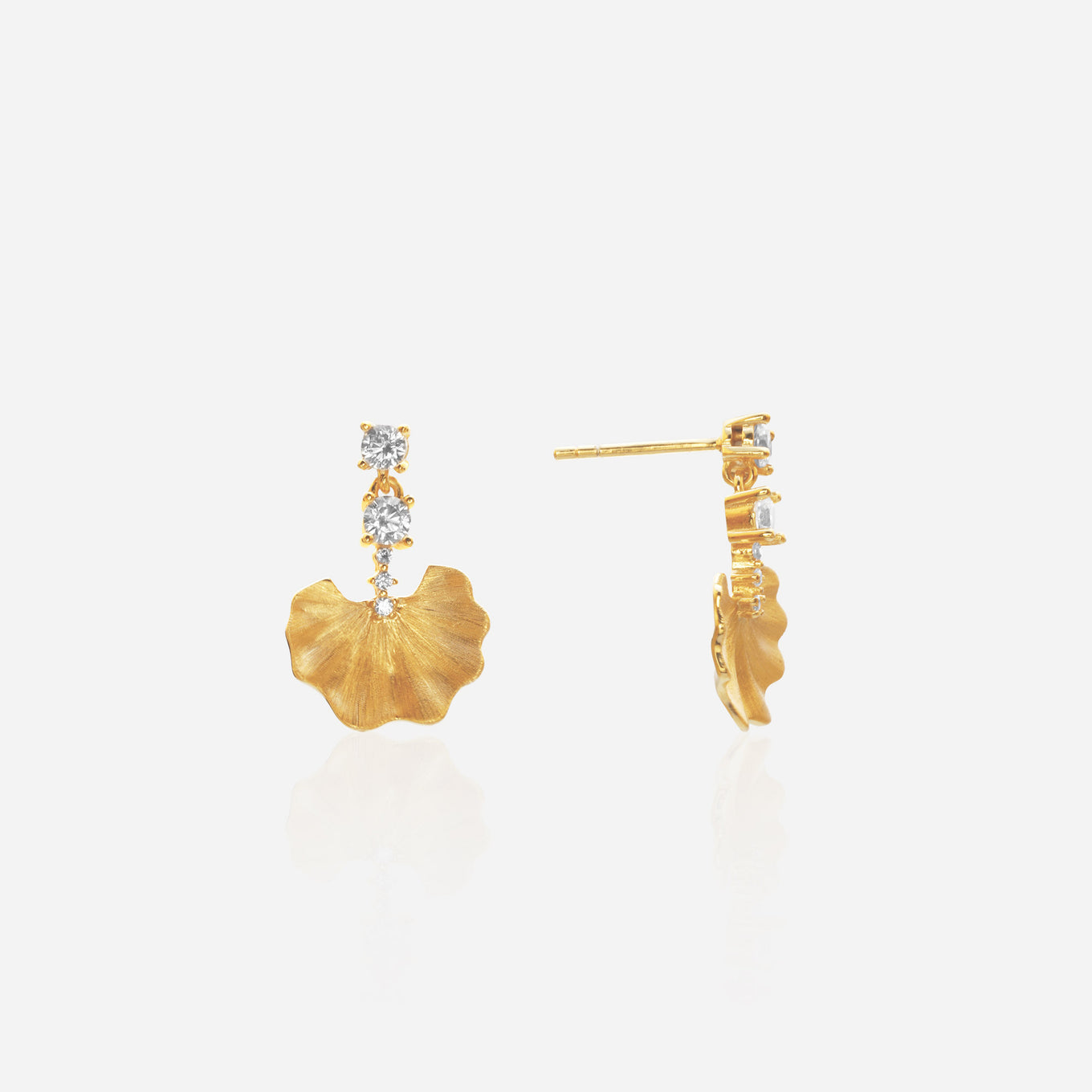
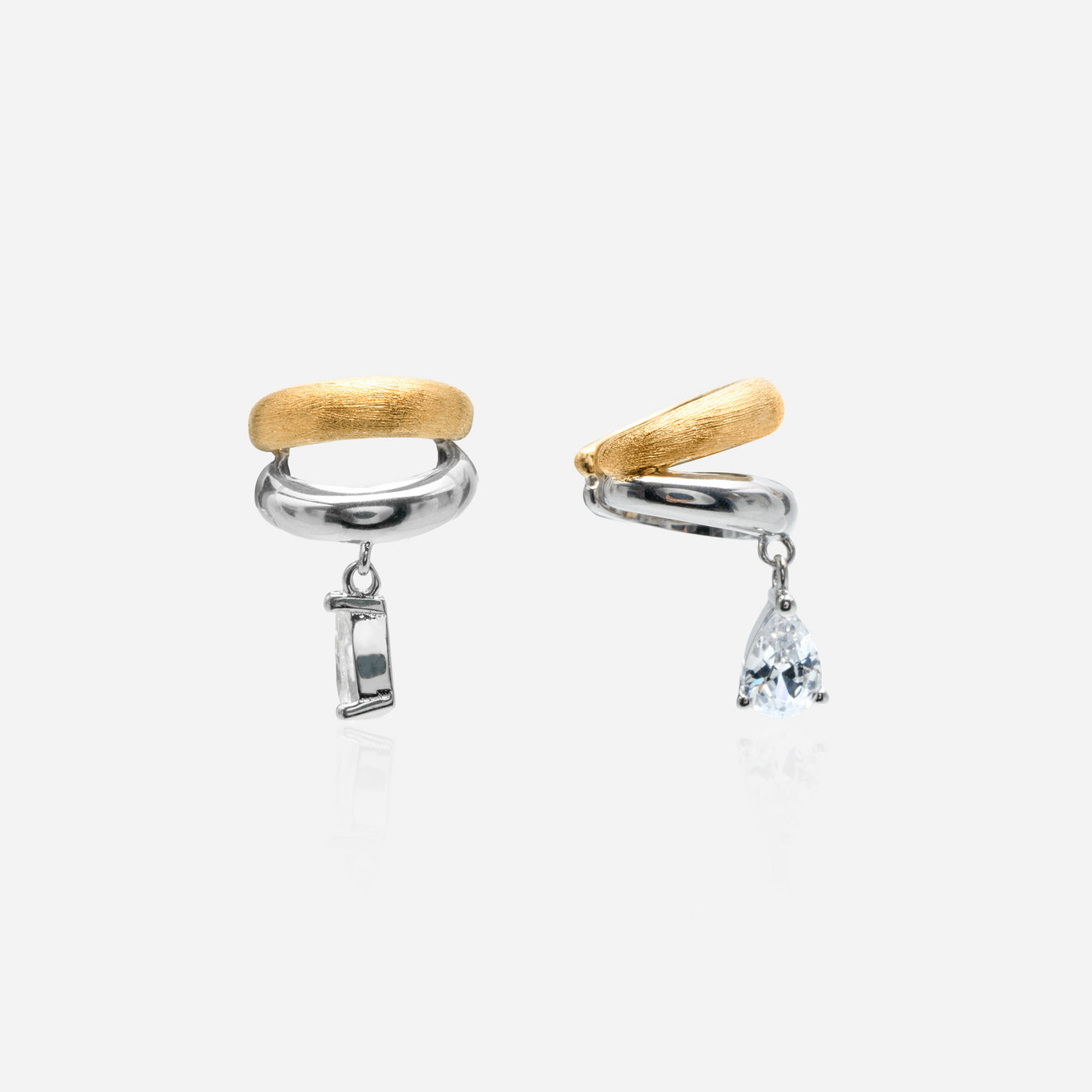
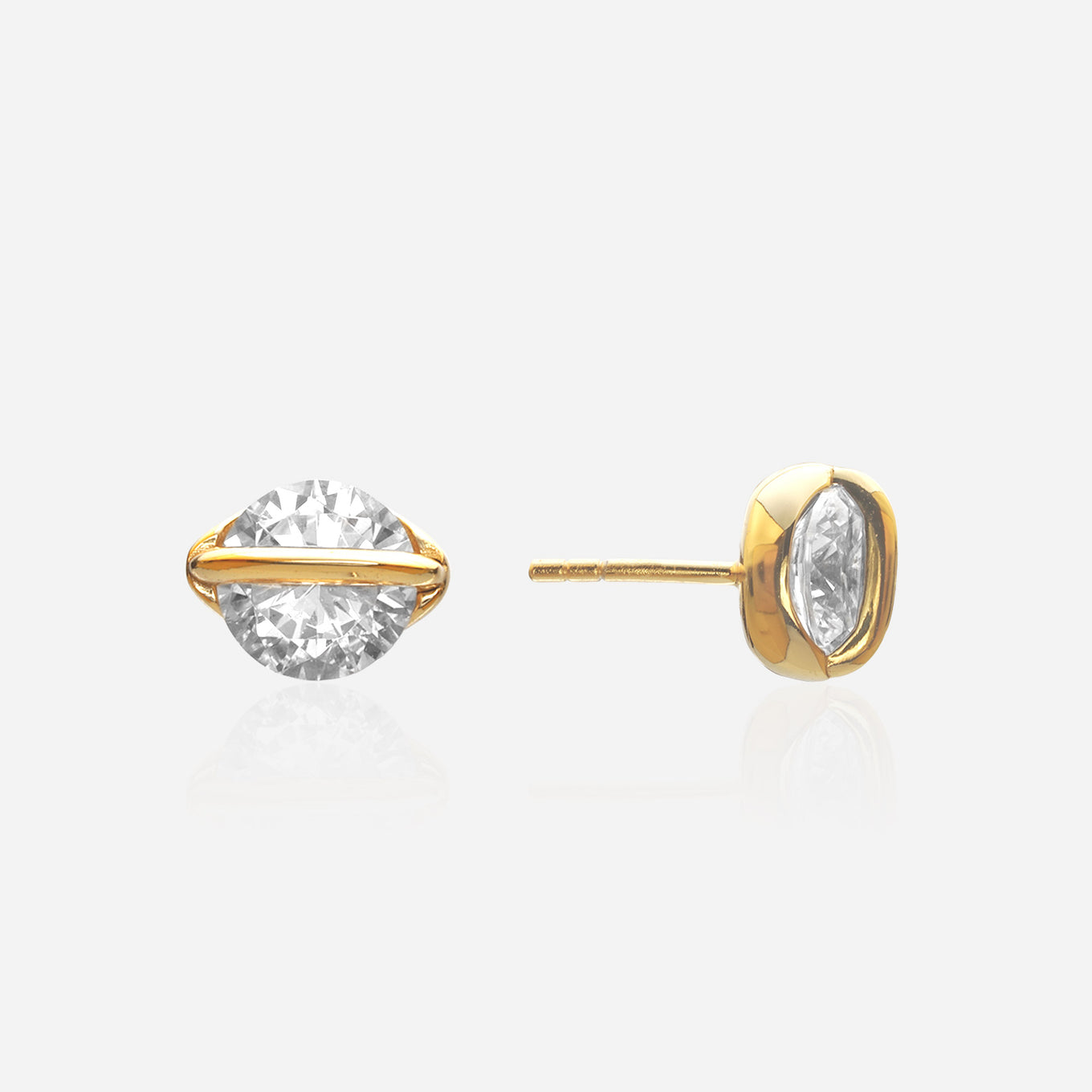
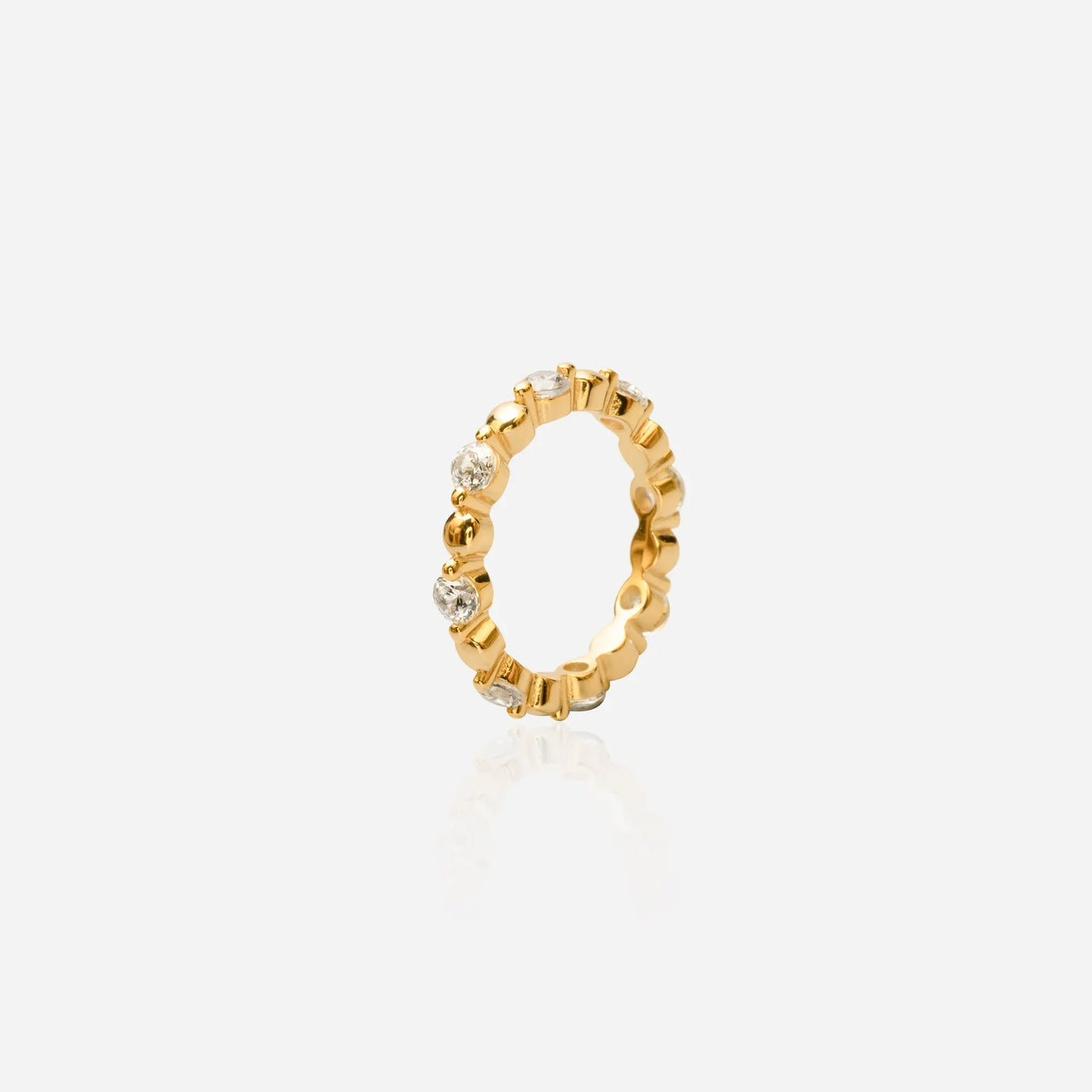
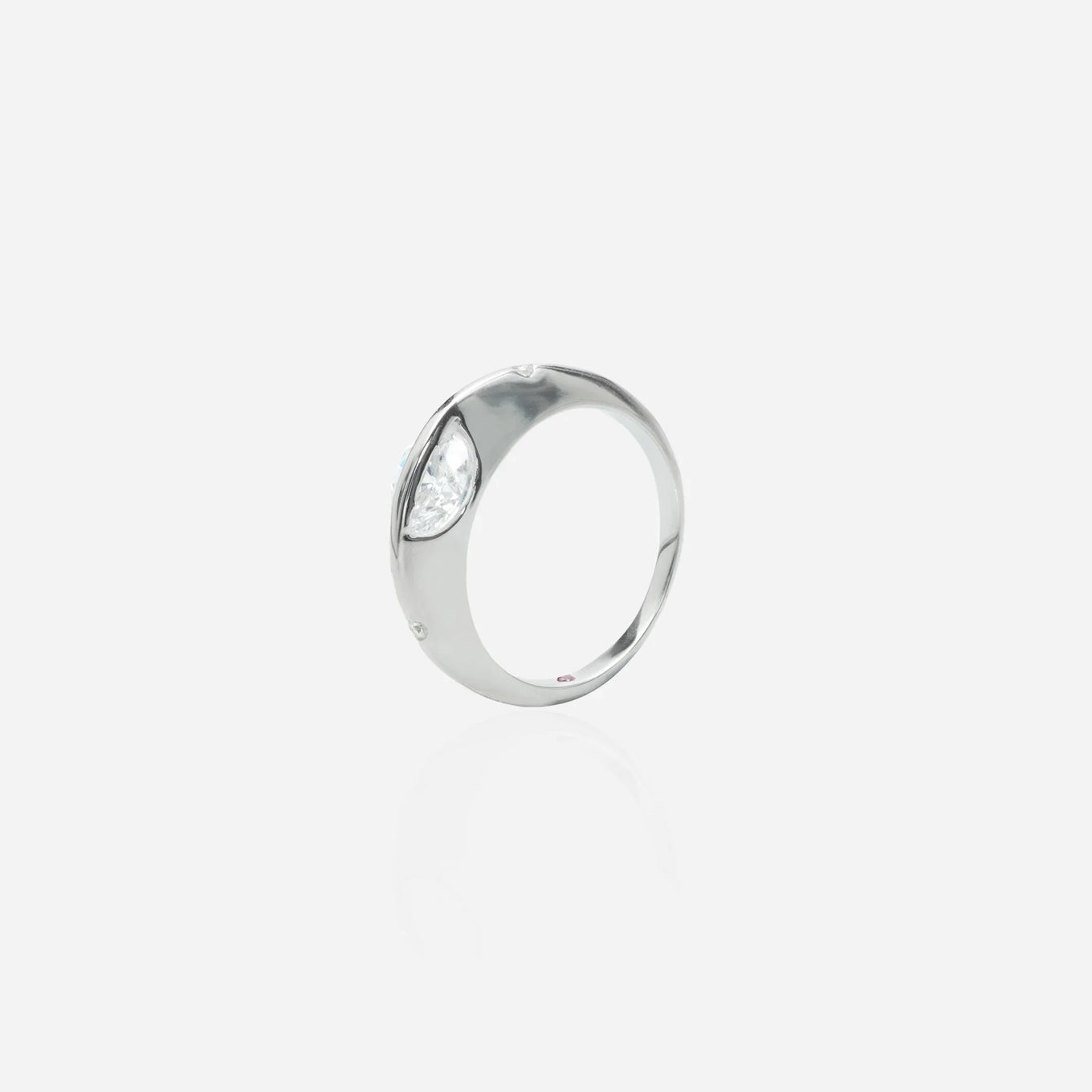
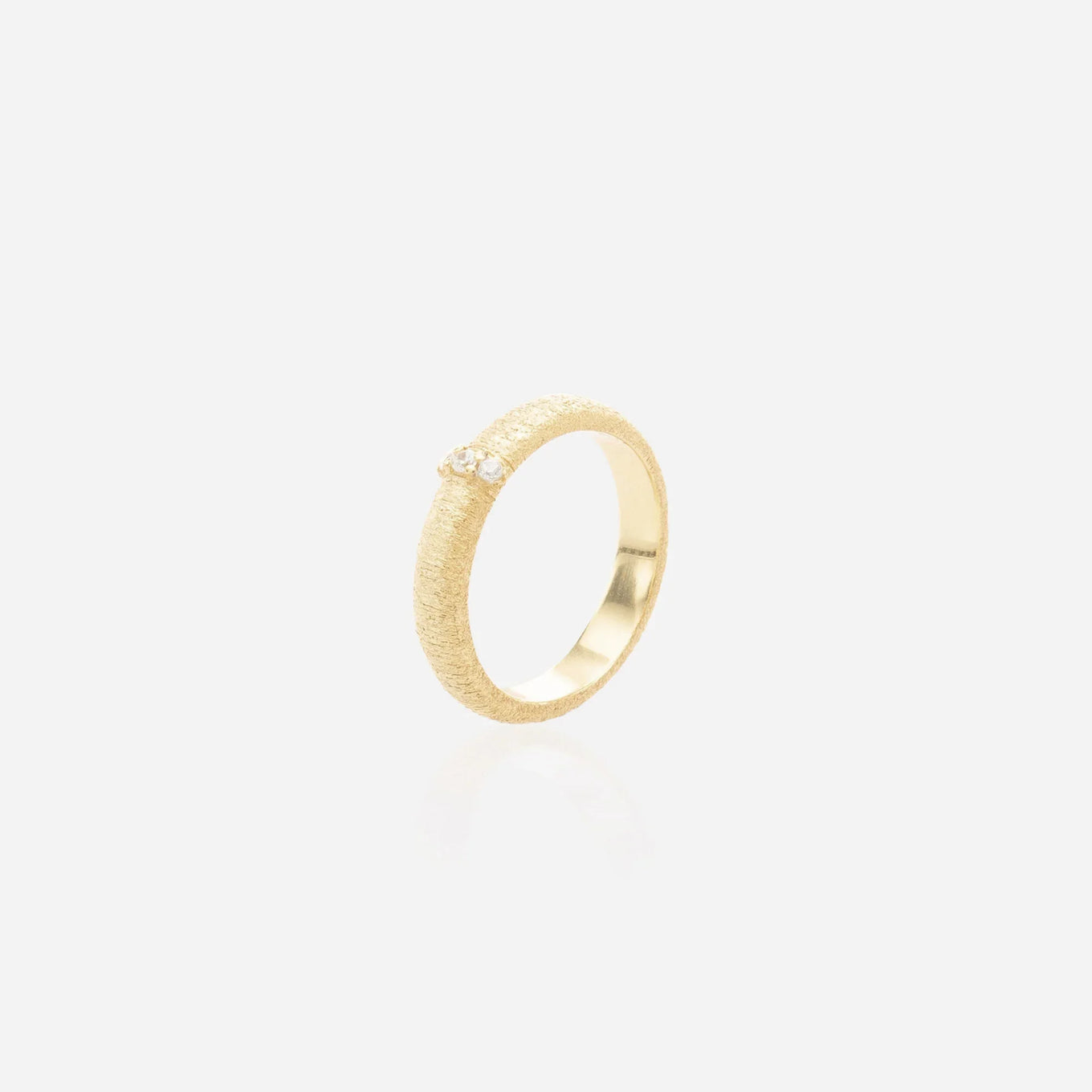
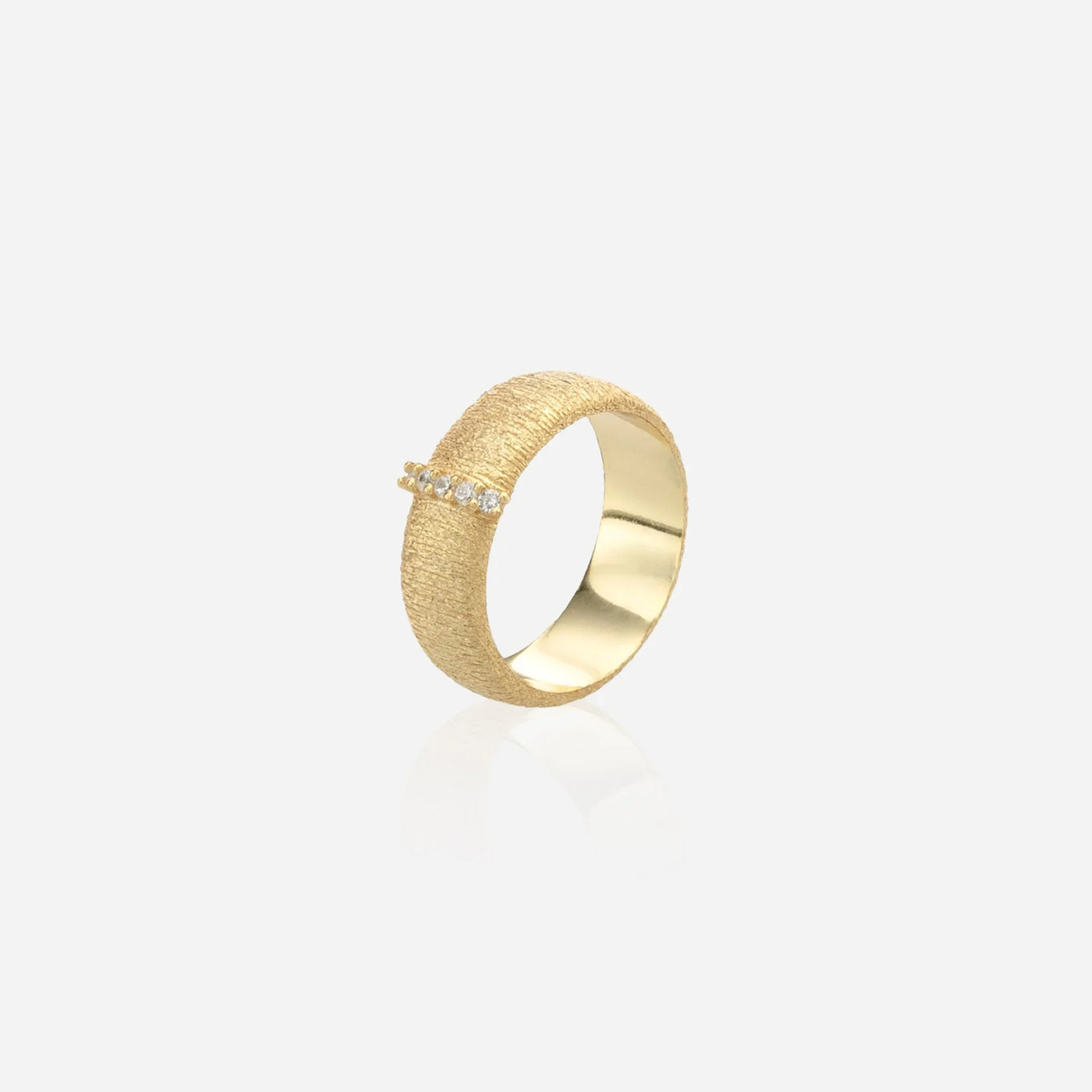
Explore our collection: Hammered Silver Dome Earrings, Woven Pearl Necklace, and Frostwave Ring — crafted with Premium 18K Gold Plating on hypoallergenic Ag925 sterling silver.
| Feature | Specification | What It Means for Care |
|---|---|---|
| Base Metal | Solid Ag925 Sterling Silver | 92.5% pure silver — the industry gold standard for fine jewelry |
| Plating | Premium 18K Gold Plating (0.5-micron) | Gold layer protects the silver beneath from tarnish; Tier 1 cleaning only for plated pieces |
| Safety | 100% Nickel-Free, Hypoallergenic | Safe for sensitive skin; nickel is the #1 cause of jewelry allergies (Mayo Clinic) |
| Durability | Water-resistant, Tarnish-resistant | Wipe dry after water exposure; do not soak plated pieces in any cleaning solution |
| Composition | Ag925 + Ni <0.01% | The 7.5% alloy is copper-based, not nickel-based — safer and more predictable for care |
The ÉLARAMUSE difference: Unlike mass-market silver jewelry that uses mystery alloys and nickel-heavy blends that unpredictably tarnish with green skin staining, our Ag925 sterling silver is composed of precisely controlled 92.5% pure silver + copper alloy — with nickel measured at below 0.01%. Your skin chemistry interacts with copper in a predictable way (warm patina, no green), unlike nickel-based alloys that cause irritation and unpredictable discoloration.
Silver vs. Gold-Plated Silver: Why Care Instructions Differ Completely
This is the distinction almost every silver care guide misses — and it is the one that costs people their favorite pieces.
For unplated sterling silver: You are caring for the silver directly. Tarnish forms on the surface. You can clean it with mild abrasives (Tier 2). You can use the aluminum foil method (Tier 3). You have the full toolkit.
For gold-plated sterling silver: You are caring for a delicate 0.5-micron layer of 18K gold sitting on top of the silver. That gold layer is what you see. It is also what protects the silver underneath from tarnishing. Treat it gently — abrasive cleaning methods strip the gold along with the tarnish.
Unlike solid sterling pieces that can handle occasional deep cleaning, gold-plated sterling silver requires the same gentle care approach you would give to Premium 18K Gold Plating — not because the silver is fragile, but because the plating layer is what you need to preserve.
Storage Solutions That Actually Work
Storage is where most silver care routines fail. A piece worn regularly and stored properly lasts decades. A piece worn regularly and tossed in a drawer tarnishes in weeks.
The Anti-Tarnish Storage Hierarchy
| Level | Method | Effectiveness | Cost |
|---|---|---|---|
| Basic | Individual soft pouches (each piece separate) | Moderate — prevents scratching, minimal tarnish protection | $ |
| Good | Anti-tarnish cloth pouches (impregnated with activated carbon or silver protector) | High — absorbs sulfur before it reaches your jewelry | $$ |
| Best | Airtight zip bags + anti-tarnish strips + silica gel | Very High — creates a sulfur-free micro-environment | $ |
| Professional | Jewelry box with anti-tarnish lining + individual compartments + humidity control | Maximum — combines all protective mechanisms | $$$ |
The jewelry box rule: Each piece gets its own compartment or pouch. Chains touching each other scratch. Rings stacked together trap moisture between contact points. A tangled necklace is a tarnished necklace — friction removes the protective patina, exposing fresh metal that tarnishes faster than the surrounding area.
What NOT to Do: 5 Silver Jewelry Care Mistakes
- Toothpaste cleaning: Toothpaste contains hydrated silica — literally tiny rocks. Yes, it polishes off tarnish. It also micro-scratches the metal surface, creating grooves where future tarnish forms faster and deeper. This is the most common — and most damaging — DIY silver care mistake.
- Leaving pieces in direct sunlight for "drying": UV radiation accelerates oxidation. Dry your silver with a cloth, not the sun.
- Using rubber bands for organization: Vulcanized rubber off-gasses sulfur. Wrapping silver with rubber bands is like putting it in a tarnish oven.
- Silver dip on plated pieces: Commercial silver cleaning dips are thiourea-based chemical strippers. They work instantly — by dissolving the top layer of metal. On gold-plated sterling, that means your gold layer vanishes along with the tarnish.
- Storing in the bathroom: We said it once. We will say it again. The steam, the humidity, the sulfur from certain soaps — your bathroom is a tarnish factory.
References
- GIA. "Metal Guide: Silver Care & Maintenance." Gemological Institute of America.
- Smithsonian Institution. "Care of Silver Objects." Museum Conservation Institute.
- V&A. "Silver Jewelry Collection." V&A Collections.
When to Seek Professional Cleaning
If your piece has intricate filigree, stone settings, or areas you cannot reach with a cloth, a professional jeweler's ultrasonic cleaner is the safest option. The ultrasonic bath uses high-frequency sound waves to create microscopic bubbles that gently remove dirt from crevices no cloth can reach. It costs $15-40 per piece and should be done once every 12-18 months for heavily worn pieces.
For plated pieces showing significant plating loss in addition to tarnish, professional re-plating is the only real solution — no amount of cleaning brings back gold that has worn away.
Why does my sterling silver tarnish even in a jewelry box?
Sterling silver tarnishes through sulfur exposure in the air. A closed jewelry box can accelerate tarnishing because sulfur compounds accumulate inside. Humidity compounds the problem. Best storage: airtight ziplock bags with a silica gel packet, or a tarnish-resistant jewelry box with activated charcoal lining. Daily wear paradoxically prevents tarnish because skin contact polishes the surface.
Can I use silver polish on gold-plated sterling silver?
No. Silver polish contains abrasive compounds that strip microns of gold plating. For 18K gold-plated sterling silver, clean with warm water, mild dish soap, and a soft microfiber cloth only. No polishing compounds, no ultrasonic cleaners, no silver dips. If plating has worn through, a jeweler can replate the piece.
FAQ
Can I shower with sterling silver jewelry?
Unplated sterling silver: occasionally, yes — but rinse and dry thoroughly afterwards. Water itself does not damage silver. It is the soap, shampoo, and hard water minerals that accelerate tarnish. Gold-plated sterling silver: avoid showering. Every shower slowly degrades the 0.5-micron gold layer. It will not tarnish after one shower — but 100 showers will noticeably thin the plating.
How often should I polish sterling silver?
Lightly worn pieces (1-2× per week): polish every 3-4 weeks. Daily-wear pieces: polish every 1-2 weeks. Pieces stored long-term: polish before storing, then again when removing from storage. Over-polishing removes metal — a 60-year-old ring can be polished thin enough to break if done excessively.
Will sterling silver turn my skin green?
Quality Ag925 sterling silver — with copper alloy and nickel below 0.01% — will not cause green skin staining. Green staining comes from copper-heavy base metals (brass, bronze) or nickel reactions, not from properly alloyed sterling silver. If your "sterling silver" jewelry is turning your skin green, it is likely not Ag925 — or it is plated over a reactive base metal.
Is silver tarnish permanent?
No. Tarnish is a surface-layer reaction. It can be completely reversed with proper cleaning. Only deep corrosion (which takes decades of neglect in extreme environments) causes permanent damage. A piece that has turned completely black can often be restored to full brilliance with professional cleaning.
Sterling silver vs. stainless steel: which is easier to maintain?
Stainless steel requires virtually zero maintenance — it does not tarnish. Sterling silver requires weekly care but offers warmth, luster, and a patina that stainless cannot replicate. The choice is character vs. convenience. If you love the look of precious metal and are willing to spend 30 seconds a day on care, sterling silver rewards you with decades of evolving beauty.
Building a Silver Jewelry Collection That Lasts
When I design for ÉLARAMUSE, I think about the woman who wears our pieces to work, to dinner, to the gym, to bed. She does not want to curate a museum display. She wants a talisman she never has to take off. That is why every piece starts with Ag925 sterling silver — because a foundation this solid means your jewelry collection grows with you, not in spite of you.
The ritual of caring for silver is not a chore. It is part of the art of becoming — of treating the things you love with intention. A quick wipe at the end of the day. A moment of mindfulness as you polish. The satisfaction of seeing your favorite ring go from warm-patinated to brilliant. These small acts of care are what transform a purchase into an heirloom.
[The ÉLARAMUSE Standard]: Solid Ag925 sterling silver base, 0.5-micron Premium 18K Gold Plating, water-resistant, and 100% nickel-free — built for real life, not just the jewelry box.
What We Believe
We believe jewelry is not decoration - it is self-definition. Every piece we make must earn its place on your body: through material integrity (solid Ag925 cores, never hollow brass), through design intelligence (pieces that survive showers, sleep, and spontaneous decisions), and through a commitment to transparency that the jewelry industry has historically avoided. We do not chase trends. We build talismans for the captain of her own soul - pieces that feel like you, only more intentional.
Editor's Picks: Silver & Gold-Plated Sterling Silver
- For the daily wearer: Our Chain Necklaces in sterling silver — designed to be worn 24/7, polished with a quick microfiber pass
- For the bracelet stack: The Chain Bracelets collection — Ag925 base with gold plating that holds up to daily stacking friction
- For the ring enthusiast: Gold Ring Bands & Stacking Sets — precision-fit Ag925 rings built for stack-and-go wear
- For the silver purist: Explore our full All Products collection — every piece starts with solid Ag925 sterling silver
Further Reading
Your jewelry is more than adornment — it's a talisman for your story. Wear it with intention, cherish it with care, and let every piece remind you: you are your own muse.
References & Further Reading
Behind the Design
Every ÉLARAMUSE piece begins with a question: What makes jewelry worth wearing every day? Our design philosophy — Urban Naturalism — draws from organic textures and architectural precision, translating nature's asymmetry into wearable geometry. Each piece is crafted with a nickel-free Ag925 sterling silver core, finished in Premium 18K Gold Plating (0.5+ microns), and subjected to a 12-point quality inspection before it reaches you. We don't design for the drawer.
We design for the life you actually live.
From Our Studio
Every ÉLARAMUSE design begins with a question: what would make this piece something you never want to take off? Our studio tests every design for comfort, durability, and versatility — because jewelry should enhance your life, not complicate it.