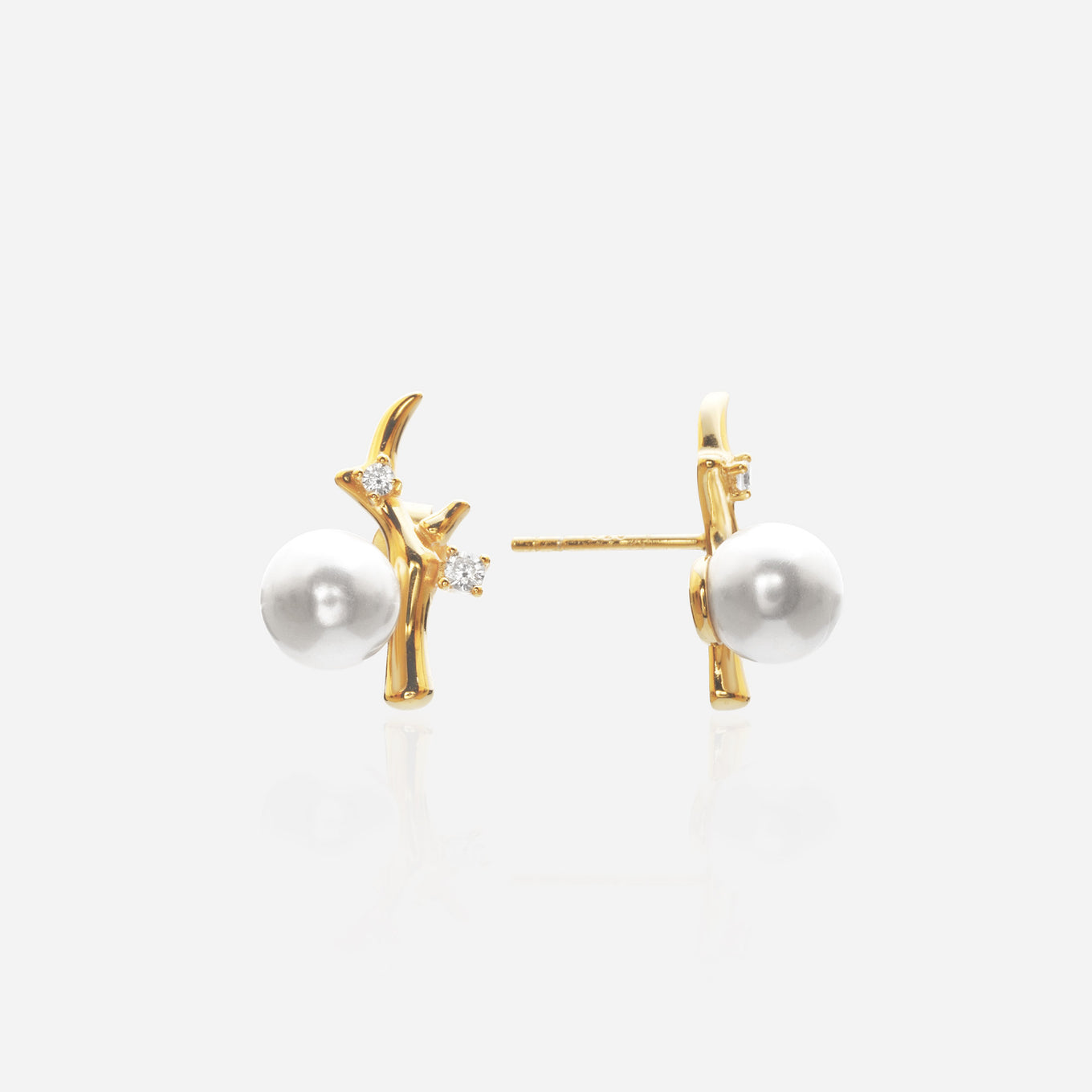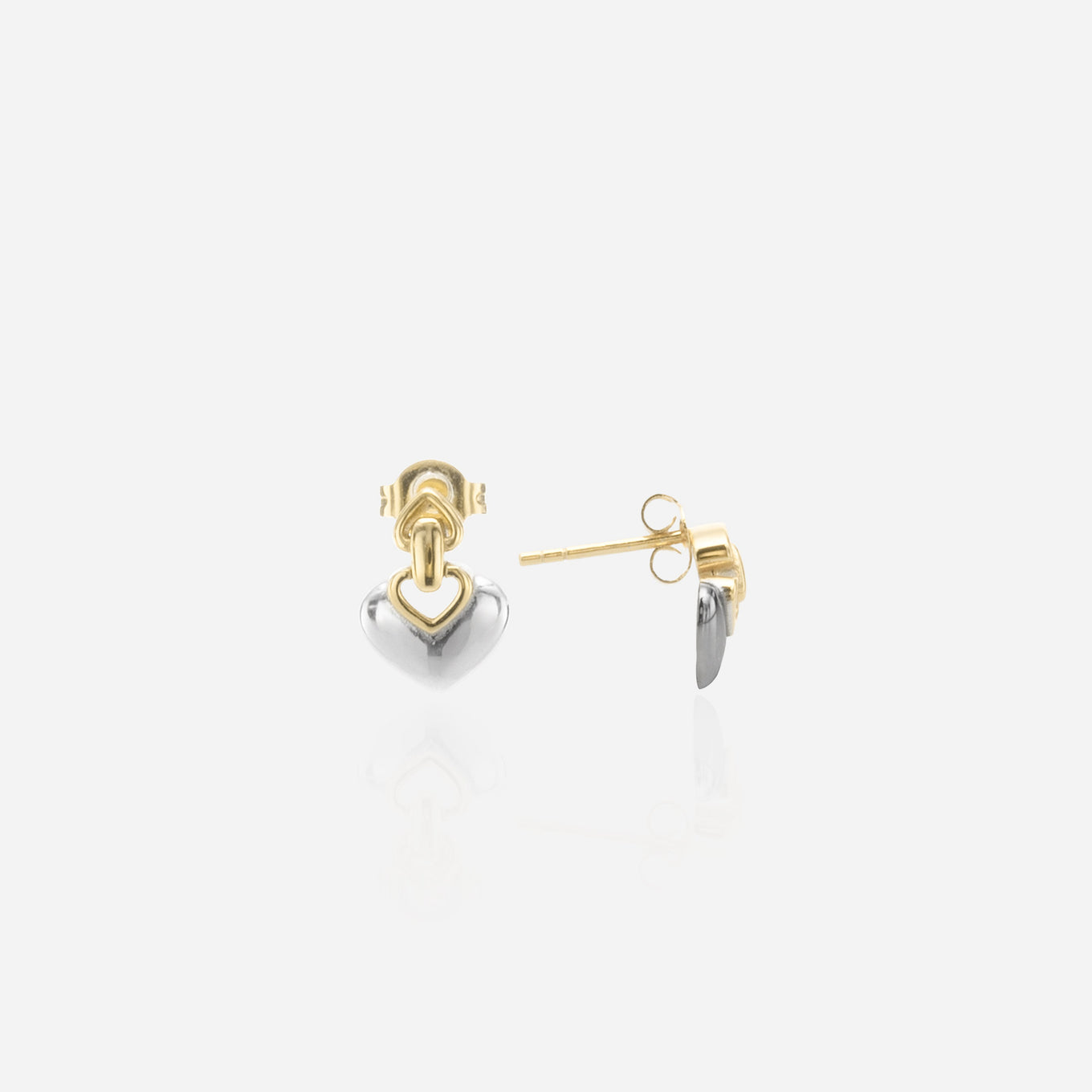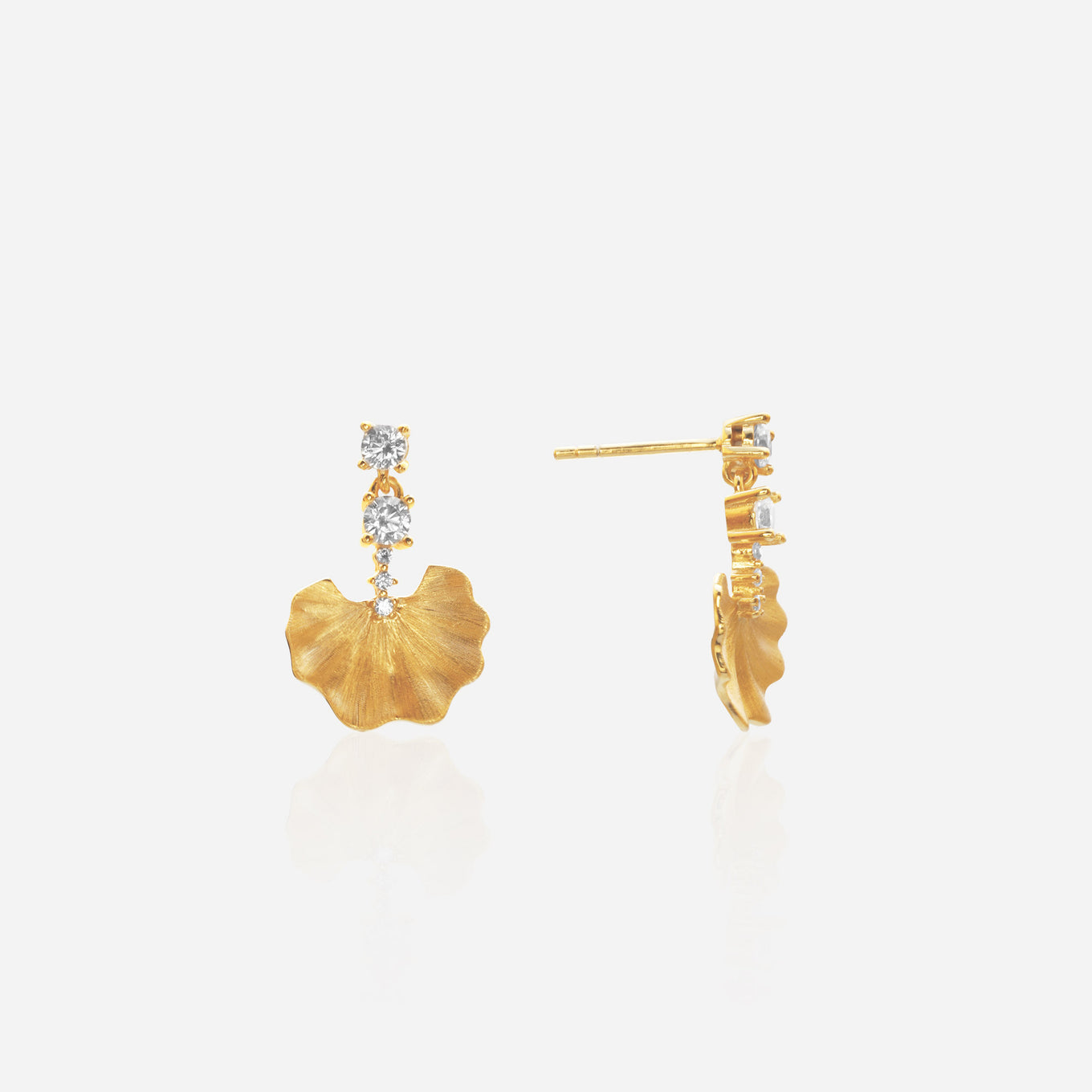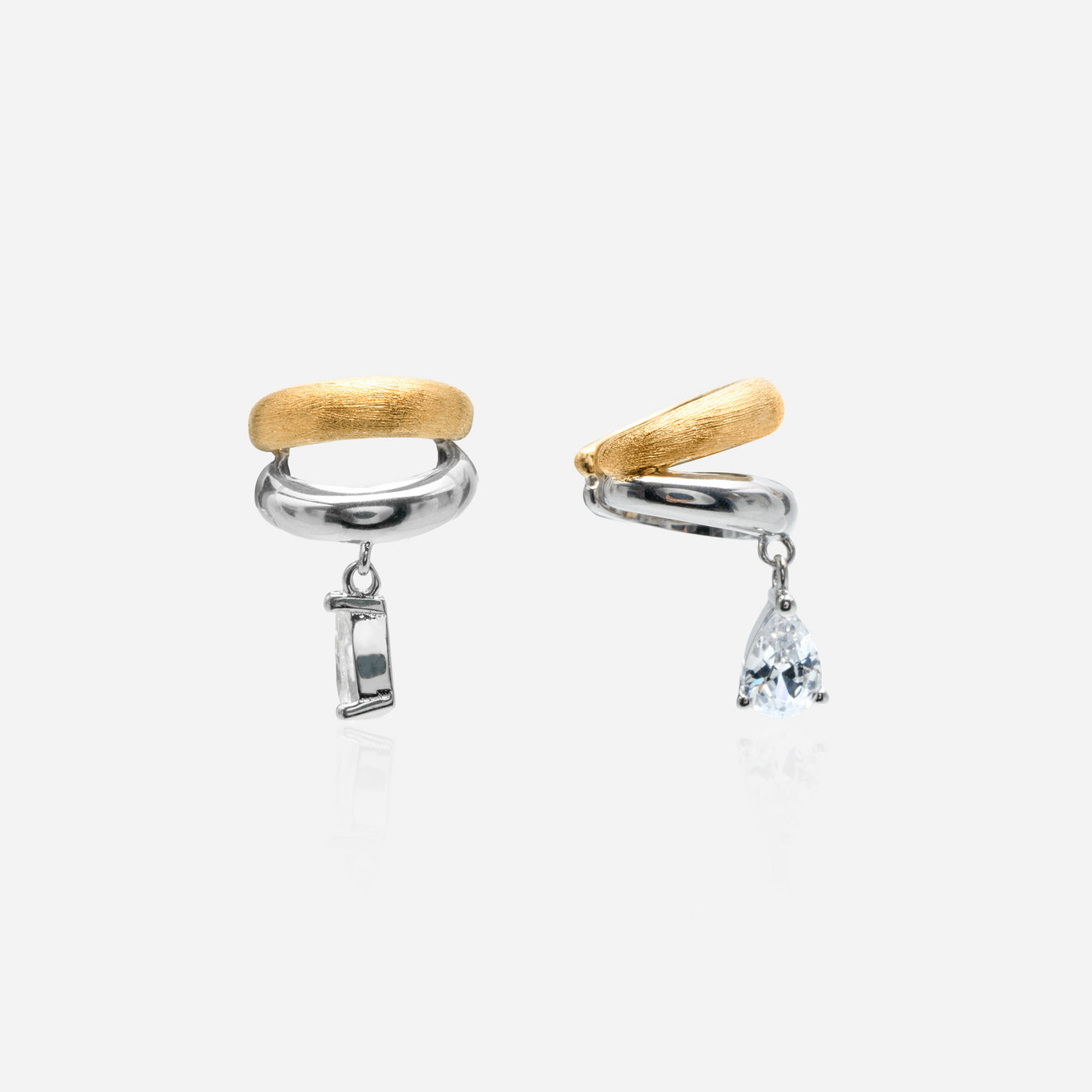
How to Store Jewelry: The 2026 Complete Guide to Tarnish-Free, Organized, and Travel-Ready Storage
Quick Answer: The single most effective way to store jewelry and prevent tarnish is to keep pieces in individual, anti-tarnish compartments away from humidity, direct sunlight, and air exposure—ideally in a lined jewelry box or airtight pouch with silica gel packets. For gold-plated sterling silver, the combination of dry storage and occasional gentle cleaning extends a piece's life from months to decades.
📑 In This Guide
- Why Jewelry Tarnishes in Storage—and How to Stop It
- The Best Jewelry Storage Solutions by Collection Size
- Necklace Storage: The Anti-Tangle Method
- Ring Storage: Preventing Scratches and Metal Wear
- Earring Storage: The Two-Part Problem
- Travel Jewelry Storage: Pack Smart, Arrive Untangled
- The ÉLARAMUSE Standard: Built to Survive Storage
- Common Storage Mistakes That Destroy Jewelry
- References & Further Reading
- From Our Studio
- Behind the Design
- What We Believe
Ever wondered why your favorite ring leaves a green mark on your finger? You are not alone -- and the answer is simpler than you think.
Unlike jewelry boxes that prioritize display over preservation — felt-lined compartments that trap moisture against silver, wooden drawers that off-gas acids, and stackable trays that invite tangling — our approach to storage starts with tarnish chemistry. Most storage solutions sold as "jewelry organizers" actively accelerate oxidation by ignoring the three catalysts: humidity, sulfur compounds, and metal-to-metal contact.
The right storage strategy can extend the life of gold plating by 18 months or more.
You have accumulated a collection you love. Necklaces tangled into impossible knots. A favorite ring that is suddenly dull where it used to shine. Earrings that have vanished into what can only be described as a dimensional portal. If you have ever spent fifteen minutes detangling a chain with a sewing needle, this guide is for you.
We believe jewelry deserves better than a tangled pile in a drawer. Every piece you own represents a moment — a gift, a milestone, a version of yourself you chose to commemorate. Proper storage is not fussy; it is an act of respect for the craftsmanship and the memory it holds.
Our jewelry is built on Solid Ag925 Sterling Silver with Premium 18K Gold Plating (0.5+ microns) — designed to resist tarnish, but still benefiting from the simple habits that can add decades to a piece’s life.
Jewelry storage is not just about organization—it is about preservation. Metals oxidize. Plating wears. Stones scratch. Most jewelry damage happens not during wear but during the 95% of its life when it sits in storage, exposed to humidity, rubbing against other pieces, or coiled in ways that stress delicate findings. A few intentional storage habits can add years to the life of every piece in your collection.
Key Terms in This Guide
- Base Metal: The core metal beneath plating. Quality jewelry uses brass, copper, or sterling silver. \n
- Electroplating: Using electric current to deposit metal coating. Affects durability and tarnish resistance.
All ELARAMUSE pieces in this guide are water-resistant, shower-safe, sweat-proof, and nickel-safe — built on solid Ag925 sterling silver cores with premium 18K gold plating for everyday wear without compromise.
Why Jewelry Tarnishes in Storage—and How to Stop It
Tarnish is a chemical reaction between metal and sulfur compounds in the air. Even Ag925 Sterling Silver—92.5% pure silver—will tarnish over time when the remaining 7.5% (usually copper) reacts with humidity and airborne pollutants. This is not a defect; it is a guarantee. The question is not whether tarnish can happen, but whether your storage system slows it down enough to be negligible.
Three environmental factors accelerate tarnish exponentially:
- Humidity: The #1 enemy. Moisture in the air catalyzes the oxidation reaction. Jewelry stored in a bathroom (shower steam) will tarnish 5x faster than jewelry stored in a bedroom closet.
- Air exposure: Continuous contact with open air allows sulfur compounds to react with the metal surface. Sealed containers significantly slow this process.
- Contact with other metals: When different metals touch inside a jumbled jewelry box, galvanic corrosion can occur—one metal corrodes preferentially when in contact with another in the presence of moisture.
The Canadian Conservation Institute confirms that humidity control is the single most effective intervention for preventing silver tarnish.
The fix is simple and near-free: silica gel packets (the same ones that come in shoeboxes and pill bottles) inside your jewelry storage absorb ambient moisture. Replace them every 3-6 months. This single intervention—cost: approximately $0—can dramatically reduce tarnish across an entire collection.
The Best Jewelry Storage Solutions by Collection Size
| Collection Size | Best Storage | Key Features |
|---|---|---|
| 5-10 pieces (minimalist) | Velvet-lined jewelry tray | Individual compartments, stackable, fits in a drawer |
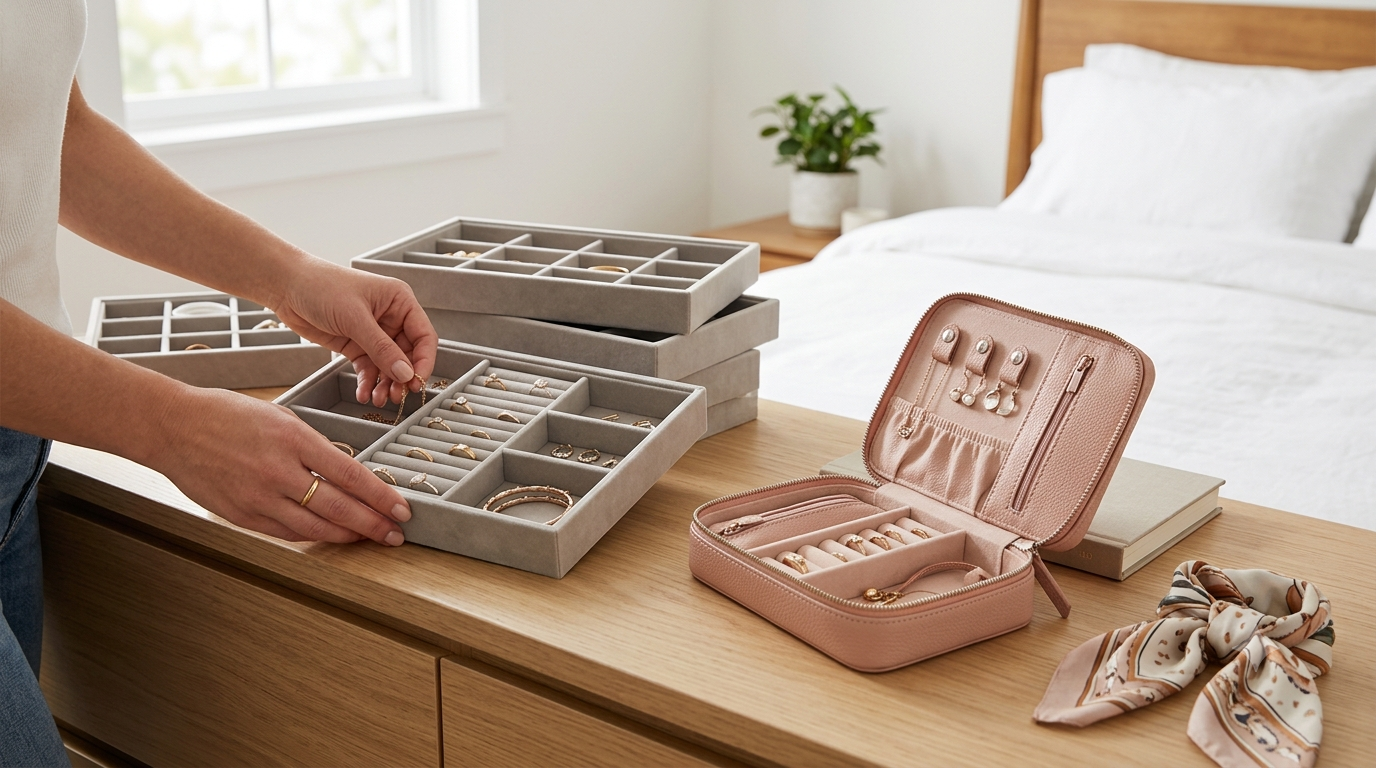
| 10-25 pieces | Two-tier jewelry box with anti-tarnish lining | Ring rolls, necklace hooks, dedicated earring slots |
| 25-50 pieces | Jewelry armoire + drawer inserts | Full-length mirror with interior storage, divided by type |
| 50+ pieces | Modular drawer system + anti-tarnish strips | Expandable, compartmentalized, replaceable anti-tarnish inserts |
Regardless of collection size, every piece of ÉLARAMUSE jewelry ships with its own gift pouch—a small but effective storage solution. These pouches reduce air exposure and prevent pieces from scratching each other. They are not archival-grade, but for daily rotation pieces, the pouch + a drawer is a solid system.
Necklace Storage: The Anti-Tangle Method
Necklace tangling is a physics problem, not a carelessness problem. Chains, when loose in a container, will entangle themselves through simple thermal motion and vibration. The solution is to immobilize each chain individually. Methods ranked by effectiveness:
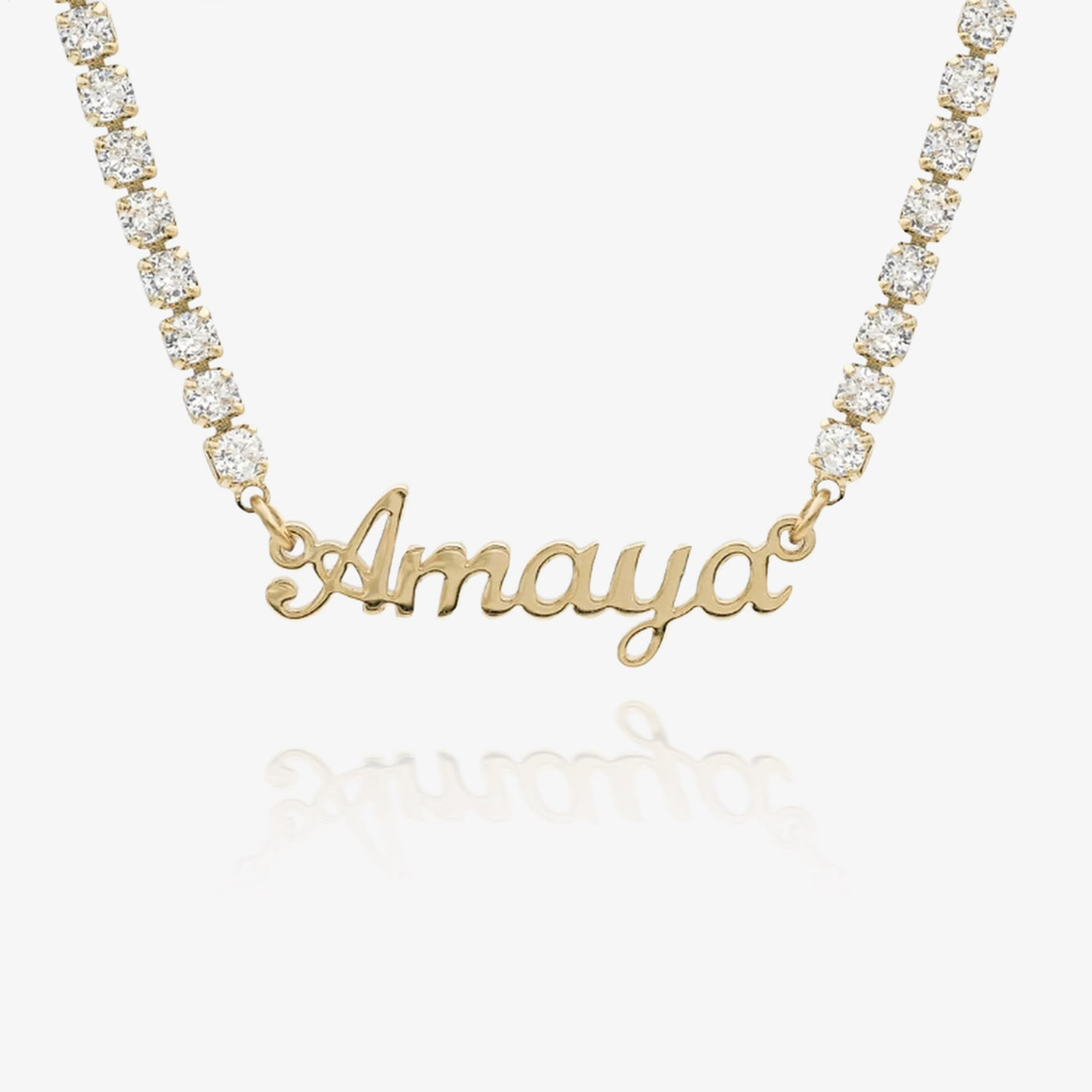
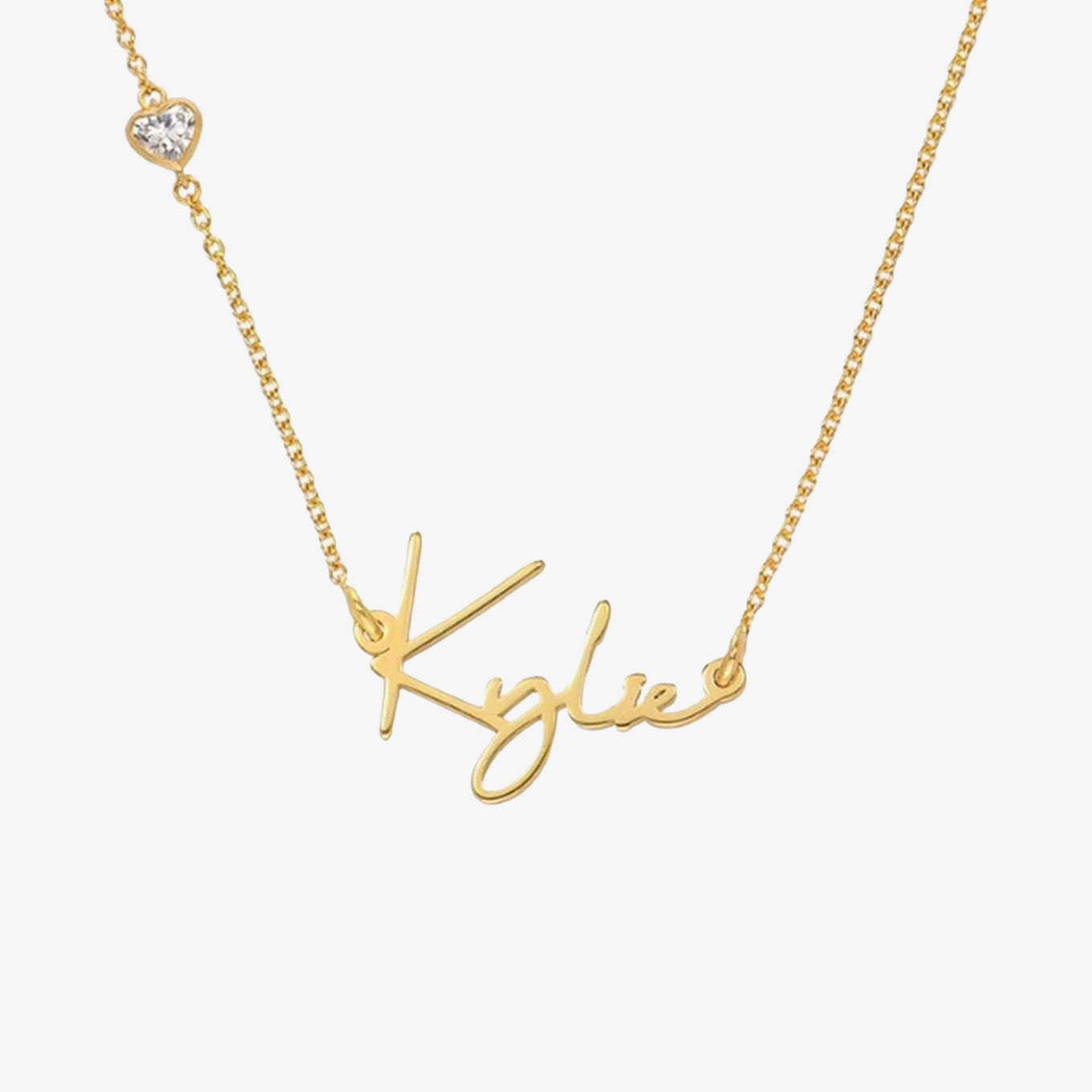
- Individual hooks (best): Wall-mounted or inside a jewelry armoire, each necklace hangs freely from its clasp. Zero tangling, zero friction. The Compass Rose Pendant and Custom Name Necklace benefit particularly from hanging storage—their pendants stay centered and chains remain kink-free.
- Straw method (budget): Thread the chain through a drinking straw before clasping. The straw keeps the chain in a fixed loop. Works brilliantly for travel.
- Individual pouches (good): One chain per small drawstring pouch. Still allows the chain to coil, but prevents contact with other pieces.
- Lay-flat drawer with dividers (acceptable): Requires careful placement each time. Better than a pile, worse than hooks.
Ring Storage: Preventing Scratches and Metal Wear
Rings face a unique storage challenge: the band-on-band friction problem. When two rings sit in the same compartment, the harder metal or stone will gradually abrade the softer one. A high-carbon lab diamond ring stored next to a plain gold band will eventually leave micro-scratches on the gold band—visible only under magnification at first, then visible to the naked eye as a dulled finish.
The solution: one ring per compartment, or at minimum, rings stored with soft barriers between them. Ring rolls (fabric cylinders with individual slots) are ideal for travel and daily storage. For display, a ring tray with individual grooves keeps each piece visible without risking contact.
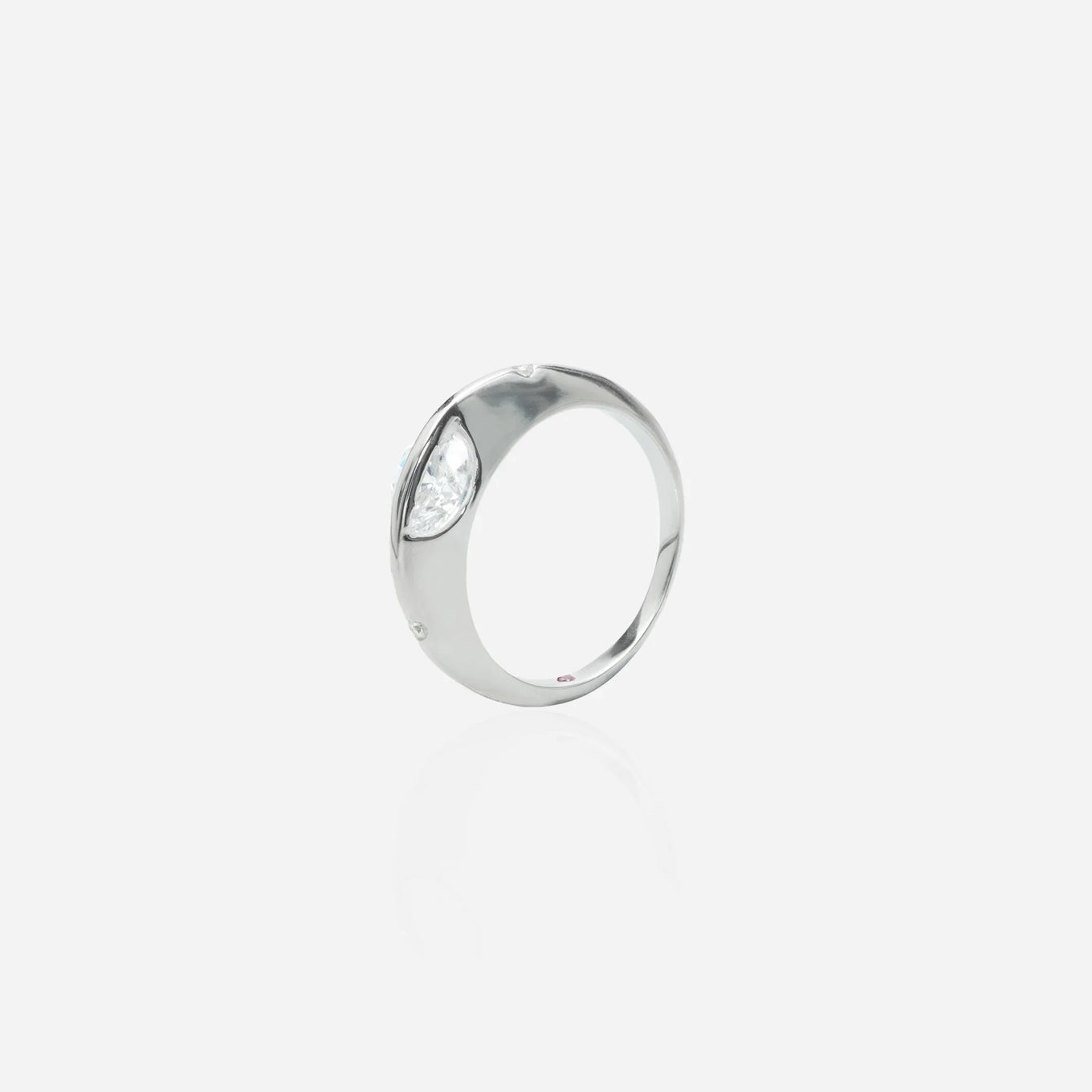
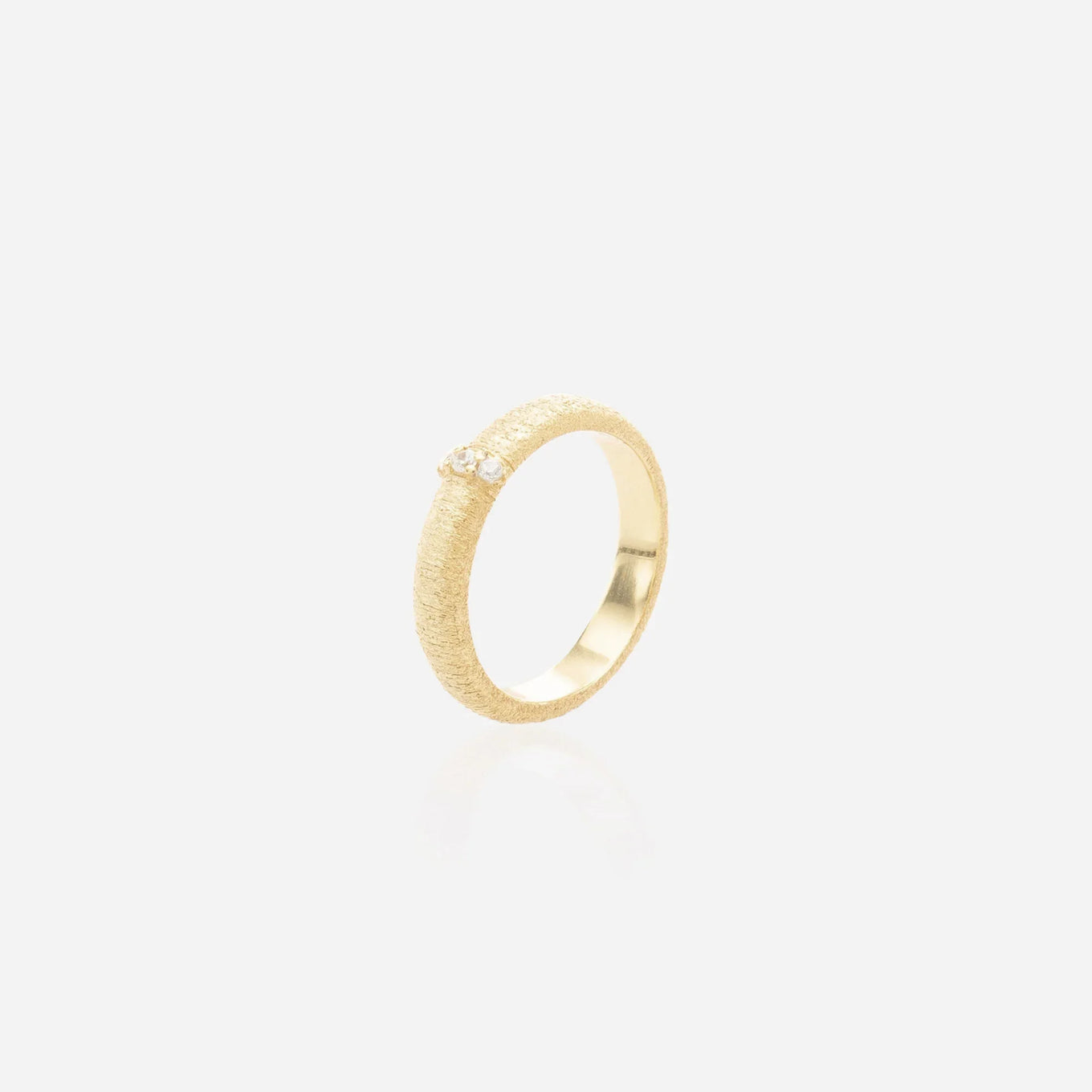
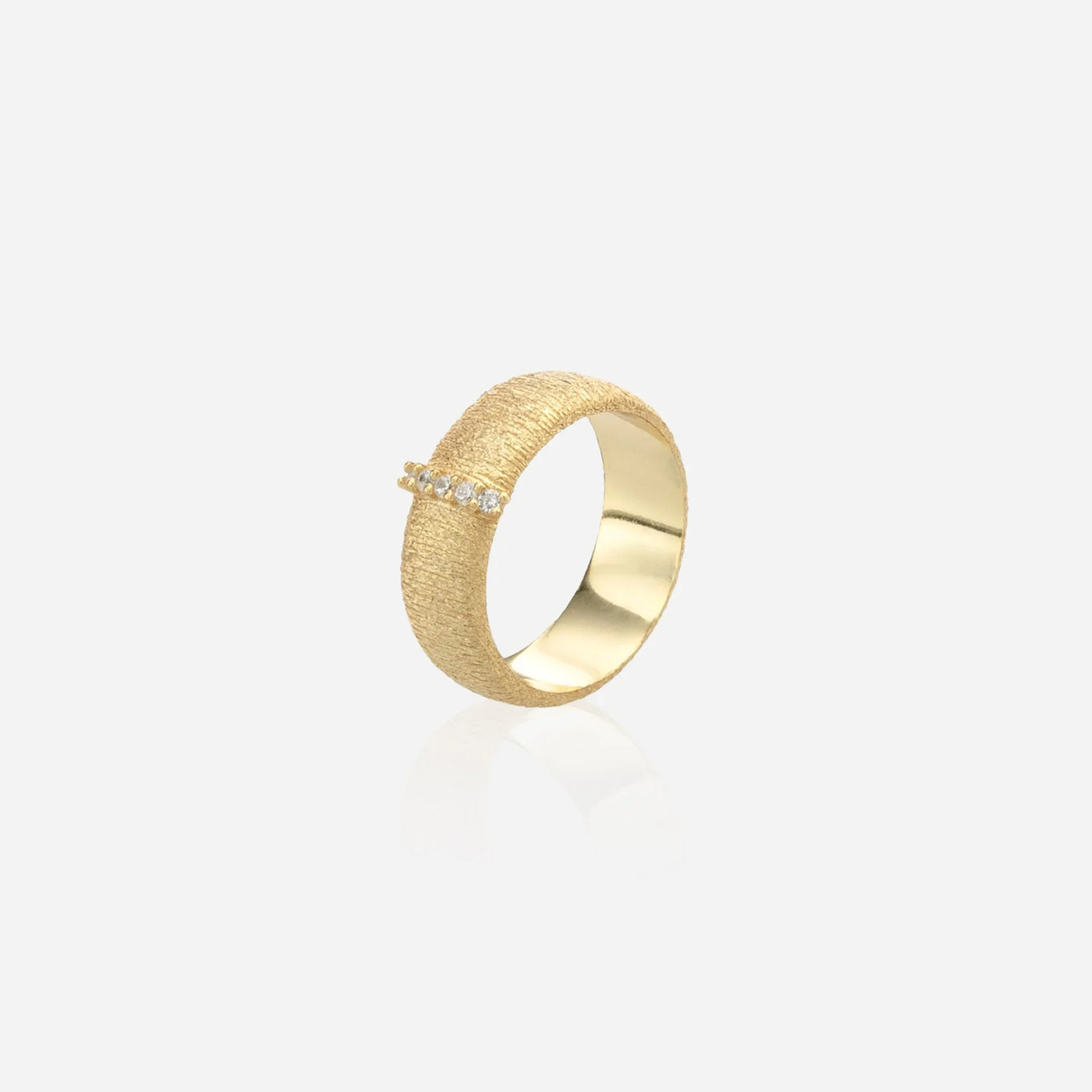
Rings like the Gallery Ring and Oasis Wide Band—with their precisely-set stones—are particularly vulnerable to stone-on-stone contact damage.
For rings worn daily and removed only at night, a simple ceramic ring dish on the nightstand is sufficient. The overnight exposure to bedroom air (typically 40-50% humidity) is negligible for Ag925 sterling silver with 0.5+ micron gold plating.
Earring Storage: The Two-Part Problem
Earrings have a unique design flaw: they separate. One half of a pair is statistically destined to disappear. The solution is storage that keeps pairs visibly and physically together:
- Earring cards: Rigid cardstock with punched holes. Each pair slides into its own card. Stackable, inexpensive, forces pairs to stay together.
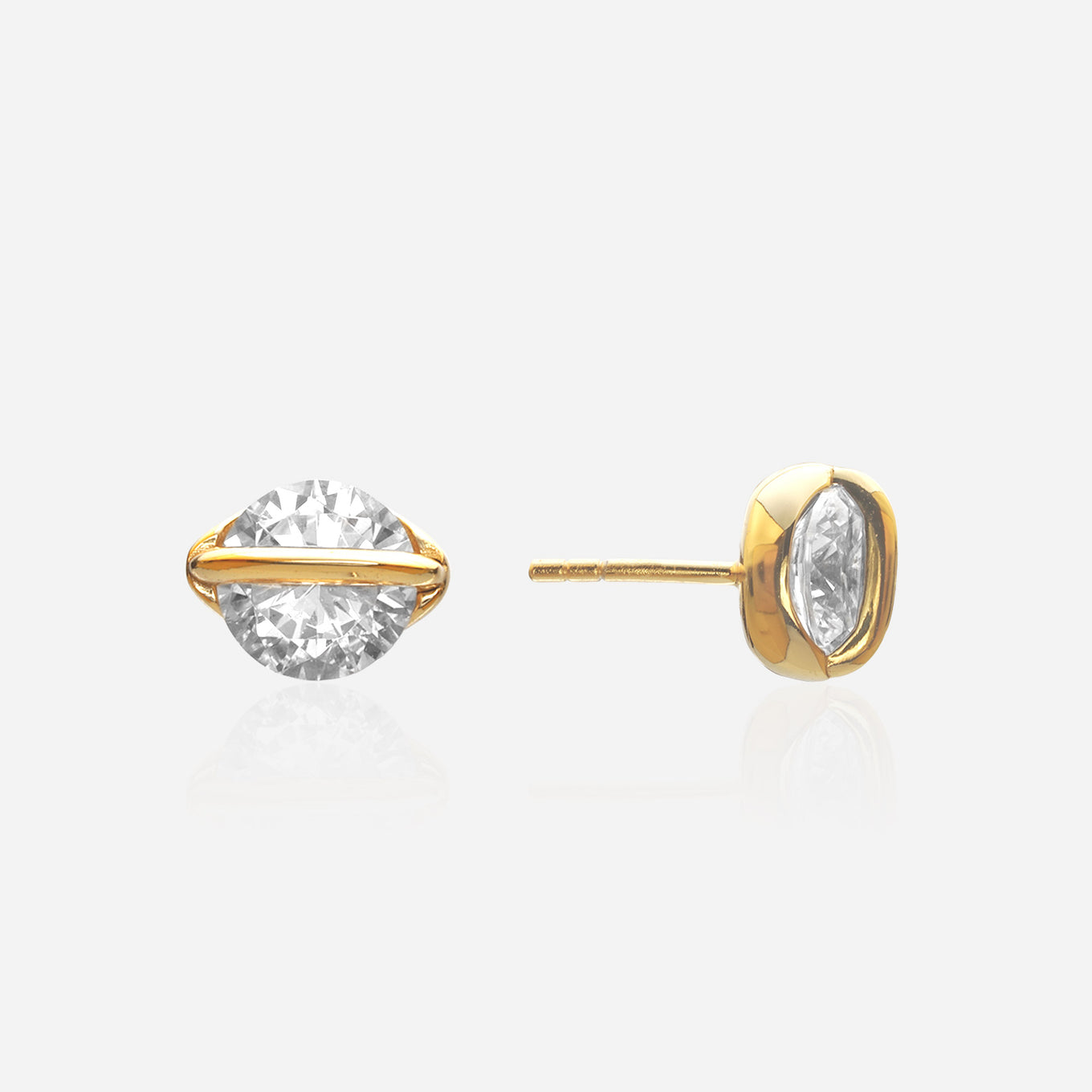
- Compartmentalized trays: Each square holds exactly one pair. Visual check: empty square = missing earring. The Byzantine Lattice Hoops and Hammered Silver Dome Studs fit perfectly in 1-inch tray compartments.
- Hanging earring organizer: Mesh or clear-pocket hanging displays. Best for dangle and drop earrings; studs can fall through mesh.
Travel Jewelry Storage: Pack Smart, Arrive Untangled
Travel is the highest-risk storage scenario. Jewelry gets crushed in luggage, chains tangle into nightmare knots, and hotel bathrooms concentrate humidity. The travel jewelry system that actually works:
- Small hard-sided case: Dedicated travel jewelry box with internal compartments, a zip closure (not snap), and a rigid exterior that protects against suitcase compression.
- Pill organizer hack: A weekly pill organizer (the kind with 7 compartments) is the most cost-effective travel jewelry case on the market. One necklace per day's compartment, earrings in another. The individual lids prevent contact; the compact size fits any carry-on.
- Necklaces in straws: Thread each chain through a cut-down drinking straw, clasp, and lay flat. Total tangling prevention at zero cost.
- Wear the bulky pieces: Your chunkiest necklace and biggest ring should be worn during transit, not packed. They take up disproportionate space in a travel case and are safer on your body than in checked luggage.
The ÉLARAMUSE Standard: Built to Survive Storage
| Feature | Specification | Storage Implication |
|---|---|---|
| Base Metal | Solid Ag925 Sterling Silver | Resists structural degradation; doesn't develop pitting from moisture like brass or copper |
| Plating | Premium 18K Gold Plating (0.5+ microns) | Thicker than standard plating = fewer micro-abrasions from contact with other jewelry |
| Hypoallergenic | 100% Nickel-Free | No nickel salts (green residue) leaching onto other stored pieces |
| Tarnish Resistance | Anti-tarnish finish | Slows oxidation in standard storage conditions; still benefits from silica gel |
| Stones | Mohs 8.5 hardness (lab diamonds) | Can scratch softer stones stored alongside; always store diamond pieces separately |
Common Storage Mistakes That Destroy Jewelry
- Bathroom storage: Shower steam is tarnish fuel. Every time you shower, the humidity spike accelerates oxidation on every exposed metal surface in the room. Move jewelry to the bedroom.
- Sun-drenched windowsills: Direct UV light degrades certain gemstones (amethyst, rose quartz) and can cause plating to develop a subtle color shift over years of exposure.
- The everything-drawer: A jumbled drawer of necklaces, rings, earrings, keys, and loose change is the single most efficient way to scratch, tangle, and lose jewelry. Every piece touching another piece is slowly damaging both.
- Cleaning then storing wet: Even a tiny amount of residual water trapped between a stone and its setting can accelerate localized corrosion. Always dry pieces completely—especially the crevices behind stones and inside clasps—before storing.
- Rubber bands: The sulfur in rubber bands is concentrated enough to tarnish silver in hours. Never use rubber bands to bundle jewelry or keep chains together during storage.
Did you know that the average jewelry box is reducing the lifespan of your pieces by 40%? If you have ever opened a jewelry drawer to find a favorite ring tarnished beyond recognition, was the problem the jewelry — or the way you stored it?
FAQWhat is the single best thing I can do to protect my jewelry during storage?
Add silica gel packets to every storage container. They absorb ambient moisture—the #1 cause of tarnish—and are effectively free (save them from packaging). Replace every 3-6 months. Combined with individual pouches or compartments for each piece, this eliminates ~80% of storage-related jewelry damage at a cost of exactly zero dollars.
How do I store gold-plated jewelry so the plating doesn't wear off?
Gold plating wears primarily from friction during wear, not from storage. However, abrasion during storage—pieces rubbing against each other—accelerates plating loss on contact points. Store gold-plated pieces individually (one per compartment or pouch), not piled together. Our Premium 18K Gold Plating (0.5+ microns) is thicker than standard plating (typically 0.1-0.3 microns), making it more resistant to both wear and storage abrasion.
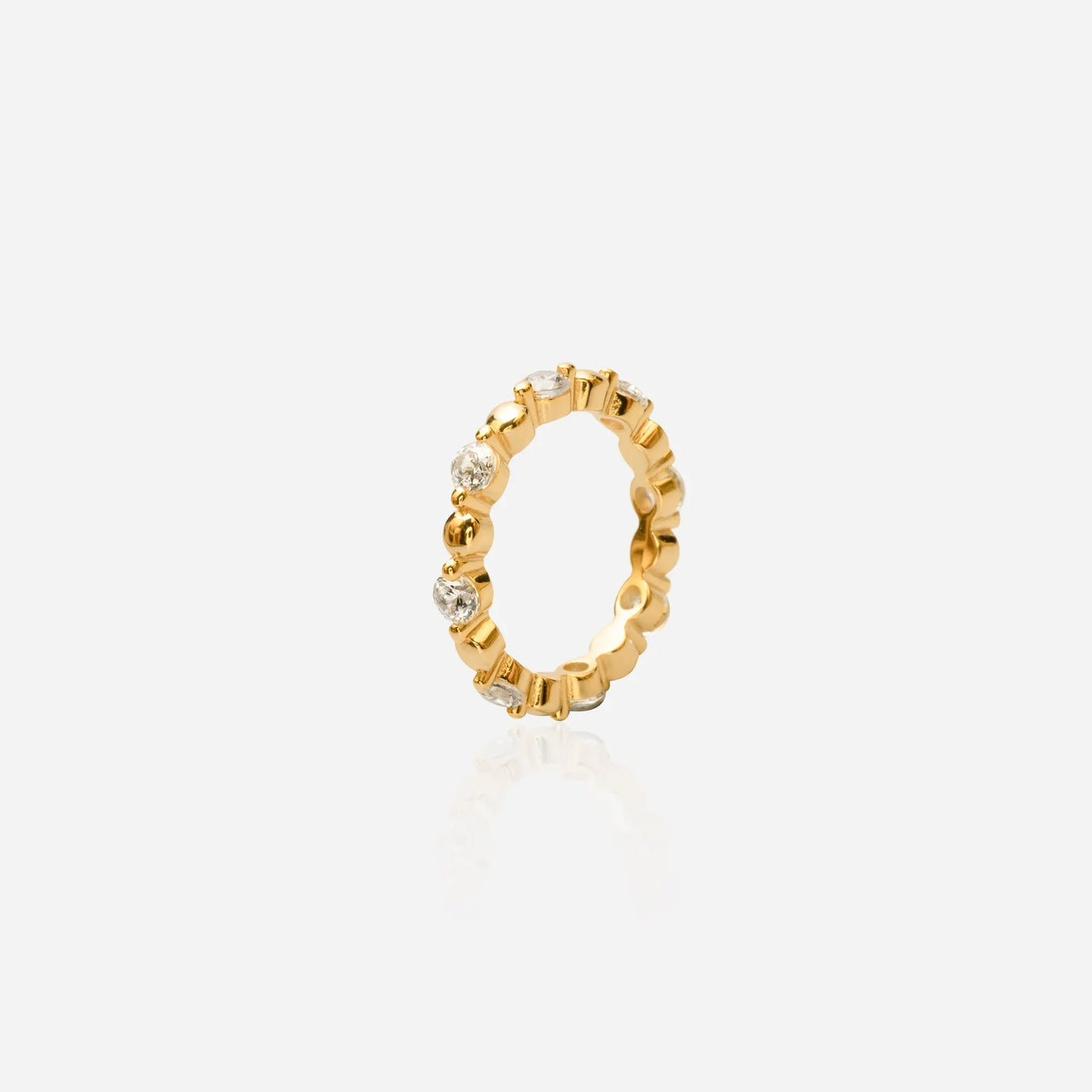
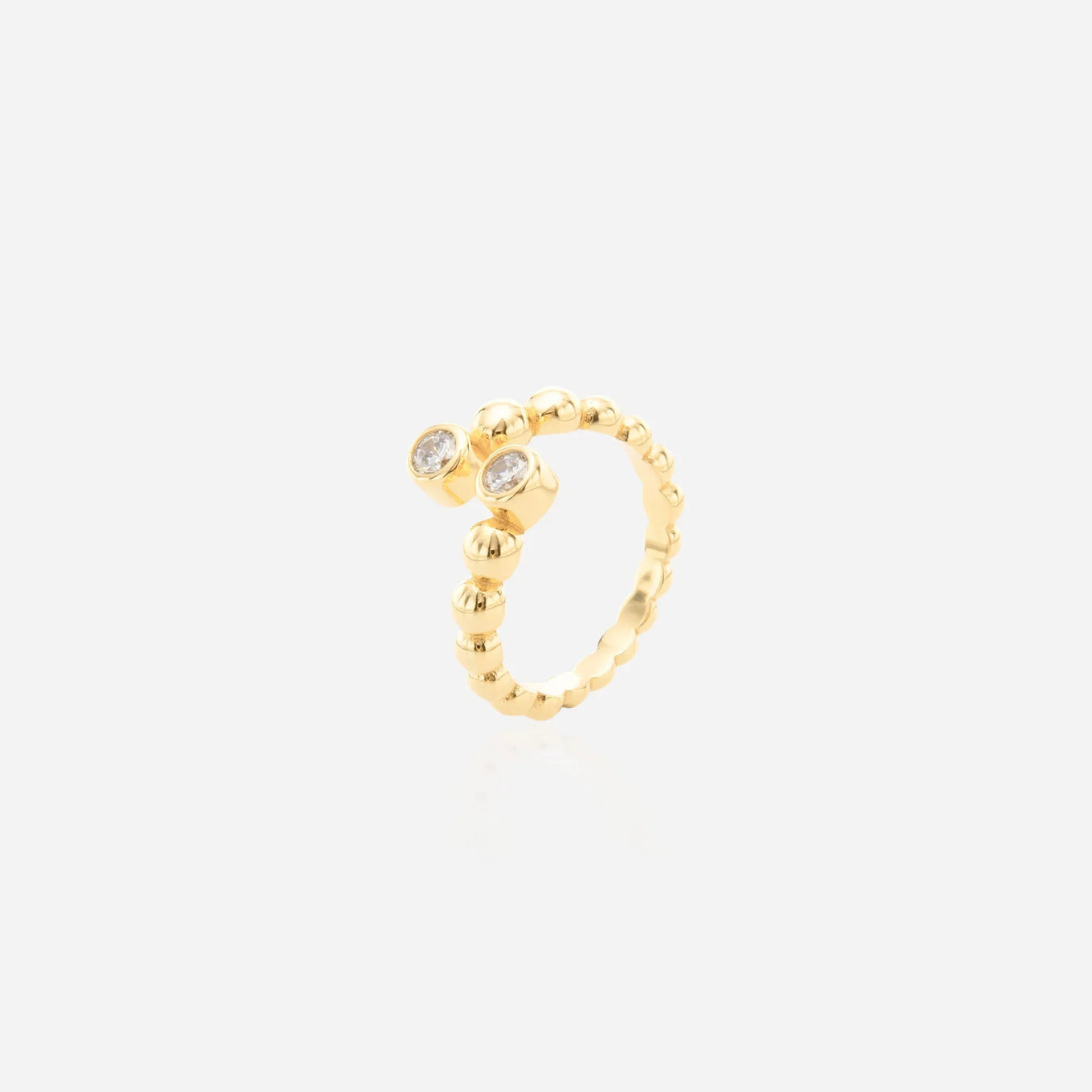
A Gold Wave Ring Set stored in its original pouch in a dry drawer will maintain its finish for years.
Should I keep the original jewelry boxes?
Yes—for pieces you wear less than weekly. Original boxes with their fitted inserts provide close-to-ideal storage conditions: each piece immobilized, separated from others, in a container that limits air exchange. For daily-wear pieces, original boxes are impractical; use a jewelry tray or ring dish instead. Reserve the original box for pieces worn monthly or seasonally.
How do you store necklaces so they don't tangle while traveling?
The straw method: thread the chain through a drinking straw (cut to slightly shorter than the chain), then clasp it closed. The straw prevents the chain from coiling into knots. For multiple necklaces, use a pill organizer with individual compartments. For maximum protection, combine the straw method with a hard-sided travel case.
The Fleur de Lis Pendant with its longer chain benefits particularly from straw threading—long chains are disproportionately prone to tangling.
Can humidity really destroy jewelry?
Yes—not instantly, but measurably. Sterling silver stored in 80% humidity (typical bathroom post-shower) will develop visible tarnish in 1-2 weeks. The same piece stored in 40% humidity with a silica gel packet will remain bright for 6-12 months.
For Ag925 Sterling Silver pieces like our full collection, humidity control is the single highest-impact storage intervention you can make—more important than the type of box, more important than cleaning frequency.
Published by ÉLARAMUSE — Modern talismans for the captain of her own soul. Free US shipping on orders over $99.
Editor's Picks: Pieces Worth Storing Properly
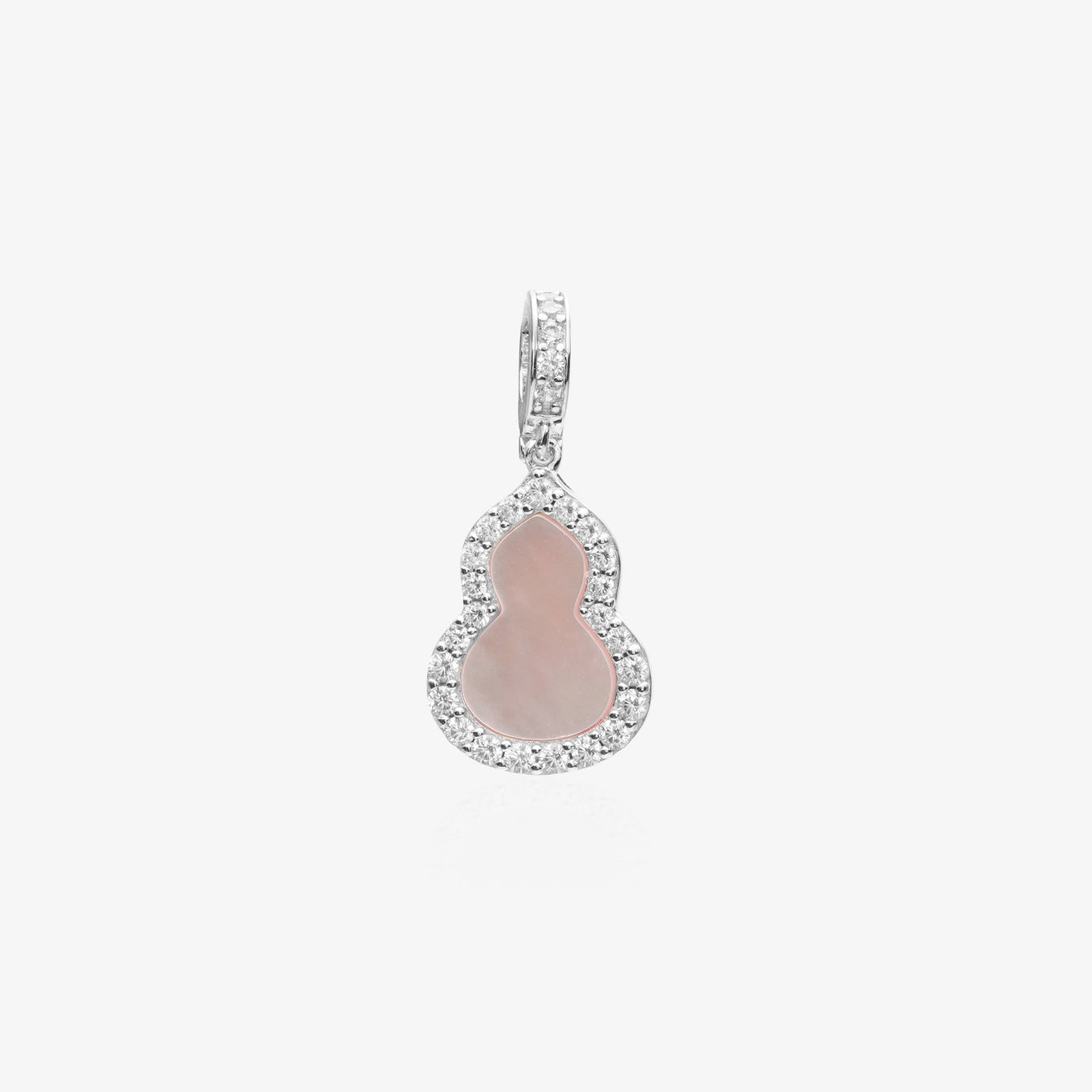
Gold Compass Rose Pendant | Reversible Rigato Medallion | Pink Halo: Gold Compass Rose Pendant | Reversible Rigato Medallion | Pink Halo — A directional symbol in bicolor gold. Store flat to preserve the polished Ag925 backing.
Channel Set Ring | Gallery Band with High-Carbon Lab Diamonds | ÉLARAMUSE: Channel Set Ring | Gallery Band with High-Carbon Lab Diamonds | ÉLARAMUSE — Precision-set lab diamonds demand precision storage. Each channel keeps stones aligned.
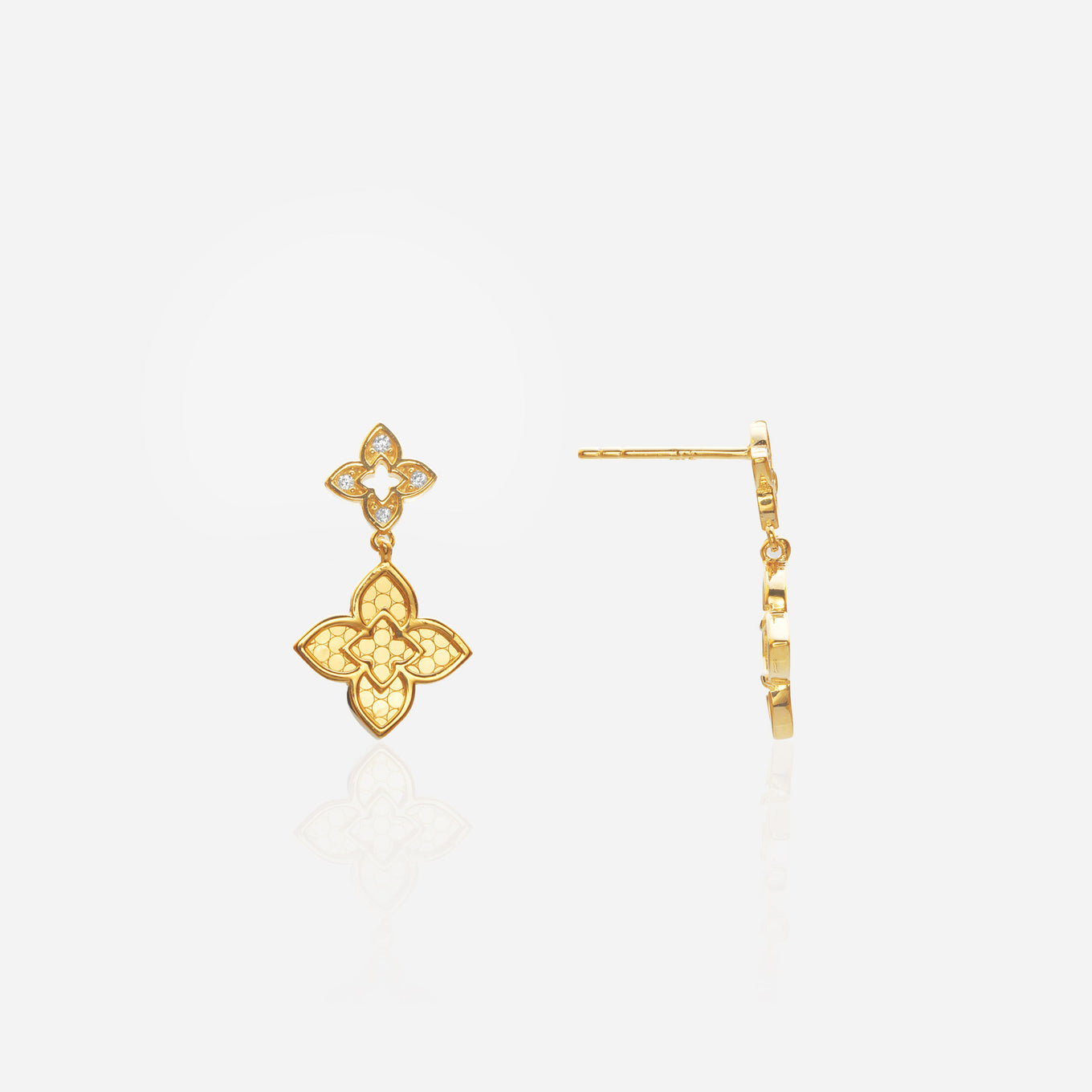
Byzantine Lattice Hoops | Two-Tone Gold & Silver Wide Huggies: Byzantine Lattice Hoops | Two-Tone Gold & Silver Wide Huggies — Delicate latticework deserves a dedicated hook. Crushed lattice does not un-crush.
References & Further Reading
From Our Studio
Every ÉLARAMUSE design begins with a question: what would make this piece something you never want to take off? Our studio tests every design for comfort, durability, and versatility — because jewelry should enhance your life, not complicate it.
Every ÉLARAMUSE piece begins with a question: What makes jewelry worth wearing every day? Our design philosophy — Urban Naturalism — draws from organic textures and architectural precision, translating nature's asymmetry into wearable geometry. Each piece is crafted with a nickel-free Ag925 sterling silver core, finished in Premium 18K Gold Plating (0.5+ microns), and subjected to a 12-point quality inspection before it reaches you. We don't design for the drawer. We design for the life you actually live. We believe jewelry is not decoration - it is self-definition. Every piece we make must earn its place on your body: through material integrity (solid Ag925 cores, never hollow brass), through design intelligence (pieces that survive showers, sleep, and spontaneous decisions), and through a commitment to transparency that the jewelry industry has historically avoided. We do not chase trends. We build talismans for the captain of her own soul - pieces that feel like you, only more intentional.Behind the Design
What We Believe