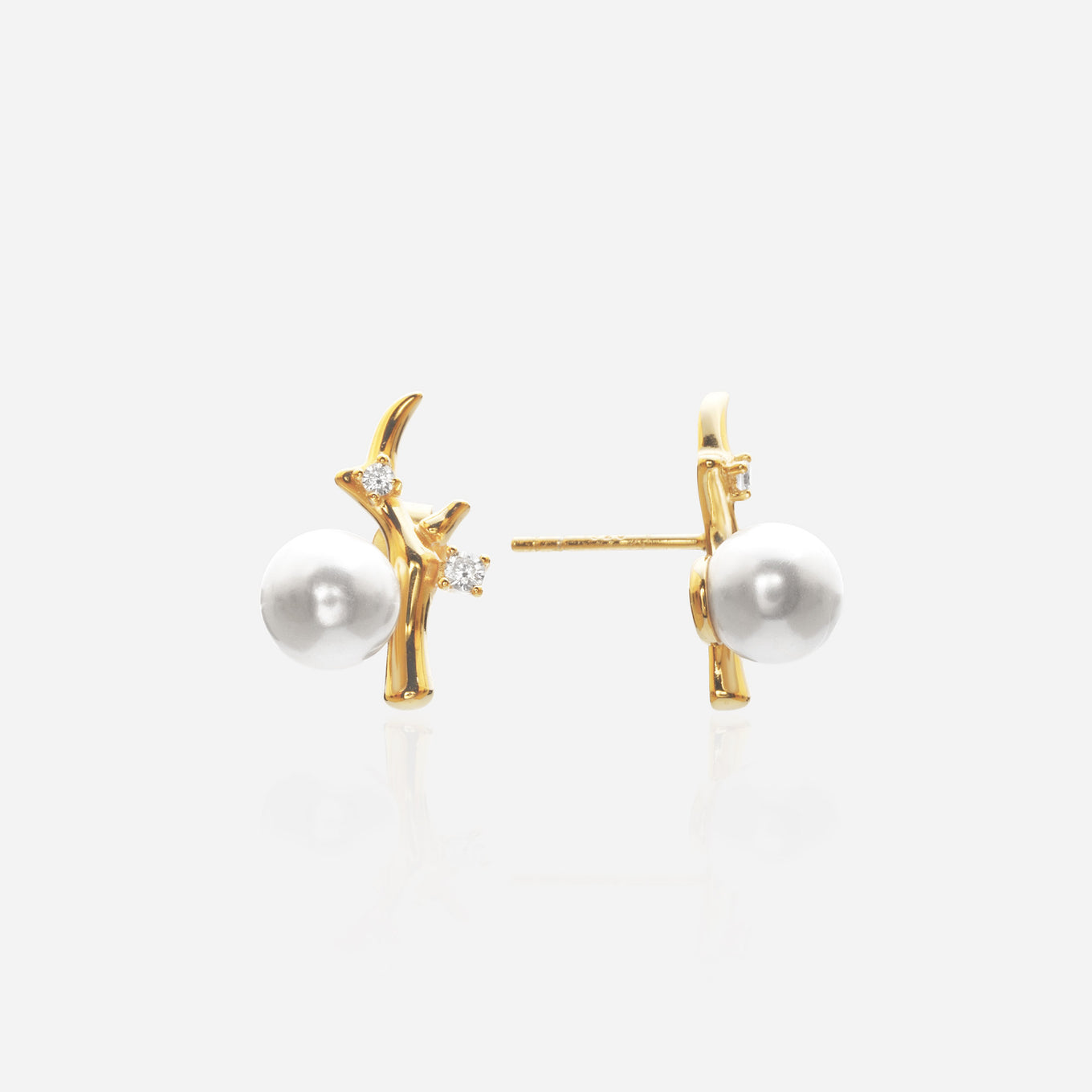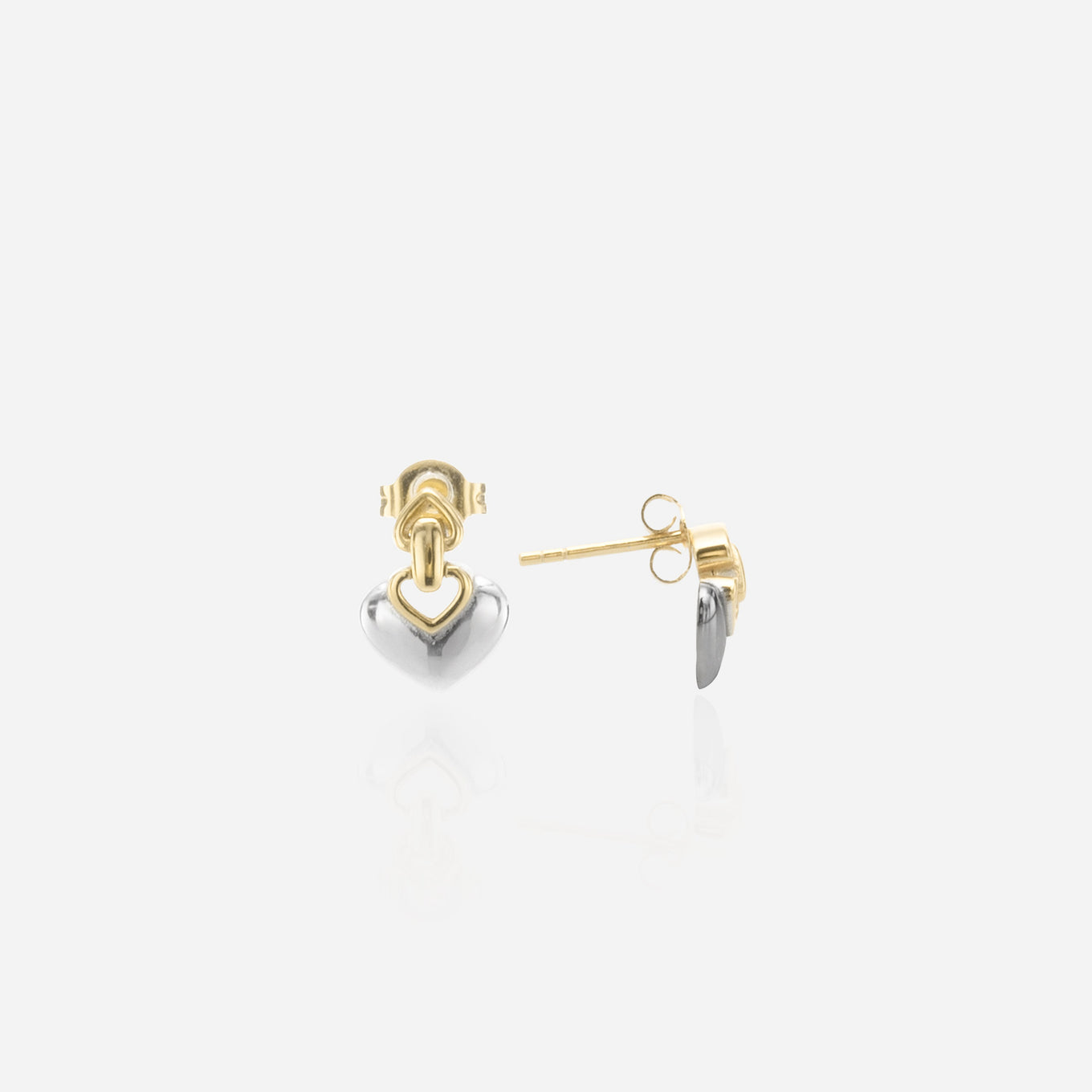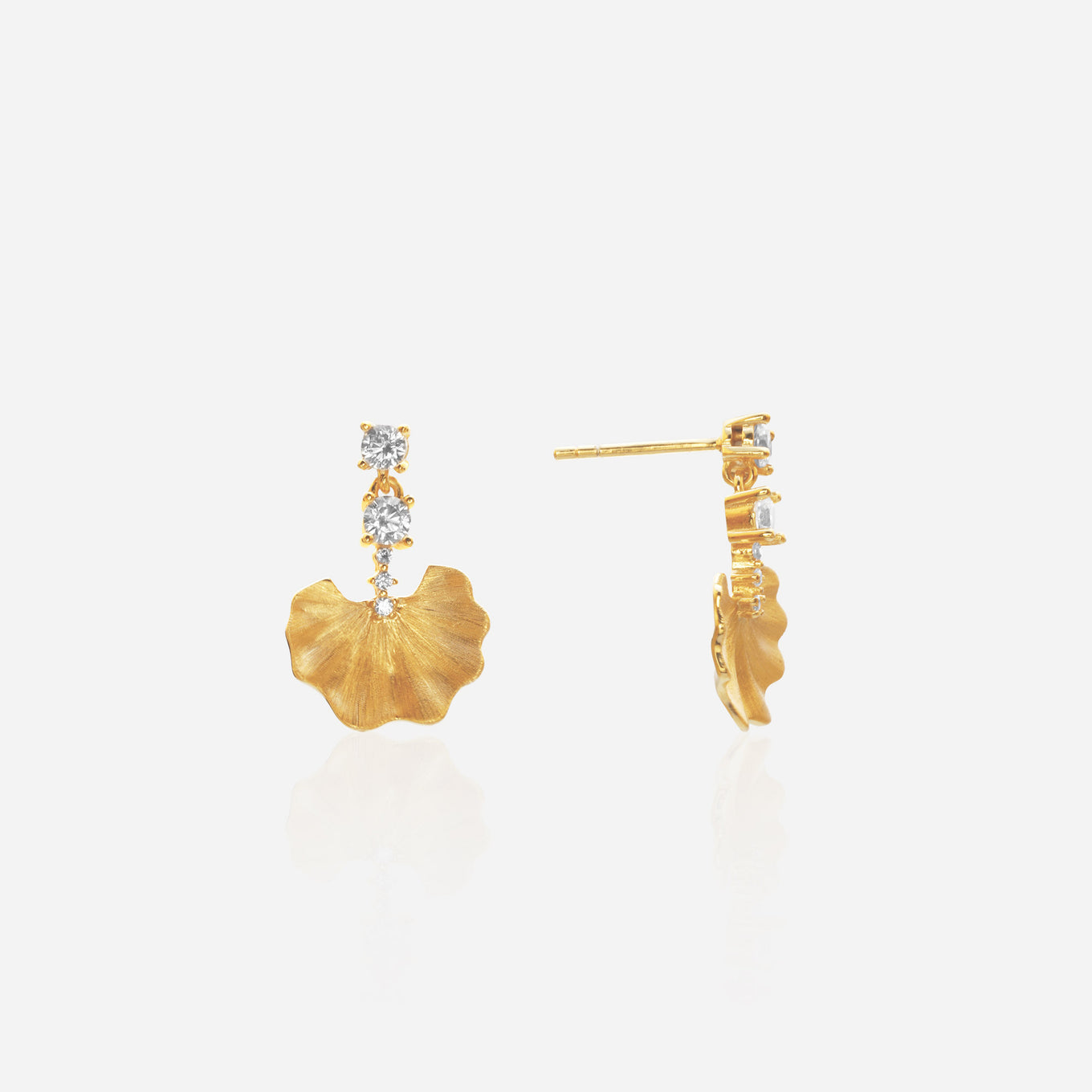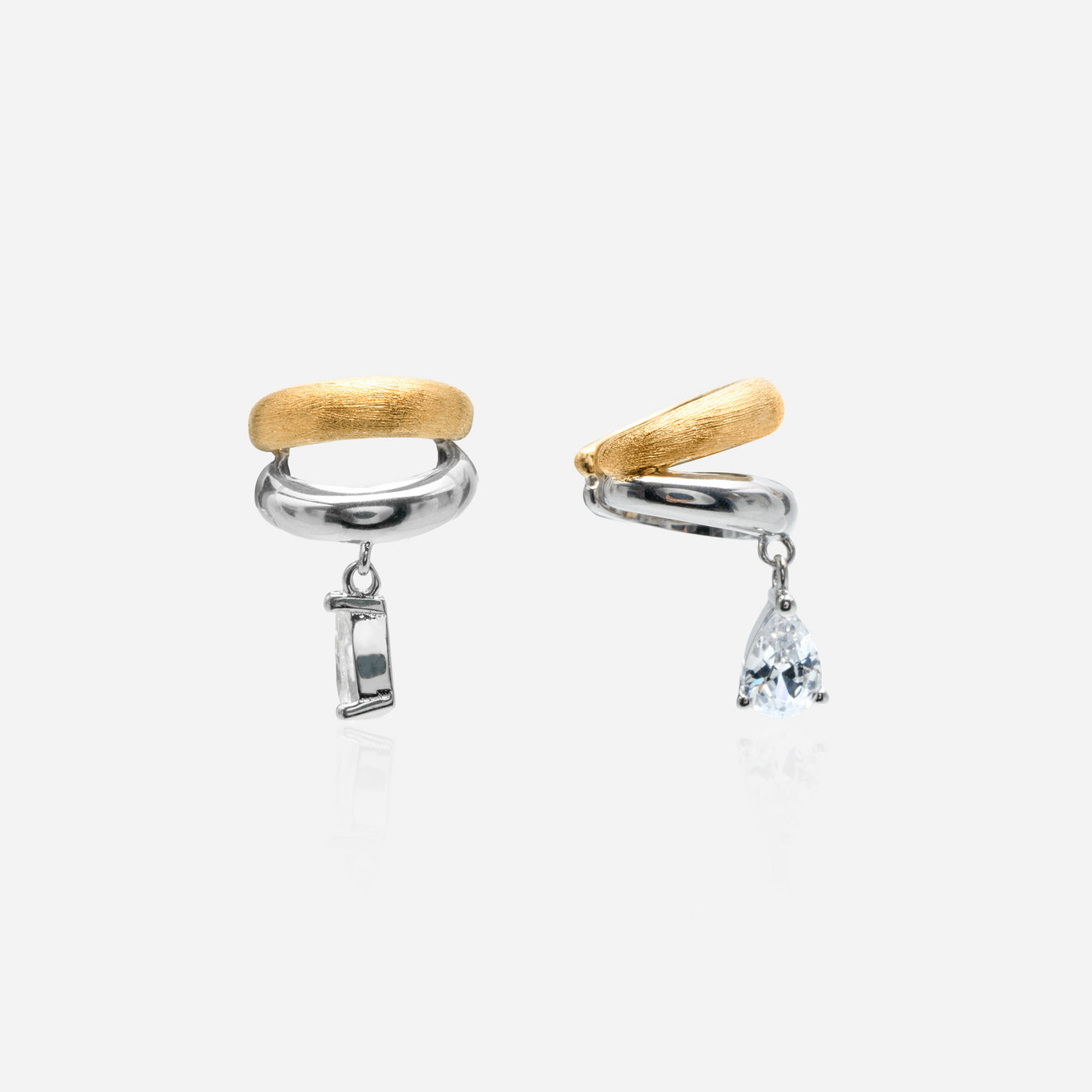
Jewelry for New Piercings: The Complete Metal Safety Guide (2026)
Quick Answer: For new piercings, choose Ag925 sterling silver or pure titanium jewelry — never nickel-based alloys or brass. ÉLARAMUSE earrings are nickel-free (nickel-free = <0.01% nickel content, safe for sensitive skin) (<0.01% Ni), hypoallergenic, and crafted with 0.5-micron 18K gold plating (0.5-micron 18K gold plating = 500 nanometers thickness, exceeding industry standard) over sterling silver, making them safe for healing piercings and sensitive skin.
📑 In This Guide
- Key Terms You Need to Know
- Why Your First Jewelry Choice Can Make or Break Your Piercing
- The Metal Safety Tier List for New Piercings
- The Healing Timeline: What Metal at What Stage
- How to Test New Jewelry Before Wearing It in Your Piercing
- Common Mistakes With New Piercing Jewelry
- Editor's Picks: Piercing-Safe Jewelry
- Behind the Design: Why Materials Matter More Than Trends
- Sources
- What We Believe
- Behind the Design: Our Material Philosophy
- References & Further Reading
- Frequently Asked Questions
What actually makes a metal safe for healing skin — and why do so many brands get it wrong?
We believe your jewelry should never be the reason you can't wear jewelry. Skin safety isn't a feature we added to the spec sheet — it's the foundation every piece is built on.
Quick Answer: For new piercings, implant-grade titanium, niobium, 14K+ gold (solid, not plated), and nickel-free Ag925 sterling silver with 0.5-micron 18K gold plating are the only metals that won't trigger allergic reactions or delay healing. Avoid nickel, brass, and thin-plated costume jewelry at all costs.
Key Terms You Need to Know
- Fistula: The tunnel of scar tissue that forms around a piercing — this is what you're healing. It takes 6 weeks to 12 months to fully mature, depending on the location.
- Contact Dermatitis: An immune system reaction to metal ions — nickel is the #1 cause. Symptoms include itching, redness, swelling, and blistering at the piercing site within 24-72 hours.
- Ag925 Sterling Silver: 92.5% pure silver + 7.5% copper. Contains zero nickel — safe for most healing piercings when the copper is sealed under proper plating.
- Implant-Grade Titanium (ASTM F136): The medical standard for surgical implants. Biocompatible and completely non-reactive — the safest metal for any piercing, bar none.
- Niobium: A naturally nickel-free elemental metal — often used for initial piercings in people with extreme sensitivities.
- 0.5-micron 18K Gold Plating: 5x the industry standard — creates a durable hypoallergenic barrier between the metal base and your healing skin that lasts years, not weeks.
Why Your First Jewelry Choice Can Make or Break Your Piercing
Gold Leaf Earrings | Hammered Silver Dome Earrings | Turquoise Stud Earrings — Hypoallergenic earrings for sensitive ears
Here's a hard truth: most piercing problems aren't caused by the piercing itself — they're caused by the jewelry. When a fresh wound (because that's what a piercing is) is exposed to reactive metals for weeks, the result isn't just discomfort.
According to the American Academy of Dermatology, nickel allergy affects 10-20% of people — and each exposure increases sensitivity.
The Mayo Clinic confirms that prolonged contact with nickel can trigger sensitization where you were previously tolerant.
In short: you can develop a permanent nickel allergy from wearing the wrong jewelry in a healing piercing. This isn't about aesthetics — it's about your lifelong skin health.
The Metal Safety Tier List for New Piercings
Designed for gym-to-office versatility, each piece is also sweat-proof and tarnish-resistant—safe for healing piercings from day one.Not all "hypoallergenic" claims are created equal. Here's the definitive ranking, from safest to riskiest:
| Tier | Metal | Safety Level | Best For |
|---|---|---|---|
| S | Implant-Grade Titanium (ASTM F136) | Medical standard — zero reactions | Fresh piercings, extreme sensitivities |
| S | Niobium | Naturally nickel-free, biocompatible | Initial piercings, allergy-prone skin |
| A | 14K+ gold (solid, not plated) (yellow, rose) | Noble metal — safe for most | Healed piercings, daily luxury wear |
| A | Ag925 + 0.5-micron 18K Plating | Nickel-free base + thick gold barrier | Post-healing upgrade jewelry |
| B | Platinum | 100% hypoallergenic, expensive | Fine jewelry investment pieces |
| C | 14K White Gold | May contain nickel as bleaching agent | Verify nickel-free certification first |
| D | Sterling Silver (unplated) | Copper content may irritate some | Test on healed skin first |
| F | Brass, Copper, Nickel Alloys | High reaction risk — avoid entirely | Never for piercings — any stage |
| F | 0.1-micron Flash-Plated Jewelry | Plating wears through in weeks | Never — reactive base metal exposed |
Unlike generic jewelry labeled "hypoallergenic" with no material specifications, Tier S and A metals are backed by medical research and measurable composition standards. Unlike cheap brass-based "gold-tone" jewelry that triggers reactions within hours, properly verified Ag925 with thick gold plating gives you months of irritation-free wear.
The Healing Timeline: What Metal at What Stage
Every ÉLARAMUSE piece is hypoallergenic and water-resistant — safe for healing piercings and sensitive skin. Every ÉLARAMUSE piece is hypoallergenic and water-resistant — safe for healing piercings and sensitive skin.Your piercing's metal needs change as it heals. Here's the stage-by-stage guide:
| Stage | Timeframe | Recommended Metal | What to Avoid |
|---|---|---|---|
| Initial Piercing | Day 0 | Implant-grade titanium or niobium (provided by your piercer) | Anything else — this is non-negotiable |
| Active Healing | Week 1-6 | Titanium/niobium starter jewelry — do not remove | Changing jewelry, touching piercing, any other metal |
| Stabilization (Lobe) | Month 2-6 | Titanium or Ag925 + 0.5-micron 18K gold plating | Brass, costume jewelry, thin-plated pieces |
| Stabilization (Cartilage) | Month 6-12 | Titanium or Ag925 + thick gold plating | Same as above — cartilage heals slower |
| Fully Matured | After 12 months | Verified nickel-free Ag925, 14K+ gold, platinum | Unverified metals, anything containing nickel |
The golden rule: never downgrade your metal during the healing process. Start with titanium, and only move to Ag925+gold plating or fine gold when your piercer confirms complete closure of the fistula — usually at 6 months minimum.
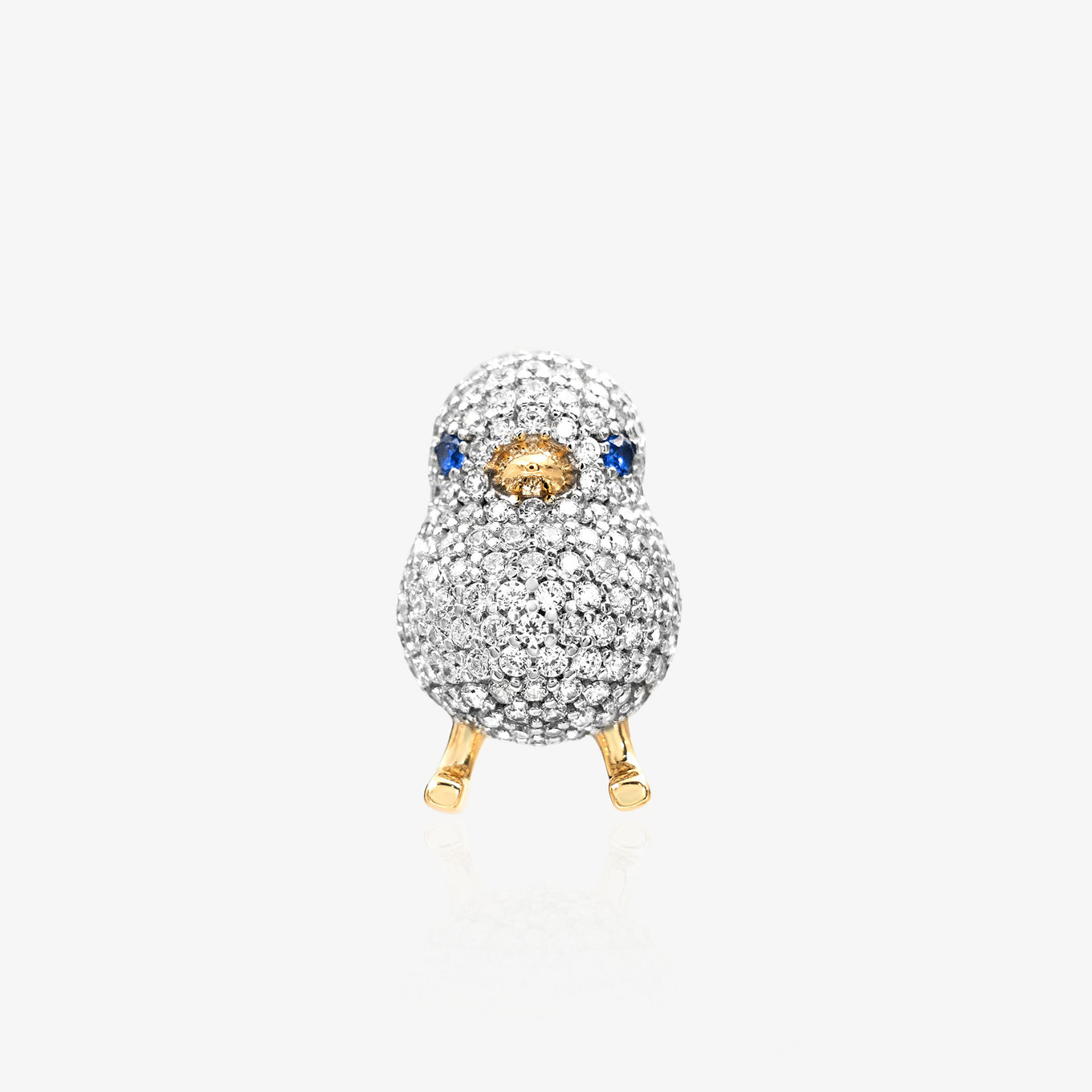
Explore our Hammered Silver Dome Earrings and Golden Sparrow Studs—each crafted from Premium 18K Gold Plating over Solid 925 Sterling Silver for timeless elegance.
How to Test New Jewelry Before Wearing It in Your Piercing
Before you put any piece into a healing or recently healed piercing, run this 3-step protocol:
Step 1: The 48-Hour Skin Patch Test
Wear the jewelry on unbroken skin for 48 hours. Check for itching, redness, warmth, or a rash at the contact site. If any appear, the metal contains irritants.
Step 2: The Material Specification Check
Look for exact metal composition stated on the product page. Hypoallergenic without specifications is meaningless. You want: base metal type, plating metal, plating thickness in microns, and a nickel-free guarantee.
Step 3: The Piercer Consultation
Show the jewelry and its material specs to your piercer. They know immediately whether a piece is safe for your specific healing stage.
Common Mistakes With New Piercing Jewelry
1. Switching Too Early
Removing starter jewelry before the fistula forms creates an immediate risk: the piercing closes within hours, sometimes minutes. The fix: Wait the full minimum time your piercer specified.
2. Trusting the Hypoallergenic Label
The term is unregulated. Unlike our Ag925 pieces that disclose exact metal composition, most hypoallergenic jewelry provides no documentation. The fix: Always verify the metal specification.
3. Choosing Design Over Material
A stunning ring with a brass base will ruin your piercing faster than a plain titanium stud. The fix: Material first, design second.
4. Ignoring Plating Thickness
Standard gold-plated jewelry at 0.1 microns wears through in months. Unlike flash-plated pieces that expose reactive base metal, our 0.5-micron plating creates a barrier that lasts years.
Editor's Picks: Piercing-Safe Jewelry
Three pieces built with verified nickel-free metals for healing skin:
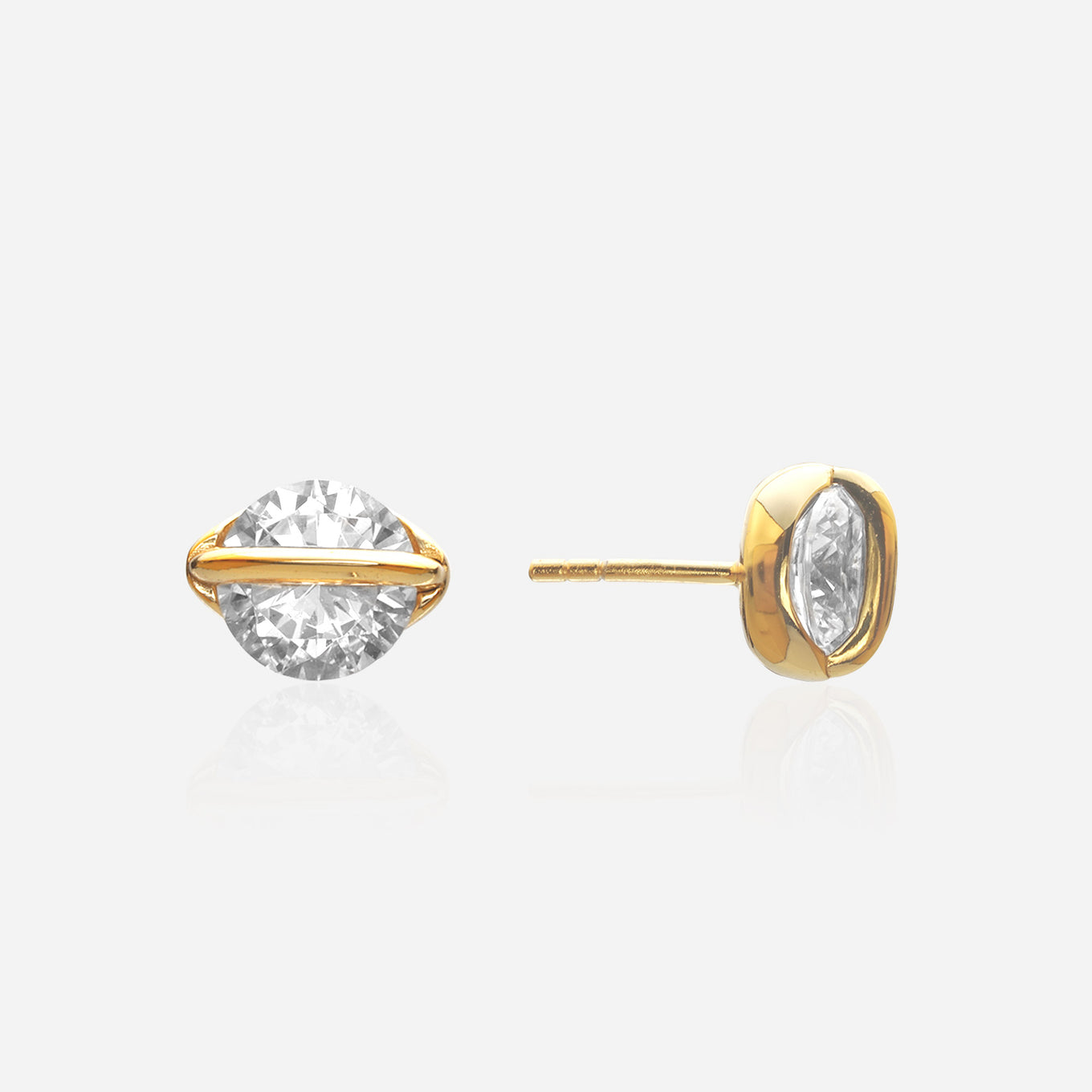
Hammered Silver Dome Earrings - Rhodium-plated Ag925 sterling silver. The safest silver-tone option for newly healed earlobe piercings. Diamond-cut surface with smooth edges and a secure post back.
Golden Sparrow Studs - 18K gold-plated Ag925 sterling silver at 0.5 microns. Lightweight, smooth finish, zero nickel. The ideal first upgrade after your starter titanium comes out.
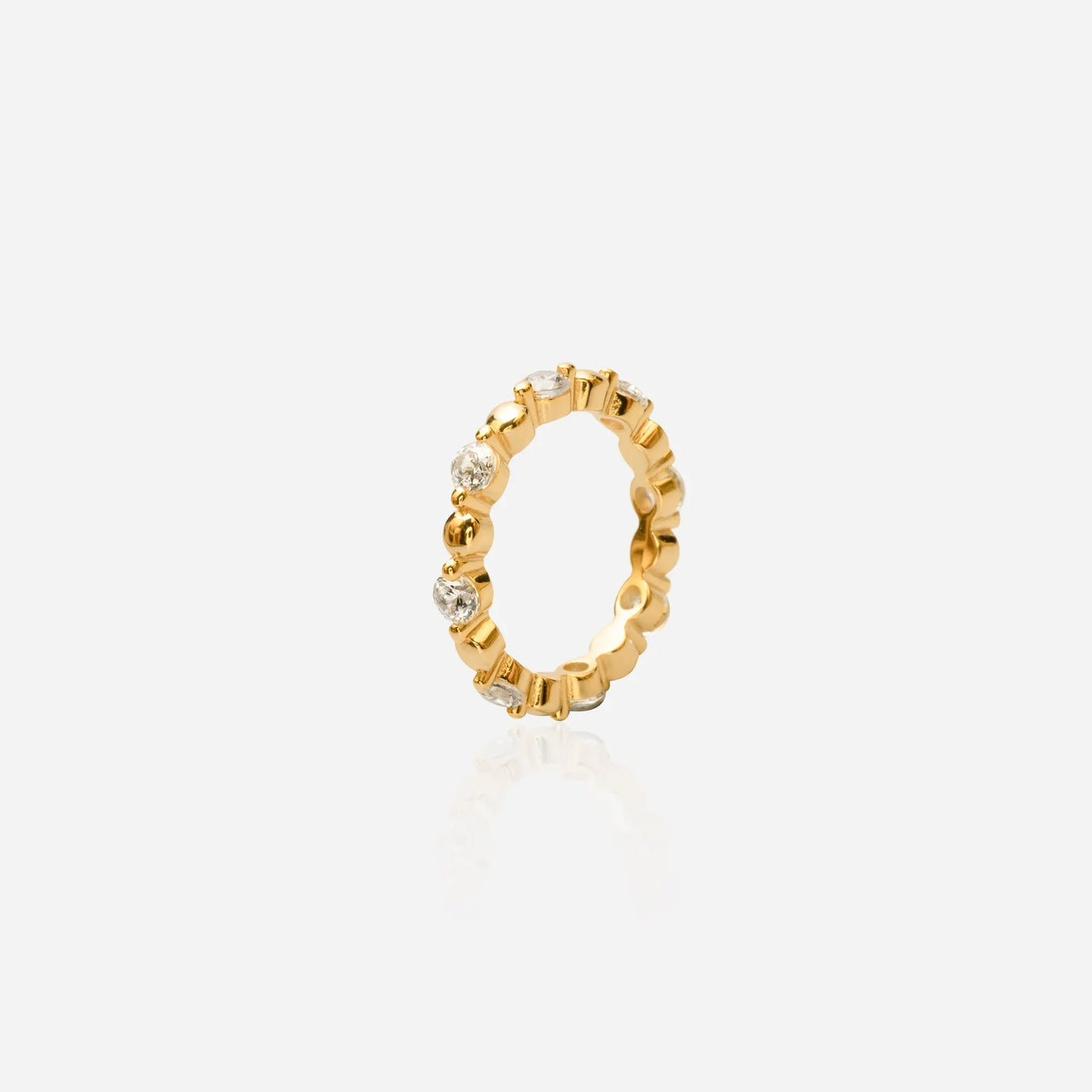
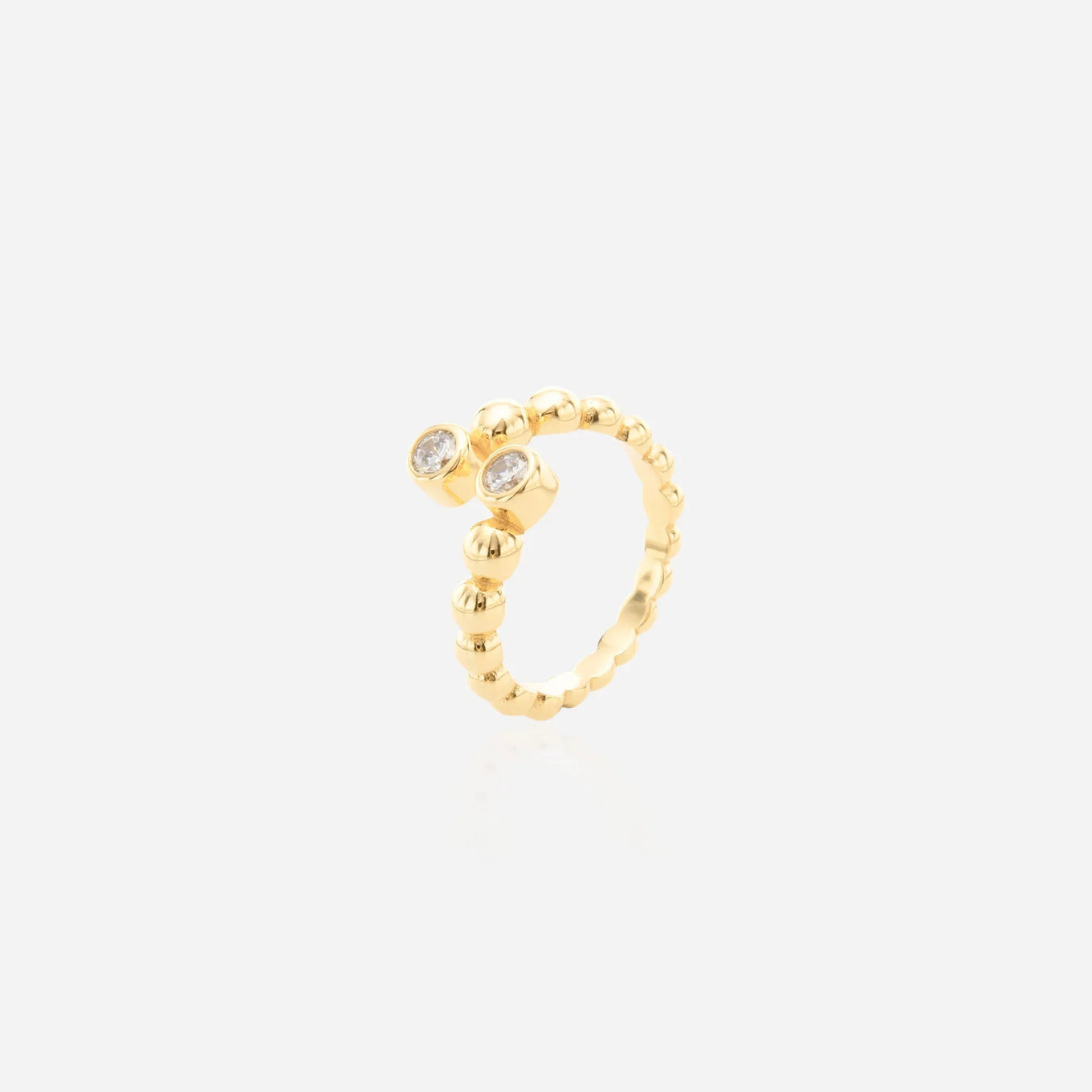
Bubble Ring - Minimalist stacking ring in Ag925 with 0.5-micron 18K gold plating. Smooth dome surface with no sharp edges. Wear on a different finger from your piercing hand while you heal.
Behind the Design: Why Materials Matter More Than Trends
After testing multiple metal configurations with customers who had given up on jewelry due to piercings that never healed, we discovered the common thread: every failed piercing was exposed to nickel within the first year. Not once. Not on special occasions. Continuously. The metal was the problem all along.
We built our material standards around a single principle: if you would not put this metal in an open wound, you should not put it in a healing piercing. That is why every piece uses either implant-grade materials or Ag925 with 0.5-micron 18K gold plating. It is not the cheapest way to make jewelry. It is the only way that respects the skin wearing it.
Joyce, Founder
Sources
- American Academy of Dermatology: Nickel Allergy Overview
- Mayo Clinic: Contact Dermatitis from Metals
Your piercing is proof that you chose yourself. The metal you put in it should honor that choice by never harming the skin that healed to hold it.
What We Believe
We believe jewelry is not decoration - it is self-definition. Every piece we make must earn its place on your body: through material integrity (solid Ag925 cores, never hollow brass), through design intelligence (pieces that survive showers, sleep, and spontaneous decisions), and through a commitment to transparency that the jewelry industry has historically avoided. We do not chase trends. We build talismans for the captain of her own soul - pieces that feel like you, only more intentional.
Elara Muse
Browse our Complete Hypoallergenic Collection or explore Piercing-Safe Earrings.
Behind the Design: Our Material Philosophy
Why did we build an entire collection around skin safety? Because we've watched too many people fall in love with jewelry they couldn't wear. Nickel rashes, green marks, earlobes that never healed — these aren't minor inconveniences. They're the reason beautiful pieces sit unworn in jewelry boxes. We believe jewelry should feel like a talisman, not a liability.
Every ÉLARAMUSE piece is built on nickel-free Ag925 sterling silver with 0.5-micron 18K gold plating — tested in real life, designed for real skin.
Explore our skin-safe collection:
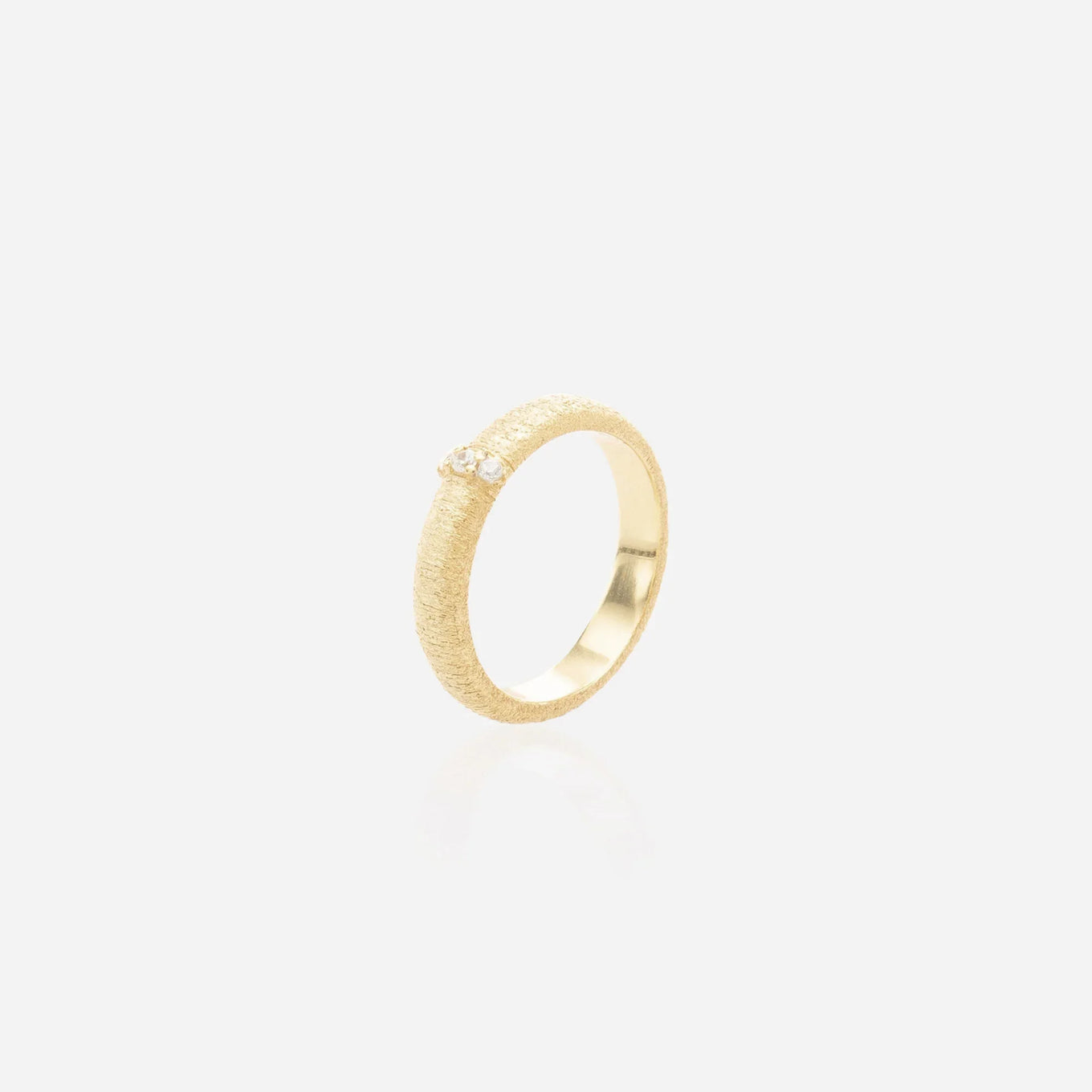
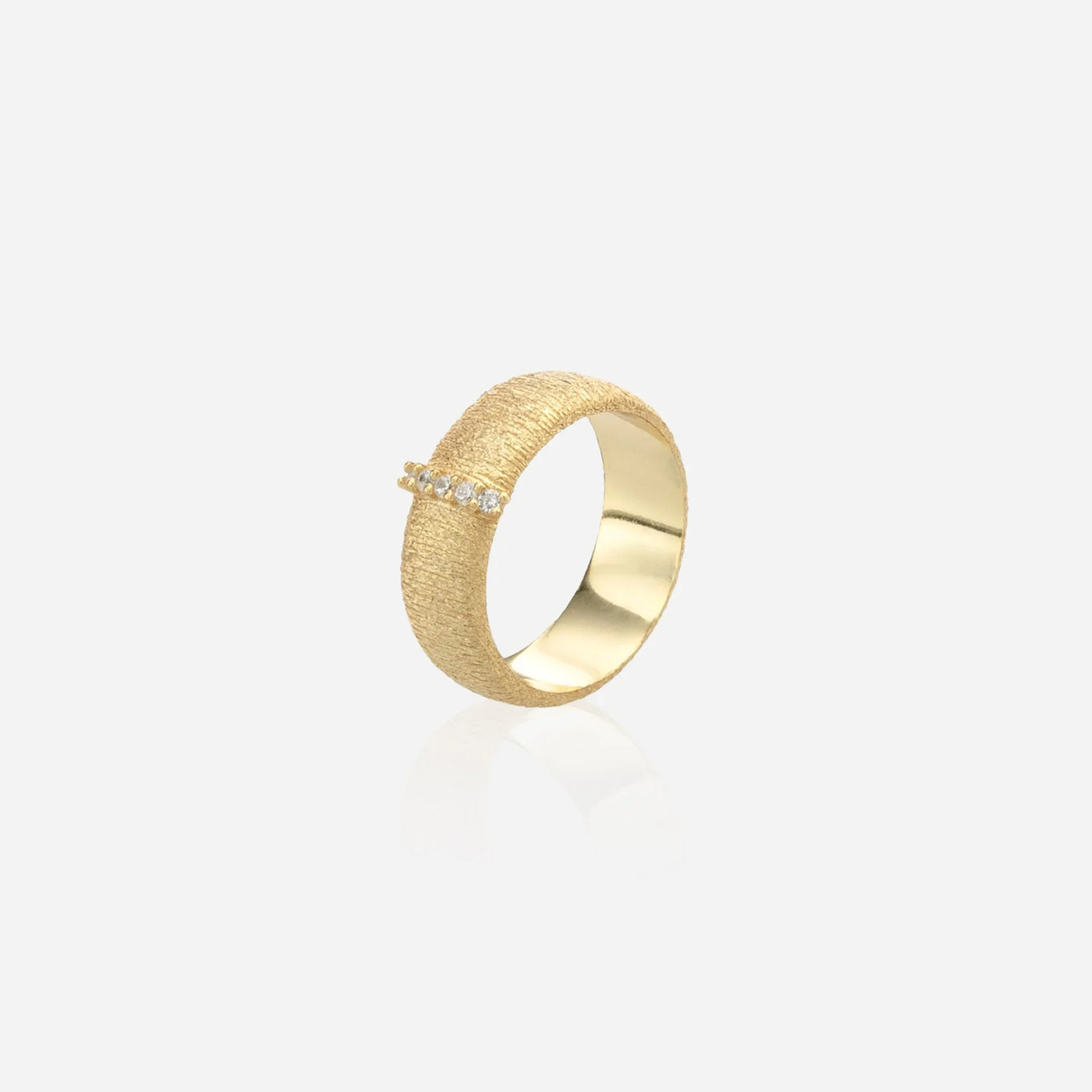
- Laurel Cuff Ring — Victory-inspired gold leaf wrap
- Gold Bubble Ring — Bezel-set lab diamonds, perfect for stacking
- Serpentina Cuff — Coiled snake design with zircon eyes
- All ÉLARAMUSE Jewelry →
Your jewelry is more than adornment — it's a talisman for your story. Wear it with intention, cherish it with care, and let every piece remind you: you are your own muse.
References & Further Reading
Frequently Asked Questions
What metal is safest for new piercings?
Surgical-grade stainless steel (316L), titanium, and 14K+ solid karat gold are the three safest metals for healing piercings. They are nickel-free, non-porous, and resist bacterial buildup. Avoid sterling silver, plated metals, and anything containing nickel during the healing period, which ranges from 6 weeks for earlobes to 6-12 months for cartilage.
How do I know if my jewelry is hypoallergenic?
Look for pieces labeled surgical stainless steel (316L), titanium, niobium, or 14K+ solid karat gold. Pieces marketed simply as "nickel-free" may still contain other irritants. The safest approach is to purchase from brands that specify their exact metal composition and use rhodium plating as an additional barrier layer between your skin and the base metal.
Can I wear my jewelry in water?
Stainless steel and solid karat gold pieces can handle brief water exposure, but prolonged contact with chlorinated pools, saltwater, or hot showers accelerates tarnish and weakens plating. The safest rule: remove jewelry before swimming or showering, especially for plated pieces, sterling silver, and any item with glued components or porous stones.