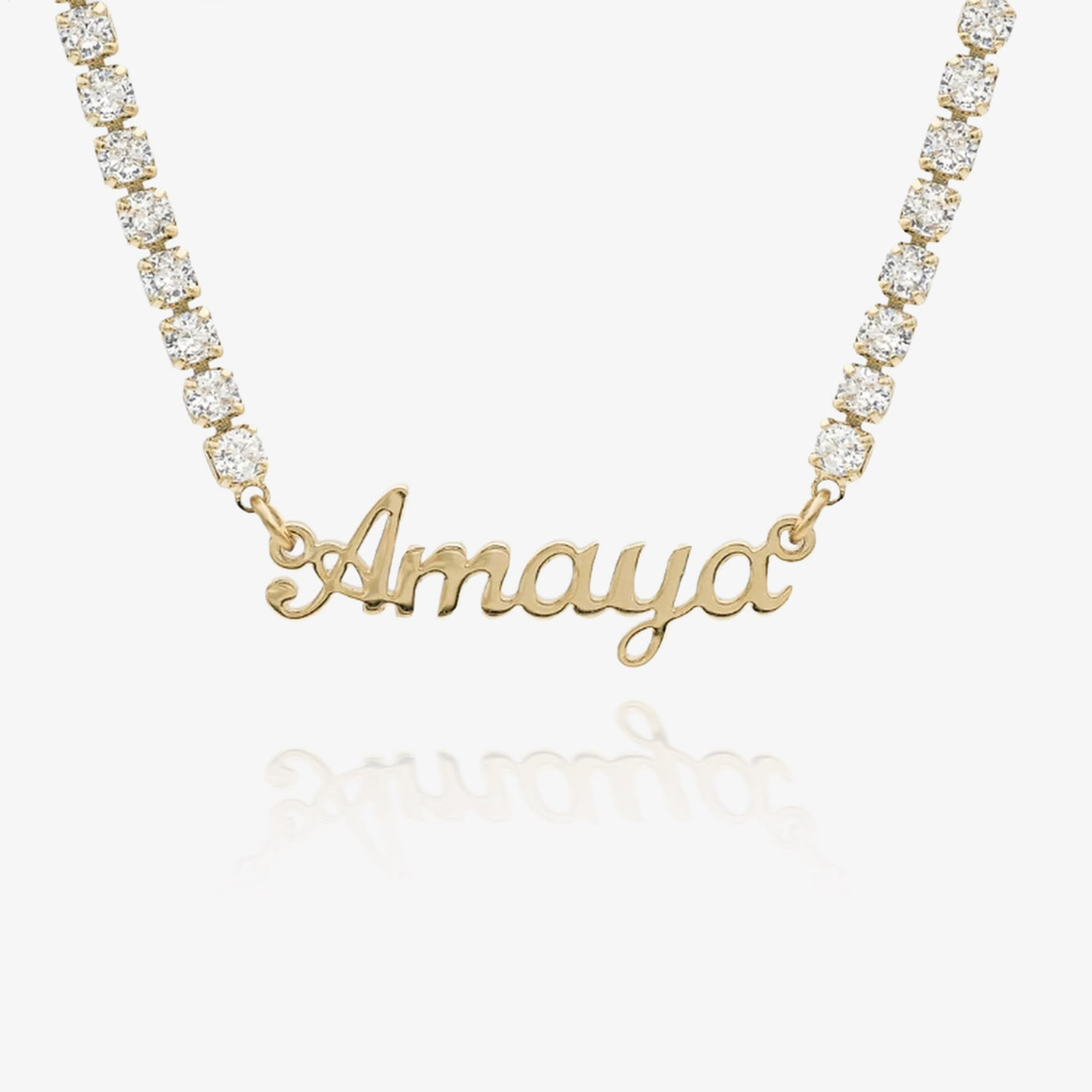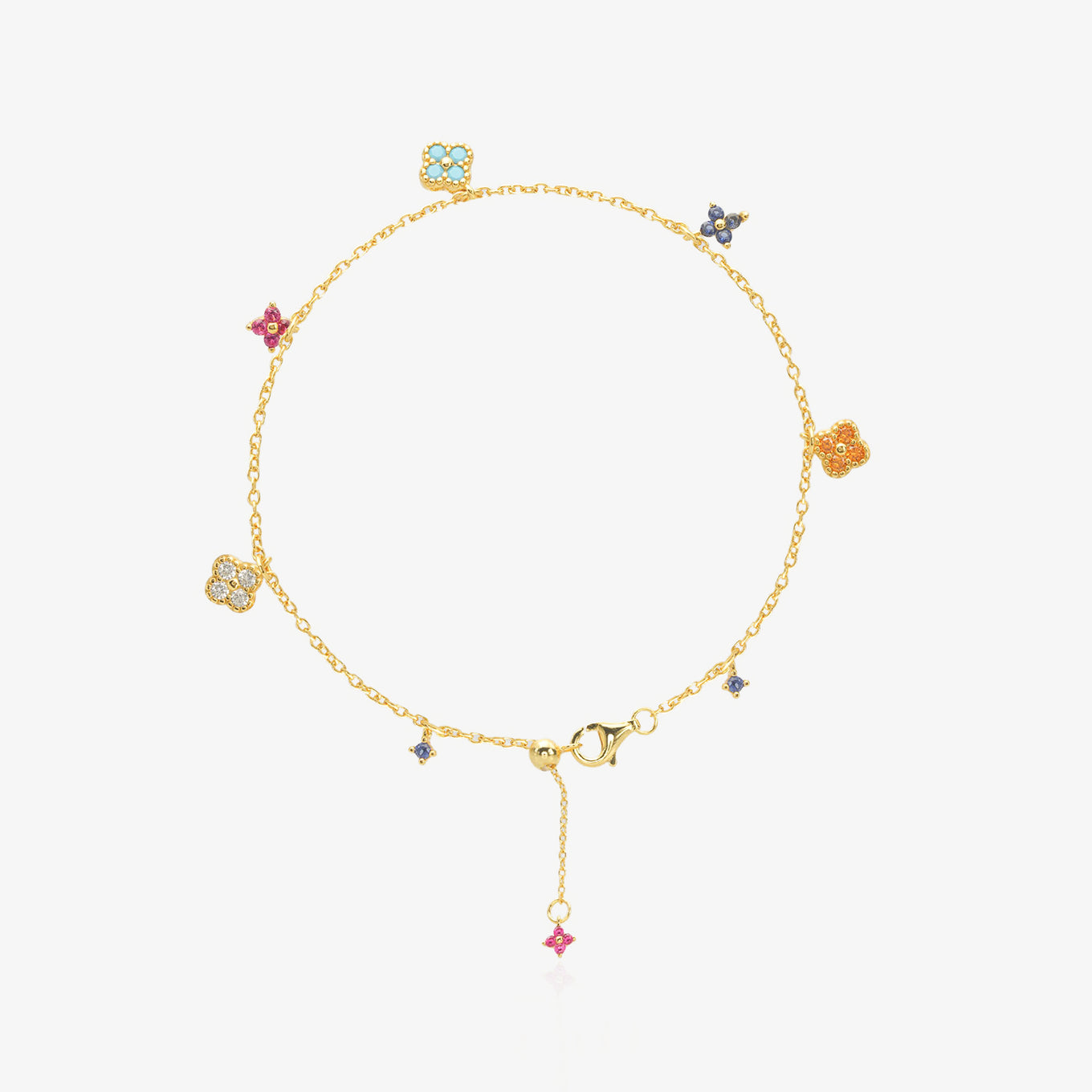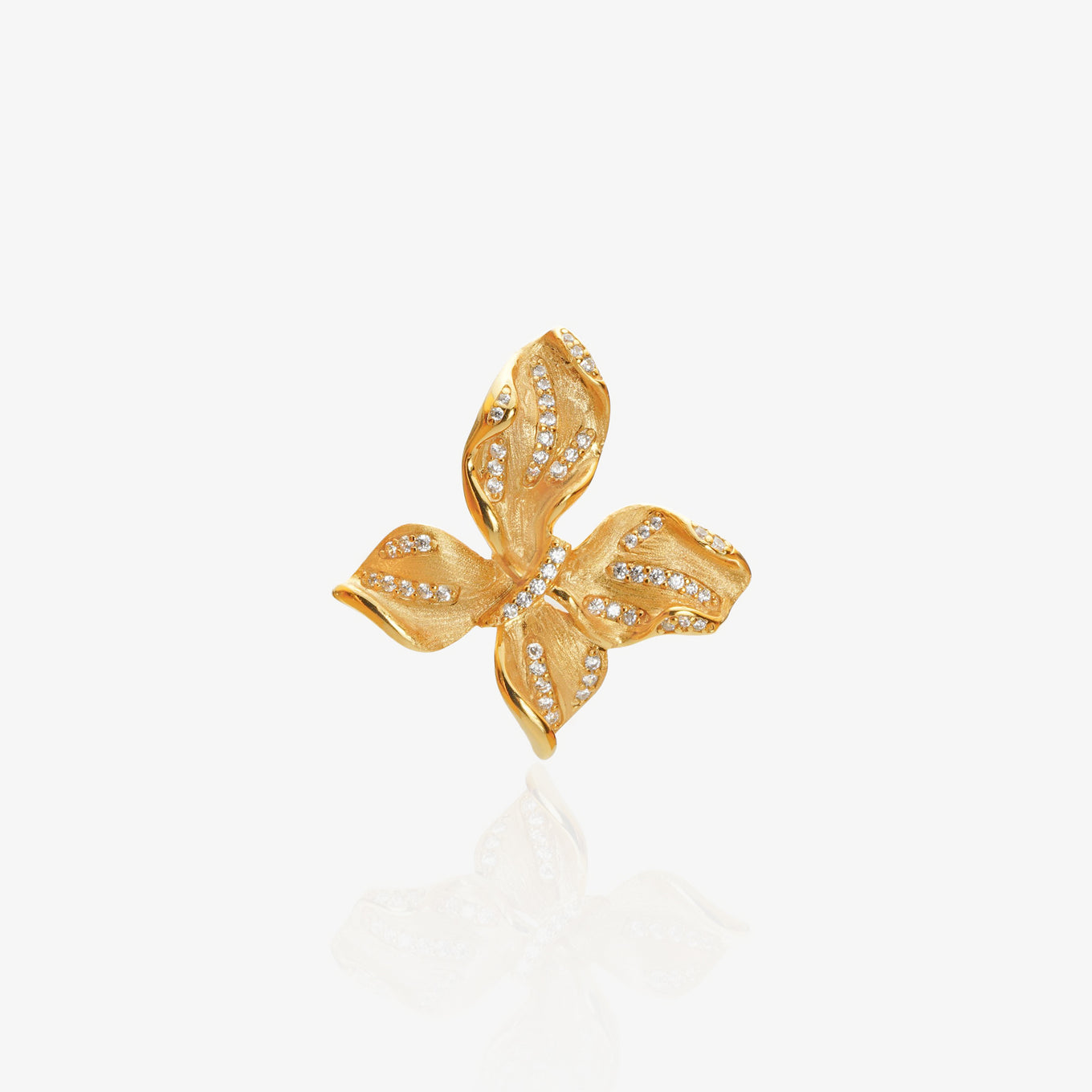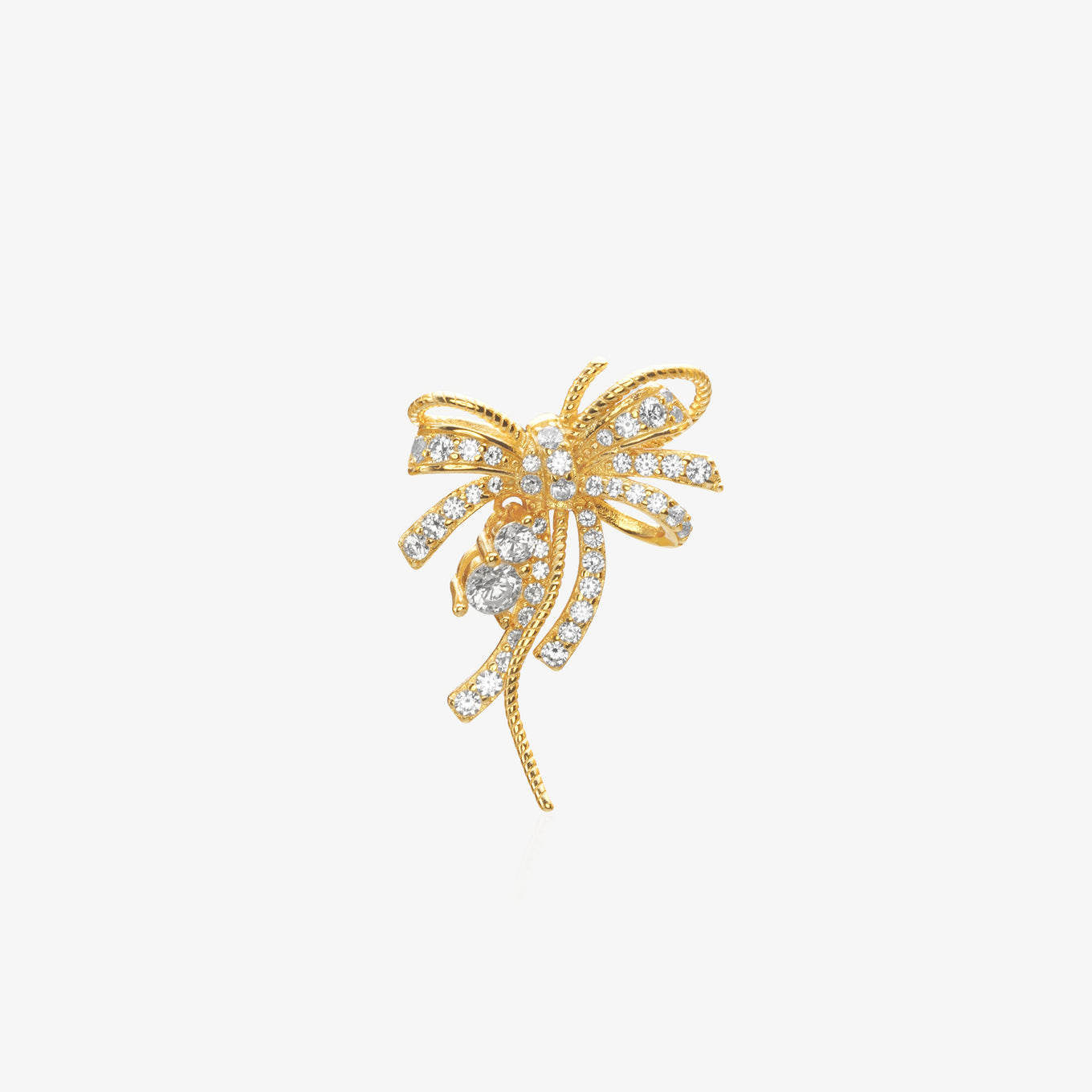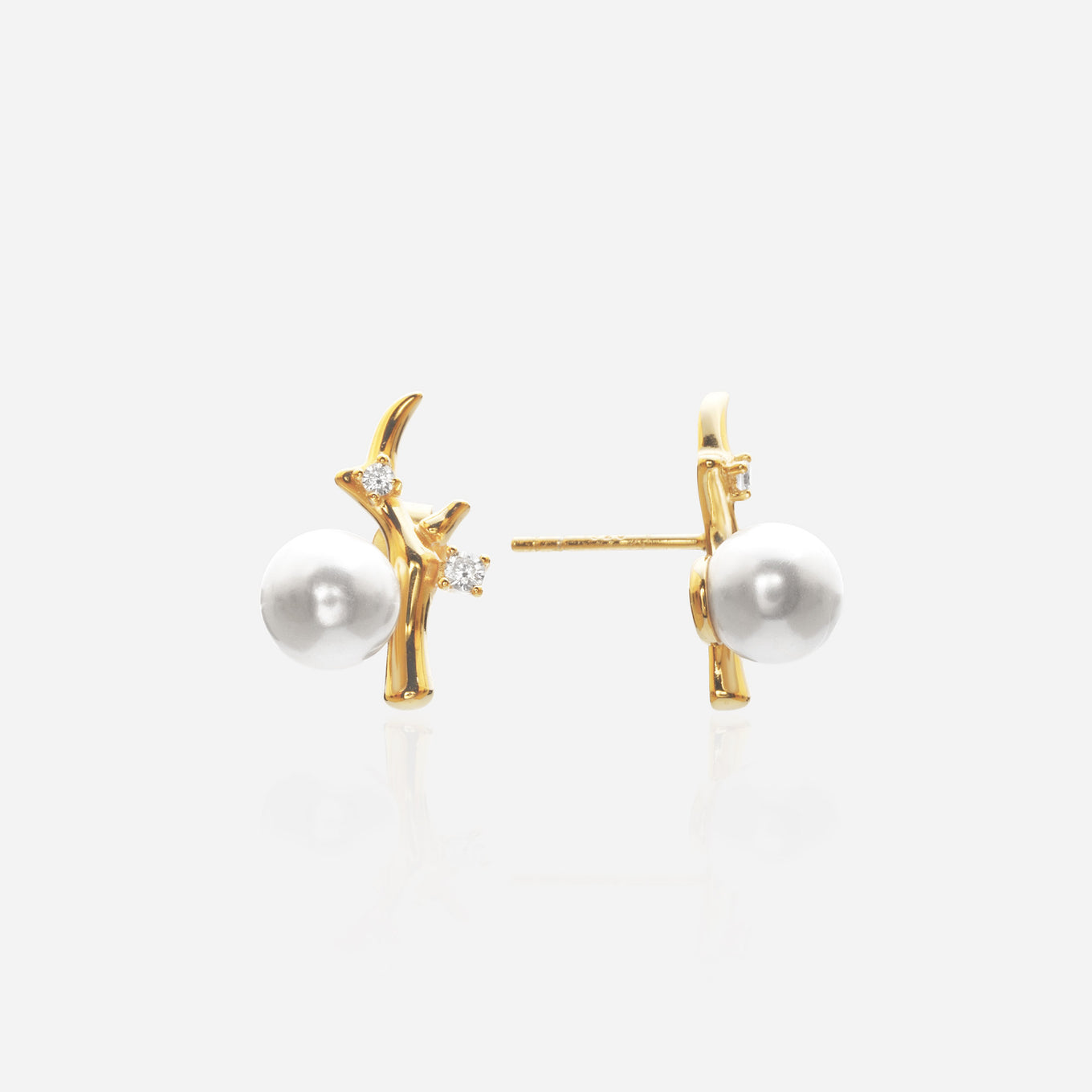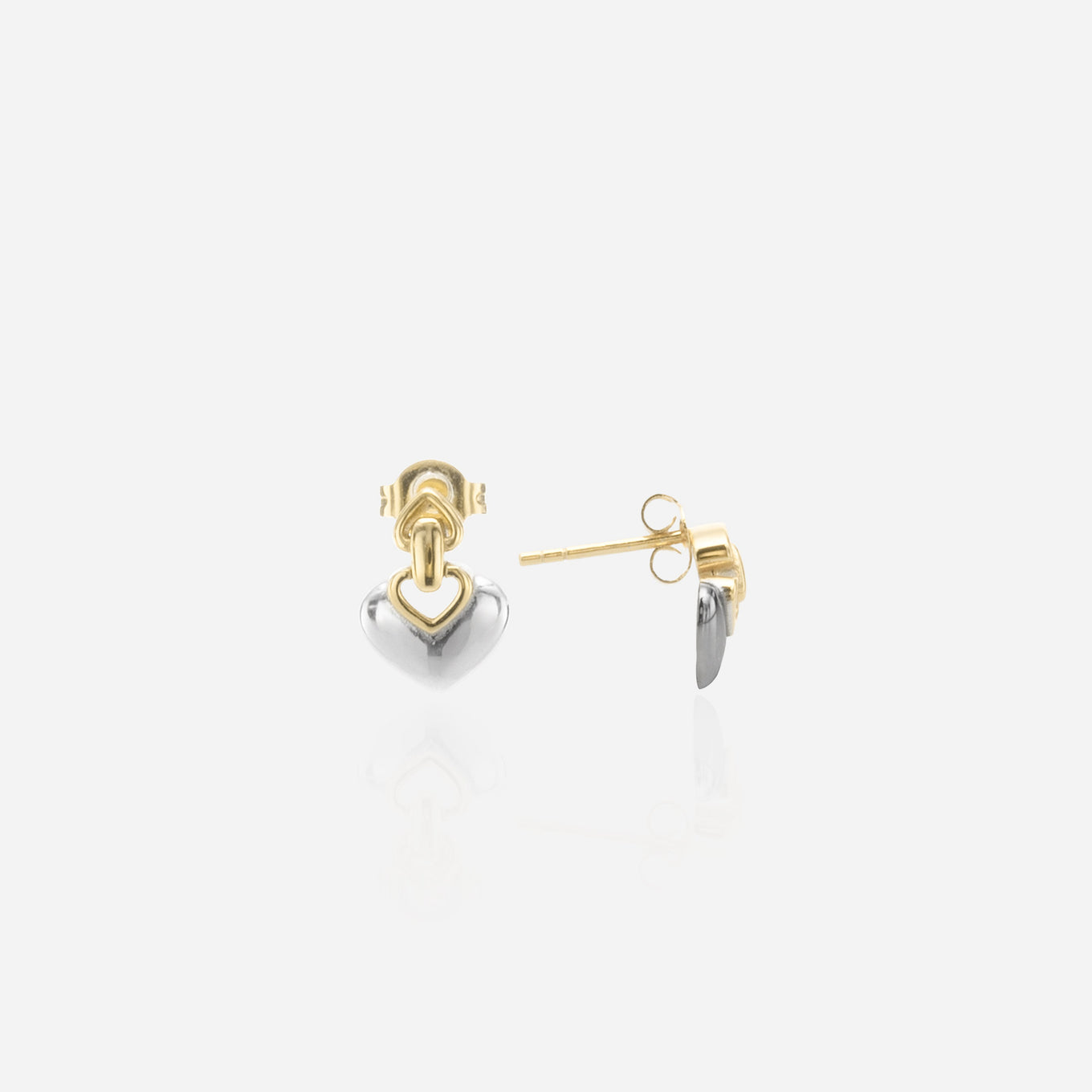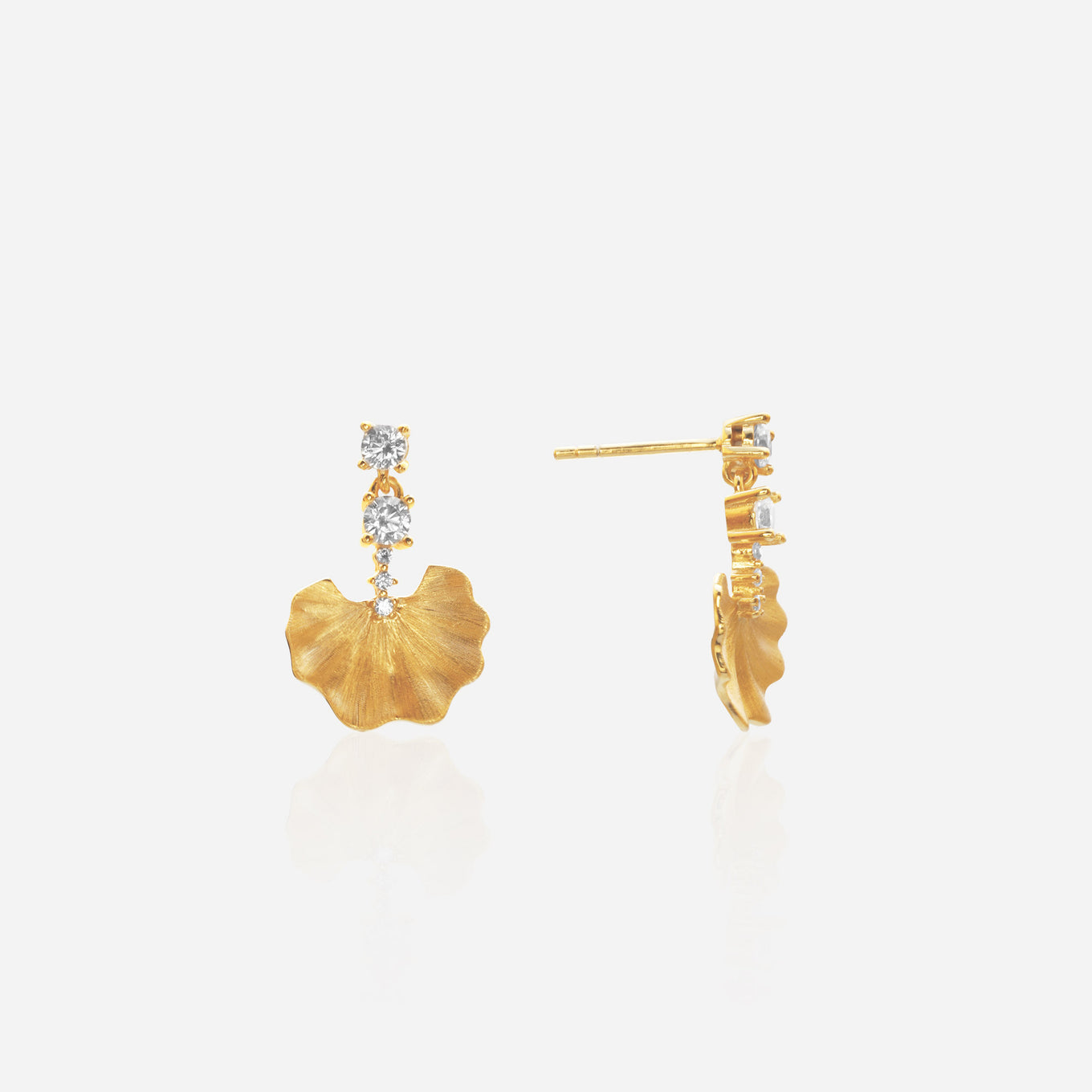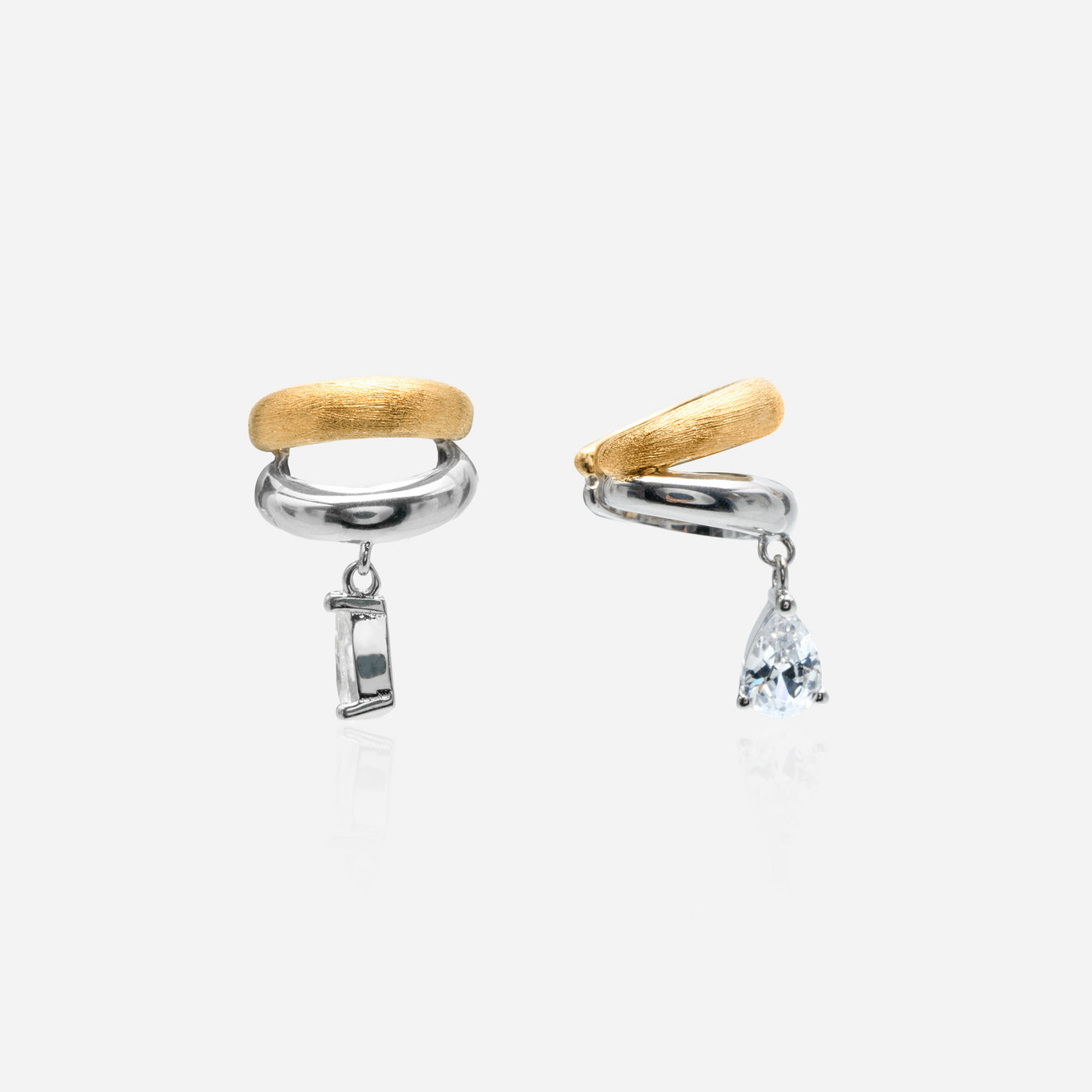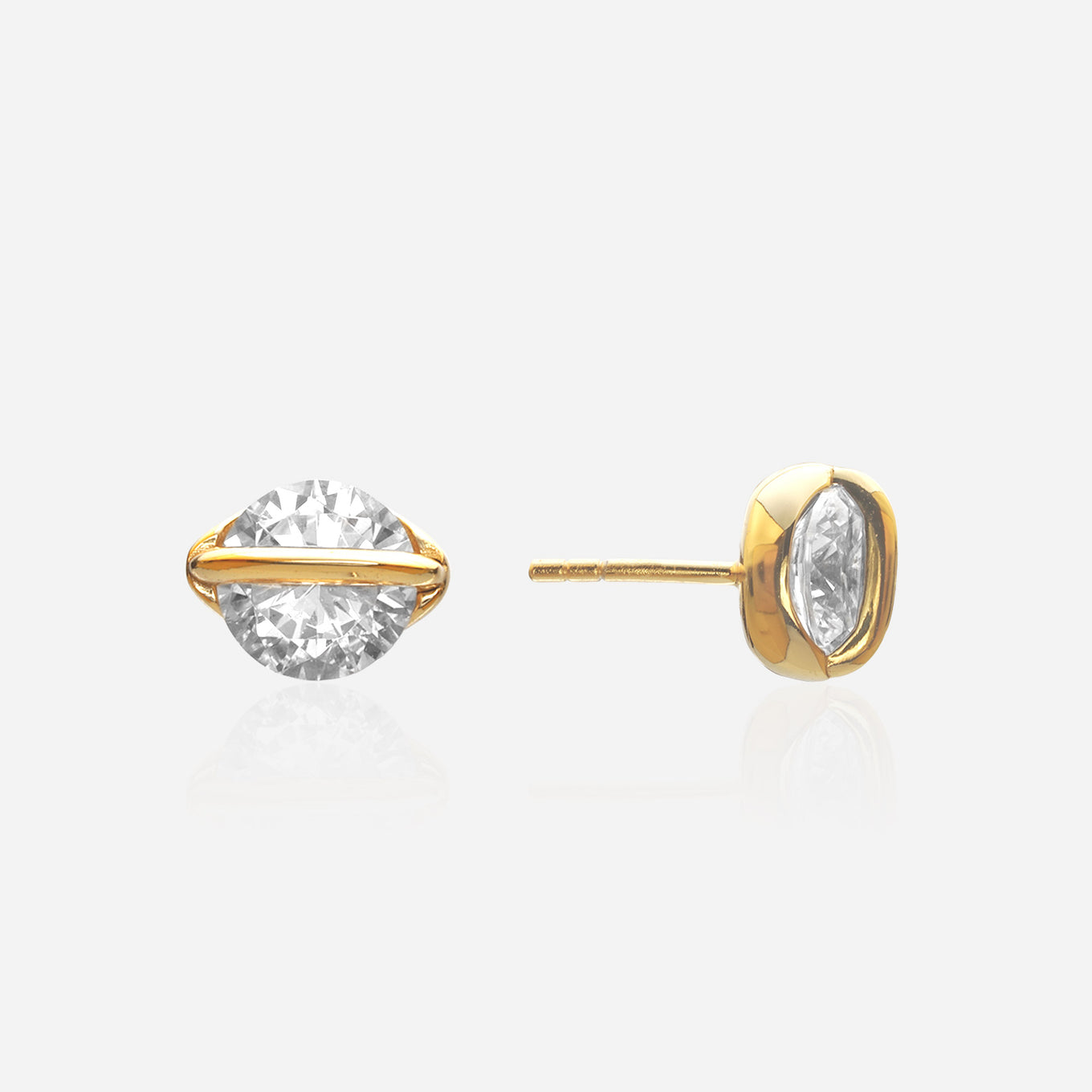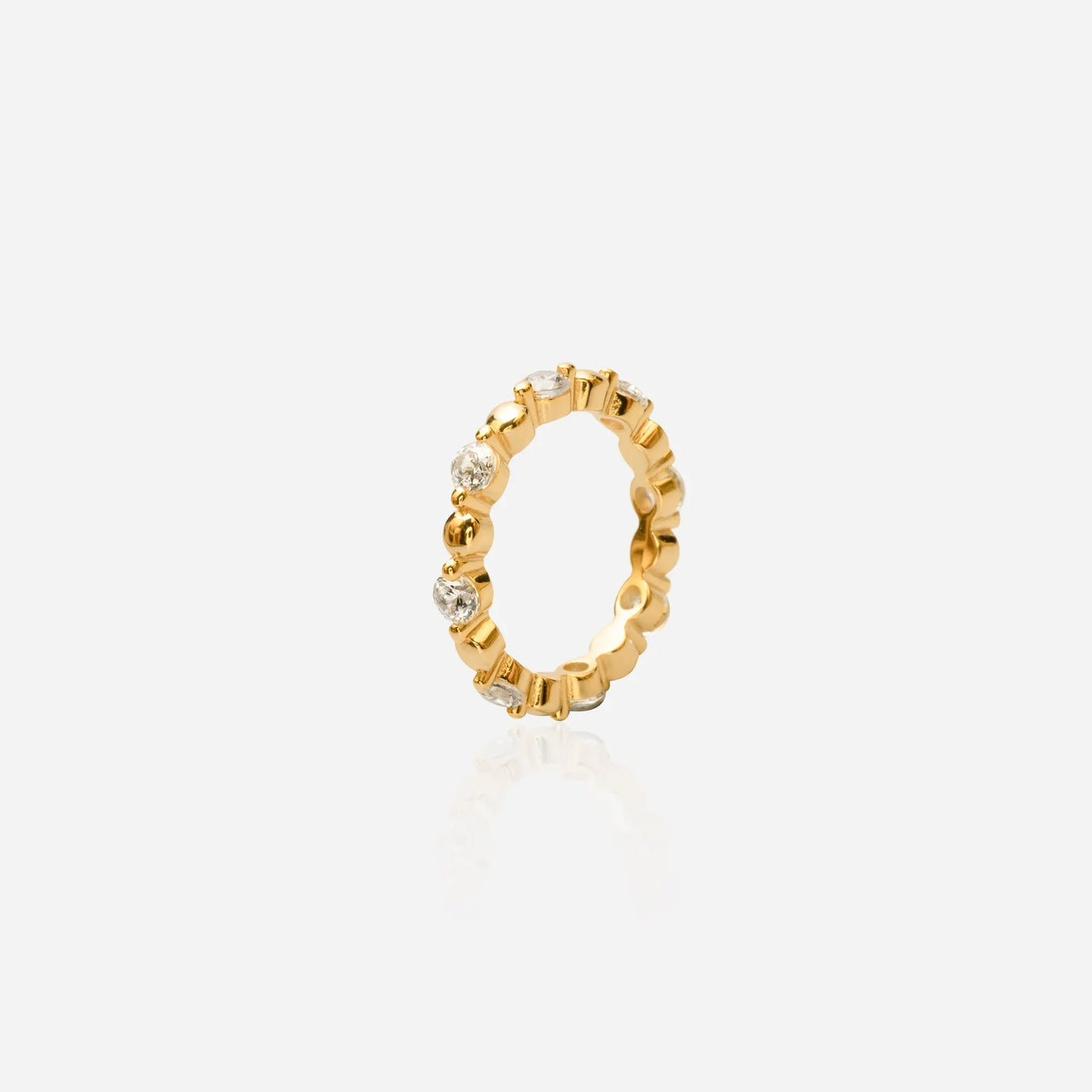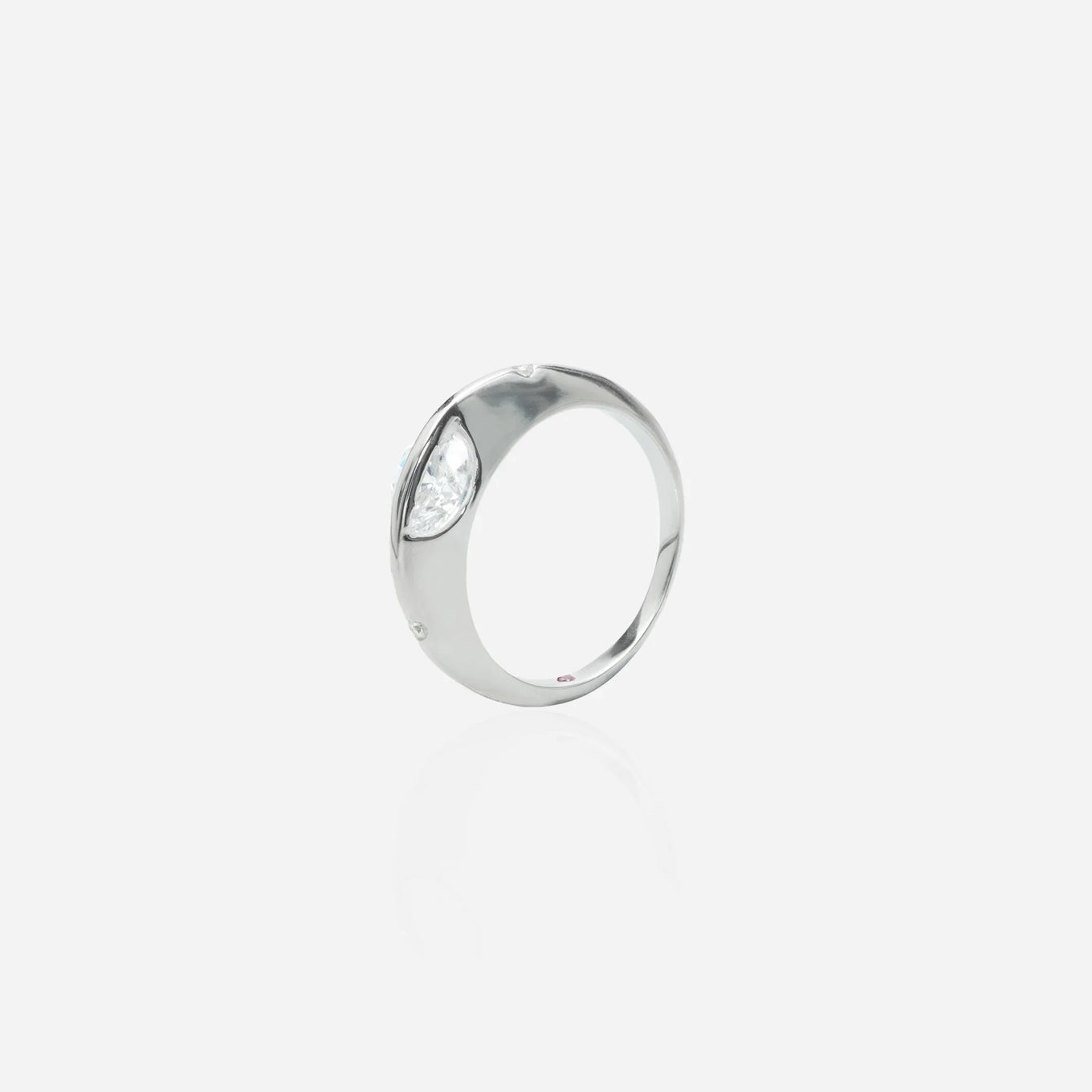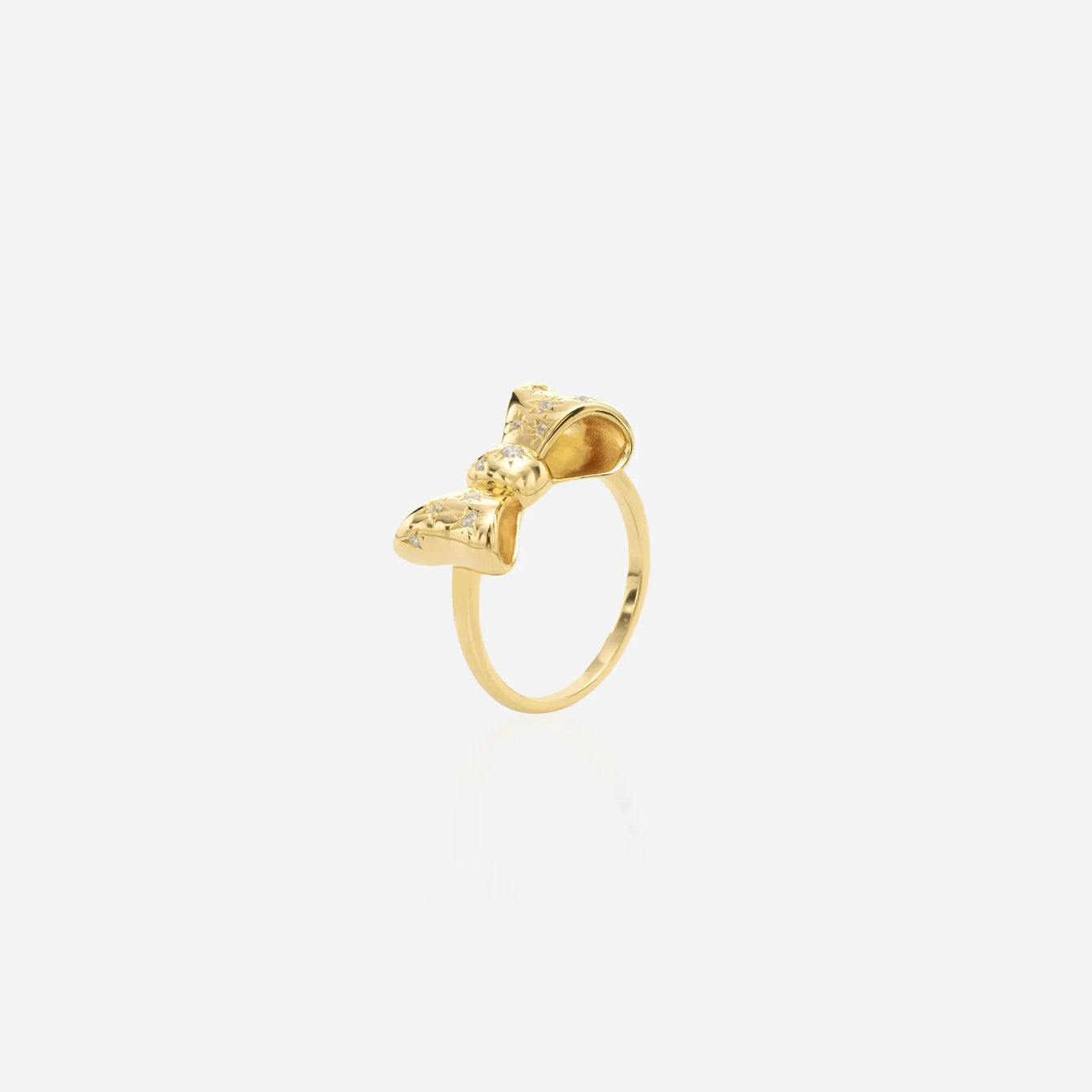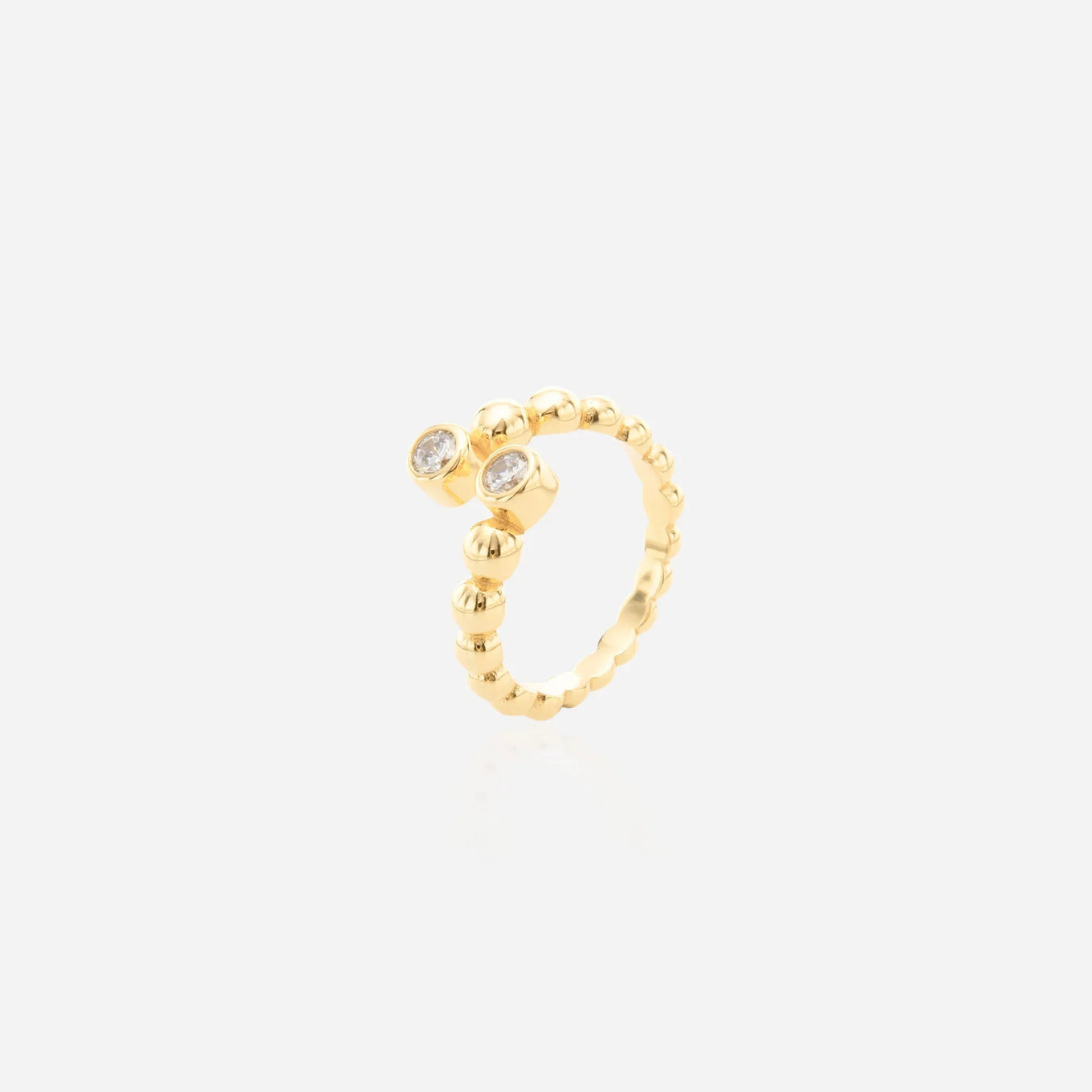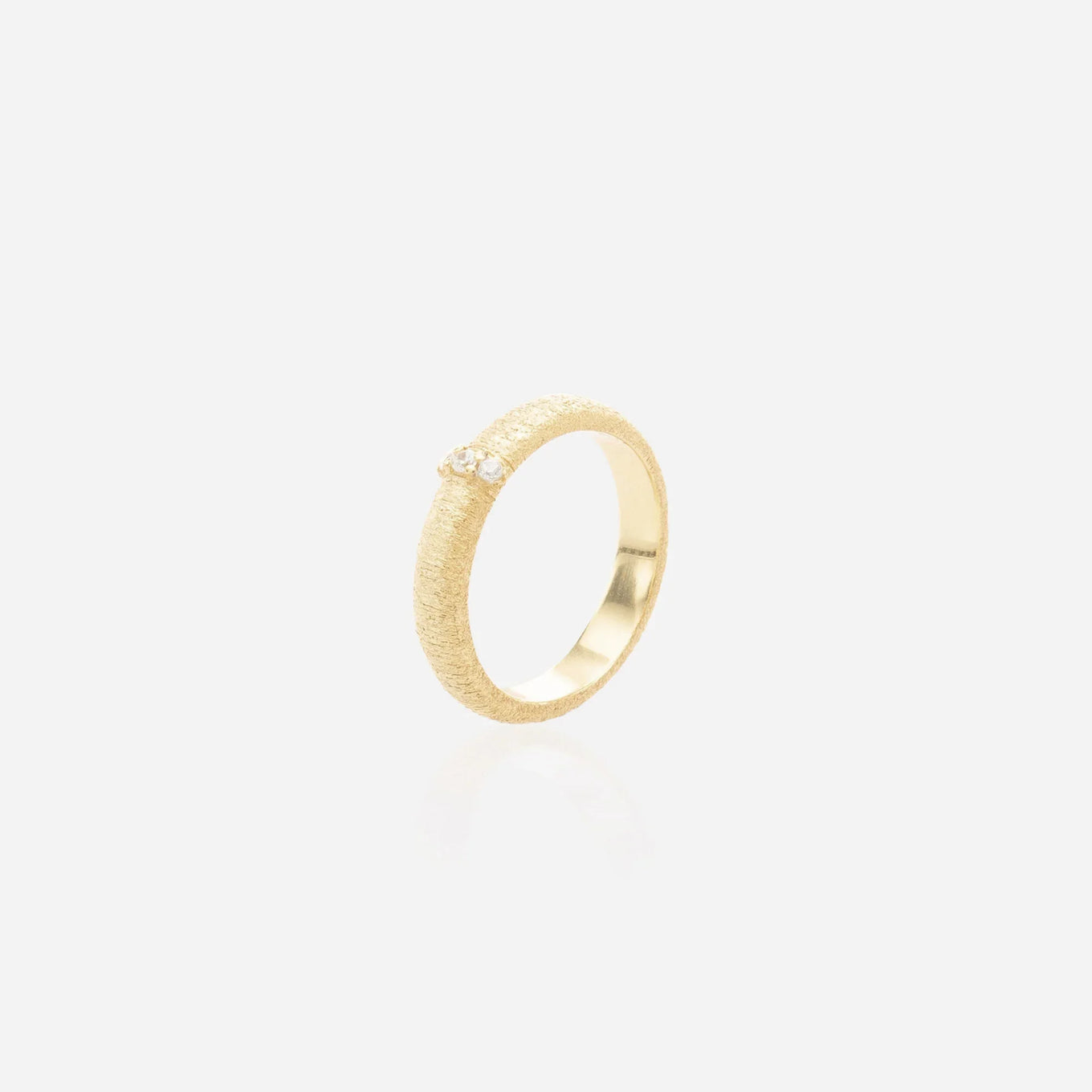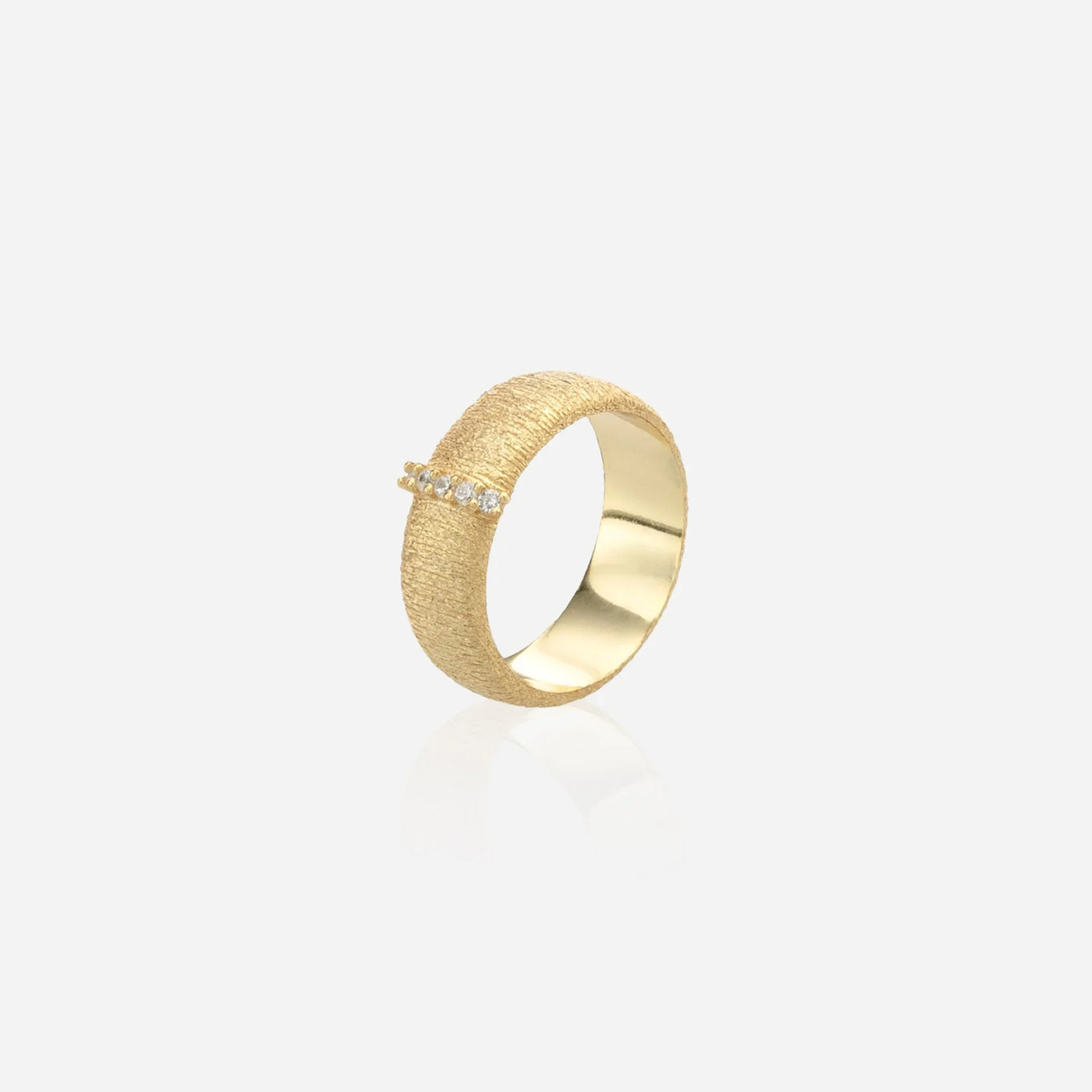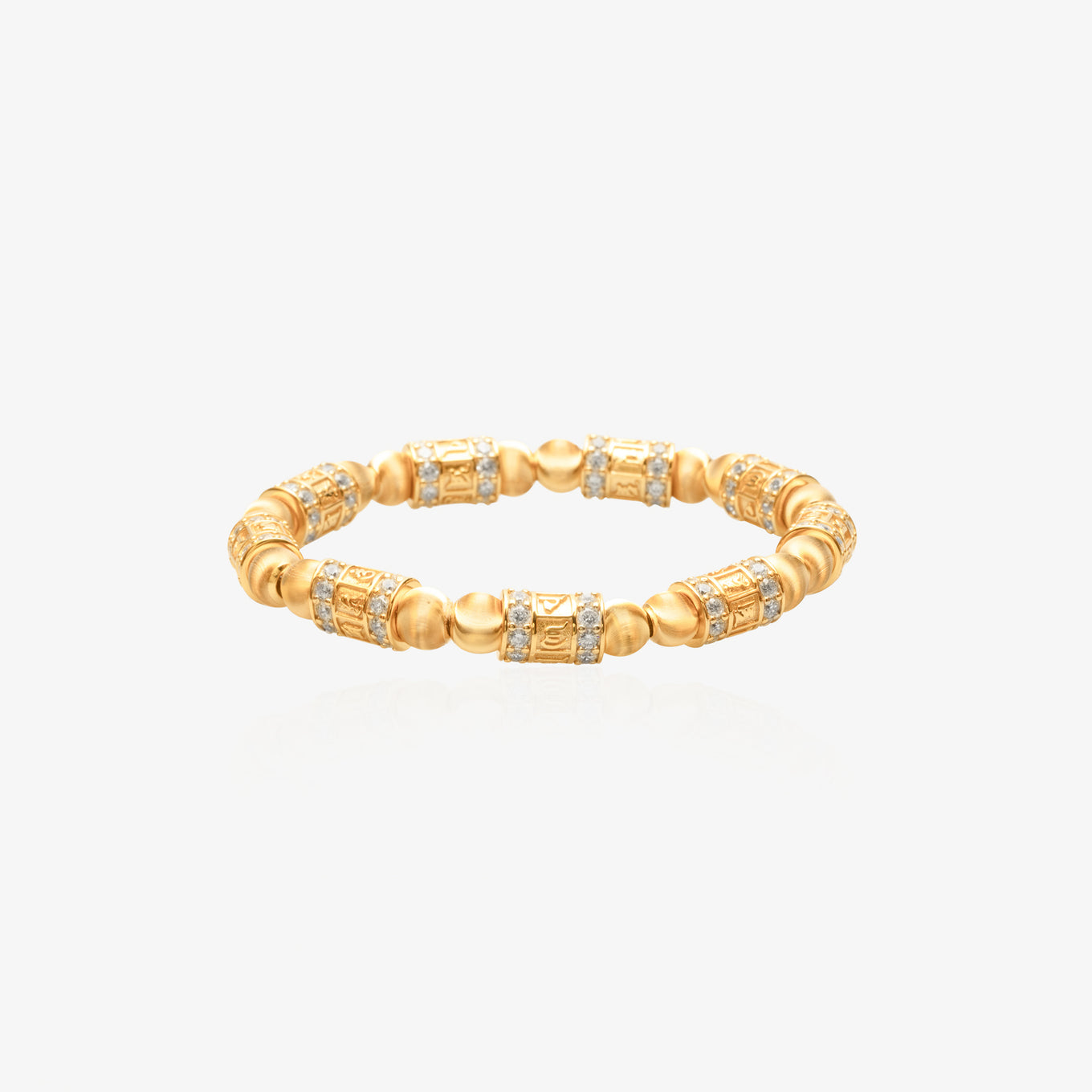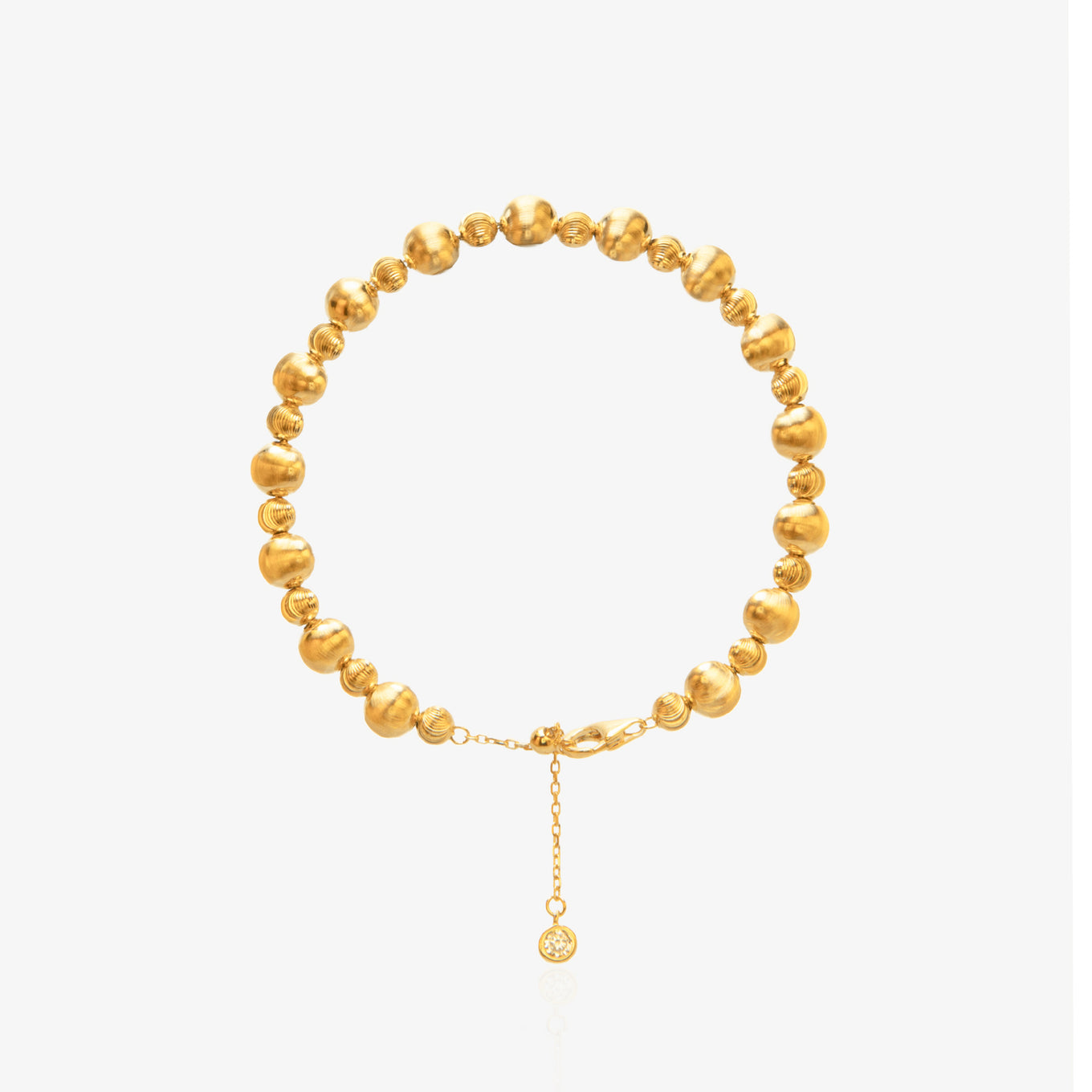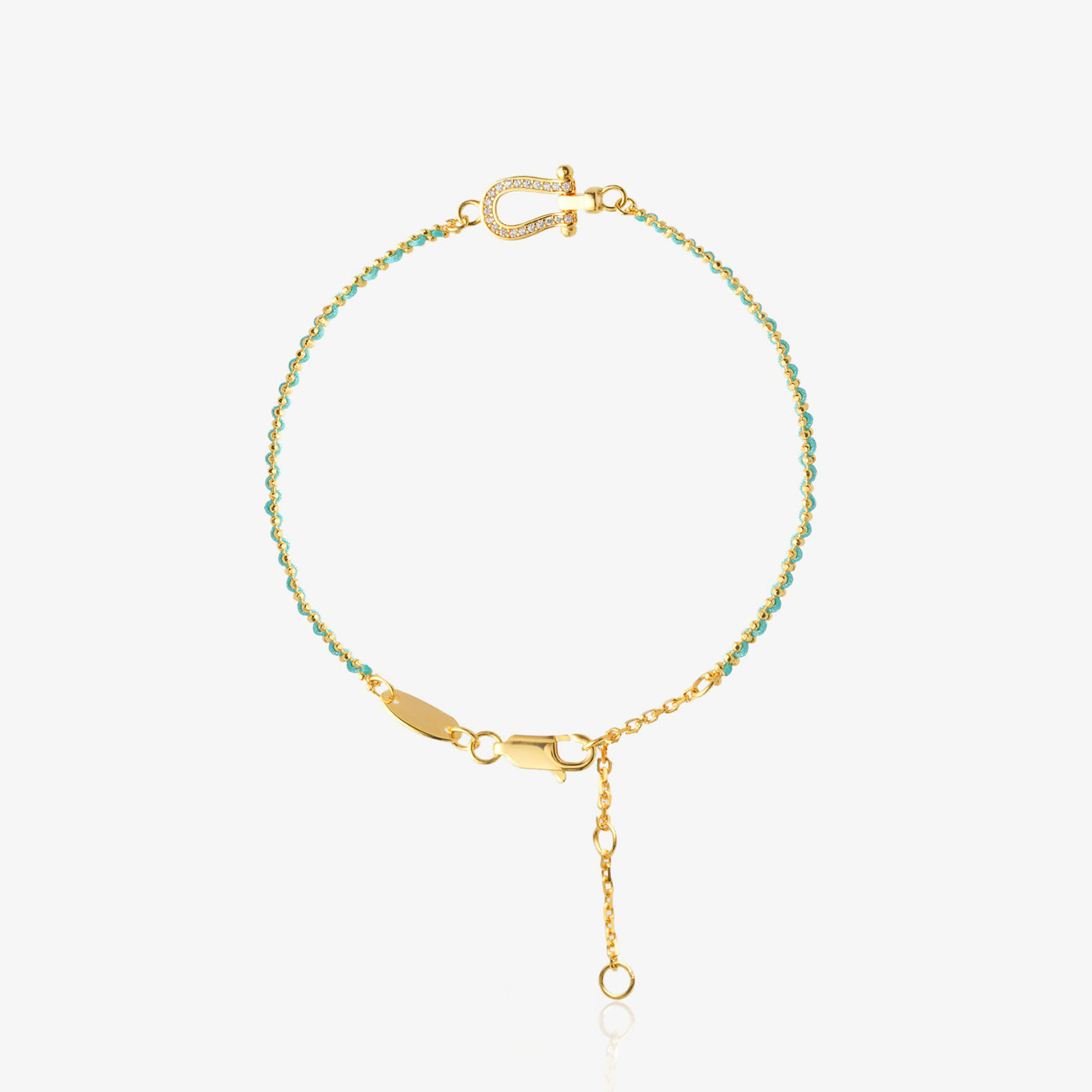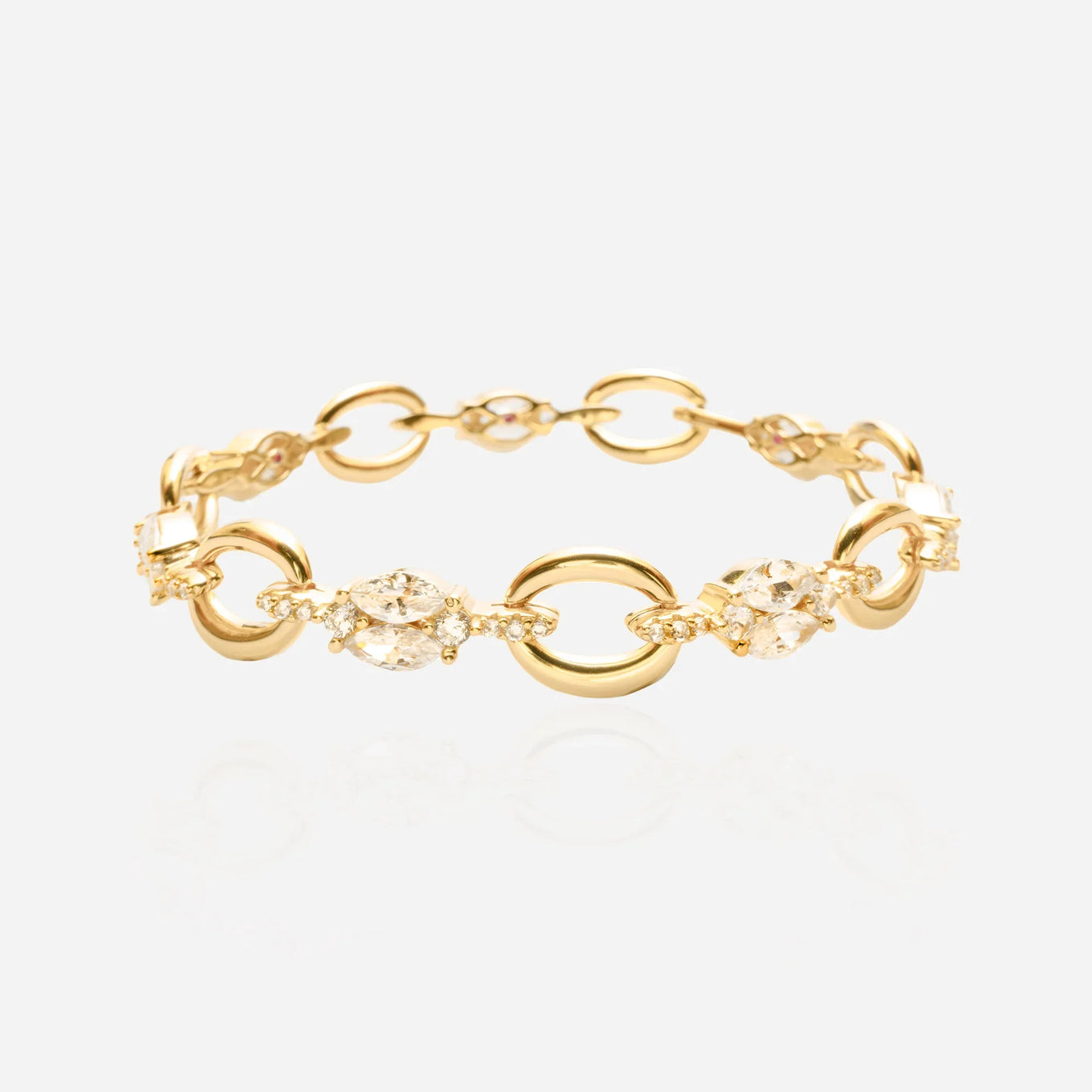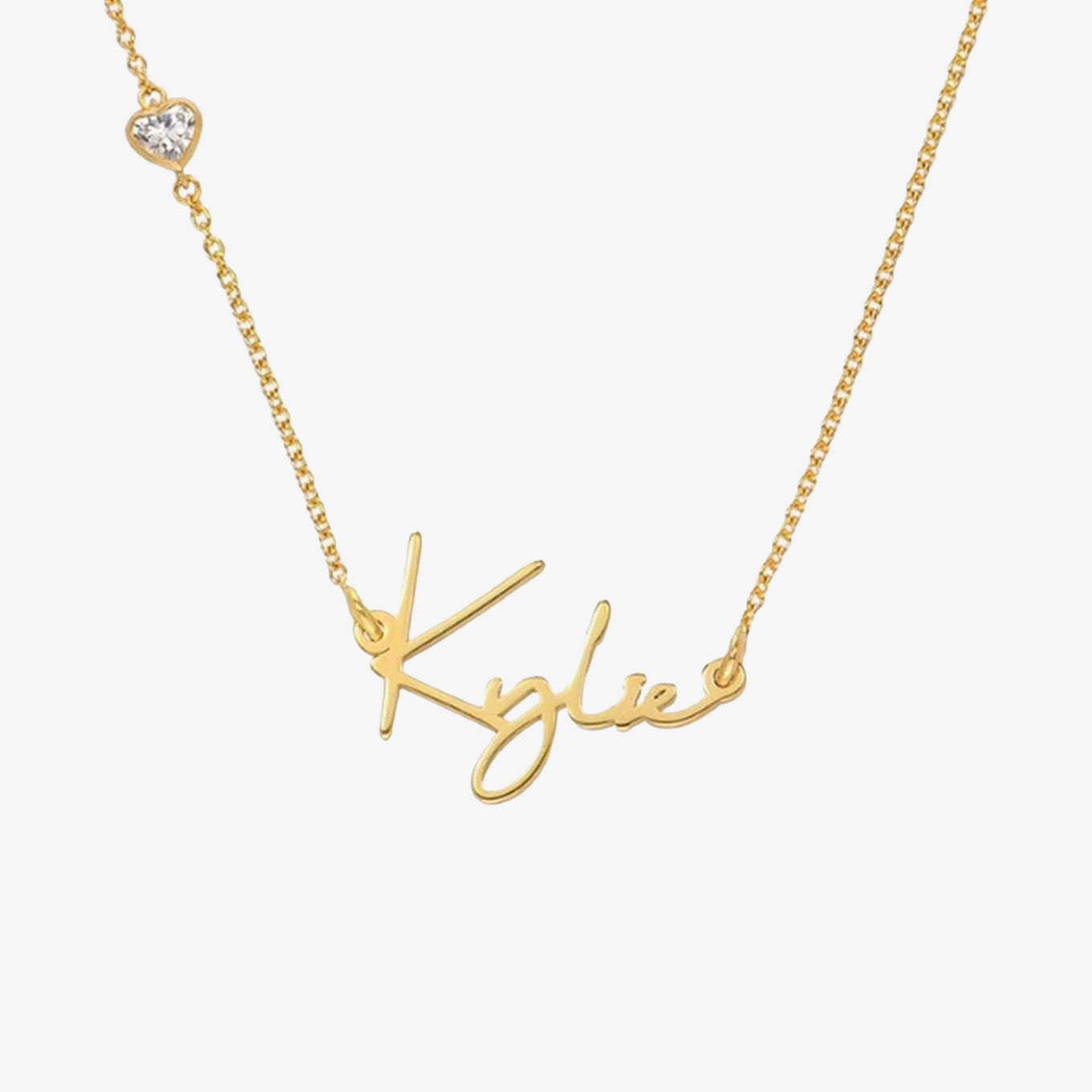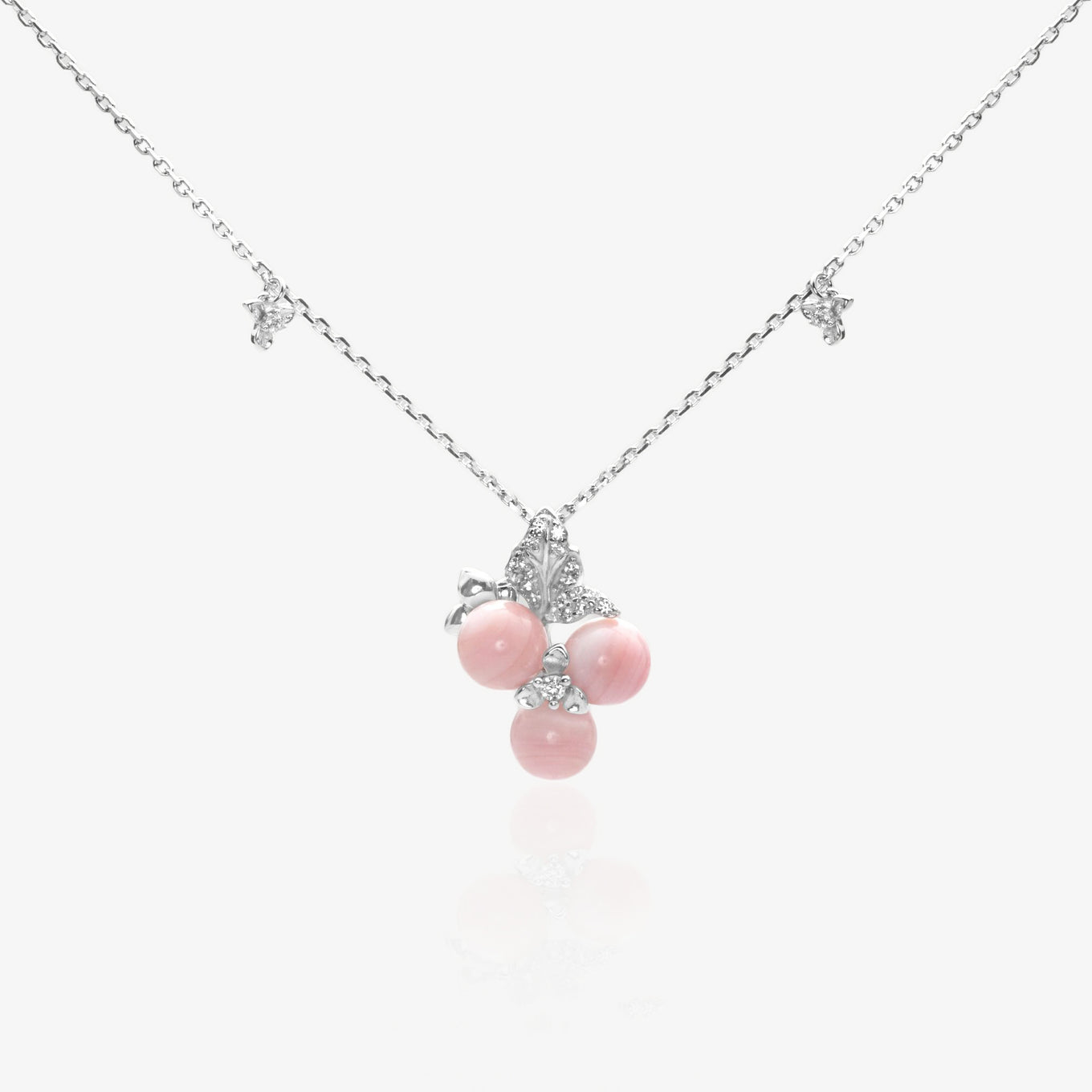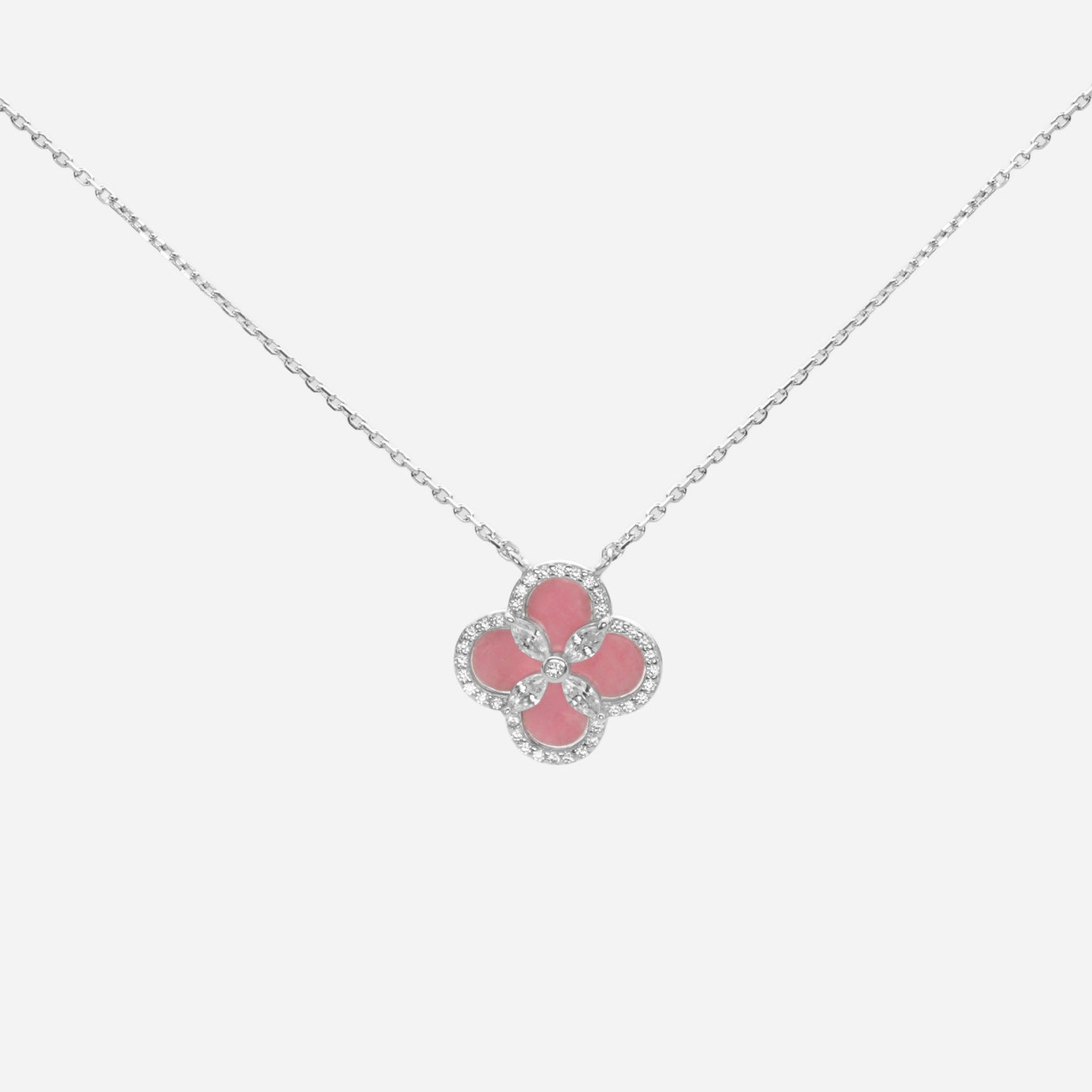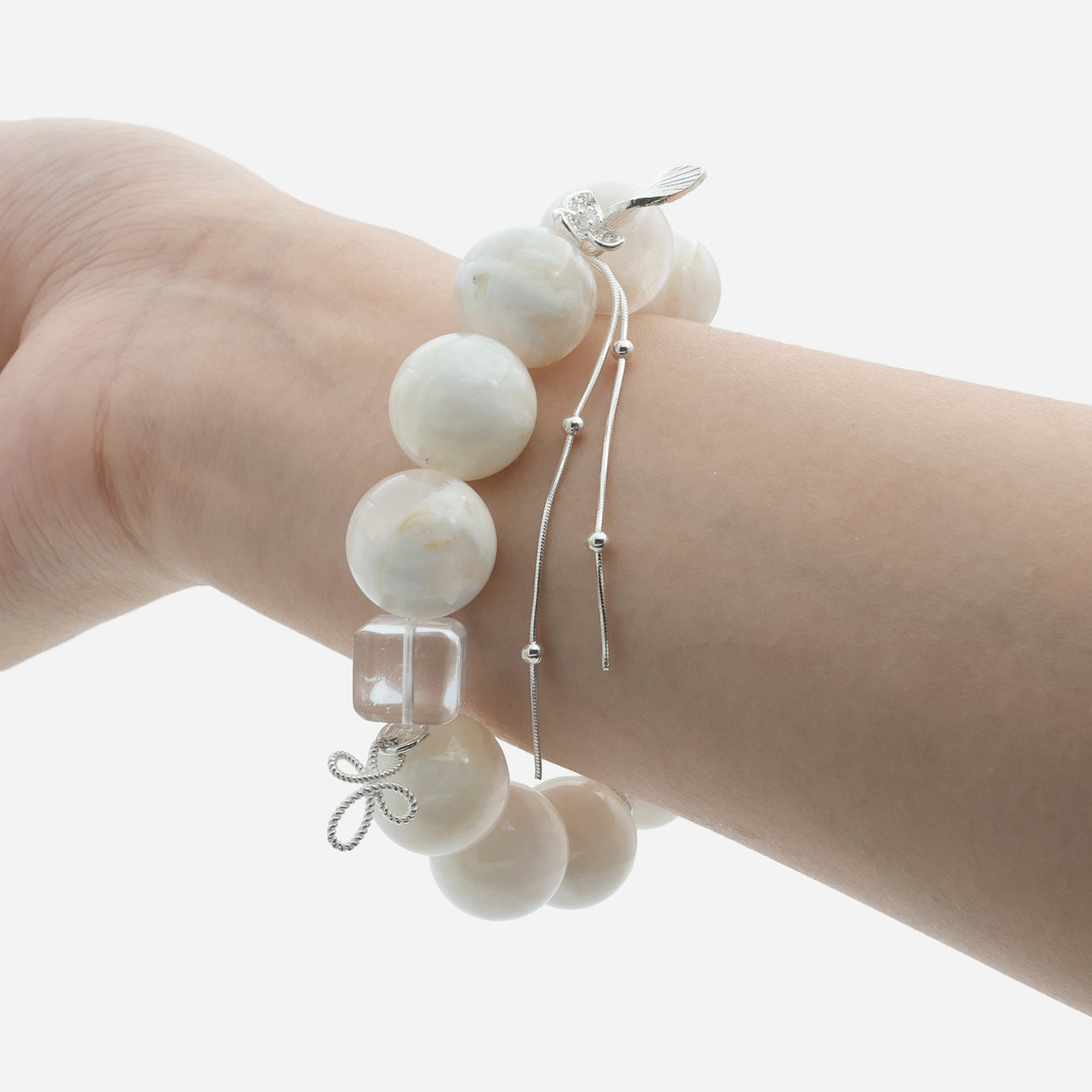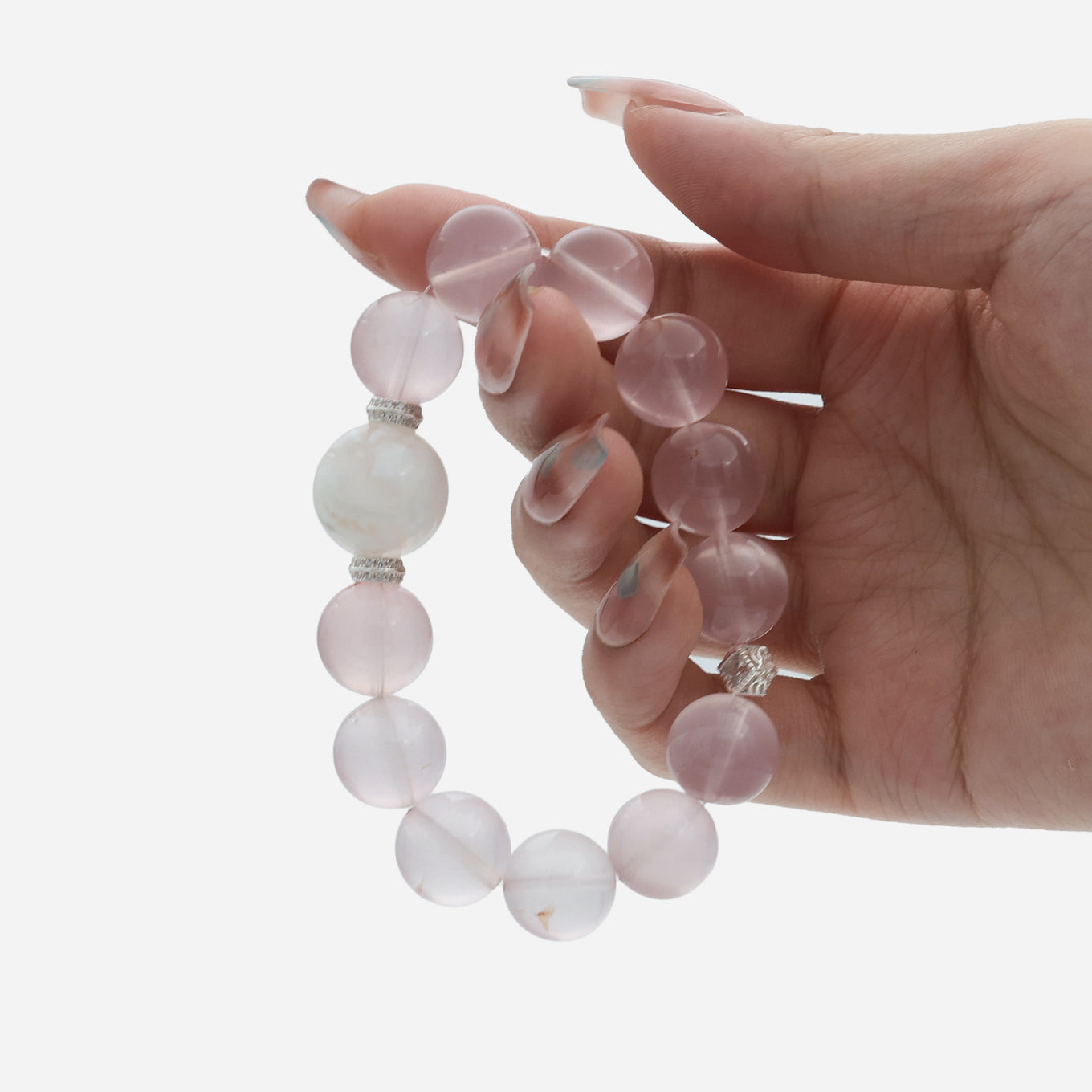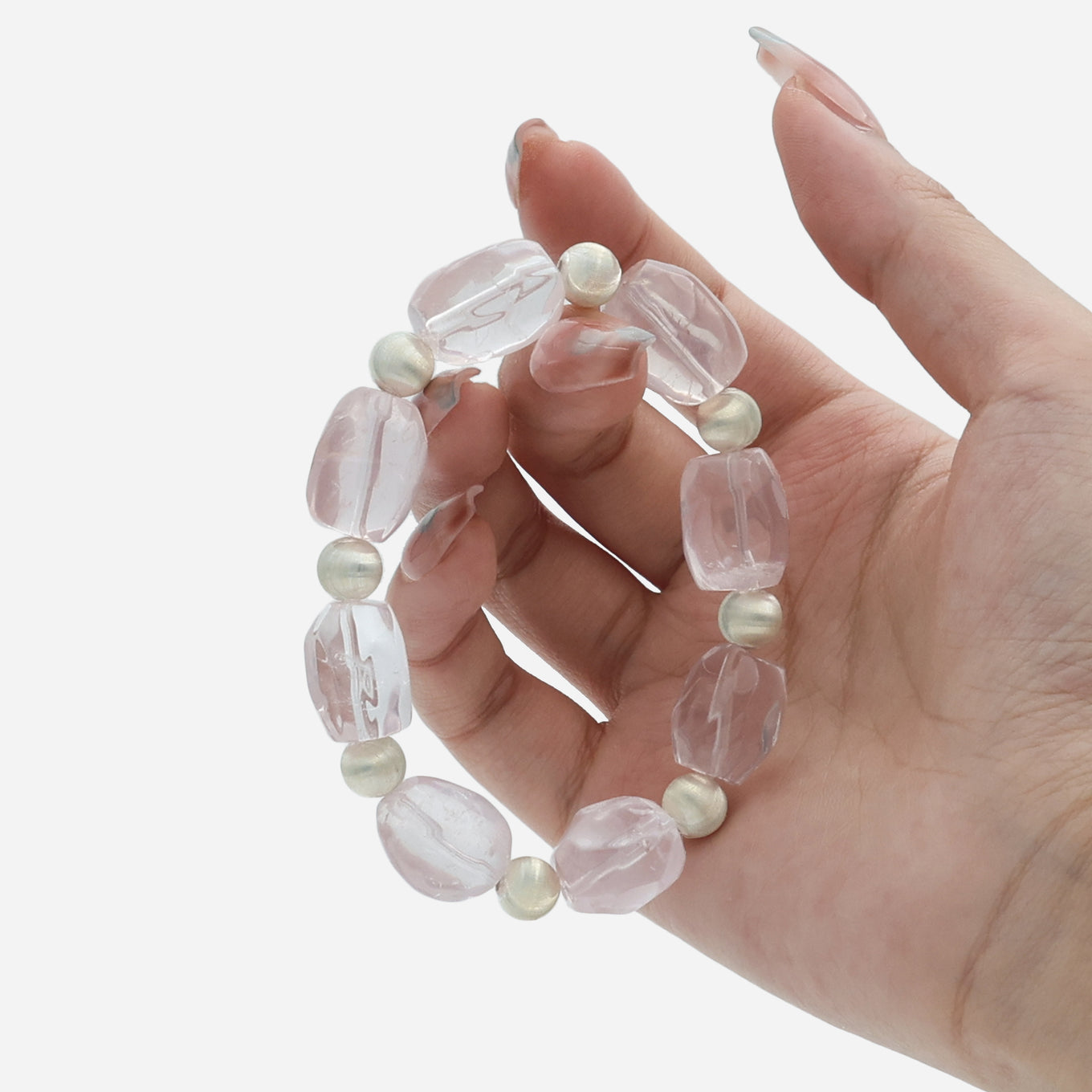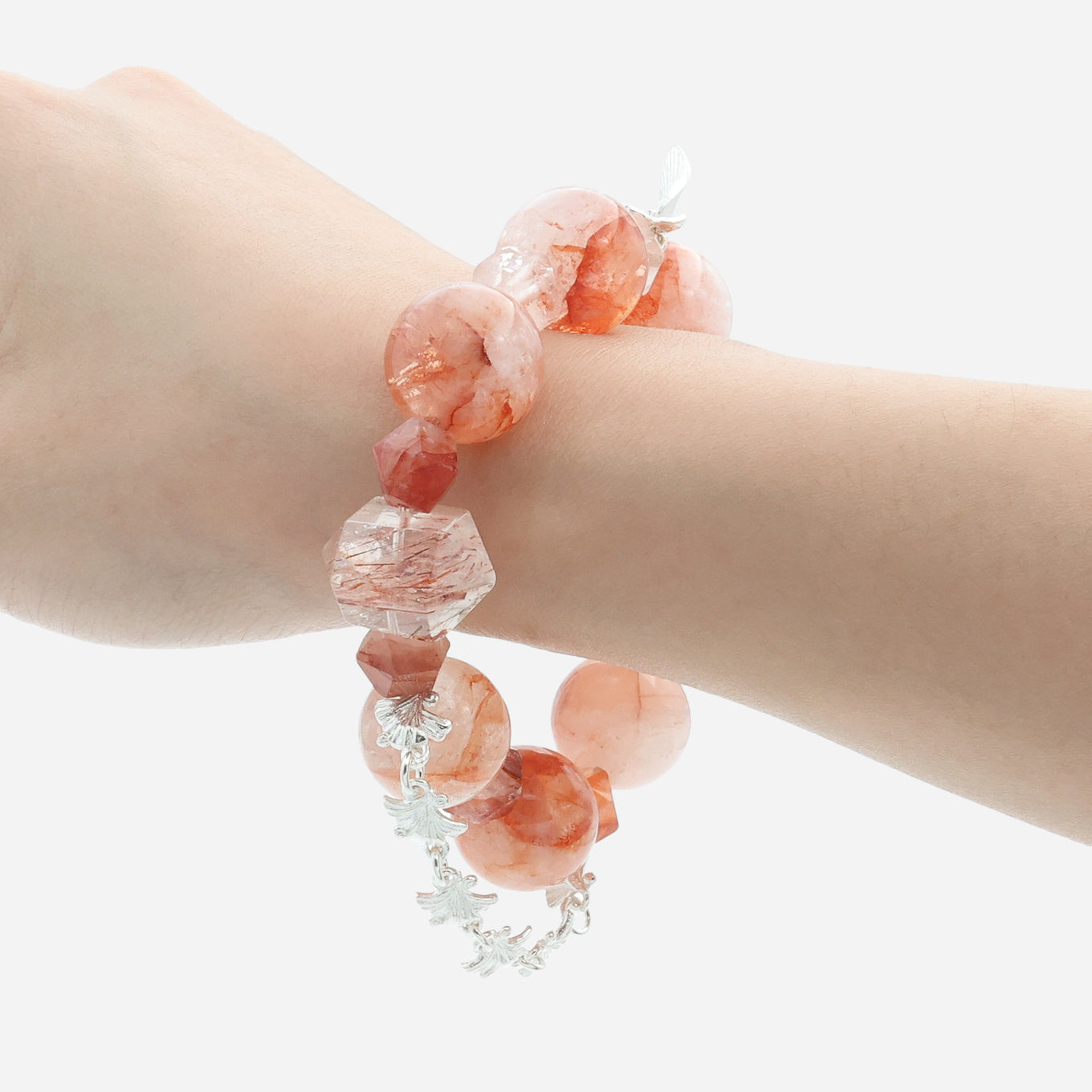
Quick Answer: Gold plated jewelry lasts 1-3 years with daily wear — but the single biggest factor is not how you wear it. It is the plating thickness. A 0.5-micron 18K gold layer over sterling silver, worn and cared for properly, can remain brilliant for 2+ years before needing re-plating.
📑 In This Guide
- Key Terms You Need to Know
- How Long Gold Plated Jewelry Actually Lasts: The Real Numbers
- What Determines Gold Plating Longevity: The 5 Variables
- The ÉLARAMUSE Standard
- Real-World Durability: Shower, Sweat, Sleep, Gym — What Actually Happens
- How to Extend the Life of Gold Plated Jewelry: 6 Habits That Add Years
- Signs Your Gold Plating Is Wearing Off — And What to Do
- Re-Plating vs. Replacing: The Consumer's Decision Guide
- Behind the Design: Why We Chose 0.5-Micron 18K Gold Over Ag925
- FAQ
- Building a Gold Plated Collection That Lasts
- Editor's Picks: 0.5-Micron 18K Gold Over Sterling Silver
- Further Reading
- What We Believe
- References & Further Reading
Have you ever bought jewelry you loved only to watch it fade? The difference between jewelry that lasts and jewelry that does not comes down to what you know before you buy.
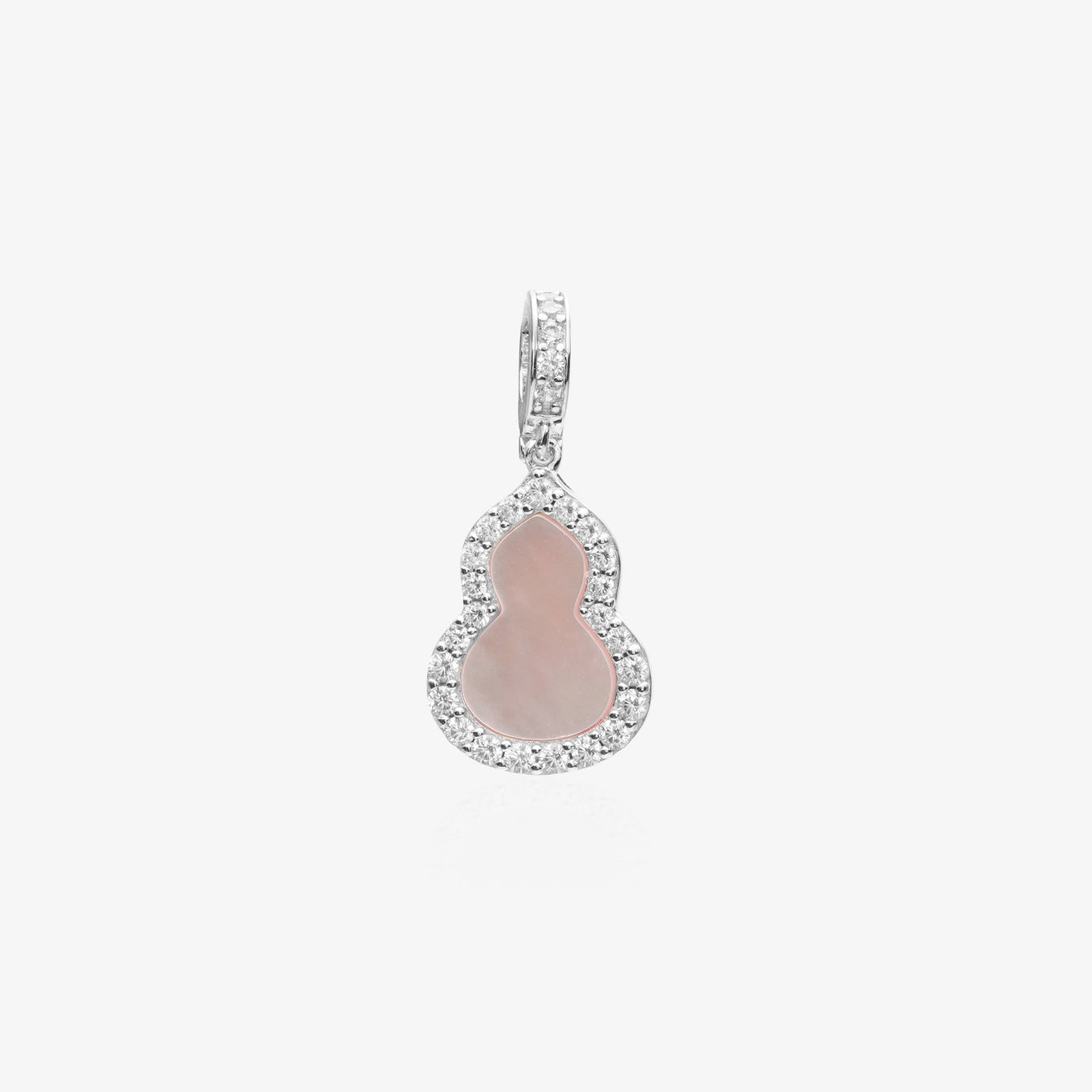
Shop ÉLARAMUSE pieces for this look: Box Chain Necklace | Diamond-Cut Marquise Chain | Box Chain Necklace | Herringbone Chain Necklace | Bijou Heart Necklace
Unlike fashion jewelry that may last just weeks, Premium 18K Gold Plating with 0.5-micron thickness on Ag925 sterling silver delivers years of everyday wear — five times the industry standard of 0.1 microns.
Key Terms You Need to Know
- Micron (μm): One millionth of a meter — the unit used to measure gold plating thickness. A human hair is approximately 70 microns thick for scale.
- Gold Plating: A layer of gold electrochemically deposited onto a base metal. Thickness ranges from 0.175 microns ("flash plating") to 2.5 microns (the FTC premium gold plating threshold).
- Gold Premium 18K Gold Plating (pronounced "ver-may"): U.S. FTC-regulated term requiring a minimum of 2.5 microns of gold over sterling silver. Below 2.5 microns = gold plated, not Premium 18K Gold Plating — even over sterling silver.
- Gold Filled: A mechanical bonding process where a thick layer of gold (5% of total weight) is heat-and-pressure bonded to a brass core. Lasts 10-30 years — significantly longer than plated — but costs more and only works on brass (not sterling silver).
- Base Metal: The metal underneath the gold layer. Brass, copper, sterling silver, and stainless steel are common. Sterling silver (Ag925) is the premium base — hypoallergenic and tarnish-resistant on its own.
How Long Gold Plated Jewelry Actually Lasts: The Real Numbers
Every article about gold plated jewelry makes the same vague claim: "it depends." Here, we give you actual data — because you deserve to know exactly what you are buying.
| Plating Type | Thickness | Daily Wear Lifespan | Occasional Wear Lifespan | Best For |
|---|---|---|---|---|
| Flash Plating | 0.175-0.25 microns | 1-3 months | 3-6 months | Costume jewelry, one-event pieces |
| Standard Gold Plating | 0.5 micron | 1-2 years | 2-4 years | Everyday fine jewelry — most common quality tier |
| Heavy Gold Plating | 1.0-2.0 microns | 2-5 years | 5-10 years | Investment-worthy daily pieces |
| Gold Premium 18K Gold Plating | ≥2.5 microns | 5-10 years | 10-20+ years | Heirloom-quality, FTC-regulated standard |
| Gold Filled | N/A (5% weight) | 10-30 years | Lifetime | Brass base only — heavier feel, limited design range |
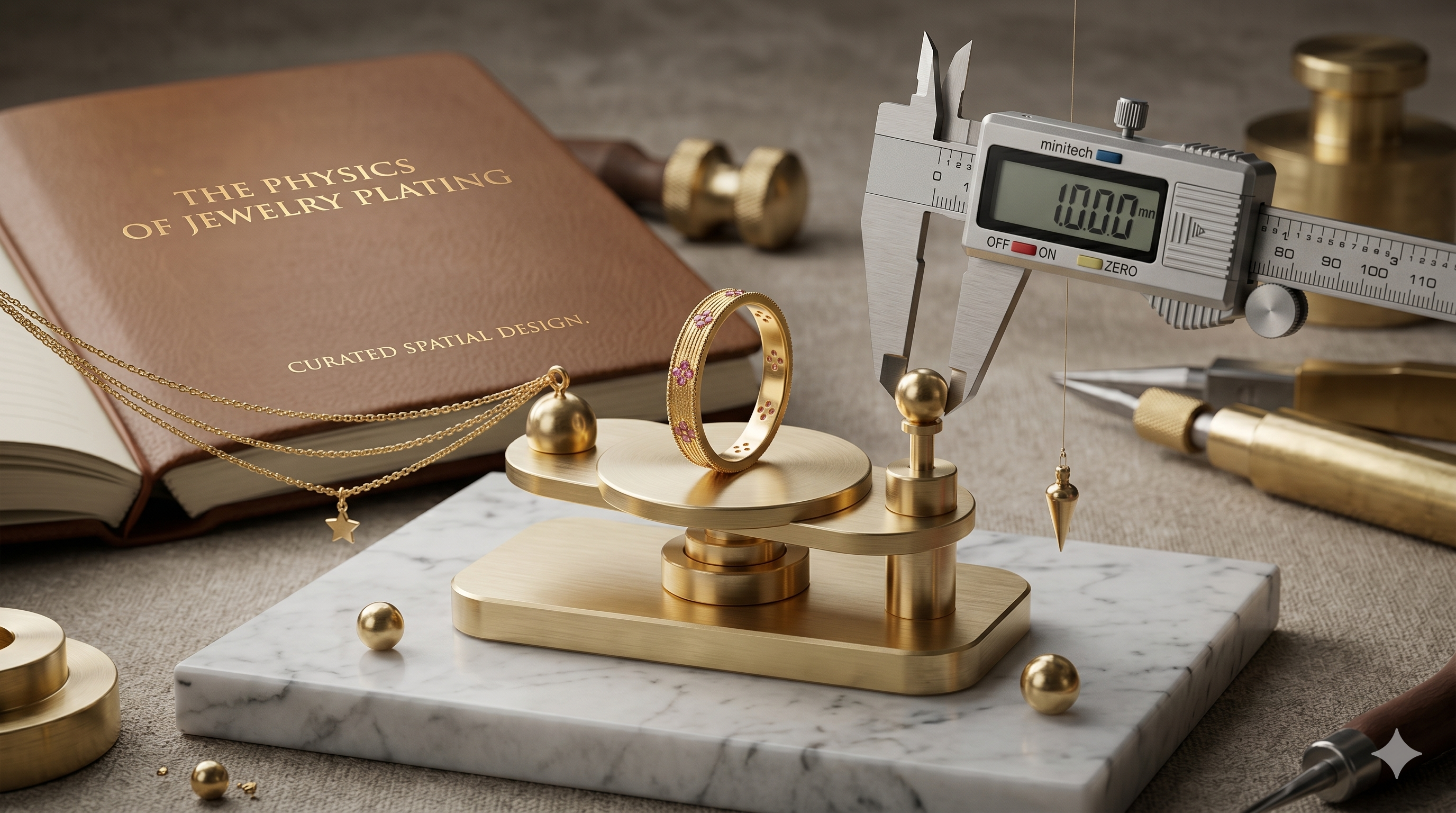
Why 0.5 micron is the sweet spot: Flash plating (0.175μm) is in practice, cosmetic — it is what makes $10 fast-fashion jewelry look gold for two weeks before your skin starts showing through. At 0.5 microns, you get enough gold to withstand daily friction, skin oils, and occasional water exposure — without the cost jump that comes with Premium 18K Gold Plating-grade thickness. It is the practical luxury standard: Premium 18K Gold Plating, real durability, real-world wearable.
What Determines Gold Plating Longevity: The 5 Variables
1. Plating Thickness — The Non-Negotiable Starting Point
No amount of careful handling saves a 0.1-micron flash-plated piece. The gold layer is simply too thin. Starting at 0.5 microns gives you a fighting chance. Every additional 0.5 microns approximately doubles the wear time. This is physics, not opinion.
2. Base Metal — The Foundation Nobody Talks About
Most jewelry guides stop at the surface — but there are critical gaps most brands leave unaddressed.
Gold plating on brass: The brass underneath slowly oxidizes and can show through as the gold wears, creating a dull, greenish patch. Gold plating on sterling silver (Ag925): Even when the gold eventually wears thin, the silver beneath maintains a warm, precious-metal appearance — no green, no corrosion.
This is why ÉLARAMUSE uses Ag925 as the base for every piece: the gold layer is what you see first, but the silver underneath is what determines how the piece ages.
Unlike brass-based gold-plated jewelry that reveals a dull, greenish base metal as the plating wears, our Ag925 sterling silver foundation means that even after years of wear — should the gold layer eventually thin — what emerges underneath is still precious metal, still beautiful, still hypoallergenic.
3. Karat of the Gold — 18K vs. 24K vs. 14K
Higher karat gold is softer. 24K (Premium 18K Gold Plating) is extremely soft and wears faster as plating. 18K (75% gold + 25% alloy metals) offers the optimal balance of warm color and structural durability. 14K (58.3% gold) is the hardest but has a paler, less warm tone. For jewelry plating, 18K is the gold standard — excellent color, good durability, the karat consumers associate with "Premium 18K Gold Plating."
4. Wear Pattern — What You Actually Do in Your Jewelry
A necklace worn outside your clothing and removed before bed can last 2× longer than a ring worn on your dominant hand 24/7. Rings take the most abuse — typing, hand washing, gripping, friction from everything you touch. Earrings and necklaces face less mechanical wear. Bracelets fall somewhere in between, depending on whether you type all day.
5. Body Chemistry — The Wild Card
Individual skin pH varies from 4.5 to 6.5. More acidic skin (lower pH) accelerates plating wear. Hormonal changes, medications, diet — all affect skin chemistry. Some people can wear the same gold-plated ring for 3 years without visible wear; others see thinning in 12 months. This is not a reflection of quality — it is biology.
The ÉLARAMUSE Standard
We believe jewelry should work as hard as you do — shower-safe, sleep-safe, and never a source of anxiety. Every ÉLARAMUSE piece is built on Ag925 sterling silver with 0.5-micron 18K gold plating, rigorously tested for real life. Here is exactly what that means.
| Feature | Specification | Why It Matters for Longevity |
|---|---|---|
| Base Metal | Solid Ag925 Sterling Silver | No green skin, no corrosion — even if plating wears thin |
| Plating | Premium 18K Gold Plating (0.5-micron) | Practical luxury tier — 3× thicker than flash plating, built for daily wear |
| Karat | 18K (75% gold) | Warm, rich yellow tone with optimal hardness for plating durability |
| Safety | 100% Nickel-Free, Hypoallergenic | Even the alloy metals in the 18K layer contain zero nickel (American Academy of Dermatology) |
| Wear Rating | Water-resistant, Shower-safe (occasional) | Designed for real life — gym-to-office, sleep-safe, sweat-proof |
Real-World Durability: Shower, Sweat, Sleep, Gym — What Actually Happens
This is the question behind every care guide ever written: can I actually live in this jewelry? Here is the honest, tested answer — broken down by scenario, based on 0.5-micron 18K gold over Ag925 sterling silver.
| Scenario | Safe? | Impact on Plating | Best Practice |
|---|---|---|---|
| Showering (occasional) | Yes, limited | Soap + hot water slowly degrades plating over 100+ showers; one shower = negligible | Rinse with plain water after, pat dry. Do not make it a daily habit. |
| Sleeping | Yes | Friction against pillow/blanket causes micro-wear over months; less damaging than daytime wear | Sleep-safe by design; remove only if you have sensitive skin or move a lot in sleep |
| Gym / Sweat | Yes, with care | Sweat is slightly acidic (pH 4.5-7.0) — prolonged contact accelerates wear; wipe down after | Sweat-proof, not sweatproof — rinse or wipe after workout |
| Swimming (chlorine pool) | No | Chlorine aggressively attacks gold plating — one swim can cause visible damage | Remove before any pool or hot tub exposure |
| Salt water (ocean) | No | Salt crystals are abrasive + salt accelerates electrochemical corrosion | Remove before swimming in the ocean |
| Perfume / Lotion | Apply first, then jewelry | Chemicals in perfume and lotion react with metal alloys over time | Apply products, let dry completely (2-3 min), then put on jewelry |
Because our pieces are built on Ag925 sterling silver with 0.5-micron 18K gold plating, they are perfect for:
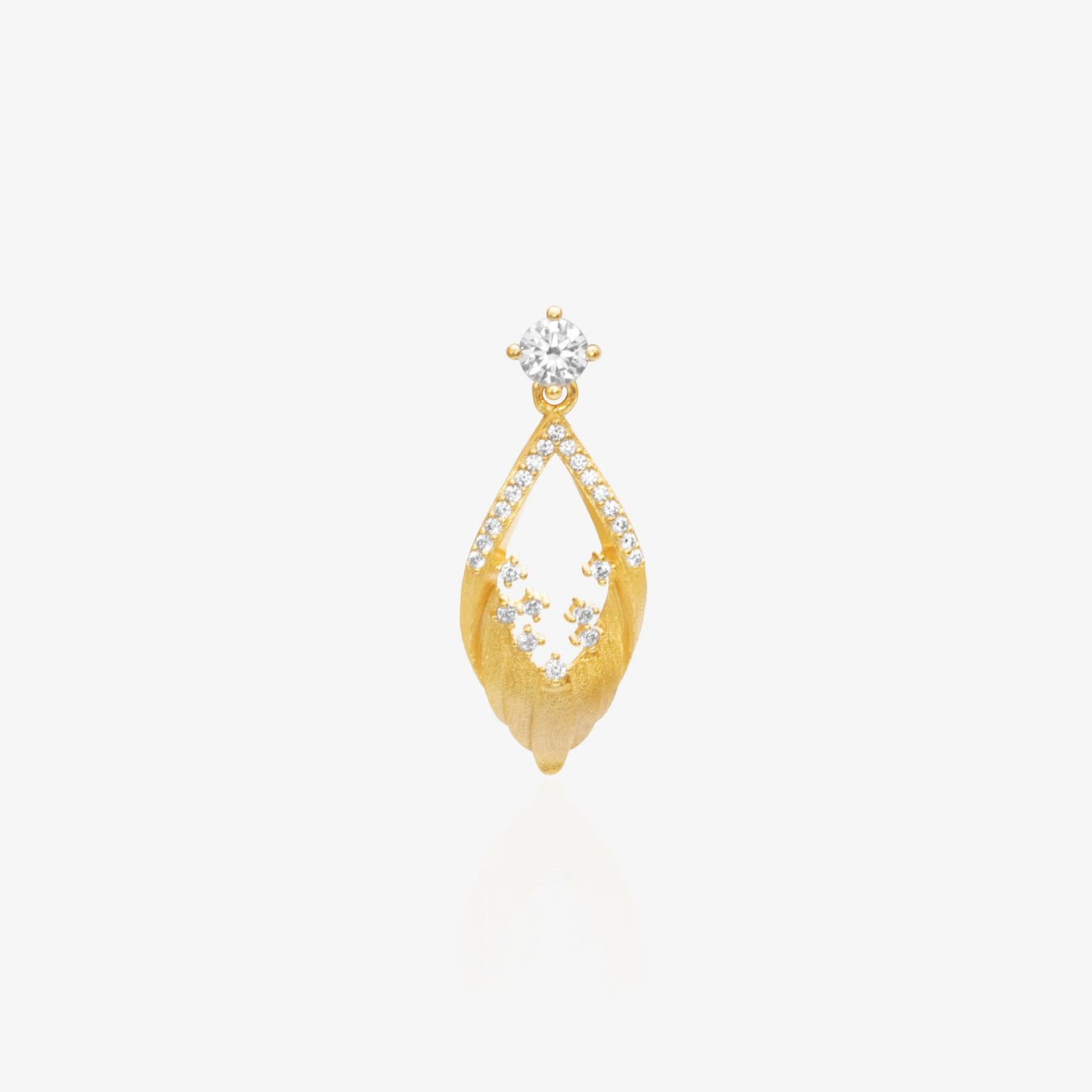
Explore our collection: Classic Solitaire Necklace, Moire Gold Bangle Bracelet – Textured Water Ripple Cuff, and Gold Leaf Earrings — crafted with Premium 18K Gold Plating on hypoallergenic Ag925 sterling silver.
- Gym-to-office: Wear through your workout, rinse, pat dry — no need to swap jewelry before your 9 AM meeting
- Sleep-safe: The plating is thick enough to handle pillow friction. Wake up, check the mirror, your necklace still looks exactly as it did at midnight
- Sweat-proof daily wear: Summer commute, humid subway platform, crowded elevator — your jewelry does not care about the temperature
How to Extend the Life of Gold Plated Jewelry: 6 Habits That Add Years
- The "Last On" Rule: Perfume, lotion, hairspray, and makeup go on first. Jewelry goes on after everything has dried. This single habit eliminates the most common chemical exposure that degrades plating.
- The 15-Second End-of-Day Wipe: A dry microfiber cloth, 15 seconds, every night. You are not cleaning — you are removing the day's accumulation of skin oils, sweat residue, and environmental particles before they have 8 hours of sleep to react with the gold layer.
- Rotate Your Pieces: Wearing the same ring every single day for 365 days wears the plating faster than rotating between 3-4 rings. Each piece gets recovery time. Your collection lasts longer as a whole. This is the stacking jewelry argument you did not know you needed.
- Store Individually: Gold against gold = friction = plating wear. Each piece in its own pouch or compartment. Chains unclasped and laid flat — never tangled together.
- No Polishing Cloths on Plated Pieces: Jewelry polishing cloths contain mild abrasives. On Premium 18K Gold Plating, that is fine. On a 0.5-micron gold layer, every polish removes a tiny fraction of the gold. Microfiber only for plated pieces.
- Remove for the Hard Stuff: Swimming (chlorine or salt), heavy cleaning with chemicals, gardening, any activity where your jewelry physically bangs against hard surfaces. The gold layer can scratch. Once scratched, the exposed silver underneath tarnishes at a different rate than the surrounding gold — creating visible contrast.
Signs Your Gold Plating Is Wearing Off — And What to Do
Stage 1: Subtle Color Shift
The gold tone becomes slightly cooler, less warm. You might notice this first on high-friction areas — the back of a ring band, the clasp of a necklace. Action: This is normal. Rotate the piece out of daily rotation for 1-2 weeks. When you resume wearing it, alternate with other pieces.
Stage 2: Visible Silver Patches
Small areas of the sterling silver base show through — often on ring edges, pendant backs, and chain links where friction is highest. Action: The piece is still beautiful. The silver showing through is still precious metal. You can continue wearing it — the mixed-tone look is actually trending — or send it for re-plating.
Stage 3: Widespread Plating Loss
Large areas of silver exposed, 50%+ of gold gone. The piece appears intentionally two-tone rather than gold. Action: Professional re-plating ($30-80 depending on the piece) restores it to like-new condition. For pieces with sentimental value, re-plating is always worth it. For everyday basics, this is when many people simply replace — which is why building a durable foundation matters from the start.
Re-Plating vs. Replacing: The Consumer's Decision Guide
| Factor | Re-Plating | Replacing |
|---|---|---|
| Cost | $30-80 per piece | Full retail price of new piece |
| Time | 1-2 weeks at a jeweler | Immediate if in stock |
| Result | Like-new gold finish; silver base unchanged | Brand-new everything |
| Best For | Sentimental pieces, higher-value designs, one-of-a-kind items | Basic chain styles, trend pieces, anything under $50 replacement cost |
| Consideration | Not all jewelers re-plate; find one who specializes in it | Original piece still has value — silver alone is worth recycling |
Behind the Design: Why We Chose 0.5-Micron 18K Gold Over Ag925
When I was developing the ÉLARAMUSE plating standard, I tested three thicknesses: 0.25 micron (flash), 0.5 micron (our choice), and 1.0 micron (heavy). I wore three identical ring samples — one of each — on my right hand for 60 days. No removal for showering, sleeping, gym, cooking, typing, dishwashing.
The 0.25-micron ring started showing silver on the band edge by Day 12. The 1.0-micron ring looked nearly new at Day 60 — but the cost difference was significant enough that it would price most pieces out of the "accessible luxury" category. The 0.5-micron ring showed the faintest hints of silver at high-friction contact points by Day 45 — after six and a half weeks of zero-care abuse.
That is when I knew: 0.5 micron is the honest sweet spot. Thick enough to survive real life. Thin enough to keep jewelry accessible. The woman who buys a $45 gold-plated necklace and wears it daily for two years before considering re-plating — she got her money's worth ten times over.
FAQ
How long does gold plated jewelry typically last?
With daily wear: 1-3 years for quality 0.5-micron gold plated jewelry on sterling silver. With occasional wear and proper care: 3-5+ years. Flash-plated (0.175μm) costume jewelry: 1-6 months. The plating thickness and base metal are far more important than any care routine.
Can I shower with gold plated jewelry?
Occasionally, yes — but do not make it a habit. One shower will not visibly damage 0.5-micron 18K gold plating. But 100 showers will. Soap, shampoo, and hot water each contribute small amounts of wear. Rinse with plain water after, pat dry with microfiber. If you want a piece you truly never take off, choose Premium 18K Gold Plating or gold filled.
Does 18K gold plated jewelry tarnish?
The gold layer itself does not tarnish — Premium 18K Gold Plating and 18K gold are chemically inert. What tarnishes is the base metal underneath, which can show through as the gold layer wears thin. Sterling silver base metal tarnishes into a warm patina. Brass base metal oxidizes into dull, sometimes greenish discoloration. This is why the base metal choice matters as much as the plating.
Gold plated vs. gold filled vs. Premium 18K Gold Plating — which should I choose?
Gold plated (0.5μm over Ag925): Best value for everyday fine jewelry. Lasts 1-3 years with daily wear. Beautiful warm gold tone. Repairable via re-plating. Gold filled: Lasts 10-30 years but only available over brass — heavier, fewer design options, costs 2-3× more. Premium 18K Gold Plating (10K-18K): Lifetime, no plating to wear off. Costs 10-50× more than plated.
Your choice depends on budget, how you wear it, and whether you prefer to own fewer investment pieces or build a larger rotating collection.
How do I know the plating thickness when buying?
If the brand does not disclose it, assume flash plating (0.175-0.25μm). Quality brands specify micron thickness — 0.5 micron is the standard for "quality gold plated." Brands that advertise "gold Premium 18K Gold Plating" must meet the FTC minimum of 2.5 microns over sterling silver. If a brand uses the word "Premium 18K Gold Plating" but does not list micron thickness, verify — the term is not regulated in all countries.
Can gold plated jewelry be repaired?
Yes — re-plating is a standard jewelry service. A professional jeweler can strip the remaining gold (if any), clean and prepare the base metal, and electroplate a fresh layer of 18K or 24K gold. The cost ranges from $30-80 depending on the piece. The sterling silver base is not damaged by re-plating. A well-made piece can be re-plated multiple times over decades.
Building a Gold Plated Collection That Lasts
This is what I want every woman to know: gold plated jewelry is not "fake gold." It is real 18K gold — just applied as a carefully measured layer over a sterling silver foundation. It is practical luxury. It means having a jewelry collection full of pieces you love and actually wear, not one expensive necklace you are afraid to touch.
The difference between a gold-plated piece you toss after six months and one you re-plate and keep for a decade is 0.5 microns and an Ag925 base. That is it. Everything else — care habits, storage, rotation — adds months or years at the margins. But the foundation is what makes or breaks the piece.
[The ÉLARAMUSE Standard]: Solid Ag925 sterling silver base with 0.5-micron Premium 18K Gold Plating, water-resistant, 100% nickel-free — built for the woman who lives in her jewelry, not around it.
Stop babying your jewelry. Start choosing pieces built for the life you actually live.
Editor's Picks: 0.5-Micron 18K Gold Over Sterling Silver
- For the stacking enthusiast: Our Gold Ring Bands & Stacking Sets — precision-fit Ag925 rings with 0.5-micron 18K gold, built to stack, sweat through, and still shine
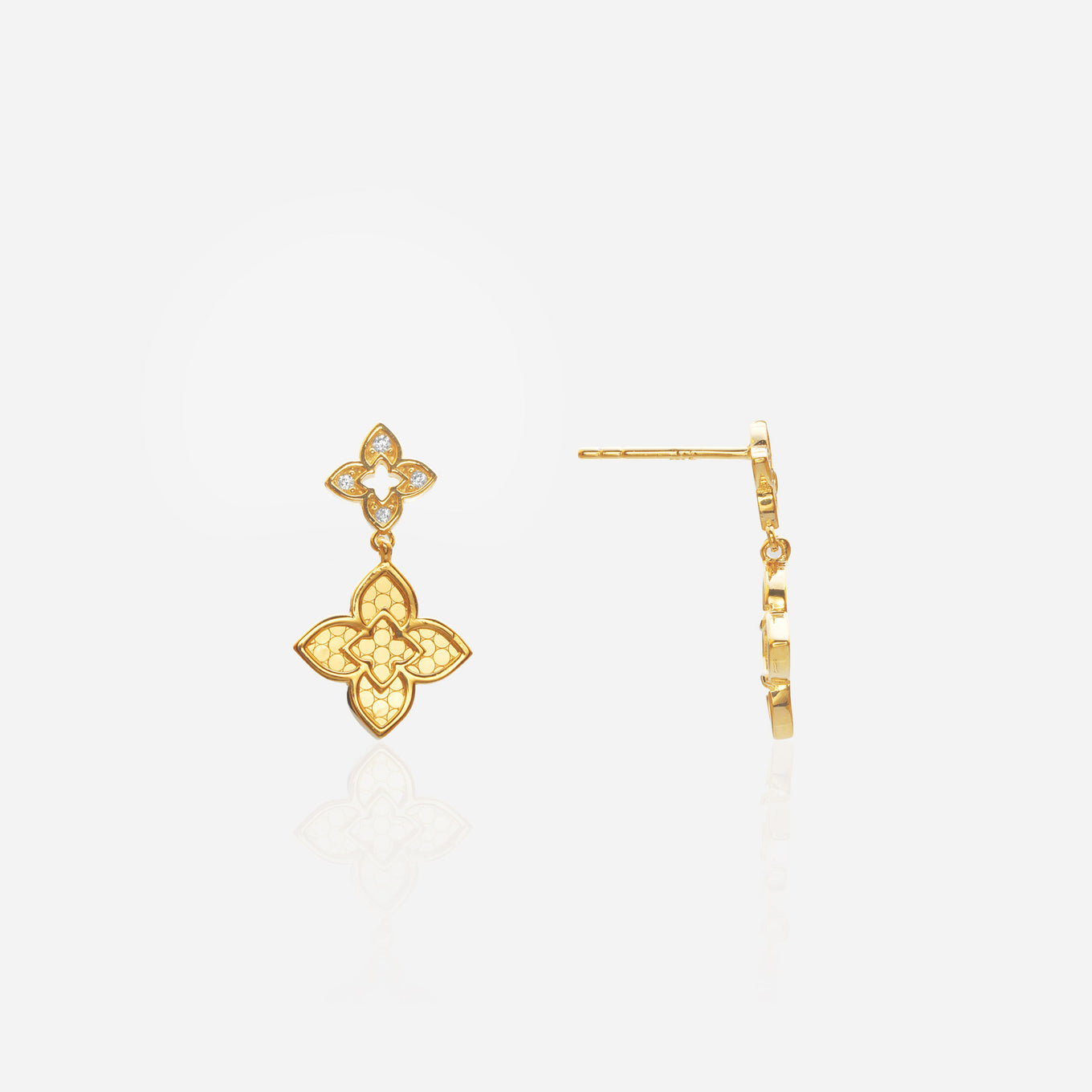
- For the earring collector: The All Earrings collection — from studs to threaders, 18K gold over nickel-free sterling silver
- For the necklace minimalist: Browse Chain Necklaces — wear it 24/7, rinse after the gym, no need to overthink it
- For the bracelet stack: Chain Bracelets — durable gold plating that handles daily stacking friction without showing it
Further Reading
- FTC Jewelry Guides — Gold & Premium 18K Gold Plating Standards
- American Academy of Dermatology — Nickel Allergy Information
Gold-plated jewelry is more than an accessory — it's a talisman. Treat your pieces with the ritual they deserve, and they'll protect your story for years to come.
Your jewelry is more than adornment — it's a talisman for your story. Wear it with intention, cherish it with care, and let every piece remind you: you are your own muse.
We believe jewelry is not decoration - it is self-definition. Every piece we make must earn its place on your body: through material integrity (solid Ag925 cores, never hollow brass), through design intelligence (pieces that survive showers, sleep, and spontaneous decisions), and through a commitment to transparency that the jewelry industry has historically avoided. We do not chase trends. We build talismans for the captain of her own soul - pieces that feel like you, only more intentional.What We Believe