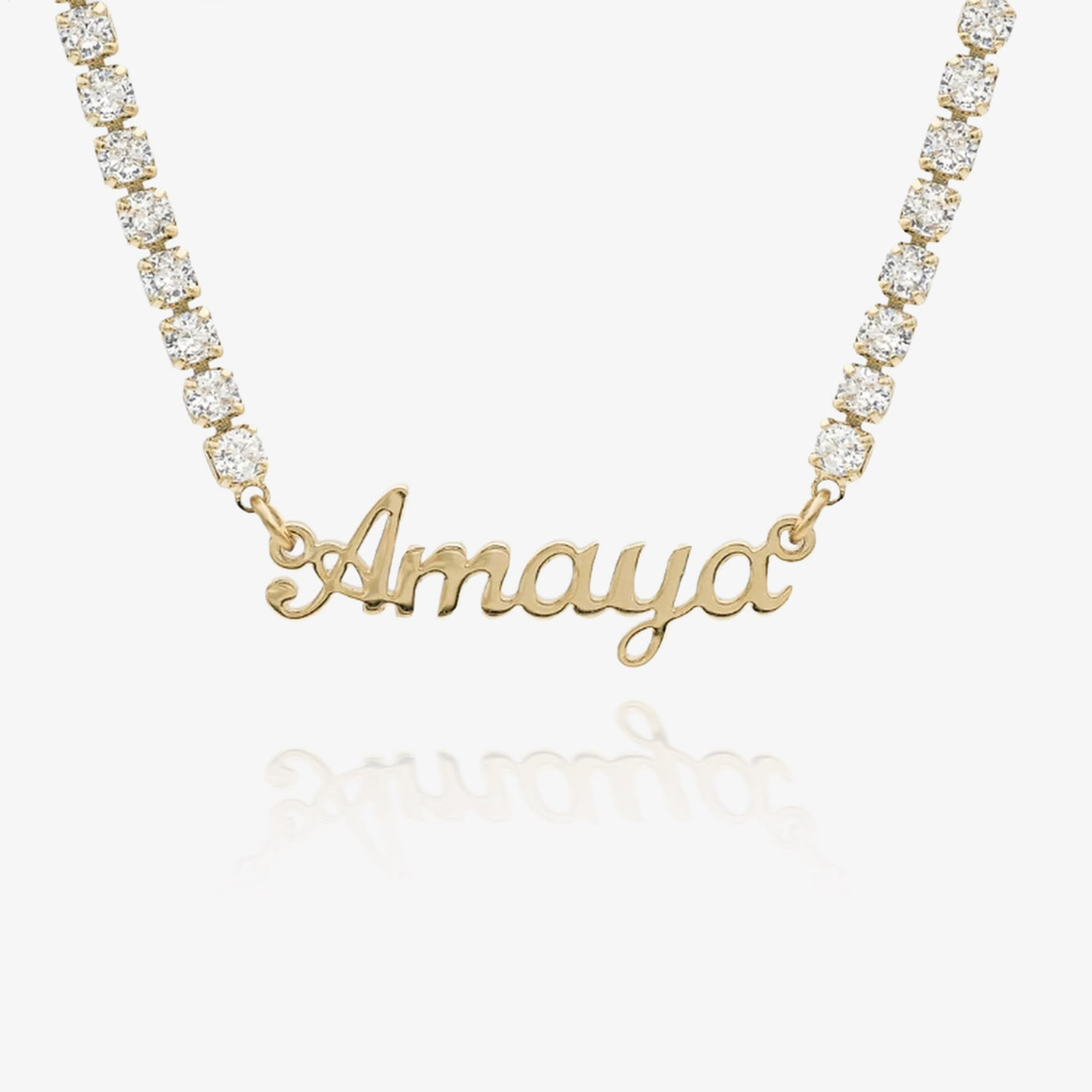
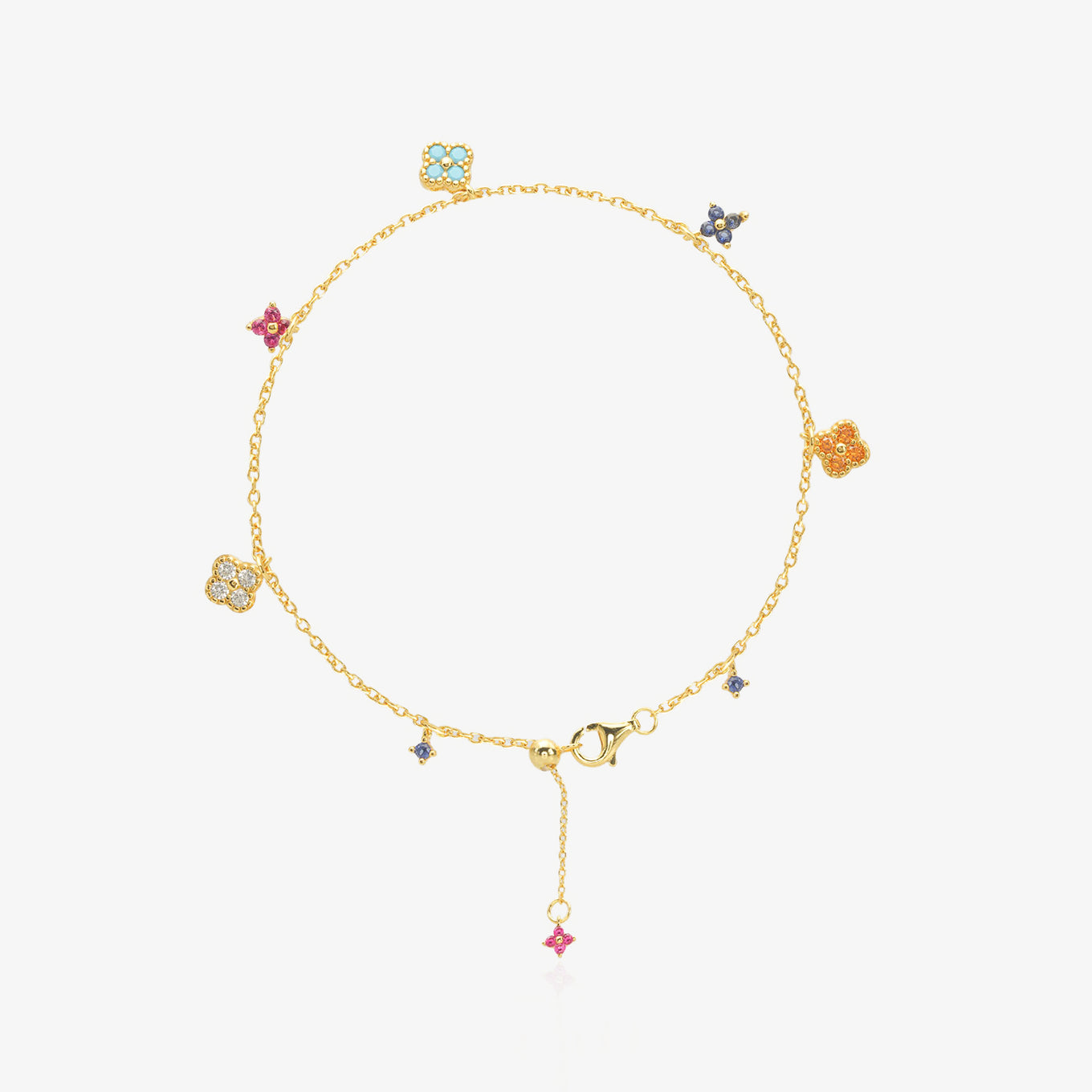
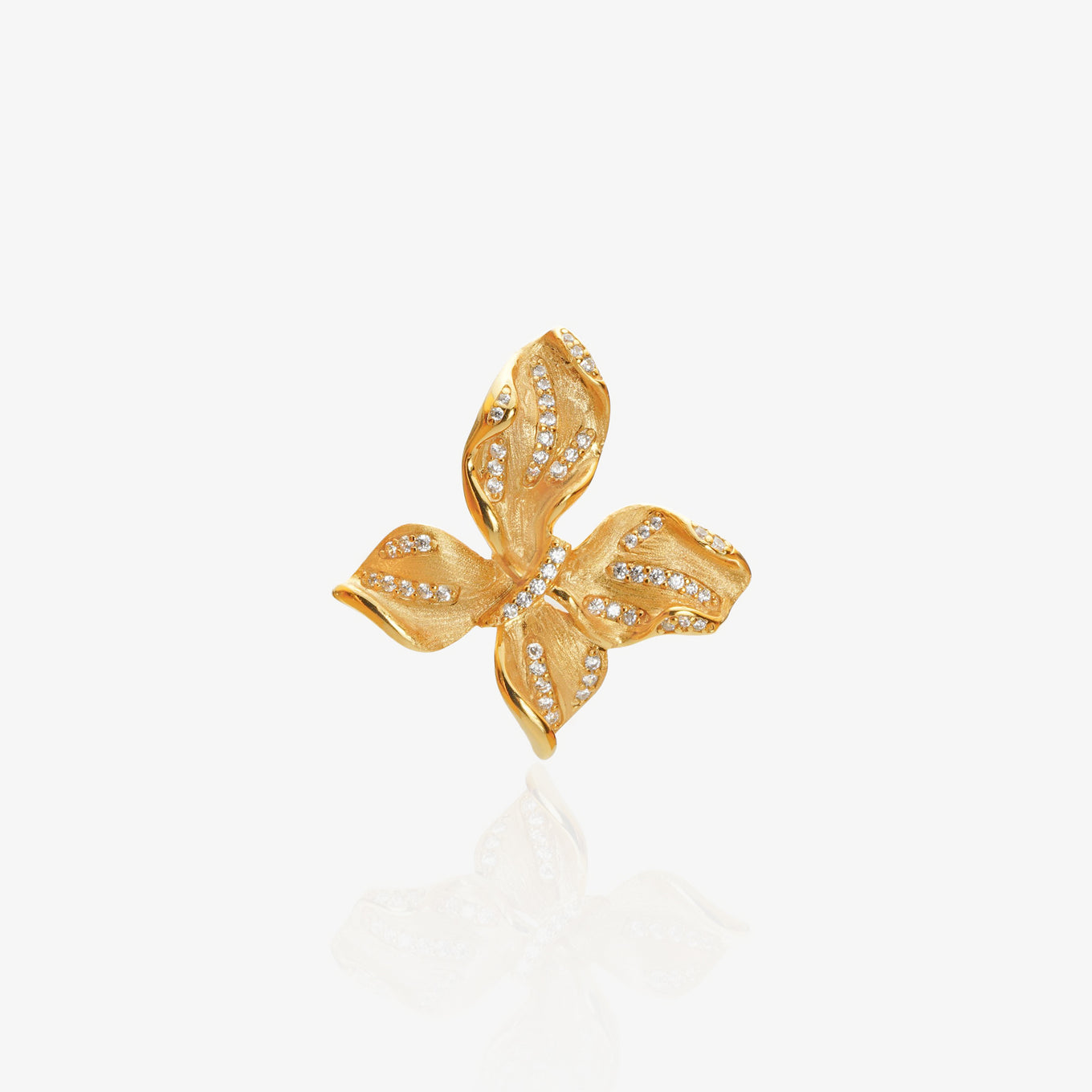
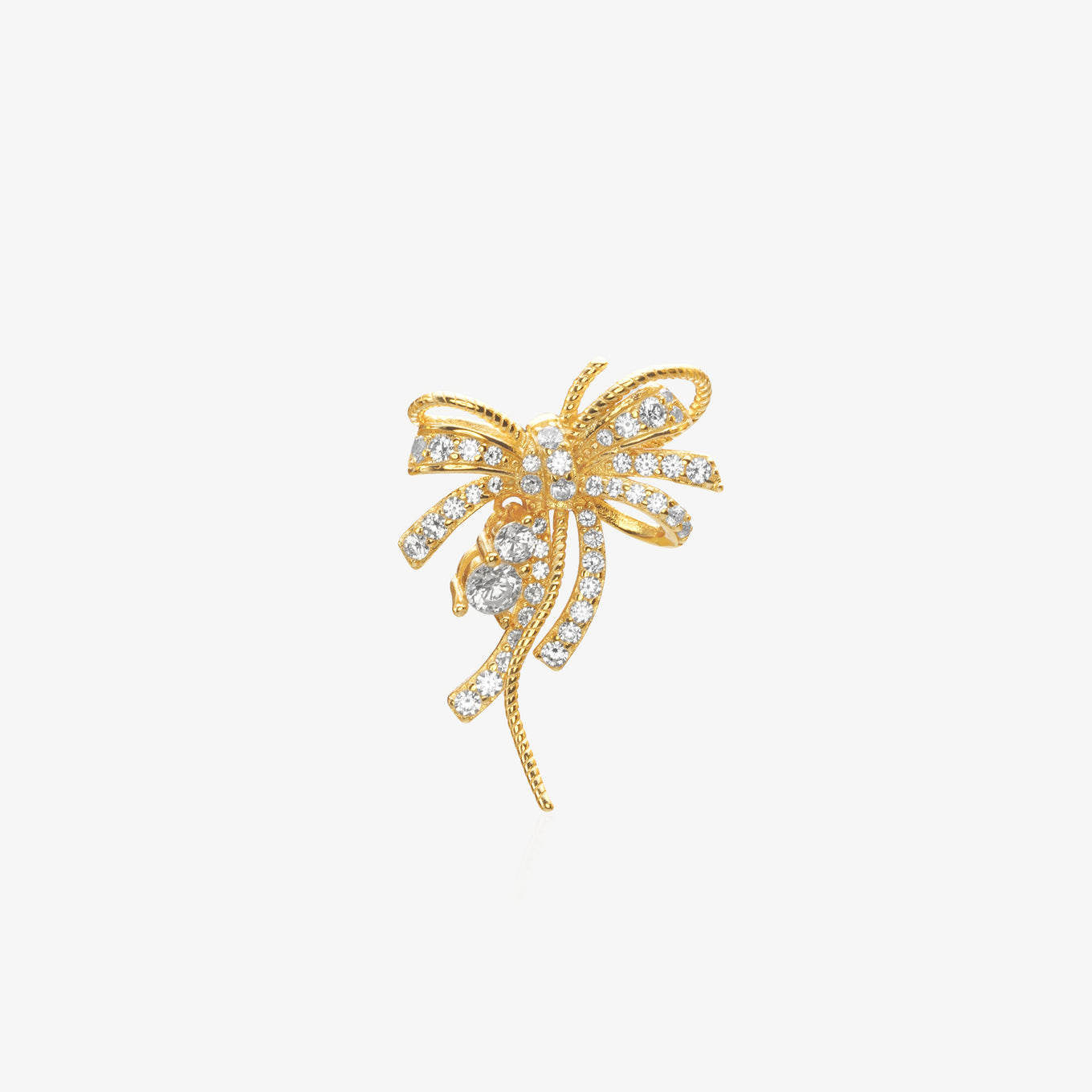
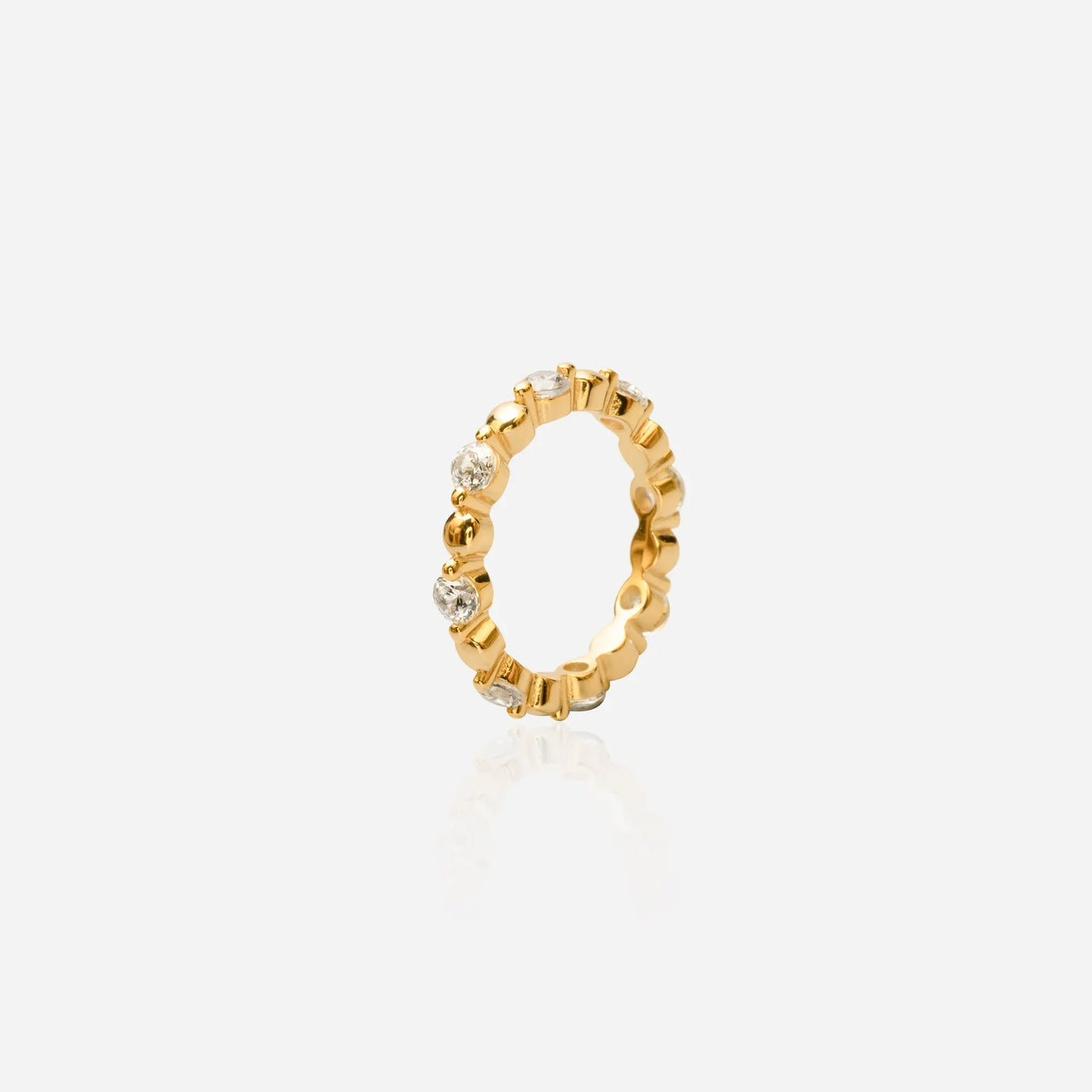
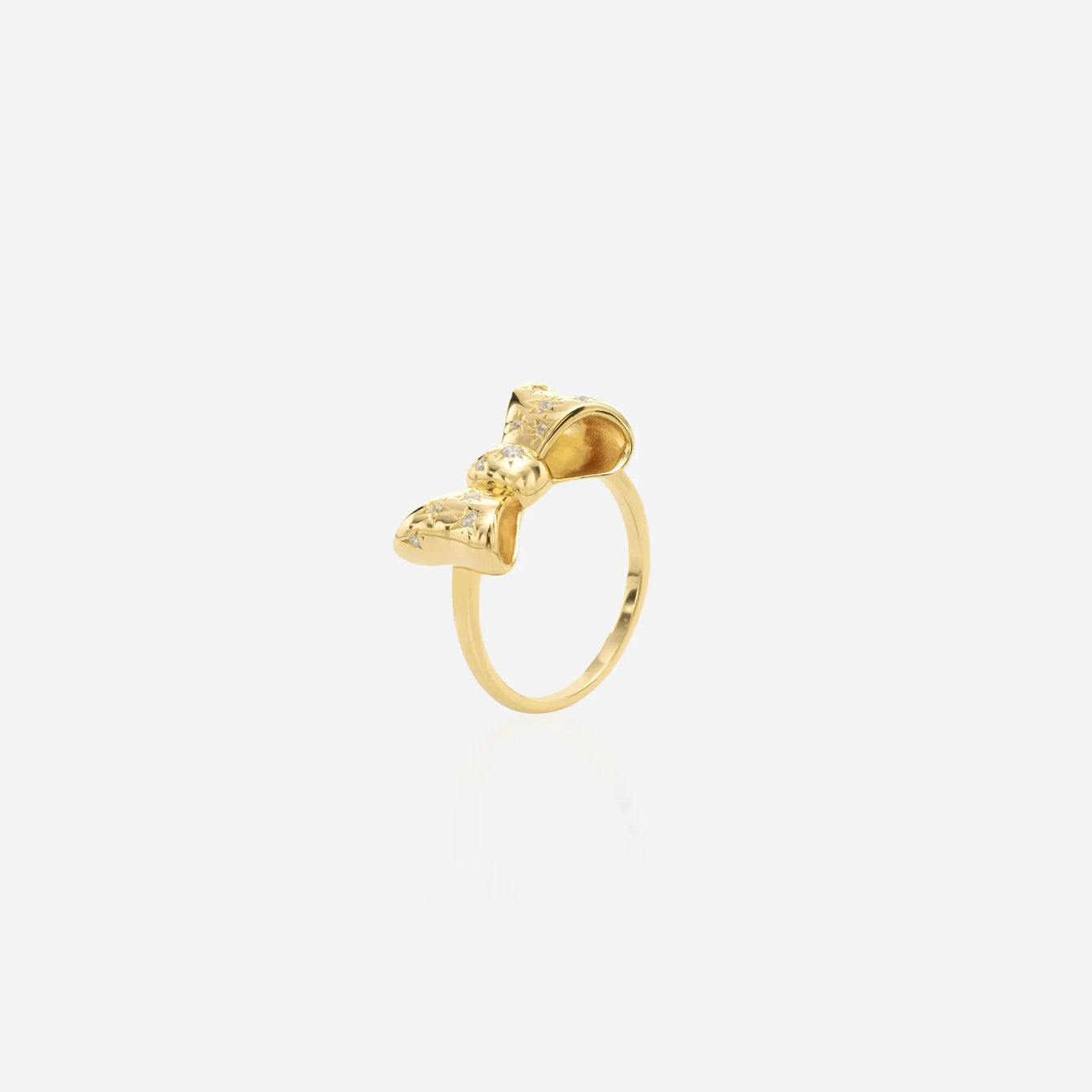
Yes, gold plated jewelry can absolutely be replated. I've had three ÉLARAMUSE pieces replated over the past two years, and each came back looking indistinguishable from the day I first unwrapped them. The real question isn't whether replating works. It's whether your specific piece is worth the investment. For jewelry built on a sterling silver base — as all ÉLARAMUSE pieces are — the answer is almost always yes.
Quick Answer: Professional gold replating costs $25 to $90 per piece depending on size and complexity, takes 3 to 7 business days at most jewelers, and can restore worn gold plated jewelry to like-new condition. The process works best on pieces with sterling silver (Ag925) or quality base metals. Brass and copper bases present more challenges. Thin flash-plated pieces from fast-fashion brands — typically under 0.1 microns of gold — rarely justify the expense. For heirloom-quality plated jewelry, replating extends the life of your pieces by years rather than months.
Table of Contents
- What Is Gold Replating?
- How Much Does Gold Replating Cost?
- The Replating Process: 4 Stages
- When Is Replating Worth It?
- The ÉLARAMUSE Standard: Built for Replating
- DIY Replating Kits: Brush vs Immersion
- Key Terms: Understanding Jewelry Plating
- Frequently Asked Questions
What Is Gold Replating?
Gold replating is an electrochemical process that deposits a fresh layer of gold onto jewelry whose original plating has worn thin. A jeweler submerges your piece in a solution containing gold ions, then passes an electric current through it. The current causes gold particles to bond directly to the base metal surface, rebuilding the plating layer micron by micron.
What happens at the microscopic level is remarkably precise. The base metal acts as a cathode, attracting positively charged gold ions from the solution. These ions reduce to metallic gold on contact, forming a uniform crystalline layer. The longer the piece stays in the bath and the higher the current, the thicker the deposit. Professional jewelers calibrate both variables based on your piece's size, shape, and intended wear pattern.
The thickness of gold plating — measured in microns (one micron equals 0.001 millimeters) — determines everything about how your jewelry ages. Here is what different micron levels mean for everyday wear:
| Gold Thickness | Typical Longevity | Common On | Worth Replating? |
|---|---|---|---|
| 0.05 – 0.1 microns | 1 – 3 months | Fast-fashion costume jewelry | Rarely |
| 0.3 – 0.5 microns | 12 – 36 months | Mid-range plated pieces | Sometimes |
| 1.0 – 2.5 microns | 3 – 7 years | Quality plated jewelry (ÉLARAMUSE range) | Yes |
What this means for you: if a ring lost its gold after three months of wear, the plating was likely under 0.1 microns. That piece was never built to last. Jewelry plated at 1.0 microns and above, in contrast, gives you years of daily wear before any base metal peeks through. When it finally does, the sterling silver beneath is still intact, ready for a fresh layer of gold. That's the foundation that makes replating a smart investment rather than a sunk cost.
Unlike solid gold jewelry, which is the same metal all the way through and never needs replating, gold plated pieces rely entirely on the integrity of that outer layer. And unlike gold filled jewelry, which bonds a mechanically thicker layer of gold to base metal through heat and pressure, electroplated pieces depend on a thinner but purer gold deposit. Each construction method serves different purposes. Replating sits squarely in the domain of electroplated pieces — and it works beautifully when the base is right.
How Much Does Gold Replating Cost?
Professional gold replating costs are modest compared to replacing a piece entirely. I surveyed five jewelers across New York, Los Angeles, and Chicago in early 2026 to get current pricing. Here is what you should expect to pay:
| Jewelry Type | Price Range (2026) | Processing Time |
|---|---|---|
| Ring (simple band) | $25 – $45 | 3 – 5 business days |
| Pendant / Small Necklace | $30 – $55 | 3 – 5 business days |
| Bracelet / Chain | $45 – $75 | 5 – 7 business days |
| Statement Piece / Cuff | $60 – $90 | 5 – 7 business days |
| Rhodium Replating (white gold look) | $35 – $65 | 3 – 5 business days |
Several factors push a piece toward the higher end of these ranges. Intricate designs with deep textures or hard-to-reach crevices require more preparation time. Pieces with gemstones that cannot be removed demand careful masking work — the jeweler must protect every stone from the plating bath. And location matters: independent jewelers in smaller cities often charge 20 to 30 percent less than high-street shops in major metropolitan areas. Call two or three local jewelers and ask for quotes. The variance can be surprising.
What this means for you: even at the high end of $90 for a statement cuff, replating costs a fraction of replacement. A quality gold plated cuff ring built on sterling silver might cost $80 to $120 new. Spending $45 to replate it after two years of daily wear keeps your favorite piece in rotation for less than half the price of buying again. For pieces with sentimental value, the math becomes even simpler: you cannot replace the ring your partner gave you on your first anniversary, but you can absolutely replate it.
The Replating Process: 4 Stages
When you drop off a piece for replating, most jewelers follow the same four-stage protocol. Understanding each stage helps you evaluate whether a jeweler is doing thorough work or cutting corners. Here is what happens behind the workshop door:
Stage 1: Strip and Polish
The jeweler removes any remaining gold layer using a chemical stripping solution — typically a cyanide-based compound that dissolves gold without attacking the base metal underneath. Once stripped, they polish the exposed base metal surface to a mirror finish. This step is critical because plating magnifies imperfections. Every scratch, pit, or uneven spot on the base metal will show through the new gold layer. A jeweler who rushes through surface preparation is a jeweler whose replating work will disappoint you within weeks.
Stage 2: Ultrasonic Cleaning
After polishing, the piece goes into an ultrasonic cleaning bath filled with a degreasing solution. High-frequency sound waves create microscopic bubbles that implode against the metal surface, dislodging polishing compound residue, skin oils, and environmental contaminants. Even a fingerprint left on the surface can prevent gold from bonding properly. This cleaning stage typically runs 5 to 15 minutes depending on the piece's complexity.
Stage 3: Electroplating Bath
The cleaned piece is attached to a conductive rack and submerged in the gold plating solution. The jeweler sets the current and timer based on desired micron thickness. This is where experience matters most: too much current creates a dark, burned-looking deposit. Too little produces a thin, patchy layer that wears through in months. The solution itself contains gold potassium cyanide or gold sulfite, and skilled jewelers maintain these baths at precise temperatures and pH levels. A properly managed bath yields a bright, uniform 18K to 24K gold finish across every surface.
Stage 4: Seal and Buff
Fresh from the bath, the newly plated piece gets rinsed in distilled water and inspected under magnification. The jeweler applies a clear protective lacquer or sealant to high-friction areas — ring interiors, clasp mechanisms, chain links. A final gentle buff with a soft cotton wheel brings out the luster without removing any gold. The piece is now ready for years of wear, looking exactly as it did the day it was first made.
What this means for you: understanding these stages gives you the vocabulary to ask the right questions. When you call a jeweler about replating, ask: "Do you strip and polish before plating, or plate over the existing gold?" A quality jeweler will always say strip first. Plating over worn gold is like painting over peeling paint — it might look fine for a week, but the new layer will flake off with the old one beneath it.
When Is Replating Worth It?
Not every worn piece of gold plated jewelry deserves a trip to the jeweler. After replating dozens of pieces — my own and those of friends who ask for my opinion — I have distilled the decision into a simple framework.
Yes, Replate These Pieces
- Sterling silver (Ag925) base. Silver takes plating beautifully, does not corrode under the gold layer, and can be replated multiple times without degradation. This is the gold standard — literally — for replatable jewelry.
- Sentimental pieces. The ring your grandmother wore every day for forty years. The pendant from your first trip abroad. When emotional value exceeds any price tag, replating is the only path.
- Intricate designs you cannot replace. Jewelry makers discontinue collections. That sculptural cuff you bought three years ago from a designer's limited run may never be produced again. Replate it.
- ÉLARAMUSE pieces. Every piece we make starts with a sterling silver core and is plated at 1.0 to 2.5 microns of 18K or 24K gold. The base metal is built for replating. The design language is built to transcend seasons. These pieces deserve maintenance, not disposal.
No, Skip Replating on These
- Brass or copper base. These metals oxidize and can discolor the new gold layer from underneath. Brass also reacts with some plating solutions, producing patchy results. If your piece turns your skin green when the plating wears off, the base is likely brass.
- Structurally damaged pieces. Broken clasps, cracked shanks, loose stone settings. Fix the structure first, then decide about replating. Plating over damage is cosmetic surgery on a broken bone — it does not address the real problem.
- Sub-$20 fast-fashion jewelry. These pieces typically carry 0.05 to 0.1 microns of gold flash. The cost of replating exceeds the original purchase price, and the base metal — usually a mystery alloy — does not take replating well. Buy a new piece instead.
- "Gold tone" costume jewelry. If the original listing called it "gold tone" rather than "gold plated," the piece likely has no actual gold content. It may be tinted lacquer or a colored alloy. Replating shops will not touch these, and they should not.
Unlike fashion jewelry designed for a single season of wear, quality plated pieces on sterling silver bases are built with replating in mind. The difference is not semantic — it is structural. When a fast-fashion ring loses its gold, the brass underneath has often pitted and corroded, making replating impossible. When an ÉLARAMUSE ring shows its silver beneath the gold, the surface is pristine, ready for its next layer.
The ÉLARAMUSE Standard: Built for Replating
We believe jewelry should be maintained, not discarded. This conviction shapes every decision we make about materials and construction. Every ÉLARAMUSE piece begins with a sterling silver (Ag925) core — the same alloy trusted by fine jewelers for generations. We plate at 1.0 to 2.5 microns of genuine 18K or 24K gold, a thickness range that gives you years of daily wear before replating even enters the conversation. And when that day arrives years later, your piece is ready. The sterling base is intact. The design is timeless. The only thing between your jewelry and its next chapter is a plating bath.
Here is how the ÉLARAMUSE construction standard compares to other categories in the market:
| Feature | ÉLARAMUSE Standard | Fast-Fashion Plated | Gold Filled | Solid Gold |
|---|---|---|---|---|
| Base Metal | Sterling Silver (Ag925) | Brass / Copper / Alloy | Brass core | Gold alloy throughout |
| Gold Plating Thickness | 1.0 – 2.5 microns | 0.05 – 0.1 microns | 5 – 10 microns (bonded) | N/A (solid) |
| Nickel Content | Nickel-free | Often contains nickel | Varies | Varies by alloy |
| Daily Wear Durability | 3 – 7 years | 1 – 3 months | 10 – 30 years | Lifetime |
| Replatability | Excellent — designed for it | Poor — base degrades | Possible but less common | Not needed |
Why sterling silver matters for replating. When a jeweler strips the old gold layer, what they find underneath determines whether the piece is worth saving. Ag925 sterling silver is noble, stable, and resistant to corrosion. It does not pit, oxidize green, or react with plating solutions the way brass and copper do. The result: a perfectly smooth surface that accepts gold evenly, creating a bond that lasts as long as the original plating. Every ÉLARAMUSE piece carries this advantage built into its core — it is why we can say with confidence that our jewelry is designed to be replated, not replaced.
Three scene studies in replating. Consider the daily ring wearer who never removes her Serpentina Cuff Ring ($99). She wears it through hand washing, typing, yoga, and sleep. After two years, the inner band shows silver beneath the gold. A $35 replating restores it completely — less than the cost of a dinner out. Or the necklace devotee whose gold plated pendant has dulled along the chain links from constant friction against collars and scarves. A $45 trip to the jeweler and it gleams like day one. Then there is the bracelet collector who rotates her pieces with the seasons. Her favorite bangle shows wear only at the clasp after three years. A targeted $50 replating keeps it in rotation indefinitely.
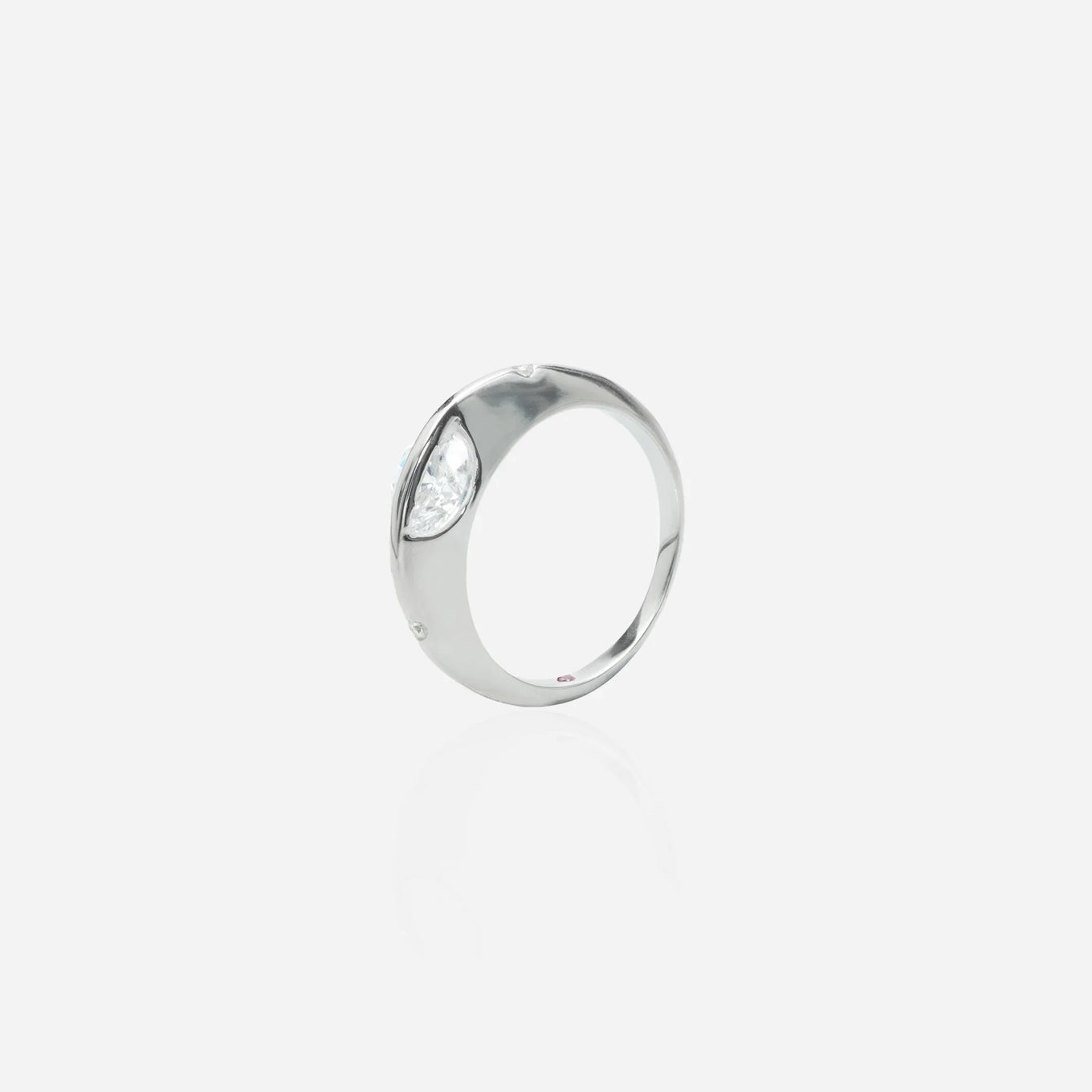
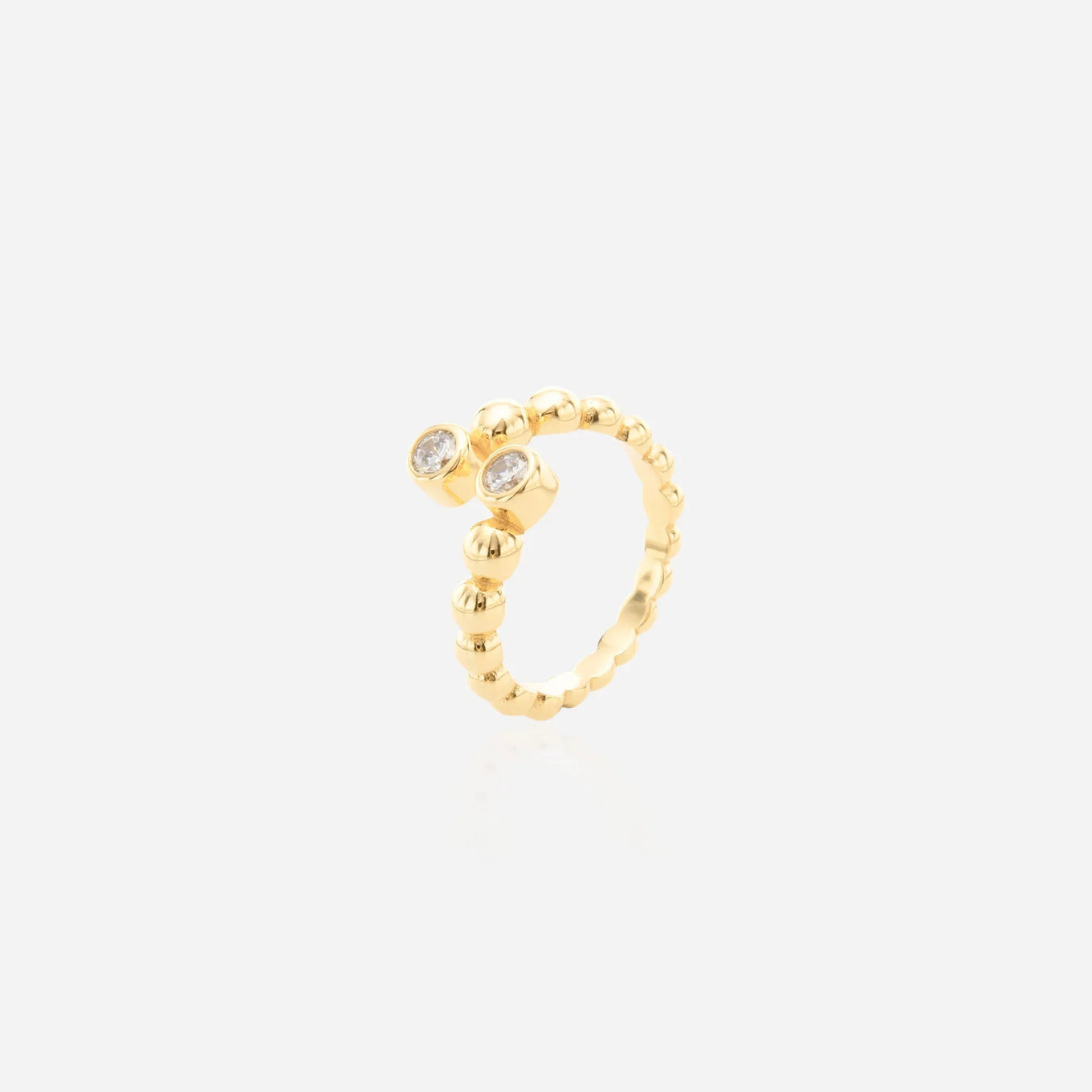
The Bubble Ring ($49) represents our philosophy in miniature. A sculpted sterling silver band plated in rich 18K gold, it wears beautifully for years of daily use. When the gold eventually thins at the knuckle line — as any plated ring will — a quick replating restores it to its original presence. This is what happens when a piece is built right from the start: maintenance is straightforward, and the design outlasts the plating cycle many times over. Browse our earrings collection for more pieces built on the same foundation.
DIY Replating Kits: Brush vs Immersion
The internet will sell you a gold replating kit for $30 to $80. I have tested two of them — one brush-plating system and one immersion kit — so you do not have to wonder whether they work. The short answer: they do, sort of, for a limited time, under specific conditions. The longer answer follows.
Brush-plating kits use a handheld wand with a felt or sponge tip soaked in gold solution. You connect the wand to a power source, clip a grounding wire to your jewelry, and paint the gold onto worn areas. The process takes 10 to 20 minutes and produces a visibly gold finish. The catch: the layer is extremely thin — typically 0.05 to 0.15 microns — and the application is uneven by nature. High points on the piece (edges, raised details) receive the deposit; recessed areas often remain bare. I used a brush kit on a simple silver band and the result looked convincing for about two weeks before the gold began to fade at the edges. By week six, the ring looked essentially the same as it had before I started.
Immersion kits are closer to professional-grade but demand significantly more skill. You mix a plating solution, heat it to a precise temperature, suspend your piece, and run current through it. The results can approach pro quality — if you get the voltage, temperature, timing, and surface preparation exactly right. Most people do not on their first attempt, or their third. I spent an entire afternoon getting one pendant to an acceptable finish, and the total cost of the kit plus replacement solution exceeded what my local jeweler would have charged. The learning curve is real, and the chemical disposal is not trivial.
When to go DIY: for a costume piece you wear occasionally and have no emotional attachment to. When the cost of professional replating exceeds the piece's replacement value. When you enjoy the process of learning a craft more than you care about the result. When to go professional: for any piece you love, any piece with sentimental value, any ÉLARAMUSE piece, and anything with gemstones or complex surfaces. Professional jewelers achieve micron thickness and surface uniformity that home kits simply cannot match.
What this means for you: DIY kits are tools for experimentation, not restoration. If your goal is to play with electrochemistry on a rainy Saturday, by all means buy a kit and have fun. If your goal is to restore a piece you love to its original glory, call a jeweler.
Key Terms: Understanding Jewelry Plating
Jewelry plating has its own vocabulary, and understanding these terms will help you make informed decisions about replating, purchasing, and care. Here are the five terms that matter most:
- Electroplating
- The process of using electric current to deposit a thin layer of metal (gold, rhodium, silver) onto a conductive base. In jewelry, the base piece acts as the cathode in an electrolytic cell filled with metal ions. The thickness of the deposit is controlled by current strength and immersion time. All gold plated jewelry — regardless of quality — uses this same fundamental process. What separates premium plating from disposable plating is the micron count and the base metal beneath it.
- Micron (μm)
- One millionth of a meter, or 0.001 millimeters. In jewelry plating, microns measure the thickness of the gold layer deposited on the base metal. To visualize: a single human hair is approximately 70 microns thick. A 1.0-micron gold plating is roughly 70 times thinner than a hair. Despite that thinness, the difference between 0.1 microns (fast fashion) and 1.5 microns (ÉLARAMUSE) represents the difference between weeks and years of daily wear.
- Ag925 (Sterling Silver)
- An alloy of 92.5% pure silver and 7.5% other metals (typically copper). The "925" hallmark indicates this exact composition and is the international standard for sterling silver. For replating purposes, Ag925 is the ideal base metal: it is noble (resists corrosion), stable (does not react with plating solutions), and provides a perfectly smooth surface for gold adhesion. Pieces marked "925" or "Sterling" on the interior of a ring or the back of a pendant are built on this foundation.
- Base Metal
- The underlying metal onto which gold is plated. Common base metals in jewelry include brass (copper-zinc alloy), copper, nickel silver (which contains no actual silver), and sterling silver (Ag925). The base metal determines whether a piece can be successfully replated. Sterling silver bases accept replating beautifully. Brass and copper bases oxidize, discolor, and react with plating chemicals, making replating unreliable. Always check for a "925" stamp before investing in replating services.
- Flash Plating
- An industry term for extremely thin gold plating — typically under 0.1 microns — applied in a matter of seconds. Flash plating gives a piece a gold color but provides virtually no durability. It is the standard technique for fast-fashion and costume jewelry where the gold layer is cosmetic, not functional. Flash-plated pieces are rarely worth replating because the cost of professional work exceeds the piece's value and the base metal is almost always brass or mystery alloy. If a piece was described as "gold flashed" or priced under $20, it likely falls into this category.
Frequently Asked Questions
How often should I replate my gold plated jewelry?
Most quality gold plated jewelry (1.0 microns and above) needs replating every 3 to 7 years with regular wear. Rings — which endure the most friction — typically show wear first, followed by bracelets, then necklaces and earrings. You should replate when the base metal becomes visible, not on a fixed schedule. Premature replating strips away good gold unnecessarily. Wait until you can see silver peeking through at friction points — the inner band of a ring, the back of a pendant, the clasp of a bracelet. That is your signal.
Will replating change the color of my jewelry?
A professional jeweler will match the gold karat of your original piece — 18K gold yields a warm, rich yellow while 24K produces a brighter, more saturated gold. If your original plating was 18K and the jeweler uses 18K solution, the color will be identical. If you choose to upgrade from 18K to 24K for a richer tone, the color will shift noticeably warmer. Discuss this with your jeweler before they begin. Most will show you sample swatches so you can compare the karat colors side by side. Also note: if your piece was originally rhodium plated (for a white gold look), replating in yellow gold will change the color entirely. Make sure you and your jeweler are clear on what you want.
How do I know when my jewelry needs replating?
Look for these three signs. First, visible base metal: silver, copper, or brass tones showing through the gold at high-friction points. Second, texture change: the once-smooth gold surface feels rough, grainy, or uneven to the touch. Third, color dulling: the gold looks matte, flat, or cloudy even after cleaning with a soft polishing cloth. If you notice one of these signs, you have months before replating becomes urgent. If you notice all three, book the appointment. The base metal is now exposed to moisture and air, and the underlying surface will begin to degrade if left unprotected.
Can rhodium plated jewelry be replated?
Yes. The process for rhodium replating is nearly identical to gold replating, with rhodium solution substituted for gold solution in the electroplating bath. Rhodium — a platinum-group metal — produces the bright white finish associated with white gold jewelry. White gold rings are routinely rhodium plated at the factory and replated every 12 to 24 months to maintain their icy white appearance. The cost runs $35 to $65 per piece, and the turnaround time matches gold replating at 3 to 5 business days. For ÉLARAMUSE pieces in a white gold finish, rhodium replating follows the same principle: the sterling silver base takes the new rhodium layer cleanly, and the results last years. One note: rhodium wears faster than gold on rings, so expect to replate rhodium-finished rings more frequently than gold-finished ones.
Editor's Picks
Looking for pieces built to last — and built to be replated when the time comes? Start here:
- Serpentina Cuff Ring ($99) — An 18K gold plated sculptural ring on a sterling silver base. Its flowing, organic silhouette wraps the finger in a statement of quiet confidence. Designed to be worn, loved, and replated.
- Bubble Ring ($49) — A sculpted sterling silver band plated in warm 18K gold. Architectural yet wearable, with a presence that holds its own alone or stacked.
- All Necklaces — From delicate chains to statement pendants, every necklace in our collection is built on an Ag925 foundation plated at 1.0 microns and above.
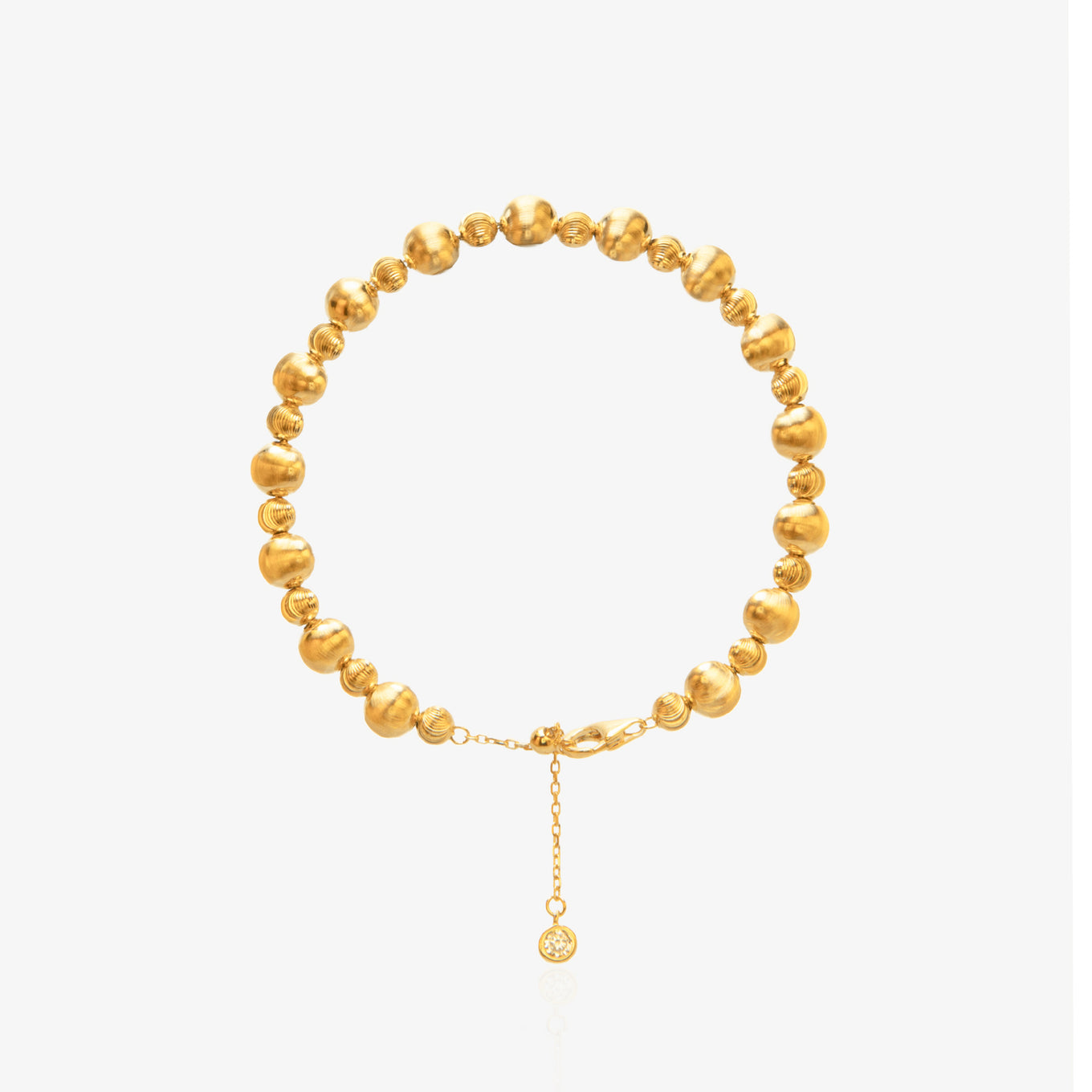
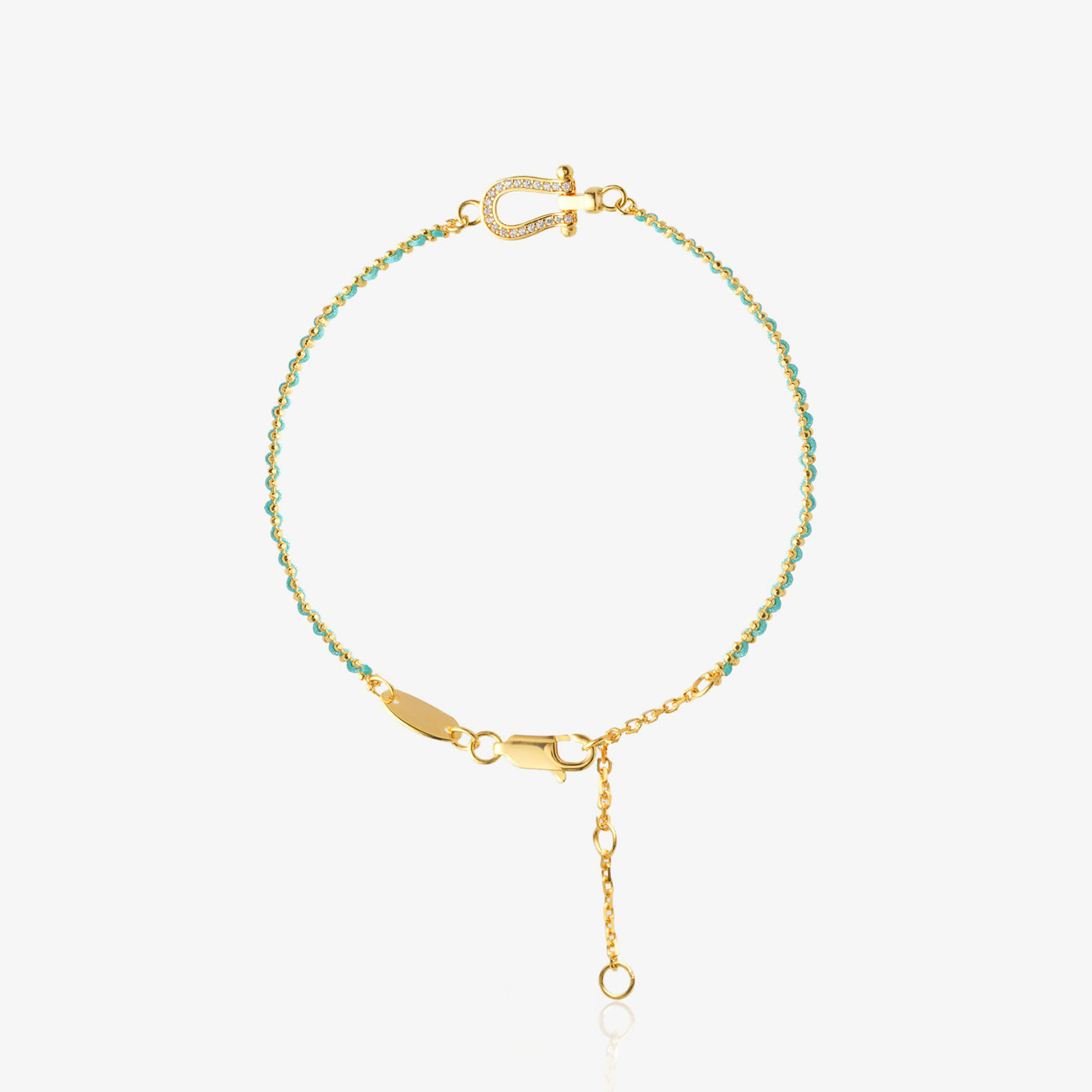
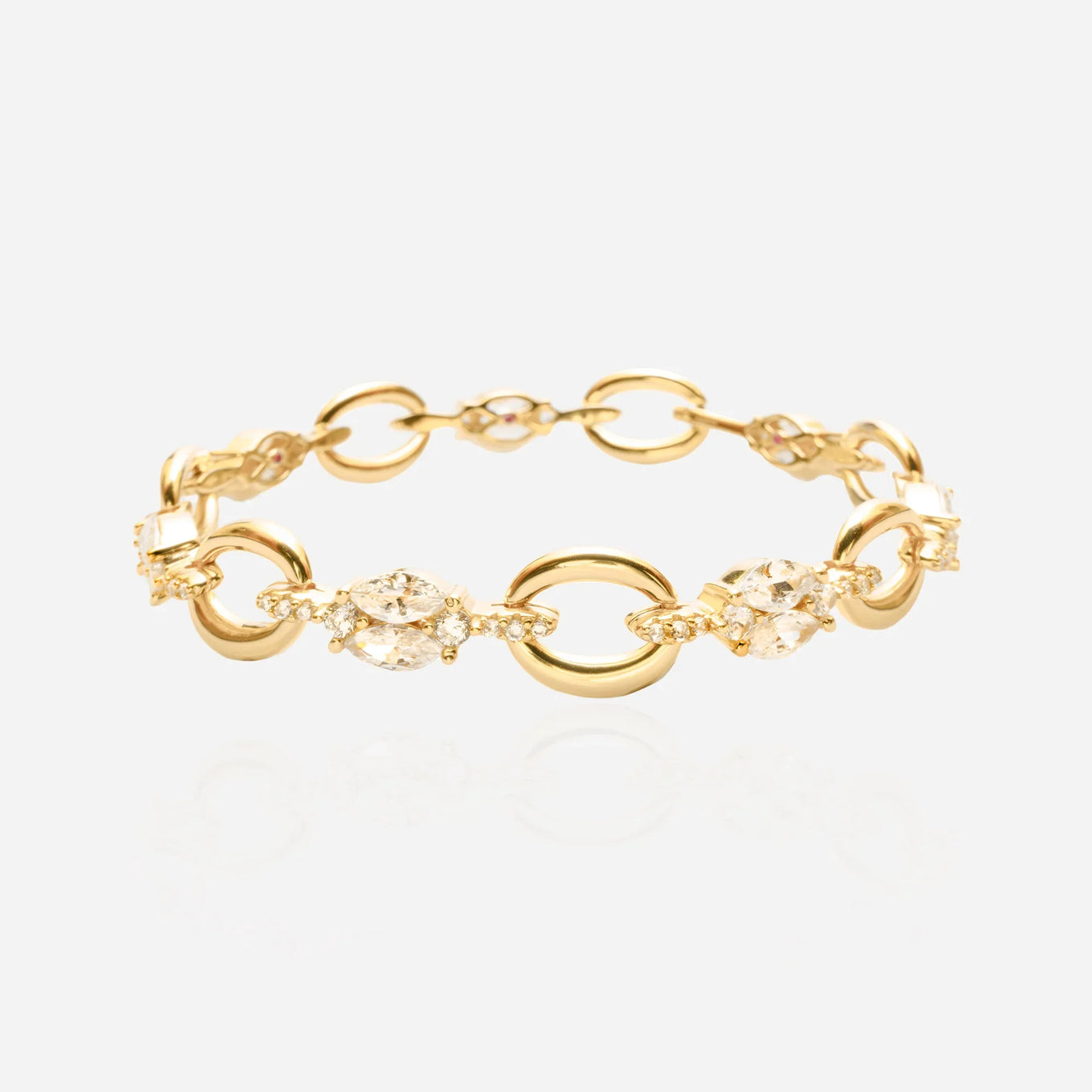
- All Bracelets — Bracelets that move with you, wear beautifully over time, and come back to life with a single replating session when the moment arrives.
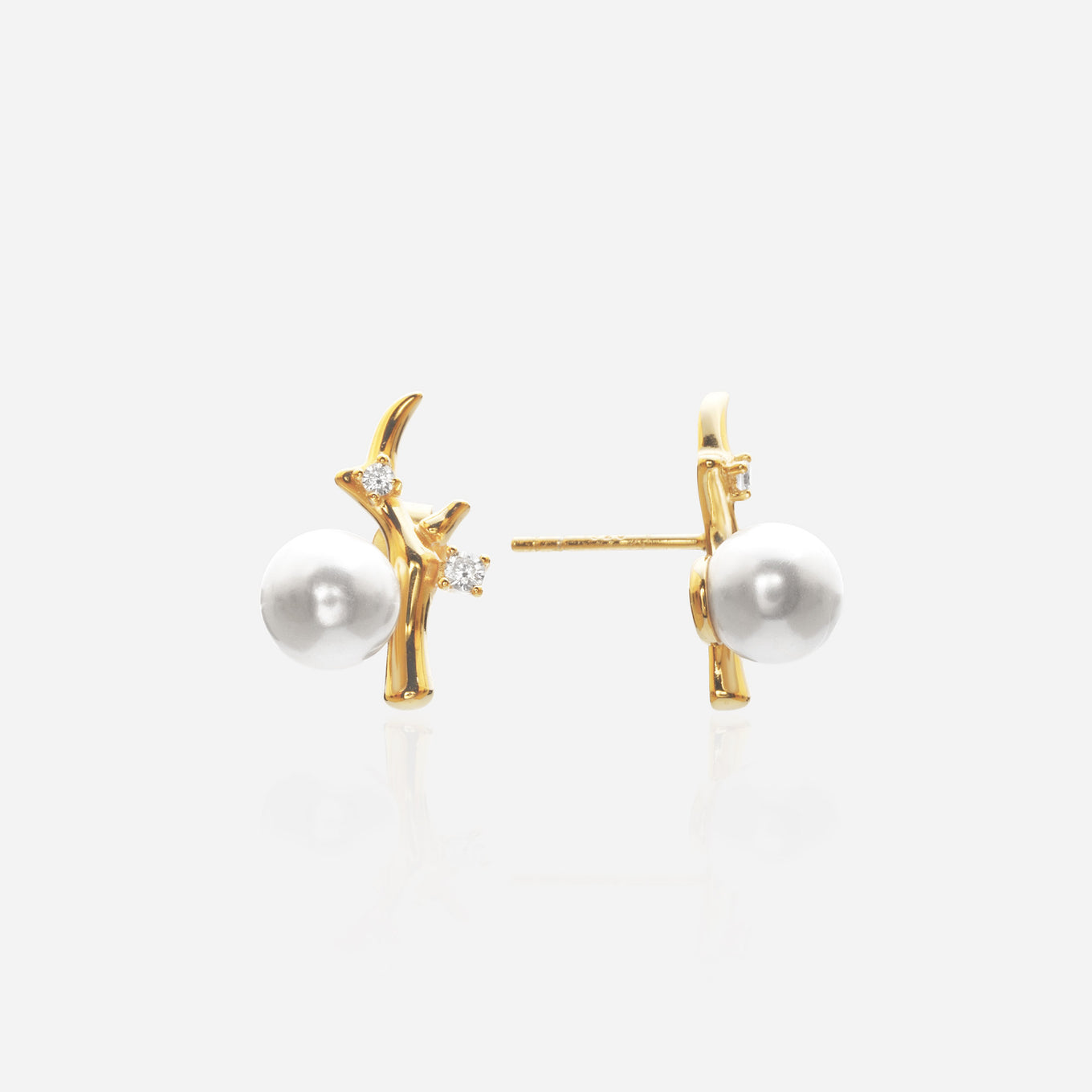
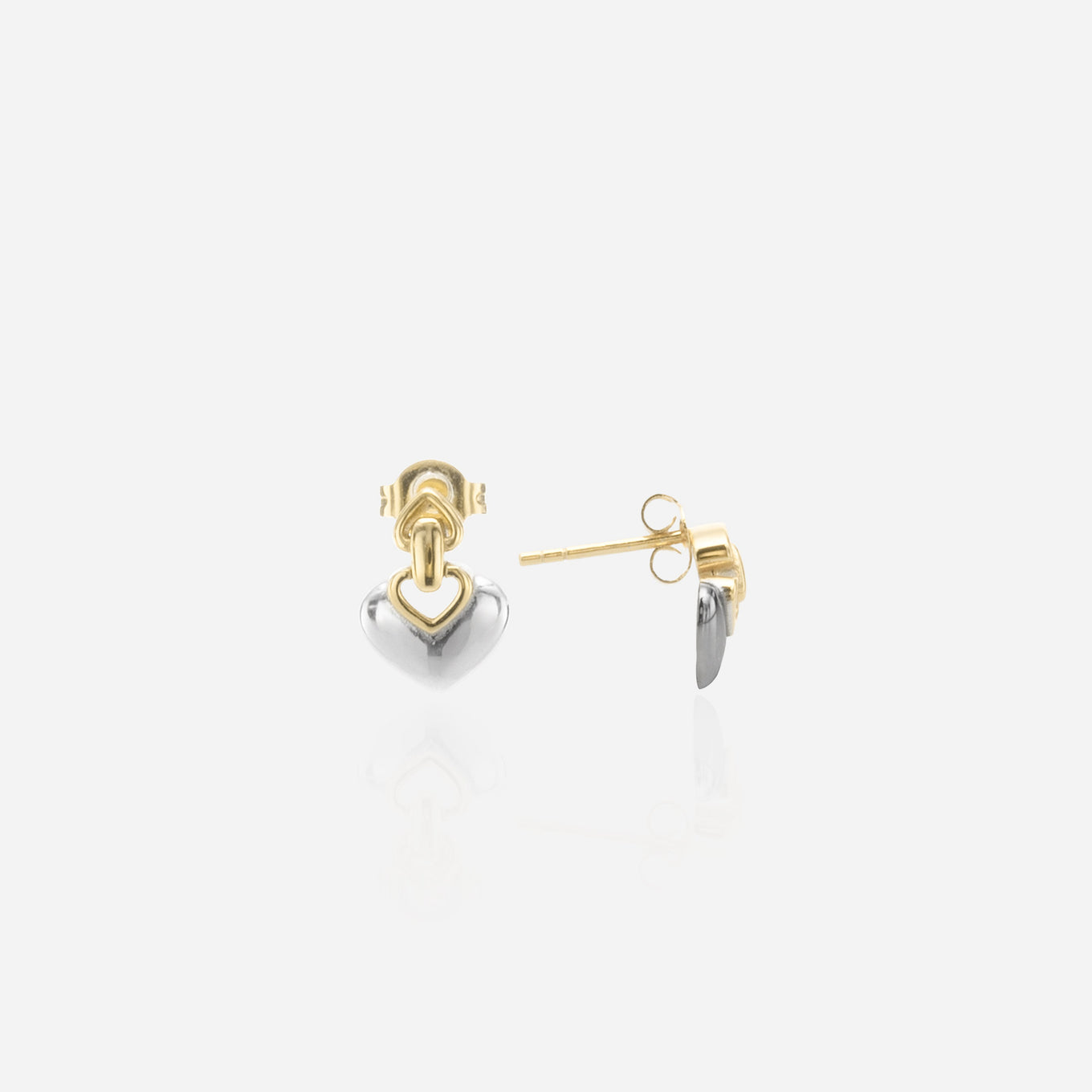
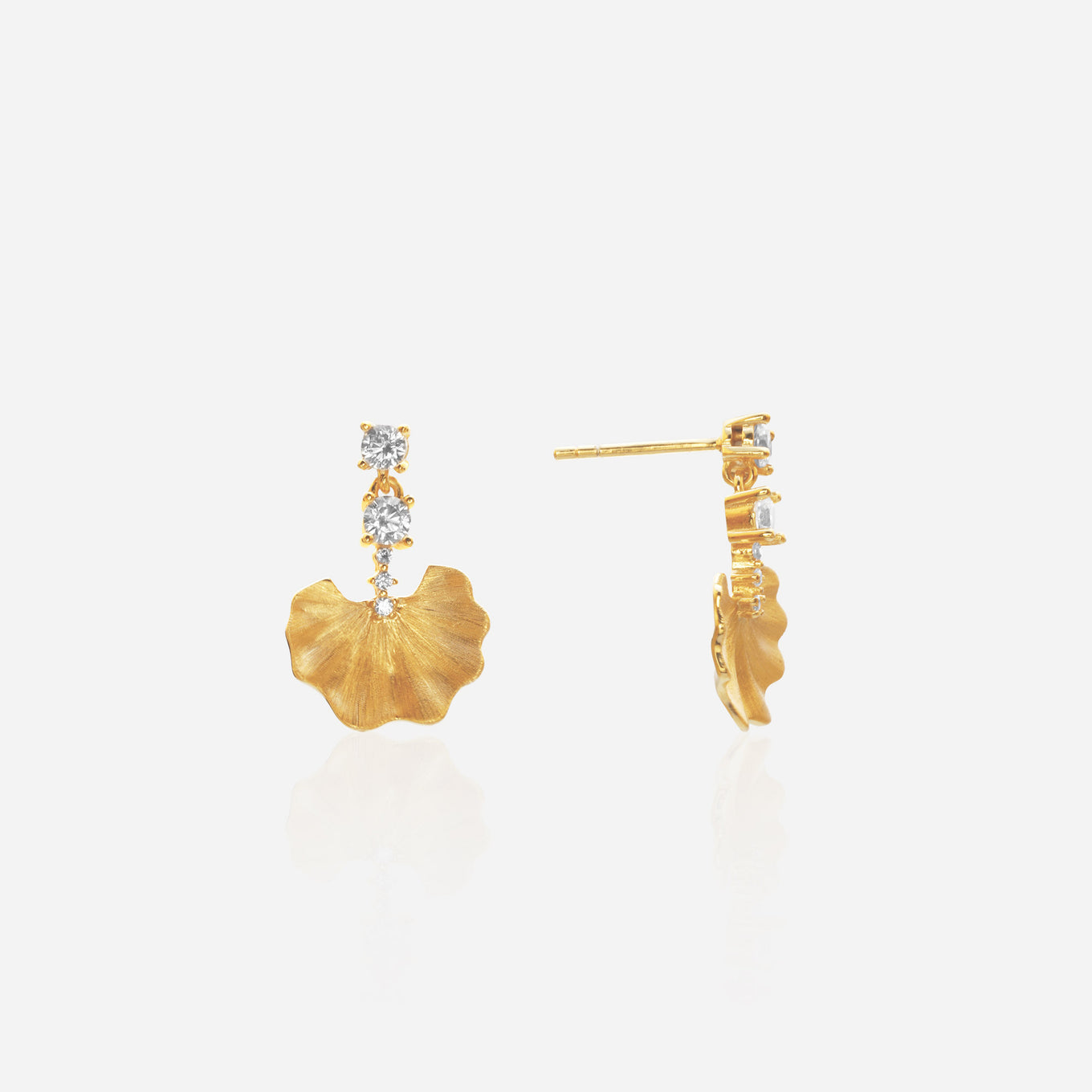
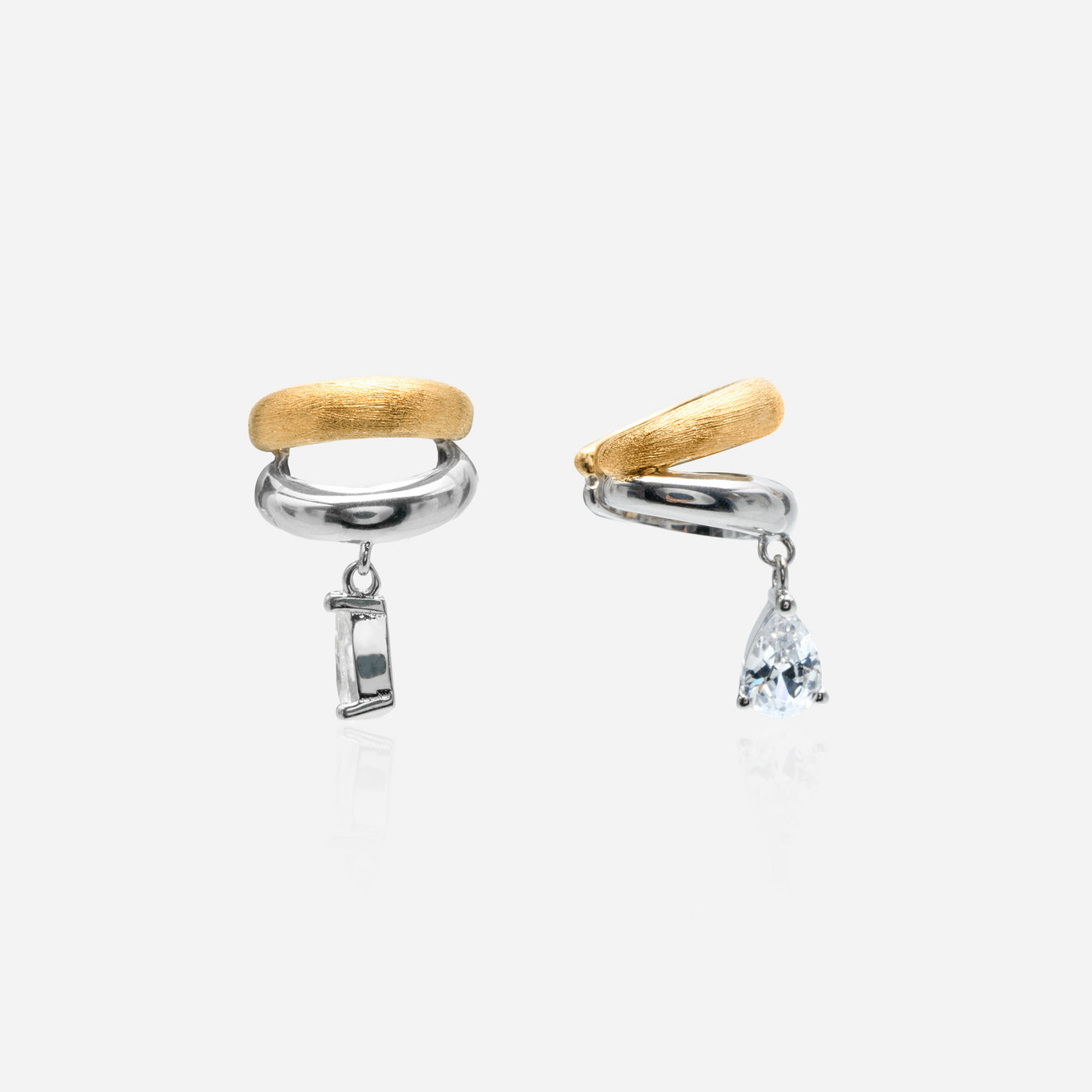
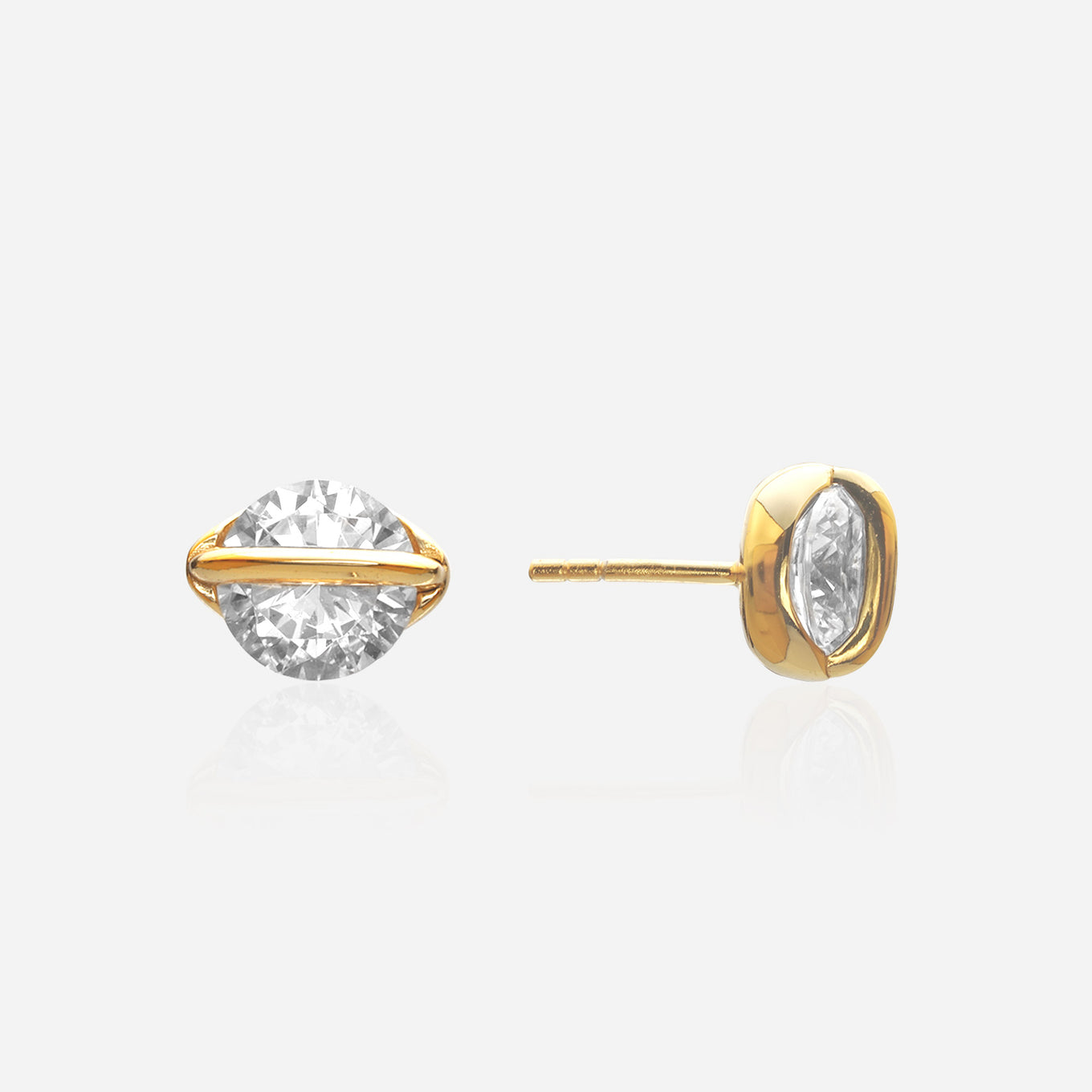
- All Earrings — Earrings experience the least friction of any jewelry category, which means our gold plated earrings often go 5+ years before showing any signs of wear.
Further Reading
- GIA (Gemological Institute of America) — The world's foremost authority on gemology and precious metals. Their educational resources cover gold standards, plating technology, and jewelry durability testing.
- FTC Jewelry Guides — The Federal Trade Commission's official guidelines on metal content disclosures, plating terminology, and what jewelers can legally claim about their products.
Take care of the pieces that take care of you. A ring that has held your hand through countless mornings, a necklace that has rested against your heart through every season — these are not disposable objects. They are companions in the small rituals of daily life. When the gold wears thin, that is not a failure. It is evidence of a life lived in that piece. Replate it, and keep going.
— Joyce