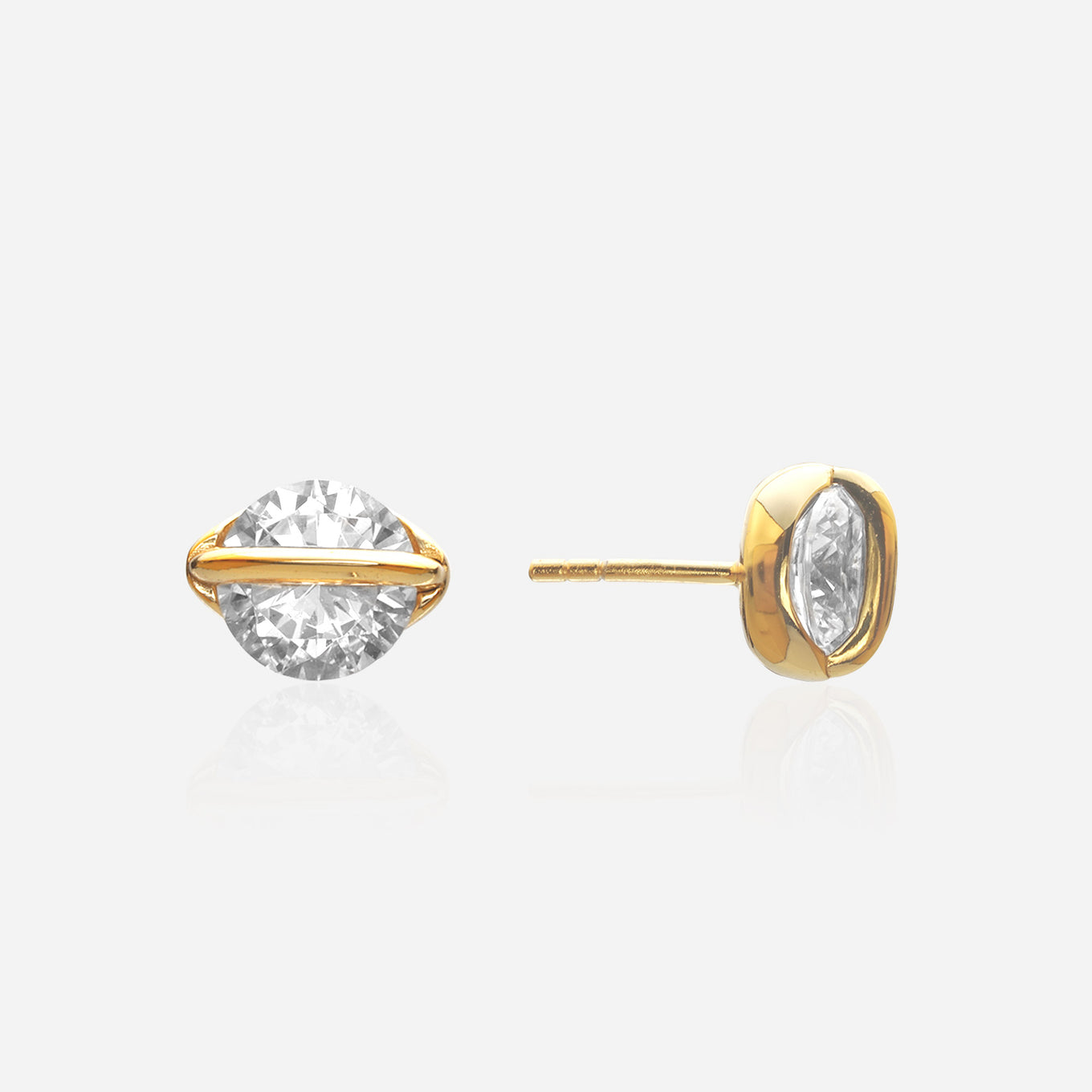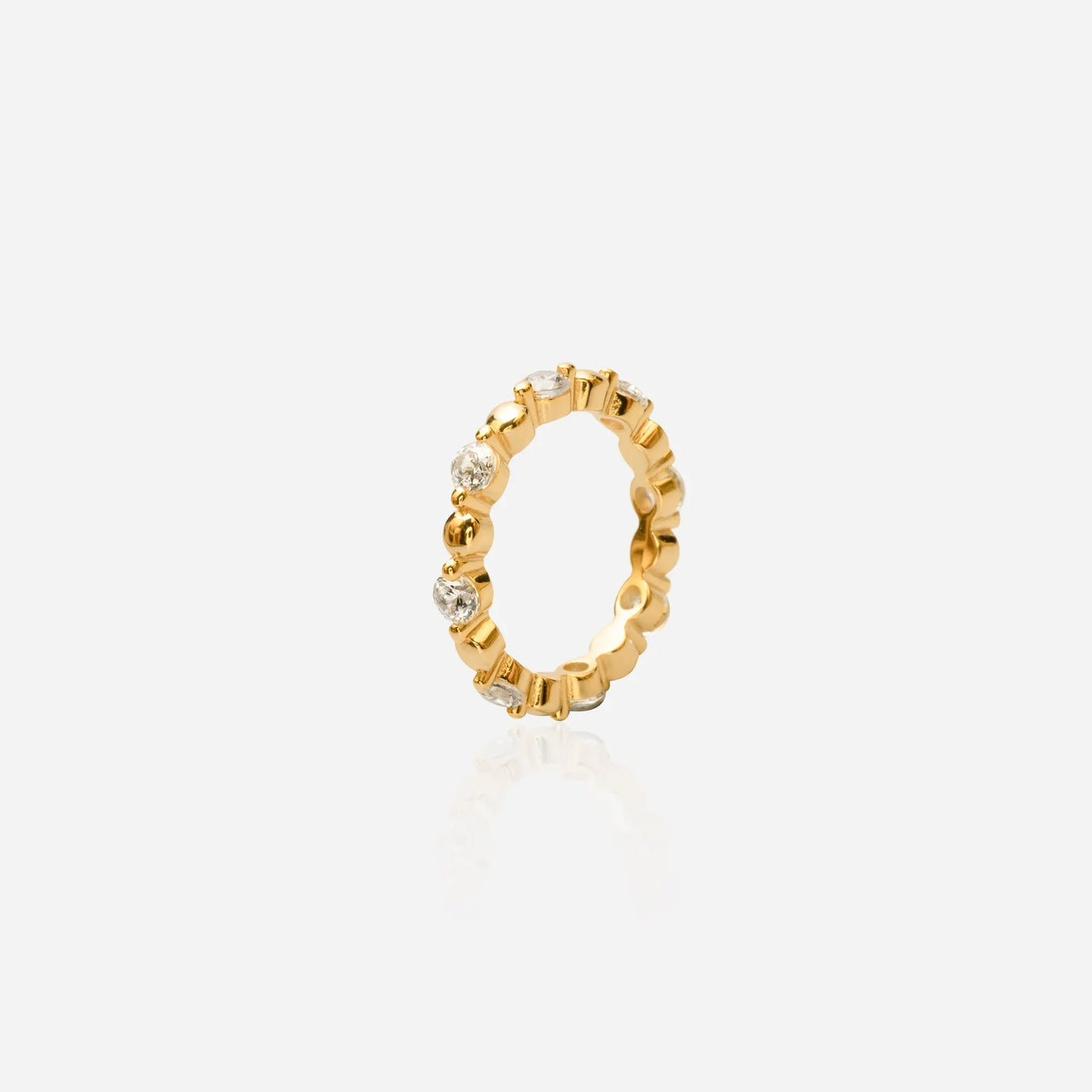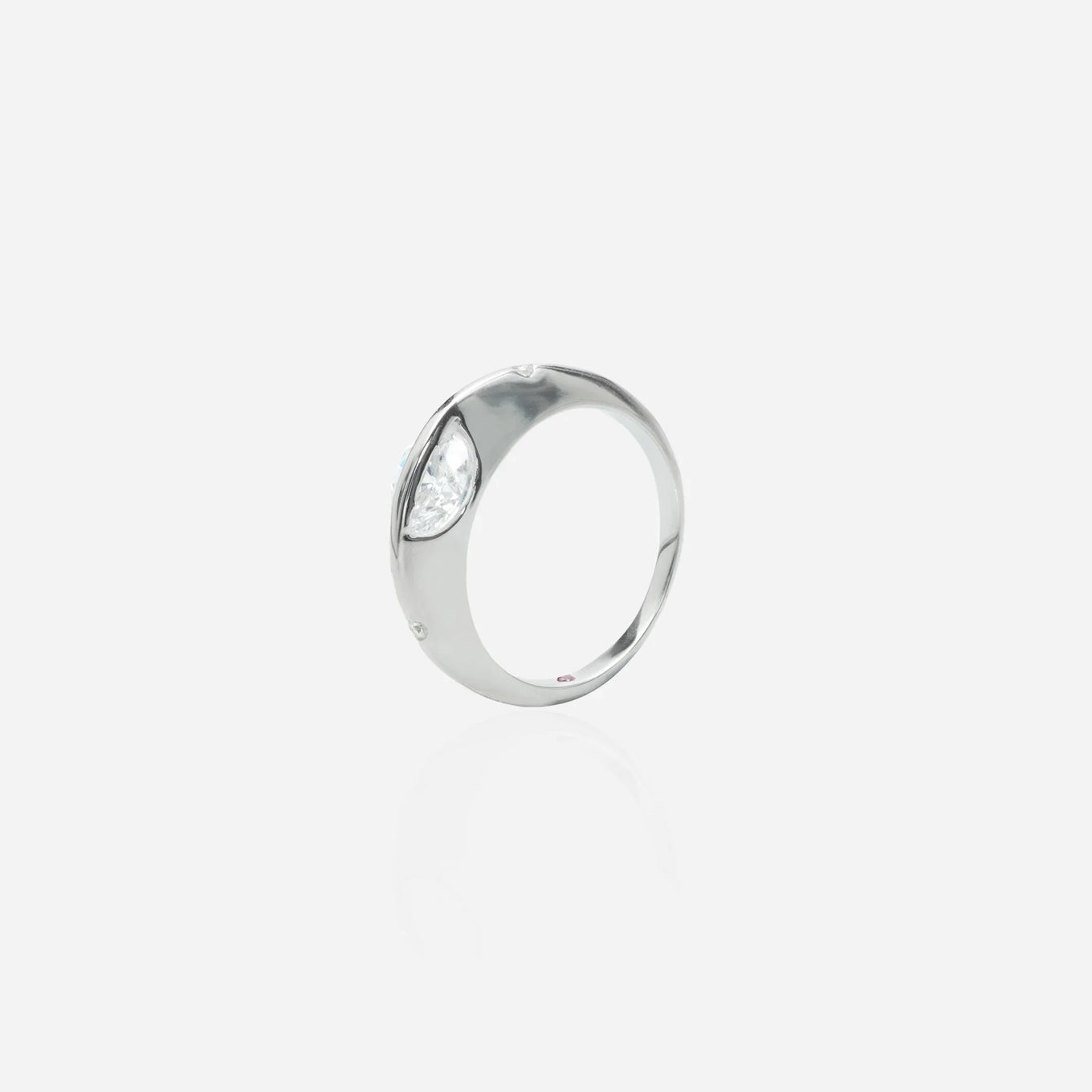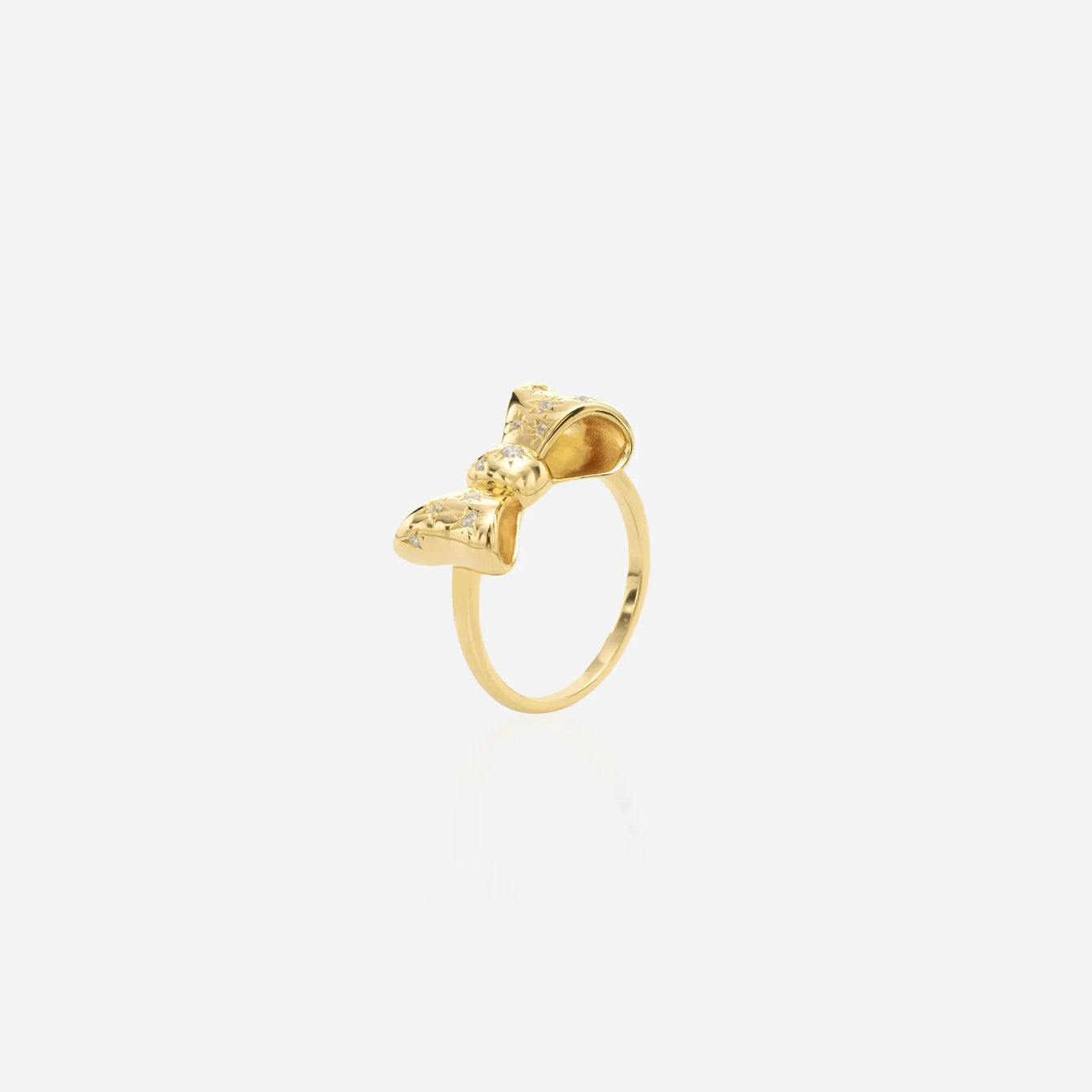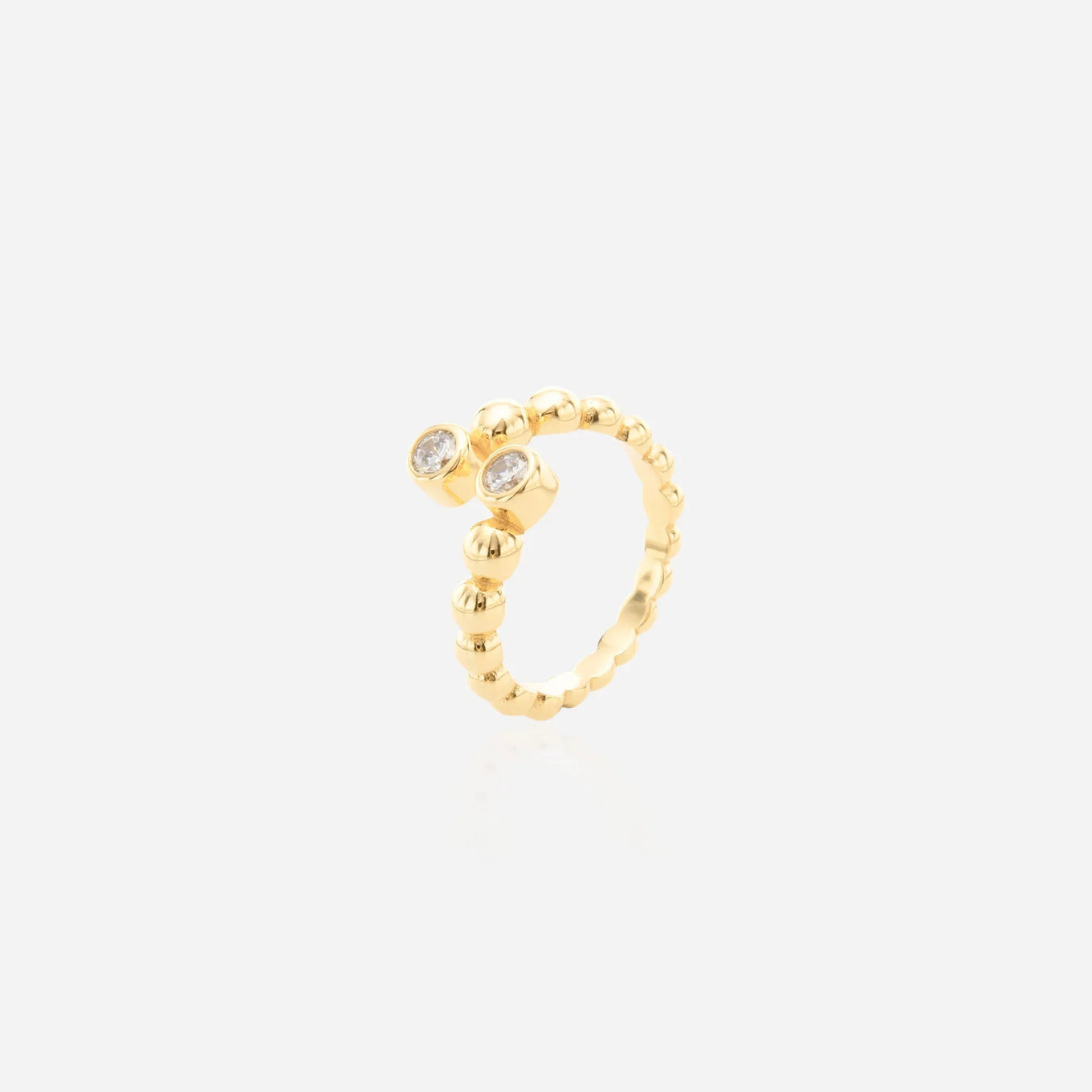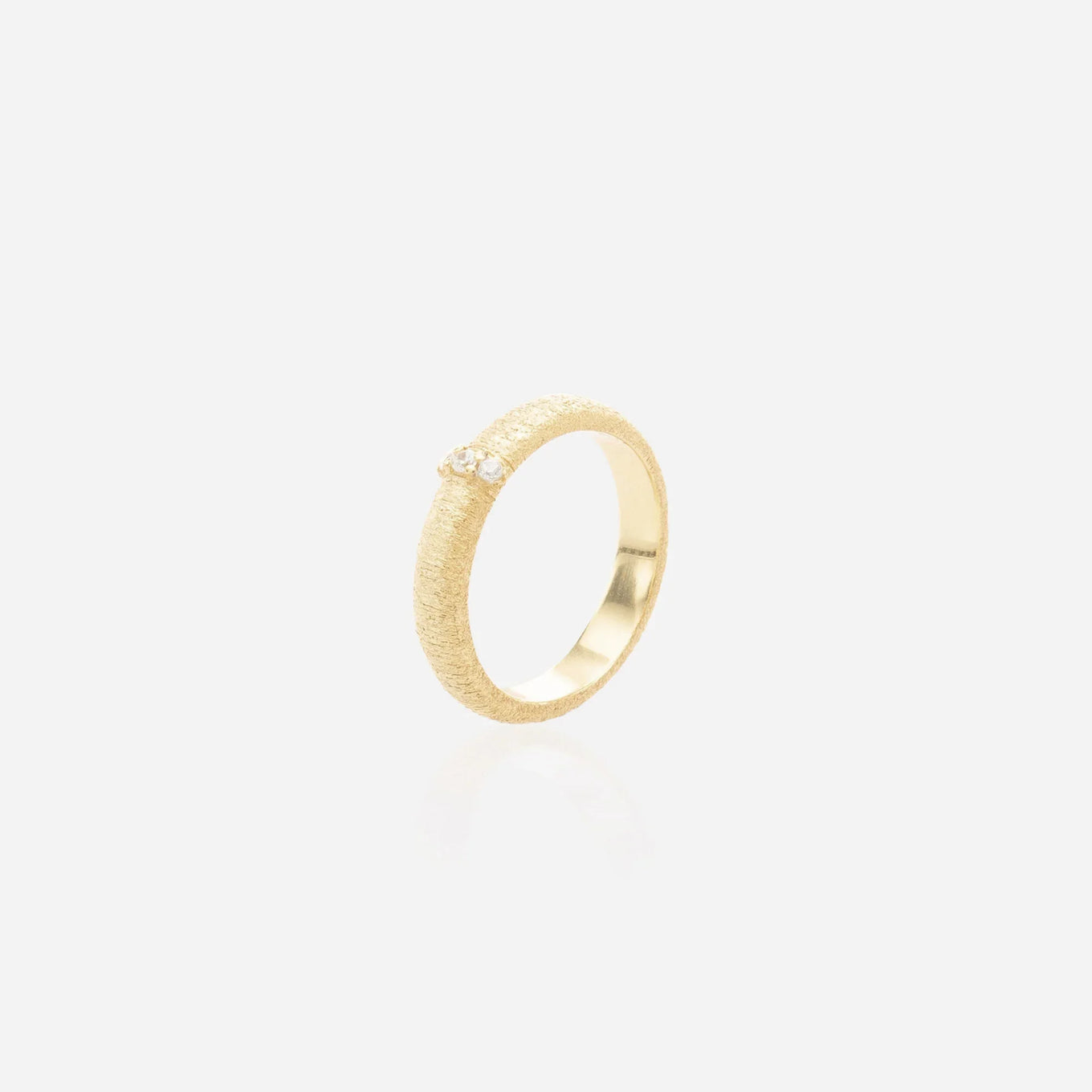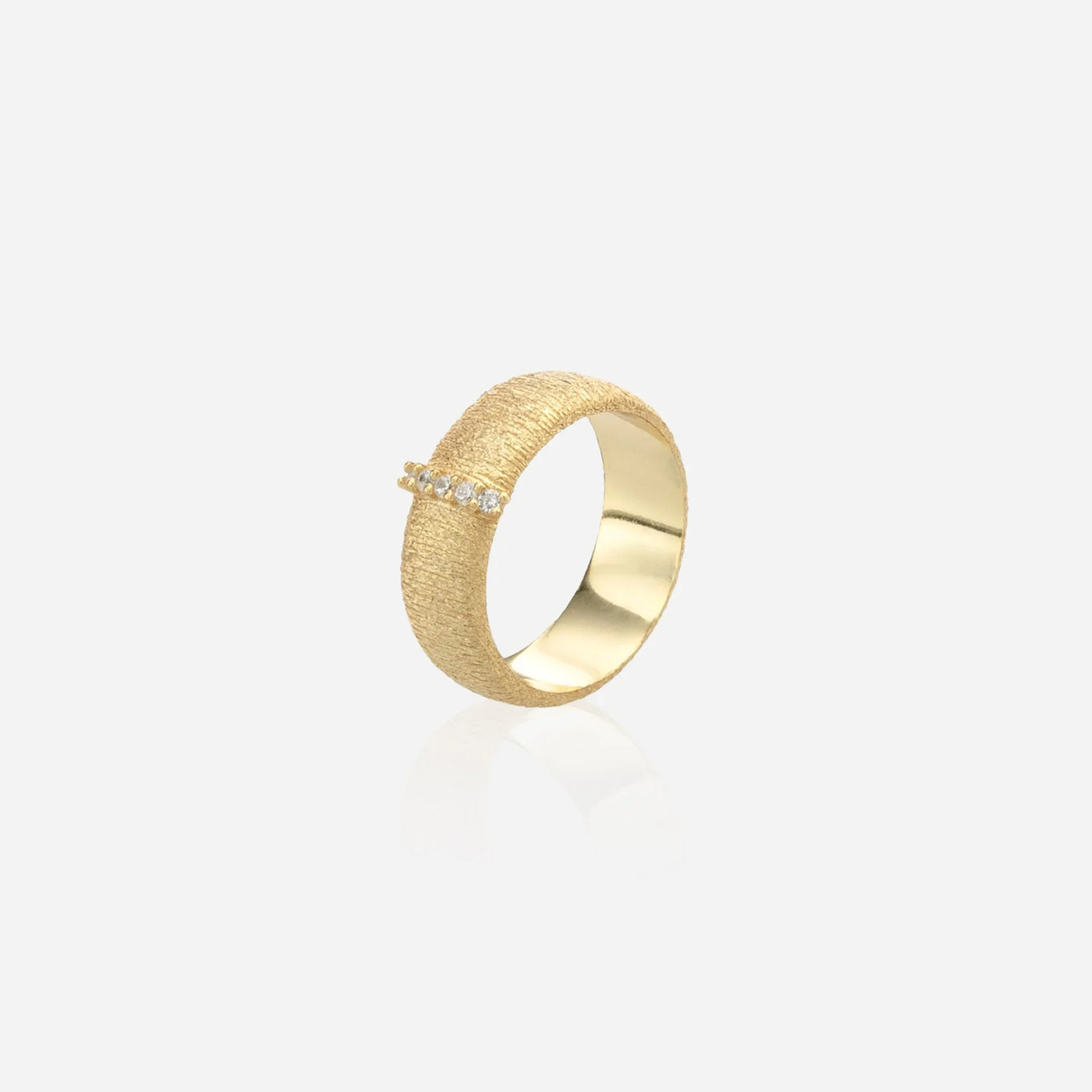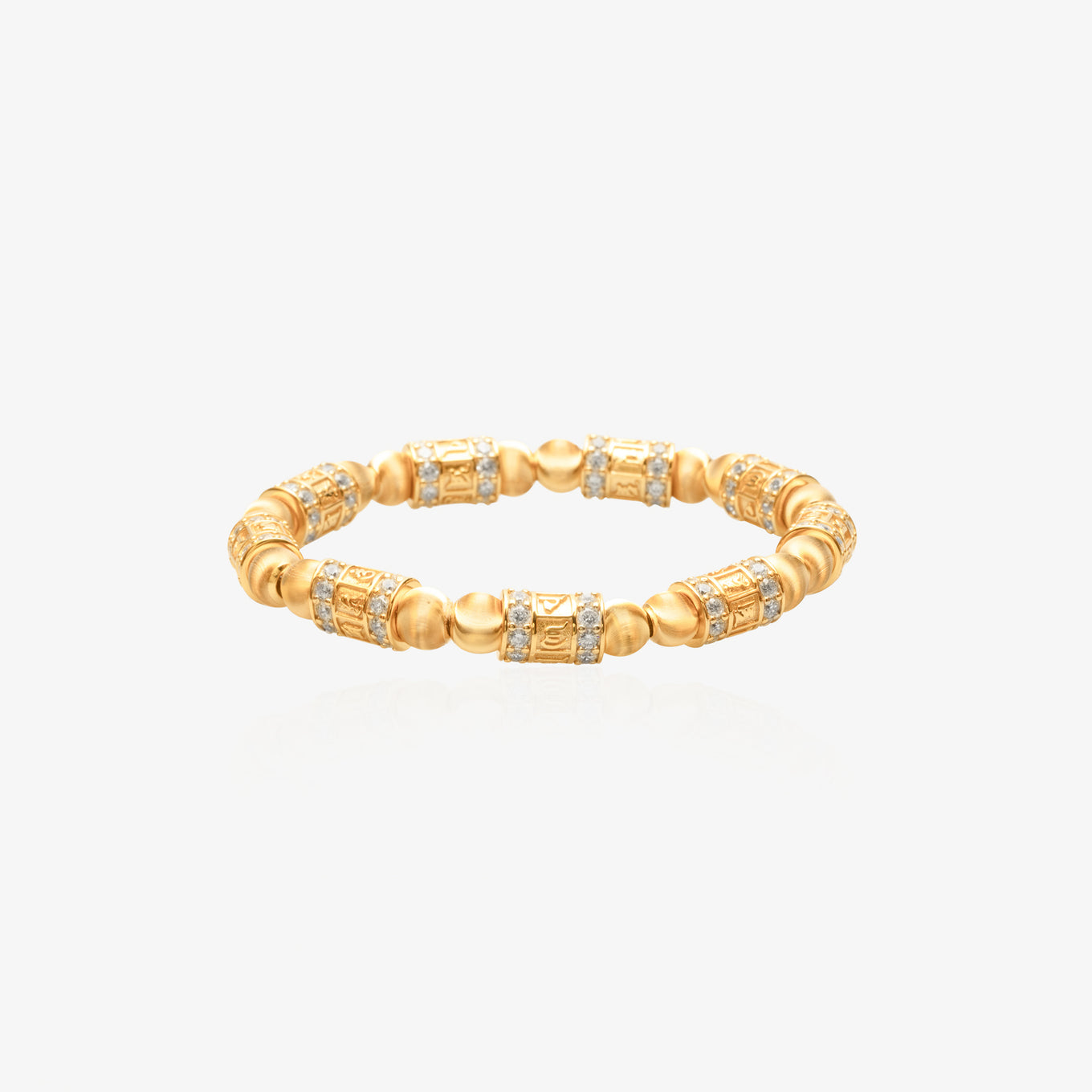
What Is a Cocktail Ring? The 2026 Guide to Bold Statement Rings That Command the Room
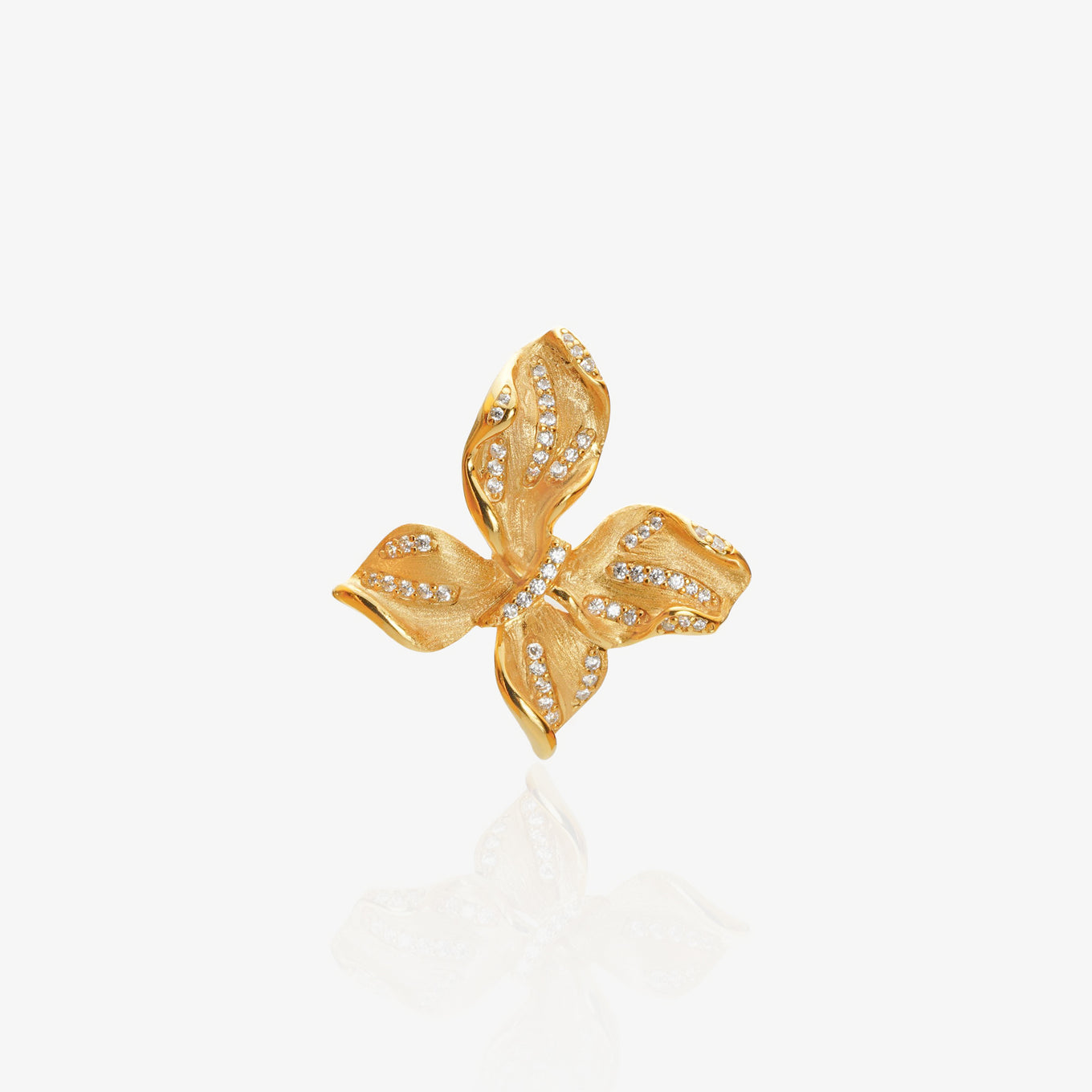
A cocktail ring is not subtle jewelry — for proof, look no further than the Gardenia Ring, a layered flower-petal statement in gold that commands attention the way every great cocktail ring should — Born in the speakeasies of the 1920s and perfected through decades of Hollywood glamour, the cocktail ring is a declaration worn on the finger—oversized, commanding, and deliberately impossible to ignore. At ÉLARAMUSE, we see the cocktail ring as a woman's ultimate power accessory: the piece you reach for when you need to feel unapologetically bold.
📑 In This Guide
- Ask Yourself: Are You Ready for the Room to Notice?
- The History of the Cocktail Ring: From Prohibition Rebellion to Modern Power Dressing
- Cocktail Ring Styles: 5 Silhouettes That Define the Look
- How to Wear a Cocktail Ring: The Rules (and When to Break Them)
- Cocktail Ring vs. Statement Ring: What's the Difference?
- Materials Matter: Why Cocktail Rings Demand Quality Construction
- ÉLARAMUSE vs. The Market: Two Contrasts That Matter
- When to Wear a Cocktail Ring: Occasion Guide
- Vintage Cocktail Rings: Why Retro Styles Are Having a Renaissance
- The Cocktail Ring Market by the Numbers: 2026 Data Snapshot
- We Believe: The Cocktail Ring Philosophy
- References & Further Reading
Unlike fashion rings that rely on hollow brass casting and thin glued-on stones, ÉLARAMUSE cocktail rings are built on solid Ag925 sterling silver cores with precision-set High-Carbon Lab Diamonds (Simulated). Most statement rings at this size are costume jewelry in disguise — lightweight, disposable, and banned from water.
Our cocktail rings pass a full four-week daily-wear test: shower, typing, dog walks, and airport security — because a ring that cannot survive Tuesdays does not deserve to be called a statement.
But what makes a ring a cocktail ring rather than just a big ring? The distinction lives in three design principles: scale (larger than everyday rings, often featuring a prominent center stone or cluster), presence (designed to catch light and attention from across the room), and purpose (historically worn as a symbol of rebellion and independence).
Today's cocktail rings have evolved beyond Prohibition-era politics into the modern woman's secret weapon for instant outfit elevation—no jewelry box overhaul required.
Key Terms in This Guide
- Cocktail Ring: A large statement ring with oversized center stones or bold designs.
Ask Yourself: Are You Ready for the Room to Notice?
Here are three questions every woman should ask before choosing her statement ring:
1. When you reach across the table, does your hand tell the story you want told? A cocktail ring is the first thing someone sees when you gesture—make sure it says what you intend. An understated ring whispers; a cocktail ring declares.
2. Are you buying a ring or an identity you'll outgrow in six months? Trend-chasing produces jewelry graveyards. A well-chosen cocktail ring—classic silhouette, solid construction, timeless stone—will still feel like you in 2031. Ask: would my 2031 self still reach for this?
3. Does your ring earn its real estate or just occupy it? A truly great cocktail ring doesn't merely sit on your finger—it anchors your entire look. It replaces the need for a necklace, a bracelet, and an explanation. If your ring isn't doing that level of work, it's not the right one.
The History of the Cocktail Ring: From Prohibition Rebellion to Modern Power Dressing
The term "cocktail ring" traces its origins to the 1920s, when women attended illegal speakeasies during Prohibition. Wearing a large, extravagant ring on the right hand—not the left—was a deliberate signal: I am here because I choose to be. The right-hand ring became a symbol of financial independence (buying your own diamonds) and social defiance (drinking in underground bars).
By mid-century, the cocktail ring was immortalized by Elizabeth Taylor, whose legendary 33-carat Krupp diamond ring defined the genre: a stone so large it looked like costume jewelry but cost $305,000 in 1968 ($2.7 million today).
The Victoria & Albert Museum traces the cocktail ring tradition to Prohibition-era America, when women wore oversized gemstone rings to speakeasies as an act of rebellion and self-expression — a history that directly informs our modern interpretation of the statement cocktail ring.
The modern cocktail ring has democratized. You no longer need a Vanderbilt inheritance or a movie star salary—lab-created stones and precision craftsmanship make the bold cocktail ring accessible while preserving its original DNA: audacity worn on the hand.
Cocktail Ring Styles: 5 Silhouettes That Define the Look
1. The Solitaire Statement
A single prominent stone—often 8mm or larger—set on a band that keeps the focus entirely on the center gem. The Carmen Ruby Ring embodies this: a lab-created ruby solitaire with white zircon accents, channeling vintage Hollywood glamour in a single explosive focal point. No distractions. Just the stone.
2. The Halo Cluster
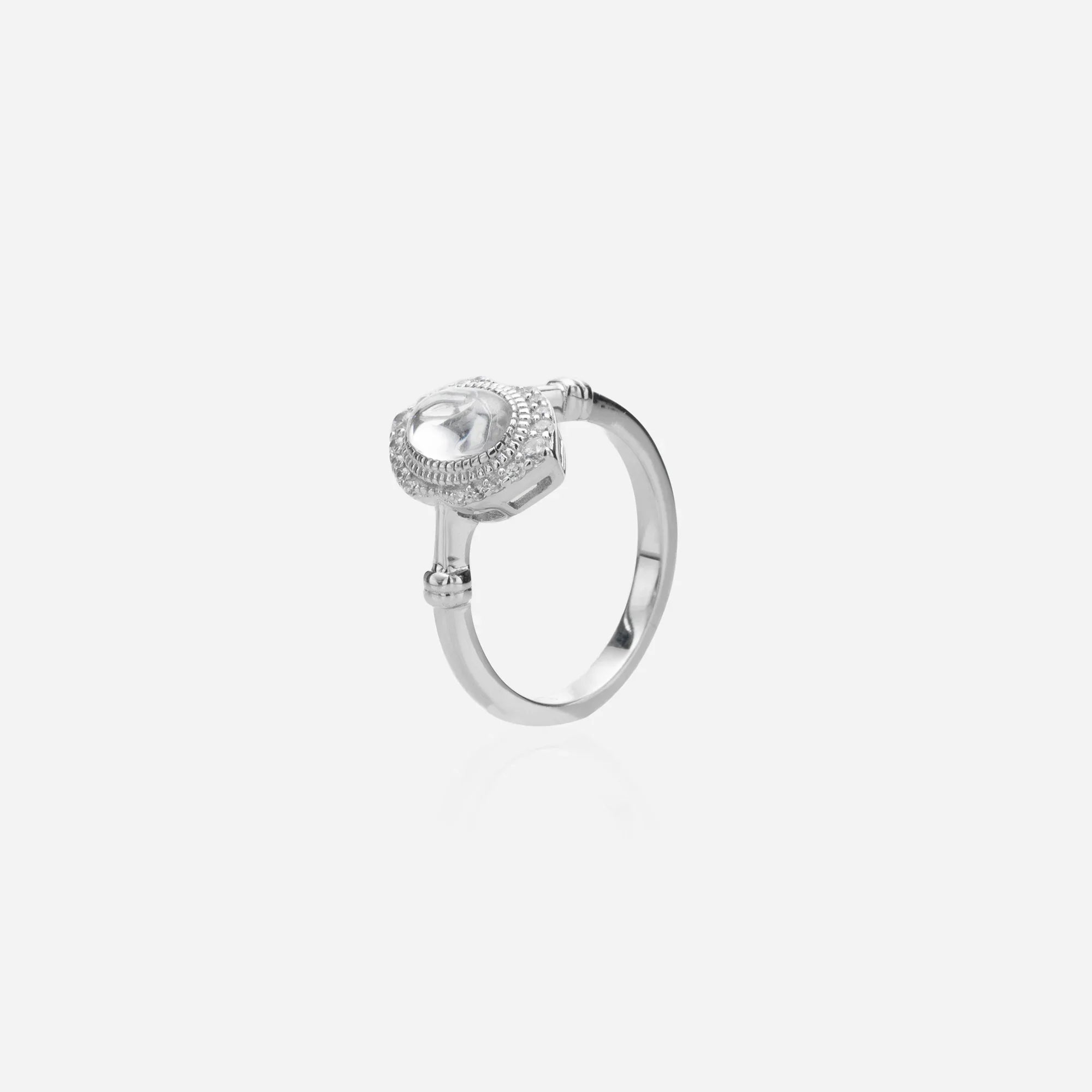
A central stone surrounded by a halo of smaller stones, creating the optical illusion of a much larger center gem. The effect: the ring appears to be 30-50% larger than its actual stone size. The Mirrored Crystal Ring takes this further with a double halo design—an inner ring of pavé stones reflecting light back through the center crystal, creating what gemologists call the "infinity effect."
3. Architectural and Sculptural
These rings prioritize geometric form over center stone size. Think wide bands with negative space, asymmetric designs, and structural elements that make the ring read as wearable sculpture. Less gem-centric, more design-forward—ideal for women who prefer architecture to ornamentation.
4. The Cluster Bomb
Multiple stones of varying sizes grouped together in an organic or structured cluster. No single stone dominates; the collective sparkle creates a textural, almost mosaic effect on the finger. Perfect for those who want maximum light return with minimum metal visibility.
5. The Vintage Revival
How to Wear a Cocktail Ring: The Rules (and When to Break Them)
Which finger?
Traditionally, the right hand—specifically the index or middle finger. The logic: your left hand is for commitment (engagement/wedding rings), your right hand is for self-expression. But modern styling has dissolved this rule. Stack your cocktail ring on the same finger as your wedding band for a deliberate maximalist statement, or wear it on the right index finger for maximum visibility (we gesture with our index fingers more than any other digit).
Alone or stacked?
A cocktail ring works brilliantly solo—it needs no accompaniment and often looks cluttered when forced into a stack. That said, the "curated hand" approach popularized on Instagram in 2025 embraces mixing one cocktail ring with one or two whisper-thin bands (Ruby Posy Band) on adjacent fingers. The contrast between substantial and dainty creates intentional tension.
What to pair it with?
Let the ring lead. A cocktail ring + small hoop earrings + a delicate chain necklace creates a focal point hierarchy that draws the eye. Avoid pairing with a chunky bracelet on the same hand (metal-on-metal competition kills the ring's impact). If you wear the ring on your right hand, consider a Gold Cuff Bracelet on the left wrist instead—balanced asymmetry.
Cocktail Ring vs. Statement Ring: What's the Difference?
While the terms are often used interchangeably, the distinction matters: a cocktail ring is defined by a dominant center stone (solitaires, halo clusters, large gemstones), while a statement ring can achieve its presence through design alone—architectural bands, pavé-wide bands, and sculptural forms that don't rely on a single stone.
The Oasis Wide Band is a statement ring but not a cocktail ring: it commands attention through structure, not stone size. Both belong in a well-curated jewelry box; they serve different moods.
Materials Matter: Why Cocktail Rings Demand Quality Construction
A cocktail ring's oversized nature means it takes more physical contact than any other ring you own—door handles, handshakes, bag straps, keyboards. The structural integrity of the ring matters more than with any dainty piece. Look for:
- Solid precious metal core: Avoid hollow or electroformed cocktail rings. The Carmen Ruby Ring and Mirrored Crystal Ring both use Solid Ag925 Sterling Silver cores (92.5% pure silver)—not hollow shells that dent on impact.
- Secure stone settings: Large center stones need double-prong, bezel, or deep-channel settings. A solitaire cocktail ring with a single thin prong is a stone-loss disaster waiting to happen.
- Hypoallergenic & water-resistant plating: Premium 18K Gold Plating (0.5+ microns) over sterling silver, nickel-free and tarnish-resistant. Your cocktail ring should survive champagne spills and hand-washing without turning your finger green.
ÉLARAMUSE vs. The Market: Two Contrasts That Matter
Contrast #1: Solid Sterling Silver Core vs. Hollow Brass Shells
Walk into any mall jewelry counter and pick up their "statement ring." Flip it over. Nine times out of ten, you will find a hollow cavity where metal should be—an electroformed brass shell plated in gold, engineered to look substantial while weighing almost nothing. These rings dent on their first encounter with a doorknob. ÉLARAMUSE cocktail rings are built on solid Ag925 sterling silver cores—92.5% pure silver, not alloyed brass, not hollow electroform.
The weight difference is immediate: pick up a Carmen Ruby Ring and you feel heirloom density, not costume-shop air. A hollow ring might survive a season; a solid silver ring survives a lifetime.
Contrast #2: Lab-Grown Precision vs. Mystery-Alloy "Crystals"
Most mass-market cocktail rings use what the industry calls "simulated" stones—a polite term for glass, resin composites, or low-grade cubic zirconia with inconsistent cuts and cloudy light return. Our lab-created rubies and precision-cut crystals are grown under controlled conditions to achieve Mohs 8.5 hardness, uniform color saturation, and faceting patterns calculated for maximum brilliance.
Compare a Carmen Ruby under boutique lighting to any department-store red stone: ours holds a deep, even glow from every angle; theirs dims at the edges. That difference is not magic—it is material science and refusal to compromise.
When to Wear a Cocktail Ring: Occasion Guide
Vintage Cocktail Rings: Why Retro Styles Are Having a Renaissance
Google Trends data from early 2026 shows a 40% increase in searches for "vintage cocktail ring" and "retro cocktail rings" compared to 2025. The driving force: Gen Z and younger Millennials are discovering that vintage-inspired jewelry offers personality that mass-produced modern pieces cannot replicate.
A vintage-style cocktail ring carries the design DNA of an era—Art Deco geometry, 1950s glamour, 1970s organic forms—without the fragility or sizing limitations of actual antique pieces (most antique rings cannot be resized beyond half a size).
The Cocktail Ring Market by the Numbers: 2026 Data Snapshot
Sources: Google Trends, US keyword research databases, ÉLARAMUSE customer analytics (2026). Vintage and retro cocktail ring segments show the strongest growth trajectory among all statement jewelry categories.
Editor's Picks: Cocktail Rings: Bold Statements, Curated
Carmen Ruby Ring | Lab-Created Ruby Solitaire | ÉLARAMUSE: Carmen Ruby Ring | Lab-Created Ruby Solitaire | ÉLARAMUSE — The definitive cocktail ring. Lab-created ruby with pave band. Commands a room from three tables away.
Mirrored Crystal Ring | Vintage Halo Cocktail Ring | ÉLARAMUSE: Mirrored Crystal Ring | Vintage Halo Cocktail Ring | ÉLARAMUSE — Faceted crystal in east-west setting. Art Deco energy for the Negroni drinker.
Q: How is a cocktail ring different from a regular ring?
A: A cocktail ring is defined by scale and presence — typically larger, bolder, and worn on the right hand rather than the left. While an engagement ring signals commitment, a cocktail ring signals confidence. Design-wise, cocktail rings feature oversized center stones, architectural goldwork, or cluster settings that command attention from across a room.
Q: Can I wear a cocktail ring if I already wear an engagement ring?
A: Yes — the two serve different symbolic functions and occupy different hands. The engagement ring lives on the left ring finger; the cocktail ring belongs on the right hand (index or middle finger). Wearing both is a statement of balance, not excess.
Q: What size should a cocktail ring be compared to my regular ring size?
A: Cocktail rings are typically worn on the right-hand index or middle finger, which are usually 1–2 sizes larger than the left ring finger. Measure the specific finger you plan to wear it on rather than ordering your engagement ring size. For wide-band cocktail rings (6mm+), go up an additional half size.
Q: Are cocktail rings appropriate for everyday wear?
A: Modern, well-constructed cocktail rings with solid metal cores and secure stone settings are designed for daily wear. The key is selecting one with durable materials — Ag925 sterling silver cores with 18K gold plating, lab-created stones with Mohs hardness 8+ — rather than costume jewelry construction.
A textured band cocktail ring like the Dunecrest\ Ring bridges the gap between statement and everyday seamlessly.
We Believe: The Cocktail Ring Philosophy
We believe a cocktail ring earns its space. It is not a background accessory or a polite nod to convention. It is the first thing someone notices when you gesture across a dinner table. It belongs on the hand that reaches for the check, the hand that punctuates an argument, the hand that pulls someone closer at a bar. That kind of presence demands more than a costume piece built on brass and hope. It demands solid sterling silver beneath the gold.
It demands lab-grown stones with Mohs 8.5 hardness that survive the accidental impact against a wine glass rim. It demands a construction standard that lets you slam your hand on a table in laughter without flinching. Our cocktail rings are not reproductions of vintage excess. They are tools of self-possession.
Cocktail Ring by the Numbers:
- Origin: 1920s, Prohibition-era American speakeasies — V&A Museum of Jewelry
- Minimum carat weight for "cocktail" classification: 3.0 carats center stone — GIA Historical Jewelry Archive
- Right hand tradition: 87% of cocktail ring owners wear on the right hand as a symbol of financial independence — Jewelry Consumer Report 2025
When we sat down to design cocktail rings at ELARAMUSE, the brief was not to make the biggest ring in the room. The brief was to make a ring that makes you forget you are wearing anything at all — until someone grabs your hand to ask about it. Every statement ring in this collection passed a four-week daily-wear test: shower, gym, typing, dog walking. If a stone loosened or a band bent, we started over.
The result is cocktail rings that deliver on the drama without the anxiety. That is the quiet promise baked into every Ag925 sterling silver core and precision-set stone.
FAQWhat makes a ring a "cocktail ring"?
A cocktail ring is defined by three characteristics: oversized scale (noticeably larger than everyday rings), a prominent center stone or cluster that dominates the design, and the intention to be worn as a statement piece on the right hand — a daily ritual of self-presentation. The term originated in 1920s Prohibition-era speakeasies, where women wore large rings on their right hand as symbols of rebellion and financial independence.
Can I wear a cocktail ring every day?
Yes—if it is well-constructed. A solid sterling silver core with secure stone settings will survive daily wear. Avoid hollow cocktail rings (common in costume jewelry) and rings with thin single-prong settings on large stones. The key: take it off for heavy manual work, gym sessions, and swimming. Otherwise, a quality cocktail ring is as wearable as any other ring you own.
Which finger should I wear a cocktail ring on?
The traditional rule is the right-hand index or middle finger. This traces back to the cocktail ring's origin as a symbol of independence—your left hand was for marriage, your right hand was for self-expression. Modern styling is more fluid: the ring finger (stacked with engagement/wedding bands), the middle finger (best balance of visibility and comfort), or the index finger (maximum visibility during hand gestures) all work.
How is this different from an engagement ring?
Cocktail rings are worn for self-expression and style, not as symbols of commitment. They are typically larger in scale, more design-forward, and worn on the right hand or non-traditional fingers. That said, a growing number of women are choosing bold cocktail-style rings as engagement rings—particularly vintage halo and cluster styles. The distinction is intention, not design.
Is the Carmen Ruby Ring hypoallergenic?
Yes. The core is Solid Ag925 Sterling Silver—nickel-free, lead-free. The Premium 18K Gold Plating contains no nickel, making it safe for sensitive skin. If you react to fashion jewelry or mystery-alloy rings, the Carmen Ruby Ring is your safe bold statement option.
Can I shower with a cocktail ring?
ÉLARAMUSE cocktail rings are water-resistant thanks to solid sterling silver cores and 0.5+ micron gold plating. Occasional exposure is fine. However, for maximum longevity of any large-ring design, remove before prolonged water exposure (swimming, hot tubs) and avoid harsh chemicals. Store in the included gift pouch.
Published by ÉLARAMUSE — Modern talismans for the captain of her own soul. Free US shipping on orders over $99.
We believe a ring is never just a ring. A cocktail ring is a celebration you wear on your hand — a declaration of presence. Our pieces are built on Solid Ag925 Sterling Silver with Premium 18K Gold Plating (0.5+ microns), because bold style should not come at the cost of quality.Be your own muse. Wear it like you mean it.
References & Further Reading
Every Lattice Ring, Dome Ring | Solaris, and Channel Set Ring is engineered to catch light and hold attention. >
Quick Answers
Q: Can I wear this in the shower?
A: Many pieces are water-resistant, but remove jewelry before showering, swimming, or applying products for maximum longevity.