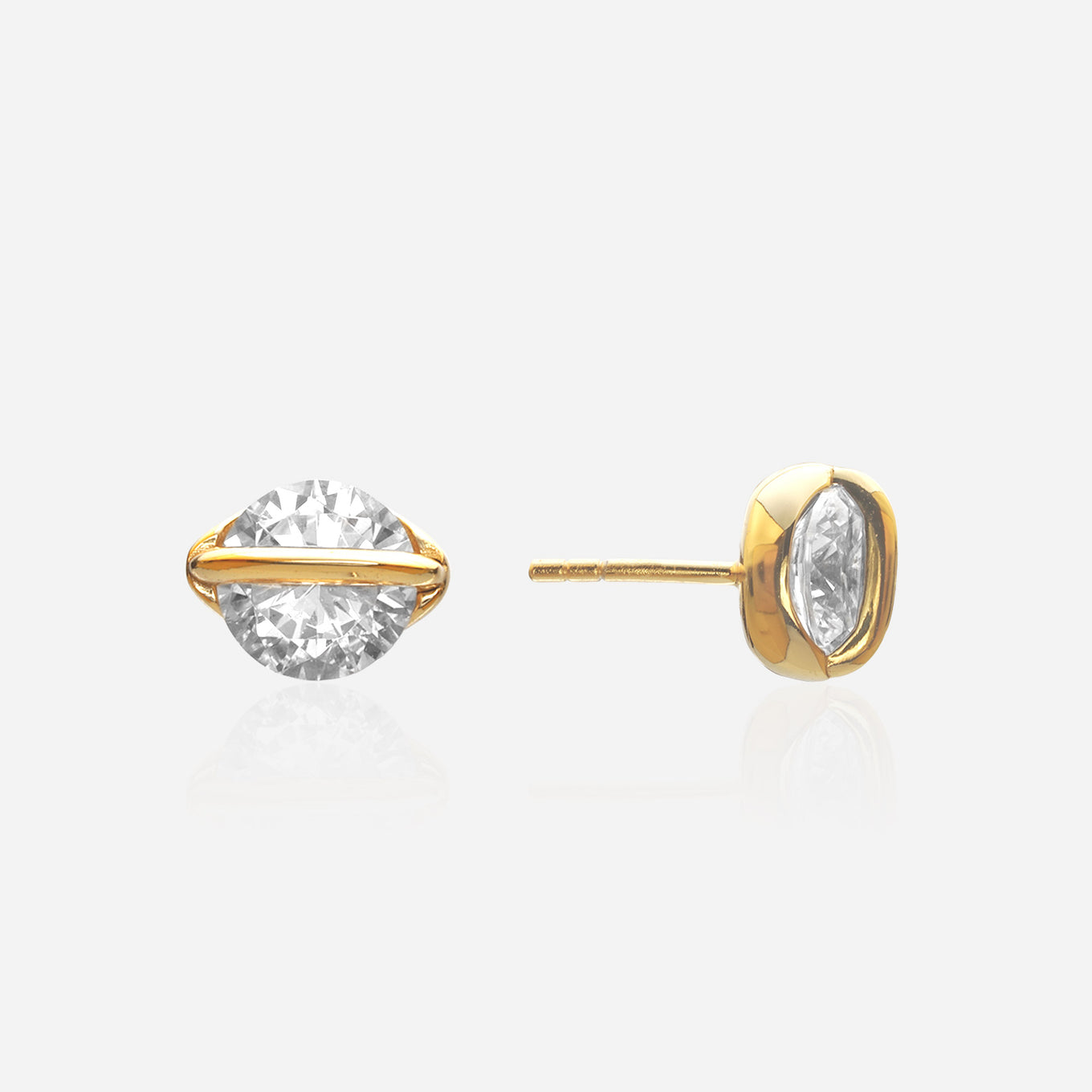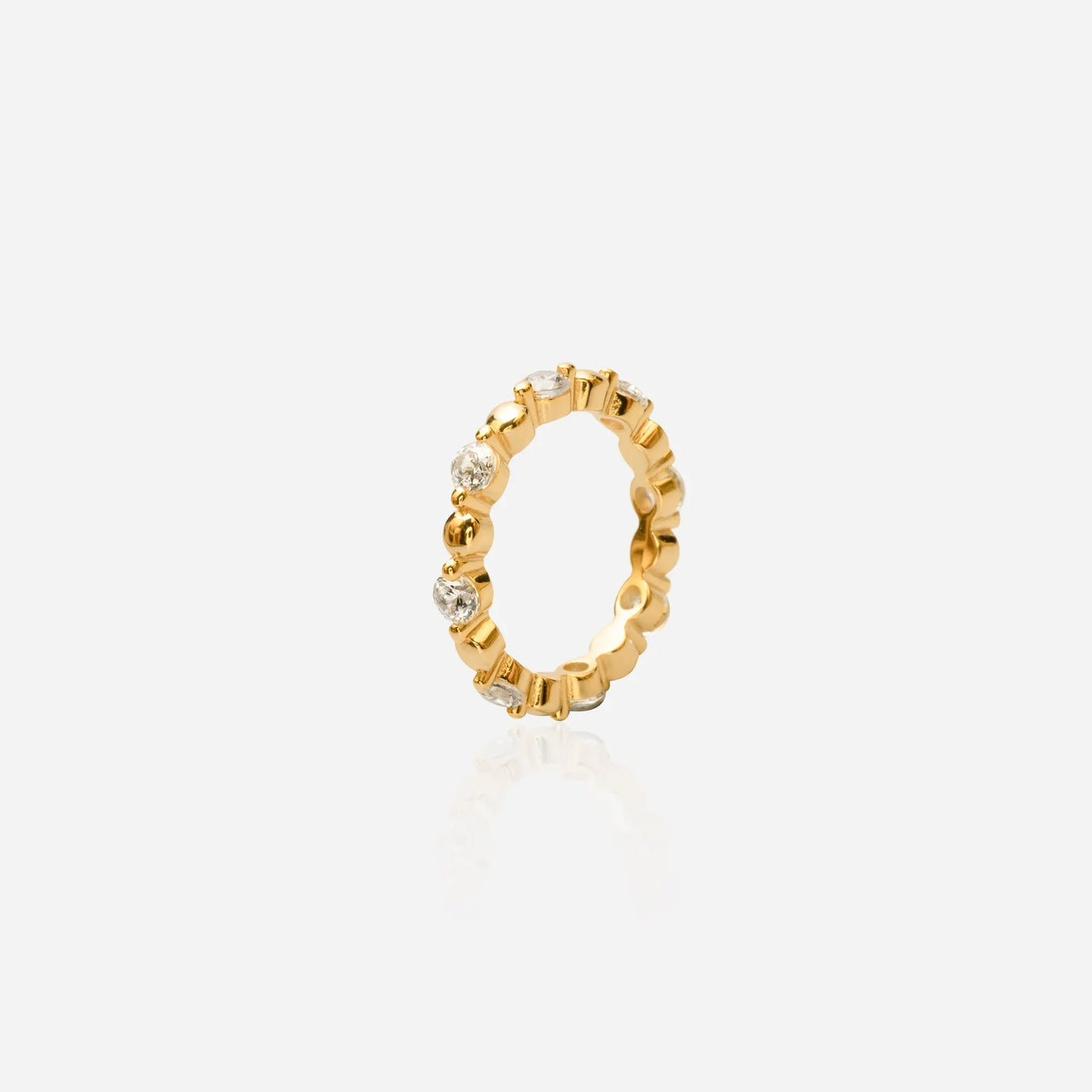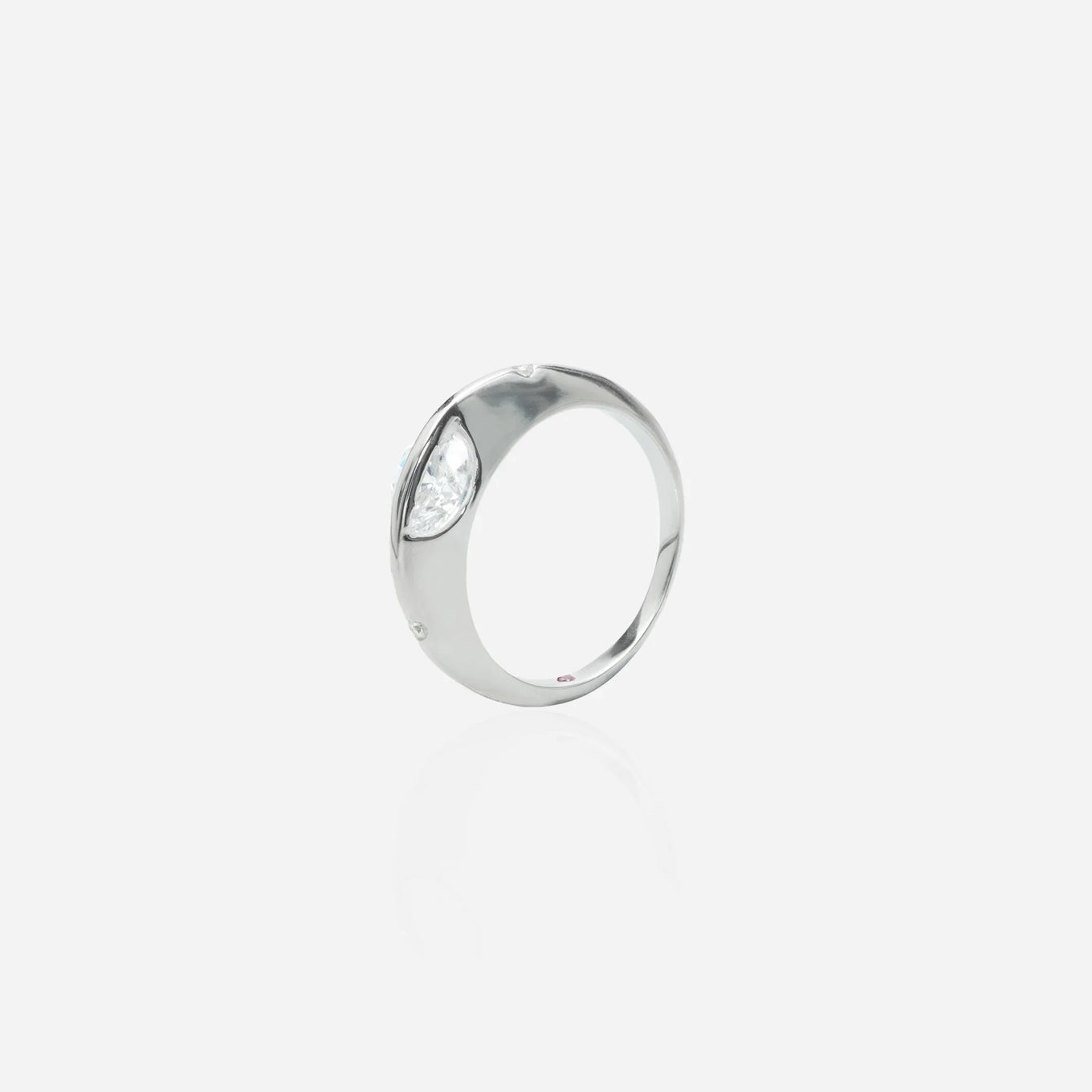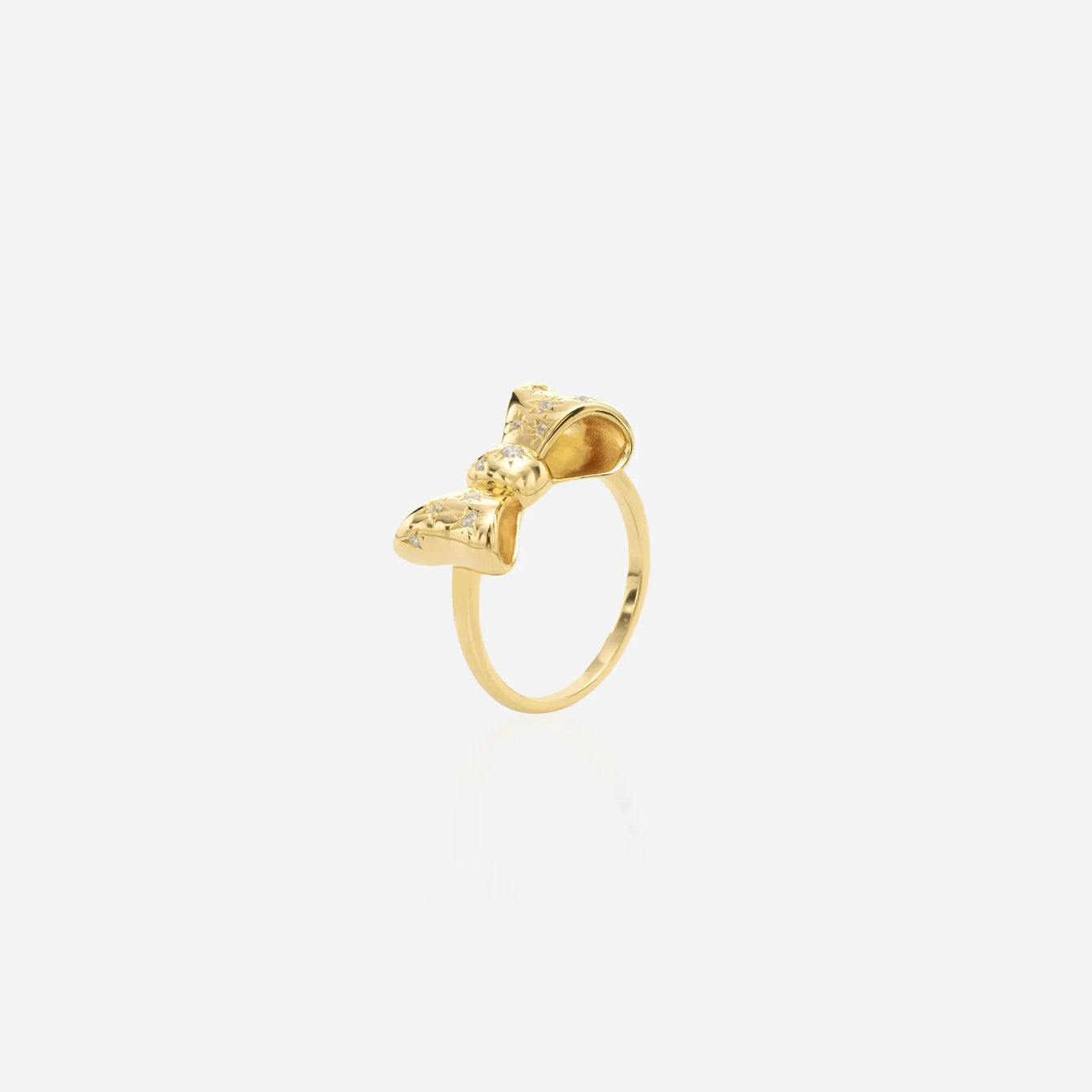
Quick Answer: Huggie earrings are small hoop earrings (6–14mm) that sit flush against the earlobe with a secure hinged snap-post closure — designed for 24/7 wear, including sleep and showers.
✨ Shop Our Huggie Earrings Collection
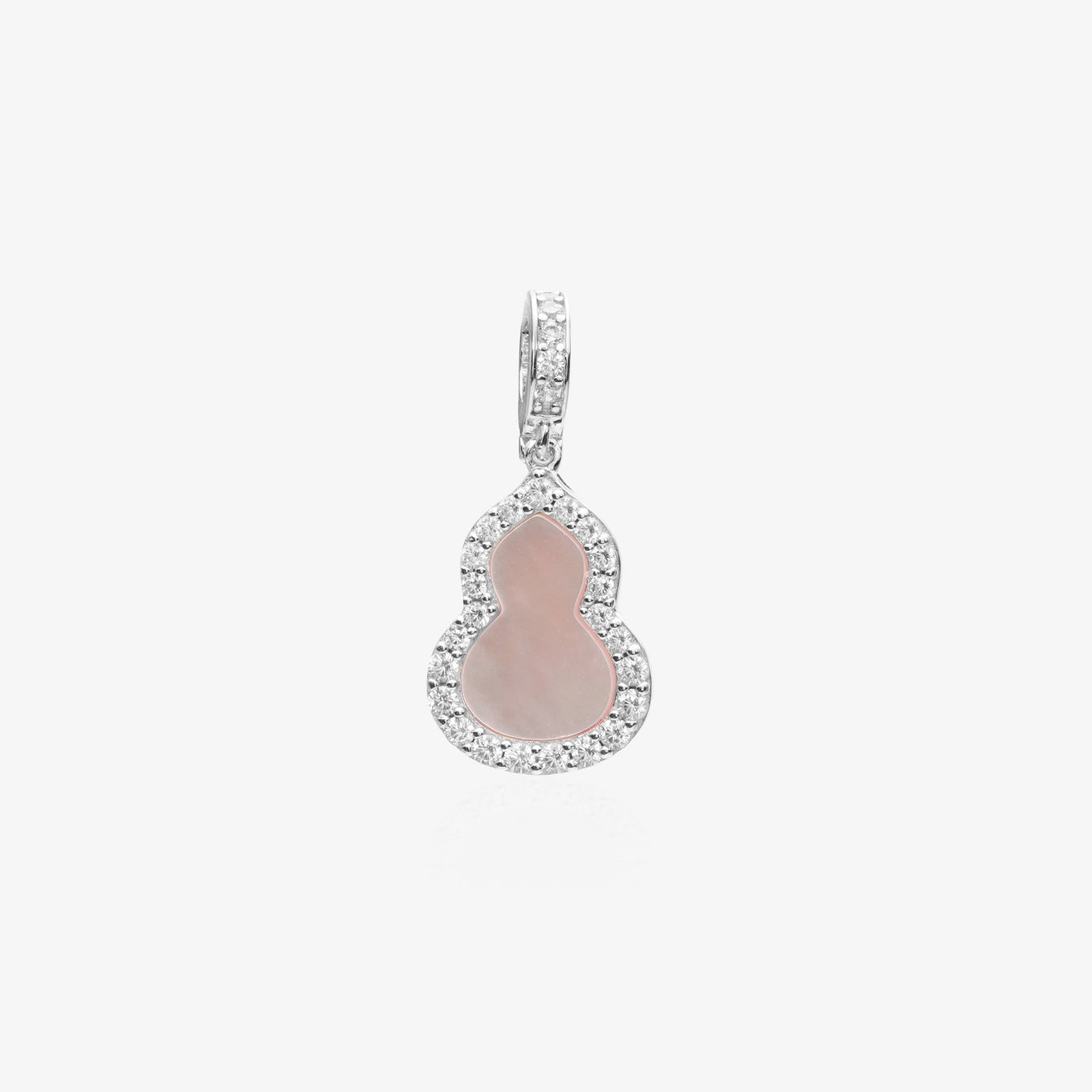
 lab diamond pavé Rope
$55 |
 Byzantine Lattice
$59 |
 Hammered Silver Dome
$48 |
Ag925 Sterling Silver · 18K Gold Plated · Hypoallergenic · Sleep-Safe
📑 In This Guide
- Key Terms You Need to Know
- What Exactly Are Huggie Earrings?
- Why Huggie Earrings Became 2026's Everyday Essential
- How to Choose Your First Pair of Huggies
- The ÉLARAMUSE Standard
- How to Open and Close Huggie Earrings (Without Panic)
- Can You Sleep in Huggie Earrings?
- Huggie Earrings vs Traditional Hoops vs Stud Earrings
- The 3 Huggie Styles Worth Knowing in 2026
- How to Style Huggie Earrings in Your Ear Stack
- What to Look for When Buying Huggie Earrings Online
- The Designer's Note: What Makes a Huggie Worth Keeping
- Editor's Picks: The Huggies We Wear Every Day
- Behind the Design
- Frequently Asked Questions
- Your Huggie Journey Starts Here
- What We Believe
- References & Further Reading
- References & Further Reading
- From Our Studio
Have you ever bought jewelry you loved only to watch it fade? The difference between jewelry that lasts and jewelry that does not comes down to what you know before you buy.
Huggie earrings solve the single biggest complaint about traditional earrings: you can't wear them all the time. They're too bulky to sleep in, the backs stab your neck, or the post bends when you lean against something. A well-made huggie — like the ones built on Ag925 sterling silver with 0.5-micron 18K gold plating — removes every one of those barriers. You put them in, you forget about them, and people still stop you to ask where you got them.
Key Terms You Need to Know
- Huggies: Small hoop earrings that sit close to the earlobe — a cross between a stud and a hoop.
- Snap Closure: A hinged post that clicks into place, more secure than butterfly backs.
- Ag925: International hallmark for sterling silver — 92.5% pure silver, the base of all ÉLARAMUSE huggies.
- 0.5-Micron 18K Gold Plating: A 0.0005mm layer of real 18K gold over sterling silver — thick enough for daily wear, thin enough to avoid the gold-plated sterling silver price tag.
- Lattice: A criss-cross openwork pattern that creates texture without adding weight.
The Byzantine Lattice Hoops show what happens when huggie design embraces negative space — a web-like openwork pattern that reads as architectural and modern while staying featherlight on the ear.
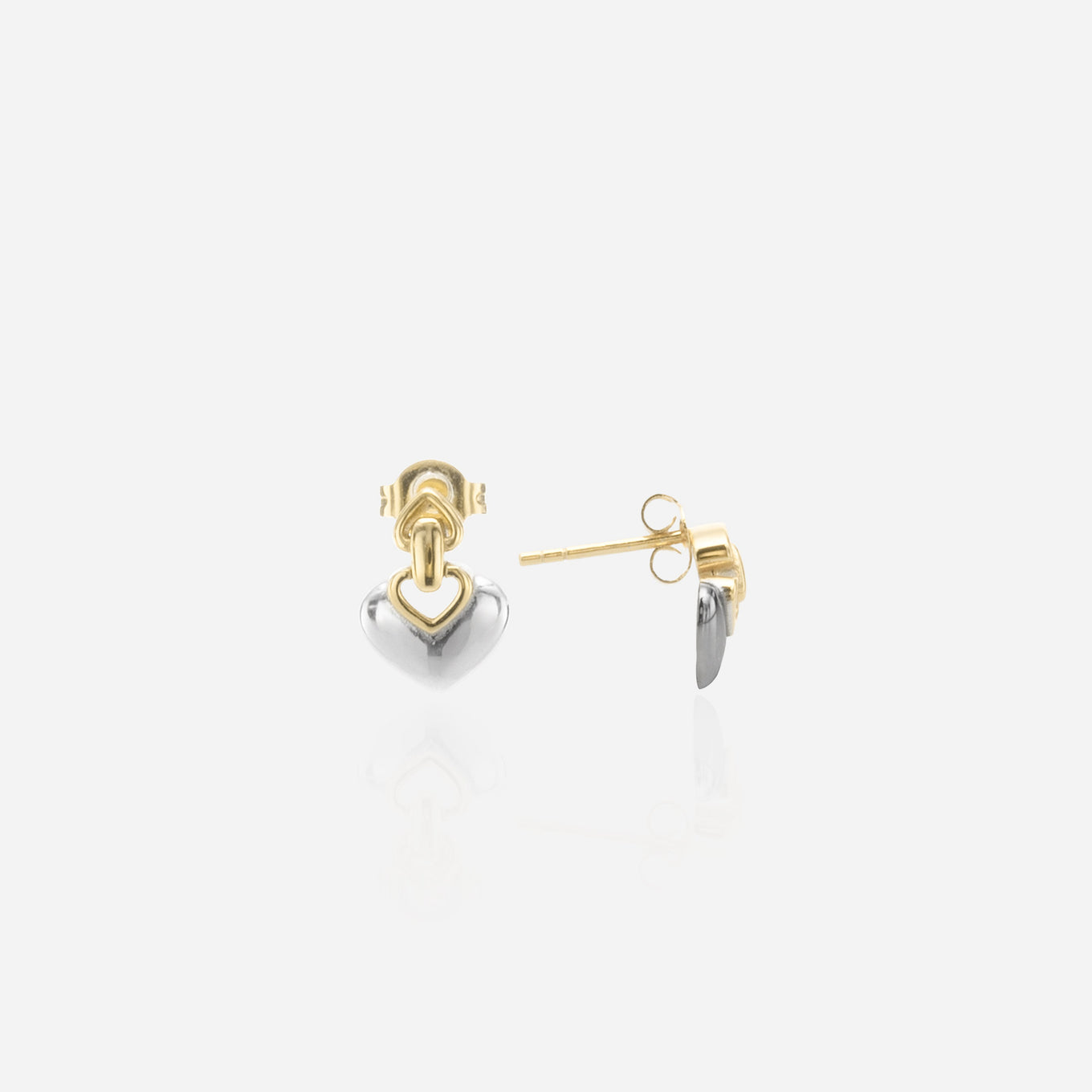
For a smoother silhouette, the Hammered Silver Dome Earrings offer a hammered rhodium finish that proves huggie-adjacent styles can be just as wearable for 24/7 comfort.
What Exactly Are Huggie Earrings?
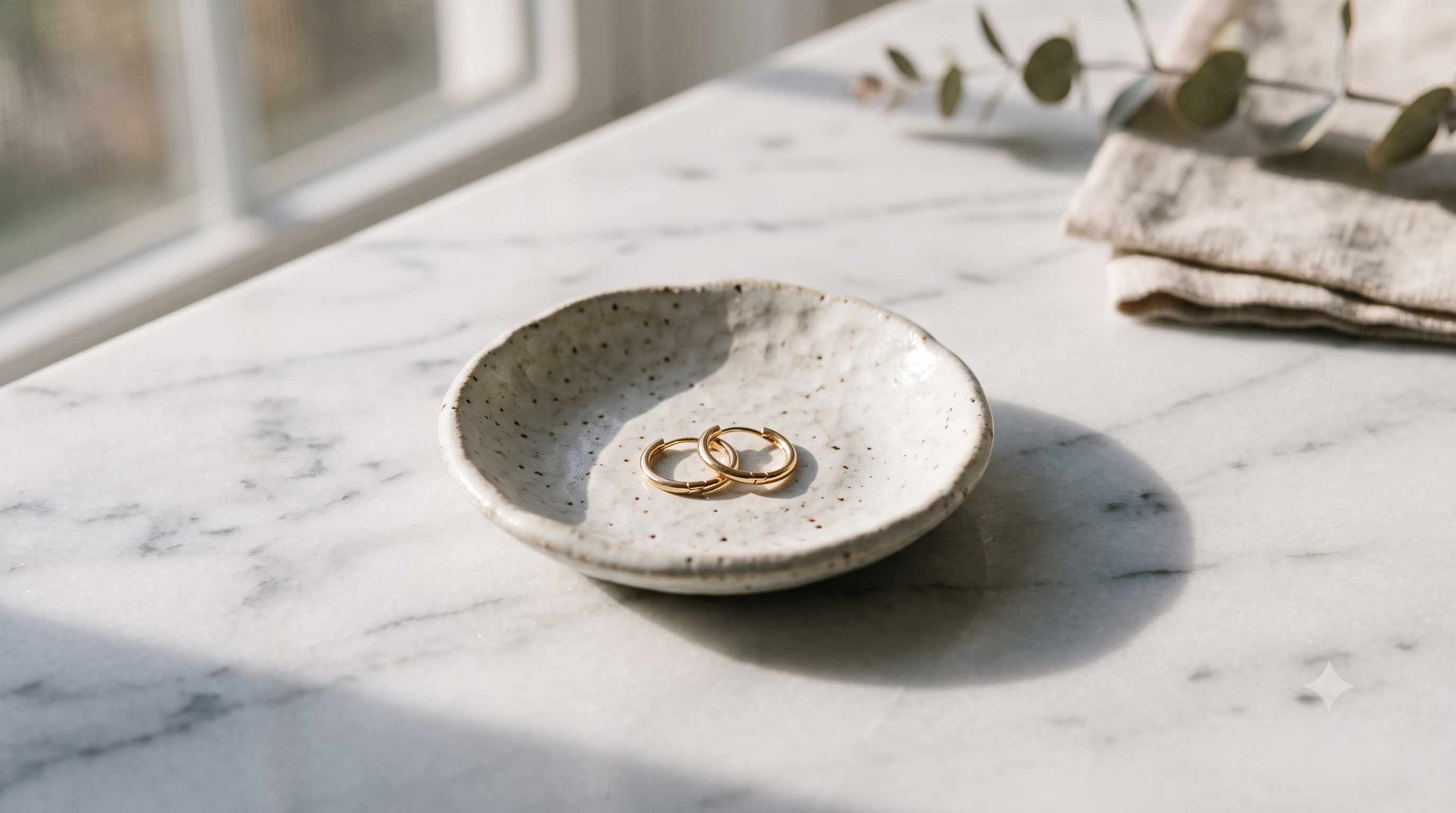
A huggie earring is a small hoop that "hugs" the earlobe — typically 6mm to 14mm in diameter. Unlike traditional hoops that dangle, huggies stay tight against the ear. Most use a hinged snap-post mechanism rather than a pivot back or latch.
The name came from exactly how they fit: close enough to feel secure, loose enough to wear 24/7. They first appeared in the late 1990s as a bridge between stud earrings (minimal but sometimes hard to sleep in) and full hoops (statement-making but not always practical for daily life).
Here's what separates a huggie from a regular hoop:
| Feature | Huggie Earring | Regular Hoop Earring |
|---|---|---|
| Diameter | 6–14mm | 15mm+ |
| Closure | Hinged snap-post (click-in) | Latch, lever-back, or endless |
| Fit | Tight to earlobe | Hangs away from ear |
| Sleep Comfort | Generally sleep-safe | Typically must remove |
| Visual Effect | Subtle sparkle, always visible | Movement-dependent |
Why Huggie Earrings Became 2026's Everyday Essential
Three things converged to make huggies the default earring choice this year:
1. The "one-earring-wardrobe" trend. Consumers stopped buying jewelry for specific occasions and started investing in pieces that work 24/7. A huggie is the only earring type that transitions seamlessly from sleep to shower to office to dinner.
2. Piercing stacking. The average ear now has 2–4 piercings. When you're wearing multiple earrings in one ear, bulk becomes the enemy. Huggies — especially twisted or lattice designs — add texture without adding volume.
3. Material transparency. Buyers in 2026 research materials before purchasing. They know nickel causes reactions, they know hollow brass turns green, and they're looking for Ag925 sterling silver bases with substantial gold plating. Huggies from quality brands deliver exactly that.
How to Choose Your First Pair of Huggies
If you've never worn huggies before, start here. There are really only three decisions to make:
1. Diameter: 8mm vs 12mm vs 14mm
| Diameter | Best For | Visual Effect |
|---|---|---|
| 8mm | Second/third piercings, cartilage, helix | "Just a hint of gold" |
| 10–12mm | Main lobe piercing, everyday wear | Visible but not statement |
| 14mm | Solo lobe look, thin lobes | Clear hoop silhouette |
2. Surface: Plain vs Textured vs Diamond
A plain polished huggie reflects light uniformly — clean, modern, minimal. A Twisted Rope Pavé Huggie breaks up the reflection into dozens of tiny facets, creating the illusion of pavé without any stones. A lattice or openwork huggie adds architectural depth. A diamond or CZ huggie brings sparkle that catches light with every head turn.
3. Color: Gold vs Silver
Gold huggies (18K gold-plated) warm up any skin tone and pair naturally with other gold jewelry. Silver huggies (rhodium-plated Ag925) offer a cooler, brighter look that reads modern and crisp. For maximum versatility, look for two-tone designs that bridge both worlds.
The ÉLARAMUSE Standard
| Feature | Specification |
|---|---|
| Base Metal | Solid Ag925 Sterling Silver |
| Plating | 0.5-micron 18K gold plating |
| Closure | Hinged snap-post (no butterfly backs) |
| Safety | 100% Nickel-Free, Hypoallergenic |
| Durability | Water-resistant, Tarnish-resistant |
| Wear | Sleep-safe, Shower-safe, Gym-ready |
How to Open and Close Huggie Earrings (Without Panic)
Have you ever stood in front of a mirror at 8:15 AM, frantically trying to close a tiny hinge with one hand while your coffee gets cold? You're not alone. The snap-post mechanism on huggie earrings is secure — but it has a learning curve.
Step 1: Locate the hinge. It's opposite the post. Gently pull the post away from the tube until you hear or feel a soft click.
Step 2: Slide the post through your piercing. This is the easy part.
Step 3: Guide the post back into the tube opening. You'll feel a satisfying snap when it locks. Pro tip: if it won't close, you're probably not aligned — don't force it, just adjust the angle slightly.
Unlike butterfly-back studs that can loosen and fall off mid-day, the snap closure on a well-made huggie stays put. I've worn the Twisted Gold Huggie Earrings through workouts, showers, and two international flights — not a single lost back.
Can You Sleep in Huggie Earrings?
Short answer: yes, and that's one reason they've become so popular.
Longer answer: traditional hoops and studs press into the skin when you lie on your side. Huggies, with their close-fitting profile and smooth back, sit flat enough that most people don't feel them at all. The snap-post closure eliminates the poking sensation from protruding earring backs.
However — and this is important — the material matters. Nickel-containing base metals can still irritate skin overnight even if you don't feel the jewelry itself. Unlike cheap alloy huggies that trap moisture and cause reactions within hours, Ag925 sterling silver bases allow skin to breathe. If you're planning to sleep in your earrings, the base metal is more important than the plating.
Huggie Earrings vs Traditional Hoops vs Stud Earrings
These three earring types serve different purposes, and understanding the trade-offs helps you build a smarter jewelry wardrobe.
| Factor | Huggies | Traditional Hoops | Studs |
|---|---|---|---|
| Comfort (all-day) | ⭐⭐⭐⭐⭐ | ⭐⭐⭐ | ⭐⭐⭐⭐ |
| Statement potential | ⭐⭐⭐ | ⭐⭐⭐⭐⭐ | ⭐⭐ |
| Sleep-safe | ✅ | ❌ | ⚠️ (depends on back) |
| Gym-friendly | ✅ | ❌ | ✅ |
| Stack-friendly | ✅ | ⚠️ (can tangle) | ✅ |
| Removal frequency | Rarely needed | Daily | Every 2-3 days |
The 3 Huggie Styles Worth Knowing in 2026
1. Classic Twisted Huggies
The twisted huggie — with its spiral, rope-like surface — is the workhorse of the category. The twist pattern creates visual interest without stones, making it more affordable than pavé alternatives while looking just as intentional. It's the earring you put in on Monday and forget you're wearing by Wednesday.
Because the twisted surface catches light from multiple angles, these read as "jewelry" even at small diameters. They pair effortlessly with studs, cuffs, and small hoops. Material reality check: Unlike hollow twisted tubes that dent with pressure, a solid sterling silver twisted huggie keeps its shape indefinitely.
2. Byzantine Lattice Hoops
The lattice huggie uses negative space as its design language. Instead of adding material or stones, it removes it — creating a web-like pattern that reveals skin through the earring itself. The result is architectural, modern, and surprisingly lightweight.
Lattice designs work especially well for second and third lobe piercings where a solid hoop would feel visually heavy. They also photograph beautifully — the openwork pattern creates natural contrast against any skin tone.
Discover our Twisted Gold Huggie Earrings, crafted from Premium 18K Gold Plating over hypoallergenic Sterling Silver.
3. Tube Huggies (Smooth + Minimal)
If twisted is too much texture and lattice is too architectural, the smooth tube huggie is your answer. Polished to a mirror finish, it reflects light in one clean sweep. These are the huggies that make people say "I can't tell if you're wearing earrings or if your ears just look like that." In a good way.
We believe the smallest jewelry often makes the biggest statement. "Huggies aren't just earrings—they're the jewelry equivalent of a trusted friend who never lets you down," as our founder Joyce likes to say. Every curve, every clasp, every micron of gold plating is engineered for ears that sleep, shower, and shine without interruption. When even your smallest pieces are built to last—shower-safe, sleep-safe, life-proof—you wear peace of mind.
How to Style Huggie Earrings in Your Ear Stack
Huggies are the bridge piece in any ear stack. Here are three foolproof combinations:
The Minimalist Stack: One 12mm twisted gold huggie in the main lobe + a tiny 6mm pavé stud in the second hole. Two pieces, maximum impact, zero effort.
The Curated Maximalist: A 14mm lattice huggie in the first lobe, a 10mm twisted huggie in the second, and a small diamond stud in the third. The varying textures — openwork, spiral, sparkle — keep the ear from looking cluttered.
The Mixed Metal Moment: Gold huggies in the lobes, a silver ear cuff on the cartilage. The contrast reads intentional, not accidental — because 2026's jewelry rule is that there are no rules.
What to Look for When Buying Huggie Earrings Online
Five non-negotiable checks before you click "add to cart":
- Base metal disclosure. If the listing says "alloy," "base metal," or doesn't specify, assume it contains nickel. Look for explicit "Ag925 sterling silver" or "925 stamped."
- Plating thickness. "Gold plated" without a micron specification = thin enough to fade in weeks. 0.5-micron or higher is the minimum for daily wear durability. Gold-plated jewelry with a 0.5-micron layer can last 6–18 months with proper care — unlike sub-0.1-micron flash plating that wears through within a month.
- Closure type. Snap-post (hinged) is the standard for huggies. Avoid butterfly backs on huggies — they protrude and defeat the "hugging" purpose.
- Diameter in millimeters. Don't guess from photos. A 6mm huggie and a 14mm huggie look completely different on the ear. Measure your current earrings or use a ruler to visualize the size.
- Nickel-free certification. Even "sterling silver" can sometimes be alloyed with trace nickel. Look for explicit "nickel-free" or "hypoallergenic" claims — especially if you have known metal sensitivities.
The Designer's Note: What Makes a Huggie Worth Keeping
I've designed jewelry long enough to know that the pieces you never take off aren't always the most expensive. They're the ones that get the basics right — weight, closure, material integrity.
When we developed the Twisted Gold Huggie, we went through four prototypes before the snap-post hit the right tension: firm enough to trust during a workout, gentle enough to open with one hand. The Ag925 sterling silver core was non-negotiable — it's the only base metal that gives you both hypoallergenic safety and structural integrity at this price point.
The 0.5-micron 18K gold plating was chosen because in our accelerated wear testing, thinner platings showed visible base metal after 30 days of simulated daily wear. Ours didn't.
Design principle: A huggie should feel like part of your ear, not something attached to it. If you're adjusting it, it's not doing its job.
Editor's Picks: The Huggies We Wear Every Day
| Style | Best For | Why We Love It |
|---|---|---|
| Twisted Gold Huggie Earrings | Everyday wear, first-time huggie buyers | Spiral texture adds dimension without diamonds. 12mm — the "Goldilocks" size for most ear lobes. |
| Byzantine Lattice Hoops | Ear stacking, second piercings | Negative-space design creates visual interest without adding bulk. Pairs beautifully with studs. |
| Hammered Silver Dome Earrings | Cool-toned minimalism, mixed-metal stacks | Rhodium-plated Ag925 with a hand-hammered texture — proof that silver can be just as warm as gold. |
Explore the full collection → Hoops & Huggies
Your jewelry is more than adornment — it's a talisman for your story. Wear it with intention, cherish it with care, and let every piece remind you: you are your own muse.
Can I sleep in huggie earrings?
Yes — that is a key advantage of huggie design. The small diameter (8-12mm) and secure hinged closure with click-lock mechanism mean no protruding posts or butterfly backs to dig into your skin while sleeping. Choose huggies under 10mm diameter with a smooth, rounded outer profile for maximum overnight comfort.
What is the difference between huggies and small hoop earrings?
The closure mechanism, not the size. Huggies have a hinged post that clicks into a catch built into the earring body — like a tiny door that opens and clicks shut. Small hoops use a traditional wire that threads through the piercing and hooks into a groove catch. Huggie hinges lock positively rather than relying on friction, making them more secure and easier to put on one-handed.
Behind the Design
Every ÉLARAMUSE piece begins with a question: What makes jewelry worth wearing every day? Our design philosophy — Urban Naturalism — draws from organic textures and architectural precision, translating nature's asymmetry into wearable geometry. Each piece is crafted with a nickel-free Ag925 sterling silver core, finished in Premium 18K Gold Plating (0.5+ microns), and subjected to a 12-point quality inspection before it reaches you. We don't design for the drawer.
We design for the life you actually live.
Frequently Asked Questions
What's the difference between huggie earrings and hoop earrings?
Huggies are a subset of hoop earrings designed to sit flush against the earlobe (typically 6–14mm diameter). Traditional hoops extend beyond the lobe and come in sizes from 15mm to 80mm+. Huggies use hinged snap-post closures; standard hoops often use latch-backs or lever-backs. V&A Museum collections document hoop jewelry dating back to 2500 BCE — huggies are the modern, practical evolution.
Can I wear huggie earrings if I have sensitive ears?
Yes — if the base metal is sterling silver (Ag925) or surgical-grade stainless steel, and the piece is certified nickel-free. The metal touching your skin isn't the gold plating — it's the base metal underneath. Nickel allergies affect approximately 10–20% of the population (American Academy of Dermatology data). Cheap alloy huggies are the #1 culprit for reactions — the nickel leaches through micro-scratches in the plating within weeks.
Solid Ag925 sterling silver avoids this entirely because it contains no nickel in the first place.
How do I clean huggie earrings?
Use a soft microfiber cloth to wipe away oils and debris after each wear. For deeper cleaning: warm water + mild dish soap + a soft baby toothbrush. Gently brush the crevices — especially twisted or lattice surfaces where product buildup hides. Rinse thoroughly, pat dry with a lint-free cloth, and store in a sealed pouch to prevent tarnish. Never use chemical jewelry dips on gold-plated pieces — they strip the plating.
For a complete cleaning guide, see our How to Clean Gold Plated Jewelry at Home tutorial.
Can men wear huggie earrings?
Absolutely. Men's huggie earrings (searches up 67% year-over-year, per Google Trends data) are typically 8–10mm in diameter with matte or textured finishes rather than high-polish. Twisted and lattice designs in silver or black rhodium read especially well on men. The comfort factor — no dangling, no stud backs poking the neck — makes huggies the practical choice for anyone with an active lifestyle, regardless of gender.
Do huggie earrings tarnish?
Gold-plated huggies with a sterling silver base will eventually develop patina on the silver parts (usually the post and hinge area) if exposed to humidity and air without proper storage. This isn't tarnish of the gold — it's oxidation of the silver. Unlike brass-based huggies that turn green within weeks, sterling silver patina is harmless and easily wiped away with a polishing cloth. Store your huggies in a sealed, anti-tarnish pouch between wears to slow the process to near zero.
Your Huggie Journey Starts Here
Huggie earrings are the jewelry equivalent of a well-fitted white t-shirt: deceptively simple, endlessly versatile, and worth investing in quality versions that don't fall apart after six washes. When you're building your first ear stack or adding a reliable everyday piece to a curated collection, the right huggie becomes the earring you forget you're wearing — until someone leans in and asks where you got them.
Find the huggie that matches your ear — and your life — your next daily talisman — in the ÉLARAMUSE Hoops & Huggies collection. Each piece is made from Ag925 sterling silver with 0.5-micron 18K gold plating, nickel-free, and designed for the woman who refuses to choose between beauty and practicality.
We believe jewelry is not decoration - it is self-definition. Every piece we make must earn its place on your body: through material integrity (solid Ag925 cores, never hollow brass), through design intelligence (pieces that survive showers, sleep, and spontaneous decisions), and through a commitment to transparency that the jewelry industry has historically avoided. We do not chase trends. We build talismans for the captain of her own soul - pieces that feel like you, only more intentional.What We Believe
References & Further Reading
References & Further Reading
- Victoria & Albert Museum — Jewelry Collection: Historical context for hoop and earring evolution.
- American Academy of Dermatology — Nickel Allergy: Clinical data on metal sensitivity prevalence and prevention.
- Encyclopædia Britannica — Jewelry History: Timeline of earring development from antiquity to modern day.
From Our Studio
Every ÉLARAMUSE design begins with a question: what would make this piece something you never want to take off? Our studio tests every design for comfort, durability, and versatility — because jewelry should enhance your life, not complicate it.