The Curated Ear Stack Guide 2026 — How to Style Multiple Earrings Like a Pro
Key Terms: Curated Ear, Ear Stack, Earring Layering, Ear Curation, Flat-Back Studs, Huggie Hoops, Ear Cuff, Cartilage Piercing, Lobe Stack, Constellation Ear
What Is an Ear Stack? The Trend Everyone's Trying
An ear stack (also called a "curated ear" or "ear constellation") is the art of layering multiple earrings across your ear — combining studs, hoops, cuffs, climbers, and drops in a deliberate arrangement that feels personal, balanced, and intentional. Think of it as styling your ear the way you'd style an outfit: mixing shapes, sizes, and textures to create a look that's uniquely yours.
In 2026, the curated ear has evolved from a niche piercing-community obsession into a mainstream styling phenomenon. Instagram and TikTok are saturated with ear stack content — "ear stack ideas" generates millions of views across platforms, and Pinterest boards dedicated to curated ears continue to grow exponentially. The appeal is obvious: it's self-expression you wear every single day, and unlike a new haircut or lipstick color, it doesn't wash off.
The best part? You don't need a dozen piercings to participate. Modern ear stacking works with as few as two piercings per ear — and ear cuffs (which clip on without any piercing at all) have made the look fully accessible regardless of your piercing count. As Scream Pretty's ear curation guide notes, the style has expanded from piercing salons to everyday fashion.
Summer 2026 Ear Stack Trends: What's Defining the Look
Based on trend reports and social platform data, here's what's shaping the curated ear in 2026:
1. Floral & Nature Motifs Are Everywhere
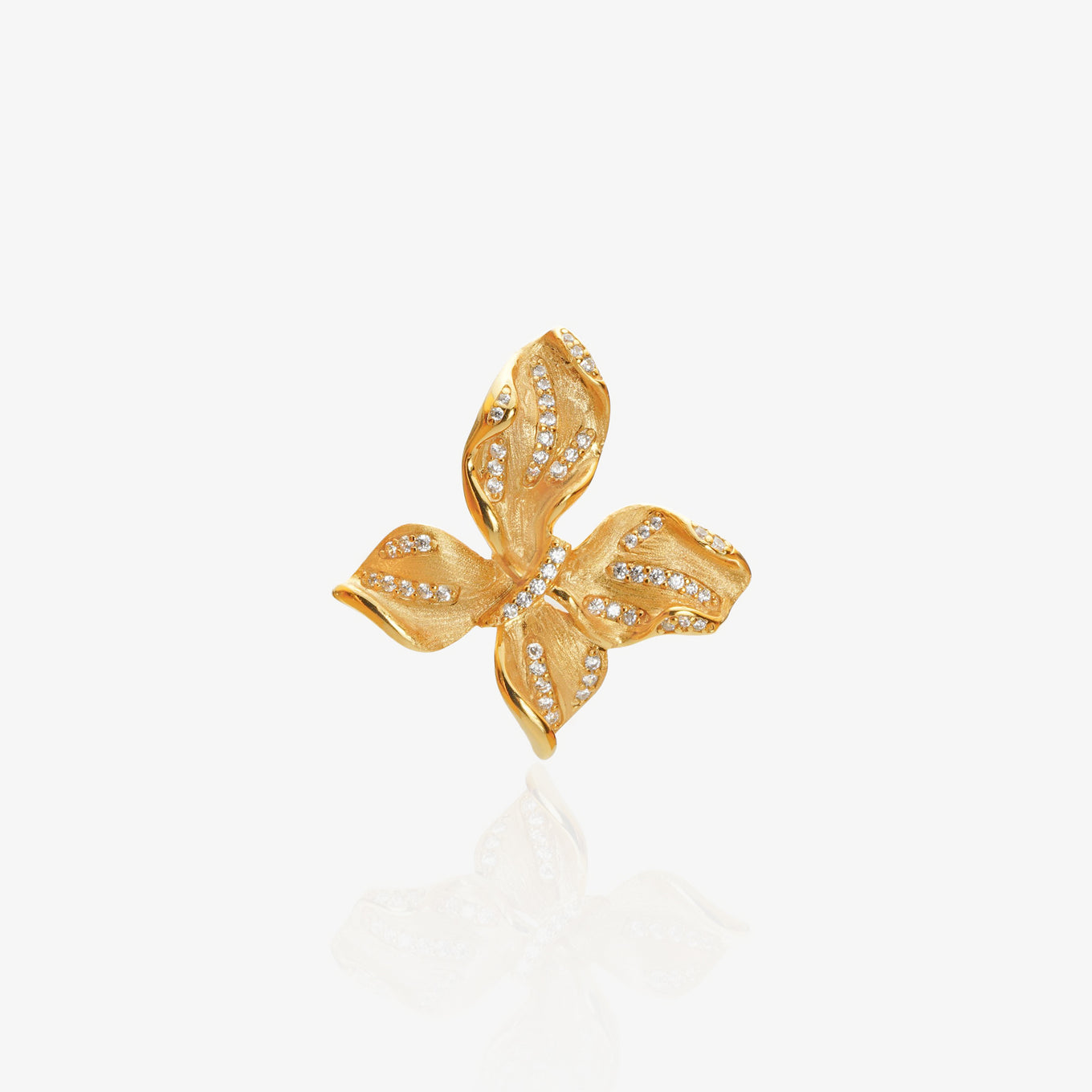
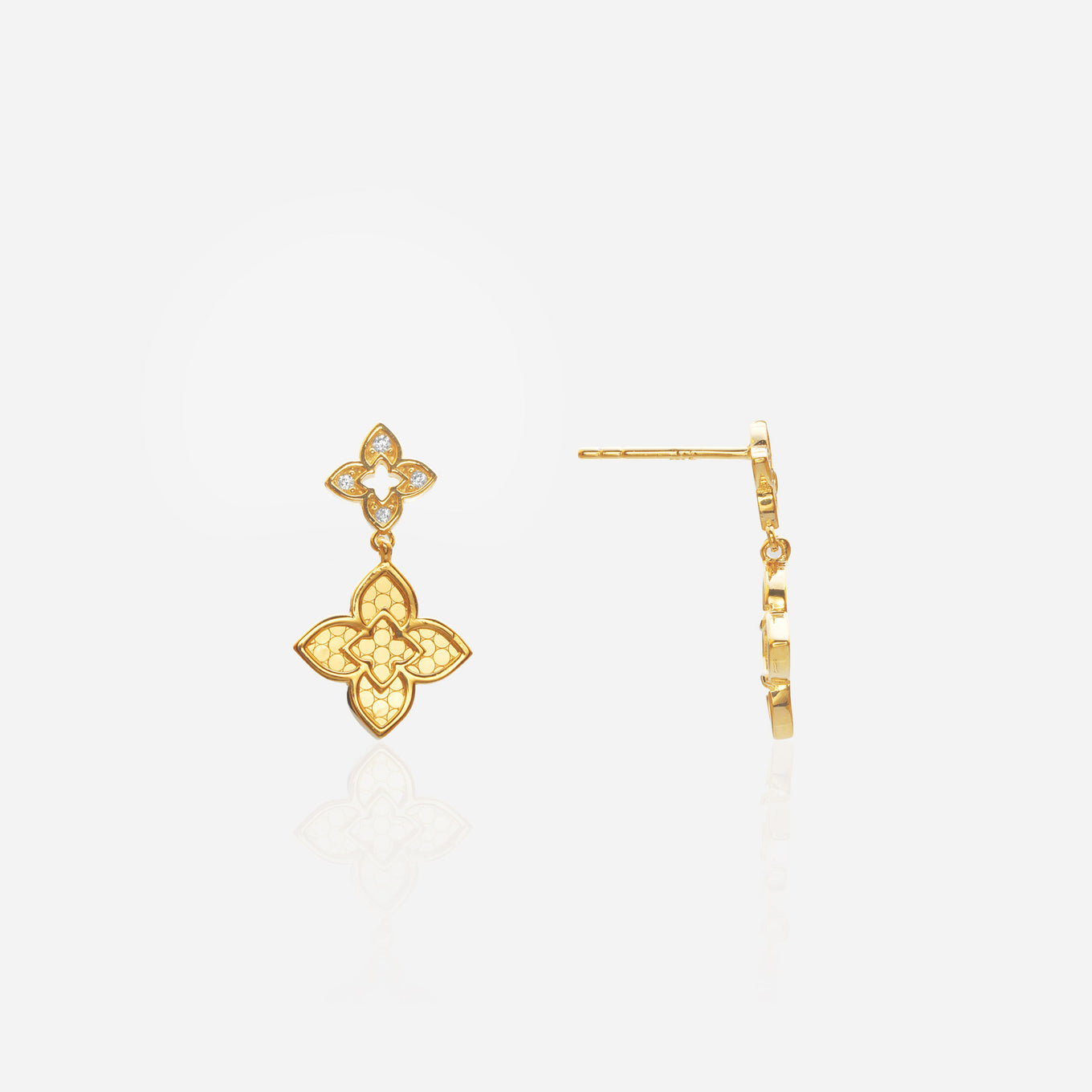
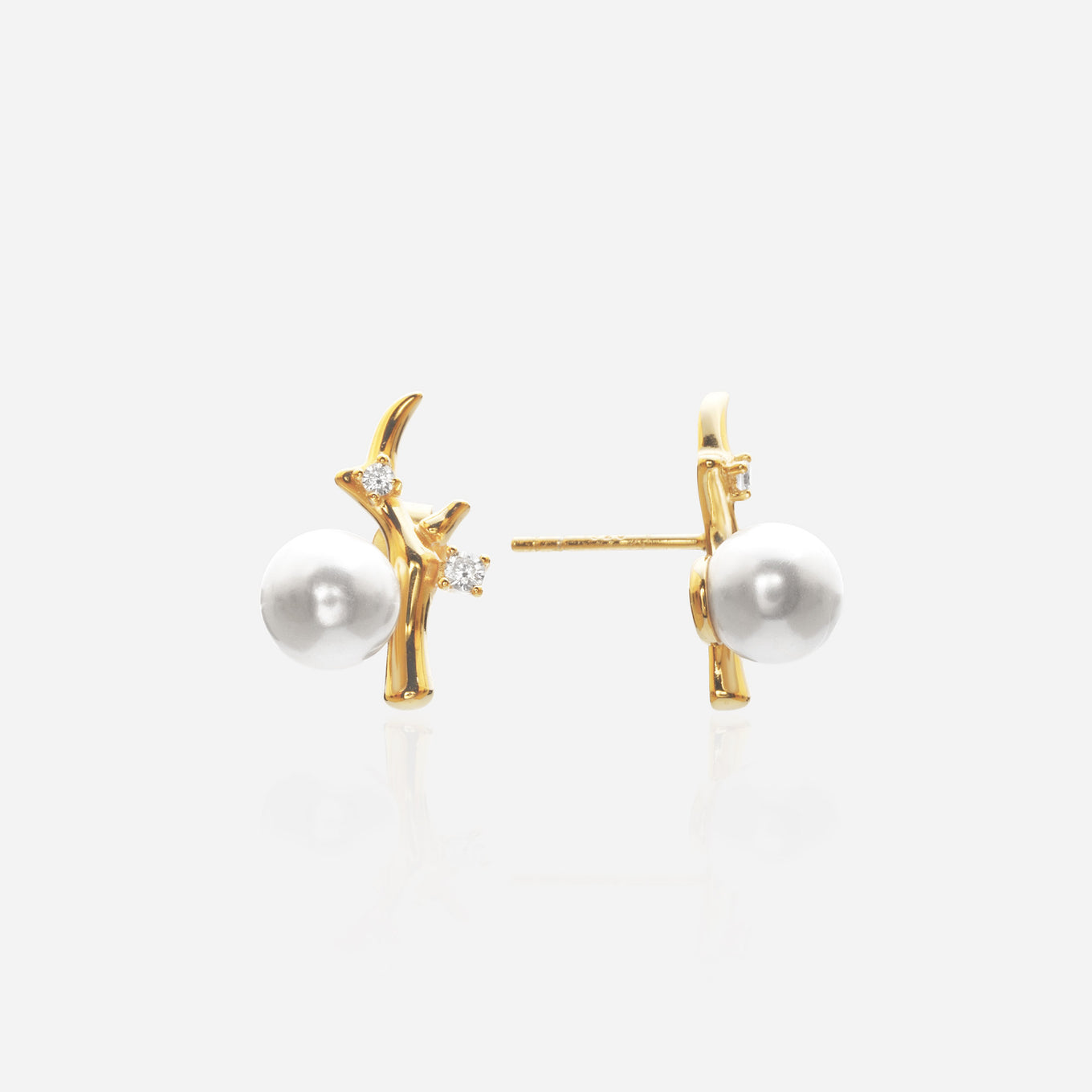
Delicate flower flat-back studs, leaf-shaped climbers, and botanical-inspired silhouettes are bringing a soft, dimensional quality to curated ears. Floral motifs work especially well as transition pieces — placed between the lobe and helix, they bridge different sections of the ear with organic flow rather than rigid geometry. As reported by Impuria's Summer 2026 trend report, florals are blooming across curated ear stacks this season.
2. Statement Conch Rings Anchor the Look
The conch piercing (the inner bowl of the ear, between lobe and helix) has become the focal point of modern ear stacks. Bold clickers, pavé rings, and textured hoops placed in this area draw the eye inward and create visual weight at the center of the composition.
3. Cool Tones Are Replacing Hyper-Yellow Gold
While gold remains dominant, 2026 is seeing a shift toward cooler, more modern metallic tones: silver, white gold, and medical-grade titanium are gaining ground. The effect is cleaner, sleeker, and more industrial — a departure from the warm yellow-gold dominance of the past several years.
4. Mixed Shapes & Asymmetric Movement
Pairing round diamonds or stones with marquise, pear, and geometric cuts within the same ear adds intentional asymmetry. The eye moves across the ear following the directional cues of elongated stones, making the composition feel dynamic rather than static.
5. Ear Cuffs Continue Their Rise
Non-piercing ear cuffs remain one of the most searched ear-stack accessories. They mimic the look of cartilage piercings — conch, helix, flat — without commitment, pain, or healing time. This is the entry point for anyone curious about the curated ear but not ready for additional piercings.
How to Build Your Ear Stack: The 4-Zone Method
A well-designed ear stack follows spatial logic. We recommend the 4-Zone Method — working from bottom to top, largest to smallest, anchor to accent:
Zone 1: The Anchor (Lobe)
Your main lobe piercing is the foundation of the entire stack. This is where your boldest, most detailed earring should sit. Choose a statement huggie hoop, a detailed stud, or a small drop earring that can hold its own as the visual anchor. Everything above this point scales down.
Styling tip: If you have multiple lobe piercings (2-3 per ear), place the largest piece in the lowest position and graduate upward in size. The Twisted Gold Huggie Earrings with diamond pavé rope detailing are an ideal anchor piece — bold enough to ground the composition but refined enough to let other pieces shine.
Zone 2: The Transition (Upper Lobe / Conch)
This is the bridge between your anchor and your accents. Use medium-sized pieces — secondary studs, smaller hoops, or a conch ring — to connect the visual weight of the lobe to the lighter elements above. The transition zone creates flow and prevents the stack from feeling "bottom-heavy."
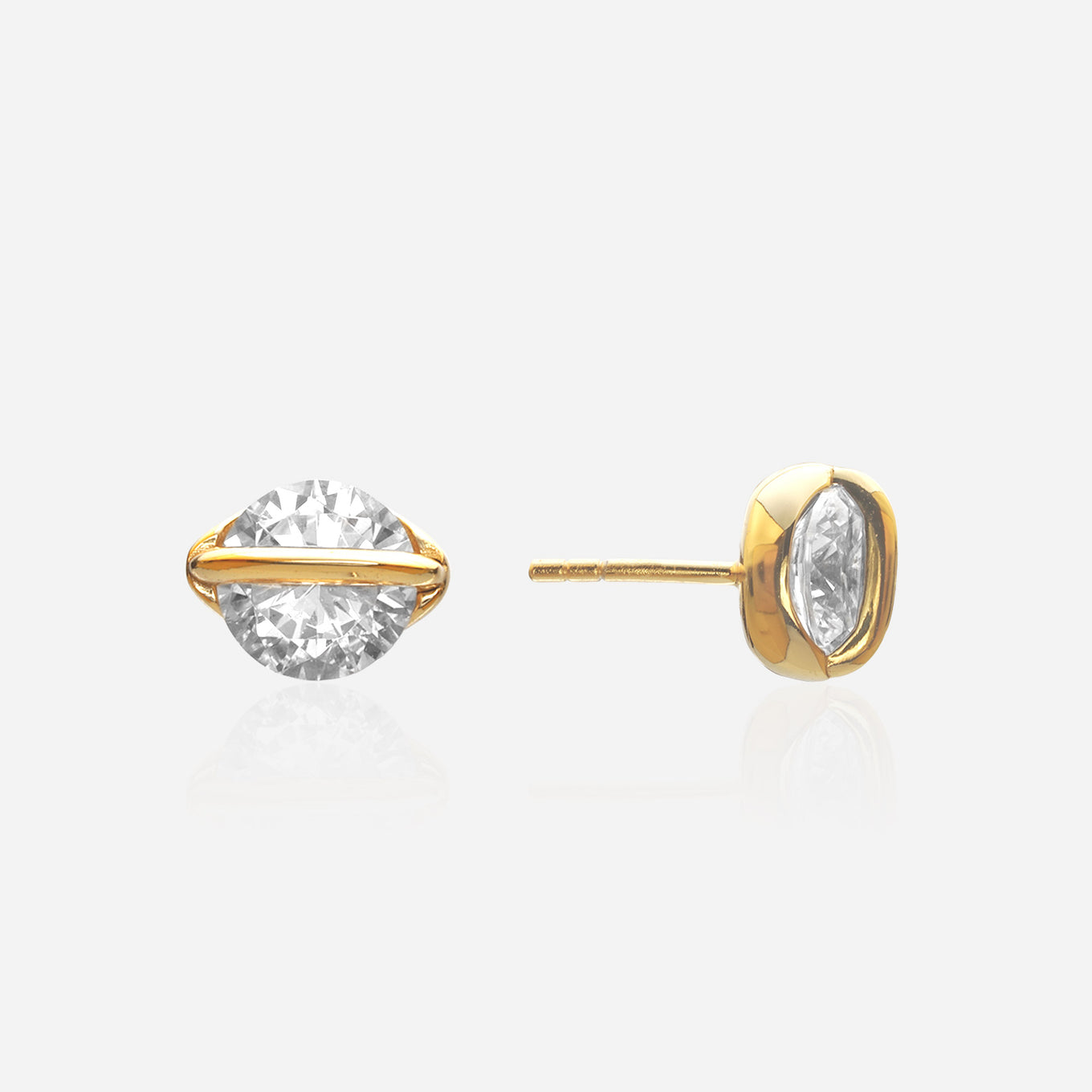
Styling tip: Diamond-accent pieces work brilliantly here because they catch light at a different angle than your lobe earrings. The Gold Geometric Studs with their elongated diamond bar design provide exactly the right visual weight for this role — present without competing with your anchor.
Zone 3: The Accents (Helix / Flat)
The upper cartilage area is for small, precise earrings that add detail without bulk. Flat-back studs are ideal here because they sit flush against the ear and don't snag on hair, pillows, or headphones. This is where you can introduce theme and personality — nature motifs, geometric shapes, or symbolic designs.
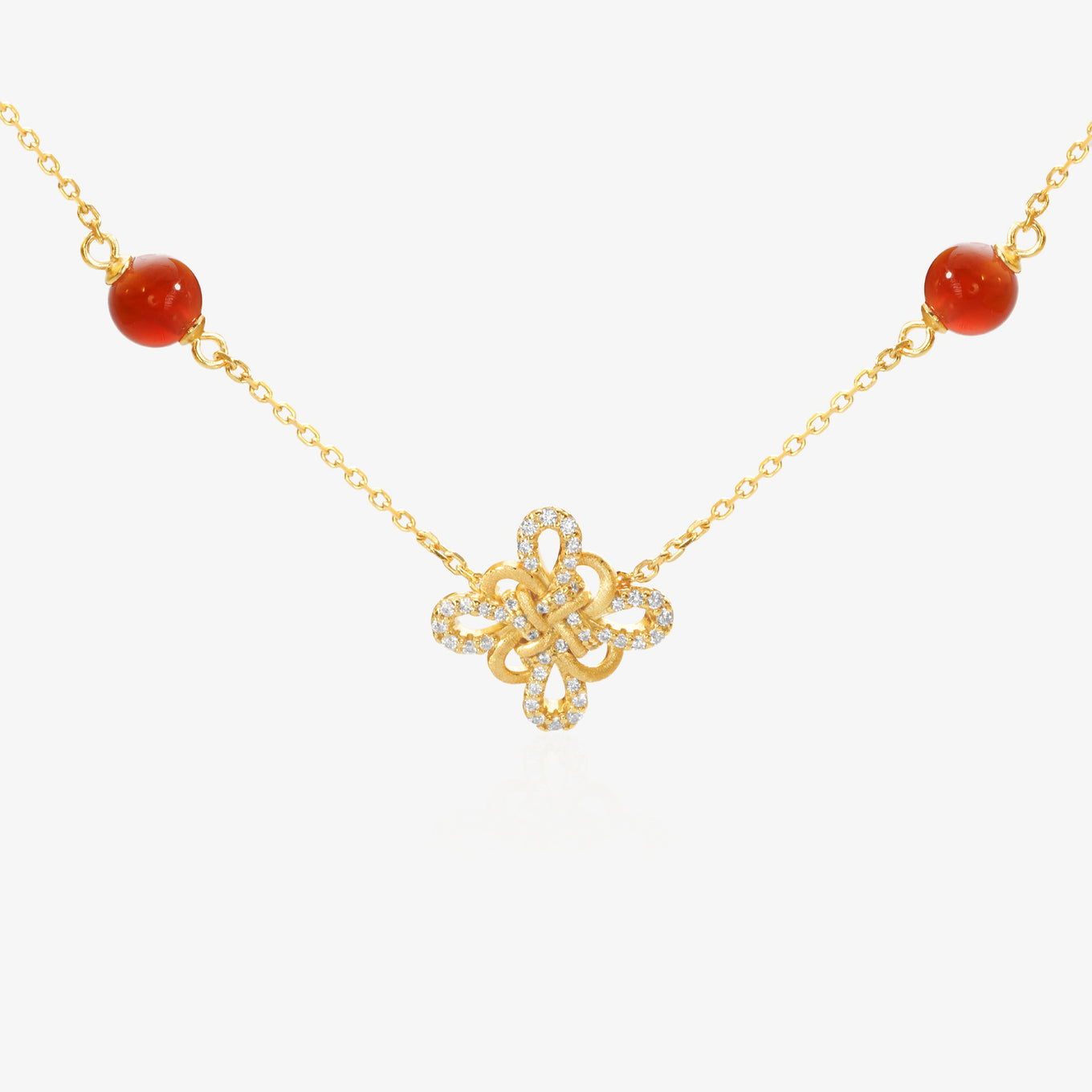
Styling tip: Scale is critical in this zone. Keep studs under 8mm. The Gold Fern Earrings bring Art Nouveau botanical detail at exactly the right proportions, while the Breeze Leaf Studs offer an organic palm-leaf silhouette. The Woven Heart Studs add symbolic meaning without overwhelming the composition.
Zone 4: The Extension (Cuffs & Climbers)
This is where you add visual reach beyond your actual piercings. Ear cuffs clip onto the outer rim of the ear — no piercing needed — and ear climbers travel upward along the lobe. Cuffs are the lowest-commitment way to experiment with the curated ear look, and they're easy to swap out depending on your mood or outfit.
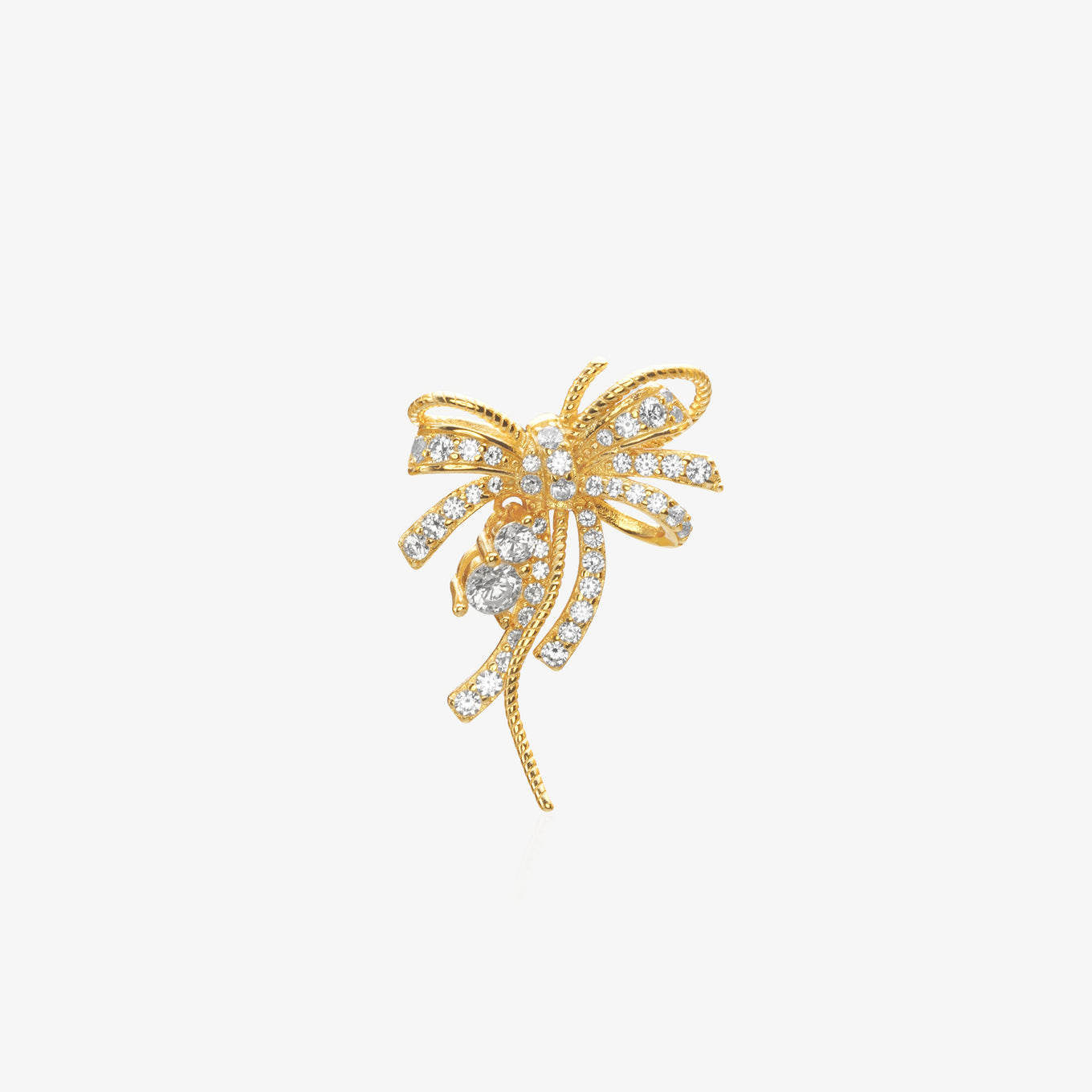
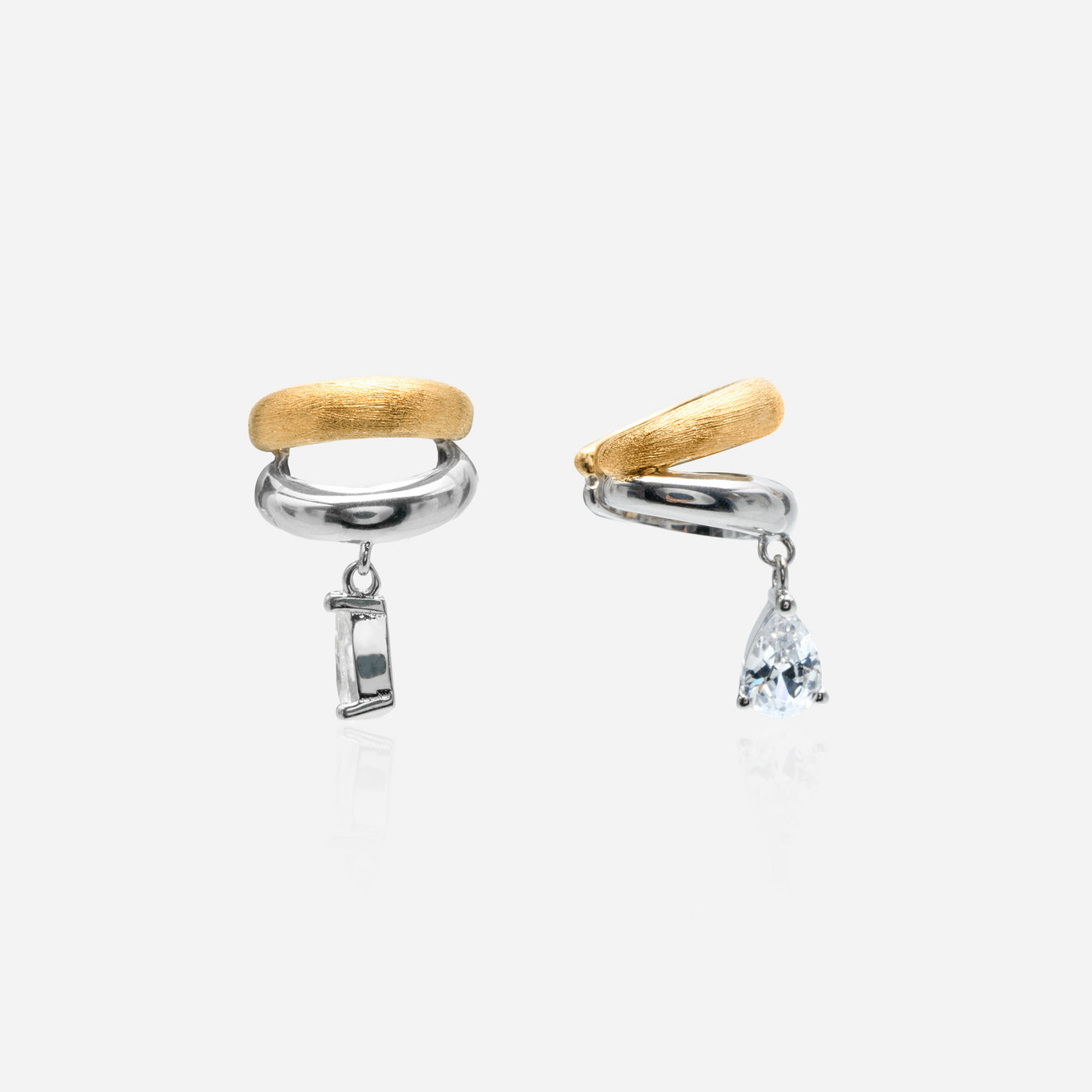
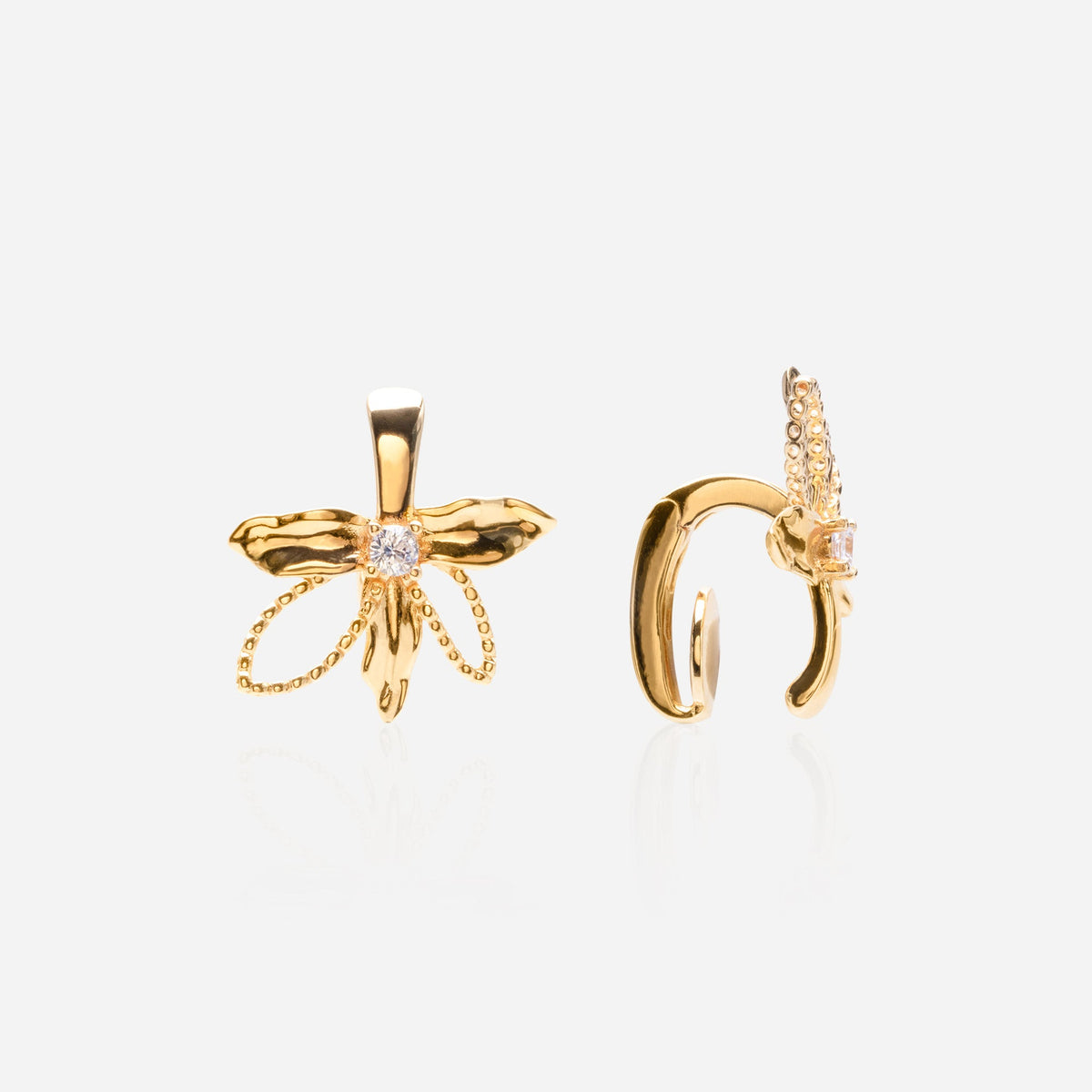
Styling tip: Position cuffs on the upper outer rim to balance the visual weight of your lobe anchor below. The Gold Ear Cuff with its flower wrap and chain tassel detail functions as both extension and focal point, while the Diamond Chain Ear Cuff adds a pavé fringe wrap that catches light with every turn of the head.
Ear Stack Formulas: 3 Ready-to-Wear Combinations
Not sure where to start? Here are three ear stack recipes using ÉLARAMUSE pieces — from minimalist to maximalist:
Formula 1: The Minimalist Stack (2-3 piercings per ear)
Perfect for: Work, everyday wear, anyone new to ear stacking.
- Zone 1 (Lobe): Gold Geometric Studs — clean diamond bar, polished and unfussy
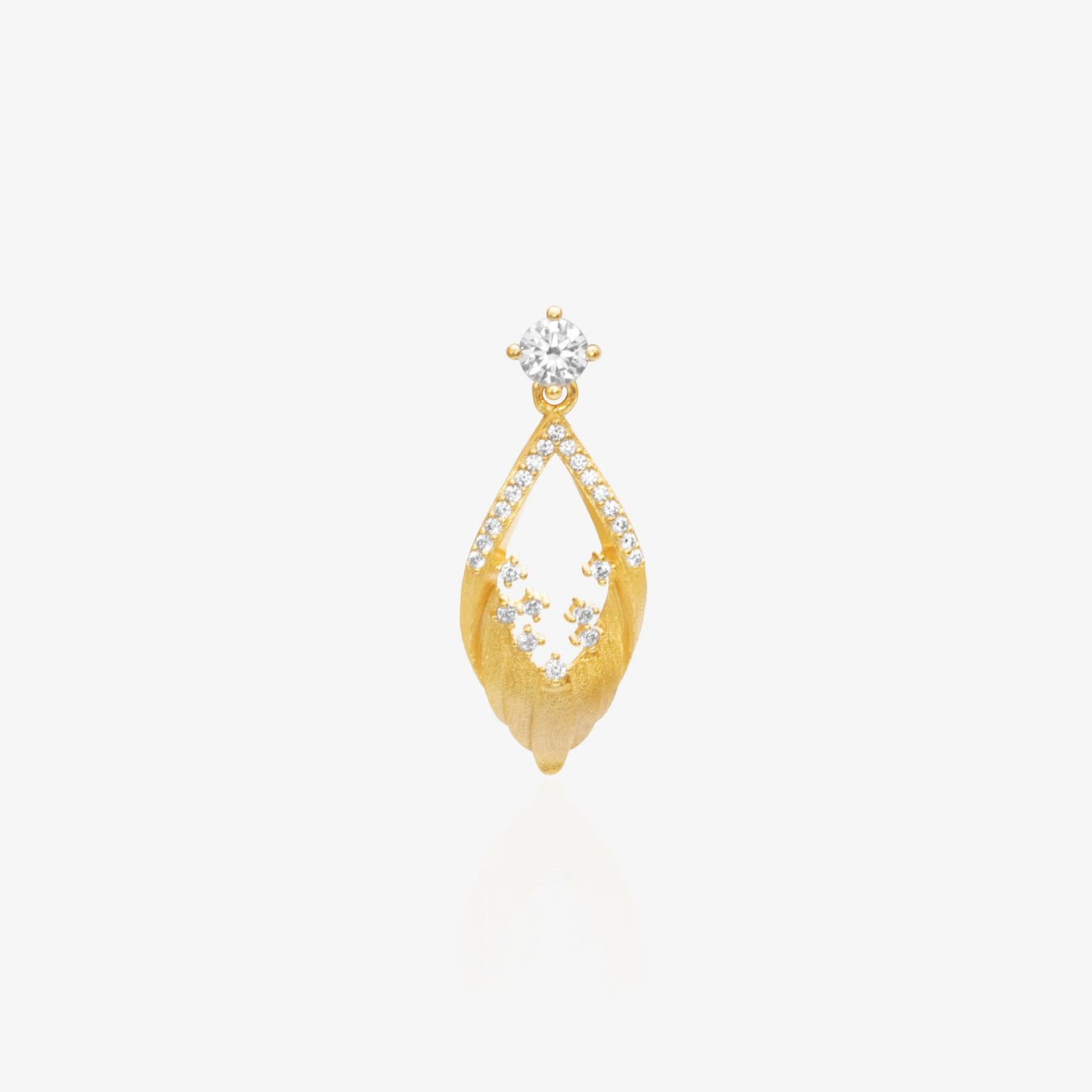
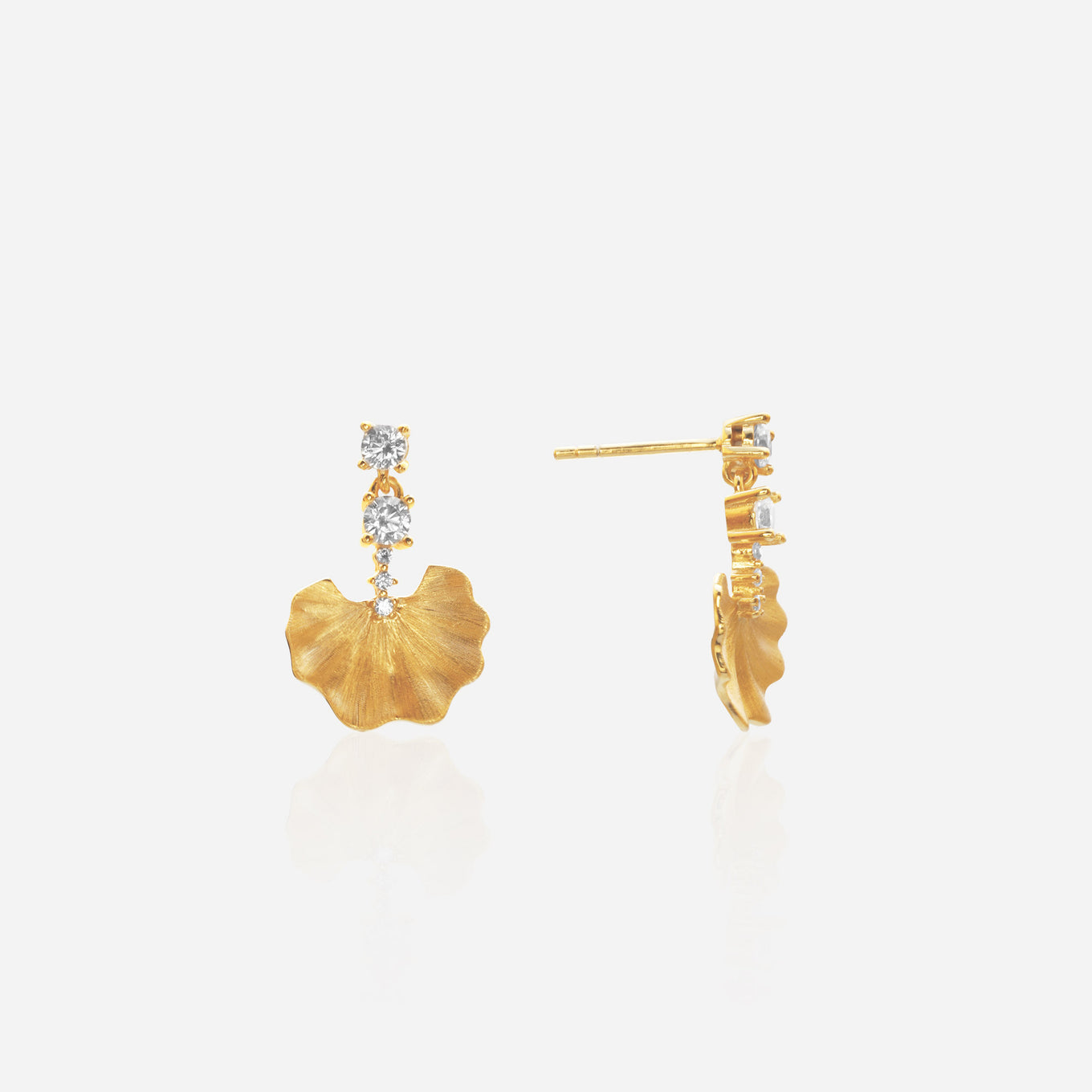
- Zone 2 (Upper lobe): Gold Leaf Earrings — delicate botanical shape, links Zone 1 to Zone 3
- Zone 3 (Helix): Breeze Leaf Studs — small palm leaf, organic final touch
Formula 2: The Romantic Stack (3-4 piercings per ear)
Perfect for: Date night, weddings, whenever you want your ear to sparkle.
- Zone 1 (Lobe): Twisted Gold Huggie Earrings — diamond pavé anchor with rope texture
- Zone 2 (Upper lobe): Woven Heart Studs — gold love knot with diamond center
- Zone 3 (Helix): Gold Fern Earrings — Art Nouveau leaf stud, delicate and sculptural
- Zone 4 (Outer rim): Gold Ear Cuff — flower wrap with chain tassel, no piercing needed
Formula 3: The Edge Stack (3-4 piercings per ear)
Perfect for: Going out, festivals, anyone who likes their jewelry to have personality.
- Zone 1 (Lobe): Kite Diamond Earrings — Art Deco geometry, diamond sparkle
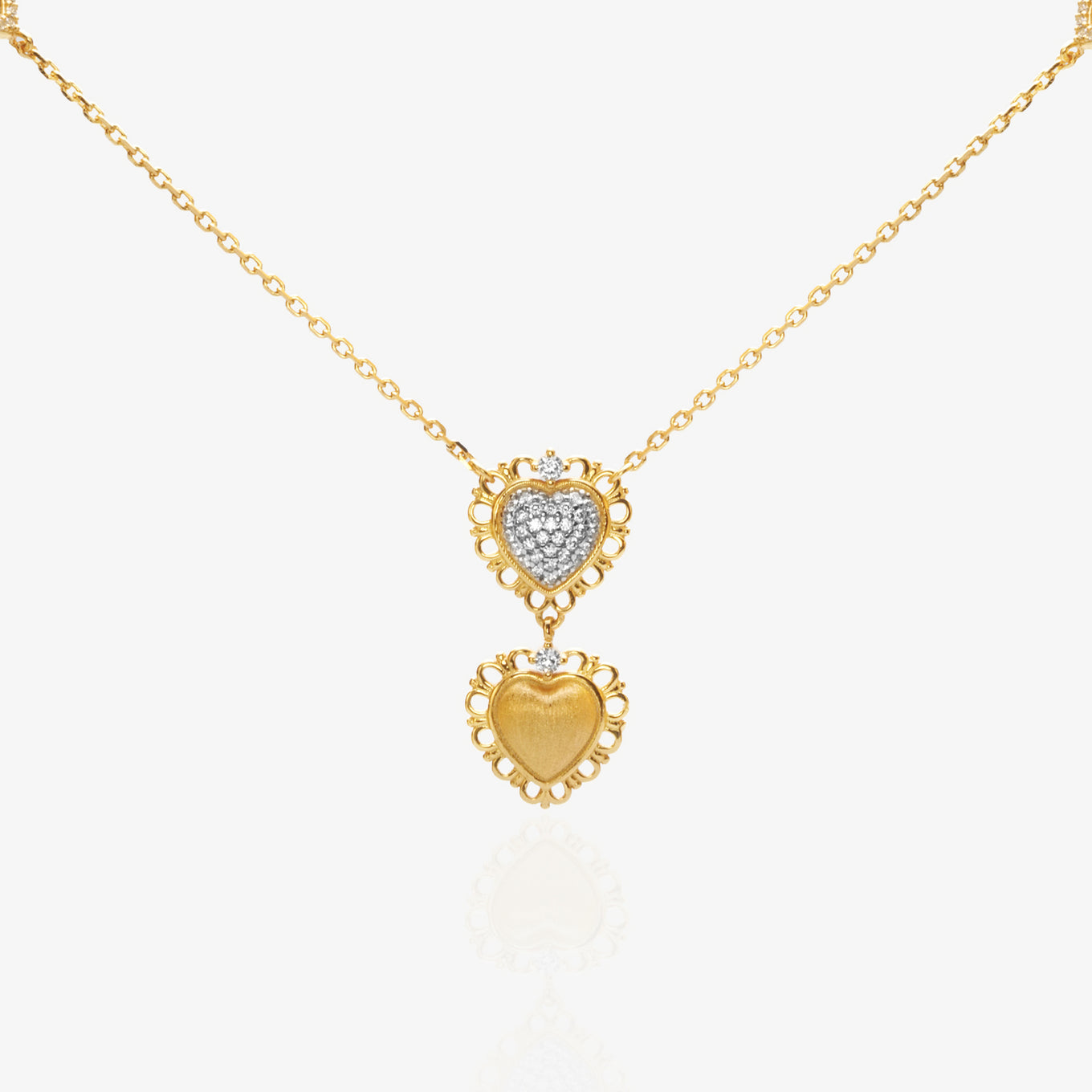
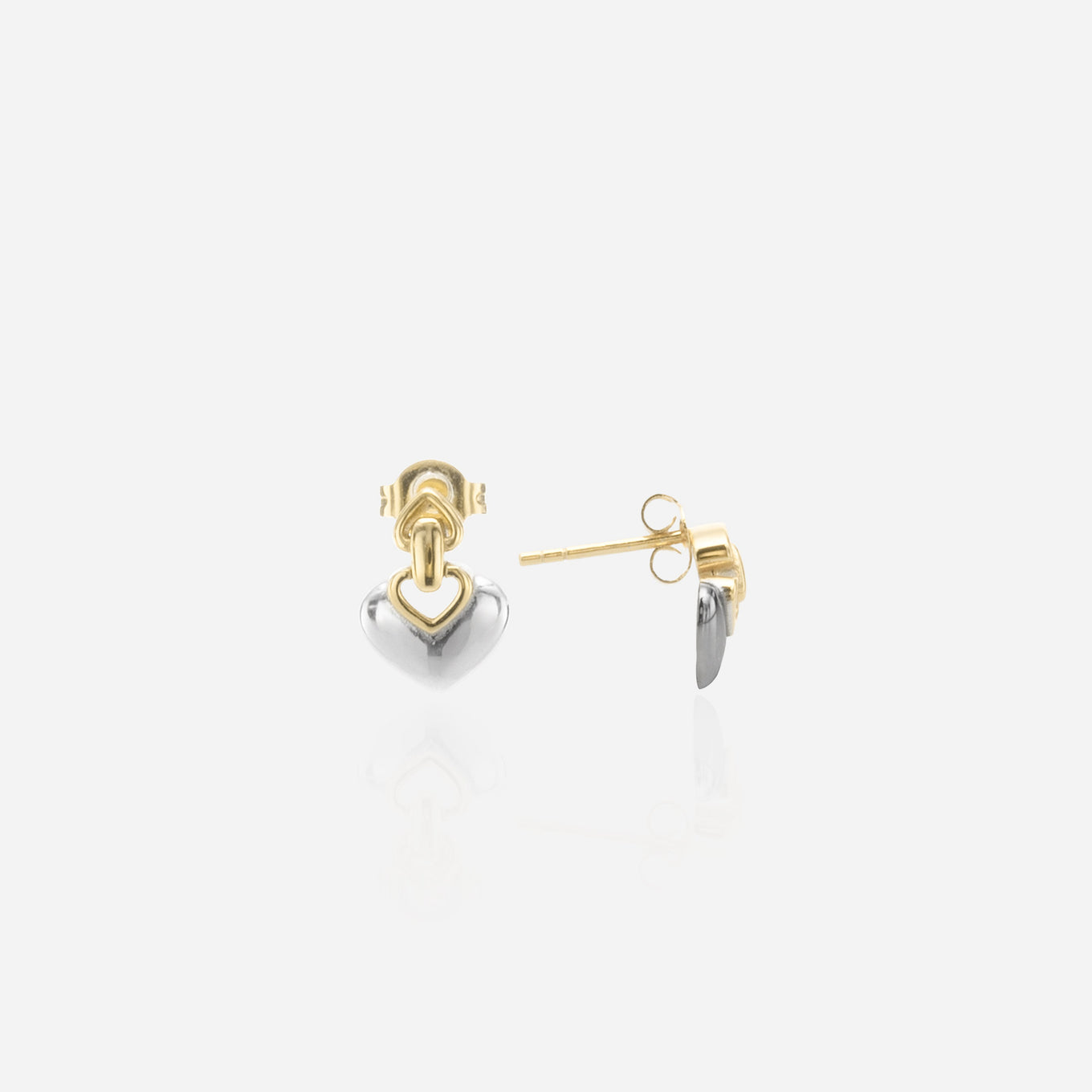
- Zone 2 (Upper lobe): Two-Tone Heart Drop Earrings — mixed metal dangle, adds movement
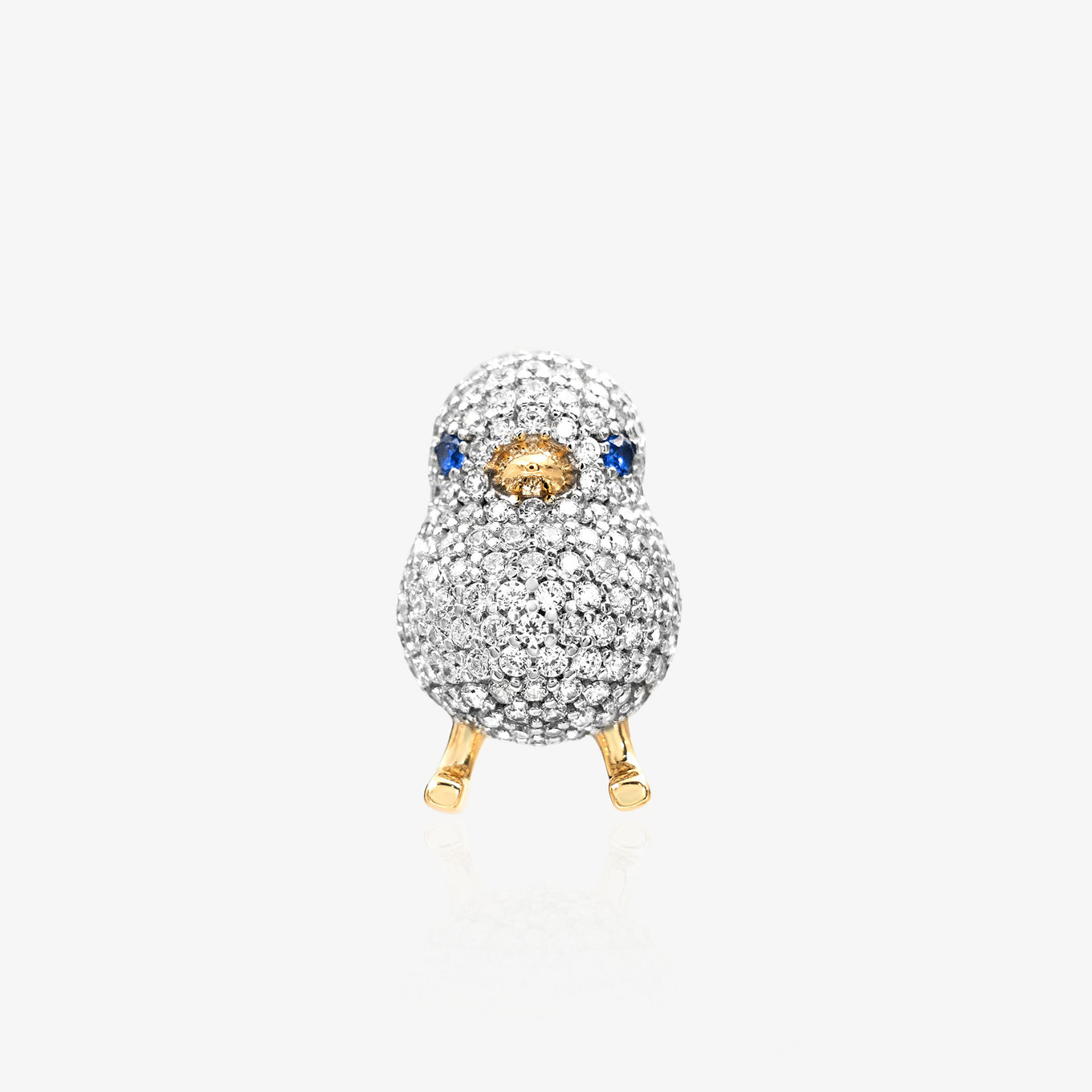
- Zone 3 (Helix): Golden Sparrow Studs — pavé diamond bird, whimsy with edge
- Zone 4 (Outer rim): Diamond Chain Ear Cuff — pavé fringe wrap, catches the light
Ear Stack Do's and Don'ts
DO start with your largest earring at the lobe and scale down as you move upward. This creates natural visual flow from anchor to accent — the eye reads the stack as one composition, not random dots.
DO mix metals intentionally, not accidentally. A deliberate two-tone approach (gold and silver together) reads as curated; one silver earring in an otherwise all-gold stack reads as a misstep.
DO use ear cuffs as "extra piercings" — especially on the conch or upper helix where actual piercing involves more pain and longer healing. No commitment required, and no permanence if you change your mind.
DO consider your face shape. Round faces benefit from elongated shapes (drops, climbers) that create vertical lines. Oval faces can wear almost anything. Heart-shaped faces suit wider designs at the lobe that balance the chin.
DON'T crowd the ear. Leave breathing room between pieces. If every millimeter is covered, the eye has nowhere to rest and the composition loses all impact.
DON'T forget the back view. Ear cuffs and climbers are visible from behind. Choose pieces with interesting profiles — the Diamond Chain Ear Cuff and Gold Ear Cuff both have detailed chain backs that look intentional from every angle.
DON'T match all metals exactly. A slight variation in gold tone (18K vs. 14K) or finish (polished vs. matte) adds depth. Absolute uniformity reads as a matching set — which is fine if that's your goal, but less interesting than intentional variety.
Ear Stack Care: Maintaining Your Curated Collection
Multiple earrings mean multiple opportunities for tarnish and irritation. Keep your stack shining:
Remove before sleep. Pressure from pillows can bend posts, loosen settings, and snag chains. Take your stack off at night — especially cuffs, which can warp under sustained pressure.
Clean regularly. Earrings collect hair products, skin oils, and environmental residue that dull the finish. A gentle wipe with a microfiber cloth after each wear prevents buildup. For deeper cleaning, use warm water with mild soap and a soft brush — avoid harsh chemicals that can damage plating and loosen stones.
Rotate your pieces. Wearing the same studs in the same piercings daily can cause metal fatigue and localized skin sensitivity. Rotate your stack components every few weeks — it also keeps your look fresh without buying new pieces.
Store properly. Earrings should be stored separately — not tossed together in a dish where they scratch each other. A jewelry box with individual compartments or a hanging organizer protects your pieces and makes assembling your daily stack faster.
Frequently Asked Questions
Are ear stacks still in style in 2026?
Absolutely — and they're more accessible than ever. The curated ear has evolved from a piercing enthusiast trend into a mainstream styling practice. What's changed in 2026: stacks are cleaner, more intentional, and more likely to incorporate ear cuffs and mixed-metal elements rather than just rows of identical studs.
How many earrings should I stack?
There's no magic number, but the most visually balanced stacks use 3 to 5 pieces per ear. Fewer than three can feel sparse; more than five risks overcrowding. Start with three (lobe anchor + transition + accent), then add as your confidence and piercing collection grow.
Do I need extra piercings for an ear stack?
No. Ear cuffs have made the curated ear piercing-optional. A two-piercing ear (lobe + upper lobe) plus a well-placed cuff at the helix or outer rim can create a fully realized stack. The Gold Ear Cuff and Diamond Chain Ear Cuff are designed specifically for this purpose.
What's the 3/2 piercing rule?
The 3/2 rule suggests limiting healing piercings to no more than three at a time (and ideally two) to allow proper healing and reduce infection risk. Cartilage piercings take 6–12 months to fully heal, so plan your curated ear over time — it's a marathon, not a sprint.
Can I mix gold and silver in the same ear?
Yes — mixed-metal ear stacks are a major 2026 trend. The key is intentional distribution: don't place a single silver earring in an otherwise all-gold ear. Instead, alternate gold and silver pieces rhythmically (gold-silver-gold-silver) or group them (gold on lobe, silver on helix). According to Byrdie's mixed-metal styling guide, the key is finding a unifying element — a shared gemstone, similar finish, or a bridge piece that already blends both tones. The Two-Tone Heart Drop Earrings are designed as the perfect bridge piece — they already blend both metals, making them a natural transition point in any mixed-metal stack.
What are the best earrings for sensitive ears?
Look for hypoallergenic base metals (sterling silver, 14K+ gold, titanium) and avoid nickel-containing alloys. Our Gold Leaf Earrings are built on hypoallergenic sterling silver with premium 18K gold plating — designed for all-day comfort even on sensitive skin. If you're new to ear stacking, start with hypoallergenic pieces in your healing piercings and introduce fashion metals gradually as your ear adjusts.
We Believe
We believe your ear is a canvas, not a checklist. Ear stacking is not about filling every available space with metal — it's about creating a composition that reflects your personal style, your mood, and your story. The best ear stacks feel inevitable, like they couldn't possibly be arranged any other way.
We believe ear cuffs are a design revolution. For decades, non-pierced ears had limited options. The modern ear cuff — secure, comfortable, and visually indistinguishable from a real piercing — has democratized the curated ear. You shouldn't need a needle to participate in the most exciting jewelry trend of the decade.
And we believe earring stacking is the most personal form of jewelry expression. Necklaces sit on your chest; rings you see when you gesture. But earrings frame your face — they're inseparable from how people perceive you. When you curate your ear with intention, you're not just accessorizing. You're defining the frame.
References
- Impuria Ear Piercing Jewelry. "Summer 2026 Ear Piercing Trend Report: 4 Ear Stacks Taking Over This Season." impuria.com, May 2026.
- Scream Pretty. "The Ultimate Guide to Ear Curation." screampretty.com
- Kosiner Jewelry. "Top Piercing Jewelry Trends You Need to Try." kosinerjewelry.com
- Sylvie Jewelry. "How to Stack Earrings: Tips and Ear Stack Ideas." sylviejewelry.com, July 2026.
- Metal Morphosis. "Stacking & Styling: The Art of the Curated Ear." metalmorphosis.co.uk
- Buddha Jewelry. "290 Curated Ear Stack Ideas in 2026." pinterest.com/buddhajewelry