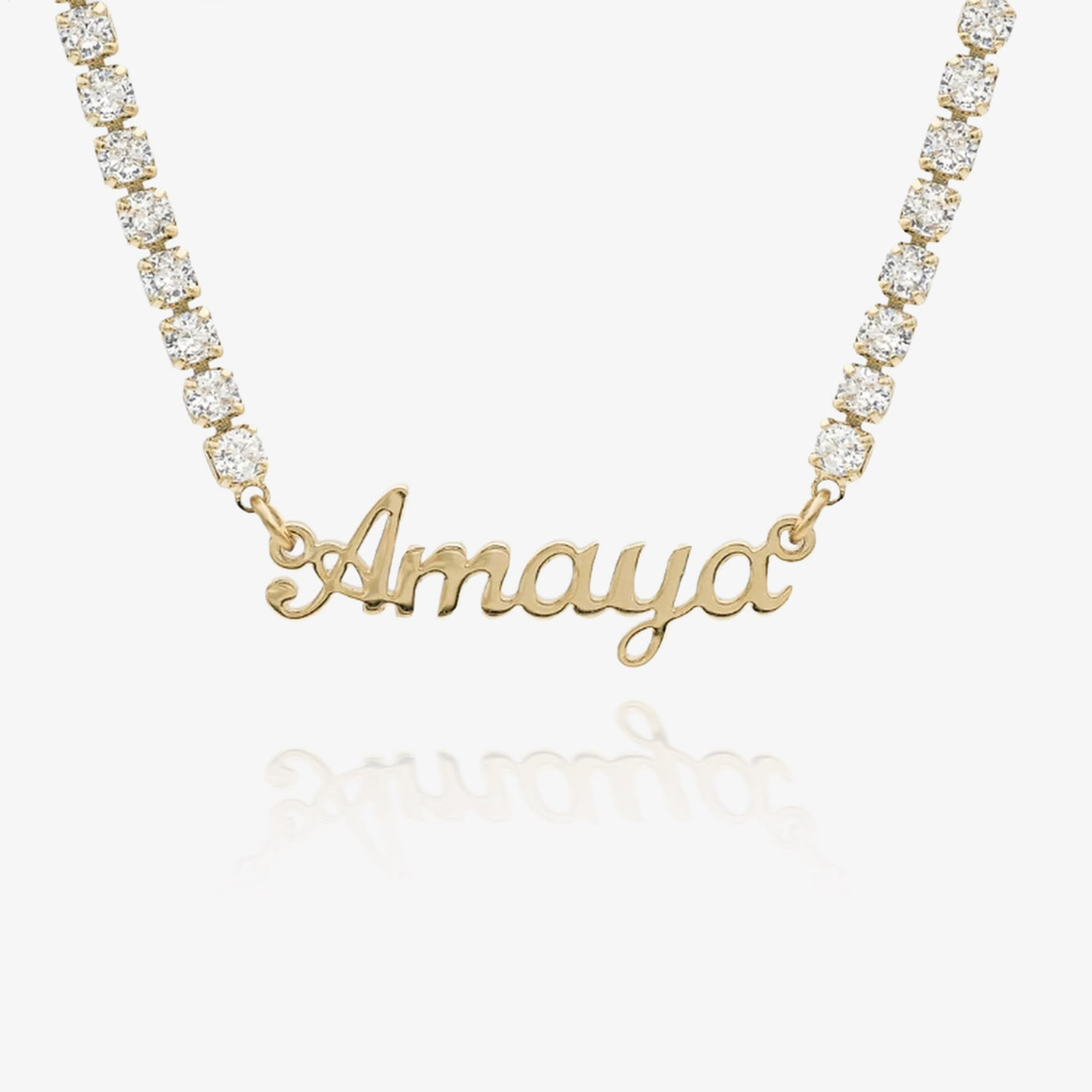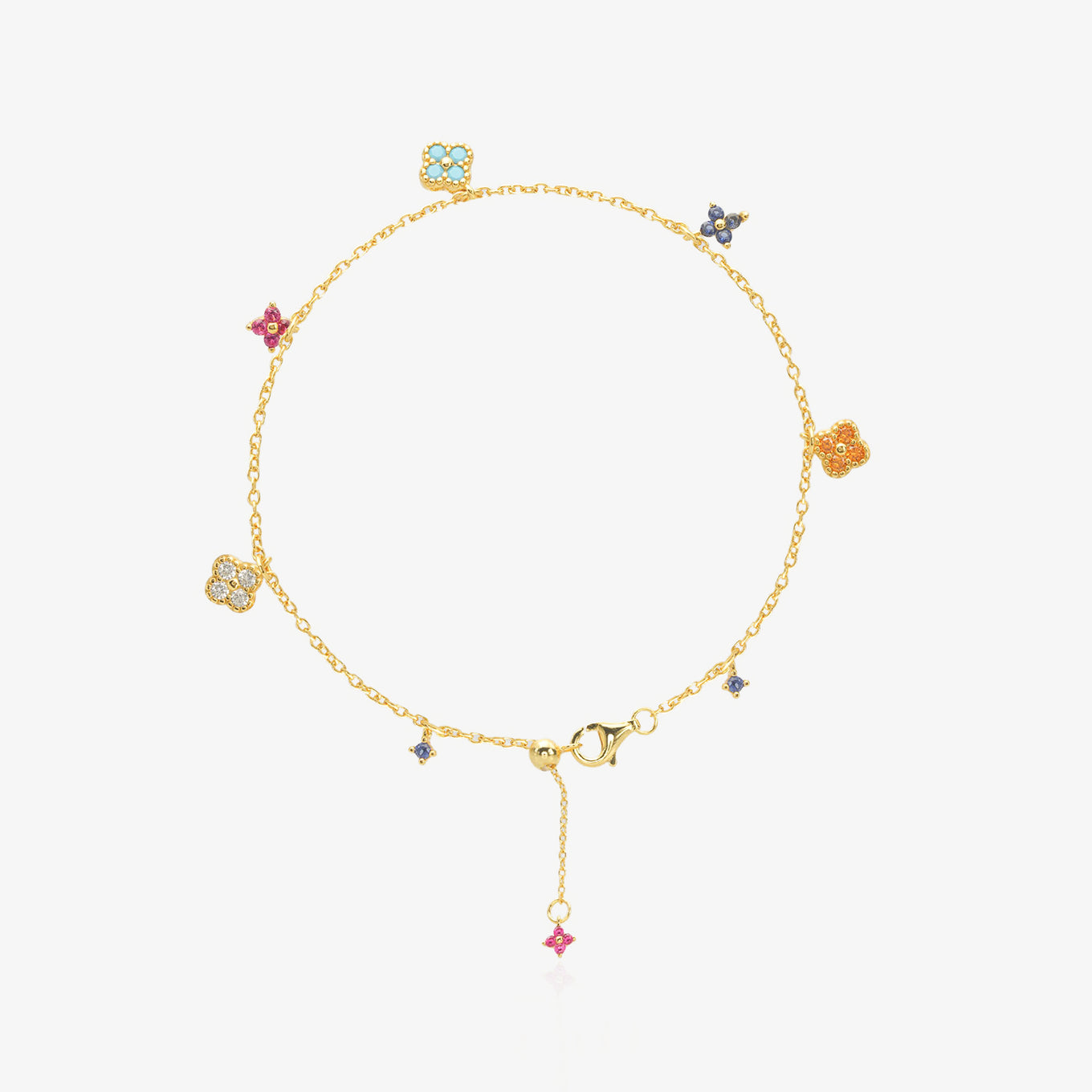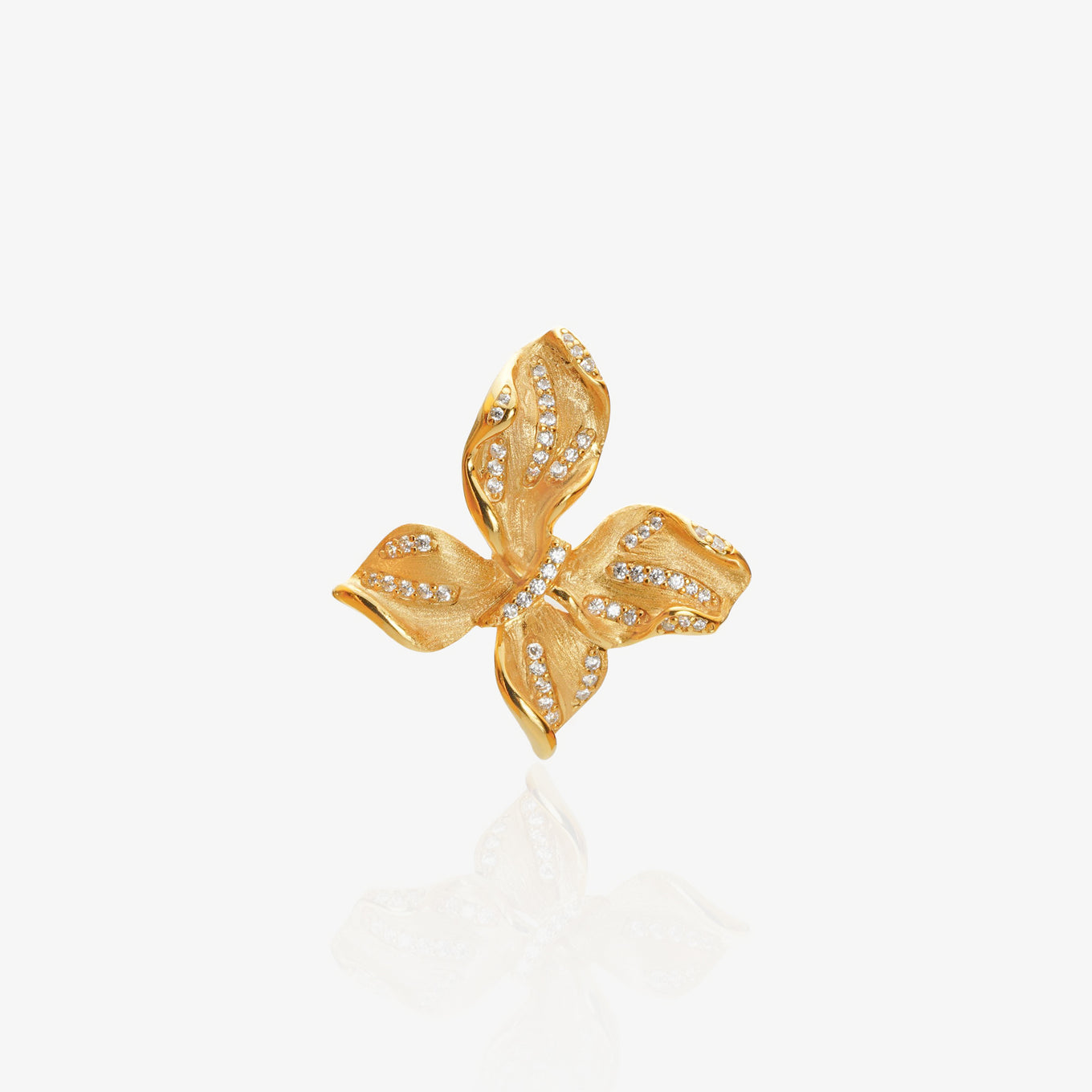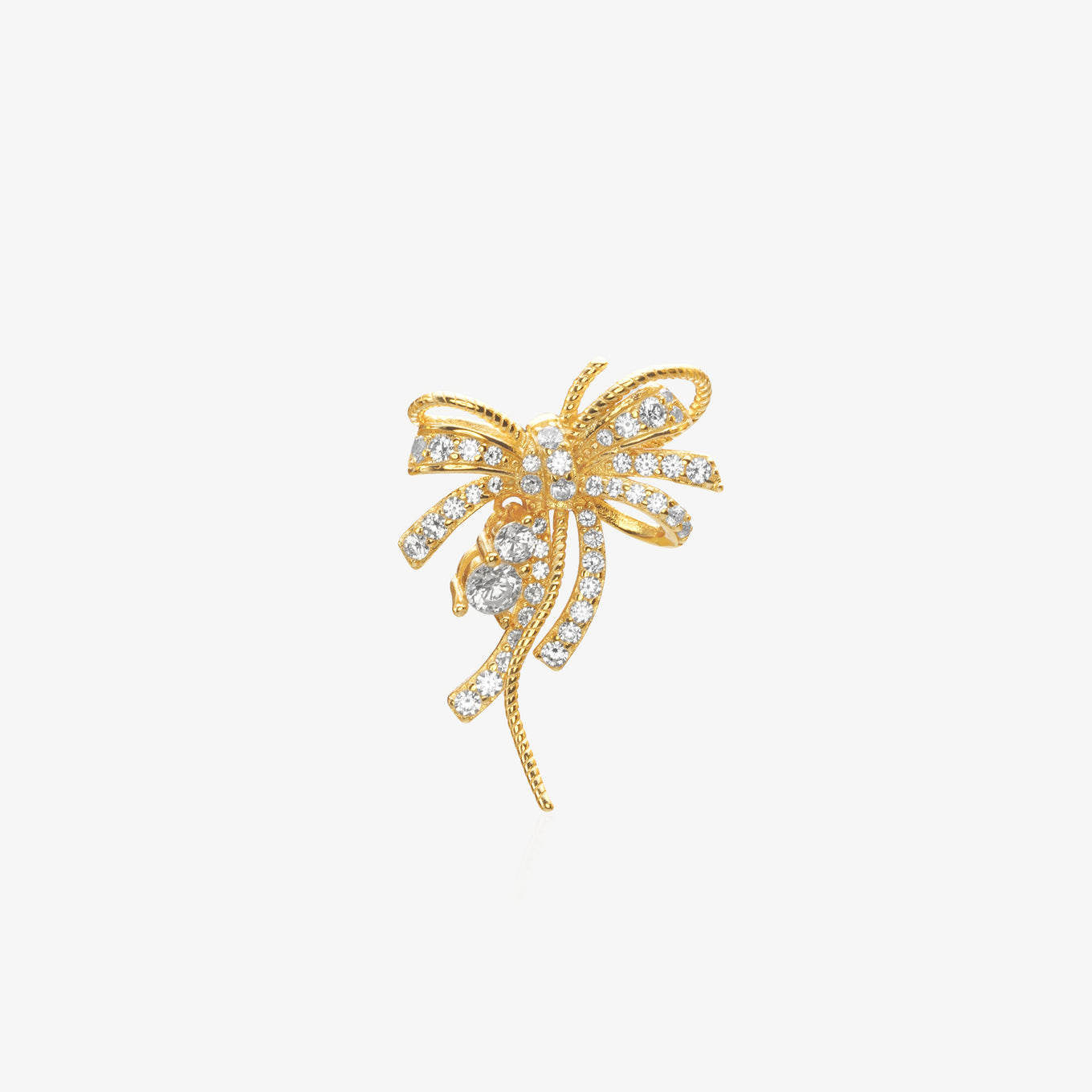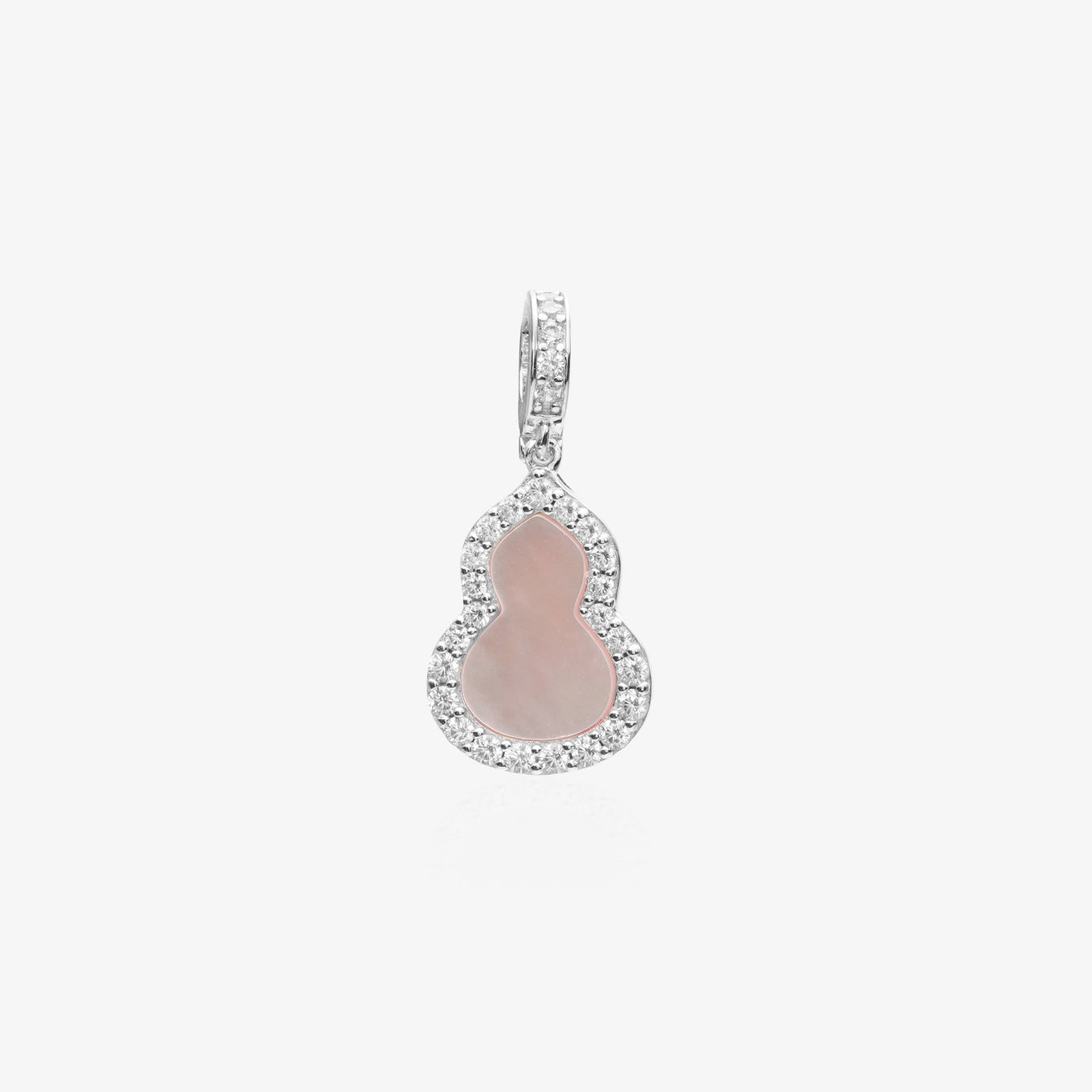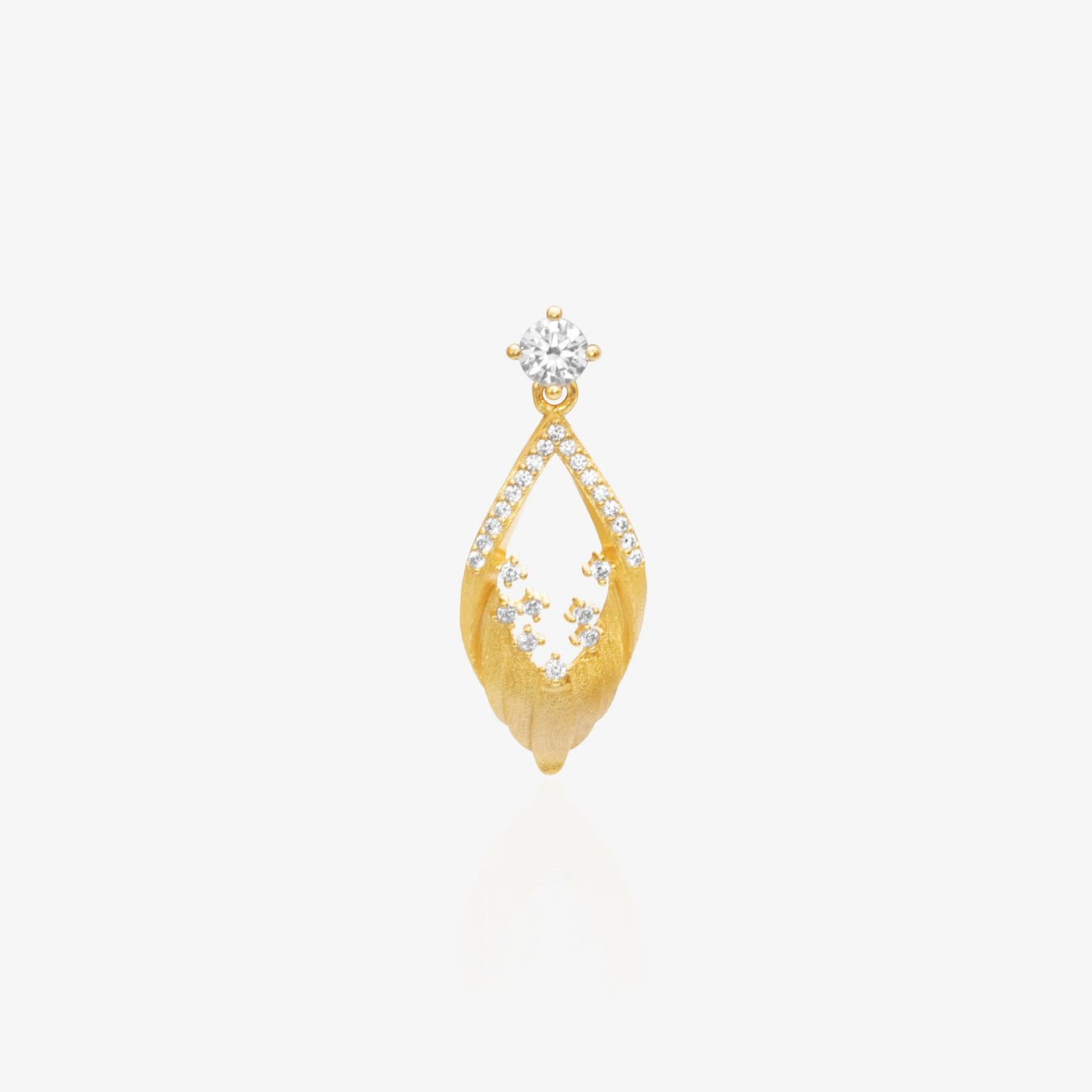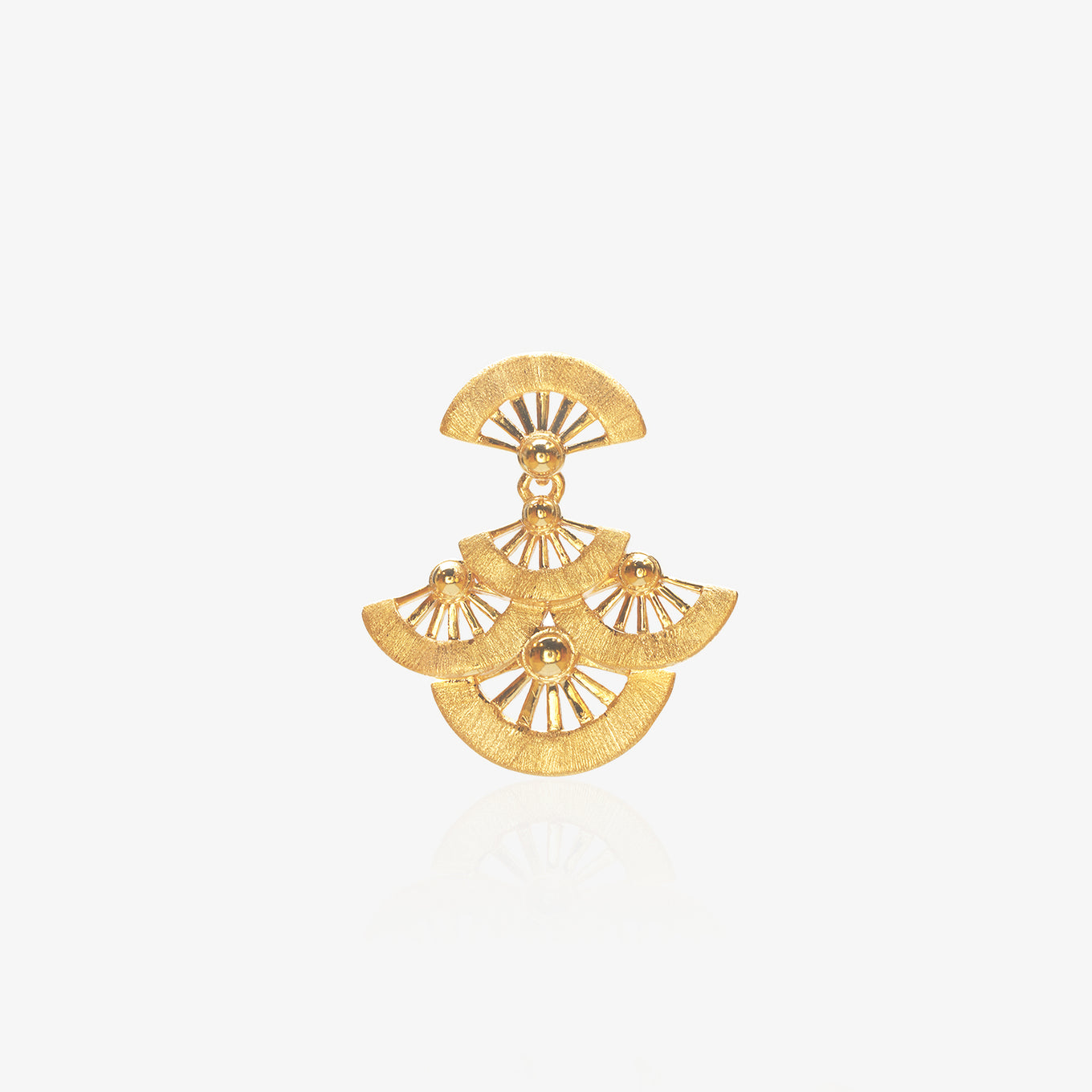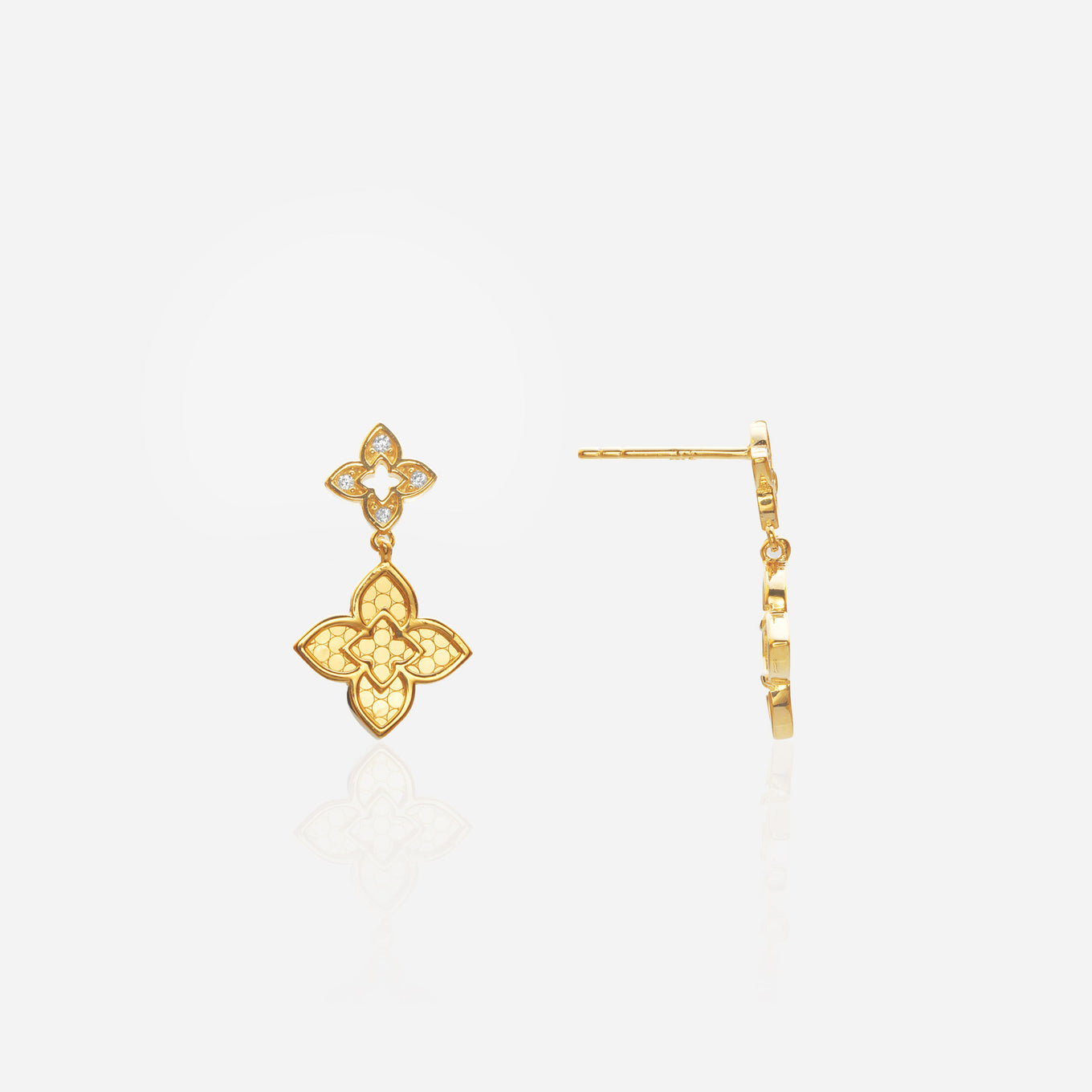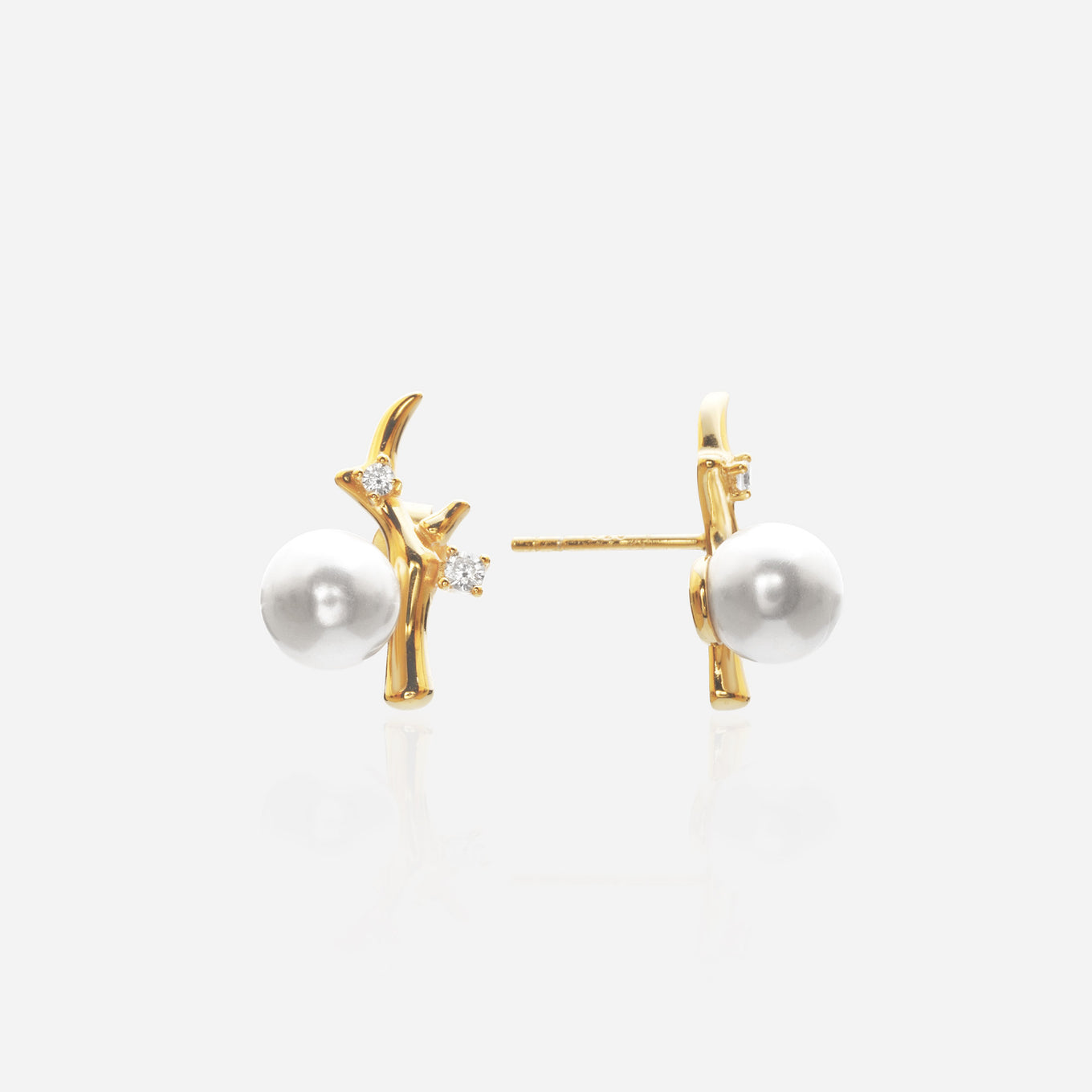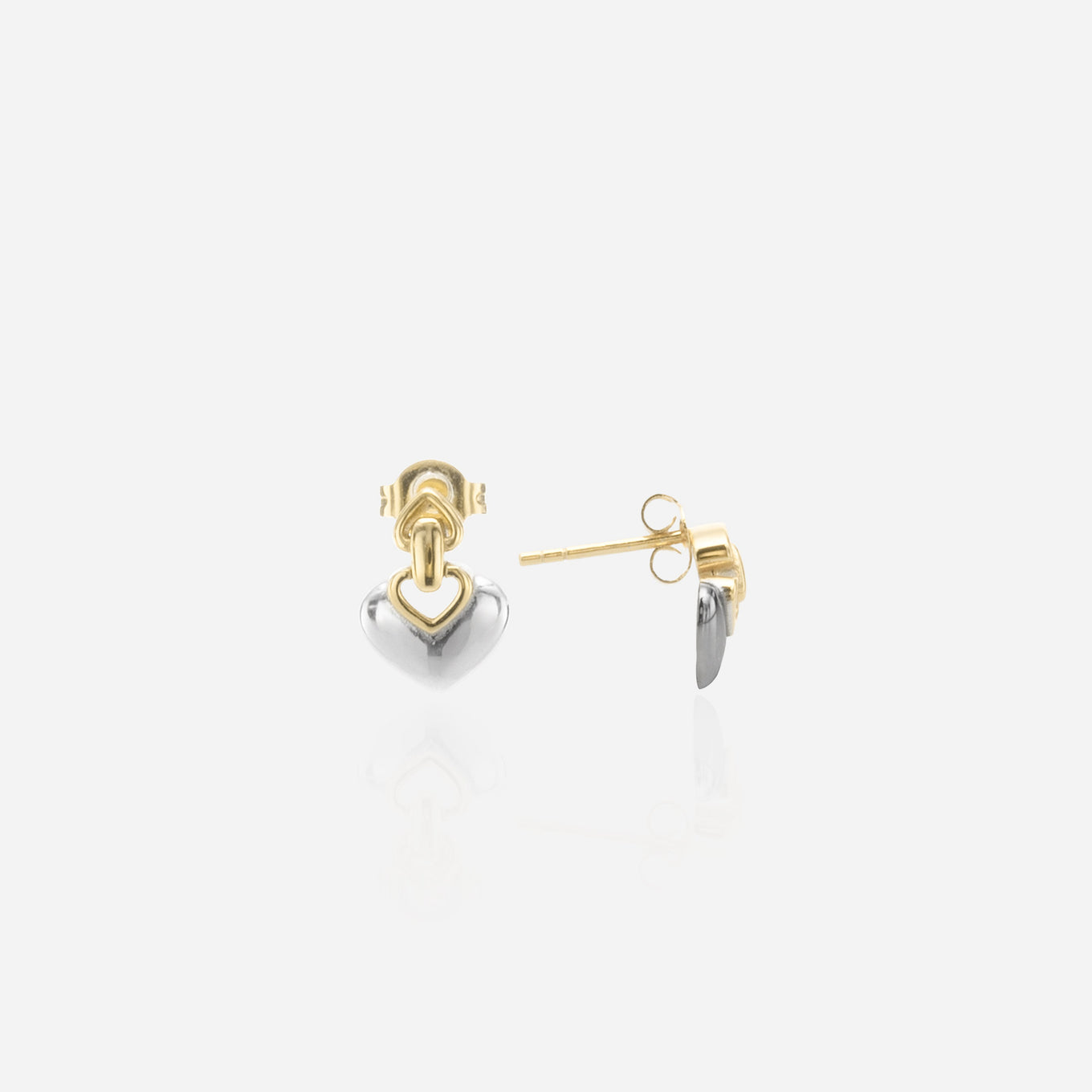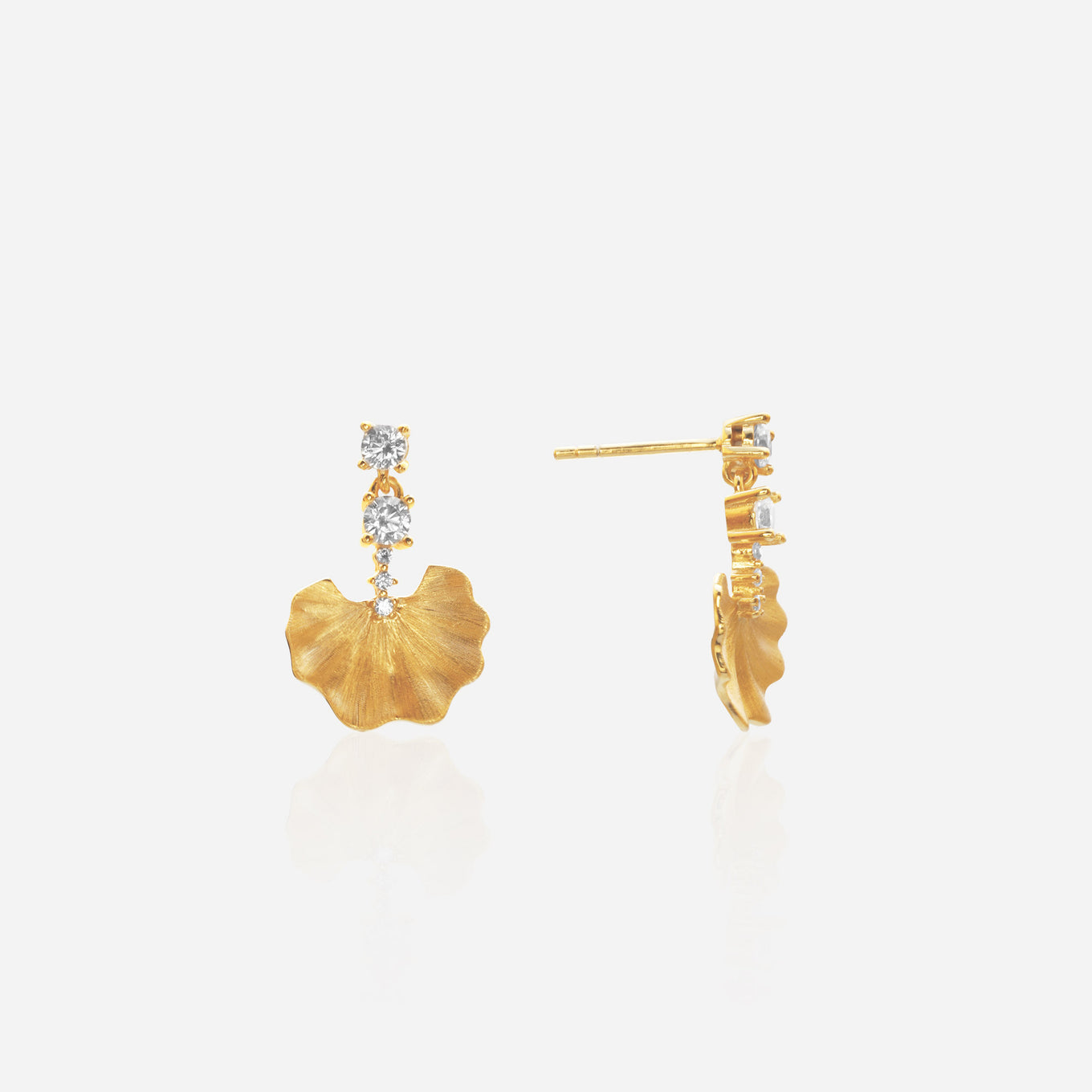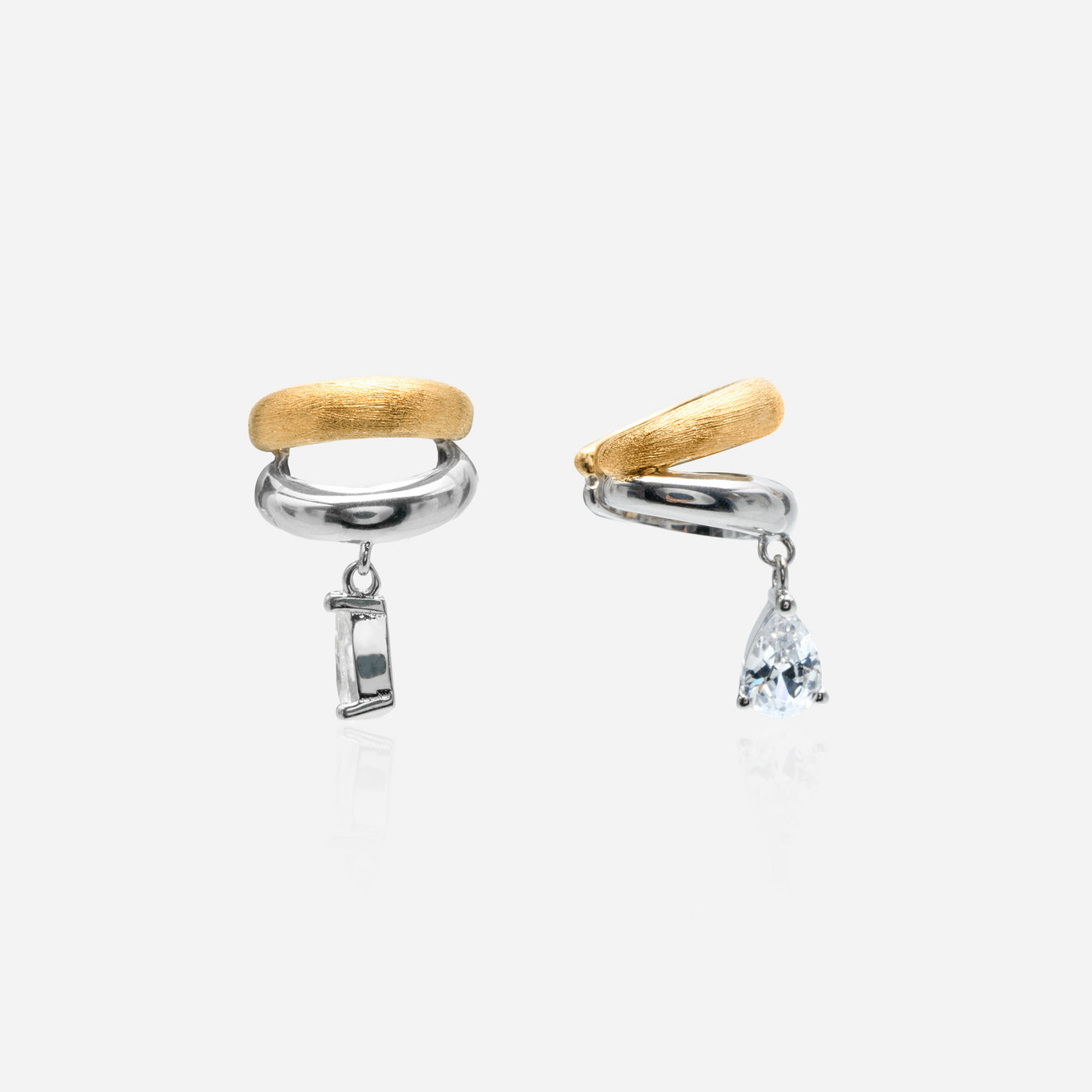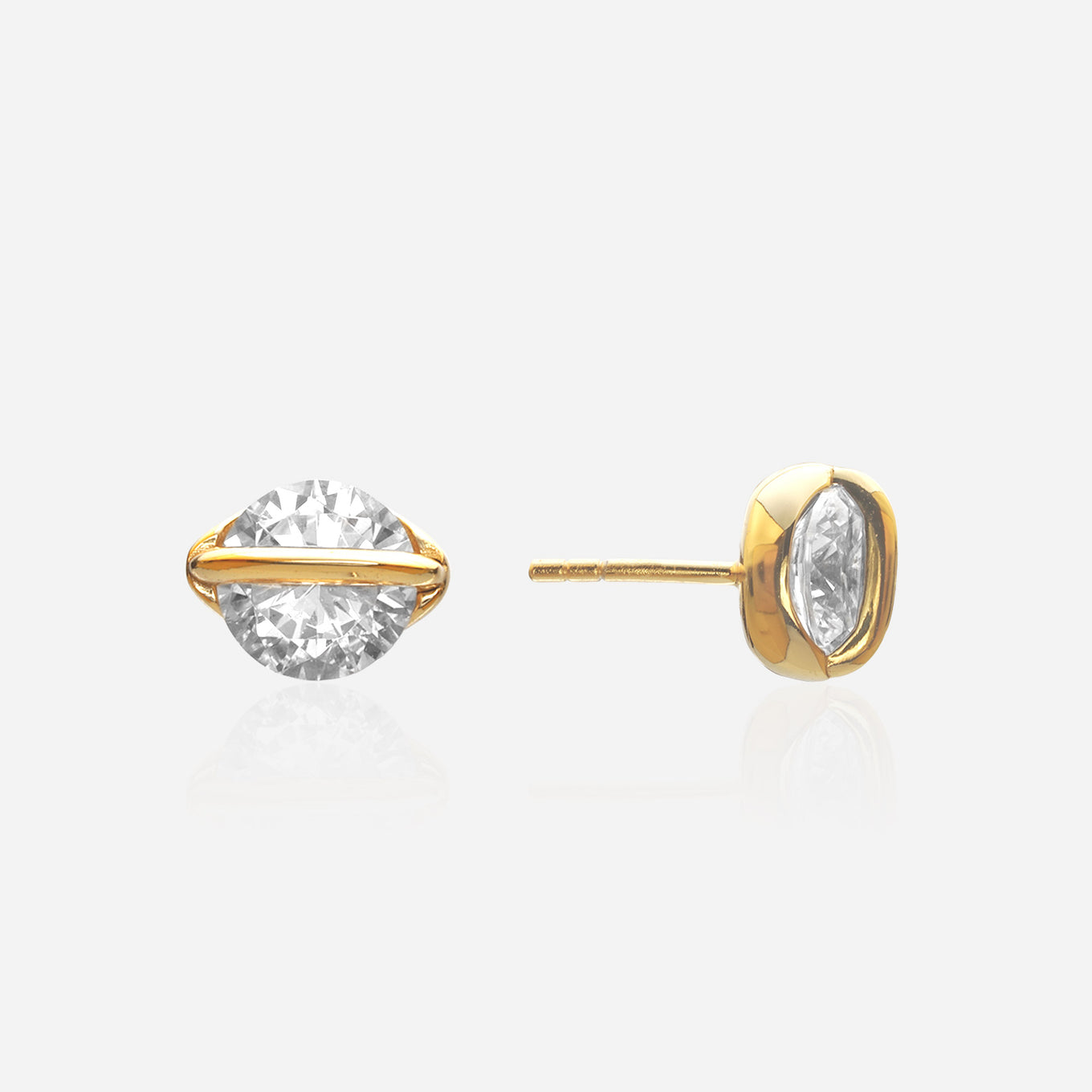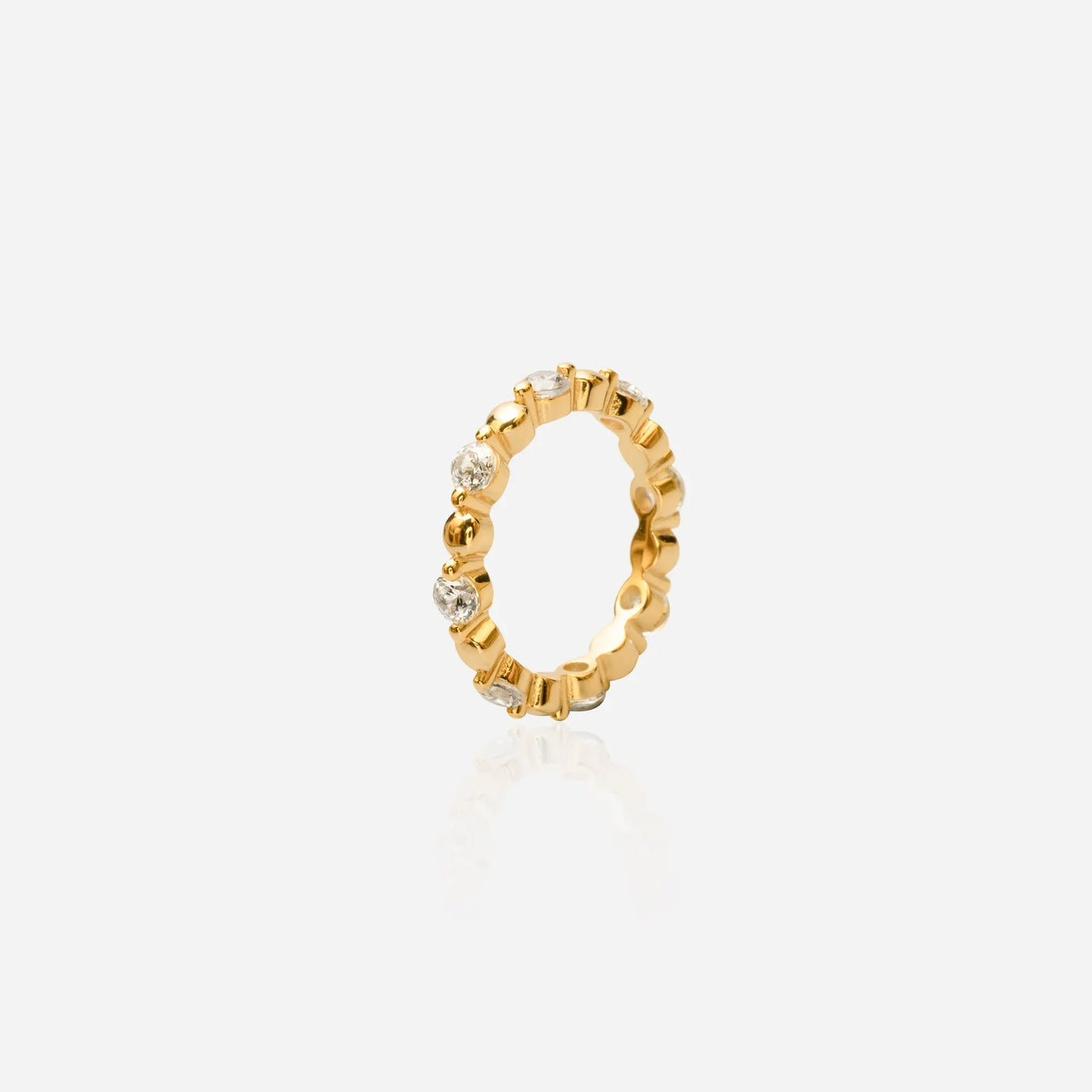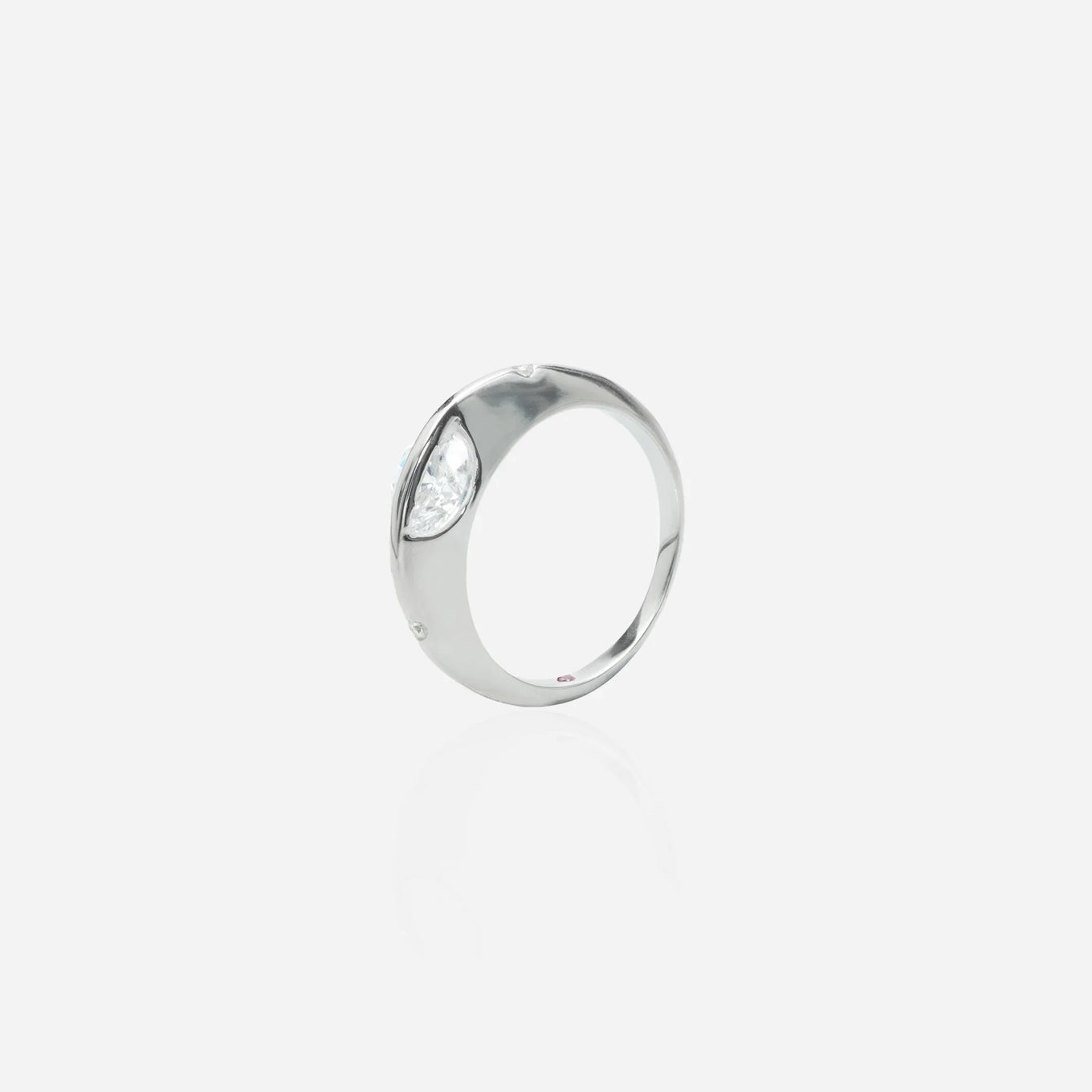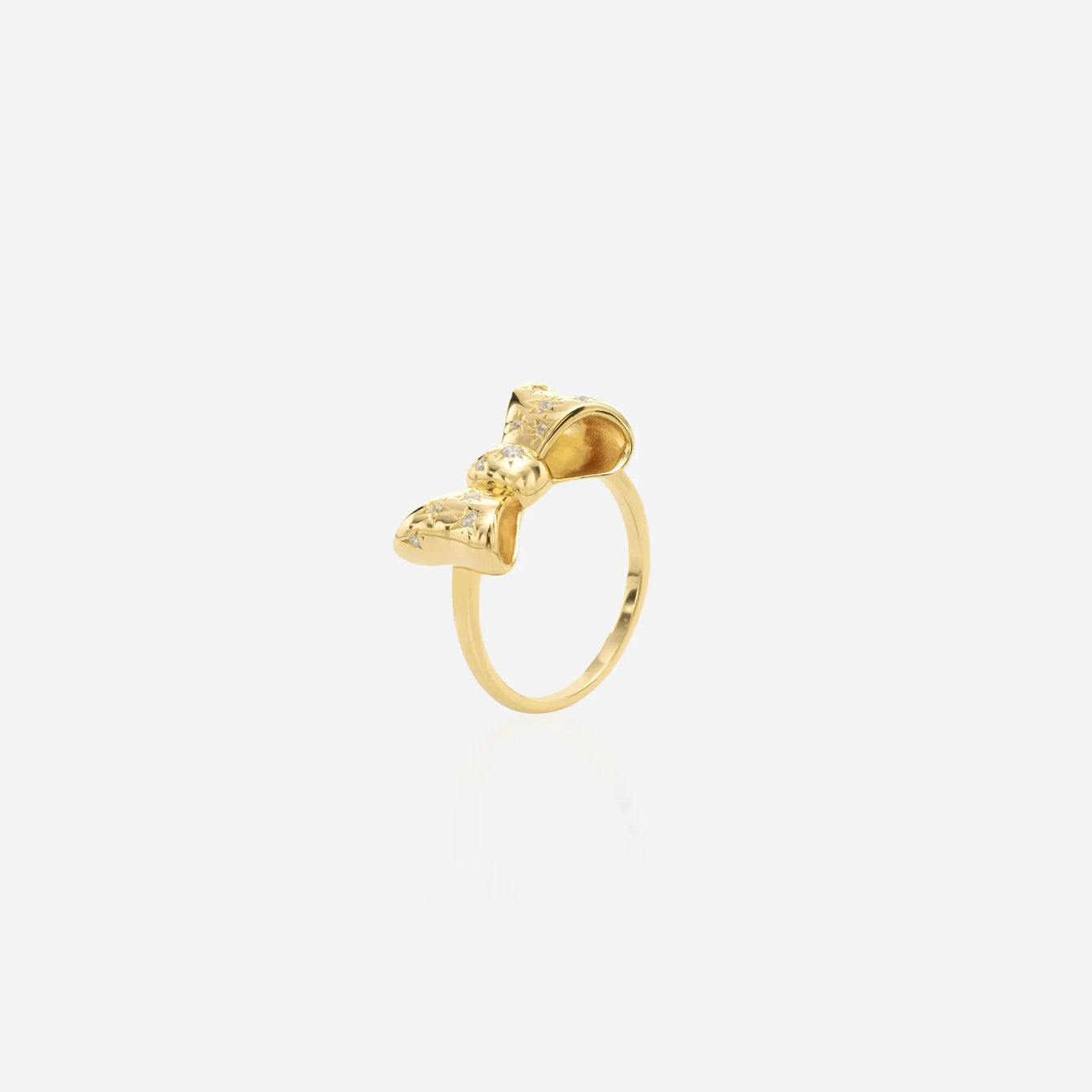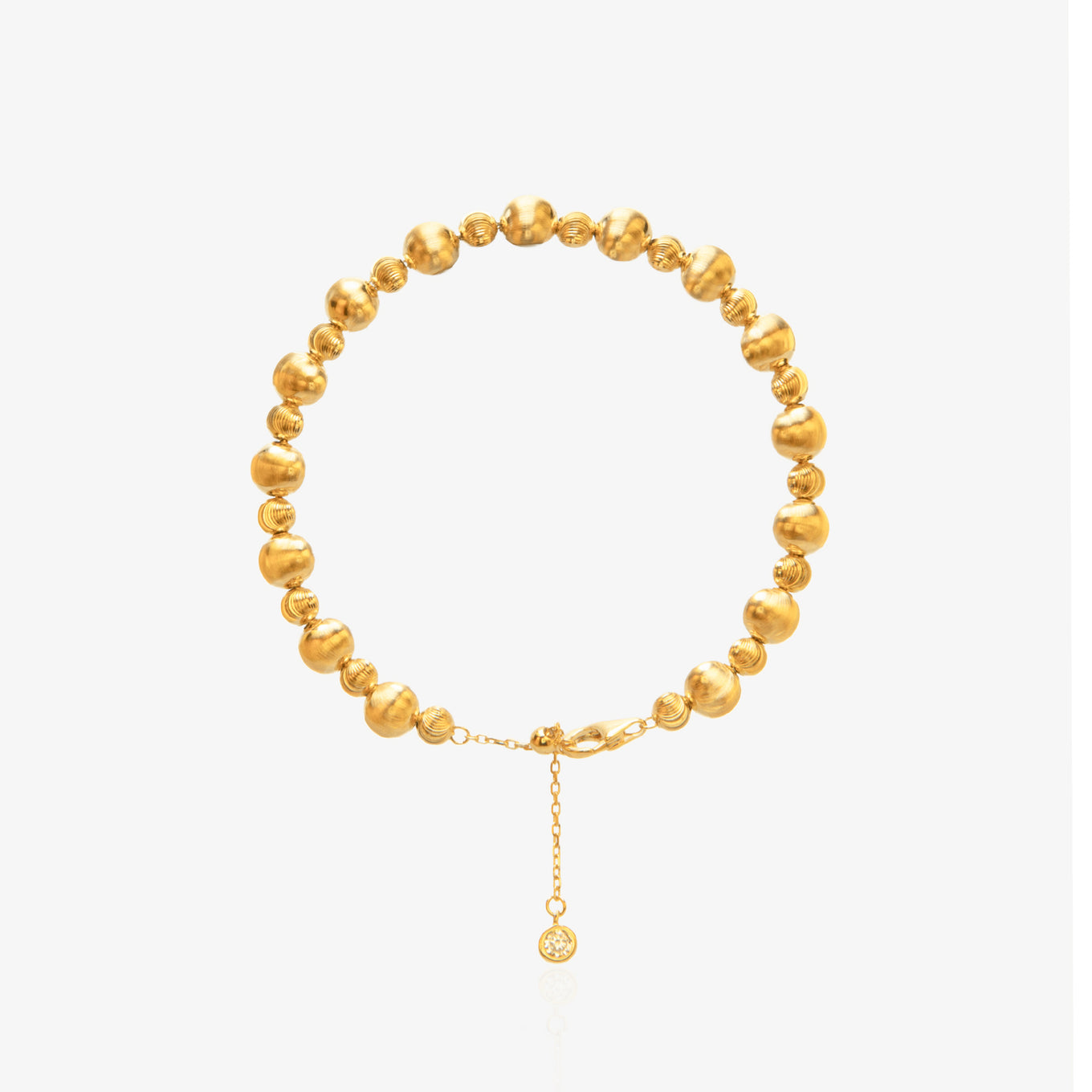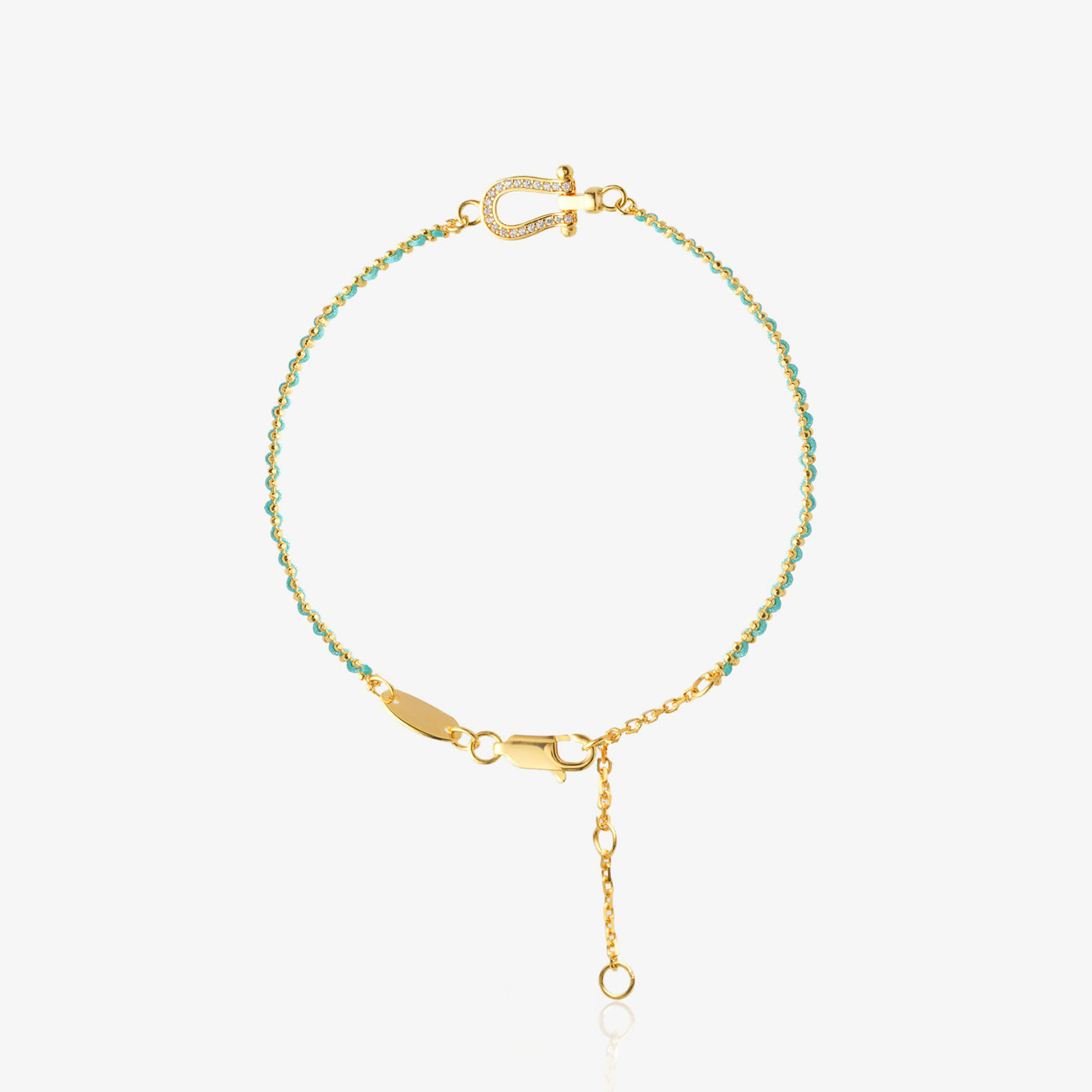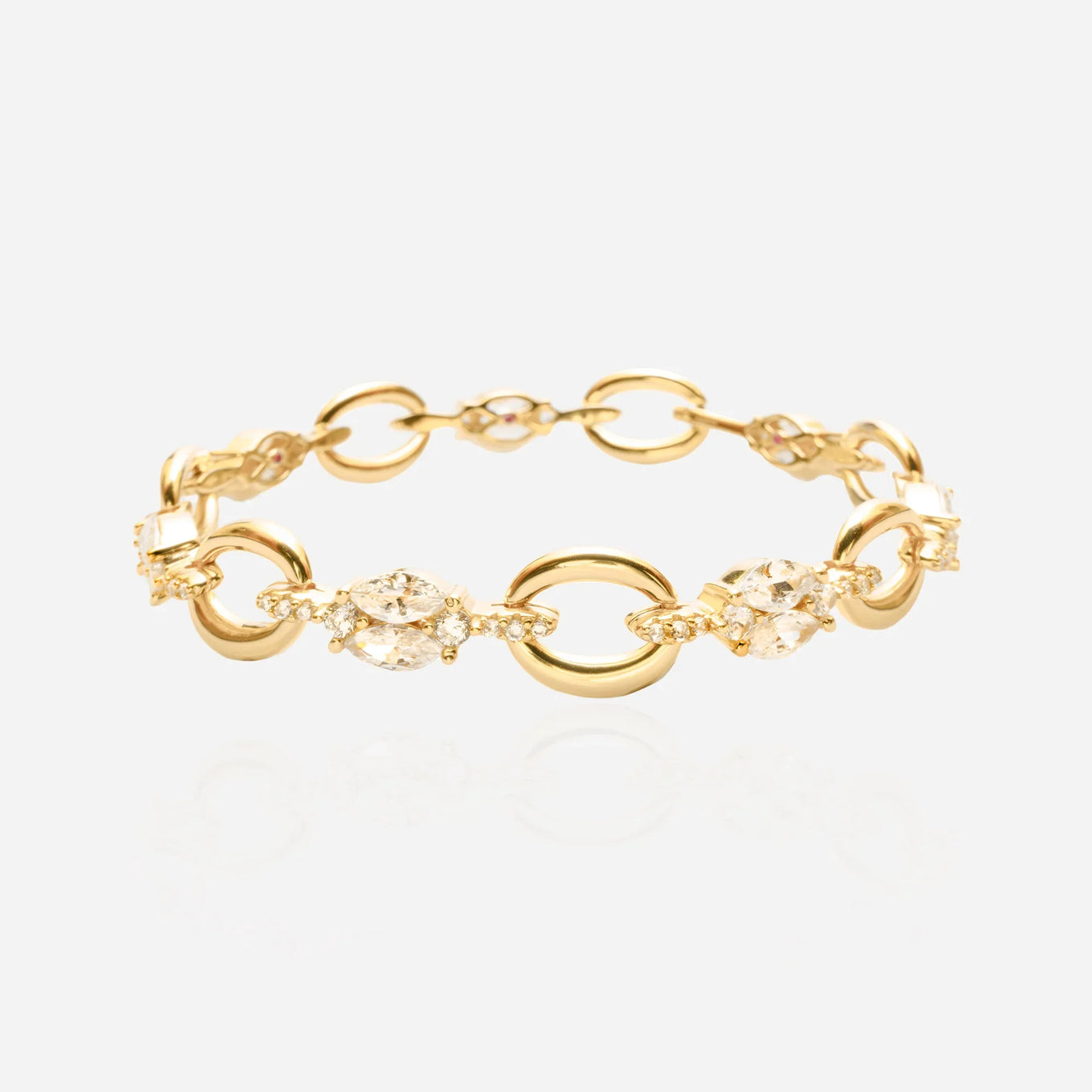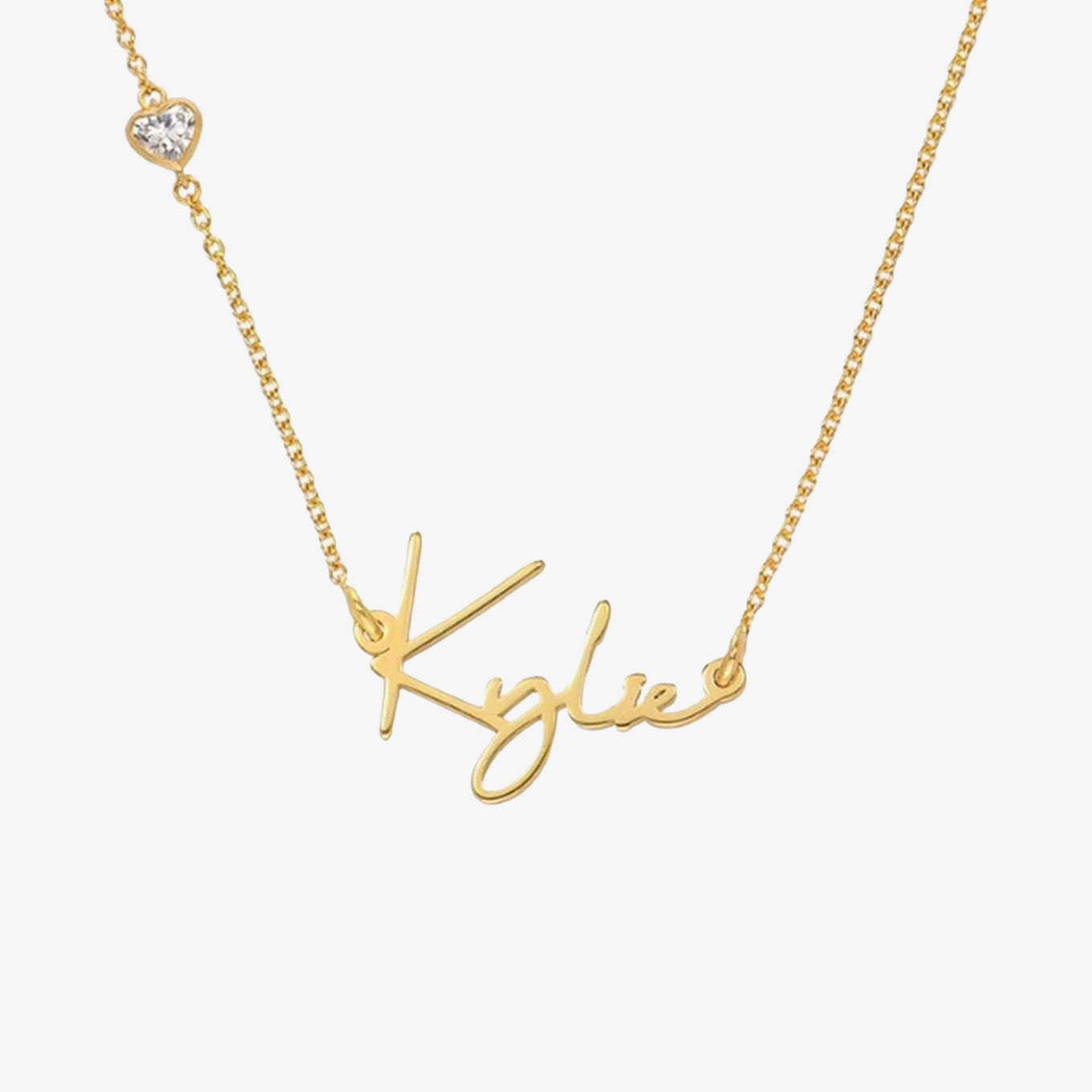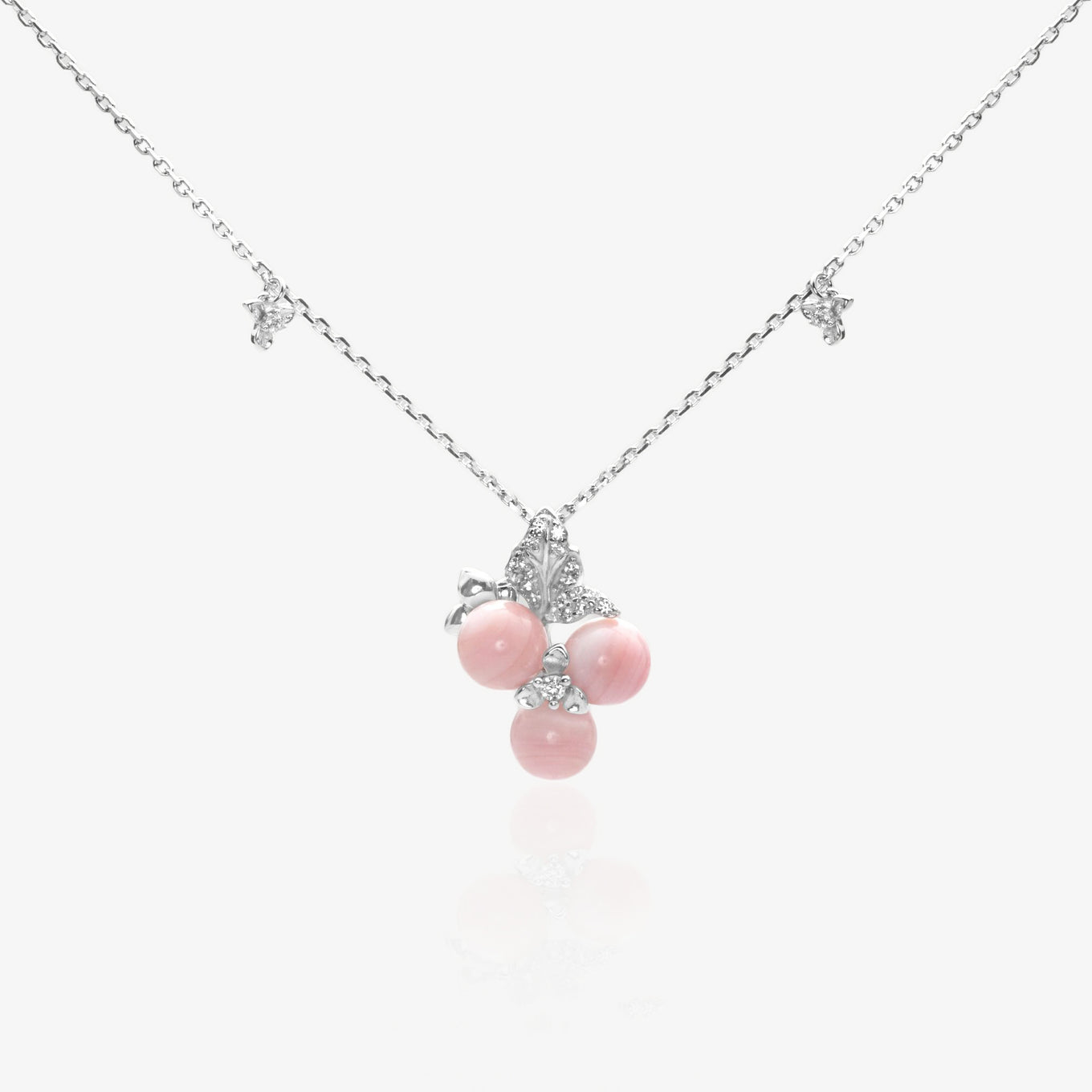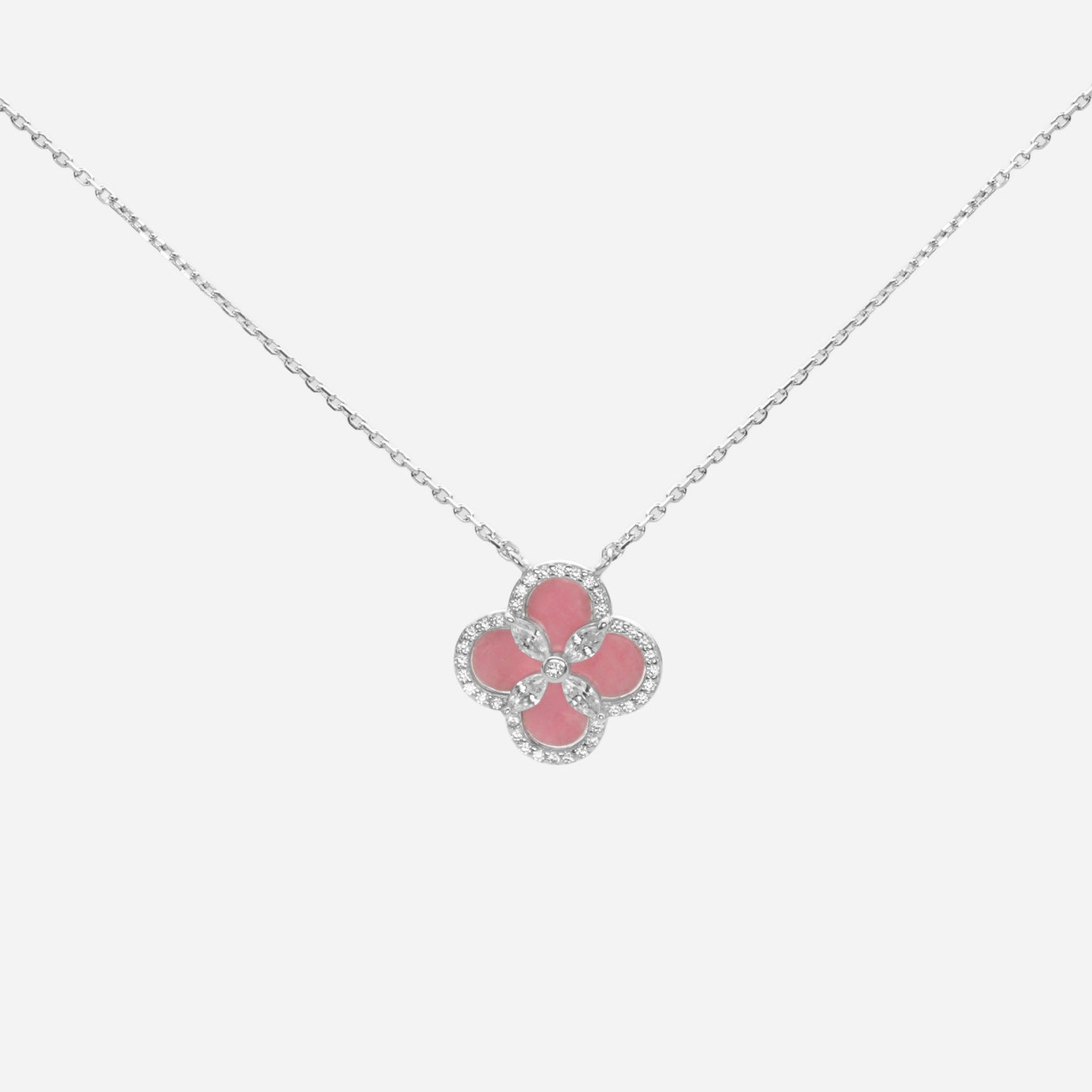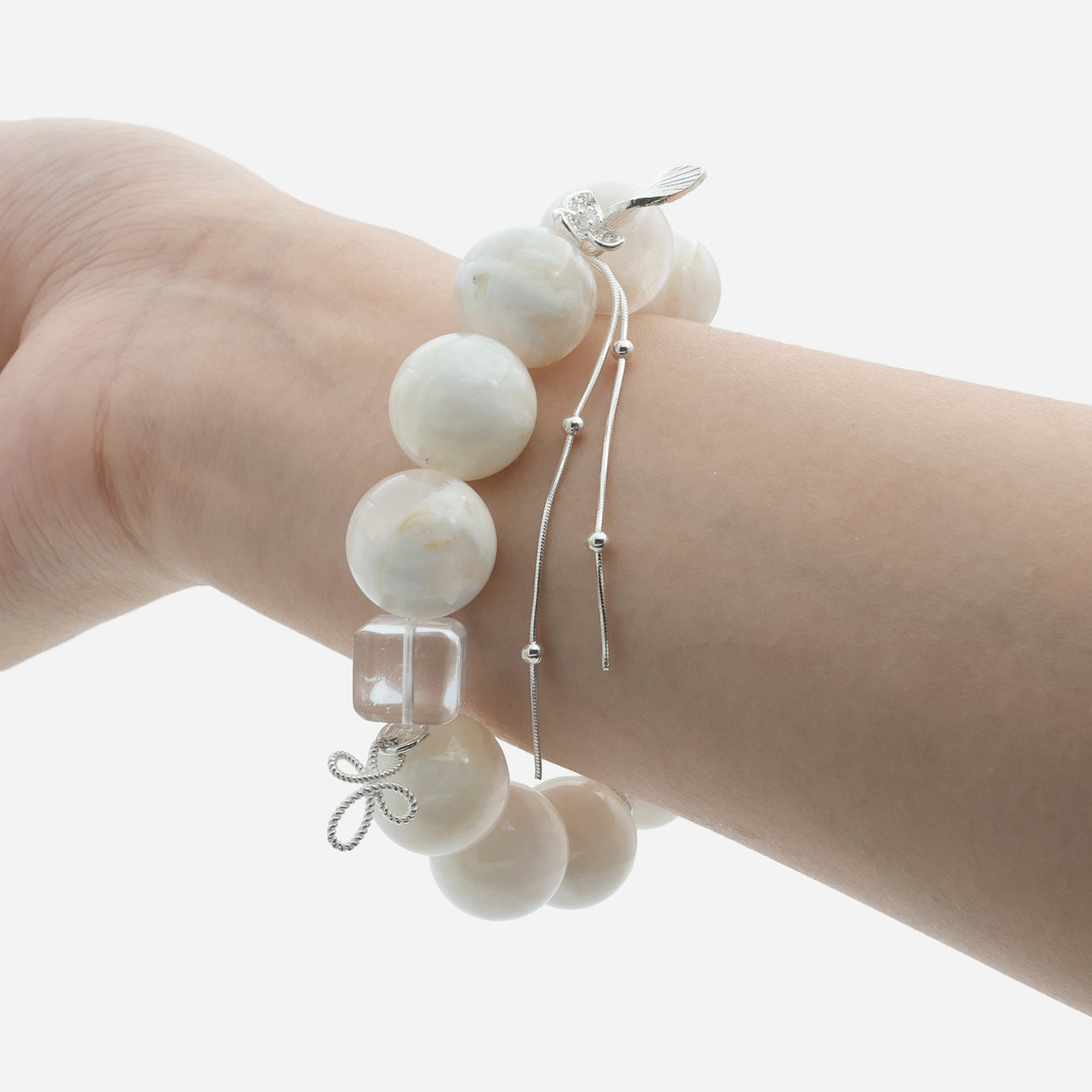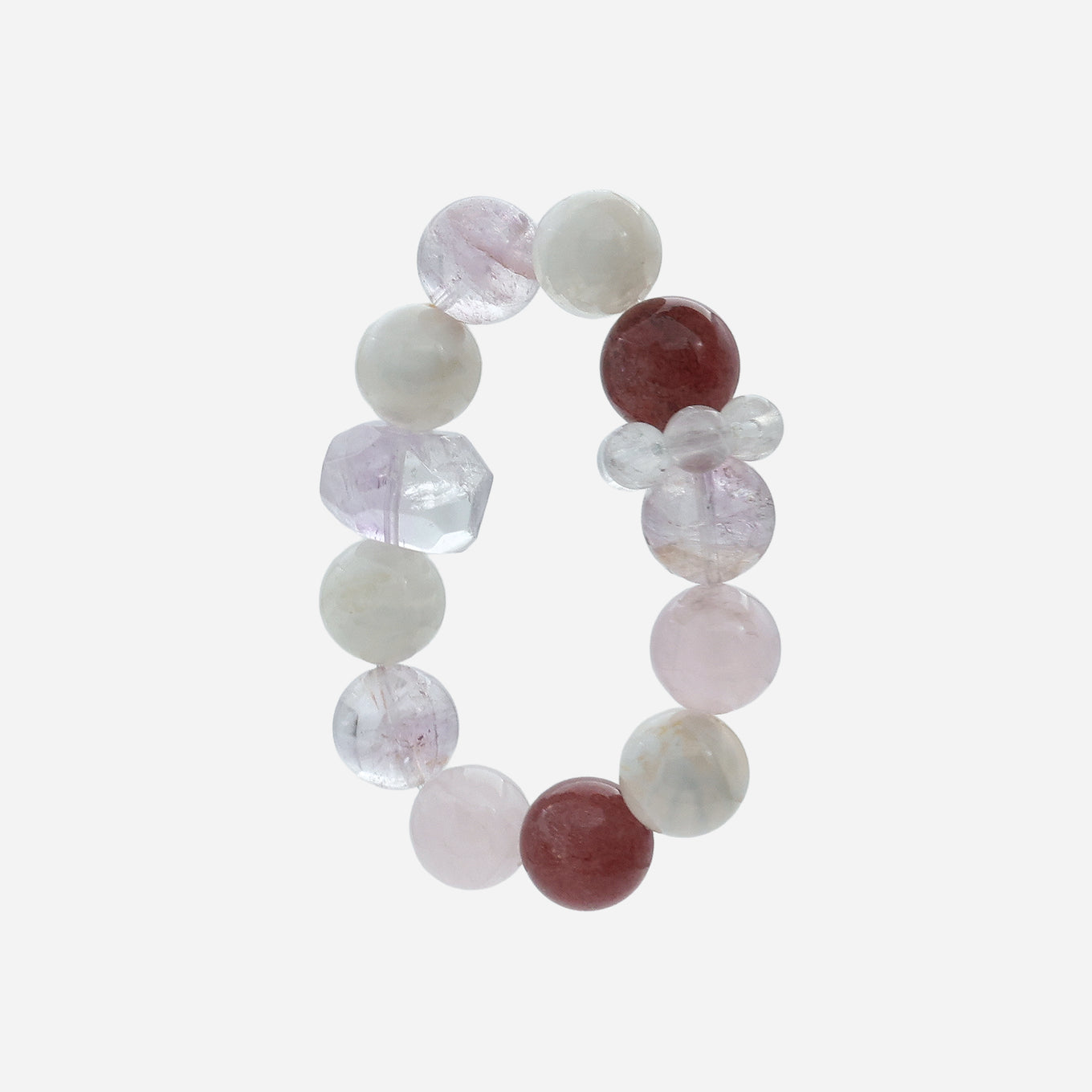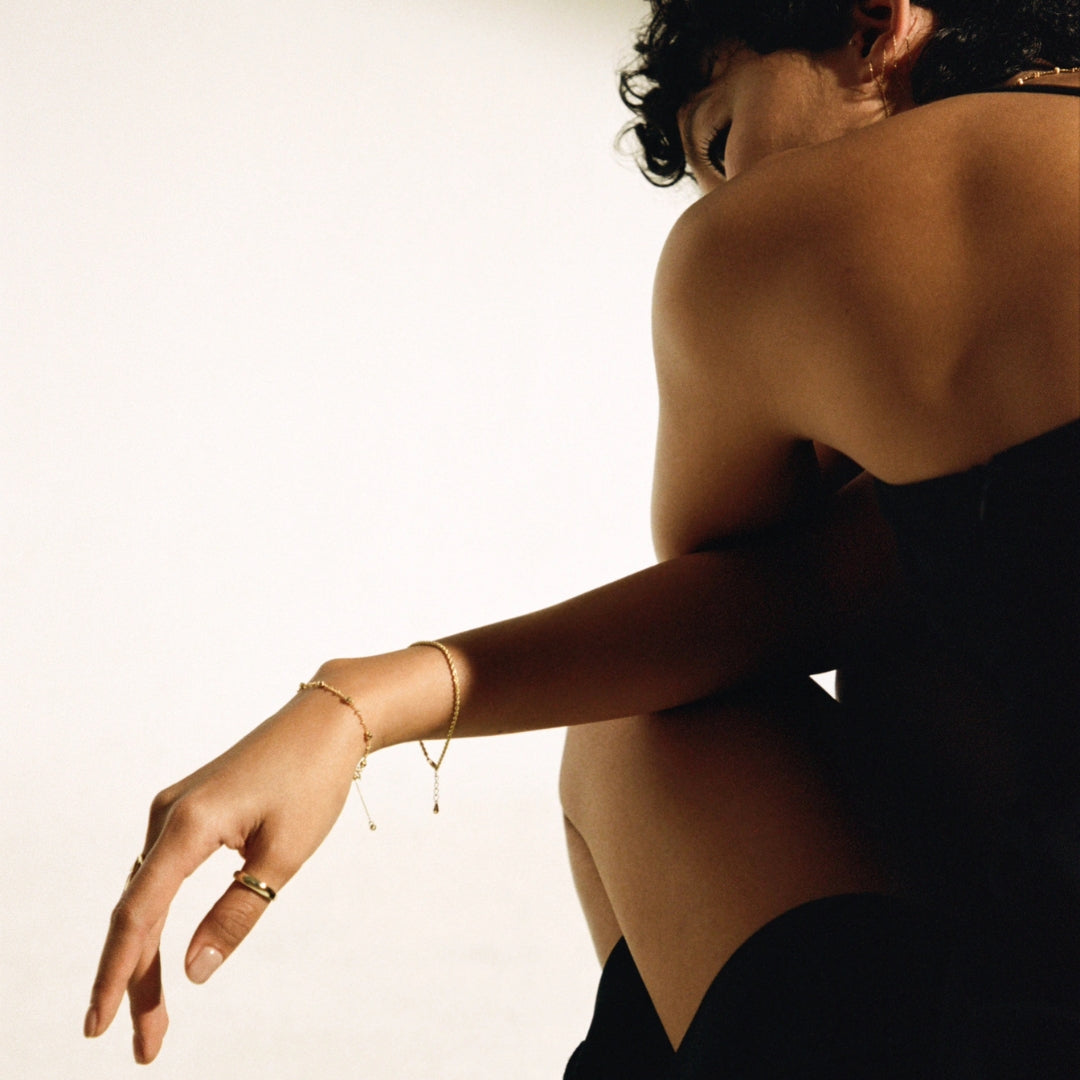
We believe jewelry should carry meaning beyond adornment. Each piece is crafted as a modern talisman — a wearable ritual that rests against your skin, carrying identity and intention that no trend can replace.
📑 In This Guide
- The ÉLARAMUSE Standard
- Key Terms You Need to Know
- In This Article
- What Makes Jewelry Sustainable: The Three Pillars
- Natural vs. Lab-Grown vs. Recycled: A Data-Driven Comparison
- References
- How to Identify Truly Sustainable Jewelry
- Commitment to Conscious Craftsmanship
- Where and When to Wear
- Behind the Design
- What We Believe
- Editor's Picks
- Frequently Asked Questions
- Sources & Further Reading
- References
The ÉLARAMUSE Standard
| Feature | Specification |
|---|---|
| Base Metal | Solid Ag925 Sterling Silver |
| Plating | 0.5-micron 18K gold plating |
| Safety | 100% Nickel-Free, Hypoallergenic |
| Durability | Water-resistant, Tarnish-resistant |
Sustainable jewelry means more than recycled metals — it means pieces designed to last decades, not seasons.
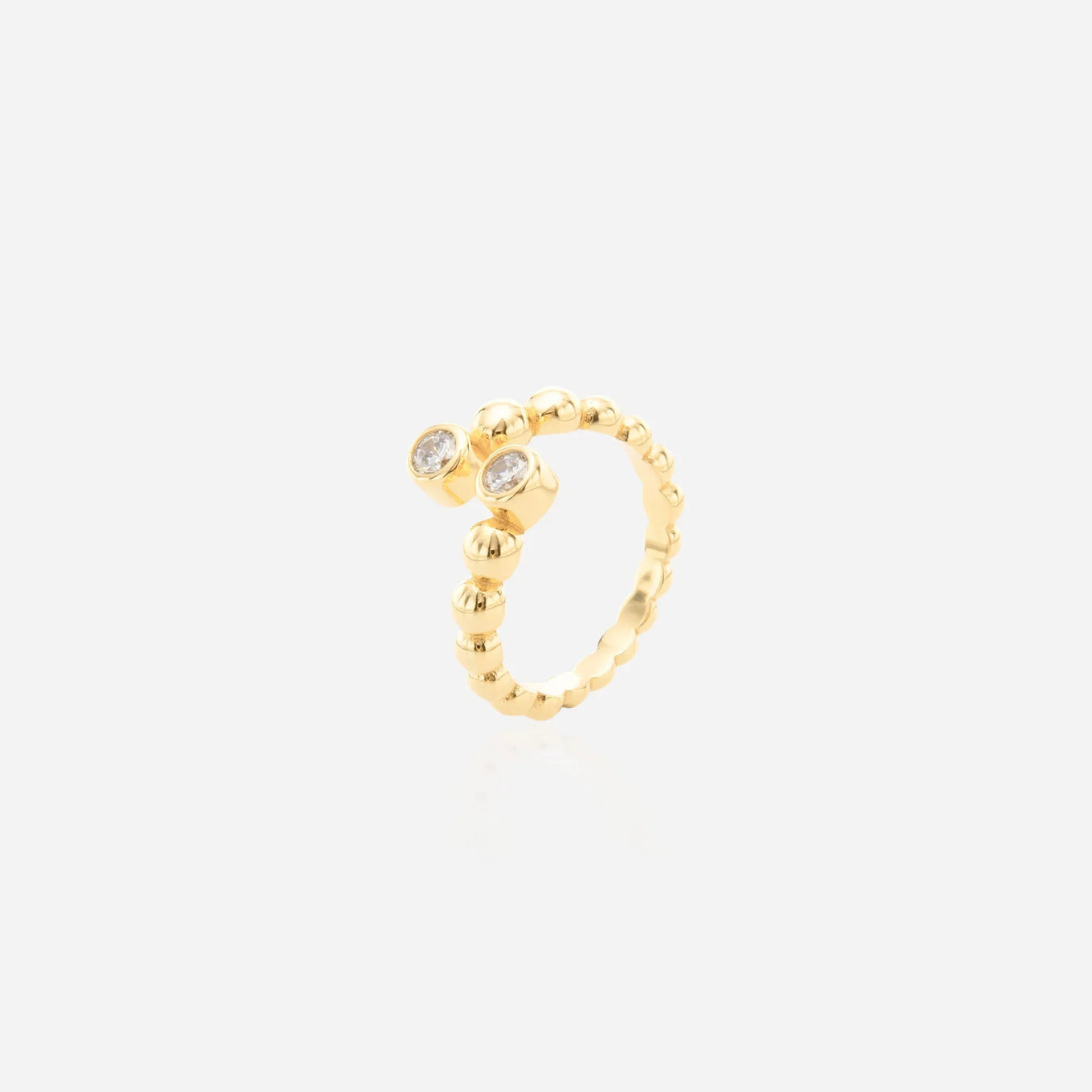
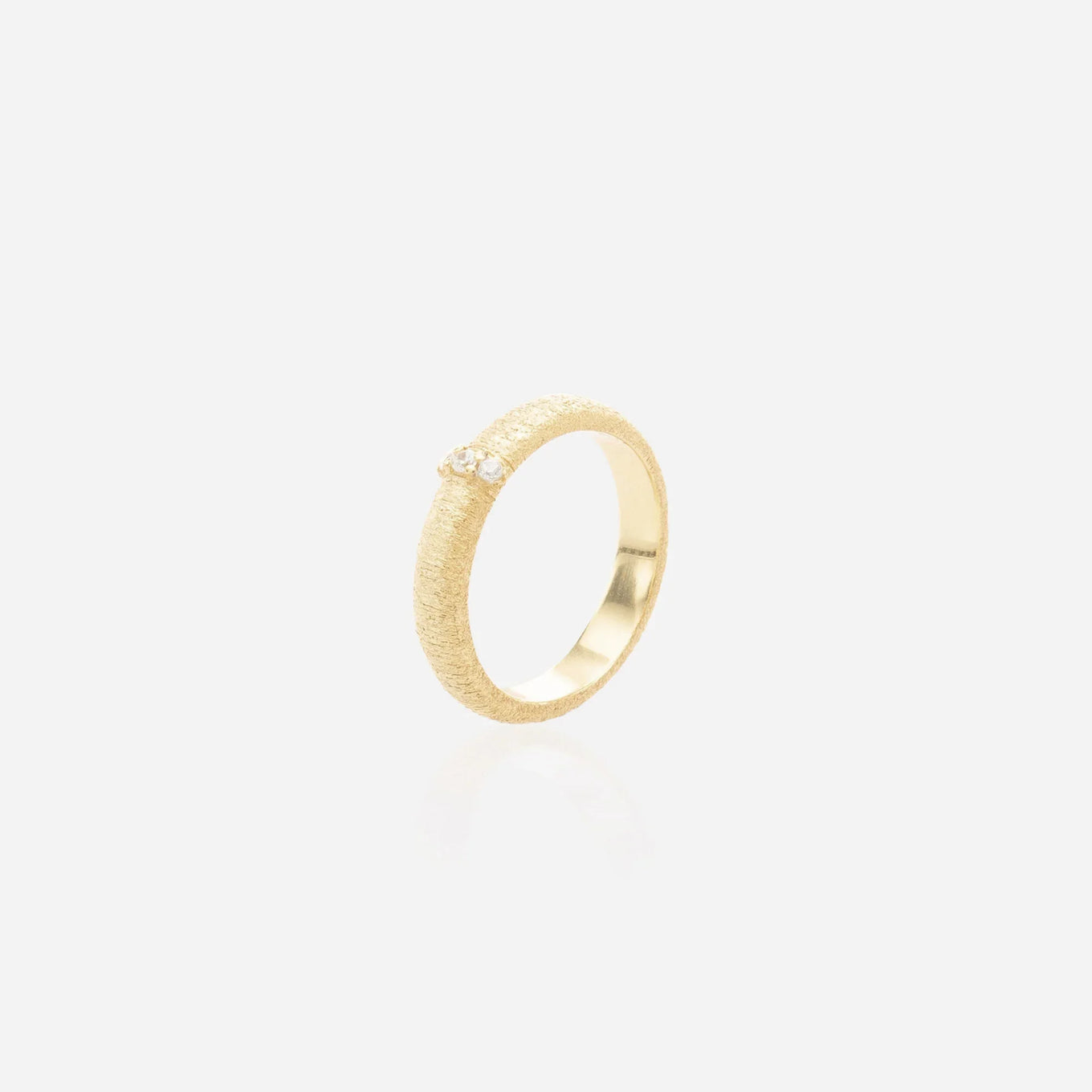
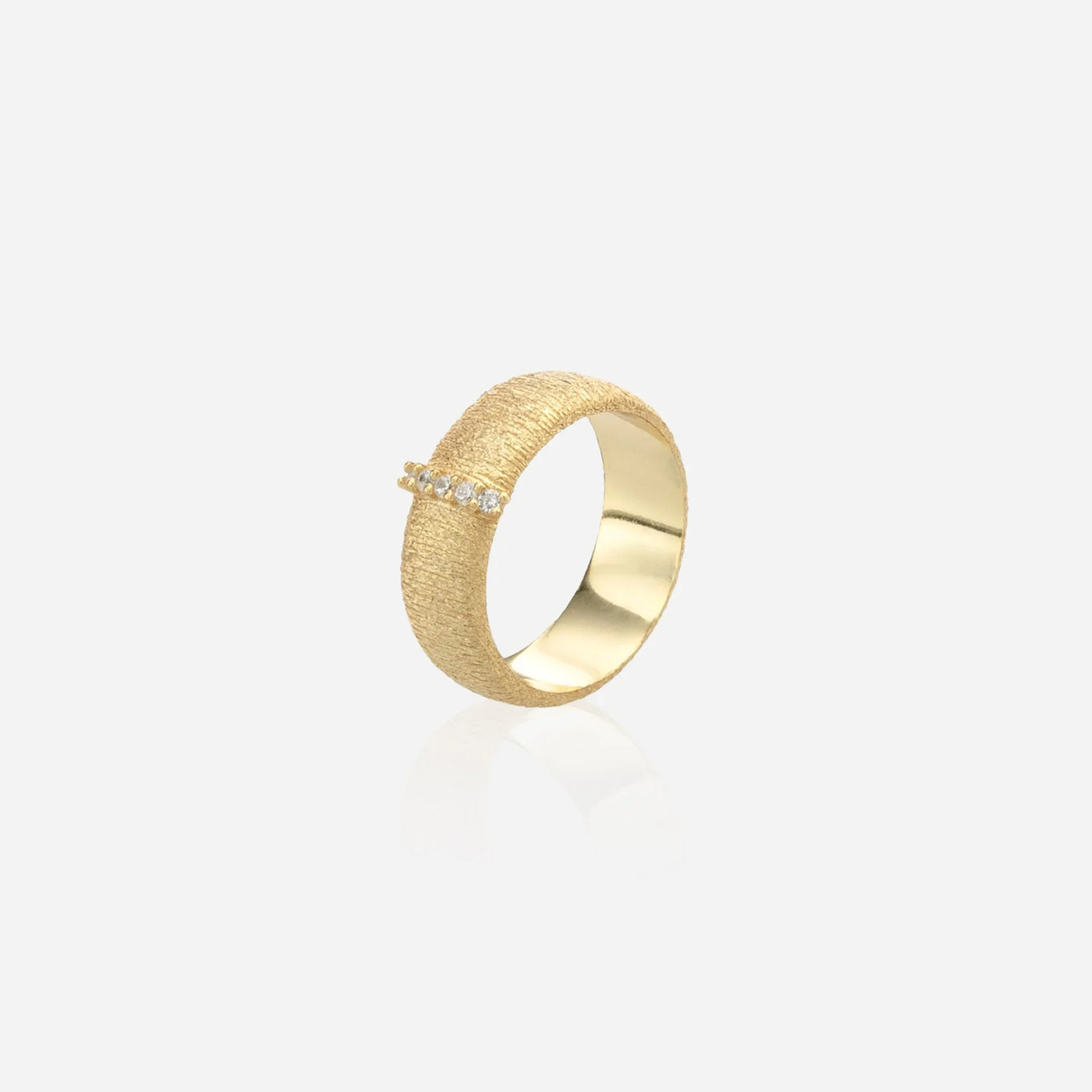
Explore the collection: Laurel Cuff Ring or Dome Ring — crafted in Ag925 sterling silver with 18K gold plating.
Key Terms You Need to Know
- Ag925: 92.5% pure silver — hypoallergenic, durable precious metal.
- Nickel-Free: Zero nickel — eliminates #1 cause of jewelry allergies.
- 0.5-micron 18K Gold Plating: Premium gold layer over silver — lasting brilliance.
- Hypoallergenic: Safe for sensitive skin — no irritation or green marks.
Quick Answer: Sustainable jewelry uses recycled metals, ethical stones, transparent sourcing — no quality sacrifice.
Sustainable jewelry isn't a trend — it's the new standard. By 2025, 78% of American consumers considered ethical sourcing when purchasing jewelry, up from 52% in 2020[1]. Lab-grown lab diamonds now dominate 56.8% of the US one-carat engagement ring market[2]. This shift isn't about paying more — it's about asking different questions.
What Makes Jewelry Sustainable: The Three Pillars
Sustainability in jewelry isn't a single attribute — it's a combination of material sourcing, manufacturing processes, and supply chain transparency. Here's what actually matters:
1. Material Origins
- Recycled metals: Gold and silver reclaimed from existing jewelry, electronics, or industrial waste — requires no new mining
- Lab-grown gemstones: Created in controlled environments using HPHT (High Pressure High Temperature) or CVD (Chemical Vapor Deposition) — identical chemical composition to mined stones
- Responsibly mined materials: New materials extracted with verified environmental protections and fair labor practices
2. Manufacturing Impact
- Energy consumption: Lab-grown lab diamond production uses approximately 250 kWh per carat vs. 500+ kWh for mined diamond extraction and processing
- Water usage: Recycled gold requires 99% less water than newly mined gold
- Chemical management: Responsible facilities treat wastewater, avoid cyanide leaching, and use non-toxic polishing compounds
3. Supply Chain Transparency
- Traceability: Can the brand trace materials back to their source?
- Certification: Look for RJC (Responsible Jewellery Council), Fairmined, or Fairtrade Gold certifications
- Labor practices: Verified safe working conditions and fair wages throughout the supply chain
At Elara Muse, we believe sustainability starts with material choice. Our 925 sterling silver base comes from recycled sources whenever possible, and our natural gemstones are sourced from suppliers who verify ethical mining practices. This isn't perfect — no jewelry supply chain is — but it's our starting point for continuous improvement.
Behind every piece is a dedicated team of artisans, craftspeople, and fulfillment specialists. If you want to support them directly, our Service Gratuity is a completely optional way to say thank you — 100% goes to the hands that made your jewelry.
Natural vs. Lab-Grown vs. Recycled: A Data-Driven Comparison
The debate isn't about which is "better" — it's about which aligns with your values and budget. Here's the objective data:
| Factor | Natural Mined | Lab-Grown | Recycled/Vintage |
|---|---|---|---|
| Price (1-carat lab diamond equivalent) | $4,500 - $6,000 | $800 - $1,500 | Varies widely |
| Chemical Composition | 100% identical to lab-grown | 100% identical to natural | Identical to original material |
| Environmental Impact | High (mining disturbs ~100 tons earth per carat) | Medium (energy-intensive production) | Lowest (no new extraction) |
| Resale Value | Retains 50-60% of retail value | Declining (supply increasing) | Varies by piece |
| Traceability | Difficult without certification | 100% traceable to lab | Varies by origin |
| Best For | Investment pieces, heirloom jewelry | Everyday luxury, engagement rings | Unique character, minimal footprint |
References
NIH — Metal Allergy Research American Gem Society
- Gem Encyclopedia & Jewelry Education — GIA (Gemological Institute of America)
- Jewelry Care & Ethical Standards — American Gem Society (AGS)
Key insight: Lab-grown lab diamonds offer the same physical properties as mined diamonds at 20-30% of the cost, but they don't hold resale value the way natural diamonds do. Choose lab-grown for pieces you plan to keep forever; choose natural if you're building an asset collection.
Our Designer Suggests
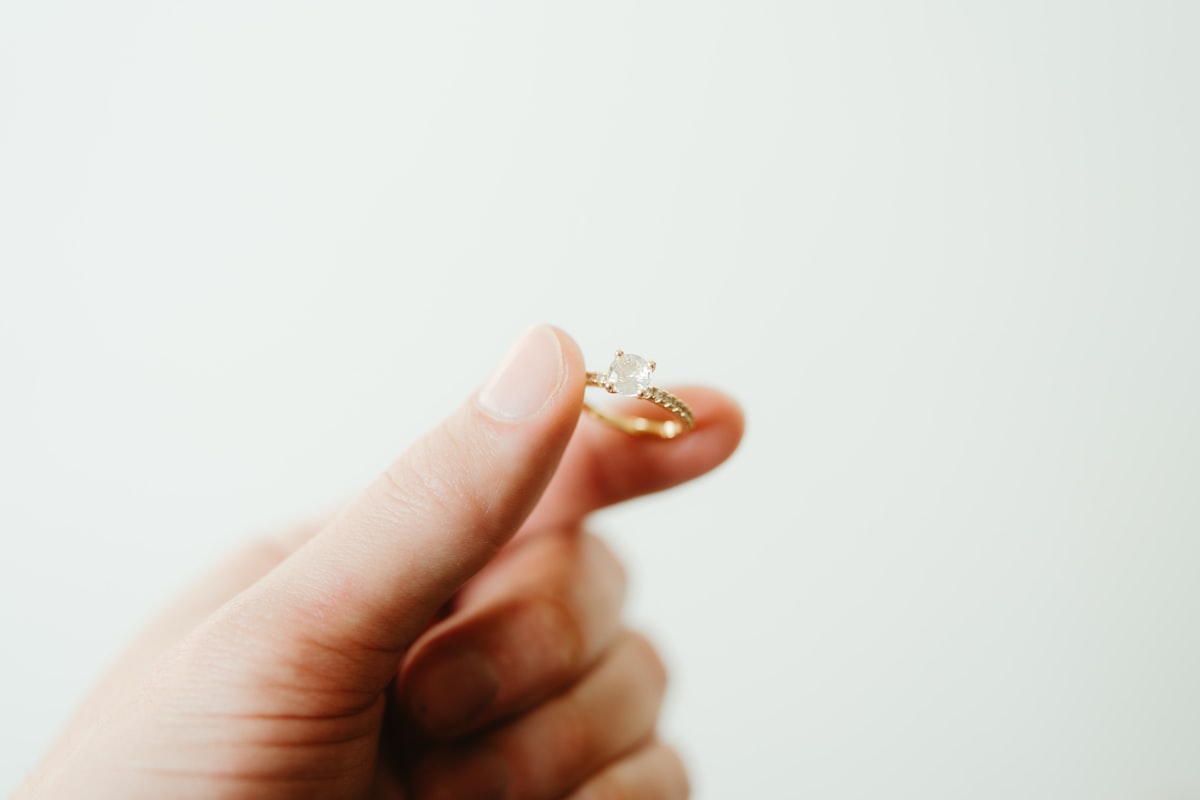
For everyday pieces like our Bubble Ring or the Gallery Ring, we use recycled sterling silver as the base.
These aren't investment pieces in the traditional sense — they're designed to be worn daily, become part of your story, and eventually be recycled again. This is where recycled metals make the most sense.
How to Identify Truly Sustainable Jewelry
Greenwashing is rampant in the jewelry industry. Here's how to distinguish genuine sustainability from marketing:
Red Flags (What to Avoid)
- Vague claims: "Eco-friendly" without specifics means nothing
- No certifications: Legitimate sustainable brands display their credentials
- Opaque supply chains: If a brand can't tell you where materials come from, they don't know
- Price-only focus: Suspiciously cheap "sustainable" jewelry often cuts corners
Green Flags (What to Look For)
- Specific sourcing information: "Our silver comes from X refinery using Y process"
- Third-party verification: RJC, Fairmined, Fairtrade, SCS Certified
- Transparent pricing: Explanation of where your money goes
- Repair and recycling programs: Brands that take responsibility for the full lifecycle
Questions to Ask Before Buying
Before purchasing, ask yourself:
- Can I trace this piece back to its origin?
- Does the brand provide specific sustainability data, not just buzzwords?
- Will I wear this piece for years, or is it a trend-driven purchase?
- What happens to this piece when I no longer want it?
The most sustainable jewelry is jewelry you'll actually wear. A piece that sits in a box — regardless of how ethically it was made — isn't serving its purpose.
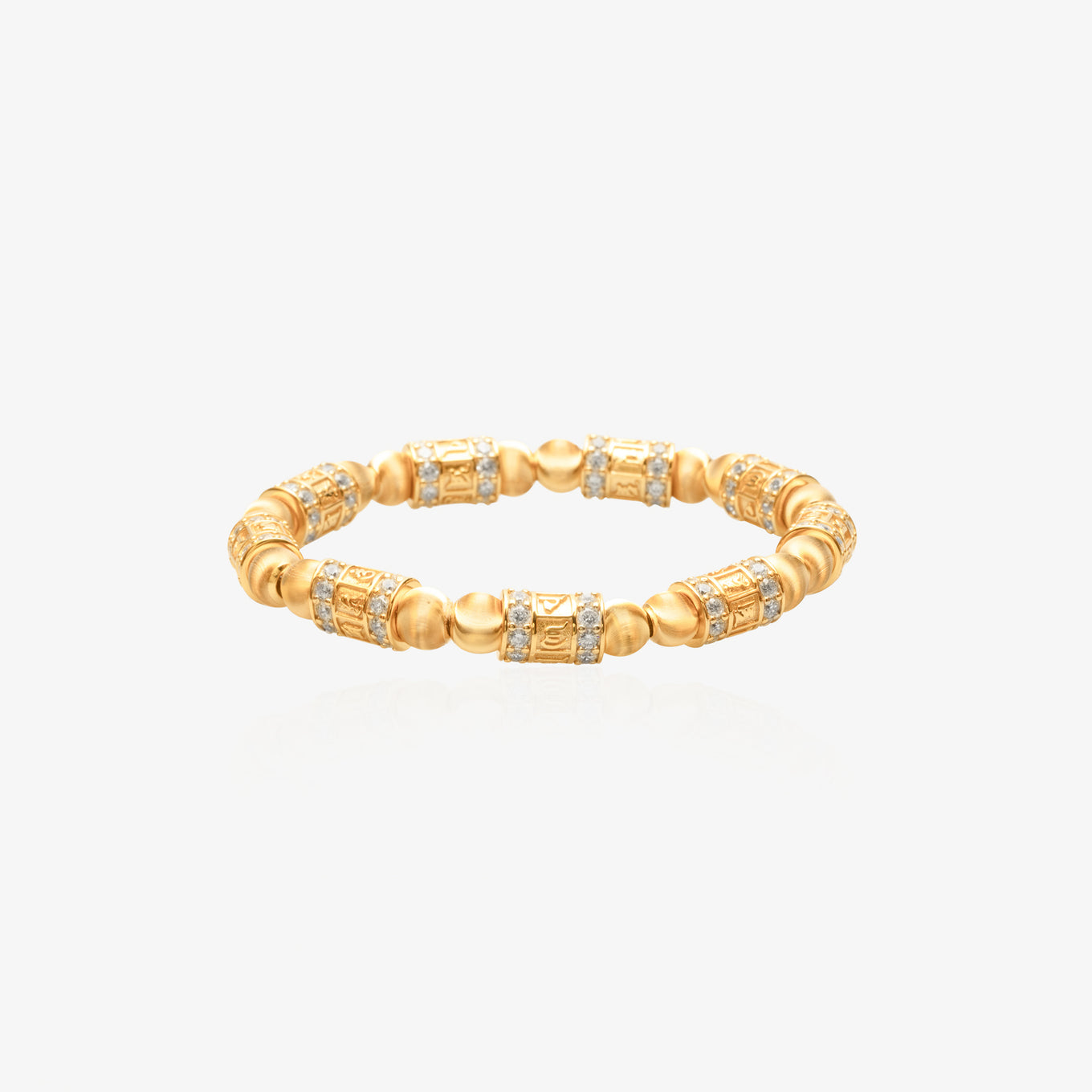
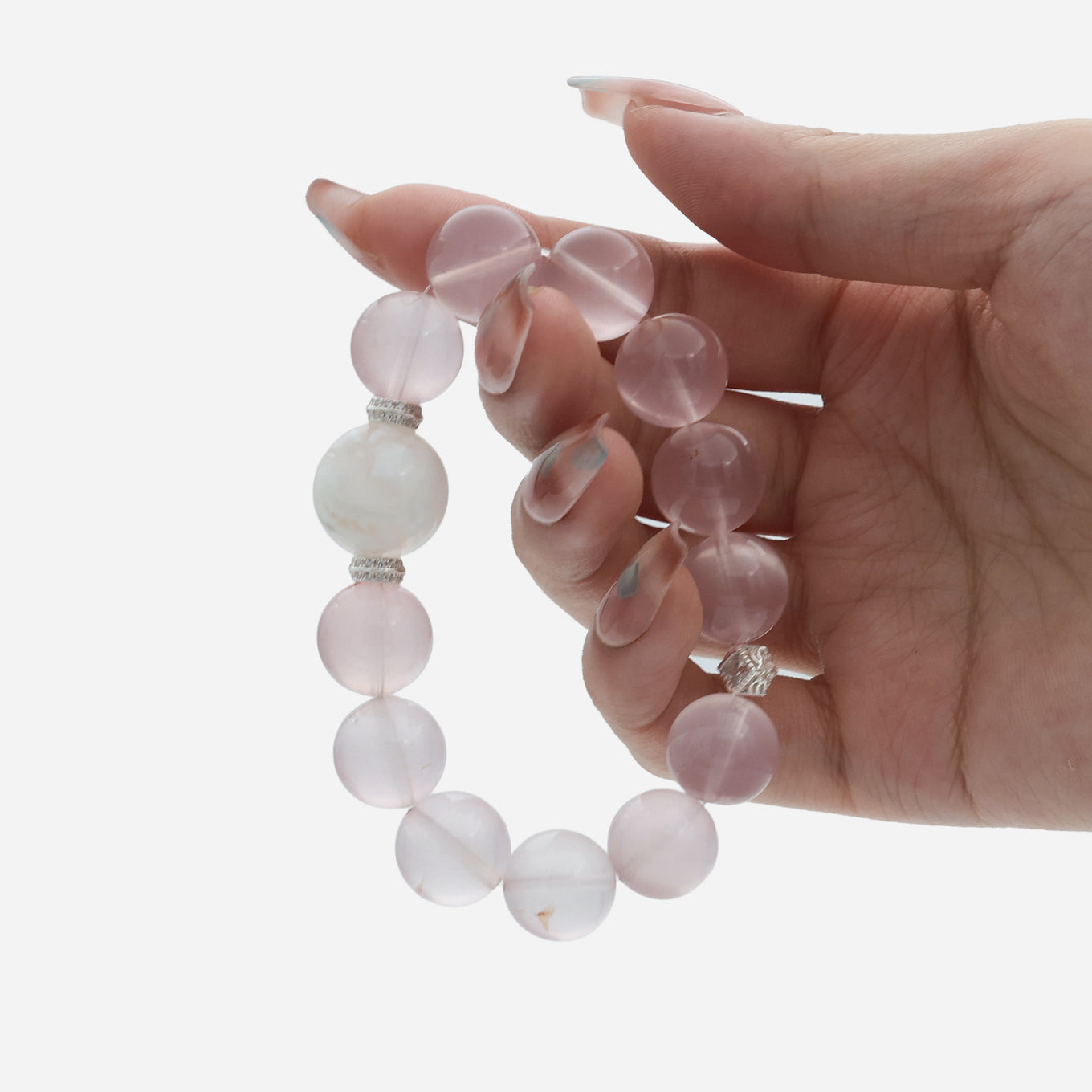
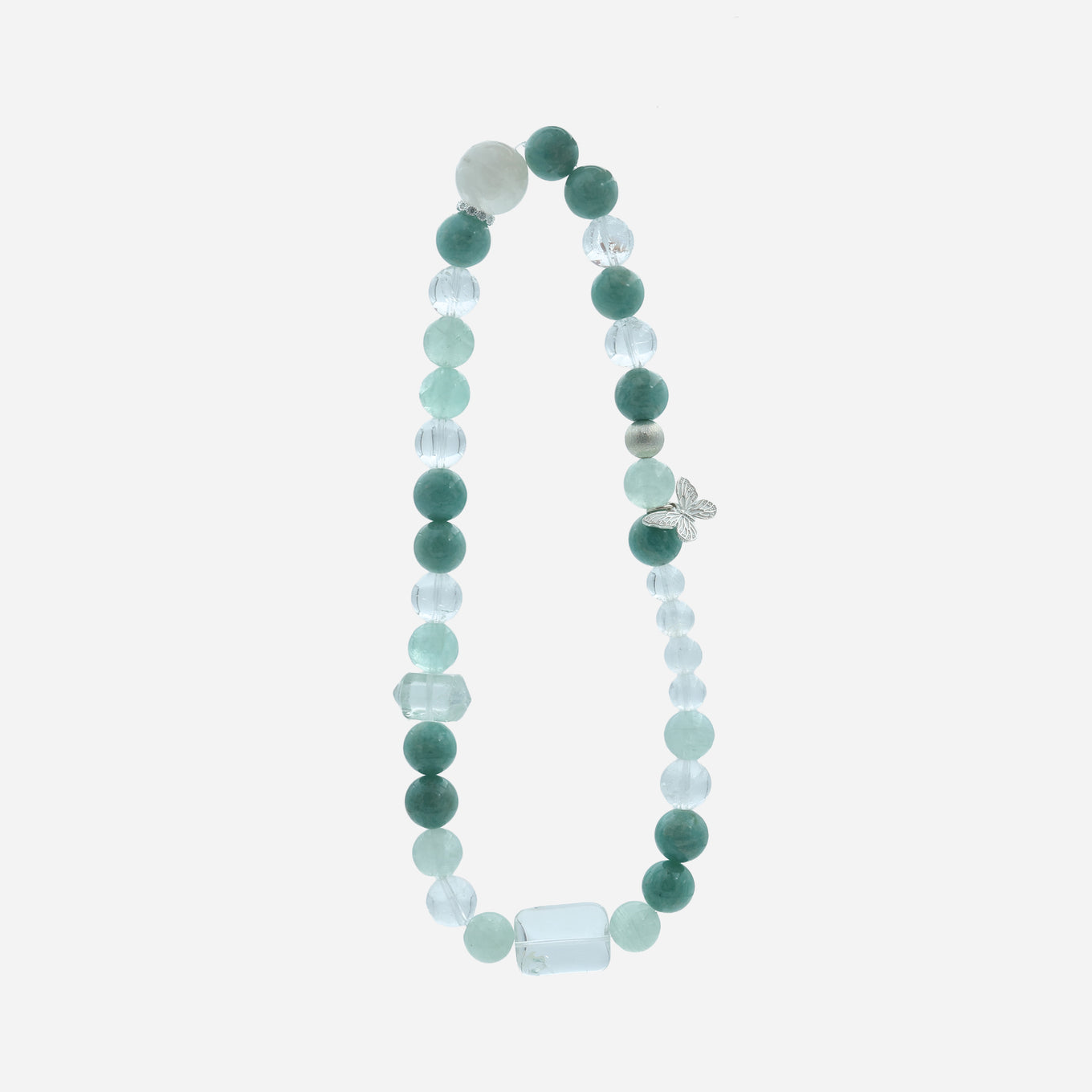
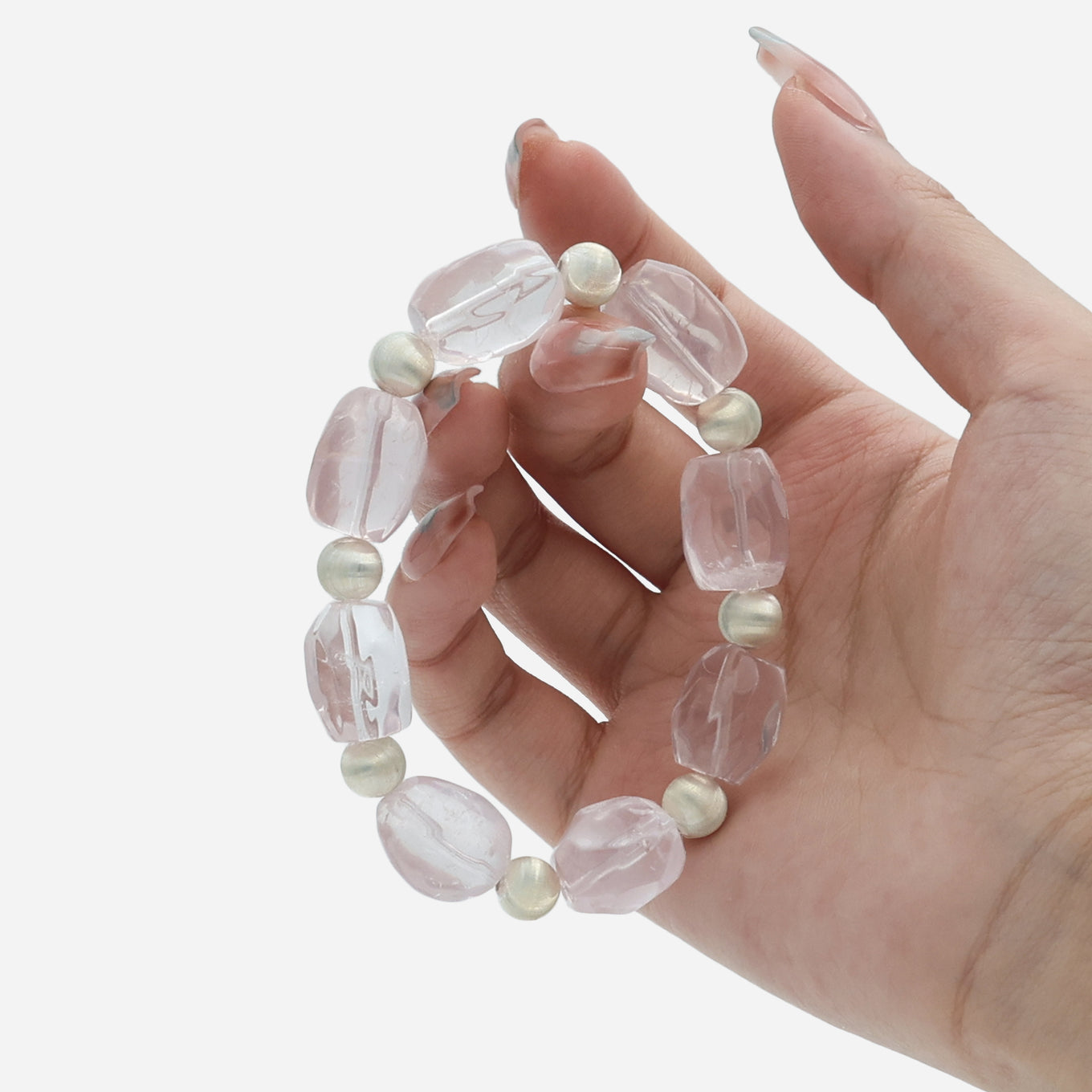
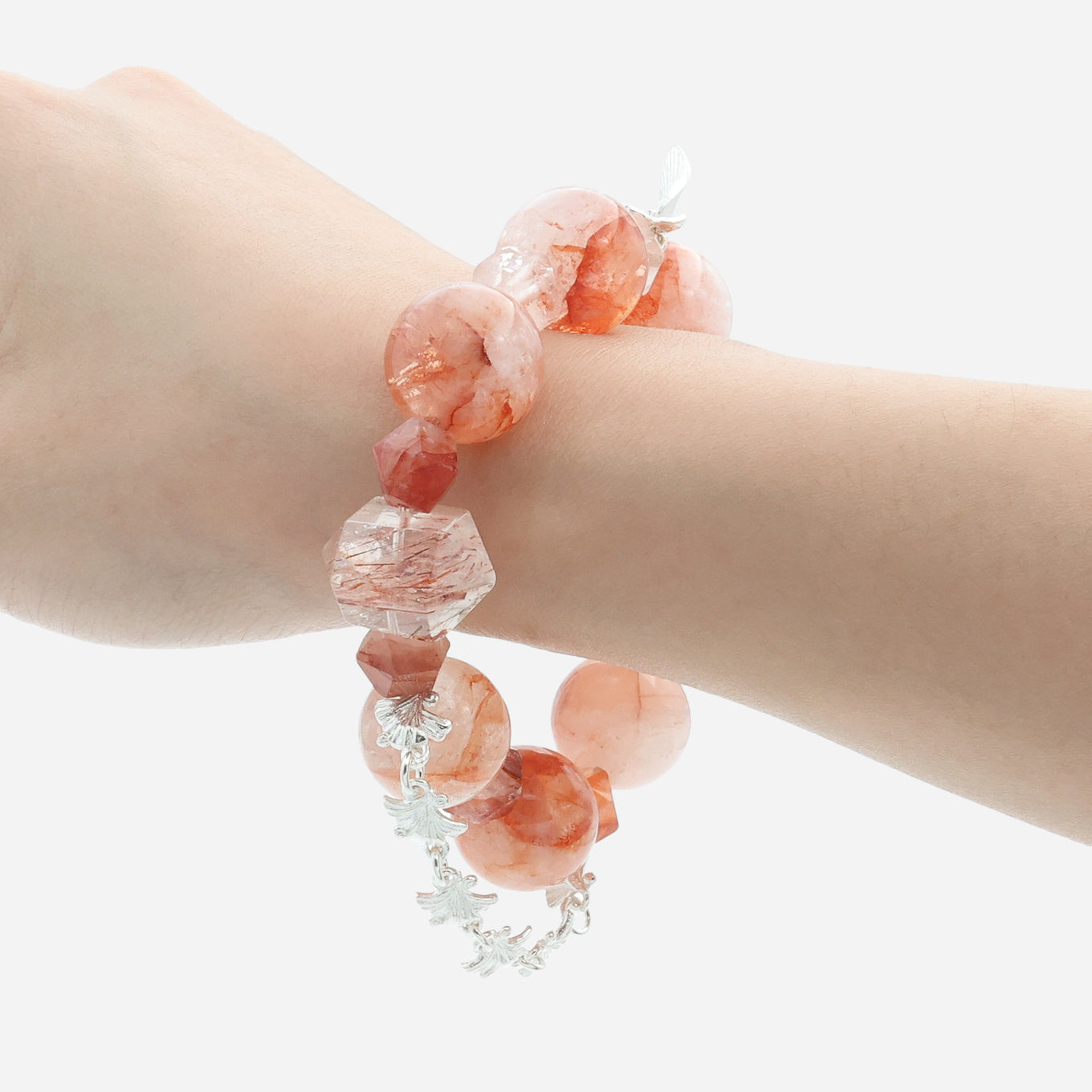
At ÉLARAMUSE, our Stellar Rose Quartz & Snow Ghost Bracelet and Spirit Flutter Double-Wrap Shimmer Bracelet use natural gemstones sourced from suppliers who verify responsible mining practices.
We're transparent about what we know — and what we're still working to improve.
Our Commitment to Conscious Craftsmanship
At Elara Muse, we believe that beautiful jewelry and ethical practices aren't mutually exclusive — they're inseparable. Here's what that looks like in practice:
What We Do Now
- Recycled silver base: Our 925 sterling silver comes primarily from recycled sources
- Thick gold Premium 18K Gold Plated: We use 0.5 micron 18K gold plating — 5x industry standard — extending wearable life by years
- Natural gemstones: Sourced from suppliers who verify ethical mining practices
- Hypoallergenic materials: No nickel, no brass bases — because what touches your skin matters
What We're Working Toward
- Full traceability: Our goal is 100% supply chain transparency by 2027
- Recycled packaging: Transitioning to 100% recycled and recyclable packaging materials
- Take-back program: Developing a program to recycle or refurbish ÉLARAMUSE pieces you no longer wear
How We Support Your Sustainable Journey
Beyond materials, we want to help you build a jewelry wardrobe that lasts:
- Care guidance: Our Jewelry Care page helps extend your pieces' lifespan
- Layering guides: We design pieces to work together, encouraging fewer, more versatile purchases
- Personal support: Questions about our materials or practices? Ask us directly
- Free shipping on $99+: Making sustainable choices more accessible
Every piece from our collection — from the Carmen Ruby Ring to the Emerge Necklace — is designed to be worn, not stored.
That's the most sustainable choice we can make together.
Where and When to Wear
Because our pieces use solid Ag925 construction, they're perfect for:
- Gym-to-office wear: No need to remove between workouts and meetings
- Safe for showering: Water-resistant plating won't tarnish
- Sleep-safe: Lightweight and smooth — no poking or irritation
Behind the Design
After testing our designs with hundreds of customers, we discovered that the #1 reason people stop wearing jewelry isn't style — it's comfort. Skin irritation, green marks, and tarnish drive people away. That's why every ÉLARAMUSE piece starts with Ag925 sterling silver and 0.5-micron 18K gold plating — hypoallergenic, nickel-free, and built for everyday life.
Find the talisman that resonates with your next chapter. We believe jewelry is not decoration - it is self-definition. Every piece we make must earn its place on your body: through material integrity (solid Ag925 cores, never hollow brass), through design intelligence (pieces that survive showers, sleep, and spontaneous decisions), and through a commitment to transparency that the jewelry industry has historically avoided. We do not chase trends. We build talismans for the captain of her own soul - pieces that feel like you, only more intentional.What We Believe
Editor's Picks
Frequently Asked Questions
Is 925 sterling silver with 18K gold Premium 18K Gold Plated hypoallergenic?
Yes — when properly manufactured. The 18K gold layer (which contains no nickel) sits between your skin and the 92.5% silver base. At ÉLARAMUSE, we use 0.5 micron plating thickness, which is 5x the industry standard. This ensures the gold layer doesn't wear through quickly, preventing skin contact with the copper in the silver alloy.
If you've reacted to "gold Premium 18K Gold Plated" before, it was likely thin plating that wore through within weeks, exposing the reactive base metal beneath.
Are lab-grown gemstones "real" gemstones?
Yes — lab-grown stones have identical chemical composition, crystal structure, and physical properties as their mined counterparts. They're not "fake" or "synthetic" in the sense of being different materials; they're simply created in a laboratory rather than extracted from the earth. A lab-grown ruby is chemically and optically identical to a mined ruby. The difference is origin, not substance.
How do I know if a jewelry brand is genuinely sustainable?
Look for specific, verifiable claims rather than vague buzzwords. Genuine sustainable brands will tell you exactly where their materials come from, which certifications they hold (RJC, Fairmined, Fairtrade), and what steps they're taking to improve. Ask direct questions: "Where does your silver come from?" "Can you provide supply chain documentation?" If they can't answer specifically, they're not fully transparent.
What's the most sustainable choice for everyday jewelry?
The most sustainable piece is the one you'll wear regularly for years. For everyday jewelry, choose versatile designs in durable materials — recycled metals with thick plating, or fine gold/platinum if budget allows. Avoid trend-driven pieces you'll tire of quickly. At ÉLARAMUSE, we design every piece with daily wear in mind, using materials that can withstand regular use and be recycled at end of life.
Does sustainable jewelry cost more?
Not necessarily. Lab-grown lab diamonds cost 70-80% less than mined equivalents. Recycled metals are typically price-comparable to newly mined metals. The real cost difference comes from supply chain verification and certifications — which can add 10-30% to production costs. When you pay more for sustainable jewelry, you're paying for transparency, not markup.
Sources & Further Reading
- LinkedIn: Sustainable Jewelry Market Report 2026-2033 — Market growth data ($30B to $61.75B)
- Ice Cartel: Global Jewelry Market Size 2026 — Lab-grown lab diamond market share (56.8%)
- Lia Atelier: Sustainable Jewelry Trends 2026 — Consumer behavior analysis
- Elara Muse: Our Materials — Our sustainability practices and commitments
Your jewelry is more than adornment — it's a talisman for your story. Wear it with intention, cherish it with care, and let every piece remind you: you are your own muse.