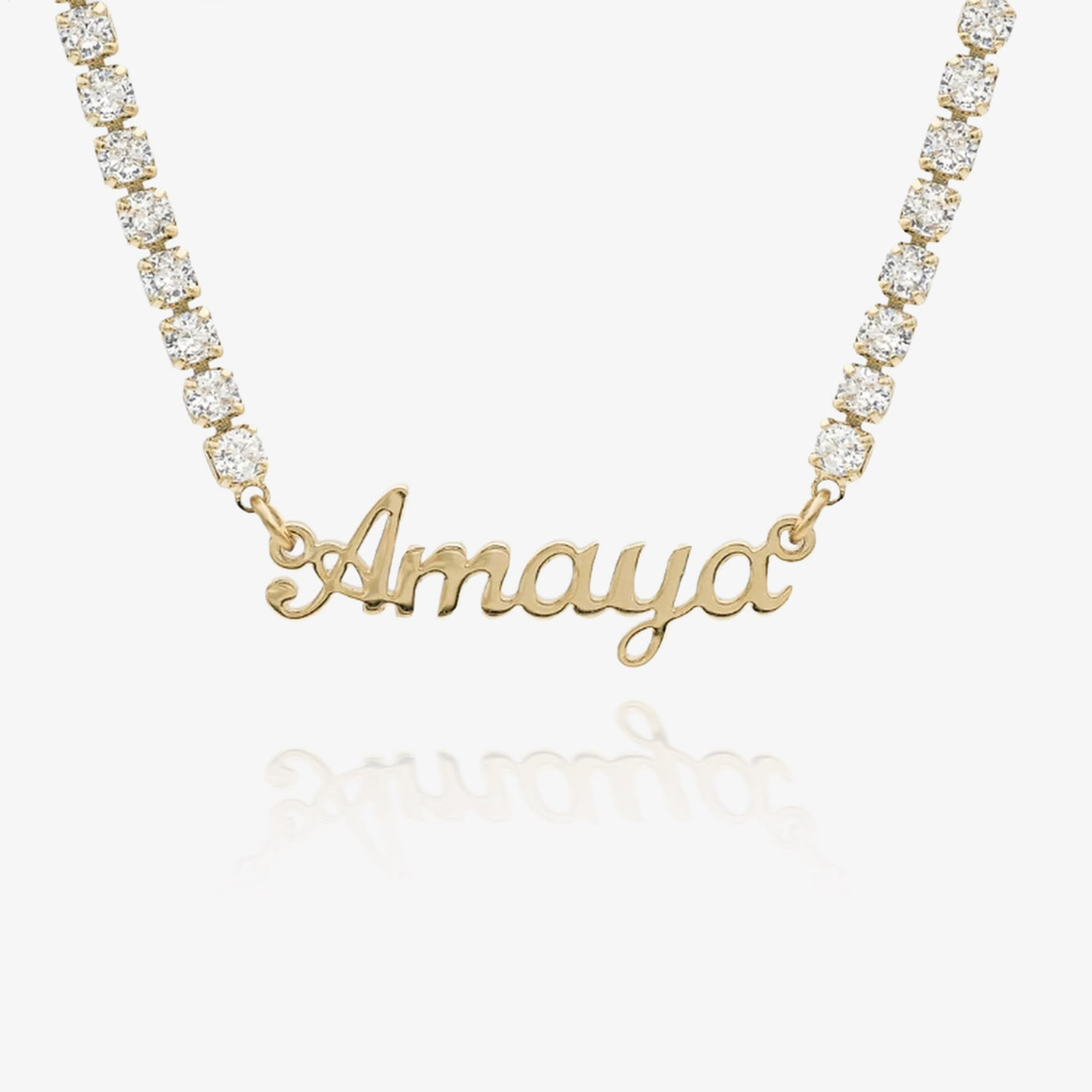
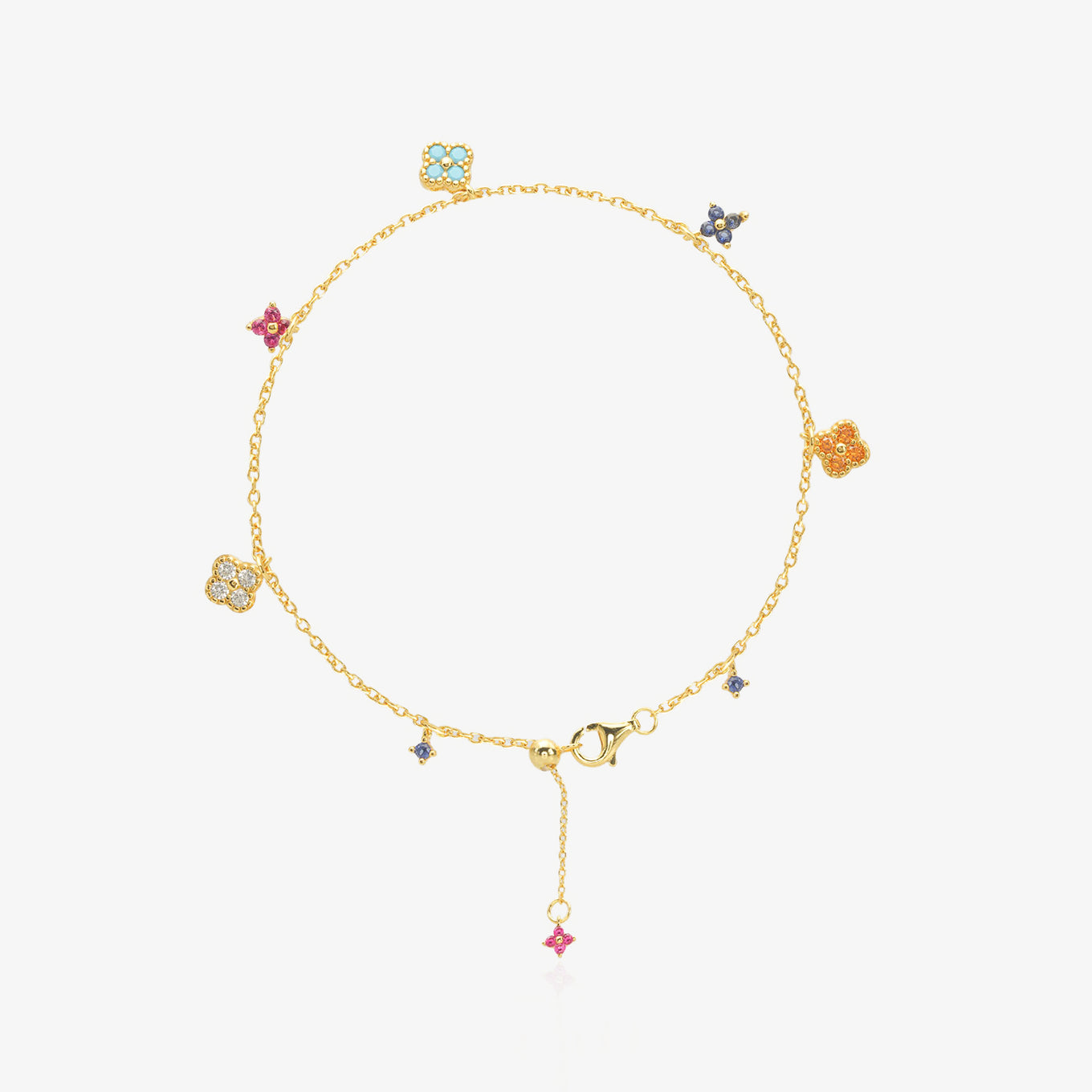
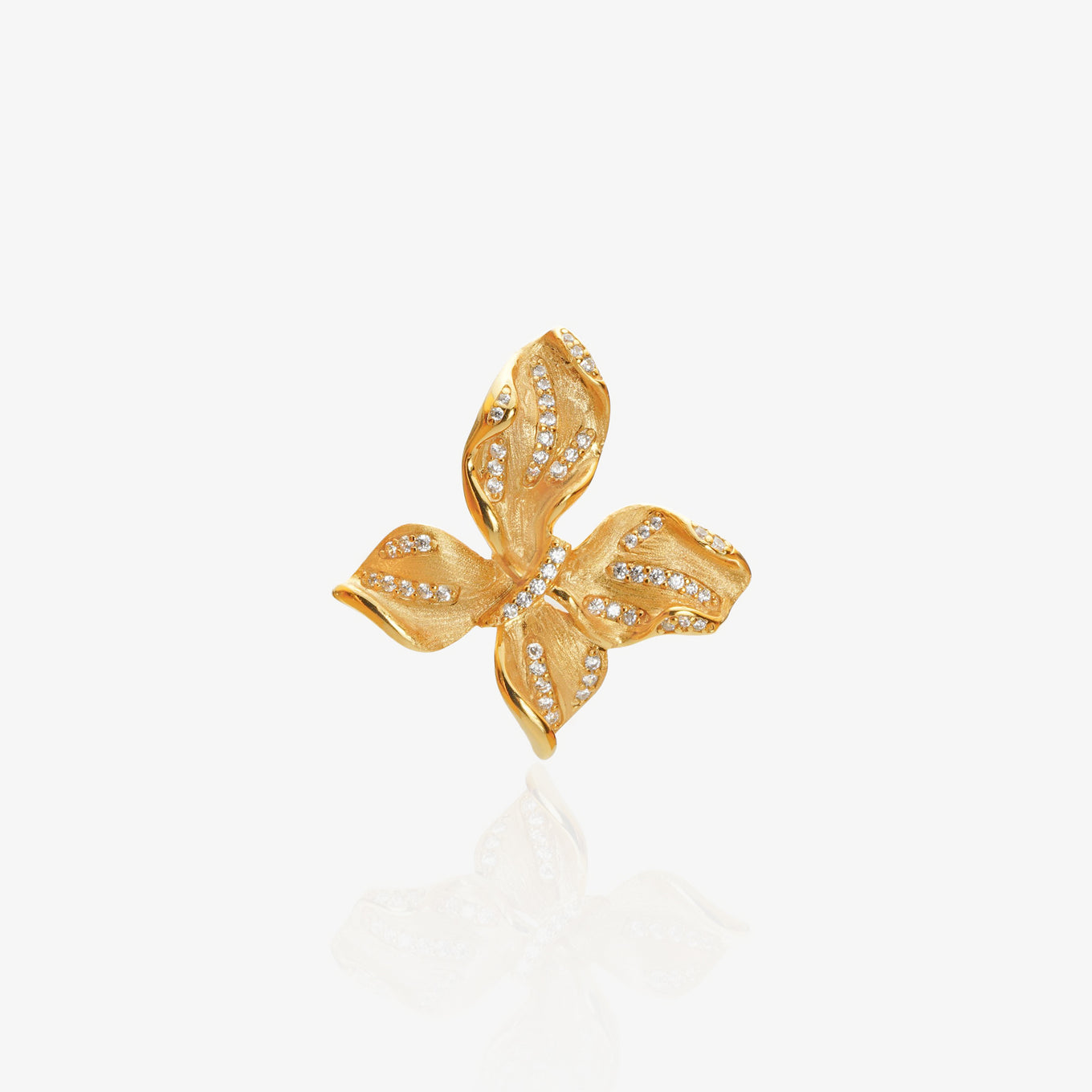
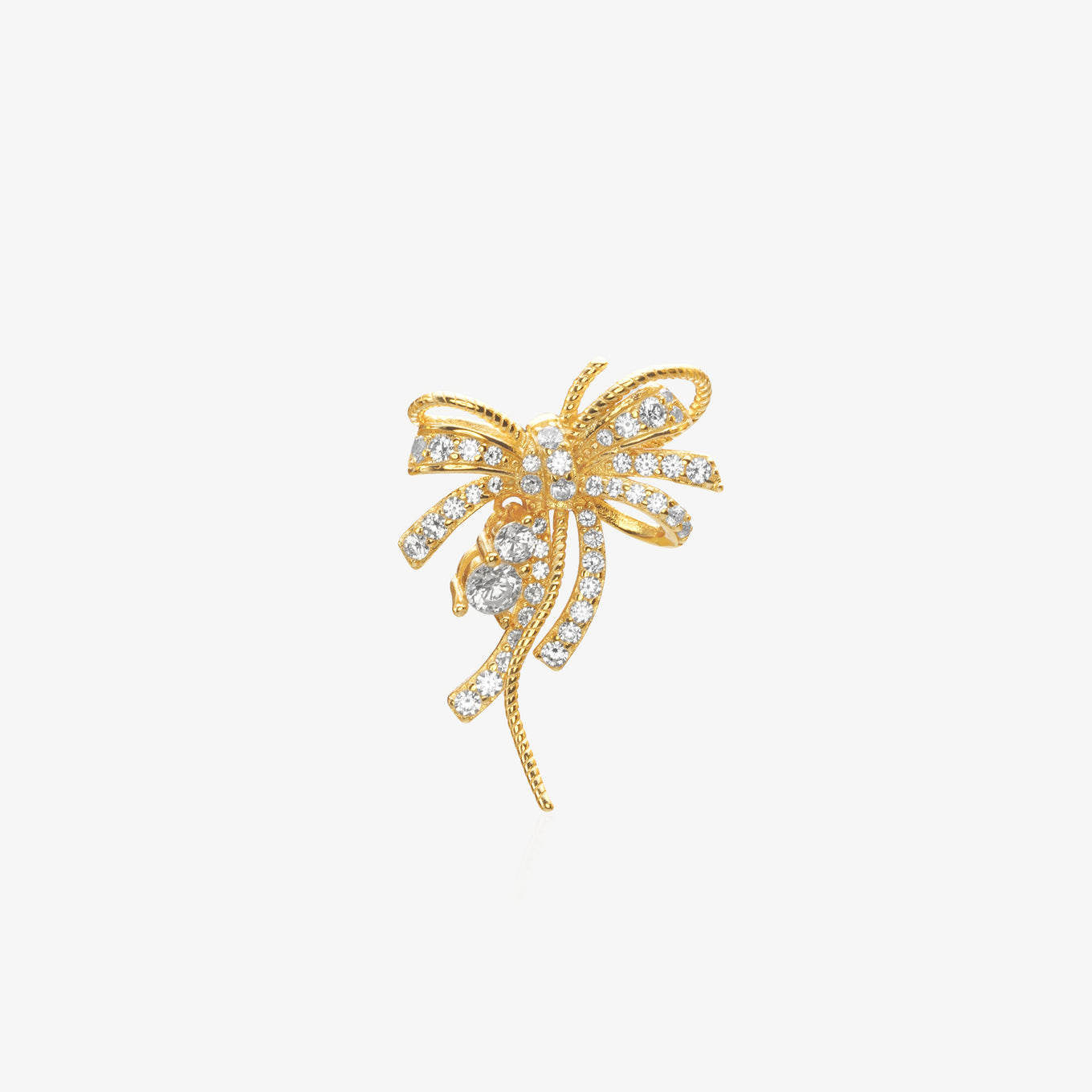
You have a skincare routine. You have a haircare routine. You probably have a morning coffee routine that is more elaborate than any jewelry care you have ever performed. And yet — your jewelry touches your skin more hours per day than your moisturizer, your hair products, or your caffeine. It deserves a system. Not a multi-step ritual that takes half an hour. A five-minute daily system that fits into the routines you already have.
This is the system.
The Morning: 30 Seconds That Save Your Plating
The single most damaging thing you do to your jewelry happens every morning, usually before 8:00 a.m., and you do not even know you are doing it. You apply lotion, sunscreen, perfume, or hair product, and then — immediately — you put on your necklace and earrings. The chemicals in those products are still wet on your skin. They transfer to the metal. They accelerate tarnish. They create a microscopic film that dulls the gold within days, not weeks.
The 30-second morning system:
- Apply everything first. Moisturizer, sunscreen, fragrance, hair products — all of it. Do your full morning routine with bare skin. Jewelry is the final step of getting dressed, not an intermediate one.
- Wait 30 seconds. Let products absorb. Touch your skin with the back of your hand — if it feels tacky, wait longer. If it feels dry, you are clear.
- Jewelry goes on last. Necklace, earrings, rings — in that order. The necklace first because your hands are still clean. The rings last because lotion residue on hands is the fastest path to dull gold bands.
That is the morning. Thirty seconds of waiting has saved more gold plating than every jewelry cleaning product ever manufactured.
The Night: 60 Seconds of Prevention
The night routine is where most people fail — not because it is difficult, but because it requires a habit. You are tired. You are taking off your clothes. The jewelry is on your body, and the fastest thing to do is nothing. Just leave it on. Sleep in it. Wake up, repeat. This is how a Box Chain Necklace that should last three years starts showing wear at the clasp in fourteen months.
The 60-second night system:
- Remove in order. Rings first (easiest to forget), then earrings, then necklace last. Reverse of the morning order. If you do this every night in the same sequence, it becomes muscle memory within two weeks.
- Wipe each piece. A dry microfiber cloth — the kind that comes with sunglasses, kept on your nightstand — gets a 5-second pass over each piece. Necklace: run the cloth down the chain once. Earrings: wipe the posts. Rings: wipe the inner band. This removes the oils and skin cells that will sit on the metal for eight hours and eat into the plating.
- Into the pouch. Each piece goes into its ÉLARAMUSE storage pouch. The pouch does three things: it prevents tangling, it absorbs residual moisture, and — most importantly — it creates a physical commitment. If the pouch is on your nightstand, open, waiting for the jewelry, you are more likely to complete the routine than if the jewelry goes onto a bare surface.
The Weekly Reset: 5 Minutes Every Sunday
The weekly reset is the difference between reactive care (you notice a problem when something breaks) and proactive care (you catch wear before it becomes failure). It takes five minutes. Do it on Sunday evening, or whenever your week resets.
The 5-minute weekly system:
- Inspect the clasps. Hold each chain under good light — a desk lamp or bathroom vanity light is fine. Look at the clasp. Is the gold color uniform, or is there a lighter patch where the metal has worn thin? If the clasp shows a lighter ring around the edge where it connects to the chain, that piece needs to move from daily rotation to occasional wear. You have caught it early — months before failure.
- Check the stones. For pendants like the Classic Solitaire Necklace, gently nudge the stone with a fingertip. Does it move? If yes — stop wearing it immediately and contact us. If no — good. For studs like the Guardian Snake Studs, check the post is straight and the stone is secure. A loose stone caught on Sunday is a saved stone. A loose stone ignored is a lost stone.
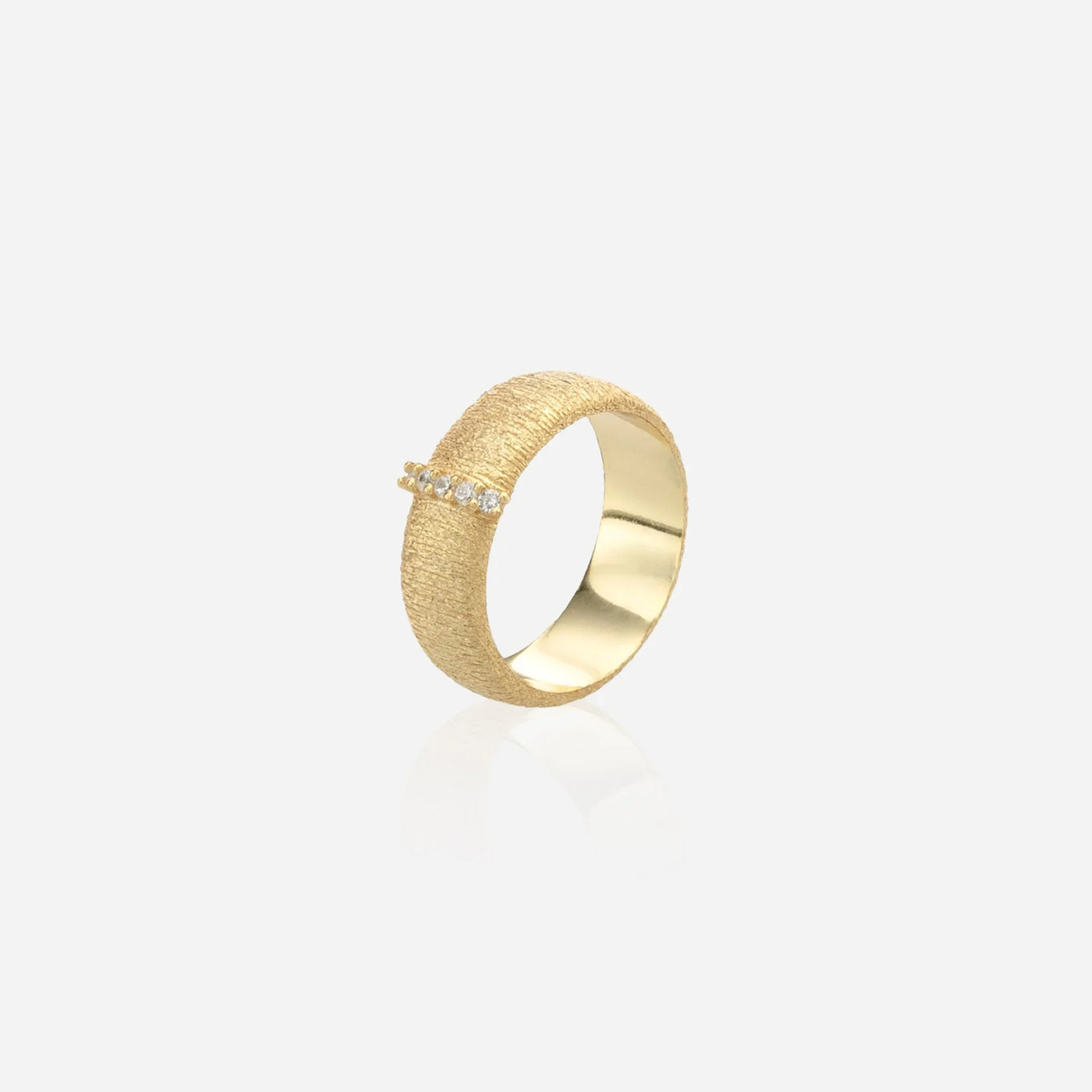
- Rotate your pieces. If you have been wearing the same necklace all week, switch to your backup chain. If the Wide Band Ring has been on your finger for seven days, give it Sunday off and wear the Gold Macaron Ring Set instead. Rotation is the free way to extend plating life by 2-3x.
- Ten-second cloth pass. Each piece gets 10 seconds with the microfiber cloth — longer than the nightly wipe, more deliberate. Focus on friction points: the back of pendants, the inner band of rings, the clasp mechanism. Gold-plated sterling silver does not tarnish aggressively, but it does collect a film that dulls the shine. Ten seconds restores it.
- Organize the pouch. Check that the pouch drawstring closes fully. If it does not, fold the top over and secure it with a hair tie. A pouch that does not close is a pouch that does not protect.
That is the entire system. 30 seconds in the morning. 60 seconds at night. 5 minutes on Sunday. Six and a half minutes a week for jewelry that lasts years instead of months.
The ÉLARAMUSE Standard
| Ag925 Sterling Silver Core | The physical foundation that makes this care routine work. Sterling silver does not corrode in air, does not react with skin, and provides a stable base for the gold layer. The "925" stamp on every piece is the guarantee. |
| 0.5-Micron 18K Gold Plating | Thick enough to withstand daily wear, thin enough to be affordable. With the care routine above — morning wait, nightly wipe, weekly inspection — this plating lasts 2-3 years at friction points and indefinitely on non-contact surfaces. |
| Storage Pouch Included | Every ÉLARAMUSE piece ships with a storage pouch — the cornerstone of the nightly care routine. The pouch is not packaging. It is a tool. |
Key Terms: The Jewelry Care Lexicon
- Microfiber Cloth
- A cloth woven from fibers thinner than a human hair (typically polyester-polyamide blend), designed to lift oils and particles without scratching. A dry microfiber cloth is the only daily cleaning tool your gold-plated jewelry needs. Do not use paper towels (they scratch), do not use wet cloths (moisture accelerates tarnish on any exposed silver), and do not use treated polishing cloths (the chemicals in them are too aggressive for gold plating).
- Plating Wear (Friction Point)
- The gradual thinning of the gold layer at specific contact points: the clasp mechanism, the back of a pendant where it rests against clothing, the inner band of a ring. Plating wear is normal and inevitable — it is not a defect. The purpose of the care routine is to slow it down, not prevent it entirely. When plating wear becomes visible (the gold color lightens at the friction point), the piece needs to move from daily rotation to occasional wear.
- Product-to-Metal Transfer
- The chemical interaction between skincare or fragrance products and gold-plated metal. Lotion, perfume, hairspray, and sunscreen all contain compounds (alcohols, acids, oils) that accelerate tarnish and dulling when they sit on metal surfaces. The morning rule — apply everything, wait 30 seconds, then put on jewelry — prevents this transfer entirely.
FAQ: Daily Jewelry Care Routine
Do I really need to take my jewelry off every night?
For gold-plated sterling silver like every ÉLARAMUSE piece — yes, if you want maximum lifespan. Sleeping in jewelry subjects it to eight hours of friction against pillowcases, body heat, and nighttime sweating. None of these will destroy your jewelry overnight, but they compound over months. The nightly wipe-and-pouch routine takes 60 seconds and extends plating life by approximately 40-60% compared to leaving pieces on 24/7. If you occasionally fall asleep in your jewelry, nothing catastrophic will happen. Just do not make it the default.
Can I wear my gold-plated jewelry in the shower?
Yes, but with a caveat. Water does not damage gold plating or sterling silver — both are waterproof. The risk is not the water. The risk is shampoo, conditioner, and body wash — which leave residues on the metal that dull the shine. If you shower with your Classic Solitaire Necklace, rinse it under clean water afterward and give it a quick pass with the cloth before bed. The silver core will not rust. The gold will not wash off. The shampoo residue is the only variable you need to manage.
What if I don't have a microfiber cloth?
A clean, dry, soft cotton cloth — an old T-shirt, a handkerchief — works as a substitute. Do not use paper products (micro-abrasions), do not use anything with lotion or cleaner residue, and do not use the same cloth you use for cleaning counters. Keep one dedicated jewelry cloth. After you get a microfiber cloth (they cost approximately three dollars at any pharmacy or optician), switch to it permanently.
How do I store jewelry when traveling?
Same system, smaller scale. Each piece goes into its ÉLARAMUSE pouch. The pouches go into a small zip-top bag. The bag goes into your carry-on — never checked luggage. The zip-top bag bag prevents humidity from bathroom steam or hotel room AC from reaching the pouches. Travel is the highest-risk environment for jewelry — multiple outfit changes, unfamiliar surfaces, less consistent routines. The pouches + zip bag system removes almost all of that risk.
Editor's Picks: Pieces Built for Daily Wear
- The Daily Solitaire: Classic Solitaire Necklace — Ag925 chain, shower-safe, the piece that rewards a morning routine the most.
- The Rotation Chain: Box Chain Necklace — the chain that looks better after six months of nightly care than a neglected chain after six weeks.
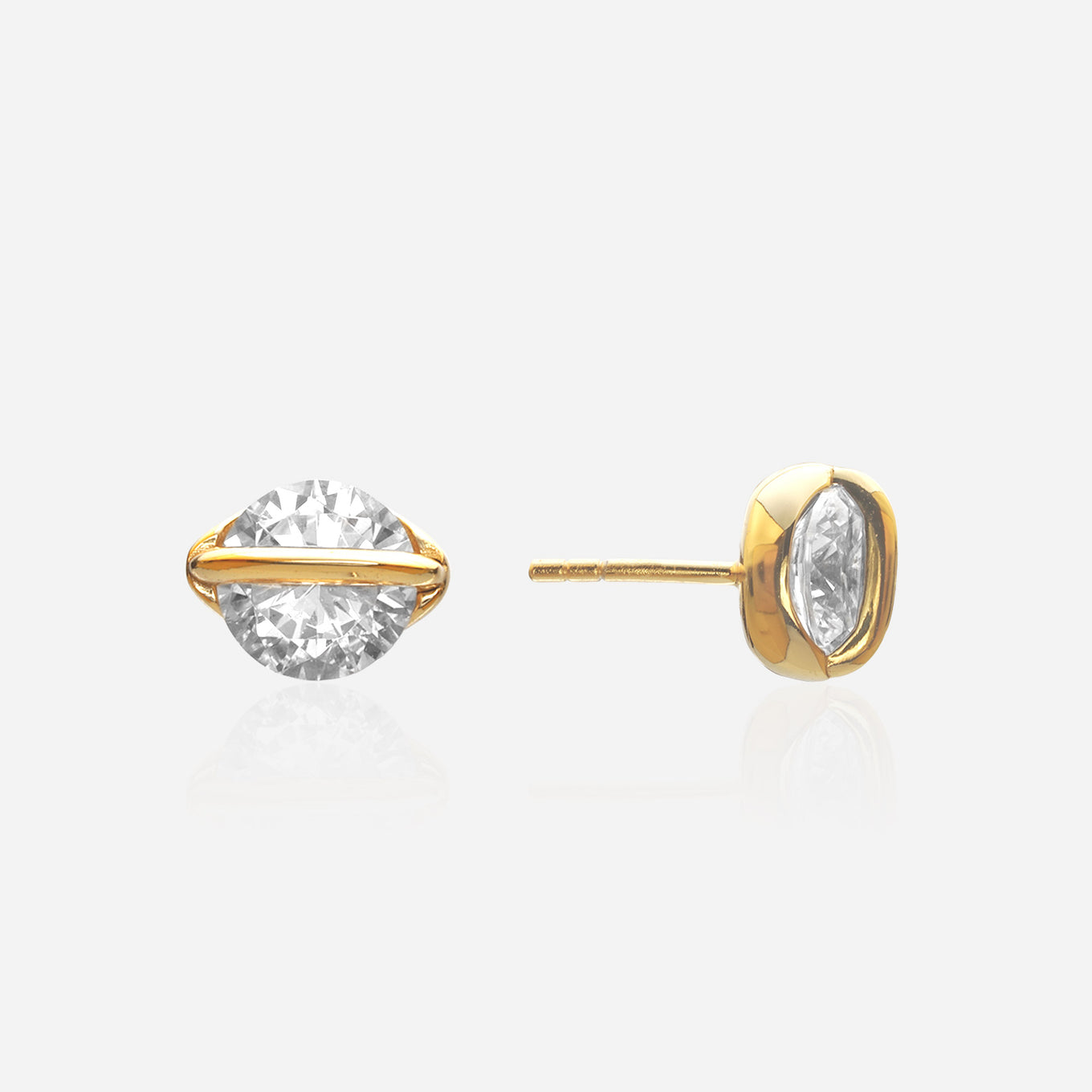
- The Everyday Studs: Guardian Snake Studs — sterling silver posts, wipe-and-wear. The easiest piece to maintain in the collection.
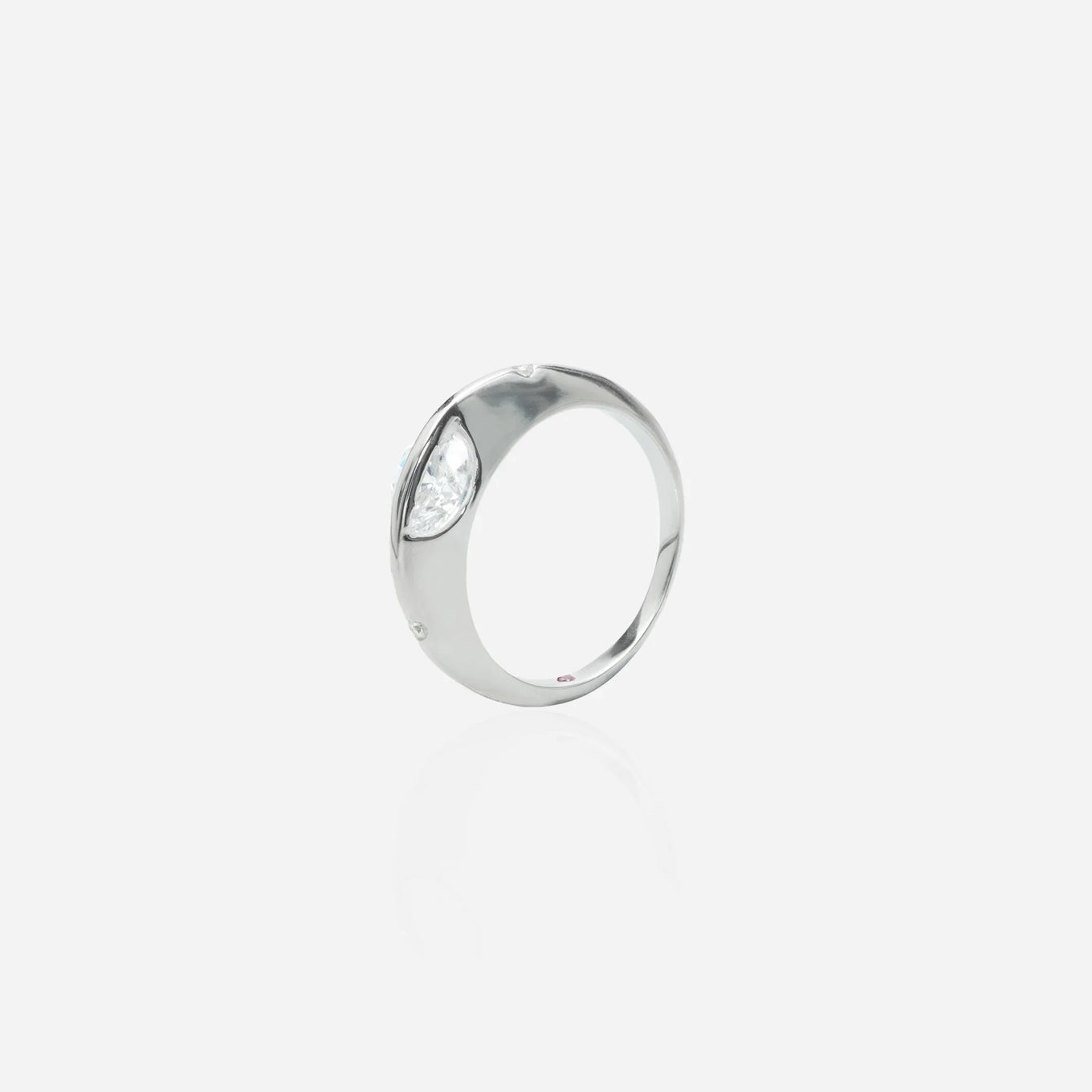
- The Statement Ring: Wide Band Ring — 6mm architectural gold. The inner band is where you will see the benefit of nightly wiping first.
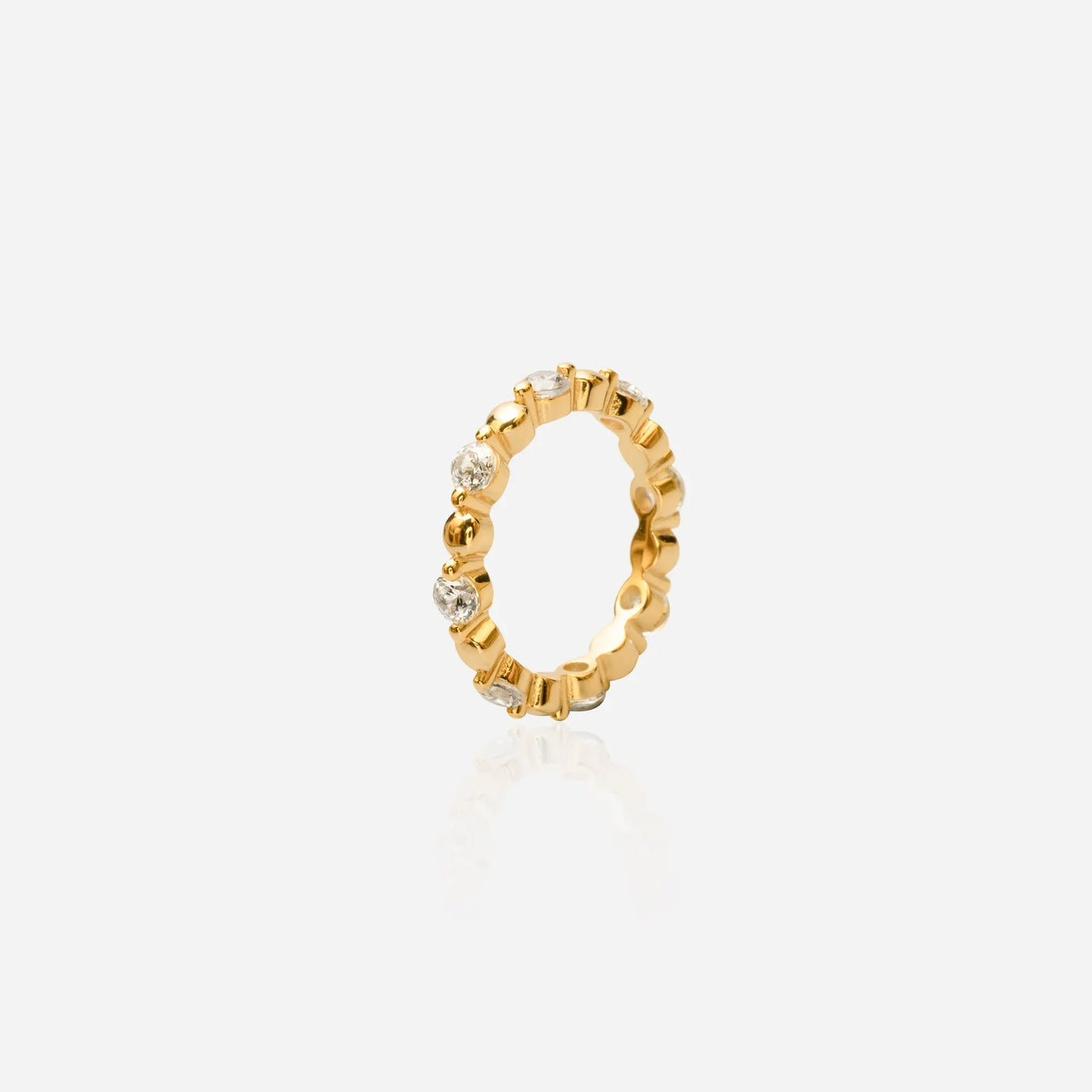
- The Stack Set: Gold Macaron Ring Set — three rings, one routine. Wipe all three, rotate which one you wear, keep two in the pouch.
- The Bangle: Moire Bangle — sterling silver core, gold hammered finish. The piece that proves maintenance is the difference between "I replaced it" and "I still wear it."
We believe jewelry care should not be complicated. Six and a half minutes per week — thirty seconds each morning, sixty seconds each night, five minutes every Sunday — is the entire system. It requires no special products, no professional cleaning, and no knowledge beyond the three steps on this page. The jewelry you own deserves the care you are already giving your skin, your hair, and your coffee. The system is the difference between pieces that last years and pieces that last months. And the system starts tonight, with the pouch on your nightstand, open, waiting.
References & Further Reading
- GIA — Gem Encyclopedia (Metal Care & Durability Standards)
- FTC — Jewelry Guides (Gold Plating & Metal Quality Definitions)
- Victoria & Albert Museum — "Caring for Your Jewellery" Conservation Guide
- The Met — "Antique Jewelry: Materials, Wear & Conservation"
Written by Joyce | Founder, ÉLARAMUSE