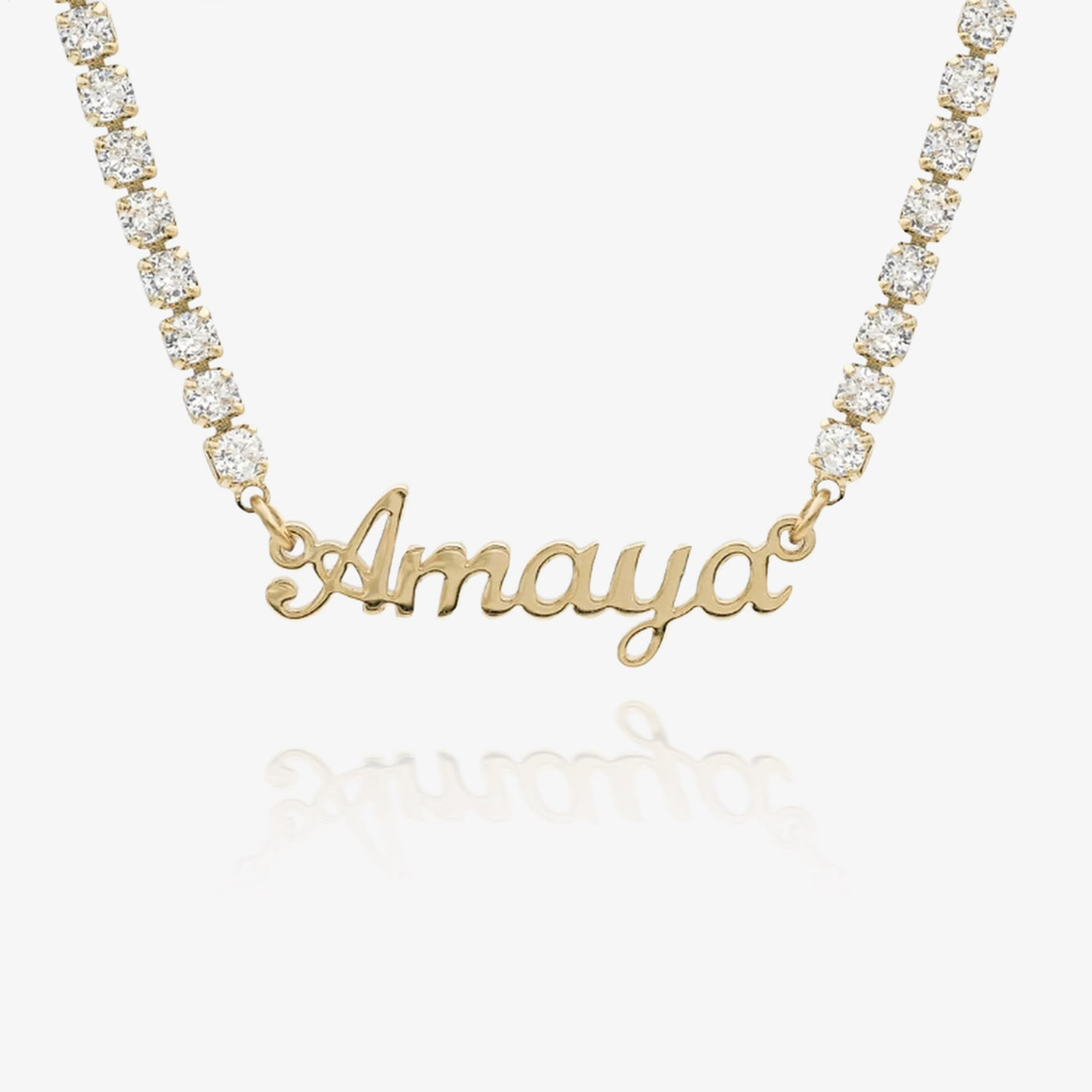
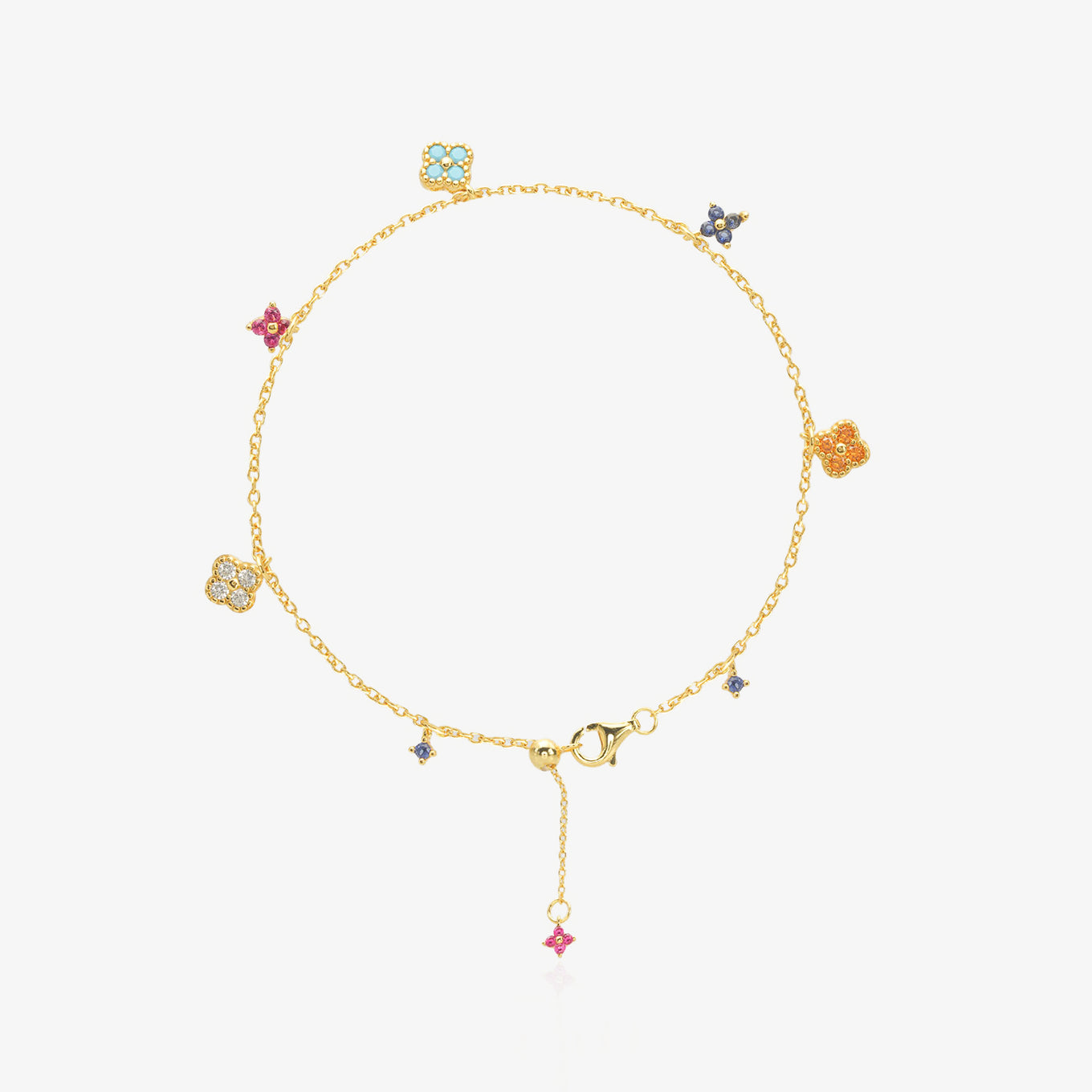
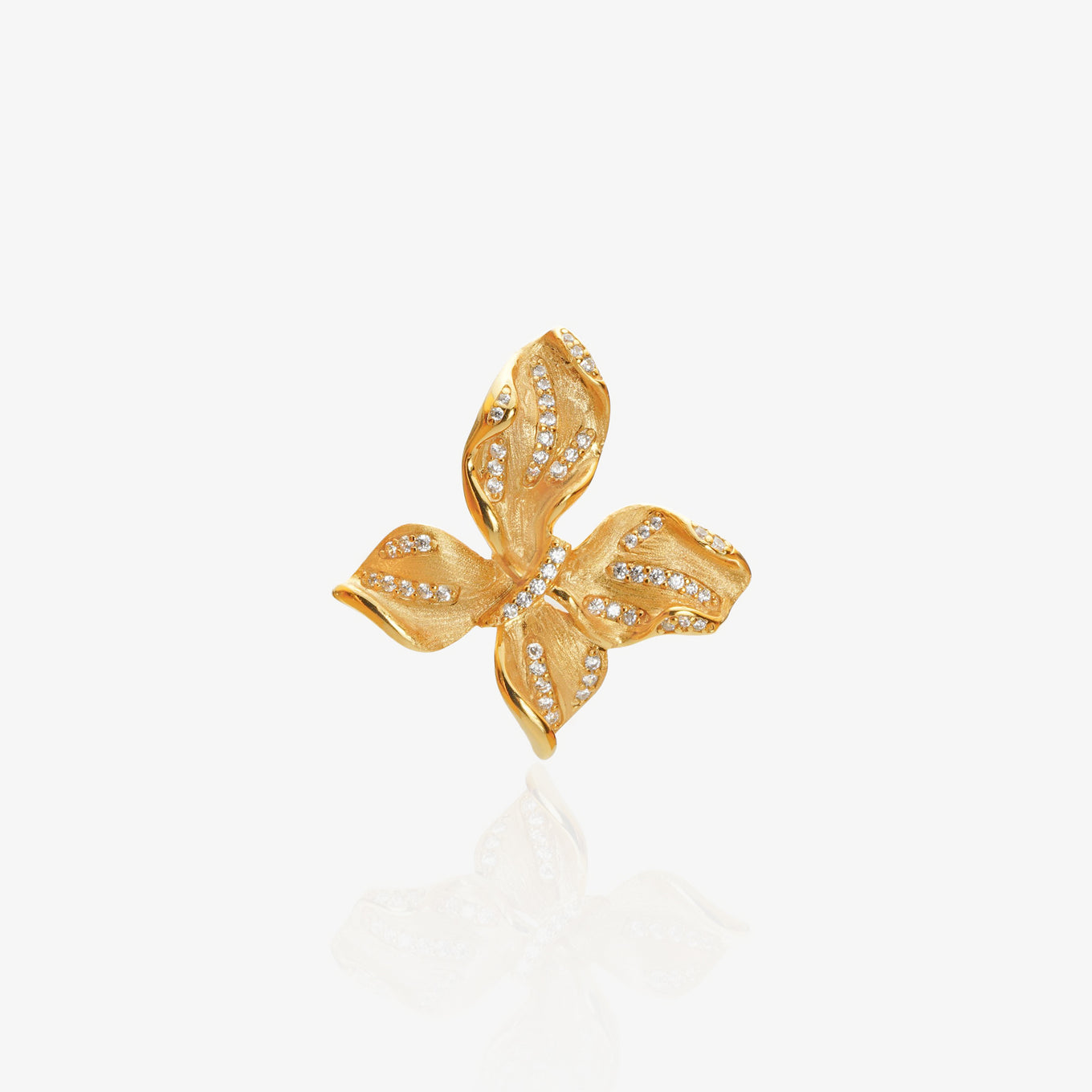
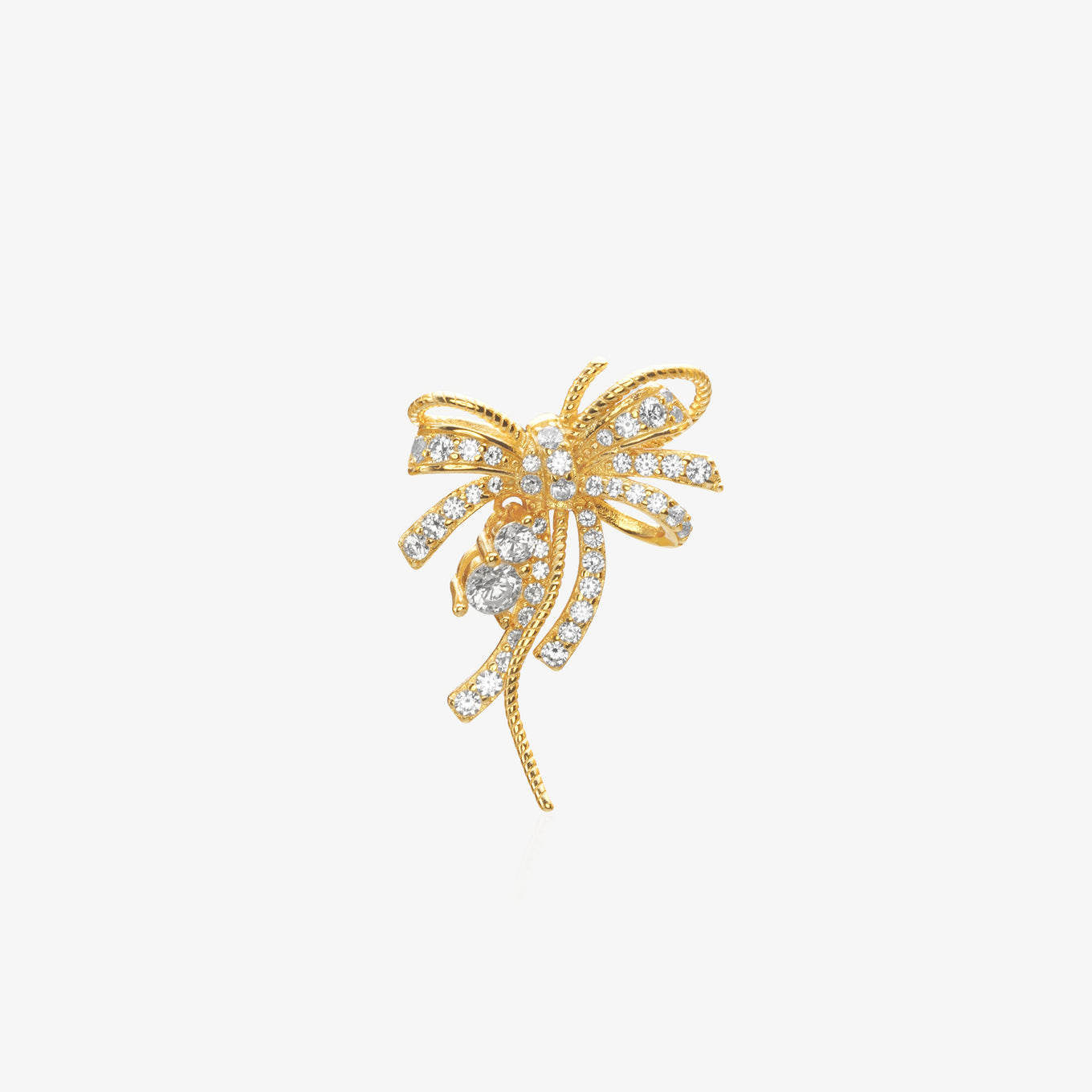
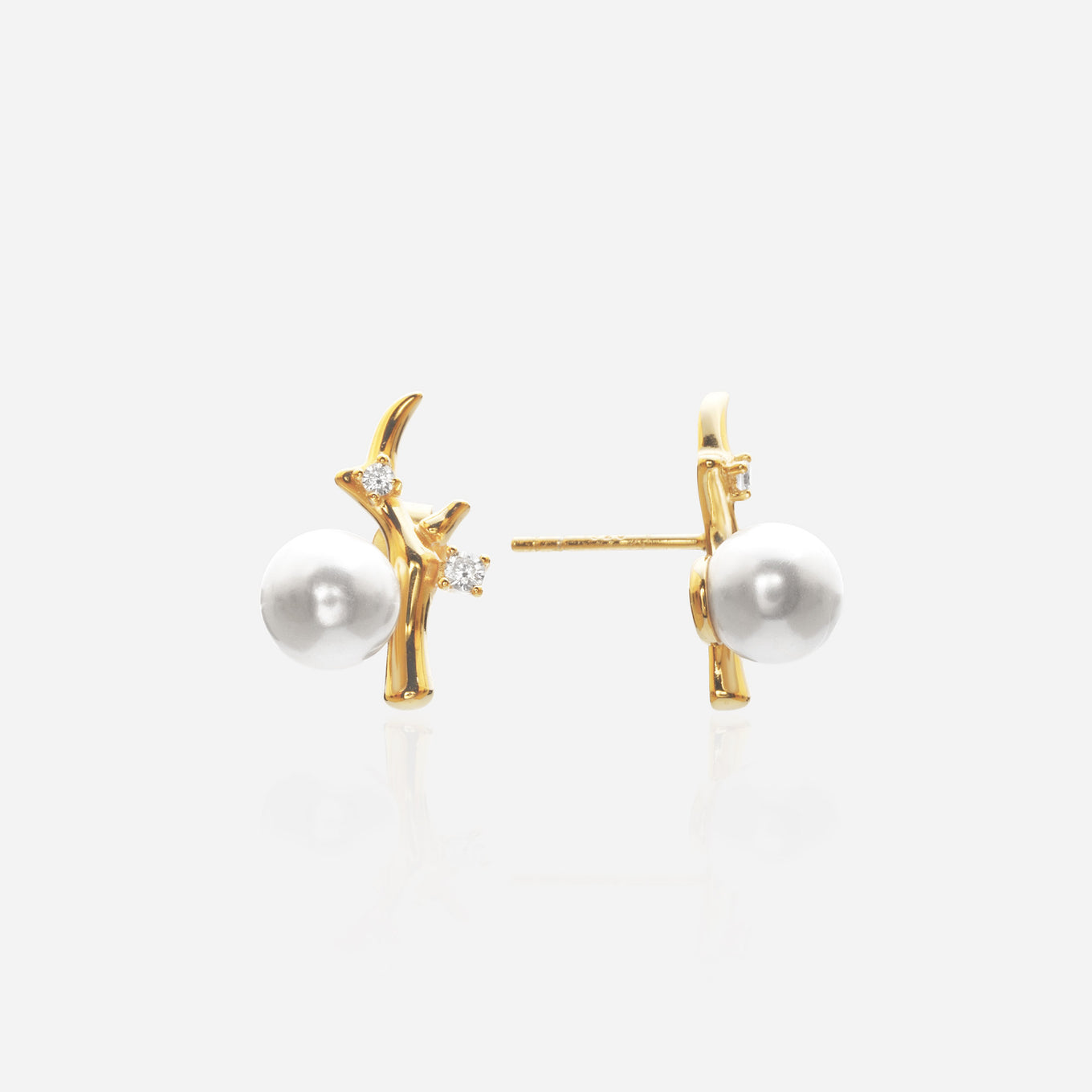
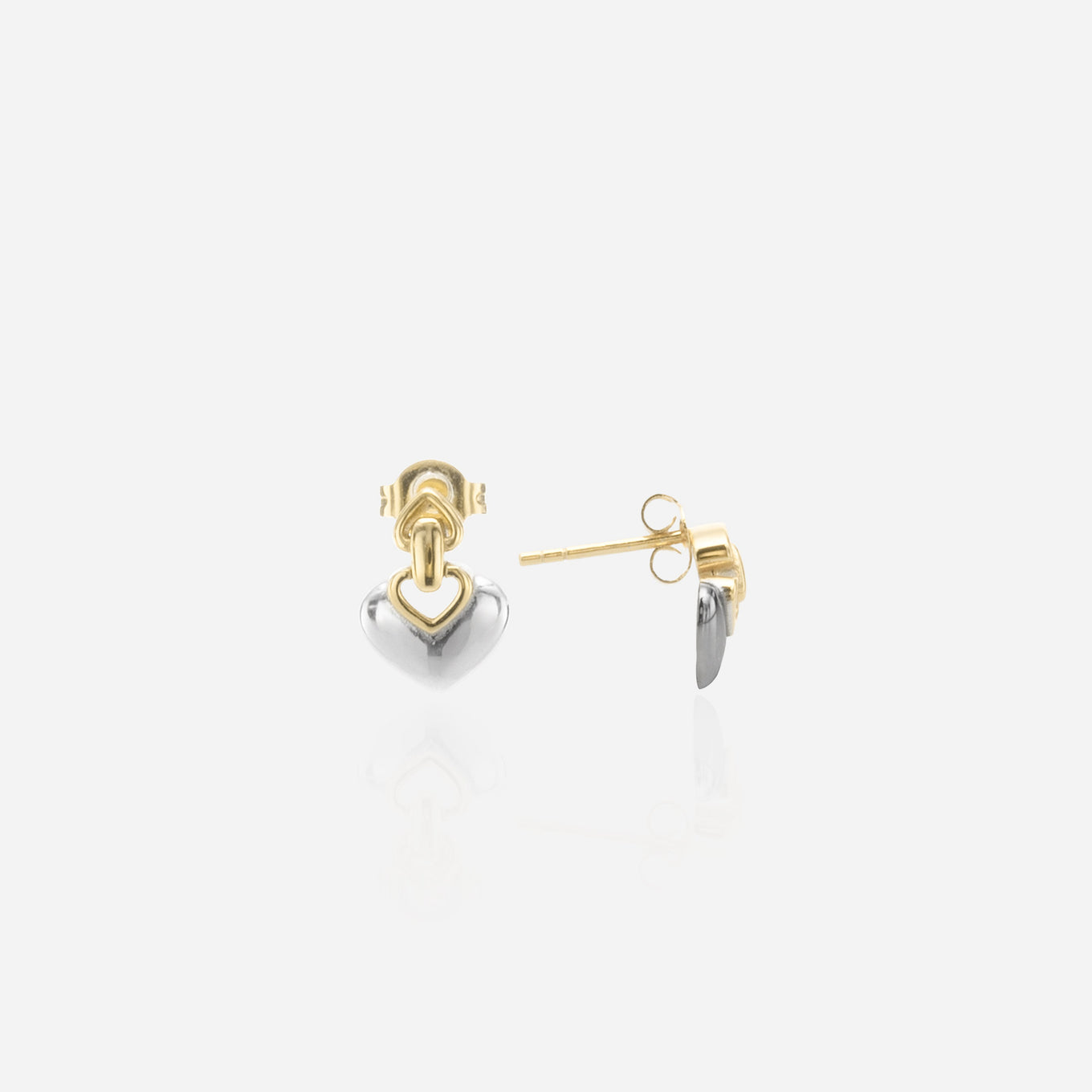
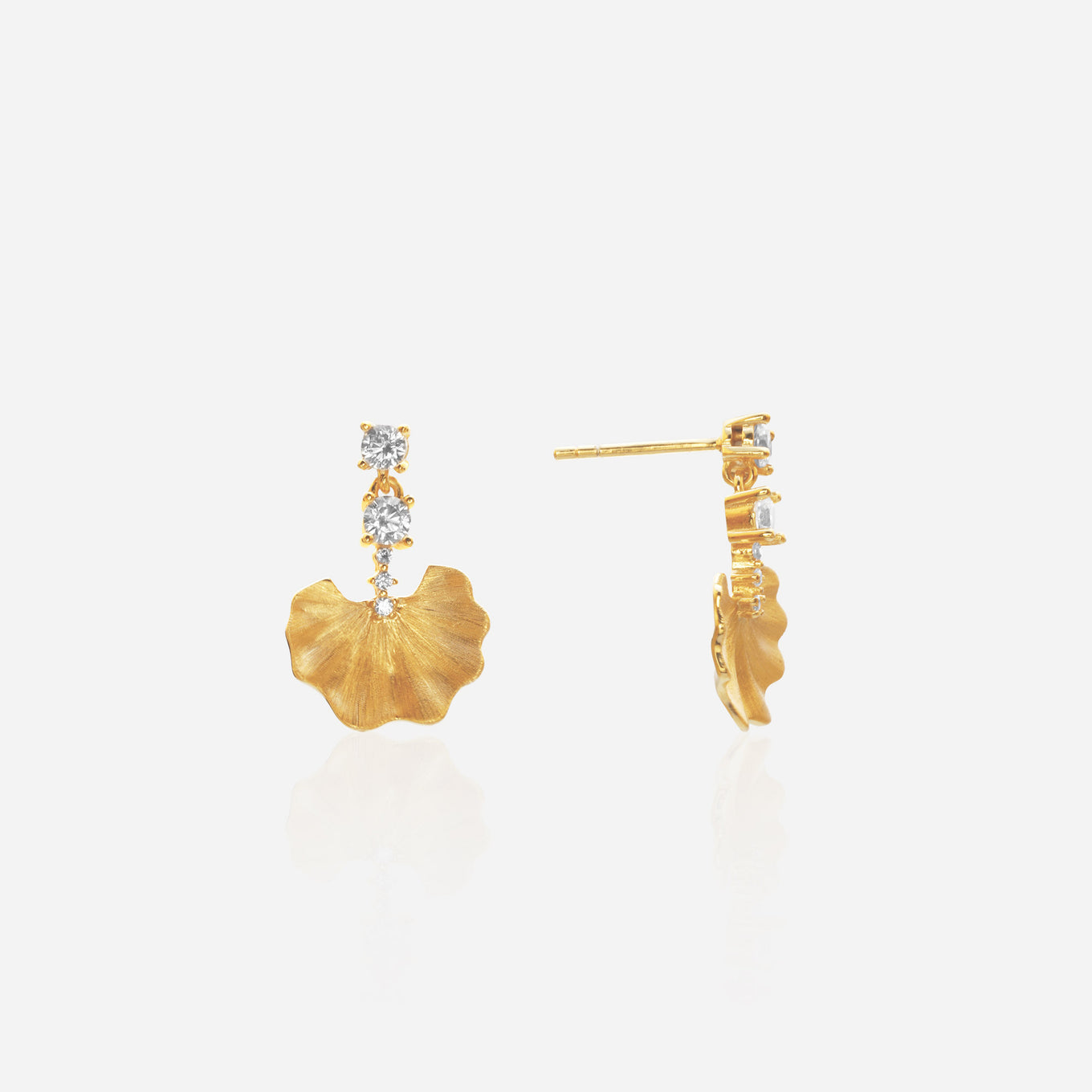
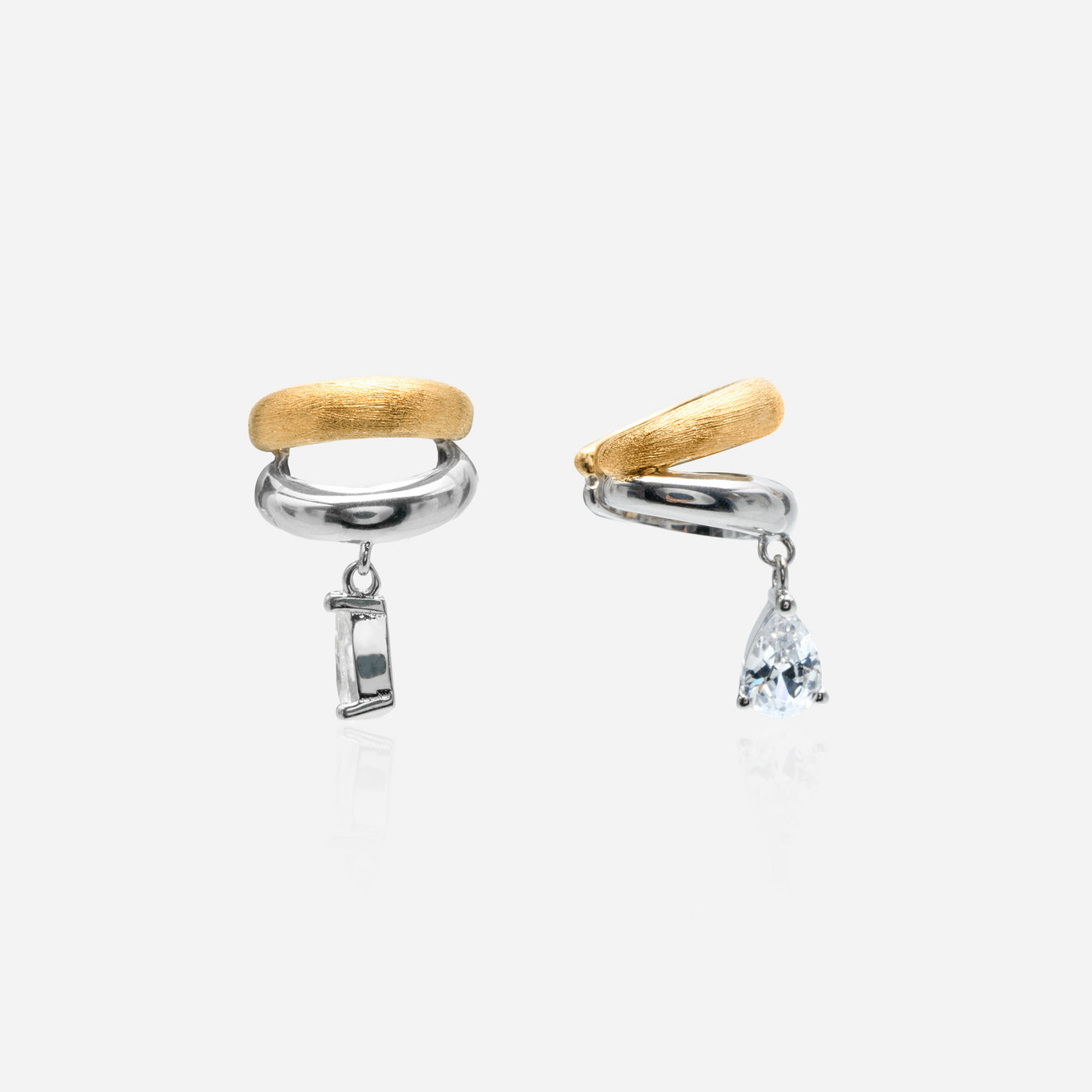
You found a gold chain at an estate sale. A friend gave you a ring they swore was real. You bought a necklace online and want to confirm it is what the listing claimed. The question is always the same: is this actually gold? Here is how to find out — without a jeweler's loupe, without paying for an appraisal, and without damaging anything you might want to keep.
This guide covers seven at-home tests ranked from completely safe (run these on everything) to advanced (for pieces you are willing to risk). Each test tells you something different — magnetism reveals the base metal, density reveals the karat, and the stamp reveals whether a manufacturer was willing to legally commit to their metal content. Used together, these seven tests can distinguish solid gold from gold-plated sterling silver from gold-plated brass with near-laboratory accuracy.
Test 1: The Magnet Test — Your First Line of Defense
What it detects: Whether the base metal is ferromagnetic (iron, nickel, or steel). Gold, silver, and copper are non-magnetic. If a strong magnet sticks, the piece is not gold — it is gold-plated steel or contains a significant ferrous alloy.
How to do it: Use a rare-earth (neodymium) magnet, not a refrigerator magnet. A refrigerator magnet is too weak to pick up subtle magnetic attraction from a brass core with trace iron. Hold the magnet against the clasp, the back of the pendant, and any area where the plating might be thinnest. If the magnet shows any attraction — even a faint pull — the base metal contains iron, which means it is not gold.
Limitations: This test only rules out gold. A non-magnetic result does not confirm gold — brass (copper + zinc) is also non-magnetic. However, a magnetic result definitively rules it out. A piece that fails the magnet test is not gold, period. This makes it the single most useful home test because false negatives are nearly impossible.
What it means for your jewelry: The Box Chain Necklace — built on an Ag925 sterling silver core — will never attract a magnet because sterling silver (92.5% silver + 7.5% copper) is entirely non-magnetic. If your chain pulls toward a magnet, the core is not sterling silver; it is steel or nickel alloy under the gold.
Test 2: The Stamp Inspection — The Legal Signature
What it detects: Whether the manufacturer was willing to legally certify the metal content. In the United States, the Federal Trade Commission requires that any metal stamp (925, 14K, 18K) must accurately represent the metal content. A manufacturer who stamps "925" is legally declaring 92.5% silver content. A manufacturer who leaves the piece unstamped is making no legal commitment at all.
How to do it: Use a magnifying glass or your phone camera at 2-3x zoom. Look for the stamp on the inside of a ring band, on the clasp of a necklace or bracelet, on the post of an earring, or on the back of a pendant. Common stamps and their meanings:
| Stamp | Meaning | What It Tells You |
|---|---|---|
| 925 / Ag925 / Sterling | Sterling silver core | Base metal is 92.5% silver. Gold layer sits on top. Quality jewelry — buy this. |
| 14K / 585 | 14-karat gold (solid) | 58.5% pure gold throughout — not plated. Expensive but genuine. |
| 18K / 750 | 18-karat gold (solid) | 75% pure gold. Softer but more valuable than 14K. |
| GP / GEP / HGE | Gold plated / electroplated / heavy gold electroplate | Gold on top of an unspecified base metal. The base metal question remains. |
| No stamp | Uncertified | No legal declaration. Assume brass core. Risk of green-finger reaction increases significantly. |
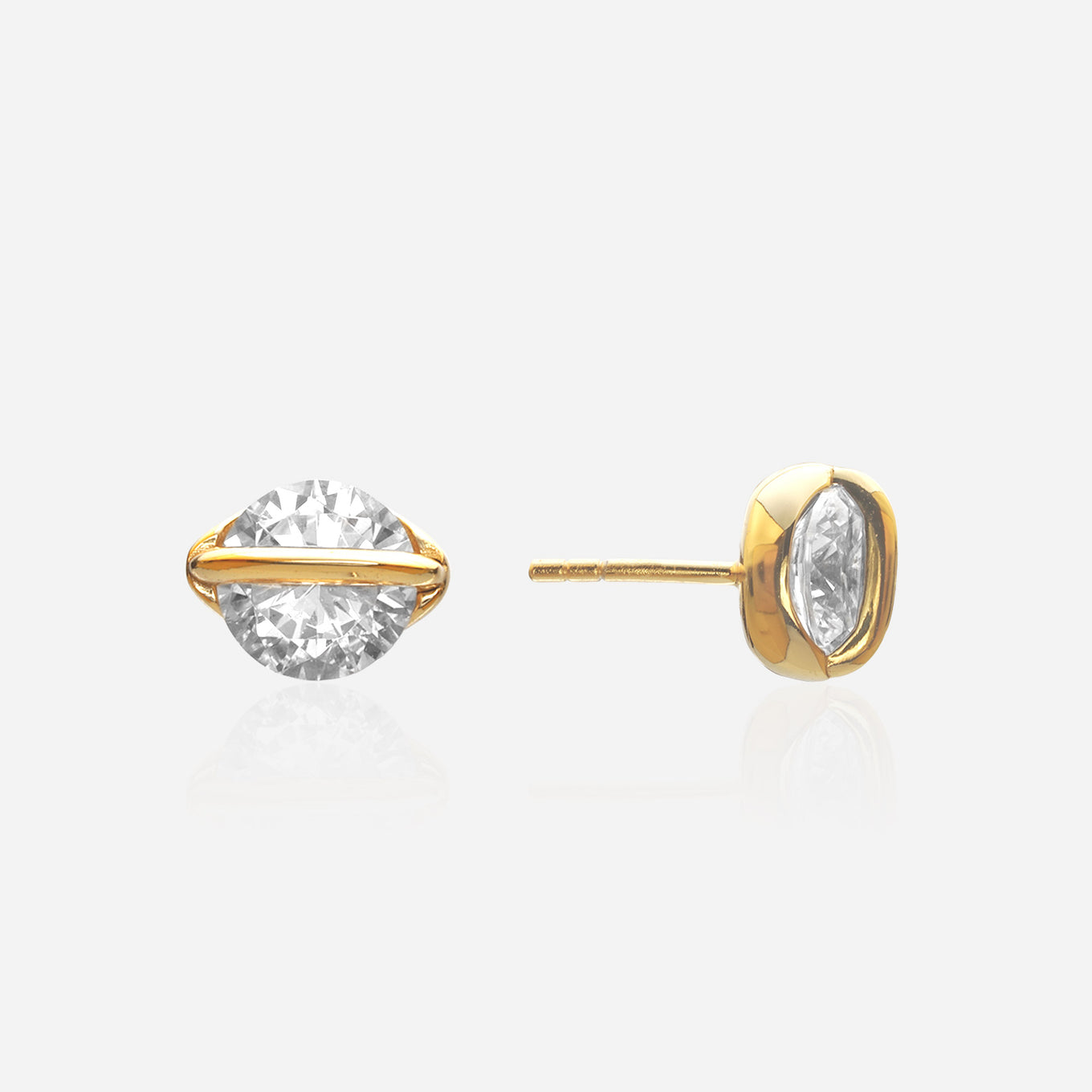
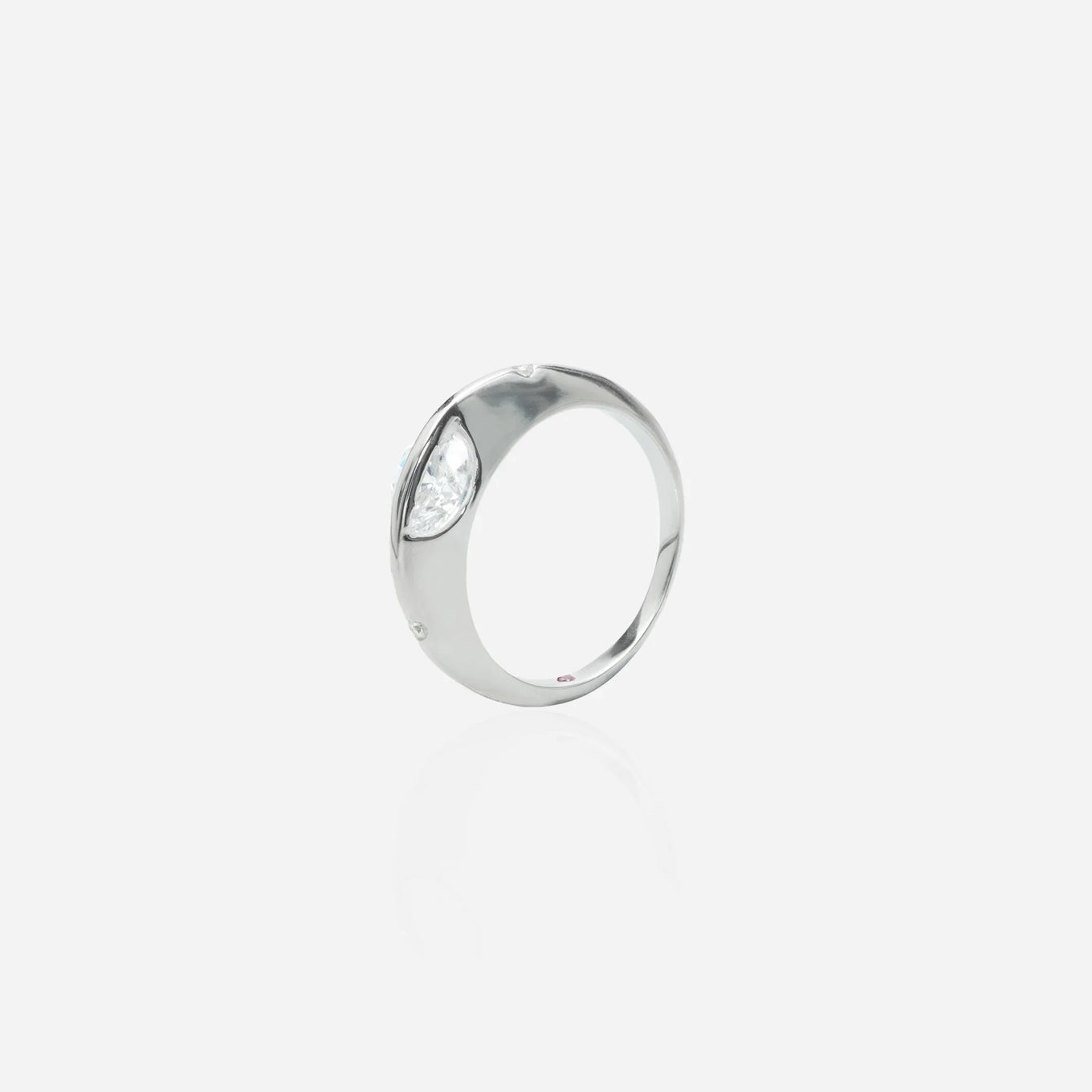
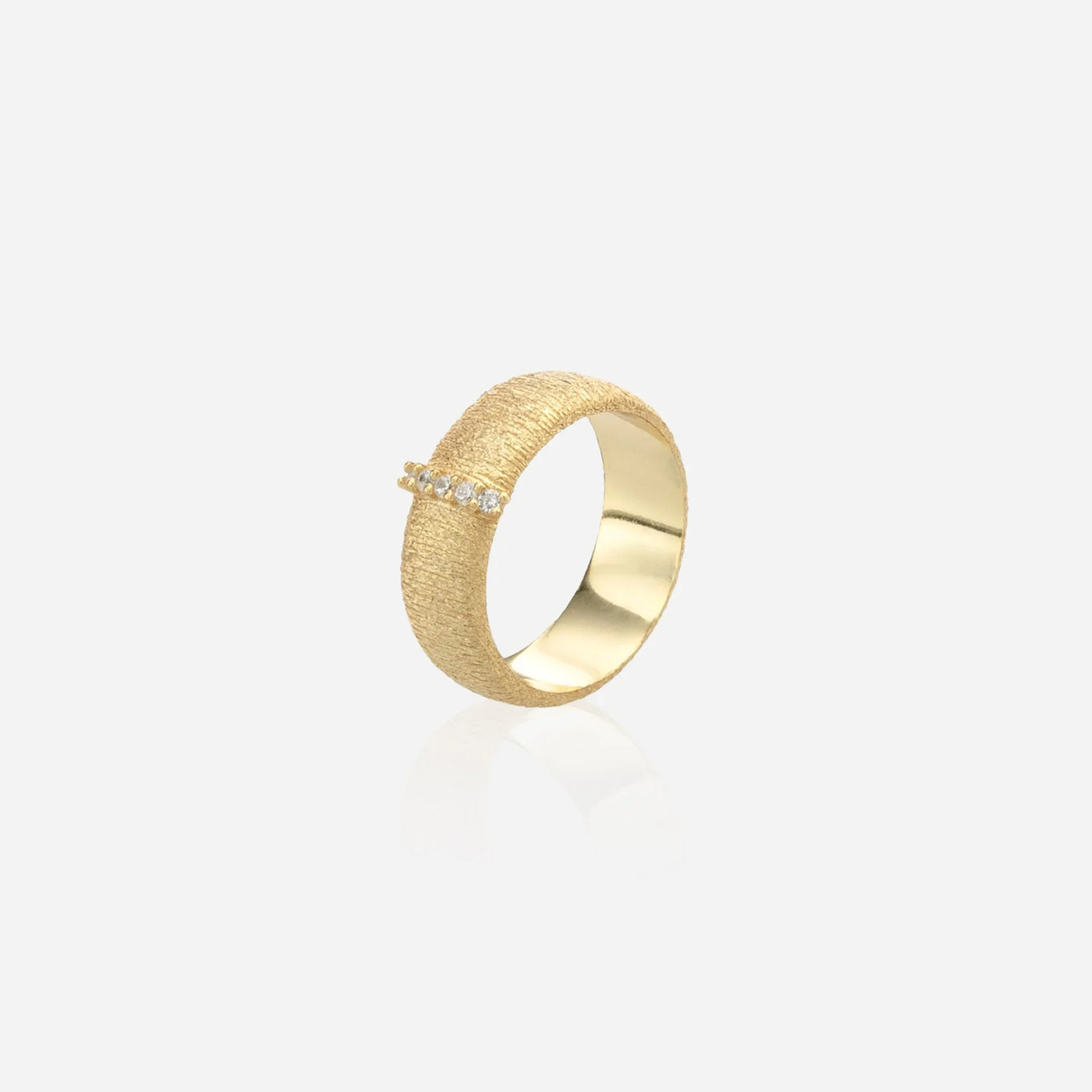
ÉLARAMUSE stamps every piece with "925" on the clasp or interior band — because a stamp is not a marketing claim. It is a legal promise. The Wide Band Ring carries "925" engraved inside the 6mm architectural band — readable under magnification, legally binding, chemically real.
Test 3: The Float Test — Density at a Glance
What it detects: Whether the metal's density is consistent with gold (19.3 g/cm³). Gold is one of the densest metals commonly used in jewelry — over twice as dense as brass (8.5 g/cm³) and significantly heavier than sterling silver (10.4 g/cm³).
How to do it: Fill a cup with water. Drop the piece in from about one inch above the surface. Gold sinks immediately and hits the bottom with a satisfying thunk — no hesitation, no floating, no slow descent. Gold-plated brass also sinks (brass density > water), so a pass on this test only rules out the most egregious fakes (hollow pieces, plastic cores, aluminum). It does not rule out brass.
Limitations: A hollow gold chain might not sink as fast as a solid ring — this is because of trapped air, not because the gold is fake. Use the float test as a filter: if it floats, it is definitely not gold. If it sinks, proceed to the next test.
Test 4: The Ceramic Scratch Test — The Streak Reveals Everything
What it detects: The color of the metal underneath the surface layer. Gold is gold-colored all the way through. Gold-plated brass reveals a different color when scratched.
How to do it: Find an unglazed ceramic surface — the bottom rim of a ceramic mug or plate works perfectly. Drag the piece firmly across the ceramic. If the streak is gold, the metal at the surface is gold. If the streak is dark gray or black (from silver or brass oxidation), the piece is plated and the scratch reached the base metal.
Important: This test is destructive — it scratches through the surface. Do not perform this on a piece you intend to wear. Reserve it for pieces you are willing to damage in exchange for certainty. On gold-plated sterling silver like the Classic Solitaire Necklace, a deep scratch will reveal the silver core beneath the 0.5-micron 18K gold layer — which is exactly what you should expect from quality gold-plated jewelry.
Test 5: The Vinegar Test — Acid Without the Danger
What it detects: Whether the metal reacts to a mild acid. Real gold is chemically inert — it does not react with vinegar (acetic acid, pH ~2.5). Brass, copper, and nickel do react — they discolor, develop a patina, or begin to dissolve at the surface.
How to do it: Place the piece in a small glass dish. Pour enough white vinegar to completely submerge it. Wait 5-10 minutes. Remove and inspect. If the piece has changed color — darkened, developed green or blue-green spots, or the vinegar has changed color — the base metal contains copper (brass or bronze). If the piece is unchanged, it is gold, gold-plated sterling silver, or another noble metal.
Limitations: Vinegar will not damage gold-plated sterling silver because the plating protects the silver from direct acid contact. This test only reveals pieces where the plating is thin enough (or worn enough) for the vinegar to reach the base metal. It is a useful complement to the magnet test but not definitive on its own.
Test 6: The Weight & Density Check — Heft Tells the Truth
What it detects: Whether the density matches gold's characteristic heft. This is the test experienced jewelers use unconsciously — they pick up a piece and know immediately whether it "feels like gold."
How to do it: Compare the weight of the suspect piece to a known gold piece of similar size. A gold ring feels noticeably heavier than a brass ring of the same dimensions. A gold chain has a satisfying weight in the palm that a brass chain cannot replicate. The Solaris Dome Ring — a substantial gold dome with a nano zircon center — has the weight of quality when you hold it. Brass rings of similar size feel hollow by comparison.
For precise measurement: Use a jeweler's scale (available for under $20). Weigh the piece dry, then weigh it suspended in water using thin thread. The density formula: density = (weight in air) / (weight in air − weight in water). Gold's density is 19.3 g/cm³. Sterling silver is 10.4 g/cm³. Brass is 8.5 g/cm³. If you get a number close to 10, you have sterling silver. Close to 8, you have brass.
Test 7: The Nitric Acid Test — For Professionals Only
What it detects: Gold karat with near-perfect accuracy. Nitric acid dissolves silver, copper, and brass, but does not dissolve gold. This is the definitive test used by jewelers and pawn shops worldwide.
Do not attempt this at home. Nitric acid is corrosive, produces toxic fumes, and will destroy any piece that is not solid gold. Apply one drop to a discrete area. If the metal dissolves or turns green immediately, it is not gold. If it is unchanged, it is gold. This test confirms the karat: 10K will react slowly, 14K reacts more slowly, 18K barely reacts, and 24K does not react at all.
For gold-plated jewelry, this test is not relevant — the acid will eat through the plating in seconds and attack the base metal, destroying the piece. If you own an ÉLARAMUSE Gold Macaron Ring Set, the nitric acid test will tell you that the core is sterling silver — but the test itself will ruin the ring in the process. Reserve acid testing for pieces you suspect are solid gold and are willing to damage.
Quick Reference: Which Test Tells You What
| Test | Destructive? | What It Confirms | What It Rules Out |
|---|---|---|---|
| Magnet Test | No | — | Steel/iron core. Definitively rules out gold. |
| Stamp Inspection | No | Legal metal declaration (925, 14K, 18K) | Unstamped = no legal guarantee |
| Float Test | No | — | Hollow, plastic, or aluminum pieces |
| Ceramic Scratch | Yes | Metal color beneath surface | Gold-plated brass (dark streak = brass) |
| Vinegar Test | Potentially | Chemical inertness of surface metal | Base metals with worn plating |
| Density Check | No | Density ~19.3 (gold), ~10.4 (silver), ~8.5 (brass) | Heavy brass mimics gold weight but density reveals it |
| Nitric Acid | Yes (severe) | Gold karat with precision | Gold-plated pieces (will destroy them) |
Key Terms: Gold Authentication Lexicon
- Karat (K)
- A measure of gold purity where 24K is 100% pure gold. 18K = 75% gold (18/24), 14K = 58.5% gold. Pure 24K gold is too soft for most jewelry and is typically alloyed with silver, copper, or palladium for durability. No piece of wearable jewelry is 24K — even the finest jewelry is 18K or 22K at most.
- Ag925 / Sterling Silver
- 92.5% pure silver alloyed with 7.5% copper for strength. The legal standard for sterling silver in the US and EU. When stamped "925" on a gold-plated piece, it confirms the core is sterling silver — the highest-quality base metal available for plated jewelry.
- Gold Plating vs. Gold Filled
- Gold plated: a layer of gold (typically 0.05-0.5 microns) deposited on a base metal core via electroplating. Gold filled: a much thicker layer of gold (at least 5% of the item's total weight) mechanically bonded to a brass core — significantly more durable than plating but also significantly more expensive. ÉLARAMUSE uses 0.5-micron 18K gold plating on Ag925 sterling silver — high-quality plating designed for years of daily wear.
- Ferromagnetic
- Materials that are attracted to a magnet: iron, nickel, cobalt, and steel. Gold, silver, copper, and brass are non-ferromagnetic. The magnet test works because if a "gold" piece attracts a magnet, the base metal must contain ferromagnetic material — and gold does not.
- Density (g/cm³)
- Mass per unit volume. Gold = 19.3 g/cm³, making it one of the densest metals in common use. Sterling silver = 10.4, brass = 8.5. The density test is the most scientific at-home method because it produces a number, not a subjective impression — and that number cannot lie.
The ÉLARAMUSE Standard: What Every Piece Carries
| Stamp | "925" engraved on clasp or interior band — legal declaration of sterling silver core |
| Magnet Response | Zero — sterling silver and gold are completely non-magnetic. Passes Test 1 with absolute certainty. |
| Base Metal Density | ~10.4 g/cm³ — sterling silver, confirmed by density test. No brass (8.5) or steel (7.8) substitute. |
| Gold Plating | 0.5-micron 18K gold — the gold layer that makes every test in this guide tell the right story |
| Gemstones | High-Carbon Lab Diamonds (Mohs 8.5), Lab-Created Ruby, Nano Zircon, Simulated Pearl — all genuine, all verifiable by a jeweler |
FAQ: Testing Gold Jewelry at Home
What is the single most reliable at-home test?
The magnet test combined with the stamp inspection. If a strong neodymium magnet does not stick and you can find a "925," "14K," or "18K" stamp, you are looking at quality jewelry with a certified metal core. If the magnet sticks, the piece is not gold — end of investigation. If there is no stamp, the manufacturer made no legal commitment to the metal content, and you should treat the piece as unknown until proven otherwise.
Can gold-plated jewelry pass these tests?
Three tests: yes. Gold-plated sterling silver passes the magnet test (non-magnetic), the stamp inspection ("925" on the piece), and the weight test (silver density feels heavier than brass). Four tests: no. The ceramic scratch will reveal silver beneath gold. The vinegar test may react if plating is thin. Nitric acid will destroy the piece entirely.
This is exactly what you want from quality gold-plated jewelry: it looks and feels like gold, but the tests confirm what it is underneath — sterling silver, not brass.
Why does the "925" stamp matter so much?
The "925" stamp is not a suggestion. It is a legal declaration under FTC guidelines that the item contains 92.5% silver. A company that stamps "925" on brass is committing fraud. A company that stamps "925" on sterling silver is making a legally binding promise. The absence of a stamp means the company declined to make any promise at all — which is a choice, and not one that inspires confidence.
Does gold-plated sterling silver tarnish differently than gold-plated brass?
Yes — and this is another diagnostic. Gold-plated sterling silver that has worn through to the silver core will develop a dark gray tarnish (silver oxide), which is easily polished with a silver cloth. Gold-plated brass that has worn through will develop green corrosion (copper carbonate), which stains skin and cannot be polished away. If your "gold" jewelry leaves a green mark and cannot be cleaned, the core is brass.
Editor's Picks: Pieces That Pass Every Test
- Classic Solitaire Necklace — "925" on the clasp, non-magnetic, floats-never. The piece that sets the standard.
- Box Chain Necklace — The weight of quality in your hand. Density test confirms sterling silver every time.
- Wide Band Ring — "925" engraved inside the 6mm architectural band. The stamp you can read with your phone camera.
- Solaris Dome Ring — The heft test winner. Hold it next to a brass ring and the difference is unmistakable.
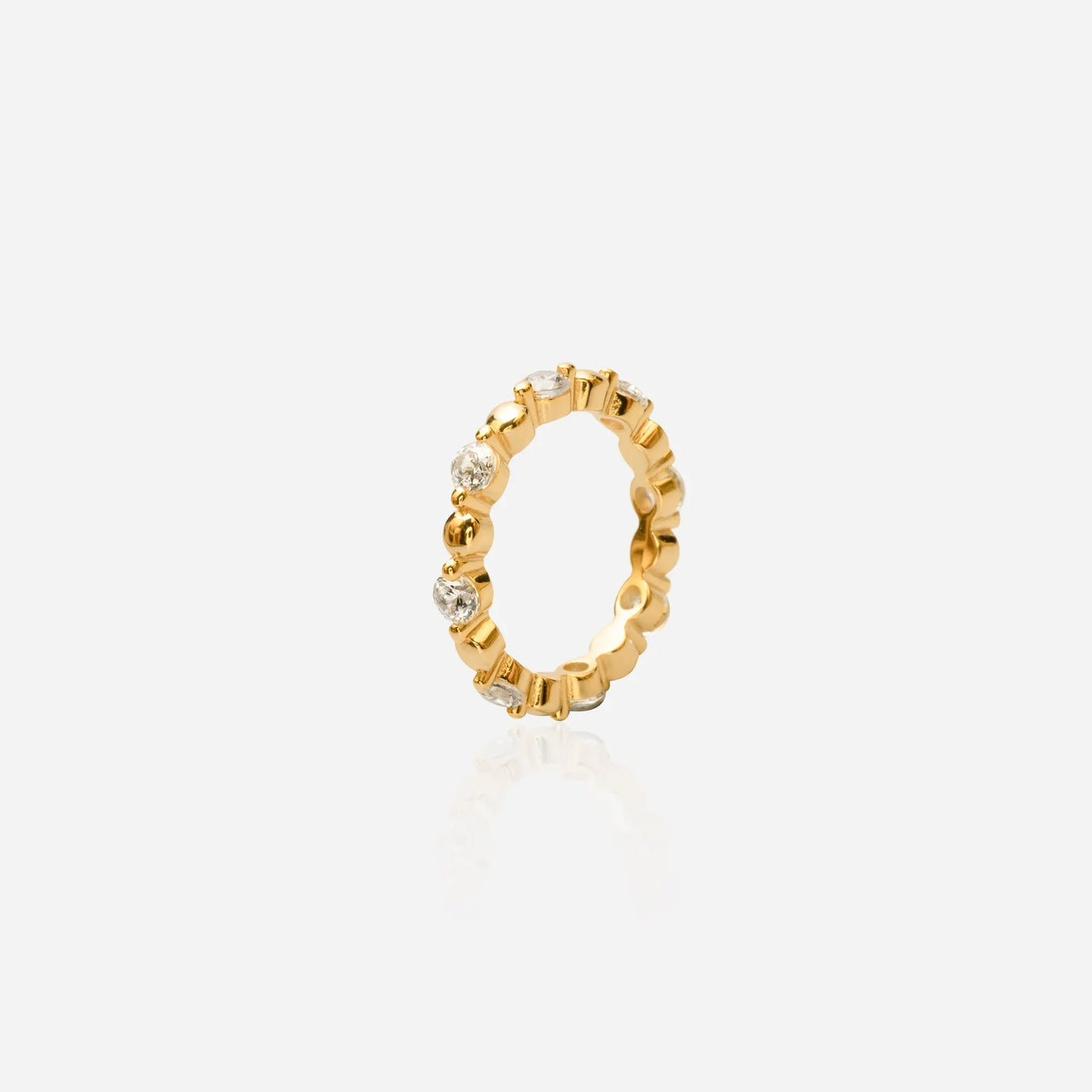
- Gold Macaron Ring Set — Three stamped bands. Three pieces of legal certainty. One set that leaves no doubt.
- Moire Bangle — Non-magnetic, stamped, substantial. The bangle that passes the magnet test and the weight test together.
We believe every piece of jewelry you own should tell the truth about what it is. Every ÉLARAMUSE piece carries a "925" stamp — a legal declaration that the core is 92.5% sterling silver, not a guess, not marketing, not a hope. Because the metal underneath the gold is the only thing you cannot see — and the only thing that matters for how long the piece lasts.
References & Further Reading
- FTC — Jewelry Guides (Metal Content Disclosure Requirements)
- GIA — Gem Encyclopedia (Gold Properties & Identification)
- Victoria & Albert Museum — "A History of Jewellery" (Hallmarking Traditions)
- The Met — "Antique Jewelry: Materials & Identification"
Written by Joyce | Founder, ÉLARAMUSE