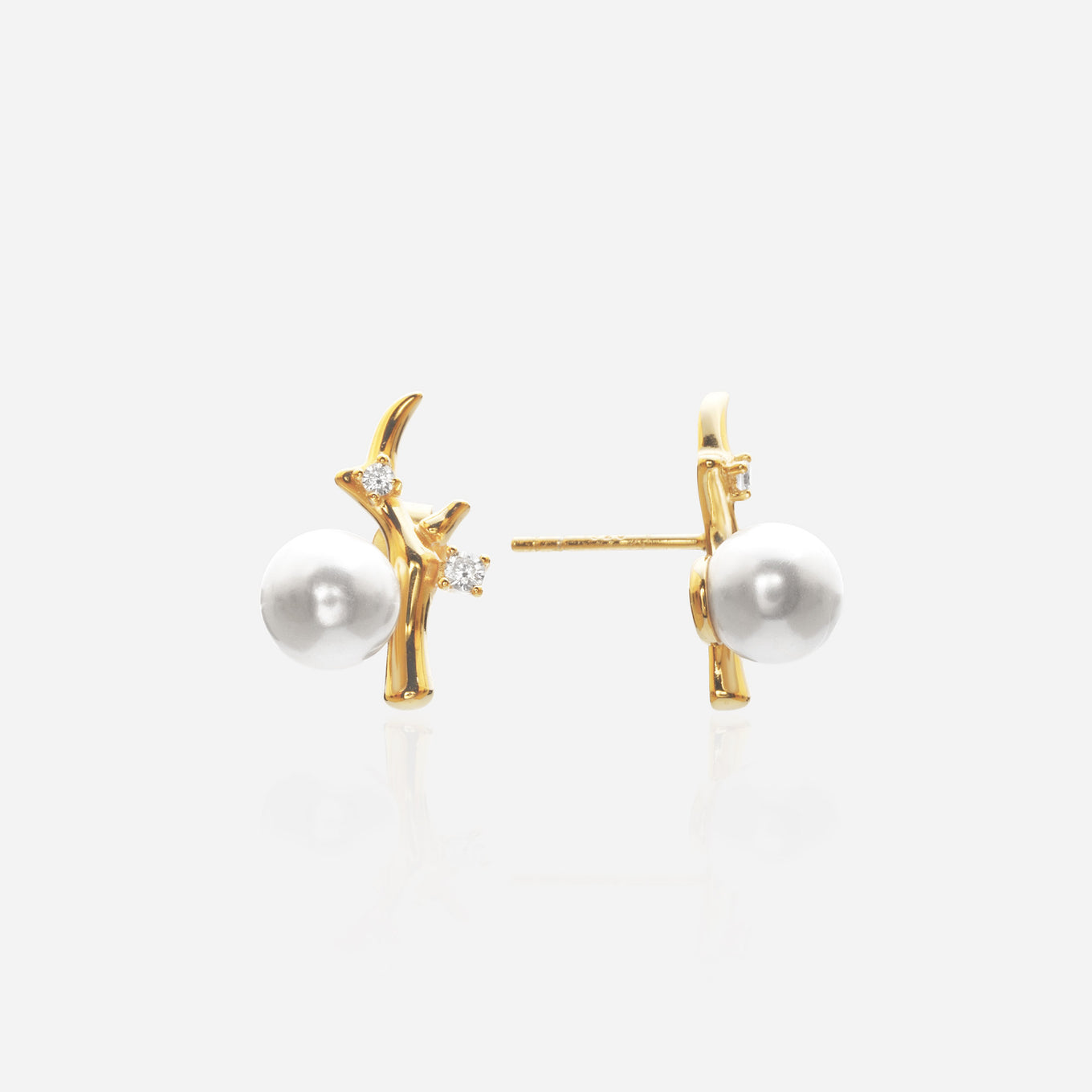
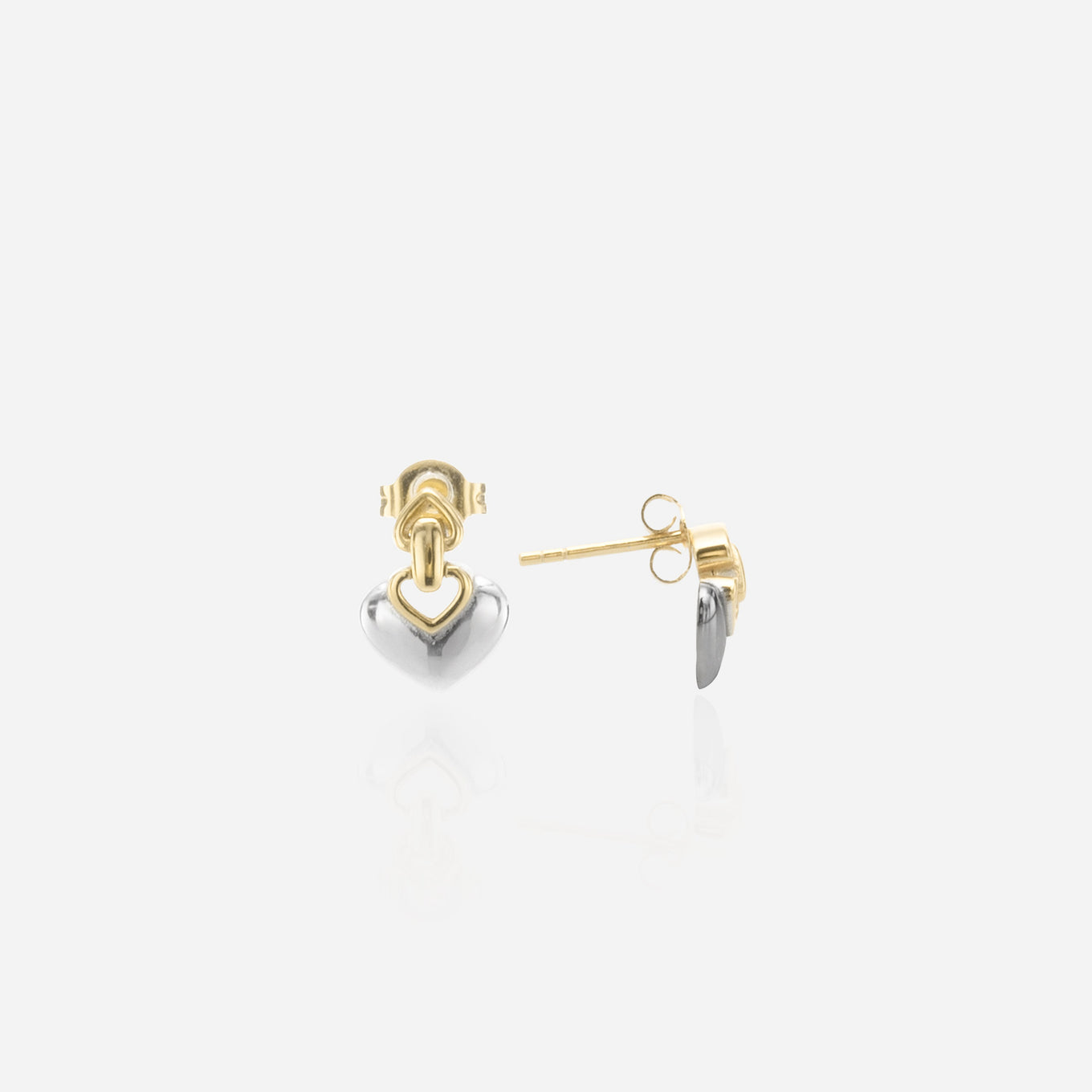
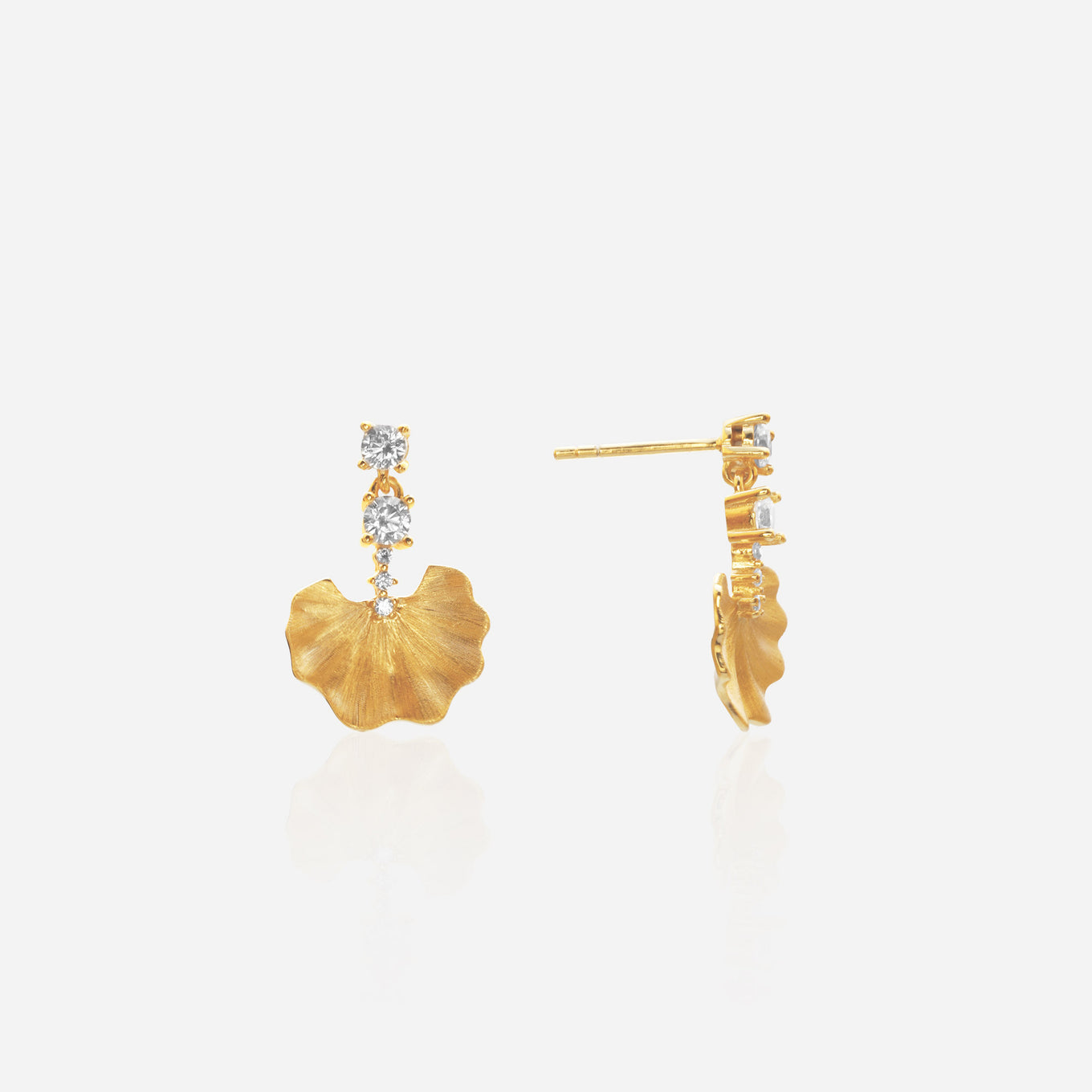
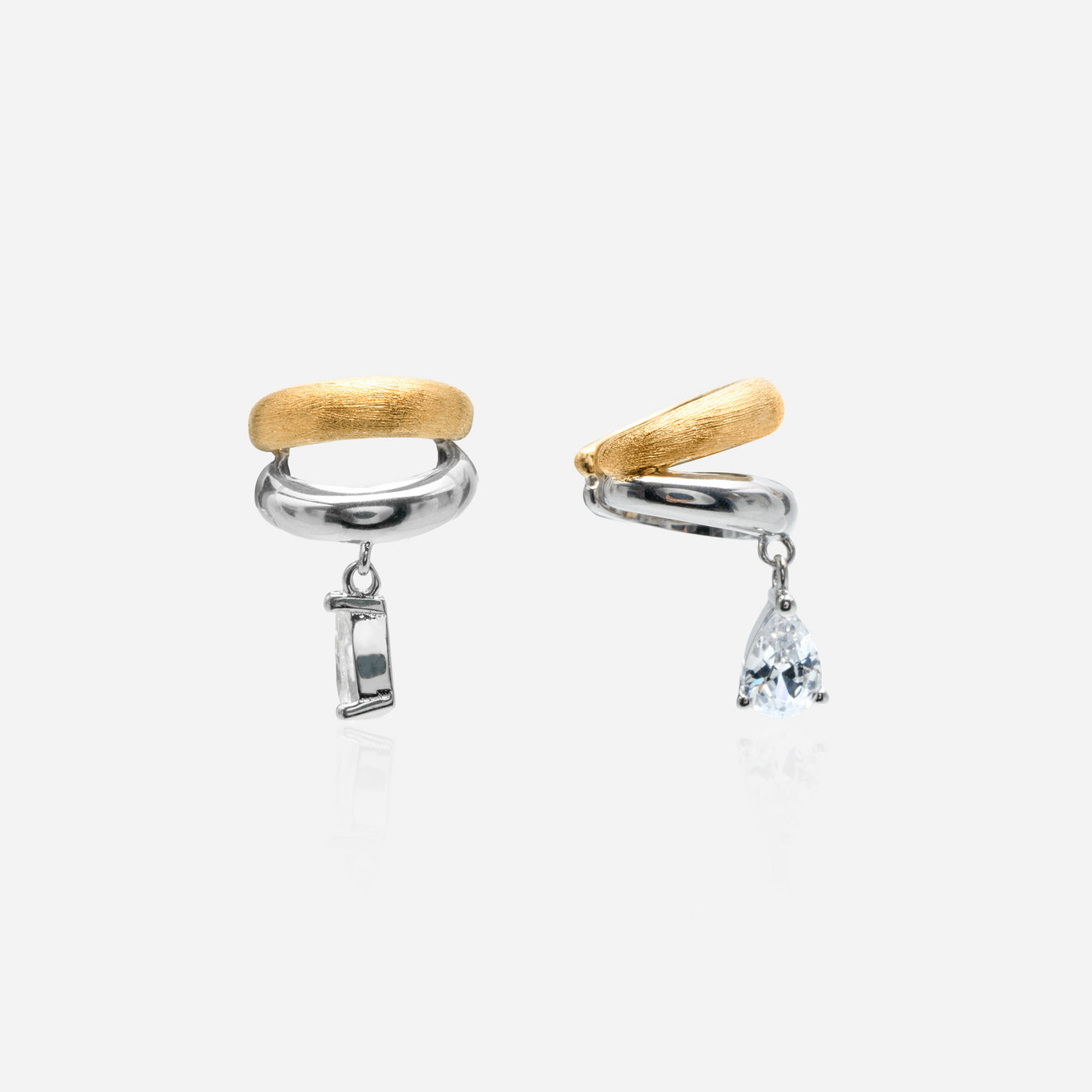
Can You Swim With Gold Plated Jewelry? Chlorine, Saltwater & Pool Safety Guide (2026)
⚡ Quick Answer
No—standard gold plated jewelry shouldn't touch pool water. Chlorine and saltwater strip the gold layer fast. Even brief exposure can cause permanent discoloration, while prolonged contact may dissolve the plating entirely.
- Gold Plating
- A thin layer of gold applied to a base metal through electrodeposition — an electrochemical process that bonds gold atoms to the surface. Thickness is measured in microns (μm), where 1 micron = 0.001 millimeters.
- Chlorine Damage Mechanism
- Chlorine acts as a powerful oxidizing agent that penetrates microscopic pores in the gold layer, reacting with the base metal underneath. This creates metal chlorides that cause pitting, discoloration, and plating separation.
- Galvanic Corrosion
- When two dissimilar metals (gold layer + base metal) are submerged in an electrolyte solution like saltwater, an electrochemical reaction accelerates the breakdown of the less noble metal — in this case, the base beneath your gold.
- Micron (μm)
- The standard unit for measuring plating thickness. Consumer gold plated jewelry typically ranges from 0.05 to 0.5 microns. Our Premium 18K Gold Plating sits at 0.5 microns — the thickest tier in fashion jewelry.
I've ruined a gold plated necklace in a hotel pool, and I'm not alone. Thousands of women discover this the hard way every summer — they wade into the water feeling beautiful, and climb out with jewelry that's turned splotchy, dull, or oddly copper-toned where gold used to be. The question isn't just "can you swim with it" — it's what actually happens at a chemical level, and whether there's any jewelry on the market built differently enough to survive accidental water contact.
This guide covers exactly what chlorine, saltwater, sunscreen, and hot tub chemicals do to gold plated jewelry — plus which pieces can handle the occasional splash and which belong locked in a hotel safe. We draw on materials science, dermatology research, and our own production standards to give you the clearest answer available in 2026.
Table of Contents
- What Chlorine Does to Gold Plated Jewelry
- Saltwater: Not as Innocent as It Looks
- Pool vs. Ocean vs. Hot Tub: The Complete Risk Breakdown
- How to Protect Your Jewelry Before & After Swimming
- The ÉLARAMUSE Standard: Jewelry Engineered for Real Life
- Founder's Note: Why This Matters to Us
- FAQ: Your Swimming & Jewelry Questions, Answered
1. What Chlorine Does to Gold Plated Jewelry
Chlorine is the #1 enemy of gold plated jewelry — and most people don't realize how fast it works. Pool water typically contains 1-3 parts per million (ppm) of free chlorine, a concentration that's sufficient to begin oxidizing metal surfaces on contact. While pure 24K gold is chemically inert and resists chlorine, the 18K gold used in plating contains 25% alloy metals (copper, silver, zinc) that react readily with chlorinated water.
The real danger, however, lies beneath the surface. Gold plating — even high-quality plating — has microscopic pores invisible to the naked eye. Chlorinated water seeps through these pores and attacks the base metal directly. In standard plated jewelry with brass or copper bases, the reaction produces metal chlorides: dark, brittle compounds that push outward, cracking the gold layer from underneath. I've seen this happen in under an hour with cheap fashion jewelry.
Did You Know? At typical pool chlorine levels (2 ppm), gold plated jewelry with a copper or brass base can show visible discoloration within 30-60 minutes of continuous submersion. Hot tubs, which often maintain 3-5 ppm chlorine at elevated temperatures (100-104°F), accelerate this reaction by roughly 2-3x due to increased chemical reactivity at higher temperatures.
This process — technically called pitting corrosion — is irreversible. Once chlorine has formed metal chlorides beneath the gold layer, no polishing cloth or jewelry cleaner can restore the original finish. The only fix is professional re-plating, which often costs more than the original piece.
The pH of pool water compounds the problem. Most pools maintain a pH between 7.2 and 7.8 — slightly alkaline — which happens to be the range where chlorine is most aggressive toward copper and silver alloys. If the pool chemistry skews acidic (pH below 7.0), the damage accelerates even further.
2. Saltwater: Not as Innocent as It Looks
Many people assume saltwater is gentler than chlorine because it's "natural." This assumption is dangerously wrong. Ocean water contains approximately 3.5% dissolved salts — primarily sodium chloride, but also magnesium, calcium, and potassium salts — creating a powerful electrolyte solution that accelerates galvanic corrosion between the gold layer and its base metal.
Here is what happens: when two different metals are electrically connected and submerged in an electrolyte (saltwater), they form a galvanic cell. The less noble metal — in standard plated jewelry, usually brass or copper — becomes the anode and corrodes preferentially. The gold layer doesn't protect against this; it completes the circuit. Saltwater effectively turns your necklace into a tiny battery, and the base metal pays the price.
Even after you leave the water, the damage doesn't stop. Salt crystals lodge in crevices, chain links, and stone settings, drawing moisture from the air and sustaining a micro-corrosion environment for hours or days after your beach trip. If you've ever noticed a gold plated ring developing rough patches around the setting after a beach vacation, this is why.
Key Fact: Salt residue is hygroscopic — it actively pulls water molecules from ambient humidity. A piece of jewelry that wasn't properly rinsed after saltwater exposure can continue corroding for 48-72 hours, even if stored in a dry jewelry box.
The Mayo Clinic notes that prolonged exposure to salt and moisture can also exacerbate metal sensitivity reactions — another reason to keep reactive metals away from saltwater. If your jewelry contains nickel in the base (as most mass-market plated pieces do), saltwater corrosion can release nickel ions that trigger contact dermatitis in sensitive individuals.
3. Pool vs. Ocean vs. Hot Tub: The Complete Risk Breakdown
Not all water is equally destructive to gold plated jewelry. Let us break down the risk levels across the three most common swimming scenarios — because understanding the difference between "probably fine" and "absolutely not" can save you from heartbreak.
| Water Type | Primary Threat | Risk Level | Damage Speed |
|---|---|---|---|
| Swimming Pool | Chlorine oxidation | High | 30-60 min visible damage |
| Ocean / Saltwater | Galvanic corrosion | Moderate-High | 1-2 hours visible damage |
| Hot Tub / Jacuzzi | Heat + concentrated chlorine | Extreme | 15-30 min visible damage |
| Freshwater Lake | Minerals, bacteria, pH variance | Moderate | Variable, depends on lake chemistry |
| Shower (tap water) | Hard water minerals, soap residue | Low | Builds up over weeks/months |
Hot tubs deserve special attention — they are the worst-case scenario for gold plated jewelry. The combination of elevated temperature (typically 100-104°F), concentrated chlorine or bromine (3-5 ppm, sometimes higher in commercial spas), and jet-agitated water creates a perfect storm. Chemical reaction rates roughly double for every 18°F increase in temperature, which means hot tub water attacks metal approximately twice as aggressively as the same chemical concentration at pool temperature.
The CDC's healthy swimming guidelines emphasize that hot tubs require higher disinfectant levels precisely because warm water accelerates bacterial growth — and those elevated chemical levels are proportionally more damaging to jewelry. If there is one rule to remember from this entire guide, let it be this: never wear gold plated jewelry in a hot tub.
4. How to Protect Your Jewelry Before & After Swimming
Real life doesn't always follow best practices. You might forget to remove your earrings before the pool party. Your child might grab your necklace and run into the sprinklers. Accidental water exposure happens — and when it does, timing matters enormously.
Before swimming — if you have a chance to prepare:
- Remove all gold plated jewelry, including earrings (studs slip off more easily in water than you think)
- Store pieces in a sealed pouch or container, not loose in a beach bag where sand can scratch the surface
- Apply sunscreen at least 15 minutes before putting jewelry back on — sunscreen chemicals (avobenzone, oxybenzone) can accelerate tarnishing on contact
- If removing isn't possible (piercings, permanent pieces), apply a thin barrier of clear, fragrance-free lotion around the metal before water contact — it provides minimal protection, not a guarantee
After accidental water exposure — act immediately:
- Rinse the jewelry under cool, clean tap water within minutes of exiting the pool or ocean
- Pat dry with a microfiber cloth — never rub, as residual salt or sand particles can micro-scratch the gold surface
- Avoid using jewelry cleaning solutions immediately after chlorine exposure, as the combination can sometimes worsen chemical reactions
- Let the piece air-dry completely in an open area before returning it to storage
- If you notice any discoloration starting, stop wearing the piece and have it assessed — early intervention sometimes saves the plating
One thing I've learned through trial and error: the "rinse it off later" approach doesn't work. By the time you get back to your hotel room, chlorine has already penetrated the gold layer. The rinse isn't for removal — it's for stopping the ongoing reaction from getting worse. Treat it like a sunburn: the damage happens during exposure; the aftercare determines how bad the long-term effects become.
What about waterproof jewelry claims you see online? Most "waterproof" gold plated jewelry on the market relies on a thin clear lacquer coating over the gold — which itself wears off within weeks of regular wear. Once that coating degrades, the jewelry underneath is just as vulnerable as any other plated piece. The real question is whether the base materials and plating thickness are robust enough to handle water even after the protective coating is gone.
5. The ÉLARAMUSE Standard: Jewelry Engineered for Real Life
We believe jewelry should move with your life — not sit in a box waiting for a special occasion. That conviction shapes every material choice we make: from our nickel-free sterling silver bases to our 0.5-micron 18K gold plating that's engineered to handle showers, workouts, and the occasional accidental splash. Your talisman shouldn't demand a safety deposit box; it should feel like part of you.
Unlike mass-market gold plated jewelry that uses brass, copper, or unspecified mystery alloys as the base — materials that react violently with chlorine and salt — our pieces begin with certified Ag925 sterling silver. Sterling silver (92.5% pure silver) is significantly more noble than brass or copper on the galvanic scale.
That means it resists the electrochemical corrosion that destroys standard plated jewelry in water. This single material choice changes everything about how the jewelry holds up over time.
Unlike solid gold pieces priced 30-50x higher that, despite their value, still develop micro-pitting from repeated chlorine exposure (chlorine doesn't discriminate by karat — it attacks the alloy metals in 14K and 18K solid gold too), our approach gives you the look and feel of luxury without the anxiety. You get water-resistance engineered from the base up, at a price that doesn't make you panic if you forget to remove your necklace before a shower.
| Specification | ÉLARAMUSE | Industry Average |
|---|---|---|
| Base Metal | Ag925 Sterling Silver (92.5% pure) | Brass / Copper / Mystery Alloy |
| Gold Plating | Premium 18K Gold Plating, 0.5 microns | 0.05-0.1 microns (flash plating) |
| Nickel Content | Nickel-free (<0.01% Ni) | Often 5-15% nickel in base |
| Hypoallergenic | ✓ Certified hypoallergenic | Rarely certified; common irritant |
| Water Resistance | Shower-safe, sweat-proof, tarnish-resistant | Not rated; coating degrades quickly |
| Stone Setting | Precision-set; secure in daily wear | Glue-set prongs; loosens with moisture |
| Lifestyle Rating | Sleep-safe ✓ Shower-safe ✓ Sweat-proof ✓ | Remove for all water contact |
Let me be direct about what our jewelry can and cannot handle. Our Premium 18K Gold Plating over sterling silver is shower-safe, sweat-proof, and sleep-safe — designed to withstand the water, perspiration, and friction of daily wear without tarnishing.
However, I do not recommend intentionally submerging any gold plated jewelry in chlorinated pools, saltwater, or hot tubs. The 0.5-micron plating provides dramatically more resilience than industry-standard flash plating, but no gold plating is completely impervious to prolonged chemical submersion.
The practical difference is this: if you accidentally wear your Gold Solitaire Necklace into a quick rinse shower after the pool, our sterling silver base won't react the way brass-based jewelry does. Rinse it, dry it, and it will continue performing. That resilience — the forgiveness for real-life moments — is what we engineer for. It's the difference between jewelry that demands constant vigilance and jewelry that understands you're human.
For active days when you genuinely want to wear jewelry without worry — gym sessions, humid commutes, long summer days — our Gold Button Earrings and Box Chain Necklace are the pieces our customers most frequently describe as their "set it and forget it" staples. They're sweat-proof enough for a spin class, elegant enough for a dinner reservation right after — the gym-to-office versatility that makes daily adornment feel effortless rather than calculated.
6. Founder's Note: Why This Matters to Us
— Joyce, Founder of ÉLARAMUSE
I started ÉLARAMUSE because I was tired of the unspoken contract most jewelry brands have with their customers: "This is beautiful, but you can't actually wear it." Remove it before showering. Remove it before sleeping. Remove it before the gym. Remove it before swimming. Remove it before doing anything that resembles a real human life.
That never sat right with me. Jewelry, at its most powerful, is a personal talisman — a physical reminder of who you're becoming. The art of becoming doesn't pause when you step into a shower or break a sweat at the gym. So why should your jewelry?
We spent months testing base metals, plating thicknesses, and finishing techniques specifically to find the threshold where gold plated jewelry could handle water without sacrificing beauty. The 0.5-micron Premium 18K Gold Plating over Ag925 sterling silver was the answer — not because it's invincible, but because it's honest.
It can handle your shower. It can handle your workout. It gives you the grace of accidental water contact without punishment. That, to me, is what modern luxury should mean: not fragility wrapped in prestige, but resilience delivered with elegance.
I still remove my favorite pieces before long pool sessions — I'm not suggesting anyone treat gold plated jewelry like swim goggles. But I no longer panic if I forget. And that shift, from anxiety to ease, is exactly what I wanted to build.
7. FAQ: Your Swimming & Jewelry Questions, Answered
Can I wear gold plated jewelry in the shower?
With most gold plated jewelry, no — the combination of hot water, soap, and shampoo chemicals accelerates plating wear. However, ÉLARAMUSE pieces are engineered as shower-safe. Our 0.5-micron Premium 18K Gold Plating over sterling silver base resists the chemical reactions that degrade standard plated jewelry in water. Rinse and dry after showering to maintain the finish.
What should I do if I accidentally swam with my gold plated necklace?
Rinse immediately with cool, clean tap water — the faster, the better. Pat dry gently with a microfiber cloth. Do not use jewelry cleaner or polishing cloths immediately after chlorine exposure. Inspect for any discoloration. If the necklace has a sterling silver base (like ÉLARAMUSE), the damage is likely minimal from brief exposure. If it has a brass base, expect some degree of permanent change.
Is saltwater worse than chlorine for gold plated jewelry?
Chlorine is faster-acting and typically more destructive in the short term — visible damage can appear within 30-60 minutes. Saltwater works more slowly but is insidious: it leaves behind hygroscopic salt crystals that sustain corrosion for days after exposure.
If forced to choose (and please don't), brief saltwater contact followed by immediate thorough rinsing is marginally less damaging than the same duration of chlorinated pool exposure. Hot tubs are the worst of both worlds — skip jewelry entirely.
Can I wear gold plated earrings while swimming if they're just studs?
Studs are actually riskier than you might think — they sit directly against skin in a high-moisture area, and water pressure can loosen friction backs. Beyond the chemical damage, there's a practical concern: the CDC estimates thousands of pieces of jewelry are lost in pools and oceans annually. If the earrings have sentimental or monetary value, remove them before swimming regardless of the metal type.
Does gold plated sterling silver jewelry handle water better than gold plated brass?
Yes, significantly. Sterling silver is a noble metal that resists galvanic corrosion far better than brass or copper. While the gold layer itself faces similar chemical exposure regardless of the base, the critical difference is what happens once water penetrates the gold's microscopic pores.
A brass base corrodes aggressively, pushing metal chlorides upward and cracking the gold. A sterling silver base remains relatively stable, meaning the plating stays intact longer. This is precisely why we use Ag925 sterling silver for every ÉLARAMUSE piece.
Our Editor's Picks: Water-Resistant Essentials
These are the pieces our team wears through workouts, travel days, and yes — the occasional accidental splash. Each is built on our sterling silver base with Premium 18K Gold Plating at 0.5 microns. Be your own muse — starting with jewelry that keeps up.
Sleek, durable, and virtually weightless. The chain that goes from gym to dinner without a second thought — sweat-proof and shower-safe by design.
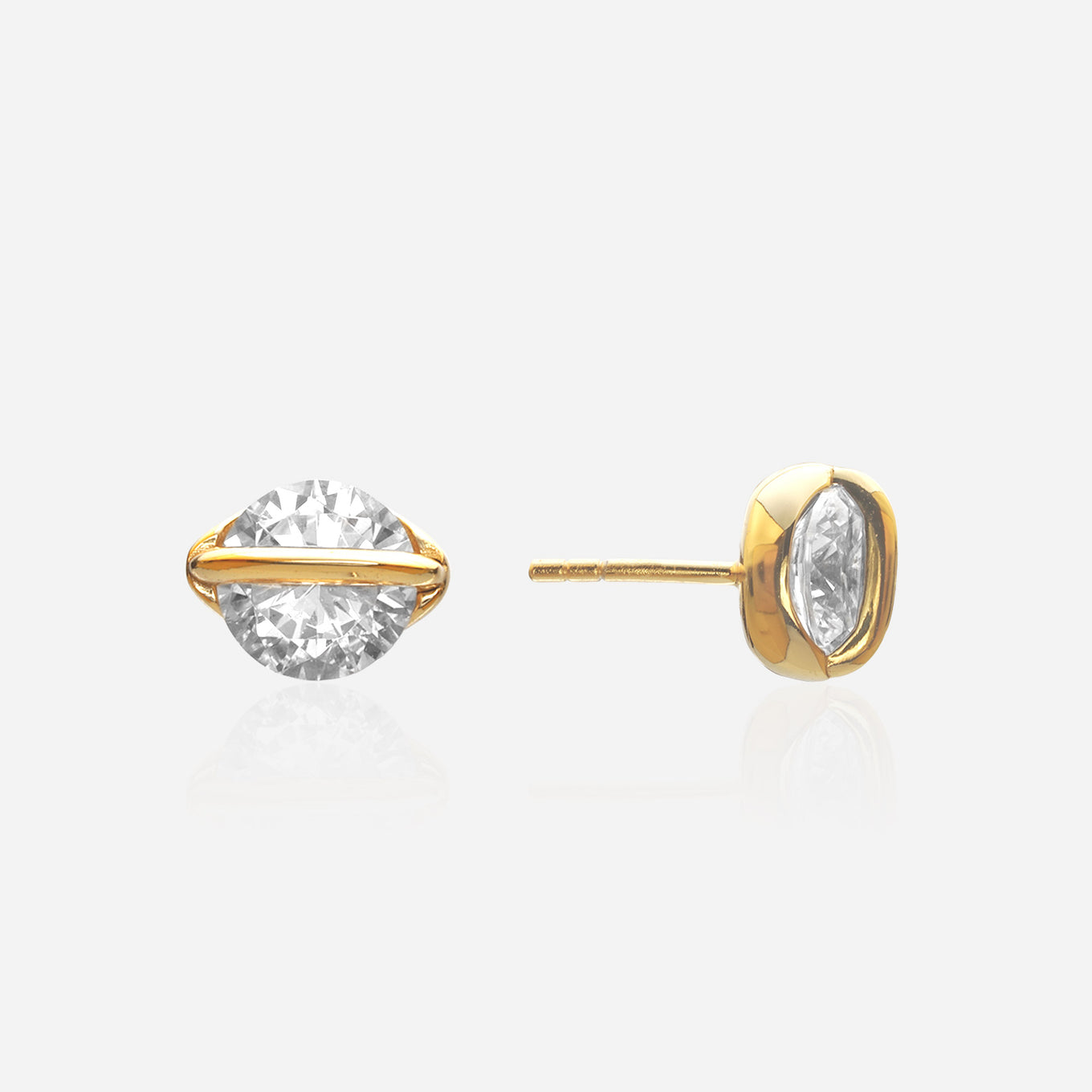
The everyday stud redefined. Hypoallergenic, nickel-free, and secure enough for active days — these are the earrings you forget you're wearing.
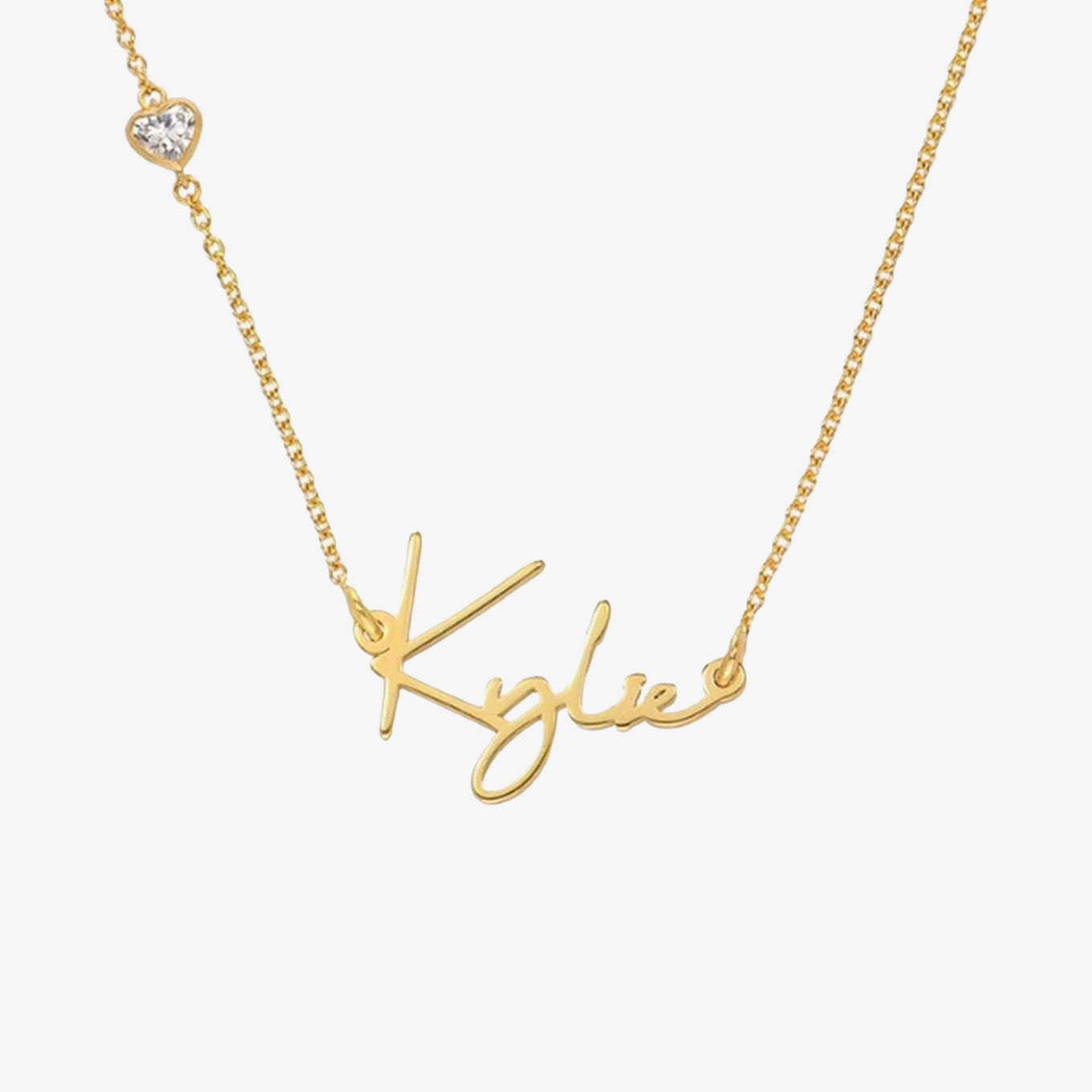
A single precision-set stone on our finest chain. Wear it to yoga, wear it to a wedding — it handles both with the same quiet confidence.
Browse All Necklaces → | Browse All Bracelets →
References & Further Reading
- Mayo Clinic — Nickel Allergy: Symptoms, Causes & Prevention. mayoclinic.org
- CDC — Healthy Swimming: Pool Chemical Safety & Water Quality Guidelines. cdc.gov/healthywater/swimming
- ASTM International — Standard Specification for Electrodeposited Coatings of Gold for Engineering Uses (ASTM B488).
- International Association of Plumbing and Mechanical Officials (IAPMO) — Pool & Spa Water Chemistry Standards.
Author: Joyce | Founder, ÉLARAMUSE
Last updated: August 2026 — This guide is continuously reviewed against the latest materials science research and pool safety standards.
Wear it. Live in it. Trust it. ✨